Living individuals or members of this group exist today. This does not mean they are safe from extinction.
Meet the red fox
The red fox has the widest range of any wild carnivore. It thrives from Arctic tundra to city centres by eating almost anything it can find.
Images of the red fox
Lifespan in the wild
Up to 5 years most die younger
Weight
3 to 14 kg
Length
45 to 90 cm
Top speed
Up to 50 km/h
Fact file
Red fox
- Location
- The whole northern hemisphere; introduced to Australia
- Habitat
- Temperate forest, Grassland, Towns and cities, Desert, Tundra
- Diet
- Omnivore
- Prey / food
- Rodents, rabbits, birds, insects, fruit
- Predators
- Wolves, coyotes, eagles, lynx
- Lifestyle
- Nocturnal and crepuscular
- Group name
- Skulk
- Name of young
- Kit or cub
- Gestation
- About 52 days
- Litter size
- 4 to 6 kits
- Biggest threat
- Hunting and road traffic
- Distinctive feature
- A white-tipped bushy tail
- Colour
- Red-orange with a white chest
- Skin type
- Fur
Size
Next to a person
Measurements
Size and speed
- Height
- 35 to 50 cm at the shoulder
- Length
- 45 to 90 cm head and body
- Tail
- 30 to 55.5 cm
- Weight
- 3 to 14 kg
- Top speed
- Up to 50 km/h
Typical adult ranges. Sources: Animal Diversity Web, Wikipedia.
Life cycle
Lifespan
- In the wildUp to 5 years most die younger
- In captivityUp to 21.3 years
- 021.3 years
Appearance
Colour and coat
- Primary colours
- redorange
- Secondary colours
- whiteblack
- Skin type
- fur
- Male and female
- Slight. Dogs are a little larger than vixens and weigh 15% to 20% more. Vixens have smaller skulls with wider nasal regions. The coat is the same in both sexes.
Life cycle
Mating and family
- Mating system
- mostly monogamous pairs, sometimes one dog with two vixens
- Social structure
- a mated pair or a small family group of up to six sharing a territory
- Breeding
- one litter a year
Red foxes mate in winter, and the vixen bears four to six kits after about 52 days. She stays in the earth with them for the first weeks while the dog brings food. The kits open their eyes at about two weeks, come out at four weeks and are weaned by seven. Older siblings often help raise them. The young disperse in autumn, and a wild fox rarely lives past 5 years.
Classification
Taxonomy
- Kingdom
- Animalia
- Phylum
- Chordata
- Class
- Mammalia
- Order
- Carnivora
- Family
- Canidae
- Genus
- Vulpes
- Species
- Vulpes vulpes
Conservation
Red List status
- LC
- NT
- VU
- EN
- CR
- EW
- EX
Least Concern on the IUCN Red List
Range
Recorded in 54 countries
- Afghanistan
- Austria
- Ashmore and Cartier Islands
- Bosnia and Herzegovina
- Belgium
- Bulgaria
- Belarus
- Canada
- Switzerland
- People's Republic of China
- Czech Republic
- Germany
- Denmark
- Algeria
- Estonia
- Egypt
- Spain
- Finland
- France
- United Kingdom
- Greece
- Croatia
- Hungary
- Ireland
- Israel
- India
- Iraq
- Iran
- Italy
- Japan
- Kyrgyzstan
- South Korea
- Kazakhstan
- Lithuania
- Luxembourg
- Latvia
- Morocco
- Mongolia
- Mexico
- Netherlands
- Norway
- Pakistan
- Poland
- Portugal
- Romania
- Serbia
- Russia
- Saudi Arabia
- Sweden
- Slovakia
- Turkey
- Ukraine
- United States of America
- Uzbekistan
Habitat layer: temperate broadleaf and mixed forest, temperate conifer forest, boreal forest and taiga, tropical grassland, savanna and shrubland, temperate grassland, savanna and shrubland, tundra, desert and xeric shrubland.
Countries from 99,211 wild records on GBIF (iNaturalist research grade), filtered and checked by hand. Country shapes: Natural Earth. Habitat: RESOLVE Ecoregions 2017, CC BY 4.0. Basemap: Natural Earth.
Habitats
Three things to know
- 1
A red fox can hear a mouse under 10 cm of snow and pounce on it.
- 2
Foxes cache surplus food and return to it later.
- 3
The tail helps with balance and doubles as a blanket in winter.
Did you know
Seven more facts
- 1
A fox's tail gland smells of violets.
- 2
A fox can jump a fence 2 metres high.
- 3
Urban foxes get 35% of their food from people, and they grow larger than country foxes.
- 4
Foxes bury spare food and mark empty caches with urine so they do not waste time digging them up again.
- 5
Australia held over 7.2 million foxes by 2012, all descended from animals released for hunting.
- 6
Russian scientists bred tame silver foxes in about 10 generations, and some grew floppy ears like dogs.
- 7
iNaturalist holds 156,052 observations of the red fox, and GBIF has records from 101 countries.
Field notes
How it looks and acts
Field notes
Distinguishing features
- A rusty red coat with a white chest and throat.
- Black lower legs and black backs to the ears.
- A bushy tail of 30 to 55.5 centimetres, usually tipped white.
- A slender pointed muzzle with a white upper lip.
- Yellow eyes with upright oval pupils, like a cat's.
- A shoulder height of only 35 to 50 centimetres on a long low body.
Field notes
Unique adaptations
- Ears that pinpoint a mouse under snow or grass to within one degree.
- A bushy tail that steers a pounce in mid-air and wraps the nose as a blanket in winter.
- Short dense fur on the head and lower legs that acts as thermal windows to shed or keep heat.
- Light limb bones, 30 percent lighter than a dog's, for a fast, springy gait.
- A diet of more than 300 animal species plus fruit, so it can live anywhere from tundra to city.
Field notes
Interesting behaviours
- Hunts alone before sunrise and after sunset, and rests in cover by day.
- Pounces on mice from a standing leap with its front paws.
- Caches surplus food and returns to it later.
- Marks its territory with urine in up to 12 different postures.
- Keeps kits in an earth for 4 to 5 weeks, fed by both parents and older siblings.
Field notes
Temperament
- Wary and secretive, but bold enough to live beside people in cities.
- Possessive of food, defending a catch even from a dominant fox.
- Harmless to people, though it will fight terriers to defend its kits.
- Playful, with kits that wrestle and adults that sunbathe on shed roofs.
Field notes
Communication
- Barks a three to five syllable wow wow wow when two foxes meet.
- Screams in winter, a call thought to be a vixen summoning a mate.
- Gekkers, a throaty rattle, during fights and rejected courtship.
- Signals mood with ears, tail and posture, from a playful stand on the hind legs to a fearful grin.
- Leaves scent from urine, droppings, anal sacs and a violet-scented tail gland.
Ecology
Ecological role
The red fox is a small predator and scavenger that keeps rodent and rabbit numbers down across the Northern Hemisphere.
- Eats voles, mice and rabbits by the hundred, which holds their numbers in check.
- Spreads seeds by eating fruit and passing the pips.
- Cleans up carrion, from deer carcasses in winter to roadkill in towns.
- In Australia it is a destructive alien predator that has pushed native mammals toward extinction.
Stories
Myths and legends
- In Japanese tradition, the kitsune is a fox spirit that can take human form and grows more powerful with age.
- In Chinese tradition, the huli jing is a fox spirit that may grow nine tails.
- In medieval European tradition, Reynard the Fox outwits the wolf and the lion by trickery.
- In Greek tradition, the Teumessian fox was destined never to be caught.
- In Yurok tradition, Fox captured the Sun and tied it to a hill.
People
Relationship with humans
People
Living alongside us
People have hunted the red fox for sport since ancient Greece and for fur for centuries. It remains one of the most important fur animals. Farmers kill it as a pest, and hundreds of thousands die each year in Europe alone. It has moved into cities across the world, where it raids bins and delights some residents. In Australia it is a destructive invader. Russian scientists have bred a tame form of the silver fox.
- The red fox is too small to threaten a person and avoids people.
- It is the main carrier of rabies in Europe and can pass the disease to people and pets.
- It will take poultry, rabbits and guinea pigs left in open runs.
People
Status, uses and products
- Domestication
- Wild
- As a pet
- Not suitable. A wild-caught fox grows fearful of strangers at 10 weeks, chews leather and cables and never loses the urge to kill birds. Only the Russian domesticated silver fox is truly tame, and even that needs a large enclosure and a keeper it knows.
- Uses
- fur farmingfox huntingpest control of rodents
- Products
- fur
The full account
About the red fox
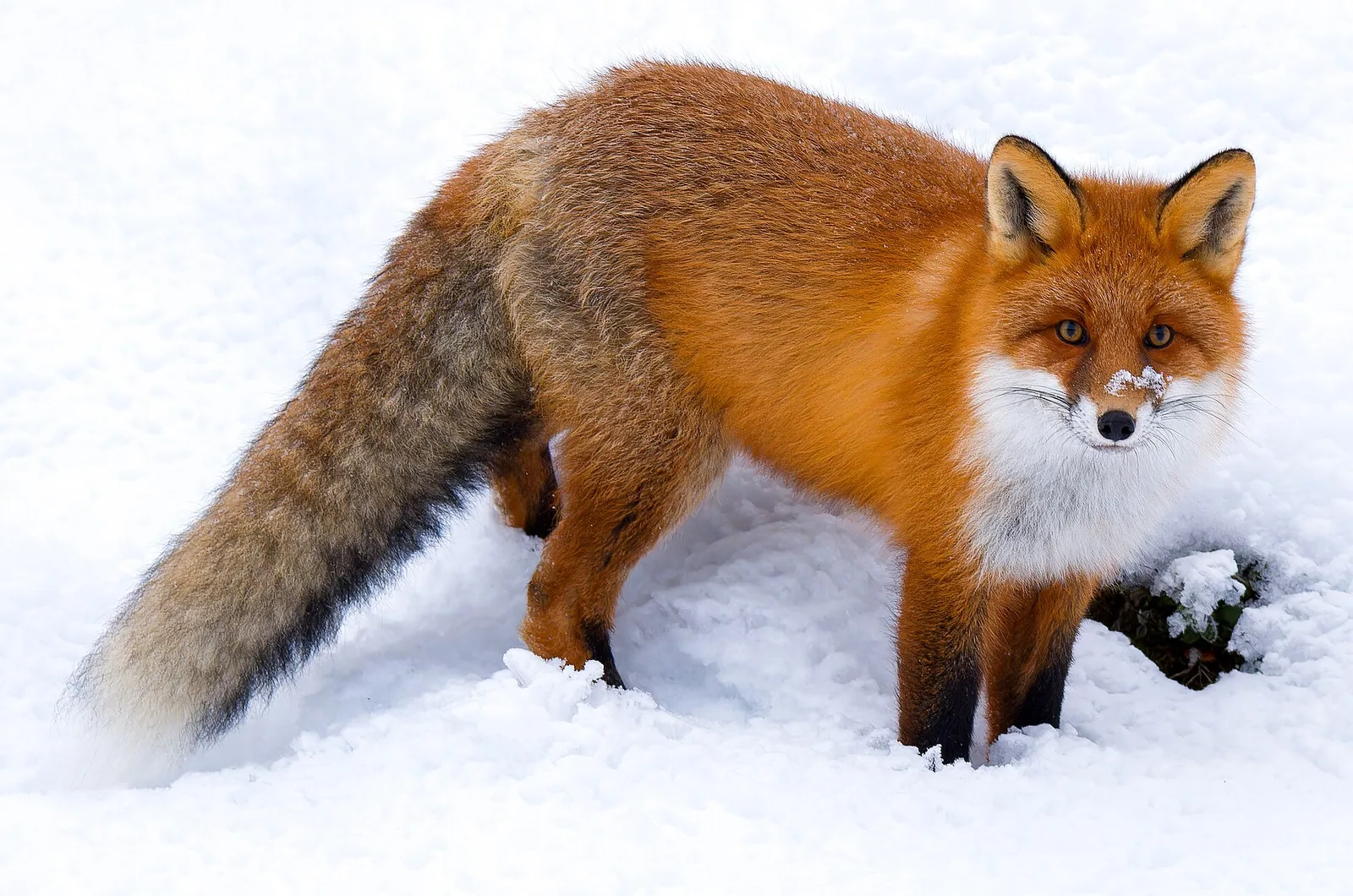
Vulpes vulpes, the red fox, is the biggest true fox and the most widespread wild carnivore in the world. It lives across the whole Northern Hemisphere, from the Arctic Circle to North Africa, and it has been introduced to Australia. A fox has a long body on short legs, a pointed muzzle, large upright ears and a bushy tail that reaches the ground. Adults weigh 3 to 14 kilograms and measure 45 to 90 centimetres from nose to rump. The coat is usually rusty red with a white chest, black legs and a white tip to the tail.
The red fox eats almost anything: voles, mice, rabbits, birds, beetles, earthworms, fruit, carrion and human leftovers. That flexible diet lets it thrive in forest, tundra, desert, farmland and city suburbs. It hunts alone, mostly at dusk and by night, and it lives in small family groups that share a territory. The IUCN lists the species as Least Concern. People have hunted it for centuries as a pest and for its fur, and in Australia it is one of the worst invasive species.
Name and taxonomy
The word fox comes from Old English and, further back, from an ancient root that meant thick-haired or tail. The Welsh name llwynog means bushy, and the Portuguese raposa comes from rabo, a tail. A male is a dog or tod, a female a vixen, and the young are kits or cubs. A family group is called a skulk or a leash.
Carl Linnaeus described the red fox in 1758, and the type locality was later fixed at Uppsala in Sweden. Mammal Species of the World lists 45 subspecies, and a 46th, the Sacramento Valley red fox, was added in 2010. They fall into two kinds: large, bright northern foxes and small grey foxes of the Asian and North African deserts. Its nearest relative is Rüppell's fox of the Sahara, which sits inside the red fox line in mitochondrial DNA.
Evolution and relatives
The red fox arose in Eurasia, from either Vulpes alopecoides or the Chinese V. chikushanensis. The oldest fossils come from Baranya County in Hungary and date from 3.4 to 1.8 million years ago. The modern species is at least 400,000 years old, and its earliest bones turn up in the rubbish heaps of early human camps. People probably hunted it for meat and fur, and the fox probably scavenged their leftovers in return.
Red foxes reached North America in two waves, the second about 130,000 years ago. American foxes have been cut off from Old World foxes for over 400,000 years. Two refuges survived the last ice age there: one in Alaska and western Canada, and a mountain one from the Rockies to the Sierra Nevada.
Appearance
The red fox stands 35 to 50 centimetres at the shoulder and measures 45 to 90 cm in head and body. The tail adds 30 to 55.5 cm, about 70 percent of the body length, and brushes the ground when the fox stands. Adults weigh 3 to 14 kilograms, and vixens weigh 15% to 20% less than dogs. The largest fox on record in Britain was 1.4 metres long and 17.2 kg, killed in Aberdeenshire in 2012. Northern foxes are big and bright, while desert foxes are small with longer legs and bigger ears.
The typical coat is bright rusty red with yellow tints, darker along the spine and mottled silver on the lower back. The chin, throat and chest are white, the paws black, and the backs of the ears black. The tail is red above, pale below and tipped with white, with a black spot at its base over a scent gland. The eyes are yellow in adults, with oval pupils that stand upright like a cat's. The winter coat is long, dense and silky, and the American foxes have the finest fur.
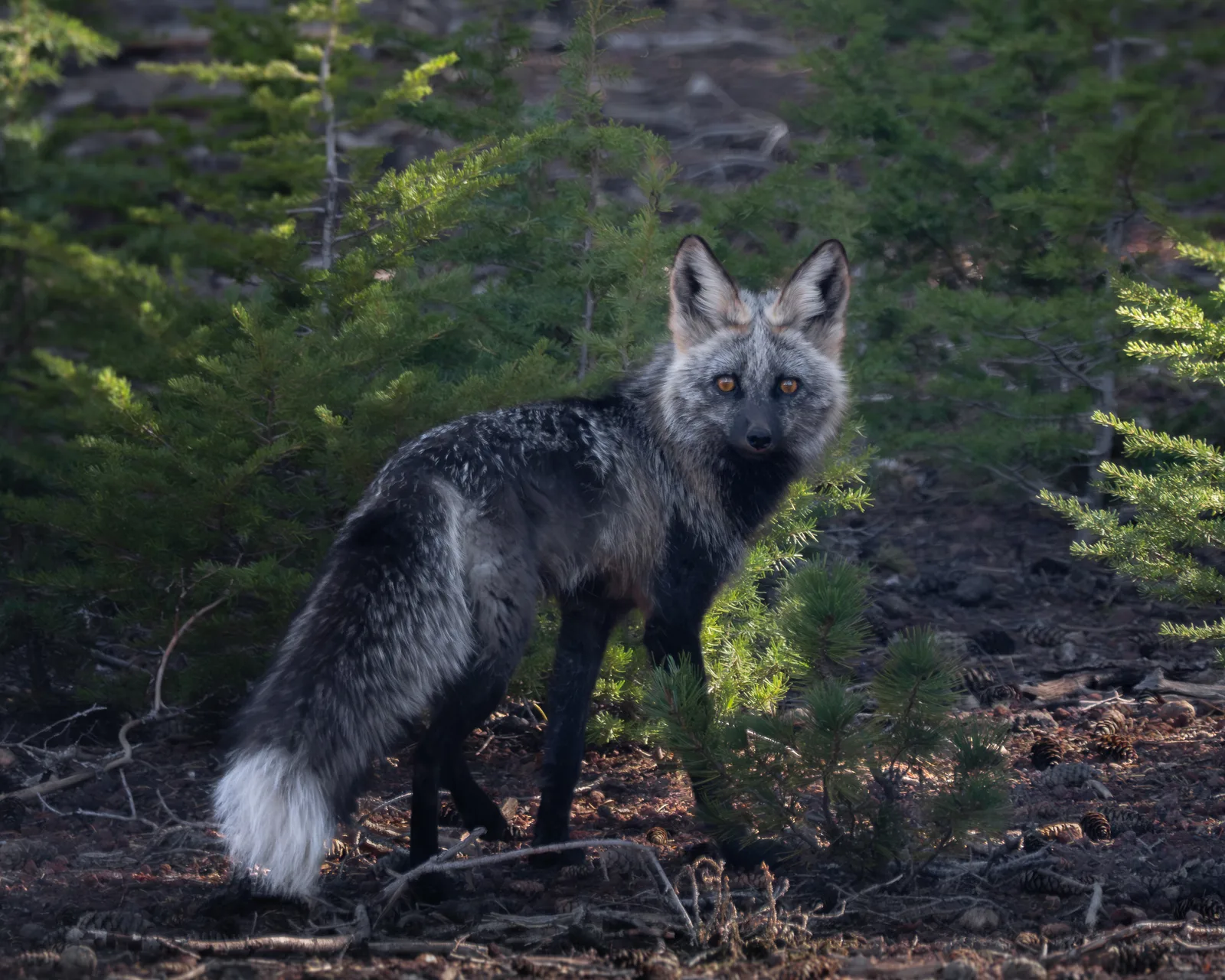
Three colour forms occur in the wild: red, cross and silver. A cross fox carries one black stripe along the spine and a second over the shoulders, and makes up about 25% of foxes. A silver fox is nearly black with silver tips and makes up about 10%, and furriers prize it most.
Habitat and range
The species occupies close to 70,000,000 square kilometres, a larger area than any other wild carnivore holds. It lives across Europe, Asia outside the far southeast, North Africa north of the Sahara, and North America outside the southwest and Mexico. It does not live on the Arctic islands, in the far north of Siberia or in the harshest deserts. GBIF holds records from 101 countries and more than two million occurrences, though that count includes escapes and introductions.
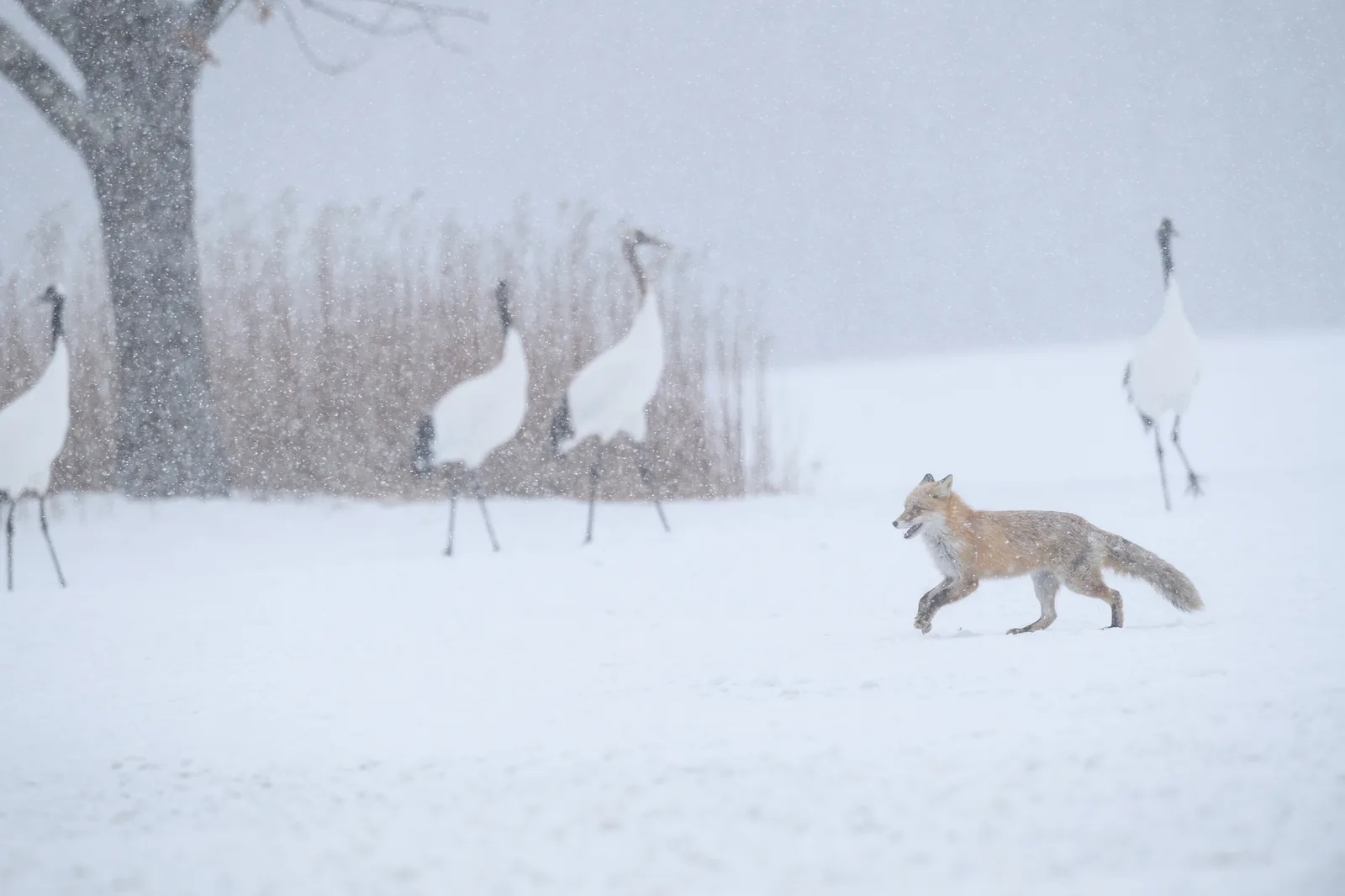
The fox likes a mix of habitats: edges, scrub and woodland beside open fields. It also lives on tundra, moorland, mountains, dunes, deserts and farmland. Since the 1930s it has moved into cities, first in Britain, then across Europe, Japan, North America and Australia. Urban foxes do best in low-density suburbs with gardens, where a home range covers only 25 to 40 hectares. Britain's urban foxes rose from about 33,000 in 1995 to 150,000 in 2017.
British settlers released foxes in Australia in the 1830s and 1840s so they could hunt them. By 2012 there were more than 7.2 million across the mainland. They never took hold in Tasmania, probably because the Tasmanian devil outcompeted them.
Diet and hunting
The red fox is an omnivore with one of the widest diets of any mammal. It takes more than 300 kinds of animal: voles, mice, gerbils, squirrels, rabbits, hares, game birds, songbirds, reptiles, beetles and worms. Its usual prey weighs up to 3.5 kilograms, and it needs about 500 grams of food a day. In autumn fruit can make up the whole diet: blackberries, cherries, apples, plums, grapes and acorns. Human food makes up 35% of an urban fox's diet against 6% for a country fox.
The fox hunts alone, mostly in the hours before sunrise and after sunset. It finds a mouse by sound, freezes, then leaps high and comes down on the spot with its front paws. It can land on a target up to 5 metres away and steers in mid-air with its tail. It can hear a mouse squeak at 100 metres and pinpoint the sound to within one degree. Foxes hunting under snow or long grass seem to line up with the Earth's magnetic field, which may improve their aim.
A fox buries surplus food and remembers where, and it marks empty caches with urine so it does not dig them up again. It sometimes kills far more than it can eat. In one breeding season four foxes killed around 200 black-headed gulls each on dark, windy nights.
Behaviour and social life
Red foxes do not form packs, but they are not solitary either. The basic unit is a mated pair. A group of up to six may share a territory: one dog and two to five vixens, usually related. Where food is rich and hunting light, one to eight subordinates may stay, mostly last year's young. These helpers guard, groom, feed and play with the breeding vixen's kits. A young fox leaves when it has a good chance of winning ground of its own, and otherwise waits a year.
Home ranges run from 5 to 12 square kilometres in good country and 20 to 50 in poor country. Both sexes mark with urine, the dog with a raised leg and the vixen squatting, using up to 12 postures. Young foxes disperse in their first autumn, some only 10 kilometres and some almost 400. A fox can jump a 2 metre fence, swims well and trots at 6 to 13 kilometres per hour.
Outside the breeding season most foxes sleep in the open in thick cover and use a burrow only in bad weather. The earth is dug in well-drained soil on a slope or riverbank, often taken over from a rabbit, badger or marmot. A main passage can run 17 metres, though 5 to 7 is usual, and the den lies 0.5 to 2.5 metres down.
Communication and senses
Foxes have a wide vocal range across five octaves, with 12 adult calls and 8 kit calls identified. The commonest is a bark of three to five syllables, written as wow wow wow, given by two foxes approaching each other. A long drawn-out scream in winter is thought to be a vixen calling for a mate. Rivals make a rattling throaty sound called gekkering, and a submissive fox gives a siren-like shriek. Each fox has its own voice, and captive foxes answer recordings of their pen-mates but not of strangers.
Body language uses the ears, the tail and the whole posture, and the coat markings make the signals plain. A frightened fox grins, arches its back, crouches and lashes its tail with its ears flat. Scent comes from urine, droppings, anal sacs, a tail gland that smells of violets, and glands on the feet and lips. Sight reacts mainly to movement, hearing is acute, and smell is good but weaker than a scent hound's.
Reproduction and life cycle
Red foxes breed once a year, in winter: December to January in the south and February to April in the far north. The vixen is in heat for 1 to 6 days, and dogs fight over her. Mating ties the pair together for 15 to 20 minutes or more, often in a burrow. Most pairs are monogamous, but a dog may hold two vixens, and DNA from one population showed mixed litters and incest. Gestation lasts about 52 days, within a range of 49 to 58.
A litter holds four to six kits as a rule, and up to 13 where foxes die young. Kits arrive blind, deaf and toothless, covered in dark brown fluff, and weigh 56 to 110 grams. The vixen stays with them for 2 to 3 weeks because they cannot keep warm alone, and the dog brings her food. Their eyes open at 13 to 15 days, blue at first and amber by 4 to 5 weeks.
Kits leave the den and try solid food at 3 to 4 weeks, and suckling ends at 6 to 7 weeks. By 3 to 4 months they are long-legged and lean, and by 6 to 7 months they have adult proportions. Some vixens breed at 9 to 10 months and have their first litter at one year. A wild fox rarely lives past 5 years, and many die in their first year, while the captive record is 21.3.
Predators and threats
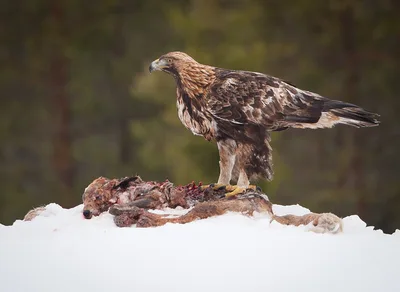
Golden eagles regularly take young foxes and sometimes adults, and eagle-owls and snowy owls take kits. Wolves kill and eat foxes in disputes over carcasses, and coyotes drive them off their ground. Eurasian lynx chase foxes into deep snow and kill them, and cougars, bobcats, leopards and caracals do the same elsewhere. Striped hyenas kill foxes that tease them, and wolverines take foxes asleep near carrion. Most foxes taken by predators are kits, which the family keeps close to the den.
The red fox is the main carrier of rabies in Europe. The mange mite is its worst parasite: a fox loses its fur and half its weight and dies within about four months. Foxes carry tapeworms including Echinococcus, roundworms, lungworms and up to 20 kinds of helminth in the wild.
People kill more foxes than anything else does. Germany alone killed about 600,000 in a year around 2000, Sweden and Austria 58,000 each, and Britain 21,500 to 25,000. None of this threatens the species, which grows back as fast as it is cut.
Population and conservation
The IUCN Red List rates the red fox Least Concern, and its numbers are stable or rising almost everywhere. Density varies hugely: about 3 foxes per square kilometre in the Swiss mountains and up to 30 in some British cities. Most countries treat it as a pest with no protection, though hunting seasons and trapping methods are regulated. Three Indian subspecies sit on CITES Appendix III, which controls their trade.
iNaturalist holds 156,052 observations of the species, more than for almost any other mammal. In Australia the problem runs the other way: the fox is listed among the world's 100 worst invasive species. It has driven declines in bettongs, bilbies, numbats, quokkas and other small ground mammals, many of which now survive only on fox-free islands. States pay bounties and run baiting programmes, but the fox's burrows and night habits make it hard to remove. When foxes reached Tasmania in 1999 or 2000, the state launched an eradication programme at once.
Relationship with humans
People have hunted foxes since at least the 4th century BC, when Alexander the Great rode after them. A Persian seal of 350 BC shows a horseman spearing a fox, and the Romans hunted them by AD 80. In England, Edward I kept a royal pack of foxhounds by the late 1200s, and by the Renaissance the nobility hunted foxes for sport. Virginia planters imported English foxes in 1730 because they gave a longer chase than the native grey fox.
Few animals matter more to the fur trade than the red fox. In 1985 to 1986 the trade handled 1,543,995 wild fox pelts, and foxes made up 45% of American wild-caught fur. More foxes are raised on fur farms than any other wild fur-bearer. Foxes take lambs now and then, mostly weak ones or twins, and they kill rabbits and guinea pigs left in open runs.
Urban foxes raid bins, dig up gardens and steal chickens, and complaints peak in the spring breeding season. Killing them achieves little, because new foxes fill the empty territory within months. A wild fox makes a poor pet: it grows fearful of strangers at 10 weeks, chews cables and never loses the urge to kill birds. In Russia, Dmitry Belyayev bred silver foxes for tameness over 40 years. After about 10 generations they wagged their tails and licked their keepers, and some grew floppy ears and piebald coats like dogs.
In culture and myth
Almost every culture that knows the fox calls it cunning. In Greek myth the Teumessian fox was a giant beast fated never to be caught. In Celtic tradition the fox is a symbolic animal, and in the Cotswolds witches were said to turn into foxes to steal butter. Reynard the Fox, the trickster of medieval Europe, first appeared in the poem Ysengrimus in 1150 and in the Roman de Renart in 1175.
Japanese folklore has the kitsune, a fox spirit whose powers grow with age and which can take human form. Some kitsune trick people, while others are loyal guardians, friends and wives. China has the huli jing, which may grow up to nine tails, and Korea the kumiho. Arab folklore makes the fox a coward that plays dead to lure prey close.
In Native American stories Fox is Coyote's companion and a thief who steals his food. The Achomawi say Fox and Coyote made the world together and left just before people arrived. In a Yurok tale Fox caught the Sun in a rage and tied it to a hill, where it burned a hole in the ground. An Inuit story tells of a fox who became a beautiful woman, married a hunter and left when he offended her. Modern spirit-animal writing makes the fox stand for adaptability and cleverness, which seems to be a recent gloss on the old tales.
A sentence with a dotted underline is inferred: it describes the group the animal belongs to, or is a reading of the sources, rather than a measured or reported fact about this species.
Questions
Red fox questions, answered
How big is a red fox?
A red fox stands 35 to 50 centimetres at the shoulder and measures 45 to 90 cm in head and body. The tail adds 30 to 55.5 cm. Adults weigh 3 to 14 kilograms. It is the largest of the true foxes.
What do red foxes eat?
Almost anything. Mice, voles, rabbits, birds, eggs, beetles and earthworms make up most of the diet, with fruit in autumn and carrion in winter. Urban foxes get about a third of their food from bins and hand-outs. A fox needs about 500 grams a day.
Are red foxes endangered?
No. The IUCN lists the red fox as Least Concern, and it is one of the most widespread wild mammals on Earth. Only a few local subspecies, such as the Sierra Nevada red fox, are rare.
Where do red foxes live?
Across the whole Northern Hemisphere: Europe, most of Asia, North Africa, Canada and most of the United States. They were introduced to Australia in the 1830s. They live in forest, grassland, tundra, desert, farmland and cities.
How long do red foxes live?
A wild fox rarely lives past 5 years, and many die in their first year from hunting, traffic and disease. In captivity the record is 21.3 years.
Do foxes live in packs?
No. A fox hunts alone, but it lives in a small family group that shares a territory. The group is a mated pair, sometimes a second vixen, and often last year's young who help raise the kits.
Why do foxes scream at night?
The long scream heard in winter is thought to be a vixen calling for a mate. Foxes also bark a three-syllable wow wow wow when they meet, and rivals make a rattling sound called gekkering.
How fast can a fox run?
A red fox trots at 6 to 13 kilometres per hour and can sprint at up to 50 km/h. It can also jump a 2 metre fence and swim well.
How many kits does a fox have?
Usually four to six, born in spring after a gestation of about 52 days. Litters of up to 13 occur where many foxes die young. Kits are blind and deaf at birth and weigh 56 to 110 grams.
Are foxes dangerous to humans?
No. A red fox is too small to threaten a person and keeps away. The real risk is rabies, which foxes carry in parts of Europe and Asia, so never touch a sick or tame-acting wild fox.
Do foxes attack cats?
Rarely. Urban foxes often feed beside cats, and in a fight the cat usually wins. The few cats killed by foxes are mostly kittens. Foxes do take rabbits and guinea pigs left in open runs.
Why are there so many foxes in cities?
Suburbs with gardens give foxes food, cover and no hunting. British cities went from about 33,000 foxes in 1995 to 150,000 in 2017. Urban foxes get 35% of their diet from human food and grow larger than country foxes.
Can you keep a fox as a pet?
A wild fox makes a poor pet. It grows fearful of strangers at 10 weeks, chews cables and leather and never stops hunting birds. Only the Russian domesticated silver fox is tame, after 40 years of selective breeding.
What is a silver fox?
A silver fox is a red fox with a black coat tipped with silver. About 10% of wild foxes carry this colour, and furriers prize it most. A cross fox, marked by dark stripes along the spine and over the shoulders, makes up about 25%.
Why is the fox a problem in Australia?
British settlers released foxes for hunting in the 1830s and 1840s. With no natural enemies they spread across the mainland, and by 2012 there were over 7.2 million. They have wiped out or reduced bettongs, bilbies, numbats and quokkas.
How does a fox catch a mouse under snow?
It listens, freezes, then leaps high and drops on the mouse with its front paws. It can hear a squeak at 100 metres and land up to 5 metres away. Foxes seem to line up with the Earth's magnetic field to improve their aim.
Food web
Prey and food
- rodents
- rabbits
- birds
- insects
- fruit
 Platypus
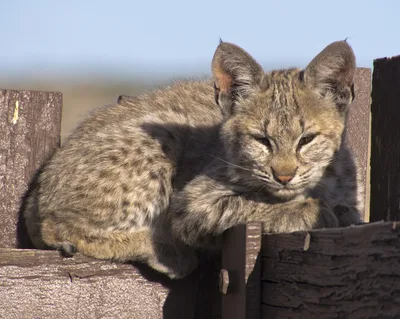 Bobcat
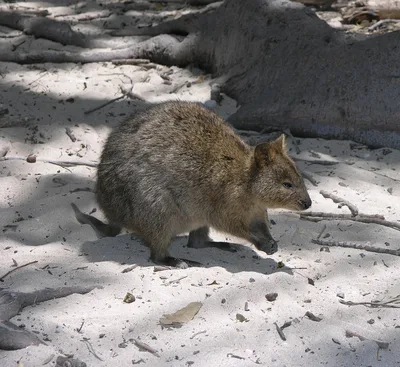 Quokka
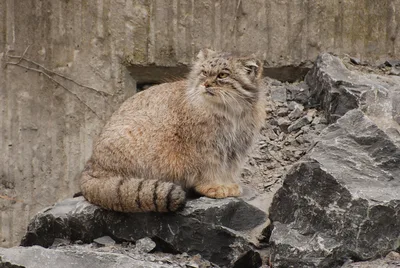 Pallas's cat
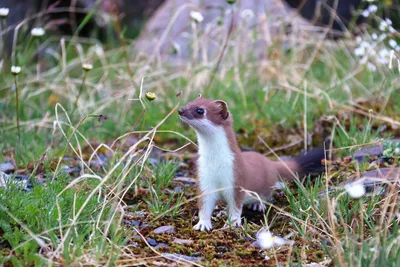 Stoat
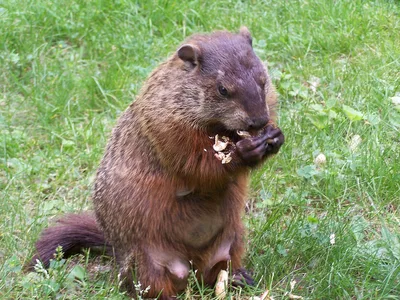 Groundhog
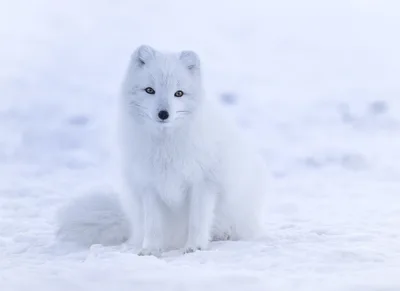 Arctic fox
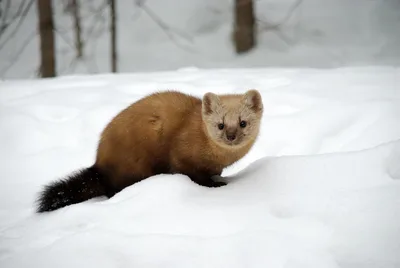 Sable
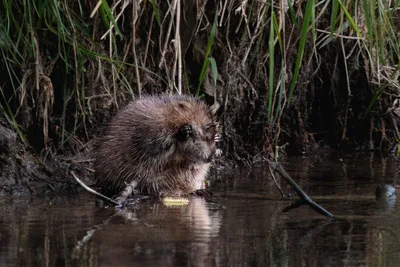 Muskrat
 European pine marten
 Common raccoon dog
 Red squirrel
 Brown rat
 Roe deer
 Eastern gray squirrel
 House mouse
 Virginia opossum
 Least weasel
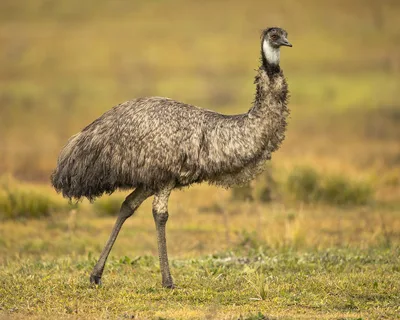 Emu
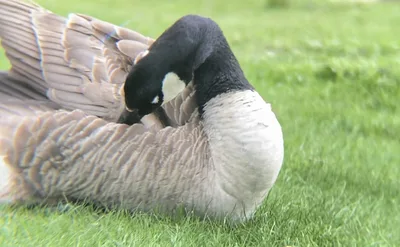 Canada goose
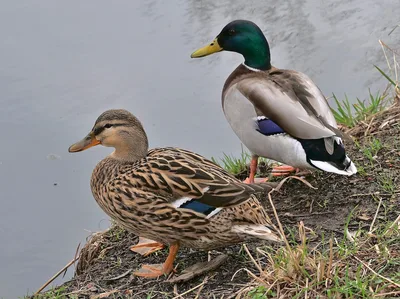 Mallard
 Passenger pigeon
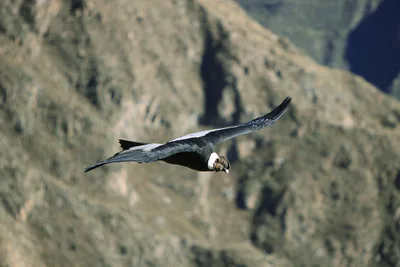 Andean condor
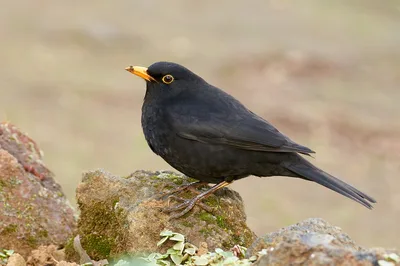 Common blackbird
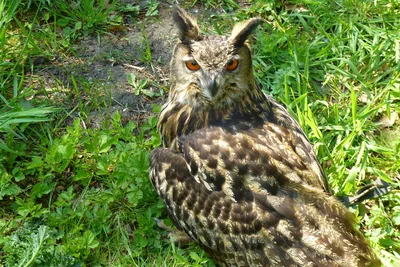 Eurasian eagle-owl
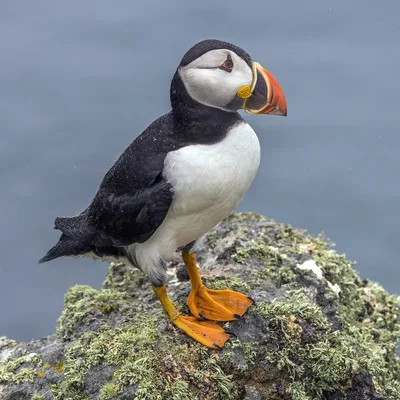 Atlantic puffin
 Muscovy duck
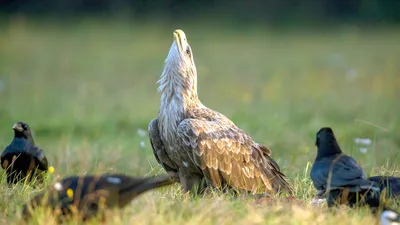 White-tailed eagle
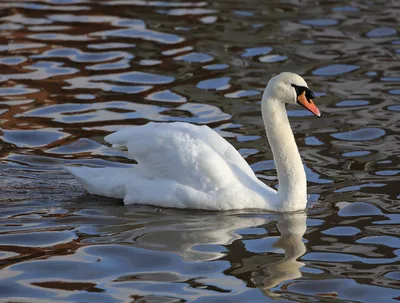 Mute swan
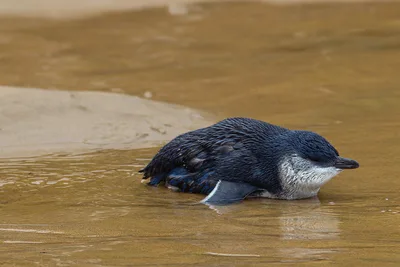 Little penguin
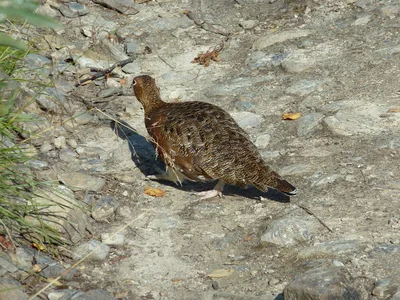 Willow ptarmigan
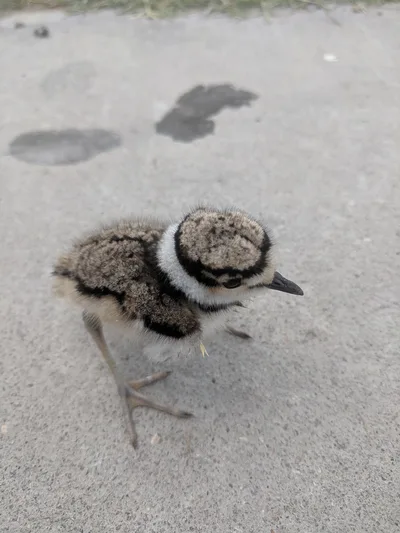 Killdeer
 Grey heron
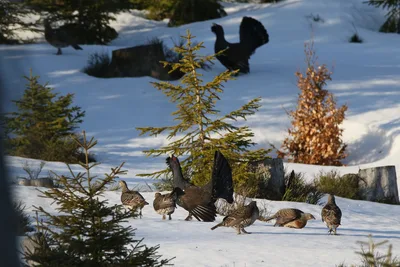 Western capercaillie
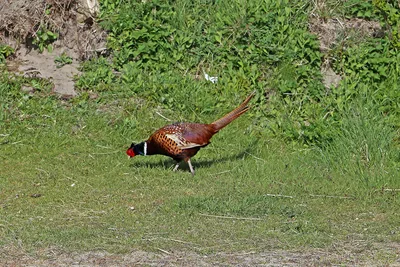 Common pheasant
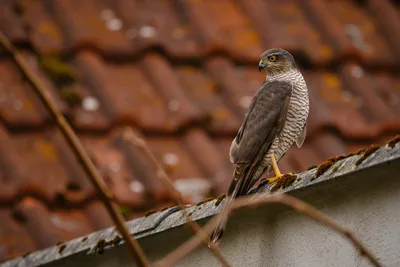 Eurasian sparrowhawk
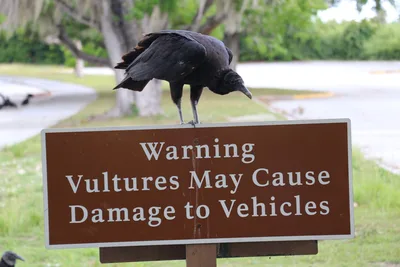 Black vulture
Food web
Predators
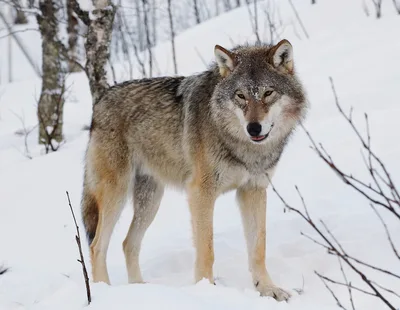 Gray wolf
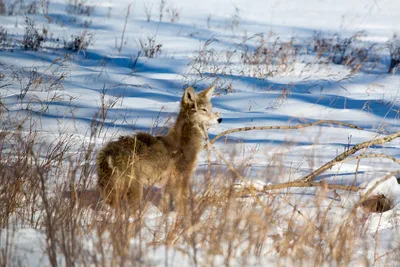 Coyote
- eagles
- lynx
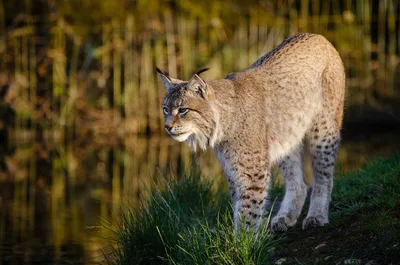 Eurasian lynx
 Golden eagle
Ecological equivalents
Related species on this site
Arctic fox (same genus), Cross Fox (same genus), Fennec fox (same genus), Kit Fox (same genus), Marble Fox (same genus), Tibetan Fox (same genus), and more.
- LC
Mammals
Arctic fox
Vulpes lagopus
The Arctic fox is a small fox of the tundra with the best insulating fur of any mammal.
Living 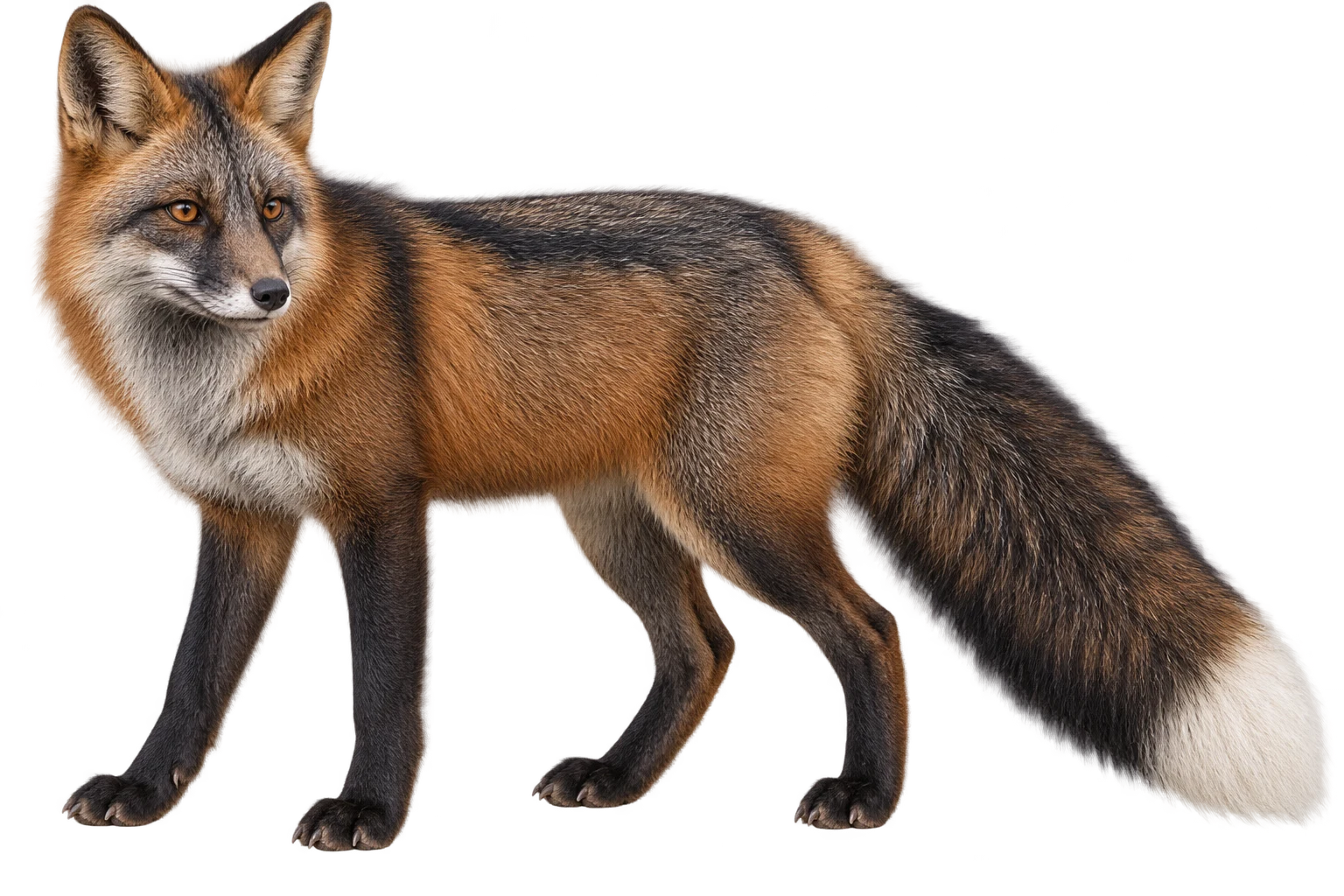
Mammals
Cross Fox
Vulpes vulpes
Classification and source reference
LivingAI illustration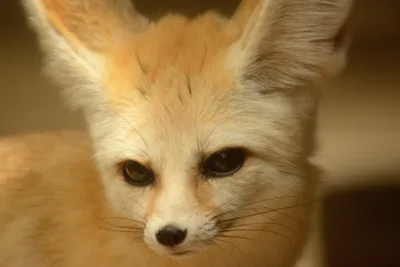 LC
Mammals
Fennec fox
Vulpes zerda
The fennec fox is the smallest canid, a cream-coloured fox of the Sahara with enormous ears that shed heat and hear prey under the sand.
Living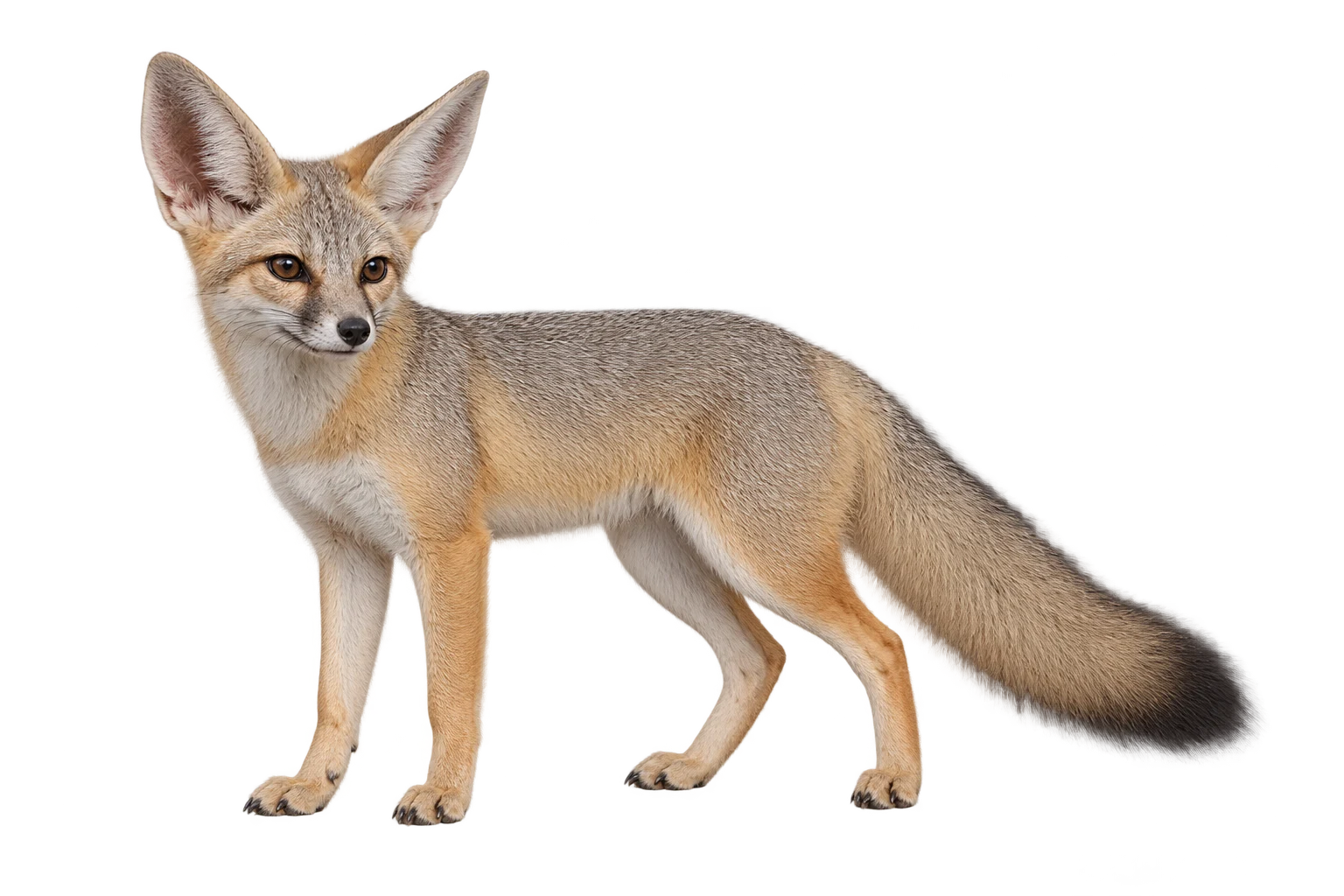
Mammals
Kit Fox
Vulpes macrotis
Classification and source reference
LivingAI illustration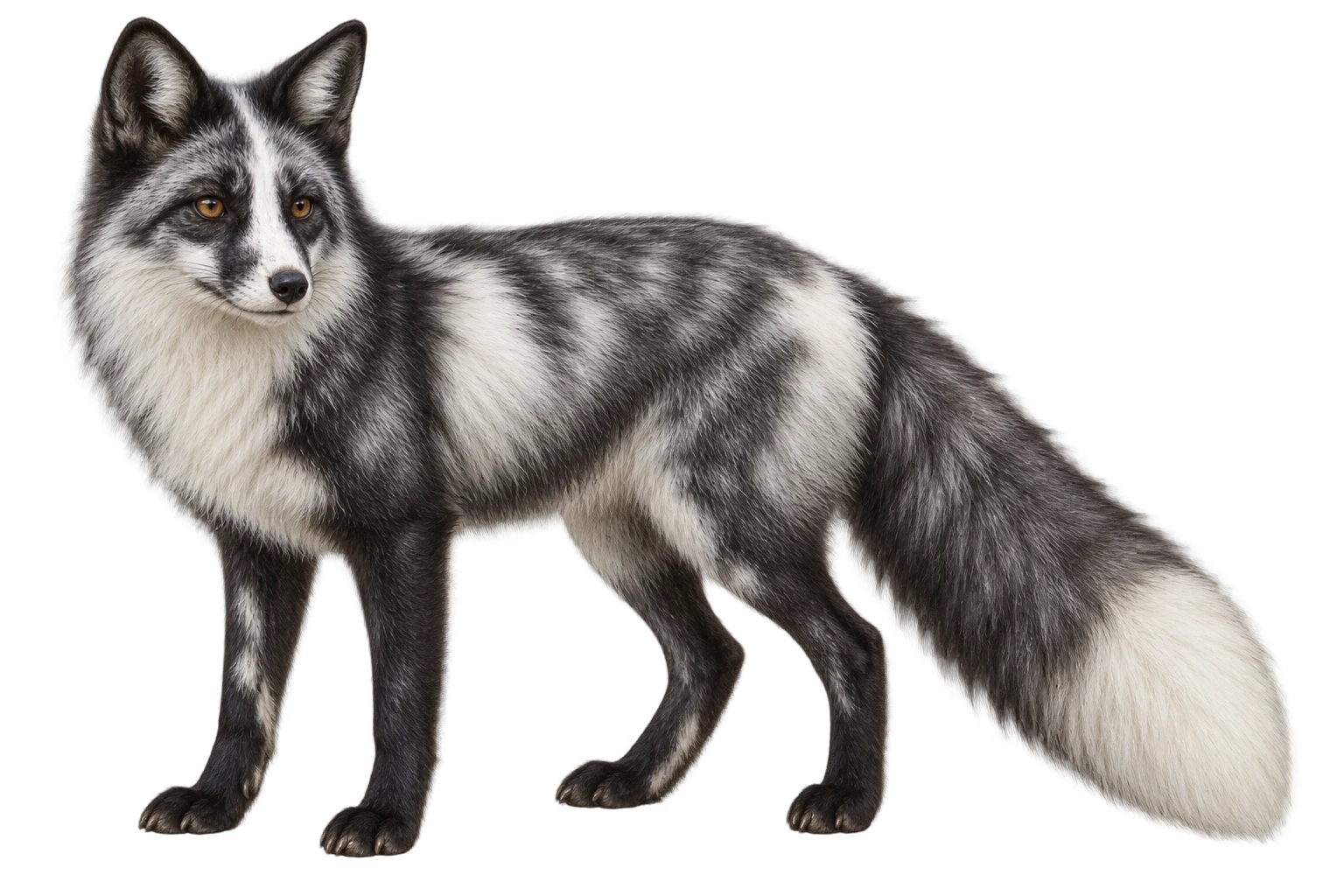
Mammals
Marble Fox
Vulpes vulpes
Classification and source reference
LivingAI illustration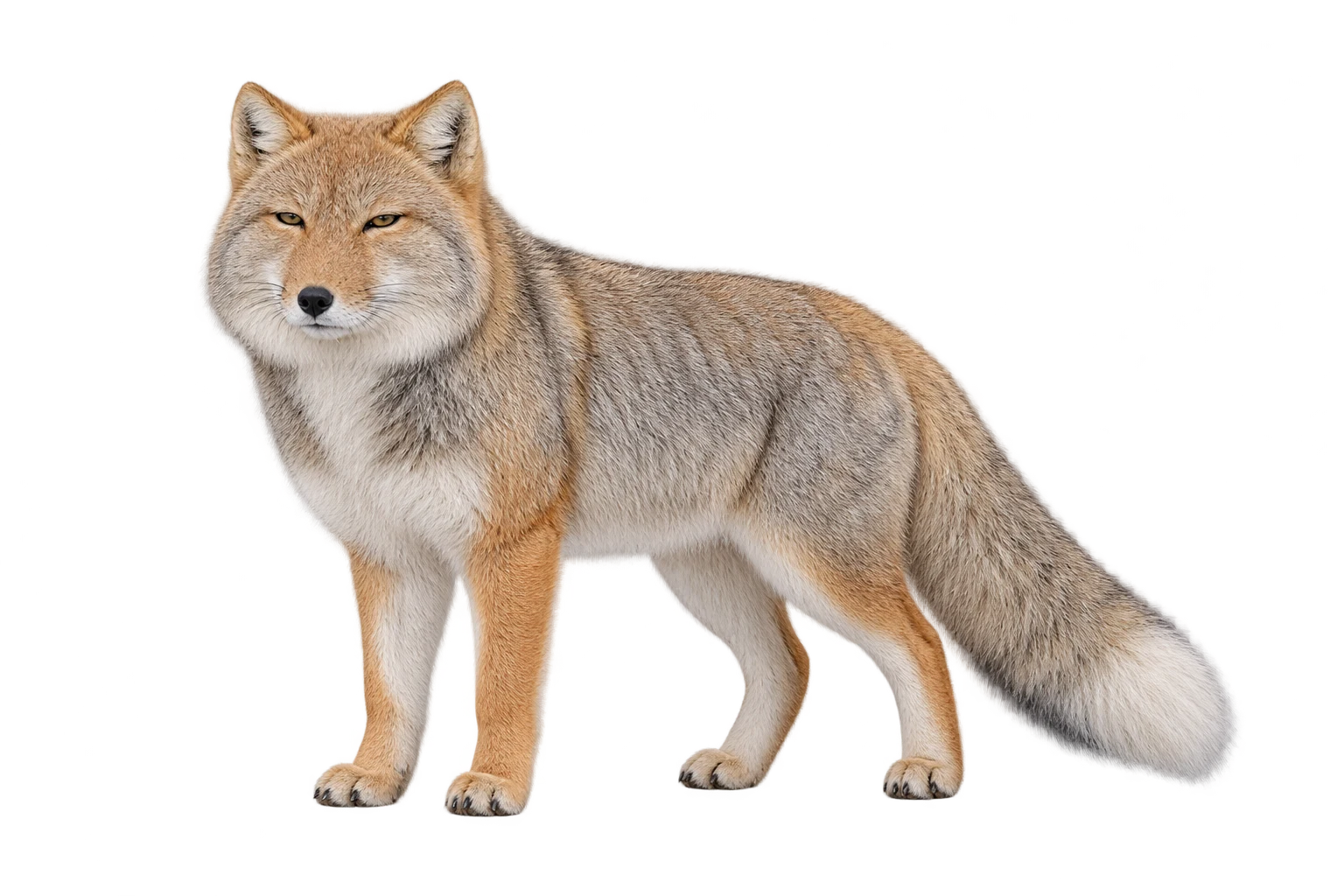
Mammals
Tibetan Fox
Vulpes ferrilata
Classification and source reference
LivingAI illustration