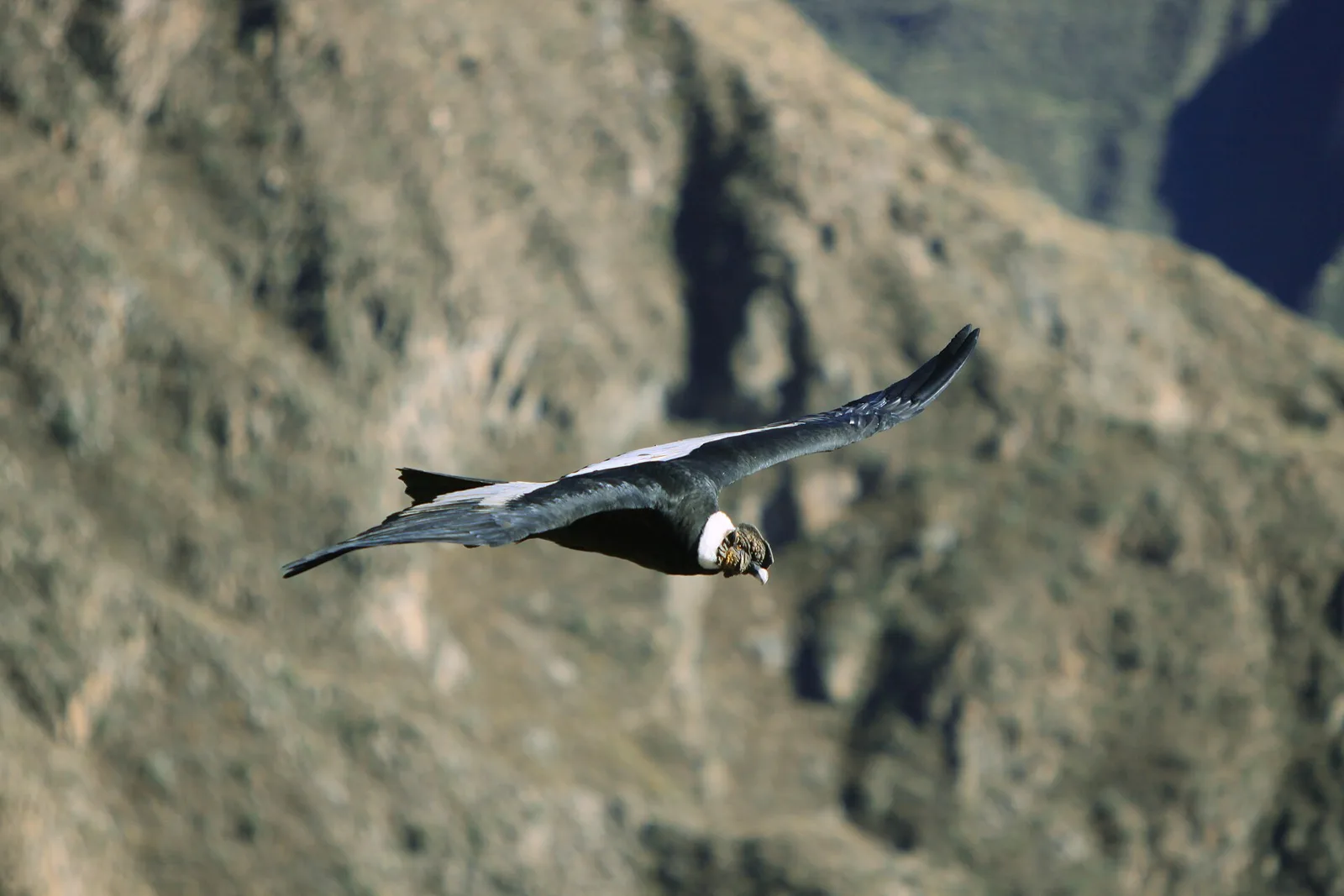
Andean condor
The heaviest soaring bird of the high Andes
Vultur gryphus
Also called Condor, Peruvian condor, Argentinean condor
Living individuals or members of this group exist today. This does not mean they are safe from extinction.
Meet the andean condor
The Andean condor is a huge black vulture of the Andes and the Pacific coast of South America. It soars for hours on rising air, feeds on carcasses, and is one of the longest-lived birds known.
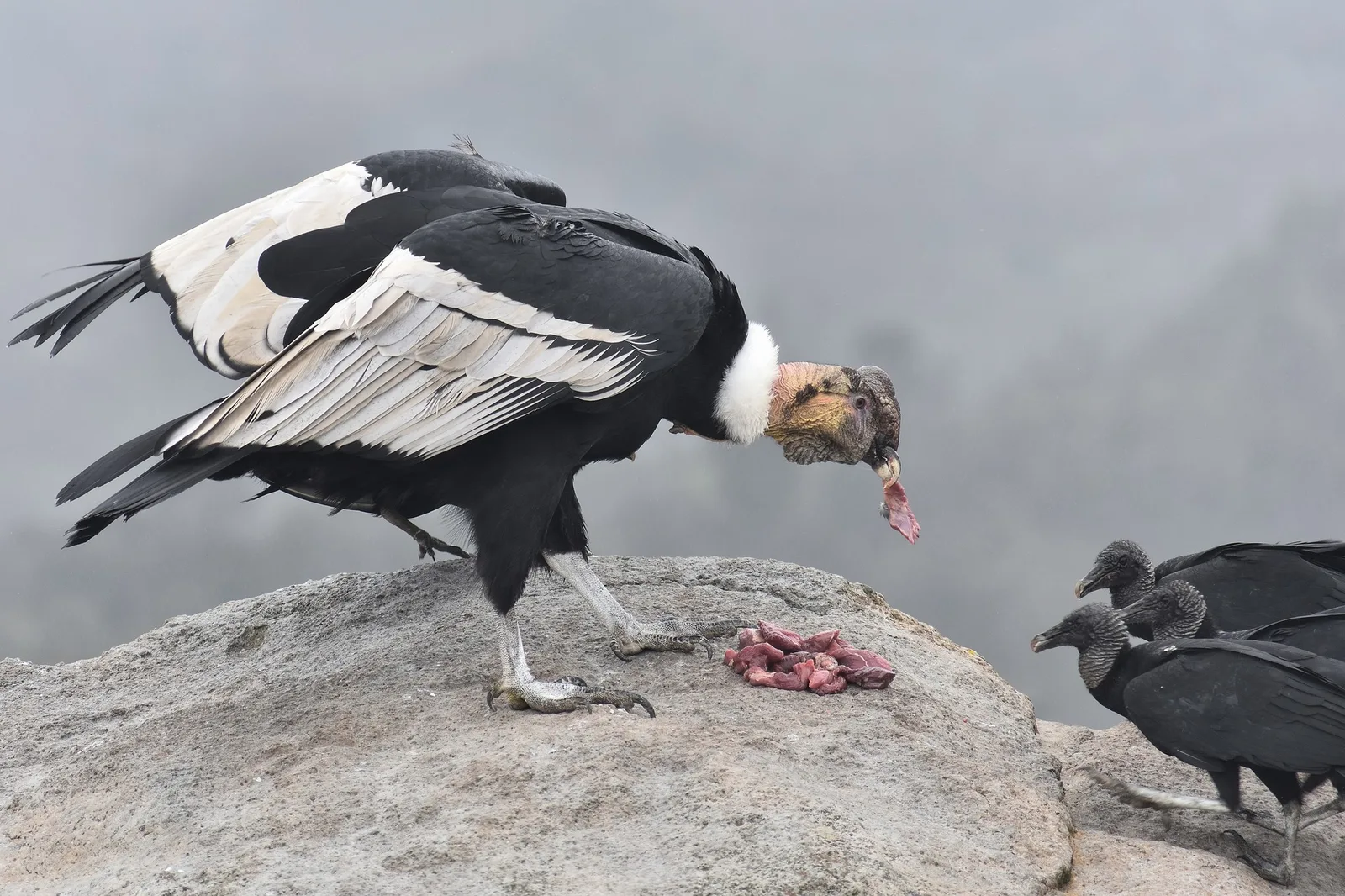
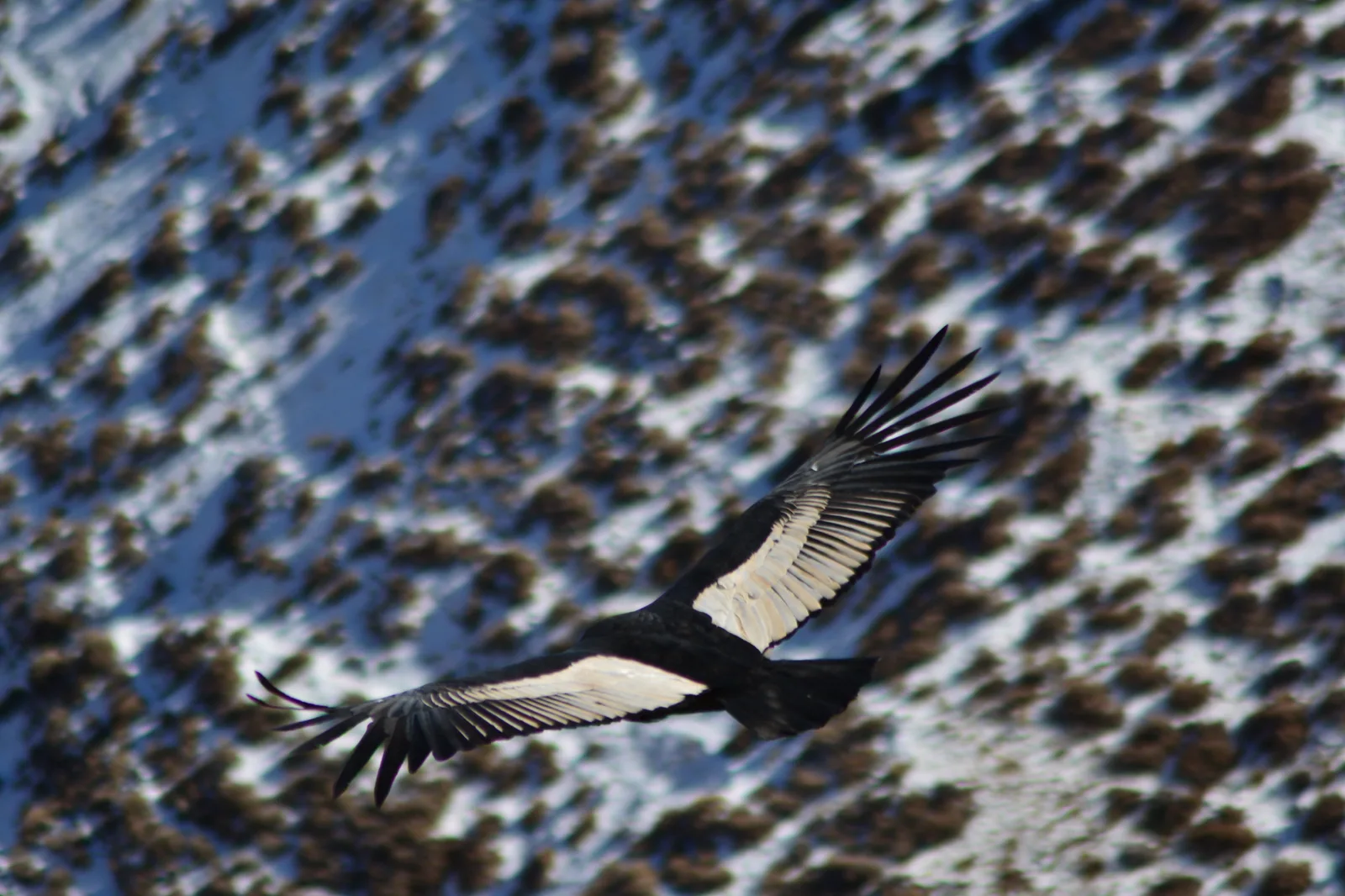
Images of the andean condor
Lifespan in the wild
Up to 50 years
Weight
7.7 to 15 kg
Length
1 to 1.3 m
Wingspan
About 2.83 m
Fact file
Andean condor
- Location
- The Andes from Venezuela south to Tierra del Fuego
- Habitat
- Mountains, Grassland, Coast, Desert
- Diet
- Carnivore
- Prey / food
- Carrion from cattle, llamas, guanacos, deer and whales
- Predators
- None as adults; foxes and large birds take eggs and chicks
- Lifestyle
- Soars by day and roosts on cliff ledges
- Group name
- Flock
- Name of young
- Chick
- Incubation
- Incubation 54 to 58 days
- Clutch size
- 1 egg, laid about every second year
- Population
- About 10,000 left in the wild
- Biggest threat
- Lead poisoning from carcasses shot by hunters
- Distinctive feature
- White neck ruff and broad white wing patches
- Colour
- Black, with a white ruff and a bare red head
- Skin type
- Feathers
Size
Next to a person
Measurements
Size and speed
- Length
- 1 to 1.3 m
- Wingspan
- About 2.83 m, up to 3.3 m the mean span, and the record span
- Tail
- 33 to 38 cm
- Weight
- 7.7 to 15 kg
- Weight, male
- About 12.5 kg
- Weight, female
- About 10.1 kg
Typical adult ranges. Sources: Wikipedia, Animal Diversity Web.
Life cycle
Lifespan
- In the wildUp to 50 years
- In captivityUp to 79 years a male called Thaao at Beardsley Zoo
- 079 years
The pale bar is the record. Sources: Animal Diversity Web, AnAge.
Appearance
Colour and coat
- Primary colours
- black
- Secondary colours
- whitered
- Skin type
- feathers
- Male and female
- Strong, and reversed for a bird of prey. The male is larger, averaging about 12.5 kilograms against 10.1 kg for the female. He alone has a red comb on the crown, and his eyes are brown while hers are deep red.
Life cycle
Mating and family
- Mating system
- monogamous pairs, thought to be for life
- Social structure
- pairs that roost in larger groups with a clear rank order
- Breeding
- one egg about every second year
Condors first breed at five or six years old and keep the same mate. The female lays a single bluish-white egg on a bare cliff ledge. Both parents sit on it for 54 to 58 days. The chick flies at six or seven months and stays with its parents until about two years old. A pair usually raises one young bird every second year.
Classification
Taxonomy
- Kingdom
- Animalia
- Phylum
- Chordata
- Class
- Aves
- Order
- Accipitriformes
- Family
- Cathartidae
- Genus
- Vultur
- Species
- Vultur gryphus
Conservation
Red List status
- LC
- NT
- VU
- EN
- CR
- EW
- EX
Vulnerable on the IUCN Red List
Range
Recorded in 6 countries
Habitat layer: tropical grassland, savanna and shrubland, temperate grassland, savanna and shrubland, montane grassland and shrubland, desert and xeric shrubland, mangrove.
Countries from 5,022 wild records on GBIF (iNaturalist research grade), filtered and checked by hand. Country shapes: Natural Earth. Habitat: RESOLVE Ecoregions 2017, CC BY 4.0. Basemap: Natural Earth.
Habitats
Three things to know
- 1
It flaps its wings for only about 1 per cent of the time it spends in the air.
- 2
A captive male called Thaao died at 79 years old, the greatest verified age for any bird.
- 3
Its wings carry the largest surface area of any living bird.
Did you know
Seven more facts
- 1
A courting male turns the bare skin of his neck from dull red to bright yellow.
- 2
The yellow colour comes from pigments in the plant matter inside carcasses.
- 3
Unusually for a bird of prey, the female is smaller than the male.
- 4
Condors empty the cloaca over their own legs, which leaves white streaks of uric acid.
- 5
As many as 196 condors have been counted at one roost in Argentina.
- 6
If the first egg is lost, the female lays a second to replace it.
- 7
Only female Andean condors were released in California, so no wild population could start there.
Field notes
How it looks and acts
Field notes
Distinguishing features
- A ruff of white feathers circles the base of the neck.
- Adult males carry broad white bands across the upper wings.
- The head and neck are almost bare and dull red.
- A male has a dark red comb on the crown and a wattle on the throat.
- The talons are blunt and straight, unlike the curved talons of hawks and eagles.
- Wingtip feathers spread apart into separate fingers in the glide.
Field notes
Unique adaptations
- Huge broad wings let the bird soar on thermals for hours at almost no cost.
- The bare head stays clean and dry after the bird feeds inside a carcass.
- A hooked bill tears through the tough hide of cattle and llamas.
- Flat walking feet suit a bird that must feed on the ground.
- A very strong gut probably lets the bird eat rotting meat safely.
Field notes
Interesting behaviours
- It launches from a high perch so it can reach lift without flapping.
- It fasts for days and then eats until it can barely take off.
- It follows smaller vultures to a carcass, then opens the body for them.
- It roosts communally, with the best ledges taken by the dominant birds.
- It defends about one kilometre of ground around its nest and nothing more.
Field notes
Temperament
- Adults are calm at rest and spend most of the day soaring.
- Competition at a carcass is settled by posture and by flushing skin.
- Nesting birds display aggressively at anything that comes near the ledge.
- Pairs stay together for life and share every duty at the nest.
Field notes
Communication
- The bird hisses and clicks, because it has no organ for song.
- Skin colour on the head and neck shifts with mood.
- A dominant male at a carcass flushes bright within seconds.
- Courtship uses spread wings, an inflated neck and a bowed head.
- Rank in a roost is read from posture and from play between birds.
Ecology
Ecological role
The Andean condor is the top scavenger of western South America. It removes large carcasses that would otherwise breed disease.
- It opens tough hides that no smaller scavenger can break.
- Turkey vultures and black vultures feed on what it leaves behind.
- It clears livestock and wildlife carcasses that could spread infection.
- It changes puma behaviour in Patagonia by taking their kills.
Stories
Myths and legends
- In Andean tradition, the condor belonged to the sun and ruled the world above.
- In Inca tradition, the condor, the jaguar and the snake stood for the three realms.
- In Peruvian tradition, a condor is tied to a bull at the Yawar Fiesta and freed afterwards.
- In many Andean traditions, condor bones and organs were held to carry healing power.
- In modern Andean tradition, the tune El Condor Pasa appears to stand for the mountains themselves.
People
Relationship with humans
People
Living alongside us
The condor has stood at the centre of Andean culture for thousands of years. Farmers have also poisoned it, because they believe it attacks their livestock. Education work and national pride have reduced that killing. Zoos breed the bird and send young condors south for release. Tourists now pay to watch condors soar along the cliffs.
- The condor eats carrion and does not attack people.
- A parent at the nest will display hard and may strike at a keeper who comes close.
- Reports that condors kill healthy livestock are mostly mistaken.
People
Status, uses and products
- Domestication
- Wild
- As a pet
- Not suitable. The bird is protected, needs several kilograms of meat and mountain airspace, and can outlive its owner. Only zoos and breeding centres keep condors.
- Uses
- ecotourismnational symbolcaptive breeding research
- Products
- None recorded
The full account
About the andean condor
The Andean condor is a New World vulture of western South America. It is the only living member of the genus Vultur. Adults measure 100 to 130 centimetres from bill to tail. The mean wingspan is about 283 cm, and the record is 3.3 metres. Its wings hold the largest surface area of any living bird.
The plumage is black, with a white ruff at the base of the neck. Adult males also carry broad white bands across the wings. The head and neck are nearly bare and dull red. The bird feeds on carcasses and rarely kills anything itself. It rides rising air along cliffs and can travel more than 200 kilometres in a day.
The IUCN moved the species to Vulnerable in 2020, and about 10,000 birds remain. Five Andean countries use the condor as a national symbol.
Name and taxonomy
Carl Linnaeus described the species in 1758 and named it Vultur gryphus. The name has never changed. Vultur is simply the Latin word for a vulture. The second word comes from a Greek word meaning hook-nosed. The English word condor comes from kuntur in Quechua.
People name the bird after their own country across its range. It is called the Bolivian, Chilean, Colombian, Ecuadorian, Peruvian or Argentinean condor. Only two birds in the world are commonly called condors. The other is the California condor, a different genus in the same family. This species belongs to the New World vulture family Cathartidae.
Evolution and relatives
New World vultures and Old World vultures look alike and do the same job. They are not close relatives, and each group evolved separately on its own continent. Where the seven New World species belong is still argued over. Older authors linked them to storks, and newer ones keep them near the hawks or give them their own order. iNaturalist places the condor in the order Cathartiformes.
The fossil record for this bird is thin. That is unlike the California condor, which is known from many fossils. Condor bones from the Plio-Pleistocene of South America match the living species. A few small bones from Tarija in Bolivia may belong to a smaller ancient subspecies. No other member of the genus Vultur survives today.
Appearance
The adult is black except for the white neck ruff and the white wing bands. Those wing bands appear only after the bird's first moult. The bare head and neck run from red to almost black. Bare skin dries out easily and sits under strong mountain sunlight, which helps keep it clean. Young birds are greyish brown, with a dark head and a brown ruff.
Weights run from 7.7 to 15 kilograms, and the average is about 10.8 kg. Males average about 12.5 kg and females about 10.1 kg. No other flying bird carries a heavier average weight. The tail measures 33 to 38 centimetres. For sheer span, only the great albatrosses and a pair of pelican species do better.
The middle toe is long and the hind toe barely developed. The talons are straight and blunt, which suits walking rather than seizing prey. The hooked bill tears through hide and rotting meat. Males have a dark red comb on the crown, a wattle on the neck and brown eyes. Females lack the comb and have deep red eyes, and they are smaller than the males.
Habitat and range
The range follows the Andes and the Santa Marta Mountains of South America. It starts in Venezuela and Colombia, where the bird is now very rare. It runs south through Ecuador, Peru, Bolivia, Chile and western Argentina to Tierra del Fuego. In the early nineteenth century the species bred along the whole chain. Human pressure has cut that range back sharply.
Open grassland and alpine ground up to 5,000 metres make up most of the habitat. ADW records birds as high as 5,500 m. The bird needs open country, because it finds food by eye from the air. Rocky slopes and paramo grassland suit it best. It also drops to desert lowlands in Chile and Peru and to beaches for stranded carcasses.
Cliffs matter as much as feeding ground. The bird roosts and nests on ledges and small caves in rock faces. Air rising off those faces carries it aloft with almost no effort. In southern Patagonia the birds follow meadows, because grazing animals die there. Distribution in that region tracks both the meadows and the nearest cliffs.
Diet and feeding
The condor is a scavenger and lives mainly on carrion. It prefers big carcasses and once relied on llamas, guanacos, rheas, deer and armadillos. Livestock has replaced most of that food, so cattle, horses, sheep and goats now feature. Introduced game animals such as wild boar, red deer, rabbits and foxes are eaten too. Coastal birds live largely on dead whales and other marine mammals washed ashore.
Birds may cover more than 200 kilometres in a day while searching. They find food by sight, and they also watch other scavengers. Turkey vultures and yellow-headed vultures track carrion by smell instead. Those smaller birds cannot open a tough hide, so the condor opens the carcass for everyone. Research shows that condors find carrion perfectly well on their own as well.
A condor eats on the ground, because its feet cannot carry food away. It usually opens a body at the rear and works forward, taking the liver first. The birds fast for days and then gorge, sometimes until they cannot take off. In Patagonia condors take over puma kills so often that the cats now kill more to keep up. Plant matter from the gut of a carcass appeared in 90 per cent of droppings in one study.
Behaviour and social life
The condor holds its wings flat in the glide, with the tips of the primaries curled up. It has no deep breastbone, so it cannot power long flapping flight. Flight recorders show that about 75 per cent of all flapping happens at take-off. In the air the bird flaps for only about 1 per cent of the time. Charles Darwin watched condors for half an hour on the Beagle voyage without seeing one flap.
Condors roost together on ledges and shelves, though they do not nest in colonies. As many as 196 birds have been counted at one roost in Patagonia, Argentina. Roosts fill up in summer and autumn. A pecking order runs through the group, with adult males on top and young males at the bottom. Dominant birds take the ledges with the best sun and the best shelter from wind.
Like other New World vultures, the condor empties its cloaca onto its own legs. The habit is called urohidrosis, and it leaves white streaks of uric acid on the skin. Cooling by evaporation is the usual explanation, but the Andean climate is cold already. The birds defend only the ground around the nest, about one kilometre across. Away from the nest they are not territorial.
Communication and senses
Sight does almost all the work for this bird. It picks out a carcass from great height and reads the movements of smaller vultures. It has no syrinx, so it cannot make a proper bird call. It hisses and clicks instead, and a female may moan quietly while mating. Young birds probably beg with the same hissing sounds.
Colour carries the messages that a voice would carry in other birds. Both sexes can flush the bare skin of the head and neck as their mood changes. The skin of a dominant male at a carcass can turn bright in a few seconds. A courting male inflates his neck and drives the colour from dull red to bright yellow. Pigments from plant matter in the gut of carcasses supply that yellow colour.
Reproduction and life cycle
Condors mate for life and start breeding at five or six years old. ADW gives a wider window for first breeding, at 6 to 11 years. A pair may roost at a chosen ledge for two and a half months before mating. The male spreads his wings, arches his neck, hisses and clicks his tongue. The female often mirrors his steps, and the pair nibble at each other and knock their bills together.
Nesting happens on inaccessible rock ledges, mostly between 3,000 and 5,000 metres. Most pairs build nothing, and a few scatter a handful of sticks around the egg. On the Peruvian coast, where cliffs are scarce, some nests are shaded scrapes beside boulders. The single egg is bluish white, weighs about 280 grams and measures 75 to 100 millimetres. A pair usually breeds only every second year, and ADW puts the gap at 2 to 3 years.
Both parents sit on the egg for 54 to 58 days. If the egg is lost, the female lays another to replace it. Breeders use that habit to double output, taking the first egg to rear by hand. The chick is covered in grey down until it is nearly adult size. It flies at six or seven months and stays with its parents until about two years old.
Predators and threats
A healthy adult condor has no natural predator. Eggs and small chicks can be lost to foxes and to large birds when a nest is reachable. Parents display hard at anything that approaches the ledge, including zoo keepers. A cliff nest probably keeps most ground animals away. The species survives on very low adult mortality rather than on high output of young.
That balance makes the bird fragile when people kill adults. Lead is the worst poison, because a condor digests shot from a hunter's carcass. Farmers who believe condors attack livestock have poisoned them for a century. Loss of open foraging ground removes the carcasses the birds depend on. Where food runs short, condors feed on road kill and are struck by cars.
Population and conservation
The IUCN raised the species from Near Threatened to Vulnerable in 2020. About 10,000 birds are thought to remain. The United States added the condor to its endangered species list in 1970. Ecuador rates the bird as endangered inside its own borders, and Chile as near threatened. The northern end of the range is worst hit, and Venezuela has almost none left.
Zoos in North America breed condors and send the young south. Argentina, Venezuela and Colombia have all taken released birds, starting in 1989. Keepers feed chicks with glove puppets shaped like an adult condor. That keeps the chick from treating people as its own kind, which would kill it after release. Birds spend three months in an aviary at the release site and then carry satellite tags.
The species has also served its northern cousin. In 1988 the US Fish and Wildlife Service released Andean condors in California as a trial. Only females went out, so no breeding population could take hold. The trial worked, and every bird was caught again and returned to South America. California condors were then released in their place.
Relationship with humans
Andean people have lived alongside the condor for thousands of years. Farmers today often see it as a pest that harasses their stock. Conservation groups run education programmes to correct that idea. Poisoning has become less common as public feeling for the bird has grown. Some people have hunted condors for their bones and organs, which were held to heal.
The bird brings money as well. Tourists travel to the Andes to watch condors soar along the cliffs. Zoos keep the species because visitors want to see it. Work with captive condors taught keepers how to breed the California condor. iNaturalist holds 8,130 records of the species from across its range.
In culture and myth
Andean art has shown the condor since about 2500 BCE. In Andean belief the bird belonged to the sun and ruled the upper world. In Inca tradition it stood for the heavens, the jaguar for the earth and the snake for the world below. Seen from a nearby peak, the layout of Machu Picchu takes the shape of a condor. A large stone altar there is carved as a bird with its wings raised.
Many Andean cultures treat the condor as a sign of power and health. Bolivia, Chile, Colombia and Ecuador all name it their national bird. In one form of the Peruvian Yawar Fiesta, a condor is tied to a bull during the fight. The bird pecks at the bull and is usually released alive afterwards. The 1941 novel Yawar Fiesta by Jose Maria Arguedas describes the festival without that condor.
The condor turns up in music, on stamps and on money. Chile, Ecuador, Argentina, Peru, Bolivia, Colombia and Venezuela have all issued condor stamps. Daniel Alomia Robles wrote El Condor Pasa in 1913 for a Peruvian zarzuela. Paul Simon heard the tune in Paris in 1965, and his recording made it famous worldwide. Peru declared the piece part of its national heritage in 2004.
A sentence with a dotted underline is inferred: it describes the group the animal belongs to, or is a reading of the sources, rather than a measured or reported fact about this species.
Questions
Andean condor questions, answered
How big is an Andean condor?
Adults are 100 to 130 centimetres long and weigh 7.7 to 15 kilograms. Mean wingspan is about 283 cm, and the largest bird measured 3.3 metres.
Is the Andean condor the largest flying bird?
It carries the heaviest average weight of any flying bird. Among living birds, only great albatrosses and two pelican species span more.
What do Andean condors eat?
Almost entirely carrion. Cattle, horses, sheep, llamas, guanacos and deer make up most of it, and coastal birds live on stranded whales and seals.
Do Andean condors kill live animals?
Rarely. They sometimes jab at small rodents, birds or rabbits with the bill, because their feet cannot grip prey.
How long do Andean condors live?
Wild birds may pass 50 years. A captive male named Thaao reached 79, the greatest verified age recorded for any bird.
Are Andean condors endangered?
The IUCN lists the species as Vulnerable, a change made in 2020. Roughly 10,000 birds are left in the wild.
Why are Andean condors declining?
Lead poisoning from shot carcasses, poisoning by farmers and the loss of open feeding ground. The bird breeds slowly, so losses are hard to replace.
How high can an Andean condor fly?
It lives and nests at up to 5,000 metres, and ADW records birds at 5,500 m. It uses rising air off cliffs to gain height.
How far does an Andean condor travel in a day?
More than 200 kilometres while searching for carrion. It does that on rising air, flapping for only about 1 per cent of the flight.
Where do Andean condors live?
Along the Andes from Venezuela and Colombia south to Tierra del Fuego. They also use the Pacific coast and the desert lowlands of Chile and Peru.
How many eggs does an Andean condor lay?
One, and usually only every second year. The pair share incubation for 54 to 58 days.
What sound does an Andean condor make?
It hisses and clicks. It has no syrinx, so it cannot produce the calls that most birds make.
Why is the Andean condor's head bare?
The skin stays cleaner and drier after the bird feeds inside a carcass. Sunlight and dryness also help sterilise it.
What does the condor mean in Andean culture?
It stands for the upper world and for the sun. Inca thought paired it with the jaguar for the earth and the snake for the world below.
Which countries use the Andean condor as a national bird?
Bolivia, Chile, Colombia and Ecuador. Argentina, Peru and the Venezuelan Andes states also treat it as a national symbol.
Are Andean condors dangerous to humans?
No. They feed on dead animals and avoid people, though a bird guarding a nest will display and can strike.
Food web
Prey and food
- carrion from cattle
- llamas
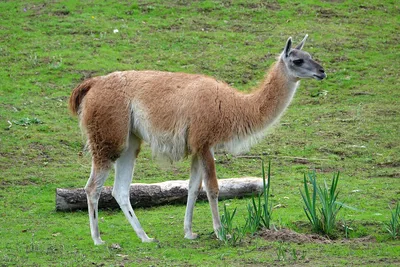 Guanaco
- deer
- whales
Food web
Predators
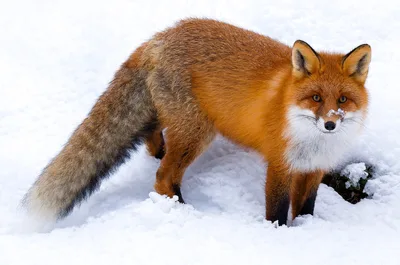 Red fox
- birds
Ecological equivalents
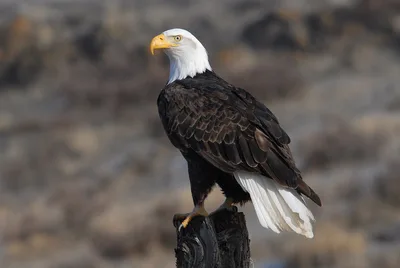
Related species on this site
Argentavis Magnificens (same family), Black vulture (same family), California condor (same family), King Vulture (same family), Turkey vulture (same family), African Fish Eagle (same order), and more.
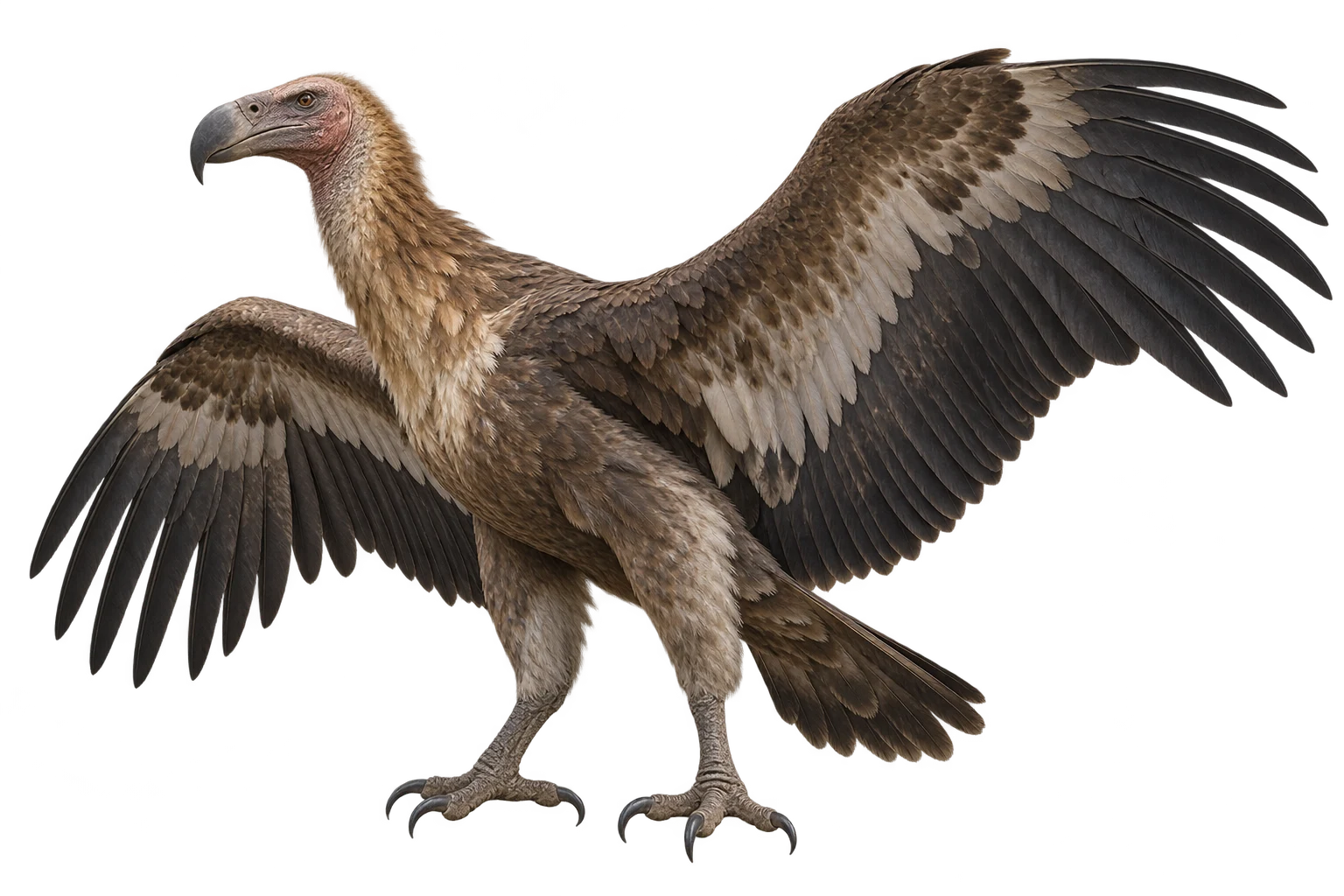
Birds
Argentavis Magnificens
Argentavis magnificens
Classification and source reference
ExtinctAI reconstruction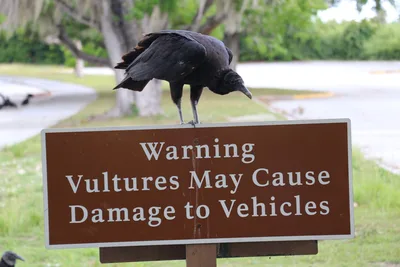 LC
Birds
Black vulture
Coragyps atratus
The black vulture is a glossy black scavenger of the Americas, with a bare grey head and white patches at the wingtips.
Living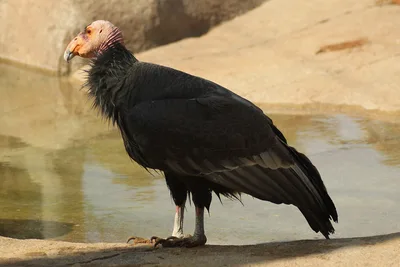 CR
Birds
California condor
Gymnogyps californianus
The California condor is the largest land bird in North America, with a wingspan of about 3 metres and a bare orange head.
Living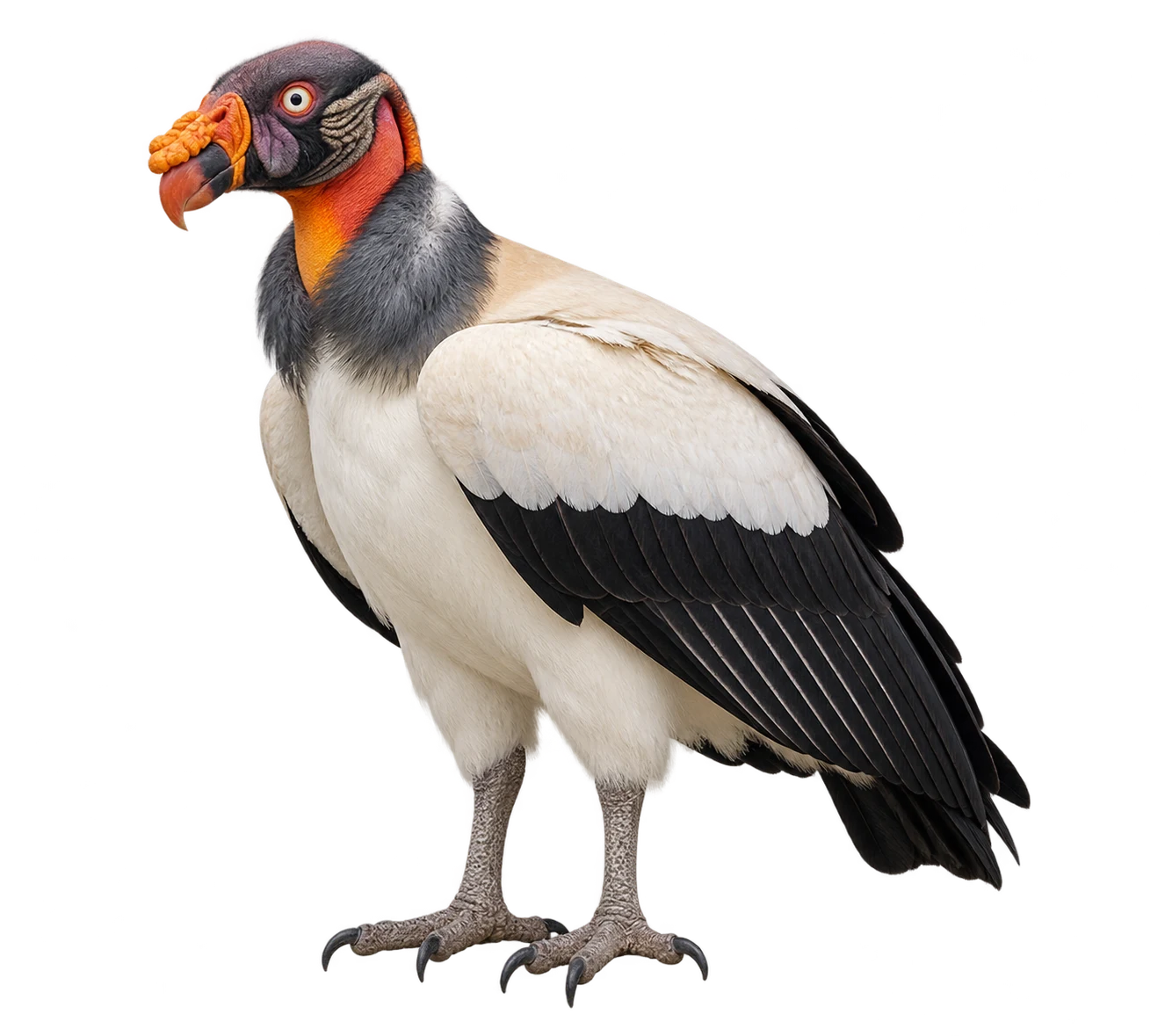
Birds
King Vulture
Sarcoramphus papa
Classification and source reference
LivingAI illustration LC
Birds
Turkey vulture
Cathartes aura
The turkey vulture is the most widespread vulture in the Americas, and it finds its food by smell.
Living
Birds
African Fish Eagle
Haliaeetus vocifer
Classification and source reference
LivingAI illustration