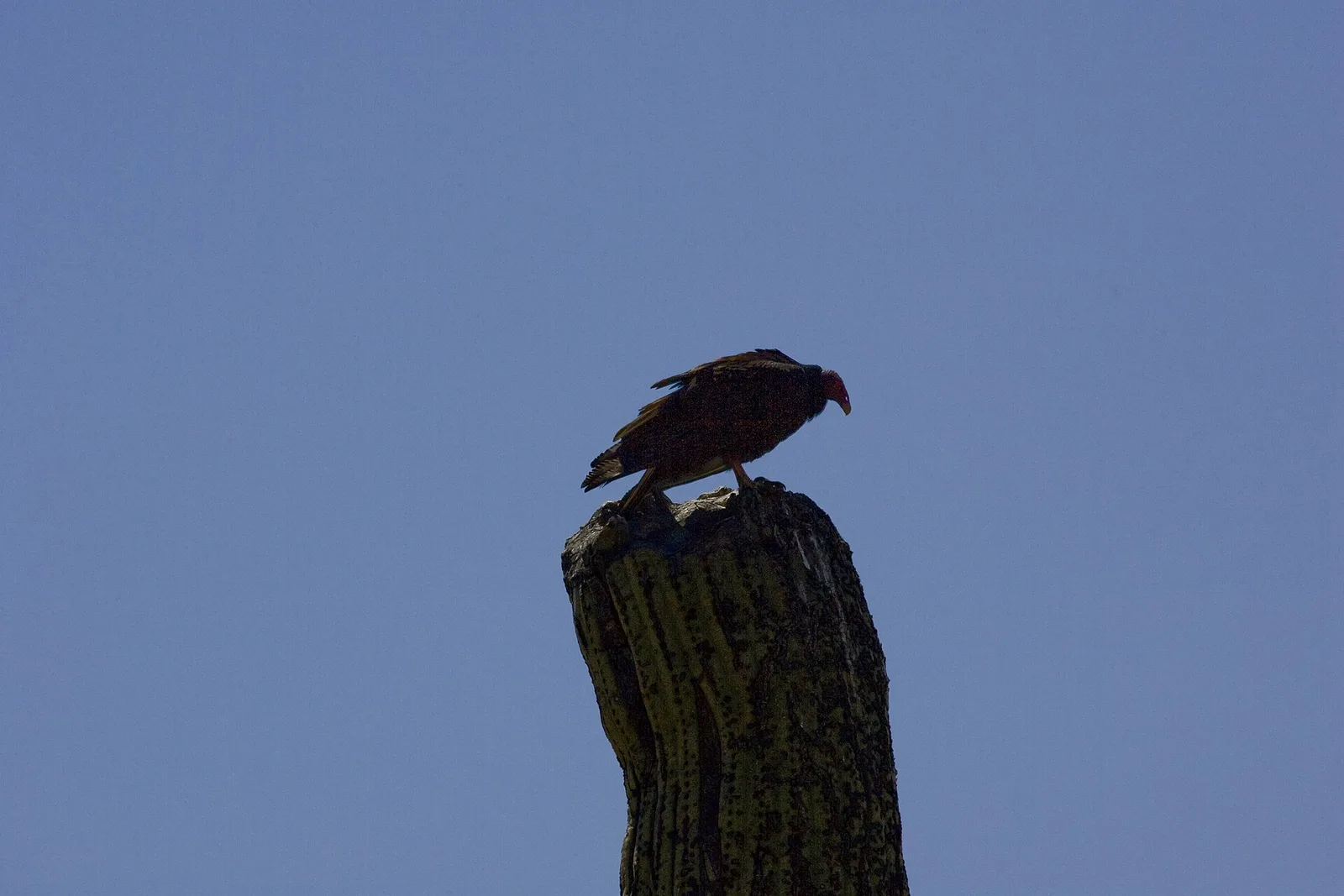
Turkey vulture
The scavenger that finds its food by smell
Cathartes aura
Also called Turkey buzzard, John crow, Carrion crow
Living individuals or members of this group exist today. This does not mean they are safe from extinction.
Meet the turkey vulture
The turkey vulture is the most widespread vulture in the Americas, and it finds its food by smell. It soars for hours on rising air and feeds almost only on animals that are already dead.
Images of the turkey vulture
Lifespan in the wild
About 10 years
Weight
0.8 to 2.41 kg
Length
62 to 81 cm
Wingspan
1.5 to 2 m
Fact file
Turkey vulture
- Location
- The Americas, from southern Canada to Tierra del Fuego
- Habitat
- Grassland, Temperate forest, Desert, Towns and cities
- Diet
- Carnivore
- Prey / food
- Carrion of mammals, birds, reptiles and fish
- Predators
- Great horned owls, golden eagles, raccoons and opossums
- Lifestyle
- Soars by day, roosts in groups at night
- Group name
- Flock
- Name of young
- Chick
- Incubation
- Incubation 30 to 40 days
- Clutch size
- Usually 2 eggs
- Population
- About 18 million
- Biggest threat
- Lead poisoning from ammunition left in carcasses
- Distinctive feature
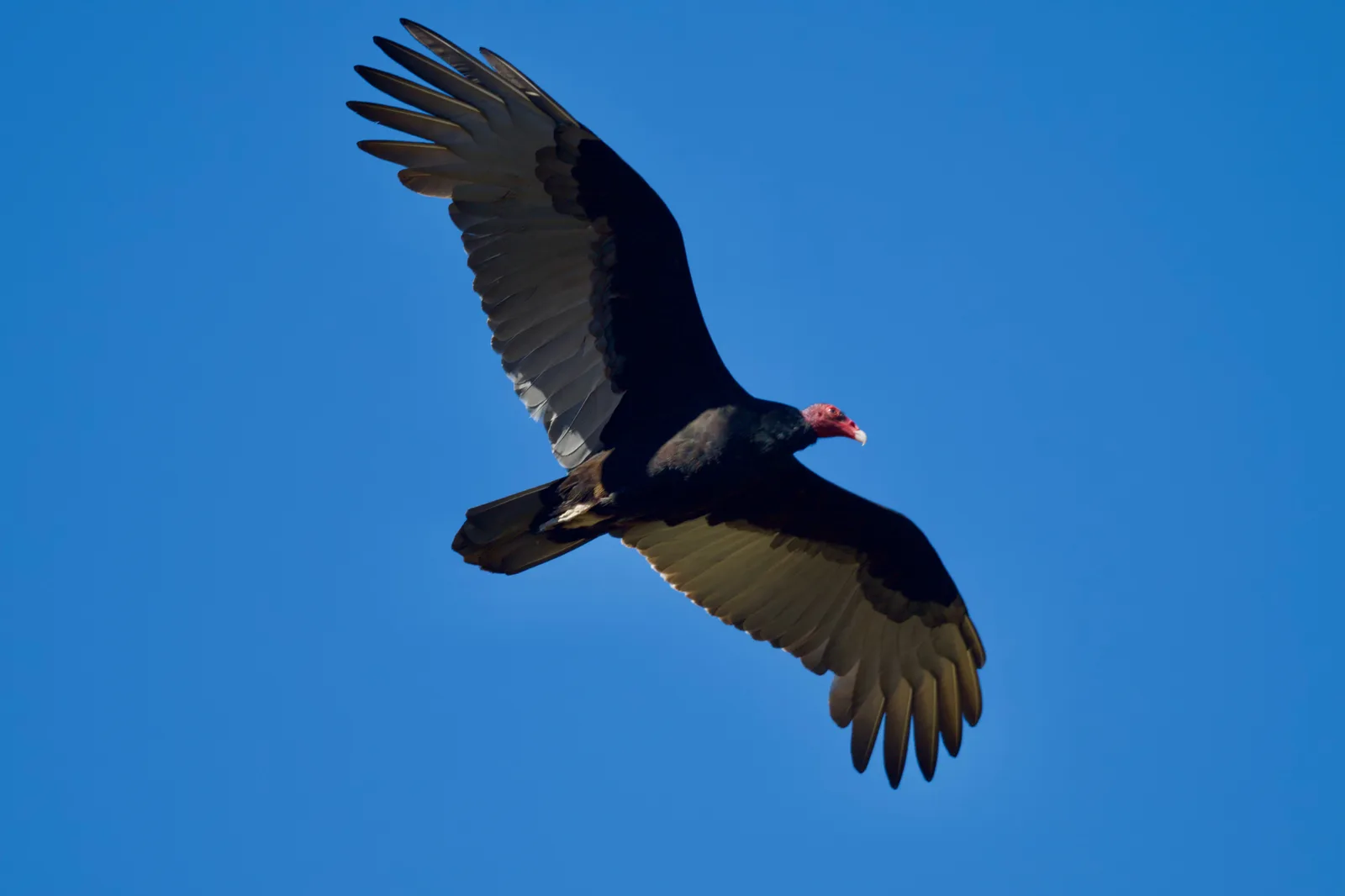
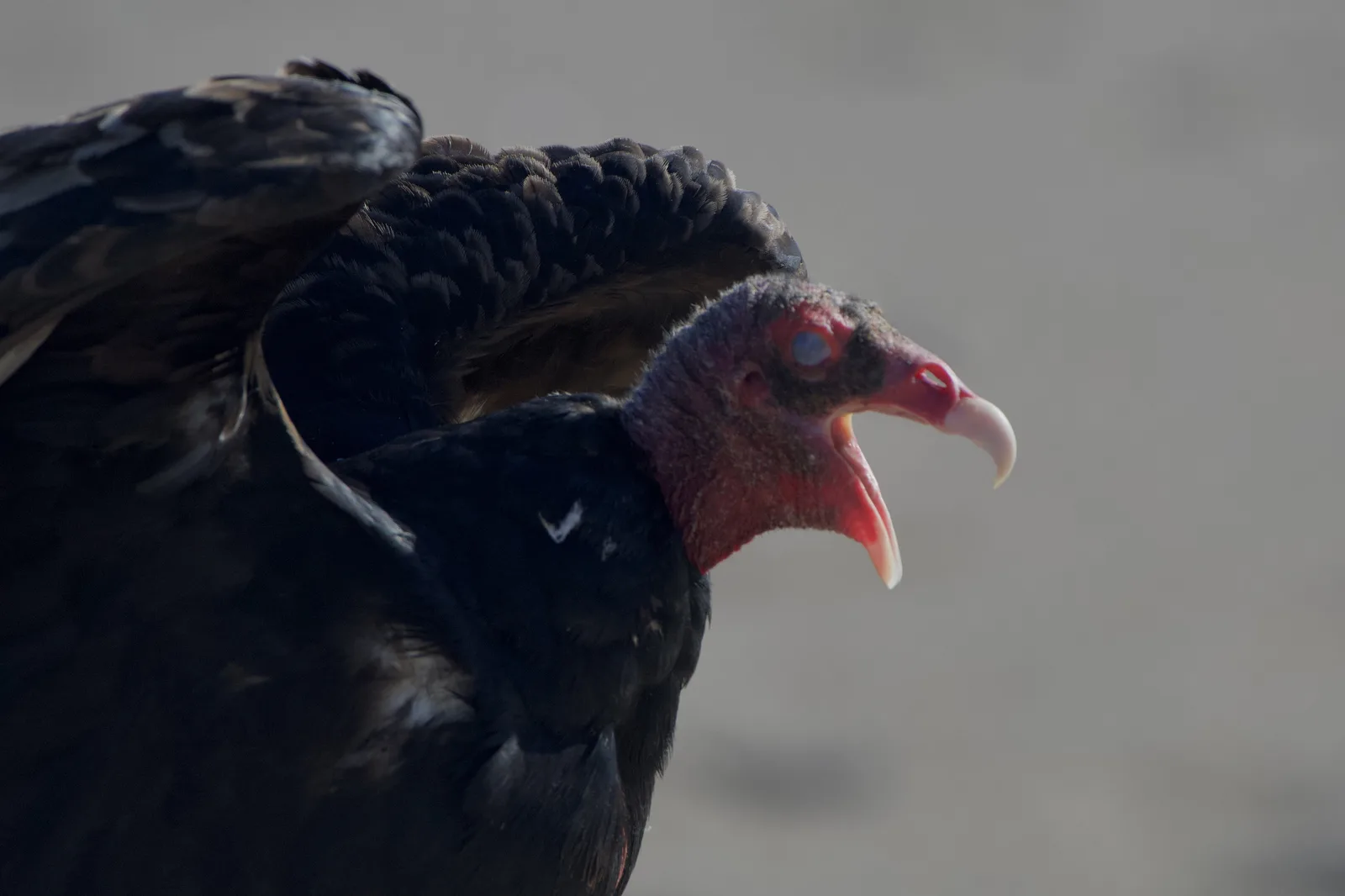
- A bare red head, and wings held in a shallow V
- Colour
- Brownish-black with silver-grey flight feathers
- Skin type
- Feathers
Size
Next to a person
Measurements
Size and speed
- Length
- 62 to 81 cm
- Wingspan
- 1.5 to 2 m
- Weight
- 0.8 to 2.41 kg northern birds average heavier than tropical ones
Typical adult ranges. Source: Wikipedia.
Life cycle
Lifespan
- In the wildAbout 10, up to 17 years
- In captivityUp to 45 years
- 045 years
The pale bar is the record. Sources: Animal Diversity Web, Wikipedia.
Appearance
Colour and coat
- Primary colours
- brownish-black
- Secondary colours
- redsilver-greypink
- Skin type
- feathers
- Male and female
- None known. Males and females share the same plumage, the same colours and the same size.
Life cycle
Mating and family
- Mating system
- monogamous pairs
- Social structure
- communal roosts, and solitary foraging by day
- Breeding
- one brood a year, between March and August
A pair lays two eggs straight onto the floor of a cave, a hollow tree or a thicket. Both parents incubate the clutch for 30 to 40 days. Both then feed the chicks several times a day by bringing food back up. The young fly at about nine to ten weeks. The family stays together until the autumn.
Classification
Taxonomy
- Kingdom
- Animalia
- Phylum
- Chordata
- Class
- Aves
- Order
- Accipitriformes
- Family
- Cathartidae
- Genus
- Cathartes
- Species
- Cathartes aura
Conservation
Red List status
- LC
- NT
- VU
- EN
- CR
- EW
- EX
Least Concern on the IUCN Red List
Range
Recorded in 10 countries
Habitat layer: temperate broadleaf and mixed forest, temperate conifer forest, boreal forest and taiga, tropical grassland, savanna and shrubland, temperate grassland, savanna and shrubland, desert and xeric shrubland.
Countries from 190,610 wild records on GBIF (iNaturalist research grade), filtered and checked by hand. Country shapes: Natural Earth. Habitat: RESOLVE Ecoregions 2017, CC BY 4.0. Basemap: Natural Earth.
Habitats
Three things to know
- 1
Turkey vultures roost in groups of several hundred birds.
- 2
The bird holds its wings in a shallow V and rocks as it soars.
- 3
A turkey vulture tracks down a carcass by the gas of early decay.
Did you know
Seven more facts
- 1
Turkey vultures are not close relatives of the vultures of Africa and Asia.
- 2
The feet are too weak to carry prey, so the bird eats where it lands.
- 3
It drops its body temperature by about 6 degrees Celsius on a cold night.
- 4
Linnaeus first described the species in 1758 under the name Vultur aura.
- 5
The wingspan reaches 2 metres, but the bird can weigh as little as 0.8 kilograms.
- 6
Black vultures and condors follow turkey vultures because they cannot smell a carcass.
- 7
Killing one in the United States can bring a fine of up to $100,000.
Field notes
How it looks and acts
Field notes
Distinguishing features
- A bare red head with almost no feathers on it.
- Brownish-black body plumage.
- Silver-grey flight feathers that flash as the bird tips.
- Wings held in a shallow V while soaring.
- A short, hooked, ivory bill.
- Pink legs stained white with uric acid.
Field notes
Unique adaptations
- A large scent lobe in the brain, which finds a carcass by smell.
- Light wing loading, which keeps the bird up on weak thermals.
- A gut that destroys the virus behind hog cholera.
- A bare head, which probably stays cleaner inside a carcass.
- Vomiting as a defence, which drives raiders off and lightens the bird for takeoff.
Field notes
Interesting behaviours
- Stands with the wings spread wide in the morning.
- Roosts in groups of several hundred, sometimes with black vultures.
- Soars for hours with almost no wingbeats.
- Hops awkwardly on the ground and works hard to get airborne.
- Plays dead when an intruder reaches the nest.
Field notes
Temperament
- Wary of people, but quick to settle near farms and roads.
- Not territorial, and tolerant of other vultures at a roost.
- Submissive at a carcass to hawks, falcons and eagles.
- Defensive rather than aggressive when it is cornered.
Field notes
Communication
- Hisses, grunts and barks, because the bird has no syrinx.
- Those sounds serve mainly to deter a predator.
- Courting birds hop in a circle with the wings half open.
- A paired chase in the air, with flapping and diving, belongs to courtship too.
- Nestlings hiss and vomit at an intruder.
Ecology
Ecological role
The turkey vulture is the main carcass remover across two continents.
- It clears dead animals before they can become a source of disease.
- It leads other scavengers to bodies they could never find by sight alone.
- It depends in turn on condors and king vultures to open a thick hide.
- It carries external parasites and can catch chlamydiosis, so it sits inside local disease cycles.
Stories
Myths and legends
- In Cherokee tradition, the Great Buzzard carved the valleys and raised the mountains with its wings.
- In Jamaican speech the bird is the John crow, and it named the John Crow Mountains.
- In North American usage the bird is a buzzard, although that word means a hawk in Europe.
- In Uruguay the Quebrada de los Cuervos is named for the dark scavengers that live there.
- In ranching folklore the vulture spreads anthrax, a charge the evidence does not support.
People
Relationship with humans
People
Living alongside us
The turkey vulture lives close to farms, roads and towns across the Americas. It clears carrion that would otherwise rot in the open. Ranchers sometimes blame it for damage done by the black vulture. Law protects the bird in the United States, Canada and Mexico.
- The bird does not kill live animals of any size.
- Its main defence is vomiting, which is unpleasant but harmless.
- It may carry livestock disease on its feet, although the evidence is thin.
People
Status, uses and products
- Domestication
- Wild
- As a pet
- Not suitable. Keeping a turkey vulture is illegal in the United States. The bird also needs carrion and open space to soar in.
- Uses
- carcass disposalbirdwatching
- Products
- None recorded
The full account
About the turkey vulture
The turkey vulture (Cathartes aura) ranges more widely than any other vulture in the Americas. Its range runs from southern Canada to Tierra del Fuego. The bare red head and the dark body gave the bird its name, because both recall a male wild turkey. Adults measure 62 to 81 centimetres long, with a wingspan of 1.5 to 2 metres. A turkey vulture weighs 0.8 to 2.41 kilograms.
This is a scavenger, and almost everything it eats is already dead. It searches by smell, which very few birds do. Flying low, it picks up the gas that rises from a carcass in early decay. It then rides warm air for hours with barely a wingbeat. The IUCN lists the species as Least Concern, with a population near 18 million.
Name and taxonomy
Carl Linnaeus described the bird in 1758, in the tenth edition of Systema Naturae. He gave it the name Vultur aura. The word vulture comes from a Latin word meaning tearer, which points at how the bird feeds. North Americans often call it a buzzard, though in the Old World that word means a hawk of the genus Buteo.
In parts of the Caribbean the bird is a John crow or a carrion crow. The Jamaican name is old enough to have been given to a mountain range. The genus Cathartes holds three species, and the other two are the yellow-headed vultures. Authorities count five or six subspecies, which differ mainly in where they live. The family Cathartidae holds seven species in all.
Evolution and relatives
New World vultures are not close relatives of the vultures of Europe, Africa and Asia. The two groups look alike because they took up the same trade, an example of convergent evolution. Where the family belongs has moved about for more than a century. Some earlier authors placed the New World birds close to the storks.
Genetic work rejects that idea, and it also rejects any close tie to the falcons. Cathartiformes now sits as the sister group to the Accipitriformes. That second group holds the eagles, kites, hawks, the osprey and the secretarybird. The Old World vultures sit inside it, in the family Accipitridae. Like other birds in this family, the turkey vulture carries 80 chromosomes.
Appearance
The body feathers are brownish-black. Seen from below, the flight feathers look silver-grey against dark wing linings. The head is small, bare and red, and the bill is a short ivory hook. A young bird has a grey head and a black bill tip, and the colours change as it matures. The legs and feet are pink, but they are usually stained white. The upper eyelid carries a single broken row of lashes, and the lower lid carries two.
The feet are flat and weak, and the talons are blunt. This bird cannot grip or carry prey the way a hawk does. Males and females match in colour, pattern and size. Northern birds average larger than tropical ones. A sample of 124 birds in Florida averaged 2 kilograms, while two samples from Venezuela averaged 1.22 and 1.45 kg. Pale leucistic birds turn up now and then.
Habitat and range
The turkey vulture uses open and half-open country across the Americas. The estimated range covers about 28 million square kilometres. The bird is resident in the southern United States, and northern birds may travel as far as South America. It favours open ground beside woodland, because it needs trees for roosting and nesting. Closed forest is a problem, because a heavy bird cannot get airborne inside it.
Ground with no trees at all is little better, so parts of the Great Plains hold few vultures. Hills and low mountains suit the species, because the air there lifts a heavy bird cheaply. Pasture and other low-input farmland are key feeding and roosting habitat. Row-crop fields draw only passing flyovers. Vultures cross towns and cities regularly, mostly outside the breeding season.
The northern edge of the range has moved north over recent decades. Limits on hunting may explain part of that spread. The species also uses deserts, wetlands, shrubland and tropical forest. It is recorded in 52 countries on GBIF.
Diet and feeding
Carrion makes up almost the whole diet. The bird takes everything from mice and shrews to dead cattle and deer. It prefers a fresh body and turns away from one that has gone rotten. Small carcasses are the usual meal, and roadkill is a large part of the supply. Fish stranded in a drying pool or washed up on a shore are taken as well. The bird kills very rarely, and then only eggs, nestlings or a sick animal.
Smell leads the search, which sets this bird apart from most others. It flies low and picks up ethyl mercaptan, a gas released as a body begins to break down. The part of the brain that handles scent is unusually large. That lets the vulture find a carcass hidden below a forest canopy. Black vultures, king vultures and condors watch turkey vultures and follow them down.
The bill cannot cut the hide of a large animal. So the vulture waits for a condor or a king vulture to open the body first. The two kinds of bird therefore depend on each other at a big carcass. Black vultures arrive in numbers and push the turkey vulture off the food. In Peru, though, turkey vultures won such contests in 56 percent of cases. Hawks, falcons, caracaras and eagles all outrank the vulture at a carcass.
Behaviour and social life
Turkey vultures roost together and forage alone. Several hundred may share one roost, and black vultures often join them. Favourite roosts are dead trees, thin stands of conifer, water towers and masts. The bird lets its body temperature drop by about 6 degrees Celsius overnight. It becomes slightly hypothermic as a result.
In the morning it stands with the wings spread wide, a posture called the horaltic pose. The pose probably dries the feathers, warms the body and bakes bacteria off the wings. Birds use it most after a damp or rainy night. The vulture also empties its bowels onto its own legs, and the liquid cools them as it evaporates. Uric acid streaks the legs white as a result.
On the ground the turkey vulture is clumsy and hops rather than walks. Taking off costs it real effort, and it flaps hard while pushing away with its feet. Once up, it holds the wings in a shallow V and rocks from side to side. Light wing loading keeps the bird up on weak thermals. Vultures defend no territory, and a home range grows or shrinks with the food supply.
Communication and senses
The turkey vulture has no syrinx, the organ that other birds sing with. It can only hiss, grunt and bark. Most of those sounds warn a rival or a predator away. Displays carry the rest of the message.
In courtship, several birds gather on the ground and hop in a ring with half-open wings. In the air one bird follows another closely, flapping and diving as it goes. Scent leads the search for food, and sight backs it up. Few birds anywhere lean on smell as heavily. Chicks hiss at anything that reaches the nest site.
Reproduction and life cycle
The breeding season shifts with latitude. In the southern United States it opens in March, peaks between April and May, and runs into June. Further north it starts later and can last into August. A pair stays together through the season, and often through the whole year.
The birds build no nest at all. Eggs go straight onto the floor of a cave, a rock crevice, a burrow, a hollow tree or a thicket. An old building will serve just as well. A female usually lays two eggs, sometimes one and rarely three. The eggs are cream, with brown or lavender spots at the broad end. Each one measures 6.5 to 7.5 centimetres long.
Both parents sit on the clutch, and the chicks hatch after 30 to 40 days. A chick hatches helpless. Both adults feed it several times a day by bringing food back up. The young fly at about nine to ten weeks and stay dependent for a week or so more. Families hold together until the autumn. One study found that about a fifth of adults die each year.
Predators and threats
Adults have few natural enemies, and attacks are rare. Great horned owls take the most, followed by golden eagles and bald eagles. Red-tailed hawks may take one now and then. Raccoons and opossums raid eggs and chicks, and a fox can ambush an adult. Dogs sometimes kill a vulture on the ground.
A cornered vulture vomits half-digested meat at the attacker. The smell drives most raiders off, and the spray stings the eyes. A bird with a full crop may need to empty it before it can take off. Adults may also flee the nest or feign death.
Most recorded deaths come from people. Vultures collide with vehicles and buildings, and they get caught in fences and traps. Lead is the other danger. A vulture that feeds on an animal shot with lead pellets swallows the metal. Even small doses bring disease, nerve damage and breeding failure.
Population and conservation
The IUCN lists the turkey vulture as Least Concern. The world population is put near 18 million birds. The trend looks steady, and the species is far from the threshold for a threatened listing. That threshold needs a fall of more than 30 percent over ten years or three generations. The bird rivals the black vulture as the most numerous raptor on earth. Naturalists have logged 268,834 records on iNaturalist.
Three national laws protect the species. The Migratory Bird Treaty Act of 1918 covers it in the United States. Canada and Mexico protect it under their own migratory bird conventions. Taking a vulture, an egg or even a feather without a permit is illegal. A person can be fined up to $100,000 and jailed for a year. Lead ammunition in carcasses remains the main pollution risk.
Relationship with humans
The turkey vulture removes dead animals that would otherwise breed disease. That service matters most beside farms and roads. The bird settles near people easily and takes little notice of them. Ranchers still suspect it of carrying anthrax or hog cholera on its feet or bill. The virus behind hog cholera does not survive a trip through the vulture's gut.
Black vultures do kill newborn calves, and the turkey vulture gets the blame by association. A turkey vulture at a dead calf has almost always arrived after the fact. Droppings under a large roost can damage or kill trees. Farmers try noise, carcass removal and moving stock, with little success. Like other wild scavengers, it needs carrion and open space, so it makes a poor pet. Keeping one in the United States is illegal in any case.
In culture and myth
In Cherokee tradition, the Great Buzzard shaped the land itself. The story says the earth was still soft mud when the bird flew low over it. Its wingbeats cut the valleys and threw up the mountains of Cherokee country. In Jamaica the bird is the John crow. That name was written down in the 1820s and passed to the John Crow Mountains. Before that, people called the range Carrion Crow Ridge, using a still earlier name for the vulture.
In Uruguay, a gorge called the Quebrada de los Cuervos takes its name from these dark birds. Across much of the United States the bird is simply the buzzard. Two captive turkey vultures became well known teaching birds in that country. One of them, Nero, hatched in 1974 and lived to 47. Another, Lord Richard, hatched in the same year and reached 51.
A sentence with a dotted underline is inferred: it describes the group the animal belongs to, or is a reading of the sources, rather than a measured or reported fact about this species.
Questions
Turkey vulture questions, answered
What do turkey vultures eat?
Almost only carrion, from mice to dead cattle. They occasionally take fruit, insects or dung.
Can turkey vultures smell?
Yes. The bird locates a carcass by scent, which is rare among birds.
How big is a turkey vulture?
The body is 62 to 81 centimetres long. The wingspan is 1.5 to 2 metres.
How much does a turkey vulture weigh?
Between 0.8 and 2.41 kilograms. Birds in the north are heavier than birds in the tropics.
Why do vultures hold their wings in a V?
The shallow V steadies the bird in rising air. It lets the vulture soar for hours without flapping.
Why do turkey vultures stand with their wings spread?
The pose probably dries the feathers and warms the body. Birds use it most after a wet night.
Are turkey vultures dangerous to people?
No. They do not kill live animals, and their feet and talons are weak.
Do turkey vultures attack pets or livestock?
No. Black vultures do attack young livestock, and turkey vultures are often blamed for it.
How long do turkey vultures live?
About 10 years in the wild, with a record of 17. A captive bird can pass 45 years.
Why do vultures have bald heads?
A bare head stays cleaner when the bird feeds inside a body. There are no feathers to soak up blood.
How many eggs does a turkey vulture lay?
Usually two, sometimes one and rarely three. There is no nest, so the eggs lie on a bare surface.
How long do turkey vulture eggs take to hatch?
Both parents take turns on the clutch. The eggs hatch after 30 to 40 days.
Do turkey vultures migrate?
Northern birds do, and some reach South America. Birds in the southern United States stay all year.
Are turkey vultures protected by law?
Yes. The Migratory Bird Treaty Act covers them in the United States, and Canada and Mexico have their own conventions.
Why is it called a turkey vulture?
The bald red head and dark body recall a male wild turkey. The word vulture comes from a Latin word meaning tearer.
Do turkey vultures make any sound?
They have no syrinx, so they cannot sing. They hiss, grunt and bark instead.
Food web
Prey and food
- carrion of mammals
- birds
- reptiles
- fish
Food web
Predators
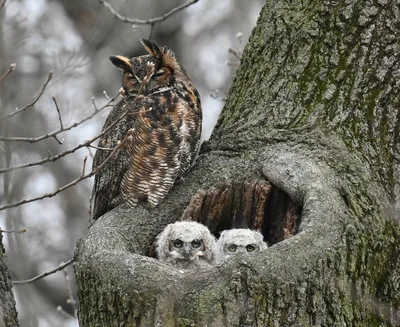 Great horned owl
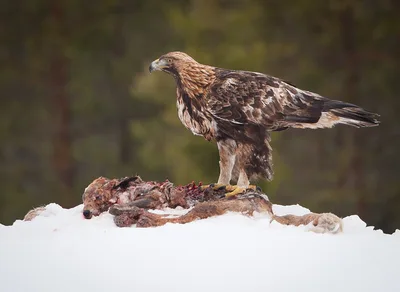 Golden eagle
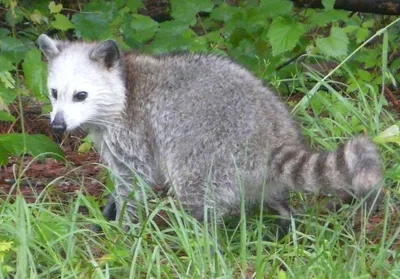 Raccoon
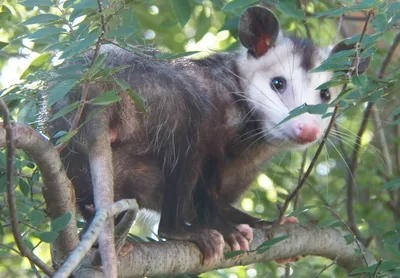 Virginia opossum
Ecological equivalents
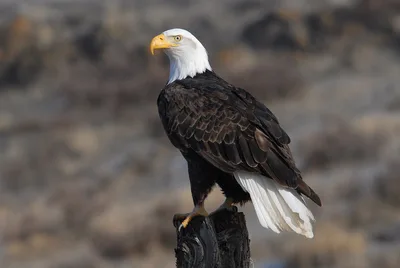
Related species on this site
Andean condor (same family), Argentavis Magnificens (same family), Black vulture (same family), California condor (same family), King Vulture (same family), African Fish Eagle (same order), and more.
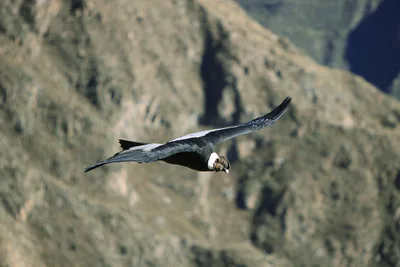 VU
Birds
Andean condor
Vultur gryphus
The Andean condor is a huge black vulture of the Andes and the Pacific coast of South America.
Living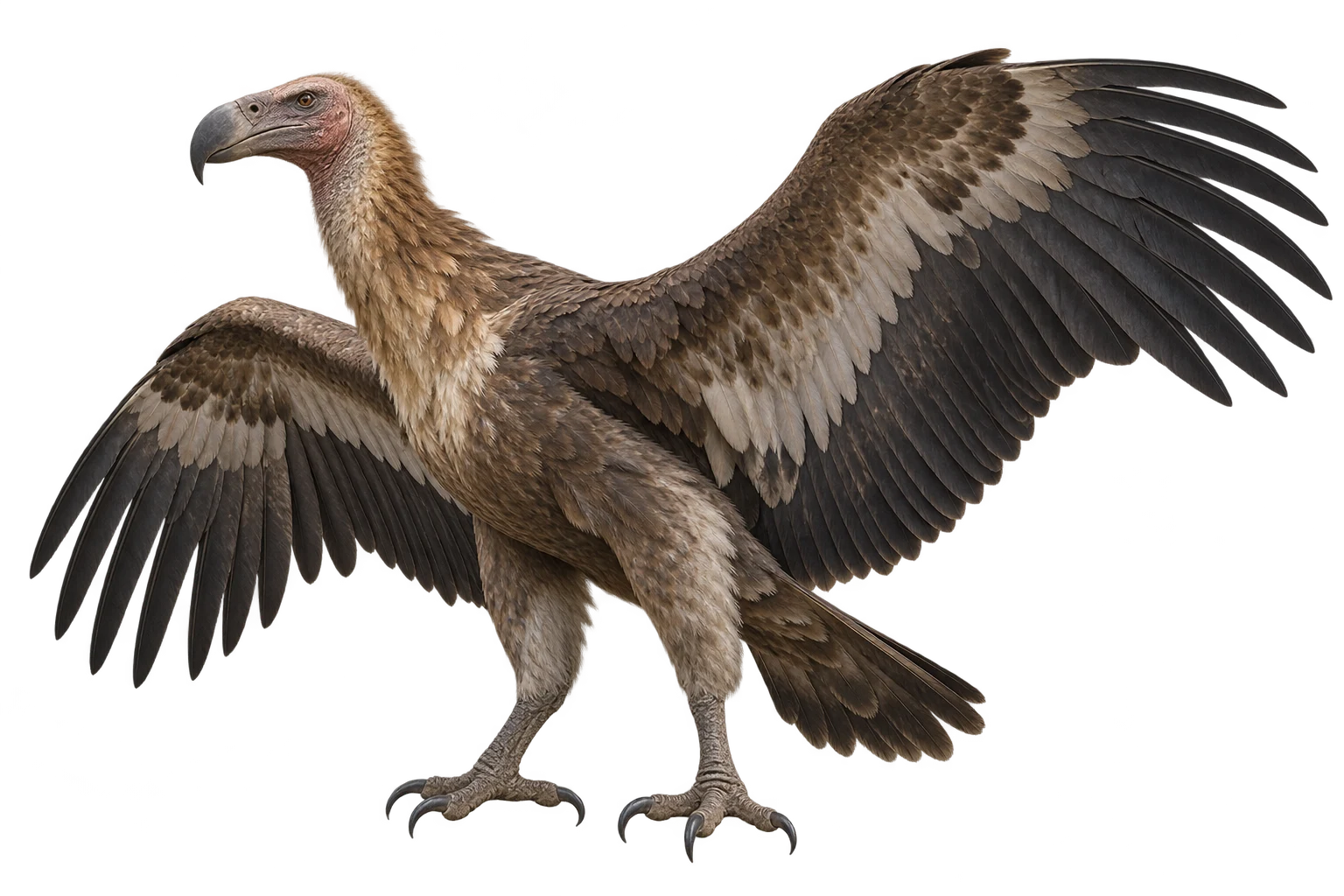
Birds
Argentavis Magnificens
Argentavis magnificens
Classification and source reference
ExtinctAI reconstruction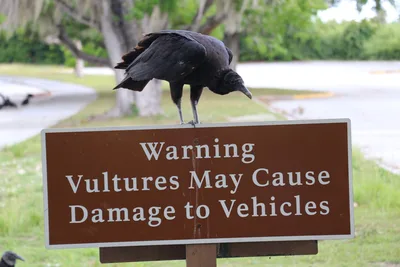 LC
Birds
Black vulture
Coragyps atratus
The black vulture is a glossy black scavenger of the Americas, with a bare grey head and white patches at the wingtips.
Living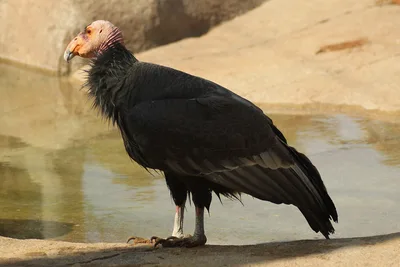 CR
Birds
California condor
Gymnogyps californianus
The California condor is the largest land bird in North America, with a wingspan of about 3 metres and a bare orange head.
Living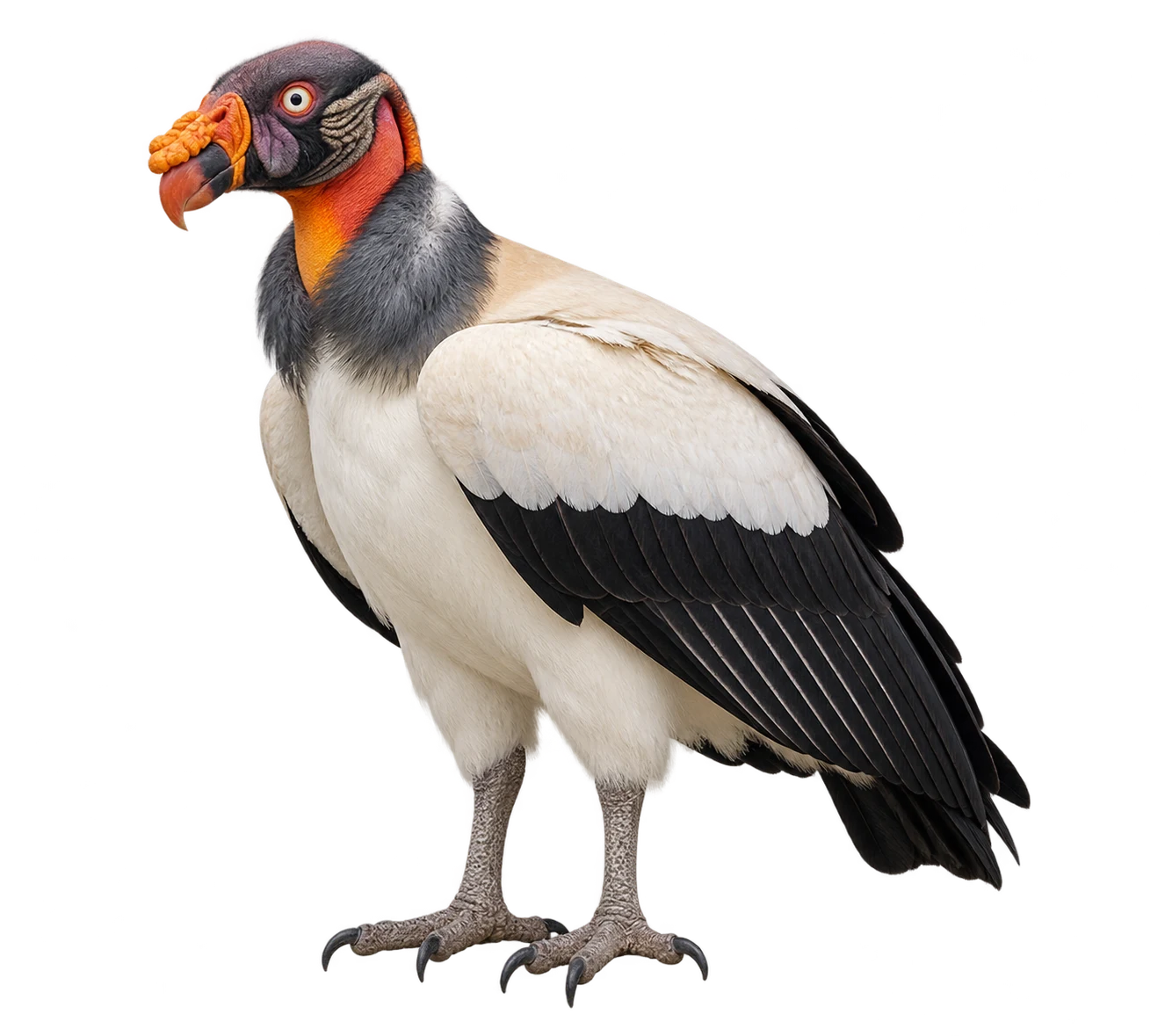
Birds
King Vulture
Sarcoramphus papa
Classification and source reference
LivingAI illustration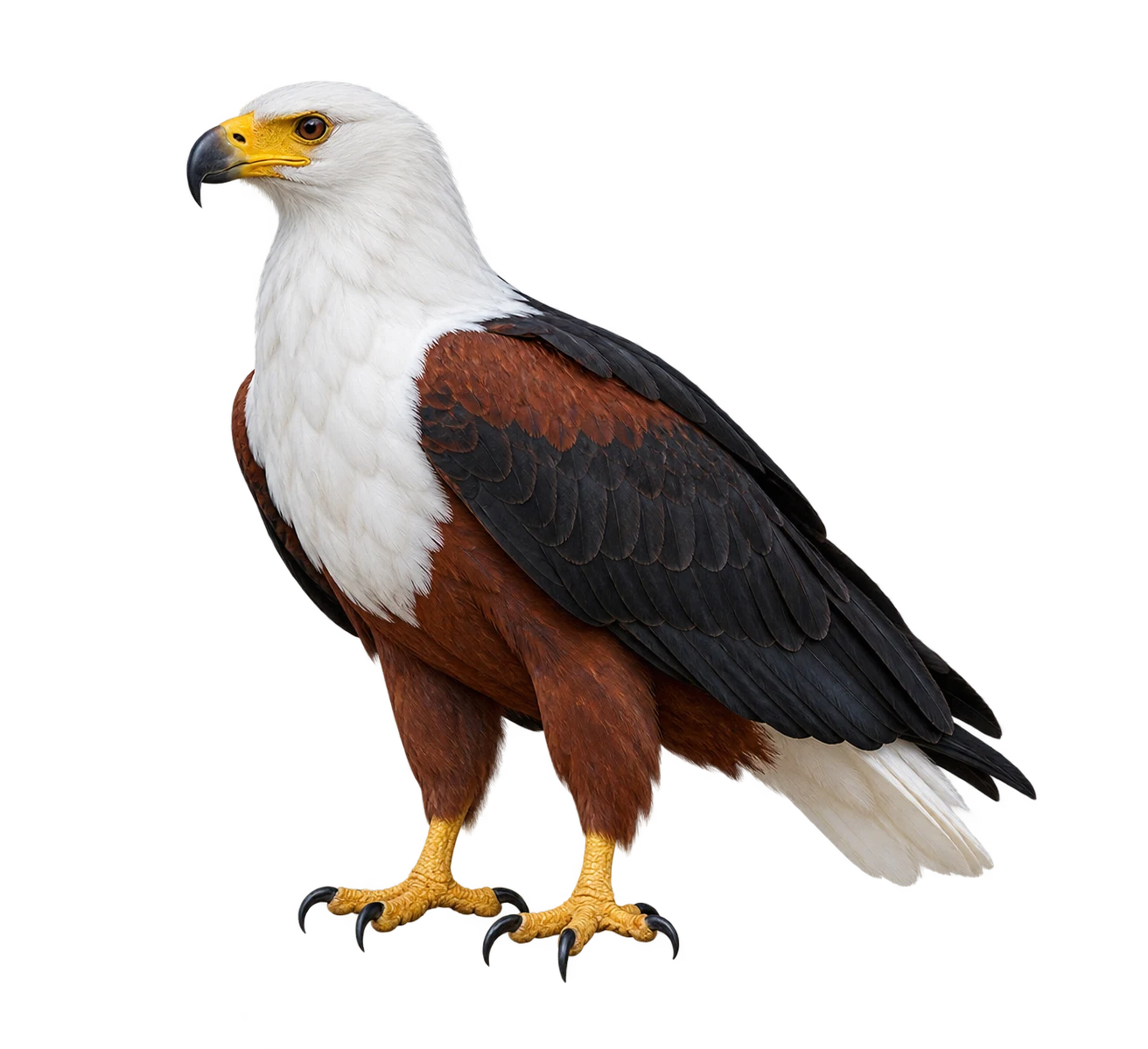
Birds
African Fish Eagle
Haliaeetus vocifer
Classification and source reference
LivingAI illustration