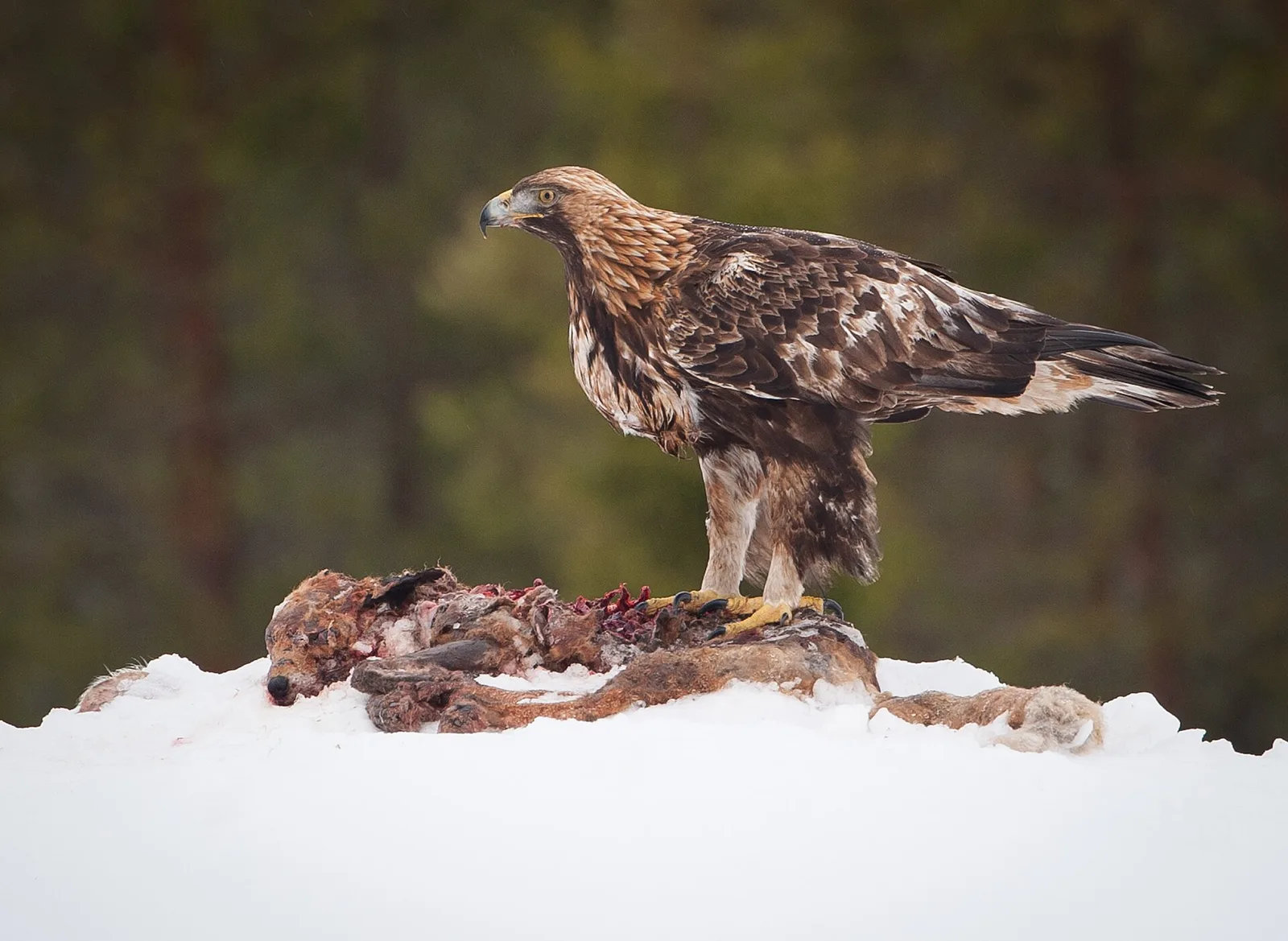
Golden eagle
The mountain hunter that people learned to fly
Aquila chrysaetos
Also called Berkut, European golden eagle, North American golden eagle
Living individuals or members of this group exist today. This does not mean they are safe from extinction.
Meet the golden eagle
The golden eagle is a large dark brown raptor of open country across the Northern Hemisphere. It hunts hares, marmots and ground squirrels, and it is the most widely distributed eagle in the world.
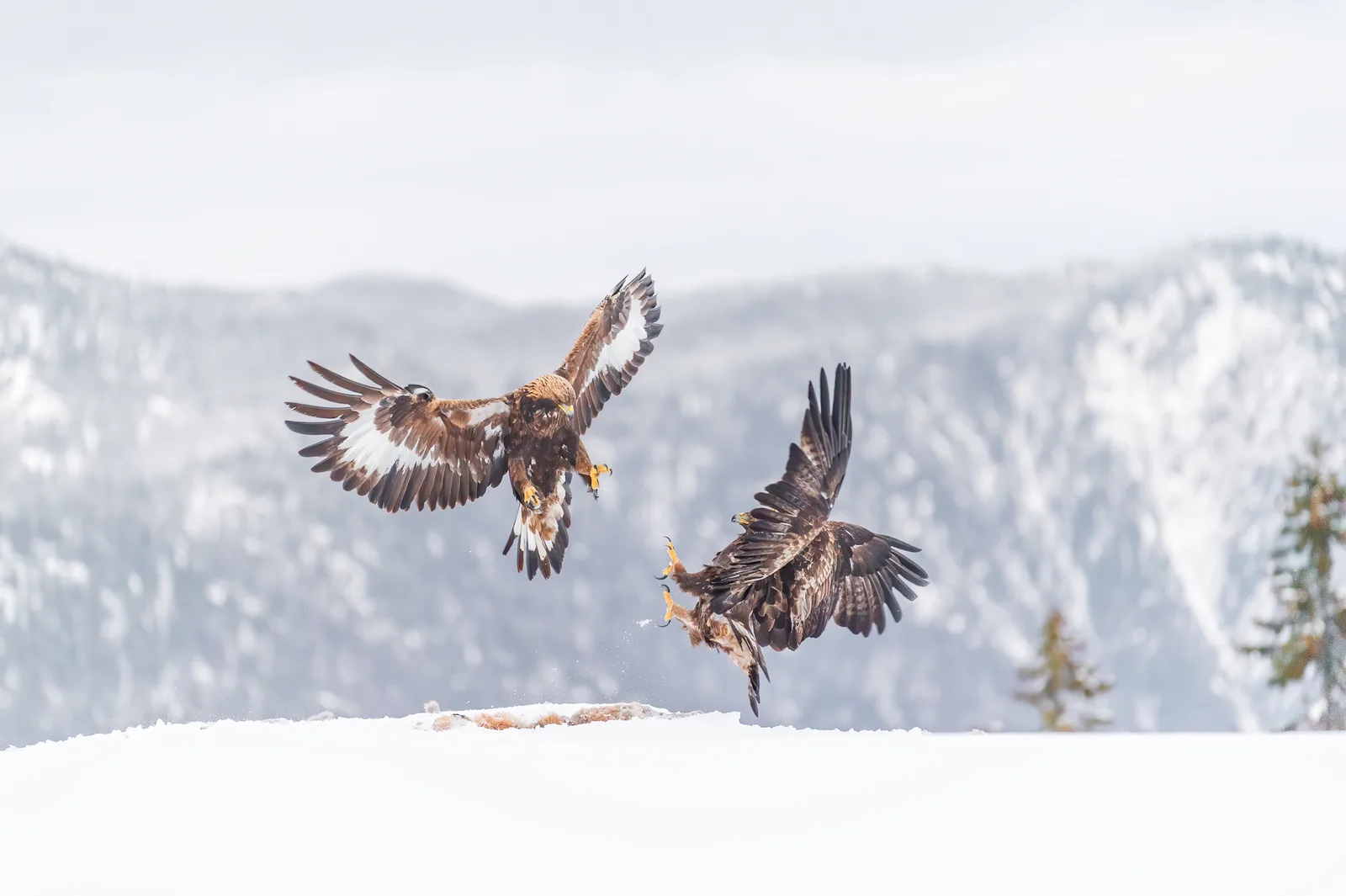
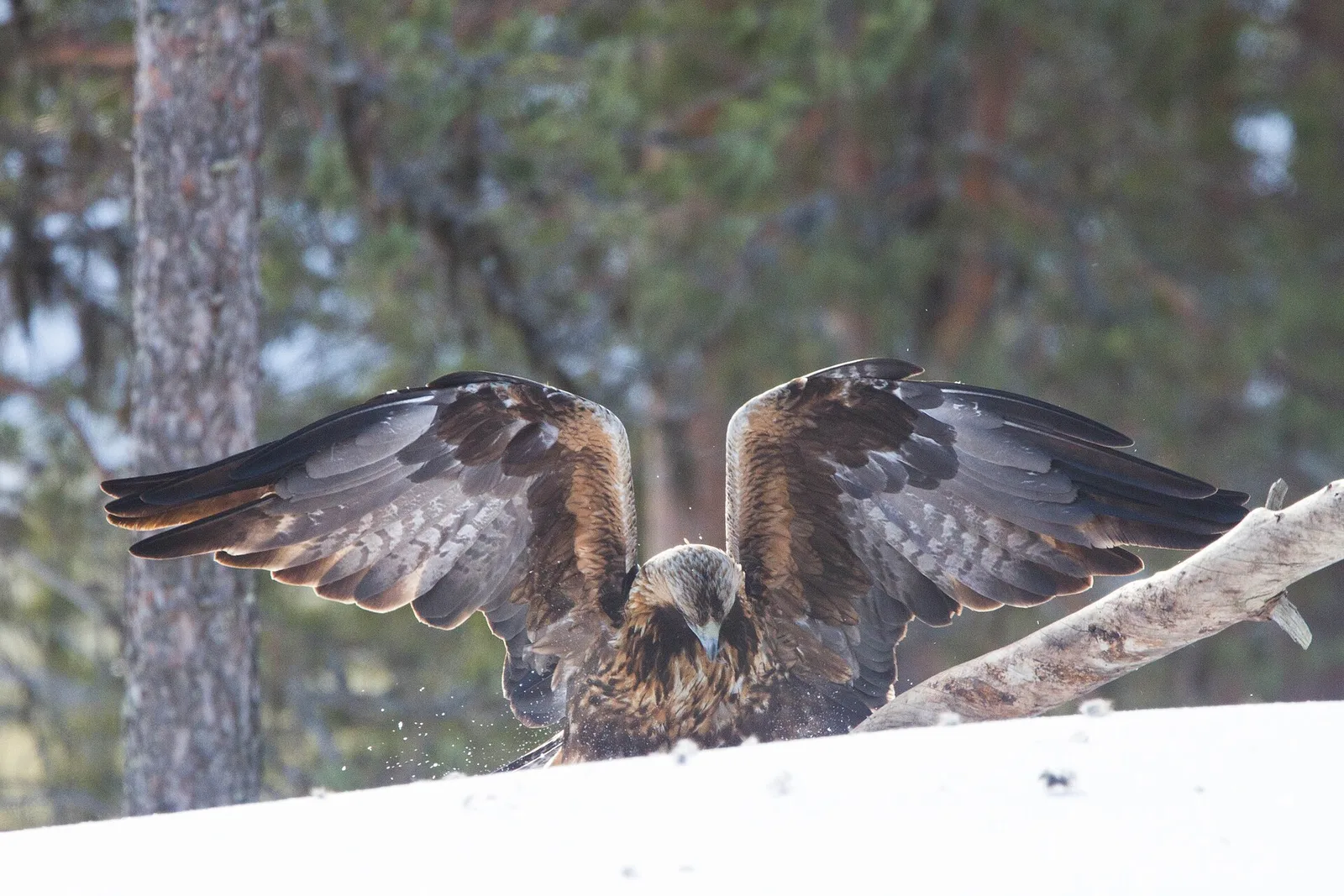
Images of the golden eagle
Lifespan in the wild
Up to 32 years
Weight
2.5 to 6.7 kg
Length
0.66 to 1.02 m
Top speed
45 to 52 km/h
Fact file
Golden eagle
- Location
- Eurasia, North America and North Africa
- Habitat
- Mountains, Grassland, Tundra, Temperate forest
- Diet
- Carnivore
- Prey / food
- Rabbits, hares, ground squirrels, marmots, prairie dogs, grouse, foxes, deer calves
- Predators
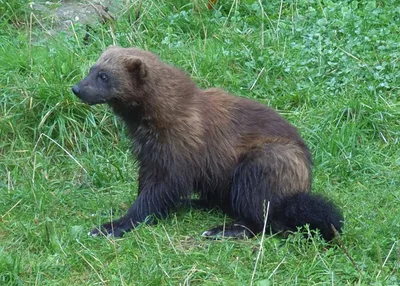
- Almost none; wolverines and grizzly bears rarely take nestlings
- Lifestyle
- Active by day; mostly sedentary, northern birds migrate
- Group name
- None; a pair holds a territory
- Name of young
- Eaglet
- Incubation
- Incubation 35 to 45 days
- Clutch size
- 1 to 4 eggs, usually 2
- Population
- 170,000 to 250,000 worldwide
- Biggest threat
- Poisoning, shooting, electrocution and collisions
- Distinctive feature
- Golden feathers on the nape, and legs feathered to the toes
- Colour
- Dark brown with a golden nape
- Skin type
- Feathers
Size
Next to a person
Measurements
Size and speed
- Length
- 0.66 to 1.02 m
- Wingspan
- 1.8 to 2.34 m, up to 2.55 m the largest authenticated wild female spanned 2.55 metres
- Weight
- 2.5 to 6.7 kg, up to 7.7 kg males are much lighter than females; the heaviest wild bird on record weighed 7.7 kg
- Weight, male
- 2.8 to 4.6 kg European subspecies
- Weight, female
- 3.8 to 6.7 kg European subspecies
- Top speed
- 45 to 52 km/h, up to 320 km/h unhurried soaring speed; a full dive reaches 240 to 320 km/h
Typical adult ranges. Source: Wikipedia.
Life cycle
Lifespan
- In the wildUp to 32 years
- In captivityUp to 46 years
- 046 years
The pale bar is the record. Source: Animal Diversity Web.
Appearance
Colour and coat
- Primary colours
- brown
- Secondary colours
- goldgreywhite
- Skin type
- feathers
- Male and female
- Clear in size but not in colour. Females are much heavier than males, by about 37 per cent in the largest subspecies. Both sexes wear the same dark brown plumage with a golden nape.
Life cycle
Mating and family
- Mating system
- monogamous pairs, usually for life
- Social structure
- a single pair on a very large territory
- Breeding
- one clutch a year, from March onwards
A pair keeps several nests and repairs one before laying. The female lays one to four eggs, and two is the usual number. She begins to sit on the first egg, so the chicks hatch days apart. The older eaglet often kills the younger one when food is short. Young birds fly at about 66 to 81 days and first breed at four to seven years.
Classification
Taxonomy
- Kingdom
- Animalia
- Phylum
- Chordata
- Class
- Aves
- Order
- Accipitriformes
- Family
- Accipitridae
- Genus
- Aquila
- Species
- Aquila chrysaetos
Conservation
Red List status
- LC
- NT
- VU
- EN
- CR
- EW
- EX
Least Concern on the IUCN Red List
Range
Recorded in 17 countries
- Austria
- Canada
- Switzerland
- People's Republic of China
- Germany
- Algeria
- Spain
- France
- United Kingdom
- Iran
- Italy
- Kazakhstan
- Mexico
- Norway
- Portugal
- Russia
- United States of America
Habitat layer: temperate broadleaf and mixed forest, temperate conifer forest, boreal forest and taiga, tropical grassland, savanna and shrubland, temperate grassland, savanna and shrubland, montane grassland and shrubland, tundra.
Countries from 17,553 wild records on GBIF (iNaturalist research grade), filtered and checked by hand. Country shapes: Natural Earth. Habitat: RESOLVE Ecoregions 2017, CC BY 4.0. Basemap: Natural Earth.
Habitats
Three things to know
- 1
A golden eagle holds a home range that can reach 200 square kilometres.
- 2
Kazakh and Kyrgyz hunters have trained golden eagles to take foxes for centuries.
- 3
The legs of a golden eagle are feathered right down to the toes.
Did you know
Seven more facts
- 1
Linnaeus first named the bird Falco chrysaetos in 1758.
- 2
The name chrysaetos joins the Greek words for gold and eagle.
- 3
Six subspecies are usually recognised, and the berkut is the biggest.
- 4
Feathers cover the legs down to the toes, unlike most hawks.
- 5
About 4,000 eagles may pass Mount Lorette in Alberta each autumn.
- 6
In one cold Idaho night, 124 eagles perched along 85 power poles.
- 7
The oldest captive golden eagle reached 46 years.
Field notes
How it looks and acts
Field notes
Distinguishing features
- A pale golden patch across the crown and the back of the neck.
- Legs feathered right down to the yellow toes.
- Wings held in a shallow V while soaring.
- Long fingered feathers at the wingtips.
- A white tail base and white wing patches on young birds.
- A wingspan of 1.8 to 2.34 metres.
Field notes
Unique adaptations
- A hind claw of up to 6.34 centimetres kills prey by grip alone.
- Broad fingered wings let the bird soar for hours over ridges.
- A dive with folded wings turns height into speed.
- Feathered legs probably help against cold at high altitude.
- A large gut lets the bird gorge after days without food.
Field notes
Interesting behaviours
- It spends most of the day perched and watching.
- It flies an undulating display along the edge of its range.
- It keeps several nests and rotates between them.
- It drops and catches a stick during courtship.
- It sometimes hunts as a pair, one bird tiring the prey.
Field notes
Temperament
- The golden eagle is solitary except for its mate.
- It drives intruding eagles to the edge of its range without touching them.
- It is easily disturbed at the nest and will abandon a clutch.
- It takes to a human handler well enough for falconry.
Field notes
Communication
- Nine distinct calls have been recorded in Montana.
- The voice is high and shrill for such a large bird.
- Most calling happens around the nest during breeding.
- Territory is advertised by flight, not by voice.
- A cornered bird rolls over and shows its talons.
Ecology
Ecological role
The golden eagle is the top predator of open upland country across the Northern Hemisphere.
- It holds down local numbers of rabbits, hares and ground squirrels.
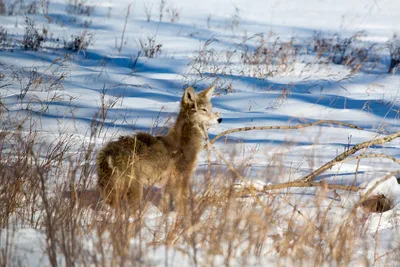
- It competes with coyotes, ravens and other large raptors for food and ground.
- It takes carrion in winter, which is important in Scottish weather.
- Its huge territory probably shapes where smaller raptors can settle.
Stories
Myths and legends
- In Mexica tradition, an eagle on a cactus marked the site of Tenochtitlan.
- In Roman military practice, each legion carried a single eagle standard.
- In Kazakh tradition, the eagle falconer is a figure of standing on the steppe.
- In Old Turkic usage, the title lord of birds went to a khan's close advisers.
- In modern Mexico, the founding eagle still appears on the national flag.
People
Relationship with humans
People
Living alongside us
People have watched, worshipped and hunted with the golden eagle for thousands of years. Kazakh and Kyrgyz falconers still fly the bird at foxes from horseback. Rome put it on the standards of its legions, and Mexico put it on its flag. Ranchers shot and poisoned eagles for two centuries. Protection laws and changing attitudes have turned much of that around.
- Golden eagles do not hunt people and attacks are not part of their behaviour.
- A bird defending a nest will dive at an intruder who climbs to it.
- The real conflict is with livestock, because eagles take the occasional lamb.
People
Status, uses and products
- Domestication
- Wild
- As a pet
- Not suitable. The golden eagle is protected by law across most of its range. Only licensed falconers may keep one, and the birds need daily flying and large amounts of meat. A pair in the wild uses tens of square kilometres of open ground.
- Uses
- falconrywildlife tourismnational and military symbolism
- Products
- None recorded
The full account
About the golden eagle
The golden eagle is a large brown raptor of the Northern Hemisphere. It is the most widely distributed eagle in the world. The body measures 66 to 102 centimetres long. The broad wings span 1.8 to 2.34 metres. Females are much heavier than males, and one wild bird weighed 7.7 kilograms (kg).
Golden feathers on the back of the head give the bird its name. Feathers run all the way down the legs to the toes. It hunts rabbits, hares, marmots and ground squirrels in open country. A diving eagle can reach 240 to 320 kilometres per hour.
The IUCN rates the species Least Concern. Between 170,000 and 250,000 birds live across the whole range. The bird has gone from many crowded parts of its old range. People have honoured it and hunted with it for thousands of years.
Name and taxonomy
Carl Linnaeus described the bird in 1758 as Falco chrysaetos. Mathurin Jacques Brisson moved it to the new genus Aquila in 1760. Aquila is Latin for eagle, and may come from a word meaning dark. The species name joins the Greek words for gold and eagle. The type locality was later fixed on Sweden.
Six living subspecies are usually recognised. They differ in size and shade, and the differences run in a gradient. The Himalayan form, called the berkut, is the largest. The Japanese form is the smallest and the darkest. Some genetic work proposes cutting the list down to two.
Evolution and relatives
The golden eagle belongs to a group called the booted eagles. Every bird in that group carries feathers over the tarsus. Most other members of the hawk family have bare legs. The genus Aquila occurs on every continent except South America and Antarctica.
Genetic work groups the golden eagle with Verreaux's eagle of Africa. Gurney's eagle and the wedge-tailed eagle sit in the same clade. Bonelli's eagle turned out to belong there too, which surprised ornithologists. The imperial, tawny and steppe eagles form a separate close group. Larger fossil golden eagles are known from Ice Age France and Crete.
Appearance
Adults are mainly dark brown, and grey shows on the inner wing and on the tail. The crown and nape carry the pale golden patch that names the bird. Leg feathers are paler than the rest, from light gold to white. The bill is dark at the tip and horn coloured at the base, with a yellow cere. The bare part of the foot is yellow, as in many hawks.
The body runs 66 to 102 cm long, with a span of 1.8 to 2.34 metres. Males of the European form weigh 2.8 to 4.6 kg. Females of that form weigh 3.8 to 6.7 kg. A female banded in Wyoming in 2006 weighed 7.7 kg, the heaviest wild bird known. One authenticated wild female spanned 2.55 metres across the wings.
The wing chord measures 52 to 72 cm and the tail 26.5 to 38 cm. The hind claw can reach 6.34 cm, longer than a bald eagle's. Young birds are darker and show white over about two thirds of the tail. White patches often appear on the wings, and they vary a great deal. Full adult plumage arrives when the bird is about six years old.
Habitat and range
Golden eagles need open or half open ground where they can see prey. They avoid towns, farmland and heavy forest. Most live in mountains today, and hunt and nest around rock. They will still breed in lowland country where the habitat suits them. Animal Diversity Web records them from sea level up to 3600 metres.
In Europe the bird holds the Pyrenees, the Alps, the Carpathians and the Caucasus. Scottish and Irish birds live on upland grassland, blanket bog and crags. Across Siberia they occur thinly in lowland taiga where the trees thin out. In Asia they nest above the tree line at more than 2,500 metres. One bird was recorded circling at 6,190 metres in Khumbu in 1975.
In North America they range from Alaska to central Mexico. Plains, prairie, sagebrush and oak woodland all hold pairs. They avoid true desert, such as ground with under 20 cm of rain a year. The species no longer breeds in the eastern United States. An isolated population survives in the Bale Mountains of Ethiopia.
Diet and hunting
Small and medium mammals make up most of the food. Hares, rabbits, marmots, prairie dogs and ground squirrels lead the list. Birds, reptiles and fish appear in smaller numbers. Large prey is taken now and then, including seals, deer, coyotes and badgers. Geese, cranes, owls and falcons have all been caught in the air.
A grown eagle needs about 230 to 250 grams of food a day. Life runs in cycles of plenty and hunger, though. A bird can go a week without food and then eat 900 grams at one sitting. In Idaho, 20 per cent of 115 hunting attempts ended in a catch. They rarely store prey for later.
The bird hunts by day, mostly by quartering low over open ground. An unhurried soar runs at 45 to 52 kilometres per hour. A hunting glide can reach 190 kilometres per hour. In a full dive the legs come up and the wings close against the body. Pairs sometimes hunt together, with one bird tiring the prey for the other.
Behaviour and social life
A pair holds one of the largest home ranges known for any bird. Most ranges cover 20 to 200 square kilometres. In San Diego County the average was 93 square kilometres. Where jackrabbits are plentiful in Idaho, a range can shrink to 4.85 square kilometres. The smallest ranges on record are in the Bale Mountains of Ethiopia.
Most of the day passes quietly on a perch. Male eagles in Idaho sat still for about 78 per cent of the daylight. Females spent about 85 per cent of the day perched or on the nest. Cold weather can push the usual solitude aside. In eastern Idaho, 124 eagles once perched along a line of 85 power poles.
Most populations stay put all year. Birds raised north of 60 degrees usually migrate south for the winter. Young Finnish eagles move 1,000 to 2,000 kilometres due south. About 4,000 birds may pass Mount Lorette in Alberta each autumn. Scottish birds barely move, and banded birds averaged 44 kilometres from the nest.
Communication and senses
For a bird of this size the voice is oddly weak. Writers have called it high, shrill and puppy-like. Golden eagles stay quiet for most of the year. Most calls belong to the nesting season. Nine distinct calls were noted in western Montana.
Calls mainly work as contact between birds that know each other. Chicks beg, and parents answer at the nest. The species does not use its voice to mark a territory. It uses flight instead, in an undulating display along the range edge.
Body language carries meaning at close quarters. A threatened bird stands upright, raises its head feathers and opens the bill. It may roll onto its back and present both sets of talons. A bird on the nest may instead lower its head and freeze.
Reproduction and life cycle
Golden eagles usually mate for life. Courtship involves undulating flights by both birds. The male drops a stone or a stick, dives, and catches it in the air. He repeats that trick several times over. The female does the same with a clump of earth.
A pair builds several nests inside the territory and uses them in turn. Cliffs are the first choice, but trees, banks and towers all serve. Nests sit anywhere from ground level to 107 metres up. Building or repair takes 4 to 6 weeks. The largest nest on record stood 6.1 metres tall and 2.59 metres wide.
The female lays 1 to 4 eggs, and two is usual. Eggs come 3 to 4 days apart, and she starts sitting on the first one. Incubation runs 35 to 45 days, averaging 42. The chicks therefore hatch several days apart. The older, larger eaglet often kills the younger one.
The male brings most of the food during the early weeks. A chick reaches around 500 grams and starts standing at about 20 days. Young birds leave the nest at 66 to 75 days in Idaho. Scottish birds fledge a little later, at 70 to 81 days. They stay dependent for weeks and first breed at four to seven years.
Predators and threats
A grown golden eagle has almost no natural enemy. Only the wolverine and the grizzly bear are on record as taking nestlings. Most fatal attacks on eagles probably come from other golden eagles. There is no confirmed record of another bird raiding an occupied nest.
Prey occasionally kills the hunter. One eagle died from the quills of a porcupine it had attacked. Red deer on the Isle of Rum have trampled eagles that went for a fawn. A great blue heron and the eagle that seized it both died of their wounds. A fulmar once killed a Scottish eagle by fouling its feathers with oil.
Starvation is probably the most under-reported natural cause of death. Eleven of sixteen dead young eagles in Denali National Park had starved. Of 266 recorded deaths in Spain, only 6 per cent lacked a human cause. Power lines, traps, poison and wind turbines all kill birds today. Eagles also abandon a nest readily when people disturb them during incubation.
Population and conservation
The IUCN Red List rates the golden eagle as Least Concern. The world total is put at 170,000 to 250,000 birds. Breeding pairs are estimated at 60,000 to 100,000. The range covers about 140 million square kilometres. Only the osprey covers more ground among birds of its order.
Sport shooting and commercial stock farming turned people against the bird. Firearms and industrial poisons made killing it easy. About 20,000 eagles were shot in the United States before 1962, many from aircraft. Farmers blamed them for lamb losses, though studies found rabbits filled most stomachs. Federal law has protected the species in the United States since 1962.
British numbers fell hard under persecution. The RSPB reports around 48 golden eagles in southern Scotland today. The bird is a Schedule 1 species there, and nests are still robbed and poisoned. England has funded work towards a return after about 150 years away. Eight areas were marked as suitable for that project.
Relationship with humans
Falconers have flown golden eagles for centuries. Kazakh and Kyrgyz hunters of the Eurasian steppe still do. A Kazakh eagle falconer is a burkitshi, from the word for the bird. Khitan hunters in Manchuria used eagles more than a thousand years ago. A Song dynasty painting shows them riding out with the birds.
Bayan-Olgii Province in Mongolia holds an annual Golden Eagle Festival. Judges award prizes for hunting skill, obedience and traditional dress. A documentary of 2016 followed a girl called Aisholpan at that festival. Researchers worry that tourism now shapes the practice. Some birds are hand-raised for visitors rather than for hunting.
Modern uses go beyond tradition. In 2017 the army of France put golden eagles to work catching drones. Utah names the golden eagle as its state bird of prey. Ranchers still lose the occasional lamb to an eagle. Some researchers argue the birds help farms by holding down rabbits.
In culture and myth
Early cultures across the Northern Hemisphere treated the golden eagle with respect. In Mexica belief, the sun god told the people where to build their city. They were to look for an eagle perched on a cactus. That scene founded Tenochtitlan and now appears on the flag of Mexico.
Rome made the eagle a badge of the empire and of the army. Each legion carried one eagle standard. The soldier who carried it was called the aquilifer. Its place on the field showed where the troops were. Losing a standard brought disgrace, and armies fought hard to win one back.
In Kazakh and Kyrgyz tradition, an eagle falconer holds real standing. The old Turkic title kush begi, lord of birds, went to a khan's close advisers. In British tradition the bird stands for wild high ground. Its return to the Scottish glens is probably read as a measure of recovery.
A sentence with a dotted underline is inferred: it describes the group the animal belongs to, or is a reading of the sources, rather than a measured or reported fact about this species.
Questions
Golden eagle questions, answered
How big is a golden eagle?
The body runs 66 to 102 cm long and the wings span 1.8 to 2.34 metres. Females weigh far more than males.
How fast can a golden eagle fly?
It soars at 45 to 52 km/h and glides at up to 190 km/h. A full dive reaches 240 to 320 km/h.
What do golden eagles eat?
Mostly rabbits, hares, marmots, prairie dogs and ground squirrels. They also take birds, reptiles and the occasional deer calf.
Where do golden eagles live?
Across Eurasia, North America and North Africa, in open country and mountains. They avoid towns, farmland and dense forest.
Are golden eagles endangered?
No. The IUCN rates them Least Concern, with 170,000 to 250,000 birds worldwide.
How long do golden eagles live?
Wild birds have reached 32 years. The oldest known captive eagle lived to 46.
Do golden eagles attack people?
No. They will dive at somebody who climbs to a nest, but they do not hunt humans.
How many eggs does a golden eagle lay?
One to four, and usually two. The first chick to hatch often kills its younger sibling.
Can golden eagles carry off a sheep?
No. They take lambs and other small livestock now and then, but an adult sheep is far too heavy.
How big is a golden eagle's territory?
Usually 20 to 200 square kilometres. It shrinks where prey is very dense, and grows where prey is thin.
Do golden eagles migrate?
Northern birds do, especially those raised above 60 degrees north. Most other populations stay near their territory all year.
Why do people hunt with golden eagles?
Kazakh and Kyrgyz falconers use them to catch foxes and hares from horseback. The practice is centuries old on the Eurasian steppe.
How can you tell a golden eagle from a buzzard?
The eagle is far bigger, with longer fingered wings held in a shallow V. A buzzard looks small and stubby beside it.
Why is it called a golden eagle?
A patch of pale gold feathers covers the crown and the back of the neck. The rest of the bird is dark brown.
Do golden eagles mate for life?
Usually yes, and the pair keeps the same territory for years. They build several nests and use them in turn.
Are golden eagles found in Britain?
Yes, mainly in the Scottish Highlands and islands and parts of Northern Ireland. The RSPB reports around 48 birds in southern Scotland.
Food web
Prey and food
- rabbits
- hares
- ground squirrels
- marmots
- prairie dogs
- grouse
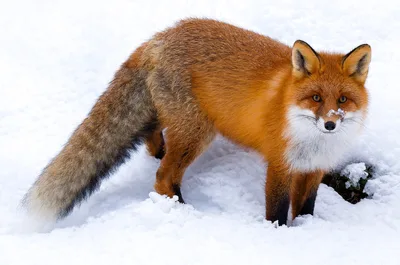 Red fox
- deer calves
 Wolverine
 Coyote
 Stoat
 Reindeer
 Arctic fox
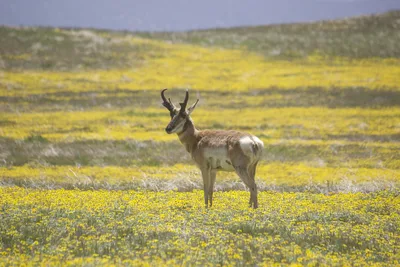 Pronghorn
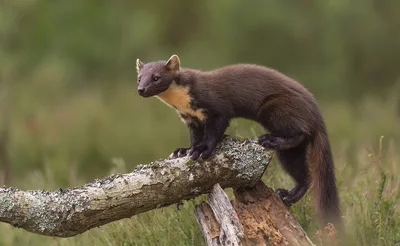 European pine marten
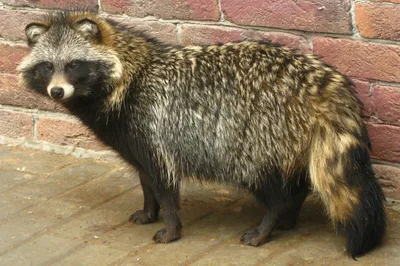 Common raccoon dog
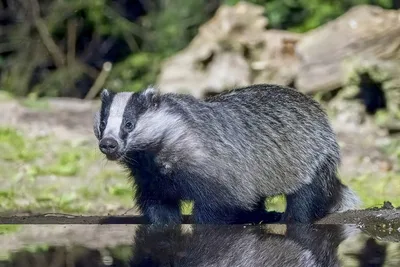 European badger
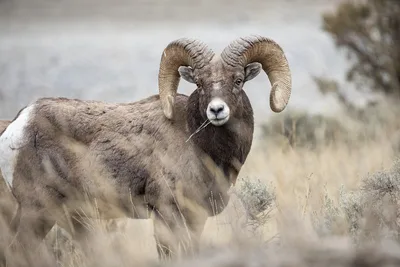 Bighorn sheep
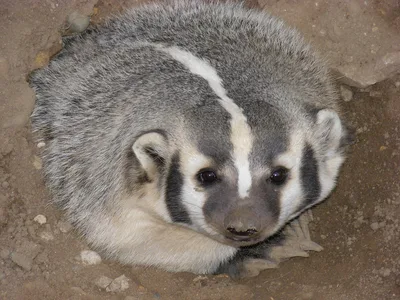 American badger
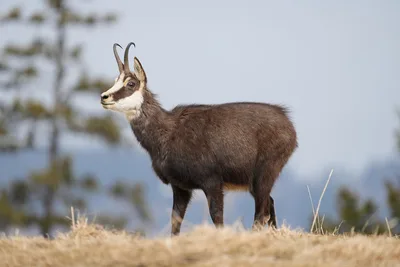 Chamois
 Common raven
 Turkey vulture
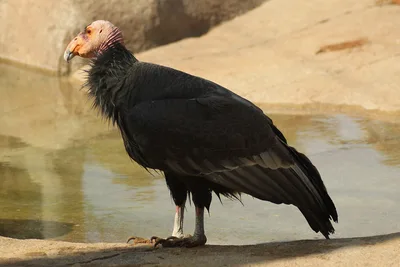 California condor
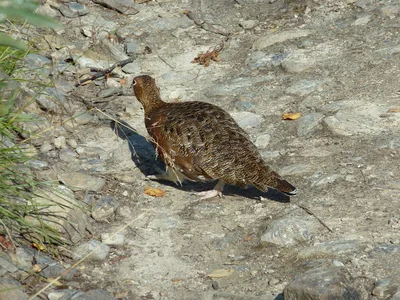 Willow ptarmigan
 Grey heron
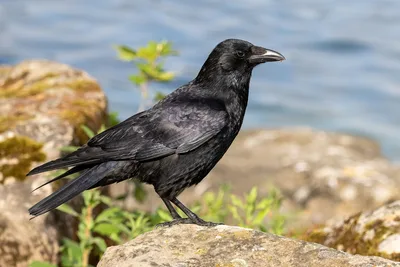 Carrion crow
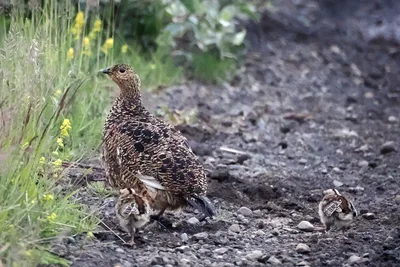 Rock ptarmigan
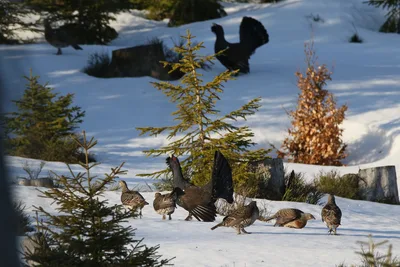 Western capercaillie
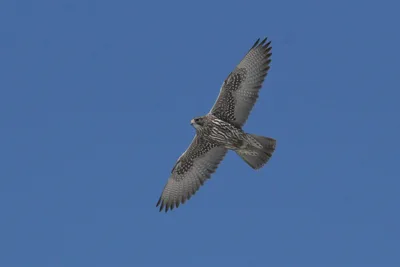 Gyrfalcon
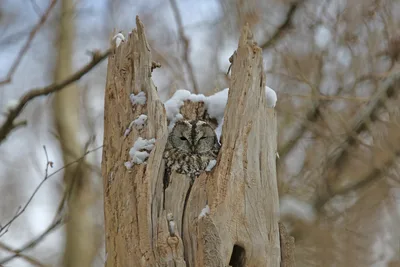 Tawny owl
Food web
Predators
- almost none
- Wolverine
- grizzly bears rarely
Ecological equivalents
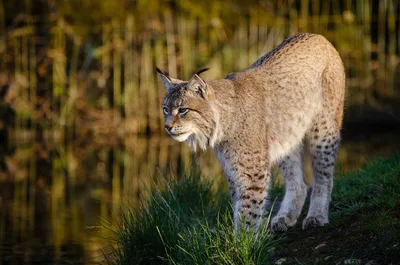
Related species on this site
Mexican Eagle (Northern crested caracara) (same genus), Wedge-tailed eagle (same genus), African Fish Eagle (same family), Australian Firehawk (same family), Bald eagle (same family), Bearded vulture (same family), and more.
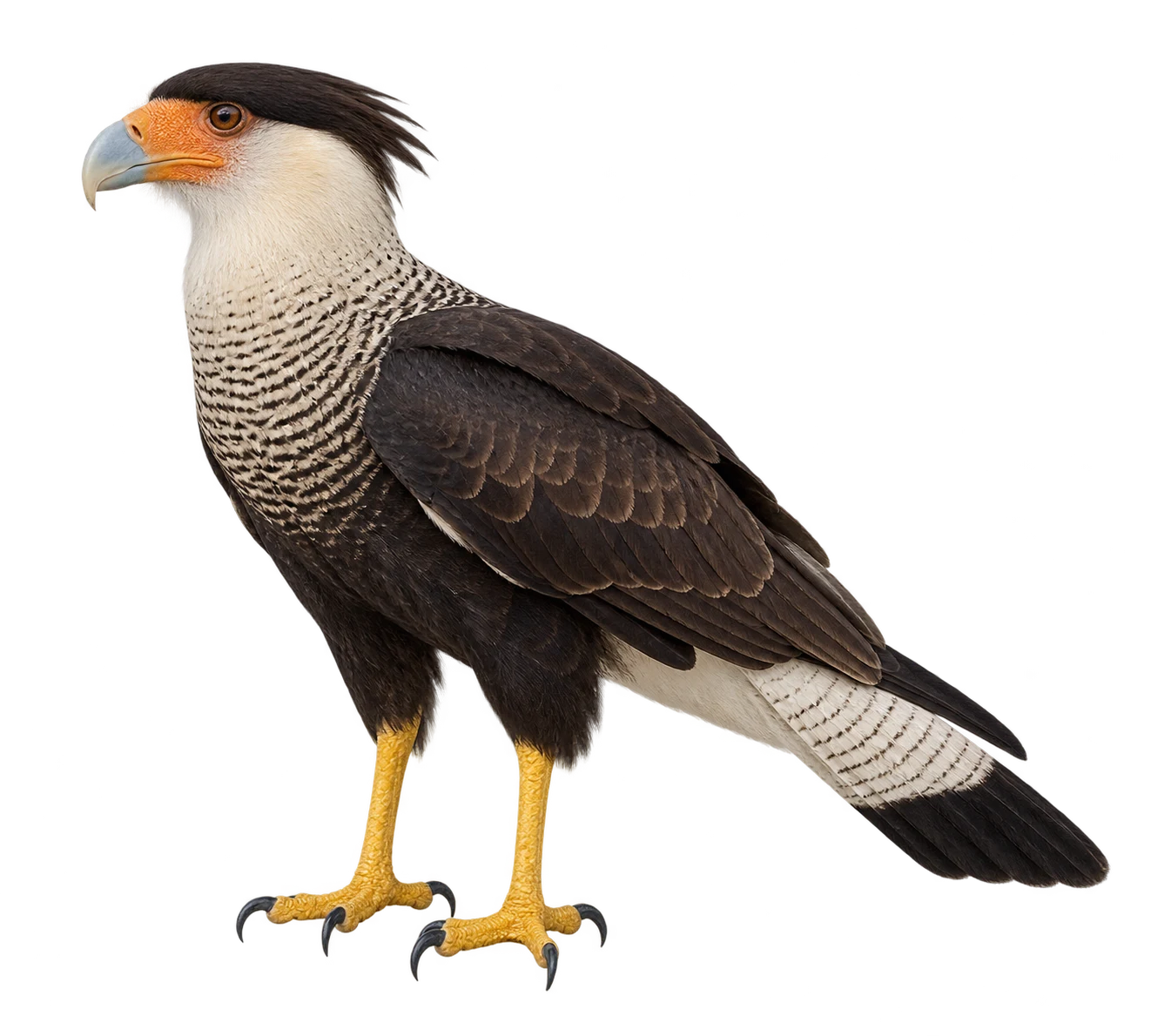
Birds
Mexican Eagle (Northern crested caracara)
Aquila chrysaetos
Classification and source reference
LivingAI illustration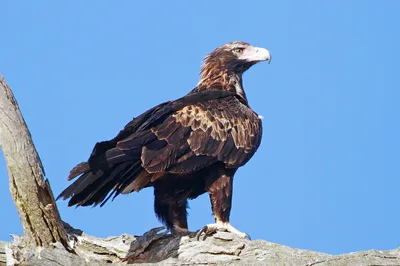 LC
Birds
Wedge-tailed eagle
Aquila audax
The wedge-tailed eagle is Australia's largest bird of prey, named for its long diamond-shaped tail.
Living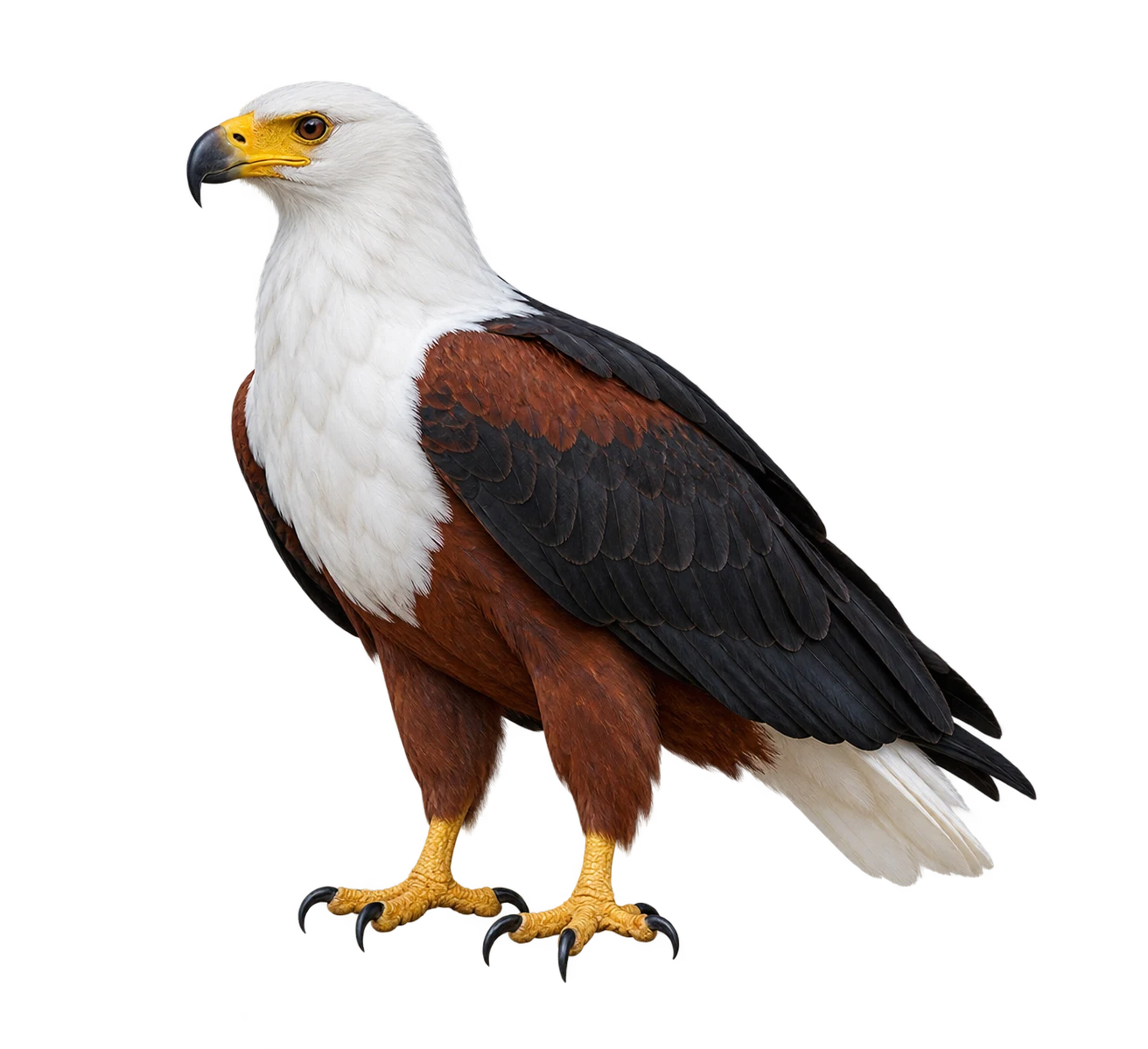
Birds
African Fish Eagle
Haliaeetus vocifer
Classification and source reference
LivingAI illustration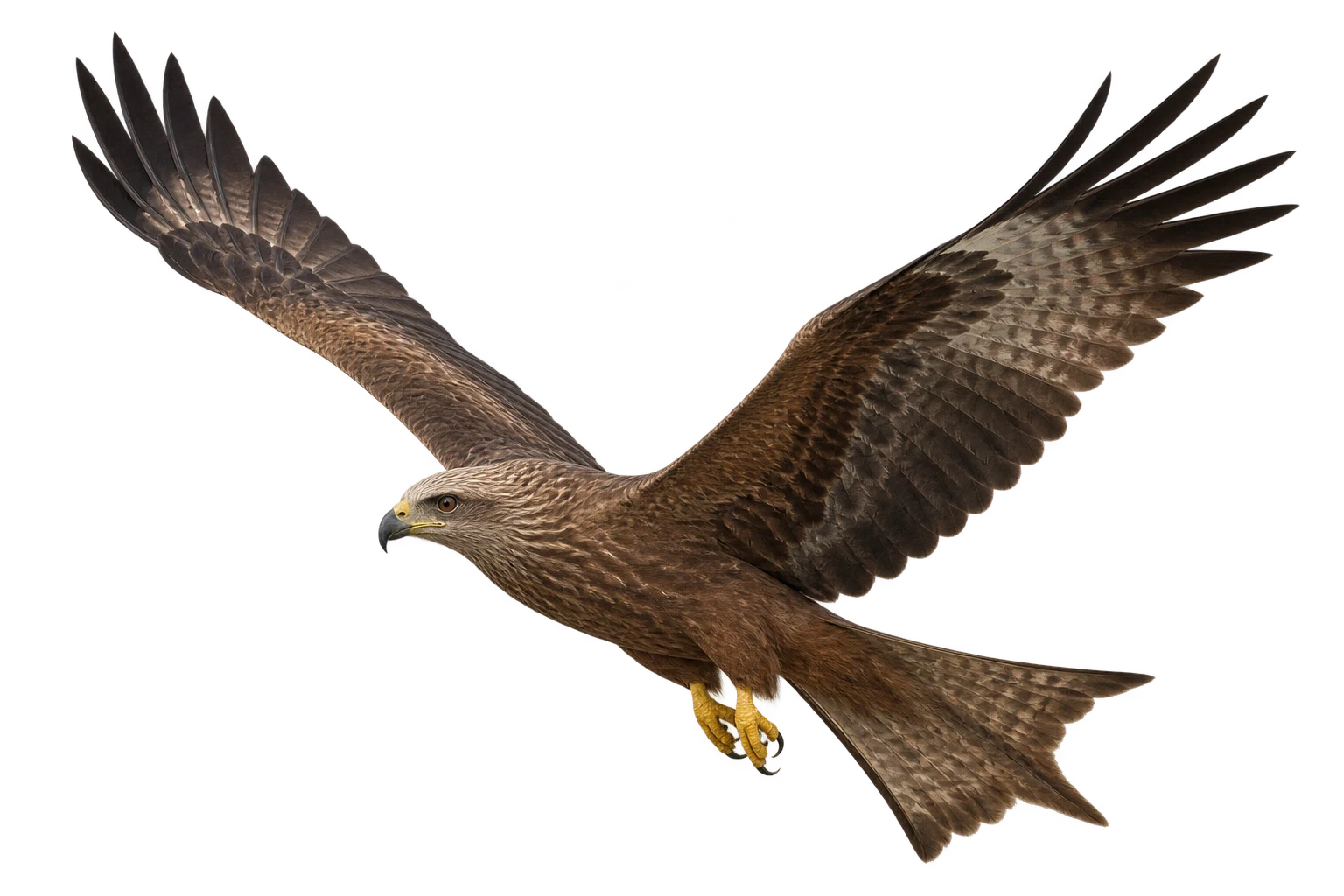
Birds
Australian Firehawk
Milvus migrans
Classification and source reference
LivingAI illustration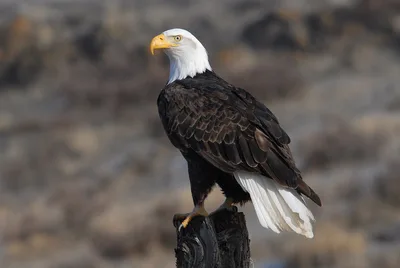 LC
Birds
Bald eagle
Haliaeetus leucocephalus
The bald eagle is the national bird of the United States.
Living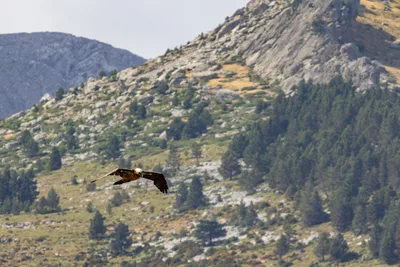 NT
Birds
Bearded vulture
Gypaetus barbatus
The bearded vulture is a huge mountain raptor that lives almost entirely on bone.
Living