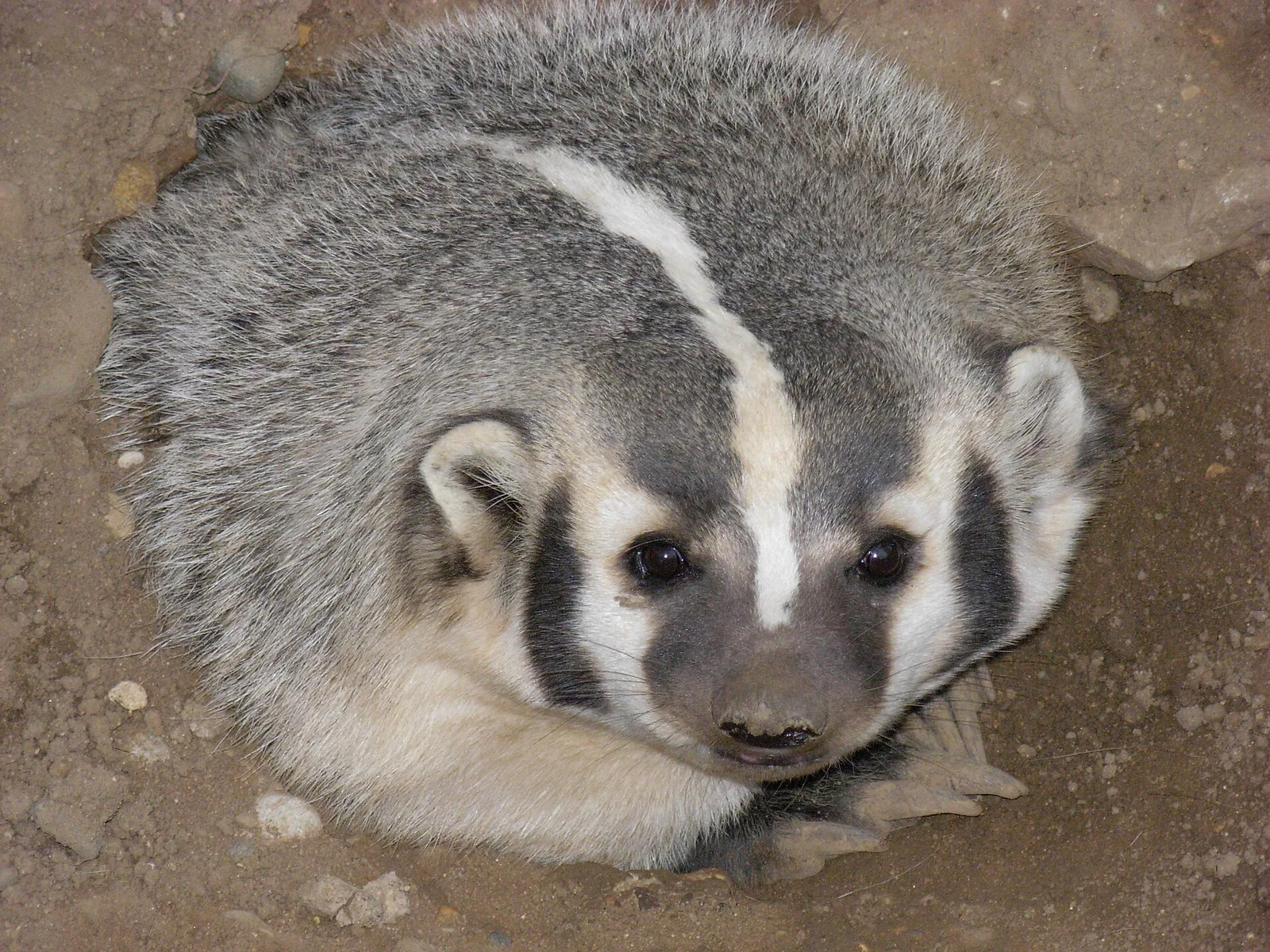
American badger
The prairie digger that hunts beside coyotes
Taxidea taxus
Also called Badger, Tlalcoyote
Living individuals or members of this group exist today. This does not mean they are safe from extinction.
Meet the american badger
The American badger is a flat, powerful digger of the North American grassland that tunnels after gophers and ground squirrels. It hunts beside coyotes, sleeps out the winter in torpor, and the IUCN lists it as Least Concern.
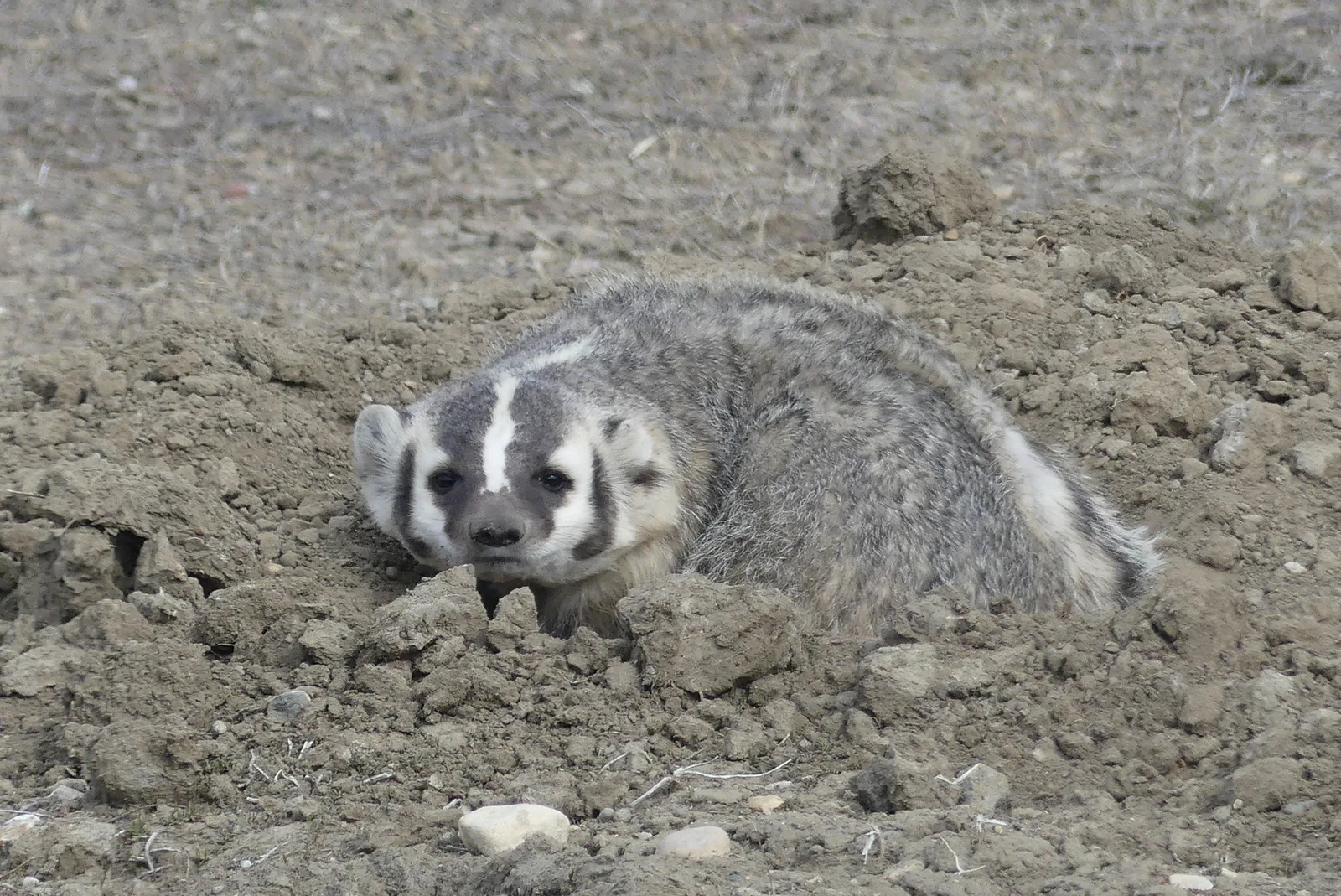
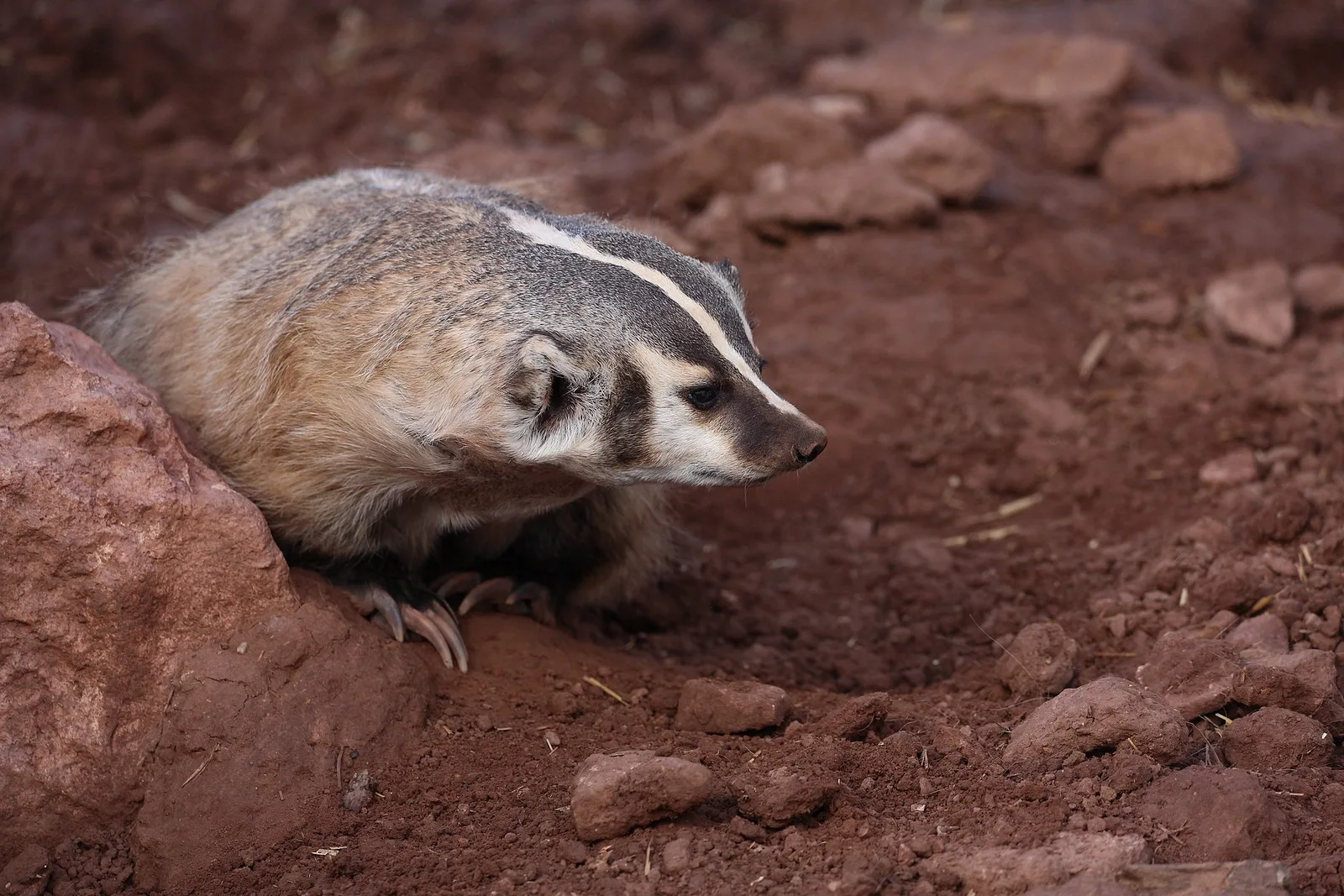
Images of the american badger
Lifespan in the wild
9 to 10 years the average; the oldest wild badger reached 14
Weight
4 to 12 kg
Length
52 to 87.5 cm
Fact file
American badger
- Location
- Western Canada, western and central United States, northern Mexico
- Habitat
- Grassland, Desert, Mountains
- Diet
- Omnivore
- Prey / food
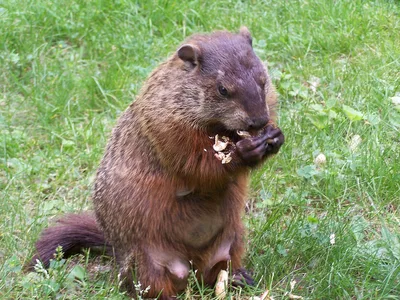
- Pocket gophers, ground squirrels, prairie dogs, marmots, voles, snakes, burrowing owls
- Predators
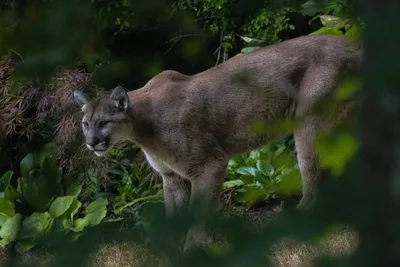
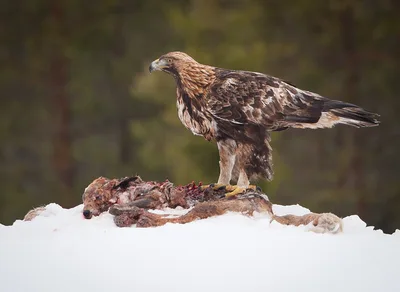
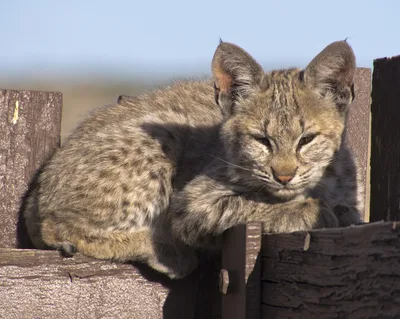
- Cougars; golden eagles, coyotes and bobcats take cubs
- Lifestyle
- Solitary; mostly nocturnal
- Group name
- Solitary; a family is a cete
- Name of young
- Cub
- Gestation
- About 6 weeks after a delay of up to 7 months
- Litter size
- 1 to 5 cubs
- Population
- Common in suitable habitat; no global count
- Biggest threat
- Habitat loss, trapping, poison and roads
- Distinctive feature
- White head stripe and claws up to 5 cm long
- Colour
- Grizzled brown and grey with a black and white face
- Skin type
- Fur
Size
Next to a person
Measurements
Size and speed
- Length
- 52 to 87.5 cm nose to tail tip
- Tail
- 10 to 15.5 cm
- Weight
- 4 to 12 kg
Typical adult ranges. Source: Animal Diversity Web.
Life cycle
Lifespan
- In the wild9 to 10, up to 14 years the average; the oldest wild badger reached 14
- In captivityUp to 26 years
- 026 years
The pale bar is the record. Sources: Wikipedia, Animal Diversity Web.
Appearance
Colour and coat
- Primary colours
- grizzled browngrey
- Secondary colours
- blackwhitebuff
- Skin type
- fur
- Male and female
- Moderate. Males are larger than females, and they reach 8.6 kilograms against a female average of 6.3 to 7.2 kg.
Life cycle
Mating and family
- Mating system
- polygynous, a male with several females
- Social structure
- solitary, with overlapping home ranges
- Breeding
- one litter a year, born in spring after delayed implantation
Badgers mate in late summer or early autumn. The embryos pause, implant in December to February, and grow for about 6 weeks. A litter of 1 to 5 cubs is born in late March or early April in a grass-lined den. The cubs open their eyes at 4 to 6 weeks and are weaned at 2 to 3 months. They disperse by late summer, and most females first breed after their first year.
Classification
Taxonomy
- Kingdom
- Animalia
- Phylum
- Chordata
- Class
- Mammalia
- Order
- Carnivora
- Family
- Mustelidae
- Genus
- Taxidea
- Species
- Taxidea taxus
Conservation
Red List status
- LC
- NT
- VU
- EN
- CR
- EW
- EX
Least Concern on the IUCN Red List
Range
Recorded in 3 countries
Habitat layer: tropical grassland, savanna and shrubland, temperate grassland, savanna and shrubland, montane grassland and shrubland, desert and xeric shrubland.
Countries from 4,265 wild records on GBIF (iNaturalist research grade), filtered and checked by hand. Country shapes: Natural Earth. Habitat: RESOLVE Ecoregions 2017, CC BY 4.0. Basemap: Natural Earth.
Habitats
Three things to know
- 1
A coyote that hunts beside a badger catches about a third more prey.
- 2
Its front claws grow up to 5 centimetres long.
- 3
Badgers have dug out through blacktop and concrete.
Did you know
Seven more facts
- 1
Its front claws grow up to 5 cm long.
- 2
It is the most important predator of rattlesnakes in South Dakota.
- 3
A third eyelid keeps soil out of its eyes while it digs.
- 4
In southern animals the white head stripe runs all the way to the tail.
- 5
Wisconsin took its Badger State nickname from lead miners, not from the animal.
- 6
A summer badger may dig a fresh burrow every day.
- 7
In Mexico the word tejon can mean a badger or a coati.
Field notes
How it looks and acts
Field notes
Distinguishing features
- A flat, wide body on short, thick legs.
- A white stripe from the nose over the head, with black cheek patches.
- Grizzled brown, black, grey and white fur on the back.
- Front claws up to 5 cm long on heavy forelimbs.
- A short tail of 10 to 15.5 cm.
- A conical head with bristled ears.
Field notes
Unique adaptations
- Powerful forelimbs with big muscle ridges on the bones drive its digging.
- A third eyelid and ear bristles protect the eyes and ears from soil.
- Winter torpor cuts the heart rate by half and saves energy when prey is scarce.
- Delayed implantation times the birth of cubs for spring.
- Grizzled fur blends into dry grassland.
Field notes
Interesting behaviours
- Digs after rodents and plugs their escape holes first.
- Hunts beside coyotes, and each benefits from prey the other flushes.
- Uses many burrows across its range and abandons most within a week.
- Caches surplus food.
- Forages by day in remote country and by night near people.
Field notes
Temperament
- Solitary, and tolerant of neighbours whose ranges overlap.
- Fierce when cornered, with few natural enemies as an adult.
- Playful with coyotes on occasion.
Field notes
Communication
- Scent marks probably mark home ranges and signal readiness to mate.
- Keen sight, smell and hearing guide it above ground.
- Nerve endings in the front claws may give a sense of touch underground.
- Like other mustelids it probably growls and hisses when threatened.
Ecology
Ecological role
The badger is the main digging predator of the North American grassland, and its holes serve many other animals.
- It controls pocket gophers, ground squirrels and prairie dogs.
- It kills venomous snakes and eats insects and carrion.
- Its old burrows house foxes, skunks, rabbits, owls, salamanders and frogs.
- Its digging turns and mixes the soil.
Stories
Myths and legends
- In Pueblo tradition, the badger guards the south and carries the colour red.
- In Zuni tradition, a stone badger fetish brings healing and good fortune.
- In Hopi tradition, the Honan kachina is a badger spirit and a clan bears its name.
- In Lakota tradition, a spirit warrior rescues a badger family from a bear.
People
Relationship with humans
People
Living alongside us
People trap the badger for its fur, which once made shaving brushes and trimmed Native American clothing. Farmers value the rodents it removes but dislike the holes, which can break a horse's leg. Roads, poison and the loss of grassland kill more badgers than any wild predator. Canada lists two subspecies as endangered. Wisconsin made the badger its state animal.
- No source in this file records a badger killing or seriously injuring a person.
- A cornered badger fights hard, and like other mustelids it probably bites deep.
- Its burrows can injure livestock and riders on open pasture.
People
Status, uses and products
- Domestication
- Wild
- As a pet
- Not suitable. The American badger digs through concrete, bites when handled and marks with scent. It is a solitary wild carnivore and is protected from hunting in several states, so it does not belong in a home.
- Uses
- fur trappingrodent control
- Products
- furbrush bristles
The full account
About the american badger
The American badger is a low, wide, short-legged mustelid of the open country of North America. It lives in prairies, meadows, deserts and farmland from western Canada through the United States to the mountains of Mexico. It looks like the European badger but the two are only distant relatives. Adults weigh 4 to 12 kilograms and measure 52 to 87.5 centimetres from the nose to the tip of the tail.
The badger is a digger above all else. Its front claws grow up to 5 cm long, and its forelimbs carry heavy muscle and thick bone. It tunnels after ground squirrels, pocket gophers and prairie dogs, and it sleeps in the burrows it makes. Coyotes sometimes hunt beside it, and each hunter catches prey the other flushes.
The species is solitary, mostly active at night, and slow to anger unless cornered. The IUCN lists it as Least Concern, but two Canadian subspecies are listed as endangered under Canadian law. Wisconsin calls itself the Badger State after miners who wintered in holes in the ground.
Name and taxonomy
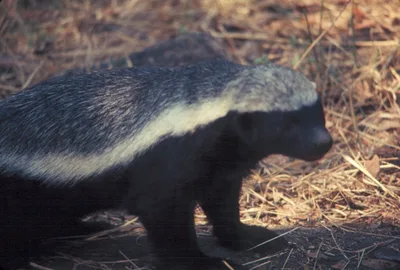
The scientific name is Taxidea taxus, and the species sits in the weasel family, Mustelidae. That family also holds otters, weasels, ferrets, martens and the wolverine. The American badger is the only living member of its subfamily, the Taxidiinae. The three other badger subfamilies are the Melinae, which holds the European badger, the ferret-badgers, and the honey badger. The stink badgers of Asia are not badgers at all but belong to the skunk family.
Several subspecies are recognised, and their ranges overlap so widely that intermediate animals are common. In Mexico the animal is sometimes called tlalcoyote. The Spanish word tejon means badger, but Mexicans also use it for the coati, which causes confusion. GBIF lists the vernacular names Blaireau d'Amerique in French and Amerikanischer Dachs in German.
Evolution and relatives
Genetic studies place the American badger as the sister group to every other living mustelid. Its lineage is thought to have split from the rest of the family about 18 million years ago. That came after the mustelids separated from the raccoon family about 29 million years ago. Its closest known relative is the extinct genus Chamitataxus, known only from fossils.
The European badger, the honey badger and the American badger reached the same body plan by separate routes. Each is a stocky digger with a striped face, yet each sits in its own subfamily. Like other burrowing carnivores, the American badger probably evolved its flat body and huge claws as it followed rodents underground.
Appearance
Animal Diversity Web gives a total length of 52 to 87.5 centimetres, of which the tail is 10 to 15.5 cm. Wikipedia gives a narrower typical range of 60 to 75 cm. Adults weigh 4 to 12 kilograms, and males are larger than females. Females average about 6.3 to 7.2 kg, and males reach 8.6 kg. In autumn, when food is plentiful, an adult male can reach 11.5 to 15 kg. Northern animals are bigger than southern ones, and in some northern populations females average 9.5 kg.
The body is flat and wide, and the legs are short and thick. The coat is coarse and grizzled, a mix of brown, black, grey and white that reads as a tan-brown from a distance. The belly is buff, and the throat and chin are whitish. The face is triangular, with black patches on the cheeks and a white stripe that runs from the nose over the head. In northern populations the stripe ends near the shoulders, but in southern animals it runs down the back to the tail.
The head is conical, the ears carry bristles, and a third eyelid protects each eye from soil. The forelimbs are powerful, with a strong upper arm bone and large bony ridges for muscle attachment. The claws on the front feet grow up to 5 cm long.
Habitat and range
The species lives across the west and centre of the United States, into the northeast, and south into northern Mexico. In Canada it reaches parts of southwestern British Columbia, the prairie provinces and the far southwest of Ontario. It has spread east since about 1900 and now occurs as far east as Ontario. GBIF holds records from 6 countries, but that count includes zoo animals and stray records.
Badgers prefer dry, open grassland: prairie, pasture, meadow and shrub-steppe with loose soil and plenty of rodents. They also use forest glades, marshes, brushy ground, hot desert scrub and mountain meadows. They occur from below sea level in Death Valley up to about 3,700 metres in the mountains. In Arizona they live in desert scrub, and in Manitoba their numbers rise where Richardson's ground squirrels are common. They avoid mature chaparral and dense forest, where digging is hard and prey is scarce.
A male's home range is larger than a female's, about 2.4 square kilometres against 1.6. One 1972 radio study found an average annual range of about 850 hectares. A female's range in that study shrank from 720 hectares in summer to 2 hectares in winter. Animal Diversity Web gives a typical density of about 5 animals per square kilometre.
Diet and hunting
The American badger is a carnivore that catches most of its food by digging. Its main prey are pocket gophers, ground squirrels, moles, marmots, prairie dogs, woodrats, kangaroo rats, deer mice and voles. It follows a rodent down its own burrow, and it sometimes plugs the other exits with objects before it digs. It kills many snakes, rattlesnakes among them, and in South Dakota it ranks as the top snake predator.
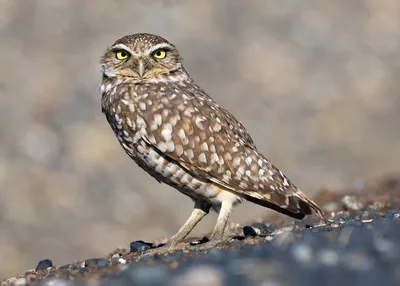
The badger also takes ground-nesting birds such as bank swallows and burrowing owls, plus lizards, frogs, fish and carrion. It digs out hibernating skunks, and it eats insects, including bees and their honeycomb. Plant food includes maize, peas, green beans, mushrooms and sunflower seeds, so the site lists it as an omnivore. It has been known to cache food for later.
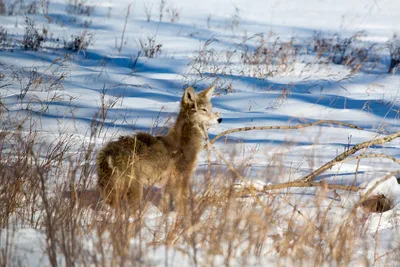
The badger sometimes hunts beside a coyote. A ground squirrel that sees a coyote dives into its hole, and one that sees a badger climbs out and runs. When both hunters are present, the squirrel has nowhere safe to go. One study found that the coyote's catch rate rose by about 33%, and it is harder to measure the badger's gain. Most pairings are one badger and one coyote, but 9% of sightings involved two coyotes and 1% involved three.
Behaviour and social life
Badgers are solitary, and they do not defend an exclusive territory. They are mainly nocturnal, but in remote country with few people they often forage by day. A badger seen in daylight between late March and early May is often a mother that spends the night with her cubs. Badgers do not hibernate, but they become far less active in winter. They pass much of the cold season in bouts of torpor that last about 29 hours. In torpor the body cools to about 9 degrees Celsius while the heartbeat halves.
The badger digs by drawing its forelimbs back to break the soil, then throws the loose earth behind or beside its body. There are reports of badgers breaking out through blacktop and through concrete. A den can lie about 3 metres below ground, hold about 10 metres of tunnel, and end in a wide sleeping chamber. Displaced soil forms a mound at the entrance, and the living space sits under that raised roof. A badger uses many burrows in its range, and in summer it may dig a new one each day. In winter it may keep to a single den for most of the season.
Old badger burrows shelter foxes, skunks, cottontail rabbits, burrowing owls, tiger salamanders and California red-legged frogs. Badgers and coyotes tolerate each other and have even been seen at play.
Communication and senses
The badger has keen sight, a sharp nose and good hearing. Its front claws hold nerve endings that may give the forepaws a fine sense of touch, though nobody has tested this. The bristles on the ears and the third eyelid keep soil out while it digs.
Little is known about how these solitary animals talk to each other. They probably mark their home ranges with scent, and a female's scent is thought to tell a male when she is ready to mate. Like other mustelids, a cornered badger probably hisses, growls and snarls as a warning before it bites.
Reproduction and life cycle
Mating takes place in late summer or early autumn. Both sexes expand their home ranges at that time to find mates, and some males breed with more than one female. The fertilised eggs pause early in development and do not implant before December, sometimes not until February. A female is therefore pregnant for about 7 months, but the true gestation is only about 6 weeks.
The mother digs a grass-lined den, and the cubs arrive between late March and early April. A litter holds 1 to 5 young, and the average is about 3. Newborn cubs are blind, helpless and thinly furred, and their eyes open at 4 to 6 weeks. They first leave the den at about 5 to 6 weeks and are weaned at 2 to 3 months. The mother offers solid food before weaning and for a few weeks after it. Families break up between late May and August, and the young disperse in erratic movements.
Most females first breed after their first year, though a few ovulate at 4 to 5 months old. Males do not breed until the autumn of their second year. Wild badgers live about 9 to 10 years on average, and the record is 14 years. One captive badger reached 26 years.
Predators and threats
An adult badger is aggressive and has few natural enemies. Golden eagles, coyotes and bobcats take cubs. Bears and grey wolves occasionally kill adults. A 2019 study found that cougars are the main predator of adults, and one radio-collared cougar ate badgers as a main prey.
People are the biggest threat: habitat loss, trapping, hunting, poisoning and road deaths. One study put annual mortality at 35%, and some populations are up to 80% animals in their first year. Development breaks grassland into fragments, cuts prey numbers, and pushes badgers into contact with people as they cross between patches.
Population and conservation
The IUCN lists the American badger as Least Concern. It is fairly common in suitable habitat across its range, though scarce in some regions. No source in this file gives a total population count.
In May 2000 Canada listed the subspecies jacksoni and jeffersonii as endangered under the Species at Risk Act. In November 2012 the nominate subspecies was added as Special Concern. The British Columbia population was later split into a western and an eastern group, each listed as endangered. The Ontario animals form a small isolated population south of the Niagara Peninsula on the north shore of Lake Erie. California lists the badger as a species of special concern, and Michigan, Wisconsin, Illinois and British Columbia protect it from hunting.
Relationship with humans
People trap badgers for their pelts. The fur once trimmed Native American garments and made shaving brushes and paint brushes. Native Americans also hunted the badger for meat.
Farmers value the badger for the rodents it removes, since those pests carry disease and damage crops. Its burrows shelter small game such as cottontail rabbits. The same holes can break the leg of a horse or a cow that steps into one.
A badger does not seek out people, and no source in this file records a serious attack on a person. It defends itself hard when cornered, and like other mustelids it probably bites deep. It is a wild animal that digs, bites and smells, and it does not suit life as a pet.
In culture and myth
In Native American tradition the badger is a hard worker, a cautious animal and a protective parent. The Pueblo peoples count it among the six guardians of the directions, and it stands for the south and the colour red. The Zuni credit it with healing and protective power and carve stone badger fetishes for good fortune. The Hopi keep a Badger Clan and a badger spirit, the Honan kachina. A Lakota story tells of a spirit warrior who saves a badger family from a greedy bear.
English translators often confused the badger with the wolverine in Native stories. The wolverine plays the villain in those tales, while the badger is a positive figure. Wisconsin is the Badger State because territorial lead miners wintered in the holes they dug and earned the nickname. The badger is the state animal, and the University of Wisconsin plays under a mascot named Bucky Badger.
Most famous badgers of fiction are the European species: the badger of The Wind in the Willows and the emblem of Hufflepuff house. The dachshund takes its name from the German for badger hound, again a European tradition. In German-speaking lands the badger once served as a winter forecaster, and North America turned that custom into Groundhog Day.
A sentence with a dotted underline is inferred: it describes the group the animal belongs to, or is a reading of the sources, rather than a measured or reported fact about this species.
Questions
American badger questions, answered
How big is an American badger?
Adults weigh 4 to 12 kilograms and measure 52 to 87.5 centimetres from nose to tail tip. Males are larger than females, and northern animals are larger than southern ones.
What do American badgers eat?
Mostly burrowing rodents: pocket gophers, ground squirrels, prairie dogs, marmots and voles. They also take snakes, ground-nesting birds, insects, carrion and some plant food such as maize and sunflower seeds.
Do badgers really hunt with coyotes?
Yes. A coyote waits above ground while the badger digs, and rodents that flee one hunter run into the other. One study found the coyote's catch rate rose by about 33%.
Are American badgers dangerous to people?
Rarely. A badger avoids people and only fights when cornered, and no source in this file records a serious attack. Its holes are a bigger hazard to horses and cattle.
Where do American badgers live?
In open grassland, desert scrub and mountain meadows from western Canada through the western and central United States into Mexico. They reach as far east as southern Ontario.
Is the American badger endangered?
No. The IUCN lists it as Least Concern. Two subspecies in Canada are listed as endangered, and California treats it as a species of special concern.
How deep does a badger dig?
A den can lie about 3 metres below ground with about 10 metres of tunnel. Badgers have also dug out through blacktop and concrete.
Do American badgers hibernate?
No. They stay in their dens for much of the winter in bouts of torpor about 29 hours long, and they come out on warm days.
How long do American badgers live?
About 9 to 10 years in the wild, with a record of 14. One captive badger lived to 26 years.
Is the American badger related to the European badger?
Only distantly. Both are mustelids, but the American badger sits in its own subfamily and split from the other mustelids about 18 million years ago.
How many cubs does a badger have?
A litter has 1 to 5 cubs, usually about 3. They are born in late March or early April after a delayed pregnancy.
Are American badgers nocturnal?
Mostly. Near people they forage at night, but in remote country they often hunt by day, and mothers with cubs forage in daylight in spring.
Why is Wisconsin called the Badger State?
Lead miners of the territorial era spent the winter inside their own diggings, so people nicknamed them badgers. The name stuck to the state, and the badger became its state animal.
What eats American badgers?
Cougars are the main predator of adults. Golden eagles, coyotes and bobcats take cubs, and bears and wolves occasionally kill an adult.
Can you keep an American badger as a pet?
No. It bites, digs, marks with scent and needs a large home range. Several states protect it from hunting and capture.
Food web
Prey and food
- pocket gophers
- ground squirrels
- prairie dogs
- marmots
- voles
- snakes
 Burrowing owl
 Groundhog
Food web
Predators
 Cougar
 Golden eagle
 Coyote
 Bobcat
Ecological equivalents
Related species on this site
Angora Ferret (same family), Black-Footed Ferret (same family), Cinnamon Ferret (same family), European badger (same family), European pine marten (same family), European polecat (same family), and more.
Mammals
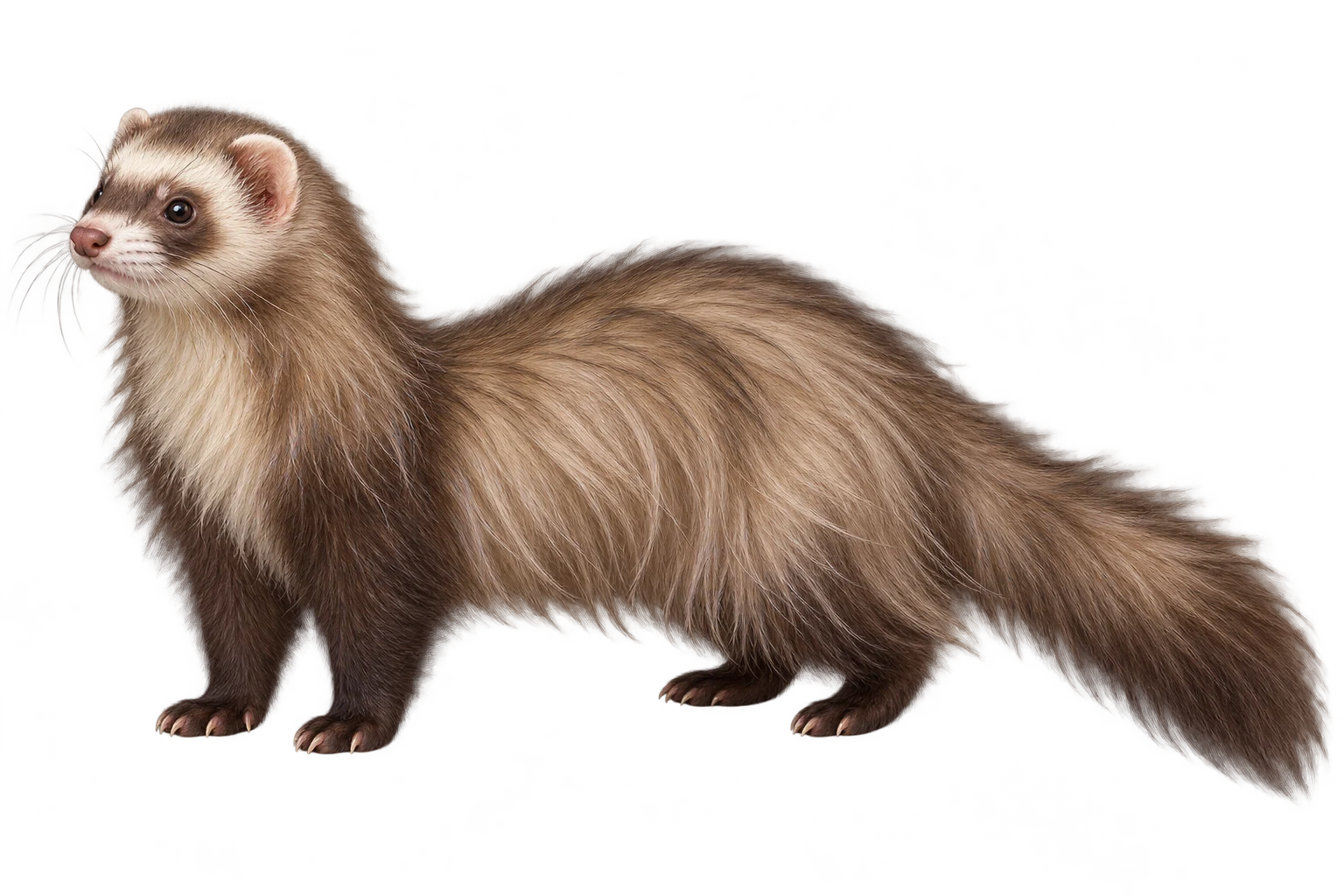
Angora Ferret
Mustela putorius furo
Classification and source reference
LivingAI illustration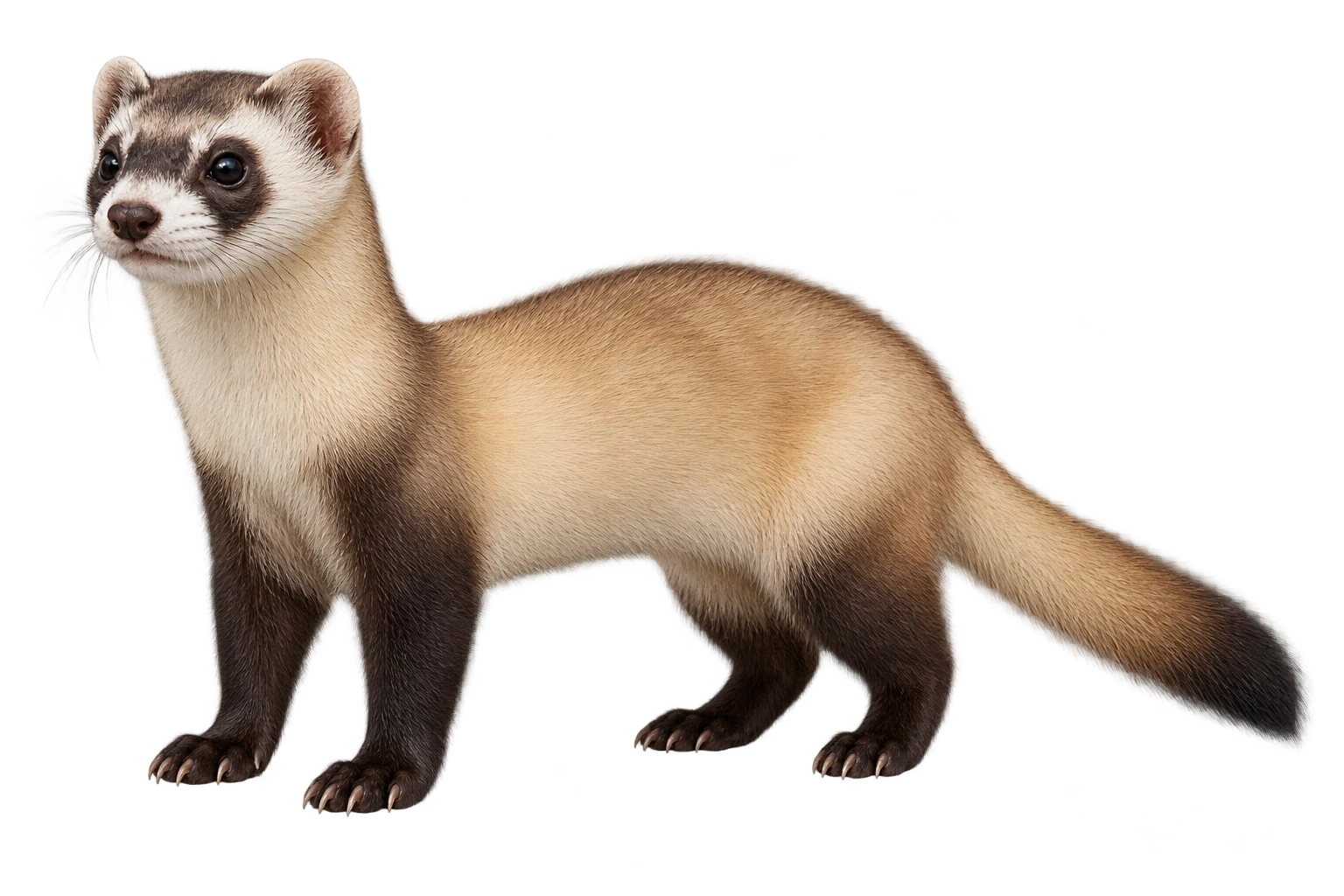
Mammals
Black-Footed Ferret
Mustela nigripes
Classification and source reference
LivingAI illustration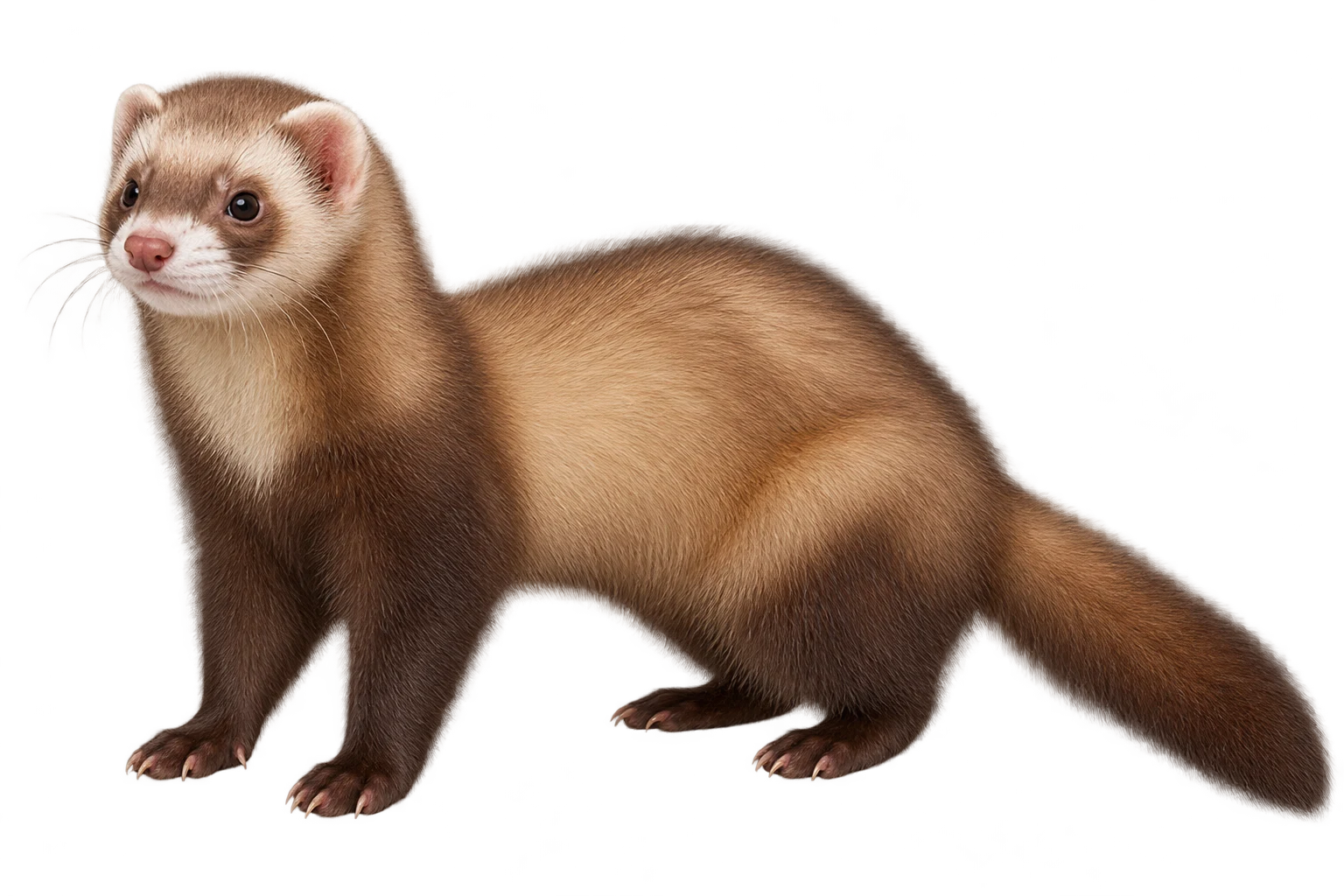
Mammals
Cinnamon Ferret
Mustela putorius furo
Classification and source reference
LivingAI illustration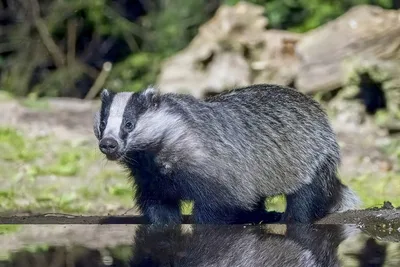 LC
Mammals
European badger
Meles meles
The European badger is a stocky, striped-faced mustelid that lives in family clans across Europe and western Asia.
Living LC
Mammals
European pine marten
Martes martes
The European pine marten is a cat-sized mustelid with a brown coat and a cream bib.
Living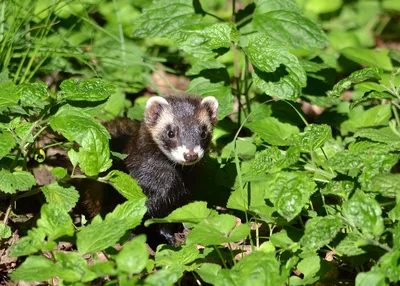 LC
Mammals
European polecat
Mustela putorius
The European polecat is a dark, stocky mustelid with a pale face mask that hunts frogs, voles and rabbits by night.
Living