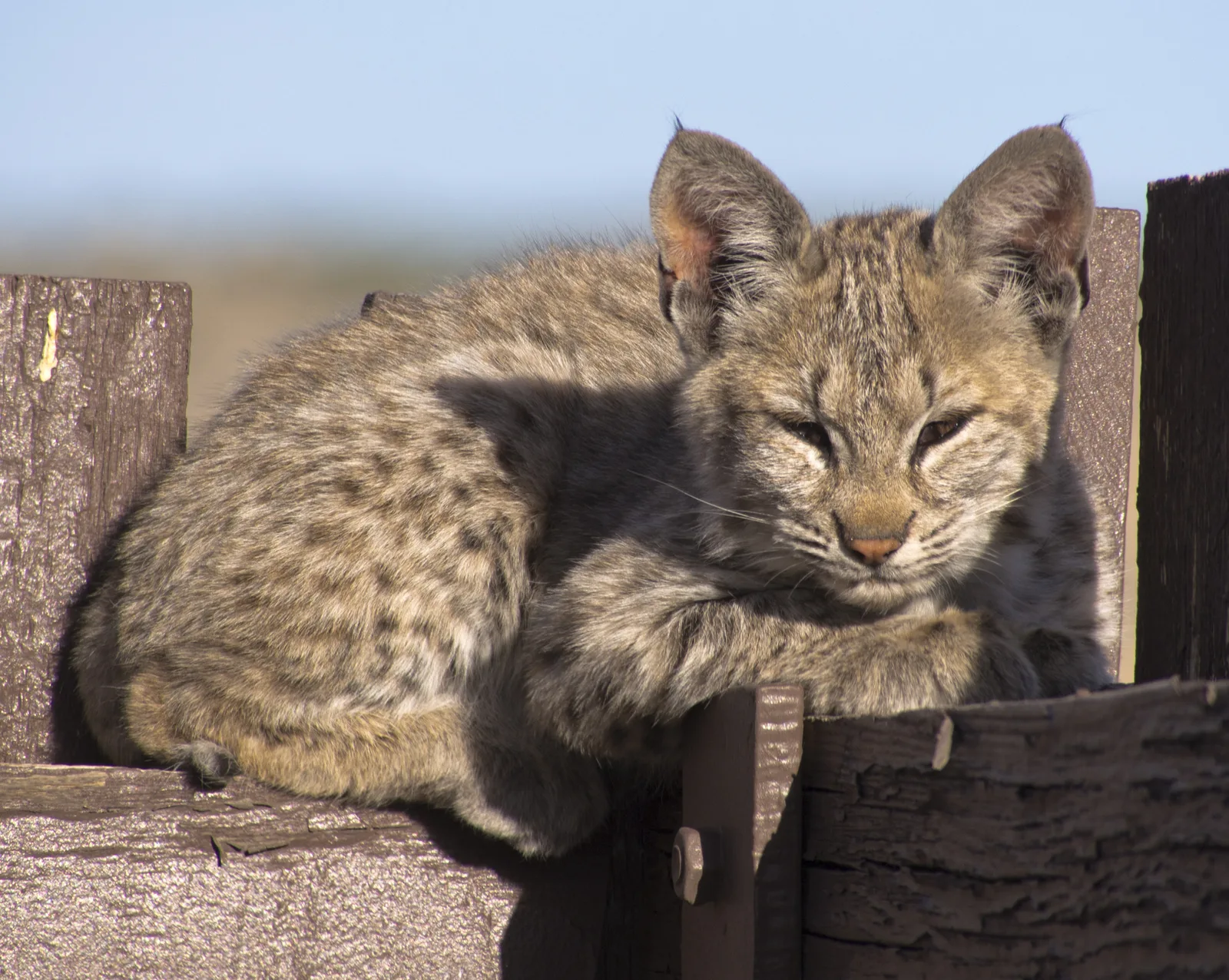
Bobcat
The short-tailed cat that lives in every US state but one
Lynx rufus
Also called Bay lynx, Red lynx, Wildcat
Living individuals or members of this group exist today. This does not mean they are safe from extinction.
Meet the bobcat
The bobcat is a medium-sized lynx with a short black-tipped tail, found from southern Canada to southern Mexico. It hunts rabbits, hares and rodents alone at dusk and dawn, and it adapts to forest, desert, swamp and the edges of cities.
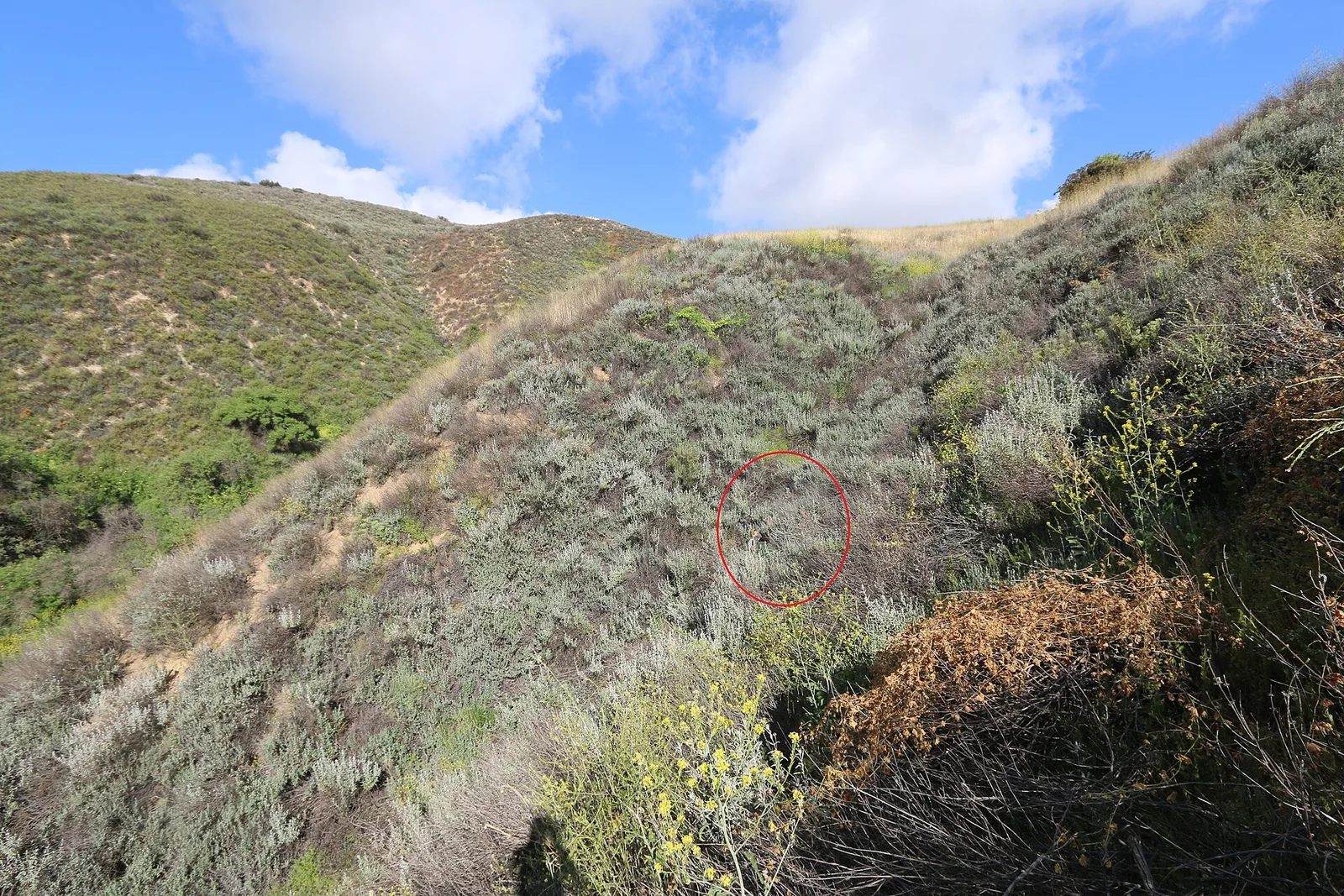
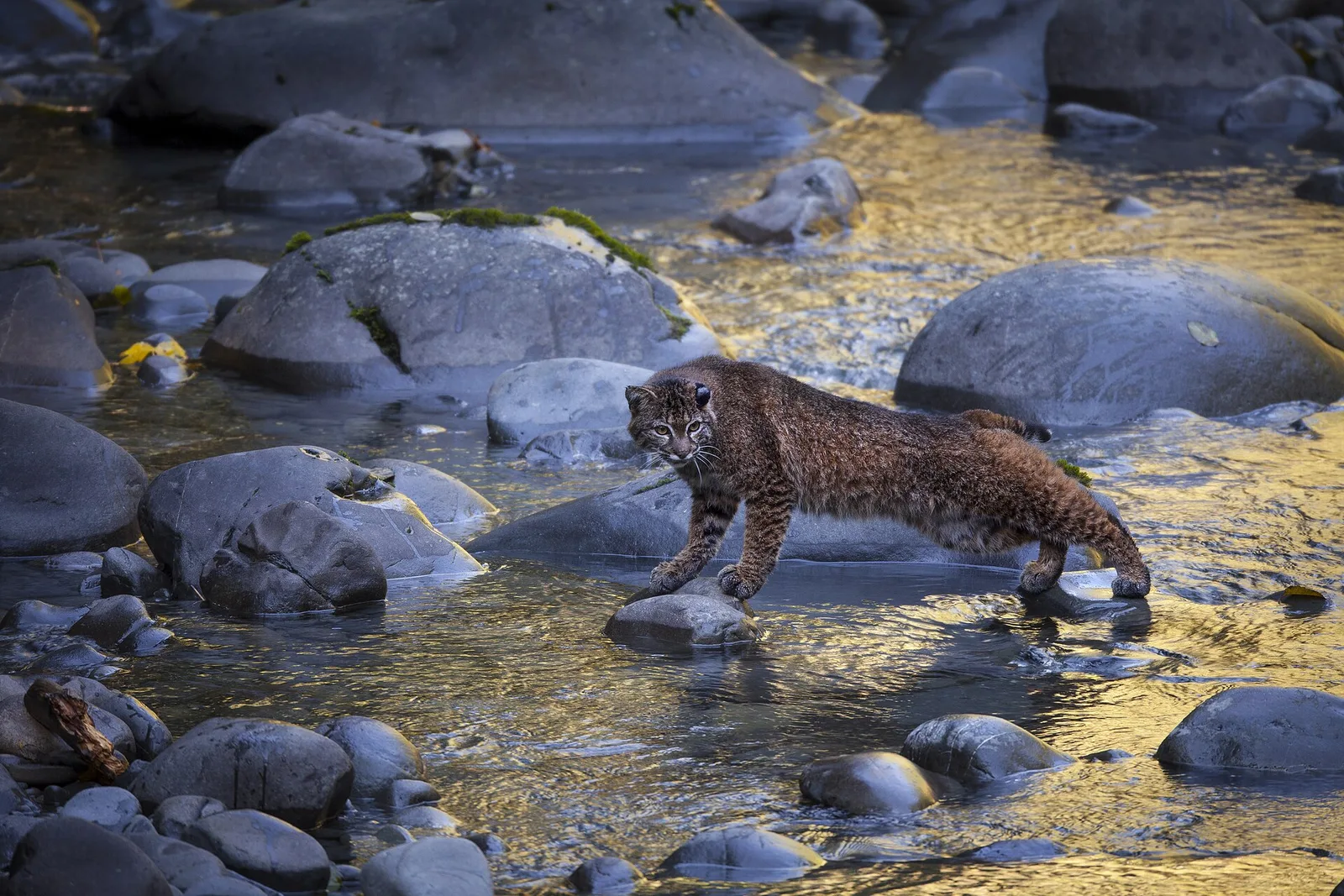
Images of the bobcat
Lifespan in the wild
7 to 10 years the average is about 7 years and rarely passes 10
Weight
4 to 15 kg
Length
0.65 to 1.05 m
Height
45 to 58 cm
Fact file
Bobcat
- Location
- Southern Canada, the United States and Mexico south to Oaxaca
- Habitat
- Temperate forest, Desert, Mountains, Wetlands
- Diet
- Carnivore
- Prey / food
- Rabbits, hares, cotton rats, squirrels, mice, birds, deer fawns
- Predators
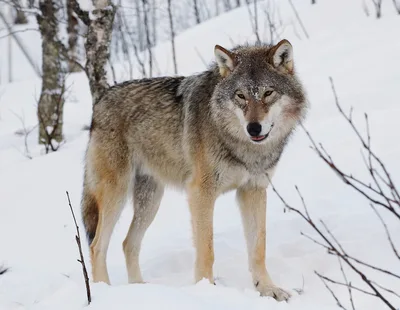
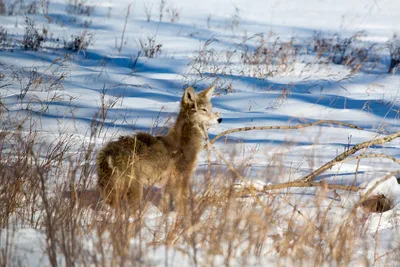
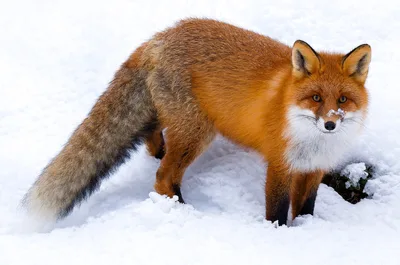
- Cougar, gray wolf, coyote; owls and foxes take kittens
- Lifestyle
- Crepuscular, most active at dusk and dawn
- Group name
- Solitary; no group name
- Name of young
- Kitten
- Gestation
- About 60 to 70 days
- Litter size
- 1 to 6 kittens, usually 2 to 4
- Population
- About 700,000 to 1,500,000 in the United States (1988 estimate)
- Biggest threat
- Fur trapping, road deaths, habitat fragmentation and rat poison
- Distinctive feature
- A short black-tipped tail and black bars on the front legs
- Colour
- Tan to greyish brown with black streaks and spots
- Skin type
- Fur
Size
Next to a person
Measurements
Size and speed
- Height
- 45 to 58 cm at the shoulder
- Length
- 0.65 to 1.05 m head and body, without the tail
- Tail
- 11 to 19 cm
- Weight
- 4 to 15 kg, up to 22.2 kg the record is the heaviest bobcat measured with care, from Wikipedia
- Weight, male
- 6.4 to 18.3 kg
- Weight, female
- 4 to 15.3 kg
Typical adult ranges. Sources: Animal Diversity Web, Wikipedia.
Life cycle
Lifespan
- In the wild7 to 10, up to 16 years the average is about 7 years and rarely passes 10
- In captivityUp to 32 years
- 032 years
The pale bar is the record. Sources: Wikipedia, Animal Diversity Web.
Appearance
Colour and coat
- Primary colours
- tangreyish brown
- Secondary colours
- blackoff-white
- Skin type
- fur
- Male and female
- Moderate. Males weigh 6.4 to 18.3 kilograms and females 4 to 15.3 kg, and males hold larger home ranges. The coat pattern is the same in both sexes.
Life cycle
Mating and family
- Mating system
- promiscuous, both sexes take several partners
- Social structure
- solitary, with a male's range overlapping those of several females
- Breeding
- one litter a year, sometimes a second
Bobcats mate mostly in February and March. After about 60 to 70 days the female gives birth to one to six kittens, usually two to four, in a cave or hollow log. She raises them alone, weans them at about two months and teaches them to hunt. The young disperse at about eight months. A wild bobcat lives about 7 to 10 years, and one captive animal reached 32.
Classification
Taxonomy
- Kingdom
- Animalia
- Phylum
- Chordata
- Class
- Mammalia
- Order
- Carnivora
- Family
- Felidae
- Genus
- Lynx
- Species
- Lynx rufus
Conservation
Red List status
- LC
- NT
- VU
- EN
- CR
- EW
- EX
Least Concern on the IUCN Red List
Range
Recorded in 3 countries
Habitat layer: temperate broadleaf and mixed forest, temperate conifer forest, boreal forest and taiga, flooded grassland and savanna, montane grassland and shrubland, desert and xeric shrubland, mangrove.
Countries from 33,239 wild records on GBIF (iNaturalist research grade), filtered and checked by hand. Country shapes: Natural Earth. Habitat: RESOLVE Ecoregions 2017, CC BY 4.0. Basemap: Natural Earth.
Habitats
Three things to know
- 1
The bobcat is the smallest of the four lynx species, but it can kill a deer eight times its own weight.
- 2
By 2010 the bobcat had returned to every state in the lower 48 except Delaware.
- 3
The Hopewell culture buried a young bobcat with a beaded collar, the only decorated wild cat burial known.
Did you know
Seven more facts
- 1
A newborn bobcat weighs 270 to 340 grams and already has its spots.
- 2
One bobcat may hold a range of 0.596 square kilometres, and another one of 326.
- 3
A bobcat's hind paw lands exactly on the print of its front paw, as in all cats.
- 4
Bobcats have been seen eating small sharks.
- 5
Bobcat sightings in the Everglades fell by 87.5% after Burmese pythons spread there.
- 6
One mite, Lynxacarus morlani, has been found on no animal but the bobcat.
- 7
Bobcats and Canada lynxes sometimes interbreed where their ranges meet.
Field notes
How it looks and acts
Field notes
Distinguishing features
- A short, bobbed tail of 11 to 19 centimetres with a black tip.
- Black bars on the front legs and dark streaks on the body.
- Short black tufts on pointed, black-backed ears.
- Ruffs of hair below the ears that make the face look wide.
- A coat that shifts from pale tan in the desert to dark brown in northern forest.
- Smaller feet than the Canada lynx, which show four toes and no claws in a track.
Field notes
Unique adaptations
- A spotted coat that hides the cat in dappled cover while it stalks.
- Retractable claws that stay sharp for gripping prey.
- Pupils that widen at night to gather more light.
- A flexible diet that shifts to rats, birds or deer when rabbits run short.
- The ability to fast for long periods and then eat heavily when prey is plentiful.
Field notes
Interesting behaviours
- Hunts mostly in the hours around dusk and dawn.
- Walks 3 to 11 kilometres a night along a regular route.
- Marks its range with urine, faeces, gland scent and claw marks on trees.
- Hides a large carcass under snow or leaves and returns to feed on it.
- Climbs a tree when a dog gives chase.
Field notes
Temperament
- Solitary and secretive, and it avoids people wherever it can.
- Aggressive towards the Canada lynx, which it displaces where the two meet.
- Tolerant of range overlap between males, but females keep to themselves.
Field notes
Communication
- Screams, yowls and hisses during courtship.
- Leaves scent marks of urine, faeces and gland secretions along the range.
- Scratches prominent trees as a visual sign of ownership.
- Mews and purrs like a house cat at close quarters.
Ecology
Ecological role
The bobcat is a mid-sized predator that keeps rabbit, hare and rodent numbers in check across most of North America.
- Takes rabbits, hares and cotton rats as its staple prey.
- Kills fawns and elk calves in winter, which adds a small pressure on deer herds.
- Competes with coyotes and red foxes for the same small prey.
- Blocks the Canada lynx from spreading further south.
Stories
Myths and legends
- In Nez Perce tradition, the bobcat and the coyote are opposed twins.
- In Shawnee tradition, a rabbit's fire trick gave the bobcat its spots.
- In Mohave tradition, dreaming of the lynx and the cougar gave a hunter skill.
- In Zuni tradition, hunters carried a stone bobcat fetish, which stood for the south and the colour red.
- In Pawnee tradition, the bobcat belonged to the stars, and babies wrapped in its fur received a blessing.
People
Relationship with humans
People
Living alongside us
People have trapped the bobcat for fur and hunted it for sport since colonial times, and regulated seasons continue in many states. Farmers lose some poultry, sheep and goats to it. The cat now lives at the edges of towns across the south-east, though residents seldom see it. Attacks on people are rare. Indigenous cultures have told bobcat stories for centuries, and Ohio University uses it as a mascot.
- A bobcat almost always runs or climbs a tree when it meets a person.
- Attacks on people are rare, and the animal involved is probably sick or cornered.
- Small pets and poultry are at some risk near the urban edge.
People
Status, uses and products
- Domestication
- Wild
- As a pet
- Not suitable. A bobcat needs a home range of several square kilometres, live prey and a den, and it stays a wild predator. It is also protected or regulated in every range country.
- Uses
- fur trappingsport huntingwildlife watching
- Products
- fur
The full account
About the bobcat
The bobcat, Lynx rufus, is the smallest of the four lynx species and the most common wild cat in North America. It lives from southern Canada through nearly all of the United States to the state of Oaxaca in Mexico. The name comes from its short tail, which looks cut off, or bobbed. Black bars cross the front legs, and the tail ends in a black tip.
An adult measures 65 to 105 centimetres from the head to the base of the tail, and it weighs 4 to 15 kilograms. The heaviest animal ever weighed with care reached 22.2 kg. Rabbits and hares form the core of the diet, but the cat also takes rodents, birds and even deer. It hunts mostly at dusk and dawn, and it lives alone in a marked home range.
The IUCN has listed the species as Least Concern since 2002. Hunting and trapping for fur continue in many states, yet the population holds steady across most of the range. Bobcats now turn up at the edges of cities, in parking garages and even on tourist boats.
Name and taxonomy
Johann Christian Daniel von Schreber described the species in 1777 under the name Felis rufa. The Latin word rufus means red, and it probably refers to the reddish tone of many coats. Other English names include wildcat, bay lynx and red lynx. Spanish speakers call it lince rojo or gato montés, and the Ojibwe name is gidagaa-bizhiw.
Naturalists named a dozen more forms between 1817 and 1963, from Florida, Nova Scotia, California and southern Mexico. A review in 1981 questioned those forms, because the differences between regions were small. The 2017 revision of cat taxonomy kept only two subspecies. Lynx rufus rufus lives east of the Great Plains, and Lynx rufus fasciatus lives west of them.
Evolution and relatives
The genus Lynx belongs to a group that also holds Puma, Prionailurus and Felis, and that group dates to 7.15 million years ago. Lynx itself split away about 3.24 million years ago. Scientists think the bobcat descends from the Eurasian lynx, which crossed the Bering land bridge during the Pleistocene. The first ancestors may have arrived 2.6 million years ago, and bobcat fossils appear from about 1.8 million years ago.
Ice sheets cut the first wave of lynxes off in the south, and that population became the modern bobcat around 20,000 years ago. A second wave from Asia settled in the north and became the Canada lynx. The two species still meet along the border, and they sometimes hybridise. Dry periods between glaciations probably split the eastern and western bobcat populations.
Appearance
The bobcat looks like its lynx relatives, but on average it is the smallest of the four. The coat runs from tan to greyish brown, streaked black along the body and barred dark on the legs and tail. Desert bobcats in the south-west wear the palest coats, and northern forest animals wear the darkest. The lips, chin and belly are off-white. Long hair below the ears forms ruffs, so the face looks wide. The ears are pointed, tipped in black, and carry short black tufts.
Head and body measure 65 to 105 centimetres, and the tail adds 11 to 19 cm. The cat stands 45 to 58 cm at the shoulder. Adults weigh 4 to 15 kilograms, and the heaviest verified individual weighed 22.2 kg. Males run larger than females: 6.4 to 18.3 kg against 4 to 15.3 kg. As Bergmann's rule predicts, bobcats grow larger in the north and in open country. The biggest animals come from northern New England and eastern Canada, and the smallest from the southern Appalachians.
The eyes are yellow with slit pupils, and the nose is pinkish red. Skeletal muscle makes up 58.5% of the body weight. A few black, or melanistic, bobcats have been caught in Florida and New Brunswick, and their spots still show faintly.
Habitat and range
Bobcats prefer woodland, whether broadleaf, conifer or mixed, but they do not need deep forest. They live in the swamps of Florida, the deserts of Texas and rugged mountain country. Farmland suits them when it holds rocky ledges, swamps or patches of trees. Prey supply matters most, followed by shelter from weather, den sites and dense cover for hunting. Only large tracts of intensive farmland exclude the species.
The historical range ran from southern Canada, across the whole United States, to Oaxaca in Mexico. During the 20th century the cat lost ground in the Midwest and the north-east, mainly to modern farming. By 2010 it had returned to every state of the lower 48 except Delaware. In Mexico it lives in dry scrub and in pine and oak forest, and its range stops at the tropical south. GBIF holds records from 10 countries, but that count includes zoos and escaped animals.
Deep snow sets the northern limit. The bobcat lacks the wide padded feet of the Canada lynx, so it sinks where the lynx walks on top. Where the two meet in Nova Scotia, the more aggressive bobcat has pushed the lynx out. Forest clearing for farms has also moved the lynx north, to the bobcat's advantage.
Diet and hunting
The bobcat is a strict meat eater. It prefers mammals of about 0.7 to 6 kilograms, and rabbits and hares sit at the top of the list. Cottontails dominate the menu in the east, and the snowshoe hare takes over in the north. In the far south, cotton rats often replace rabbits as the staple. Unlike the specialist Canada lynx, the bobcat switches prey when its favourite runs short.
The cat hunts by stalking, or by waiting in cover until a victim comes close. For a rabbit or a goose it creeps to within 6 to 11 metres before the final rush. It grabs with its retractable claws and kills with a bite to the neck. Birds up to the size of a trumpeter swan are taken on the nest, along with eggs and chicks. The list runs on: squirrels, mice, muskrats, skunks, raccoons, foxes, small sharks and insects.
In winter, or where deer are plentiful, a bobcat will kill a deer or a pronghorn. In the Everglades 33 of 39 recorded kills were fawns, and in Yellowstone 15 of 20 were elk calves. A bobcat can bring down prey up to eight times its own weight. After a large kill it eats its fill, hides the carcass under snow or leaves, and returns to it later. It can go a long time without food, and it feeds heavily when prey is abundant.
Behaviour and social life
The bobcat is crepuscular: it moves from about three hours before sunset to around midnight, and again around dawn. Each night it travels 3 to 11 kilometres along a familiar route. In autumn and winter it becomes more active by day, because its prey does the same in cold weather. Like most cats it lives alone, and it meets others mainly to mate.
Each adult keeps a home range and marks it with urine, faeces, gland scent and claw marks on trees. Range sizes vary enormously, from 0.596 to 326 square kilometres. In one Kansas study resident males held about 21 km2, and females held less than half of that. Wandering animals without a fixed range covered about 57 km2. A male's range overlaps those of several females, but female ranges rarely overlap each other. Where ranges overlap, a dominance order forms and keeps transients out of the best areas.
Within its range the cat keeps a main den and several backup shelters: hollow logs, brush piles, thickets or rock ledges. The den smells strongly of its owner. A bobcat climbs well and swims when it must, but it normally avoids water. When a dog chases it, it usually goes up a tree. Density averages about one cat per 13 square kilometres.
Communication and senses
Bobcats rarely call outside the breeding season. During courtship they scream, yowl and hiss. North Carolina wildlife staff describe a range of sounds, from a soft mew or purr to a scream that sounds human. Most communication is by scent: urine, faeces and gland secretions tell neighbours who owns a range. Claw marks on prominent trees add a visual signal.
Like all cats, the bobcat has sharp eyesight, keen hearing and a good sense of smell. Its pupils open wide at night to gather light. The ear tufts probably help the cat pinpoint sounds, as in other lynxes.
Reproduction and life cycle
Most bobcats first breed in their second summer, though some females breed in their first year. Males produce sperm from September or October and stay fertile into the summer. Most mating happens in February and March. A dominant male travels with a receptive female and mates with her several times. Other males may watch, but they do not join in. Both sexes take several partners in a season, so the system resembles that of the domestic cat.
The female cycles every 44 days, and she is receptive for five to ten days. In Texas, animals without a home range produced no known kittens. After about 60 to 70 days of gestation she gives birth in a small cave or a hollow log. Litters run from one to six, usually two to four, and most arrive in April or May. A second litter is sometimes born as late as September.
The mother raises the kittens alone. They open their eyes at nine or ten days, start to explore at four weeks, and take solid food from about two months. She brings them meat, and she teaches them to hunt. By three to five months they travel with her, and by autumn they hunt for themselves. Most disperse at about eight months, but some in Michigan stayed with their mother until the next spring. A wild bobcat lives about 7 to 10 years, and the oldest wild animal on record reached 16. In captivity one bobcat lived to 32.
Predators and threats
An adult bobcat has few enemies. Cougars and grey wolves kill adults in Yellowstone, and coyotes kill both adults and kittens. Alligators have been filmed taking adult bobcats in the south-east, and golden eagles reportedly take them too. Kittens fall to great horned owls, eagles, foxes, bears and adult male bobcats. When prey is scarce, fewer kittens survive, and cannibalism has been recorded on rare occasions.
Disease, accidents, hunters, cars and starvation cause most other deaths. Young animals die at a high rate soon after they leave their mother. One study of 15 bobcats found an average yearly survival of 0.62. Ticks, fleas and internal parasites are common. One survey found 52% of bobcats infected with Toxoplasma gondii, with big regional differences. Parasites and disease may kill more bobcats than starvation, accidents and predators together.
Population and conservation
The IUCN lists the bobcat as Least Concern, because it is widespread and abundant. The US Fish and Wildlife Service estimated 700,000 to 1,500,000 bobcats in the United States in 1988. Numbers have probably grown since then, because both the range and the density have increased. Canada and Mexico hold stable populations, though data from southern Mexico are thin. CITES Appendix II covers the species, so fur exports are monitored, and the United States has asked for its removal.
The picture varies by state. Ohio, Indiana and New Jersey list the bobcat as endangered. Illinois removed it from the threatened list in 1999, and Iowa did the same in 2003. Pennsylvania banned hunting from 1970 to 1999 and now allows a limited season. In the Everglades, sightings fell by 87.5% between 2003 and 2011, and biologists blame the invasive Burmese python.
Regulated hunting accounts for half of the deaths in some populations, mostly in winter. Around cities, roads and housing split the habitat into patches, which cuts gene flow between groups. In California, rat poison reaches bobcats through poisoned rodents, and the weakened cats then die of severe mange. Conservationists ask for connected open space and for traps instead of poison.
Relationship with humans
People have hunted and trapped the bobcat for its fur and for sport for centuries. Fur prices rose sharply in the 1970s and 1980s, then fell by the early 1990s. The cat still takes poultry, and small livestock such as sheep, goats and pigs. In 2004 bobcats killed 11,100 sheep in the United States, which was 4.9% of sheep lost to predators. Some of that blame is misplaced, because bobcats also scavenge kills made by other animals.
Bobcats now live at the urban edge across much of the south-east. One was caught in a Houston parking garage in 2010, and another on a tourist boat in Pittsburgh in 2018. Residents rarely see them, because the cats keep out of sight. Attacks on people are rare, and a bobcat normally runs or climbs when it meets a person. The few recorded attacks probably came from sick or cornered animals.
In culture and myth
Bobcat stories appear in many Indigenous cultures of North America. The Nez Perce tell of the bobcat and the coyote as opposite beings, though another version makes them equals. Claude Lévi-Strauss saw the opposed twins as a theme that runs through New World myth. In a Shawnee tale a rabbit tricks the bobcat into lighting a fire, and the scattered embers leave its spots. The Mohave believed that dreaming of the cougar and the lynx brought a hunter great skill.
Zuni hunters kept stone bobcat fetishes and linked the animal with the south and the colour red. Pawnee parents wrapped babies in bobcat fur, because the cat was tied to the stars. Along the Illinois River, the Hopewell culture buried a young bobcat with a collar of bone pendants and shell beads. It is the only decorated burial of a wild cat known to archaeology, and it may have been a pet. Ohio University's mascot, Rufus the Bobcat, honours both the animal and the founder Rufus Putnam.
A sentence with a dotted underline is inferred: it describes the group the animal belongs to, or is a reading of the sources, rather than a measured or reported fact about this species.
Questions
Bobcat questions, answered
How big is a bobcat?
An adult measures 65 to 105 centimetres from head to rump, plus a tail of 11 to 19 cm. It stands 45 to 58 cm at the shoulder and weighs 4 to 15 kilograms.
Where do bobcats live?
Bobcats live across the United States, in southern Canada and in Mexico as far south as Oaxaca. They use forest, scrub, desert, swamp and mountain country, and they now reach the edges of cities.
What do bobcats eat?
Rabbits and hares are the main prey, with cotton rats, squirrels, mice and birds. In winter a bobcat sometimes kills a deer or an elk calf.
Are bobcats dangerous to humans?
No. Attacks are rare, and a bobcat normally flees or climbs a tree when it meets a person. Small pets and poultry face more risk than people do.
Are bobcats endangered?
No. The IUCN lists the species as Least Concern, and the United States probably holds about a million bobcats. A few states, such as Ohio, Indiana and New Jersey, list it as endangered locally.
How long do bobcats live?
A wild bobcat lives about 7 to 10 years, and the oldest known wild animal reached 16. The captive record is 32 years.
What is the difference between a bobcat and a lynx?
The bobcat is a lynx, the smallest of four species. The Canada lynx has longer legs, bigger padded feet for snow, longer ear tufts and a fully black tail tip.
Why is it called a bobcat?
Its tail is short and looks cut off, or bobbed. The tail measures only 11 to 19 centimetres.
Do bobcats climb trees?
Yes. A bobcat climbs well and usually goes up a tree when a dog chases it. It also swims when it needs to, but it avoids water when it can.
Are bobcats nocturnal?
Bobcats are crepuscular, most active around dusk and dawn. In autumn and winter they hunt more by day, because their prey does too.
How many kittens does a bobcat have?
A litter holds one to six kittens, usually two to four. Most are born in April or May after about 60 to 70 days of gestation.
Do bobcats live alone?
Yes. Adults live alone in a marked home range and meet mainly to mate. A male's range overlaps those of several females.
What sound does a bobcat make?
Bobcats are mostly silent. In the breeding season they scream, yowl and hiss, and the scream can sound like a human voice.
What eats a bobcat?
Cougars, grey wolves and coyotes kill adult bobcats, and alligators have taken them in the south-east. Owls, eagles, foxes and bears take kittens.
Can you keep a bobcat as a pet?
No. It stays a wild predator that needs live prey and a large range, and most states regulate or ban keeping one.
How many bobcats are there?
A 1988 US estimate gave 700,000 to 1,500,000, and numbers have probably risen since. Canada and Mexico hold stable populations.
Food web
Prey and food
- rabbits
- hares
- cotton rats
- squirrels
- mice
- birds
- deer fawns
 Raccoon
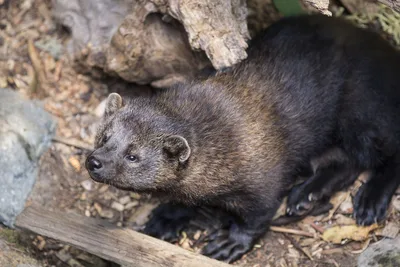 Fisher
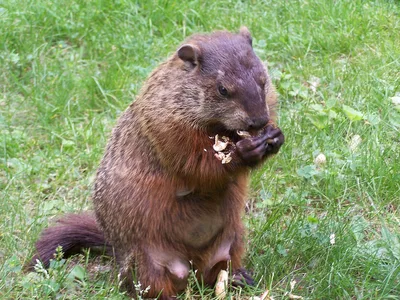 Groundhog
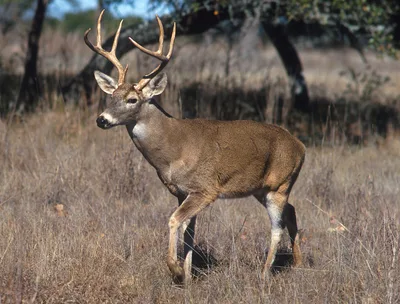 White-tailed deer
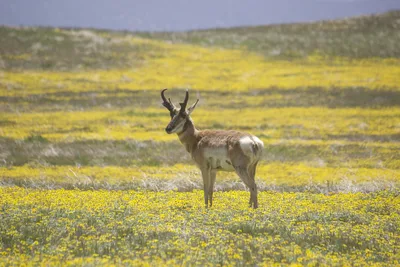 Pronghorn
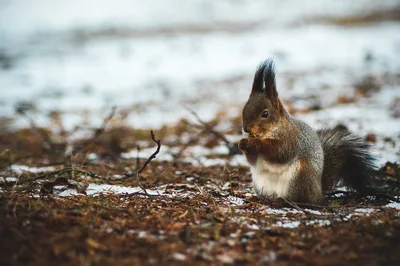 Red squirrel
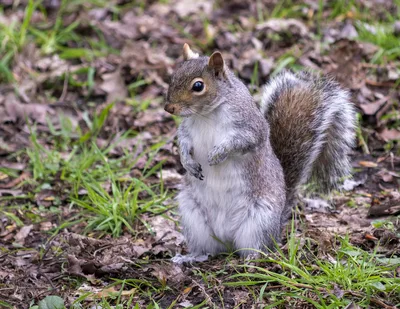 Eastern gray squirrel
 Virginia opossum
 Bighorn sheep
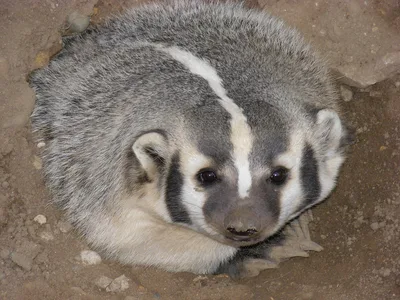 American badger
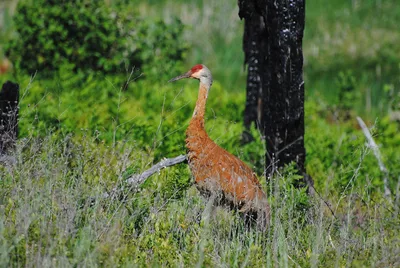 Sandhill crane
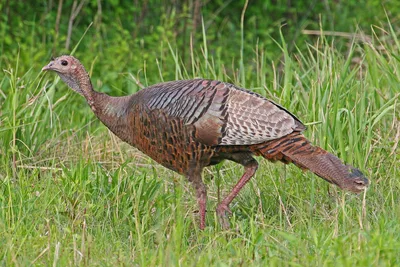 Wild turkey
Food web
Predators
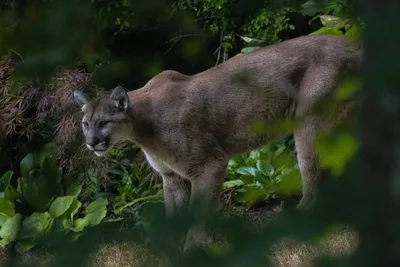 Cougar
 Gray wolf
 Coyote
 Red fox
Ecological equivalents
Related species on this site
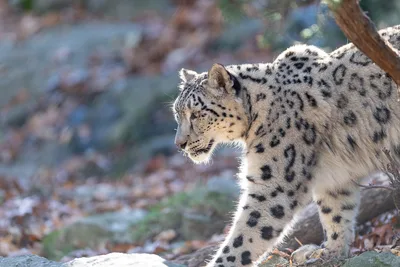
Balkan Lynx (same genus), Canada lynx (same genus), Eurasian lynx (same genus), Iberian lynx (same genus), Lynx (same genus), Abyssinian (same family), and more.
Mammals
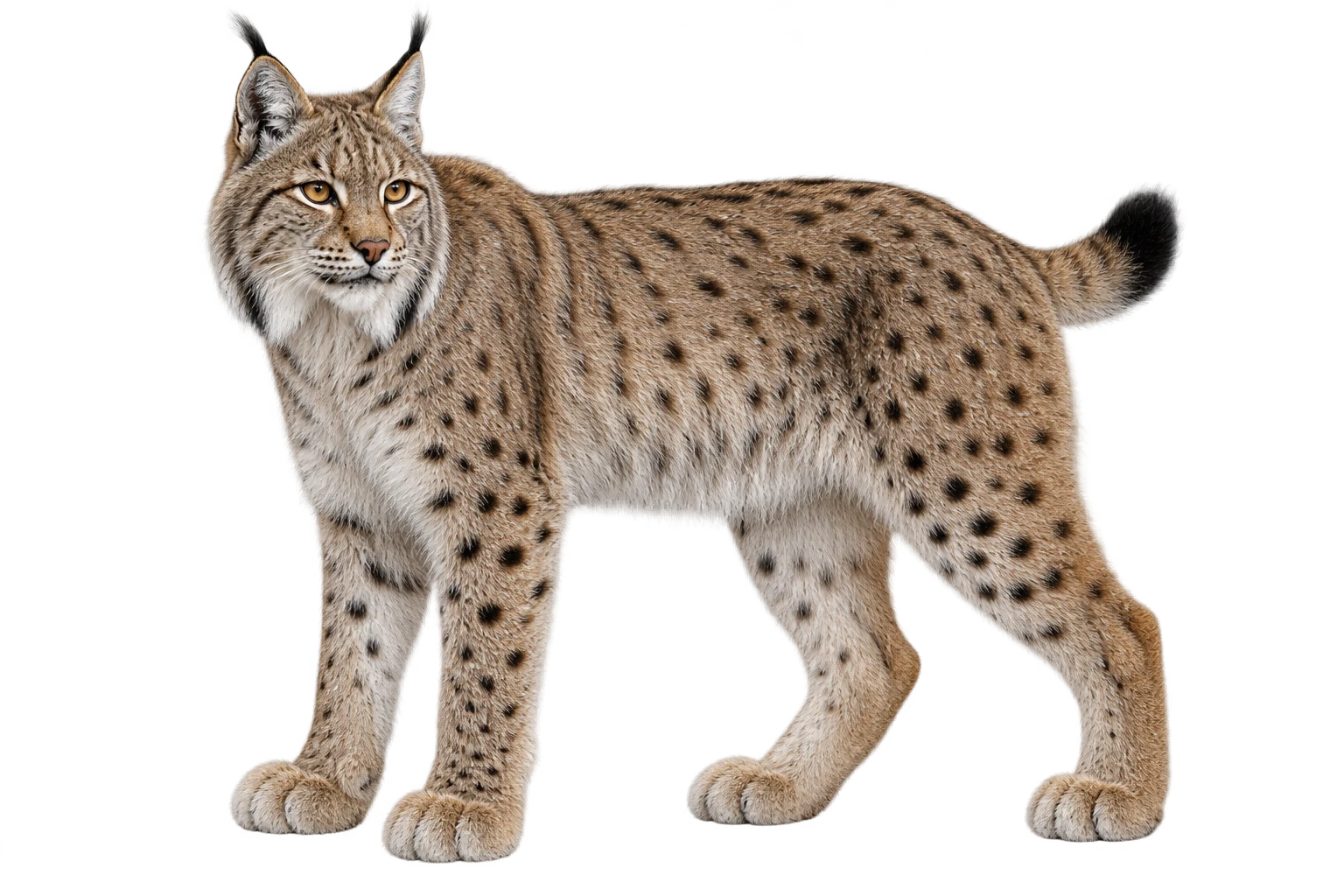
Balkan Lynx
Lynx lynx balcanicus
Classification and source reference
LivingAI illustration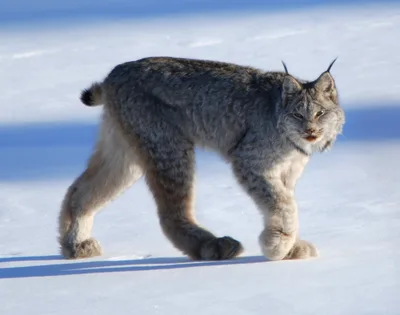 LC
Mammals
Canada lynx
Lynx canadensis
The Canada lynx is a thick-furred cat of the boreal forest with tufted ears and huge snowshoe paws.
Living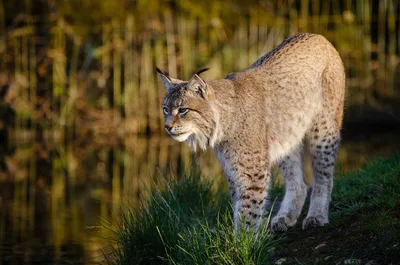 LC
Mammals
Eurasian lynx
Lynx lynx
The Eurasian lynx is the biggest of the four lynx species and the largest wild cat in Europe.
Living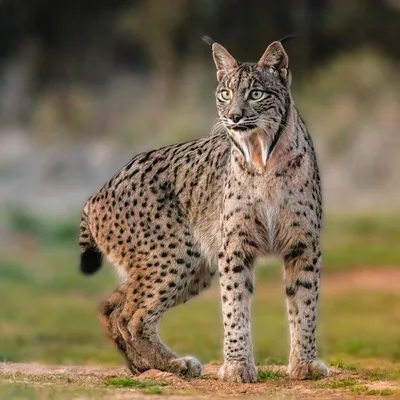 VU
Mammals
Iberian lynx
Lynx pardinus
The Iberian lynx is a spotted, tufted-eared cat found only in Spain and Portugal.
Living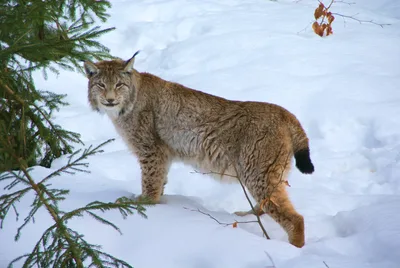
Mammals
Lynx
Lynx
Lynx are short-tailed wild cats with tufted ears.
Living
Mammals
Abyssinian
Felis catus
Classification and source reference
LivingAI illustration