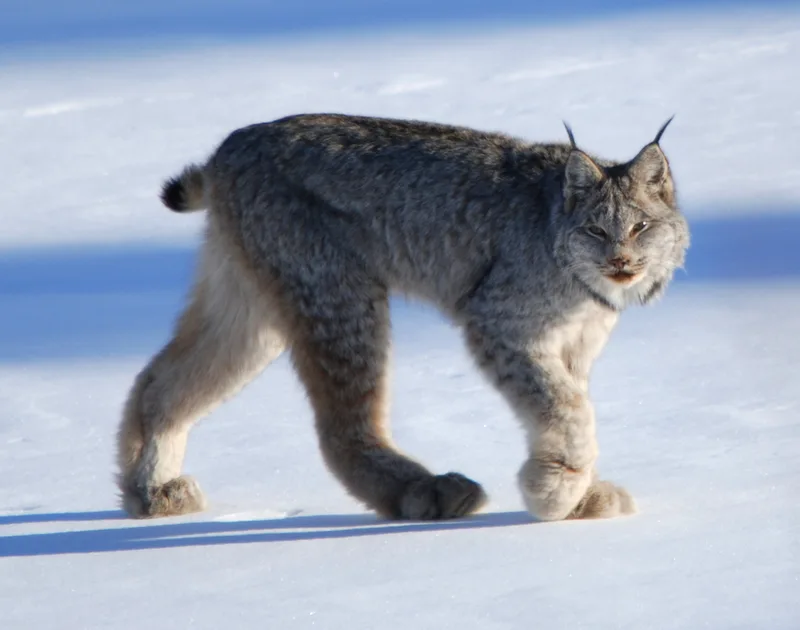
Canada lynx
The snowshoe cat that lives and dies by the hare
Lynx canadensis
Also called Canadian lynx, American lynx, Alaskan lynx, Newfoundland lynx, Loup-cervier
Living individuals or members of this group exist today. This does not mean they are safe from extinction.
Meet the canada lynx
The Canada lynx is a thick-furred cat of the boreal forest with tufted ears and huge snowshoe paws. Its numbers rise and fall with the snowshoe hare, its main prey, in a cycle of eight to 11 years.
Images of the canada lynx
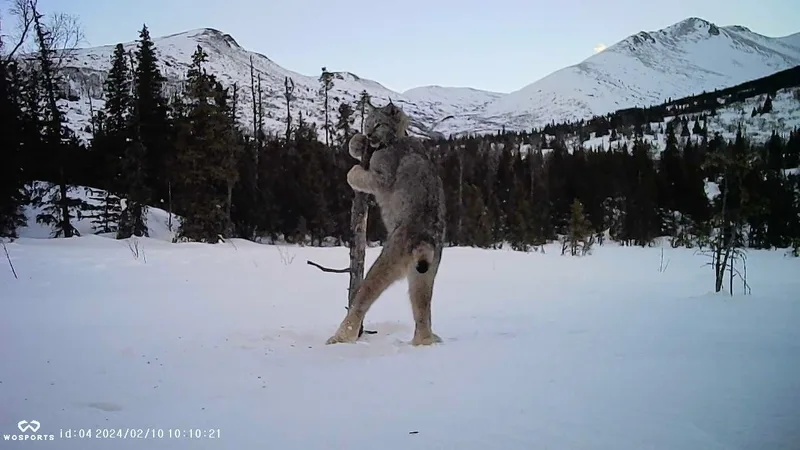
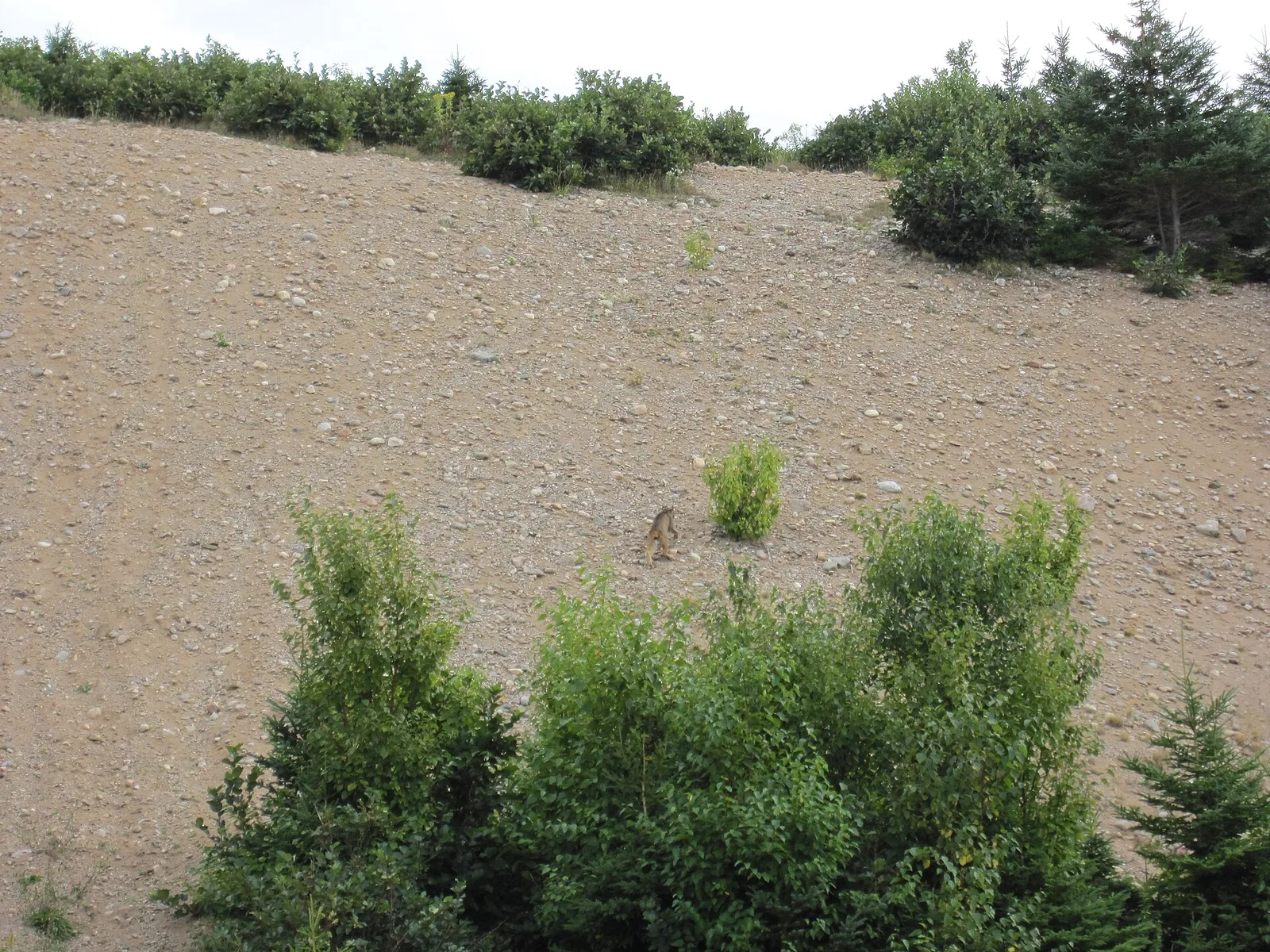
Lifespan in the wild
Up to 16 years most die before ten
Weight
5 to 17 kg
Length
0.73 to 1.07 m
Height
48 to 56 cm
Fact file
Canada lynx
- Location
- Alaska, Canada, northern United States
- Habitat
- Temperate forest, Mountains, Tundra
- Diet
- Carnivore
- Prey / food
- Snowshoe hare, grouse, ptarmigan, red squirrel, vole, young deer
- Predators
- Fisher; wolves and bears may take kittens
- Lifestyle
- Solitary and nocturnal
- Group name
- None (solitary)
- Name of young
- Kitten
- Gestation
- 56 to 70 days
- Litter size
- 1 to 8 kittens, usually 2 or 3
- Population
- Not counted; common across Canada and Alaska
- Biggest threat
- Habitat loss in the south; the snowshoe hare cycle
- Distinctive feature
- Huge furred paws and black ear tufts
- Colour
- Yellowish brown, greyer in winter
- Skin type
- Fur
Size
Next to a person
Measurements
Size and speed
- Height
- 48 to 56 cm at the shoulder
- Length
- 0.73 to 1.07 m total length
- Tail
- 5 to 13 cm
- Weight
- 5 to 17 kg, up to 20 kg females 5 to 12 kg, males 6 to 17 kg; one Pennsylvania male reached 20 kg
- Weight, male
- 6 to 17 kg, up to 20 kg
- Weight, female
- 5 to 12 kg
Typical adult ranges. Source: Wikipedia.
Life cycle
Lifespan
- In the wildUp to 16 years most die before ten
- In captivityUp to 26.8 years
- 026.8 years
Appearance
Colour and coat
- Primary colours
- yellowish browngrey
- Secondary colours
- whiteblack
- Skin type
- fur
- Male and female
- Slight. Males are larger and heavier, at 6 to 17 kilograms against 5 to 12 kg for females, but the sexes look alike.
Life cycle
Mating and family
- Mating system
- probably polygynous
- Social structure
- solitary; a male's range overlaps several females
- Breeding
- one litter a year, fewer in years of hare scarcity
Lynx mate for about a month in late winter or early spring. After 56 to 70 days the female bears one to eight kittens in a den under logs or brush, usually two or three. The kittens open their eyes at about two weeks and are weaned at twelve weeks. They hunt with their mother by autumn and leave her at about ten months. Most wild lynx die before ten years, and the record is 16.
Classification
Taxonomy
- Kingdom
- Animalia
- Phylum
- Chordata
- Class
- Mammalia
- Order
- Carnivora
- Family
- Felidae
- Genus
- Lynx
- Species
- Lynx canadensis
Conservation
Red List status
- LC
- NT
- VU
- EN
- CR
- EW
- EX
Least Concern on the IUCN Red List
Range
Recorded in 2 countries
Habitat layer: temperate broadleaf and mixed forest, temperate conifer forest, boreal forest and taiga, montane grassland and shrubland, tundra.
Countries from 1,437 wild records on GBIF (iNaturalist research grade), filtered and checked by hand. Country shapes: Natural Earth. Habitat: RESOLVE Ecoregions 2017, CC BY 4.0. Basemap: Natural Earth.
Habitats
Three things to know
- 1
Its furred paws spread to 10 centimetres across and carry almost twice the load of a bobcat's feet on snow.
- 2
Snowshoe hares make up 35 to 97% of its diet, and lynx numbers follow the hare cycle every eight to 11 years.
- 3
A lynx once swam 3.2 kilometres across the Yukon River to reach the far bank.
Did you know
Seven more facts
- 1
Snowshoe hares make up 35 to 97% of the diet, depending on the season.
- 2
Skeletal muscle is 56.5% of a lynx's body weight.
- 3
A newborn kitten weighs 175 to 235 grams.
- 4
Daughters settle next to their mothers and stay in touch for life.
- 5
The lynx has only 28 teeth, and its canines are packed with nerves.
- 6
Lynx have been recorded as high as 4,310 metres.
- 7
In Colorado, plague killed many of the released lynx.
Field notes
How it looks and acts
Field notes
Distinguishing features
- Black ear tufts about 4 cm long on triangular ears.
- A short tail of 5 to 13 centimetres with a solid black tip.
- Very wide, heavily furred paws that spread on snow.
- Hind legs longer than the front legs, so the back slopes forward.
- A thick yellowish brown coat with few spots and a white belly.
- A winter ruff of long fur on the cheeks and throat.
Field notes
Unique adaptations
- Wide paws spread the body weight so the cat stays on top of soft snow.
- Long, dense fur keeps it warm through the boreal winter.
- Long hind legs give a powerful pounce from an ambush bed.
- Forward-facing eyes give stereoscopic vision for judging the distance to a hare.
- Nerve-rich canines let the cat feel where its bite lands.
Field notes
Interesting behaviours
- It waits on hare trails at dusk and at night, then pounces.
- It caches a kill under snow or leaves and returns to it for days.
- It climbs trees to escape a threat but never hunts in them.
- It sprays urine and leaves droppings on stumps to mark its range.
- A mother and her kittens sometimes hunt hares in a line across open ground.
Field notes
Temperament
- Solitary and shy, and it avoids other lynx of its own sex.
- Calm around people, and it climbs or slips away rather than fights.
- Aggression between lynx is rare unless food runs short.
Field notes
Communication
- Urine and droppings on prominent spots mark the home range.
- Long wailing calls in spring are probably mating calls.
- Urine marking increases in the mating season and draws the sexes together.
- Touch between a mother and her kittens is likely to be important.
Ecology
Ecological role
The Canada lynx is the specialist predator of the snowshoe hare, and the two species drive each other's numbers in a famous cycle.
- It keeps hare and vole numbers in check, which protects young trees.
- Its own numbers track the hare cycle with a short lag.
- It competes with coyotes for hares and with bobcats at the southern edge of its range.
- Cached and abandoned kills probably feed scavengers in winter.
Stories
Myths and legends
- In Northwestern tribal tradition, the lynx is a skilled and responsible hunter.
- In Northeastern tradition, a rabbit tricks the greedy lynx.
- In Anishinaabe tradition, the lynx is a dangerous but powerful spirit of the Midewiwin society.
- In Eastern Woodlands tradition, the Great Lynx is a monster that lives under water.
- In Mohave tradition, dreaming of a lynx gives a hunter special powers.
People
Relationship with humans
People
Living alongside us
Trappers have taken the Canada lynx for its fur since the 1600s, and Canada and Alaska still run regulated trapping seasons. The southern populations are protected, and the United States listed them as Threatened in 2000. Colorado brought the species back with releases that began in 1999. The cat does no harm to people or livestock and helps control hares and voles.
- No attack on a person is on record.
- A cornered or treed lynx is likely to scratch and bite if handled.
- It can carry parasites such as Toxoplasma gondii, so hunters should handle carcasses with care.
People
Status, uses and products
- Domestication
- Wild
- As a pet
- Not suitable. It is a wild cat that needs a range of many square kilometres and a diet of fresh prey. Keeping one is illegal in most places and cruel in all of them.
- Uses
- fur trappingwildlife watching
- Products
- fur
The full account
About the canada lynx
The Canada lynx, Lynx canadensis, is a medium-sized cat of the northern forests of North America. It has a thick coat, tufted ears and very wide feet that work like snowshoes. Its hind legs are longer than its front legs, so the body slopes down towards the head. Adults stand 48 to 56 centimetres at the shoulder and weigh 5 to 17 kilograms.
One prey animal shapes almost every part of its life: the snowshoe hare. When hares are plentiful, lynx numbers rise, and when hares crash, lynx breed less and wander far. This cycle repeats about every eight to 11 years and is one of the best known in ecology. The lynx hunts at dusk and at night, mostly alone, and kills with a bite to the head or neck. The IUCN lists it as Least Concern, because it remains common across Alaska and Canada. In the southern part of its range it is rarer and receives legal protection.
Name and taxonomy
Robert Kerr described the species in 1792 from a lynx taken in Canada, under the name Felis lynx canadensis. Later authors moved it into the genus Lynx, and Gerrit Miller backed that placement in 1912. For decades scientists argued over whether Lynx was a genus of its own or a part of Felis. In 2005 Wallace Christopher Wozencraft listed it as a full species beside the bobcat, the Eurasian lynx and the Iberian lynx. Wozencraft also named three subspecies: one on the Canadian mainland, one in Newfoundland and one in Alaska.
A 1975 study found that Newfoundland animals differ only in a darker coat, so the subspecies are doubtful. In 2017 the Cat Specialist Group treated the Canada lynx as a single species with no subspecies. The Newfoundland population probably split from the mainland about 20,000 to 33,000 years ago, after the last ice age. GBIF lists other English names, including American lynx, Alaskan lynx and Newfoundland lynx. In French Canada it is the loup-cervier, and the Ojibwe call it bizhiw.
Evolution and relatives
A 2006 genetic study traced the cat lineages of the Americas to ancestors that crossed the Bering land bridge 8.5 to 8 million years ago. The Lynx line split from the puma and small cat lines about 2.53 to 4.74 million years ago. The Issoire lynx is thought to be the ancestor of all four living lynxes. It probably arose in Africa about 4 million years ago and died out in Eurasia about 1 million years ago.
Eurasian lynxes entered North America about 2.6 million years ago and settled the ice-free south. Those southern animals became the bobcat. A second wave arrived within the last 200,000 years and spread across the north once the glaciers withdrew. That northern wave became the Canada lynx. Fossils of the species date to the Sangamonian and Wisconsin glacial stages. The palaeontologist Lars Werdelin noted in 1981 that the species has changed little since it first appeared.
Appearance
The Canada lynx is lean but looks bulky because of its long, dense fur. Total length runs from 73 to 107 centimetres, and the shoulder height is 48 to 56 cm. Females weigh 5 to 12 kilograms and males 6 to 17 kg. One exceptional male from Pennsylvania weighed 20 kg. The tail is short, 5 to 13 centimetres, and ends in a solid black tip. Muscle makes up 56.5% of the body weight.
The coat is usually yellowish brown with few markings, and the belly is white with some dark spots. Newfoundland animals turn from brown or buff-grey in summer to a grizzled grey in winter. Black tufts about 4 cm long rise from the ear tips, and the ears are edged in black. In winter the cheek fur grows into a ruff around the throat. The paws are huge and furred and can spread to 10 cm across on soft snow. They carry almost twice the load of a bobcat's feet before they sink.
The claws pull back fully into the toes. The lynx has 28 teeth, with four long canines that are rich in nerves. Compared with the bobcat, it has longer ear tufts, bigger feet, longer legs, a shorter tail and a greyer coat.
Habitat and range
The species lives mainly in the thick spruce and fir forest of Canada and Alaska. Its range matches that of the snowshoe hare almost exactly. In the past it reached 24 states of the northern United States and perhaps the Rocky Mountains of New Mexico. Today it survives in the Cascades, the Blue Mountains, the Rockies, northern Minnesota, Michigan's Upper Peninsula and northern New England. Colorado lost its lynx in the 1970s and began releasing new animals in 1999. In 2022 a hunter photographed a large male in the Gros Ventre Range of Wyoming, the first confirmed record there since 2012.
The lynx avoids open country even where prey is plentiful. It struggles in heavily logged land and on farmland. Forest that has regrown for at least fifteen years after cutting can hold good numbers. Animals have been recorded as high as 4,310 metres. ADW notes that it also uses open forest, rocky ground and tundra. It is regarded as extirpated in New York, Pennsylvania, Massachusetts, Nevada, Indiana and Ohio.
Diet and hunting
The snowshoe hare makes up 35 to 97% of the diet, depending on season and hare numbers. When hares are scarce the lynx turns to grouse, ptarmigan, ducks, voles, moles and red squirrels. It also takes young Dall's sheep, mule deer and woodland caribou. In summer and autumn it is less choosy and adds more small mammals. It eats about 0.6 to 1.2 kilograms of food a day. It sometimes eats grasses, sedges and succulent plants.
The lynx hunts at twilight and at night, when hares are active. It finds prey by sight and hearing, and its forward-facing eyes judge distance well. It waits on hare trails in what researchers call ambush beds, then pounces. A chase of a few bounds may follow. The kill is a bite to the head, throat or nape. Larger prey gets a throat bite that stops its breathing.
The cat may eat at once or cache the carcass under snow or leaves for several days. In the Yukon, lynx succeeded in 28.7% of hunts, while coyotes managed 36.9%. A lynx needs 0.4 to 0.5 hares a day but killed 1.2 a day when hares were abundant. Mothers and kittens sometimes hunt in a line through open ground, and one animal flushes prey for another. Scavenging is common, and lynx feed on deer killed by cold, cars or hunters.
Behaviour and social life
The lynx is mostly nocturnal, though it moves by day at times. It travels 8 to 9 kilometres a night at a slow walk of 0.75 to 1.46 km/h. It swims well, and one animal crossed 3.2 km of the Yukon River. It climbs trees to escape danger but hunts only on the ground.
Adults live alone except for mothers with kittens and brief pairings in the mating season. Animals of the same sex avoid each other, so territories overlap between sexes but not within a sex. Bears, bobcats and cougars share this intrasexual pattern. Fights between lynx are rare, and cannibalism appears only when food runs short.
Home ranges vary from 11 to 300 square kilometres, and radio tracking gives larger figures than snow tracking. In Minnesota males held 145 to 243 km2 and females 51 to 122 km2. A female shrinks her range while she raises kittens and expands it again at weaning. When hares fell from 14.7 to 1 per hectare in one study, ranges trebled from 13.2 to 39.2 km2. Lynx seldom leave their ranges, but a hare crash can push them more than 1,000 km.
Communication and senses
Like other cats, the lynx marks its range with urine and droppings on stumps and snow. Scent probably tells neighbours who lives where without a meeting. During the mating season it also uses urine marking and calls to bring the sexes together. Observers have heard long wailing cries that are probably mating calls. Touch is likely to matter between a mother and her kittens and between mates.
Sight is the main hunting sense, and hearing is excellent. The eyes face forward and give stereoscopic vision for judging a pounce. The ear tufts may help gather sound, as is thought for other lynxes. The canine teeth are full of nerves, so the cat can feel exactly where it bites.
Reproduction and life cycle
Mating runs for about a month from March into early April. ADW gives February and March for the season in some areas. A female comes into heat once a year, for three to five days in captivity. She can ovulate on her own when mates are many, or in response to mating when they are few. She prepares a den in thick brush, under logs, stumps or root tangles.
Gestation lasts two to three months, or 56 to 70 days in the ADW figures. Litters range from one to eight kittens, and two or three is typical. Litters shrink and kitten deaths rise in years when hares decline. Most births fall between May and July. Newborns weigh 175 to 235 grams and wear greyish buff fur with black marks. Their eyes open at about two weeks, and they are weaned at twelve weeks.
Kittens leave the den at about five weeks and start hunting at seven to nine months. Young lynx go their own way at about ten months, when the next mating season starts. Daughters settle near their mother and stay in contact for life, while sons move far away. Females can breed at ten months but often wait a year, and males mature at two or three. Wild lynx have reached 16 years, but most die before ten. In captivity one animal lived to 26.8 years.
Predators and threats
Few animals hunt an adult lynx. In northern Maine, fishers were the leading cause of lynx deaths over twelve years. Even so, fisher predation did not slow the growth of that population. Wolves and bears probably take kittens. Coyotes compete for hares, and the eastern coyote presses the lynx hard in eastern Canada.
Plague was a major killer among the lynx released in Colorado. The species hosts several parasites, among them Toxocara cati and Taenia tapeworms. In 2019 researchers found a new herpesvirus, named LcaGHV1, in lynx from Maine and Newfoundland. Trapping takes many animals each year in Canada and Alaska, but the harvest follows population data. South of the border the chief threat is lost habitat, and traffic kills some dispersing animals. Of 80 lynx released in New York between 1989 and 1992, nineteen died on roads and eight were shot by bobcat hunters.
Population and conservation
The IUCN lists the Canada lynx as Least Concern. It is common across a very large range, and legal trade has not harmed it for centuries. Numbers swing with the hare cycle by a factor of three to seventeen. Fur records of the Hudson's Bay Company, kept since the 1730s, show this cycle over nearly three centuries. It is on CITES Appendix II, which regulates the fur trade.
The southern populations are small and protected from trapping. New Brunswick and Nova Scotia list it as Endangered, and Michigan does the same. In 2000 the US Fish and Wildlife Service listed it as Threatened in 14 states. In 2005 the service named six core areas, from Maine to the Cascades and Greater Yellowstone. Colorado's reintroduction, begun in 1999, had self-sustaining populations by 2010.
A 2017 study reported rising numbers in many parts of the United States. In 2018 the service said the species no longer needed special protection there. The service still works with states, tribes and land managers on forest plans that keep lynx habitat. Biologists count lynx with camera stations baited with skunk scent, with snow tracking and with hair snares.
Relationship with humans
People have trapped this cat for its fur since the seventeenth century. Alberta produces nearly a third of Canada's pelts. After a hare crash, yearly pelt exports from both countries fell from 35,669 in 1980 to 1984 to 7,360 in 1986 to 1989. They rose again to 15,387 a year in 2000 to 2006. Between 1980 and 2004 the species made up thirty percent of legal lynx items in world trade. Illegal trade is thought to be negligible.
Restrictions on big-cat furs in the late 1960s pushed more demand onto lynx pelts. The lynx never attacks people and does no known harm to farms or forestry. It helps by controlling hares and voles, which damage young trees and crops. Trappers, hound hunters and hikers sometimes meet one, and it usually climbs a tree or slips away. Probably no other North American cat is so closely tied to deep snow.
In culture and myth
The lynx appears in the stories of many First Nations and Native American peoples. Among tribes of the Northwest, it stands for skill in hunting and for responsible conduct. In Northeastern tales the lynx is often a greedy villain, and a rabbit or another small animal outwits it. To the Anishinaabe it is a spirit both feared and powerful, tied to the Midewiwin medicine society. Eastern Woodlands lore tells of the Great Lynx, a monster of the deep water.
The Mohave, who live far from lynx country, believed that lynx dreams brought hunting power. The Chippewa keep a lynx clan named Bizhiw, the same word GBIF records as the Ojibwe name. The French name loup-cervier, the deer wolf, probably came from settlers who saw it take deer. The hare cycle itself became famous in science as the Lotka Volterra predator and prey model. Modern writers say the lynx is a ghost of the forest, because it is seldom seen, and that reputation seems earned.
A sentence with a dotted underline is inferred: it describes the group the animal belongs to, or is a reading of the sources, rather than a measured or reported fact about this species.
Questions
Canada lynx questions, answered
How big is a Canada lynx?
An adult is 73 to 107 centimetres long and stands 48 to 56 cm at the shoulder. A female weighs 5 to 12 kilograms, a male 6 to 17 kg.
What does a Canada lynx eat?
Mostly snowshoe hares, which make up 35 to 97% of the diet. When hares are scarce it takes grouse, ptarmigan, squirrels, voles and young deer, and it scavenges carcasses.
Is the Canada lynx endangered?
No. The IUCN lists it as Least Concern because it is common across Canada and Alaska. The small southern populations in the United States are listed as Threatened.
How is a Canada lynx different from a bobcat?
The lynx has longer ear tufts, much bigger furry feet, longer legs and a greyer coat with fewer spots. Its short tail has a fully black tip, while a bobcat's tail is black only on top.
Where do Canada lynx live?
Across the boreal forest of Alaska and Canada, and in mountain and northern forests of Maine, Minnesota, Montana, Washington and Colorado.
Why do lynx numbers go up and down?
They follow the snowshoe hare, which crashes about every eight to 11 years. When hares vanish, lynx raise fewer kittens and move away, so their numbers fall a year or two later.
Can a Canada lynx swim?
Yes. One was recorded swimming 3.2 kilometres across the Yukon River.
Do Canada lynx climb trees?
Yes, they climb well and go up a tree to escape hounds or other danger. They hunt only on the ground.
How many kittens does a lynx have?
One to eight, and usually two or three. Litters are larger when hares are plentiful.
How long does a Canada lynx live?
Most wild lynx die before ten, and the wild record is 16 years. One captive animal reached 26.8 years.
Is a Canada lynx dangerous to people?
No. There is no record of an attack, and a lynx that meets a person usually climbs a tree or leaves.
Why does the lynx have such big feet?
The wide, furred paws act as snowshoes. They spread to about 10 centimetres and hold the cat on top of soft snow where a bobcat or coyote sinks.
Are Canada lynx solitary?
Yes. Adults live alone and avoid others of the same sex. Only a mother and her kittens stay together, until the next mating season.
Are Canada lynx still trapped for fur?
Yes, in most of Canada and Alaska under quotas set from population data. Trade is regulated under CITES Appendix II.
When are Canada lynx most active?
At dusk and through the night, when snowshoe hares are moving. They rest by day but are sometimes seen.
Food web
Prey and food
- snowshoe hare
- grouse
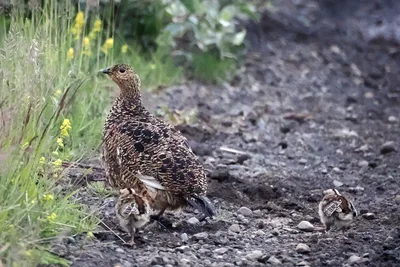 Rock ptarmigan
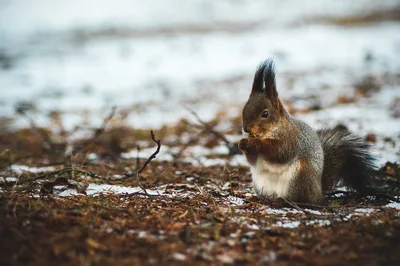 Red squirrel
- vole
- deer
Food web
Predators
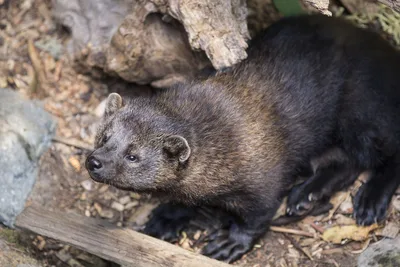 Fisher
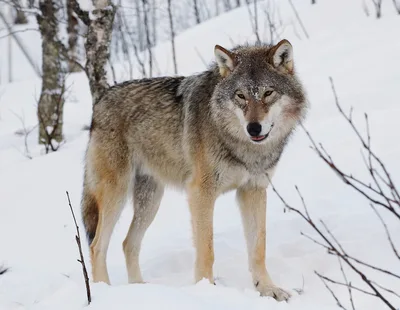 Gray wolf
Ecological equivalents
Related species on this site
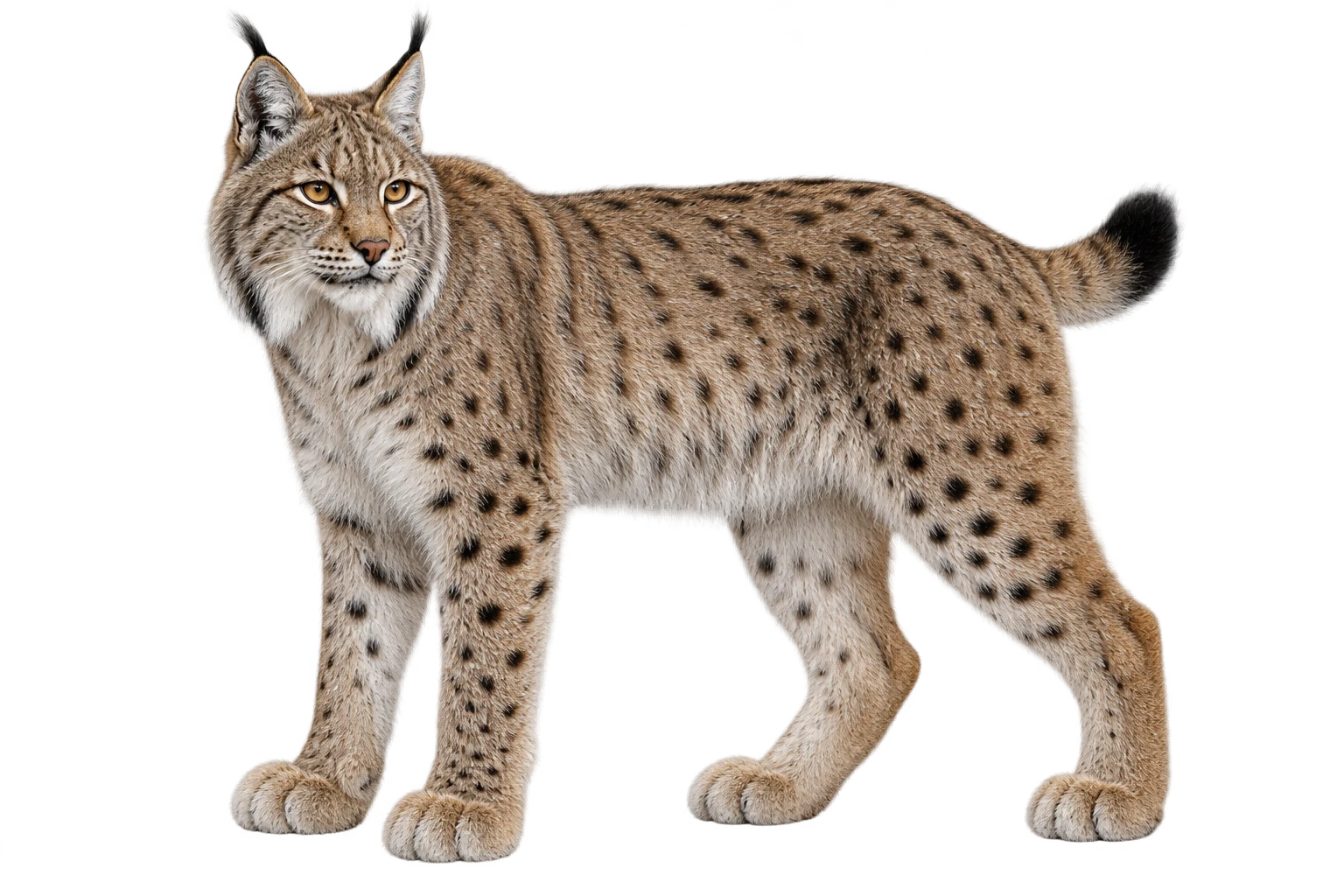
Balkan Lynx (same genus), Bobcat (same genus), Eurasian lynx (same genus), Iberian lynx (same genus), Lynx (same genus), Abyssinian (same family), and more.
Mammals
Balkan Lynx
Lynx lynx balcanicus
Classification and source reference
LivingAI illustration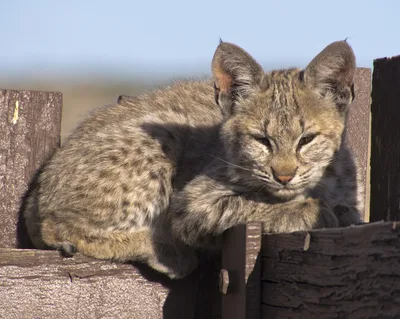 LC
Mammals
Bobcat
Lynx rufus
The bobcat is a medium-sized lynx with a short black-tipped tail, found from southern Canada to southern Mexico.
Living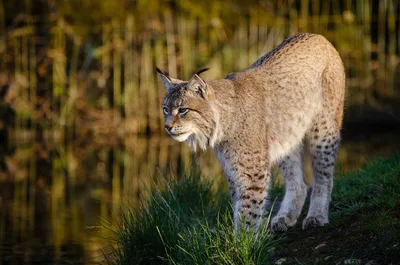 LC
Mammals
Eurasian lynx
Lynx lynx
The Eurasian lynx is the biggest of the four lynx species and the largest wild cat in Europe.
Living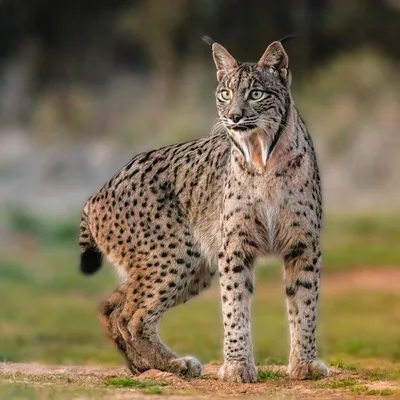 VU
Mammals
Iberian lynx
Lynx pardinus
The Iberian lynx is a spotted, tufted-eared cat found only in Spain and Portugal.
Living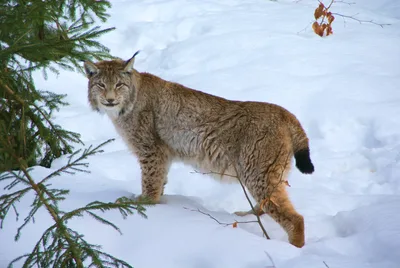
Mammals
Lynx
Lynx
Lynx are short-tailed wild cats with tufted ears.
Living
Mammals
Abyssinian
Felis catus
Classification and source reference
LivingAI illustration