Rock ptarmigan
The mountain grouse that turns white for winter
Lagopus muta
Also called Ptarmigan, Snow chicken, Raicho, Aqiggiq
Living individuals or members of this group exist today. This does not mean they are safe from extinction.
Meet the rock ptarmigan
The rock ptarmigan is a grouse of high mountains and Arctic tundra that changes colour with the seasons. It is white in winter, grey and brown in summer, and it walks on feathered feet that work like snowshoes.
Images of the rock ptarmigan
Lifespan in the wild
Up to 11.7 years
Weight
440 to 640 g
Length
34 to 36 cm
Wingspan
54 to 60 cm
Fact file
Rock ptarmigan
- Location
- Arctic and alpine Eurasia, North America, Greenland and Japan
- Habitat
- Tundra, Mountains
- Diet
- Herbivore
- Predators
- Gyrfalcon, golden eagle, Arctic fox
- Lifestyle
- Ground dwelling and largely sedentary
- Group name
- Flock
- Name of young
- Chick
- Incubation
- Incubation about 21 days
- Clutch size
- 7 to 10 eggs
- Population
- Least Concern worldwide, with numbers that swing on about a ten year cycle
- Biggest threat
- Hunting pressure and the loss of cold alpine ground
- Distinctive feature
- All-white winter plumage with a black tail
- Colour
- White in winter, grey and brown in summer
- Skin type
- Feathers
Size
Next to a person
Measurements
Size and speed
- Length
- 34 to 36 cm
- Wingspan
- 54 to 60 cm
- Tail
- About 8 cm
- Weight
- 440 to 640 g
Typical adult ranges. Source: Wikipedia.
Life cycle
Lifespan
- In the wildUp to 11.7 years
- 011.7 years
The pale bar is the record. Source: AnAge.
Appearance
Colour and coat
- Primary colours
- whitebrowngrey
- Secondary colours
- blackred
- Skin type
- feathers
- Male and female
- The two sexes look alike in winter, though only the male keeps a black line from bill to eye. In summer the female is barred more coarsely, and the male carries a scarlet comb over each eye.
Life cycle
Mating and family
- Mating system
- mostly monogamous, with some males taking two mates
- Social structure
- single sex winter flocks and territorial pairs in summer
- Breeding
- one clutch a year
Winter flocks break up in early spring and males claim territory. The female scrapes a nest on bare ground beside a rock and lays 7 to 10 eggs. She incubates alone for about 21 days. The chicks leave within a day, feed themselves and fly a little at about 10 days. They are independent at 10 to 12 weeks, and they can breed at six months.
Classification
Taxonomy
- Kingdom
- Animalia
- Phylum
- Chordata
- Class
- Aves
- Order
- Galliformes
- Family
- Phasianidae
- Genus
- Lagopus
- Species
- Lagopus muta
Conservation
Red List status
- LC
- NT
- VU
- EN
- CR
- EW
- EX
Least Concern on the IUCN Red List
Range
Recorded in 15 countries
- Austria
- Canada
- Switzerland
- Germany
- Finland
- France
- United Kingdom
- Greenland
- Iceland
- Italy
- Japan
- Norway
- Russia
- Sweden
- United States of America
Habitat layer: montane grassland and shrubland, tundra.
Countries from 3,539 wild records on GBIF (iNaturalist research grade), filtered and checked by hand. Country shapes: Natural Earth. Habitat: RESOLVE Ecoregions 2017, CC BY 4.0. Basemap: Natural Earth.
Habitats
Three things to know
- 1
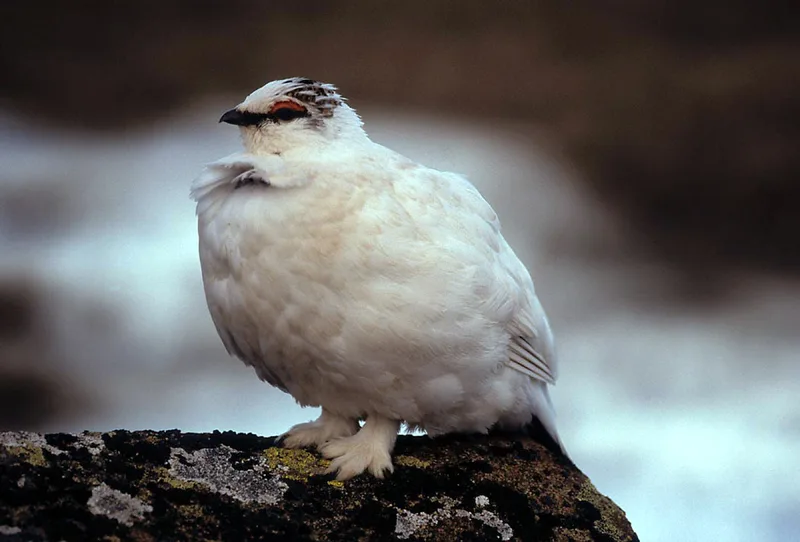
The bird moults into all-white plumage for the winter, keeping only a black tail and eye line.
- 2
Feathers cover the feet, so the bird can walk on soft snow without sinking.
- 3
Twenty-three subspecies are recognised, from Scotland to Japan.
Did you know
Seven more facts
- 1
The genus name means hare-footed in Greek.
- 2
Ornithologists accept 23 subspecies of this one bird.
- 3
Most rock ptarmigans carry no more than 20 grams of fat.
- 4
The Svalbard birds are the exception and put on about 100 grams.
- 5
A chick can make short flights at about 10 days old.
- 6
The species is the territorial bird of Nunavut.
- 7
Ptarmigan bred in the English Lake District until the early 1800s.
Field notes
How it looks and acts
Field notes
Distinguishing features
- White winter plumage with black outer tail feathers.
- A black line from bill to eye on the winter male.
- A scarlet comb above each eye of the male.
- Feathered toes on both sexes.
- A slimmer bill than the willow ptarmigan carries.
- Coarse brown and black barring on the summer female.
Field notes
Unique adaptations
- Seasonal moults probably keep the bird's colour close to the ground colour.
- Feathered feet spread the weight on snow and hold in heat.
- Long ceca ferment tough plant food and raise the energy it yields.
- The Svalbard birds lay down fat for the darkest part of the year.
- Chicks feed themselves from the first day, which probably cuts the load on the female.
Field notes
Interesting behaviours
- Males and females form separate flocks through the winter.
- Males chase each other through the air rather than fighting on the ground.
- Birds follow caribou and musk ox to feed on cleared ground.
- Southern birds walk downhill for winter instead of migrating.
- A displaying male drags one wing while circling a female.
Field notes
Temperament
- The bird is calm around people and often lets a walker come close.
- Territorial males are noisy and pushy in spring.
- A sitting female appears to rely on her camouflage and stays put.
- Winter flocks are probably quiet, and they keep to sheltered slopes.
Field notes
Communication
- The male gives guttural snores and rattles to warn off rivals.
- The song flight ends in a rasping call on the way down.
- Fanned tail, stretched neck and lowered wings carry threat on the ground.
- Raised red combs signal condition to females and to other males.
Ecology
Ecological role
The rock ptarmigan is the main plant eater on ground that is too high and too bare for most birds.
- It grazes buds, catkins, leaves and berries above the tree line.
- It feeds the gyrfalcon, the golden eagle and the Arctic fox.
- Its numbers swing on about a ten year cycle, which probably moves its predators too.
- It probably carries seeds and spreads droppings across bare alpine ground.
Stories
Myths and legends
- In Japanese tradition, the bird is the raicho, or thunder bird of the high peaks.
- In Inuit tradition, the bird is the aqiggiq and now stands as the emblem of Nunavut.
- In Icelandic tradition, roast ptarmigan is the Christmas main course.
- In Scottish Gaelic tradition, the bird is the tarmachan, which means croaker.
- In British nature writing, Thomas Bewick recorded it as the White Grouse.
People
Relationship with humans
People
Living alongside us
People have hunted the rock ptarmigan for food across the north for a long time. Alaskan hunters take it with a shotgun or a snare. Icelandic families roast it at Christmas, and the country now limits the season and bans the trade. Japan protects the bird by law. Nunavut, Newfoundland and Labrador and three Japanese prefectures all use it as an emblem.
- The rock ptarmigan is a small plant eater and cannot hurt a person.
- It is calm near walkers and rarely bothers to fly off.
- Like other ground grouse, it will burst upward if a walker steps too close.
People
Status, uses and products
- Domestication
- Wild
- As a pet
- Not suitable. The rock ptarmigan is a cold-country bird that needs alpine or Arctic conditions. It cannot live in a garden aviary, and the law protects it in Japan and in parts of Europe.
- Uses
- game shootingfoodregional emblem
- Products
- meat
The full account
About the rock ptarmigan
The rock ptarmigan is a medium-sized grouse of high mountains and Arctic tundra. In Europe people call it simply the ptarmigan. It changes plumage with the seasons: white for winter, then grey and brown for summer. The tail stays black all year, and so does the eye line of the male.
An adult is 34 to 36 centimetres long and weighs 0.44 to 0.64 kilograms. The wings span 54 to 60 cm. The bird breeds across Arctic Eurasia, North America and Greenland. Separate groups hold out in Scotland, the Pyrenees, the Alps and Japan.
Feathers cover the feet, which spreads the load on soft snow. The IUCN rates the species as Least Concern. Nunavut and three Japanese prefectures use the bird as an emblem.
Name and taxonomy
The scientific name of the rock ptarmigan is Lagopus muta. Lagopus joins the Greek words for a hare and a foot. It probably describes the feathered legs, which look like a hare's feet. The species name means mute, and it points at the plain croaking song of the male. Writers spelt it mutus for many years, because they took the genus name for a masculine one. The Greek root is feminine, so muta is the correct form.
The English word ptarmigan comes from the Gaelic tarmachan, which means croaker. Somebody added the silent p in the belief that the word was Greek. The change probably came from the Greek word for a wing.
Ornithologists accept 23 subspecies. They run from the Scottish form to the birds of Honshu in Japan. Separate forms hold Iceland, Svalbard, the Alps, the Pyrenees and many Aleutian islands. The number of named forms suggests how broken up the range has become.
Evolution and relatives
The genus Lagopus holds four species. The other three include the willow ptarmigan and the white-tailed ptarmigan. As with the rock ptarmigan, they all turn pale or white for the winter. The rock ptarmigan runs about ten percent smaller than its willow relative. It also carries a slimmer bill.
The two birds separate by ground as well as by size. The willow ptarmigan stays below the tree line in scrub. The rock ptarmigan takes the higher and barer slopes. A winter male rock ptarmigan shows a black line from bill to eye, which the willow bird lacks. During the last ice age the species covered far more of continental Europe. The groups in the Alps, the Pyrenees and Japan are probably what that colder range left behind.
Appearance
An adult measures 34 to 36 cm from bill to tail. The tail alone is about 8 cm long. The wingspan runs 54 to 60 cm, and weight runs 0.44 to 0.64 kg. The bird looks like a small grouse or a short pheasant.
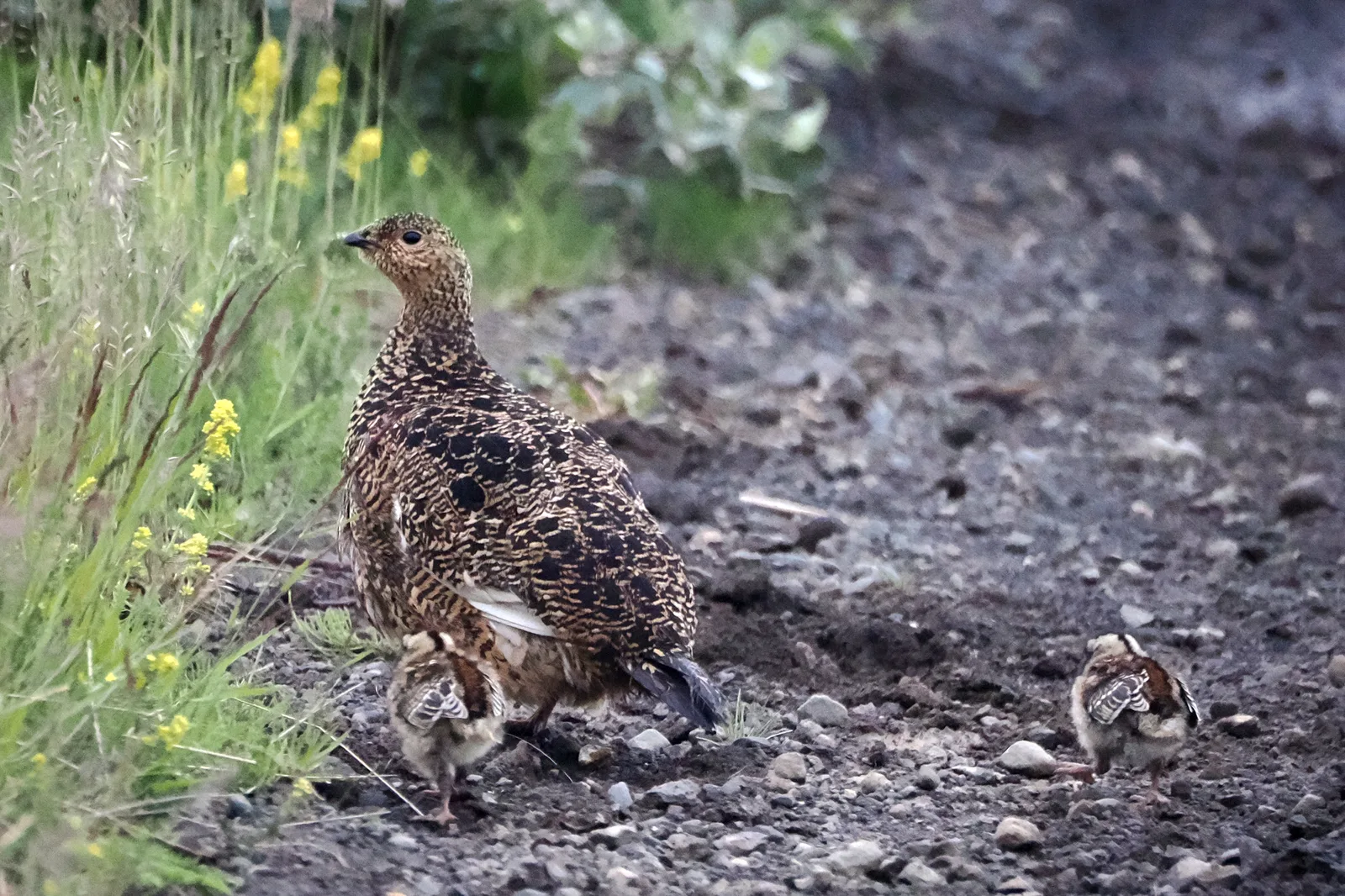
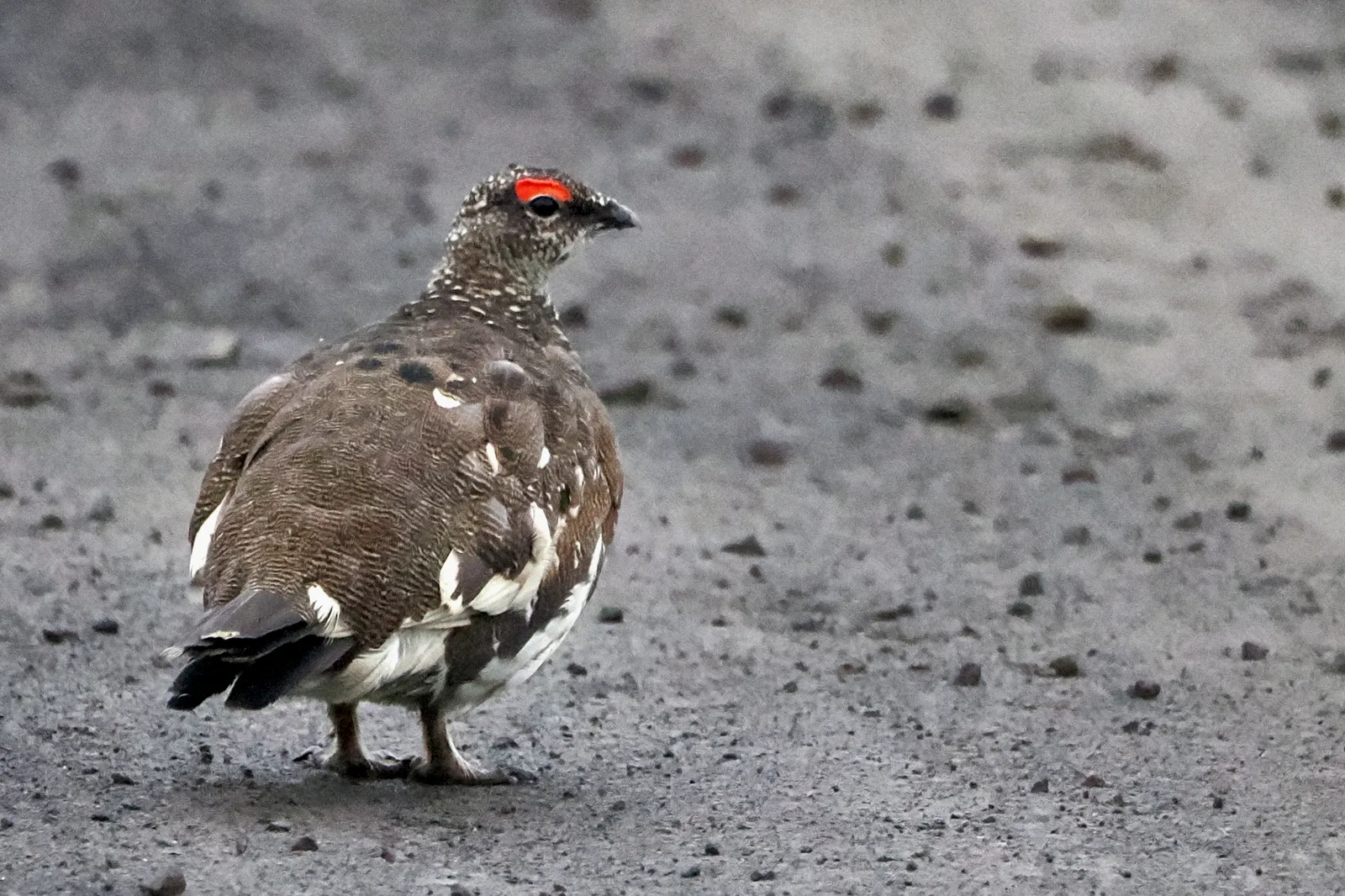
Winter plumage is pure white apart from the black outer tail feathers and the dark eye line. In spring the feathers moult to grey and brown. A breeding male is greyish above with white wings and white underparts. Females carry coarser brown and black barring than males. A female on summer tundra is very hard to see.
The male has a scarlet comb above each eye. He also has a black streak that runs from the bill to the eye. Some females show that streak and some do not. Males hold their white plumage later into spring than females. Every ptarmigan has feathered feet that work as snowshoes and add insulation.
Habitat and range
The rock ptarmigan breeds on rocky mountainsides and open tundra. The range crosses Arctic and subarctic Eurasia and North America, and takes in Greenland. It runs from Norway and Sweden east to the Siberian Far East. Isolated groups live in Scotland, the Pyrenees, the Alps, Bulgaria, the Urals, the Pamirs and the Altai. In Japan the bird holds only the Japanese Alps and Mount Haku.
Good ground is dry and open, with rock outcrops, bare ridges and patches of dwarf willow and birch. In winter the birds drop to brushy slopes near the timberline, where plants push through the snow. Males stay on the higher open ground and females look for more cover. Chicks favour hollows and ridges without thick scrub, so they can slip behind a rise. The species is recorded in 32 countries on GBIF.
The bird bred in the Lake District fells of England until the early 1800s. It held on a little longer in the Southern Uplands of Scotland. Today the only British birds are in the Scottish Highlands. People have released the species in New Zealand, South Georgia, Kerguelen and the Crozet Islands. Attempts in the Faroe Islands and Ireland came to nothing.
Diet and feeding
Adult rock ptarmigans eat almost nothing but plants. The exact food changes a great deal from one region to another. In Alaska the winter staple is buds and catkins of aspen, dwarf birch and willow. Spring birds move on to crowberry and lingonberry shrubs. Early summer brings the widest choice: willow leaves, plus Dryas and locoweed leaves and flowers. Berries, bistort seeds and birch buds carry the birds from late summer into autumn.
Chicks eat insects, larvae, spiders and snails before they turn to greenery. An adult walks and picks quickly, nipping items off with the bill. Birds sometimes follow caribou or musk ox and feed where the herd has scraped the snow away.
Long ceca let the gut ferment poor food and pull more from it. The species stores very little fat, so a winter bird must feed often. Most birds hold no more than 20 grams of fat at any time of year. That reserve covers about 2 days without food. The Svalbard subspecies is the exception and puts on about 100 grams. That store can carry a bird through 10 days of hunger.
Behaviour and social life
The rock ptarmigan lives on the ground and stays in one district all year. Because the ground is remote, the birds meet few people and are often easy to approach. Sexes split up in winter and form single sex flocks. The flocks break up in early spring. Males then take large territories and defend them hard.
Fast chases through the air, with plenty of calling, follow any challenge. Real fights between neighbouring males are rare. A territory holder presses much harder against a young male with no ground of his own.
Southern birds in Japan and Scotland move only a short way down the hill for winter. Arctic birds travel much further. Birds in Iceland have been found with Greenland minerals in the gizzard, after a 300 km sea crossing. One bird ringed on Disko Island turned up over 1,000 km to the south the next winter. The small group on Franz Josef Land sits out the polar night under seabird cliffs, where the plants are rich.
Communication and senses
The male produces a set of guttural snores and rattles. He aims most of them at other males in the breeding season. Several males may display together on an open lek. The song flight starts with a leap and a burst of fast wingbeats. The bird climbs until it almost stalls, then spreads the tail and glides down. Listeners compare the rasping call to a stick dragged across a picket fence.
On the ground the male fans his tail, stretches his neck and drops his wings. He circles a female and drags one wing along the ground. He raises the red combs at the same time. Comb size tracks the level of testosterone in the blood. A report from 1981 tied that hormone level to aggression towards other males.
Females appear to read the combs when they choose a mate. At Scarpa Lake in Nunavut, males with two mates had larger combs than males with one. The link to size faded after a male's first year, but the link to comb condition held.
Reproduction and life cycle
The female nests on the ground in a shallow scrape. She adds a thin lining of moss, lichen, grass and a few feathers. The site is usually a bare rocky outcrop with almost no plant cover. She normally picks a spot beside a large rock, which gives some cover from above.
A clutch holds 7 to 10 eggs. The female sits alone and the male gives no help. Incubation takes about 21 days. Downy chicks are out of the nest less than a day after they hatch. Their mother guards them, but they find their own food from the start.
Chicks can fly a short way at about 10 days old. They become independent at 10 to 12 weeks. A rock ptarmigan can breed at six months old. A pair commonly rears up to six chicks. That fast turnover means hunting has little effect on total numbers. The oldest ringed wild bird was at least 11.7 years old.
Predators and threats
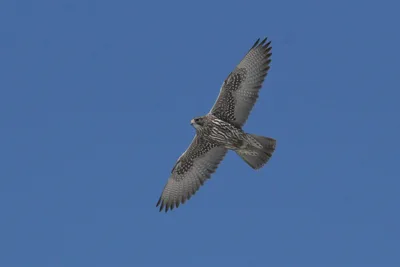
The bird has few predators, because its ground is high and remote. The gyrfalcon, the golden eagle and the Arctic fox are the main three. Males keep their white plumage later than females in spring. That habit is part of display, and it also costs males heavily to gyrfalcons. Chicks escape by dropping behind a ridge or a hollow.
People hunt the species in Alaska with a shotgun or a snare. Numbers rise and fall on a cycle of about ten years, which is well recorded in Iceland. Iceland closed the season in 2003 and 2004 after a sharp decline. Shooting returned in 2005 on a small number of set days. All trade in Icelandic ptarmigan is now illegal.
Population and conservation
The IUCN lists the rock ptarmigan as Least Concern. The bird is scarce near Arctic settlements but common over huge areas of tundra. Regional lists tell a harder story in the south. Italy and Spain both rate the species as Vulnerable. France and Switzerland rate it as Near Threatened, and Germany calls it extremely rare.
NatureServe ranks the bird S5 in Nunavut and in the Northwest Territories. It ranks it lower, at S3, in Newfoundland and Labrador. Japan protects the species across the whole country. The small alpine groups are probably the ones most at risk, because they cannot move to cooler ground. iNaturalist holds 6,473 observations of the species.
Relationship with humans
The rock ptarmigan is a game bird across much of its range. In the Alaskan interior it gives both food and sport. Hunters take it with a shotgun or catch it in a snare. The meat is dark, and Thomas Bewick recorded a slightly bitter taste like that of a hare. He called the bird the White Grouse in his book of 1797.
Icelandic households roast the bird for Christmas and serve it with a cream sauce and jam. That tradition ran into trouble when stocks fell late in the twentieth century. The country now allows a short season and bans all sale of the meat.
The bird is the territorial bird of Nunavut, where the Inuktitut name is aqiggiq. Newfoundland and Labrador names it the official game bird. Gifu, Nagano and Toyama prefectures in Japan all use the species as their bird. Walkers on Arctic and alpine ground may meet the bird at close range.
In culture and myth
Japanese tradition calls the bird raicho, which means thunder bird. The name suggests an old link between the bird and storms in the high mountains. Japan gives the species legal protection across the country. Three mountain prefectures have taken it as their emblem.
In Nunavut the Inuktitut name aqiggiq atajulik belongs to the territorial bird. The choice appears to tie the new territory to a bird of the open tundra. Newfoundland and Labrador chose it as a game bird instead.
Iceland probably keeps the strongest food tradition around the species. Roast ptarmigan is still the Christmas dish in many houses. Scottish Gaelic gave the world the word tarmachan, the croaker. A false Greek origin then added a silent letter that nobody says.
A sentence with a dotted underline is inferred: it describes the group the animal belongs to, or is a reading of the sources, rather than a measured or reported fact about this species.
Questions
Rock ptarmigan questions, answered
What is a rock ptarmigan?
It is a medium-sized grouse of Arctic tundra and high mountains. It moults from white in winter to a mottled grey and brown for summer.
How big is a rock ptarmigan?
The body is 34 to 36 cm long and the wings span 54 to 60 cm. Weight runs from 0.44 to 0.64 kg.
Why does a ptarmigan turn white in winter?
The moult matches the bird to the snow, which makes it harder for a gyrfalcon or a fox to see. The tail feathers and the eye line stay black all year.
Where do rock ptarmigans live?
They live on rocky slopes and tundra across Arctic Eurasia, North America and Greenland. Separate groups hold the Scottish Highlands, the Pyrenees, the Alps and the Japanese Alps.
What do rock ptarmigans eat?
Adults eat buds, catkins, leaves, flowers, berries and seeds. Chicks start on insects, spiders and snails.
Do rock ptarmigans migrate?
Most simply walk down to lower, more sheltered ground for the winter. Arctic birds move much further, and some have crossed 300 km of sea.
How many eggs does a rock ptarmigan lay?
A clutch holds 7 to 10 eggs in a shallow scrape on the ground. The female incubates them alone for about 21 days.
When can a ptarmigan chick fly?
It manages short flights at about 10 days old. It becomes independent at 10 to 12 weeks.
How long does a rock ptarmigan live?
Ringing gives a maximum age of 11.7 years in the wild. Most birds live far less than that.
What eats rock ptarmigans?
The gyrfalcon, the golden eagle and the Arctic fox are the main hunters. Males in late white plumage lose the most birds to gyrfalcons.
Are rock ptarmigans endangered?
No. The IUCN rates them Least Concern, but Italy and Spain list them as Vulnerable and France rates them Near Threatened.
Why do ptarmigans have feathered feet?
The feathers spread the bird's weight so it can walk on soft snow. They probably add insulation as well.
Why is the p in ptarmigan silent?
The word came from the Gaelic tarmachan, meaning croaker. Somebody added a p in the false belief that the word was Greek.
Can you eat rock ptarmigan?
Yes, and it is a Christmas dish in Iceland, served with cream sauce and jam. Iceland limits the season and bans all trade in the meat.
What is the difference between a rock ptarmigan and a willow ptarmigan?
The rock ptarmigan is about ten percent smaller and has a slimmer bill. It also keeps to higher and barer ground.
Which places use the rock ptarmigan as a symbol?
It is the territorial bird of Nunavut and the game bird of Newfoundland and Labrador. Gifu, Nagano and Toyama prefectures in Japan also use it.
Food web
Prey and food
Not recorded.
Food web
Predators
 Gyrfalcon
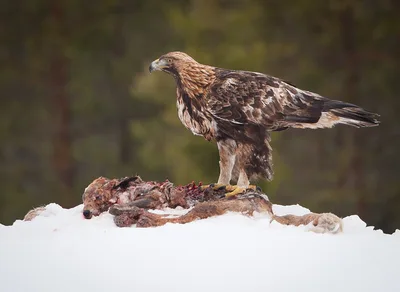 Golden eagle
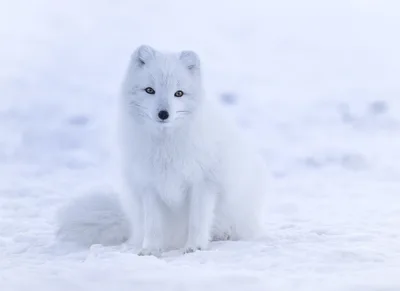 Arctic fox
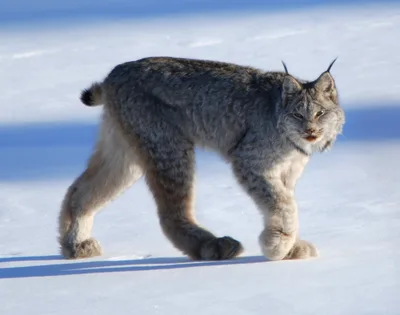 Canada lynx
Ecological equivalents
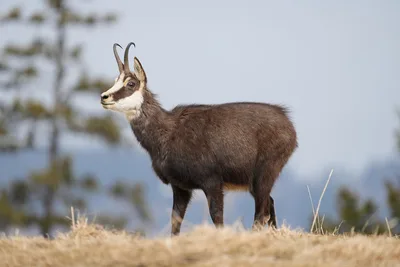
Related species on this site
Willow ptarmigan (same genus), Australorp Chicken (same family), Ayam Cemani (same family), Barnevelder (same family), Blue Andalusian (same family), Brahma Chicken (same family), and more.
 LC
Birds
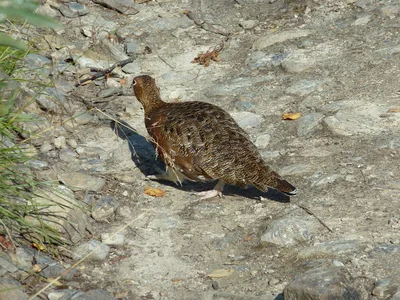
Willow ptarmigan
Lagopus lagopus
The willow ptarmigan is a grouse of the far north that wears brown feathers in summer and white ones in winter.
Living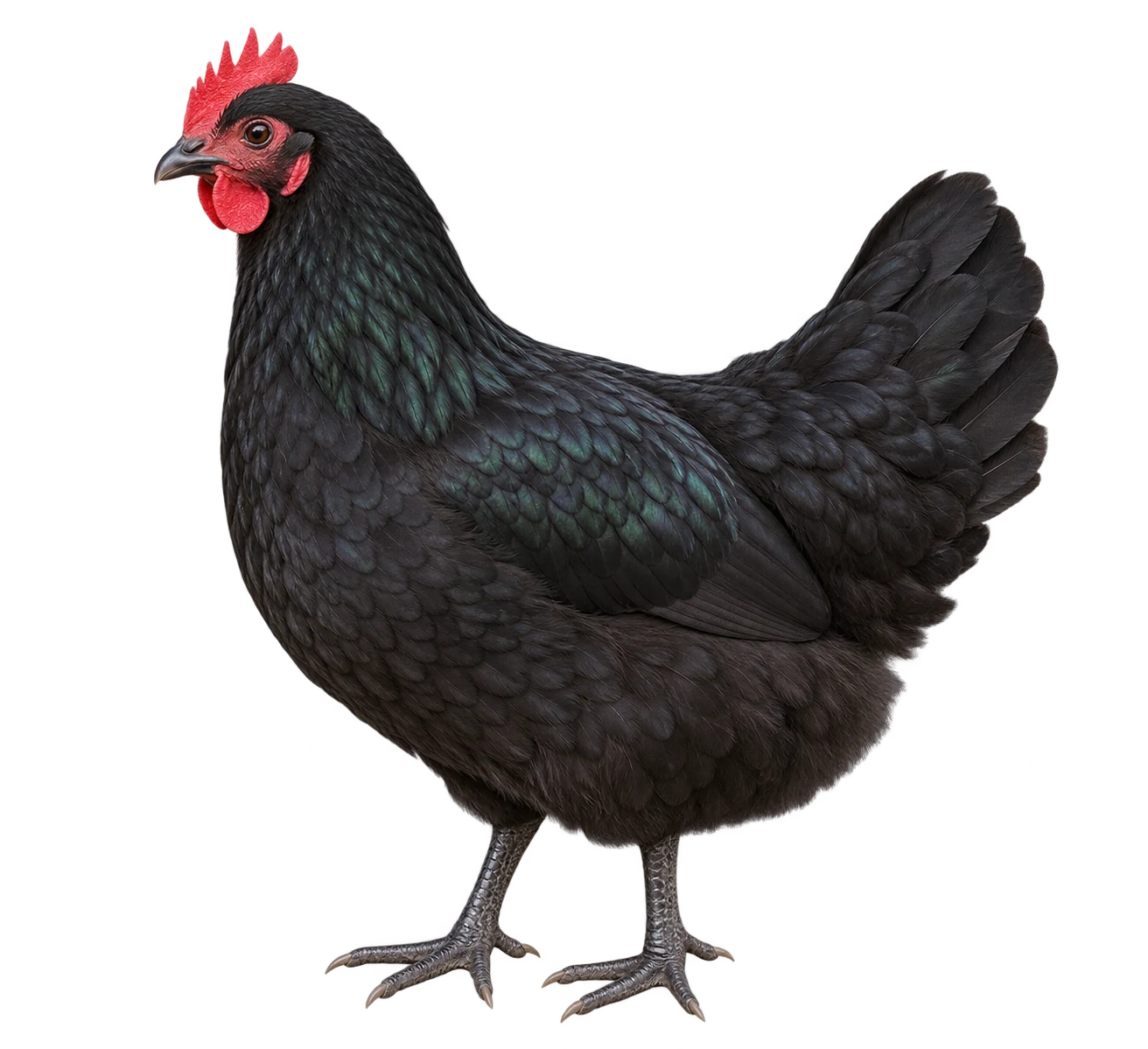
Birds
Australorp Chicken
Gallus gallus domesticus
Classification and source reference
LivingAI illustration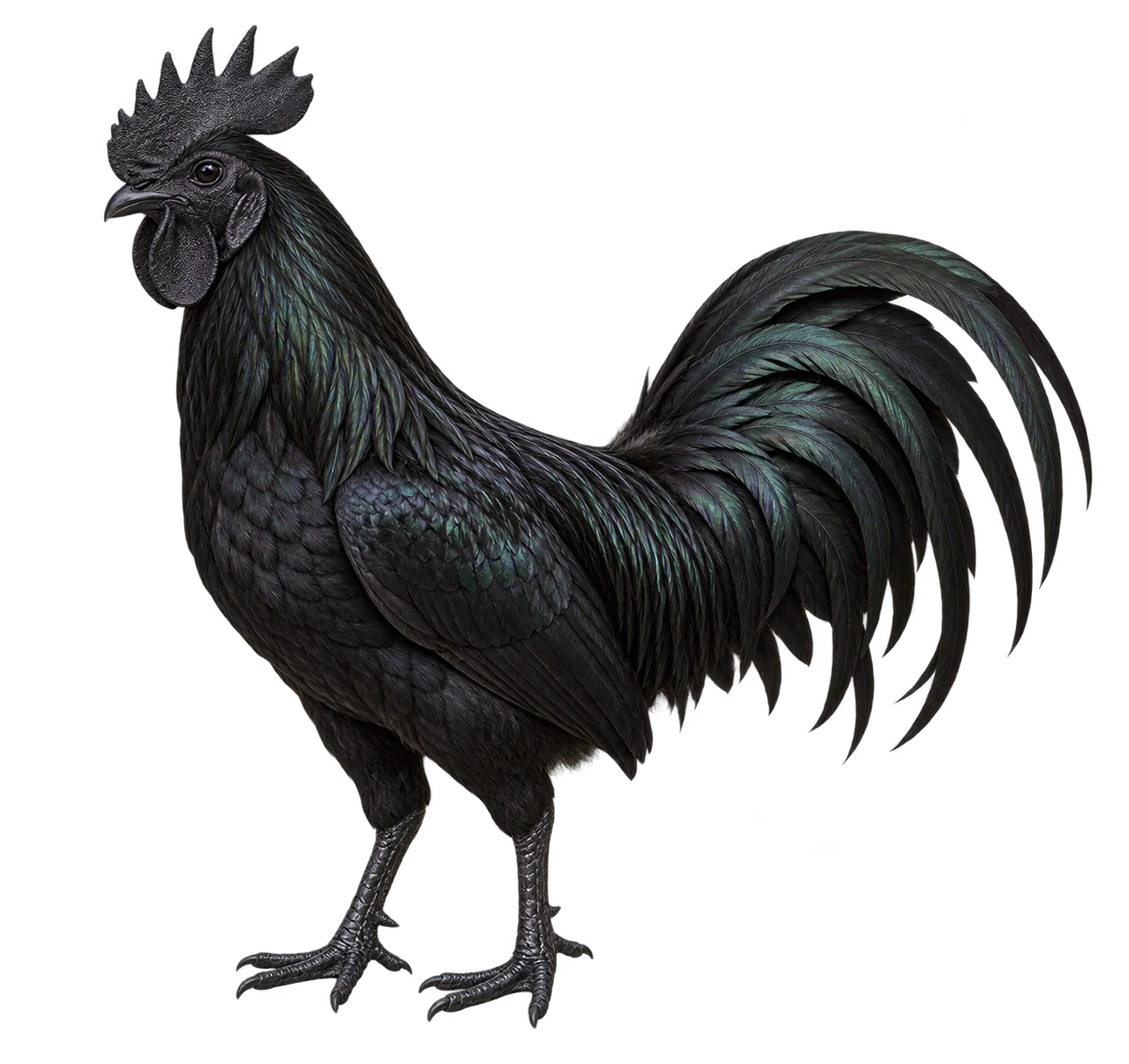
Birds
Ayam Cemani
Gallus gallus domesticus
Classification and source reference
LivingAI illustration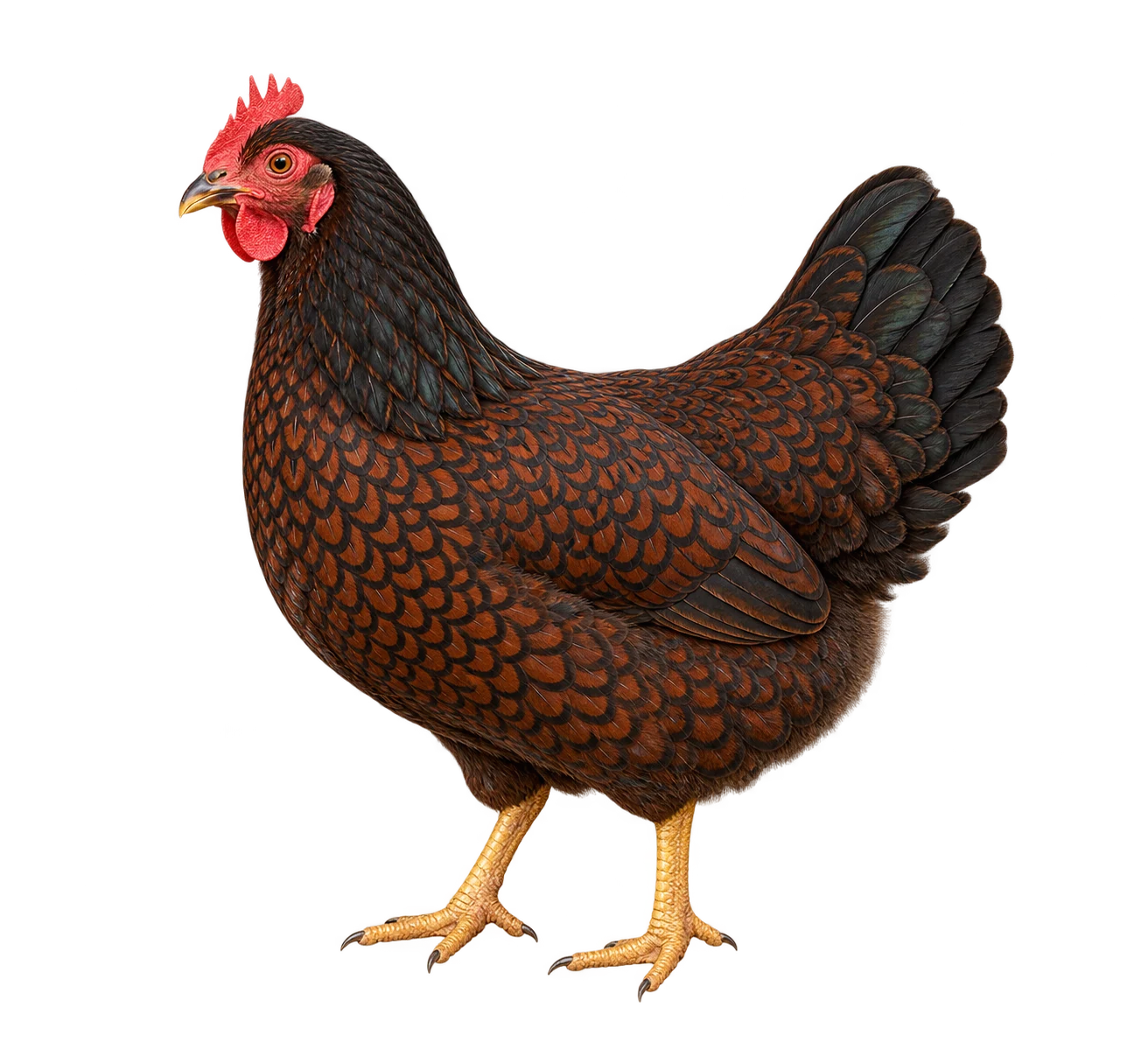
Birds
Barnevelder
Gallus gallus domesticus
Classification and source reference
LivingAI illustration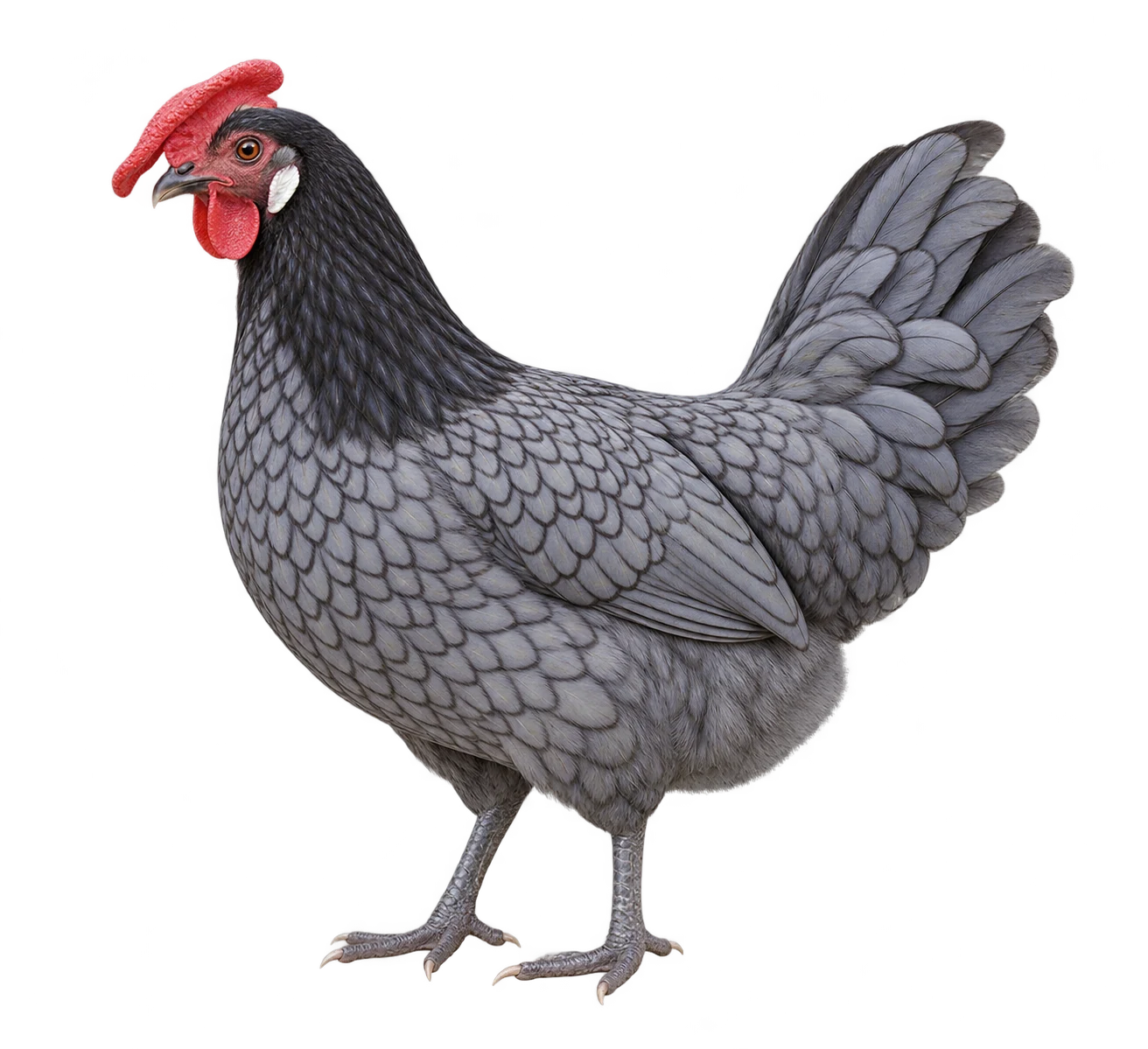
Birds
Blue Andalusian
Gallus gallus domesticus
Classification and source reference
LivingAI illustration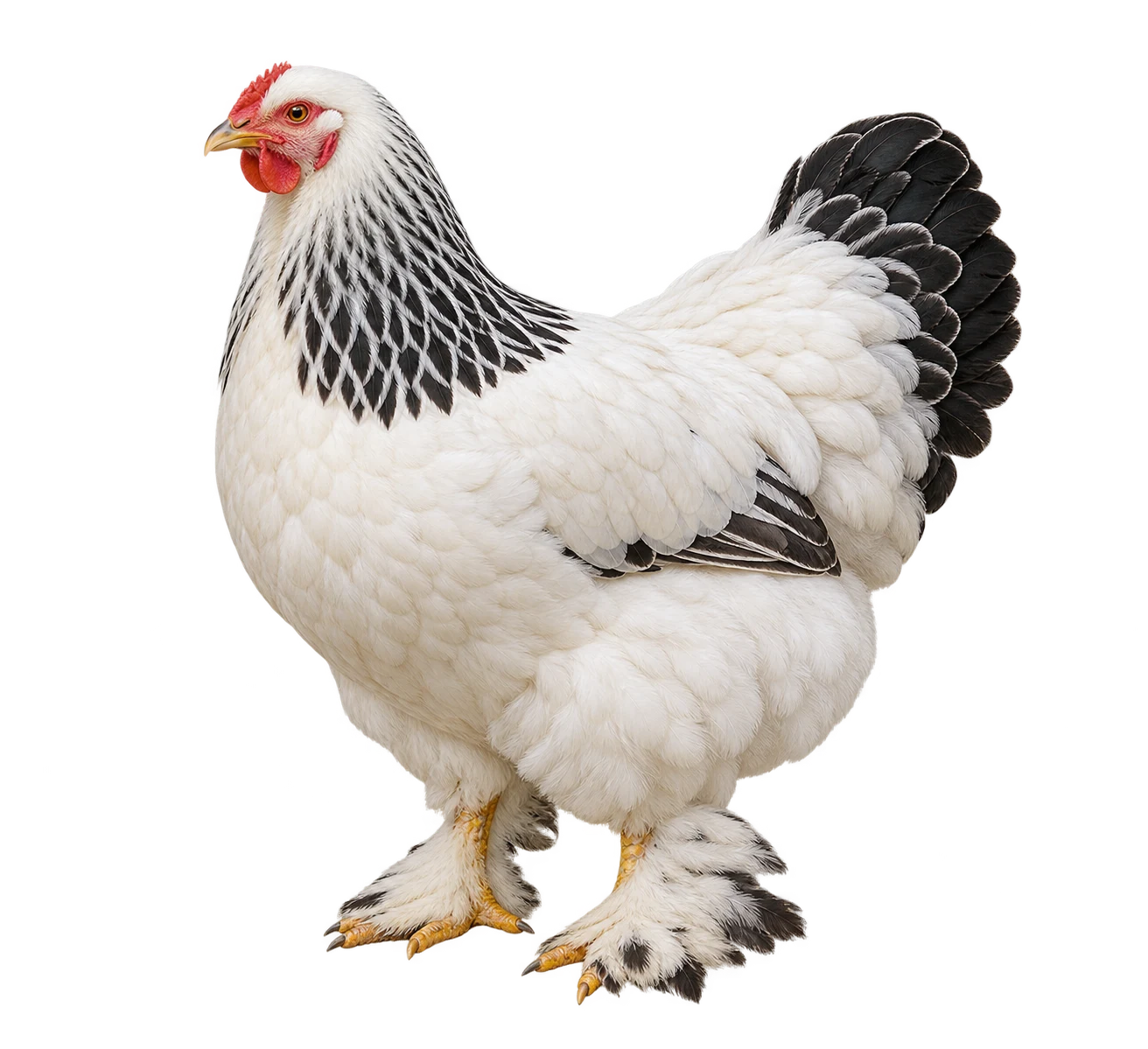
Birds
Brahma Chicken
Gallus gallus domesticus
Classification and source reference
LivingAI illustration