Chamois
The goat-antelope that leaps six metres across Alpine rock
Rupicapra rupicapra
Also called Alpine chamois, Gams
Living individuals or members of this group exist today. This does not mean they are safe from extinction.
Meet the chamois
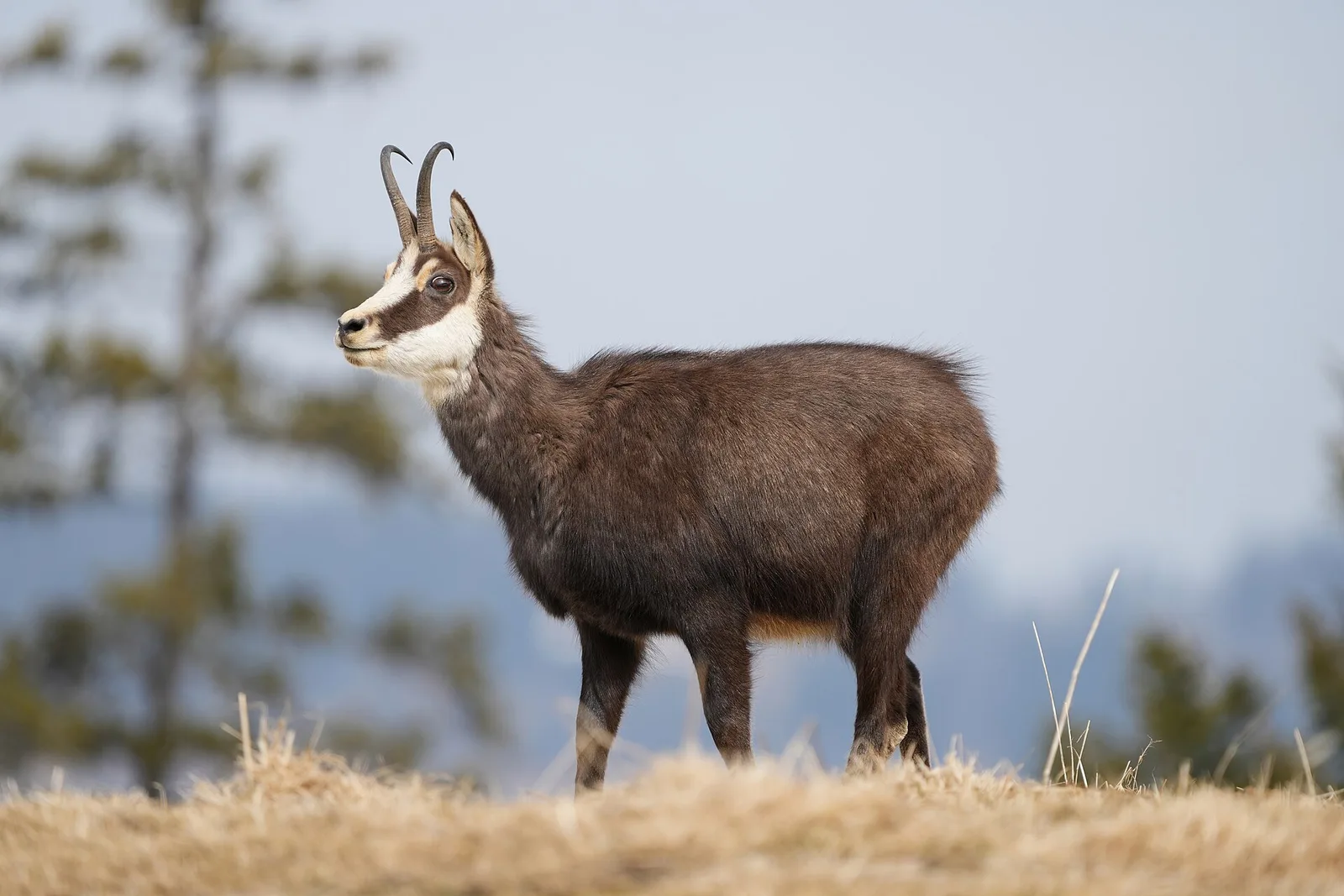
The chamois is a small goat-antelope of the steep mountains of Europe and western Asia, with hooked horns and a striped face. It leaps 6 metres across rock, runs at 50 kilometres per hour, and the IUCN lists it as Least Concern.
Images of the chamois
Lifespan in the wild
14 to 22 years
Weight
25 to 60 kg
Length
1.07 to 1.37 m
Top speed
Up to 50 km/h
Fact file
Chamois
- Location
- Alps, Pyrenees, Carpathians, Balkans, Turkey, Caucasus; introduced to New Zealand
- Habitat
- Mountains, Temperate forest
- Diet
- Herbivore
- Prey / food
- Grasses, herbs, lichens, mosses, pine shoots
- Predators
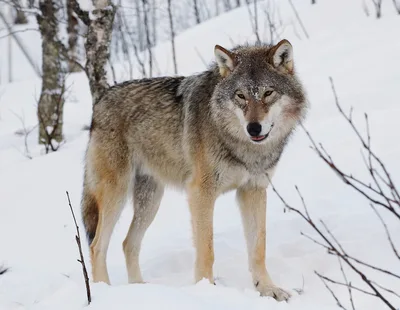
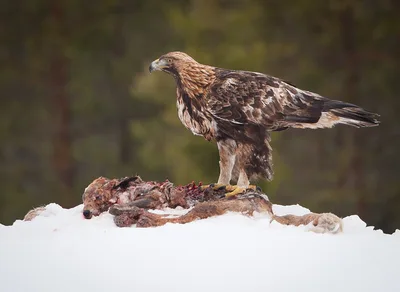
- Eurasian lynx, grey wolf; golden eagle and brown bear at times
- Lifestyle
- Diurnal; female herds, solitary males
- Group name
- Herd
- Name of young
- Kid
- Gestation
- 170 days
- Litter size
- 1 kid, rarely twins
- Population
- About 400,000 in Europe
- Biggest threat
- Hunting, habitat loss and competition with livestock
- Distinctive feature
- Short hooked horns and a white face with a dark eye band
- Colour
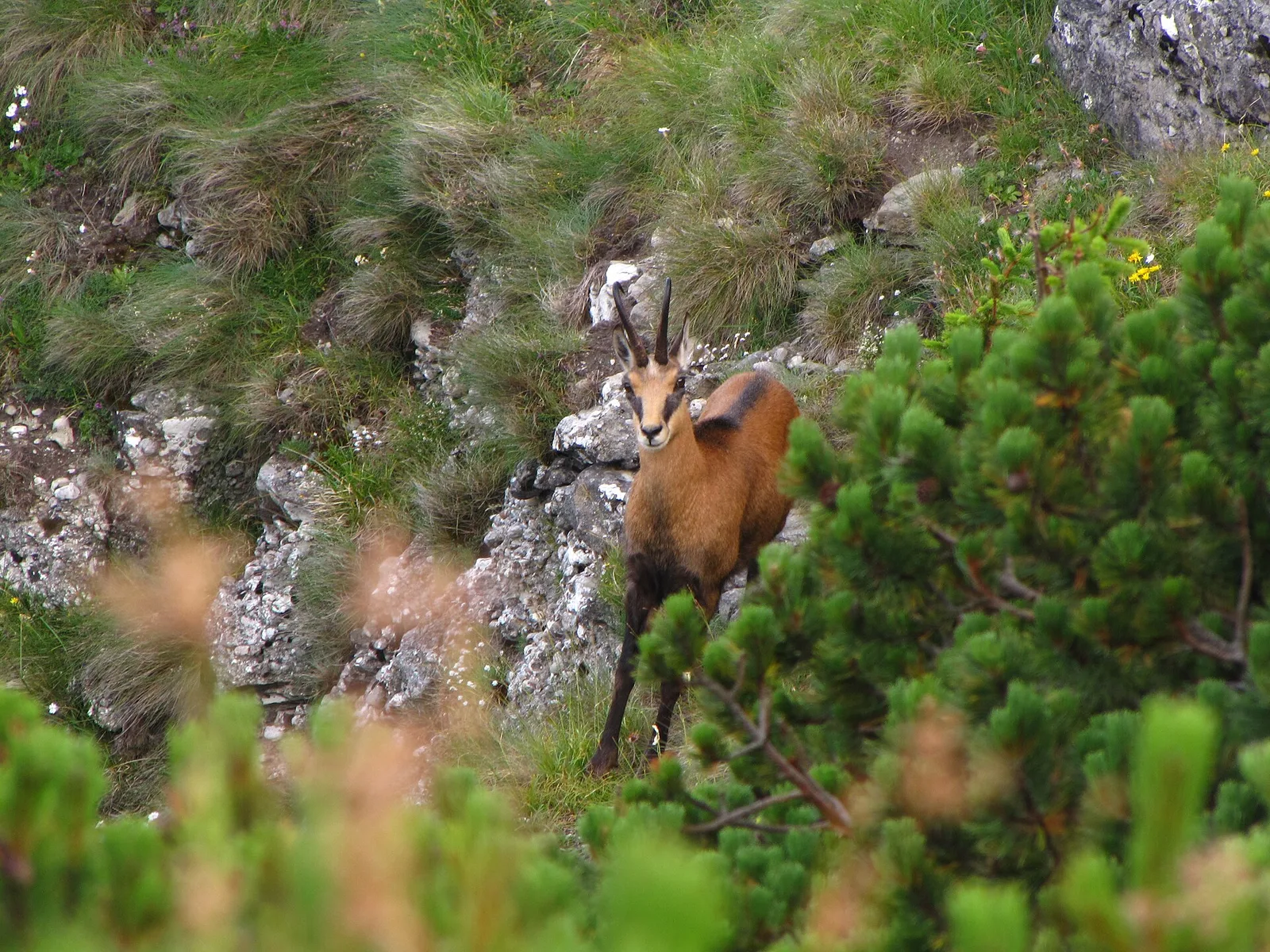
- Brown in summer, grey in winter, with a black back stripe
- Skin type
- Fur
Size
Next to a person
Measurements
Size and speed
- Height
- 70 to 80 cm at the shoulder
- Length
- 1.07 to 1.37 m
- Weight
- 25 to 60 kg females 25 to 45, males 30 to 60
- Weight, male
- 30 to 60 kg
- Weight, female
- 25 to 45 kg
- Top speed
- Up to 50 km/h
Typical adult ranges. Source: Wikipedia.
Life cycle
Lifespan
- In the wild14 to 22 years
- In captivityUp to 22 years
- 022 years
The pale bar is the record. Sources: Animal Diversity Web, Wikipedia.
Appearance
Colour and coat
- Primary colours
- browngrey
- Secondary colours
- blackwhite
- Skin type
- fur
- Male and female
- Slight. Males are a little heavier, 30 to 60 kilograms against 25 to 45 for females, and their horns are thicker but not longer.
Life cycle
Mating and family
- Mating system
- probably polygynous
- Social structure
- female herds of up to 15 to 30; adult males solitary
- Breeding
- one kid a year, born in May or June
Males fight for females in a rut from late October to December. After a gestation of 170 days a female bears a single kid in May or early June, and twins are rare. The kid weighs 2 to 3 kilograms and follows its mother at once. It is full grown at one year but does not breed until about 2.5 to 4 years. A chamois lives 14 to 22 years.
Classification
Taxonomy
- Kingdom
- Animalia
- Phylum
- Chordata
- Class
- Mammalia
- Order
- Artiodactyla
- Family
- Bovidae
- Genus
- Rupicapra
- Species
- Rupicapra rupicapra
Conservation
Red List status
- LC
- NT
- VU
- EN
- CR
- EW
- EX
Least Concern on the IUCN Red List
Range
Recorded in 14 countries
- Austria
- Bulgaria
- Switzerland
- Germany
- France
- Greece
- Italy
- Montenegro
- New Zealand
- Poland
- Romania
- Russia
- Slovenia
- Slovakia
Habitat layer: temperate broadleaf and mixed forest, temperate conifer forest, boreal forest and taiga, montane grassland and shrubland.
Countries from 10,050 wild records on GBIF (iNaturalist research grade), filtered and checked by hand. Country shapes: Natural Earth. Habitat: RESOLVE Ecoregions 2017, CC BY 4.0. Basemap: Natural Earth.
Habitats
Three things to know
- 1
It can jump 2 metres straight up and 6 metres across a gap.
- 2
The shammy leather that polishes cars was first made from its hide.
- 3
Eight animals sent by the Austrian emperor in 1907 founded New Zealand's wild herds.
Did you know
Seven more facts
- 1
Both sexes grow horns, and a female's can be longer than a male's.
- 2
The coat changes from rich brown in summer to light grey in winter.
- 3
Most shammy leather today comes from sheep, goats or deer, not chamois.
- 4
A chamois looks for danger from below, so hunters stalk it from above.
- 5
Other females in the herd may raise a kid whose mother has died.
- 6
In New Zealand the rut falls in May, half a year after Europe's.
- 7
A male is only fully mature at 8 to 9 years old.
Field notes
How it looks and acts
Field notes
Distinguishing features
- Short black horns that hook backward at the tip, in both sexes.
- A white face with a dark band from muzzle to ear.
- A black stripe down the spine and a white rump.
- A shoulder height of only 70 to 80 centimetres.
- Rich brown summer coat and pale grey winter coat.
Field notes
Unique adaptations
- Hooves that grip slippery rock.
- Long winter guard hairs over a dense underfur.
- Leaps of 2 metres up and 6 metres across to escape on cliffs.
- A seasonal move from high meadows to sheltered forest in winter.
- The ability to fast for two weeks in deep snow.
Field notes
Interesting behaviours
- Females herd together in groups of up to 15 to 30 with their young.
- Males live alone and join the herds only for the rut.
- Feeds at dawn and dusk and rests at midday.
- Flees to the steepest rock when alarmed.
- Dominant males drive out and sometimes kill young males.
Field notes
Temperament
- Wary and quick to flee.
- Rutting males are aggressive toward rivals.
- Females tolerate and may adopt orphaned kids.
Field notes
Communication
- A whistling alarm call.
- Foot stamping to warn the herd.
- Fights between males in the rut.
- Scent probably guides males to females, like other goat-antelopes.
Ecology
Ecological role
The chamois is the main wild grazer of the high Alpine meadows and the chief prey of the lynx and the wolf there.
- It feeds the Eurasian lynx and the grey wolf.
- Its grazing shapes the plant cover of meadows above the tree line.
- In New Zealand it damages native Alpine plants that never evolved with grazers.
Stories
Myths and legends
- In Slovenian tradition, Zlatorog is a white chamois with golden horns that guards treasure on Triglav.
- In Slovenian tradition, the Triglav flower grows from Goldhorn's blood and heals its wounds.
- In Austrian and Bavarian tradition, a big gamsbart on the hat shows a man's pride and standing.
People
Relationship with humans
People
Living alongside us
People hunt the chamois for its meat, its hide and the gamsbart worn on Alpine hats. The soft leather named after it once came from its skin and now mostly comes from sheep and goats. In New Zealand it is an introduced pest that hunters may take freely. European numbers are about 400,000 and rising, and the EU strictly protects some subspecies. The animal harms nobody and only competes with sheep for grazing.
- The chamois flees from people rather than confronting them.
- No source in this file records a chamois injuring a person.
- Its only conflict with people is grazing competition with sheep.
People
Status, uses and products
- Domestication
- Wild
- As a pet
- Not suitable. The chamois is a wild mountain animal that needs cliffs, a herd and a seasonal move between meadows and forest. It is a protected game species in much of Europe, and no fence holds an animal that jumps 2 metres.
- Uses
- huntinghunting tourism
- Products
- meatchamois leathergamsbart
The full account
About the chamois
The chamois is a small goat-antelope of the mountains of Europe and western Asia. It lives on steep, rocky ground from the Pyrenees and the Alps through the Balkans to Turkey and the Caucasus. An adult stands 70 to 80 centimetres at the shoulder and measures 107 to 137 cm long. Males weigh 30 to 60 kilograms and females 25 to 45.
Both sexes carry short black horns that hook backward at the tip. The coat is rich brown in summer and pale grey in winter, and a black stripe runs down the back. On broken rock it can run at 50 kilometres per hour, jump 2 metres straight up and clear 6 metres in one bound. Females and young live in herds, while adult males spend most of the year alone.
Hunters prize the chamois for its meat, its soft leather and the tuft of neck hair worn on Alpine hats. Europe holds about 400,000 chamois, and the IUCN lists the species as Least Concern. A gift of eight animals from the Austrian emperor in 1907 founded a wild population in New Zealand.
Name and taxonomy
The scientific name is Rupicapra rupicapra, which joins the Latin words for rock and goat. The English name comes from French and is said as either sham-wah or shammy. The species belongs to the cattle family, Bovidae, in the order Artiodactyla. It is often called the Alpine chamois to set it apart from the Pyrenean chamois, a separate species in the same genus. Seven subspecies are recognised, including the Balkan, Carpathian, Anatolian and Caucasian forms. German speakers call it the Gams or Gämse, and Italians the camoscio.
Evolution and relatives
The chamois is a goat-antelope, a member of the bovid subfamily that holds goats, sheep, ibex and the musk ox. Its closest relative is the Pyrenean chamois of Spain, the Pyrenees and the Apennines. Like other goat-antelopes it probably evolved its gripping hooves and short horns as a climber of cliffs. The mountain ranges of southern Europe split its populations, which is thought to explain the many subspecies. The Balkan, Carpathian, Anatolian and Caucasian forms each hold one block of mountains. The Tatra form of Poland and Slovakia is among the rarest, and its numbers have fallen sharply.
Appearance
The chamois is a very small bovid. Wikipedia gives a shoulder height of 70 to 80 centimetres and a body length of 107 to 137 cm. Animal Diversity Web gives a similar 110 to 135 cm. A male weighs 30 to 60 kilograms and a female 25 to 45, so the sexes differ only slightly. Chamois in New Zealand weigh about 20% less than European animals of the same age, which suggests poorer food.
Both sexes grow short, nearly straight horns that rise from the head and hook back at the tip. A male's horns are thicker, but a female's can be longer. The summer coat is chestnut brown, and in winter long dark guard hairs grow over the underfur and the colour fades to light grey. A black stripe runs along the spine, the underparts are pale, and the rump is white.
The face is white with a dark band that runs from the muzzle through the eye to the ear. The hooves grip wet and slippery rock. The long winter hair on the neck and back of the male is the source of the gamsbart plume.
Habitat and range
Its native ranges include the Alps, the Pyrenees, the Cantabrian Mountains, the Apennines and the Dinarides. Its range runs on through the Tatra and Carpathian Mountains, the Balkan Mountains, the Rila-Rhodope massif and the Pindus. In Asia it lives in the mountains of northeastern Turkey and the Caucasus. GBIF holds records from 35 countries, a count that includes zoos and stray sightings.
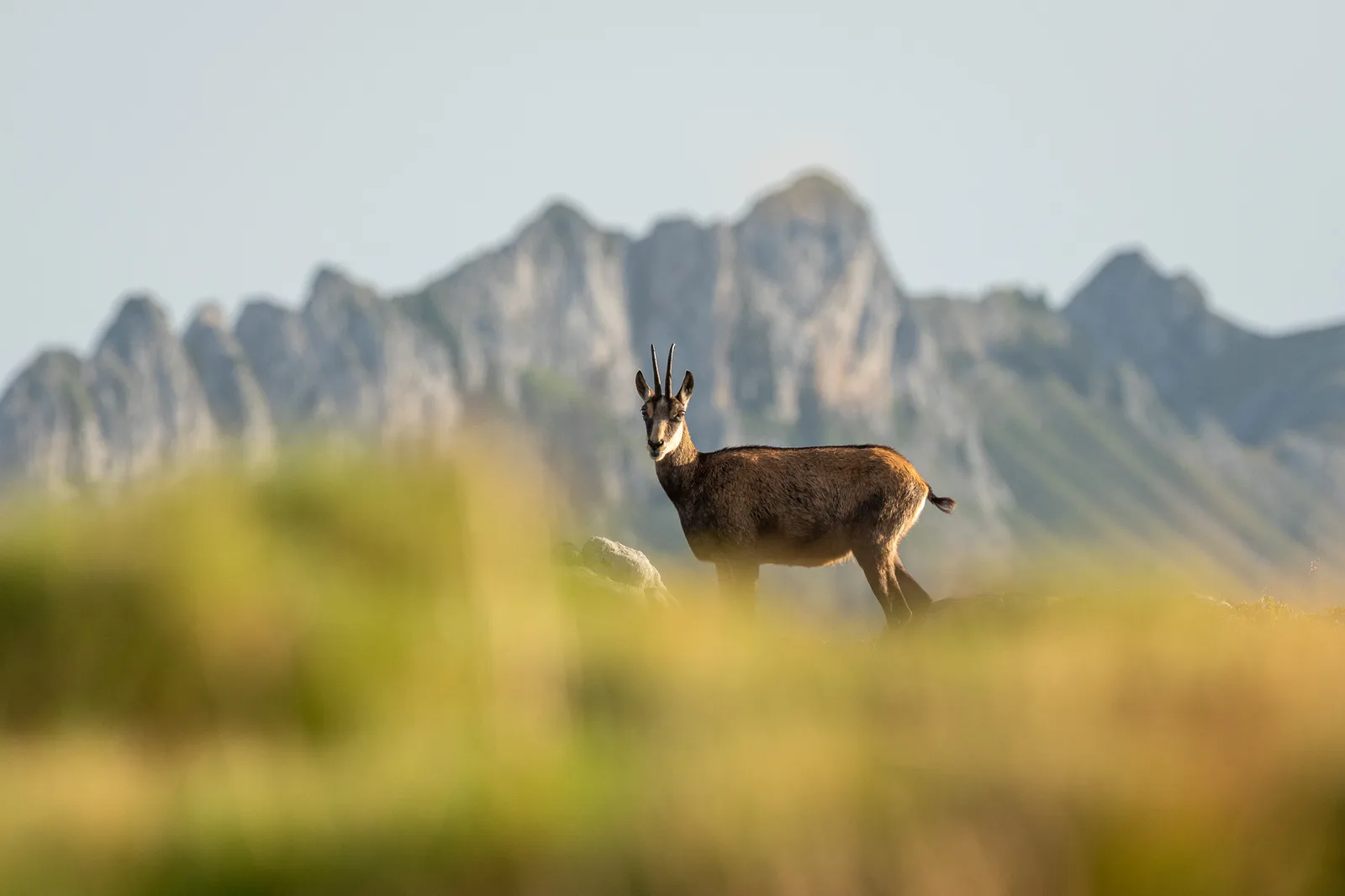
It favours steep, rugged, rocky ground at moderate to high elevations, up to at least 3,600 metres. In summer it grazes Alpine meadows above the tree line. In winter it drops to about 800 metres and shelters in pine forest and on steep slopes where snow does not settle. It uses both steep and fairly flat terrain.
New Zealand received its first chamois in 1907 as a gift from Emperor Franz Joseph I of Austria. Two bucks and six does landed at Wellington on 23 January 1907 aboard the SS Turakina. They travelled on by ship, rail and packhorse to Mount Cook, and their descendants spread across much of the South Island.
Diet and feeding
The chamois is a herbivore. In summer it eats highland grasses, herbs and flowers. In winter it turns to lichens, mosses, bark, conifer needles and young pine shoots. When deep snow buries all food it can fast for two weeks and survive.
It feeds mostly in the morning and evening, rests around midday, and may graze on moonlit nights. Like other bovids it chews the cud, which lets it live on coarse winter browse. Its grazing shapes the plant community of the Alpine meadows. In New Zealand that same grazing harms native Alpine plants, which never lived with a hoofed browser before 1907. New Zealand animals weigh about 20% less than European ones, so food there is probably scarcer.
Behaviour and social life
Females and their young are sociable, and a herd can number 15 to 30 animals. Adult males live alone for most of the year and join the herds in late summer. Most females stay in the range where they were born, while males disperse more widely. When a mother dies, another female in the herd may take on her kid.
During the rut the males fight hard for unmated females. Dominant males drive young males out of the maternal herds and sometimes kill them. A young male then wanders until it can hold ground of its own at 8 to 9 years old.
The chamois is active by day. When alarmed it flees to the most inaccessible rock it can reach, often with huge leaps. It can jump almost 2 metres high and at least 6 metres long, and it runs at 50 km/h over uneven ground. It watches for danger from below, so a hunter who stalks from above is less likely to be seen.
Communication and senses
A chamois warns the herd of danger with a sharp whistle and by stamping a foot. The other animals then run for the cliffs. Its eyes scan the slopes below, which is where most threats come from. Like other goat-antelopes it probably has a good sense of smell, and a rutting male is thought to use scent to find females.
Rutting males settle rank by fighting, and the winner keeps the females. A dominant male also uses force to push young males out of the herd. A newborn kid learns to leap within days, and it probably follows its mother's movements as its first signal.
Reproduction and life cycle
The rut runs from the end of October to December in Europe, with its peak in late November and early December. In New Zealand, where the seasons are reversed, the rut falls in May. Breeding is probably polygynous, with a dominant male mating with several females. Gestation lasts 170 days, and the kids arrive in May or early June on a bed of grass and lichen.
A female usually bears one kid, and twins are rare. A newborn weighs 2 to 3 kilograms and can follow its mother almost at once. Within a few days it leaps well. Animal Diversity Web puts weaning at 2 to 3 months, while Wikipedia says six months. A kid is full grown at one year.
Females mature at about 2.5 years and males at 3.5 to 4, though some females mate at two. A young male remains in its mother's herd until the age of 2 to 3 years. Chamois live 14 to 22 years, and the recorded wild average is 15 to 17. One captive animal reached 22 years.
Predators and threats
The Eurasian lynx and the grey wolf are the main natural predators. In the past the Persian leopard and the golden jackal also hunted chamois, and brown bears and golden eagles may take some. People are now the main predator. Avalanches and epidemics also kill many.
Local populations in the Caucasus, the Tatra and the Chartreuse massif of France have fallen through overhunting, habitat loss and competition with livestock. Harassment by people and dogs adds to the pressure in those places. Chamois also compete with domestic sheep for summer grazing.
Population and conservation
The IUCN lists the chamois as Least Concern. The European population is about 400,000 and is generally rising. The species has been introduced and reintroduced to many parts of Europe. Some subspecies are strictly protected in the European Union under the Habitats Directive. The Tatra, Caucasus and Chartreuse populations are the exceptions, and each has shrunk under hunting and disturbance. Elsewhere the trend is upward, helped by reintroductions and regulated hunting seasons.
In New Zealand the chamois is an introduced pest. Hunting there is unrestricted, and the Department of Conservation encourages it to protect native Alpine plants.
Relationship with humans
The chamois is a popular game animal, and its meat is a prized food. Hunters use two habits against it: it feeds at dawn and dusk, and it looks for danger from below. Hunting tourism brings money to mountain regions. A hunter who climbs above a feeding herd in the early morning has the best chance of a shot.
Chamois leather, made from the hide, is smooth and absorbent and polishes glass and cars without scratching. Most modern shammy leather comes from deer, goat or sheep hide instead. A napped cotton or synthetic cloth also goes by the name chamois.
The gamsbart, a plume of winter hair from a male's neck and back, decorates hats across the Alpine countries. The chamois does not attack people, and its only harm is competition with sheep for grazing. Where sheep and chamois share summer pasture, the sheep take grass the wild herds need. Dogs that roam the slopes disturb the herds and add to the losses in the hardest-hit regions.
In culture and myth
Slovenian legend tells of Zlatorog, the Goldhorn, a white chamois buck whose golden horns shine on Mount Triglav. In the version Karl Deschmann recorded in 1868, a young hunter from the Trenta valley loses his girl to a rich Venetian merchant. He hunts Goldhorn for its treasure and wounds it. A magic Triglav flower grows where its blood falls, the animal eats it, heals and charges. The hunter, dazzled by the golden horns, falls to his death, and the Soča river carries him away.
In 1877 Rudolf Baumbach retold the story in verse, and later it became an opera. In the Kingdom of the Goldhorn, from 1931, was the first full-length film in the Slovene language. The Laško brewery sells a Zlatorog beer, and people in Austrian Carinthia and Friuli tell the same story.
In Austria and Bavaria the gamsbart on a hat began as a hunting trophy. It now belongs to traditional Tracht costume, and a large plume signals the wearer's pride and standing. Makers pick hairs with a dark root and a light tip and fix them in a metal or horn mount.
A sentence with a dotted underline is inferred: it describes the group the animal belongs to, or is a reading of the sources, rather than a measured or reported fact about this species.
Questions
Chamois questions, answered
How big is a chamois?
Shoulder height is 70 to 80 centimetres and body length 107 to 137 cm. A male weighs 30 to 60 kilograms, a female 25 to 45.
Is a chamois a goat or an antelope?
Neither exactly. It is a goat-antelope, a member of the bovid group that also holds goats, sheep and the ibex.
How high can a chamois jump?
About 2 metres straight up, and it can clear 6 metres in a single bound across rock.
How fast can a chamois run?
About 50 kilometres per hour, even on uneven mountain ground.
Where do chamois live?
In the mountains of Europe and western Asia: the Pyrenees, the Alps, the Apennines, the Balkans, the Carpathians, Turkey and the Caucasus. An introduced population lives in New Zealand's South Island.
Is chamois leather made from chamois?
It once was. The hide gives a smooth, absorbent leather that polishes without scratching, but most shammy leather today is made from sheep, goat or deer skin.
What do chamois eat?
Grasses, herbs and flowers in summer. In winter they eat lichens, mosses, bark and pine shoots, and they can fast for two weeks in deep snow.
Are chamois endangered?
No. The IUCN lists the species as Least Concern, and Europe has about 400,000. Some local populations have fallen, and the EU strictly protects some subspecies.
Do female chamois have horns?
Yes. Both sexes have short hooked horns. A male's are thicker, but a female's can be longer.
How long do chamois live?
About 14 to 22 years, with a recorded wild average of 15 to 17. One captive animal reached 22.
What eats chamois?
The Eurasian lynx and the grey wolf are the main predators. Bears and golden eagles may take some, and people are now the biggest killer.
How did chamois get to New Zealand?
Emperor Franz Joseph I of Austria sent two bucks and six does as a gift in 1907. They were released near Mount Cook and spread over the South Island.
What is a gamsbart?
A plume of long winter hair from a male chamois, set in a mount and worn on a hat in Austria and Bavaria. It began as a hunting trophy.
When do chamois breed?
The rut runs from late October to December. Kids are born in May or early June after 170 days, usually one per female.
Are chamois dangerous?
No. A chamois runs from people and no source in this file records an attack. Its only conflict with people is competition with sheep for grazing.
Food web
Prey and food
- grasses
- herbs
- lichens
- mosses
- pine shoots
Food web
Predators
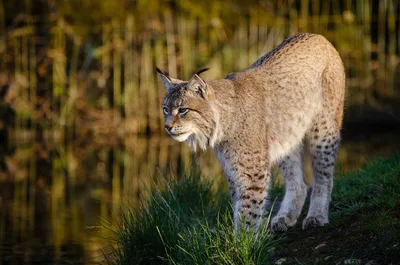 Eurasian lynx
 Gray wolf
 Golden eagle
- brown bear at times
Ecological equivalents
Related species on this site
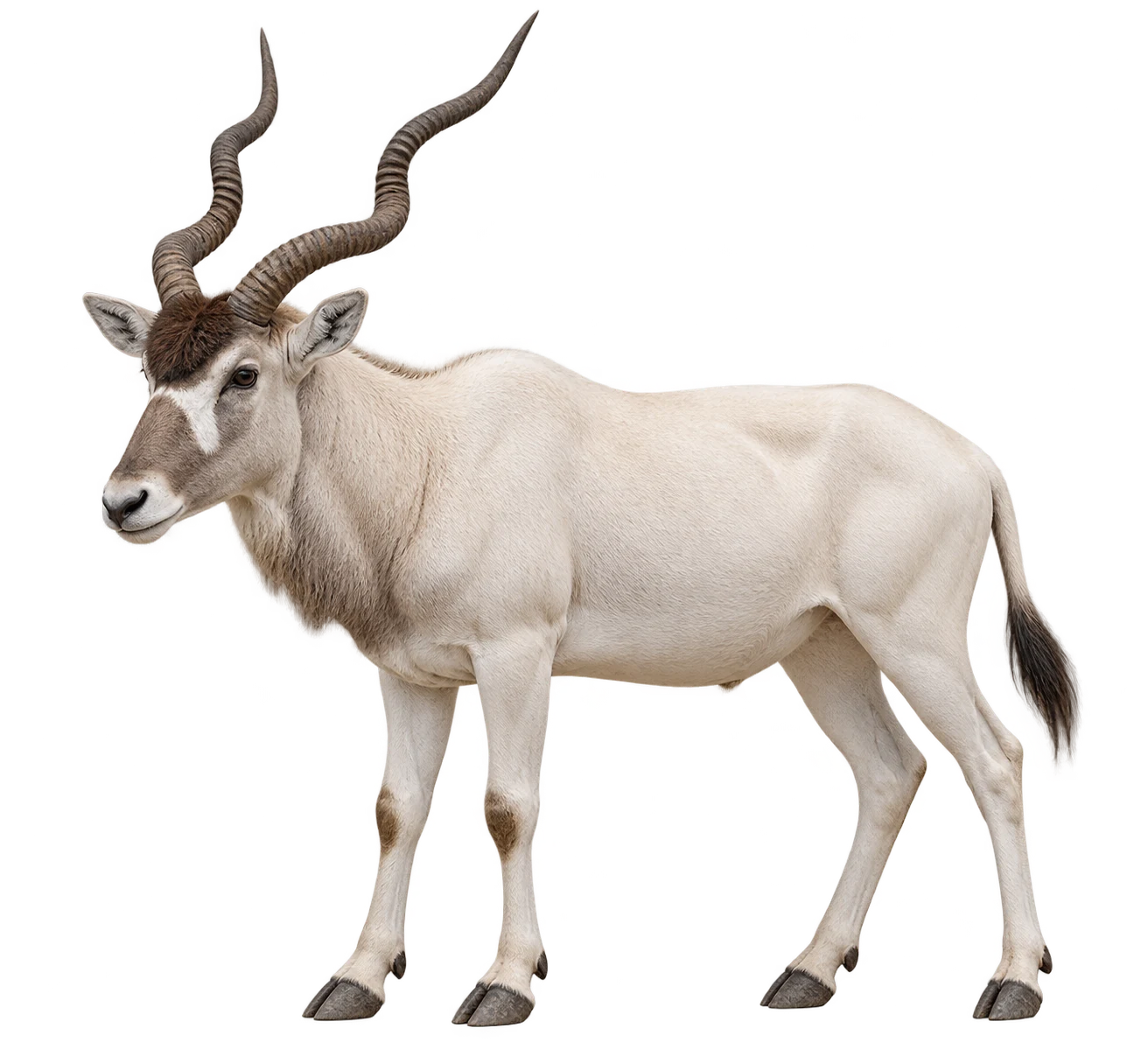
Addax (same family), African buffalo (same family), Alpine Goat (same family), American bison (same family), American Pygmy Goat (same family), Antelope (same family), and more.
Mammals
Addax
Addax nasomaculatus
Classification and source reference
LivingAI illustration NT
Mammals
African buffalo
Syncerus caffer
The African buffalo is a heavy wild ox of sub-Saharan Africa that lives in herds of dozens to thousands and must drink every day.
Living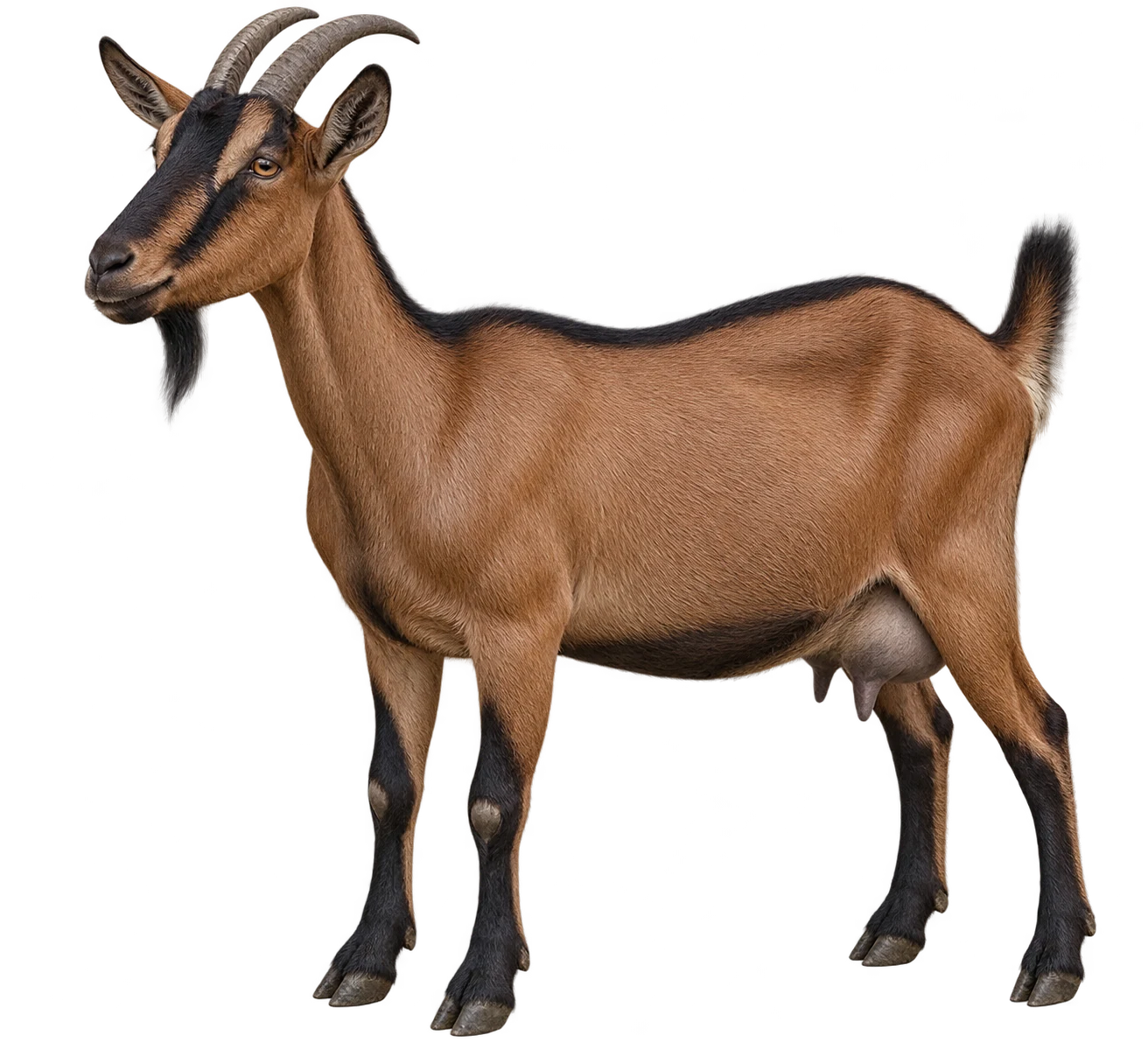
Mammals
Alpine Goat
Capra hircus
Classification and source reference
LivingAI illustration NT
Mammals
American bison
Bison bison
The American bison is the heaviest land animal in North America and the national mammal of the United States.
Living
Mammals
American Pygmy Goat
Capra hircus
Classification and source reference
LivingAI illustration
Mammals
Antelope
Bovidae
Classification and source reference
LivingAI illustration