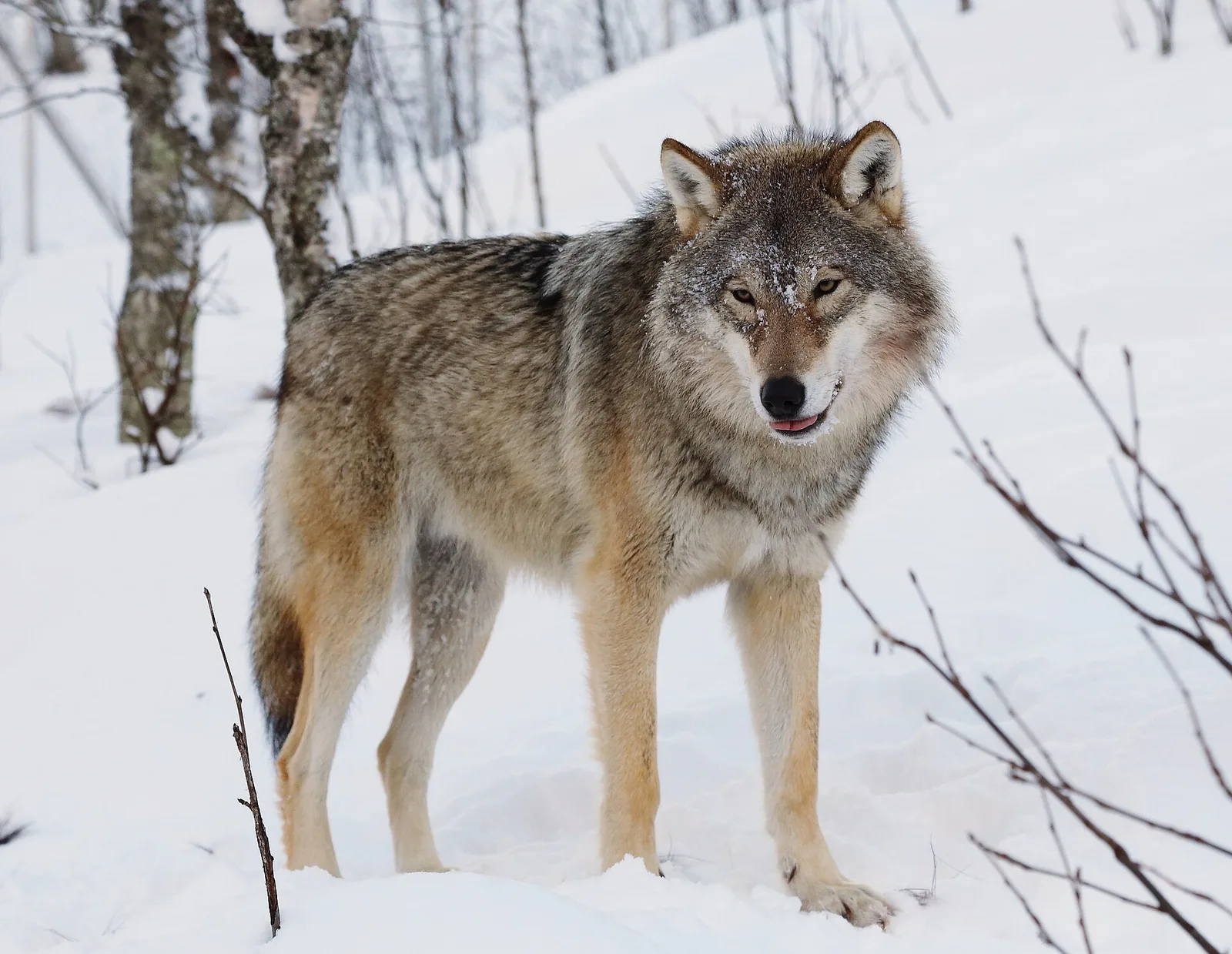
Gray wolf
The largest wild dog, and the ancestor of every pet dog
Canis lupus
Also called Grey wolf, Timber wolf
Living individuals or members of this group exist today. This does not mean they are safe from extinction.
Meet the gray wolf
The gray wolf is the largest wild member of the dog family and the ancestor of every domestic dog. Packs hunt large prey across the forests and tundra of the northern hemisphere.
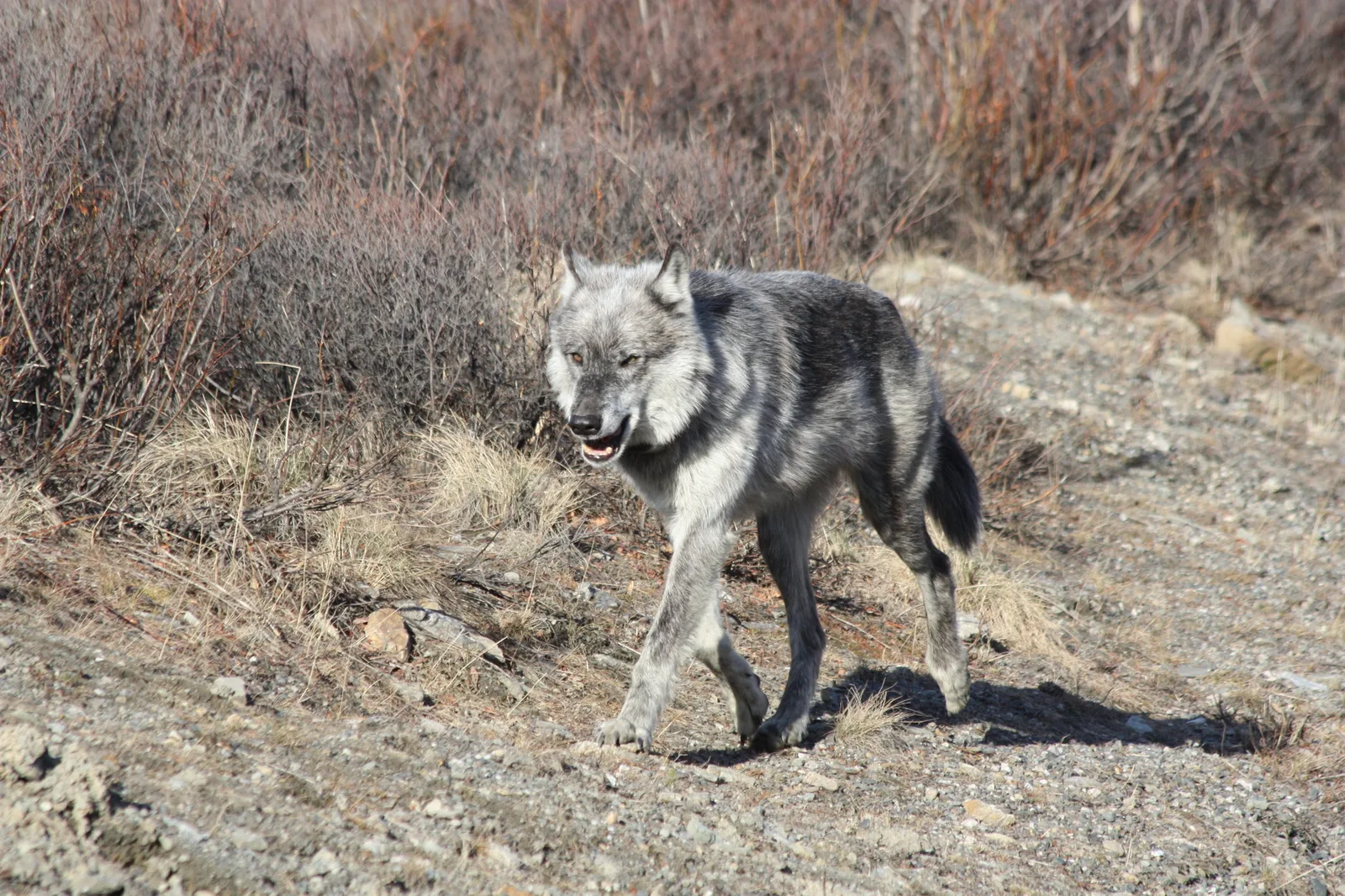
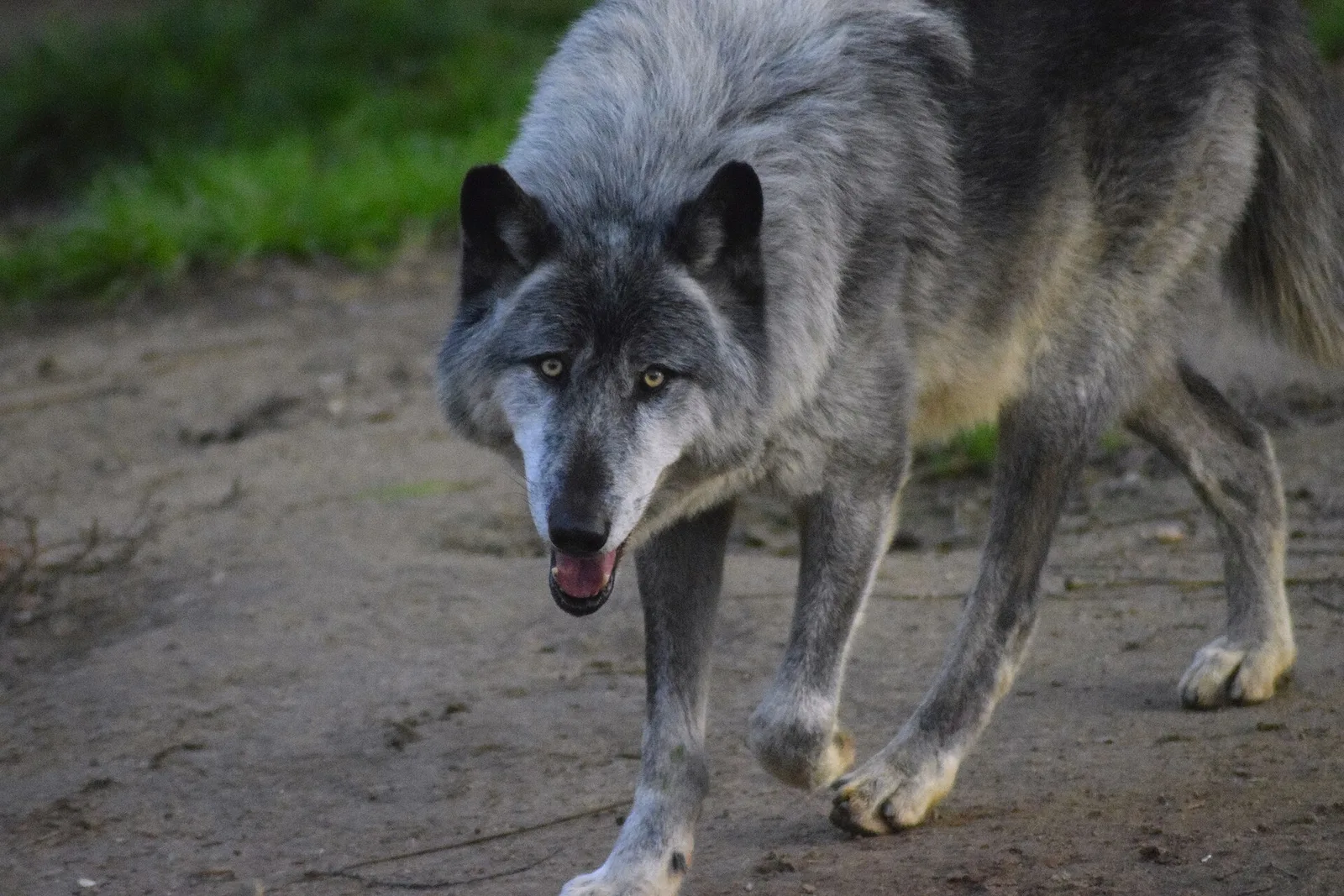
Images of the gray wolf
Lifespan in the wild
Up to 13 years
Weight
23 to 80 kg
Length
1.05 to 1.6 m
Height
80 to 85 cm
Fact file
Gray wolf
- Location
- Canada, Alaska, the northern USA, Europe, Russia, Central Asia
- Habitat
- Temperate forest, Tundra, Mountains, Grassland
- Diet
- Carnivore
- Prey / food
- Deer, elk, moose, bison, beavers
- Predators
- None as adults; bears and cougars in rare cases
- Lifestyle
- Mostly nocturnal
- Group name
- Pack
- Name of young
- Pup
- Gestation
- About 63 days
- Litter size
- 4 to 6 pups
- Population
- About 250,000 worldwide
- Biggest threat
- Hunting and conflict with livestock
- Distinctive feature
- A long muzzle, bushy tail and yellow eyes
- Colour
- Grey, brown, black or white
- Skin type
- Fur
Size
Next to a person
Measurements
Size and speed
- Height
- 80 to 85 cm at the shoulder
- Length
- 1.05 to 1.6 m head and body
- Tail
- 29 to 50 cm
- Weight
- 23 to 80 kg
Typical adult ranges. Sources: Animal Diversity Web, Wikipedia.
Life cycle
Lifespan
- In the wildUp to 13 years
- In captivityUp to 20.6 years
- 020.6 years
The pale bar is the record. Sources: Animal Diversity Web, AnAge.
Appearance
Colour and coat
- Primary colours
- greybrown
- Secondary colours
- whiteblack
- Skin type
- fur
- Male and female
- Slight. Males are larger, with broader muzzles, thicker necks and heavier shoulders, and they weigh 2.3 to 4.5 kilograms more than females in the same population.
Life cycle
Mating and family
- Mating system
- monogamous pairs
- Social structure
- a family pack of the breeding pair and their offspring, usually 5 to 12 animals
- Breeding
- one litter a year
A wolf pair bonds for life and breeds once a year in late winter. The female digs or borrows a den and bears four to eight pups after about 63 days. The pups are blind and deaf at birth, open their eyes at 9 to 12 days and leave the den at three weeks. The whole pack feeds them, and by autumn they hunt with the adults. Most young wolves leave at one to three years, and a wild wolf can live to 13.
Classification
Taxonomy
- Kingdom
- Animalia
- Phylum
- Chordata
- Class
- Mammalia
- Order
- Carnivora
- Family
- Canidae
- Genus
- Canis
- Species
- Canis lupus
Conservation
Red List status
- LC
- NT
- VU
- EN
- CR
- EW
- EX
Least Concern on the IUCN Red List
Range
Recorded in 57 countries
- Afghanistan
- Albania
- Armenia
- Austria
- Azerbaijan
- Bosnia and Herzegovina
- Belgium
- Bulgaria
- Bhutan
- Belarus
- Canada
- Switzerland
- People's Republic of China
- Czech Republic
- Germany
- Denmark
- Estonia
- Spain
- Finland
- France
- Georgia
- Greece
- Croatia
- Hungary
- Israel
- Iraq
- Iran
- Italy
- Kyrgyzstan
- North Korea
- Kazakhstan
- Lithuania
- Latvia
- Montenegro
- North Macedonia
- Mongolia
- Mexico
- Netherlands
- Norway
- Nepal
- Pakistan
- Poland
- Portugal
- Romania
- Serbia
- Russia
- Saudi Arabia
- Sweden
- Slovenia
- Slovakia
- Syria
- Tajikistan
- Turkmenistan
- Turkey
- Ukraine
- United States of America
- Uzbekistan
Habitat layer: temperate broadleaf and mixed forest, temperate conifer forest, boreal forest and taiga, tropical grassland, savanna and shrubland, temperate grassland, savanna and shrubland, montane grassland and shrubland, tundra.
Countries from 27,239 wild records on GBIF (iNaturalist research grade), filtered and checked by hand. Country shapes: Natural Earth. Habitat: RESOLVE Ecoregions 2017, CC BY 4.0. Basemap: Natural Earth.
Habitats
Three things to know
- 1
A pack is a family: the breeding pair and their offspring.
- 2
Wolves can travel 30 km or more in a day while hunting.
- 3
A howl carries for several kilometres and helps a pack keep in touch.
Did you know
Seven more facts
- 1
Wolves do not howl at the moon, and the moon's phases have no effect on their calls.
- 2
A pup's weight grows nearly 30 times in its first four months.
- 3
The heaviest wolf on record weighed 79.4 kilograms and the lightest adult 12 kg.
- 4
Wolves eat grass on purpose, probably to vomit up parasites and hair.
- 5
In 2025 a wolf was filmed hauling a crab trap ashore by its buoy line to reach the bait.
- 6
Black wolves in North America got their colour from dogs that crossed the Bering land bridge.
- 7
iNaturalist holds 23,121 observations of wild wolves.
Field notes
How it looks and acts
Field notes
Distinguishing features
- A shoulder height of 80 to 85 centimetres, the tallest of any wild canid.
- A broad snout, short triangular ears and large feet, unlike the coyote and the jackal.
- A bushy tail of 29 to 50 centimetres, held straight rather than curled like a dog's.
- A mottled coat of white, grey, brown and black with a dark stripe down the back.
- A heavy head with strong jaws and 42 teeth built for cracking bone.
- Long legs that carry it through deep snow.
Field notes
Unique adaptations
- A double winter coat that sheds ice and keeps the wolf warm at minus 40 degrees.
- Foot pads kept just above freezing so they do not freeze to ice and snow.
- A gut that digests a meal in a few hours, so a wolf can gorge several times a day.
- Fat stored under the skin and around the organs to carry it through winter.
- Group hunting and coordinated positions that let a pack of 15 bring down a moose.
Field notes
Interesting behaviours
- Hunts at night in winter, travelling tens of kilometres along regular trails.
- Howls to gather the pack before and after a hunt.
- Marks its territory with urine and scratches every 240 metres along its routes.
- Feeds pups by regurgitating meat until they are about 45 days old.
- Caches surplus meat for later.
Field notes
Temperament
- Deeply social within the family, with parents that provide for pups and yearlings that help.
- Hostile to strange wolves, which packs usually kill.
- Wary of people in most places, because of centuries of hunting.
- Bold toward dogs, sometimes ignoring a nearby person to attack one.
Field notes
Communication
- Howls to assemble the pack, warn of danger and claim territory across kilometres.
- Growls, barks and whines at close range.
- Shows rank by posture: high body and raised hackles, or a crouch with flattened ears.
- Leaves scent marks of urine, droppings and gland secretions that last two to three weeks.
Ecology
Ecological role
The wolf is the top predator of the northern forests and tundra, and it shapes the herds it hunts.
- Takes the old, young and sick from deer, elk and moose herds, which keeps prey numbers in check.
- Leaves carcasses that feed ravens, magpies, bears, wolverines and foxes.
- Suppresses coyotes, jackals and foxes wherever packs are dense.
- Probably changes where deer graze, which may let riverside trees recover.
Stories
Myths and legends
- In Roman tradition, a she-wolf nursed Romulus and Remus, who went on to found Rome.
- In Norse tradition, the giant wolf Fenrir will break his chains at the end of the world.
- In Pawnee tradition, the wolf was the first animal on Earth and the Milky Way is the wolf trail.
- In Greek tradition, Zeus turned King Lycaon into a wolf as punishment.
- In European folk tradition, werewolves are people who turn into wolves to kill.
People
Relationship with humans
People
Living alongside us
The wolf is the ancestor of the domestic dog, tamed more than 11,000 years ago. Herders have hunted it for as long as they have kept sheep. It was wiped out across Britain, Western Europe, Japan and most of the United States. Protection since the 1970s has let wolves return to Europe and the American West. Livestock losses remain the main source of conflict. Wolves rarely attack people, and most attacks on record were by rabid animals.
- Wolves avoid people, and attacks in North America are close to unknown.
- Rabid wolves bite many people and animals in a single day, and their bite is far more dangerous than a rabid dog's.
- Wolves that lose their fear of people have killed children in southern Asia, and such attacks stop only when the wolves are removed.
People
Status, uses and products
- Domestication
- Wild
- As a pet
- Not suitable. A few people keep wolves or wolf-dog crosses, but the animals ignore commands, bite more readily than dogs and roam far. A pet wolf is more likely to kill its owner than a pet dog is, and most countries restrict ownership.
- Uses
- ecotourismfur in the pastguard against overpopulated deer
- Products
- fur
The full account
About the gray wolf
The gray wolf, Canis lupus, is the largest wild member of the dog family. It lives across the northern half of the world, from the Arctic tundra to the deserts of Arabia and the forests of India. Adults measure 105 to 160 centimetres from nose to rump and stand 80 to 85 cm at the shoulder. Weight runs from 23 to 80 kilograms, and northern wolves are far heavier than southern ones. The coat is usually a mix of white, brown, grey and black, though Arctic wolves are nearly white.
A wolf pack is a family: a mated pair and their pups from one or more years. The pack hunts large hooved animals such as deer, elk and moose, and it defends a territory against other packs. Wolves talk to each other with howls, growls, posture and scent. Every domestic dog descends from a wolf population that was tamed more than 11,000 years ago. The IUCN rates the wolf Least Concern, with 200,000 to 250,000 left in the wild. Even so, it has been wiped out across much of Europe and the United States.
Name and taxonomy
The English word wolf comes from the Old English wulf and, further back, from the same root as the Latin lupus. Anglo-Saxons put it in their names: Wulfstan, Cynewulf and Aethelwulf all mean a kind of wolf. Carl Linnaeus named the wolf Canis lupus in 1758, and in the same book he named the dog Canis familiaris. He kept them apart because the dog carries its tail curled up, which no wild canid does.
Mammal Species of the World listed 36 wild subspecies in 2005 and added the dog and the dingo as two more. The nominate form is the Eurasian wolf, C. l. lupus. In 2019 the IUCN Canid Specialist Group decided the dingo and the New Guinea singing dog are feral dogs, not wolves. Wolves can still breed with coyotes and golden jackals, and the young are fertile.
Evolution and relatives
The wolf descends from Canis mosbachensis, which first appeared about 1.4 million years ago, and before that from Canis etruscus. One of the oldest fossils of the modern wolf, from Ponte Galeria in Italy, is about 406,500 years old. Late Pleistocene wolves had heavier skulls and teeth than today's, and broke their teeth as often as the dire wolf did.
The Himalayan and Indian plains wolves split from all other wolves about 200,000 years ago. The rest share most of their ancestry from within the last 23,000 years, spreading out from Siberia or Beringia. Old World and New World wolves parted around 12,500 years ago. The dog line left other Old World wolves about 11,100 to 12,300 years ago, though the wolf that was tamed is now extinct. Black wolves in North America got their colour from dogs that crossed the Bering land bridge 12,000 to 14,000 years ago.
Appearance
The wolf looks like a large, long-legged German shepherd with a broader snout, shorter ears and bigger feet. Head and body measure 105 to 160 centimetres, the tail 29 to 50 cm, and the shoulder stands 80 to 85 cm high. Adults weigh 23 to 80 kilograms. The mean is about 40 kg, and the heaviest wolf on record weighed 79.4 kg. European wolves average 38.5 kg, North American ones 36 kg, and Indian and Arabian wolves only 25 kg.
The body is slim but powerful, with a deep chest, a back that slopes and a thick muscular neck. The legs are longer than in other canids, which helps in deep snow. The head is big, the forehead wide and the muzzle long and blunt, and the teeth are built to crush bone. A wolf has 42 teeth. Females have narrower muzzles, thinner necks and lighter shoulders than males, and weigh 2.3 to 4.5 kg less.
The winter coat is dense: a short undercoat under long coarse guard hairs that reach 110 to 130 millimetres on the shoulders. It insulates so well that a wolf can sleep in the open at minus 40 degrees with its nose tucked under its tail. The guard hairs give the colour: ochre, grey and rust, a black stripe down the back, and white on the throat and belly. Arctic wolves are white, and many wolves in the Rockies of western Canada are black.
Habitat and range
The wolf once lived across the whole Northern Hemisphere, south to Mexico, North Africa and southern Asia. Persecution has cut that range to about one-third. It is gone from the British Isles, Ireland and Japan, and from much of Western Europe, the United States and Mexico. Canada and Alaska hold the strongest populations, and Russia holds up to 45,000.
The wolf uses forests, wetlands, shrubland, grassland, tundra, pasture, desert and rocky mountain peaks. It is found from sea level to 3,000 metres. What matters is prey, snow, the density of livestock and roads, and how many people are about.
A pack's territory runs from 75 to 2,500 square kilometres depending on prey. The smallest on record was 33 square kilometres in Minnesota, and the largest 6,272 in Alaska. GBIF lists records from 211 countries, but that count includes domestic dogs, which GBIF files under the same species.
Diet and hunting
The wolf is a carnivore that lives mainly on hooved mammals, from roe deer of 23 kilograms up to moose and bison of 650 kg. In North America wolves live mainly on elk, moose, caribou and two kinds of deer. Across Eurasia the main prey are moose, red and roe deer and wild boar, plus livestock where wild prey is scarce. Beavers, hares, rodents, waterfowl and eggs fill in, and wolves eat fish, berries, apples and grass as well. In hard times they take carrion, garbage and even dead pack members.
Wolves hunt mostly at night in winter, setting out at dusk and covering tens of kilometres before dawn. In summer they often hunt alone and ambush prey rather than chase it. A pack tries to cut one animal out of the herd, usually one that is old, young or sick. Chases run from 100 metres to more than 5 kilometres. Single wolves and pairs succeed more often than big packs, and one wolf can kill a moose alone.
Wolves bite large prey on the rump and flanks and wear it down, sometimes resting for hours while it weakens from blood loss. Medium prey such as roe deer or sheep dies from a throat bite within a minute. Once the animal is down the pack eats fast, starting with the heart, liver, lungs and stomach lining. A wolf can eat 15% to 19% of its own weight in one sitting, and it needs about 2.5 to 6.3 kg a day.
Behaviour and social life
The pack is a family, built around a mated pair and their offspring. A North American pack averages eight wolves and a European one 5.5, though packs of up to 42 have been recorded. The old idea of an alpha that fights its way to the top probably comes from captive wolves, not wild packs. The parents lead because they are the parents, and rank shows in posture rather than in fights.
Young wolves stay 10 to 54 months, then leave to find a mate and empty ground. Some settle next door, and others travel 206, 390 or even 670 kilometres from their birth pack. A lone wolf is almost always a young animal in transit, not an outcast. Packs rarely accept a stranger and usually kill one, though a young wolf of one to three years is sometimes adopted. Territorial fights are a leading cause of death: 14% to 65% of wolf deaths in Minnesota and Denali came from other wolves.
A pack is on the move most of the time, covering about 9% of its territory and roughly 25 kilometres a day. Wolves trot at about 8 kilometres per hour and can run at 55 to 70 km/h. Brown bears usually win over a carcass, but a pack wins at its den, and in the Russian Far East tigers push wolves out.
Communication and senses
The howl gathers the pack before and after a hunt, raises the alarm at a den, finds lost members and warns other packs. Under good conditions a howl can be heard across 130 square kilometres. Wolves do not howl at the moon, and its phases have no effect on their calls. Growls, barks and whines cover shorter distances, and a wolf barks a few times and retreats rather than barking on like a dog.
Posture says a great deal. A confident wolf moves slowly with its body high and hackles up, and a submissive one crouches with ears and tail down. Scent does the real work of marking territory. Wolves leave urine, droppings and gland scent about every 240 metres along their trails, and each mark lasts two to three weeks. Raised-leg urination makes up 60% to 80% of all marks, and a newly bonded pair marks most of all. Like other dogs, the wolf finds most prey by scent rather than sight.
Reproduction and life cycle
Wolves are monogamous, and a pair usually stays together for life. The female chooses her mate, and she comes into heat once a year for 5 to 14 days, in the second half of winter. Only the breeding pair produces pups, and other females in the pack are held back unless food is plentiful.
The den is a rock crevice, an overhang, a hole under thick cover, or an enlarged fox, badger or marmot burrow. It usually sits within 500 metres of water, faces south and lies well inside the territory, away from rival packs. Gestation lasts about 63 days. A young female bears four or five pups, an older one six to eight, and up to 14 have been recorded. Pups weigh 300 to 500 grams at birth and are blind and deaf.
The eyes open at 9 to 12 days, and the pups first leave the den at about three weeks. The mother stays with them for the first weeks while the father brings food. Every pack member feeds the pups regurgitated meat until they are about 45 days old. A pup's weight rises nearly 30 times in its first four months, and by autumn it hunts with the adults. Pup mortality runs at 60% to 80%. A wild wolf can reach 13 years, though most die at five or six, and the captive record is 20.6.
Predators and threats
Adult wolves have no regular predator. Other wolves are the main danger, and packs kill pups they find in a rival's den. Brown bears kill young wolves, cougars kill lone wolves in a one-to-one meeting, and tigers kill wolves in the Russian Far East.
Disease takes a toll. Rabies incubates for 8 to 21 days, then sends a wolf away from its pack, travelling up to 80 kilometres a day and biting. Distemper, parvovirus, Lyme disease, mange mites, tapeworms and more than 30 kinds of roundworm also infect wolves.
People remain the greatest threat. Herders shoot, trap and poison wolves for killing sheep, reindeer, goats, horses and cattle. Canada allows a harvest of up to 4,000 a year and Alaska about 1,200. Russia pays bounties and kills 20% to 30% of its wolves each year. Roads, farms and towns break up habitat, and even snowmobiles near a territory raise a wolf's stress hormones.
Population and conservation
The IUCN Red List rates the wolf Least Concern, because its range is wide and its numbers are stable. The wild population was about 300,000 in 2003 and stands at 200,000 to 250,000 as of 2026. Declines were halted in the 1970s, and legal protection, land-use change and rural depopulation have let wolves return to old ground. CITES lists the wolf on Appendix II, and the populations of Bhutan, India, Nepal and Pakistan on Appendix I.
Canada holds 50,000 to 60,000 wolves across 80% of its historic range, and Alaska 7,000 to 11,000. In the lower 48 states, settlement and the loss of bison nearly wiped wolves out, until the Endangered Species Act of 1973 protected them. Reintroductions in Yellowstone and Idaho and natural recolonisation brought them back: over 4,000 in the Great Lakes states and over 3,000 in the northern Rockies. The Mexican wolf was taken into captivity in the late 1970s, and the reintroduced population now numbers over 300.
Britain lost its wolves by 1684, Ireland by 1770, Central Europe by 1899 and France by the 1930s. Since 1980 wolves have spread back across Europe, and the European Union now holds about 20,300 in 23 countries. Russia holds up to 45,000, Kazakhstan 20,000 and Mongolia 10,000 to 20,000.
Relationship with humans
Herding peoples have hated and hunted the wolf for as long as they have kept sheep. Hunter-gatherers took a different view, and admired wolves as parents, mates and hunters. Livestock losses are the main reason wolves are still killed, and no method short of extermination stops them fully. Some countries pay compensation, and guard dogs that confuse a wolf with barking or play cut losses a great deal.
Wolves are not natural predators of people, and most avoid us. Most recorded attacks come from rabid wolves, and a rabid wolf's bite is 15 times more dangerous than a rabid dog's. Between 1952 and 2002, Europe and Russia recorded eight deaths from wolves, and southern Asia more than two hundred. Predatory attacks follow a period in which wolves lose their fear of people, and the victims are mostly children. In North America such attacks are close to unknown.
People have hunted wolves with hounds, poison, traps, aircraft and, in Kazakhstan and Mongolia, with eagles. Wolf fur once kept people warm, and wolf-watching now earns parks real money. Some people keep wolves and wolf-dogs, but they obey badly and bite more. A pet wolf is likelier to kill its owner than a dog is.
In culture and myth
The Greeks linked the wolf to Apollo, and the Romans to Mars. Roman legend says a she-wolf suckled Romulus and Remus, the founders of Rome. In Norse myth the giant wolf Fenrir is feared, while Geri and Freki are Odin's loyal companions. Chinese astronomy makes the wolf the star Sirius, guardian of the heavenly gate, but Chinese sayings tie it to greed and cruelty.
In the Pawnee creation story the wolf was the first animal on Earth, and its killing cost people their immortality. To the Pawnee and the Blackfoot the Milky Way is a wolf trail, and Sirius is the wolf star. The wolf is a clan crest among Pacific Northwest peoples such as the Kwakwaka'wakw. The Dena'ina saw wolves as former men and called them brothers, while the Navajo feared witches who wore wolf skins. Werewolf stories run through European folklore, and Zeus turned King Lycaon into a wolf.
Aesop's boy who cried wolf gave English its idiom for a false alarm. Charles Perrault's Little Red Riding Hood of 1697 fixed the Big Bad Wolf in Western minds, and the Three Little Pigs followed. Kipling's Jungle Book wolves live in loving families, which biologists later praised as closer to the truth. Farley Mowat's Never Cry Wolf of 1963 changed public feeling toward wolves, though much of it was invented.
A sentence with a dotted underline is inferred: it describes the group the animal belongs to, or is a reading of the sources, rather than a measured or reported fact about this species.
Questions
Gray wolf questions, answered
How big is a gray wolf?
A wolf measures 105 to 160 centimetres from nose to rump and stands 80 to 85 cm at the shoulder. Adults weigh 23 to 80 kilograms, about 40 kg on average. Northern wolves are much bigger than Arabian or Indian ones.
What do wolves eat?
Mainly hooved animals: deer, elk, moose, caribou, wild boar and bison. They also take beavers, hares, birds, fish and berries, and livestock where wild prey is scarce. A wolf needs about 2.5 to 6.3 kilograms of meat a day.
Are gray wolves endangered?
No, not as a species. The IUCN rates the wolf Least Concern, with 200,000 to 250,000 in the wild. Some regional populations are endangered, and the wolf is extinct in Britain, Ireland and Japan.
Where do wolves live?
Across Canada, Alaska, the northern United States, Eastern and Southern Europe, Russia, Central Asia, the Middle East, India, Mongolia and China. They use forest, tundra, grassland, mountain and desert wherever there is prey.
How long do wolves live?
A wild wolf can reach 13 years, but most die at five or six from injuries, disease or other wolves. The captive record is 20.6 years.
Do wolves howl at the moon?
No. Wolves howl to gather the pack, warn of danger, find each other and mark territory. The moon's phases have no effect on how much they howl.
What is a wolf pack?
A pack is a family: a mated pair and their pups from one or more years. It usually holds 5 to 12 wolves, and the average in North America is eight. The parents lead, and young wolves leave at one to three years to find mates of their own.
Is there really an alpha wolf?
Not in the sense of a wolf that fights its way to the top. The idea came from captive wolves thrown together. In a wild pack the leaders are simply the parents.
Are wolves dangerous to humans?
Rarely. Wolves avoid people, and attacks in North America are almost unknown. Most attacks on record came from rabid wolves. Over fifty years, Europe and Russia saw eight deaths from wolves, while southern Asia saw more than two hundred.
How fast can a wolf run?
A wolf trots at about 8 kilometres per hour for hours and can sprint at 55 to 70 km/h. A pack covers about 25 kilometres a day on average.
How many pups does a wolf have?
A young female has four or five pups and an older one six to eight, after a gestation of about 63 days. Litters of up to 14 have been recorded. Between 60% and 80% of pups die in their first year.
Are dogs descended from wolves?
Yes. Dogs and wolves are sister lineages that split about 11,100 to 12,300 years ago. The wolf population that was tamed is now extinct, so no living wolf is the dog's direct ancestor.
Do wolves kill livestock?
Yes, mainly where wild prey is scarce. Sheep in Europe, reindeer in Scandinavia, goats in India and cattle in North America are the usual victims. Losses are often overstated, and guard dogs cut them sharply.
What is the difference between a wolf and a coyote?
A wolf is 50% to 100% larger, with a broader snout, shorter ears and bigger feet. Wolves hunt large prey in packs, while coyotes eat far more small animals and plants. Wolves kill coyotes where the two meet.
Why were wolves reintroduced to Yellowstone?
Wolves had been wiped out of the western United States by the 1930s. After protection under the Endangered Species Act of 1973, wolves were returned to Yellowstone and Idaho. The northern Rockies now hold over 3,000.
Can you keep a wolf as a pet?
It is legal in a few places but a poor idea. Wolves obey badly, bite more readily than dogs and need huge space. A pet wolf is more likely to kill its owner than a dog is.
Food web
Prey and food
- deer
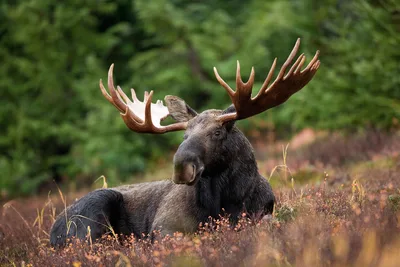 Moose
- Moose
- bison
- beavers
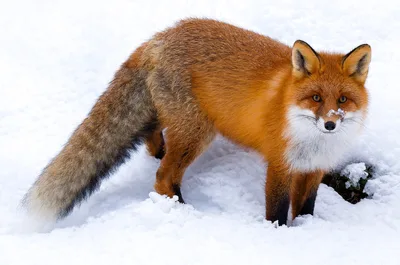 Red fox
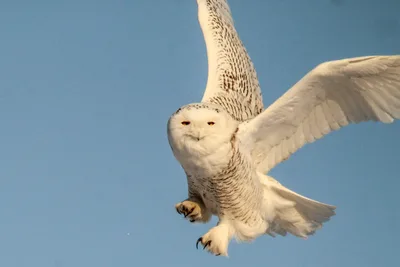 Snowy owl
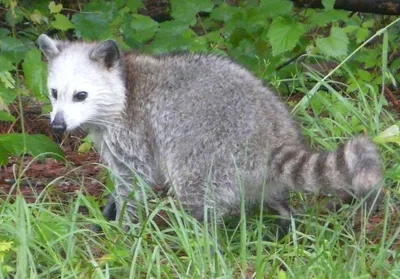 Raccoon
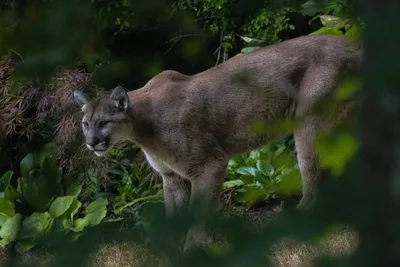 Cougar
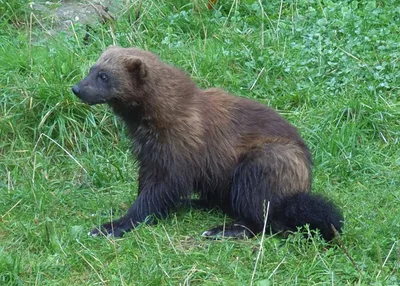 Wolverine
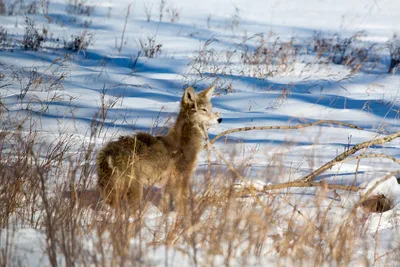 Coyote
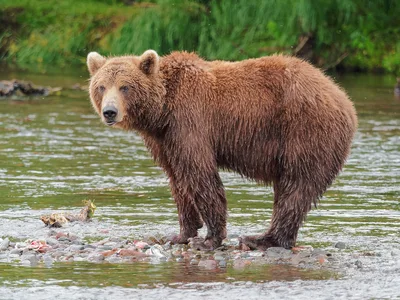 Brown bear
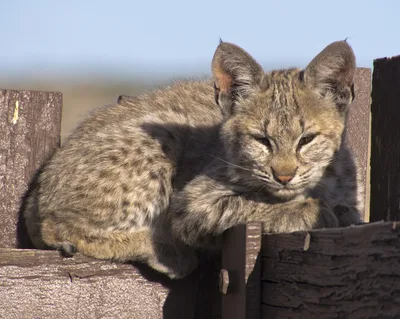 Bobcat
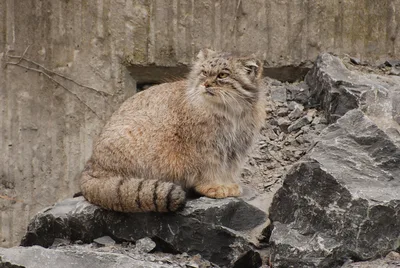 Pallas's cat
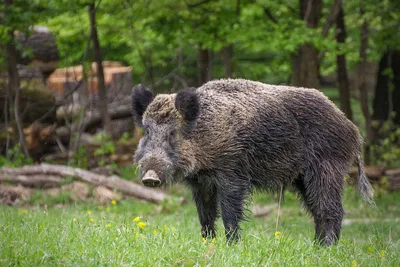 Wild boar
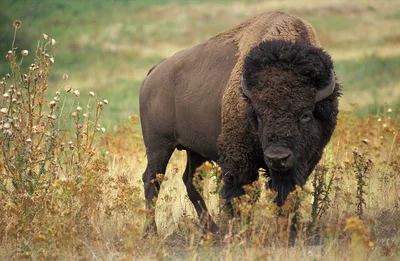 American bison
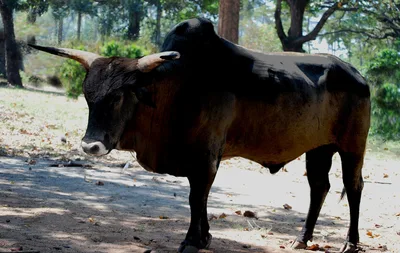 Aurochs
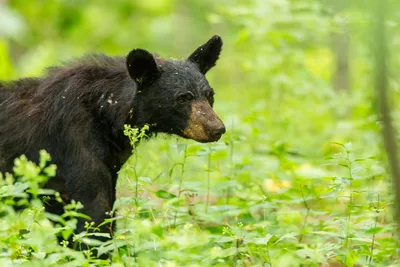 American black bear
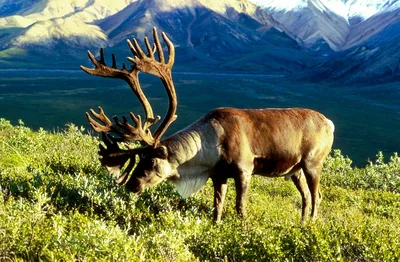 Reindeer
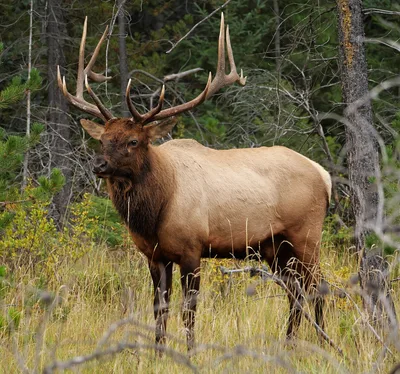 Elk
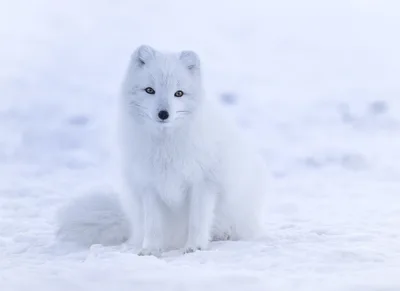 Arctic fox
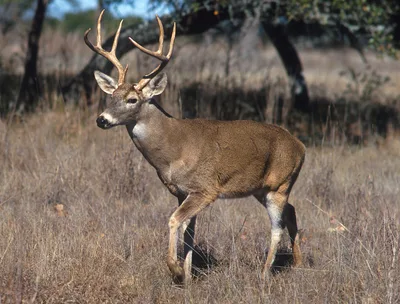 White-tailed deer
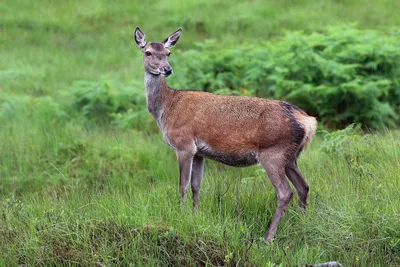 Red deer
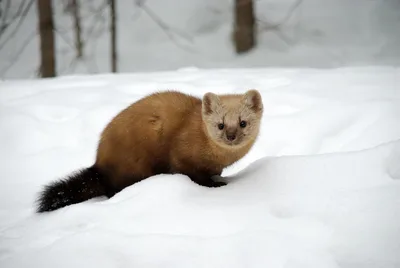 Sable
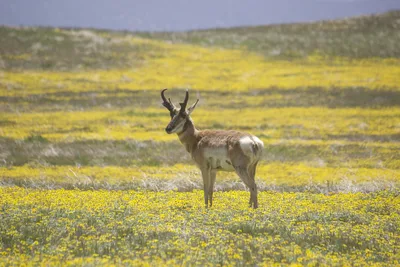 Pronghorn
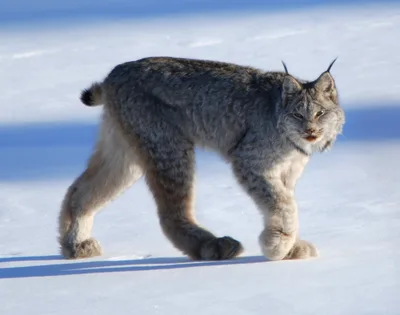 Canada lynx
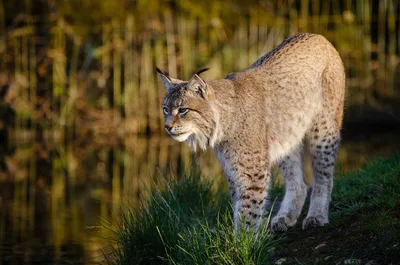 Eurasian lynx
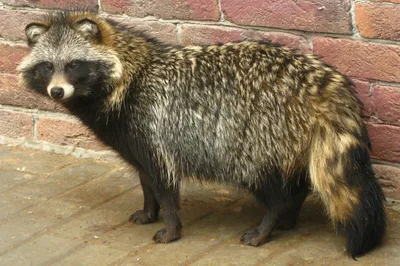 Common raccoon dog
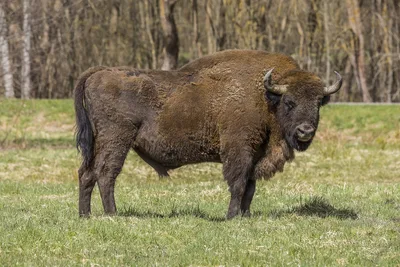 European bison
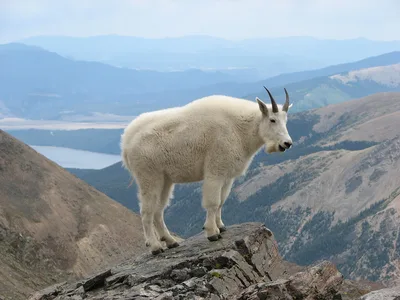 Mountain goat
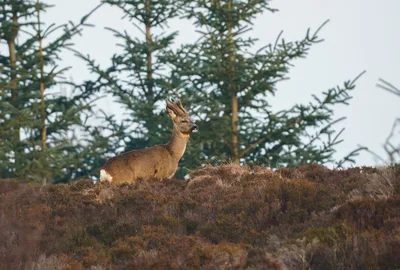 Roe deer
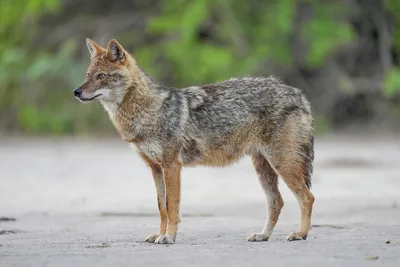 Golden jackal
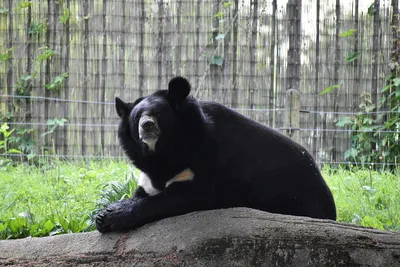 Asian black bear
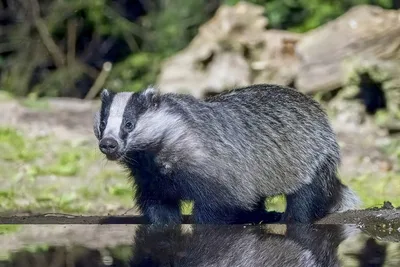 European badger
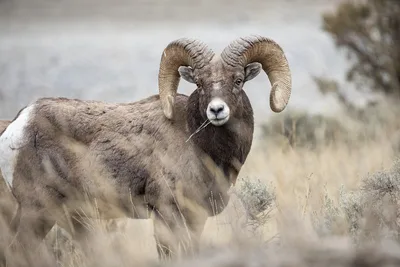 Bighorn sheep
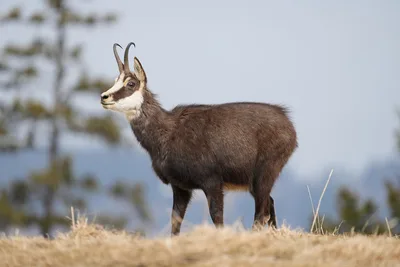 Chamois
Food web
Predators
- bears
- Cougar
Ecological equivalents
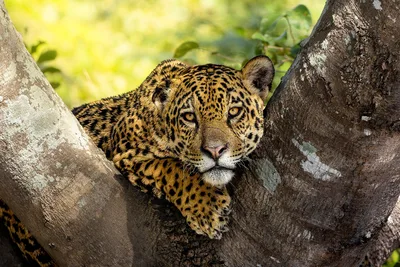
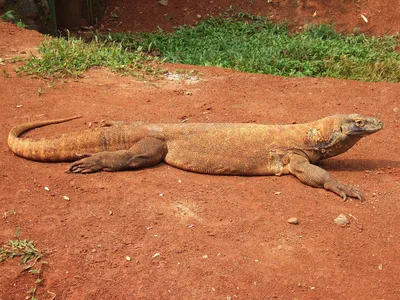
Related species on this site
Affenpinscher (same genus), Afghan Hound (same genus), Aidi (same genus), Ainu (same genus), Airedale Terrier (same genus), Airedoodle (same genus), and more.
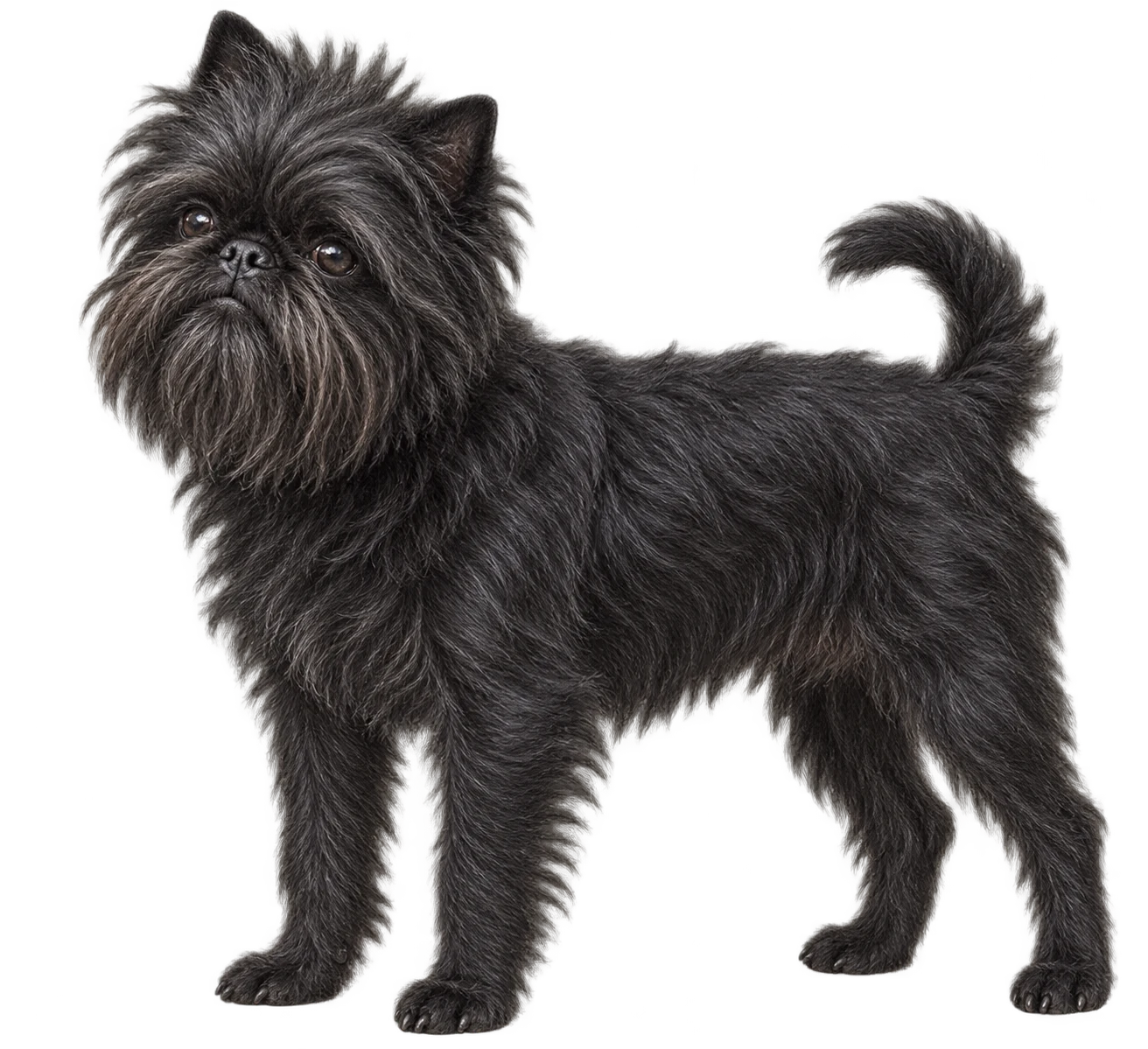
Mammals
Affenpinscher
Canis lupus familiaris
Classification and source reference
LivingAI illustration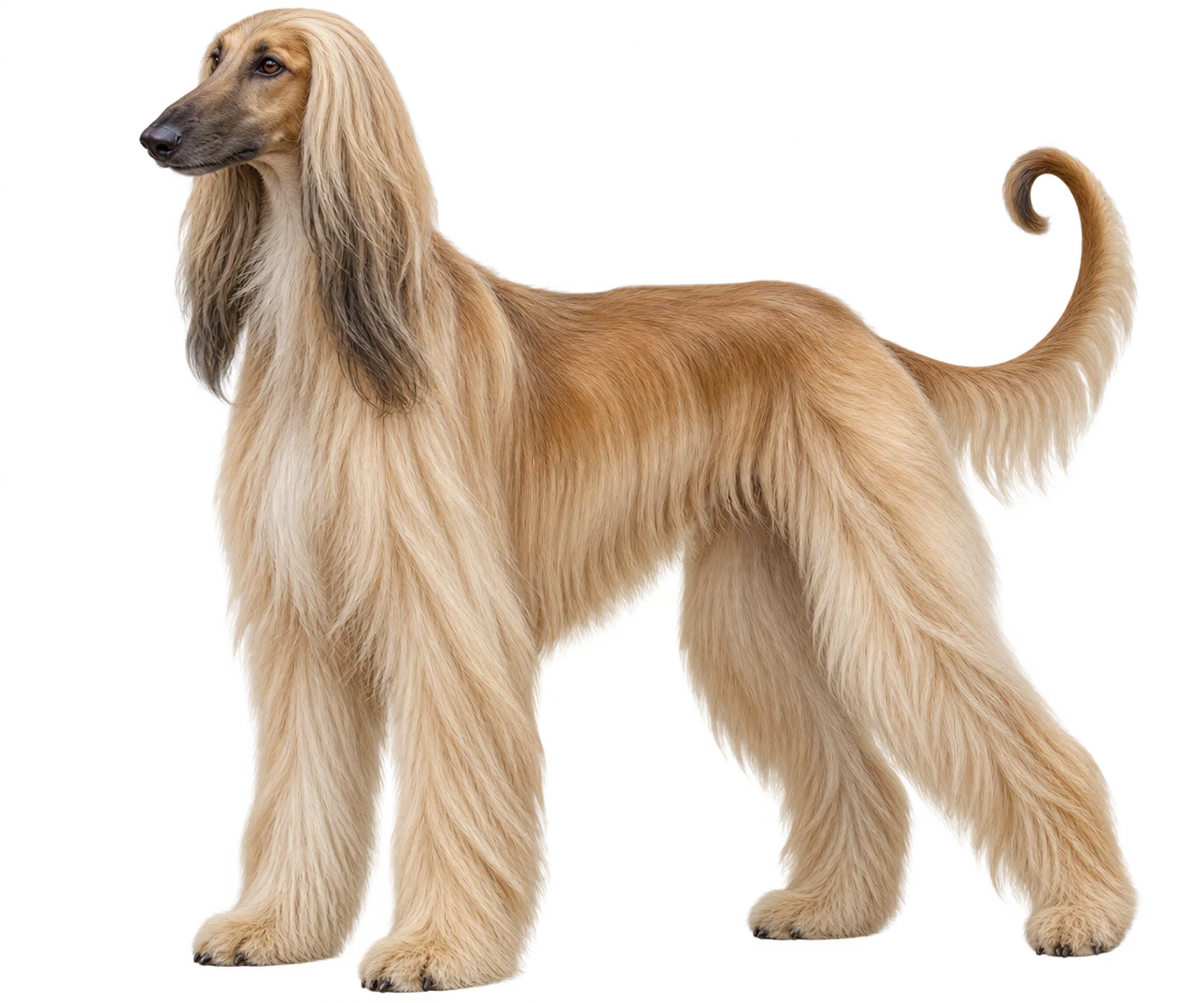
Mammals
Afghan Hound
Canis lupus familiaris
Classification and source reference
LivingAI illustration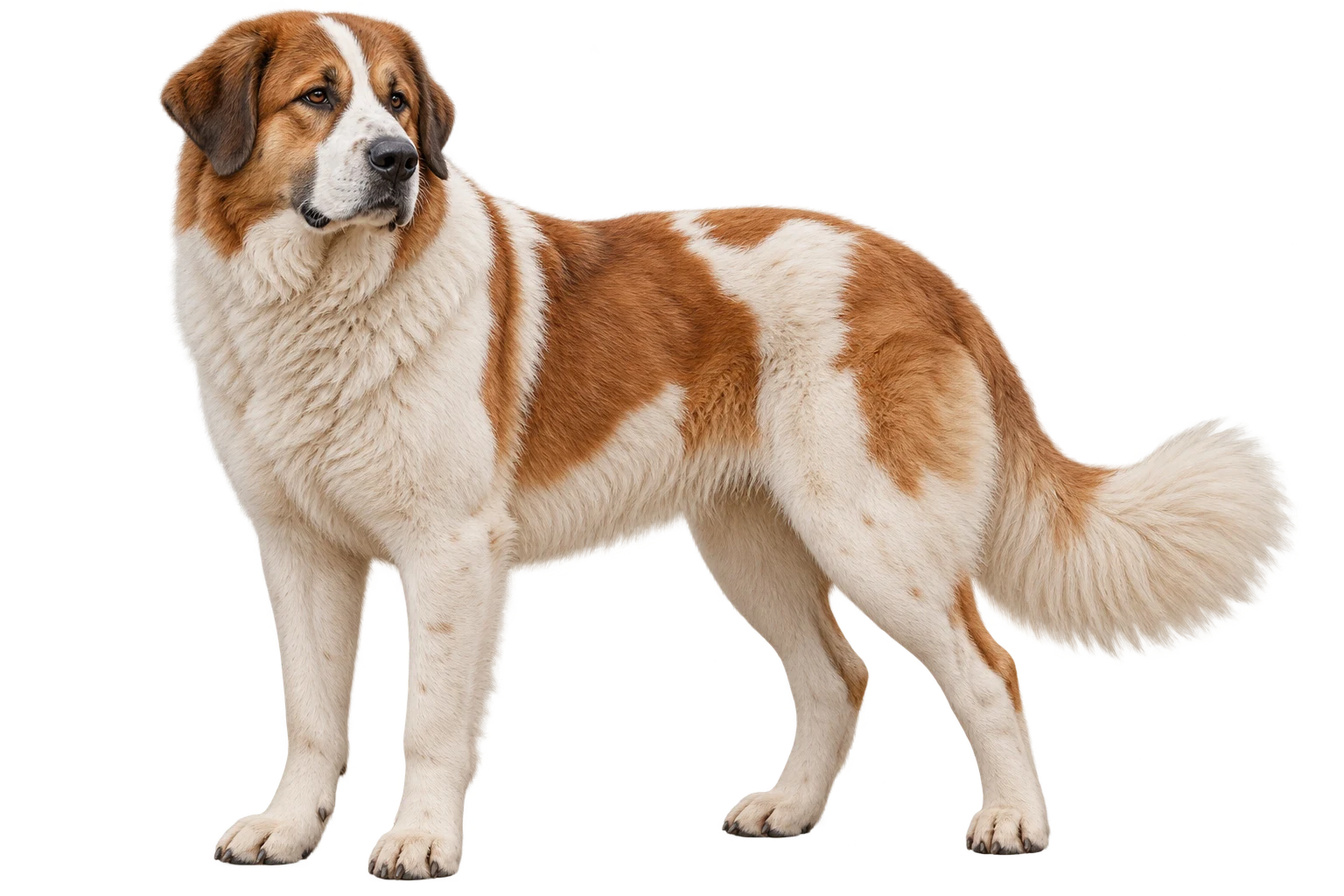
Mammals
Aidi
Canis lupus familiaris
Classification and source reference
LivingAI illustration
Mammals
Ainu
Canis lupus familiaris
Classification and source reference
LivingAI illustration
Mammals
Airedale Terrier
Canis lupus familiaris
Classification and source reference
LivingAI illustration
Mammals
Airedoodle
Canis lupus familiaris
Classification and source reference
LivingAI illustration