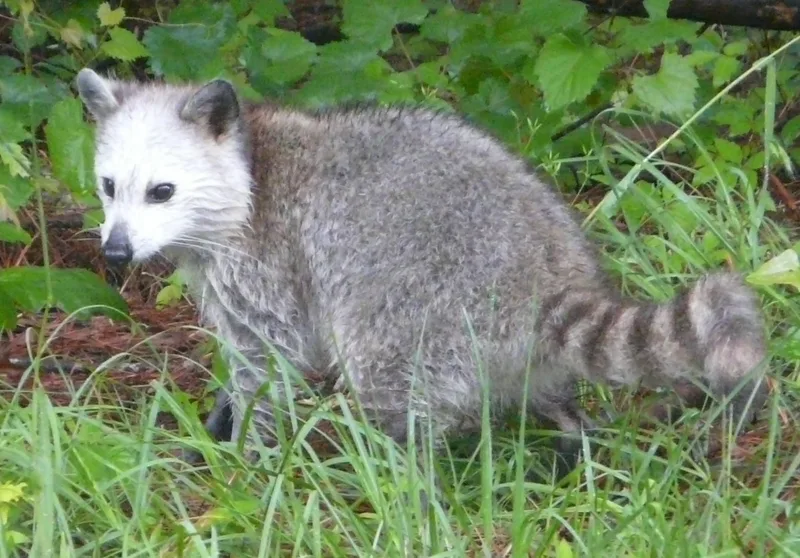
Raccoon
The masked bandit that reads the world with its hands
Procyon lotor
Also called Common raccoon, North American raccoon, Northern raccoon, Mapache
Living individuals or members of this group exist today. This does not mean they are safe from extinction.
Meet the raccoon
The raccoon is a masked, ring-tailed omnivore native to North America. It feels its way through the world with sensitive front paws and thrives in forests, marshes and cities alike.
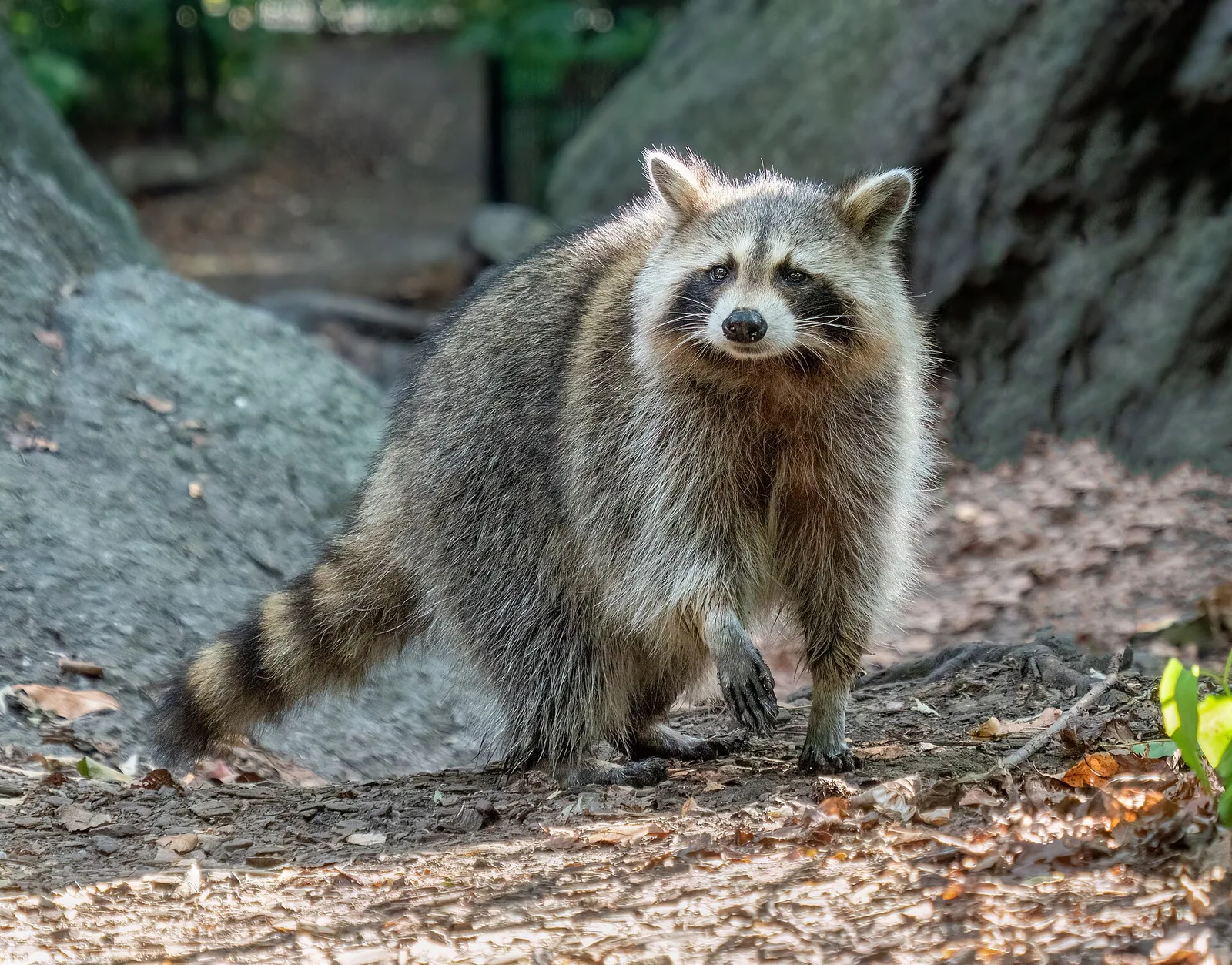
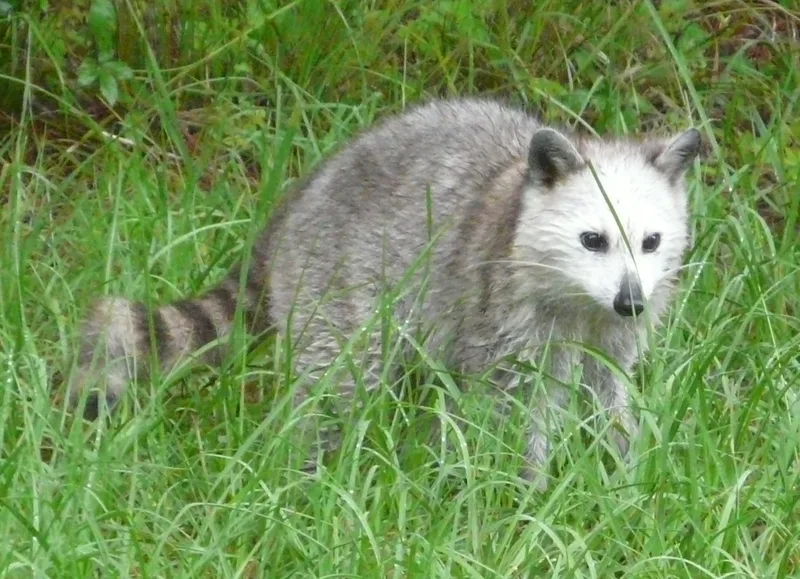
Images of the raccoon
Lifespan in the wild
About 5 years for an animal that survives its first two years; life expectancy at birth is only 1.8 to 3.1 years
Weight
5 to 12 kg
Length
40 to 70 cm
Top speed
16 to 24 km/h
Fact file
Raccoon
- Location
- Canada to Panama; introduced to Germany, France, the Caucasus and Japan
- Habitat
- Temperate forest, Wetlands, Rivers and lakes, Towns and cities
- Diet
- Omnivore
- Prey / food
- Crayfish, insects, worms, frogs, fish, bird eggs, fruit, nuts, corn
- Predators
- Coyote, bobcat, great horned owl, alligator, cougar, gray wolf
- Lifestyle
- Nocturnal
- Group name
- Nursery (mother and kits)
- Name of young
- Kit
- Gestation
- 63 to 65 days
- Litter size
- 2 to 5 kits
- Population
- Abundant; North American numbers rose 15 to 20 times between the 1930s and the 1980s
- Biggest threat
- Hunting, trapping and road traffic
- Distinctive feature
- Black face mask and a ringed tail
- Colour
- Grizzled grey with a black mask and black tail rings
- Skin type
- Fur
Size
Next to a person
Measurements
Size and speed
- Height
- 23 to 30 cm at the shoulder
- Length
- 40 to 70 cm head and body, without the tail; the record total length is 140 cm
- Tail
- 20 to 40 cm usually not much over 25 cm
- Weight
- 5 to 12 kg, up to 28.4 kg the usual adult range; animals from 2 to 26 kg occur, and the heaviest wild record is 28.4 kg
- Top speed
- 16 to 24 km/h top speed over a short distance
Typical adult ranges. Source: Wikipedia.
Life cycle
Lifespan
- In the wildAbout 5, up to 16 years for an animal that survives its first two years; life expectancy at birth is only 1.8 to 3.1 years
- In captivityUp to 21 years
- 021 years
The pale bar is the record. Source: Animal Diversity Web.
Appearance
Colour and coat
- Primary colours
- greyblack
- Secondary colours
- whitebrown
- Skin type
- fur
- Male and female
- Slight. Males are usually 15 to 20% heavier than females, but the coat and the mask are the same in both sexes.
Life cycle
Mating and family
- Mating system
- promiscuous, with females often mating with several males
- Social structure
- mostly solitary; related females share an area and unrelated males form small groups
- Breeding
- one litter a year, in spring
Raccoons mate between late January and mid March, and the female raises the kits alone. After 63 to 65 days she bears two to five blind, deaf kits in a tree hollow. Their eyes open in the third week, and they are weaned by 16 weeks. The family splits up in autumn, though a mother and kits may den together over a first cold winter. Most raccoons die young, and life expectancy at birth is only 1.8 to 3.1 years.
Classification
Taxonomy
- Kingdom
- Animalia
- Phylum
- Chordata
- Class
- Mammalia
- Order
- Carnivora
- Family
- Procyonidae
- Genus
- Procyon
- Species
- Procyon lotor
Conservation
Red List status
- LC
- NT
- VU
- EN
- CR
- EW
- EX
Least Concern on the IUCN Red List
Range
Recorded in 5 countries
Habitat layer: temperate broadleaf and mixed forest, temperate conifer forest, boreal forest and taiga, flooded grassland and savanna, mangrove.
Countries from 131,437 wild records on GBIF (iNaturalist research grade), filtered and checked by hand. Country shapes: Natural Earth. Habitat: RESOLVE Ecoregions 2017, CC BY 4.0. Basemap: Natural Earth.
Habitats
Three things to know
- 1
A raccoon can remember the solution to a puzzle for at least three years.
- 2
Nearly two thirds of the touch area in a raccoon's brain handles signals from its front paws.
- 3
Germany now holds more than a million raccoons, all descended from a handful released in the 1930s and 1940s.
Did you know
Seven more facts
- 1
The word raccoon comes from Powhatan and means an animal that scratches with its hands.
- 2
A raccoon can double its weight in autumn fat and lose half of it again over winter.
- 3
Raccoons in a 1908 test opened 11 of 13 locks in under 10 tries.
- 4
A kit is born with its mask already showing through its light fur.
- 5
Raccoons can sweat and pant, a double cooling system that few mammals share.
- 6
A raccoon can smell a single acorn buried under 5 centimetres of sand.
- 7
Japan's raccoons cost Hokkaido farmers about thirty million yen a year.
Field notes
How it looks and acts
Field notes
Distinguishing features
- A black mask across the eyes, edged with white fur.
- A bushy tail with four to ten black rings.
- Slender, hand-like front paws with five unwebbed toes.
- A grizzled grey coat of long guard hairs over dense underfur.
- A head and body of 40 to 70 centimetres on short legs.
- Rounded ears bordered with white.
Field notes
Unique adaptations
- Paws packed with touch receptors find food by feel in murky water.
- A horny layer on the pads softens when wet and sharpens the sense of touch.
- Dense underfur of 2 to 3 centimetre hairs holds heat through northern winters.
- A store of fat up to 50% of body mass carries it through weeks of winter rest.
- Hind feet that rotate backward let it descend a trunk head first.
Field notes
Interesting behaviours
- Dabbling for crayfish at the water's edge and rubbing each catch in the paws.
- Sleeping by day in a tree hollow and foraging after dark.
- Resting in a den for weeks in hard winter weather without true hibernation.
- Using shared latrines that later become meeting places.
- Standing on the hind legs to examine an object with the front paws.
Field notes
Temperament
- Curious and bold around people, especially where generations have lived beside them.
- Alert and quick to hiss, arch the back and bare the teeth when cornered.
- Unpredictable as a pet, and aggressive in the mating season.
- Contrary, as one biologist noted that 10 to 15 percent do the opposite of what is expected.
Field notes
Communication
- Thirteen recorded calls, seven of them between mother and kits.
- Scent marks of urine, faeces and gland secretions on prominent spots.
- A birdlike twitter from newborn kits.
- Hisses, growls, snarls and screams as threats.
- The mask and tail rings probably help raccoons read each other's posture at night.
Ecology
Ecological role
The raccoon is a mid-sized omnivore that links the water's edge to the forest, and its appetite for eggs shapes whole bird and turtle populations.
- It controls crayfish, clam and insect numbers where it feeds mainly on one of them.
- Its nest raiding can push threatened turtles and ground-nesting birds into decline.
- It spreads seeds of the fruits it eats in autumn, like other fruit-eating mammals.
- It carries rabies, distemper and roundworm, and dense urban populations spill disease into other wildlife.
Stories
Myths and legends
- In Tuscarora tradition, a story tells how the raccoon catches so many crayfish.
- In Dakota tradition, the raccoon holds spirit power because its mask matches ritual face paint.
- In Aztec tradition, the female raccoon has supernatural abilities and stands for the wise woman.
- In several Native American traditions, the raccoon is a trickster that outwits the coyote and the wolf.
People
Relationship with humans
People
Living alongside us
People have trapped raccoons for fur since colonial times, and the hunt peaked at 5.2 million animals in the 1976 to 1977 season. Farmers curse them in the corn, and homeowners find them in attics and bins. They carry rabies and a roundworm that can harm people. Escaped pets and fur-farm animals have made them an invasive species in Germany, France, the Caucasus and Japan. Even so, most North Americans regard them with affection.
- A raccoon avoids people and bites only when cornered, handled or sick.
- It is the main wild carrier of rabies in the eastern United States, and one strain has killed a person.
- Its droppings carry roundworm eggs that can cause fatal brain damage if swallowed or inhaled.
People
Status, uses and products
- Domestication
- Wild
- As a pet
- Not suitable. A raccoon is not domesticated. It bites in the mating season, ignores commands, opens every latch and cupboard, and can carry rabies and roundworm. Keeping one is illegal in many places, and Germany and Austria forbid keeping one alone.
- Uses
- fur trappinghunting with coonhoundsmeat
- Products
- furmeatpenis bone
The full account
About the raccoon
The raccoon, Procyon lotor, is a stocky, masked mammal native to North America. It is the largest member of the procyonid family, which also holds the coatis and the ringtails. An adult has a head and body of 40 to 70 centimetres and usually weighs 5 to 12 kilograms. Its grizzled grey coat, black face mask and ringed tail are known to almost everyone in its range. The front paws are its most remarkable tool, and they can open jars, latches and even door knobs.
Raccoons began in deciduous and mixed forests near water, and they still reach their highest numbers in lowland forest and marsh. They have since spread into mountains, prairies, coastal marshes and city centres. Escapes and releases in the twentieth century planted them in Germany, France, the Caucasus and Japan. The animal eats almost anything, and a typical diet is about 40% invertebrates, 33% plants and 27% vertebrates. The IUCN lists it as Least Concern, and its numbers have grown for most of a century.
Name and taxonomy
The English word raccoon comes from the Powhatan language of Virginia. John Smith recorded it as aroughcun, and the root means an animal that scratches with its hands. The Spanish name mapache comes from the Nahuatl of the Aztecs and means the one that takes everything in its hands. French and German speakers call it a washing rat and a washing bear, after its habit of dabbling food in water. City dwellers who watch it raid bins have coined the nickname trash panda.
Carl Linnaeus placed the animal among the bears as Ursus lotor, the washer bear, in 1758. Gottlieb Conrad Christian Storr gave it the genus Procyon in 1780. Procyon is Greek for before the dog, and it may also honour the star of that name, since the animal moves at night. Mammal Species of the World recognised 22 subspecies in 2005. Four island forms in the Caribbean and off Mexico were once treated as species and are now subspecies. The Cozumel raccoon, at only 3 to 4 kilograms, remains a species of its own.
Evolution and relatives
The oldest known procyonids lived in Europe about 25 million years ago, in the late Oligocene. Their teeth and skulls resemble those of weasels, but molecular studies place the family closer to the bears. The family crossed the Bering land bridge in the early Miocene and probably centred on Central America. Fossils suggest that raccoons and coatis both descend from Paranasua, a genus that lived 5.2 to 6.0 million years ago. A 2006 genetic study instead found the raccoon closest to the ringtails.
Unlike the crab-eating raccoon of the tropics, the ancestors of this species moved north about 2.5 million years ago. Fossils from the Great Plains date that move to the middle of the Pliocene. The direct ancestor was probably Procyon rexroadensis, a big raccoon with narrow rear teeth and a heavy lower jaw.
Appearance
A raccoon measures 40 to 70 centimetres from head to rump, and the bushy tail adds 20 to 40 more. It stands 23 to 30 centimetres at the shoulder. Weight varies more than in almost any other mammal and runs from 2 to 26 kilograms. Most adults weigh 5 to 12 kilograms, and the heaviest wild raccoon on record weighed 28.4. Males are usually 15 to 20% heavier than females, and a raccoon can double its weight in fat before winter.
The black mask across the eyes stands out against the white fur of the face. The tail carries four to ten black rings. The dark mask may cut glare and so help the animal to see at night. Long, stiff guard hairs in grey and brown shed rain, while dense underfur makes up almost 90% of the coat. The five toes on each front paw have no webbing and no opposable thumb, yet they grip like slender hands. The skull holds 40 teeth, with cutting teeth blunter than a cat's and molars narrower than a deer's. A raccoon can climb down a tree head first, because it turns its hind feet to point backward.
Habitat and range
Raccoons live from southern Canada through the United States and Mexico to Panama. They favour moist woodland beside streams, lakes and marshes, where crayfish and frogs are easy to find. They need something to climb when threatened, so they avoid open ground and stands of smooth-barked beech. A hollow in an old oak or a rock crevice serves as a sleeping den, a winter den and a nursery. Where hollows are scarce they use woodchuck burrows, dense brush, barns, sewers and attics.
Densities run from 0.5 to 3.2 animals per square kilometre on prairies to over 20 in lowland forest and marsh. A female in a city may hold a home range of only 3 hectares, while a prairie male may roam 5,000. Raccoons reached the suburbs of Cincinnati in the 1920s and now live in Toronto, Chicago, Washington and New York. Kassel in Germany holds Europe's densest urban population, at 50 to 150 animals per square kilometre.
A forester released two pairs at the Edersee reservoir in Hesse in 1934, and 25 more escaped a fur farm near Berlin in 1945. Germany held more than a million raccoons by 2012, and hunters shot 128,100 in the 2015 to 2016 season. The Soviet Union released about 1,240 animals for fur between 1936 and 1958, and a population still lives in the Caucasus. Japan imported up to 1,500 pets a year after the 1977 cartoon Rascal the Raccoon, and escapees now live in all 47 prefectures.
Diet and feeding
The raccoon is one of the most omnivorous mammals in the world. About 40% of its food is invertebrates, 33% is plant matter and 27% is vertebrates. In spring and early summer it eats insects, worms, crayfish, frogs, fish and bird eggs. In late summer and autumn it turns to fruit, acorns and walnuts to lay down fat for winter. It rarely chases large or active prey such as adult birds and mammals. Nest raiding is so effective that managers move turtle nests or remove raccoons to protect threatened species.
Sweet corn at the milky stage is a favourite, and one Purdue study blamed raccoons for 87% of corn damage. In the north it rests through hard winters and can lose up to 50% of its body weight before spring. The Latin name lotor means washer, because raccoons seem to wash their food. In the wild they dabble for prey at the water's edge and rub each item in their paws. Wet skin makes the paws more sensitive, so the habit is about touch, not cleanliness. Captive raccoons carry food to water to douse it, a behaviour not seen in the wild.
Behaviour and social life
Raccoons are mostly nocturnal, with activity peaking a little before midnight. They shuffle rather than run, but can reach 16 to 24 kilometres per hour over a short distance. They swim at about 5 kilometres per hour and can stay in the water for hours. In cold regions a raccoon may sleep in its den for weeks, but its temperature stays normal, so this is not true hibernation.
Biologists once called the raccoon solitary, but studies in the 1990s showed a more complex picture. Related females share an area and meet at feeding and resting places, a pattern called fission-fusion. Unrelated males form loose groups of up to four to hold their ground against intruding males in the breeding season. A mother keeps away from other raccoons until her kits can defend themselves, because some males attack strange young. Shared latrines seem to act as notice boards, and raccoons later gather at them to eat, sleep and play. Home ranges overlap, and neighbours seldom defend them outside the mating season if food is plentiful.
Raccoons are quick learners with a long memory. In a 1908 test, raccoons opened 11 of 13 locks in under 10 attempts. They did it again after the locks were moved or flipped. Later studies showed that they remember a task for at least three years. Their cortex packs neurons as densely as a primate's, which some scientists read as a sign of intelligence.
Communication and senses
Touch is the raccoon's leading sense. Almost two thirds of the sensory area of its cortex deals with signals from the paws, more than in any other animal studied. A thin horny layer protects the paw pads and turns soft when wet. Whiskers above the claws let the animal sense an object before it touches it. The paws keep working after hours in water below 10 degrees Celsius.
The eyes see well at dusk, thanks to a reflective layer behind the retina, but they see poorly at a distance. Raccoons are probably colour blind, though their eyes respond well to green light. Smell guides them in the dark and carries messages, since they mark with urine, faeces and gland secretions. Their hearing reaches 50 to 85 kilohertz and can pick up an earthworm moving underground. Scientists have recorded 13 calls, and seven of them pass between a mother and her kits. Newborns twitter like birds, and adults hiss, growl, snarl and scream when threatened.
Reproduction and life cycle
Mating runs from late January to mid March in most regions, triggered by lengthening days. Males roam their ranges to find females during the three or four days when each can conceive. About one third of females in a Texas study mated with more than one male. A female that loses her litter early can come into season again 80 to 140 days later.
Gestation usually lasts 63 to 65 days, and a litter holds two to five kits. Litters average 2.5 in Alabama and 4.8 in North Dakota, and they run larger where mortality is high. A kit is born blind and deaf, about 10 centimetres long and 60 to 75 grams in weight, with its mask already visible. The ears open at 18 to 23 days, a few days before the eyes. Kits taste solid food at six to nine weeks and are weaned by 16 weeks. The father plays no part in rearing them.
In autumn the mother shows her young the dens and feeding grounds, and then the group splits. Daughters settle near her range, while sons may travel more than 20 kilometres away, which limits inbreeding. In cold country a mother and her kits may share a den through the first winter. Females can breed before their first birthday, and yearling mothers may produce about 50% of a year's kits. Life expectancy at birth is only 1.8 to 3.1 years, but a survivor of the early years averages about 5. The wild record is 16 years, and a captive raccoon reached 21.
Predators and threats
Bobcats, coyotes and great horned owls are the main natural predators. The owl mostly takes young raccoons but can kill an adult. In Florida, black bears, cougars and alligators take them, and bald and golden eagles strike on occasion. Gray wolves still catch a few where the two species overlap, and jaguars do so in Mexico. Even so, predation is a minor cause of death, because large predators have gone from much of the range.
About half of the kits born in a year die before their first birthday. After that, yearly mortality falls to 10 to 30%. Distemper is the most common natural killer and can wipe out most of a local population. In one outbreak at Clifton, Ohio, in 1968, 94 of 145 raccoons died. Where hunting and traffic are heavy, they cause up to 90% of adult deaths. Long, cold winters starve young animals that lose their mother.
Population and conservation
The IUCN lists the raccoon as Least Concern, and it is among the most abundant medium-sized mammals in its range. Numbers hit a low in the 1920s and 1930s after decades of trapping for fur. Game laws in the 1940s let the species recover. By the late 1980s it was 15 to 20 times more numerous than in the 1930s. Farming, cities, deliberate releases and the loss of wolves and cougars probably all drove that rise. Since the 1950s the range has pushed north from Vancouver Island deep into the Canadian prairie provinces.
Island populations are the exception. Spanish colonists wiped out the raccoons of Hispaniola and Cuba, and the last Jamaican sighting came in 1687. The Barbados raccoon was last seen in 1964 and is extinct. The Bahamas, Guadeloupe and Tres Marias forms were listed as endangered in 1996, when they still counted as species. In Europe and Japan the problem runs the other way, and governments treat the raccoon as an invasive pest.
Relationship with humans
The fur trade shaped the raccoon's history. Coonskin caps and coats were worn for two centuries, and college students prized raccoon coats in the 1920s. At least 388,000 raccoons were killed in the 1934 to 1935 season even though the animal was then rare. The hunt peaked at 5.2 million animals in 1976 to 1977, when a pelt later fetched about $20. Television tales of Davy Crockett in 1954 and 1955 sent demand for coonskin caps soaring.
Native Americans and early settlers ate raccoon, and several thousand are still eaten each year in the southern United States. The first Joy of Cooking, in 1931, carried a raccoon recipe. President Calvin Coolidge kept a pet raccoon named Rebecca, who had been sent to the White House as Thanksgiving dinner. Experts advise against pet raccoons, because they bite in the mating season and cannot be trained to obey. Austria and Germany forbid keeping a single raccoon, so that a pet is never alone.
Raccoons carry rabies, and in 2006 they accounted for 2,615 of the 6,940 US rabies cases. The first human death from the raccoon strain came in 2003. The roundworm Baylisascaris procyonis lives in about 60% of adults, and its eggs can damage the human brain. Attic dens can cost thousands of dollars to repair, and a raccoon in the corn is a farmer's plague. Loud noise, bright light and bad smells drive a mother out of a roof space before her kits are eight weeks old.
In culture and myth
The raccoon walks through the tales of many Indigenous peoples of the Americas. A Tuscarora story explains how raccoons catch so many crayfish. In other tales it plays the trickster and outwits coyotes and wolves. The Dakota hold that the raccoon has spirit power, because its mask looks like the two-fingered paint worn in ritual. The Aztecs credited female raccoons with supernatural gifts and likened their care for their young to the wise women of their society.
A carved shell gorget from the Spiro Mounds in Oklahoma shows a stylised raccoon, and its meaning is unknown. Spotted Tail, a Sioux leader, was named for a raccoon-skin hat with the tail still on it. In the 1830s the Whig Party made the raccoon its emblem, and a slur later grew from the nickname coon.
Modern folklore casts the raccoon as a clever bandit, and the mask stands for mischief and disguise. Spirit-animal writers add curiosity, adaptability and hidden knowledge, though these seem to be recent inventions. The Japanese cartoon Rascal the Raccoon of 1977 made the animal a national favourite and, by accident, a national pest. In the American South, the penis bone once cleaned pipes, guided moonshine into bottles and served as a love charm in hoodoo.
A sentence with a dotted underline is inferred: it describes the group the animal belongs to, or is a reading of the sources, rather than a measured or reported fact about this species.
Questions
Raccoon questions, answered
What do raccoons eat?
Almost anything. About 40% of the diet is invertebrates such as crayfish and insects. Plants such as fruit and nuts make up 33%, and vertebrates such as frogs, fish and eggs 27%. In towns they add garbage and pet food.
Are raccoons dangerous?
Rarely. A healthy raccoon avoids people and bites only when trapped or handled. The real risks are rabies and roundworm, so never touch one and never clean a latrine without a mask.
Do raccoons really wash their food?
Not to clean it. Wild raccoons dabble for food in shallow water and rub it in their paws, because wet skin feels more. Captive raccoons carry food to water, but that habit has never been seen in the wild.
Are raccoons nocturnal?
Mostly. They are busiest a little before midnight and sleep in a den by day. A nursing mother or a hungry animal may forage in daylight, so daytime activity alone does not mean rabies.
How big is a raccoon?
The head and body measure 40 to 70 centimetres, and the tail adds 20 to 40. Most adults weigh 5 to 12 kilograms, and the record is 28.4 kg.
How long do raccoons live?
Life expectancy at birth is only 1.8 to 3.1 years, because half of all kits die in their first year. A raccoon that reaches adulthood averages about 5 years. The wild record is 16 and the captive record 21.
Do raccoons hibernate?
No. In snowy regions they may sleep in a den for weeks and live on fat, losing up to half their weight. Their body temperature stays normal, which is not true hibernation.
Where do raccoons live?
From southern Canada through the United States and Mexico to Panama. Released and escaped animals have spread across Germany, into France, Spain and Italy, the Caucasus, Belarus and Japan.
Can you keep a raccoon as a pet?
Experts advise against it. Raccoons bite in the mating season, cannot be trained to obey and open every latch in the house. It is illegal in many places, and Germany and Austria forbid keeping one alone.
How smart are raccoons?
Very. In a 1908 test they opened 11 of 13 locks in under 10 attempts. Later studies showed that they remember a task for three years. Their cortex is as densely packed with neurons as a primate's.
Do raccoons carry rabies?
Yes. In 2006 raccoons accounted for 2,615 of the 6,940 rabies cases reported in the United States. Sick animals may look weak, walk oddly or act aggressive, but many show no sign at all.
How do I keep raccoons out of my attic?
Make the space noisy, bright and smelly, and a mother will move her kits before they are eight weeks old. Then seal the entrance and lock away food waste. Trapping seldom works, because other raccoons soon find the same den.
Why are raccoons a problem in Germany?
Two pairs were released in Hesse in 1934 and 25 escaped a fur farm in 1945. Their descendants passed a million by 2012. Hunters shot 128,100 in one season, and the European Union lists the species as invasive.
What are baby raccoons called?
Kits, or sometimes cubs. A litter usually holds two to five, born blind and deaf in spring after a pregnancy of 63 to 65 days.
What eats raccoons?
Coyotes, bobcats and great horned owls are the main predators, with alligators, cougars, bears, eagles and wolves in some regions. Even so, cars, hunting and distemper kill far more raccoons than predators do.
Why do raccoons have a mask?
The black mask may cut glare and help night vision. It may also help raccoons read each other's faces, as the rings on the tail may help them read posture. Nobody has proved either idea.
Food web
Prey and food
- crayfish
- insects
- worms
- frogs
- fish
- bird eggs
- fruit
- nuts
- corn
 Osprey
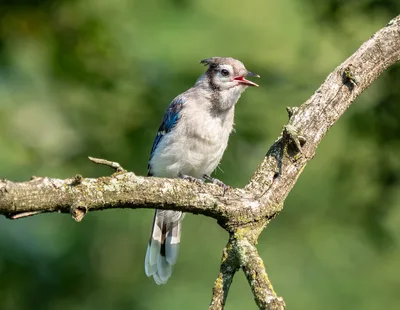 Blue jay
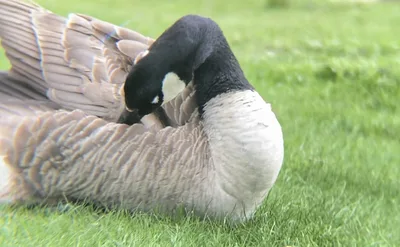 Canada goose
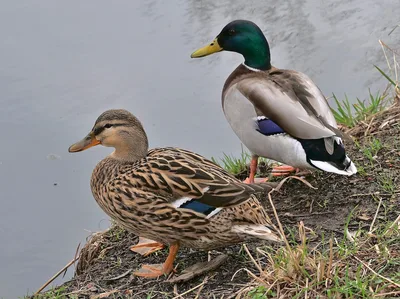 Mallard
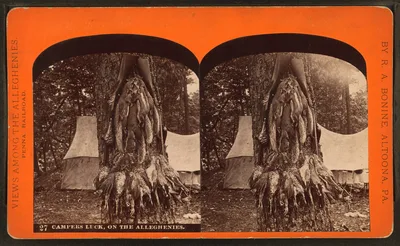 Passenger pigeon
 Rock dove
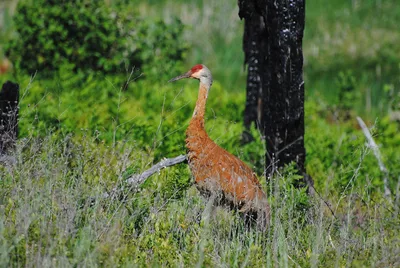 Sandhill crane
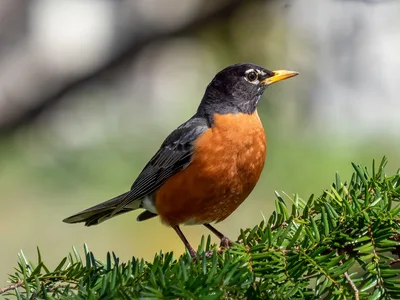 American robin
 Turkey vulture
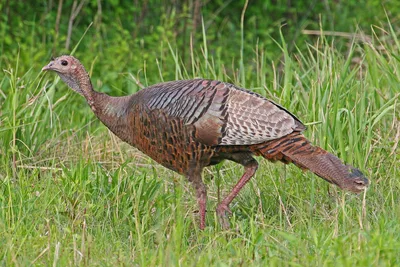 Wild turkey
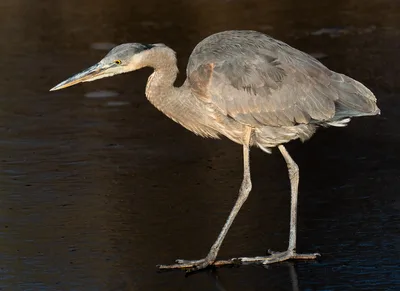 Great blue heron
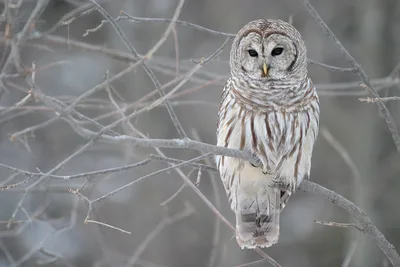 Barred owl
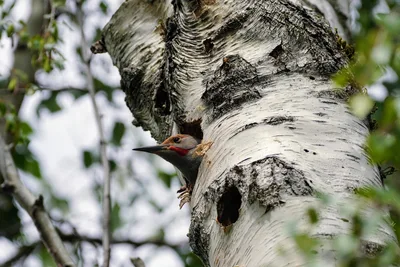 Northern flicker
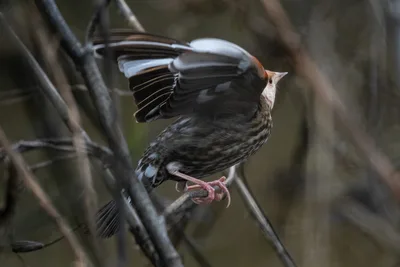 Red-winged blackbird
 Great egret
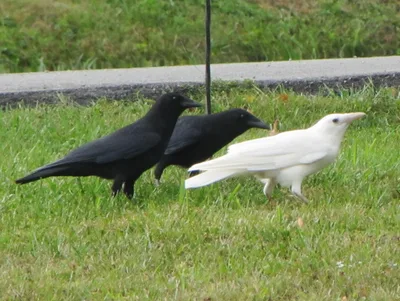 American crow
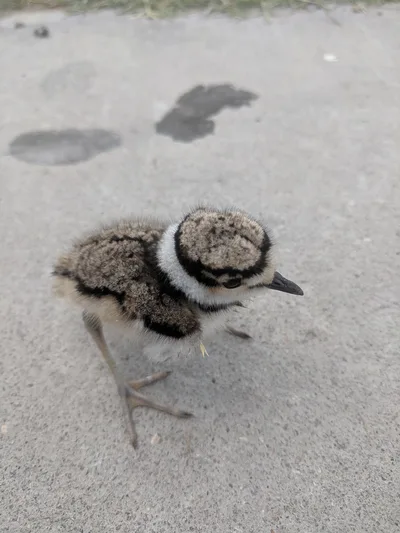 Killdeer
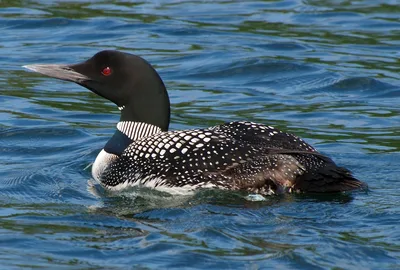 Common loon
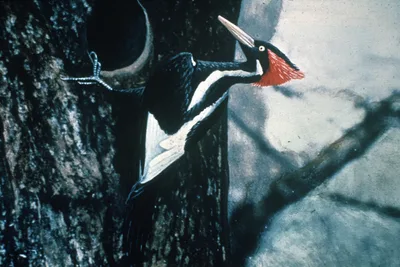 Ivory-billed woodpecker
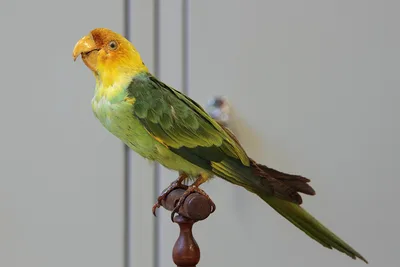 Carolina parakeet
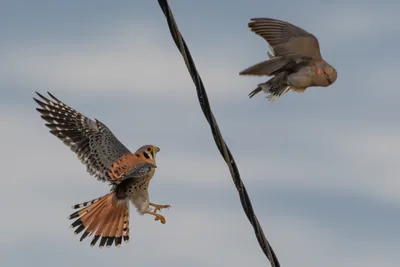 American kestrel
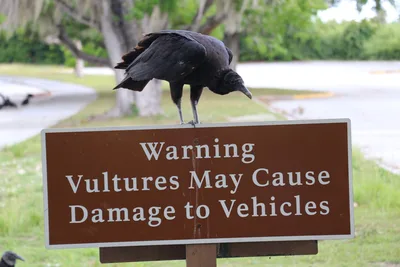 Black vulture
Food web
Predators
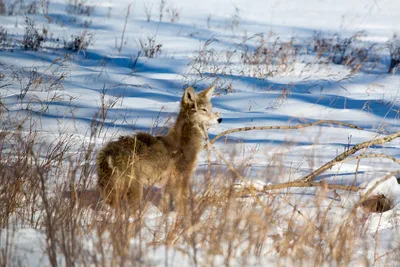 Coyote
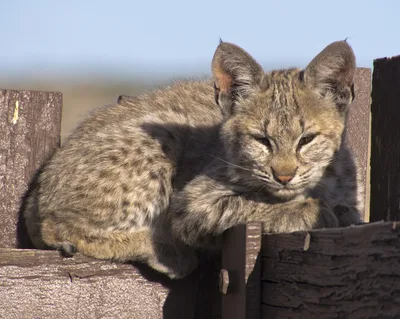 Bobcat
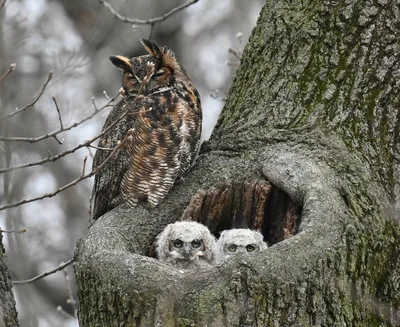 Great horned owl
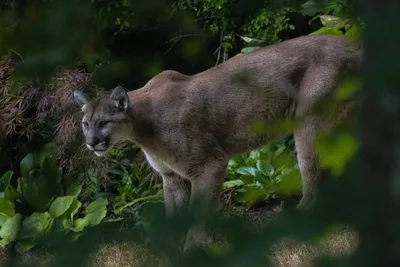 Cougar
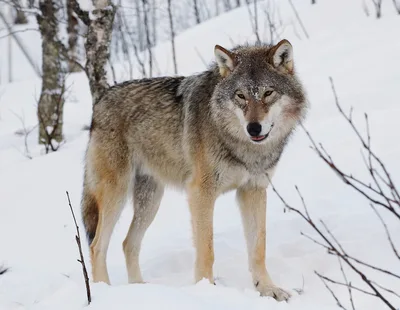 Gray wolf
Ecological equivalents
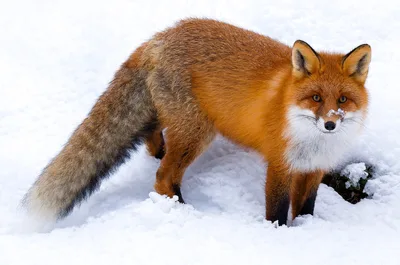
Related species on this site
Coati (same family), Kinkajou (same family), Olingo (same family), Aardwolf (same order), Abyssinian (same order), Affenpinscher (same order), and more.
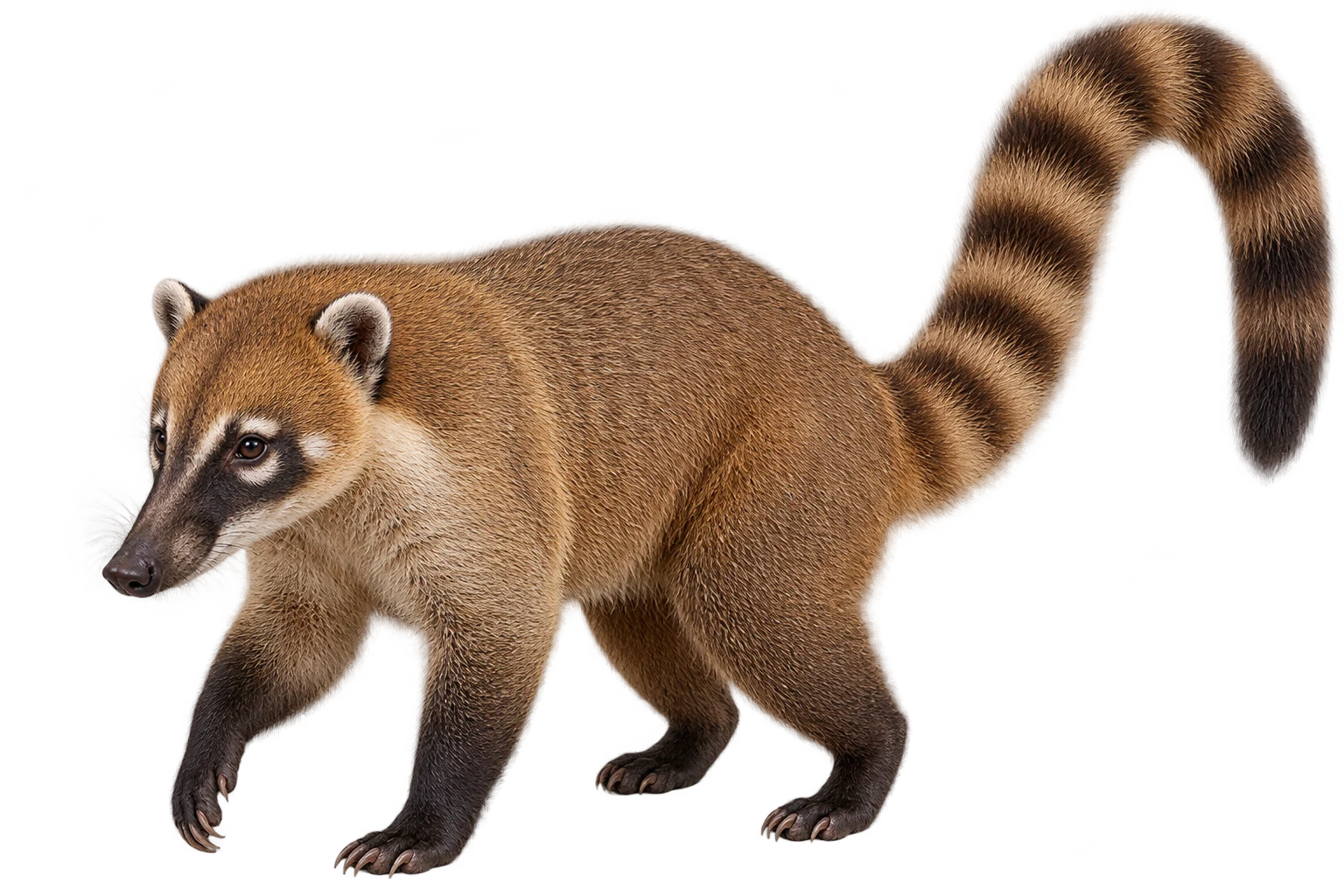
Mammals
Coati
Nasua
Classification and source reference
LivingAI illustration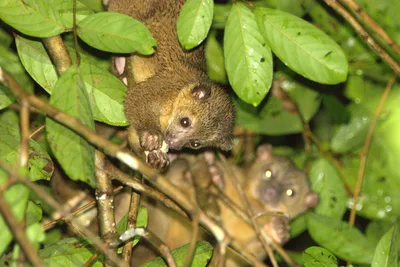 LC
Mammals
Kinkajou
Potos flavus
The kinkajou is a small nocturnal relative of the raccoon that lives in the canopy of tropical forests from Mexico to Brazil.
Living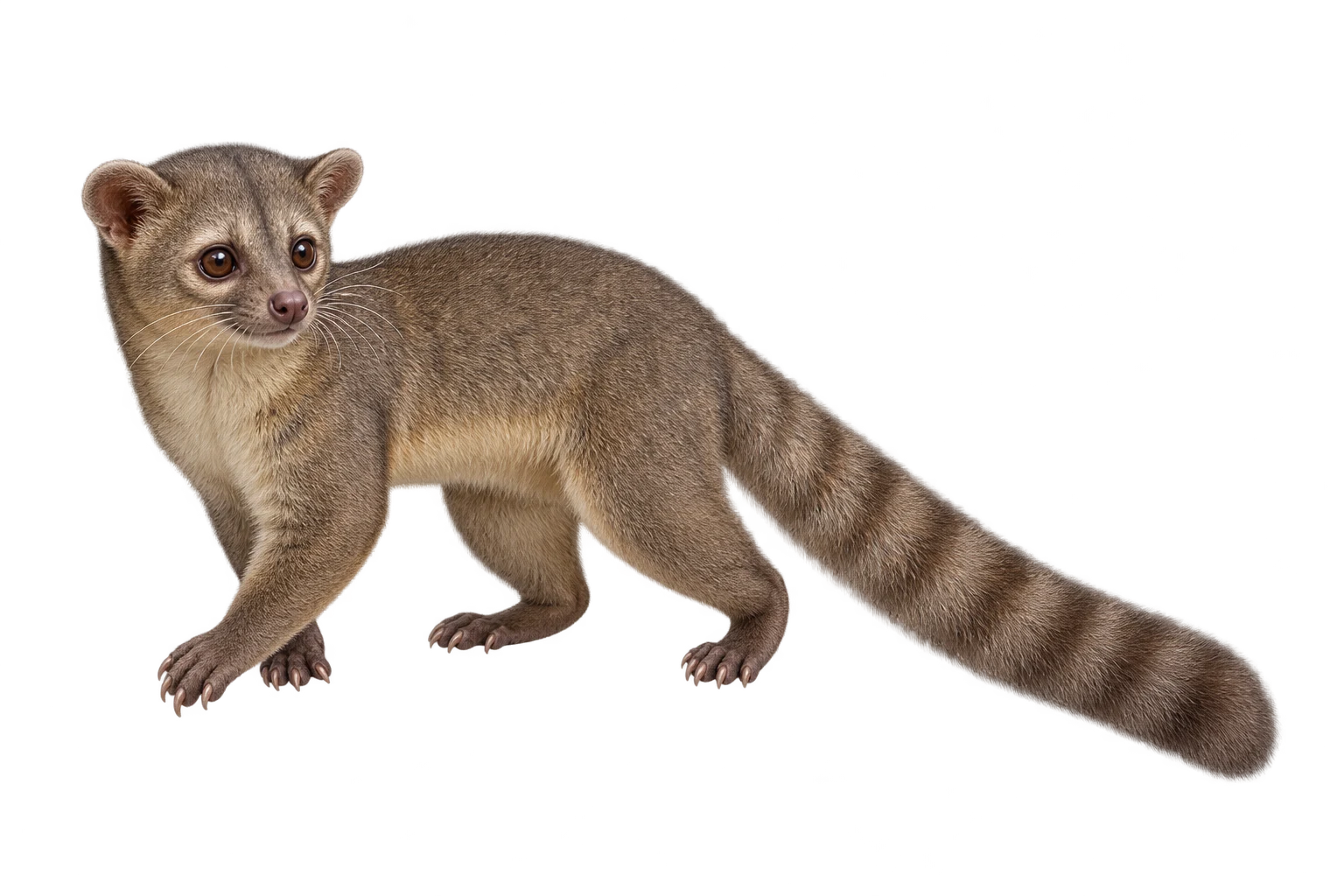
Mammals
Olingo
Bassaricyon
Classification and source reference
LivingAI illustration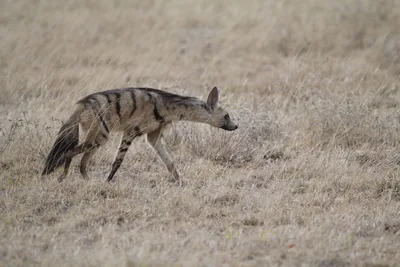 LC
Mammals
Aardwolf
Proteles cristata
The aardwolf is the smallest member of the hyena family and eats almost nothing but termites.
Living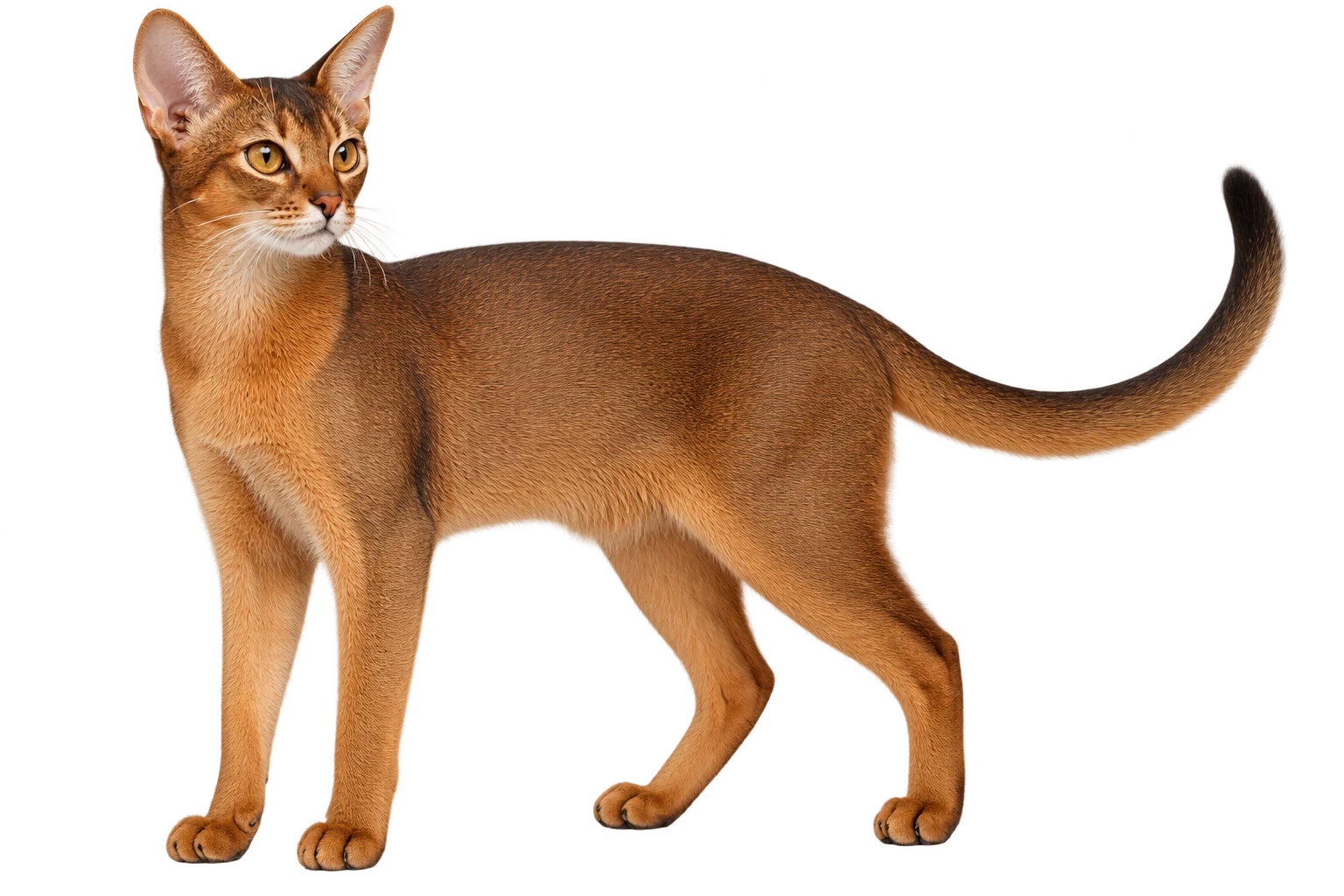
Mammals
Abyssinian
Felis catus
Classification and source reference
LivingAI illustration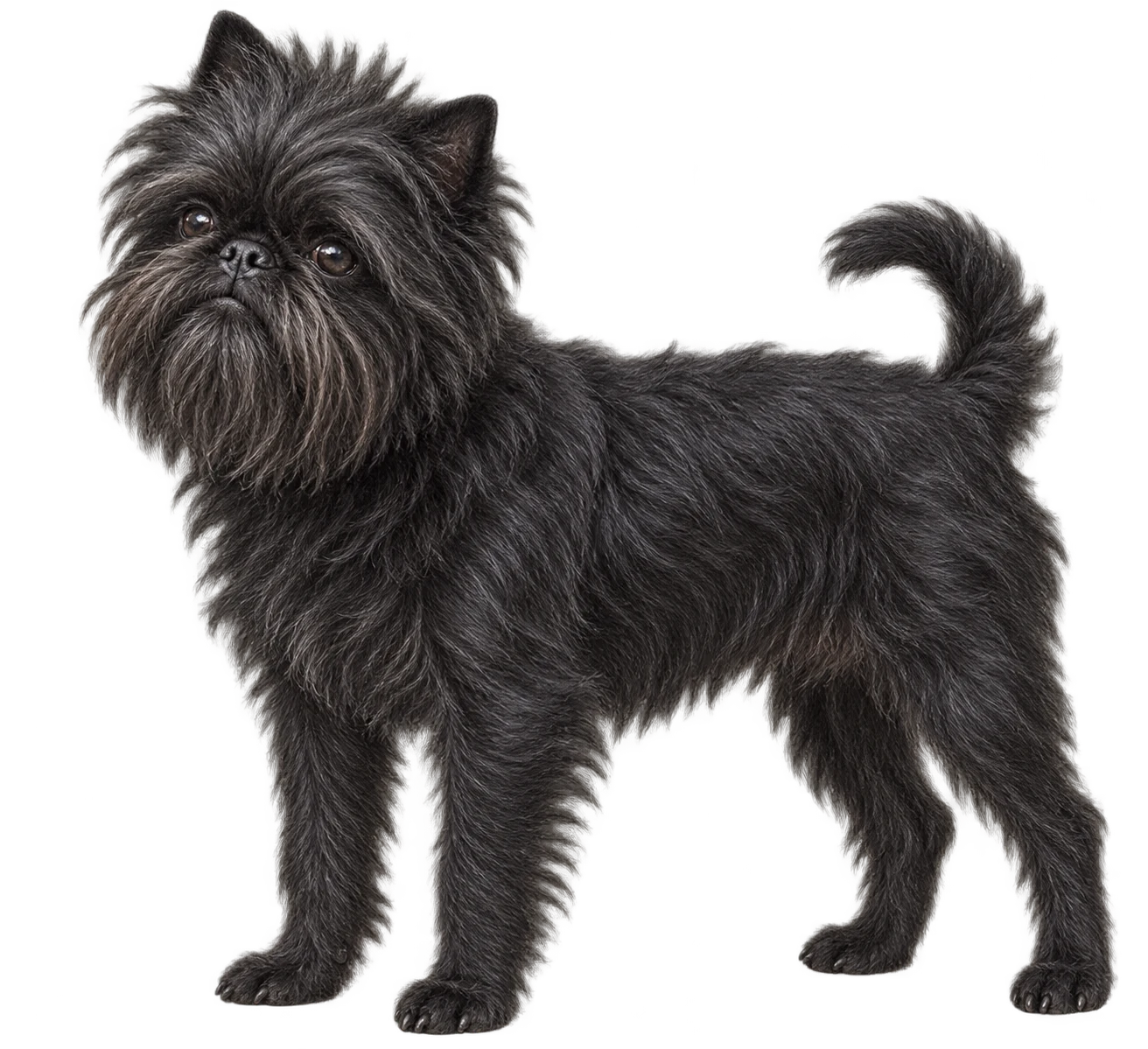
Mammals
Affenpinscher
Canis lupus familiaris
Classification and source reference
LivingAI illustration