Passenger pigeon
The commonest bird on Earth, gone in fifty years
Ectopistes migratorius
Also called Wild pigeon, Blue pigeon, Wandering long-tailed dove
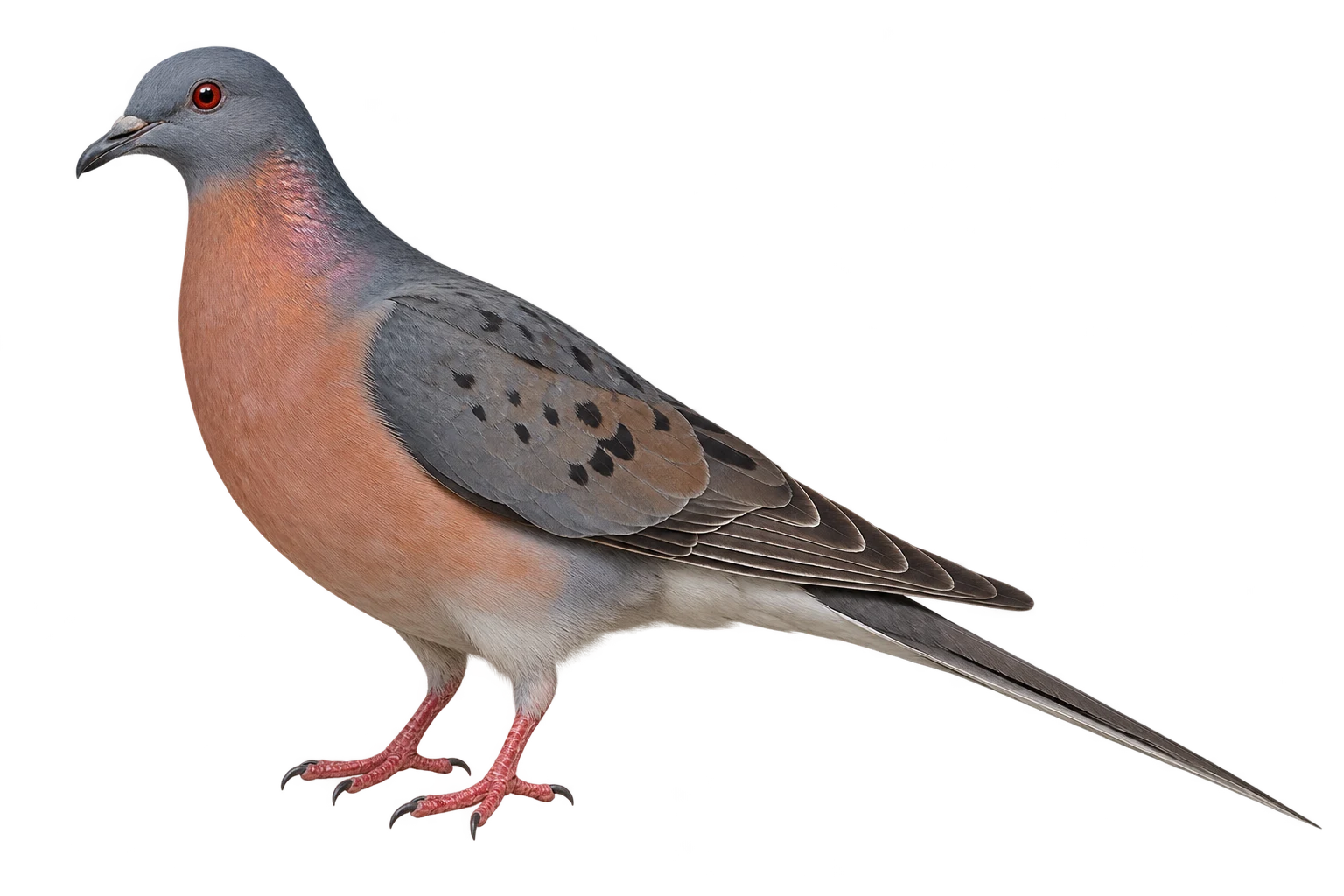
This animal is extinct. No living individuals remain.
Meet the passenger pigeon
The passenger pigeon was a fast, long-tailed pigeon of eastern North America that moved in flocks of millions. Market hunting and forest clearance destroyed it, and the last bird died in a zoo in 1914.
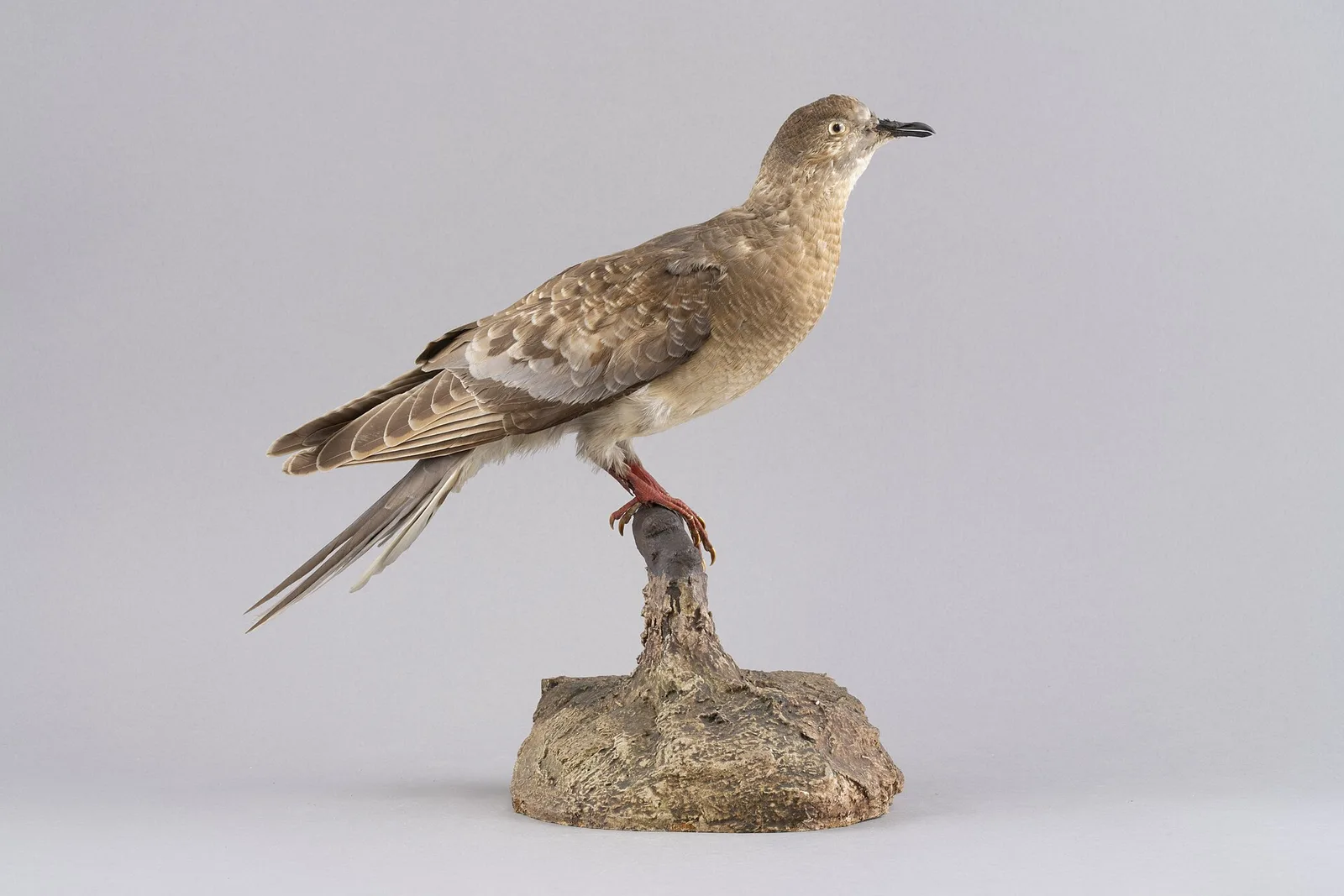
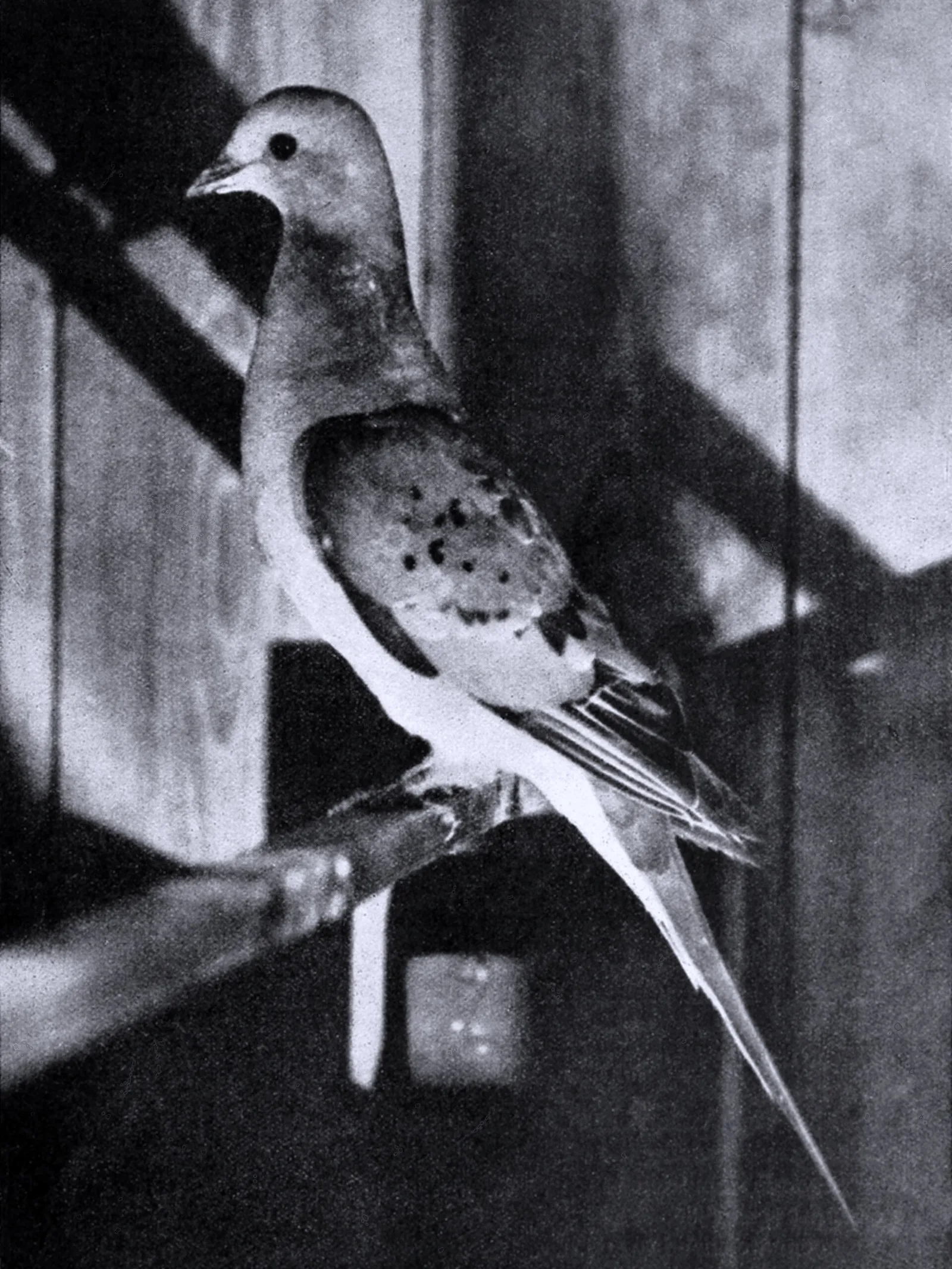
Images of the passenger pigeon
Lifespan
About 15 years Martha reached about 29; no one recorded the life of a wild bird
Weight
260 to 340 g
Length
38 to 41 cm
Top speed
About 100 km/h
Fact file
Passenger pigeon
- Location
- North America east of the Rocky Mountains
- Habitat
- Temperate forest, Wetlands
- Diet
- Omnivore
- Prey / food
- Beechnuts, acorns, chestnuts, berries, grain, worms, snails
- Predators
- Hawks, owls, martens, weasels, raccoons, foxes, black bears
- Lifestyle
- Nomadic, roosting and nesting in vast colonies
- Group name
- Flock
- Name of young
- Squab
- Incubation
- Incubation 12 to 14 days
- Clutch size
- One egg
- Population
- None; the species is extinct
- Biggest threat
- Market hunting and the clearing of the eastern forests
- Distinctive feature
- A long wedge-shaped tail and a bronze sheen on the neck
- Colour
- Blue-grey above, pinkish red below
- Skin type
- Feathers
Size
Next to a person
Measurements
Size and speed
- Length
- 38 to 41 cm males 39 to 41 centimetres, females 38 to 40
- Length, male
- 39 to 41 cm
- Length, female
- 38 to 40 cm
- Weight
- 260 to 340 g
- Top speed
- About 100 km/h an average estimated for migration
Typical adult ranges. Source: Wikipedia.
Life cycle
Lifespan
- In captivityAbout 15, up to 29 years Martha reached about 29; no one recorded the life of a wild bird
- 029 years
The pale bar is the record. Source: Wikipedia.
Appearance
Colour and coat
- Primary colours
- greypink
- Secondary colours
- blackwhitebrown
- Skin type
- feathers
- Male and female
- Clear. The male was larger, bluer above and richly pink below, with a bright sheen on the neck. The female was browner, duller and shorter in the tail.
Life cycle
Mating and family
- Mating system
- monogamous for one nesting
- Social structure
- nesting colonies of millions, called cities
- Breeding
- one egg, and probably one attempt a year
Pairs courted on a branch, then built a loose twig nest within two to four days. The female laid one white egg, and both birds sat on it for 12 to 14 days. The squab grew fast on crop milk and reached adult weight in about 14 days. The adults left after 13 to 15 days, and the young bird fluttered down and begged from other adults. Birds bred in the spring after they hatched.
Classification
Taxonomy
- Kingdom
- Animalia
- Phylum
- Chordata
- Class
- Aves
- Order
- Columbiformes
- Family
- Columbidae
- Genus
- Ectopistes
- Species
- Ectopistes migratorius
Conservation
Red List status
- LC
- NT
- VU
- EN
- CR
- EW
- EX
Extinct on the IUCN Red List
Range
Historical range: 3 countries
This animal is extinct. The map shows historical records, not a current living population.
Habitat layer: temperate broadleaf and mixed forest, temperate conifer forest, boreal forest and taiga, flooded grassland and savanna, mangrove.
Countries from 0 wild records on GBIF (iNaturalist research grade), filtered and checked by hand. Country shapes: Natural Earth. Habitat: RESOLVE Ecoregions 2017, CC BY 4.0. Basemap: Natural Earth.
Habitats
Three things to know
- 1
Flocks were so large that they darkened the sky for days on end.
- 2
Some writers rank it as the most numerous bird that has ever lived.
- 3
The last of its kind, a bird called Martha, died at Cincinnati Zoo in 1914.
Did you know
Seven more facts
- 1
The crop of a passenger pigeon stretched to about the size of an orange.
- 2
A joint in the lower bill let the bird swallow a whole acorn.
- 3
Dung under a roost could pile up more than 0.3 metres deep.
- 4
Both parents fed the chick crop milk, a curd made inside the throat.
- 5
The birds averaged about 100 kilometres per hour on migration.
- 6
At least 1,532 stuffed skins of the species survive in museums.
- 7
White oaks may hold the eastern forests today because the pigeons ate red oak acorns.
Field notes
How it looks and acts
Field notes
Distinguishing features
- A long wedge-shaped tail with white outer feathers.
- Bronze, violet and gold shine on the sides of the neck.
- A rich pink breast under a blue-grey head.
- Black spots scattered over the grey wing coverts.
- Coral red legs and a deep red eye ringed with purple.
- Long pointed wings on a narrow body of 38 to 41 centimetres.
Field notes
Unique adaptations
- Very large breast muscles drove a fast and tireless flight.
- A stretchy crop let a bird carry a full meal away from danger.
- A hinge in the bill allowed whole acorns to go down.
- Crop milk let both parents raise a chick on a diet of nuts.
- Nesting in huge numbers probably swamped the local predators.
Field notes
Interesting behaviours
- The flocks moved constantly in search of beech and oak mast.
- Birds at the back of a feeding flock flew over the top to the front.
- Roosting birds perched on one another's backs until branches broke.
- A bathing bird lay on each side in turn and lifted the upper wing to dry.
- A whole colony could abandon a site and nest again after a snowstorm.
Field notes
Temperament
- The bird raised its wings at a rival but almost never fought.
- It was alert and nodded its head in a circle when something worried it.
- It grew wary late in the decline and left nests when people came near.
- It was sociable to an extreme degree, and single birds hurried back to the flock.
Field notes
Communication
- A short keck note called the attention of another bird.
- A rapid scolding was aimed at a mate or at an enemy.
- A long drawn note could bring a passing flock down to a tree.
- A soft cooing note was kept for a mate at the nest.
- The harsh loud voice probably suited life in a crowded colony.
Ecology
Ecological role
Some ecologists treat the passenger pigeon as a keystone species of the eastern forest. It ate mast in enormous quantity, broke open the canopy, and dumped nutrients on the ground.
- It ate acorns, beechnuts and chestnuts on a scale no other bird matched.
- Its dung killed ground plants and fed the soil for years afterwards.
- Broken limbs and dead leaves under a roost probably fed forest fires.
- Its loss may have helped red oaks spread and white-footed mice increase.
Stories
Myths and legends
- In Wyandot belief the dead came back as pigeons for the Feast of the Dead.
- In Seneca tradition a white pigeon ruled the colony and was owed an offering.
- In Ho-Chunk custom the bird was the chief's, and appeared at a chief's feast.
- In Choctaw the bird's name meant lost dove.
- In early colonial belief a great flight foretold sickness or bad luck.
People
Relationship with humans
People
Living alongside us
The passenger pigeon fed people in North America for thousands of years. Indigenous nations took the young and left the adults alone, and some treated the bird as sacred. European settlers hunted it far harder, and railways and the telegraph turned that hunting into an industry. Cheap pigeon meat filled city markets while the forests came down for farmland. The two pressures together ended the species inside a human lifetime.
- The passenger pigeon was harmless and ate nuts, fruit and small invertebrates.
- A settling flock could break branches, which may have been a risk below.
- Farmers lost crops to feeding flocks, but no one was hurt by the birds.
People
Status, uses and products
- Domestication
- Wild
- As a pet
- Not suitable. The species is extinct, so nobody can keep one. Captive birds were kept in zoos and aviaries and bred badly. The last flocks needed company in the thousands, and no cage could give them that.
- Uses
- foodsport shootingbeddingfolk medicinepig feed
- Products
- meatfatfeathers
The full account
About the passenger pigeon
The passenger pigeon was a long-tailed pigeon of eastern North America. A male measured 39 to 41 centimetres and weighed 260 to 340 grams. It was blue-grey above and pinkish below, with a bronze sheen on the neck. It moved in flocks that people described as darkening the sky.
No other bird is thought to have reached such numbers. Estimates put the peak population at three to five billion birds. Market hunting and the clearing of the forests brought it down within fifty years. The last certain wild bird was shot in Illinois in 1901. The last bird of all, named Martha, died at Cincinnati Zoo in 1914.
Name and taxonomy
The passenger pigeon sat in the pigeon and dove family, Columbidae. Its genus name means moving about, and the species name points to migration. The English name comes from a French word for passing by. People also called it the wild pigeon, the blue pigeon and the wood pigeon.
Carl Linnaeus treated this bird and the mourning dove as one species in 1758. William Swainson gave it a genus of its own in 1827. The long tail and the shape of the wings were his reasons. A ruling in 1955 finally fixed a separate name on each of the two birds. Indigenous names include amimi in Lenape, omiimii in Ojibwe and jahgowa in Seneca. The Seneca name meant big bread, because the bird fed the people.
Evolution and relatives
The oldest fossil of the genus is a single wing bone from North Carolina. It comes from rock laid down in the Pliocene, several million years ago. Bone shape once put the Zenaida doves closest to the passenger pigeon. Some writers even placed the mourning dove in the same genus.
DNA work in 2010 and 2012 moved the nearest place to the Patagioenas pigeons. The band-tailed pigeon of western North America is one of that group. The ancestors may have reached the New World from South East Asia. The bird had no subspecies. It crossed with a Barbary dove in one aviary, but the young could not breed. A genome study in 2017 found low genetic variety despite the huge population.
Appearance
An adult male measured 39 to 41 centimetres and a female 38 to 40. The weight of the bird ran from 260 to 340 grams. The male had a blue-grey head, nape and hindneck. Feathers on the side of the neck flashed bronze, violet or gold as he turned. The breast was a rich pink that faded to white on the belly.
Black spots marked the wing coverts, and the outer tail feathers were white. The bill was black, the legs coral red, and the iris deep red. A female was duller, browner and shorter in the tail than her mate. A young bird looked scaled, because pale edges rimmed the wing feathers. The wings were long and pointed and the tail was wedge-shaped. Heavy breast muscles and a keel 25 millimetres deep powered the flight.
Habitat and range
The species held North America east of the Rocky Mountains. Its range reached from the Great Plains east to the Atlantic shore. The deciduous forests of the east were its main ground. Most breeding took place around the Great Lakes and in southern Ontario. Band-tailed pigeons may have kept the species out of the western woods.
Winter flocks lay from Arkansas and Tennessee south to Texas and northern Florida. The birds liked large swamps with alder, or pine woods when no swamp was near. Strays turned up in Cuba, Bermuda, Mexico and even in Scotland and Ireland. More than 130 fossils have been found across 25 states. Some are 100,000 years old and lie well west of the historic range.
Diet and feeding
Beech and oak mast carried the flocks through autumn, winter and spring. Beechnuts, acorns and chestnuts were the main food in those seasons. In summer the birds turned to blueberries, grapes, cherries and mulberries. They also took worms, caterpillars and snails, above all while breeding. Buckwheat and other grain went the same way when a flock found a field. The birds were very fond of salt and gathered at brackish springs.
A feeding flock rolled forward as birds at the back flew over to the front. The birds turned over leaves, soil and snow with their bills. A flock could strip almost every nut and berry from its path. Birds flew 100 to 130 kilometres from the roost and back in a day. A joint in the lower bill let a pigeon swallow an acorn whole. The crop stretched to the size of an orange and held 17 acorns or 28 beechnuts.
Behaviour and social life
The passenger pigeon was nomadic and never stayed long in one place. On migration it averaged about 100 kilometres per hour. Flocks flew in narrow twisting columns that rose and fell together. They passed as low as 1 metre in wind and as high as 400 metres. John James Audubon watched a flight in 1813 that ran for three days.
One flock in southern Ontario in 1866 measured 1.5 kilometres wide. That flock was reported as 500 kilometres long and took 14 hours to pass. Roosts covered anything from a few acres to 260 square kilometres. Birds piled on each other's backs, and thick branches snapped under the weight. Dung built up below a roost to more than 0.3 metres deep. On the ground the bird was awkward and walked in short jerky steps.
Communication and senses
The noise of a flock was deafening and could be heard from far off. Listeners called the voice loud, harsh and unmusical. The birds croaked while they built nests and made bell-like notes while mating. An alarm note from one feeding bird set the whole flock calling and rising.
Wallace Craig wrote the calls down in 1911 from birds held in an aviary. A short keck served to draw the notice of another pigeon. A scolding series was aimed at a mate or at an enemy. A drawn out note could bring a passing flock down into a nearby tree. Females called far less often than males. Sharp eyes and long flights let the flocks find mast over a wide country.
Reproduction and life cycle
The birds probably bred once a year, and the whole cycle took about 30 days. Flocks reached the nesting ground in March in the south and later in the north. Nesting colonies were known as cities and could cover thousands of hectares. The largest on record stood in central Wisconsin in 1871. It covered 2,200 square kilometres, and counts ran to well over a hundred million birds.
Courtship took place on a branch rather than on the ground. The male flapped his wings hard, called, and pressed against the female. A willing female pressed back, and the pair preened and billed. The nest took two to four days and used 70 to 110 twigs. It formed a loose shallow bowl thin enough to see the egg through. Nests sat from 2 to 20 metres up, often more than 50 in one tree.
One white egg was normal, about 40 by 34 millimetres. Both parents sat on it for 12 to 14 days. The squab hatched blind under thin yellow down. It fed on crop milk at first and matched its parents in weight within 14 days. After 13 to 15 days the adults fed it once more and left the colony together. The young bird dropped to the ground, begged from other adults, and flew days later.
Predators and threats
A nesting city drew minks, weasels, martens and raccoons to the eggs and young. Owls, hawks and eagles took nestlings and adults alike. Wolves, foxes, bobcats, black bears and cougars picked up fallen young. Cooper's hawk was so good at the work that people called it the great pigeon hawk.
The size of a flock protected each bird, and hunters took only a small share. An undisturbed colony was thought to raise about 90 per cent of its young. Swamping the predators may be one reason the birds crowded together. Weather killed many, and spring freezes caught flocks that moved north too early. Two kinds of feather louse lived on the bird. No record exists of a wild passenger pigeon dying of disease.
Population and conservation
No bird in North America was ever more abundant than this one. One researcher put it at 25 to 40 per cent of all land birds in the United States. Numbers fell slowly between about 1800 and 1870. The fall then turned into a crash between 1870 and 1890. The last great nesting was at Petoskey in Michigan in 1878. Hunters killed 50,000 birds a day there for nearly five months.
Protection laws existed, but they were vague and nobody enforced them. An Ohio committee in 1857 ruled that the bird was too prolific to need help. The last wild nest and egg were taken near Minneapolis in 1895. A male shot near Oakford, Illinois, in 1901 is the last certain wild record. Martha died on 1 September 1914, and the IUCN lists the species as Extinct.
At least 1,532 skins and 16 skeletons survive in museums around the world. The loss of the bird pushed the young conservation movement into new laws. The IUCN still cites the species when a common animal is called at risk. One group now works on rebuilding the genome from museum skins. Critics say the money would probably save more if it went to living species.
Relationship with humans
Indigenous people ate the bird for thousands of years before Europeans arrived. Many took only the fat young, at night, with long poles. Some nations counted disturbing the adult birds as a crime. The fat was stored in quantity and used in the way people use butter. In the south-east only the wild turkey mattered more as game.
European hunting was heavier from the start. Men at Fort Caroline killed close to 10,000 pigeons in seven weeks in 1565. Commercial netting and shooting began in the early nineteenth century. Railways then carried barrels of dead birds to city markets. The telegraph told the trappers where the next flock had settled. One town shipped 1.8 million pigeons in 1851 alone.
At least 600 people worked as pigeon trappers in 1874, and 1,200 by 1881. Live birds were used as targets, and one contest demanded 30,000 kills to win. Feathers filled beds and pillows across the eastern states. Chemists sold the blood, the stomach lining and the dung as medicine. Farmers treated a feeding flock as a plague on the crop.
In culture and myth
In Wyandot belief a dead person's soul turned into a passenger pigeon. The change was said to come round with the Feast of the Dead, every twelve years. In Seneca tradition a white pigeon led the colony and a Council of Birds sent it. Seneca people left wampum and brooches for the old birds before taking the young. They kept a pigeon dance as a way of giving thanks.
In Ho-Chunk custom the bird belonged to the chief and was served at his feast. In Choctaw the name meant lost dove. Early colonists read a huge flight as a warning of sickness to come. Audubon painted the best known picture of the bird for The Birds of America.
Aldo Leopold spoke at a monument to the species in Wisconsin in 1947. He said that in time only the hills would remember the bird. A statue of Martha stands at Cincinnati Zoo beside the hut where she lived. Her mounted body has been called a monument to extinction. Writers, painters and songwriters still return to the story.
A sentence with a dotted underline is inferred: it describes the group the animal belongs to, or is a reading of the sources, rather than a measured or reported fact about this species.
Questions
Passenger pigeon questions, answered
When did the passenger pigeon go extinct?
The last certain wild bird was shot near Oakford, Illinois, in 1901. The last bird of all, Martha, died at Cincinnati Zoo on 1 September 1914.
Why did the passenger pigeon go extinct?
Market hunting and forest clearance did it together. Cheap meat and railways made the killing industrial, and the birds needed vast colonies to breed at all.
How many passenger pigeons were there?
Estimates put the peak at three to five billion birds. One researcher thought the species made up 25 to 40 per cent of all land birds in the United States.
Who was Martha the passenger pigeon?
She was the last known member of the species. She lived at Cincinnati Zoo, died on 1 September 1914, and is now mounted at the Smithsonian.
How big was a passenger pigeon?
A male was 39 to 41 centimetres long and a female 38 to 40. Both weighed between 260 and 340 grams.
How fast could a passenger pigeon fly?
About 100 kilometres per hour on migration. The bird was as quick through trees as it was in open air.
What did passenger pigeons eat?
Mostly beechnuts, acorns and chestnuts, with berries and soft fruit in summer. They also took worms, caterpillars and snails, and grain from farm fields.
How many eggs did a passenger pigeon lay?
One white egg was the rule. If the egg was lost, the female could lay again within a week.
How big were passenger pigeon flocks?
One flock in Ontario in 1866 was reported as 1.5 kilometres wide and 500 kilometres long. It took 14 hours to pass a single point.
Is the mourning dove related to the passenger pigeon?
They belong to the same family and look alike, and people once confused them. Genetic work shows the Patagioenas pigeons are the closer kin.
Can the passenger pigeon be brought back?
One American group is working on it, using DNA from museum skins. The genetic material is damaged, and the plan is far from a living bird.
How long did passenger pigeons live?
Captive birds reached about 15 years, and Martha was about 29 at her death. Nobody recorded the life of a wild bird.
What ate passenger pigeons?
Hawks, owls and eagles hunted them in the air and at the nest. Martens, weasels, raccoons, foxes and black bears took eggs and fallen young.
Were there laws to protect the passenger pigeon?
Yes, but they came late and did little. The wording was vague, few offenders were charged, and the big companies carried on.
What did the loss of the passenger pigeon change?
It shook public opinion and helped build the conservation movement. Ecologists also link the loss to a shift in eastern forests towards red oaks.
Food web
Prey and food
- beechnuts
- acorns
- chestnuts
- berries
- grain
- worms
- snails
Food web
Predators
- hawks
- owls
- martens
 Least weasel
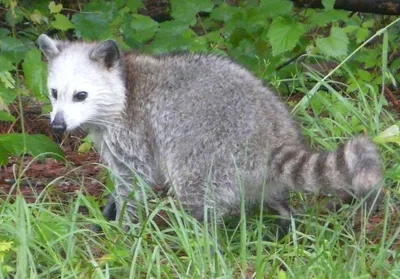 Raccoon
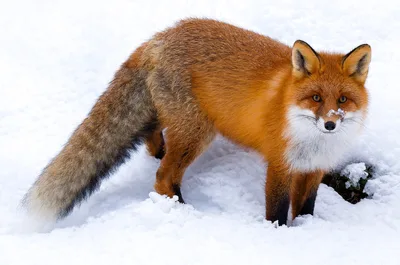 Red fox
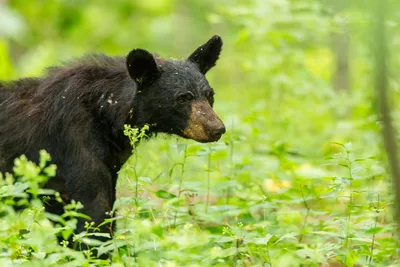 American black bear
Ecological equivalents
Related species on this site
Dodo (same family), Eurasian collared dove (same family), Mourning dove (same family), Nicobar pigeon (same family), Pigeon (same family), Pink-Necked Green Pigeon (same family), and more.
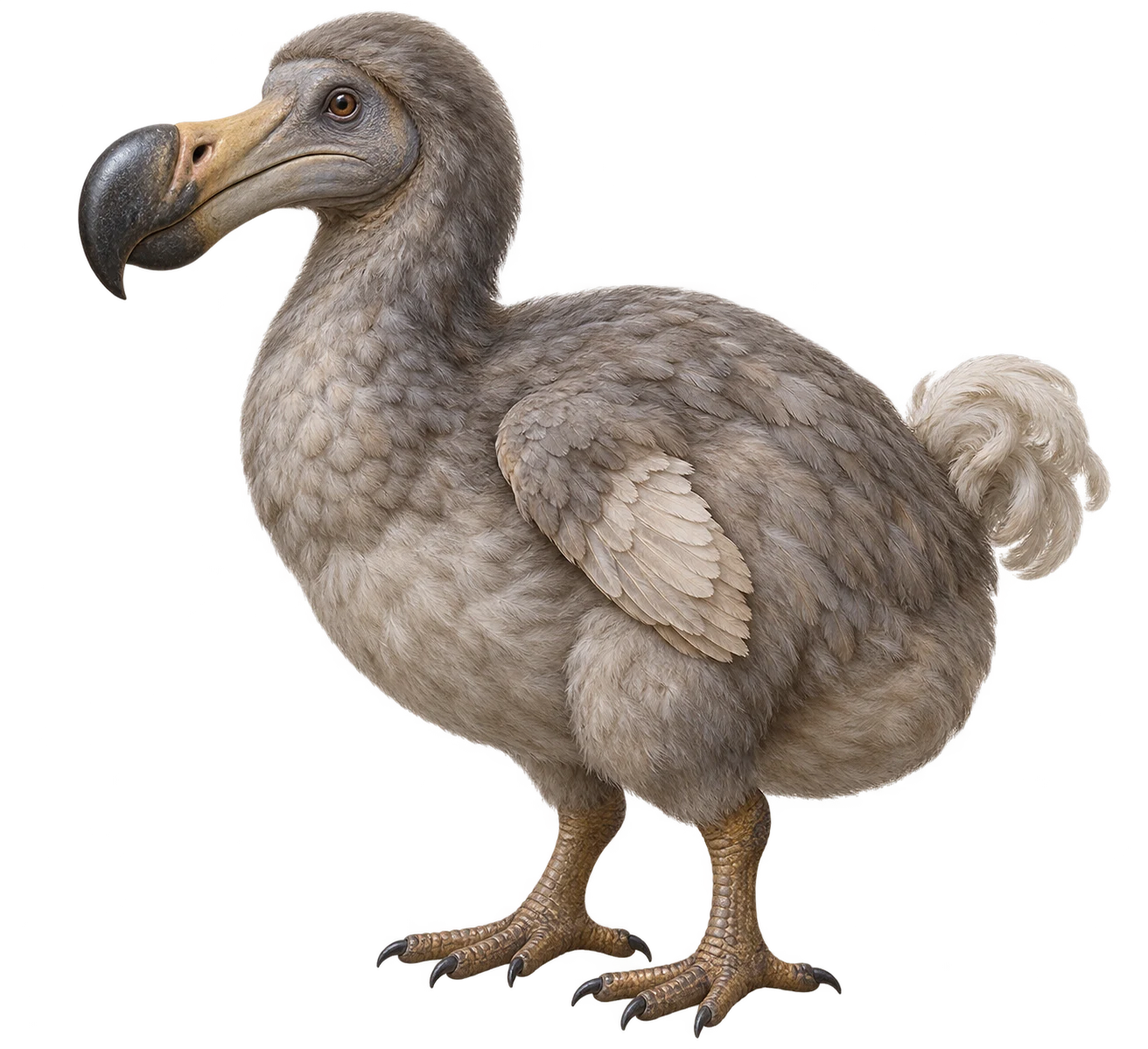 EX
Birds
Dodo
Raphus cucullatus
The dodo was a flightless pigeon that lived only on Mauritius, and it is now extinct.
ExtinctAI reconstruction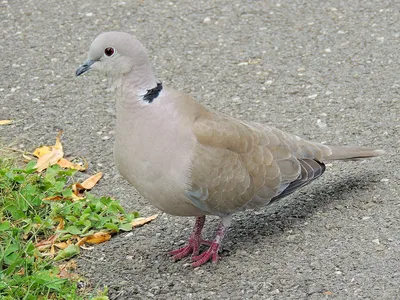 LC
Birds
Eurasian collared dove
Streptopelia decaocto
The Eurasian collared dove is a pale grey dove with a black half-collar on the neck.
Living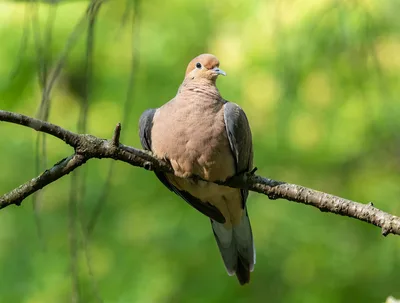 LC
Birds
Mourning dove
Zenaida macroura
The mourning dove is a slim grey-brown dove of open country, farmland and gardens across North America.
Living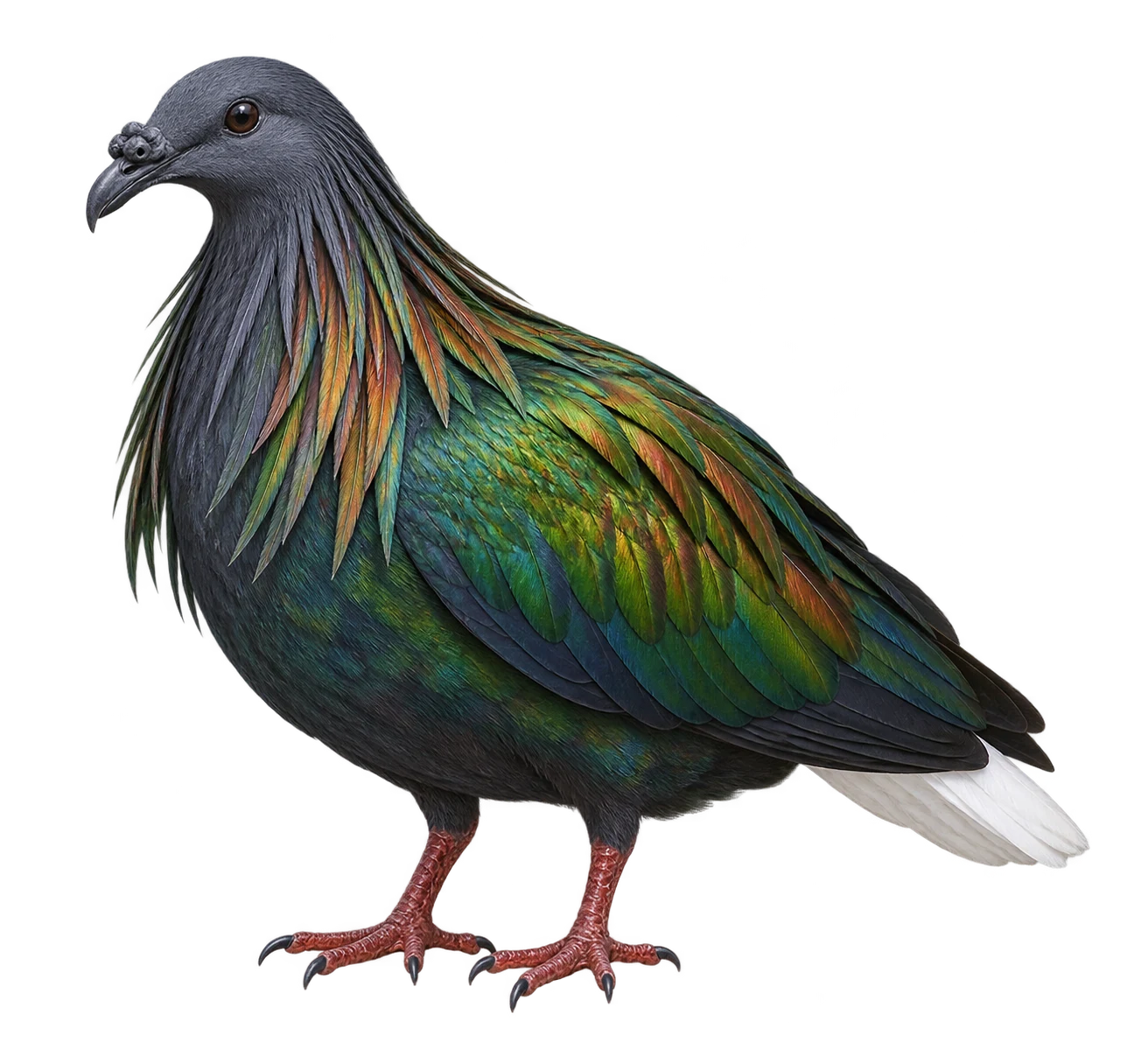
Birds
Nicobar pigeon
Caloenas nicobarica
Classification and source reference
LivingAI illustration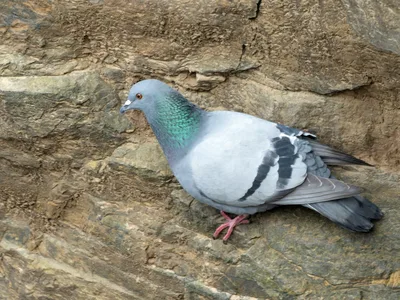
Birds
Pigeon
Columbidae
Pigeons include a wide variety of birds.
Living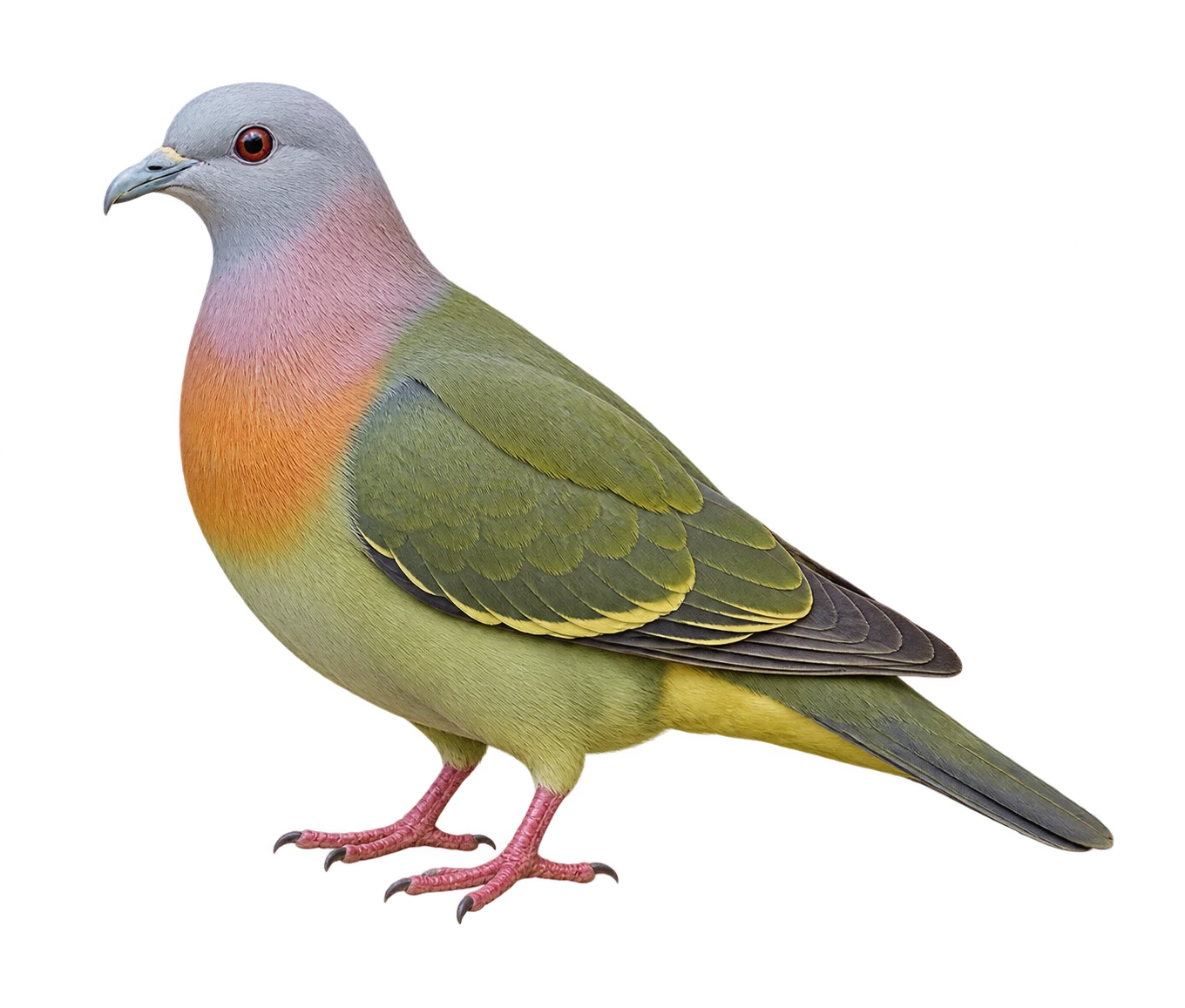
Birds
Pink-Necked Green Pigeon
Treron vernans
Classification and source reference
LivingAI illustration