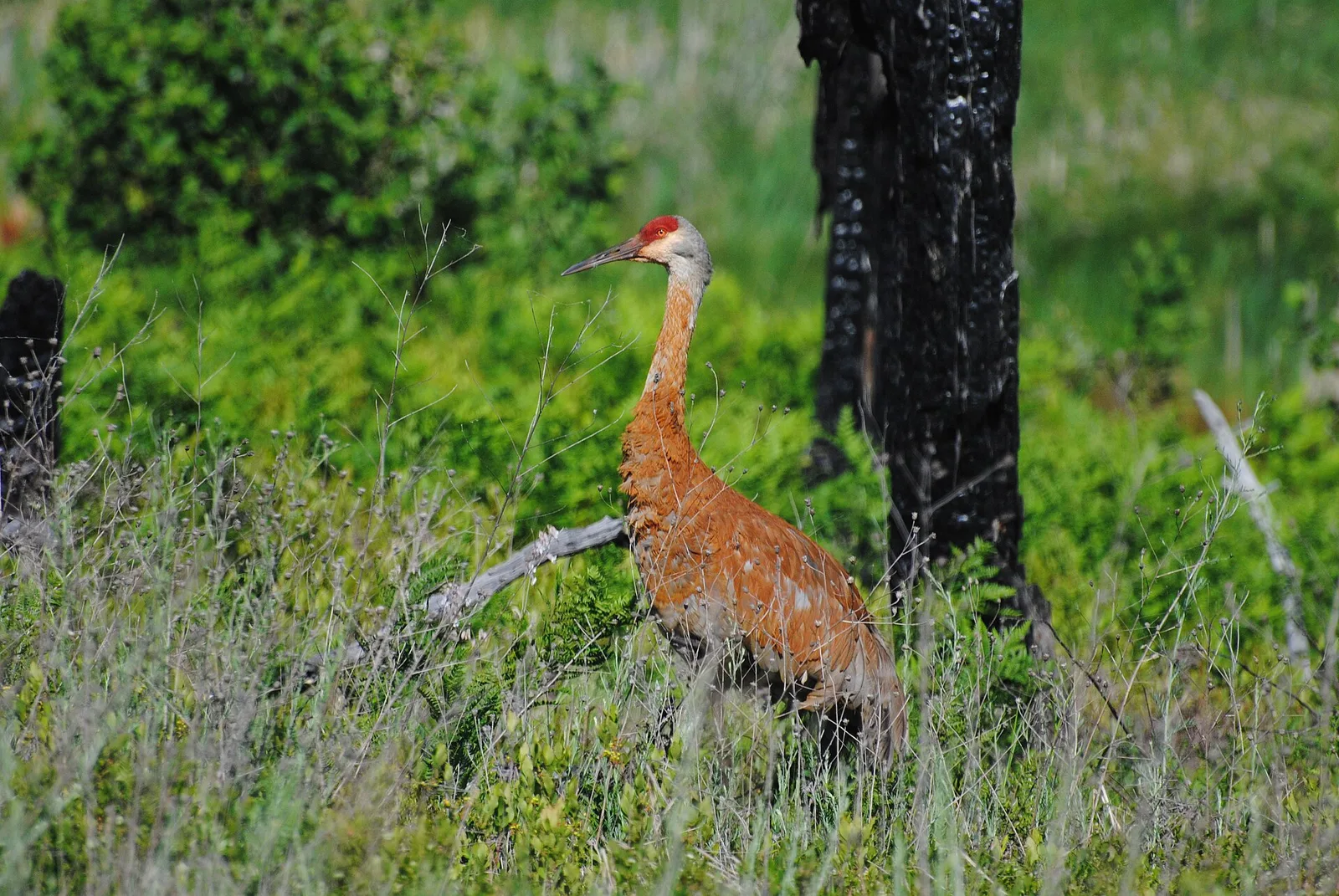
Sandhill crane
A grey crane that dances and calls across the prairie
Grus canadensis
Also called Lesser sandhill crane, Greater sandhill crane
Living individuals or members of this group exist today. This does not mean they are safe from extinction.
Meet the sandhill crane
The sandhill crane is a tall grey crane of North American marshes, wet meadows and grain fields. It dances to court, calls in duet with its mate, and gathers by the hundred thousand on the Platte River in spring.
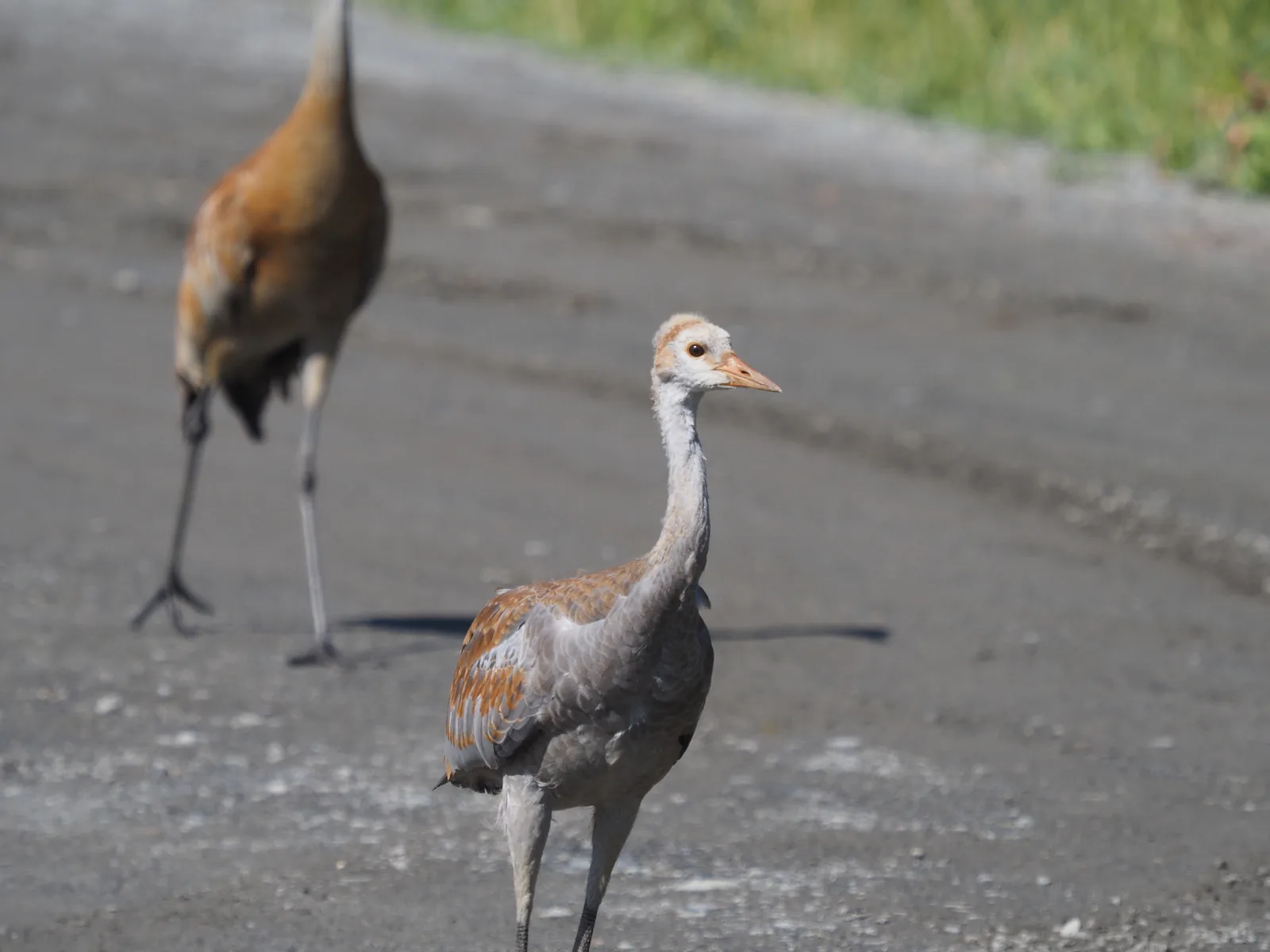
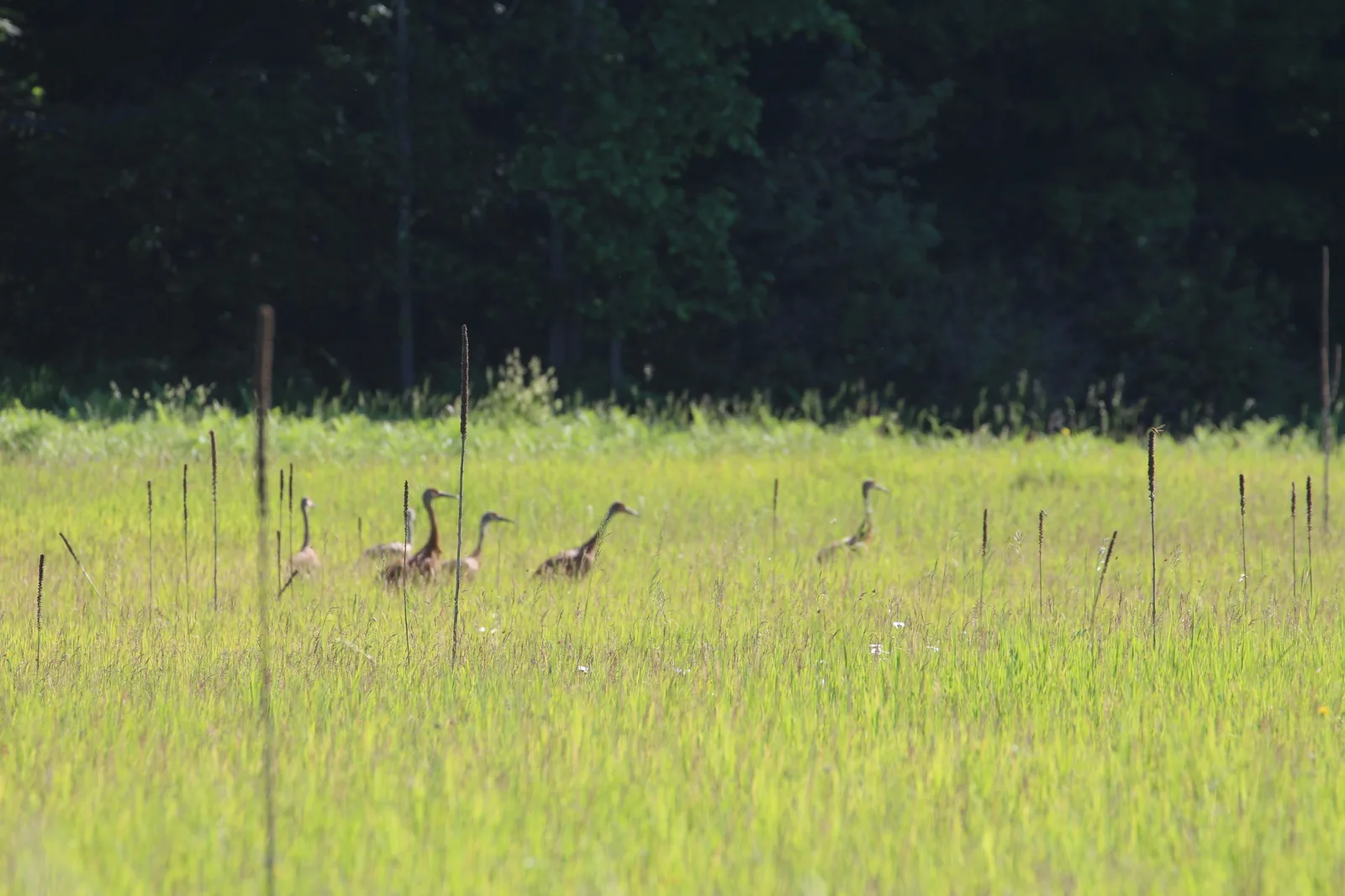
Images of the sandhill crane
Lifespan in the wild
About 7 years a bird that reaches independence can expect about seven years; the oldest banded bird was 21.6, and AnAge records 36.6
Weight
2.7 to 6.7 kg
Length
0.94 to 1.19 m
Height
0.8 to 1.36 m
Fact file
Sandhill crane
- Location
- North America, north-east Siberia and Cuba
- Habitat
- Wetlands, Grassland, Rivers and lakes
- Diet
- Omnivore
- Prey / food
- Waste corn, wheat, sorghum, berries, insects, snails, mice, frogs
- Predators
- Coyotes, ravens, raccoons, mink, great horned owls, eagles, bobcats
- Lifestyle
- Active by day, in pairs and family groups, partly migratory
- Group name
- Flock
- Name of young
- Chick
- Incubation
- Incubation 29 to 32 days
- Clutch size
- One to three eggs, usually two
- Population
- About 400,000 lesser sandhill cranes, and nearly 100,000 greater
- Biggest threat
- Loss of wetland habitat, plus legal hunting in 17 states
- Distinctive feature
- A bare red crown over a white cheek
- Colour
- Grey, often stained rusty brown in the breeding season
- Skin type
- Feathers
Size
Next to a person
Measurements
Size and speed
- Height
- 0.8 to 1.36 m
- Length
- 0.94 to 1.19 m averages for the smallest and the largest subspecies
- Wingspan
- 1.65 to 2.3 m
- Weight
- 2.7 to 6.7 kg across the subspecies; males average 4.57 kilograms and females 4.02
- Weight, male
- About 4.57 kg
- Weight, female
- About 4.02 kg
Typical adult ranges. Source: Wikipedia.
Life cycle
Lifespan
- In the wildAbout 7, up to 36.6 years a bird that reaches independence can expect about seven years; the oldest banded bird was 21.6, and AnAge records 36.6
- 036.6 years
The pale bar is the record. Source: AnAge.
Appearance
Colour and coat
- Primary colours
- grey
- Secondary colours
- redwhitebrown
- Skin type
- feathers
- Male and female
- Slight. Males and females carry the same plumage. The male is usually the heavier bird, at about 4.57 kilograms against 4.02 for the female.
Life cycle
Mating and family
- Mating system
- monogamous pairs, usually for life
- Social structure
- family groups within larger flocks
- Breeding
- one brood a year, of one to three eggs
Pairs form on spring migration and hold together through dancing and duet calls. Both birds build a nest of marsh plants, and the female lays one to three eggs. The pair share the sitting, and the eggs hatch after 29 to 32 days. Chicks walk within a day and stay with their parents for 10 to 12 months. Young birds join non-breeding flocks and start breeding between two and seven years old.
Classification
Taxonomy
- Kingdom
- Animalia
- Phylum
- Chordata
- Class
- Aves
- Order
- Gruiformes
- Family
- Gruidae
- Genus
- Grus
- Species
- Grus canadensis
Conservation
Red List status
- LC
- NT
- VU
- EN
- CR
- EW
- EX
Least Concern on the IUCN Red List
Range
Recorded in 3 countries
Habitat layer: tropical grassland, savanna and shrubland, temperate grassland, savanna and shrubland, flooded grassland and savanna, mangrove.
Countries from 60,326 wild records on GBIF (iNaturalist research grade), filtered and checked by hand. Country shapes: Natural Earth. Habitat: RESOLVE Ecoregions 2017, CC BY 4.0. Basemap: Natural Earth.
Habitats
Three things to know
- 1
Up to 450,000 cranes stop on the central Platte River in Nebraska each year.
- 2
A pair calls in a duet, and the female gives two notes for each one from the male.
- 3
The oldest crane fossils that can be pinned to this species are 2.5 million years old.
Did you know
Seven more facts
- 1
A soaring flock traces the shape of a rising column of warm air.
- 2
The name of the bird comes from the Sandhills country of Nebraska.
- 3
A peregrine falcon once killed an adult crane of 3.1 kilograms in a dive.
- 4
Sandhill cranes can cross with whooping cranes, but the young cannot breed.
- 5
The first bird ever hatched from thawed frozen sperm was a Mississippi crane.
- 6
The lesser sandhill crane is the most numerous crane on Earth.
- 7
Chicks stay with their parents for 10 to 12 months.
Field notes
How it looks and acts
Field notes
Distinguishing features
- A bare patch of red skin across the forehead of an adult.
- A clean white cheek on an otherwise grey head.
- A straight neck held out in flight, unlike a heron.
- A wingspan of 165 to 230 centimetres on a slow soaring flight.
- Rusty brown staining on the back and wings in the breeding season.
- A long dark bill and long dark legs that trail behind in flight.
Field notes
Unique adaptations
- Broad wings let the bird soar for hours on rising air.
- A long probing bill reaches food under soil and shallow water.
- Chicks that leave the nest at once are probably safer than helpless ones.
- Roosting in water may give warning of any animal that walks in.
- A wide diet lets the flocks switch to farm grain when wild food is short.
Field notes
Interesting behaviours
- Pairs and their young stay together as a family group all year.
- Unrelated birds join survival groups for migration and winter.
- Cranes dance with leaps, bows and tosses of grass or sticks.
- Flocks roost standing in shallow water at night.
- A threatened bird spreads its wings, hisses and points the bill forward.
Field notes
Temperament
- The sandhill crane is wary and keeps well away from houses.
- A bird with chicks turns aggressive and will attack a predator.
- A wintering bird would rather walk or fly away from trouble.
- The species is highly social outside the nesting season.
Field notes
Communication
- A rolling trumpet call carries over a great distance.
- Adults use more than a dozen calls, from trills to rattles.
- A mated pair performs a unison call as a claim on ground.
- Dancing appears to work as a signal between birds, not only as a courtship.
- A short alarm note tells the flock that something is coming.
Ecology
Ecological role
The sandhill crane is a large omnivore of open wetlands. It works the soil for seed and small animals, and it feeds a long list of predators when young.
- It eats insects, snails, mice, frogs and reptiles in the north.
- Its probing likely turns over soil and shallow marsh sediment.
- Its chicks and eggs feed coyotes, ravens, raccoons, mink and owls.
- Huge staging flocks probably move nutrients between farmland and river sandbars.
Stories
Myths and legends
- In Anishinaabe tradition the crane stands for leadership and good speech.
- In Cheyenne tradition the sandhill crane belongs with lightning.
- In Assiniboine story the crane wins its brown feathers.
- In Cherokee story the crane beats the hummingbird in a long race.
- In Roman writing a crane holds a stone while it stands guard over the flock.
People
Relationship with humans
People
Living alongside us
The sandhill crane keeps its distance from houses but feeds happily in farm fields. It clears waste grain and eats insects, and it also damages standing crops. United States law protects the species, though 17 states allow a hunting season. Crane festivals on the Platte River and in New Mexico now draw thousands of visitors. Captive breeding has kept the rarest subspecies from vanishing.
- The crane does not hunt people and keeps well clear of houses.
- A bird with chicks will stab and kick, and the bill can pierce a skull.
- People who feed cranes probably raise the risk of an injury from a bold bird.
People
Status, uses and products
- Domestication
- Wild
- As a pet
- Not suitable. This is a protected wild bird in the United States, so keeping one needs a permit. A crane stands over a metre tall, needs wetland to feed in, and defends itself with a sharp bill. Zoos and breeding centres hold birds for release work, not as pets.
- Uses
- bird watchingcrane festivalslicensed hunting
- Products
- meat
The full account
About the sandhill crane
The sandhill crane is a tall grey crane of North America. It stands 80 to 136 centimetres high, depending on the subspecies. A bare red crown and a white cheek mark the head of an adult. The wings span about 200 centimetres and carry the bird on rising air.
The name comes from the Sandhills country of Nebraska, on the Great Plains. Up to 450,000 birds stop on the central Platte River each spring. The species feeds in marshes, wet meadows and stubble fields. Pairs dance, leap and call in duet, and most stay together for life. The bird has one of the longest fossil records of any living bird.
Name and taxonomy
George Edwards figured the bird in 1750 from a skin sent to London. He called it the brown and ash-coloured crane. Carl Linnaeus gave it a scientific name in 1758 and placed it with the herons. The second half of the name is the Latin word for Canadian.
The species sat in the genus Grus for many years. A study of the DNA in 2010 showed that Grus held several unrelated branches. Four species moved into the older genus Antigone, and this crane was one. Five or six subspecies are recognised, and they differ mainly in size. The smallest is the lesser and the largest is the greater sandhill crane.
Evolution and relatives
A crane bone from Nebraska is said to be 10 million years old. That bone may belong to an ancestor rather than to this species. A bone of 2.5 million years is the oldest that certainly belongs to this crane. That is about twice the age of the earliest bones of most living birds.
The lesser and greater cranes split roughly 2.3 to 1.2 million years ago. Ice sheets froze the northern breeding range and cut one group off from the rest. Some researchers think the two forms are far enough apart to be separate species. A study in 2025 found little gene flow between inland and coastal birds. Those two groups also differ in size, colour, face shape and habits. The species can cross with the whooping crane, but the young are sterile.
Appearance
An adult stands 80 to 136 centimetres tall and weighs 2.7 to 6.7 kilograms. Males average 4.57 kilograms and females 4.02 kilograms. The wings span 165 to 230 centimetres. The body is grey all over, with a white cheek and a bare red forehead. The bill is long, dark and sharply pointed.
Breeding birds often look rusty, and they probably stain the plumage with iron-rich mud. In flight the neck stays straight out and the long dark legs trail behind. The wingbeat is a slow downstroke followed by a quick flick upward. A young bird is brown above and grey below, with no red on the head. That bare crown lets a watcher tell a chick from its parents at the same height. The sexes look alike, though the male is usually the larger of a pair.
Habitat and range
The species breeds from Alaska and Arctic Canada south to the Great Lakes. It also breeds west across Idaho, Nevada and Oregon. Separate birds nest in north-east Siberia and on Wrangel Island. Three subspecies stay put all year, in Florida, Mississippi and Cuba. Northern birds winter in California, the south-west and northern Mexico.
Most nests sit in wet meadows, freshwater marshes and bogs. Cuban birds are the exception and use dry grassland and rocky ground. The birds keep away from houses, but they feed freely in farm fields. At night whole flocks roost together in a large marsh or on a shallow river. Two studies in Florida measured home ranges of 657 and 1,366 hectares. The species is recorded in 34 countries and territories on GBIF.
Diet and feeding
The sandhill crane eats mainly plant food and takes whatever the season offers. It walks with the bill down and probes the soil for seed and roots. Corn, wheat, cottonseed and sorghum are all taken from farmland. Waste corn left after harvest fuels the birds before a long migration.
Northern breeding birds have the widest diet of all. They add berries, insects, snails, small mammals, reptiles and amphibians. The bird feeds on dry land or in shallow marsh with standing plants. Insects and rodents taken in a field are a small gain for the farmer. Snow geese now eat the same waste corn, which may cost the cranes.
Behaviour and social life
Sandhill cranes live in pairs and family groups for most of the year. On migration and in winter, unrelated birds join into large survival groups. Those groups feed and roost together and can run into thousands. Winter flocks of more than 10,000 birds gather at some refuges. One such site lies about 160 kilometres south of Albuquerque in New Mexico.
The broad wings make the crane a strong soaring bird, much like an eagle. It rides rising columns of warm air and flaps only now and then. A flock in a thermal traces the shape of that invisible column in the sky. Birds can stay up for hours on very little effort. The species is active by day and roosts in water at night.
Communication and senses
The call is a loud rolling trumpet that carries for kilometres. Adults have more than a dozen calls, described as trills, purrs and rattles. Calls mark a territory, hold a group together and warn of a predator. Like other cranes, it carries a long windpipe coiled inside the breastbone.
A mated pair stands close and performs a unison call. The two voices lock into a duet, and the female gives two notes to each of his. That duet tells other cranes the ground is taken. Body displays matter as much as the voice. Wing stretches, head pumps, bows, leaps and tosses all form part of the dance.
Reproduction and life cycle
Pairs form on spring migration and usually last for life. Dancing is the main way a pair comes together. Five displays make up that dance, from an upright wing stretch to a vertical leap. Three further displays keep an established pair in step through the season. Each pair raises one brood a year.
Migratory birds lay in April or May. Resident birds may lay in any month from December to August. Both adults build the nest from plant material gathered close by. Nests sit in a marsh, a bog or a wet hollow, and now and then on dry ground. The female lays one to three dull brown eggs, and two is the usual number. Both parents sit, and the eggs hatch after 29 to 32 days.
A chick hatches in down with its eyes open and walks away within a day. The parents brood it for up to three weeks and feed it hard at first. Feeding slows until the young bird stands alone at 9 or 10 months. It leaves shortly before the adults lay the next clutch. Young birds then join roaming flocks of other non-breeders. They pair up and start breeding between two and seven years old.
Predators and threats
Eggs and chicks are probably the stage of life most at risk. Ravens, crows, gulls, foxes, coyotes and raccoons all take them. In Oregon and California the worst are coyotes, ravens, raccoons, mink and owls. Eagles and bobcats can kill a crane of any age. One peregrine falcon of far smaller size killed an adult of 3.1 kilograms in a dive.
A crane fights back rather than fleeing when it has chicks. Against a bird of prey it jumps and kicks with both feet. Against a dog or a coyote it walks forward, hisses and spreads its wings. If that fails it stabs with the bill and can drive the point through a skull. In Florida large introduced snakes take cranes as well. The birds also carry at least 24 kinds of parasite.
Population and conservation
The IUCN lists the sandhill crane as Least Concern. The lesser sandhill crane numbers about 400,000 and is the commonest crane alive. The greater sandhill crane now stands near 100,000 birds. That form was down to fewer than 1,000 birds by 1940. Cranes were wiped out east of the Mississippi in the 1930s. That region held an estimated 98,000 birds again by 2018.
The three southern subspecies remain scarce. Resident birds cannot move on when their marsh is drained. About 25 breeding pairs of the Mississippi form were left in 2013. A refuge set up in 1975 runs the largest crane release programme in the world. Nine birds in ten at that refuge came from a captive flock. The Cuban population has risen to around 700 birds.
Hunting is legal in 17 states, and Nebraska is the exception on the Central Flyway. Wetland drainage and competition with snow geese add to the pressure. Even so, the species has spread north and east since about 2000. Wisconsin and Indiana have seen the strongest return. Watchers have logged 84,327 records of the crane on iNaturalist.
Relationship with humans
For part of the year the crane and the farmer probably share the same fields. Flocks clear waste grain, insects and rodents from stubble. They also feed on standing crops, which makes them a pest in some places. United States law protects the species, and it is listed on Appendix II of CITES.
New Mexico runs a hunt by permit, drawn in a lottery each late autumn. The Platte River gathering in Nebraska draws thousands of visitors each spring. A crane festival is held every November at a refuge in New Mexico. Captive breeding and release have kept the rarest subspecies alive. A Mississippi crane was the first bird hatched from frozen and thawed sperm.
Sandhill cranes were once used as foster parents for whooping crane chicks. The plan failed, because the young whoopers grew up thinking they were sandhills. They later tried to pair with the wrong species. A postage stamp of 2023 carried the Mississippi sandhill crane. The design came from a wildlife photography project and was dedicated in South Dakota.
In culture and myth
Many Native American peoples read a crane as a sign of good luck. In Anishinaabe tradition the crane stands for leadership and for skill in speech. In Cheyenne tradition the sandhill crane is linked with lightning. Chippewa, Menominee, Hopi and Zuni communities all keep Crane clans. Creek and Chumash people hold crane dances.
In an Assiniboine story the sandhill crane gains its brown feathers. In a Cherokee story the crane races the hummingbird. In a Navajo story the frog and the crane rescue people from a fire. In Wabanaki stories the crane is vain and easy to flatter.
Cranes carry meaning far beyond North America as well. Pliny the Elder wrote that a flock posts sentries who hold a stone while on watch. Heraldry still shows a crane with a stone in its foot as a sign of watchfulness. In East Asian art the crane stands beside pines and tortoises for long life. The Mothman reports of the 1960s are often explained as a stray sandhill crane.
A sentence with a dotted underline is inferred: it describes the group the animal belongs to, or is a reading of the sources, rather than a measured or reported fact about this species.
Questions
Sandhill crane questions, answered
How tall is a sandhill crane?
Between 80 and 136 centimetres, depending on the subspecies. The greater sandhill crane is the largest form and the lesser is the smallest.
What does a sandhill crane sound like?
It gives a loud rolling trumpet that carries for kilometres. The voice covers more than a dozen calls, from soft purrs to hard rattles.
Why do sandhill cranes dance?
Dancing is how a pair forms and stays bonded. Five displays make up the dance, from an upright wing stretch to a vertical leap.
Where do sandhill cranes gather in spring?
The central Platte River valley in Nebraska is the big one. Up to 450,000 lesser sandhill cranes pass through it each year.
What do sandhill cranes eat?
Mostly plant food: seeds, roots and waste grain such as corn, wheat and sorghum. Northern birds add berries, insects, snails, mice, frogs and reptiles.
How many eggs does a sandhill crane lay?
One to three, and two is the usual number. The pair share the sitting, and hatching comes 29 to 32 days later.
How long do sandhill cranes live?
A bird that reaches independence can expect about seven years. The oldest banded bird was 21.6 years, and one record puts a wild crane at 36.6.
Are sandhill cranes endangered?
Not as a species; the IUCN lists them as Least Concern. The Cuban and Mississippi subspecies are rare and are protected in law.
Do sandhill cranes mate for life?
Yes, in most cases. Pairs form on spring migration and stay together year after year, holding the bond with dances and duet calls.
Can you hunt sandhill cranes?
Yes, in 17 states with a season and a permit. Nebraska is the one state on the Central Flyway that does not allow it.
What eats sandhill cranes?
Coyotes, ravens, raccoons, mink and great horned owls take eggs and chicks. Eagles and bobcats can kill adults, and large snakes take cranes in Florida.
How far can a sandhill crane fly?
Northern birds cross the continent twice a year. Broad wings let them ride rising air for hours with very little flapping.
What is the difference between a crane and a heron?
A crane flies with its neck held straight out, while a heron folds the neck back. Cranes also feed on dry land far more often.
Why do sandhill cranes look rusty in spring?
Breeding birds work iron-rich mud into their feathers, which stains the grey a warm brown. The colour wears off later in the year.
Are sandhill cranes related to the Mothman story?
Many writers think so. The reports from West Virginia in the 1960s fit a large crane seen away from its usual route.
Food web
Prey and food
- waste corn
- wheat
- sorghum
- berries
- insects
- snails
- mice
- frogs
Food web
Predators
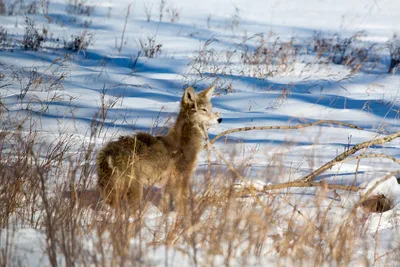 Coyote
- ravens
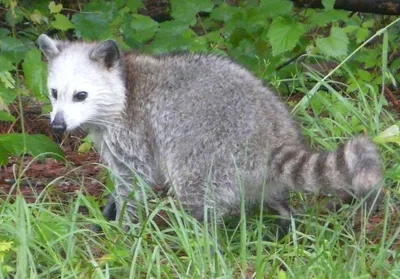 Raccoon
- mink
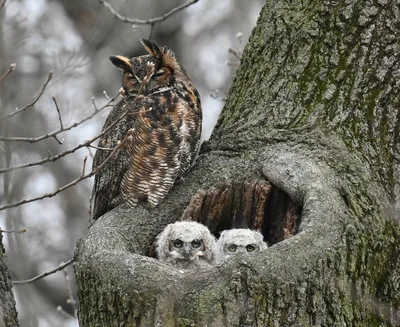 Great horned owl
- eagles
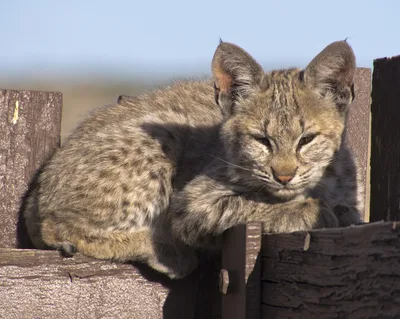 Bobcat
Ecological equivalents
Related species on this site
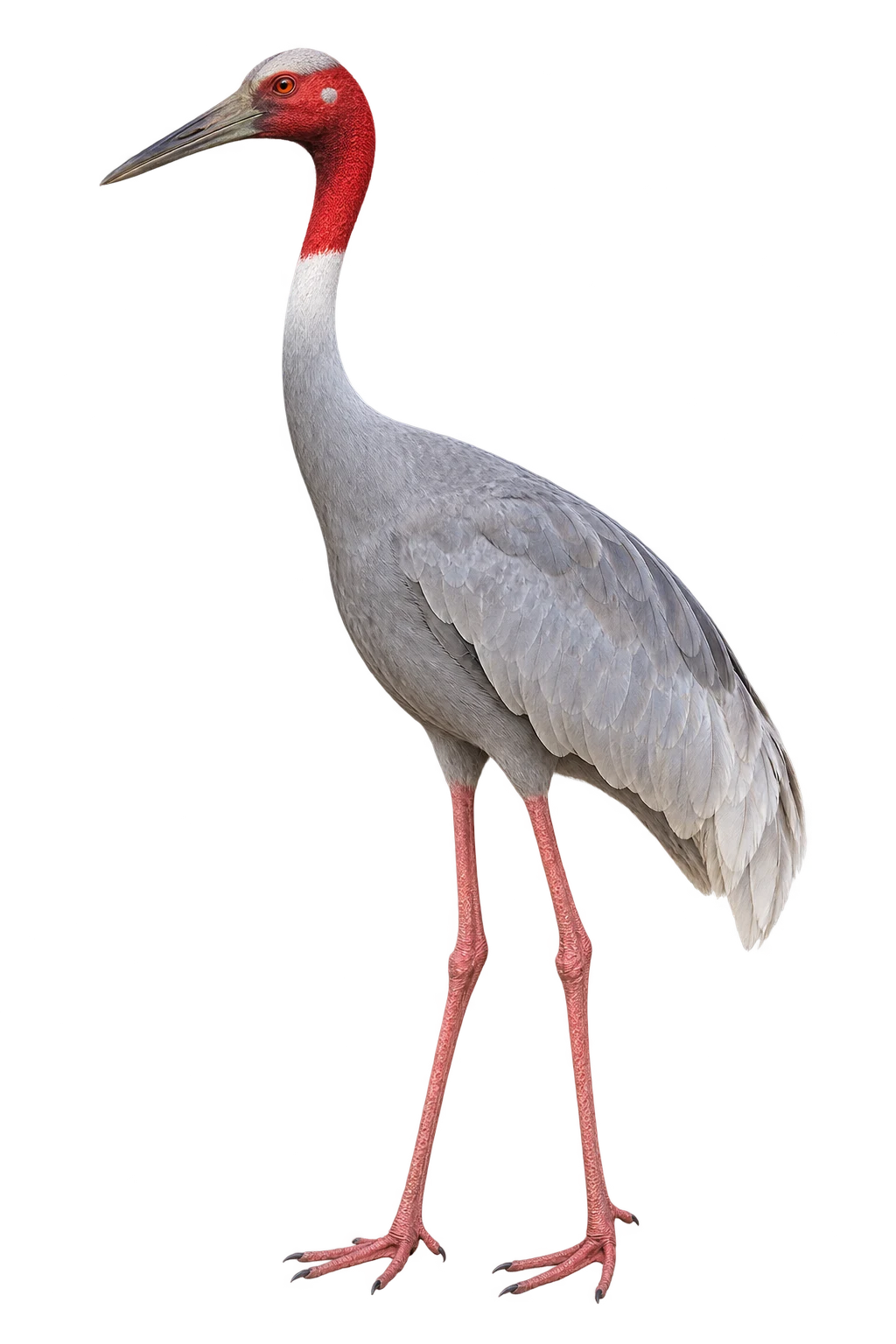
Sarus Crane (same genus), Whooping Crane (same genus), Crane (same family), Moorhen (same order), Phorusrhacos (same order), Terror Bird (same order).
Birds
Sarus Crane
Antigone antigone
Classification and source reference
LivingAI illustration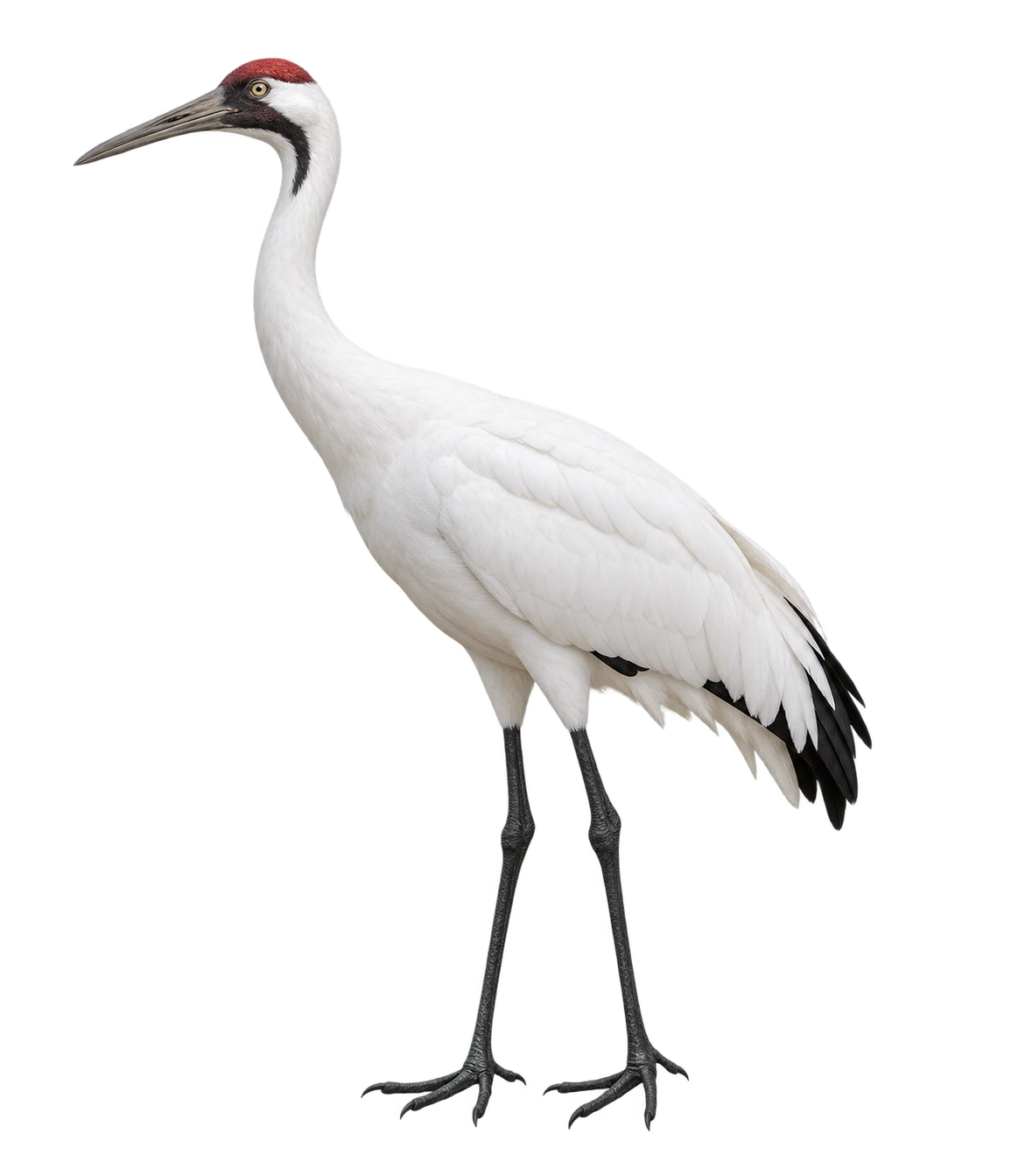
Birds
Whooping Crane
Grus americana
Classification and source reference
LivingAI illustration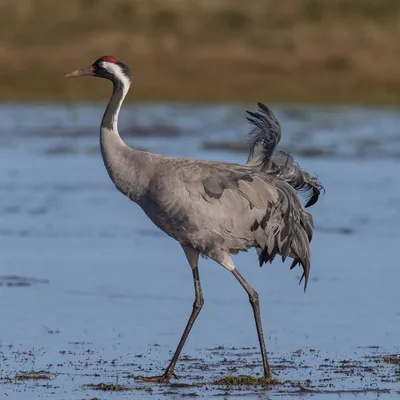
Birds
Crane
Gruidae
Cranes are long-legged birds of open country and wetlands.
Living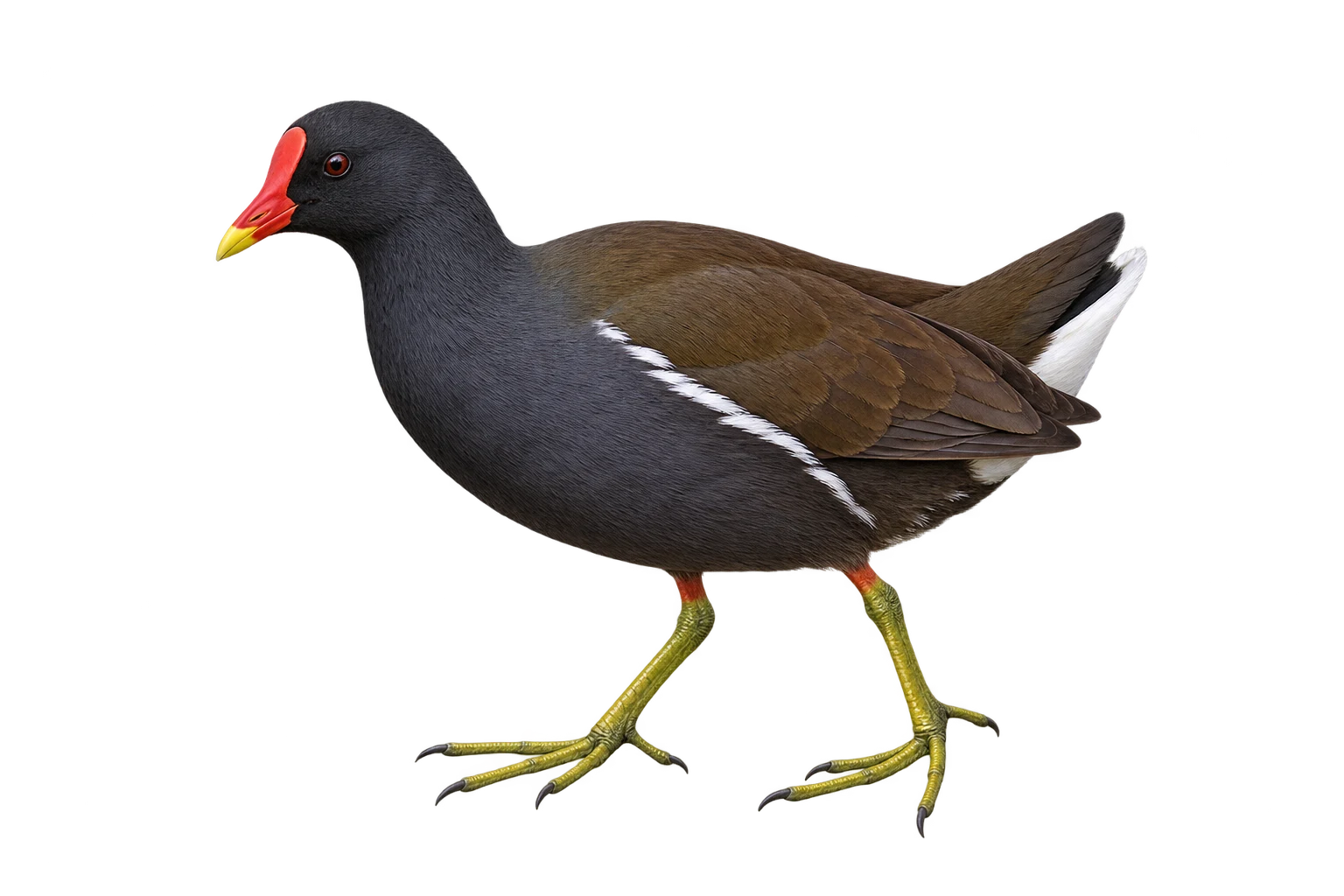
Birds
Moorhen
Gallinula chloropus
Classification and source reference
LivingAI illustration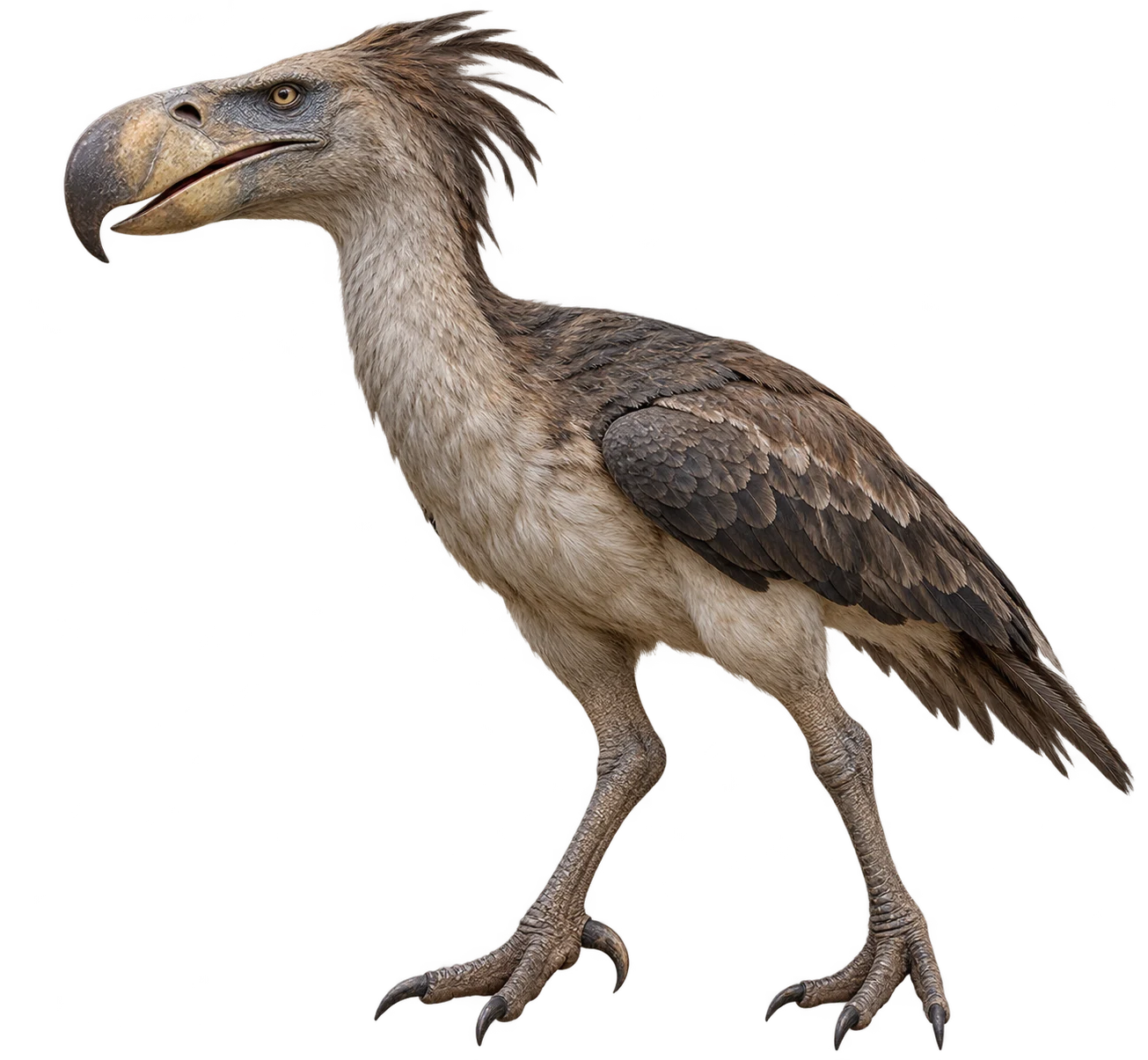
Birds
Phorusrhacos
Phorusrhacos
Classification and source reference
ExtinctAI reconstruction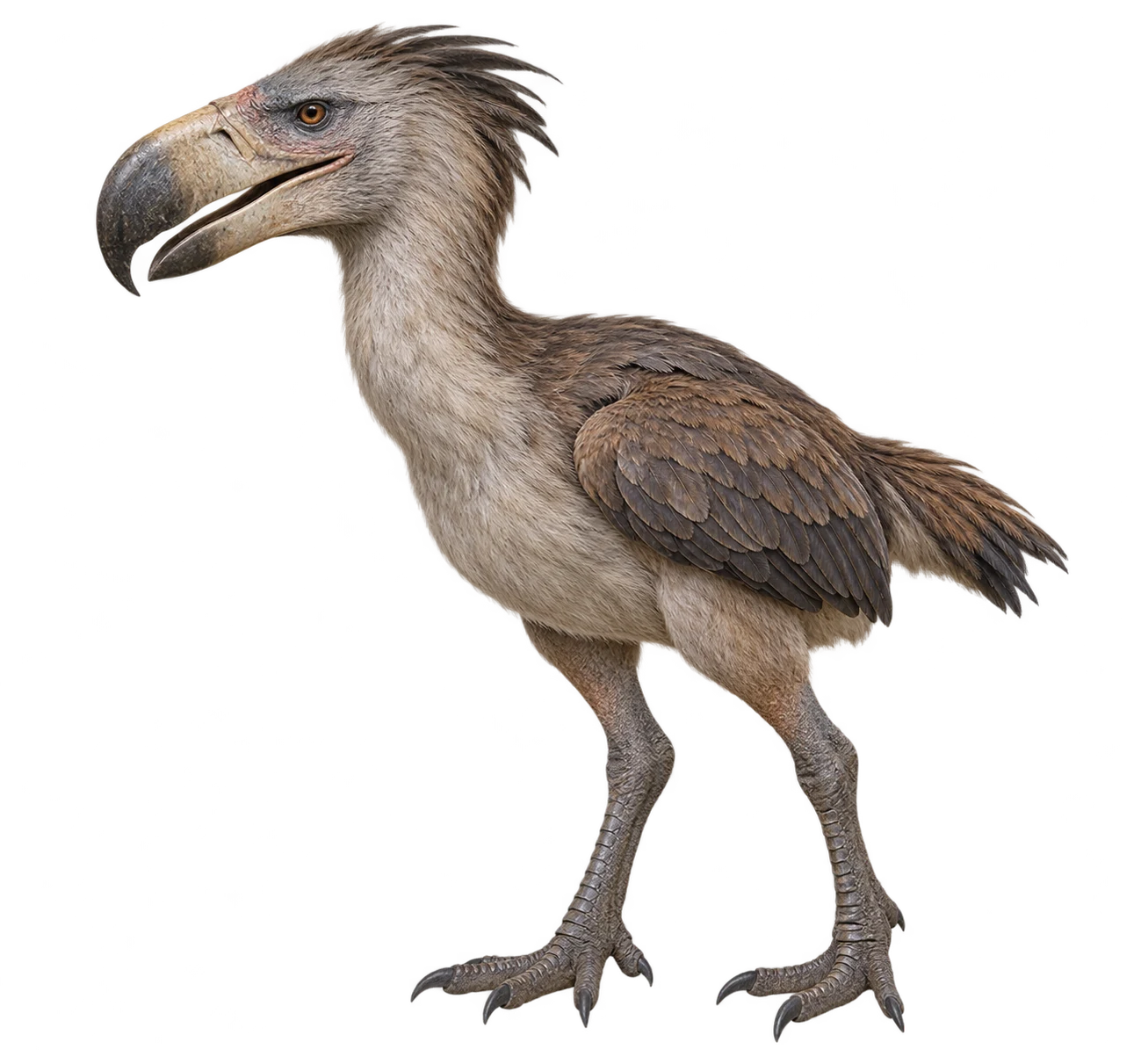
Birds
Terror Bird
Phorusrhacidae
Classification and source reference
ExtinctAI reconstruction