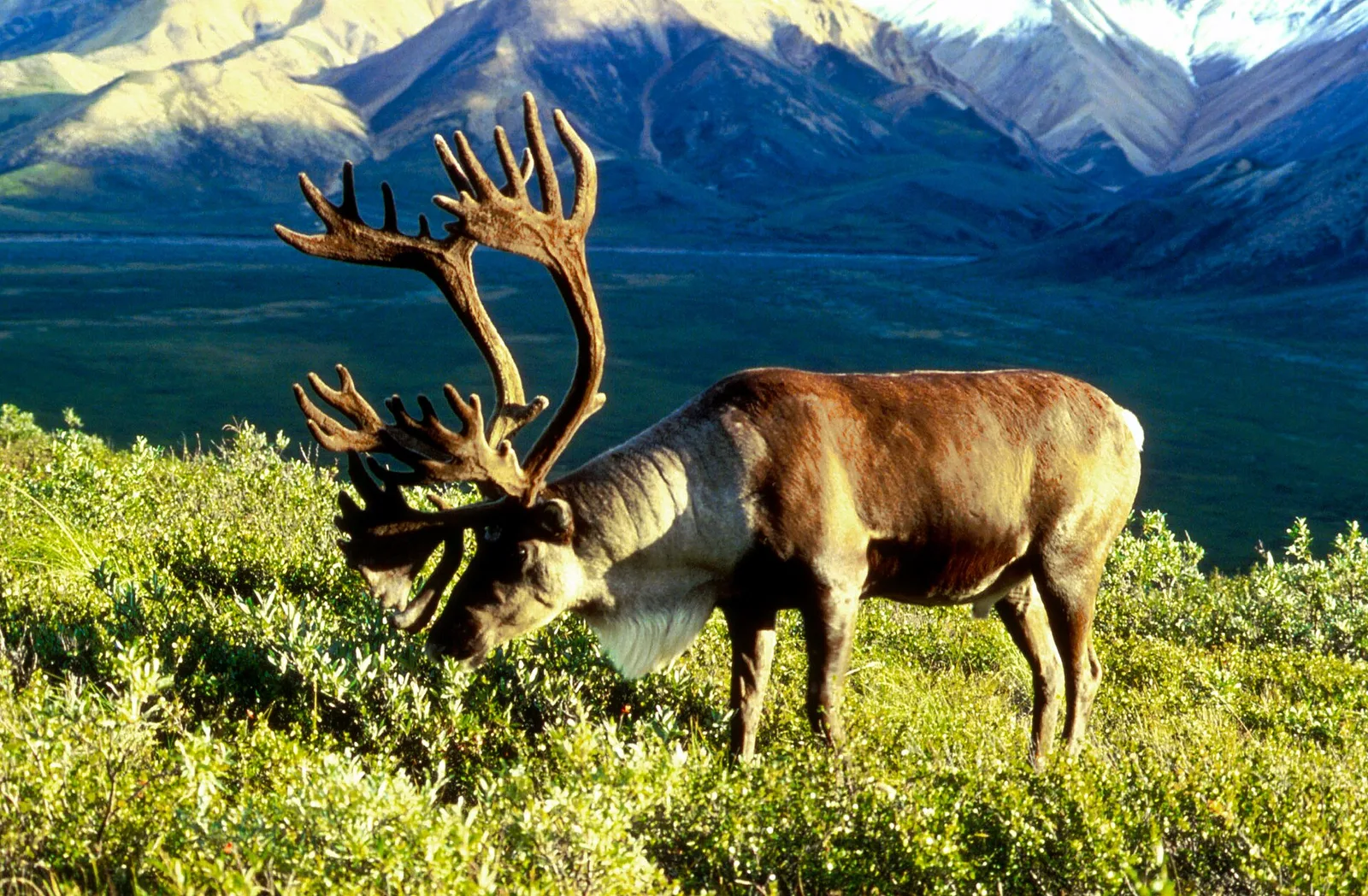
Reindeer
The Arctic deer that migrates farther than any land mammal
Rangifer tarandus
Also called Caribou, Peary caribou, Barren-ground caribou, Woodland caribou, Tuktu
Living individuals or members of this group exist today. This does not mean they are safe from extinction.
Meet the reindeer
The reindeer, called the caribou in North America, is the deer of the Arctic tundra and the northern forests. It is the only deer in which females grow antlers, and its great herds migrate farther than any other land mammal.
Images of the reindeer
Lifespan in the wild
10 to 15 years bulls live about four years less than cows; the oldest cows reach about 17
Weight
80 to 182 kg
Length
1.62 to 2.14 m
Top speed
60 to 80 km/h
Fact file
Reindeer
- Location
- Arctic and subarctic Europe, Siberia, Alaska, Canada and Greenland
- Habitat
- Tundra, Temperate forest, Mountains
- Diet
- Herbivore
- Prey / food
- Reindeer lichen, willow and birch leaves, sedges, grasses, mushrooms
- Predators
- Gray wolf, brown bear, polar bear, wolverine, golden eagle
- Lifestyle
- Herd animal; migrates between tundra and forest
- Group name
- Herd
- Name of young
- Calf
- Gestation
- About 228 days
- Litter size
- 1 calf
- Population
- About 5 million; fell 40 percent in 25 years
- Biggest threat
- Climate change and industrial disturbance of habitat
- Distinctive feature
- Antlers on both sexes and wide crescent hooves
- Colour
- Brown to grey, with a white neck, belly and rump; whiter in the north
- Skin type
- Fur
Size
Next to a person
Measurements
Size and speed
- Height
- 0.85 to 1.5 m at the shoulder; Svalbard reindeer as low as 80
- Length
- 1.62 to 2.14 m cows 162 to 205 cm, bulls 180 to 214 cm
- Length, male
- 1.8 to 2.14 m
- Length, female
- 1.62 to 2.05 m
- Tail
- 14 to 20 cm
- Weight
- 80 to 182 kg, up to 318 kg cows 80 to 120 kg, bulls 159 to 182 kg; the heaviest bulls reach 318
- Weight, male
- 159 to 182 kg, up to 318 kg
- Weight, female
- 80 to 120 kg
- Top speed
- 60 to 80 km/h
Typical adult ranges. Source: Wikipedia.
Life cycle
Lifespan
- In the wild10 to 15 years bulls live about four years less than cows; the oldest cows reach about 17
- In captivityUp to 21.8 years
- 021.8 years
The pale bar is the record. Sources: Animal Diversity Web, AnAge.
Appearance
Colour and coat
- Primary colours
- browngrey
- Secondary colours
- whitecream
- Skin type
- fur
- Male and female
- Moderate. Bulls weigh 159 to 182 kilograms against 80 to 120 for cows, and bulls carry much larger antlers. In some subspecies a bull is twice the size of a cow.
Life cycle
Mating and family
- Mating system
- polygynous; a dominant bull gathers 15 to 20 cows
- Social structure
- herds of dozens to hundreds of thousands, led by cows
- Breeding
- one calf a year, born in May or June
The rut runs from late September into November, and bulls fight with locked antlers for groups of cows. After about 228 days a cow gives birth to one calf of about 6 kilograms on open, predator-free ground. The calf runs within a day and grazes from 45 days, but stays with its mother until autumn. Cows can breed from 16 months. They live 10 to 15 years, about four years longer than bulls.
Classification
Taxonomy
- Kingdom
- Animalia
- Phylum
- Chordata
- Class
- Mammalia
- Order
- Artiodactyla
- Family
- Cervidae
- Genus
- Rangifer
- Species
- Rangifer tarandus
Conservation
Red List status
- LC
- NT
- VU
- EN
- CR
- EW
- EX
Vulnerable on the IUCN Red List
Range
Recorded in 8 countries
Habitat layer: temperate broadleaf and mixed forest, temperate conifer forest, boreal forest and taiga, montane grassland and shrubland, tundra.
Countries from 7,650 wild records on GBIF (iNaturalist research grade), filtered and checked by hand. Country shapes: Natural Earth. Habitat: RESOLVE Ecoregions 2017, CC BY 4.0. Basemap: Natural Earth.
Habitats
Three things to know
- 1
Some caribou herds travel up to 5,000 kilometres in a year, the longest land migration of any mammal.
- 2
The reindeer is the only deer in which females as well as males grow antlers.
- 3
Reindeer see ultraviolet light, which shows up lichen and wolf urine against the snow.
Did you know
Seven more facts
- 1
A reindeer's knees click as it walks, and a loud click signals a big animal.
- 2
The word caribou means snow shoveller in Mi'kmaq.
- 3
A bull can lose 40 percent of his weight during the rut.
- 4
A reindeer loses about a litre of blood a week to biting insects in summer.
- 5
Julius Caesar described a reindeer from the Hercynian Forest in 53 BC as a stag with a single branched horn.
- 6
The Soviet Army used 6,000 reindeer as pack animals in the Second World War.
- 7
A Greenland shark once swallowed a whole reindeer.
Field notes
How it looks and acts
Field notes
Distinguishing features
- Antlers on both bulls and cows, with flat brow tines over the face.
- Wide, crescent-shaped hooves that spread on snow and bog.
- A thick coat of hollow hair with a white neck and belly.
- A broad muzzle and short legs for the cold.
- A shoulder height of 85 to 150 centimetres.
- A short tail of 14 to 20 centimetres.
Field notes
Unique adaptations
- Hollow hairs trap air for warmth and buoyancy.
- A counter-current heat exchange keeps the legs cool and the core warm.
- Nasal turbinates warm incoming air and recover moisture from each breath.
- Hoof pads harden and shrink in winter so the rim bites into ice.
- Ultraviolet vision reveals lichen and predators against snow.
Field notes
Interesting behaviours
- Cratering, or digging through snow to reach lichen.
- Long seasonal migrations between forest and tundra.
- Gathering in huge summer herds to escape insects.
- Bulls locking antlers and shoving in the rut.
- Swimming across lakes and rivers on migration.
Field notes
Temperament
- Gregarious and restless, and it seldom stands still in summer.
- Wary, especially the cows, which choose the calving ground.
- Docile enough to be milked, ridden and harnessed by herders.
Field notes
Communication
- Knee clicks that carry hundreds of metres and signal size.
- Grunts and bellows, probably between cow and calf and among rutting bulls.
- Antler displays and threshing of brush in courtship.
- Scent and touch within the herd.
Ecology
Ecological role
The reindeer is the great grazer of the tundra and the main meal of the Arctic's wolves, bears and eagles.
- Its grazing and trampling shape the tundra and forest plant communities.
- It feeds wolves, bears, wolverines and golden eagles, and its carcasses feed foxes and ravens.
- Its migrations probably move nutrients between forest and tundra.
- Its numbers drive the numbers of the predators that follow the herds.
Stories
Myths and legends
- In Inuit tradition, caribou first came into the world through a hole a man dug in the ground.
- In Evenki tradition, a shaman could take the form of a reindeer, and the dead were wrapped in reindeer skin.
- In Khanty tradition, the reindeer was the best sacrifice because it was the most useful animal.
- In Western Christmas tradition, eight flying reindeer named in an 1823 poem pull Santa's sleigh, joined by Rudolph in 1939.
- In ancient Greek writing, the tarandos was a Scythian deer that changed the colour of its coat.
People
Relationship with humans
People
Living alongside us
The reindeer is the only deer people have domesticated on a large scale, and about 100,000 herders in nine countries still keep it. The Sámi, Nenets, Evenki, Chukchi and others take meat, hides, antlers and milk from their herds and use the animals for transport. Inuit, Gwich'in and other Arctic peoples hunt wild caribou for food and clothing. Wild herds are falling because of climate change and industrial disturbance. In Western culture the reindeer is above all Santa's sleigh animal.
- Reindeer are herd animals that flee rather than fight.
- A tame bull in the rut may butt or kick a handler.
- No attack on a person is recorded in the sources used here.
People
Status, uses and products
- Domestication
- Domestic
- As a pet
- Not suitable. No. Reindeer are herd animals kept by licensed herders on open pasture, and they need lichen, space and company.
- Uses
- herdinghuntingdraught and pack workmilktourism
- Products
- meathidesantlersmilk
The full account
About the reindeer
The reindeer, Rangifer tarandus, is the deer of the far north. In North America a wild one is a caribou, and in Europe and on the farm it is a reindeer. It lives on the tundra, in the boreal forest and in the mountains of Europe, Siberia, Alaska, Canada and Greenland. Bulls weigh 159 to 182 kilograms and cows 80 to 120, and the largest bulls reach 318 kg. It is the only deer in which cows grow antlers as well as bulls.
Hollow hair, a heat-saving nose and wide crescent hooves fit the animal to snow and cold. It is the only large mammal that can live on lichen. Tundra herds travel up to 5,000 kilometres a year between winter forest and summer calving grounds. Arctic peoples have hunted and herded reindeer since prehistory, and it remains the only deer that people have domesticated on a large scale. The IUCN lists the species as Vulnerable after a 40 percent decline in about 25 years.
Name and taxonomy
Carl Linnaeus named the Eurasian tundra reindeer Cervus tarandus in 1758. The word tarandos goes back to Aristotle and Theophrastus, who wrote of an ox-sized deer in Scythia that could change colour. Charles Hamilton Smith gave the genus its name Rangifer in 1827, a word Albertus Magnus had used and that may come from the Sámi raingo. The English name joins the Old Norse hreinn and dýr, reindeer animal, and it is unrelated to reins. Caribou reached English by way of French from the Mi'kmaq qalipu, the snow shoveller, for the way it paws through snow for food.
The reindeer is the only species in its genus. Many subspecies have been named, from the tiny Svalbard reindeer to Osborn's caribou of British Columbia. A 2022 revision split the genus into several species, and other authorities still keep one species with seven or more subspecies. Inuit call the barren-ground caribou tuktu, and the Gwich'in have more than 24 words for caribou.
Evolution and relatives
The reindeer belongs to the subfamily Odocoileinae with the roe deer, the moose and the water deer. The antlered deer split from the horned cattle, sheep and goats about 36 million years ago. Rangifer arose in the Late Pliocene as a mountain deer of alpine meadows and spread in the Early Pleistocene. The oldest certain fossil comes from Omsk in Russia and is 2.1 to 1.8 million years old. The oldest North American fossil, from the Yukon, is 1.6 million years old.
Modern tundra reindeer evolved in the ice ages. They gained a broad muzzle that warms the air, short legs, and genes for fat metabolism and cold tolerance. Forest reindeer and woodland caribou lack those changes, so they cannot live on the open tundra. DNA shows the woodland caribou split from the ancestors of tundra caribou about 357,000 years ago. During the last ice age reindeer ranged as far south as Spain and Alabama, and they fed the hunters who painted the caves of Europe.
Appearance
The reindeer is a stocky deer with a thick neck, a broad muzzle and short legs. Cows measure 162 to 205 centimetres long and bulls 180 to 214 cm. Shoulder height runs from 85 to 150 cm, and the tail is 14 to 20 cm. Cows weigh 80 to 120 kilograms and bulls 159 to 182 kg, though a bull can lose 40 percent of his weight in the rut. The Svalbard reindeer is the smallest, with a shoulder height as low as 80 cm.
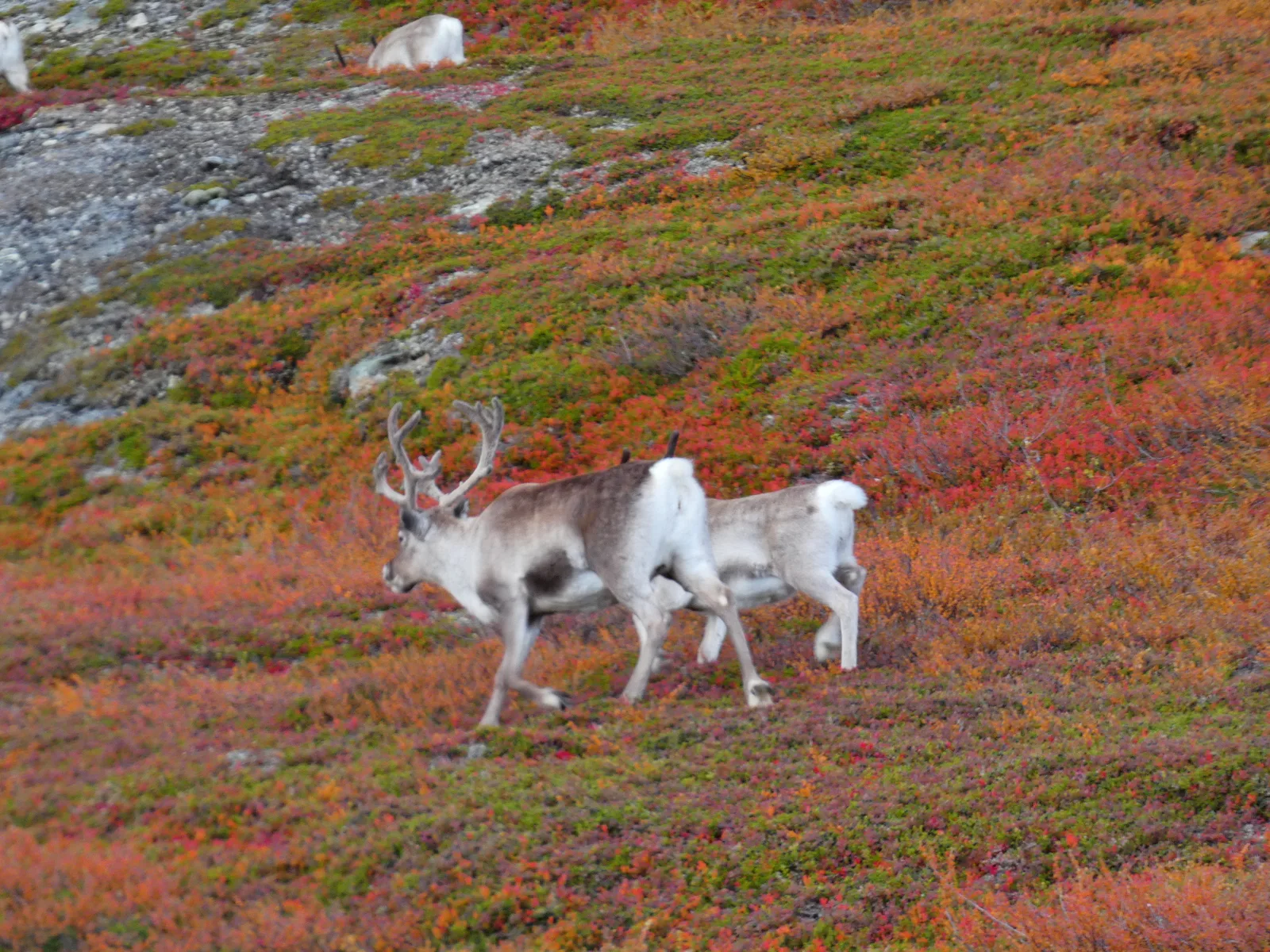
The coat has a woolly undercoat and an outer coat of hollow, air-filled hairs. The hollow hair insulates so well that the animal keeps its core temperature even at 38 degrees Celsius, and it floats high in water. Northern forms are pale, and the Peary caribou is almost white, while southern mountain caribou are dark brown. White patches mark the neck, belly and the skin above the hooves. The hooves are large and crescent-shaped, and they act as shovels in the snow and paddles in water.
Both sexes grow antlers, though the share of antlered cows varies between herds. A big bull's antlers can span 100 centimetres and run 135 cm along the beam, the second largest of any deer after the moose. Flat brow tines reach forward over the face and serve as shovels for digging snow. Bulls drop their antlers after the rut in early winter, and cows keep theirs until they calve in spring.
Habitat and range
The reindeer lives right round the pole, in tundra and boreal forest from Norway across Siberia to Alaska, Canada and Greenland. Woodland caribou reach south to 46 degrees north, and Peary caribou and Svalbard reindeer live at 80 degrees north. The range once ran south to Germany, Poland, Britain and Maine. The last Scottish reindeer were hunted in Orkney in the 12th century. Feral herds now live on Iceland, South Georgia and the Kerguelen Islands, and a semi-domestic herd grazes the Cairngorms in Scotland.
Tundra herds summer on the open plains and winter in the forest, where the snow is softer and easier to dig. Mountain reindeer in Norway live above the treeline all year. Island animals on Svalbard and Novaya Zemlya make only short local moves. GBIF holds records from 34 countries, many of them farmed or feral herds.
Diet and feeding
The reindeer is a ruminant with a four-chambered stomach. In winter it lives largely on lichen, above all reindeer lichen, Cladonia rangiferina. A bacterium found only in its rumen, Eubacterium rangiferina, breaks down the usnic acid that makes lichen toxic to other animals. It is also the only mammal known to carry lichenase, the enzyme that turns lichen starch into sugar. In summer it eats willow and birch leaves, sedges, grasses, cotton grass and mushrooms.
The animal smells lichen under deep snow and digs a crater with its front hooves to reach it. A dominant animal often takes over a crater dug by a lower-ranking one. Reindeer gnaw shed antlers for minerals, and hungry animals in spring may eat lemmings, fish or birds' eggs. In the Arctic summer they give up a daily rhythm and sleep in short bouts whenever they need to digest.
Behaviour and social life
Reindeer live in herds all year. Summer herds on the tundra can hold tens of thousands, and the crowding gives some relief from mosquitoes and bot flies. Spring migration gathers herds of 50,000 to 500,000 animals. The Taimyr herd in Siberia, the largest in the world, has varied between 400,000 and 1,000,000.
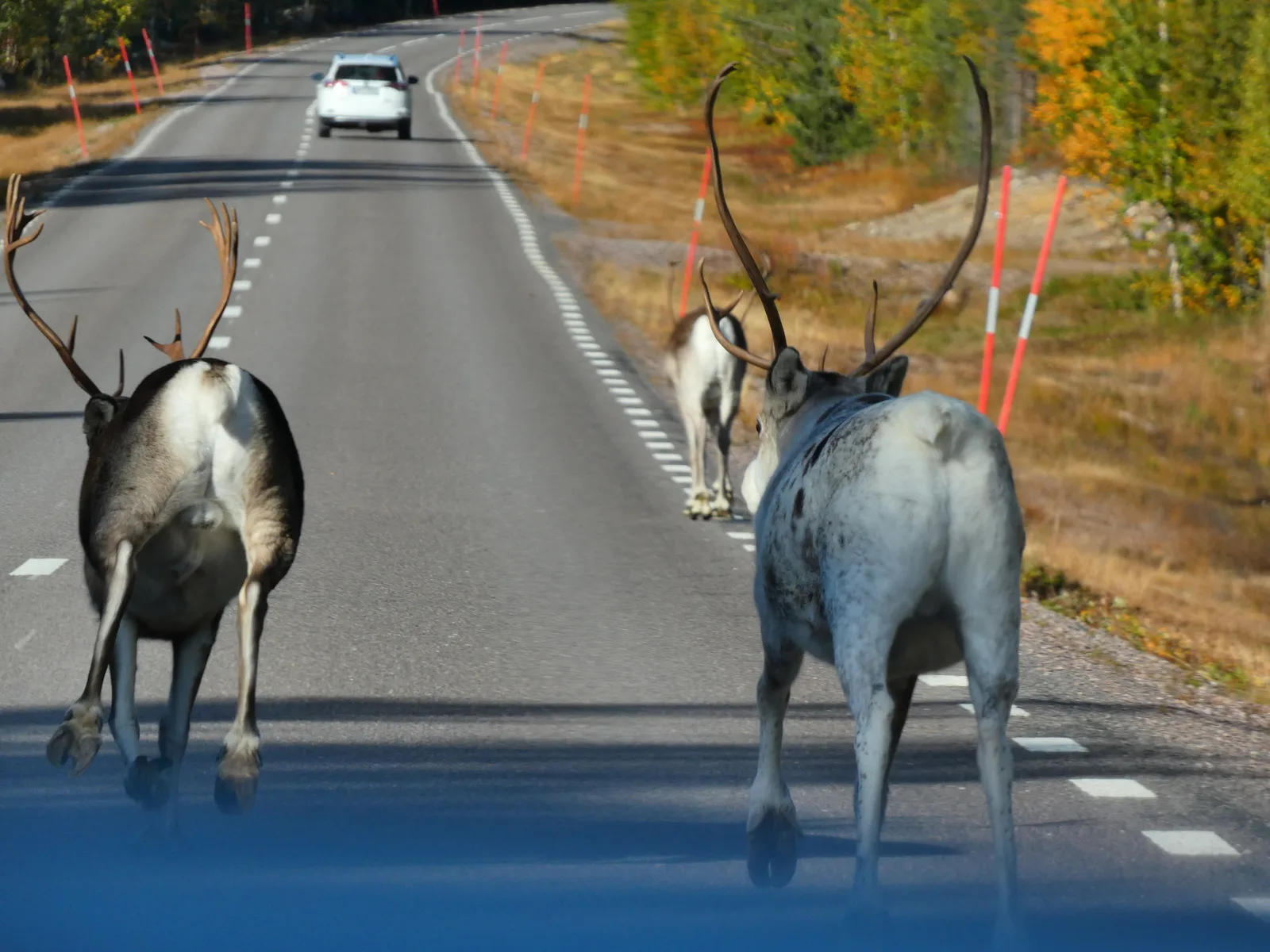
Barren-ground caribou make the longest land migration of any mammal, up to 5,000 kilometres a year. On the move they cover 19 to 55 km a day and can run at 60 to 80 km an hour. They swim at about 6.5 km an hour and cross wide rivers and lakes without hesitation. A cow leads the herd, because cows choose the calving ground and are the more wary sex. Woodland caribou and island reindeer move little and live in small scattered groups.
Biting insects rule the summer. An adult may lose about a litre of blood a week to mosquitoes, black flies and warble flies on the tundra. The herds seek windy ridges, snow patches and lake shores to escape them.
Communication and senses
Reindeer use calls, posture, scent and touch to keep the herd together. The knees click as the animal walks, because a tendon slips over a small bone in the foot. The click carries several hundred metres, and a loud click is an honest signal of body size that helps settle rank. Smell is keen enough to find lichen under the snow.
A 2011 study showed reindeer see ultraviolet light down to 320 nanometres, well below the human limit of 400. Urine, fur and lichen stand out sharply in ultraviolet against snow, so wolves and food both show up. The reflective layer behind the retina is gold in summer and blue in winter, which helps the eye through months of darkness.
Reproduction and life cycle
The rut runs from late September into early November. Bulls lock antlers and shove, and a dominant bull gathers 15 to 20 cows. A rutting bull stops eating and burns most of his fat, which leaves him weak and easy prey afterwards. Gestation lasts about 228 days, and calves are born in May or June.
A cow moves to an island, a bog or open tundra where predators are few, and gives birth to one calf of about 6 kilograms. Twins are very rare. The calf suckles within minutes, follows its mother within an hour, and can outrun a person at one day old. It grazes from about 45 days and stays with its mother until the following autumn. Cows can breed from 16 months, though most first calve at about 28 months.
Wild reindeer live about 10 to 15 years. Cows outlive bulls by about four years, and the oldest cows reach about 17. The captive record is 21.8 years. Antlered cows hold the top rank at winter feeding craters, and their calves survive better than the calves of cows without antlers.
Predators and threats
The gray wolf is the main predator of adult reindeer, and some packs follow one herd all year. Golden eagles take the most calves on the calving grounds. Wolverines, brown bears and polar bears take calves, birthing cows and weak animals. In 2020 scientists on Svalbard filmed a polar bear chase a reindeer into the sea and kill it. Reindeer remains make up 27.3 percent of polar bear scats on Svalbard. One whole reindeer was found inside a Greenland shark.
White-tailed deer carry a brainworm that kills reindeer, and warming has pushed the deer north into caribou range. Longer autumns bring freezing rain that seals the lichen under ice. More than 81,000 reindeer starved in Russia in 2016 for that reason. Roads, logging, oil exploration and power lines break up the undisturbed lichen forest that woodland caribou need.
Population and conservation
The IUCN listed the reindeer as Vulnerable in 2015 after a decline of 40 percent over about 25 years. The world total is about 5 million, with the largest herds in Russia, Canada and Alaska. Russia counted about 940,000 wild Siberian tundra reindeer in 2010. Sweden's Sámi villages manage about 250,000, and Norway keeps about 20,000 wild mountain reindeer.
Some herds have crashed. The George River herd of Labrador fell from 800,000 to 900,000 in the 1990s to fewer than 9,000 by 2018. The last herd of the contiguous United States dwindled to three animals in 2018, and its final cow was moved to Canada. Canada counted about 34,000 boreal woodland caribou in 51 ranges in 2011 and lists them as Threatened. Three subspecies are extinct, from Haida Gwaii, Sakhalin and East Greenland.
Relationship with humans
People have hunted reindeer since the Mesolithic, and Norway and Greenland have hunted them without a break since the ice age. Stone trapping pits and guide fences for reindeer still stand in the Norwegian mountains. The Gwich'in have followed the Porcupine herd for millennia and have at least 150 names for its bones and organs. The Caribou Inuit of the Kivalliq region lived on the animal all year.
Reindeer were domesticated at least twice, in Fennoscandia and in Russia, probably between the Bronze and Iron Ages. The Sámi, Nenets, Evenki, Chukchi, Komi and Dukha herd them for meat, hides, antlers, milk and transport. The animals still roam free on pasture, so they count as semi-domestic. About 100,000 herders in nine countries keep reindeer, and Finland's 185,000 animals yield about 2,000 tonnes of meat a year. In the Second World War the Soviet Army used about 6,000 reindeer and 1,000 Nenets herders to haul supplies on the Karelian front.
Sautéed reindeer is the best-known dish of Sápmi, and reindeer sausage sells in Finnish and Alaskan supermarkets. Powdered antler goes to Asian markets as a tonic. Reindeer are harmless to people, and the only likely harm is a kick or a butt from a tame animal.
In culture and myth
In Inuit tradition, a man who longed for caribou cut a hole in the ground, and caribou poured out until the earth was nearly covered. When he thought there were enough, he closed the hole. In Kivalliq tradition, a saying holds that the caribou feeds the wolf, but the wolf keeps the caribou strong. Inuit name the months after the caribou year, and amiraijaut is the month when the velvet falls from the antlers.
In Evenki tradition, a shaman could become a reindeer, which the Evenki held to be the fastest and most alert of animals. The Evenki bound their dead in reindeer hide and raised them on poles. In Khanty tradition, the reindeer was the finest offering, since no animal served people better. The Chukchi held a spring festival for the fawns, and the Koryak met the returning herd with fire. Siberian shamans held that a reindeer bore each dead soul to the next world.
In Western Christmas folklore, flying reindeer pull Santa Claus's sleigh. An 1821 New York poem showed one reindeer. The 1823 poem A Visit from St Nicholas named eight, ending with Dunder and Blixem, the Dutch for thunder and lightning. Robert L. May added Rudolph in 1939 for the Montgomery Ward stores, and Gene Autry's 1949 song made him famous. The reindeer sits on the Canadian quarter, the arms of Nunavut and several Norwegian and Finnish coats of arms. A caribou statue marks the Newfoundland memorial at Beaumont-Hamel in France.
A sentence with a dotted underline is inferred: it describes the group the animal belongs to, or is a reading of the sources, rather than a measured or reported fact about this species.
Questions
Reindeer questions, answered
What is the difference between a reindeer and a caribou?
They are the same species. Wild animals in North America are called caribou, and European and domestic animals are called reindeer.
Do female reindeer have antlers?
Yes. The reindeer is the only deer in which cows grow antlers. Bulls shed theirs in early winter, and cows keep theirs until spring.
How far do caribou migrate?
Barren-ground caribou travel up to 5,000 kilometres a year, the longest land migration of any mammal.
How fast can a reindeer run?
About 60 to 80 kilometres an hour. A calf can outrun a person when one day old.
How big is a reindeer?
Bulls weigh 159 to 182 kilograms and cows 80 to 120. Shoulder height is 85 to 150 centimetres.
What do reindeer eat?
Lichen in winter, and willow and birch leaves, sedges, grasses and mushrooms in summer. They are the only large mammal that can digest lichen.
Are reindeer endangered?
The IUCN lists them as Vulnerable after a 40 percent fall in about 25 years. Some herds have collapsed, and three subspecies are extinct.
Why do reindeer's knees click?
A tendon slips over a small bone in the foot at each step. The click carries hundreds of metres and tells other reindeer how big the walker is.
Can reindeer see ultraviolet light?
Yes, down to 320 nanometres. Lichen, urine and fur stand out in ultraviolet against snow.
Are reindeer domesticated?
Semi-domesticated. Herders in Fennoscandia, Russia and Mongolia own them and mark their ears, but the animals roam free on pasture.
How long do reindeer live?
About 10 to 15 years in the wild. Cows live about four years longer than bulls, and the captive record is 21.8 years.
What eats reindeer?
Wolves are the main predator of adults. Golden eagles, wolverines and bears take calves, and polar bears hunt them on Svalbard.
Do reindeer really pull Santa's sleigh?
Only in folklore. An 1823 poem named eight flying reindeer, and Rudolph joined them in 1939.
Where do reindeer live?
On the tundra, in the boreal forest and in the mountains of Norway, Finland, Siberia, Alaska, Canada and Greenland.
How many calves does a reindeer have?
One calf a year, born in May or June after about 228 days. Twins are very rare.
Can you eat reindeer?
Yes. Reindeer meat is lean and tender, and sautéed reindeer is the best-known dish of Sápmi.
Food web
Prey and food
- reindeer lichen
- willow
- birch leaves
- sedges
- grasses
- mushrooms
Food web
Predators
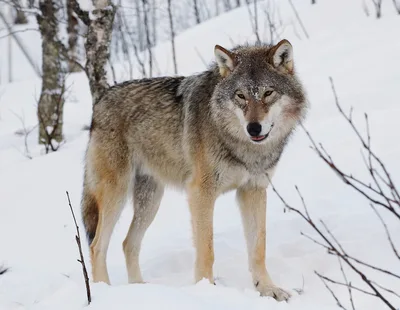 Gray wolf
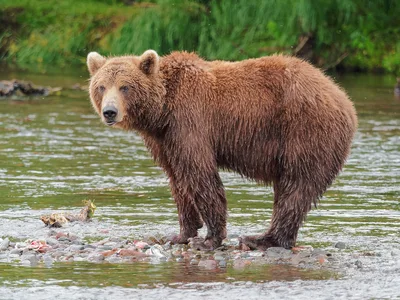 Brown bear
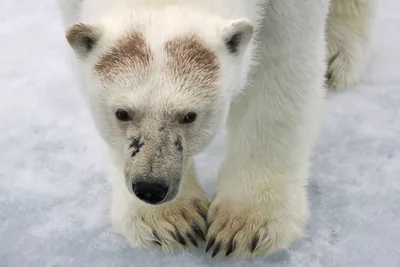 Polar bear
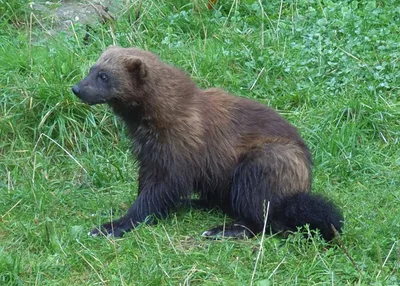 Wolverine
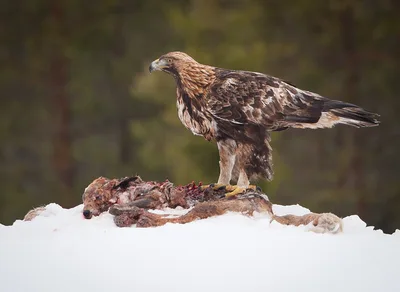 Golden eagle
Ecological equivalents
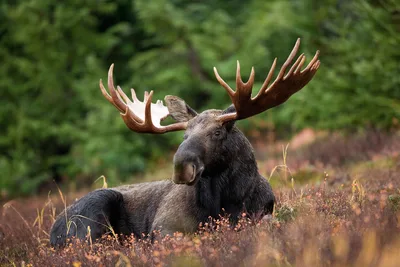
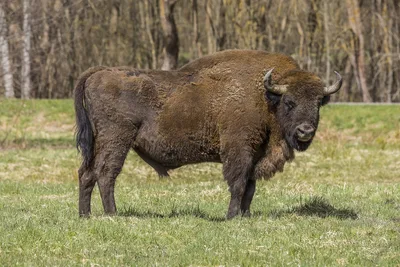
Related species on this site
Cervalces latifrons (Broad-Fronted Moose) (same family), Chinese Water Deer (same family), Coues Deer (same family), Deer (same family), Elk (same family), Fallow deer (same family), and more.
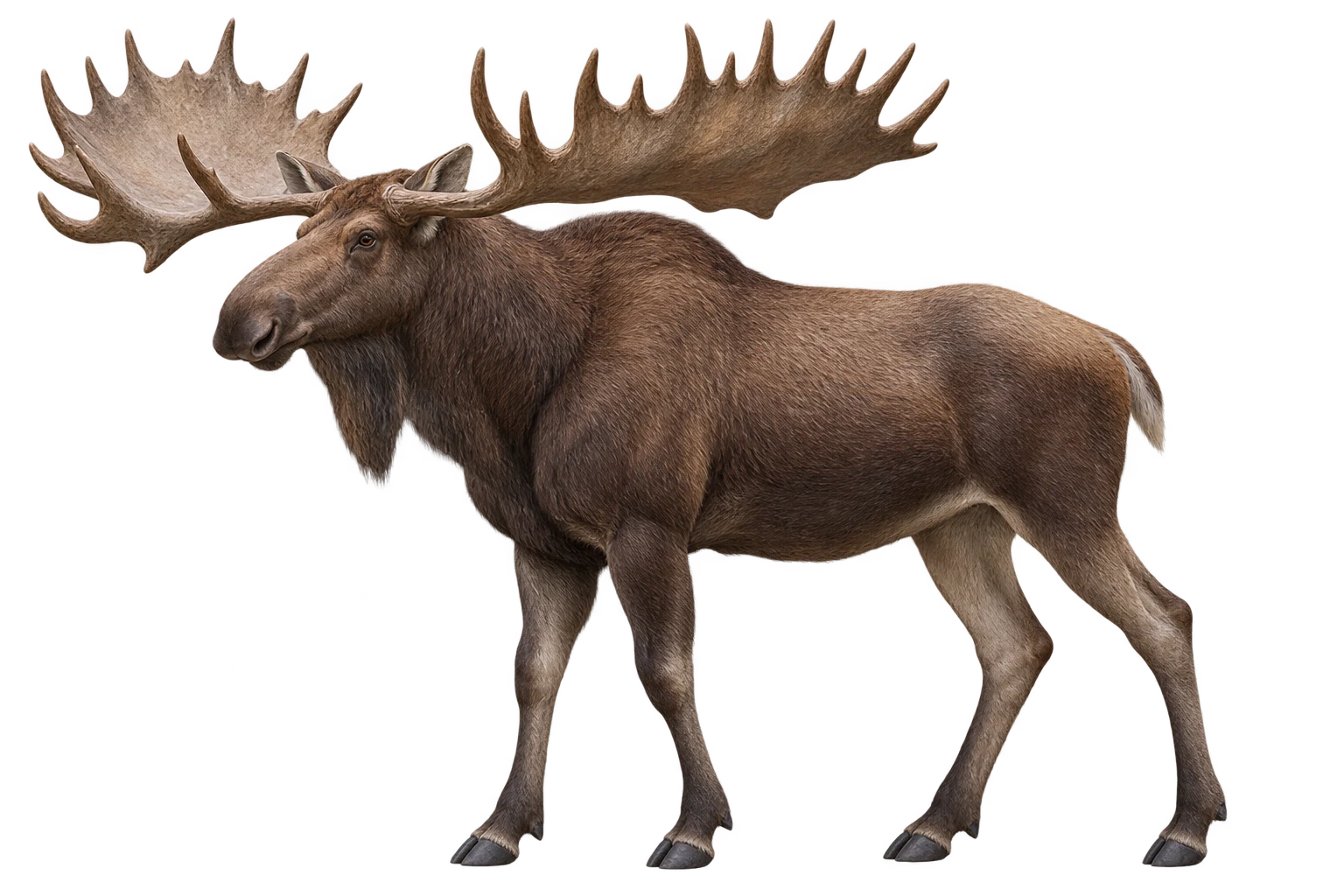
Mammals
Cervalces latifrons (Broad-Fronted Moose)
Cervalces latifrons
Classification and source reference
ExtinctAI reconstruction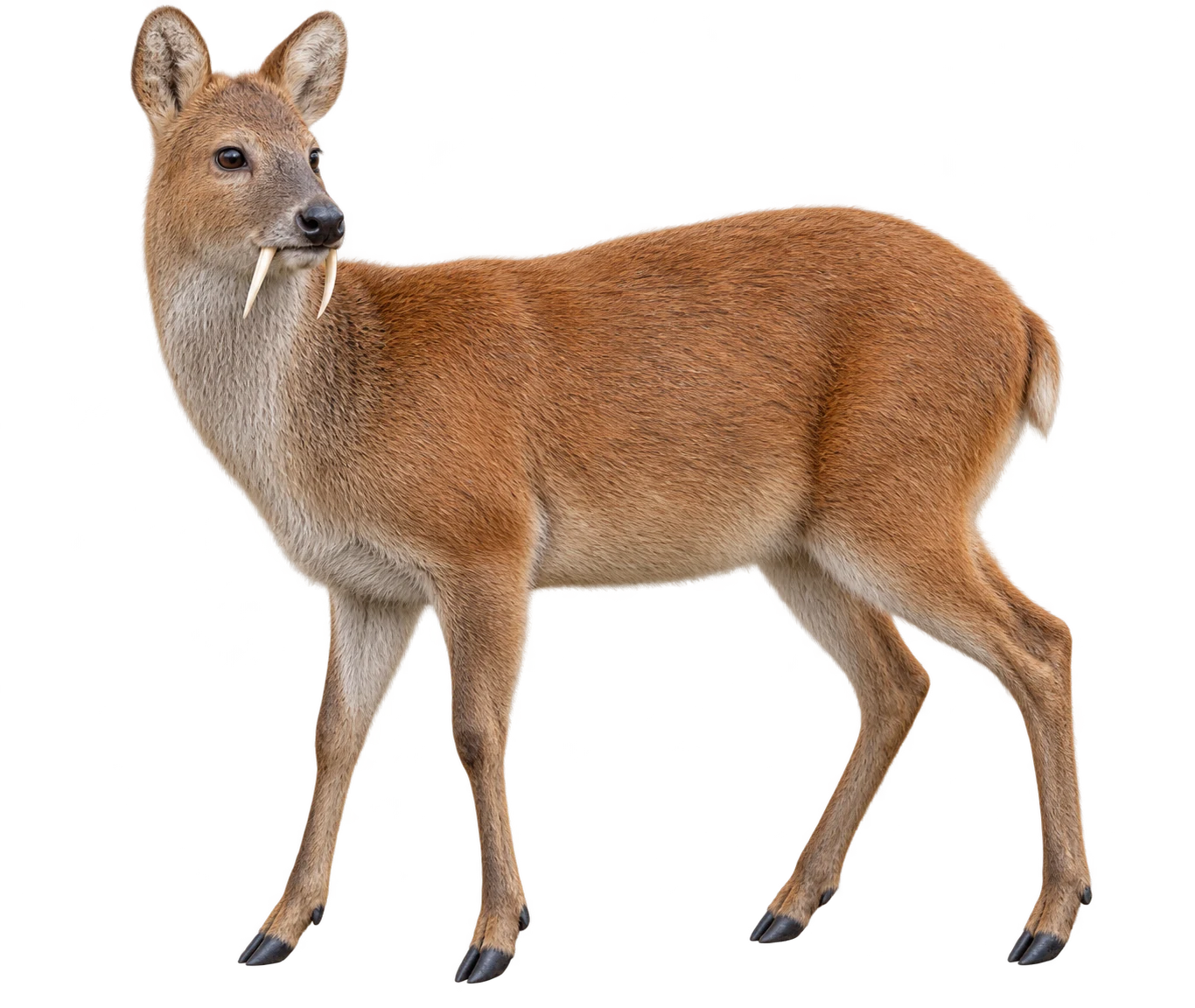
Mammals
Chinese Water Deer
Hydropotes inermis
Classification and source reference
LivingAI illustration
Mammals
Coues Deer
Odocoileus virginianus couesi
Classification and source reference
LivingAI illustration
Mammals
Deer
Cervidae
Classification and source reference
LivingAI illustration LC
Mammals
Elk
Cervus canadensis
The elk, or wapiti, is the second largest deer in the world.
Living
Mammals
Fallow deer
Dama dama
The fallow deer is a grazing and browsing deer often associated with woodland edges and open grass.
Living