Moose
The tallest deer, and the only one that feeds underwater
Alces alces
Also called Elk (in Europe)
Living individuals or members of this group exist today. This does not mean they are safe from extinction.
Meet the moose
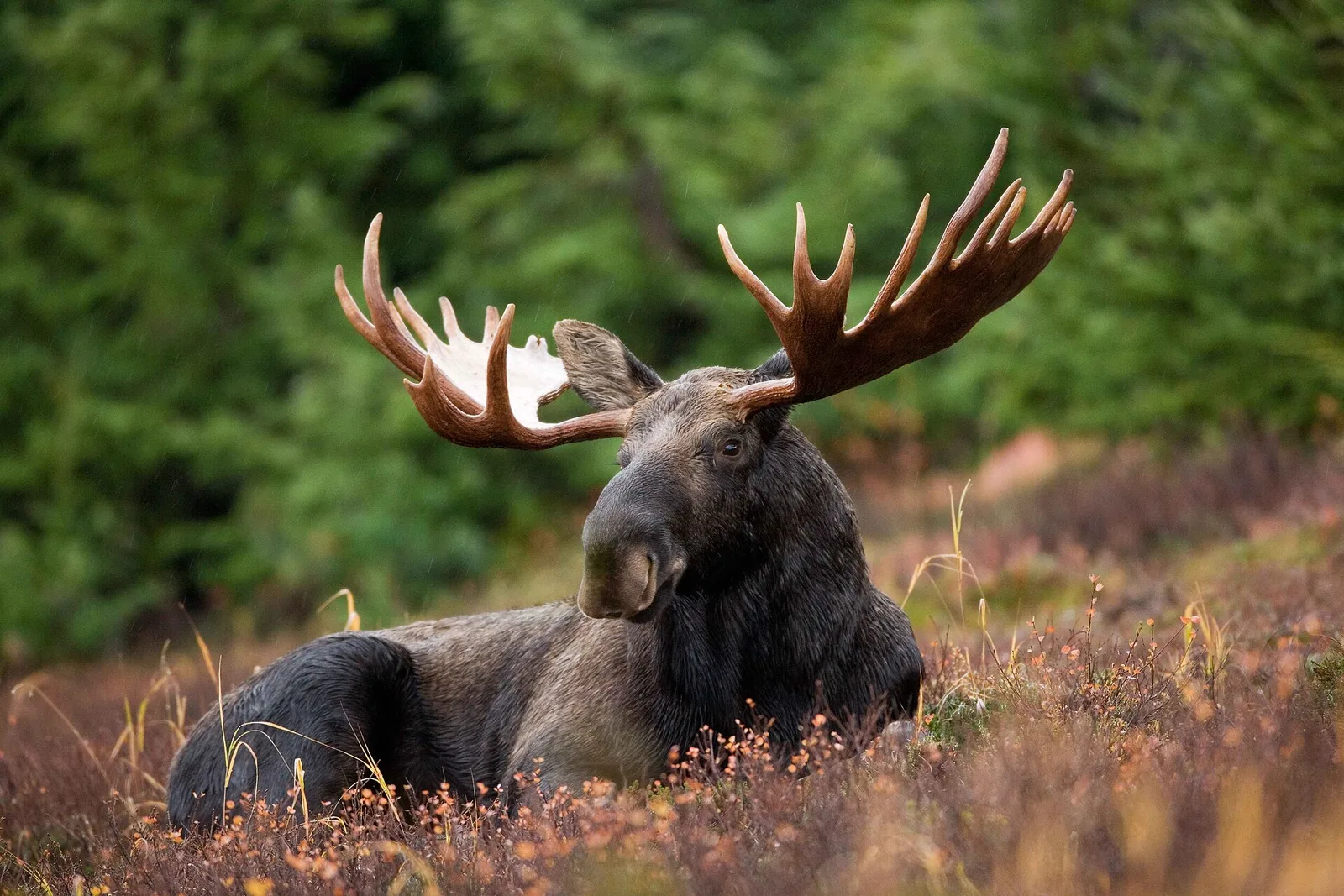
The moose is the largest deer. It wades into northern lakes to eat water plants and grows a new set of broad antlers every year.
Images of the moose
Lifespan in the wild
8 to 15 years
Weight
200 to 700 kg
Length
2.4 to 3.1 m
Height
1.4 to 2.1 m
Fact file
Moose
- Location
- Canada, Alaska, the northern USA, Scandinavia, Russia
- Habitat
- Temperate forest, Wetlands, Tundra
- Diet
- Herbivore
- Prey / food
- Willow, birch, aquatic plants
- Predators
- Wolves, bears
- Lifestyle
- Crepuscular
- Name of young
- Calf
- Gestation
- About 8 months
- Litter size
- 1 to 2 calves
- Biggest threat
- Ticks, warming winters and vehicle collisions
- Distinctive feature
- Palm-shaped antlers up to 1.8 m across
- Colour
- Dark brown
- Skin type
- Fur
Size
Next to a person
Measurements
Size and speed
- Height
- 1.4 to 2.1 m, up to 2.33 m at the shoulder
- Length
- 2.4 to 3.1 m head and body
- Weight
- 200 to 700 kg, up to 820 kg
- Weight, male
- 380 to 700 kg, up to 820 kg
- Weight, female
- 200 to 490 kg
Typical adult ranges. Source: Wikipedia.
Life cycle
Lifespan
- In the wild8 to 15, up to 22 years
- 022 years
The pale bar is the record. Source: Animal Diversity Web.
Appearance
Colour and coat
- Primary colours
- dark brown
- Secondary colours
- greyblack
- Skin type
- fur
- Male and female
- Strong. Bulls are more than 40% heavier than cows and carry antlers, which cows almost never grow. Both sexes may have the bell under the throat.
Life cycle
Mating and family
- Mating system
- polygynous, with a bull guarding one cow at a time in forest or a harem on tundra
- Social structure
- solitary, except a cow with her calf
- Breeding
- one calf a year, often twins when food is plentiful
The rut runs through September and October, when bulls fight with their antlers. After about 8 months the cow bears one calf, or twins in a good year, in May or June. The red-brown calf browses at three weeks and is weaned at about five months. It stays with its mother until she drives it away before her next birth. Most wild moose live 8 to 15 years.
Classification
Taxonomy
- Kingdom
- Animalia
- Phylum
- Chordata
- Class
- Mammalia
- Order
- Artiodactyla
- Family
- Cervidae
- Genus
- Alces
- Species
- Alces alces
Conservation
Red List status
- LC
- NT
- VU
- EN
- CR
- EW
- EX
Least Concern on the IUCN Red List
Range
Recorded in 14 countries
- Belarus
- Canada
- People's Republic of China
- Estonia
- Finland
- Lithuania
- Latvia
- Mongolia
- Norway
- Poland
- Russia
- Sweden
- Ukraine
- United States of America
Habitat layer: temperate broadleaf and mixed forest, temperate conifer forest, boreal forest and taiga, flooded grassland and savanna, tundra, mangrove.
Countries from 41,056 wild records on GBIF (iNaturalist research grade), filtered and checked by hand. Country shapes: Natural Earth. Habitat: RESOLVE Ecoregions 2017, CC BY 4.0. Basemap: Natural Earth.
Habitats
Three things to know
- 1
A moose can dive more than 5 m to reach plants on a lake bottom.
- 2
Antlers can weigh 20 kg and are shed each winter.
- 3
The flap of skin under the throat is called a bell.
Did you know
Seven more facts
- 1
In Europe the moose is called the elk, while in America the elk is a different deer.
- 2
The nostrils seal shut when the head goes under water.
- 3
The hollow guard hairs are filled with air and help the animal float.
- 4
A moose cannot digest hay, and feeding it hay can kill it.
- 5
The palm of an antler collects sound like a dish and sharpens the bull's hearing.
- 6
A bull that loses its testosterone grows coral-like antlers that never fall off.
- 7
Finland bans eating the liver and kidneys of older moose because of cadmium.
Field notes
How it looks and acts
Field notes
Distinguishing features
- Broad, flat antlers on the bull, shaped like open hands.
- A long, drooping muzzle with an overhanging upper lip.
- A flap of skin under the throat, called the bell.
- A shoulder hump and long, slender legs.
- A shoulder height of 140 to 210 centimetres, more than any other deer.
- A dark brown coat with pale grey legs and a stub of a tail.
Field notes
Unique adaptations
- Nostrils that close under pressure let it feed on lake-bottom plants.
- Hooves that spread under load keep it from sinking into bog or snow.
- Hollow hairs and a dense undercoat hold in heat through the boreal winter.
- Long legs and a gliding trot carry it over fallen trees and through deep snow.
- A grasping upper lip strips a whole branch of leaves in one pull.
Field notes
Interesting behaviours
- Wades into lakes to eat water plants and to cool off in summer.
- Rears up on its hind legs to reach high branches.
- Drops its antlers after the rut and grows a new pair in spring.
- Licks road salt in winter.
- Kicks with all four hooves when cornered.
Field notes
Temperament
- Solitary and quiet for most of the year.
- Calm unless startled, harassed or approached too closely.
- A cow with a calf and a bull in the rut are both dangerous.
- Swedish moose are said to be quicker to anger than North American ones.
Field notes
Communication
- A cow in heat gives a long, wavering moan that carries about 3.2 kilometres.
- A bull grunts to court cows and challenge rivals.
- A guttural roar from either sex is a threat.
- Bulls rub their foreheads on stripped trees and wallow in urine pits to leave scent.
- Laid-back ears, a lowered head and raised hackles warn of a charge.
Ecology
Ecological role
The moose is the largest browser of the northern forest, and its feeding, trampling and dung shape the woods around it.
- Browsing on willow, birch and aspen slows the growth of young trees and changes which species win.
- Sweden's moose drop about 300,000 tonnes of dung a year, worth about 5,600 tonnes of nitrogen for plant growth.
- Calves and old animals feed wolves, bears, wolverines and, in Siberia, tigers.
- Shed antlers feed rodents, birds and carnivores, because they are rich in protein.
Stories
Myths and legends
- In Wabanaki tradition, Gluskabe shrank a giant moose down to a size that people could hunt.
- In Cree and Anishinaabe tradition, the moose is a powerful forest being that must be treated with respect and restraint.
- In the tradition of hunters near the Urals, the sun was a giant moose running across the sky.
- In Inuit tradition, the coral-like devil's antlers of a hormone-starved bull inspired legends.
People
Relationship with humans
People
Living alongside us
People have hunted the moose for meat and hide since the Stone Age. It remains a major game animal in Scandinavia, Russia and North America. Hunters shoot around 100,000 a year in Sweden alone. Cars kill thousands more, and a collision often kills the driver too. Attempts to domesticate the moose in Sweden and Russia produced tame animals but never a farm industry.
- The moose injures more people than any other wild mammal, though most injuries are minor.
- A cow guarding a calf or a bull in the rut will charge, and a moose kicks in every direction.
- Road collisions with moose are often fatal for the people in the car.
People
Status, uses and products
- Domestication
- Wild
- As a pet
- Not suitable. A moose needs about 20 kilograms of fresh browse a day from many square kilometres of forest and water. Hay can kill it, and an adult can kill a person with a kick. Even a Russian moose farm keeps its animals mostly for research.
- Uses
- huntingmeatmilkecotourism
- Products
- meathideantlersmilk
The full account
About the moose
The moose, Alces alces, is the largest and tallest deer alive. In Europe and Asia the same animal is called the elk, a name that in North America belongs to a different deer, the wapiti. A bull carries broad, flat antlers shaped like open hands, unlike the branched antlers of other deer. A long, drooping nose, a shoulder hump and a flap of skin under the throat, the bell, make it easy to recognise. It lives in the boreal and mixed forests that ring the Northern Hemisphere.
An adult stands 140 to 210 centimetres at the shoulder and weighs 200 to 700 kilograms, with a record bull at 820 kg. The moose browses twigs, leaves and water plants, and it is the only deer that can feed with its head under water. Unlike most deer it lives alone, and the only lasting bond is between a cow and her calf. Wolves and bears take calves and old animals, but a healthy adult can kill either with its hooves. The IUCN lists the moose as Least Concern, with well over a million animals across three continents.
Name and taxonomy
The word moose entered English by 1606 from Algonquian languages. The root probably meant he strips off, for the way the animal strips twigs. The word elk is far older and comes from Old English elch and Old Norse elgr. English speakers in America gave elk to the wapiti instead, so the two names now cross the Atlantic with different meanings. The Greeks knew the animal as alke and the Romans as alces, which became the scientific name. A male is a bull, a female a cow and a young animal a calf.
The moose belongs to the deer family Cervidae and to the subfamily Capreolinae, the New World deer, along with the roe deer and the reindeer. It is the only living species in the genus Alces. Some authorities split the Eurasian and American animals into two species, A. alces and A. americanus, on the basis of chromosome number and antler form. Eight living subspecies are usually recognised, from the small A. a. cameloides of Manchuria to the giant A. a. gigas of Alaska and Yukon.
Evolution and relatives
The moose line reaches back to the Pliocene. The earliest known member, Libralces gallicus, lived on the warm savannas of Europe and is best known from southern France. It was about 1.25 times the size of an Alaskan moose in each dimension, with a straight antler bar 2.5 metres wide and no palm.
Cervalces latifrons, the broad-fronted stag moose, followed in the Early Pleistocene and was the largest deer ever, over 2.1 m at the shoulder. It spread across Eurasia and later into North America, where it gave rise to the stag moose Cervalces scotti. The modern moose probably arose from C. latifrons in East Asia around 100,000 years ago. It crossed into North America only about 10,000 to 15,000 years ago, as the last Ice Age ended. Mitochondrial DNA sorts living moose into three groups, one Asian, one mostly European and one North American, all rooted in north-eastern Siberia.
Appearance
The moose has a massive body on long, slender legs, a short thick neck, humped shoulders and a large head. It stands 140 to 210 centimetres at the shoulder, and the head and body run 240 to 310 cm. Bulls weigh 380 to 700 kilograms and cows 200 to 490 kg. The largest confirmed bull, shot on the Yukon River in 1897, weighed 820 kg and stood 233 cm at the shoulder. The tail is only 6 to 8 cm long, too short to swat a fly.
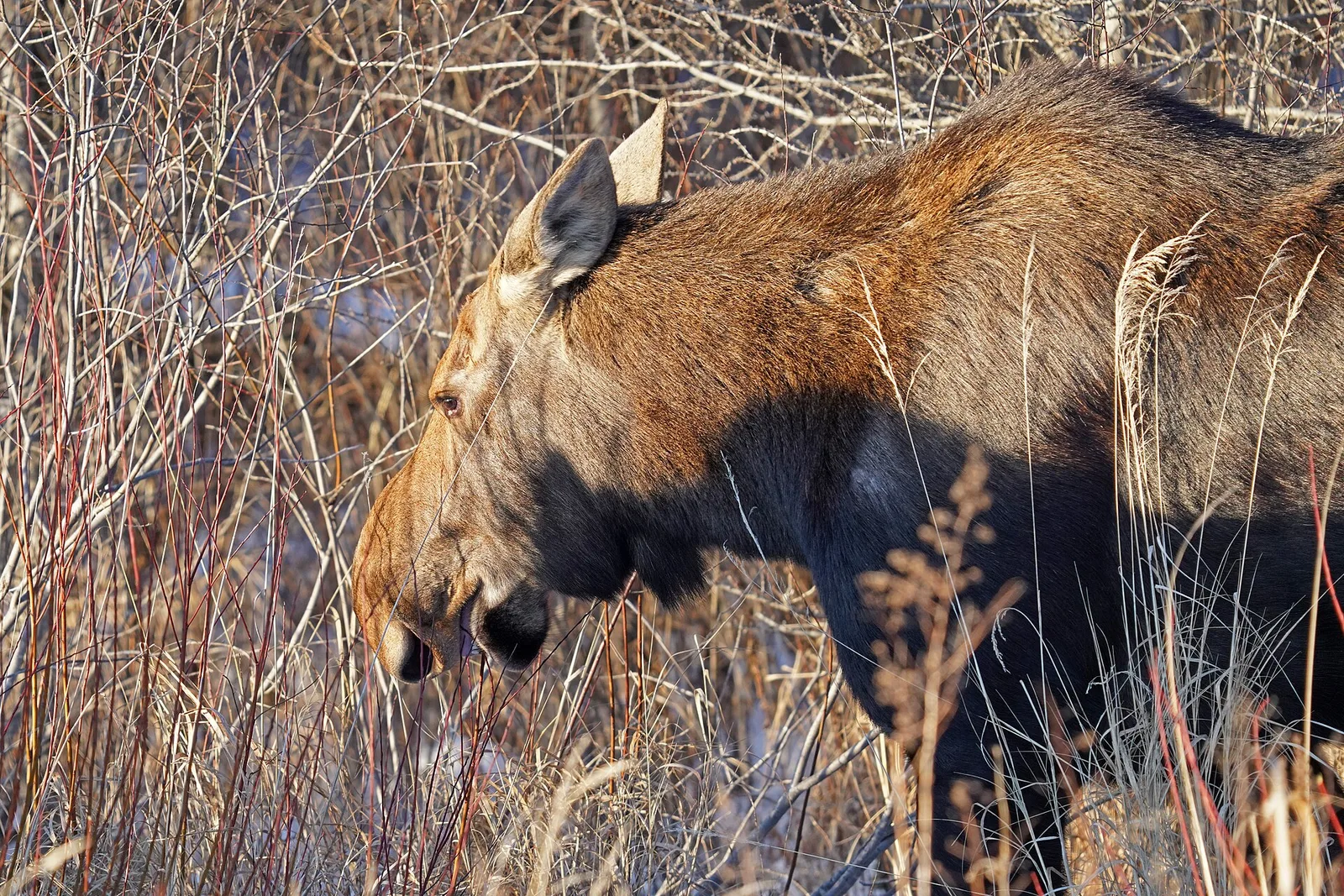
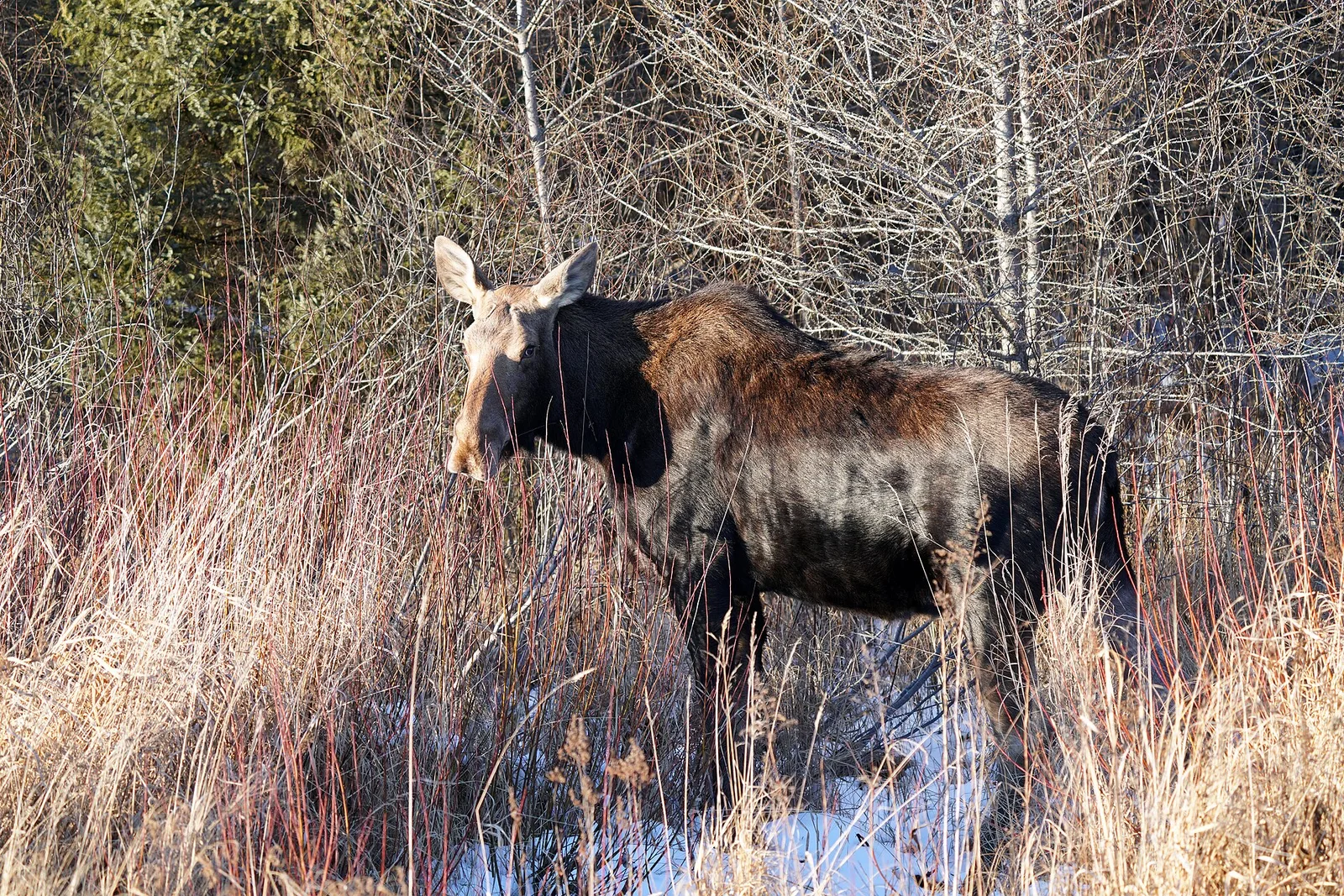
The coat is dark brown to nearly black, with paler grey legs. Each guard hair is a hollow tube of air, which insulates the animal and helps it float. A calf is born red-brown and has none of the spots that other deer fawns wear. The long muzzle overhangs the lower lip, and the nostrils can be sealed shut when the head goes under water. Both sexes may carry the bell, a flap of furred skin under the throat, whose purpose is still unknown.
A bull grows a new set of antlers every spring. They are fully formed in three to five months, faster than almost any other organ. North American antlers form two broad palms on each side, like a butterfly, while Eurasian antlers form a single lobe, like a shell. A mature Alaskan bull's antlers can span more than 2 m, and the widest on record reached 2.1 m. The heaviest recorded set weighed 36 kg. After the autumn rut the bull drops his antlers to save energy for winter.
Habitat and range
The moose lives in boreal forest, mixed forest and, in Alaska, on tundra, wherever there is winter snow and cold summers. It does best in young forest that has grown back after fire, logging or flooding, because new shoots are dense there. It needs mature forest for shelter, mineral licks, a quiet place to calve and water where it can feed and cool off. It cannot sweat, and its gut ferments food and gives off heat, so it cannot stand long spells above 27 degrees Celsius. Snow deeper than 70 cm for long periods limits it to the north.
In North America it lives across nearly all of Canada, most of Alaska, New England, the upper Great Lakes and the Rockies down to Colorado. Maine holds the most of any state outside Alaska, with about 76,000 in 2012. Moose were introduced to Newfoundland in 1878 and 1904, and about 150,000 now descend from those few animals. In Eurasia the range runs from Scandinavia, the Baltic states and Poland across Russia to eastern Siberia, with smaller numbers in Mongolia and China. GBIF holds records from 31 countries, and iNaturalist lists 70,501 observations.
The moose once lived across most of temperate Europe, even in Scotland. It vanished from France after Charlemagne, from Switzerland by the year 1000 and from Germany by about 1600. Poland restored it to Kampinos National Park in 1951, and Denmark released ten Swedish moose in 2016 and 2017. A home range covers about 2 to 90 square kilometres, and some populations migrate 10 to 30 km to find shallower snow in winter.
Diet and feeding
The moose is a browser, not a grazer, and it picks the most nutritious shoots it can find. Willow, birch, aspen and alder are its favourite trees, and in Alaska willow made up 94% of winter food. In summer it strips whole branches of leaves with its grasping upper lip, and it pulls up forbs by the root. It has no upper front teeth, so it nips plants between its lower incisors and a hard upper pad. To reach high branches it bends saplings down or rears on its hind legs, and it can browse up to 4.26 metres above the ground.
Land plants hold little sodium, so up to half of the summer diet comes from water plants such as lilies and pondweed. The moose wades and swims to reach them, and it has dived more than 5.5 m to pull plants from a lake bed. Pads and muscles close the nostrils under pressure, so it can chew and swallow under water, which no other deer can do. In winter it comes to roads to lick the salt spread on the ice. A 360 kg animal can eat up to 32 kg of food a day, and an adult needs about 96 megajoules of energy daily. Its gut is built for this low-fibre diet, and hay can kill a moose.
Behaviour and social life
The moose is the least social deer. Adults live alone, and bulls and cows keep apart for most of the year, in different places or different habitats. The only lasting bond is between a cow and her calf, which stays with her for about a year. Groups form only in the rut, and on open Alaskan tundra a few animals may gather for safety.
It moves mostly by day and feeds hardest around dawn and dusk. Five to eight feeding bouts add up to 9 to 13 hours in summer. A special trotting gait carries it over fallen trees with little effort, and it can reach 60 kilometres per hour. It swims well and has covered 20 km of open water at up to 9.5 km/h. It avoids deep snow, which slows it, but also snow-free ground, where wolves hunt more easily.
A moose learns to fear predators rather than being born with the fear. Where wolves and bears have returned after a long absence, moose are at first easy prey. They soon learn to flee at the smell of a wolf. A cornered moose fights. It kicks with all four legs, in any direction, and it has killed wolves and driven off both black and brown bears.
Communication and senses
The moose calls less than other deer, and most of its sounds come in the rut. A cow in heat gives a long, quavering moan that carries about 3.2 kilometres. A bull answers with deep grunts that can be heard 500 metres away. Either sex can give a loud, guttural roar as a threat, a sound more like a predator than a deer. A cow moans in protest when a small bull courts her, which draws in larger bulls and lets her pick a mate.
Scent matters too: a bull strips bark from a tree and rubs his forehead and eye glands on the bare wood. In the rut he digs pits, urinates in them and wallows, and cows visit the pits. Eyesight is poor, but hearing is sharp, and each large ear turns on its own. The palm of an antler acts like a dish and gathers sound towards the ear. Smell is the strongest sense, and the huge nose finds water, food under snow, mates and predators.
Reproduction and life cycle
The rut runs through September and October. A bull stops eating for about two weeks and loses 9 to 18% of his weight. In forest a bull finds one cow, guards her until she mates, then moves on to find another. On Alaskan tundra the biggest bull herds a harem of cows and fights off rivals. Evenly matched bulls lock antlers, push and twist, and try to gore each other.
A cow cycles every 24 to 25 days and is receptive for only 15 to 26 hours. Gestation lasts about 8 months, and calves are born in May or June. One calf is usual, but twins are common when food is good, up to 30 to 40% of births. A calf weighs about 16 kilograms in North America and doubles its weight in about two weeks. It browses at three weeks and is weaned at about five months.
Up to half of all calves die in their first six weeks, mostly to bears and wolves. A calf stays with its mother until she drives it off just before her next birth. Both sexes can breed at about two years, but young bulls are kept away by dominant ones and rarely mate before five. Most wild moose live 8 to 15 years, and one cow reached 22. An adult is at its best between 5 and 12 years, then arthritis and worn teeth set in.
Predators and threats
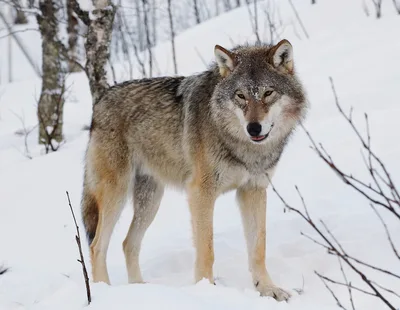
Wolves and brown bears are the main predators, and in the Russian Far East the Siberian tiger regularly kills adults. Black bears and cougars take calves in May and June, and an orca has taken a moose swimming between islands. A wolf pack trails a moose at 100 to 400 metres and drives it into a stream or onto ice, where it cannot move well. Wolves kill by tearing at the haunches, or a single bite on the tender nose can stop the animal. Packs target calves and old animals, and moose between two and eight years are seldom killed.
Parasites kill as many moose as predators. Winter ticks drain blood, and an infested animal rubs off its coat until it looks white, a ghost moose that may freeze. In Vermont ticks caused 74% of winter deaths and 91% of winter calf deaths between 2017 and 2019. Brainworm and liver fluke carried by white-tailed deer are fatal to moose, which have no defence against them. Warmer winters let ticks and deer spread north, and heat stress stops moose feeding well in summer.
Population and conservation
The IUCN Red List rates the moose as Least Concern. North America holds about a million, with 500,000 to 1,000,000 in Canada and about 300,000 in the United States, 200,000 of them in Alaska. Europe holds at least 440,000, and Russia alone about 600,000. Sweden's summer population is 300,000 to 400,000, and hunters shoot around 100,000 each autumn.
Numbers grew through most of the 20th century, but since the 1990s they have fallen sharply across the southern edge of the range. New Hampshire dropped from 7,500 in the early 2000s to 4,000 in 2014, and Vermont from 5,000 to 2,200. The moose is Endangered in China, and the Manchurian and Mongolian form is scarce because of poaching. Reintroductions in Colorado, Poland, Belarus and Denmark have restored lost herds, and the Scottish Highlands received two in 2008.
Relationship with humans
People have hunted the moose since the Stone Age, and antlers from 6000 BC lie in hut remains at Alby in Sweden. Scandinavian hunters dug trapping pits up to 2 metres deep along moose trails and fenced the animals towards them. Julius Caesar wrote that the alces had no knee joints and slept leaning against trees, so hunters cut the trees to topple them. North American peoples ate moose meat, dried it into pemmican and tanned the hides for clothing.
Moose is still a major game animal, and Sweden takes about 150,000 a year, twice the whole North American harvest. The liver and kidneys hold so much cadmium that Finland bans eating them from animals over a year old. The Soviet Union tried to domesticate the moose, and Kostroma Moose Farm in Russia still keeps a tame herd and sells moose milk.
The moose injures more people than any other wild mammal, and only the hippopotamus injures more worldwide. Most attacks are minor, but a cow with a calf or a bull in the rut will charge. Raised hackles mean a charge is coming. Cars are the real killer. A moose's body sits above a car bonnet, so it crushes the roof and the front seats, and Sweden records about 4,500 collisions a year. Sweden, Norway, Finland and New Brunswick fence highways, and the Swedish moose test checks whether a car can swerve around one.
In culture and myth
In Wabanaki tradition the hero Gluskabe shrank a giant and dangerous moose so that people could live beside it and hunt it. Cree and Anishinaabe teachings treat the moose as a powerful forest being and ask for respect, restraint and giving back. Hunters near the Urals once saw the sun as a giant moose that ran across the horizon each day. Inuit and other northern peoples tell stories about devil's antlers, the coral-like perukes that grow on a bull that has lost its testosterone.
The moose is a Canadian national symbol and appears on the arms of Newfoundland and Labrador and of Ontario. Triangular moose warning signs in Scandinavia are stolen so often as souvenirs that some regions replaced them with plain signs. In the 18th century Swedes debated a moose cavalry and a moose postal service, but only a few tame animals ever pulled a sled.
A sentence with a dotted underline is inferred: it describes the group the animal belongs to, or is a reading of the sources, rather than a measured or reported fact about this species.
Questions
Moose questions, answered
How big is a moose?
An adult stands 140 to 210 centimetres at the shoulder and measures 240 to 310 cm in head and body. A bull weighs 380 to 700 kilograms, a cow 200 to 490 kg. The largest confirmed bull weighed 820 kg.
Are moose and elk the same animal?
Yes and no. In Europe and Asia Alces alces is called the elk. In North America the same animal is the moose, and the name elk belongs to a different deer, the wapiti.
Where do moose live?
In boreal and mixed forest across Canada, Alaska, the northern United States, Scandinavia, the Baltic states, Poland, Russia, Mongolia and north-east China. They need cold winters, young forest and water.
What do moose eat?
Twigs, leaves and shoots of willow, birch, aspen and alder, plus water plants such as lilies and pondweed in summer. An adult eats about 20 kilograms of fresh food a day. It cannot digest hay.
Are moose dangerous?
They can be. No other wild mammal injures as many people, though most injuries are minor. A cow with a calf or a bull in the rut may charge, and a moose kicks in every direction. Car collisions with moose are often fatal.
How fast can a moose run?
Up to about 60 kilometres per hour, and it can trot for long distances over rough ground. It also swims at up to 9.5 km/h and has covered 20 km of open water.
Can moose swim?
Yes, very well. Hollow hairs help them float, and they dive more than 5.5 metres to pull plants from lake beds. Their nostrils close under water, so they can chew and swallow while submerged.
Why do moose have such big antlers?
Antlers signal a bull's health to cows and rivals. Bulls use them to display, spar and fight in the rut. The palm also gathers sound and improves hearing. They fall off each winter and regrow in spring.
How long do moose live?
A wild moose usually lives 8 to 15 years, and the oldest known cow reached 22. Where hunting is heavy the average life is only a few years.
Are moose endangered?
No. The IUCN lists the moose as Least Concern, and there are well over a million in North America and at least as many in Eurasia. Numbers are falling in the southern United States because of ticks, deer parasites and warmer winters.
What eats moose?
Wolves and brown bears are the main predators, and Siberian tigers regularly kill adults in the Russian Far East. Black bears and cougars take calves. Up to half of calves die in their first six weeks.
How many calves does a moose have?
Usually one, born in May or June after about 8 months. Twins are common when food is good and can reach 30 to 40% of births. The calf stays with its mother for about a year.
What is the bell on a moose?
The bell is a flap of furred skin that hangs under the throat. Both sexes may have one. Its purpose is unknown, though it may help cooling or signal fitness to mates.
Why do moose lick roads?
Land plants hold little sodium, so moose crave salt. In winter they lick the salt spread on roads to melt ice, which puts them in the path of cars.
Why are moose so dangerous to cars?
A moose's body sits above the bonnet of a car. In a collision the animal comes through the windscreen and crushes the roof and front seats. Seat belts and airbags give little protection.
Do moose live in groups?
No. It is the loner of the deer family. Adults live alone, and the only lasting bond is between a cow and her calf. Bulls and cows gather briefly in the autumn rut.
Food web
Prey and food
- willow
- birch
- aquatic plants
Food web
Predators
 Gray wolf
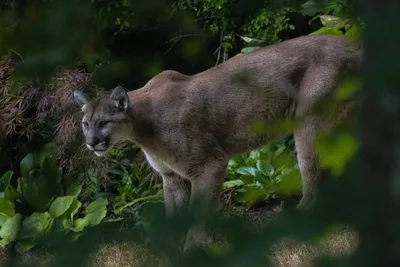 Cougar
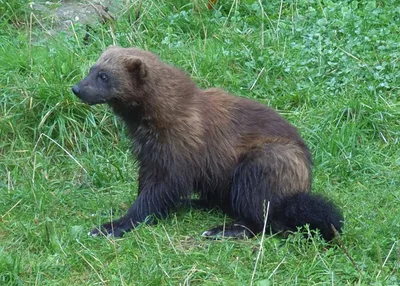 Wolverine
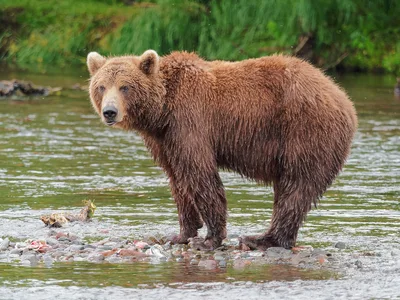 Brown bear
Ecological equivalents
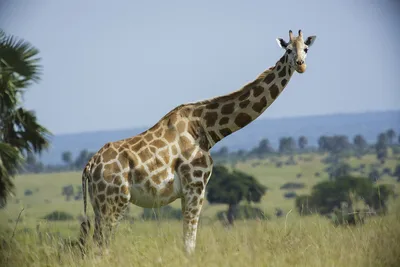
Related species on this site
Cervalces latifrons (Broad-Fronted Moose) (same family), Chinese Water Deer (same family), Coues Deer (same family), Deer (same family), Elk (same family), Fallow deer (same family), and more.
Mammals
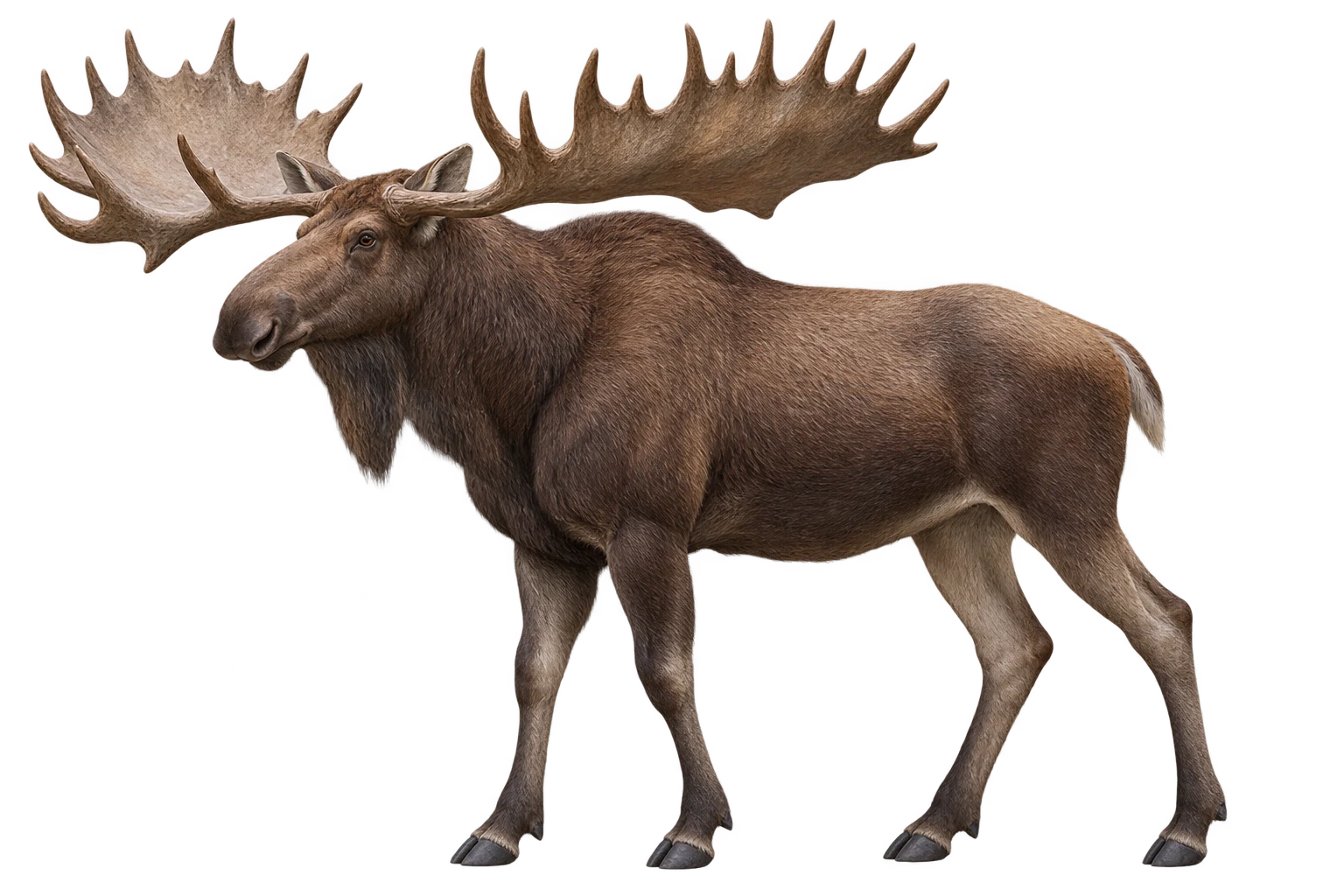
Cervalces latifrons (Broad-Fronted Moose)
Cervalces latifrons
Classification and source reference
ExtinctAI reconstruction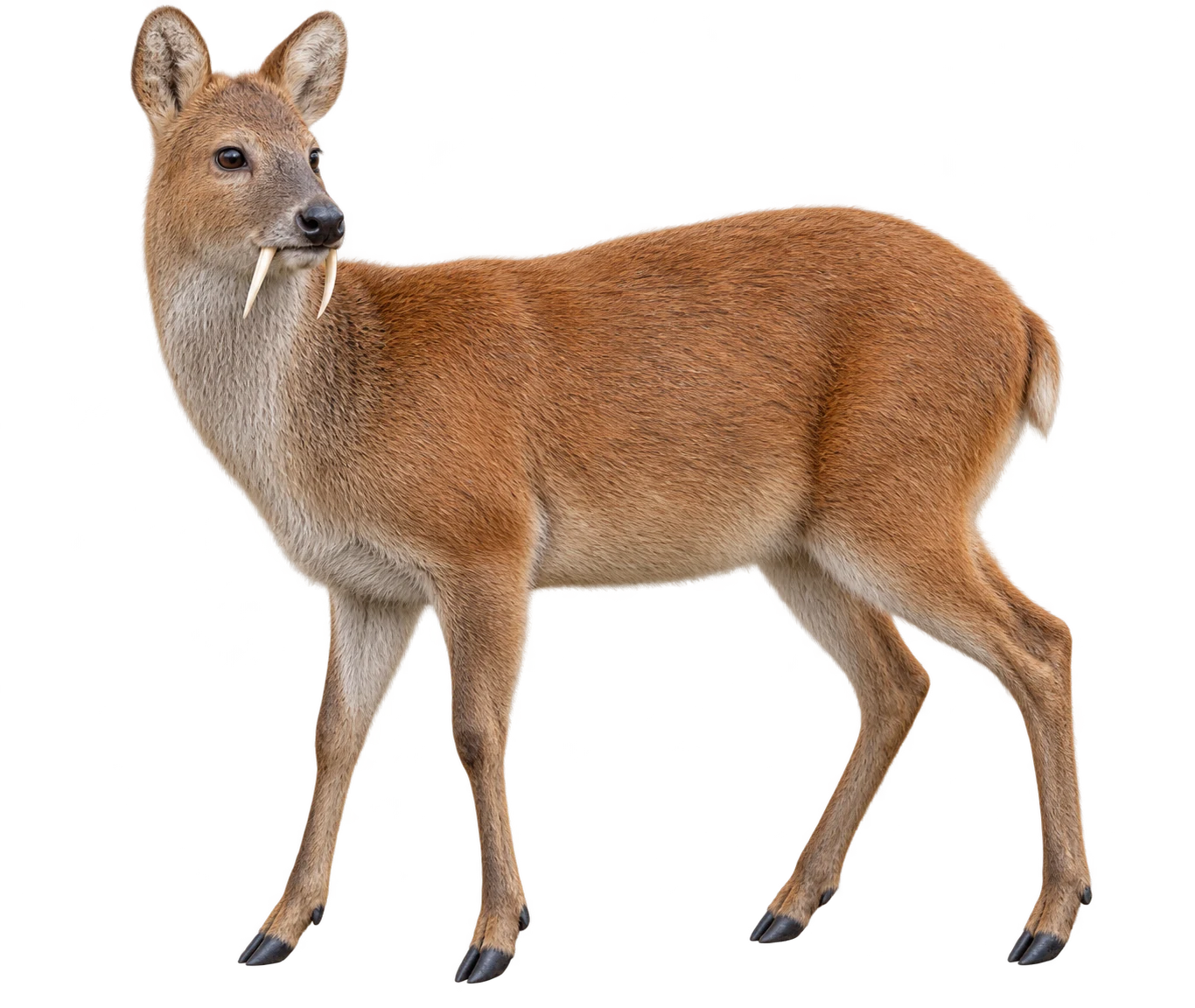
Mammals
Chinese Water Deer
Hydropotes inermis
Classification and source reference
LivingAI illustration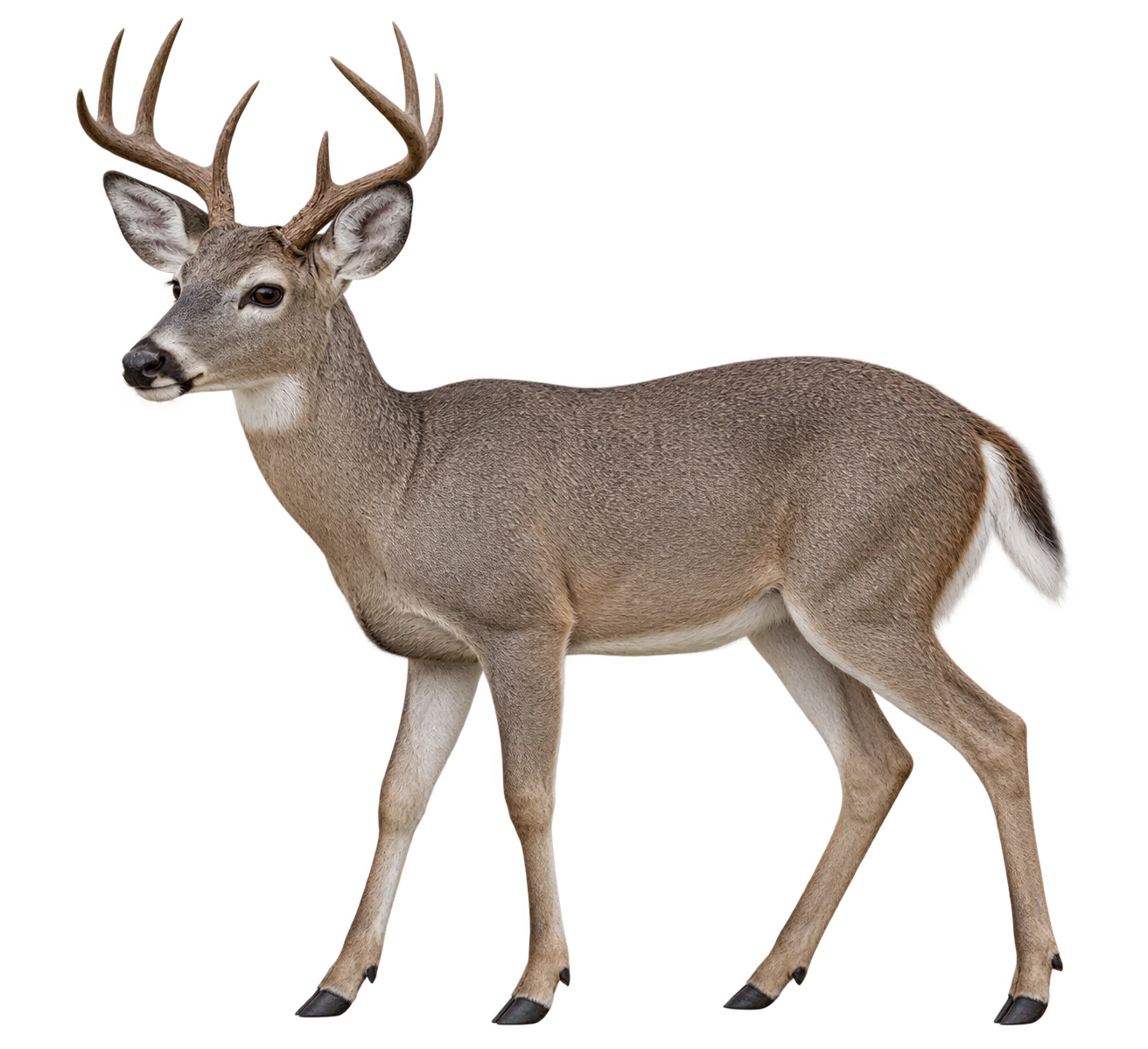
Mammals
Coues Deer
Odocoileus virginianus couesi
Classification and source reference
LivingAI illustration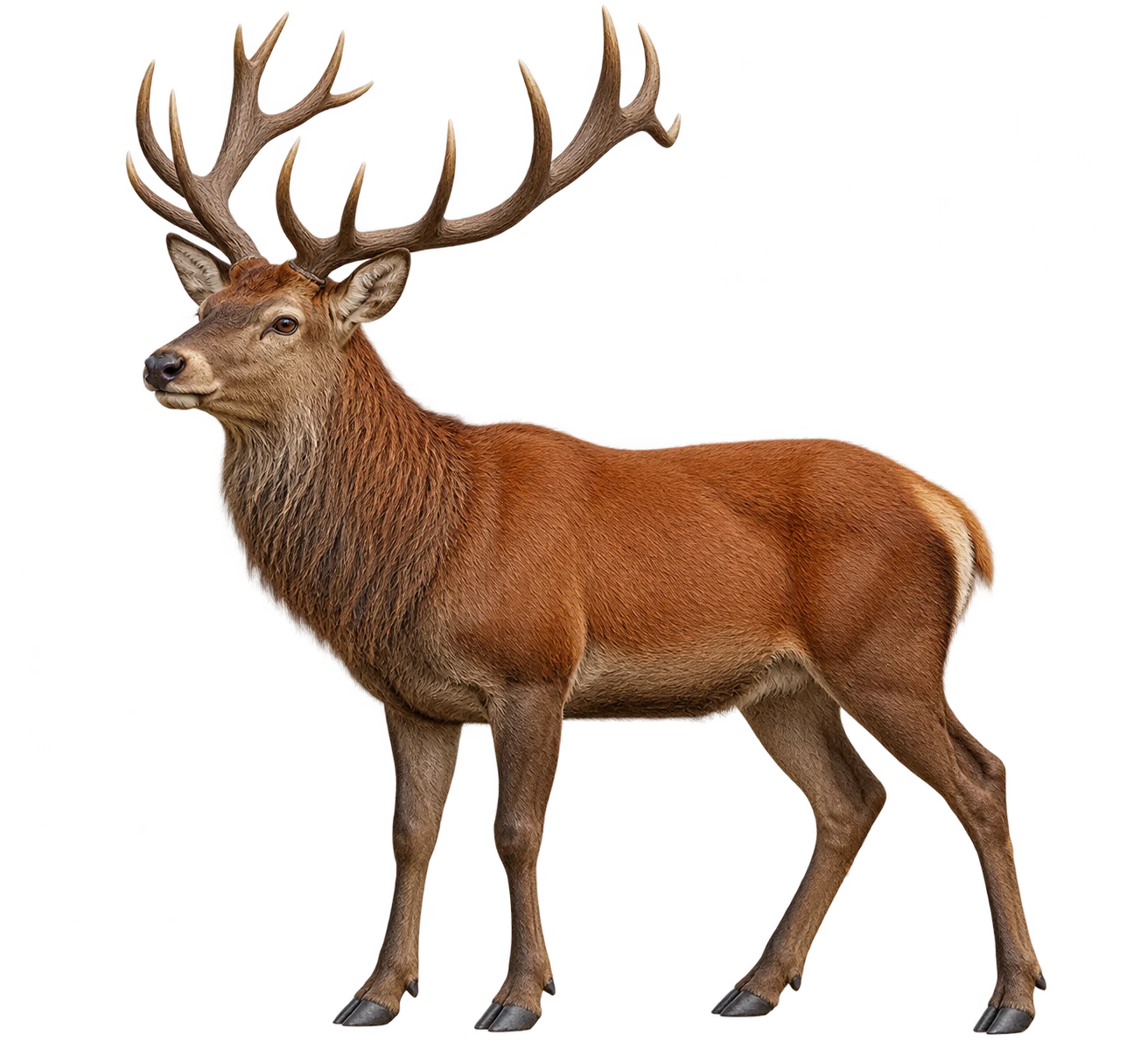
Mammals
Deer
Cervidae
Classification and source reference
LivingAI illustration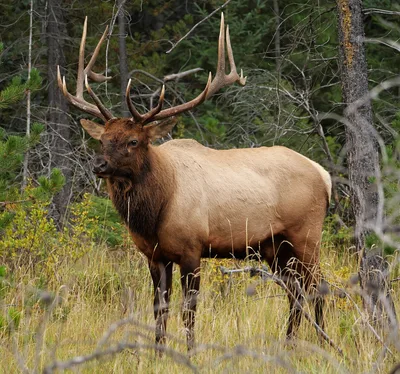 LC
Mammals
Elk
Cervus canadensis
The elk, or wapiti, is the second largest deer in the world.
Living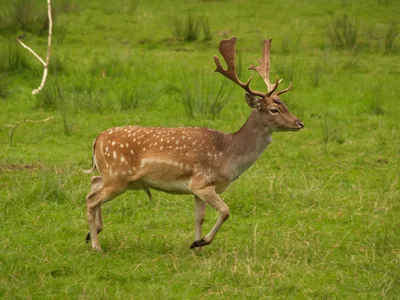
Mammals
Fallow deer
Dama dama
The fallow deer is a grazing and browsing deer often associated with woodland edges and open grass.
Living