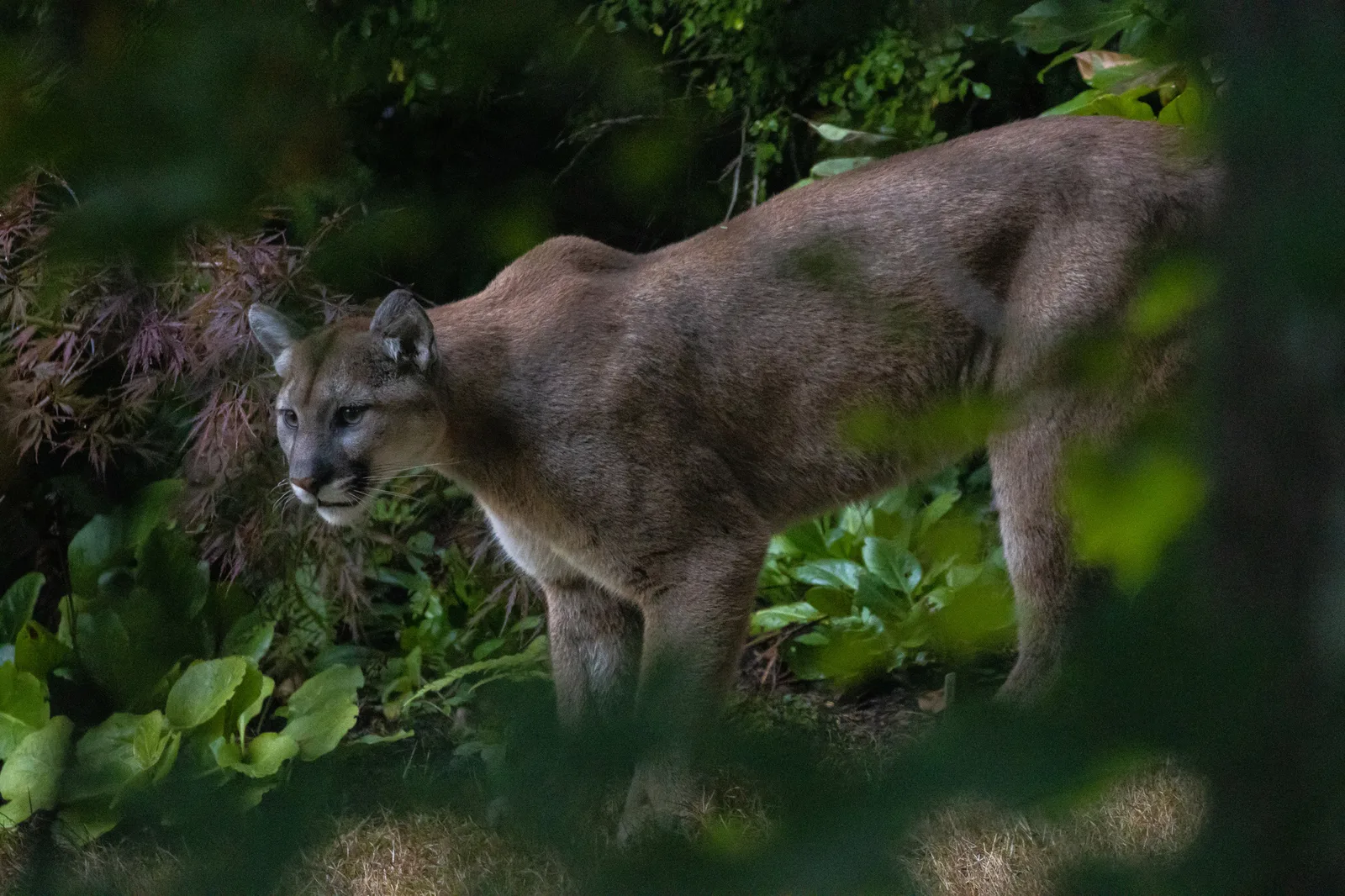
Cougar
The big cat with more names than any other animal
Puma concolor
Also called Puma, Mountain lion, Catamount, Panther, Painter, Florida panther
Living individuals or members of this group exist today. This does not mean they are safe from extinction.
Meet the cougar
The cougar is a large solitary cat that ranges from the Yukon to the tip of South America. It stalks deer and other hoofed animals, kills with a bite to the neck and hides the carcass to feed on for days.
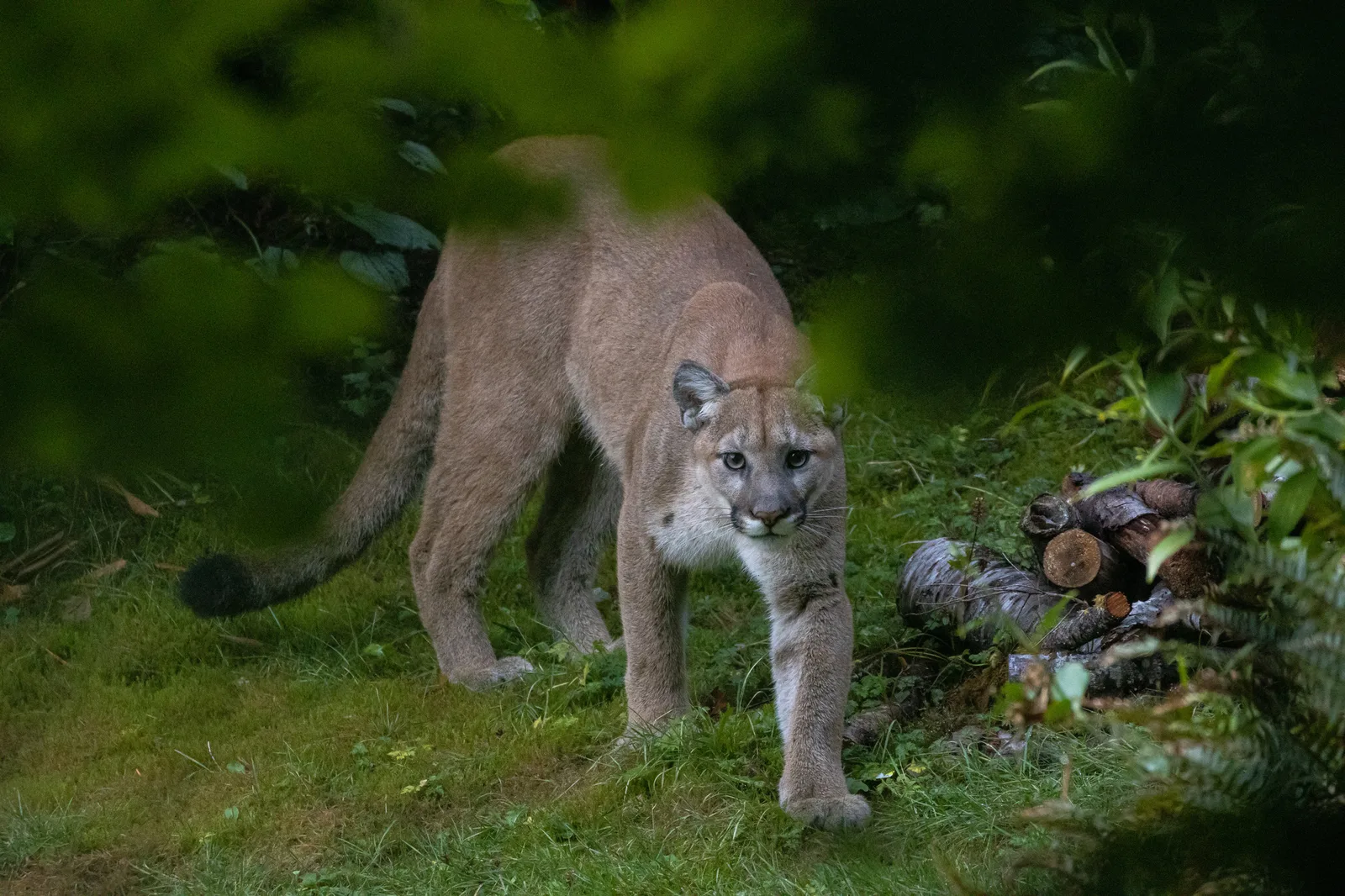
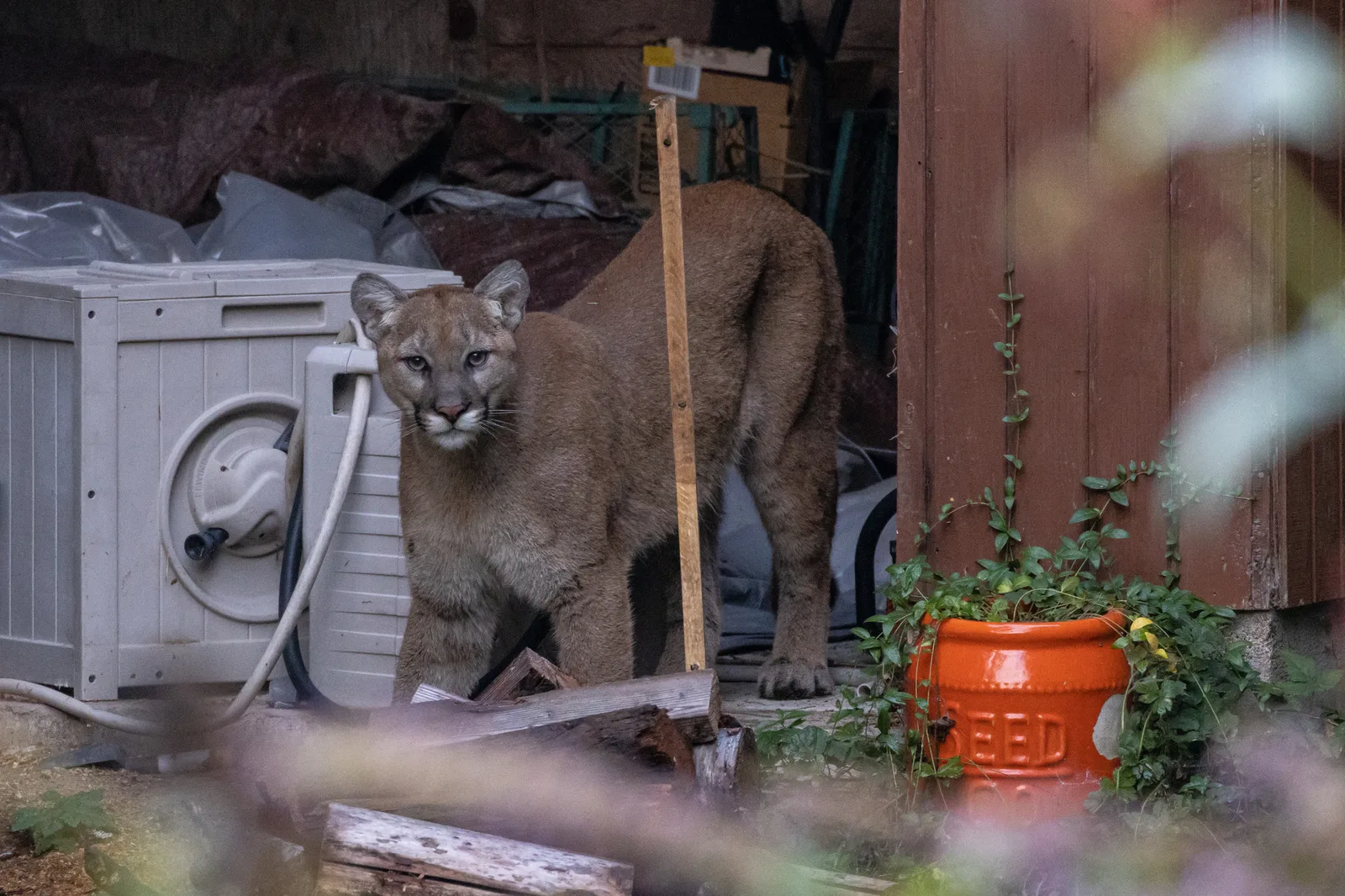
Images of the cougar
Lifespan in the wild
8 to 13 years a female of at least 18 was shot on Vancouver Island
Weight
29 to 120 kg
Length
0.86 to 1.54 m
Height
60 to 90 cm
Fact file
Cougar
- Location
- Western North America, Florida, Central and South America
- Habitat
- Mountains, Temperate forest, Desert, Grassland
- Diet
- Carnivore
- Prey / food
- Mule deer, white-tailed deer, elk, moose, bighorn sheep, capybara, guanaco, porcupine, hare
- Predators
- None as adults; wolves, bears and other cougars take kittens
- Lifestyle
- Mostly nocturnal; solitary
- Group name
- Solitary; no group name in use
- Name of young
- Kitten or cub
- Gestation
- About 91 days
- Litter size
- 1 to 6 kittens, usually 2
- Population
- Unknown; Least Concern but gone from most of eastern North America
- Biggest threat
- Habitat loss and roads; hunting and persecution
- Distinctive feature
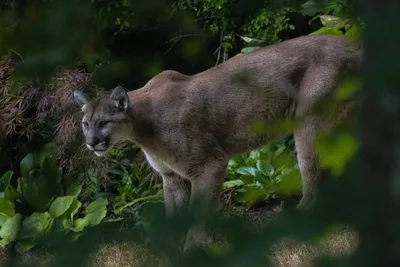
- Plain tawny coat, small round head and very long tail
- Colour
- Tawny, from silver grey to reddish, with a pale belly
- Skin type
- Fur
Size
Next to a person
Measurements
Size and speed
- Height
- 60 to 90 cm at the shoulder
- Length
- 0.86 to 1.54 m head and body; females 86 to 131 cm, males 102 to 154 cm
- Length, male
- 1.02 to 1.54 m head and body
- Length, female
- 0.86 to 1.31 m head and body
- Tail
- 63 to 96 cm
- Weight
- 29 to 120 kg females 29 to 64 kg, males 36 to 120 kg; most males 53 to 72 kg
- Weight, male
- 36 to 120 kg
- Weight, female
- 29 to 64 kg
Typical adult ranges. Sources: Animal Diversity Web, Wikipedia.
Life cycle
Lifespan
- In the wild8 to 13, up to 18 years a female of at least 18 was shot on Vancouver Island
- In captivityUp to 27 years
- 027 years
Appearance
Colour and coat
- Primary colours
- tawny
- Secondary colours
- greyreddishwhite
- Skin type
- fur
- Male and female
- Strong in size. Males weigh 36 to 120 kilograms and females 29 to 64 kg. A male's head and body run to 154 centimetres, a female's to 131. The coat is the same in both sexes.
Life cycle
Mating and family
- Mating system
- polygynous, and a litter may have several fathers
- Social structure
- solitary; a male's range covers those of several females
- Breeding
- one litter about every two years
Cougars mate in any month, but mostly from December to March in the north. After about 91 days the female bears 1 to 6 kittens, usually two, in a cave or rock shelter. The kittens are blind and spotted at birth and start to hunt small prey at six months. They leave their mother after one to two years, and the young males travel far to find a territory. Wild cats live about 8 to 13 years.
Classification
Taxonomy
- Kingdom
- Animalia
- Phylum
- Chordata
- Class
- Mammalia
- Order
- Carnivora
- Family
- Felidae
- Genus
- Puma
- Species
- Puma concolor
Conservation
Red List status
- LC
- NT
- VU
- EN
- CR
- EW
- EX
Least Concern on the IUCN Red List
Range
Recorded in 9 countries
Habitat layer: temperate broadleaf and mixed forest, temperate conifer forest, boreal forest and taiga, tropical grassland, savanna and shrubland, temperate grassland, savanna and shrubland, montane grassland and shrubland, desert and xeric shrubland.
Countries from 10,565 wild records on GBIF (iNaturalist research grade), filtered and checked by hand. Country shapes: Natural Earth. Habitat: RESOLVE Ecoregions 2017, CC BY 4.0. Basemap: Natural Earth.
Habitats
Three things to know
- 1
Guinness credits the cougar with more names than any other animal, over 40 in English alone.
- 2
It can jump 5.5 metres straight up from the ground into a tree.
- 3
It is the largest cat that can purr, and unlike a true lion it cannot roar.
Did you know
Seven more facts
- 1
Kittens are born spotted with blue eyes, and both fade as they grow.
- 2
A cougar hides a deer carcass under leaves and returns each night for days.
- 3
It has been recorded at 5,800 metres above sea level.
- 4
A single cougar eats about 48 deer-sized animals a year.
- 5
The Inca capital Cusco is said to have been built in the shape of a puma.
- 6
Wolves in a pack can kill a cougar, but one to one the cat usually wins.
- 7
Shooting cougars to protect livestock raises the number of complaints the next year.
Field notes
How it looks and acts
Field notes
Distinguishing features
- A plain tawny coat with no spots or stripes on the adult.
- A long, thick tail with a black tip, about a third of the body length.
- A small round head with upright ears that are black behind.
- Black stripes on the muzzle and a pink nose with a black rim.
- Hind legs longer than those of any other cat in proportion.
- Large front paws with five claws, including a dewclaw.
Field notes
Unique adaptations
- Long hind legs give leaps of 5.5 metres and short powerful sprints.
- Heavy forequarters, neck and jaws hold large prey during the neck bite.
- A tawny coat blends with rock, dry grass and brush.
- A wide diet lets it live from tropical forest to alpine desert.
- Retractile claws stay sharp for gripping prey.
Field notes
Interesting behaviours
- Stalks through cover and leaps onto the back of its prey.
- Buries a kill under leaves and feeds on it for several nights.
- Scrapes leaves into piles and marks them with urine.
- Hunts by day in protected areas and at night near people.
- Shares kills with neighbouring cats in a loose community.
Field notes
Temperament
- Shy and secretive, and it avoids people.
- Solitary outside the mating season.
- A mother with cubs is the most likely to threaten a person.
- Males fight, sometimes to the death, over territory.
Field notes
Communication
- Growls, hisses, spits and snarls in anger.
- Yowls and screams to attract a mate.
- Kittens whistle and chirp to call their mother.
- Scent marks on scrapes advertise territory and breeding condition.
- Purrs, as the largest cat able to do so.
Ecology
Ecological role
The cougar is a keystone predator that links hundreds of species across the food webs of the Americas.
- Controls deer, elk and other hoofed animals across its range.
- Interacts with 485 other species as hunter, prey, carcass provider or competitor.
- Leaves carcasses that feed bears, wolves, foxes and birds.
- Suppresses mid-sized predators such as coyotes, bobcats and lynx.
Stories
Myths and legends
- In Inca tradition, the capital Cusco was laid out as a puma and the god Viracocha was tied to the cat.
- In Apache and Walapai tradition, the cougar's wail foretold a death.
- In Cherokee tradition the cougar was sacred, while the Algonquin and Ojibwe placed it in the underworld.
- In Pueblo tradition the cougar guards the north and the colour yellow.
- In Caddo tales Mountain-Lion is Coyote's friend, and Rabbit tricks him.
People
Relationship with humans
People
Living alongside us
European settlers treated the cougar as vermin and wiped it out east of the Rockies, except in Florida. It is still hunted for trophies in the western United States and Canada, and it is protected across most of Latin America. Attacks on people are rare, though they have grown as suburbs spread into cougar country. Ranchers lose a few calves and sheep to it each year, and shooting cougars in reply tends to make the problem worse. Native peoples across the Americas hold the cat in high regard.
- North America recorded 88 attacks and 20 deaths between 1890 and 2004.
- Children are the most likely victims and the least likely to survive.
- A person should stand tall, shout, keep eye contact and fight back, and should never run.
People
Status, uses and products
- Domestication
- Wild
- As a pet
- Not suitable. It is a large predator that needs hundreds of square kilometres, and pet cougars have mauled people. Many escaped or abandoned pets are behind sightings in the eastern United States.
- Uses
- trophy huntingecotourismzoo exhibits
- Products
- None recorded
The full account
About the cougar
The cougar is a large, plain-coated cat of the Americas, and it goes by more names than any other animal. Puma, mountain lion, catamount, panther and painter all mean the same animal. It lives from Canada's Yukon down to the southern Andes, the widest range of any wild land mammal in the Western Hemisphere. It hunts in forest, desert, grassland and mountains, and it climbs to 5,800 metres.
Adults stand 60 to 90 centimetres at the shoulder and weigh 29 to 120 kilograms, and males are much larger than females. The cougar hunts alone, mostly at night, and it kills deer and other hoofed animals with a bite to the neck. It is shy and avoids people, and attacks on humans are rare. The IUCN lists it as Least Concern, but hunting and land clearance wiped it out across most of eastern North America.
Name and taxonomy
Guinness credits the cougar with more names than any other animal, over 40 in English. The word cougar comes from a Tupi word of Brazil, passed through Portuguese and French. Puma comes from Quechua by way of Spanish, and it is the name used in Latin America and in most science. Americans say mountain lion, a name first written in 1858, and Canadians say cougar. The cat is not a lion and it cannot roar, and it lives well beyond the mountains.
Linnaeus named it Felis concolor in 1771, from a long-tailed cat of Brazil, and Jardine moved it to the genus Puma in 1834. Its closest living relatives are the jaguarundi and the cheetah. Scientists described 32 subspecies before DNA work reduced them to six in 2005. Since 2017 the Cat Specialist Group accepts only two: one in South America and one in North and Central America. The Florida panther is still often treated as its own subspecies, P. c. coryi.
Evolution and relatives
The cat family arose in Asia about 11 million years ago. The ancestor of the puma, lynx, ocelot and small cat lineages walked over the Bering land bridge 8 to 8.5 million years ago. Cats then moved into South America 2 to 4 million years ago, once the Isthmus of Panama had formed. Some studies suggest the cheetah line split from the puma line in the Americas and went back to Asia and Africa.
North American cougars are all very alike in their genes, which points to descent from a small founding group. One theory holds that the original northern cougars died out about 10,000 years ago with Smilodon and the other big Ice Age mammals. Cats from South America then moved north again and refilled the continent. A cougar dropping from Argentina dated to 17,002 to 16,573 years old still held the eggs of a roundworm that infects the cat today.
Appearance
The cougar is slim and long, with a small round head, upright ears and a tail that makes up about a third of its length. The head and body measure 86 to 154 centimetres and the tail adds 63 to 96 cm. Females weigh 29 to 64 kilograms and males 36 to 120 kg, though most males fall between 53 and 72. The heaviest confirmed animal, shot in 1901, weighed 105.2 kg. Cats grow larger with distance from the equator, so a Patagonian or Canadian cougar outweighs one from Central America.
The coat is plain tawny, from silver grey to reddish, with a paler belly, chin and throat. The muzzle stripes, the backs of the ears and the tip of the tail are black, and the nose is pink with a black border. Kittens are spotted, with blue eyes and rings on the tail, and the spots fade as they grow. The hind legs are the longest of any cat in proportion, and they power leaps of up to 5.5 metres straight up. The front paws are larger than the hind paws and carry five claws, one of them a dewclaw, for gripping prey. It is the largest cat that purrs.
Habitat and range
The cougar's range spans 110 degrees of latitude, from the Yukon to the southern Andes of Chile. It uses every forest type, lowland and mountain desert, swamp, dry brush and open ground with little cover. It prefers steep canyons, rock ledges and dense brush, which give it cover to stalk. It has been recorded at 5,800 metres.
Bounties, hunting and land clearance removed it from the whole of eastern North America except southern Florida. The United States declared the eastern cougar extinct in 2011. Cats are now spreading east again, and animals have been recorded in the Midwest and as far as Kansas City, where cars have hit several. In the western United States cougars are common in the suburbs of California.
In the south it lives in the Amazon, the Pantanal, the dry Caatinga and the scrub of central Argentina. In Colombia it has been photographed in a palm oil plantation next to a river forest. GBIF holds records from 32 countries, and that count includes zoo animals.
Diet and hunting
The cougar is a hypercarnivore that eats almost nothing but meat. In North America deer are its main food, and a survey found that 68% of prey items were hoofed animals. It also takes elk, moose, mountain goats and bighorn sheep, and some cats learn to specialise on one species. Smaller prey includes porcupines, beavers, raccoons, hares, rodents, birds and, near towns, pets. In one Alberta study, hoofed animals made up more than 99% of the winter diet.
South of Mexico the share of deer falls, and the cat turns to mid-sized mammals such as capybara, peccaries and guanacos. Hoofed animals made up only 35% of prey in one South American survey, about half the northern figure. In two Patagonian parks, Magellanic penguins are the main prey. One cougar in New Mexico killed 29 gemsbok, an introduced antelope, and they were 58% of everything it was seen to kill.
The cat stalks through cover, then leaps onto the back of its prey and bites the neck. It kills a large animal about once every two weeks, or every three days when feeding well-grown kittens. It drags the carcass up to 350 metres, buries it under leaves and comes back each night to eat. ADW estimates that one cougar eats 860 to 1,300 kilograms of large prey a year, about 48 hoofed animals. In Idaho snow it caught elk and deer in 82% of hunts, but in Argentine scrub it caught viscachas in only 10%.
Behaviour and social life
The cougar lives alone, and adults meet only to mate. Only a mother and her kittens form a group, though young siblings sometimes stay together for a while after leaving her. Cats do share kills with neighbours, and they seem to form loose communities around the territory of a dominant male. A male's range overlaps those of several females but not those of other males.
ADW gives female home ranges of 26 to 350 square kilometres and male ranges of 140 to 760. Wikipedia cites male ranges of up to 1,300 square kilometres, and densities of 0.5 to 7 cats per 100 square kilometres. A male scrapes leaves and soil into a pile with his hind feet and marks it with urine to warn other males off. When two males meet, they call, and they fight if neither backs down. In some areas cats move between summer and winter ranges.
Activity depends on where the cat lives. In protected areas cougars may hunt by day, but near ranches and towns they become nocturnal. In Belize, cougars and jaguars both hunt at night but keep out of each other's way. Near a Mexican cattle ranch the cats were active at the same hours as the calves.
Communication and senses
The cougar relies mainly on sight, smell and hearing. It growls, hisses, spits and snarls when angry, and it purrs. A female in season yowls and screams to draw a mate, and males answer with the same calls. Kittens call their mother with loud chirping whistles, and mothers and young keep in touch with chirps and mews. The cat cannot roar, probably because it lacks the throat structure of the Panthera cats.
Scent marks on scrapes and trees tell other cats where a territory ends and whether a female is ready to breed. Touch matters between a mother and her young, and a female in season rubs against objects. To the Apache and the Walapai, the cougar's wail was a sign of coming death.
Reproduction and life cycle
Cougars can breed in any month, but in the north most mating falls between December and March. A female matures at 18 months to 3 years, a male at about 3. A wild cat does not breed until it holds a territory. A female's cycle lasts 23 days, and she is in season for about eight of them. Both sexes take several partners. Mating is brief but frequent, up to nine times in an hour, and a litter can have more than one father.
Gestation lasts about 91 days, with a range of 82 to 103. The female gives birth in a cave or a rock shelter to 1 to 6 kittens, usually two. Newborns are blind and weigh 226 to 453 grams, and their eyes open at 10 days. They are weaned at about 40 days but keep nursing for months, and they begin to hunt small prey at six months. Only about one kitten per litter survives to leave its mother.
The young stay with their mother for one to two years, and a female usually breeds every other year. When she comes into season again, the young must leave, or the male will kill them. Young males travel 23 to 274 kilometres to find a range, and females 9 to 140. Wild cougars live about 8 to 13 years, and one female of at least 18 was shot on Vancouver Island. Captives reach about 20, and AnAge records one that lived 27 years.
Predators and threats
No wild animal preys on a healthy adult cougar. Wolves, bears and other cougars take kittens and sick animals, and coyotes have tried to take cubs. Wolf packs kill cougars: one pack of seven to 11 wolves killed a female and her kittens in Idaho. One to one, though, the cat usually wins, and cougars have ambushed and killed adult male wolves.
Bears steal its kills. In Yellowstone and Glacier, bears visited 24% of cougar kills and took over 10% of the carcasses. In California black bears visited 77% of kills, so the cats hunt more often and feed less on each kill. Where the range overlaps with the jaguar, the bigger cat takes the larger prey.
The main threats are habitat loss, roads that block dispersal, and the poaching of its prey. In Florida, traffic kills panthers every year. The western United States allows hunting, and Canada, Mexico and Peru regulate it. The feline immunodeficiency virus is well adapted to the cougar.
Population and conservation
The IUCN has listed the cougar as Least Concern since 2008. Even so, numbers have fallen across most of the historic range since Europeans arrived. The species sits on CITES Appendix II, and the Central American population on Appendix I. Hunting is banned in Costa Rica, Brazil, Chile, Colombia and most of Argentina, among other countries.
The Florida panther is protected under the Endangered Species Act, and California protected all cougars in 1990. The Florida cats show low genetic variation, probably from inbreeding. Models show a low risk of extinction in blocks of habitat larger than 2,200 square kilometres. One to four newcomers a decade greatly improve a population's survival, so wildlife corridors matter. A Texas project launched in 2009 works to reduce conflict between ranchers and cougars.
Relationship with humans
Cougars do not see people as prey, and they usually keep away from them. In a ten-year study in New Mexico, wild cougars threatened researchers in only 6% of close approaches, mostly females with cubs. Attacks happen when a cat has grown used to people or is starving, and most often in late spring and summer. Between 1890 and 1990 North America recorded 53 attacks and 10 deaths, and by 2004 the count had reached 88 attacks and 20 deaths. Children made up 64% of victims before 1991 and almost all of the deaths.
A person who meets a cougar should stand tall, shout, keep eye contact and fight back, and never run or play dead. In South America the puma has a reputation for leaving people alone, and legend says it once defended them from jaguars. Deaths there are very rare but real: a ranger's child died at Iguazú in 1997, and a woman died in Chile in 2020.
Ranchers once rated the cougar as destructive as the wolf, but in Texas in 1990 it took only 86 calves out of 13.4 million cattle. Killing cougars to protect stock backfires: a 2013 study found each cat shot the previous year raised complaints by 50%. Older cats that avoid people are replaced by bolder young males. The cougar is hunted for trophies, kept in zoos and watched by tourists, and its role as a top predator helps control deer.
In culture and myth
The peoples of the Americas have long admired the cougar's grace and power. The Inca city of Cusco is said to have been laid out in the shape of a puma. The Moche painted the cat on their pottery. The Inca sky and thunder god Viracocha was linked to the animal. For the Quechua a puma sighting brought luck, and the cat stood for wealth and the earth.
In the North American Southwest, the Apache and Walapai heard the cougar's wail as a warning of death. The Algonquin and Ojibwe placed it in the underworld as a wicked being, while the Cherokee held it sacred. Pueblo peoples count it among the six guardians of the directions, for the north and the colour yellow. Zuni hunters carried small stone cougars for protection and hunting power. The Creek, Chickasaw, Osage, Caddo and Shawnee all have cougar clans.
In Caddo tales, Mountain-Lion is Coyote's friend, and in one story Rabbit outwits him. A Shoshone-Bannock legend tells of a cougar spirit that helped warriors against hostile Little People. Today the cat lends its name to sports teams, cars and a brand of shoes, which is probably a sign of the same admiration.
A sentence with a dotted underline is inferred: it describes the group the animal belongs to, or is a reading of the sources, rather than a measured or reported fact about this species.
Questions
Cougar questions, answered
Is a cougar the same as a mountain lion and a puma?
Yes. Cougar, puma, mountain lion, catamount, panther and painter are all names for Puma concolor. It holds the record for the animal with the most names.
How big is a cougar?
Adults stand 60 to 90 centimetres at the shoulder. The head and body measure 86 to 154 cm, the tail adds 63 to 96 cm, and weight runs from 29 to 120 kilograms.
How high can a cougar jump?
It can leap 5.5 metres straight up from the ground into a tree, thanks to the longest hind legs of any cat in proportion.
What do cougars eat?
Mostly deer in North America, along with elk, moose, bighorn sheep, porcupines, hares and rodents. In South America it takes capybara, guanaco and even penguins.
Do cougars attack humans?
Rarely. Across North America from 1890 to 2004 there were 88 attacks, of which 20 were fatal. Most victims were children, and most attacking cats had lost their fear of people.
What should you do if you see a cougar?
Face it, stand tall, shout and make yourself look large. Do not run, and do not play dead. If it attacks, fight back with sticks, rocks or your hands.
Where do cougars live?
From the Yukon and British Columbia down the western United States, through Mexico and Central America to the Amazon and the southern Andes. A small population survives in Florida.
Are cougars endangered?
No. The IUCN lists the cougar as Least Concern. The Florida panther is protected as endangered, and the eastern cougar was ruled extinct in 2011.
Can a cougar roar?
No. It is not a true lion, and it lacks the throat structure of the roaring cats. It is the largest cat that can purr.
How long do cougars live?
About 8 to 13 years in the wild, and one female reached at least 18. Captives reach about 20, and AnAge records one at 27.
Are cougars solitary?
Yes. Adults meet only to mate, and only a mother and her kittens live together. Neighbours do share kills at times.
How fast is a cougar?
The sources give no measured top speed. It is built for short sprints and long leaps, and it hunts by ambush rather than by chase.
Do cougars live in the eastern United States?
Only in Florida, as the Florida panther. Cats are spreading east from the Rockies, and one reached Kansas City, but most eastern sightings are escaped pets.
How many kittens does a cougar have?
One to six, usually two, after a pregnancy of about 91 days. The female breeds about every two years.
Is a black panther a cougar?
Probably not. The sources record no black cougar, only a pure white one photographed in Brazil in 2013. A black panther is usually a dark jaguar or leopard.
What is the cougar's biggest threat?
Habitat loss and roads that split populations, plus hunting and the poaching of its prey. In Florida, traffic is the main killer.
Food web
Prey and food
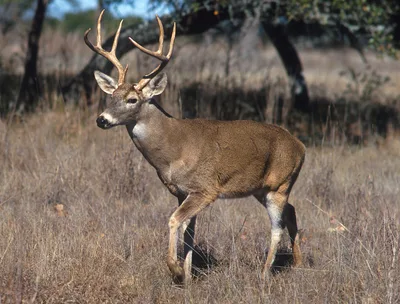 White-tailed deer
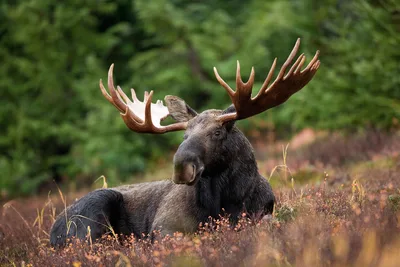 Moose
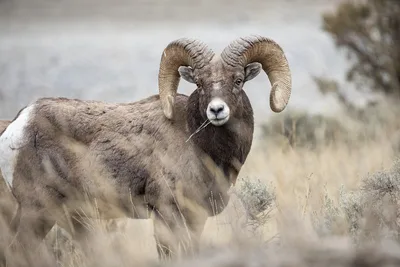 Bighorn sheep
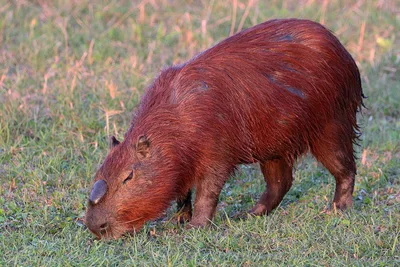 Capybara
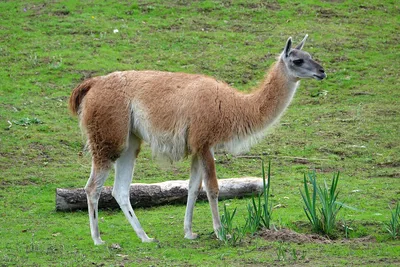 Guanaco
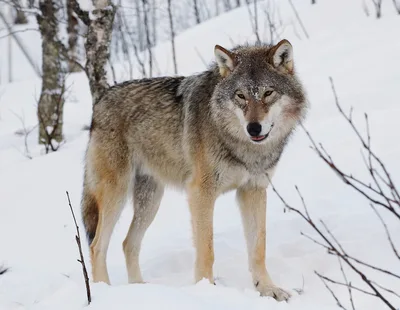 Gray wolf
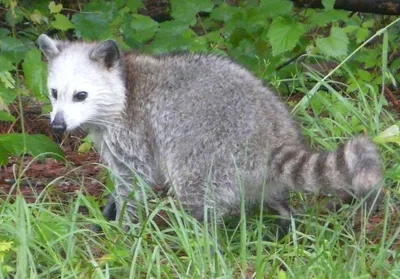 Raccoon
 Cougar
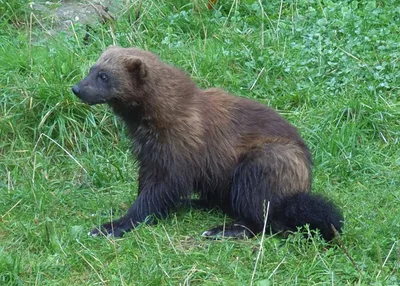 Wolverine
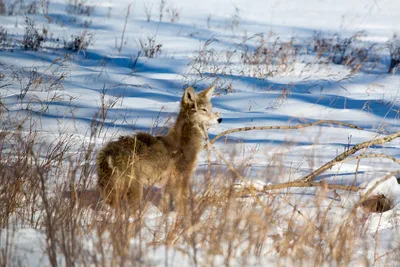 Coyote
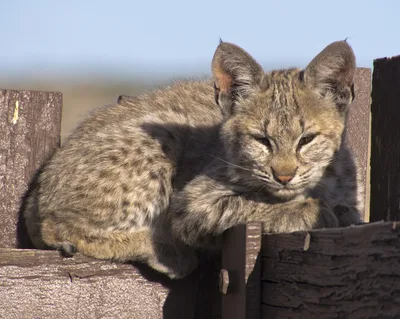 Bobcat
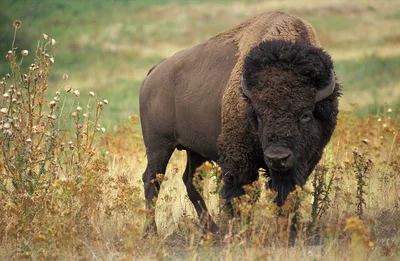 American bison
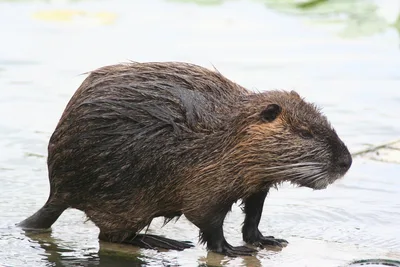 Nutria
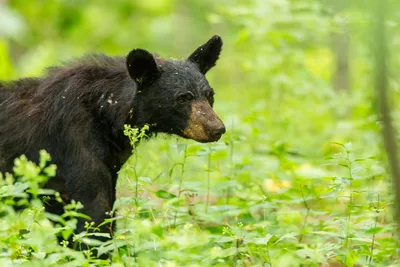 American black bear
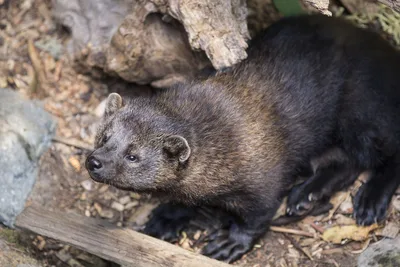 Fisher
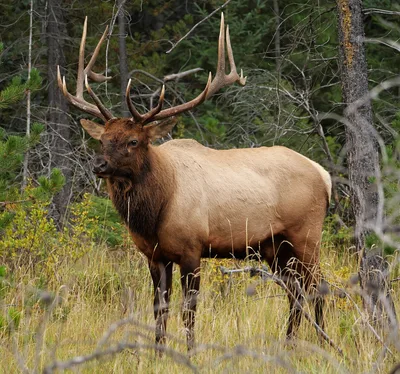 Elk
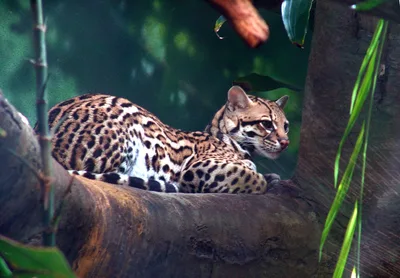 Ocelot
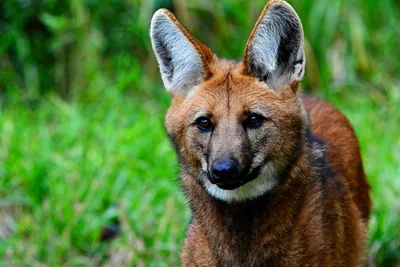 Maned wolf
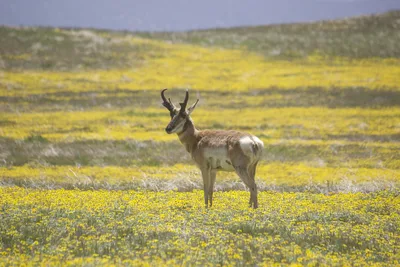 Pronghorn
 Spectacled bear
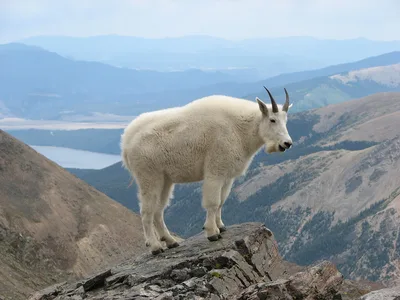 Mountain goat
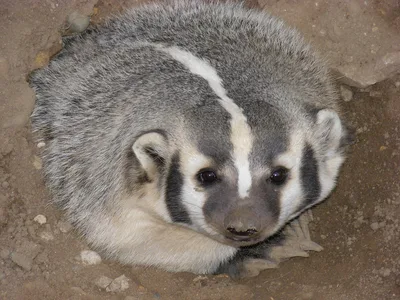 American badger
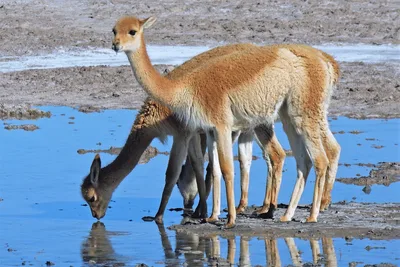 Vicuña
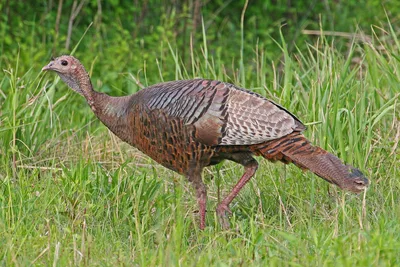 Wild turkey
Food web
Predators
Ecological equivalents
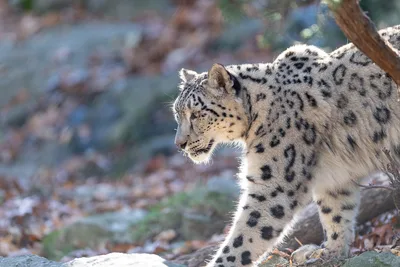
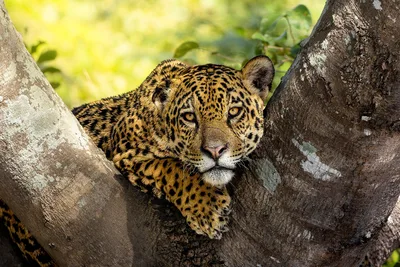
Related species on this site
Jaguarundi Cat (same genus), Abyssinian (same family), African Golden Cat (same family), African wildcat (same family), American Wirehair (same family), Amur Leopard (same family), and more.
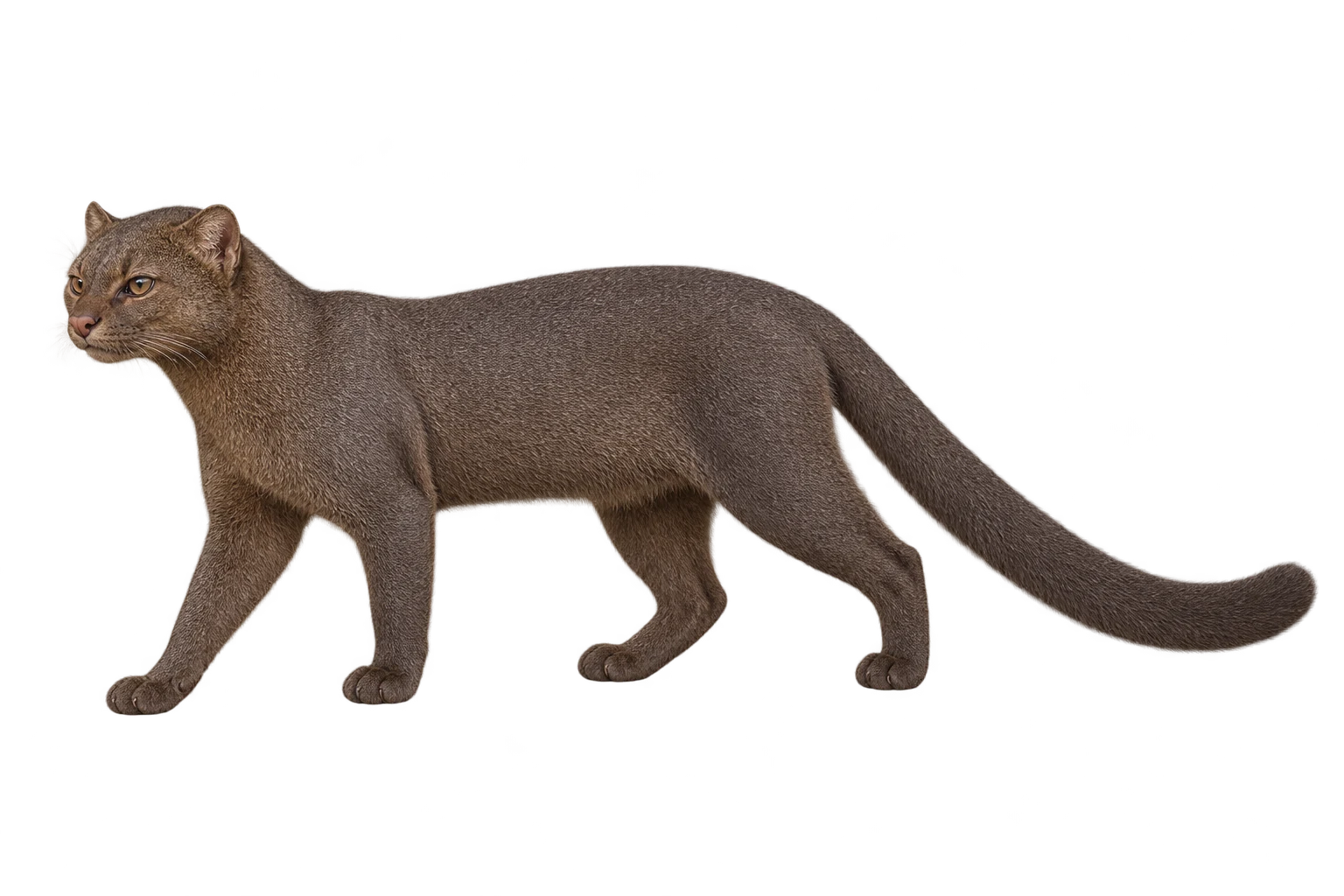
Mammals
Jaguarundi Cat
Herpailurus yagouaroundi
Classification and source reference
LivingAI illustration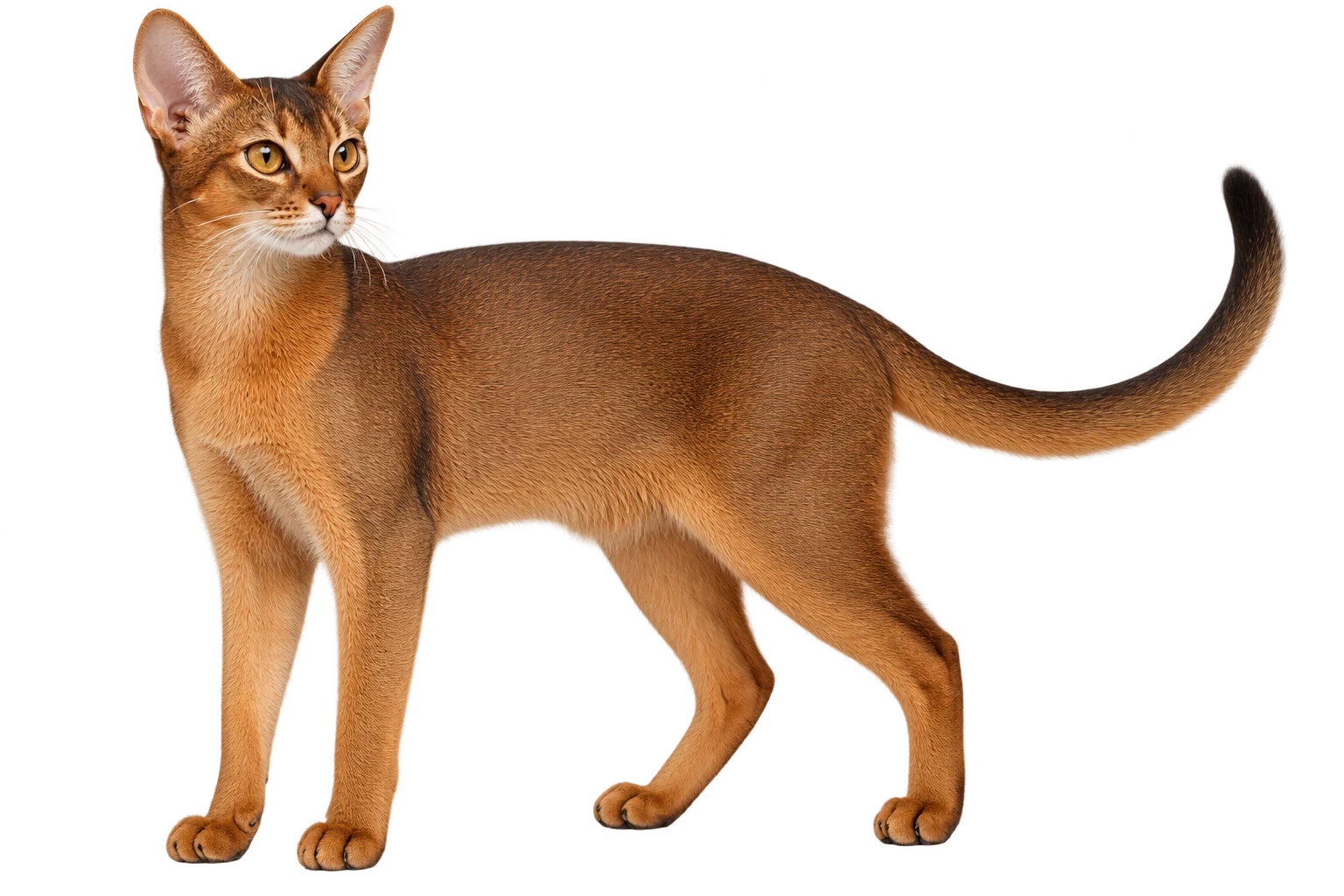
Mammals
Abyssinian
Felis catus
Classification and source reference
LivingAI illustration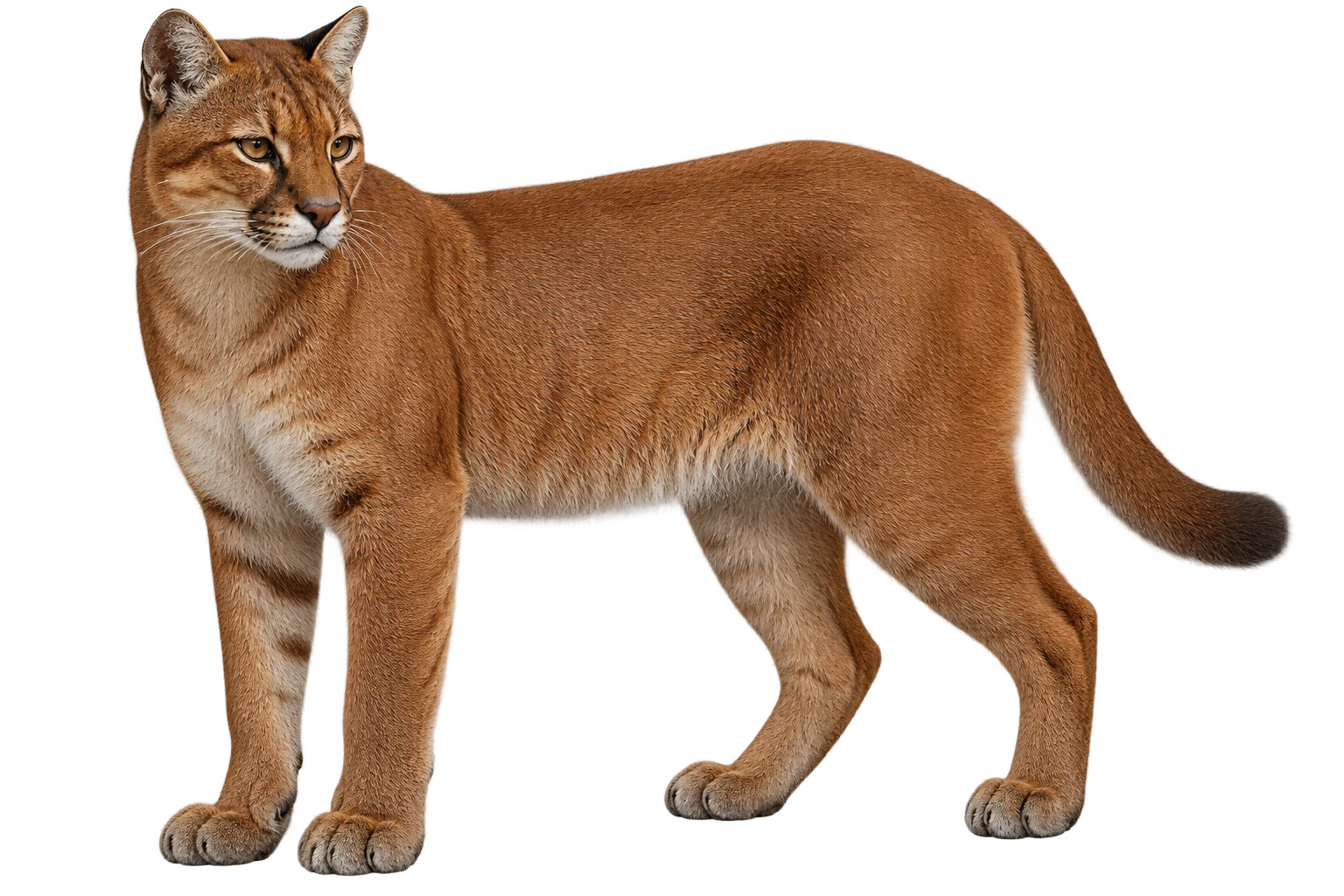
Mammals
African Golden Cat
Caracal aurata
Classification and source reference
LivingAI illustration LC
Mammals
African wildcat
Felis lybica
The African wildcat is a small striped cat of dry Africa and Asia, and the ancestor of every domestic cat.
Living
Mammals
American Wirehair
Felis catus
Classification and source reference
LivingAI illustration
Mammals
Amur Leopard
Panthera pardus orientalis
Classification and source reference
LivingAI illustration