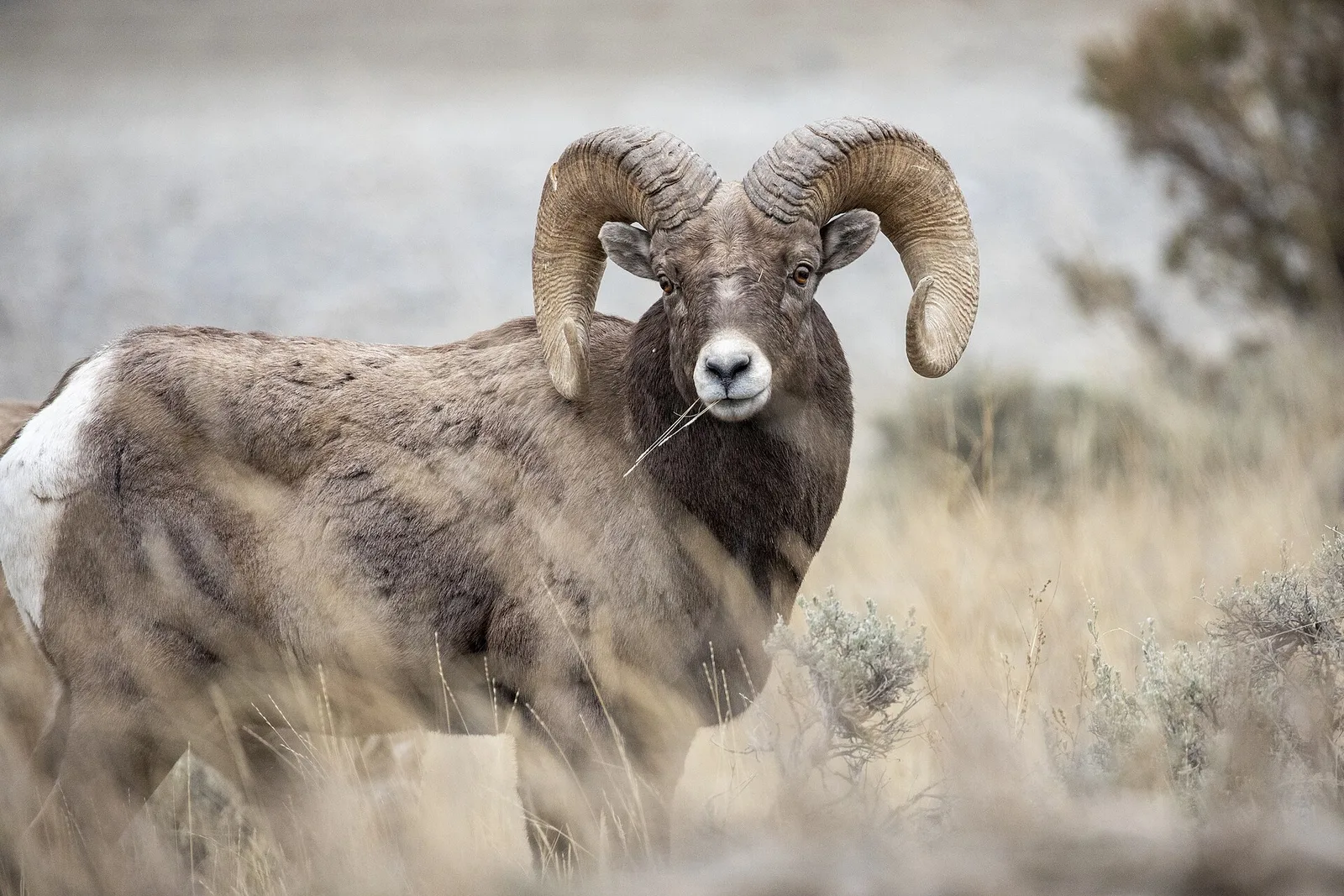
Bighorn sheep
The mountain ram that fights with its head
Ovis canadensis
Also called Bighorn, Rocky Mountain bighorn, Desert bighorn, Mountain sheep
Living individuals or members of this group exist today. This does not mean they are safe from extinction.
Meet the bighorn sheep
The bighorn sheep is a wild sheep of the mountains and deserts of western North America. Rams carry curled horns of up to 14 kilograms and crash them together in the autumn rut.
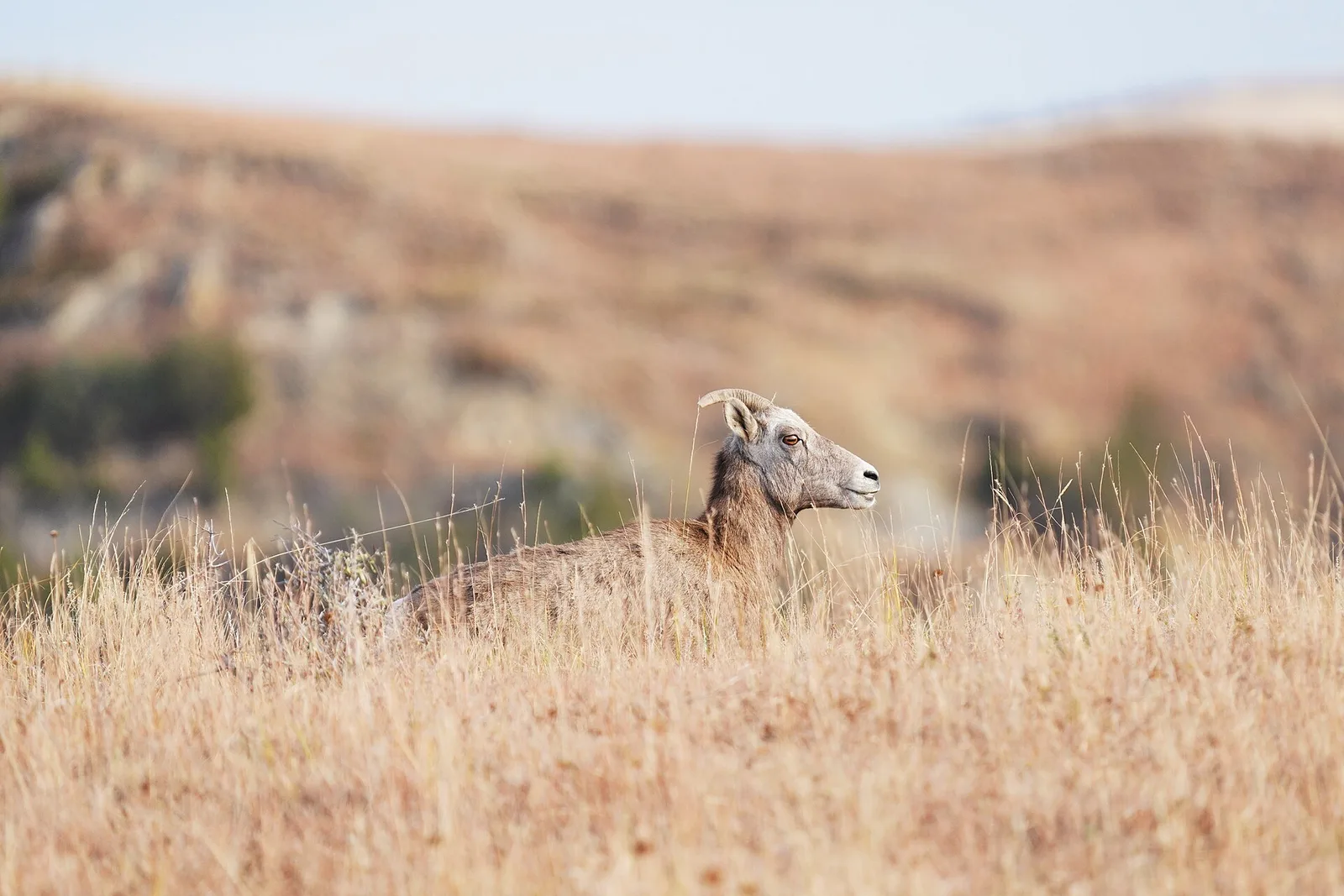
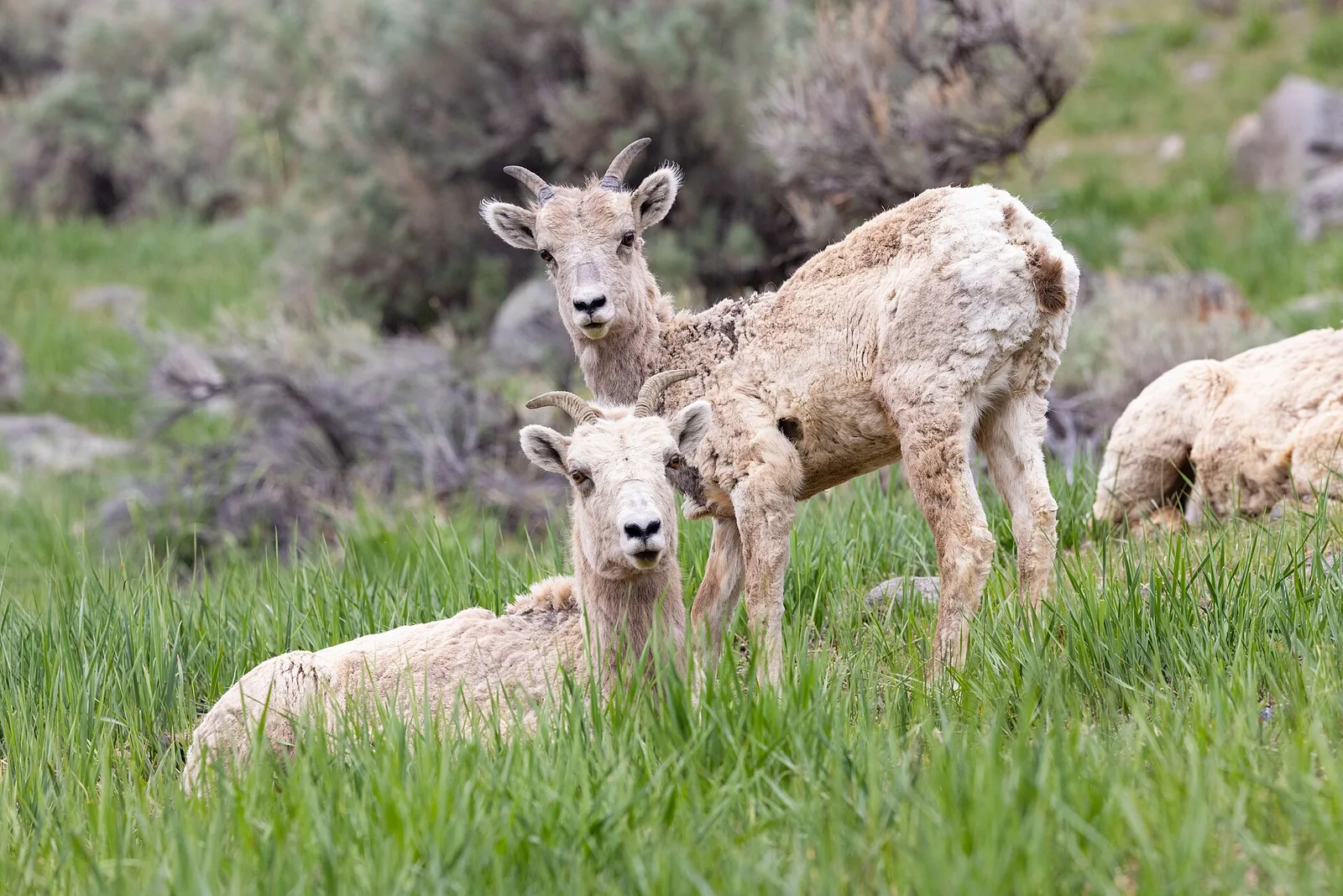
Images of the bighorn sheep
Lifespan in the wild
6 to 15 years ewes 10 to 14 years and rams 9 to 12 are typical; the oldest ewe reached 19
Weight
53 to 127 kg
Length
1.5 to 1.8 m
Top speed
Up to 48 km/h
Fact file
Bighorn sheep
- Location
- Western North America, from British Columbia and Alberta to Baja California and Sonora
- Habitat
- Mountains, Desert, Grassland
- Diet
- Herbivore
- Prey / food
- Grasses, sedges, forbs and shrubs
- Predators
- Mountain lions, wolves, coyotes, bears, bobcats and golden eagles
- Lifestyle
- Diurnal, in herds split by sex for most of the year
- Group name
- Herd
- Name of young
- Lamb
- Gestation
- About 6 months
- Litter size
- 1 lamb, rarely 2
- Population
- About 15,500 in Canada, 42,700 in the USA and 6,700 in Mexico
- Biggest threat
- Pneumonia caught from domestic sheep, plus habitat loss and poaching
- Distinctive feature
- Massive curled horns on the ram and a white rump patch
- Colour
- Light brown to dark chocolate brown with a white rump and muzzle
- Skin type
- Fur
Size
Next to a person
Measurements
Size and speed
- Height
- 0.75 to 1.05 m at the shoulder; females 75 to 90 cm, males 90 to 105 cm
- Height, male
- 0.9 to 1.05 m
- Height, female
- 75 to 90 cm
- Length
- 1.5 to 1.8 m nose to tail
- Length, male
- 1.6 to 1.85 m
- Length, female
- 1.28 to 1.58 m
- Weight
- 53 to 127 kg Wikipedia gives males 58 to 143 kg and females 34 to 91 kg; Rocky Mountain rams can pass 230 kg
- Weight, male
- 58 to 143 kg
- Weight, female
- 34 to 91 kg
- Top speed
- Up to 48 km/h 30 miles an hour over level ground
Typical adult ranges. Sources: Animal Diversity Web, Wikipedia.
Life cycle
Lifespan
- In the wild6 to 15, up to 19 years ewes 10 to 14 years and rams 9 to 12 are typical; the oldest ewe reached 19
- In captivityUp to 20.6 years
- 020.6 years
The pale bar is the record. Sources: Animal Diversity Web, AnAge.
Appearance
Colour and coat
- Primary colours
- brownwhite
- Secondary colours
- greydark brown
- Skin type
- fur
- Male and female
- Strong. Rams are up to 70 percent larger than ewes and carry huge curled horns of up to 14 kilograms. Ewes have short, slightly curved horns.
Life cycle
Mating and family
- Mating system
- polygynous; dominant rams tend and guard ewes in heat
- Social structure
- ewe herds led by an older female, separate bachelor bands of rams
- Breeding
- one lamb a year
Rams fight for rank before the rut, which peaks in November in the north. A ewe carries her lamb for about six months and gives birth alone on a cliff in May. The lamb walks within hours and is weaned at four to six months. Ewes breed from their second or third year, while rams wait until about seven. Ewes live 10 to 14 years and rams 9 to 12.
Classification
Taxonomy
- Kingdom
- Animalia
- Phylum
- Chordata
- Class
- Mammalia
- Order
- Artiodactyla
- Family
- Bovidae
- Genus
- Ovis
- Species
- Ovis canadensis
Conservation
Red List status
- LC
- NT
- VU
- EN
- CR
- EW
- EX
Least Concern on the IUCN Red List
Range
Recorded in 3 countries
Habitat layer: tropical grassland, savanna and shrubland, temperate grassland, savanna and shrubland, montane grassland and shrubland, desert and xeric shrubland.
Countries from 22,853 wild records on GBIF (iNaturalist research grade), filtered and checked by hand. Country shapes: Natural Earth. Habitat: RESOLVE Ecoregions 2017, CC BY 4.0. Basemap: Natural Earth.
Habitats
Three things to know
- 1
A ram's horns can weigh 14 kilograms, as much as every bone in his body put together.
- 2
Two rams once clashed for 25.5 hours, at about 5 collisions an hour, before one gave up.
- 3
The bighorn crosses ledges only 5 centimetres wide and leaps gaps of 6 metres.
Did you know
Seven more facts
- 1
The bighorn's skull has two layers braced with struts of bone to survive a head-on crash.
- 2
Explorers once called the bighorn the argali, after the wild sheep of Asia.
- 3
A newborn lamb can walk within hours and follow its mother over rocks within a week.
- 4
Rams usually cannot mate until they are seven, because older rams keep them away from the ewes.
- 5
Bighorns can swim well despite their bulk and heavy horns.
- 6
A dominant ram sometimes courts a subordinate ram as if he were a ewe.
- 7
The Badlands bighorn of the Dakotas went extinct in 1925.
Field notes
How it looks and acts
Field notes
Distinguishing features
- Massive brown horns on the ram that curl in a full circle and can weigh 14 kilograms.
- Short, slightly curved horns on the ewe.
- A brown coat with a bright white rump patch and white muzzle.
- A dark stripe down the spine to the tail.
- A stocky body of 150 to 180 centimetres from nose to tail.
- Horn tips worn or broken from fighting, known as brooming.
Field notes
Unique adaptations
- A double-layered skull and a thick neck tendon that absorb the shock of a clash.
- Enlarged sinuses and bony walls in the ram's head that protect the brain.
- Hooves with a hard rim and a soft centre that grip rock.
- Eyesight that judges distance for leaps and spots predators more than a kilometre away.
- A gut that draws enough water from desert plants to go days without drinking.
Field notes
Interesting behaviours
- Head-on horn clashes between rams before the rut.
- Tending, in which a ram follows a ewe in heat and drives off rivals.
- Seasonal moves between high summer pasture and sheltered winter valleys.
- Ewes giving birth alone on steep, secluded ground.
- Visiting salt licks for minerals.
Field notes
Temperament
- Alert and wary, always within reach of a cliff.
- Sociable, but ewes and rams keep to separate herds for most of the year.
- Combative among rams in autumn, but never aggressive toward people.
Field notes
Communication
- Horn size as a badge of rank between rams.
- Bleats from lambs and a low "ba" from ewes.
- Loud snorts from rams in the rut.
- Scent from glands at the eyes, groin and feet.
Ecology
Ecological role
The bighorn is a grazer of high slopes and desert ranges, and it feeds the large predators that share them.
- It crops grasses and shrubs on ground too steep for most other grazers.
- It is a main prey of mountain lions and feeds wolves, bears, coyotes and eagles.
- It hosts lungworms that evolved with it and rarely harm it.
- It serves as an indicator of land health, because it is sensitive to human disturbance.
Stories
Myths and legends
- In Crow tradition, Big Metal was saved from a cliff by bighorn sheep and given their strength and sure feet.
- In the rock art of the Coso people, the bighorn may have been the rain shaman's spirit helper.
- In Shoshone tradition, the Sheep Eaters named themselves for the bighorn and made bows from its horns.
- In modern American symbolism, the bighorn stands for Colorado, Nevada and Alberta as an official animal.
People
Relationship with humans
People
Living alongside us
Native peoples hunted the bighorn for meat and made bows and spoons from its horns. Settlers shot it in vast numbers and brought the sheep diseases that still kill it. Conservation began in the 1930s and has restored many herds, though most of the old range is empty. Today the ram is a top trophy, and permit fees fund much of the work to save it.
- The bighorn does no known harm to people and flees when approached.
- A rutting ram might injure a person who came too close, though no such case is well known.
- The real danger runs the other way, as domestic sheep pass pneumonia to the bighorn.
People
Status, uses and products
- Domestication
- Wild
- As a pet
- Not suitable. A bighorn needs cliffs, a herd and a wide seasonal range. It is a protected game animal, and it can catch fatal pneumonia from any domestic sheep or goat nearby.
- Uses
- trophy huntingmeatecotourism
- Products
- hornmeat
The full account
About the bighorn sheep
The bighorn sheep, Ovis canadensis, is the wild sheep of the mountains and deserts of western North America. It takes its name from the ram's horns, which curl in a full circle and can weigh 14 kilograms. Adults weigh 53 to 127 kilograms and measure 150 to 180 centimetres from nose to tail. The coat is brown, with a white rump, muzzle and belly. Every autumn the rams run at each other and crash their horns together to settle who breeds.
The bighorn lives in herds on steep ground, where it escapes predators by climbing. Its range runs from British Columbia and Alberta south to Baja California and Sonora. Once the species numbered in the millions, but hunting and livestock disease cut it to a few thousand by 1900. The IUCN lists it as Least Concern today, though the Sierra Nevada and Peninsular populations remain endangered. Colorado and Nevada both name it a state animal, and Alberta calls it the provincial mammal.
Name and taxonomy
The species name canadensis means "of Canada", where George Shaw described the sheep in 1804. Early explorers called it the argali, in the belief that it was the same animal as the wild sheep of Asia. Lewis and Clark used that name in their journals, and William Clark's map of 1814 named two rivers Argalia. Those names faded, but the Bighorn River and the Little Bighorn River kept theirs. The bighorn is one of two mountain sheep in North America, beside the Dall sheep of Alaska and the Yukon.
Ian McTaggart-Cowan divided the species into seven subspecies in 1940. DNA work from 1993 onward showed that most of those divisions did not hold. Most scientists now accept three: the Rocky Mountain, Sierra Nevada and desert bighorn. A 2016 genetic study found that the desert bighorn still splits into three lineages: Nelson's, Mexican and Peninsular. The Badlands bighorn of the Dakotas died out in 1925.
Evolution and relatives
Sheep from Siberia reached Alaska over the Bering land bridge about 750,000 years ago. Their nearest Asian relative is the snow sheep, from which they parted about 600,000 years ago. In North America the line split into the Dall sheep of the north and the bighorn of the south. The two species have crossed with each other in the recent past, so the line between them is not sharp. The bighorn spread south through the western mountains as far as Baja California and mainland Mexico.
The Rocky Mountain and Sierra Nevada forms parted from the desert form during the Illinoian glaciation, about 315 to 94 thousand years ago. Like other wild sheep, the bighorn belongs to the family Bovidae with cattle, goats and antelope. It is a cousin of the mouflon, which gave rise to domestic sheep, but it lacks the mouflon's strict herd leader.
Appearance
The bighorn is a heavy, deep-chested sheep with a short tail and sturdy legs. The coat runs from pale brown to dark chocolate, with a white rump, a white muzzle and white on the backs of the legs. A dark stripe runs down the spine to the tip of the tail. The summer coat is glossy brown, and it fades by late winter. A ram's horns sweep back, down and forward in a curl, and a ewe's are short and only slightly curved.
Rams weigh 58 to 143 kilograms, stand 90 to 105 centimetres at the shoulder and measure 160 to 185 cm from nose to tail. Ewes weigh 34 to 91 kg, stand 75 to 90 cm and measure 128 to 158 cm. Rocky Mountain rams sometimes pass 230 kg, while Sierra Nevada rams reach only 90 kg. A pair of horns can weigh 14 kg, the same as all the bones in the ram's body. The skull has a double layer braced with struts of bone, and a thick tendon joins skull to spine to absorb a blow. The horn tips are often worn or broken off, which is called brooming.
Habitat and range
The bighorn lives in western North America from southern British Columbia and Alberta to northern Mexico. The Rocky Mountain and Sierra Nevada forms hold the cool mountains of Canada and the United States. The desert bighorn lives in the hot deserts of the American Southwest and Mexico. It ranges from below sea level in Death Valley to above 3,500 metres. GBIF holds records from 9 countries, though the native range covers only three.
The key to bighorn habitat is a cliff. The sheep graze alpine meadows, grassy slopes and foothills, but always near rugged rock where they can escape. They avoid tall vegetation that blocks their view. Because they cannot paw through deep snow, they need dry slopes with under about 150 centimetres of snow a year. Northern herds move down to sheltered valleys in winter and back up in summer, a trip of 10 to 20 kilometres.
Desert sheep follow water and green forage instead of the seasons. They can go without standing water for long spells, though they visit water holes every few days. A ram's home range in Utah averaged 61 square kilometres, and a ewe's 24.
Diet and feeding
The bighorn is a grazer first. It eats grasses, sedges and forbs, and it browses shrubs when grass is scarce in autumn and winter. Desert bighorns eat a wide range of desert plants and draw most of their water from them. The sheep visit natural salt licks for minerals. Like other ruminants, they chew the cud between feeding bouts.
Feeding runs through the day, most heavily at dawn and dusk in warm weather. In winter the sheep feed for longer, because the days are short and the forage is poor. Ewes graze on the move, which keeps them and their lambs near cover. Rams eat and then lie down to ruminate, which digests the food better and helps them grow large. Rams also choose richer pasture at more risk from predators, while ewes choose safety over quality.
Behaviour and social life
Bighorns live in herds of a few animals to more than 100, though groups of 8 to 10 are usual. For most of the year rams and ewes keep apart. A ewe herd holds adult and young females, lambs and young males, led by an older ewe. Young rams leave at two to four years and join a bachelor band. Young sheep of both sexes learn the migration routes from the adults.
The rams rank themselves by age and horn size, and before the rut they fight to settle the order. Two rams walk apart, turn, rear up and lunge into each other head first. The crash of horns carries far across a valley. One contest lasted 25.5 hours at about 5 clashes an hour before a ram gave up. Rams do not hold territories, and they fight over access to a ewe rather than over ground. Ewes have a stable ranking of their own that follows age.
On rock the bighorn is sure-footed. It zigzags up cliff faces on ledges only 5 centimetres wide and jumps gaps of 6 metres. On level ground it runs at 48 kilometres an hour, and it swims well despite its weight. Each hoof combines a hard outer rim with a soft centre that grips the rock.
Communication and senses
Sight is the bighorn's main sense. It judges distances well enough to leap from ledge to ledge, and it watches animals moving more than a kilometre away. The sheep are quieter than domestic sheep. Lambs bleat, and a ewe answers with a low "ba". Adults rumble in the throat or blow sharply when frightened, and rams snort loudly in the rut.
Rams read each other's rank from horn size, and a ram with big horns can settle a dispute by display alone. Glands in front of the eyes, in the groin and on the feet leave scent that probably supports these displays. A ram tests a ewe's readiness by scent, like most mammals.
Reproduction and life cycle
The rut falls in autumn and early winter, and in the north it peaks in November. In the desert, mating can run from July to December. The commonest courtship is tending, in which a ram follows a ewe in heat and drives off rivals. Other rams try coursing, a rush at a tended ewe, or blocking, which keeps a ewe away from the tending grounds. Ewes prefer the tending ram, so the older, larger rams father most lambs. A ram is usually seven years old before he can win a chance to mate.
Gestation lasts about six months, or 150 to 180 days. A ewe bears one lamb, rarely two, in May in the mountains. She climbs to steep, secluded ground to give birth, safer from predators but poorer in food. A newborn weighs 3.6 to 4.5 kilograms and walks within hours. After a week it can follow its mother across the rocks, and within a few weeks it joins a band of lambs. Weaning comes at four to six months, by which time a lamb weighs 25 to 35 kg.
Ewes usually first breed in their second or third year. Ewes live 10 to 14 years and rams 9 to 12, though few of either pass 15. The oldest known ewe reached 19, and a captive sheep lived 20.6 years. In a fast-growing herd the average life is only 6 to 7 years.
Predators and threats
The mountain lion is the bighorn's chief predator, because it can hunt on broken rock. Wolves, coyotes, black bears and grizzly bears also take sheep of all ages. Lambs fall to coyotes, bobcats, lynx, wolverines and golden eagles. A sheep that reaches a cliff is usually safe. Falls and rock slides kill some sheep every year. A single lion that learns to hunt sheep can hold back a whole herd.
The worst threat is disease from domestic sheep. Bacteria that domestic sheep carry without harm cause pneumonia in bighorns and can kill up to 90 percent of a herd. Lamb pneumonia then returns for years and stalls recovery. Herds do best when domestic sheep are kept at least 6 kilometres away. Mining, oil and gas work, roads and towns break the range into fragments that herds cannot cross. Poaching continues, and trophy hunting of the largest rams removes the breeding males.
Population and conservation
Two hundred years ago the bighorn numbered 150,000 to 200,000 across the West, and some estimates say two million. Hunting, overgrazing and disease drove the steepest decline between 1870 and 1950. By the early 1900s many herds were gone, and Arizona held fewer than 150 sheep by 1936. The IUCN now rates the species Least Concern. Canada holds about 15,500 sheep, the United States 42,700 and Mexico about 6,700.
The Arizona Boy Scouts led a campaign in 1936 that ended with two national wildlife refuges in 1939. Since the 1940s state and federal agencies have moved sheep back into empty ranges, with mixed results. The desert bighorn rose from about 6,700 to 8,100 in the 1960s to about 22,700 in 2023. Mexico rebuilt its herds with money from trophy hunts on Tiburon Island, which raised 4 to 5 million dollars. The Sierra Nevada bighorn and the Peninsular bighorn are listed as endangered under United States law. Most of the old range still stands empty.
Relationship with humans
Native Americans and early settlers rated bighorn meat the best of any big game. The Tukudeka, the Sheep Eater Shoshone of the Yellowstone country, took their name from the animal. They drove sheep into corral traps, or into spring snowdrifts, then killed them with clubs and spears. To make a bow, they boiled bighorn horn and straightened it over two or three months. A horn bow pulled about 70 pounds and traded for five to ten horses. Lewis and Clark recorded these horn bows among the Shoshone.
Today the bighorn is a prized trophy, and hunting of rams is allowed but tightly controlled in Canada and the United States. A single permit may sell for a great deal, and that money funds much of the conservation work. The sheep draw tourists to the Rockies and the desert parks. Ranchers and wildlife managers argue over grazing, because domestic sheep on public land spread pneumonia. The bighorn does no known harm to people.
In culture and myth
The bighorn is the commonest animal in the rock art of the Coso Range in California, which holds over 100,000 petroglyphs. Some of these carvings may be more than 10,000 years old. By one reading, the images began as hunting magic and became a sheep cult when the sheep grew scarce. Another holds that rain shamans carved them, because the bighorn was their spirit helper for bringing rain. Native peoples also carved ceremonial spoons and tool handles from the horns.
The Crow, or Apsaalooke, admired the bighorn above almost every other animal. The Bighorn Mountains stood at the centre of Crow country. In the story of Big Metal, an evil stepfather throws a young man from a cliff, and trees break his fall. Bighorn sheep rescue him, and their leader gives him the name Big Metal. The sheep give him sure feet, sharp eyes, keen ears, strength and a strong heart. He returns with a warning: the Crow will endure only while the river keeps the name Bighorn.
Colorado claims the Rocky Mountain bighorn as its state animal, and Alberta claims it as the provincial mammal. Nevada claims the desert bighorn as its state mammal. Andy Warhol included the bighorn ram in his Endangered Species print portfolio of 1983. Bill Peet's picture book Buford the Little Bighorn, from 1967, stars a lamb with horns far too big for him. The Battle of the Little Bighorn in 1876 takes its name from a river named for the sheep.
A sentence with a dotted underline is inferred: it describes the group the animal belongs to, or is a reading of the sources, rather than a measured or reported fact about this species.
Questions
Bighorn sheep questions, answered
How much do bighorn sheep weigh?
Adults weigh 53 to 127 kilograms. Rams range from 58 to 143 kg and ewes from 34 to 91 kg, and the largest Rocky Mountain rams pass 230 kg.
How heavy are a bighorn ram's horns?
Up to 14 kilograms for the pair, which equals the weight of all the bones in the ram's body.
Why do bighorn sheep butt heads?
Rams fight to settle rank before the rut. The ram with the highest rank gets to tend and mate with the ewes. A contest can last for hours.
Where do bighorn sheep live?
In the mountains and deserts of western North America, from British Columbia and Alberta to Baja California and Sonora. They stay close to cliffs where they can escape predators.
Are bighorn sheep endangered?
The species as a whole is Least Concern. Federal law in the United States lists the Sierra Nevada bighorn and the Peninsular bighorn as endangered.
What do bighorn sheep eat?
Grasses, sedges and forbs, with shrubs in autumn and winter. Desert bighorns eat desert plants and get most of their water from them.
How fast can a bighorn sheep run?
Up to 48 kilometres an hour on level ground. On a mountain slope it can still climb at a fast pace.
What eats bighorn sheep?
Mountain lions above all, plus wolves, coyotes, bears, bobcats and lynx. Golden eagles take some lambs.
How long do bighorn sheep live?
Ewes reach 10 to 14 years, and rams 9 to 12. The oldest known ewe reached 19.
How many bighorn sheep are left?
About 15,500 in Canada, 42,700 in the United States and 6,700 in Mexico. The desert bighorn alone numbered about 22,700 in 2023.
Do female bighorn sheep have horns?
Yes, but they are short and only slightly curved. Only the rams grow the big curled horns.
Why are domestic sheep a problem for bighorns?
Domestic sheep carry bacteria that cause pneumonia in bighorns. An outbreak can kill up to 90 percent of a herd, so managers keep the two species at least 6 kilometres apart.
How does a bighorn survive a head-on crash?
Its skull has two layers braced with struts of bone, and a thick tendon joins the skull to the spine. Large sinuses in the ram's head absorb the shock.
What is the difference between a bighorn and a Dall sheep?
They are the two mountain sheep of North America. The Dall sheep is white and lives in Alaska and the Yukon. The bighorn is brown and lives from British Columbia to Mexico.
Is the bighorn a state animal?
Yes. Colorado picked the Rocky Mountain bighorn as its state animal, and Alberta picked it as the provincial mammal. Nevada picked the desert bighorn as its state mammal.
Food web
Prey and food
- grasses
- sedges
- forbs
- shrubs
Food web
Predators
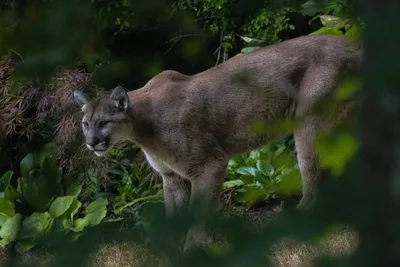 Cougar
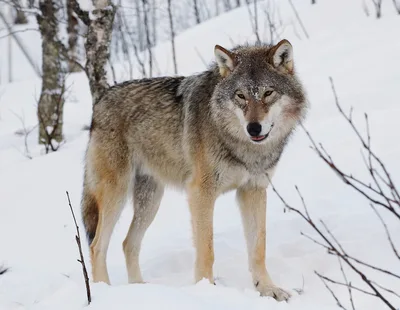 Gray wolf
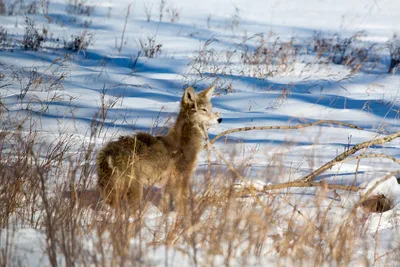 Coyote
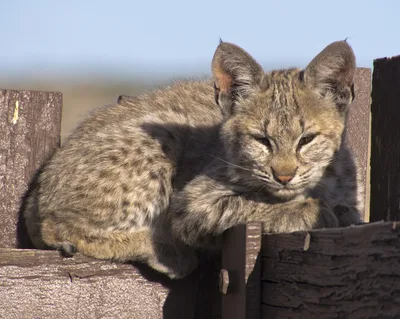 Bobcat
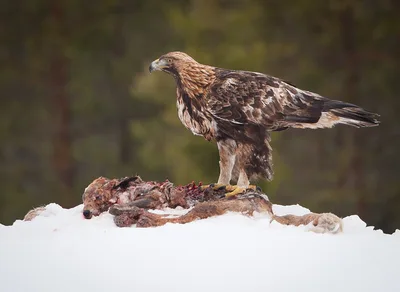 Golden eagle
Ecological equivalents
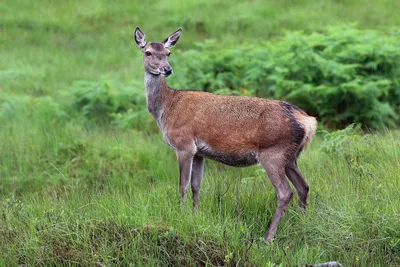
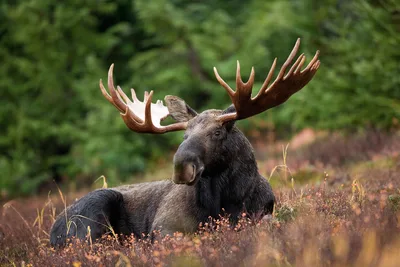
Related species on this site
Sheep (same genus), Urial (same genus), Addax (same family), African buffalo (same family), Alpine Goat (same family), American bison (same family), and more.
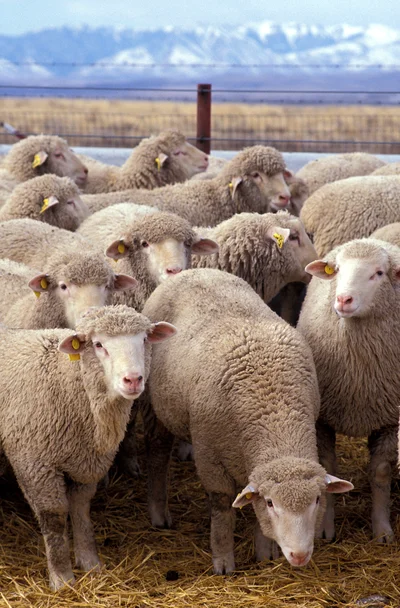
Mammals
Sheep
Ovis aries
Domestic sheep are social grazing mammals with a strong tendency to remain in flocks.
Living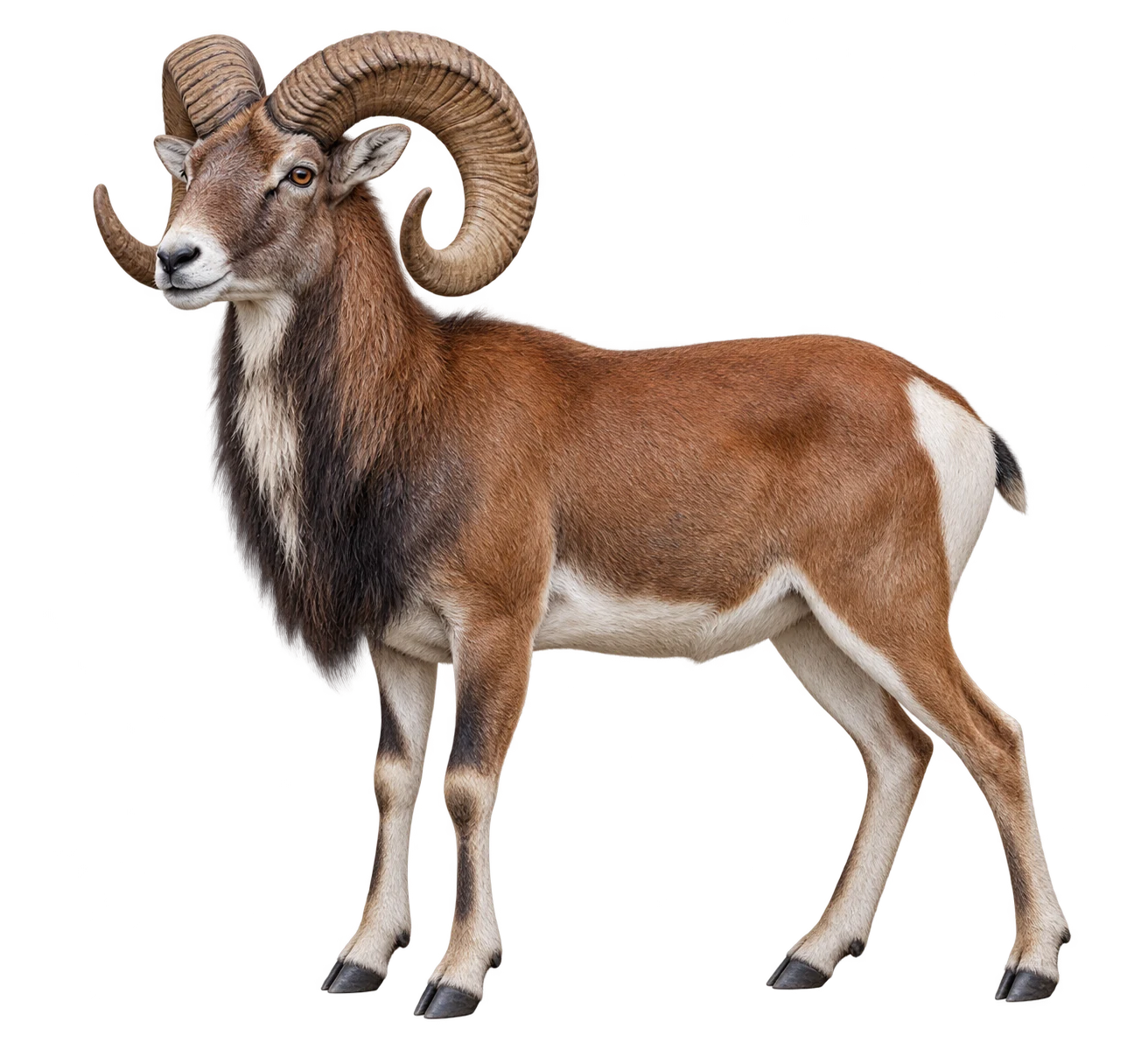
Mammals
Urial
Ovis orientalis
Classification and source reference
LivingAI illustration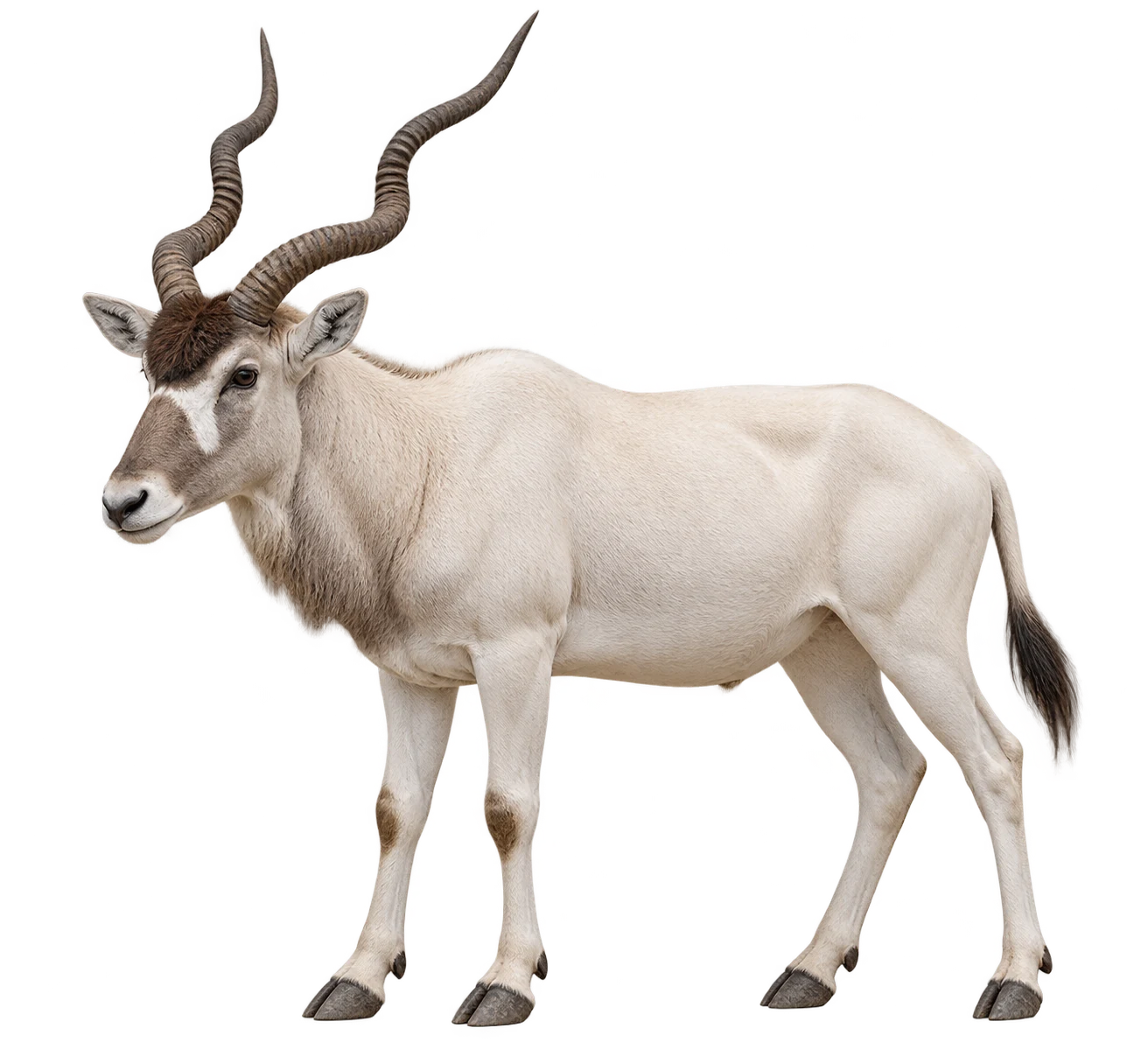
Mammals
Addax
Addax nasomaculatus
Classification and source reference
LivingAI illustration NT
Mammals
African buffalo
Syncerus caffer
The African buffalo is a heavy wild ox of sub-Saharan Africa that lives in herds of dozens to thousands and must drink every day.
Living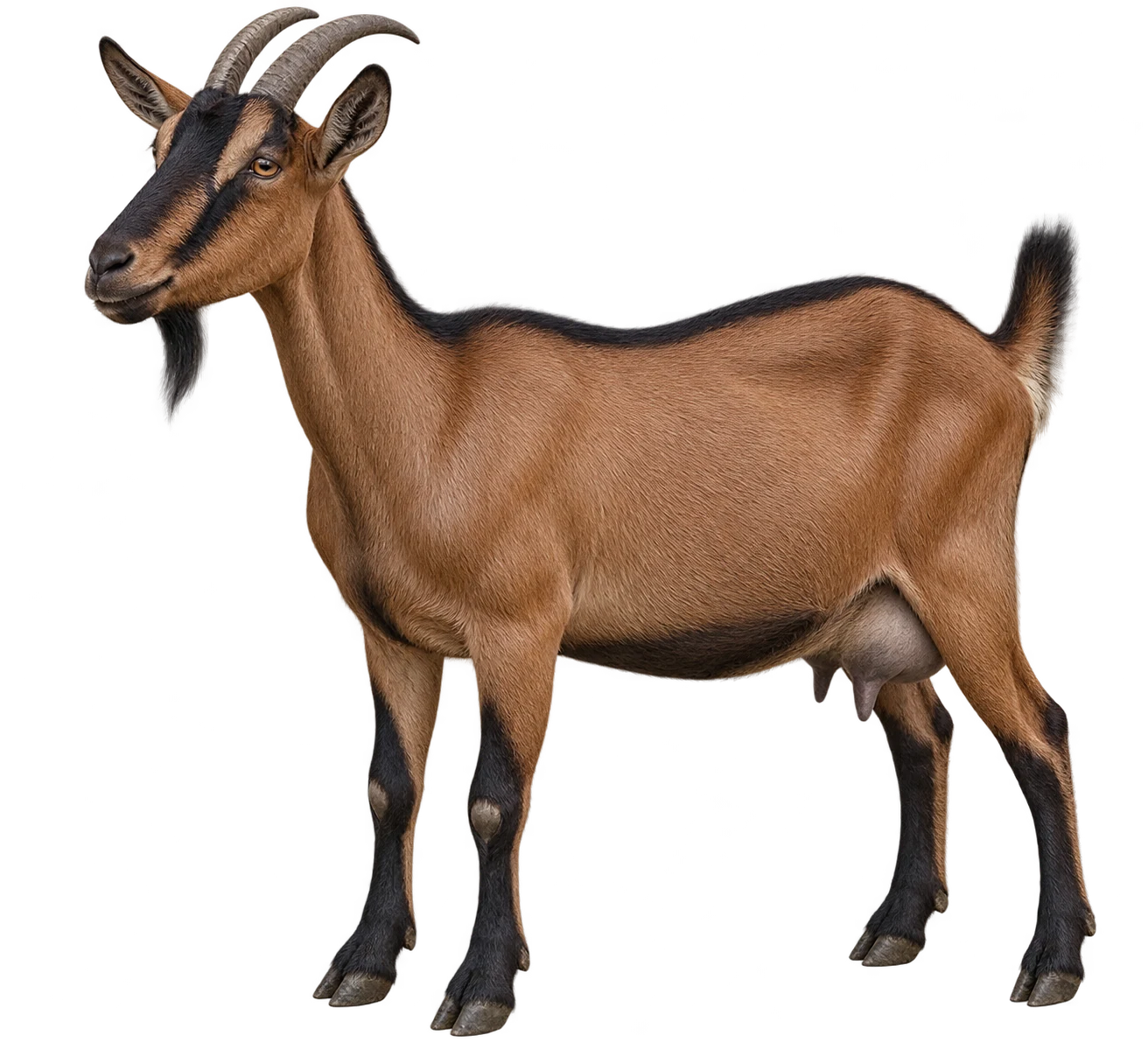
Mammals
Alpine Goat
Capra hircus
Classification and source reference
LivingAI illustration NT
Mammals
American bison
Bison bison
The American bison is the heaviest land animal in North America and the national mammal of the United States.
Living