Sheep
Ovis aries
Living individuals or members of this group exist today. This does not mean they are safe from extinction.
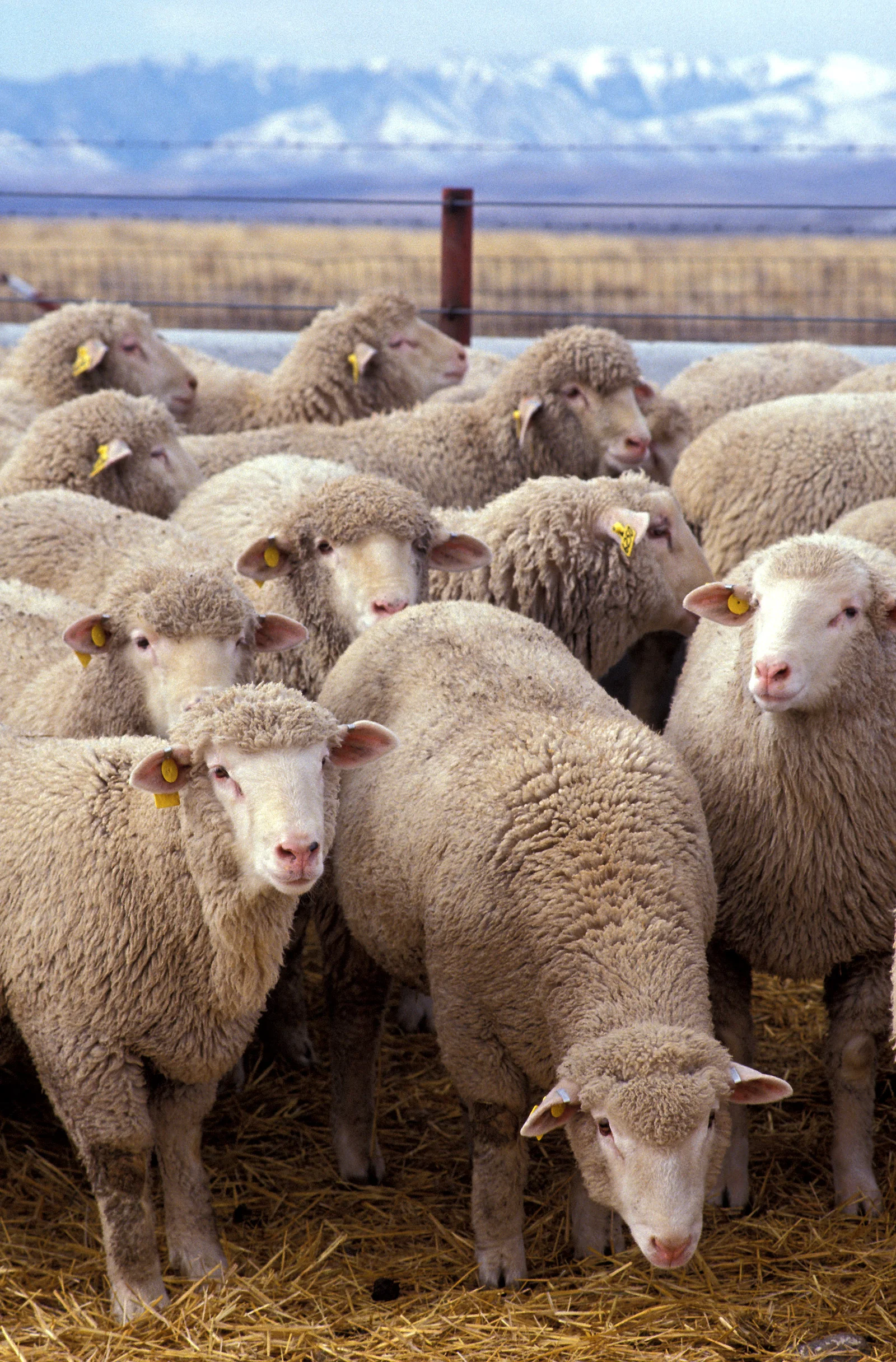
Domestic sheep are social grazing mammals with a strong tendency to remain in flocks. Selective breeding has produced diverse coats, horns and body sizes.
At a glance
- Location
- Managed pastures and rangelands worldwide.
- Habitat
- Grassland
- Diet
- Herbivore
- Food
- Grasses, hay and other plant forage.
Classification
- Common name
- Sheep
- Browse group
- Mammals
- Scientific name or taxon
- Ovis aries
- Taxon rank
- species
- Order
- Artiodactyla
- Family
- Bovidae
- Genus
- Ovis
- Source classification
- Mammalia
Taxonomy checked against GBIF. For breeds and hybrids, this describes the listed parent taxon.
Three things to know
- Sheep have a strong flocking tendency.
- They digest plant food as ruminants.
- Coat and horn characteristics vary between breeds.
Habitat and range
Managed pastures and rangelands worldwide.
Appearance and adaptations
Cloven hooves support a compact grazing body. Wool characteristics vary among breeds, and some sheep have hair coats rather than dense wool.
Diet and behaviour
Sheep commonly move and feed together. They are ruminants, using microbial digestion and repeated chewing to process fibrous vegetation.
Sources
- Animal Diversity Web: Ovis aries
- A–Z Animals: Sheep · Directory entry
Explore mammals
Browse all mammalsMammals
Cow
Bos taurus
Domestic cattle are large social herbivores kept in many parts of the world.
Living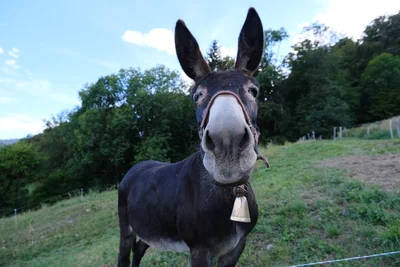
Mammals
Donkey
Equus asinus
The domestic donkey is an herbivorous equid with long ears and sturdy hooves.
Living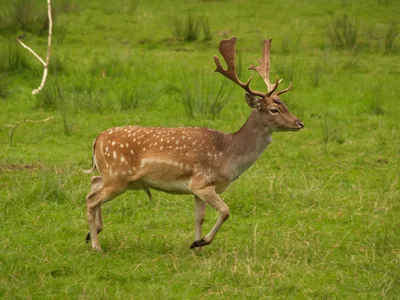
Mammals
Fallow deer
Dama dama
The fallow deer is a grazing and browsing deer often associated with woodland edges and open grass.
Living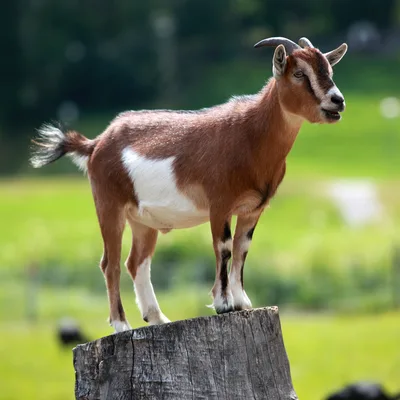
Mammals
Goat
Capra
Goats belong to the genus Capra, which includes wild species and domestic forms.
Living
