Fallow deer
Dama dama
Living individuals or members of this group exist today. This does not mean they are safe from extinction.
The fallow deer is a grazing and browsing deer often associated with woodland edges and open grass. Mature males carry broad, flattened antlers, while coat colours vary considerably.
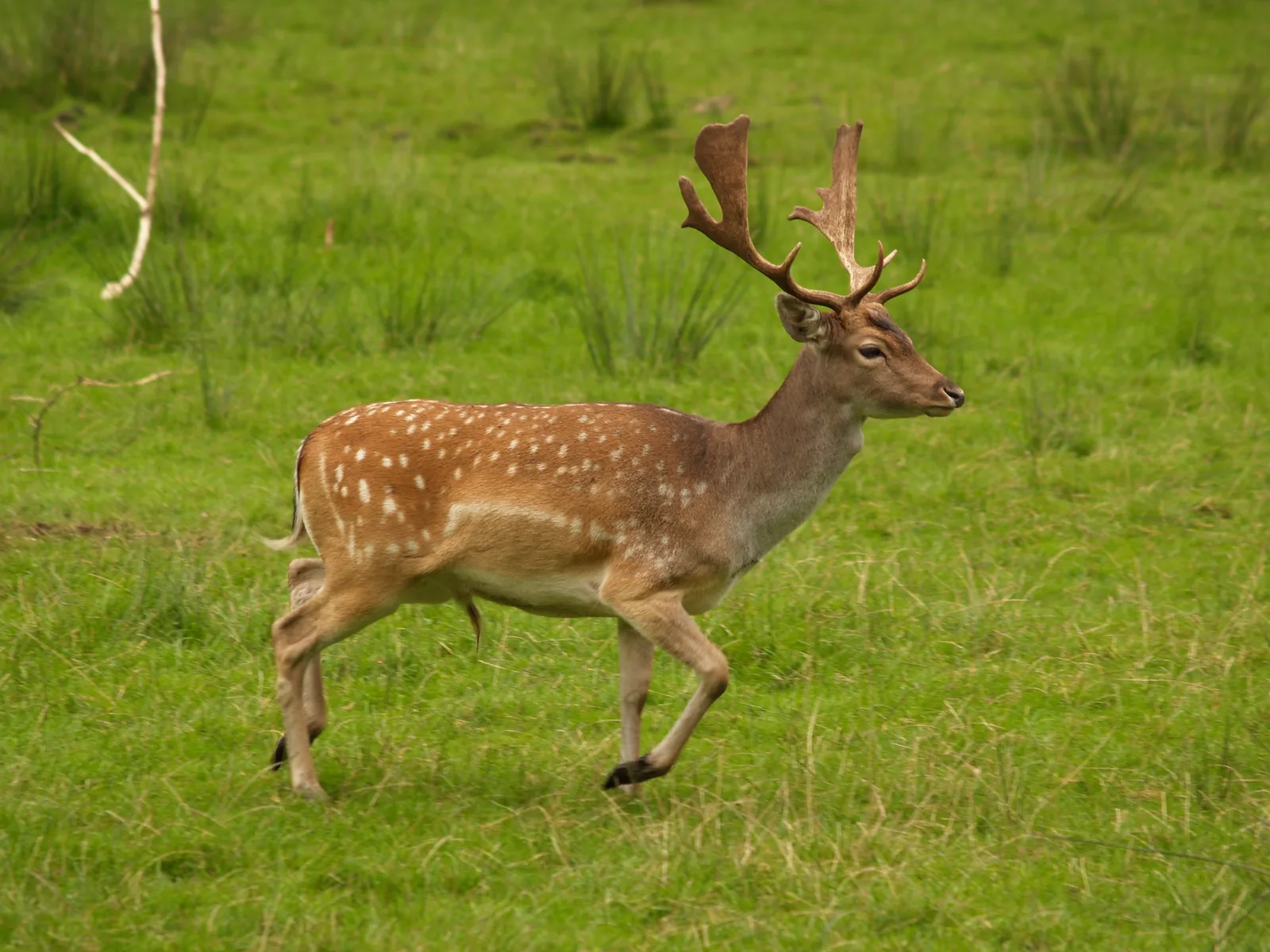
Fallow deer (Dama dama) in a grassy field.
At a glance
- Location
- Fallow deer favour a mixture of woodland cover and grassy feeding areas. Their long history of human transport has established populations far beyond their Mediterranean and western Asian origins. The continent filters include introduced populations, rather than indicating a wholly native range.
- Habitat
- Temperate forest, Grassland
- Diet
- Herbivore
- Food
- Grasses, leaves, shoots, buds and other vegetation provide food as availability changes.
Classification
- Common name
- Fallow deer
- Browse group
- Mammals
- Scientific name or taxon
- Dama dama
- Taxon rank
- species
- Order
- Artiodactyla
- Family
- Cervidae
- Genus
- Dama
- Source classification
- Mammalia
Taxonomy checked against GBIF. For breeds and hybrids, this describes the listed parent taxon.
Three things to know
- Mature males have broad, flattened antlers.
- Coats can be spotted, dark or unusually pale.
- Its plant diet changes with the season.
Habitat and range
Fallow deer favour a mixture of woodland cover and grassy feeding areas. Their long history of human transport has established populations far beyond their Mediterranean and western Asian origins. The continent filters include introduced populations, rather than indicating a wholly native range.
Appearance and adaptations
Mature bucks develop flattened, branching antlers that are shed and regrown. Does usually lack antlers. Many animals have white-spotted brown summer coats, but darker and paler colour forms also occur; winter coats are thicker and generally darker.
Diet and behaviour
Grasses, leaves, shoots, buds and other vegetation provide food as availability changes. Feeding often peaks near dawn and dusk. Grouping also changes seasonally: females and young commonly form herds, while males join them during the breeding season.
Sources
- Animal Diversity Web: Dama dama
- A–Z Animals: Fallow deer · Directory entry
Explore mammals
Browse all mammals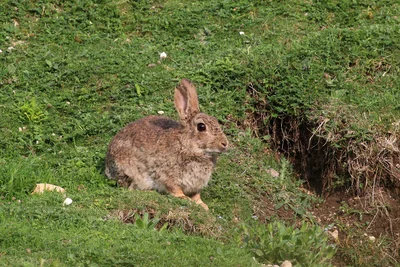
Mammals
Rabbit
Leporidae
Rabbits are small herbivorous members of the rabbit and hare family.
Living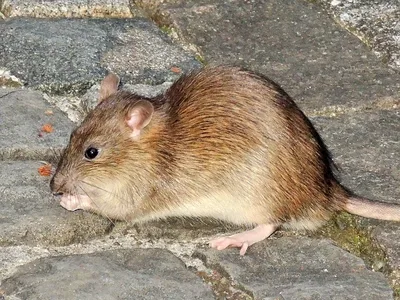 LC
Mammals
Brown rat
Rattus norvegicus
The brown rat is a large, burrowing rodent that lives wherever people live.
Living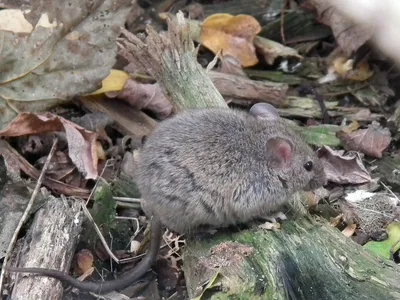 LC
Mammals
House mouse
Mus musculus
The house mouse is a small grey-brown rodent that lives in and around human buildings on every inhabited continent.
LivingMammals
Cow
Bos taurus
Domestic cattle are large social herbivores kept in many parts of the world.
Living
