Nutria
The South American swamp rodent that escaped the fur farms
Myocastor coypus
Also called Coypu, Coipo, River rat, Ragondin
Living individuals or members of this group exist today. This does not mean they are safe from extinction.
Meet the nutria
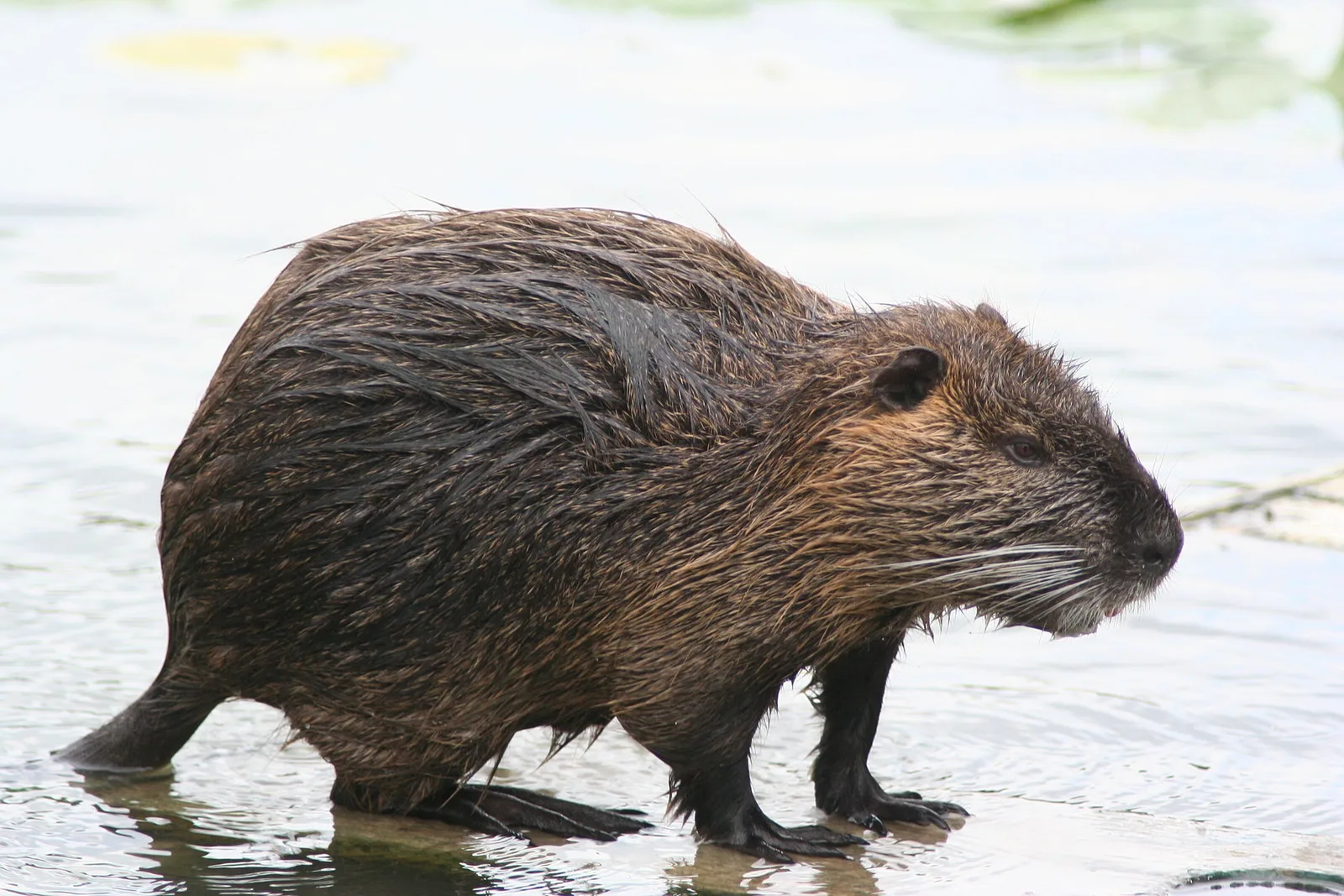
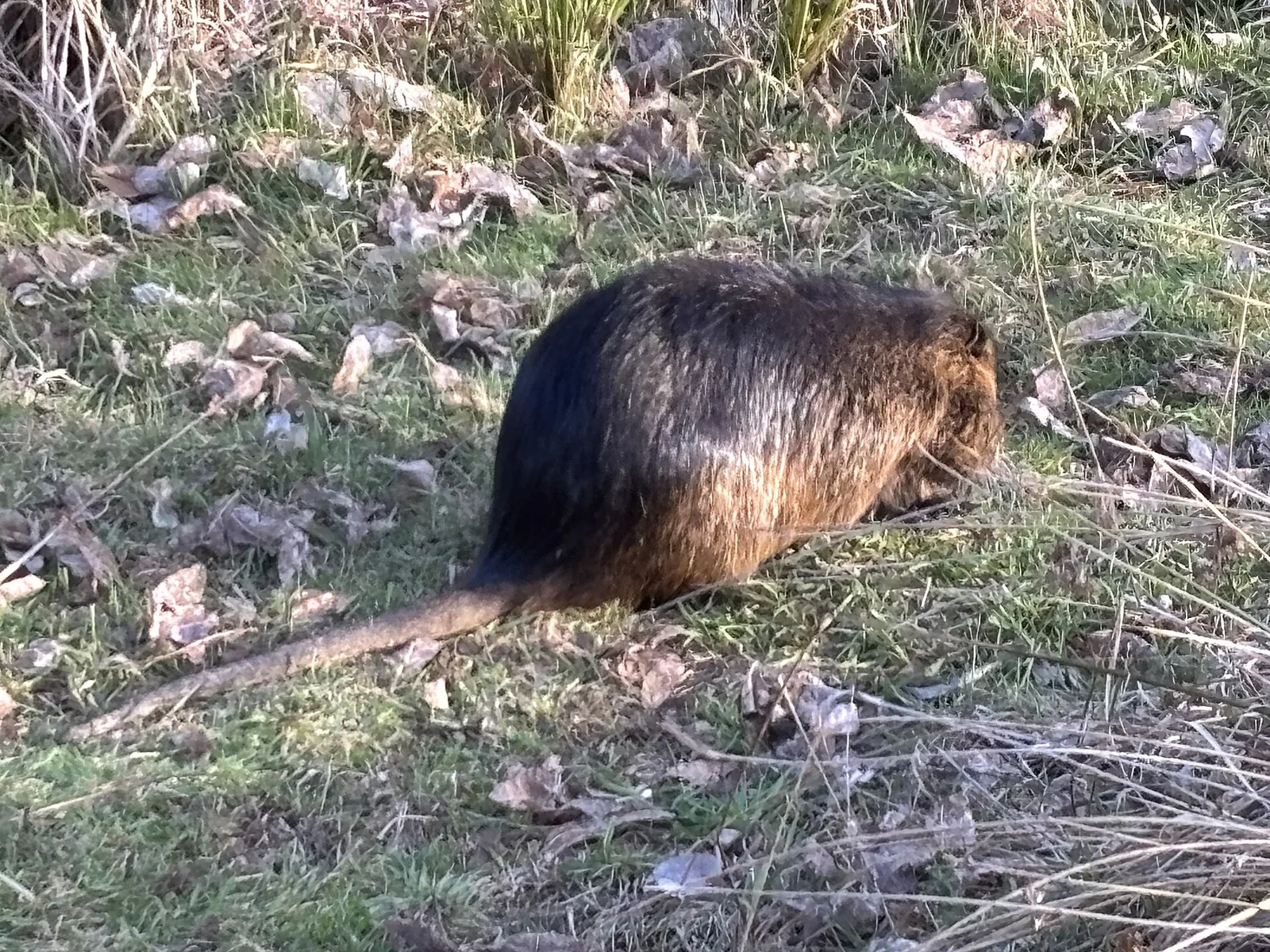
The nutria, or coypu, is a large semiaquatic rodent from the marshes of South America with orange teeth and a round rat-like tail. Fur farmers carried it across the world, and escaped animals now strip wetlands on four continents.
Images of the nutria
Lifespan in the wild
Up to 6 years few wild animals pass three years
Weight
4 to 9 kg
Length
40 to 60 cm
Fact file
Nutria
- Location
- Native to Chile, Argentina, Uruguay, Paraguay, southern Brazil and Bolivia; introduced worldwide
- Habitat
- Wetlands, Rivers and lakes
- Diet
- Herbivore
- Prey / food
- Cattail, rushes, reeds, cordgrass, roots, rhizomes, willow bark, rice, sugarcane
- Predators
- Cougar, culpeo fox, alligator, dogs, birds of prey
- Lifestyle
- Nocturnal; lives in burrows by water
- Group name
- Colony
- Name of young
- Pup
- Gestation
- About 130 days
- Litter size
- 1 to 13, usually 4 to 6
- Population
- Unknown; abundant in its introduced range
- Biggest threat
- Trapping, bounties and hard winters
- Distinctive feature
- Bright orange incisors and a white muzzle
- Colour
- Yellowish to reddish brown with grey underfur
- Skin type
- Fur
Size
Next to a person
Measurements
Size and speed
- Length
- 40 to 60 cm head and body
- Tail
- 30 to 45 cm
- Weight
- 4 to 9 kg, up to 17 kg most adults 4.5 to 7 kg
Typical adult ranges. Source: Wikipedia.
Life cycle
Lifespan
- In the wildUp to 6 years few wild animals pass three years
- In captivityUp to 19 years
- 019 years
The pale bar is the record. Sources: Animal Diversity Web, AnAge.
Appearance
Colour and coat
- Primary colours
- brown
- Secondary colours
- greywhiteorange
- Skin type
- fur
- Male and female
- Slight. Males run a little larger than females, but the sexes share the same colour and shape.
Life cycle
Mating and family
- Mating system
- polygynous; one male with several related females
- Social structure
- colonies of 2 to 13 related females, their young and one large male
- Breeding
- two or three litters a year, in any month
Nutria breed all year. Gestation lasts about 130 days, and the female mates again within two days of the birth. A litter holds 1 to 13 pups, usually 3 to 6, born furred and able to swim within hours. They nurse for seven to eight weeks and can breed at three to four months. Most die in their first year, and few wild animals pass three.
Classification
Taxonomy
- Kingdom
- Animalia
- Phylum
- Chordata
- Class
- Mammalia
- Order
- Rodentia
- Family
- Myocastoridae
- Genus
- Myocastor
- Species
- Myocastor coypus
Conservation
Red List status
- LC
- NT
- VU
- EN
- CR
- EW
- EX
Least Concern on the IUCN Red List
Range
Recorded in 15 countries
- Argentina
- Austria
- Brazil
- Chile
- Czech Republic
- Germany
- Spain
- France
- Israel
- Italy
- Japan
- Russia
- Slovakia
- United States of America
- Uruguay
Habitat layer: flooded grassland and savanna, mangrove.
Countries from 28,362 wild records on GBIF (iNaturalist research grade), filtered and checked by hand. Country shapes: Natural Earth. Habitat: RESOLVE Ecoregions 2017, CC BY 4.0. Basemap: Natural Earth.
Habitats
Three things to know
- 1
A nutria eats about a quarter of its body weight in plants every day.
- 2
Louisiana pays a bounty of 6 dollars for every nutria tail handed in.
- 3
A female can conceive her next litter the day after a birth.
Did you know
Seven more facts
- 1
The name nutria means otter in Spanish.
- 2
The orange front teeth get their colour from iron in the enamel.
- 3
A nutria can stay under water for more than 10 minutes.
- 4
A female's teats sit high on her sides so the pups can feed while she swims.
- 5
Britain wiped out its nutria by 1989 with a ten-year trapping campaign.
- 6
In cold winters the bare tail gets frostbite and whole populations die.
- 7
One coypu spreads about 691 plant propagules a day in its native Brazilian wetlands.
Field notes
How it looks and acts
Field notes
Distinguishing features
- Large orange incisors.
- A white patch on the muzzle and long white whiskers.
- A round, thinly haired tail of 30 to 45 centimetres.
- Webbed hind feet with one free toe.
- A heavy arched body of 40 to 60 centimetres.
- Eyes and ears set high on the head.
Field notes
Unique adaptations
- Dense underfur keeps the body warm in cold water.
- Webbed hind feet drive the animal through the water.
- Ever-growing incisors cut tough stems and roots.
- High-set teats let pups suckle while the mother floats.
- Precocial young and constant breeding probably let a colony rebound fast from trapping.
Field notes
Interesting behaviours
- Digging bank burrows with passages up to 15 metres long.
- Building feeding platforms of cut plants on logs.
- Feeding at night, with a peak around midnight.
- Wearing runways through the grass near the den.
- Living in colonies of related females with one male.
Field notes
Temperament
- Shy and nocturnal in normal life.
- Aggressive when cornered, and it bites dogs and people.
- Settled, and it stays in one home range for life.
Field notes
Communication
- Scent, touch and sound within the colony, though little appears to be documented.
- Whiskers that likely feel the way in dark water.
- A defensive lunge and bite when threatened.
Ecology
Ecological role
At home the nutria is a wetland grazer and seed carrier. Abroad it is an engineer of destruction that turns marsh into open water.
- In Brazil it spreads seeds, plant fragments and fern spores in its dung.
- It feeds cougars and culpeo foxes in Chile.
- In Louisiana plots open to nutria held 40 percent less vegetation than fenced plots.
- Its burrows weaken levees, dykes and river banks.
Stories
Myths and legends
- In Mapuche tradition, the animal is the coipo, and the name gave English the word coypu.
- In Louisiana tradition, the nutria is the marsh-eating villain of bounty hunts and cooking contests.
- In Italian fur tradition, the pelt was sold as castorino, little beaver.
- In popular American lore, the Church is said to have allowed nutria meat in Lent, a story that probably belongs to the capybara.
People
Relationship with humans
People
Living alongside us
Fur farmers spread the nutria across the world in the 19th and 20th centuries, and escapes and releases created feral populations on four continents. The animals strip marsh, raid rice and sugarcane, and undermine levees. Louisiana pays a bounty for tails and promotes the meat, while Britain and Maryland have eradicated the species. The soft underfur is still trapped and sold in some regions.
- A cornered nutria bites and will attack a person or dog.
- It carries a roundworm that causes an itching rash called nutria itch.
- It can spread Leptospira, Salmonella and other germs through water.
People
Status, uses and products
- Domestication
- Feral
- As a pet
- Not suitable. No. It is an invasive species, illegal to keep in the European Union and many states, and it bites, burrows and breeds without pause.
- Uses
- fur farmingmeatdog foodbounty hunting
- Products
- furmeat
The full account
About the nutria
The nutria, Myocastor coypus, is a big rodent of marsh and river bank. In South America, Britain and much of Europe it is called the coypu. It looks like an oversized rat, or like a beaver with a thin round tail. Adults measure 40 to 60 centimetres in the body and weigh 4 to 9 kilograms. The front teeth are bright orange, and a white patch marks the muzzle.
The species is native to the marshes and rivers of Chile, Argentina, Uruguay, Paraguay and southern Brazil and Bolivia. Fur farmers took it to North America, Europe and Asia in the 19th and 20th centuries. Escaped animals bred fast and now live on every continent except Australia and Antarctica. They eat marsh plants down to the roots and dig burrows into banks and levees. The IUCN lists the nutria as Least Concern, but Europe ranks it among its 100 worst invasive species.
Name and taxonomy
Juan Ignacio Molina described the animal in 1782 as Mus coypus, a mouse. Robert Kerr moved it to the new genus Myocastor in 1792. The genus name joins the Greek words for mouse and beaver. The word coypu is Mapudungun, the Mapuche language of Chile and Argentina. The word nutria is Spanish for otter, so the North American name is a borrowing that went wrong.
For many years the species sat alone in its own family, Myocastoridae. Genetic work now places it inside Echimyidae, the spiny rats. Four subspecies are recognised, from Patagonia north to Bolivia and southern Brazil. The northern form, bonariensis, is thought to be the one most often shipped abroad. French speakers say ragondin, the Dutch say beverrat, and Italians in the fur trade say castorino.
Evolution and relatives
DNA and protein studies make Myocastor the sister group of Callistomys, the painted tree-rat of Brazil. Those two share a wider group with the armoured rats Proechimys and Hoplomys, and with Thrichomys. All of them appear to belong to the caviomorph rodents, the South American group that also includes the capybara. Like other caviomorphs, the nutria probably descends from rodents that reached South America from Africa tens of millions of years ago.
The nutria is often confused with two unrelated animals that share its marshes. The muskrat is smaller, copes better with cold, and has a tail flattened from side to side. The beaver is larger and has a flat paddle of a tail. The nutria's tail is round and thinly haired.
Appearance
The body is heavy and arched, with a large, almost triangular head. Head and body measure 40 to 60 centimetres, and the tail adds 30 to 45 cm. Most adults weigh 4.5 to 7 kilograms, and the heaviest reach 17 kg. Small eyes and ears sit high on the head, so the animal can see and hear while it swims. The female's teats also sit high on her flanks, which lets the young suckle in the water.
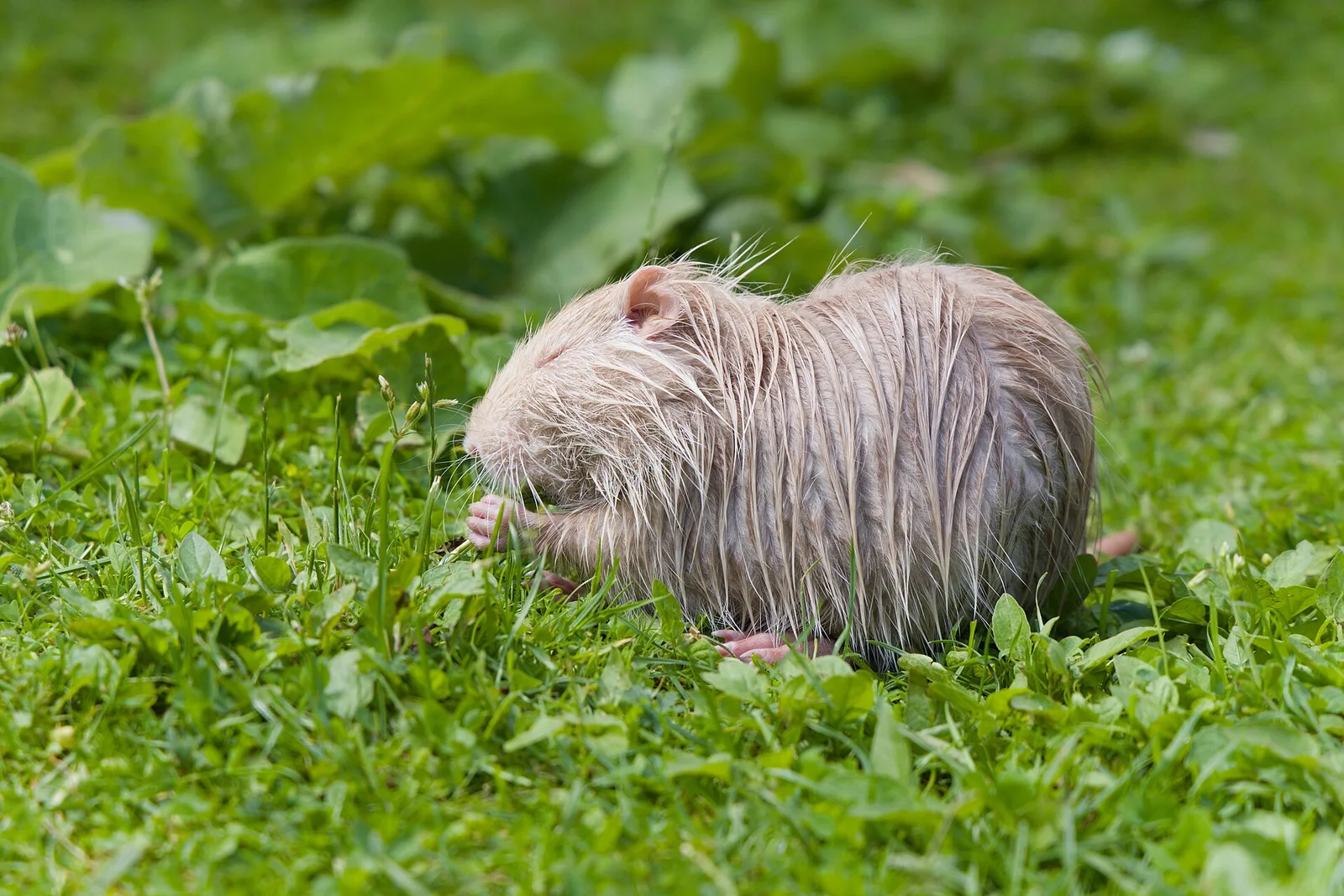
The coat has coarse guard hairs, a brown middle layer, and a dense grey underfur. The guard hairs run from yellowish brown to reddish brown and grow about three inches long. The chin and muzzle carry white hair, and long white whiskers spread from the cheeks. The four incisors are broad and stained orange by iron in the enamel, and they grow for life. The hind feet far outsize the front feet, and webbing joins four of the five hind toes. Males run a little larger than females, but the sexes look alike.
Habitat and range
The native range runs from central Bolivia and southern Brazil south to Tierra del Fuego. The animal is mostly a lowland species, but it climbs to 1,190 metres in the Andes. It prefers fresh water, though the population of Chile's Chonos Archipelago lives in brackish and salt water. It lives in marshes, lake edges and slow streams, wherever soft plants grow along the bank.
Fur farms spread the species almost worldwide. It reached California in 1899, Louisiana in the 1930s, Britain in 1929, Italy in 1928 and Japan in 1939. Feral populations now live across the southern United States, continental Europe, the Middle East and East Asia. GBIF holds records from 66 countries, though some of those are farm and zoo animals.
Cold sets the northern limit. In a hard winter the naked tail gets frostbite, infection follows, and whole populations die out. That happened in Scandinavia and in Idaho, Montana and Nebraska in the 1980s. After mild winters the range creeps north again, as in Washington, Oregon and Delaware. Scientists expect the range to move north through this century as the climate warms.
Diet and feeding
The nutria eats plants and little else. It takes stems, leaves, roots, rhizomes, tubers and even bark, and it feeds all year. An adult eats about 25 percent of its body weight each day. In two Brazilian wetlands researchers found 24 plant species in the diet, and at the Taim reserve 49 species from 14 families. Cattail, rushes, reeds, arrowhead, sedges and cordgrass are favourites, along with rice, corn, alfalfa and sugarcane.
The animal bites plants off at the base and digs through the soil for the roots. In winter, when little grows above ground, it strips root networks and black willow bark. Heavy feeding creates eat-outs, bare patches where most plant matter above and below ground is gone. Nutria build feeding platforms of cut vegetation on logs or branches, and they borrow muskrat dens and beaver lodges for the same purpose.
Behaviour and social life
The nutria is mostly active at night and around dusk, with a peak near midnight. When food is short it forages by day as well. It swims well and can stay under water for more than 10 minutes. Most of its waking time goes on feeding, grooming and swimming.
For shelter it digs a burrow into the bank. A burrow may be a single tunnel or a system of passages 15 metres or more long, with chambers that hold rough nests. The main chamber stays above the water line, though the entrance may be below it. The animal also uses burrows left by beavers and muskrats and can build floating rafts of vegetation. It wears runways through the grass and stays within about 180 metres of its den.
Nutria live in colonies of 2 to 13 animals. A colony holds related adult females, their young, and one large male. Young adult males sometimes live alone. Home ranges average 2.47 hectares for a female and 5.68 for a male, and an animal keeps the same area all its life. A cornered nutria bites, and it will attack a person or a dog that threatens it.
Communication and senses
Eyesight is poor. The nutria probably relies on touch, scent and sound to keep in contact with its colony. The long whiskers, about four inches on each side, likely guide it through dark water and burrows. Scientists have not studied its calls in detail, and no clear vocal repertoire is described.
Reproduction and life cycle
Nutria breed in any month, and a female can produce two or even three litters in a year. Gestation lasts about 130 days, with a reported range of 127 to 139. A litter holds 1 to 13 pups, and the usual number is 3 to 6. The female comes into heat within two days of giving birth and can mate at once. Litter size tends to cycle, large one year, smaller the next, and larger again in the third.
The pups are born furred, with open eyes, and weigh about 225 grams. They swim and nibble plants within hours of birth. They nurse for seven to eight weeks, and only the mother cares for them. Females can breed at three months and males at four, though many wait until nine months.
Life is short. One study found that 80 percent of nutria die in their first year and under 15 percent of a wild population is over three. Wild animals live up to 6 years, and a zoo animal reached 19. A female produces about six litters in her life, rarely seven.
Predators and threats
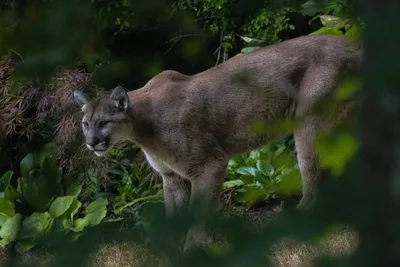
In southern Chile the nutria is one of the main prey animals of the cougar, along with the pudu and the European rabbit. The culpeo fox takes it too, and in Villarrica National Park it makes up a good share of the fox's prey by weight. In its introduced range, alligators, dogs and large birds of prey probably take young and adults. Frostbite of the tail kills many in a cold winter.
People are the main predator. Argentina exported 20,000,000 pelts between 1972 and 1981, and Louisiana trappers took nearly 1,000,000 in the 1986 to 1987 season. Overtrapping wiped out local populations in Argentina and led to the first fur farms there. Today bounty schemes, poison and eradication campaigns target the animal across its introduced range. Nutria also carry a roundworm that causes an itching rash in people, and they can harbour Leptospira, Salmonella and other germs.
Population and conservation
The IUCN lists the nutria as Least Concern. No global count exists, and the animal is abundant wherever it has been introduced. In parts of its native Argentina, though, it is said to be vanishing from many rivers and lakes. Since 2016 the European Union has banned the import, breeding, sale and release of the species.
Britain wiped it out. Trappers removed 97,000 nutria in 1961 and 1962, and a campaign from 1981 with 24 trappers finished the job by 1989. Maryland declared the Eastern Shore free of nutria in September 2022 after decades of work. California found the animal again in 2017 and now spends millions on trapping, sterilised radio-collared Judas nutria, and trained dogs. Japan began an eradication programme in 1963 with little success, and the animal remains one of its worst invaders.
Relationship with humans
The fur made the nutria's fortune and then its reputation. Demand for the soft underfur grew in the early 19th century, and farms opened in Argentina in the 1920s and then across the world. When fur prices fell, farmers released their stock or let it escape. E. A. McIlhenny set his whole herd free on Avery Island, Louisiana, in 1945, and a hurricane in 1940 had already freed others.
In Louisiana the animals eat marsh down to open water and chew tyres and house panels. A 1998 survey found about 36,000 hectares of marsh damaged, and 42,000 the next year. The Coastwide Nutria Control Program has paid a bounty per tail since 2002, now 6 dollars. Hunters handed in 445,963 tails in the 2009 to 2010 season. Damaged marsh fell to about 2,548 hectares by 2011. In Maryland's Blackwater refuge the animals destroyed 2,800 to 3,200 hectares of marsh.
The meat is lean and tastes like rabbit or dark turkey. Poor rural families in Louisiana have eaten it for decades, and the state has pushed recipes since 1997. A Baton Rouge company makes dog treats from it. Households in Kyrgyzstan and Uzbekistan raise nutria as cheap meat, and a Moscow bistro served nutria burgers in 2016.
In culture and myth
The nutria has almost no place in traditional story. In Mapuche tradition the animal is the coipo, and the name passed into Spanish and then into English. In Brazilian usage it is the ratão-do-banhado, the big swamp rat, or the caxingui, a name from Tupi. Its cultural weight lies in the fur trade, where it stood in for beaver and mink at a lower price.
In Louisiana the nutria has become a folk villain and a joke. Sheriff Harry Lee of Jefferson Parish once sent SWAT marksmen after the animals. The state holds cooking contests and chef demonstrations to persuade people to eat it. A minor-league baseball team in New Orleans is said to have used a nutria mascot named Boudreaux. A common tale has the Catholic Church allow nutria meat in Lent because the animal lives in water. That story is probably a confusion with the capybara.
A sentence with a dotted underline is inferred: it describes the group the animal belongs to, or is a reading of the sources, rather than a measured or reported fact about this species.
Questions
Nutria questions, answered
What is a nutria?
A large semiaquatic rodent from South America, also called the coypu. It weighs 4 to 9 kilograms and has orange front teeth.
Is a nutria the same as a coypu?
Yes. Nutria is the North American name and coypu the British and South American one. In Spanish, nutria means otter.
Where do nutria come from?
The marshes and rivers of Chile, Argentina, Uruguay, Paraguay and southern Brazil and Bolivia. Fur farms carried them to the rest of the world.
Why are nutria a problem?
They eat marsh plants down to the roots, turn wetland into open water, raid crops and dig burrows that weaken levees.
How big is a nutria?
The body measures 40 to 60 centimetres, with a tail of 30 to 45 cm. Adults weigh 4 to 9 kilograms, and the heaviest reach 17.
Why are a nutria's teeth orange?
Iron in the enamel stains the incisors orange. The teeth grow for the animal's whole life.
What do nutria eat?
Cattail, reeds, rushes, cordgrass and other marsh plants, plus roots, rhizomes and bark. They also eat rice, corn, alfalfa and sugarcane.
How is a nutria different from a muskrat or a beaver?
The nutria has a round tail. The muskrat is smaller with a tail flattened from side to side, and the beaver is larger with a flat paddle tail.
Are nutria dangerous?
Not unless cornered. A trapped nutria bites hard and will attack a dog or a person, and it can carry germs and a skin parasite.
How fast do nutria breed?
A female can have two or three litters a year of 1 to 13 pups. She can mate again within two days of giving birth.
How long do nutria live?
Up to 6 years in the wild, but most die in their first year and few pass three. One zoo animal lived to 19.
Can you eat nutria?
Yes. The meat is lean and mild, close to rabbit or dark turkey. Louisiana promotes it, and it is farmed for food in Kyrgyzstan and Uzbekistan.
Does Louisiana pay a bounty on nutria?
Yes. The Coastwide Nutria Control Program has paid per tail since 2002, and the rate is now 6 dollars.
Are nutria in Europe?
Yes, across most of the continent. The European Union has banned their import, breeding and release since 2016, and Britain eradicated them by 1989.
Can you keep a nutria as a pet?
No. It is illegal in many places, and the animal bites, digs and breeds constantly.
Food web
Prey and food
- cattail
- rushes
- reeds
- cordgrass
- roots
- rhizomes
- willow bark
- rice
- sugarcane
Food web
Predators
 Cougar
- culpeo fox
- alligator
- dogs
- birds of prey
Ecological equivalents
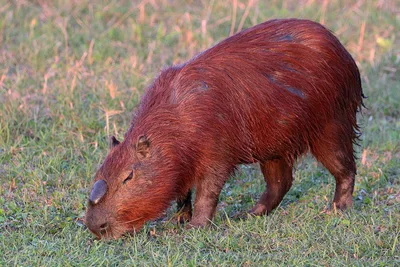
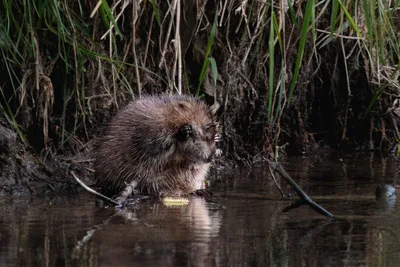
Related species on this site
Abyssinian Guinea Pig (same order), Agouti (same order), Beaver (same order), Brown rat (same order), Cactus Mouse (same order), Cane Rat (same order), and more.
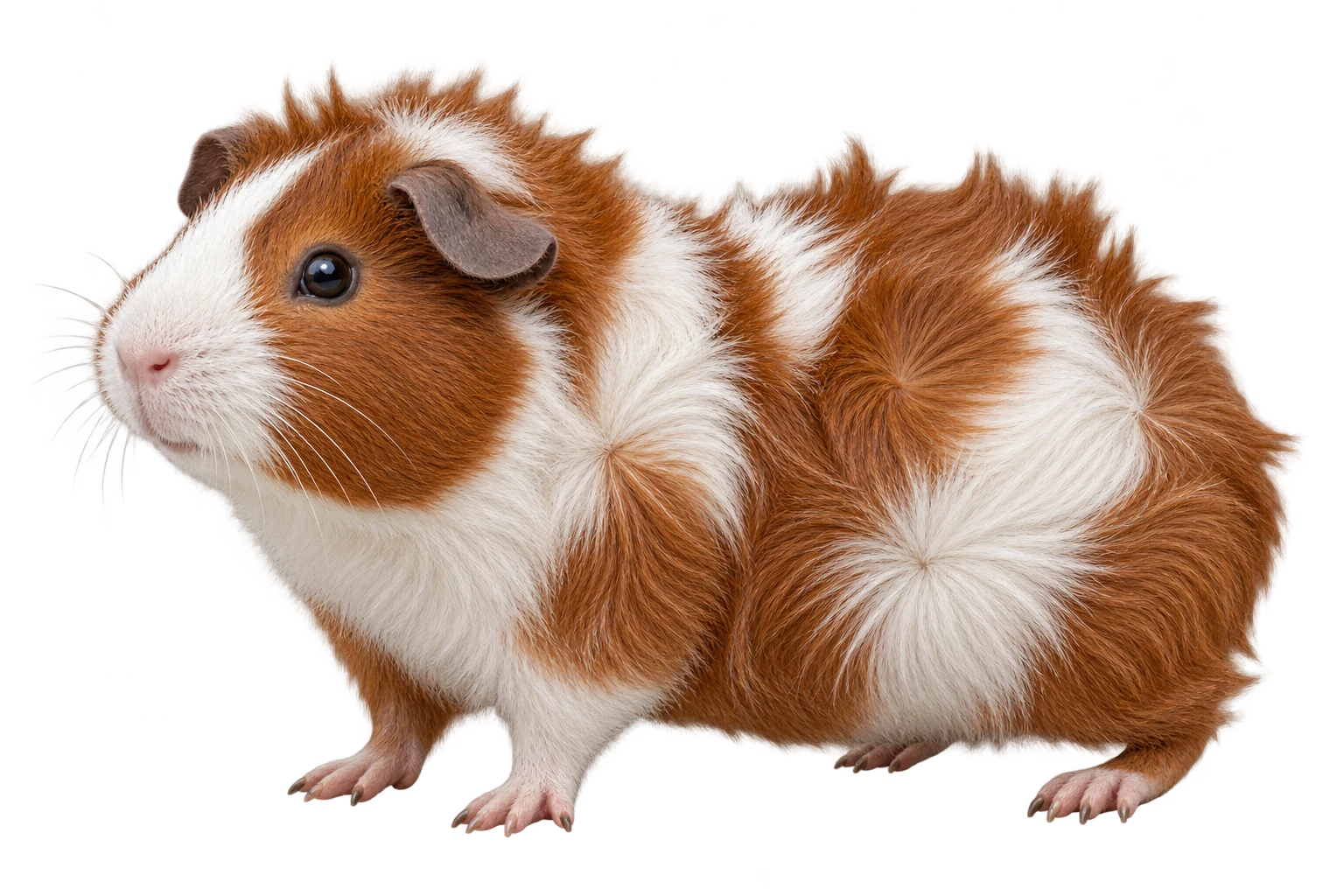
Mammals
Abyssinian Guinea Pig
Cavia porcellus
Classification and source reference
LivingAI illustration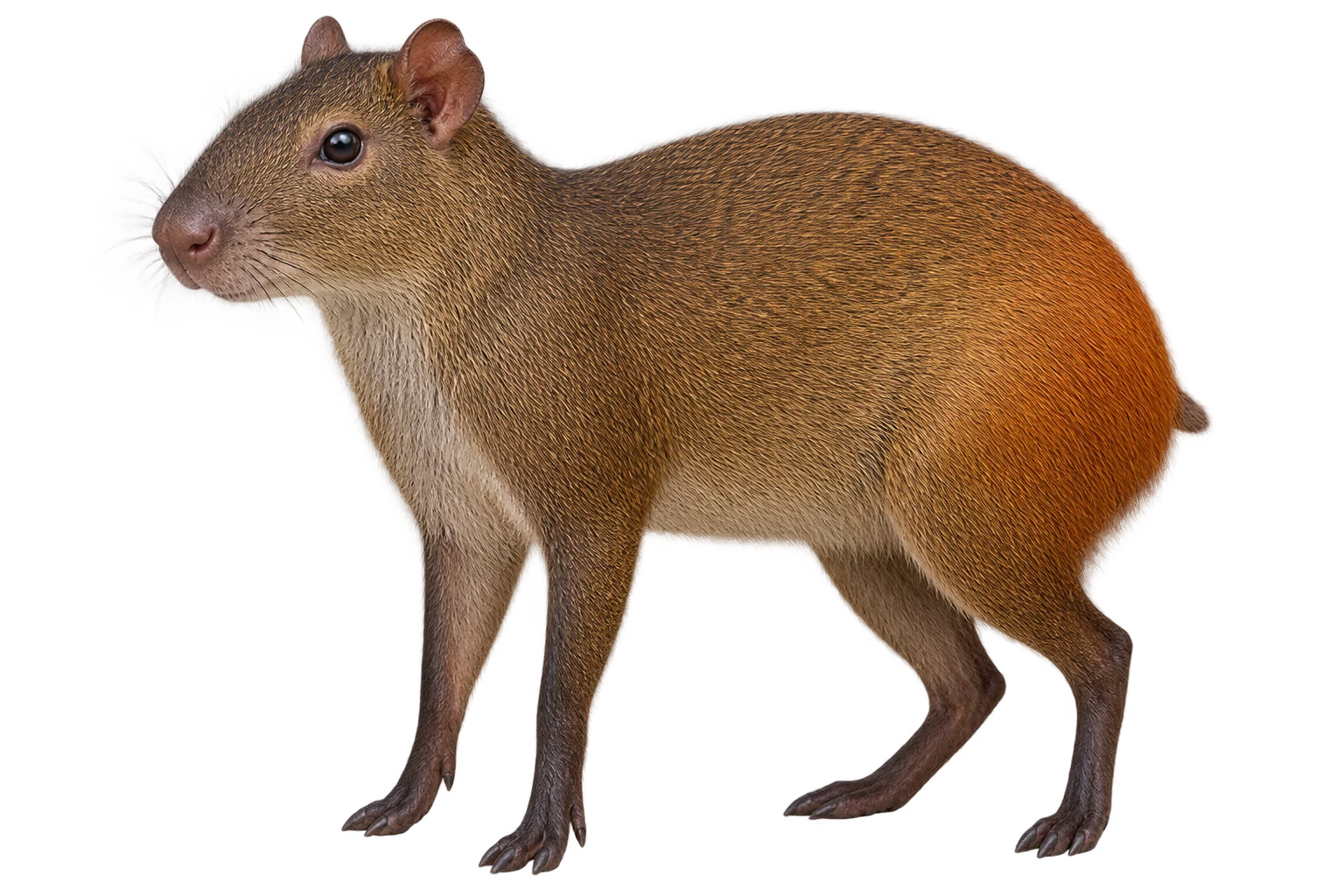
Mammals
Agouti
Dasyprocta
Classification and source reference
LivingAI illustration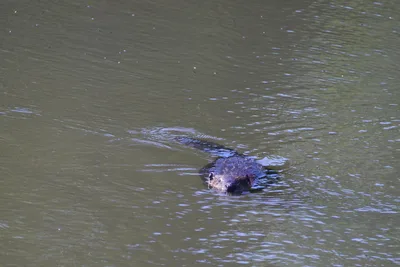
Mammals
Beaver
Castoridae
Beavers are semiaquatic rodents that alter waterways.
Living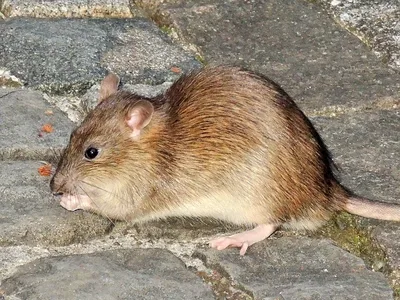 LC
Mammals
Brown rat
Rattus norvegicus
The brown rat is a large, burrowing rodent that lives wherever people live.
Living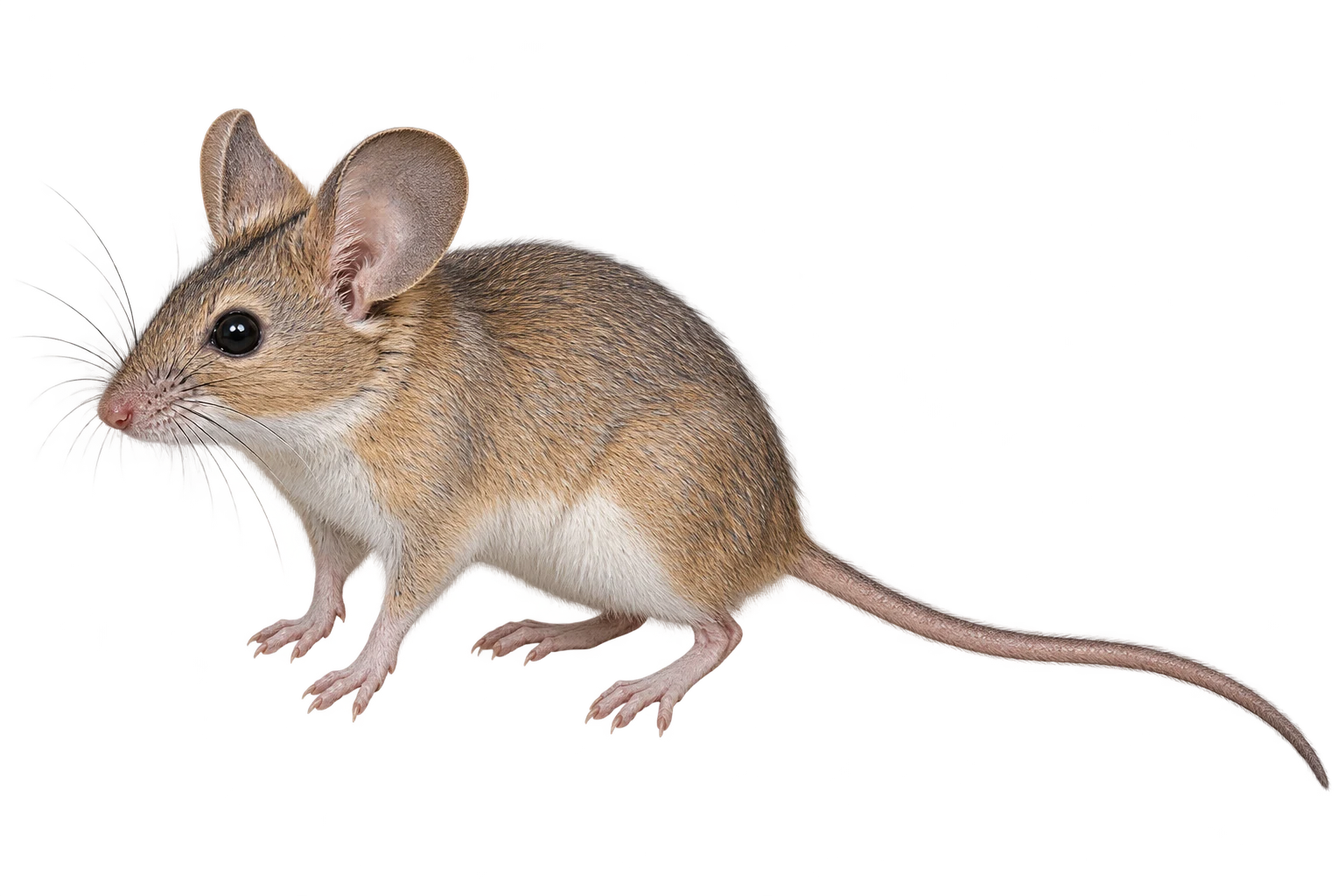
Mammals
Cactus Mouse
Peromyscus eremicus
Classification and source reference
LivingAI illustration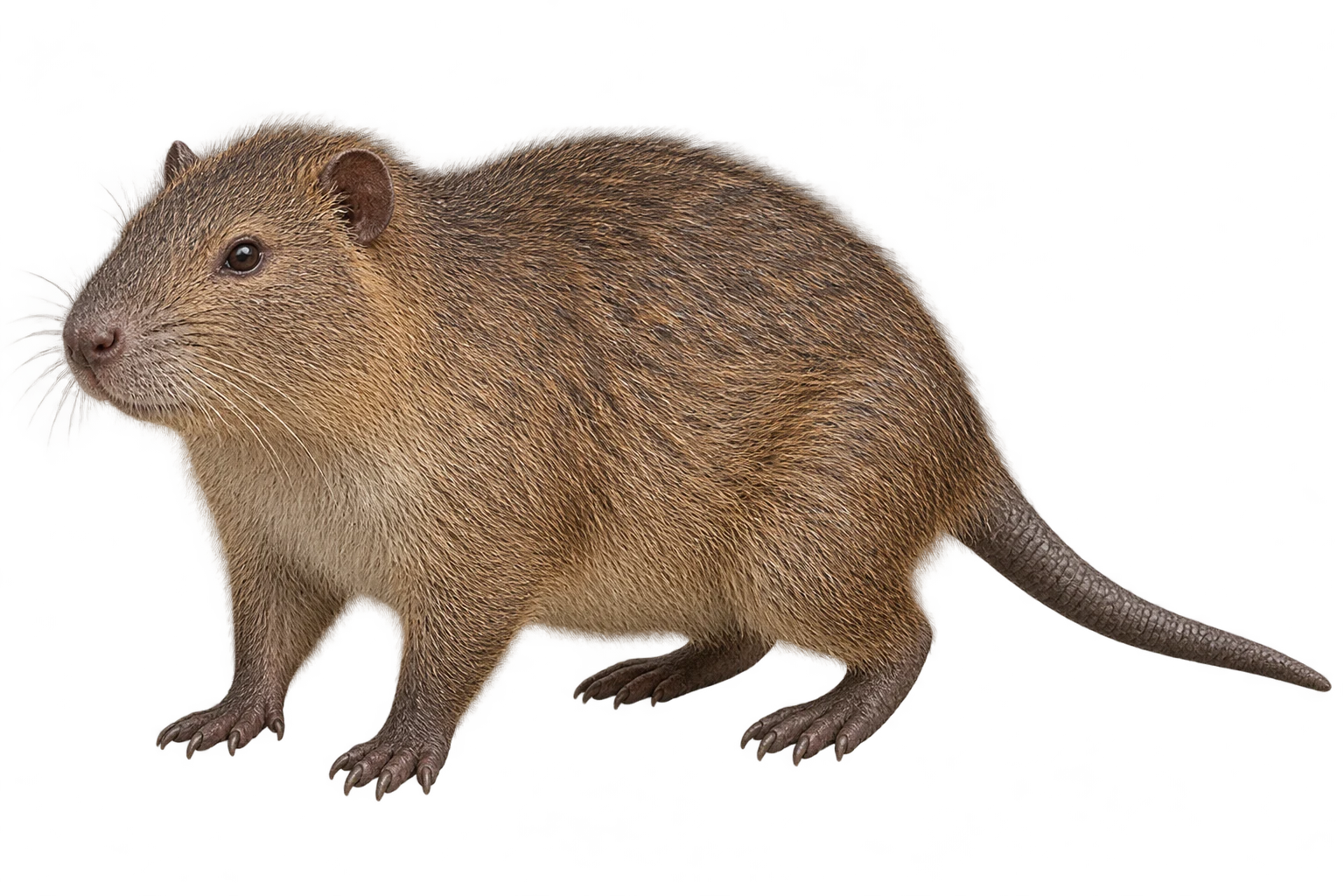
Mammals
Cane Rat
Thryonomys
Classification and source reference
LivingAI illustration