Beaver
Castoridae
Living individuals or members of this group exist today. This does not mean they are safe from extinction.
Beavers are semiaquatic rodents that alter waterways. This account describes the North American beaver (Castor canadensis), rather than its Eurasian relative.
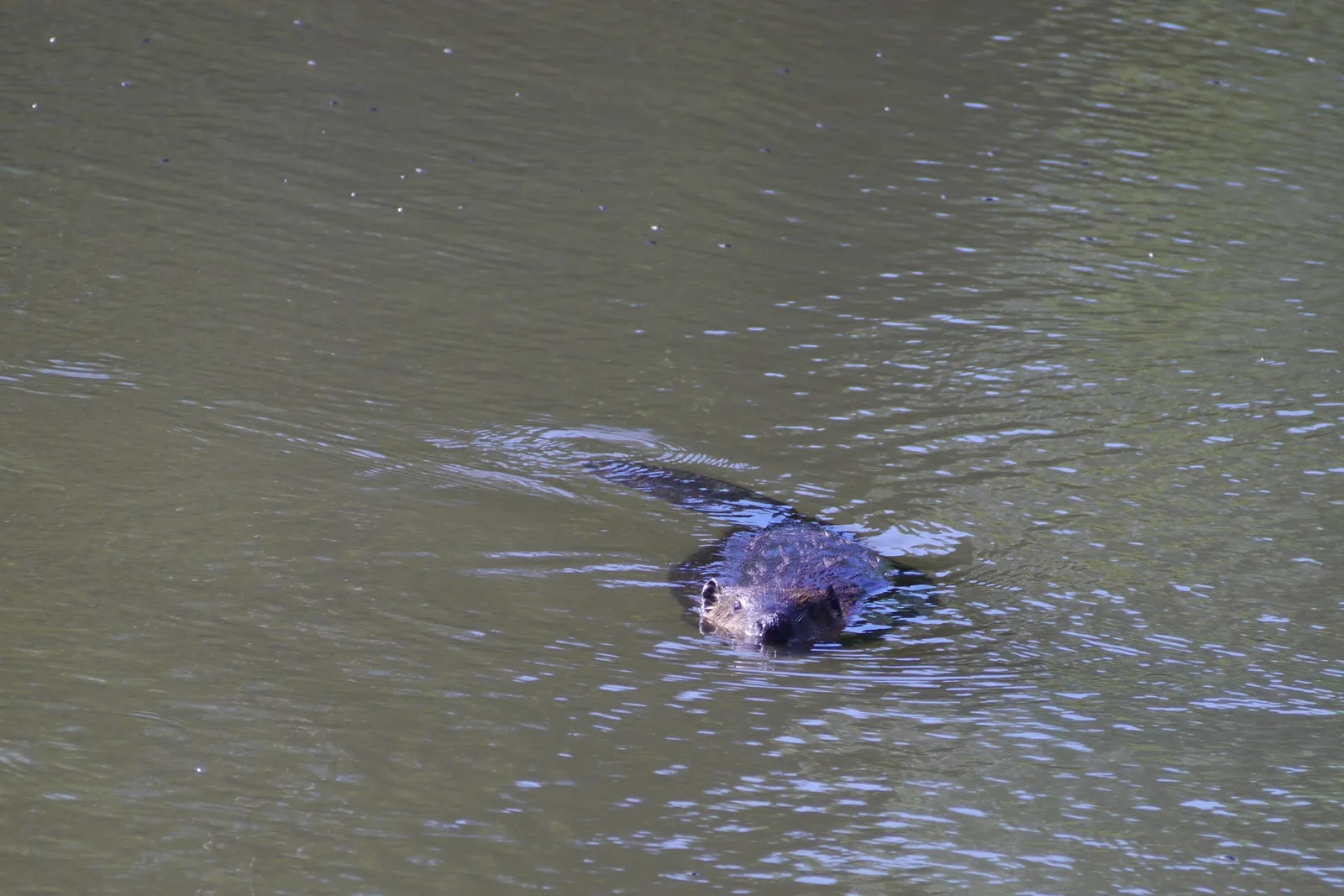
Representative species: Castor canadensis.
At a glance
- Location
- North American beavers inhabit ponds, lakes and streams across much of North America. Lodges and bank shelters provide dry resting chambers beside water.
- Habitat
- Rivers and lakes, Wetlands
- Diet
- Herbivore
- Food
- Bark, the growing tissue beneath bark, buds, roots and aquatic plants supply food.
Classification
- Common name
- Beaver
- Browse group
- Mammals
- Scientific name or taxon
- Castoridae
- Taxon rank
- family
- Order
- Rodentia
- Family
- Castoridae
- Source classification
- Mammalia
Taxonomy checked against GBIF. For breeds and hybrids, this describes the listed parent taxon.
Three things to know
- Its incisors grow throughout life.
- Tail slaps can warn other beavers.
- Families may build and maintain dams.
Habitat and range
North American beavers inhabit ponds, lakes and streams across much of North America. Lodges and bank shelters provide dry resting chambers beside water.
Appearance and adaptations
A broad, flattened tail and dense coat suit life in water. Large orange incisors cut woody material.
Diet and behaviour
Bark, the growing tissue beneath bark, buds, roots and aquatic plants supply food. Family groups defend territories using scent marks. Dams help maintain water around a lodge, and branches may be stored underwater for later feeding.
Sources
- Animal Diversity Web: Castor canadensis
- A–Z Animals: Beaver · Directory entry
Explore mammals
Browse all mammals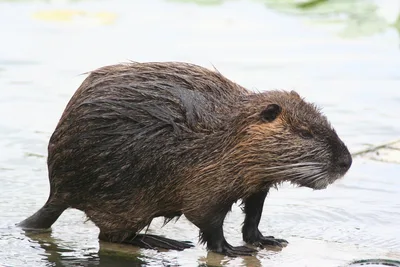 LC
Mammals
Nutria
Myocastor coypus
The nutria, or coypu, is a large semiaquatic rodent from the marshes of South America with orange teeth and a round rat-like tail.
Living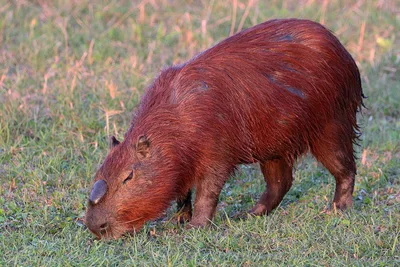 LC
Mammals
Capybara
Hydrochoerus hydrochaeris
The capybara is the largest rodent in the world.
Living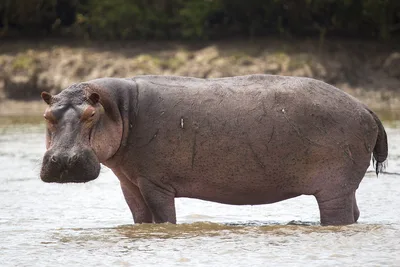 VU
Mammals
Hippopotamus
Hippopotamus amphibius
The hippopotamus spends its days in rivers and lakes and its nights grazing on land.
Living NT
Mammals
Jaguar
Panthera onca
The jaguar is the largest cat in the Americas and the third largest in the world.
Living