Muskrat
The marsh rodent that dived for the mud of the world
Ondatra zibethicus
Also called Common muskrat, Musquash, Musk-beaver
Living individuals or members of this group exist today. This does not mean they are safe from extinction.
Meet the muskrat
The muskrat is a semiaquatic rodent of North American marshes, ponds and rivers that builds domed lodges of cattail and mud. It eats mostly water plants, breeds fast, and has spread across Europe and Asia since fur farmers released it in 1905.
Images of the muskrat
Lifespan in the wild
About 3 years
Weight
0.68 to 1.8 kg
Length
40 to 70 cm
Fact file
Muskrat
- Location
- North America; introduced across Europe, northern Asia and southern South America
- Habitat
- Wetlands, Rivers and lakes
- Diet
- Omnivore
- Prey / food
- Cattails, water lilies, other water plants; mussels, crayfish, frogs, fish, small turtles
- Predators
- Mink, foxes, coyotes, owls, eagles, snapping turtles, pike, alligators
- Lifestyle
- Semiaquatic, most active at dusk and by night
- Group name
- Family
- Name of young
- Kit
- Gestation
- 29 to 30 days
- Litter size
- 6 to 8 kits, two or three litters a year
- Population
- Abundant, but down by half or more in 34 US states since the 1990s
- Biggest threat
- Loss of wetlands; trapping for fur
- Distinctive feature
- A long, scaly tail flattened from side to side
- Colour
- Dark brown
- Skin type
- Fur
Size
Next to a person
Measurements
Size and speed
- Length
- 40 to 70 cm total length; the tail is about half of it
- Weight
- 0.68 to 1.8 kg
Typical adult ranges. Sources: Wikipedia, Animal Diversity Web.
Life cycle
Lifespan
- In the wildAbout 3 years
- In captivityUp to 10 years reported, not confirmed; AnAge records 5.8
- 010 years
The pale bar is the record. Source: Animal Diversity Web.
Appearance
Colour and coat
- Primary colours
- dark brown
- Secondary colours
- blackgrey
- Skin type
- fur
- Male and female
- None known. Males and females look alike and are close in size.
Life cycle
Mating and family
- Mating system
- monogamous pairs for the season
- Social structure
- family groups of a pair and their young, each on a territory
- Breeding
- two or three litters a year, of six to eight kits
Muskrats breed all year in the south and from March to August in the north. Gestation lasts 29 to 30 days, and a litter holds six to eight blind, naked kits of about 22 grams. They swim at 10 days, are weaned by 3 to 4 weeks and reach adult size in about 200 days. Southern kits breed at six months, northern ones at about a year. A wild muskrat lives about 3 years.
Classification
Taxonomy
- Kingdom
- Animalia
- Phylum
- Chordata
- Class
- Mammalia
- Order
- Rodentia
- Family
- Cricetidae
- Genus
- Ondatra
- Species
- Ondatra zibethicus
Conservation
Red List status
- LC
- NT
- VU
- EN
- CR
- EW
- EX
Least Concern on the IUCN Red List
Range
Recorded in 6 countries
Habitat layer: flooded grassland and savanna, mangrove.
Countries from 41,427 wild records on GBIF (iNaturalist research grade), filtered and checked by hand. Country shapes: Natural Earth. Habitat: RESOLVE Ecoregions 2017, CC BY 4.0. Basemap: Natural Earth.
Habitats
Three things to know
- 1
A muskrat can stay under water for 12 to 17 minutes, longer than most seals dive.
- 2
Five muskrats released in a Bohemian park in 1905 gave rise to the whole population of Europe.
- 3
Catholics near Detroit may eat muskrat on Lenten Fridays under a dispensation that treats it like fish.
Did you know
Seven more facts
- 1
The name Ondatra is a Huron word, and musquash is an old Abenaki one.
- 2
A newborn kit weighs about 22 grams, and it can swim at 10 days old.
- 3
Dyed muskrat pelts were sold across America as Hudson seal.
- 4
Muskrats sometimes eat the inside walls of their own lodges in winter.
- 5
Their tails drag on the ground and leave a line between the footprints.
- 6
The muskrat can live on streams so polluted by mine water that fish and frogs die.
- 7
GBIF holds muskrat records from 53 countries.
Field notes
How it looks and acts
Field notes
Distinguishing features
- A total length of 40 to 70 centimetres, half of it tail.
- A scaly, nearly hairless tail flattened from side to side.
- Partly webbed hind feet fringed with stiff hairs.
- Dense two-layer fur, dark brown above and paler below.
- A large head with ears hidden in the fur.
- Lips that close behind the front teeth.
Field notes
Unique adaptations
- Air trapped in the double coat keeps it warm and afloat.
- A high tolerance for carbon dioxide allows dives of 12 to 17 minutes.
- Blood flow to the feet and tail drops in cold water, so the core stays warm.
- Ears that shut keep water out on a dive.
- Fast breeding replaces the heavy losses to predators and trappers.
Field notes
Interesting behaviours
- Builds domed lodges of cut plants and mud up to 90 centimetres tall.
- Digs bank burrows with an underwater door.
- Follows fixed trails under the ice in winter.
- Fights hard for territory and mates in spring.
- Plugs the lodge doorway with fresh plants each day in snow.
Field notes
Temperament
- Territorial, with females the fiercer defenders.
- Aggressive to its own kind when crowded, to the point of cannibalism.
- Probably shy of people, and quick to dive when disturbed.
Field notes
Communication
- Marks its territory with musk from glands near the tail.
- Uses the same musk to warn off intruders.
- Squeaks and squeals.
Ecology
Ecological role
The muskrat shapes the plant life of wetlands and feeds a long list of predators.
- Clears cattail and other plants, which keeps open water in marshes for birds.
- Picks its favourite plants and so changes which species dominate a wetland.
- Serves as a staple prey for mink, owls, eagles and many others.
- Its lodges feed deer and moose in hard winters.
Stories
Myths and legends
- In Native American earth-diver stories, the muskrat returns from the deep with the mud that grows into the world.
- In Anishinaabe tradition, Wazhashk the muskrat is a clan animal.
- In some Algonquin traditions, Muskrat is the mother of humankind.
- In Catholic tradition in Michigan, muskrat counts as fish on days of abstinence.
People
Relationship with humans
People
Living alongside us
People trap muskrats for fur and sometimes eat the meat. The fur trade took the animal to Europe in 1905. It is now an invasive pest across the continent, where its burrows undermine dykes and river banks. Farmers in North America lose grain and drainage to it too. Native Americans give it a central place in creation stories. It is harmless to people in person.
- A muskrat dives or hides in its burrow when a person comes near.
- A cornered or handled animal may bite with its large front teeth.
- The real harm is to dykes, banks and crops, not to people.
People
Status, uses and products
- Domestication
- Wild
- As a pet
- Not suitable. A muskrat needs deep water, a burrow and a large territory, and it musks and fights. It is a wild fur-bearer, and in the European Union it is illegal to keep or trade one.
- Uses
- fur trappingfur farmingfood
- Products
- furmeat
The full account
About the muskrat
The muskrat, Ondatra zibethicus, is a stout rodent that lives in and beside fresh water. Its native range covers Canada, nearly the whole United States, and the far north of Mexico. An adult measures 40 to 70 centimetres from nose to tail tip and weighs 680 to 1,800 grams. About half of that length is a naked, scaly tail flattened from side to side, which no other rodent has. It is the largest of the voles and lemmings, a subfamily of 142 other species.
Muskrats eat cattails and other water plants, and they build lodges of mud and cut stems in marshes. They breed quickly, with two or three litters a year, so they survive heavy trapping and heavy predation. Fur farmers took them to Europe in 1905, and they now live wild across Europe, Siberia, China, Japan and southern South America. In the Low Countries their burrows weaken dykes, and the European Union bans them as an invasive species. The IUCN lists the species as Least Concern.
Name and taxonomy
Carl Linnaeus described the muskrat in 1766. The genus name Ondatra is a Huron word, ondathra, that reached Latin by way of French. The species name zibethicus means musky and refers to the scent the animal uses to mark its ground. The English name probably comes from an Algonquian word, either muscascus, meaning it is red, or the Abenaki moskwas. The old English name musquash keeps that root, and musk-beaver was another early form.
The muskrat is the only living species in its genus. It belongs to the family Cricetidae, which holds the voles, lemmings, hamsters and most American mice. Sixteen subspecies are recognised across North America. German speakers call it the Bisamratte, and French speakers the rat musque.
Evolution and relatives
The muskrat sits in the subfamily Arvicolinae, the voles and lemmings. It is by far the largest member of that group, likely several times the weight of any vole. Its closest living relative is the round-tailed muskrat, Neofiber alleni, of Florida. That smaller species fills the same role in Florida, where the common muskrat is absent. Alligator predation may be part of the reason the common muskrat never settled Florida.
Like its vole relatives, the muskrat has rooted molars and front teeth that never stop growing. Fossil molars record a slow change in shape over time, which palaeontologists use to date deposits. Muskrat numbers rise and crash over a six to ten year cycle, much as lemming numbers do.
Appearance
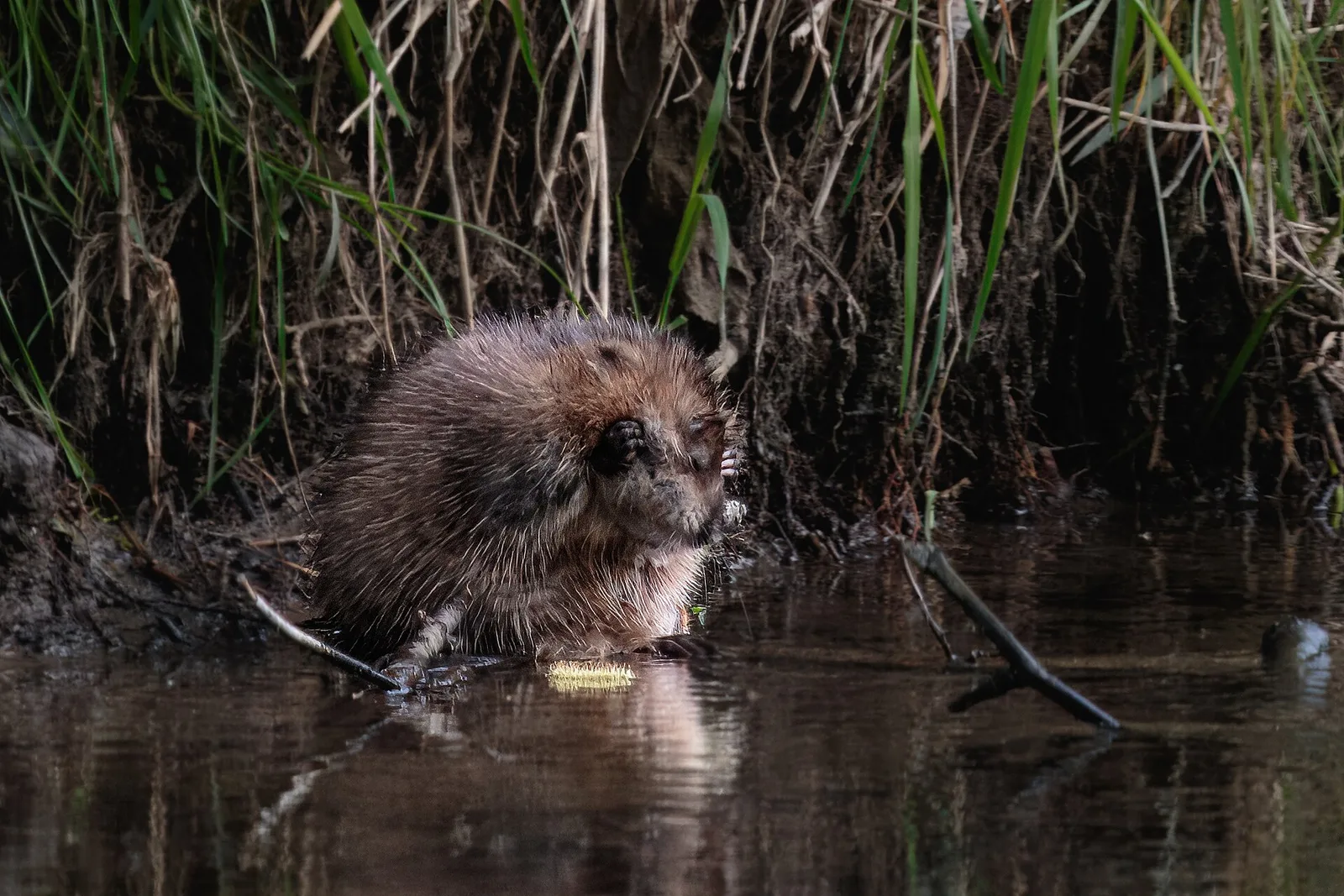
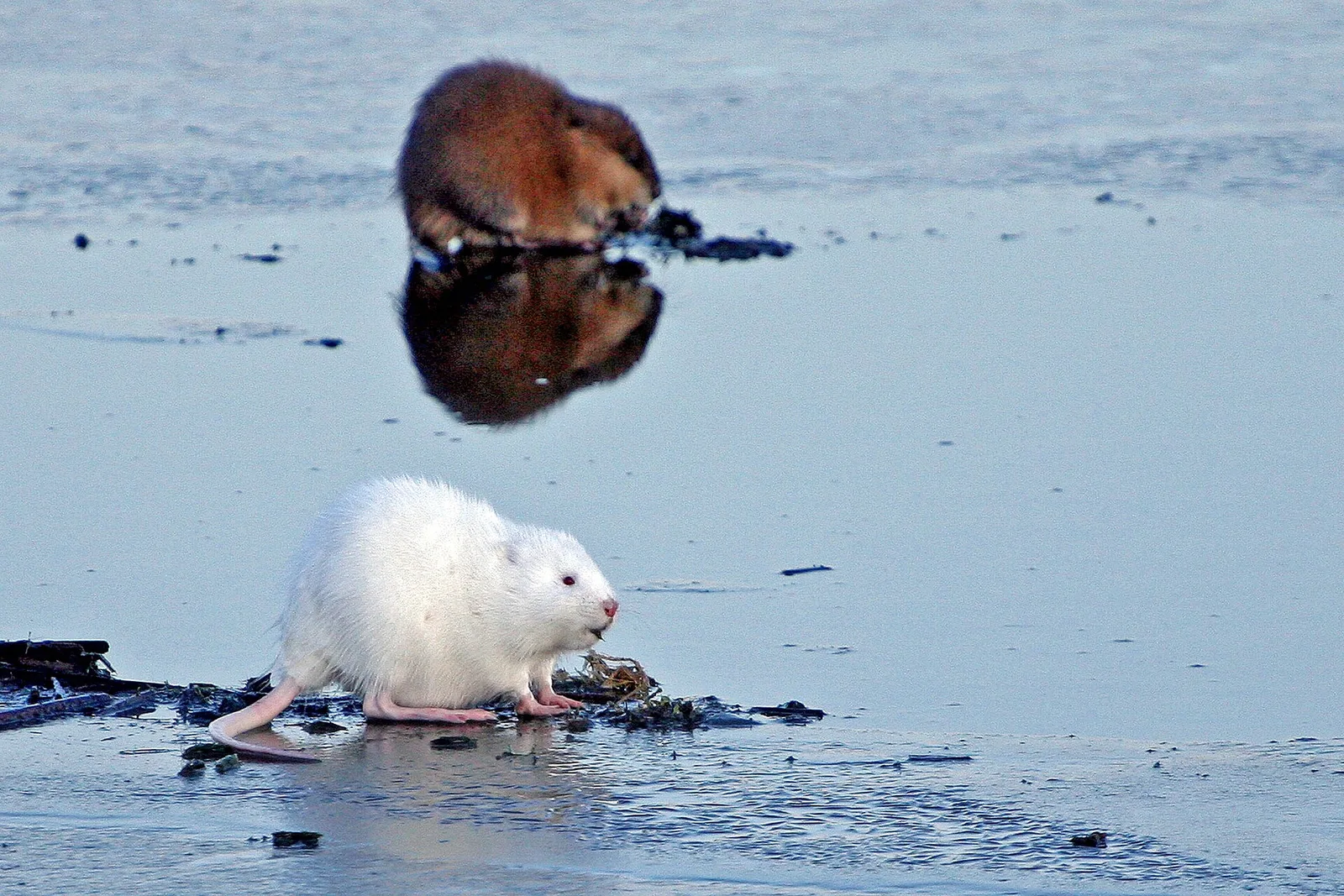
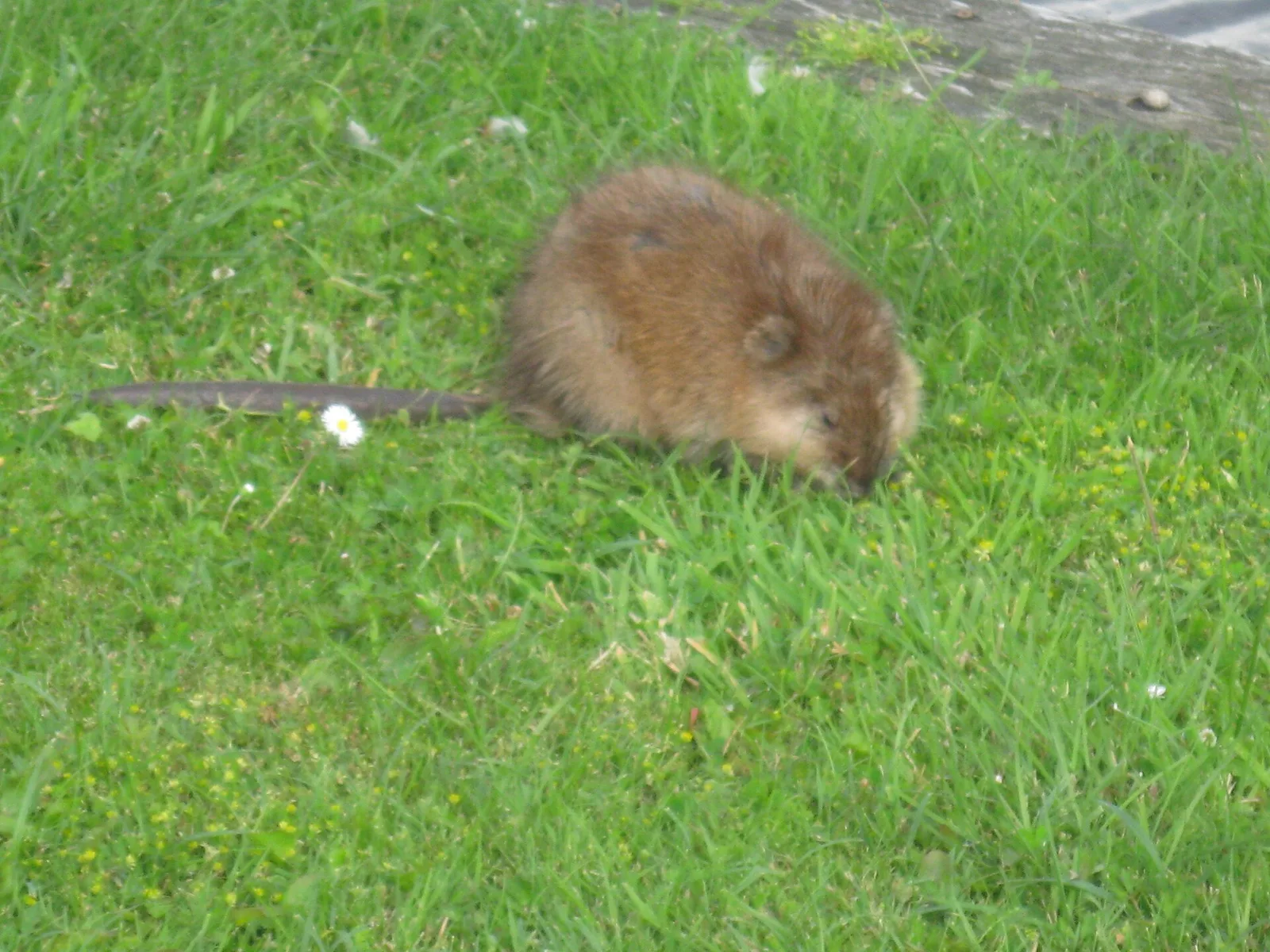
A muskrat is 40 to 70 centimetres long in total, and the tail makes up about half of that. It weighs 680 to 1,800 g, about four times a brown rat, though it is only a little longer. The body is thick and rounded, the head is large, and the ears almost vanish in the fur. Short, dense fur is medium to dark brown or black above and paler below, and it greys with age. The coat has two layers that trap air, which keeps the animal warm and buoyant in cold water.
The tail is scaly, almost hairless, and flattened from side to side. It drags on the ground when the animal walks, which leaves an easy track to recognise. The large hind feet are partly webbed, and stiff hairs along the toes widen them for swimming. The front feet are small and serve for digging and for holding food. The lips close behind the front teeth, so the muskrat can gnaw under water without swallowing it.
Habitat and range
Muskrats live in marshes, swamps, ponds, lakes, slow rivers and streams. They favour water deep enough to stay open in winter, and marshes where the level stays steady. In banks they dig burrows with an entrance 15 to 20 centimetres wide below the water line. In open marsh they pile cut plants and mud into domed lodges up to 90 cm tall. Smaller feeding platforms and feeding houses stand nearby.
The native range runs from the tree line in Canada south to the Gulf of Mexico and the lower Colorado River. Five animals, two males and three females, were freed in a park at Dobris in Bohemia in 1905. Their descendants now occupy central and northern Europe, Ukraine, Russia, Siberia, parts of China and Mongolia, north-east Korea and Honshu. Other releases put muskrats in southern Chile and Argentina. GBIF holds records from 53 countries, which includes both native and introduced ground.
Muskrats also use canals and irrigation ditches that people dig. They can live on streams polluted by mine drainage where fish and frogs die. New Zealand bans their import as a prohibited new organism.
Diet and feeding
Plants make up about 95% of the diet. Cattails come first, and muskrats dig for the roots and the thick bases of the stems. They also eat yellow water lily and many other water plants. A muskrat eats about a third of its own weight each day. Near farms it takes maize and other crops that grow close to water.
The rest of the diet is animal food: freshwater mussels, crayfish, frogs, fish and small turtles. In winter it swims under the ice along fixed trails to reach plants on the bottom. It stores no food, but it sometimes eats the inside walls of its own lodge. Muskrats and beavers often share a pond, and a BBC film showed a muskrat feeding from a beaver's store.
Behaviour and social life
A muskrat family is a male, a female and their young of the year. Each family holds a territory, and most activity stays within 15 metres of the lodge or burrow. Females defend the ground more fiercely than males. In spring, muskrats fight over territory and mates, and many are hurt or killed. Up to 40% of a population moves in March and April to find empty ground, and males move about 3 kilometres.
Muskrats are active at any hour, but most of all from mid afternoon until just after dusk. They stay in the water for most of the day, and they swim under it for 12 to 17 minutes. The webbed hind feet push, and the flat tail steers. On land they move slowly. In snow they plug the lodge openings with plants and replace the plug every day.
When a marsh is overcrowded, a female drives her own young out of the group. Crowded groups also fight more, and cannibalism occurs. Young leave their mother's range after their first winter.
Communication and senses
Musk is the main signal. Glands near the base of the tail produce it in both sexes. The scent marks territory, warns off intruders and carries breeding cues. Muskrats also squeak and squeal.
Sight, hearing and smell are all poorly developed. The animal can close its ears against water when it dives. Its body tolerates a build-up of carbon dioxide better than most mammals, as seals and whales do. Its whiskers probably guide it under ice and in murky water.
Reproduction and life cycle
In the southern United States muskrats breed all year. In the north they breed from March to August, and the first litters arrive in late April or May. Gestation lasts 29 to 30 days. A litter holds six to eight kits, and a female bears two or three litters a year. Northern females have larger litters than southern ones.
Kits are born blind and almost hairless, and each weighs about 22 grams. They can swim at about 10 days and eat green plants by 21 days. They are weaned at 3 to 4 weeks and independent at about 30 days. By two months the tail has flattened into its adult shape. A muskrat reaches adult size in about 200 days.
Southern muskrats mature in six months, northern ones in about a year. A wild muskrat lives about 3 years, and captive animals are said to reach 10. AnAge notes that the captive figure is unconfirmed.
Predators and threats
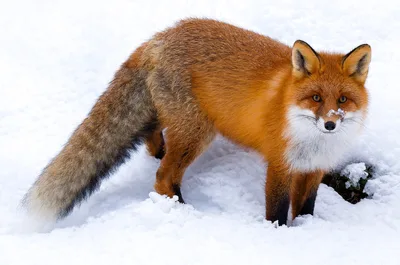
Muskrats feed a long list of predators. Mink, foxes, coyotes, wolves, black bears, lynx and raccoons take them on land and at the lodge. Great horned owls, gyrfalcons, goshawks, bald eagles and golden eagles take them from above. Pike, snapping turtles, alligators and cottonmouths take them in the water. A muskrat escapes by diving, and it can stay down for up to 15 minutes.
In the former Soviet Union the golden jackal is the worst enemy. In the winter of 1948 to 1949 on the Amu Darya, jackals destroyed 71% of muskrat houses, and 16% of those froze. Caribou, moose and elk eat the plant walls of lodges in hard winters. The animal is sensitive to sudden temperature swings, and hot dry weather harms it. Loss of wetlands is the long-term threat, along with trapping and disease.
Population and conservation
The IUCN lists the muskrat as Least Concern. It is widespread and abundant, and fast breeding lets populations absorb trapping, disease and predators. One subspecies, Ondatra zibethicus ripensis, is listed as Data Deficient. Numbers cycle up and down over six to ten years.
A 2024 report in Hakai Magazine found declines of at least half in 34 US states. In a few states the fall was 90 to 99%. Rhode Island holds about 15% of the muskrats it had a few decades ago. The decline began in the 1990s and early 2000s, and its cause is not settled.
In Europe the picture is reversed. The European Union added it to its register of invasive alien species on 2 August 2017. Belgium, France and the Netherlands trap, poison and hunt it to protect their dykes.
Relationship with humans
Muskrat fur is warm, and it is at its best in early December in the north. Trapping became a large industry in the early 20th century. Pelts were trimmed and dyed and sold across the United States as Hudson seal. The winter hats of the Royal Canadian Mounted Police are muskrat. In South Korea, fur farms import muskrats, and a live animal sells for 600 to 1,000 US dollars.
The meat is edible, and Native Americans and others have eaten it for a long time. The musk glands in the tail must come out first, or they taint the lower belly. On farms, muskrats eat grain, block drain tiles and burrow into dykes until the banks fail. In Europe those burrows threaten the flood defences of low-lying countries. Muskrat lodges also keep marsh water open, which helps water birds.
In culture and myth
In many Native American creation stories, the muskrat is the earth-diver. After larger animals fail, it dives to the bottom of the first sea and returns with a little mud, which grows into the land. In Anishinaabe tradition, the muskrat, Wazhashk, gives its name to a clan. The Menominee also have a Muskrat Clan. Some Algonquin traditions make Muskrat a female figure, the mother of humankind.
Some Native people forecast the winter snow from the size and timing of muskrat lodges. In several tribes the muskrat is lucky, and tales tell of muskrats that reward people who treat them well. In Catholic tradition in south-east Michigan, a dispensation since the early 1800s lets the faithful eat muskrat on Lenten Fridays. In 2019, dinners along the Detroit River served up to 900 muskrats at a sitting, parboiled for four hours and then fried. Spirit-animal websites add perseverance and adaptability, but those meanings are probably modern, not folk tradition.
A sentence with a dotted underline is inferred: it describes the group the animal belongs to, or is a reading of the sources, rather than a measured or reported fact about this species.
Questions
Muskrat questions, answered
What is a muskrat?
A muskrat is a large semiaquatic rodent of North American wetlands. It is the biggest of the voles and lemmings, named for the musk it uses to mark its territory.
How big is a muskrat?
An adult is 40 to 70 centimetres long in total, and about half of that is tail. It weighs 680 to 1,800 grams, about four times a brown rat.
Is a muskrat a rat or a beaver?
Neither. It is a giant relative of the voles. It looks like a small beaver with a flattened tail, and early settlers called it musk-beaver.
What do muskrats eat?
Mostly water plants, above all cattail roots and stems, plus water lilies. About 5% of the diet is animal: mussels, crayfish, frogs, fish and small turtles. They also raid crops near water.
How long can a muskrat stay underwater?
A muskrat swims under water for 12 to 17 minutes. Its body tolerates carbon dioxide well, and it can close its ears and lips against the water.
Where do muskrats live?
In marshes, ponds, lakes, streams and slow rivers across Canada, the United States and northern Mexico. Released animals now live across Europe, Russia, China, Japan and southern South America.
Are muskrats dangerous?
No. A muskrat avoids people and dives when disturbed. It can bite if handled, but the damage it does is to dykes, river banks and crops.
Do muskrats build lodges like beavers?
Yes, in marshes they pile cut plants and mud into domed lodges up to 90 centimetres tall, with underwater entrances. On rivers and lakes they dig bank burrows instead.
How many babies do muskrats have?
A litter holds six to eight kits after a pregnancy of 29 to 30 days. A female raises two or three litters a year, and southern animals breed all year.
How long do muskrats live?
In the wild a muskrat lives about 3 years. Captive animals are said to reach 10, but AnAge treats that figure as unconfirmed.
Why are muskrats a problem in Europe?
Their burrows weaken the dykes and levees that protect low-lying countries from floods. The EU has listed the muskrat as an invasive species of Union concern since 2017, and Belgium, France and the Netherlands trap and poison it.
Are muskrats endangered?
No. The IUCN lists them as Least Concern. But a 2024 report found numbers down by half or more in 34 US states, and in some states by 90 to 99%.
What eats muskrats?
Mink, foxes, coyotes, wolves, lynx, raccoons, owls, eagles, hawks, pike, snapping turtles, alligators and water snakes. In Central Asia the golden jackal is the main predator.
Why do people eat muskrat during Lent?
A Catholic dispensation in south-east Michigan, dating from the early 1800s, lets people eat muskrat on days when other meat is forbidden. Dinners along the Detroit River still serve hundreds of muskrats each Lent.
What does the muskrat mean in Native American stories?
In many creation stories the muskrat is the earth-diver that brings up mud from the bottom of the flood to make the land. Several nations, including the Anishinaabe and the Menominee, have a Muskrat Clan.
Food web
Prey and food
- cattails
- water lilies
- water plants
- mussels
- crayfish
- frogs
- fish
- turtles
Food web
Predators
 Red fox
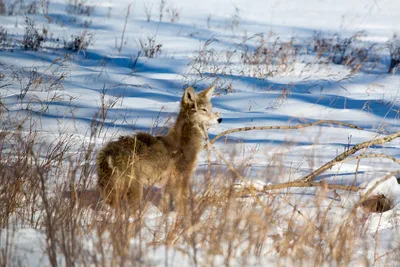 Coyote
Ecological equivalents
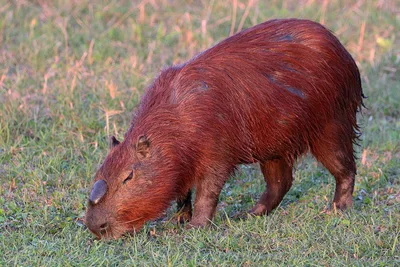
Related species on this site
Cactus Mouse (same family), Deer Mouse (same family), Diminutive Woodrat (same family), Dwarf Hamster (same family), Eastern Woodrat (same family), Grasshopper Mouse (same family), and more.
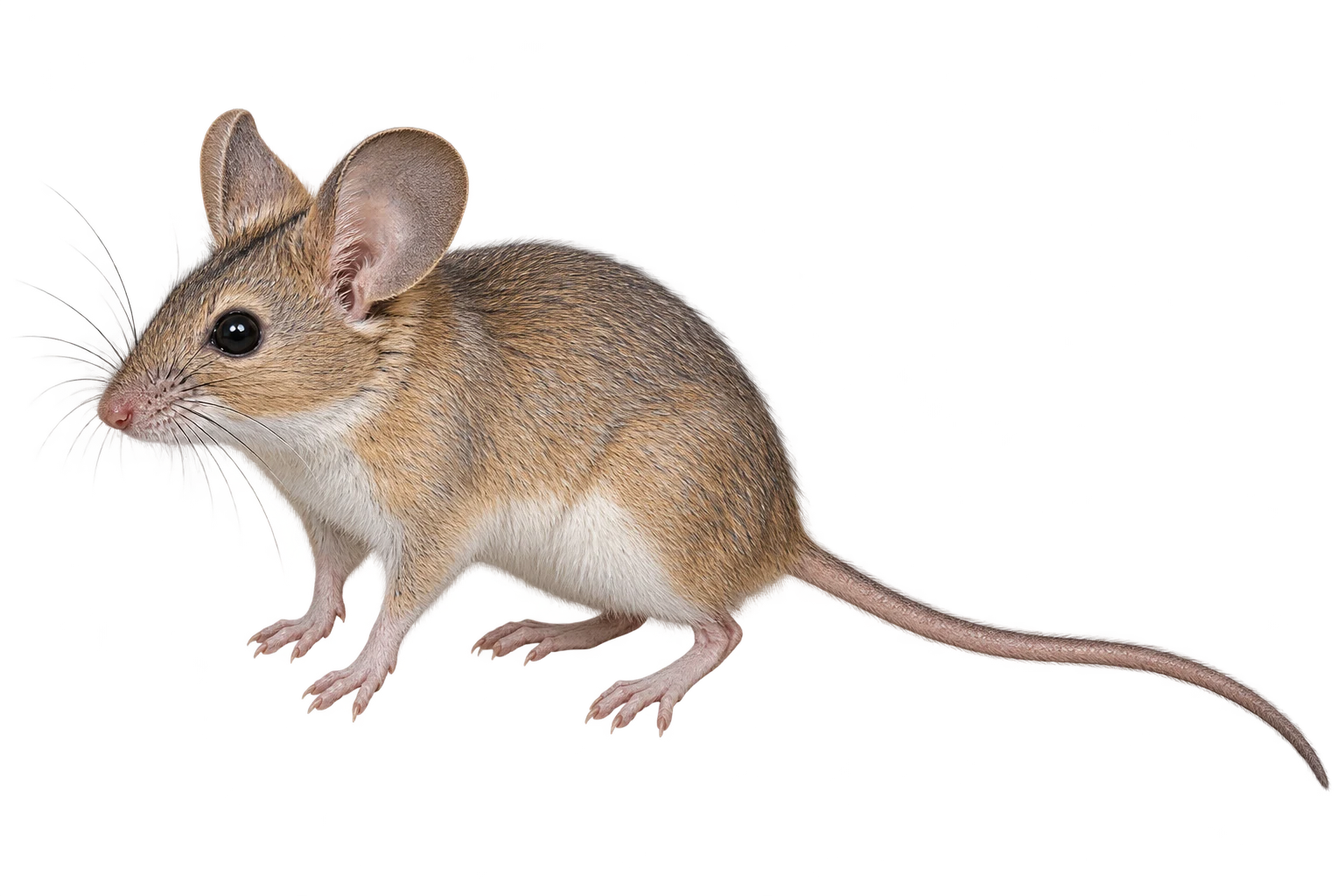
Mammals
Cactus Mouse
Peromyscus eremicus
Classification and source reference
LivingAI illustration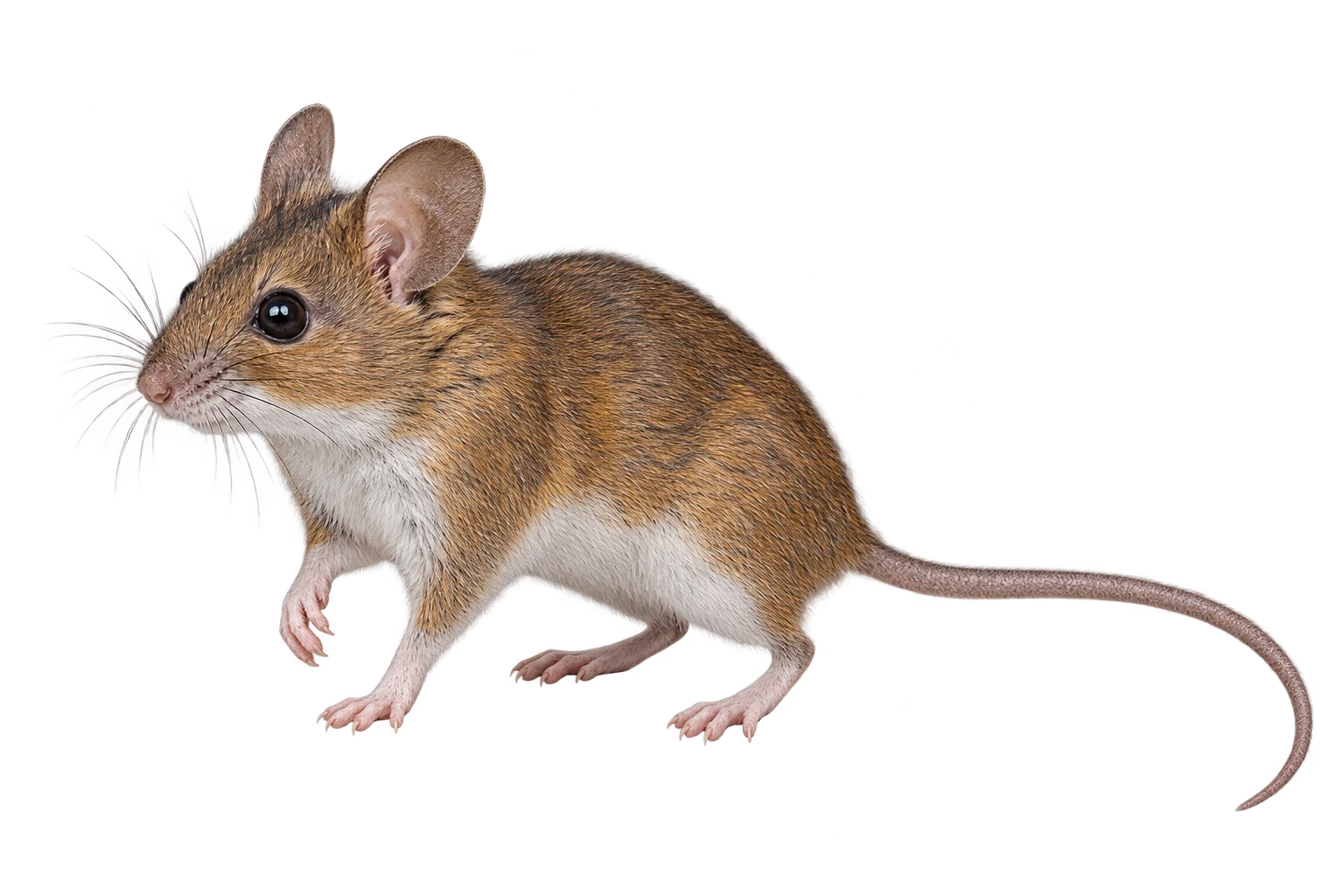
Mammals
Deer Mouse
Peromyscus maniculatus
Classification and source reference
LivingAI illustration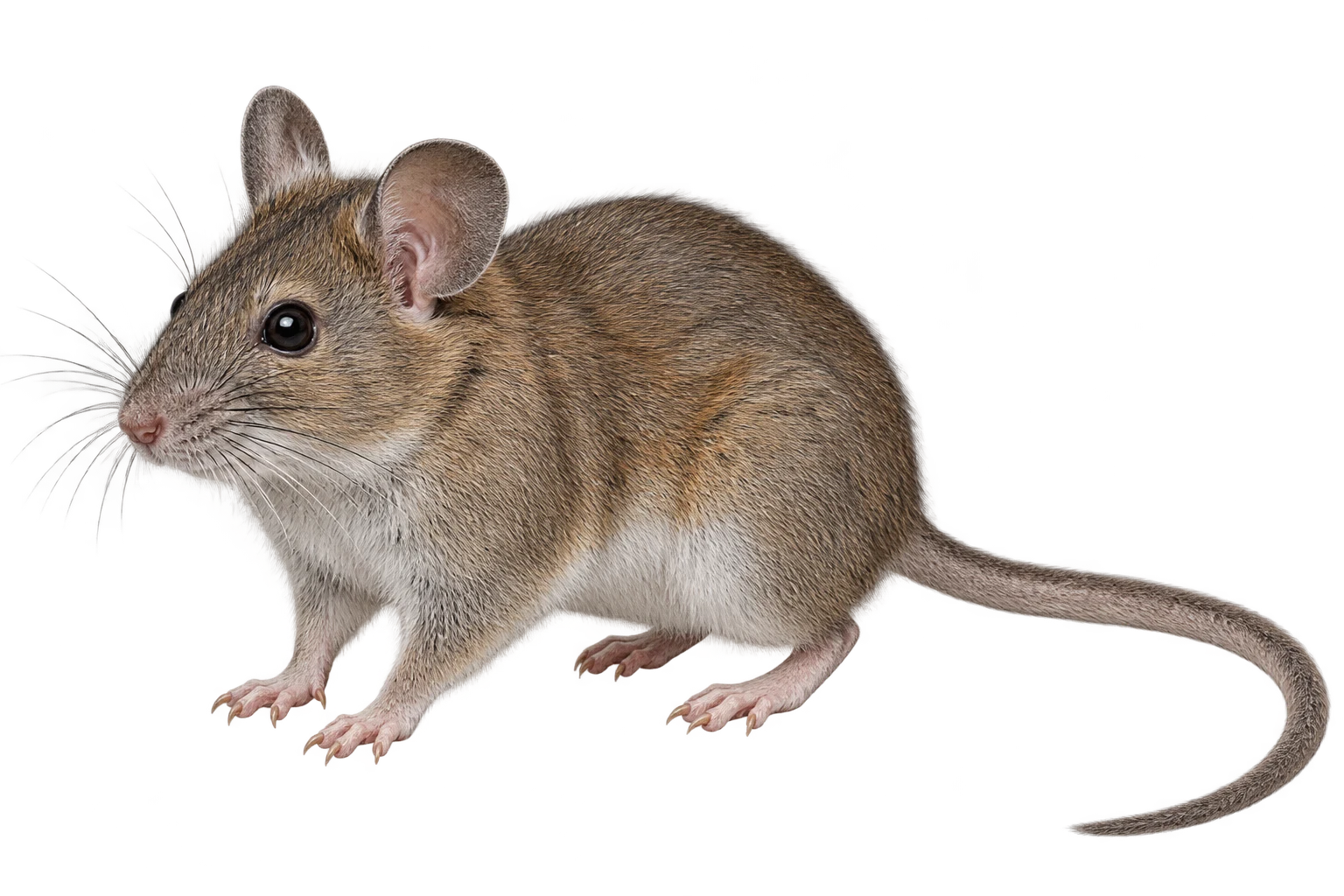
Mammals
Diminutive Woodrat
Neotoma lepida
Classification and source reference
LivingAI illustration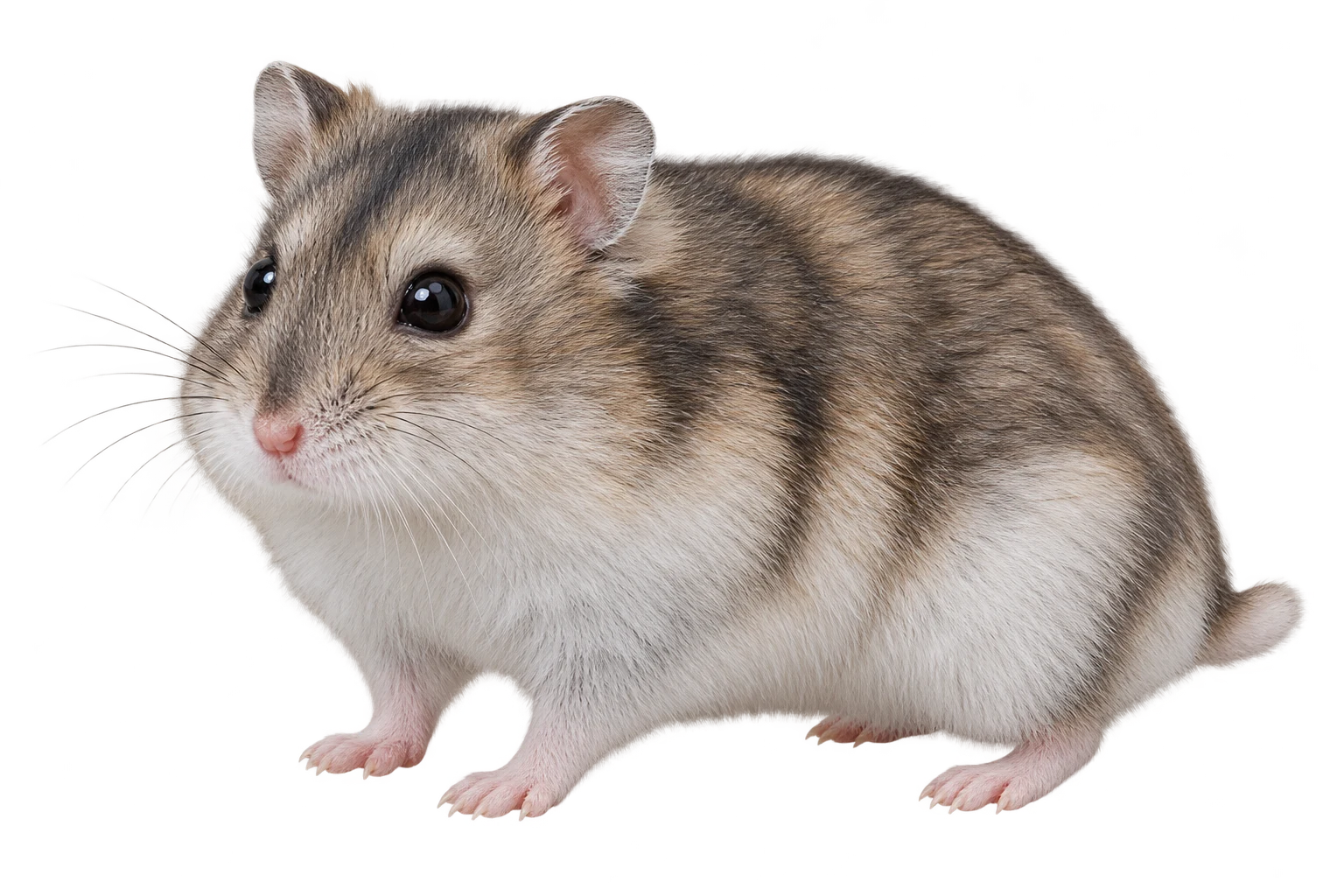
Mammals
Dwarf Hamster
Phodopus
Classification and source reference
LivingAI illustration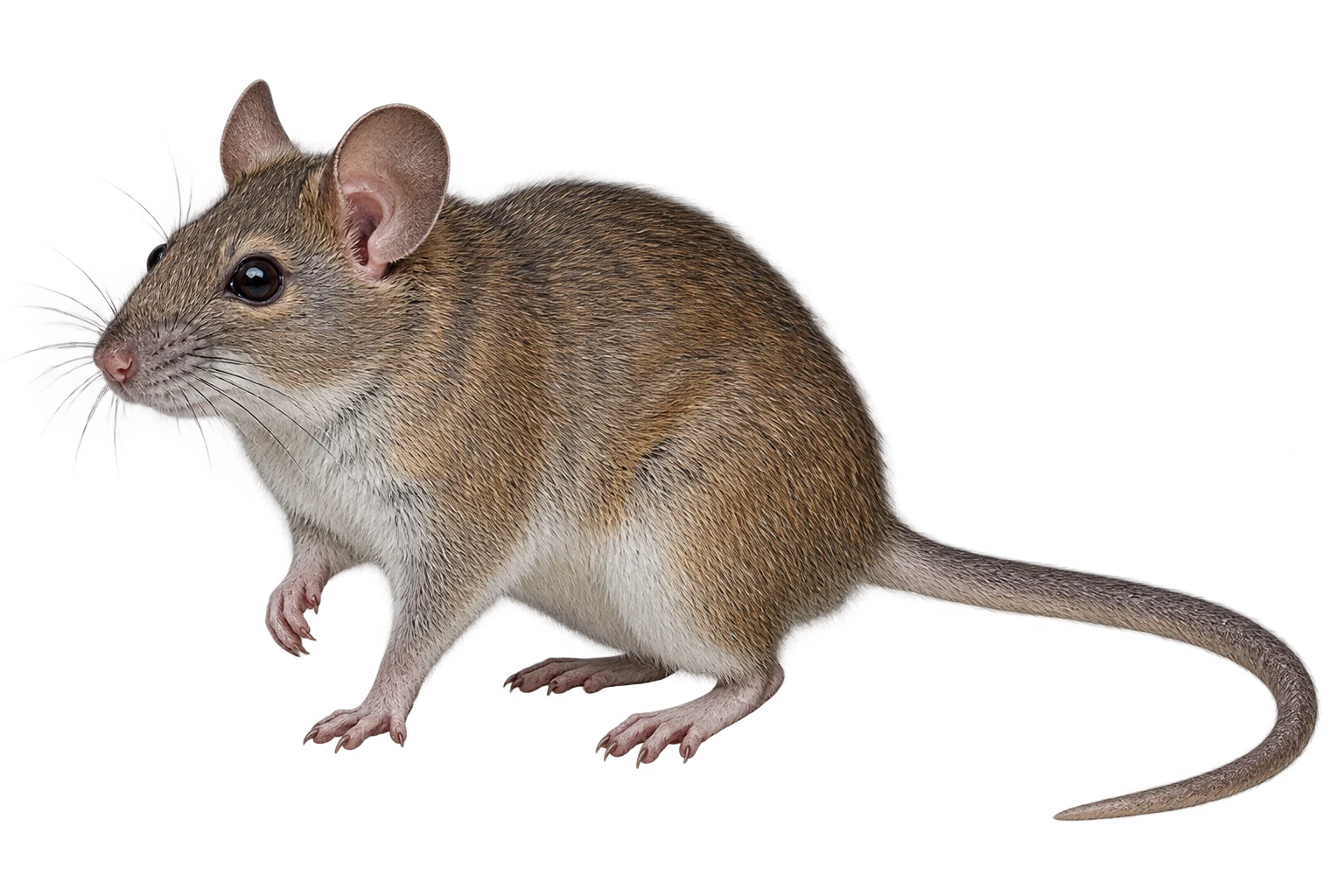
Mammals
Eastern Woodrat
Neotoma floridana
Classification and source reference
LivingAI illustration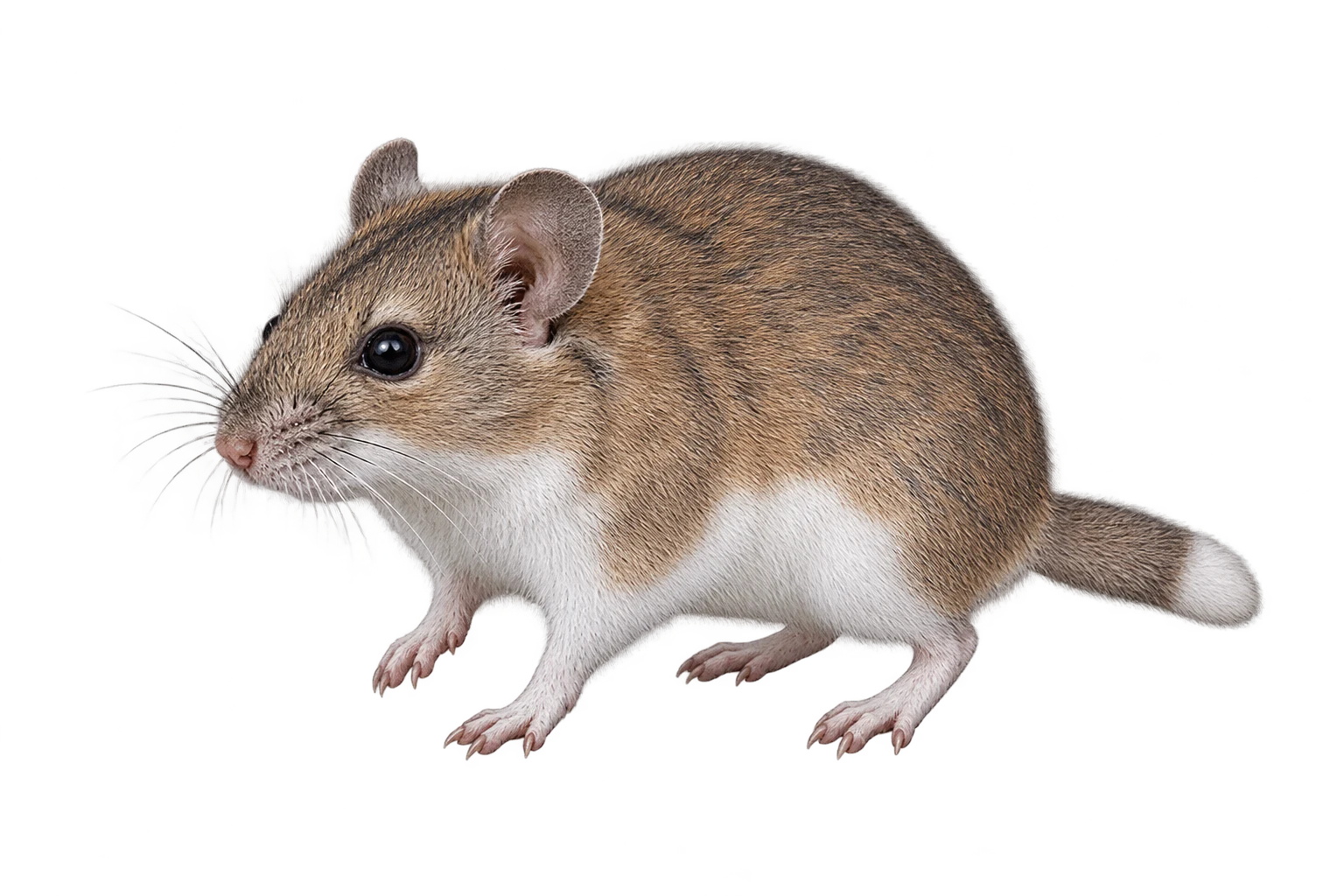
Mammals
Grasshopper Mouse
Onychomys
Classification and source reference
LivingAI illustration