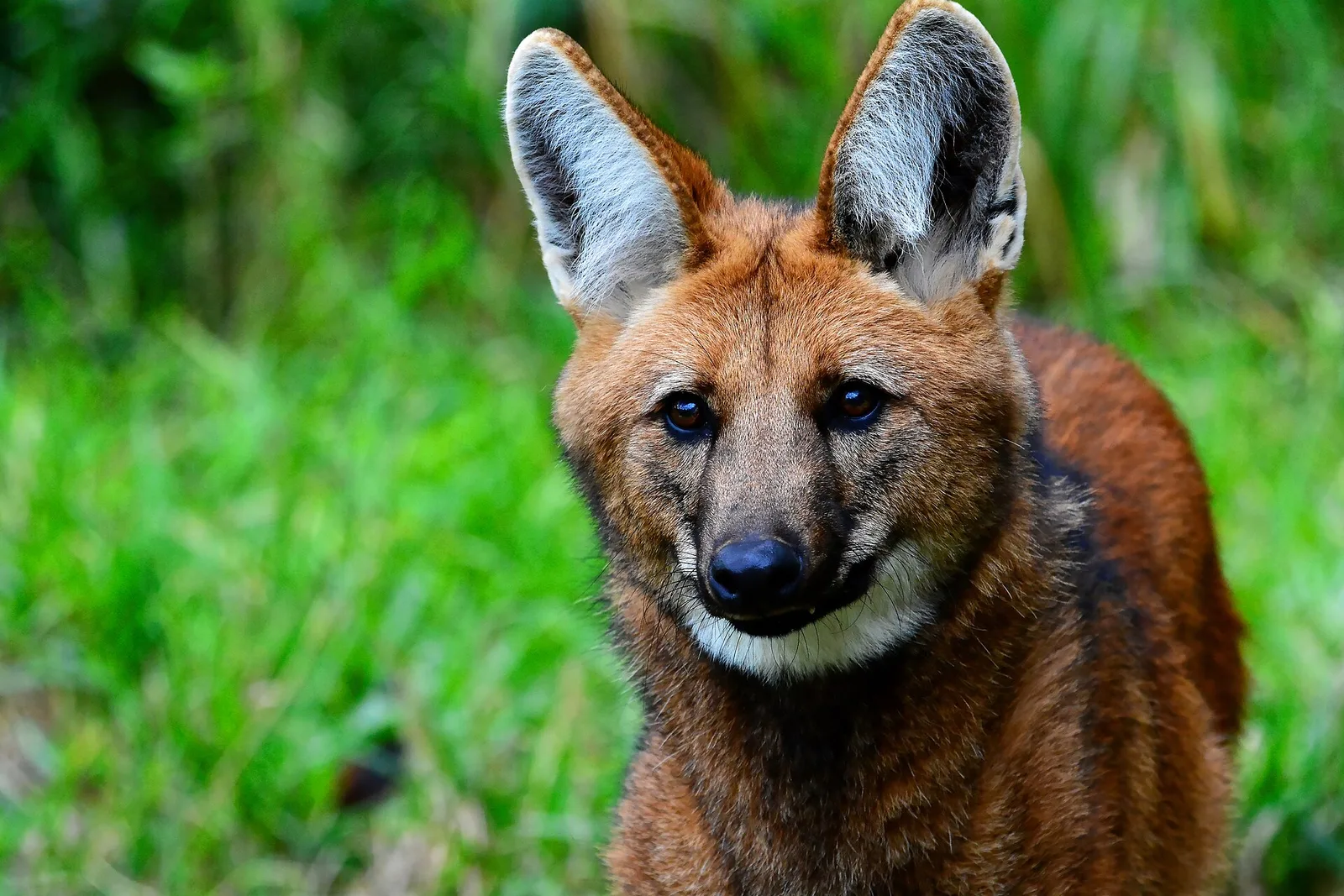
Maned wolf
A fox on stilts that eats more fruit than meat
Chrysocyon brachyurus
Also called Lobo-guará, Aguará guazú, Borochi
Living individuals or members of this group exist today. This does not mean they are safe from extinction.
Meet the maned wolf
The maned wolf is the tallest wild dog in the world and the largest canid in South America. It hunts alone in the grasslands of the cerrado and eats as much fruit as meat.
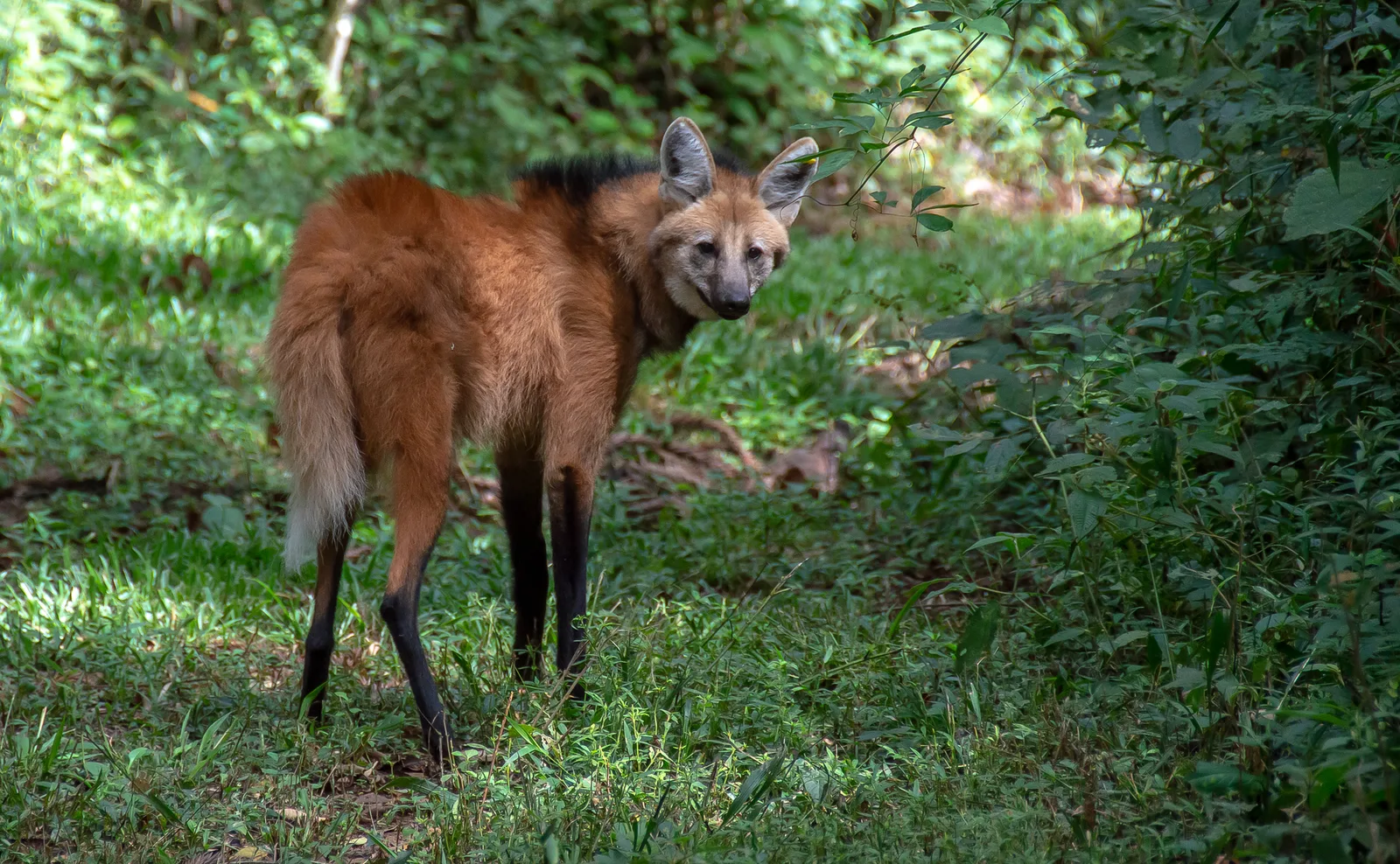
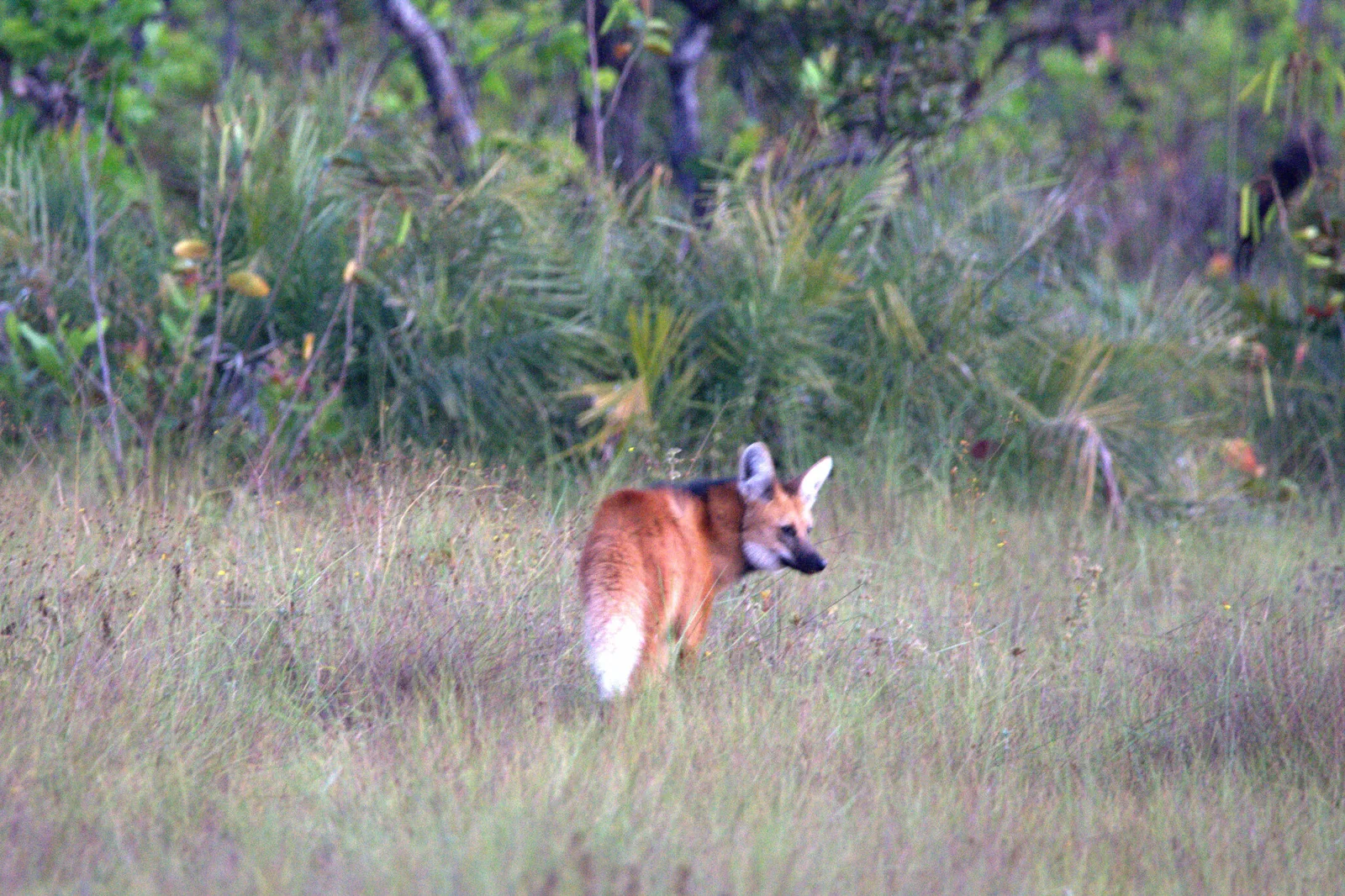
Images of the maned wolf
Lifespan
12 to 15 years
Weight
20 to 30 kg
Length
1.25 to 1.32 m
Height
Up to 1.1 m
Fact file
Maned wolf
- Location
- Cerrado and Chaco of Brazil, Paraguay, Bolivia, Argentina and Peru
- Habitat
- Grassland, Savanna, Wetlands
- Diet
- Omnivore
- Prey / food
- Rodents, rabbits, armadillos, birds, wolf apple fruit
- Predators
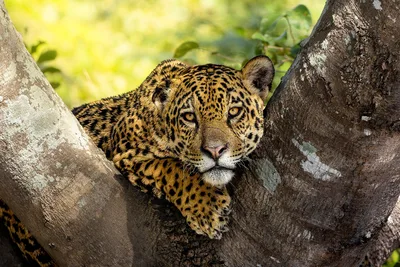
- Jaguar, puma, domestic dogs
- Lifestyle
- Solitary, active at dusk and night
- Group name
- Pair
- Name of young
- Pup
- Gestation
- 60 to 65 days
- Litter size
- 2 to 6 pups
- Population
- About 13,000 mature individuals
- Biggest threat
- Habitat loss to farming and road kill
- Distinctive feature
- Very long black legs and an erectile black mane
- Colour
- Golden red with black legs
- Skin type
- Fur
Size
Next to a person
Measurements
Size and speed
- Height
- Up to 1.1 m at the shoulder
- Length
- 1.25 to 1.32 m head and body, without the tail
- Tail
- 28 to 40.5 cm
- Weight
- 20 to 30 kg
Typical adult ranges. Sources: Wikipedia, Animal Diversity Web.
Life cycle
Lifespan
- In captivity12 to 15, up to 22 years
- 022 years
The pale bar is the record. Source: Wikipedia.
Appearance
Colour and coat
- Primary colours
- golden redreddish brown
- Secondary colours
- blackwhite
- Skin type
- fur
- Male and female
- Slight. Males are somewhat heavier than females, but the two sexes share the same colour and shape.
Life cycle
Mating and family
- Mating system
- monogamous pairs
- Social structure
- solitary, with a mated pair holding one territory
- Breeding
- one litter a year, sometimes with a gap of two years
A pair holds a territory for life but stays apart except in the breeding season. The female is in heat once a year, and gestation lasts 60 to 65 days. She bears two to six black pups in a den hidden in tall grass or scrub. The pups turn red by ten weeks, are weaned at about 15 weeks and take regurgitated food for months. They reach adult size at one year, when they leave to find a territory of their own.
Classification
Taxonomy
- Kingdom
- Animalia
- Phylum
- Chordata
- Class
- Mammalia
- Order
- Carnivora
- Family
- Canidae
- Genus
- Chrysocyon
- Species
- Chrysocyon brachyurus
Conservation
Red List status
- LC
- NT
- VU
- EN
- CR
- EW
- EX
Near Threatened on the IUCN Red List
Range
Recorded in 4 countries
Habitat layer: tropical grassland, savanna and shrubland, temperate grassland, savanna and shrubland, flooded grassland and savanna, mangrove.
Countries from 729 wild records on GBIF (iNaturalist research grade), filtered and checked by hand. Country shapes: Natural Earth. Habitat: RESOLVE Ecoregions 2017, CC BY 4.0. Basemap: Natural Earth.
Habitats
Three things to know
- 1
The maned wolf is not a fox and not a wolf, and its nearest living kin is the bush dog.
- 2
The wolf apple, a tomato-like fruit, can make up 40 to 90% of its diet.
- 3
Its urine smells so much like cannabis that it once sent Rotterdam police looking for smokers.
Did you know
Seven more facts
- 1
Pups are born black and only turn red after about ten weeks.
- 2
A mated pair shares a territory but hunts and sleeps apart for most of the year.
- 3
The maned wolf has 76 chromosomes, so it cannot breed with dogs, wolves or foxes.
- 4
It drops dung on leafcutter ant nests, and the ants throw the seeds onto piles where they sprout well.
- 5
Only about 21% of its hunts end with a catch.
- 6
Meat-heavy zoo diets gave captive wolves bladder stones, so zoos now feed fruit and vegetables.
- 7
A maned wolf at São Paulo Zoo lived to 22 years old.
Field notes
How it looks and acts
Field notes
Distinguishing features
- Extremely long, thin black legs.
- A golden-red coat with no underfur.
- An erectile black mane from the head to the shoulders.
- Large upright ears about 18 cm long.
- A white throat and a white tip to the short tail.
- Round pupils, unlike the slit pupils of true foxes.
Field notes
Unique adaptations
- Long legs probably let it see over tall grass and move through it with ease.
- Large mobile ears pick up the rustle of rodents in dense cover.
- Small shearing teeth and long thin canines suit a diet of small prey and fruit.
- A pacing gait and a light, narrow body save energy on long patrols.
- A strong-smelling urine lets it mark a large territory at long range.
Field notes
Interesting behaviours
- Hunts alone at dusk and at night.
- Taps the ground with a forefoot to flush prey, then pounces.
- Patrols a territory of about 27 to 30 square kilometres along its own paths.
- Buries surplus prey and marks the cache with urine.
- Raises its mane to look bigger when threatened.
Field notes
Temperament
- Shy and quick to flee from people.
- Solitary, with little contact even between mates outside the breeding season.
- Strictly territorial towards neighbours of the same species.
- Captive females turn aggressive to keepers around the time they give birth.
Field notes
Communication
- A loud roar-bark after dusk that keeps other wolves away.
- A high whine and a growl during disputes.
- Urine and dung left at fixed spots, often on termite mounds.
- A raised mane as a visual threat.
Ecology
Ecological role
The maned wolf is a top predator of small animals in the cerrado and the main seed disperser of the wolf apple.
- Swallows wolf apples whole and passes the seeds intact across its territory.
- Controls rodents, rabbits and armadillos in grassland.
- Supplies dung that leafcutter ants use to feed their fungus gardens.
- Serves as prey for jaguars and pumas and as a host for ticks, worms and flies.
Stories
Myths and legends
- In Guarani and Argentine tradition, the Lobizón is a seventh son who becomes a long-legged half-dog by night.
- In rural Brazilian tradition, the night call of the maned wolf is a spirit calling from the forest.
- In Bolivian tradition, a saddle of maned wolf leather protects the rider from bad luck.
- In some native Brazilian traditions the animal is a trickster spirit.
People
Relationship with humans
People
Living alongside us
People have long feared the maned wolf as a killer of livestock, a belief that came with European settlers and is false. It does take chickens, and some farmers shoot it for that. In parts of Brazil its body parts were kept as charms or folk medicine. Today the animal is protected across its range and has become the flagship species of the cerrado. Roads, dogs and the loss of grassland to farms are the ways people now harm it.
- The animal is timid and runs off when alarmed, and the sources record no attack on a person.
- Some rural people still fear it as a risk to poultry and small children, but the fear has no basis.
- A captive female may snap at keepers in the weeks around a birth.
People
Status, uses and products
- Domestication
- Wild
- As a pet
- Not suitable. The maned wolf needs a territory of about 27 square kilometres, a diet rich in fruit and near-total solitude. Hunting and capture are banned in every range country, and zoos need large enclosures to keep a single pair.
- Uses
- zoo exhibitionecotourism
- Products
- None recorded
The full account
About the maned wolf
The maned wolf, Chrysocyon brachyurus, is the largest wild canid of South America. It looks like a red fox on very long legs, yet it belongs to neither the foxes nor the wolves. It is the only species in its genus, and its nearest living relative is the bush dog.
An adult weighs 20 to 30 kilograms and stands up to 110 centimetres at the shoulder. The coat is golden red, with black legs and a black mane that rises when the animal is alarmed. The long legs probably help it see over the tall grass of its home.
The maned wolf lives alone in the grasslands and scrub of the Brazilian cerrado and the Chaco. It hunts small animals at night, but fruit makes up about half of what it eats. The IUCN lists it as Near Threatened, with about 13,000 mature animals left.
Name and taxonomy
The English name refers to the strip of long black hair on the neck and shoulders. The genus name Chrysocyon means golden dog in Greek, and brachyurus means short-tailed. Johann Karl Wilhelm Illiger described the species in 1815 as Canis brachyurus. Charles Hamilton Smith set up the genus Chrysocyon in 1839.
Guarani speakers call it aguara guasu, the big fox, and Brazilians call it lobo-guará. In Spanish it is lobo de crín or aguará guazú, and in Bolivia it is the borochi. The maned wolf belongs to the dog family, Canidae, in the order Carnivora. It has 42 teeth like other canids, but the shearing teeth are small and the canines long and thin. No subspecies are recognised.
Evolution and relatives
Genetic studies place the maned wolf closest to the bush dog, Speothos venaticus. The two look nothing alike, because the bush dog is a short-legged pack hunter that eats only meat. Their lines split about 3.0 million years ago, during the Pliocene. The living South American canids share an ancestor from about 4.2 to 4.3 million years ago. That radiation followed the rise of the Isthmus of Panama, which let northern dogs walk south.
Fossils of Chrysocyon come from the late Pleistocene and Holocene caves of Lagoa Santa in Minas Gerais. Older fragments from Arizona and New Mexico may belong to the genus, but they are hard to fit to the DNA dates. The maned wolf is the only large South American canid that survived the extinctions at the end of the Pleistocene. Its genes show a population crash about 15,000 years ago, yet its diversity is still higher than in most canids. With 76 chromosomes it cannot breed with any other canid.
Appearance
The maned wolf is the tallest of all wild dogs. It stands up to 110 centimetres at the shoulder and weighs 20 to 30 kilograms, with 23 kg typical. The head and body measure 124.5 to 132 cm, and the tail adds 28 to 40.5 cm. The body is narrow and light, so the animal looks far bigger than it weighs. Ears are large and upright, about 18 cm long, and turn to catch sounds in the grass.
The fur is reddish brown to golden orange, with no underfur. The lower legs, the muzzle and the front of the mane are black. The throat, the inside of the ears and the tip of the tail are white. The mane runs along the neck to the shoulders and averages about 470 millimetres long. It stands up when the animal is threatened, which makes it look larger. Pups are born black and turn red by about ten weeks. Black adults exist but are rare, and the first was photographed by a camera trap in 2013.
Habitat and range
The maned wolf lives in central South America, from north-east Brazil south to Rio Grande do Sul. Its range covers Paraguay, the lowlands of Bolivia, northern Argentina and one corner of Peru, the Pampas del Heath. It has almost vanished from Uruguay and from Argentina south of the La Plata River. One survey suggested a separate population in the llanos of Colombia, but this is unconfirmed. GBIF holds records from 12 countries, and some of those are zoo animals.
The species favours tall grassland, low scrub, open cerrado woodland and wet fields that flood in season. By day it rests in gallery forest, thick scrub or marsh near rivers. It also uses pasture and cropland, and it can live in burned ground where mice are easy to catch. The total range is about 5 million square kilometres, and clearing of forest has even extended it. Yet the cerrado itself has shrunk to about 20% of its former area, and only 1 to 5% is protected.
Diet and hunting
The maned wolf is an omnivore, and studies find about 50% plant matter and 50% animal matter in its droppings. Up to 301 food items are recorded, including 116 plants and 178 animals. The wolf apple, Solanum lycocarpum, is the main food and can make up 40 to 90% of the diet. It eats this tomato-like fruit all year, while other fruits are only plentiful in the rainy season. The fruit may help against the giant kidney worm, a parasite that often kills maned wolves.
Animal prey includes rodents, rabbits, armadillos, birds and their eggs, reptiles, snails and insects. A pampas deer is taken now and then, and the wolf will scavenge road kill. It hunts alone between sunset and midnight, turning its ears to locate prey in the grass. A tap of one forefoot on the ground flushes the animal, and the wolf pounces like a fox. It also digs after burrowing animals and leaps to catch birds in flight. About 21% of hunts succeed, whatever the method. Zoos once fed maned wolves mostly meat, which gave them bladder stones, so modern diets add fruit and vegetables.
Behaviour and social life
Unlike the grey wolf or the dhole, the maned wolf never forms a pack. A male and a female pair for life and share a territory of about 27 to 30 square kilometres. Outside the breeding season the pair hunts, travels and rests apart, and the two may rarely meet. Borders are strictly kept, and neighbouring pairs stay on their own sides. Wandering males without a territory move along the borders and take the place of a male that dies.
The animal is most active at dusk, at night and at dawn, with peaks between 8 and 10 in the morning and evening. On cool or cloudy days it may move about all day. It can forage for up to eight hours at a stretch and travel 3 km from its den. It patrols its territory on a network of paths that it makes itself. Several adults may gather where food is plentiful, such as a freshly burned patch of grass. It buries prey it cannot finish and marks the spot with urine.
Communication and senses
Scent is the main channel. Both sexes mark paths, borders and buried food with urine, and they leave droppings at fixed spots. Termite mounds are favourite marking posts, and more marks go on the upwind side. The urine smells strongly of hops or cannabis, which comes from a pyrazine compound. At Rotterdam Zoo the smell once sent police looking for cannabis smokers. This has earned the animal the nickname skunk wolf.
The maned wolf has three main calls. The loudest is the roar-bark, a single deep bark heard after dusk that warns off other wolves. It also gives a high whine and a growl during fights. Calls are most frequent in the breeding season, and a pair calls whenever one partner is out of sight. The large ears give it sharp hearing, which probably matters more than sight when it hunts in tall grass. Its round pupils differ from the slit pupils of true foxes.
Reproduction and life cycle
Females come into heat once a year for about four to five days. In South America mating peaks from April to June, and captive animals in the north breed from October to February. Day length seems to set the season. Gestation lasts 60 to 65 days, and most pups are born from June to September in the dry season. A litter holds two to six pups, and a record of seven is known. Each pup weighs 340 to 430 grams at birth and has black fur.
The den is above ground, hidden in tall marsh grass, under shrubs or in a gully. Eyes open at about nine days, and the coat turns red by week ten. Pups take regurgitated food from three or four weeks and are weaned at about 15 weeks. Parents may keep bringing up food for them until about ten months. Captive fathers groom, feed and guard pups, but nobody has confirmed this in the wild. Young reach adult size and sexual maturity at one year and leave the parents' territory. Lifespan in the wild is unknown, but captive animals live 12 to 15 years, and one reached 22.
Predators and threats
The jaguar and sometimes the puma prey on the maned wolf. Domestic and feral dogs chase and kill maned wolves near towns and reserves. Dogs also pass on rabies, parvovirus, distemper and other diseases. The giant kidney worm is a common and often fatal parasite. Ticks of the genus Amblyomma and screwworm flies attack the ears.
The biggest threat is the loss of grassland to farms, sugar cane and cattle. Roads that border the cerrado reserves kill many wolves, above all young animals. Farmers shoot some wolves caught raiding chicken pens. The annual burning of grassland destroys cover, and habitat fragments isolate small populations. As habitat shrinks, wolves wander into towns for food and meet more dogs and disease.
Population and conservation
The IUCN lists the maned wolf as Near Threatened. It was rated Vulnerable until 1996, and the wide range and its use of farmland kept it off the endangered list. The world population is estimated at about 13,000 mature animals, and numbers are falling. Brazil lists it as Vulnerable, and the states of Paraná and Rio Grande do Sul rate it Endangered and Critically Endangered. Argentina lists it as Endangered, and Uruguay treats it as a priority species. Its status in Bolivia and Paraguay is uncertain.
Hunting is banned across the whole range, although enforcement is weak in places. CITES Appendix II regulates trade in the species. National parks such as Emas and Serra da Canastra in Brazil protect important populations. In 2012 more than 300 zoos held 3,288 maned wolves, and breeding programmes run in North America and Europe. The Smithsonian National Zoo has led the North American Species Survival Plan for about 30 years.
Relationship with humans
The maned wolf is shy and runs when alarmed, so it poses almost no danger to people. It does take free-range chickens, and farmers in Brazil keep a local podengo dog to guard the birds. People once blamed it for killing cattle, sheep and pigs, which is now known to be false. Spanish and Portuguese settlers brought a hatred of Iberian wolves and projected it onto this animal. In return it eats rabbits and rodents that damage crops.
In parts of Brazil the eyes, teeth, heart and even dry droppings were once kept as charms. Some people believed the body parts could cure bronchitis, kidney disease or snake bite. City dwellers in Brazil now see the animal as worth protecting, though up to 30% of zoo visitors could not recognise it. It is the flagship species for the conservation of the cerrado. In 2011 a female hit by a truck received stem cell treatment at Brasília Zoo, the first such case in a wild animal.
In culture and myth
In Guarani tradition, the aguara guasu was a common and familiar animal. The Jesuit missionary Joseph of Anchieta used the native name yaguaraçú, and so did the naturalist Félix de Azara. In the Lobizón legend, which mixes Guarani and European ideas, a family's seventh son becomes a tall half-dog after dark. The maned wolf is thought to be one root of that story, and fear of the Lobizón has led people to kill it. Country people in Brazil hear its night call as a forest spirit, or as an omen of something to come.
In Bolivian tradition, a rider on a saddle of maned wolf leather is believed to be safe from bad luck. In some native Brazilian traditions the animal is cast as a trickster spirit. Brazil put the maned wolf on the 200-real banknote in September 2020. It also appeared on the 100 cruzeiros reais coin that circulated from 1993 to 1994.
A sentence with a dotted underline is inferred: it describes the group the animal belongs to, or is a reading of the sources, rather than a measured or reported fact about this species.
Questions
Maned wolf questions, answered
Is the maned wolf a wolf or a fox?
Neither. It is a canid of its own genus, Chrysocyon. Its nearest living kin is the bush dog of South America.
How tall is a maned wolf?
It stands up to 110 centimetres at the shoulder, taller than any other wild canid. It weighs only 20 to 30 kilograms, because the body is light and narrow.
Why does the maned wolf have such long legs?
The long legs are probably an adaptation to tall grassland. They let the animal see over the grass and move through it easily.
What does a maned wolf eat?
About half its food is fruit, above all the wolf apple, a tomato-like fruit of the cerrado. The rest is small animals such as rodents, rabbits, armadillos, birds, reptiles and insects.
Where do maned wolves live?
In the grasslands and scrub of central South America. Most live in the cerrado of Brazil, with others in Paraguay, Bolivia, northern Argentina and a corner of Peru.
Are maned wolves endangered?
The IUCN lists the species as Near Threatened, with about 13,000 mature animals and a falling population. Brazil and Argentina give it stronger national listings.
Do maned wolves live in packs?
No. Each animal hunts and rests alone. A male and a female share a territory for life but meet mainly in the breeding season.
Why does maned wolf urine smell like cannabis?
The urine contains a pyrazine compound, which also occurs in hops and cannabis. The smell is strong enough that police once searched Rotterdam Zoo for cannabis smokers.
Are maned wolves dangerous to humans?
No. The maned wolf is shy and runs from people. It may steal chickens, but it does not attack livestock or people.
How many pups does a maned wolf have?
A litter has two to six pups, and one litter of seven is on record. Pups are born black after a pregnancy of 60 to 65 days.
How long does a maned wolf live?
Nobody knows the lifespan in the wild. Captive animals live 12 to 15 years, and one at São Paulo Zoo reached 22.
What sound does a maned wolf make?
Its best-known call is the roar-bark, a single deep bark given after dusk to warn off other wolves. It also whines and growls.
What eats a maned wolf?
Jaguars and sometimes pumas prey on it. Domestic dogs kill maned wolves near towns, and cars on the roads kill many more.
Why is the maned wolf on Brazilian money?
Brazil chose it as a flagship species for the cerrado. It appears on the 200-real banknote issued in 2020 and earlier on a 100 cruzeiros reais coin.
What is the Lobizón?
The Lobizón is a Guarani and European legend of a seventh son who turns into a long-legged dog at night. The maned wolf is thought to be one source of the story.
Food web
Prey and food
- rodents
- rabbits
- armadillos
- birds
- wolf apple fruit
Food web
Predators
 Jaguar
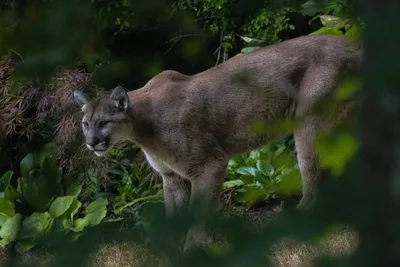 Cougar
Ecological equivalents
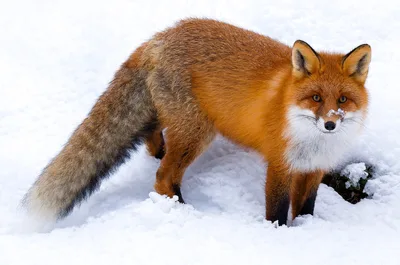
Related species on this site
Affenpinscher (same family), Afghan Hound (same family), African Wild Dog (same family), Aidi (same family), Ainu (same family), Airedale Terrier (same family), and more.
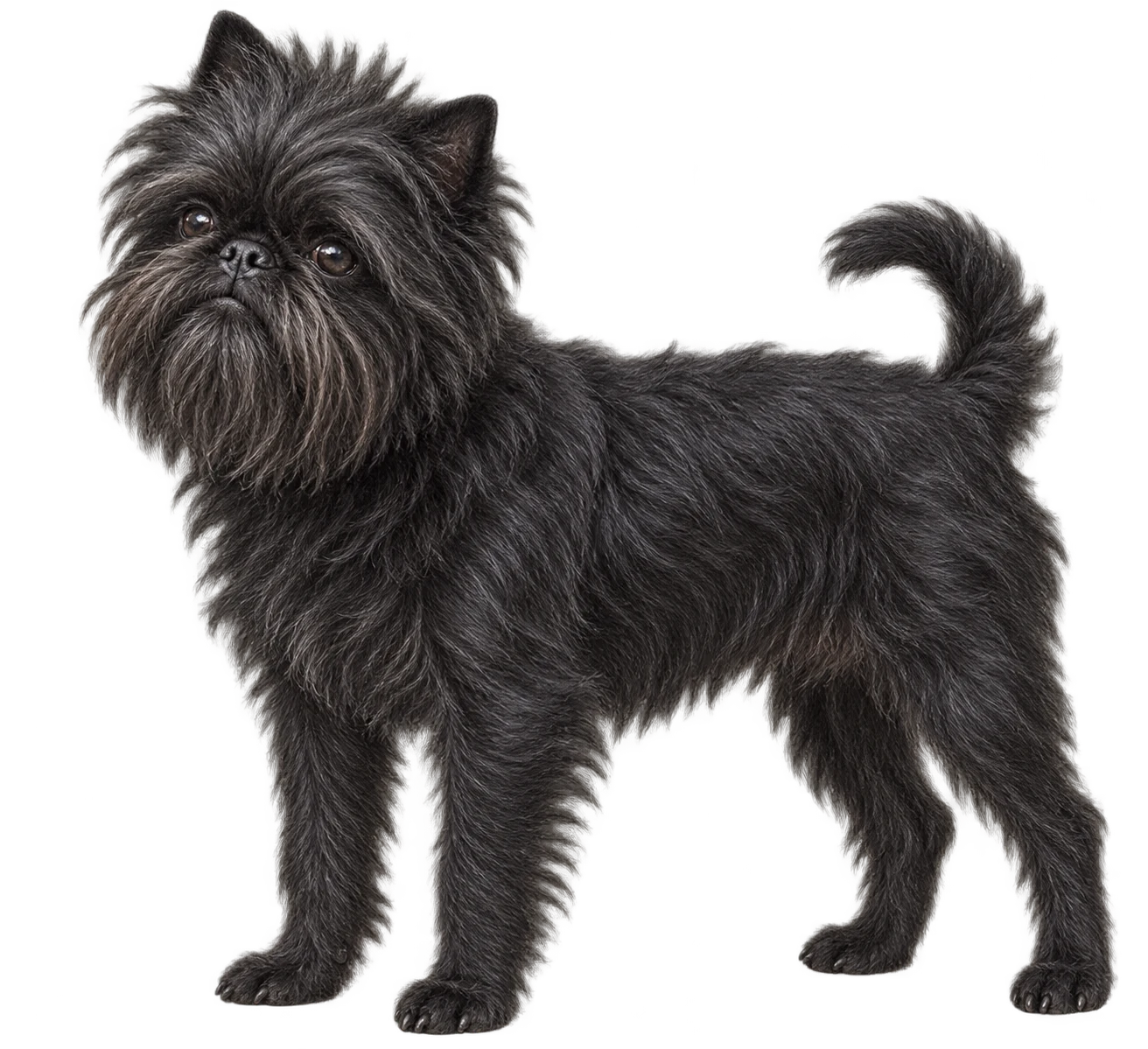
Mammals
Affenpinscher
Canis lupus familiaris
Classification and source reference
LivingAI illustration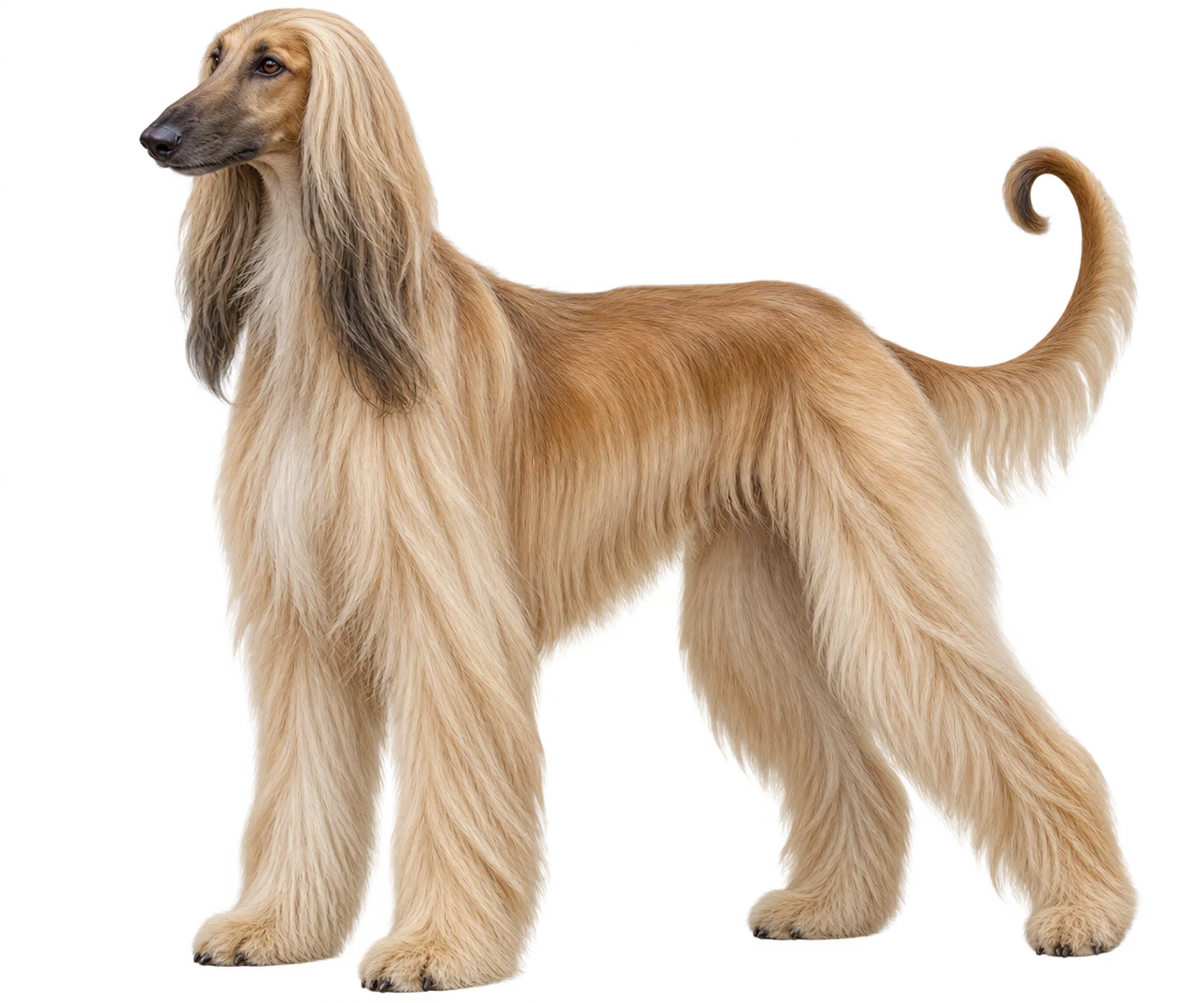
Mammals
Afghan Hound
Canis lupus familiaris
Classification and source reference
LivingAI illustration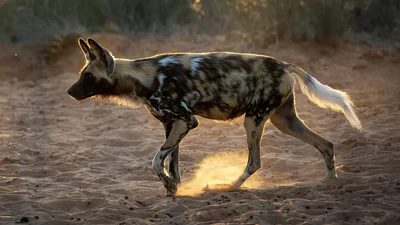
Mammals
African Wild Dog
Lycaon pictus
The African wild dog is a social canid with an irregularly patterned coat.
Living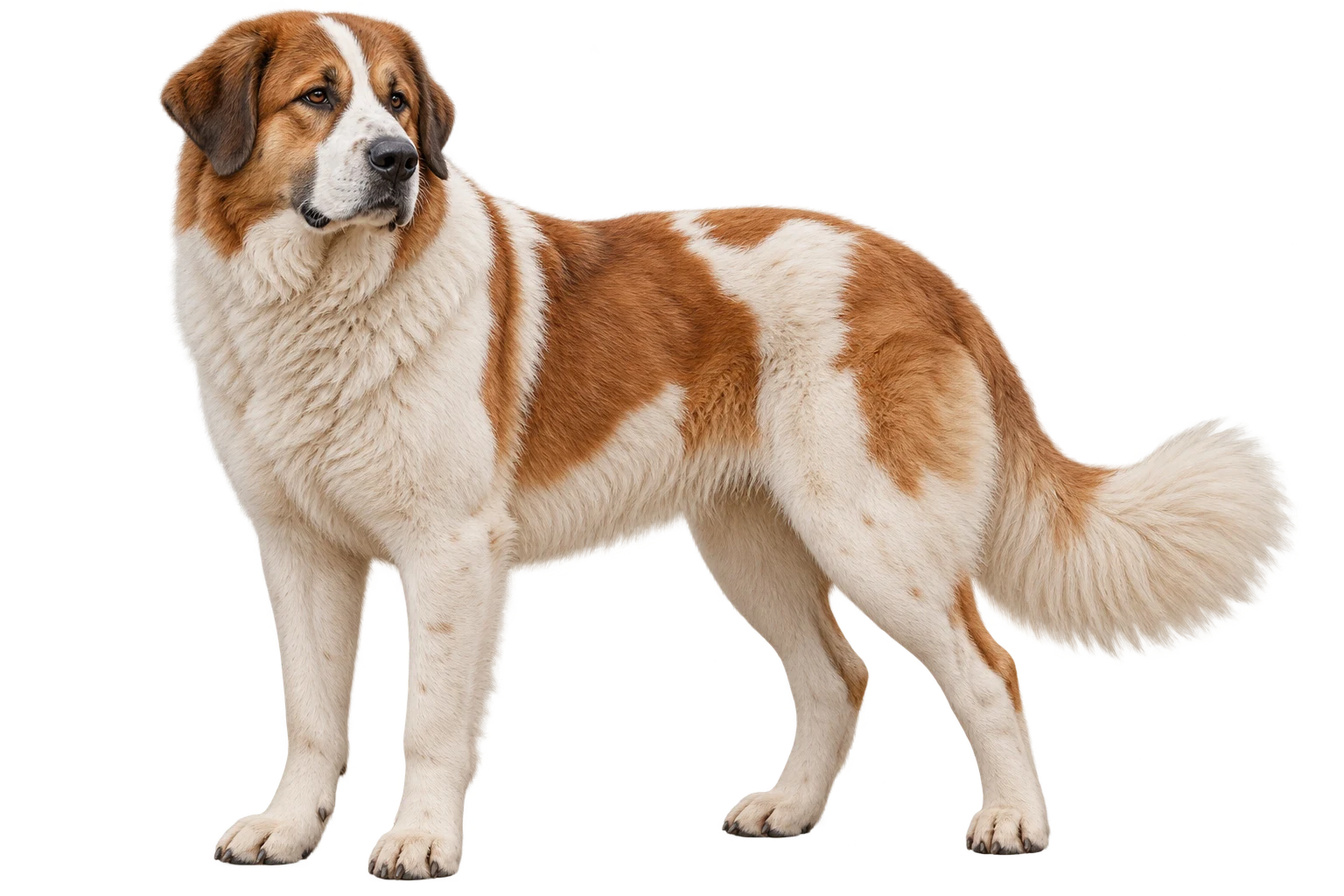
Mammals
Aidi
Canis lupus familiaris
Classification and source reference
LivingAI illustration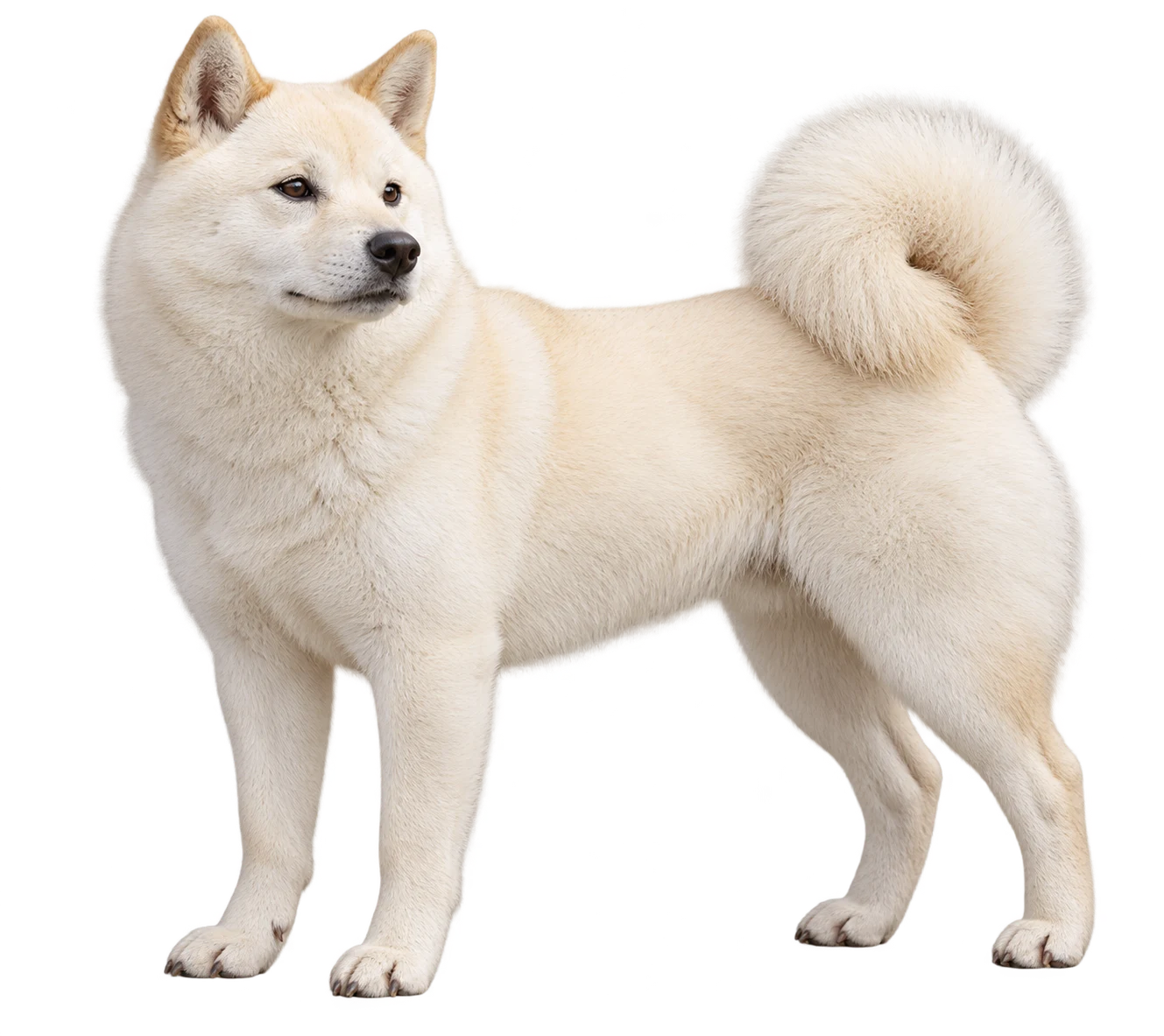
Mammals
Ainu
Canis lupus familiaris
Classification and source reference
LivingAI illustration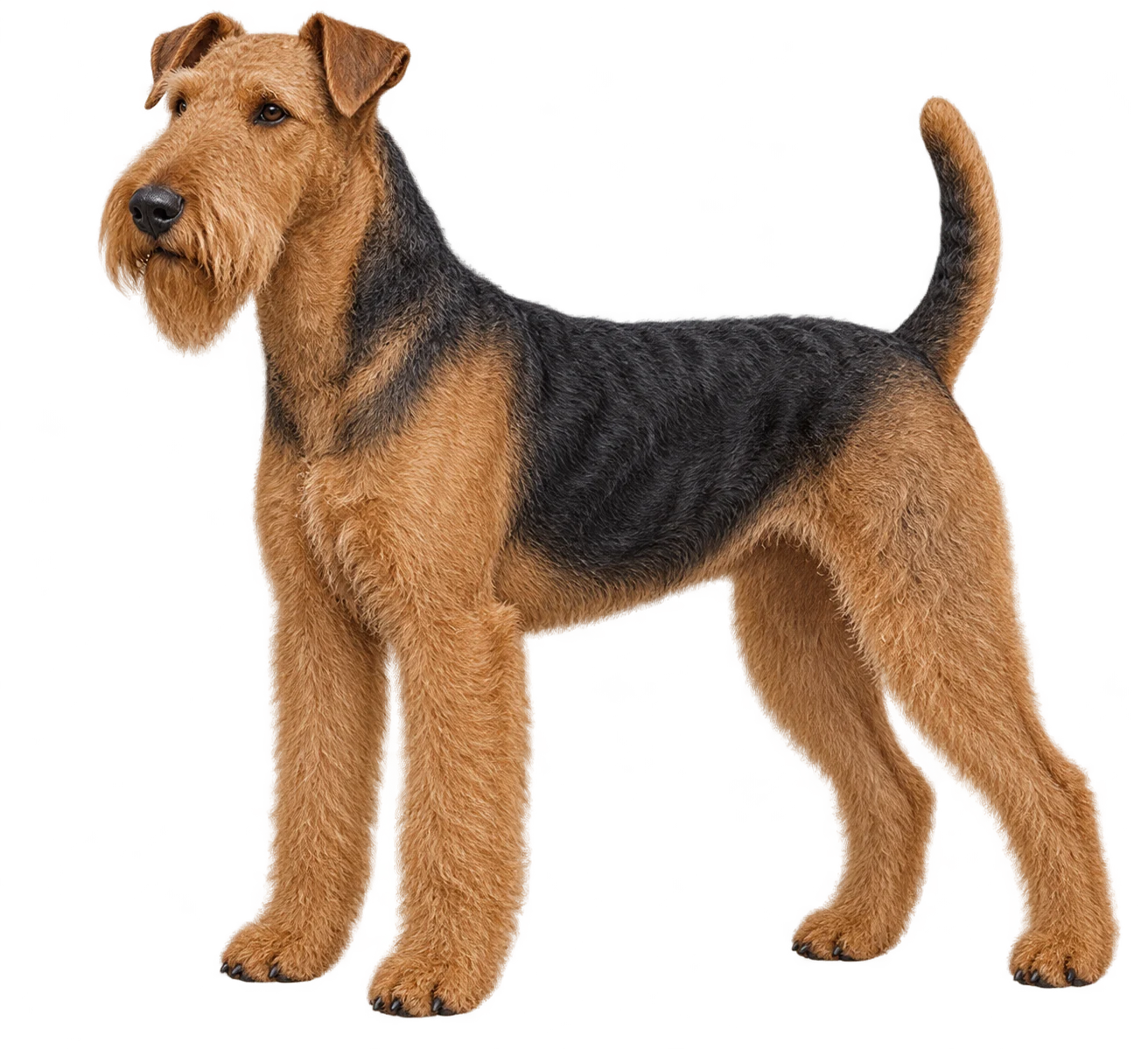
Mammals
Airedale Terrier
Canis lupus familiaris
Classification and source reference
LivingAI illustration