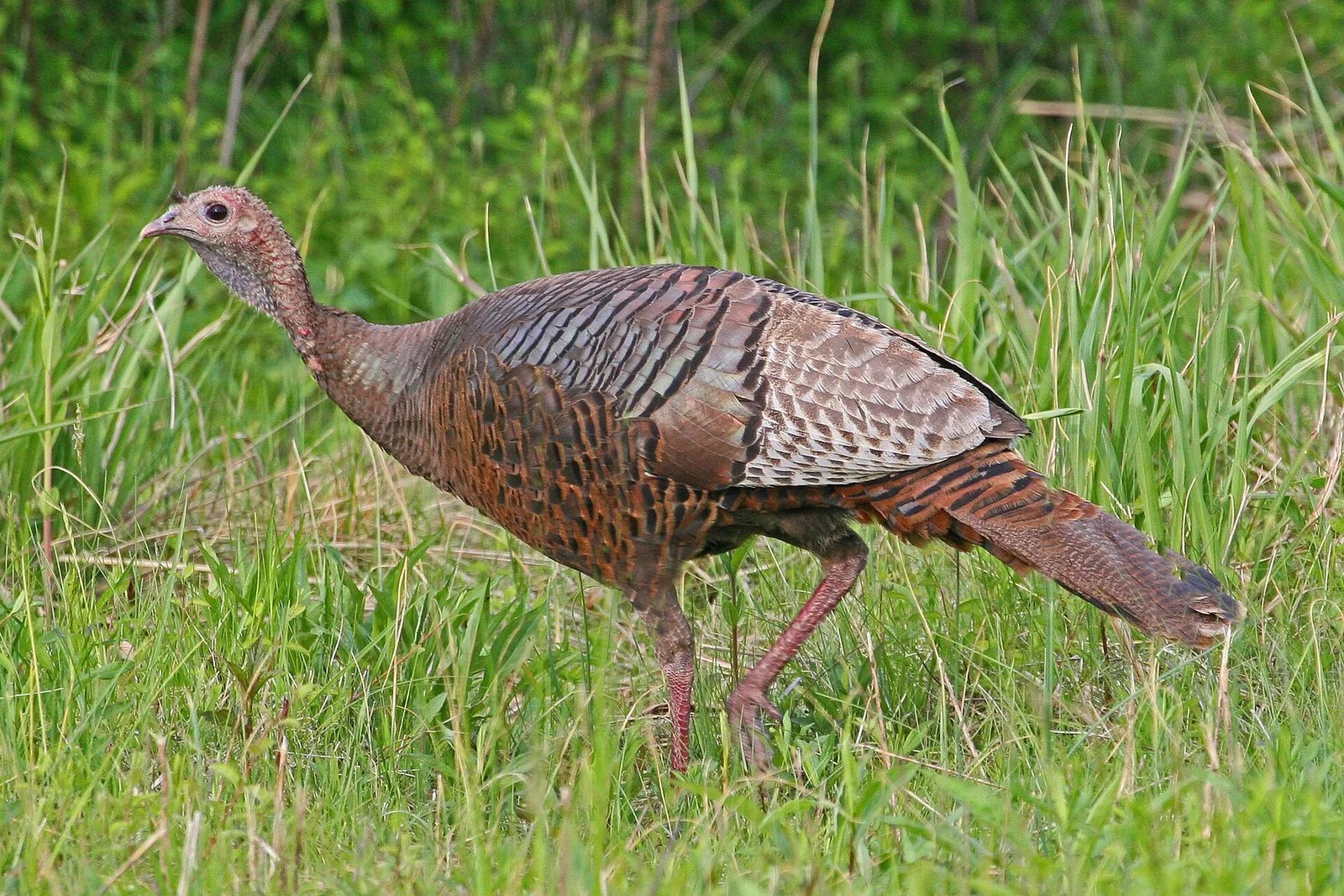
Wild turkey
The heavy forest bird that runs, flies and gobbles
Meleagris gallopavo
Also called Turkey, Tom, Gobbler
Living individuals or members of this group exist today. This does not mean they are safe from extinction.
Meet the wild turkey
The wild turkey is a large ground bird of North American woodland and the heaviest of the galliform birds. It nearly vanished by the 1930s, and trapping and release rebuilt the population.
Images of the wild turkey
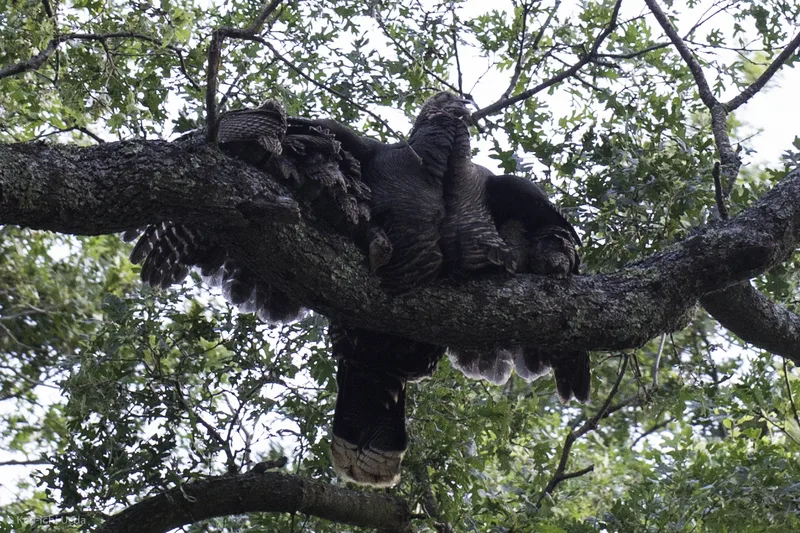
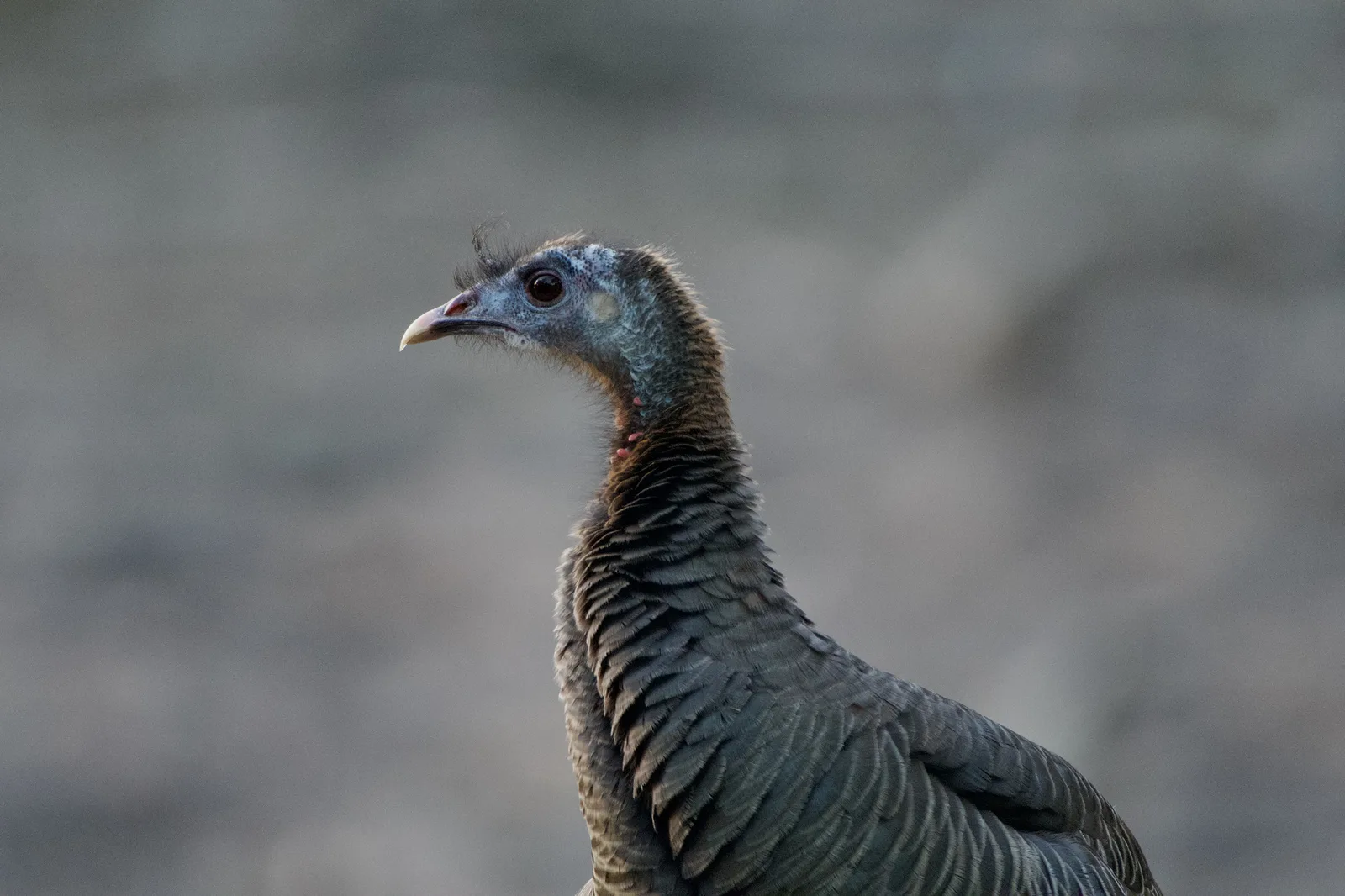
Lifespan in the wild
16 to 19 months the low figures are average life expectancy
Wingspan
1.25 to 1.44 m
Top speed
Up to 88.5 km/h
Fact file
Wild turkey
- Location
- Southern Canada, the United States and northern Mexico
- Habitat
- Temperate forest, Grassland
- Diet
- Omnivore
- Prey / food
- Acorns, nuts, seeds, berries, buds, insects, salamanders
- Predators
- Coyotes, bobcats, cougars, raccoons, great horned owls, humans
- Lifestyle
- Active by day, roosts in trees at night
- Group name
- Flock
- Name of young
- Poult
- Incubation
- Incubation at least 28 days, by the hen alone
- Clutch size
- 10 to 14 eggs
- Population
- About 7 million in the United States
- Biggest threat
- Habitat loss; market hunting in the past
- Distinctive feature
- Bare red head with wattles and a wide fan tail
- Colour
- Blackish brown with a copper and bronze sheen
- Skin type
- Feathers
Size
Next to a person
Measurements
Size and speed
- Length, male
- 1 to 1.25 m
- Length, female
- 76 to 95 cm
- Wingspan
- 1.25 to 1.44 m
- Tail
- 24.5 to 50.5 cm
- Weight, male
- 5 to 11 kg, up to 16.9 kg the record bird weighed 16.85 kilograms
- Weight, female
- 2.5 to 5.4 kg
- Top speed
- Up to 88.5 km/h recorded in flight
Typical adult ranges. Sources: Wikipedia, Animal Diversity Web.
Life cycle
Lifespan
- In the wild16 to 19, up to 156 months the low figures are average life expectancy
- 013 years
The pale bar is the record. Source: Animal Diversity Web.
Appearance
Colour and coat
- Primary colours
- blackbrown
- Secondary colours
- redbronzewhite
- Skin type
- feathers
- Male and female
- Strong. The male is much larger, carries a bare red head with wattles and shows red, purple, green and bronze in the plumage. The female is smaller, duller and has a feathered neck.
Life cycle
Mating and family
- Mating system
- polygynous
- Social structure
- winter bands with a rank order, hens alone with a brood in summer
- Breeding
- one brood a year
Courtship opens in late January in the south and a month later in the north. A male struts with a fanned tail and gobbles to gather hens. The hen scrapes a hollow in thick cover and lays 10 to 14 eggs. She sits alone for at least 28 days, and the male gives no care. Poults leave the nest within a day and feed themselves at once.
Classification
Taxonomy
- Kingdom
- Animalia
- Phylum
- Chordata
- Class
- Aves
- Order
- Galliformes
- Family
- Phasianidae
- Genus
- Meleagris
- Species
- Meleagris gallopavo
Conservation
Red List status
- LC
- NT
- VU
- EN
- CR
- EW
- EX
Least Concern on the IUCN Red List
Range
Recorded in 3 countries
Habitat layer: temperate broadleaf and mixed forest, temperate conifer forest, boreal forest and taiga, tropical grassland, savanna and shrubland, temperate grassland, savanna and shrubland.
Countries from 137,168 wild records on GBIF (iNaturalist research grade), filtered and checked by hand. Country shapes: Natural Earth. Habitat: RESOLVE Ecoregions 2017, CC BY 4.0. Basemap: Natural Earth.
Habitats
Three things to know
- 1
Every farm turkey descends from a southern Mexican subspecies of this bird.
- 2
The bird roosts in trees at night, because its night vision is poor.
- 3
A hen raises the brood alone, and the poults walk within a day of hatching.
Did you know
Seven more facts
- 1
The English name came from guineafowl that reached Europe through Turkey.
- 2
French speakers call the bird dinde, a short form of chicken of India.
- 3
The head of an excited male turns solid white.
- 4
About 10 per cent of hens grow a beard on the breast.
- 5
Poults leave the nest within a day of hatching and feed themselves.
- 6
Managers rebuilt the population by netting wild birds and moving them.
- 7
Benjamin Franklin never publicly proposed the turkey as the national bird.
Field notes
How it looks and acts
Field notes
Distinguishing features
- A bare red head and neck with loose wattles.
- Fleshy caruncles on the head, in a pattern that differs between birds.
- A snood, the flap on the bill that swells when the bird displays.
- A broad fan of a tail, 24.5 to 50.5 centimetres long.
- A coarse beard of filaments on the breast of most males.
- A spur on the back of each lower leg in the male.
Field notes
Unique adaptations
- Long strong legs for running and for scratching up food.
- Short broad wings, which probably suit a fast take off from the ground.
- Very sharp daytime eyesight for spotting a predator.
- A habit of roosting high in trees, which answers poor night vision.
- A broad diet that lets many birds live in a small area.
Field notes
Interesting behaviours
- Struts with fanned tail and dragging wings to court a hen.
- Roosts in a tree at dusk, often with other birds.
- Runs from danger rather than flying.
- Forms winter bands with a clear rank order.
- Feeds beside deer and squirrels and shares the watch for predators.
Field notes
Temperament
- Wary and quick to move away in hunted country.
- Tame around parks and campgrounds where people feed birds.
- Aggressive between males in the breeding season.
- Defensive when startled, cornered or harassed.
Field notes
Communication
- The gobble, given by males in spring and audible over 1.5 kilometres.
- At least 15 named calls, including the yelp, purr, cluck and putt.
- A low drumming made with air in a sac in the chest.
- A sharp spit of air from the same sac.
- Colour changes across the bare head and neck.
Ecology
Ecological role
The wild turkey moves seeds and nuts through the forest and feeds a long list of predators.
- It shapes the numbers of the plants whose seeds and nuts it eats.
- Its eggs and poults feed raccoons, skunks, snakes, hawks and owls.
- It hosts at least 60 species of parasite.
- Like other ground feeders, it turns over leaf litter as it scratches.
Stories
Myths and legends
- In Navajo tradition the turkey brought corn and seed from the Third World.
- In Lenape tradition the turkey gives its name to one of the three clans.
- In Caddo tradition the turkey dance follows the movements of the wild bird.
- In Maya tradition nobles and priests kept a special link with the ocellated turkey.
- In American popular belief Benjamin Franklin wanted the turkey as the national bird.
People
Relationship with humans
People
Living alongside us
A Mexican subspecies of this bird became the domestic turkey thousands of years ago. Spanish ships carried the tame form to Europe, and English settlers later brought it back across the Atlantic. The wild bird is now one of the most hunted game birds in the United States, and licence money pays for habitat work. Birds around parks grow tame, and a startled bird can turn on a person.
- A male can weigh 11 kilograms and carries a sharp spur on each leg.
- A startled, cornered or harassed bird may attack and can injure a person.
- Giving the birds space prevents almost every incident.
People
Status, uses and products
- Domestication
- Wild
- As a pet
- Not suitable. The wild turkey is a game bird and needs a wide range of woodland. The domestic turkey is the bird people keep on a farm.
- Uses
- game huntingmeatfeathers in ceremonial dress
- Products
- meatfeathers
The full account
About the wild turkey
The wild turkey is a large ground bird of North American woodland. It is the heaviest bird in the order Galliformes, which also holds the pheasants and grouse. An adult male measures 100 to 125 centimetres long and weighs 5 to 11 kilograms. The female is much smaller, at 76 to 95 centimetres and 2.5 to 5.4 kilograms. Males carry a bare red head, loose wattles and a wide fan of a tail.
The bird feeds on the ground and roosts in trees at night. It runs fast and flies well over short distances, unlike the farm turkey. A Mexican subspecies became the domestic turkey, and Spanish ships carried it to Europe. Hunting and forest clearance almost wiped out the wild bird by the 1930s. Trapping and moving live birds rebuilt the population across the continent. The IUCN lists the wild turkey as Least Concern.
Name and taxonomy
Carl Linnaeus described the wild turkey in 1758, from a Mexican type locality. The genus name Meleagris is the Ancient Greek word for guineafowl. The species name gallopavo joins the Latin words for fowl and peacock. Conrad Gessner used that word in 1555. English shortened the older names turkey cock and turkey hen to one word. Those words first meant guineafowl, which reached Europe by way of Turkey.
Colonists moved the old name onto the similar American bird. French speakers called it poule d'inde, chicken of India, which became dinde. Speakers of Norwegian and Swedish used a name taken from Calicut in India. Six subspecies are recognised. They differ in size, in plumage tone and in the country they occupy.
Evolution and relatives
Two turkey species survive, this one and the ocellated turkey of Central America. A third species, the Californian turkey, died out about 10,000 years ago. Turkeys sit in the pheasant family, alongside grouse, partridges and junglefowl. Like other galliforms, the turkey has short rounded wings and a heavy body.
The eastern subspecies covers the whole eastern half of the United States. The Osceola turkey of Florida is the smallest, at 7 to 8 kilograms. Gould's turkey of Mexico is the largest, with longer legs and a longer tail. Merriam's turkey lives in ponderosa pine country in the Rocky Mountains. The Rio Grande bird has long legs suited to open prairie. The south Mexican subspecies is the ancestor of every farm turkey.
Appearance
A male normally weighs 5 to 11 kilograms and averages 7.6 kilograms. Females average 4.26 kilograms. The record male weighed 16.85 kilograms. The wingspan runs from 1.25 to 1.44 metres, which is short for the weight. The tail is long, at 24.5 to 50.5 centimetres.
Body feathers are blackish with a copper sheen that deepens in an old male. A mature male has a bare red head and neck with red wattles. Fleshy growths called caruncles cover the head, and their pattern differs between birds. A flap on the bill, the snood, swells when the bird is excited. The head and neck then flush red as blood flows into them. The male also shows red, purple, green, copper, bronze and gold in the plumage.
Most males grow a beard, a tuft of coarse filaments on the breast. The beard keeps growing, and a one year old male has one up to 13 centimetres long. About 10 per cent of females also grow a beard, thinner and shorter. Females wear duller brown and grey and have a feathered neck. Males carry a spur behind each lower leg and use it to fight. A turkey has roughly 5,000 to 6,000 feathers.
Habitat and range
Wild turkeys favour hardwood forest and mixed conifer forest with open patches. Pastures, fields, orchards and seasonal marshes provide those openings. Mature open forest with a mix of tree species suits them best. Oak and hickory woods hold the most birds in the north east. In Florida they use cypress and gum swamps and scrubby palmetto.
In California the birds gather where oaks drop acorns. They also use oak savanna, conifer foothills and dense manzanita thickets. The species reaches from southern Canada through the United States into northern Mexico. GBIF records the bird in 104 countries, and that count includes farm and escaped birds. Introduced populations live in Hawaii, New Zealand, Germany and the Czech Republic.
Turkeys do not migrate. In snowy country a flock must find large conifers to shelter in during a storm. Birds roost off the ground at dusk, because their night vision is poor. Attempts to establish the bird in Britain in the 18th century failed. Reports say George II kept a flock at Richmond Park, and poachers took the birds.
Diet and feeding
The wild turkey is omnivorous and takes most of its food from the ground. Acorns and other hard mast are the preferred food. Hazel, chestnut, hickory and pinyon pine all supply nuts. The bird also eats seeds, berries, buds, leaves, fern fronds, roots and grasses. Insects, salamanders, lizards and small snakes make up a small part of the diet.
Ground insects and salamanders account for about 10 per cent of what a turkey eats. Birds climb into shrubs and low trees to reach fruit and buds. Most feeding falls in the two to three hours after dawn and before dusk. Flocks work cow pastures and stubble fields after harvest. Some birds visit garden feeders. A broad diet lets large numbers of turkeys live in a small area.
Behaviour and social life
Turkeys are active by day and social through the year. In winter they form bands, and a rank order develops inside a band. In some places a band defends ground against other bands. The birds graze fields and woodland by day and fly up to roost at night. Eyesight and hearing are sharp, and the birds are wary.
A wild turkey runs fast and flies fast, unlike a farm bird. Flights are low and short, usually no more than 400 metres. One bird was recorded flying at 88.5 kilometres per hour. A turkey that meets a predator will normally run rather than fly. Cornered adults kick with the spurs, bite and shove with the body.
Turkeys sometimes feed alongside deer and squirrels. Each animal watches for danger in a different way, so the group gains. The deer brings a good nose, the turkey brings good eyes. Male turkeys sometimes attack parked cars and other reflective surfaces. They probably take the reflection for a rival male.
Communication and senses
Biologists count at least 15 different turkey calls. The list includes the yelp, the purr, the cluck, the putt and the fly-down cackle. The gobble is the loudest and the best known. A male gobbles in early spring to advertise himself to hens and to rivals. The sound carries for more than 1.5 kilometres.
Males also make a low drumming sound with air in a sac in the chest. A sharp release of that air makes the noise hunters call the spit. Weather changes how much a male gobbles, above all pressure, rain and temperature. The bare head changes colour with the mood of the bird. A head that turns solid white marks the highest excitement.
Reproduction and life cycle
Males are polygynous and mate with as many hens as they can hold. Courtship starts in late January in the south and late February in the north. A displaying male puffs his feathers, fans the tail and drags the wings. That display is called strutting. Males often court in pairs, and the two birds are usually close relatives. A dominant male in such a pair fathered six more eggs than a male courting alone.
The hen scrapes a shallow hollow in the ground and hides it in thick cover. She lays 10 to 14 eggs, about one a day. Each egg is 4.9 to 6.9 centimetres long. She incubates alone for at least 28 days, and the male gives no care. Laying an egg in another hen's nest is common in this species.
Poults hatch covered in down and leave the nest within a day. They walk and feed themselves at once. The hen broods them at night for the first two weeks. She defends them, and hens have chased hawks away from a brood. Young males stay with her until autumn, and young females until the next spring.
Turkeys can breed at about 10 months old. A young male rarely wins a mate against older males in his first spring. Average life expectancy in the wild is 1.3 to 1.6 years. The oldest known wild bird reached 13 years. Half of a wild population may die in a single year.
Predators and threats
Ground nests make the turkey easy prey, so many animals take eggs. Ravens, crows, raccoons, opossums, skunks, foxes and groundhogs raid nests. Rat snakes, corn snakes and pine snakes take eggs and poults. Hawks, owls and bald eagles take small poults. Death is heaviest in the first 14 days of life.
Coyotes, bobcats, cougars, golden eagles and lynx kill birds of any age. Great horned owls, goshawks, dogs and cats take hens and large young. American alligators take turkeys of all ages near water in the south east. People are now the main predator of adult turkeys. A hen with poults sits tight while the chicks hide under her wings and body.
Turkeys carry at least 60 kinds of parasite. The list holds protozoans, flukes, tapeworms, roundworms and arthropods. Parasites dull the colour of the plumage in both sexes. Bright colour in a male probably signals good health.
Population and conservation
Market hunting and forest clearance cut the range hard over two centuries. By the late 1930s the United States held as few as 30,000 wild turkeys. The bird disappeared from 18 states and from almost all of Canada. New York and Vermont lost their birds in the 1850s. Early releases of hand reared birds failed, because those birds could not survive.
Managers then protected the wild birds that were left and let numbers grow. They caught surplus birds with a net fired over a flock and moved them elsewhere. That trap and transfer method repopulated state after state. The total stood at about 1.3 million birds in 1973. Current estimates place the population at about 7 million.
Hunting is now legal in 49 states. Transfers since the 1980s have put turkeys back into several Canadian provinces. The birds spread further north than Canadian scientists expected. iNaturalist holds 198,090 observations of the species. The south Mexican subspecies is thought to be in serious trouble.
Relationship with humans
People in Mexico domesticated the turkey long before Europeans arrived. Turkey bones appear at central Mexican sites dated between 800 and 100 BC. Spanish ships took the tame bird to Europe in the middle of the 16th century. From Spain it spread to France and then to Britain as a farmyard bird. By 1620 English settlers carried turkeys with them to Massachusetts. They did not know that a larger wild relative already lived in those woods.
The wild turkey is one of the most hunted game birds in the United States. Licences and fees fund state wildlife departments and habitat work. Turkeys near parks and campgrounds grow tame and will feed from a hand. A startled or cornered bird may turn on a person. Keeping a respectful distance avoids almost every incident.
In culture and myth
The turkey matters to many Native American peoples across its range. Eastern nations ate the eggs and the meat, and dried the meat for winter. They burned forest patches to make meadows that drew displaying birds. Catawba chiefs wore headdresses of turkey feathers. Muscogee Creek and Wampanoag people wore cloaks of turkey feathers.
One of the three Lenape clans takes the turkey as its name. The movements of wild turkeys shaped the turkey dance of the Caddo. In Navajo tradition the bird is called Tązhii and is a sacred bird. Navajo stories say the turkey carried corn and seed from the Third World. In Maya tradition nobles and priests held a special link with the ocellated turkey.
A popular story says Benjamin Franklin wanted the turkey as the national bird. He did praise the turkey in a letter to his daughter in 1784. He never proposed it in public, and historians call the story a myth. The domestic turkey is now the usual main dish at Thanksgiving. By 1857 it was already part of the standard New England dinner.
A sentence with a dotted underline is inferred: it describes the group the animal belongs to, or is a reading of the sources, rather than a measured or reported fact about this species.
Questions
Wild turkey questions, answered
How big is a wild turkey?
A male is 100 to 125 centimetres long and weighs 5 to 11 kilograms. A female is 76 to 95 centimetres long and weighs 2.5 to 5.4 kilograms.
Can wild turkeys fly?
Yes, and they fly well over short distances. Flights are low and usually cover no more than 400 metres. One bird was clocked at 88.5 kilometres per hour.
What do wild turkeys eat?
Acorns and other hard nuts come first, along with seeds, berries, buds, leaves and roots. Insects and salamanders make up about a tenth of the diet.
Where do wild turkeys sleep?
They fly up into trees at dusk and roost off the ground. Night vision is poor, so a bird on the ground after dark is at risk.
How many eggs does a wild turkey lay?
A hen lays 10 to 14 eggs, about one a day. She incubates them alone for at least 28 days.
How long do wild turkeys live?
Average life expectancy in the wild is 1.3 to 1.6 years, because so many die young. A record wild bird lived to 13 years.
Why do turkeys gobble?
A male gobbles in early spring to advertise himself to hens and to warn off rival males. The sound carries more than 1.5 kilometres.
Are wild turkeys dangerous?
They rarely attack, but a startled or cornered bird can injure a person with its spurs. Habituated birds around campgrounds are the ones most likely to be bold.
What is the difference between a wild turkey and a farm turkey?
The wild bird is lighter, faster and able to fly, while the farm bird is bred heavy and cannot. Every farm turkey descends from a southern Mexican subspecies of this species.
How many wild turkeys are there?
Current estimates put the population at about 7 million. The total was as low as 30,000 in the late 1930s.
Are wild turkeys endangered?
No. The IUCN lists the species as Least Concern, and hunting is legal in 49 states. The south Mexican subspecies is a separate worry.
How did wild turkeys recover?
Managers caught surplus wild birds under a net fired over a flock and released them in empty country. Releases of hand reared birds had failed before that.
Why is the bird called a turkey?
The name first belonged to guineafowl brought to Europe through Turkey. Colonists then used it for the similar bird they met in North America.
Did Benjamin Franklin want the turkey as the national bird?
No. He praised the turkey in a private letter to his daughter in 1784, but he never made a public proposal. Historians treat the story as a myth.
What is the red flap on a turkey's face?
The flap over the bill is the snood, and it swells when the bird is excited. The loose skin on the throat is the wattle, and the bumps on the head are caruncles.
What is a baby turkey called?
A chick is a poult. A young male is a jake and an adult male is a tom or gobbler.
Food web
Prey and food
- acorns
- nuts
- seeds
- berries
- buds
- insects
- salamanders
Food web
Predators
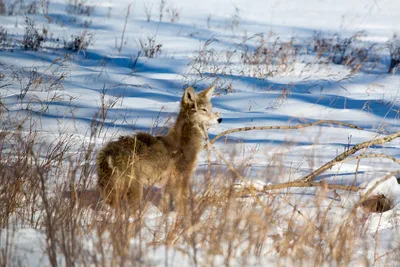 Coyote
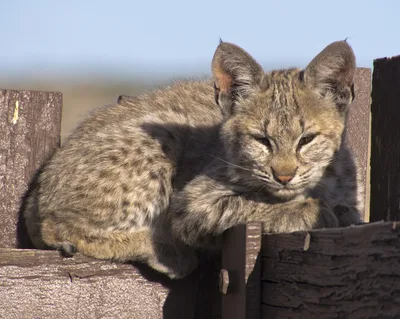 Bobcat
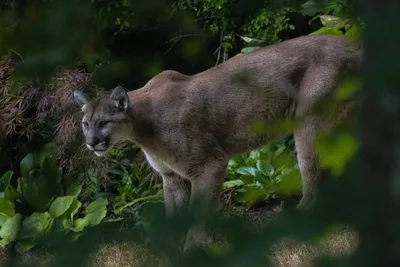 Cougar
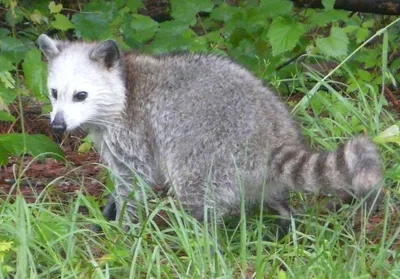 Raccoon
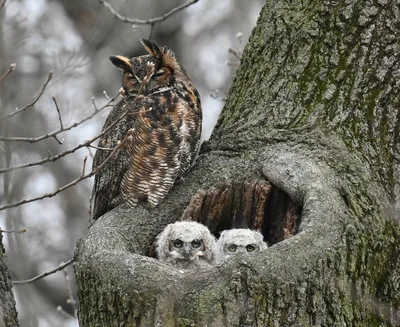 Great horned owl
Ecological equivalents
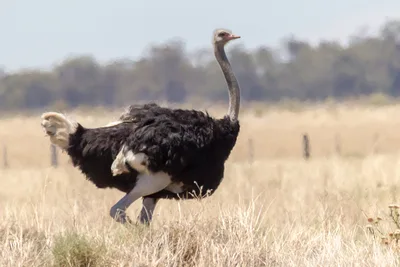
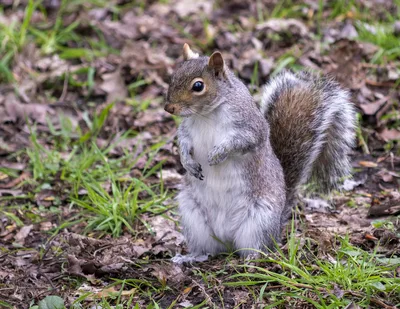
Related species on this site
Eastern Turkey (Wild Turkey) (same genus), Ocellated Turkey (same genus), Australorp Chicken (same family), Ayam Cemani (same family), Barnevelder (same family), Blue Andalusian (same family), and more.
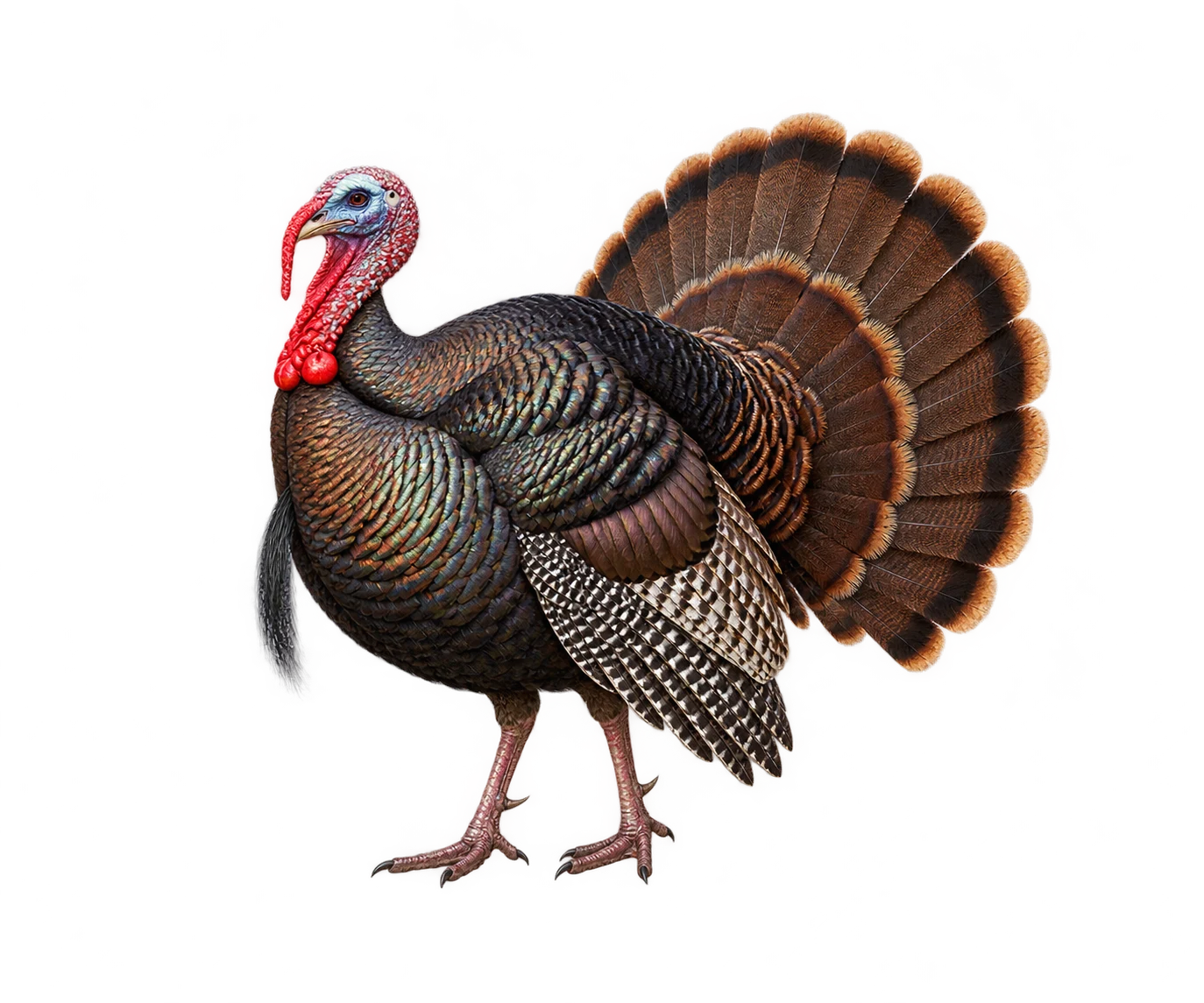
Birds
Eastern Turkey (Wild Turkey)
Meleagris gallopavo silvestris
Classification and source reference
LivingAI illustration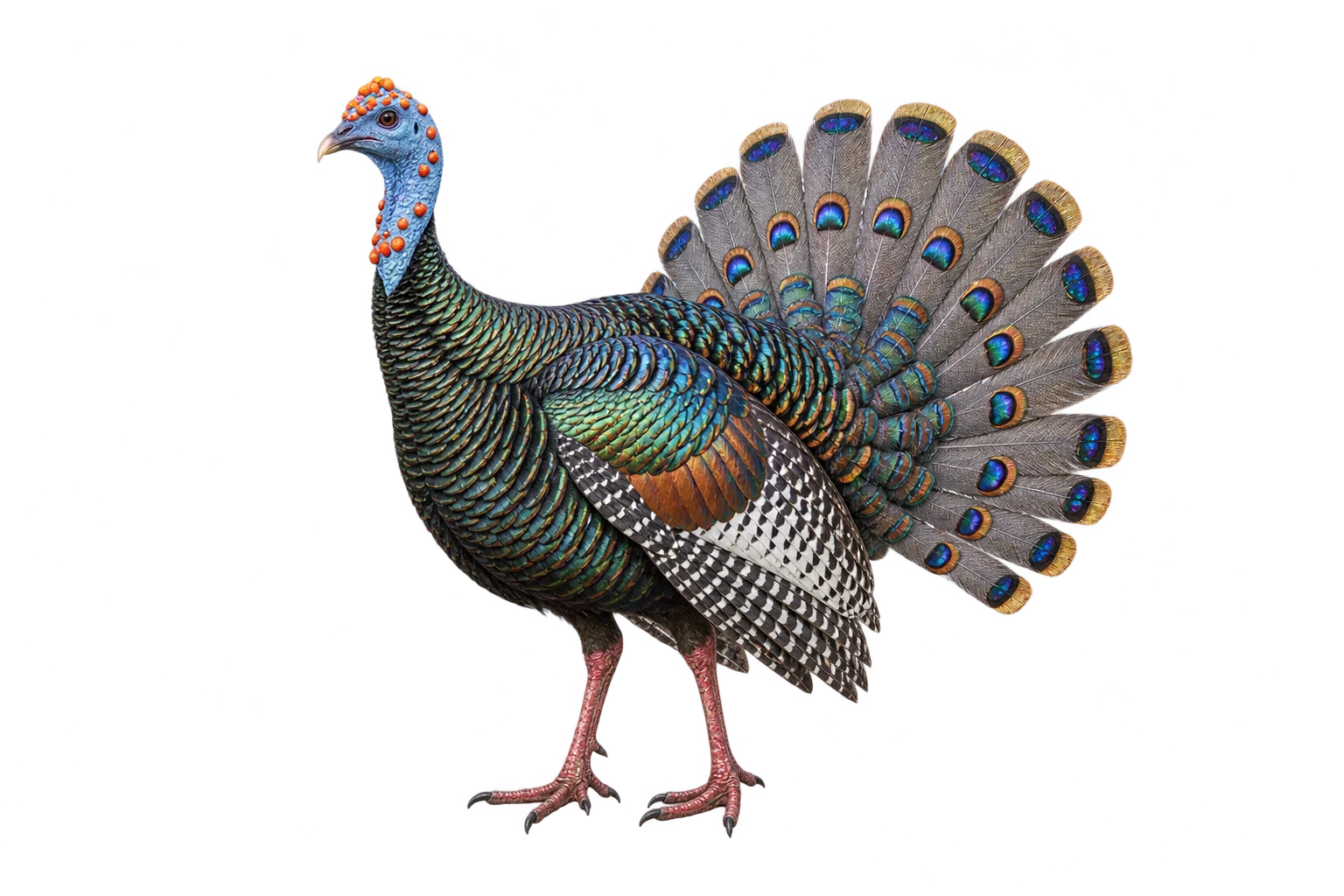
Birds
Ocellated Turkey
Meleagris ocellata
Classification and source reference
LivingAI illustration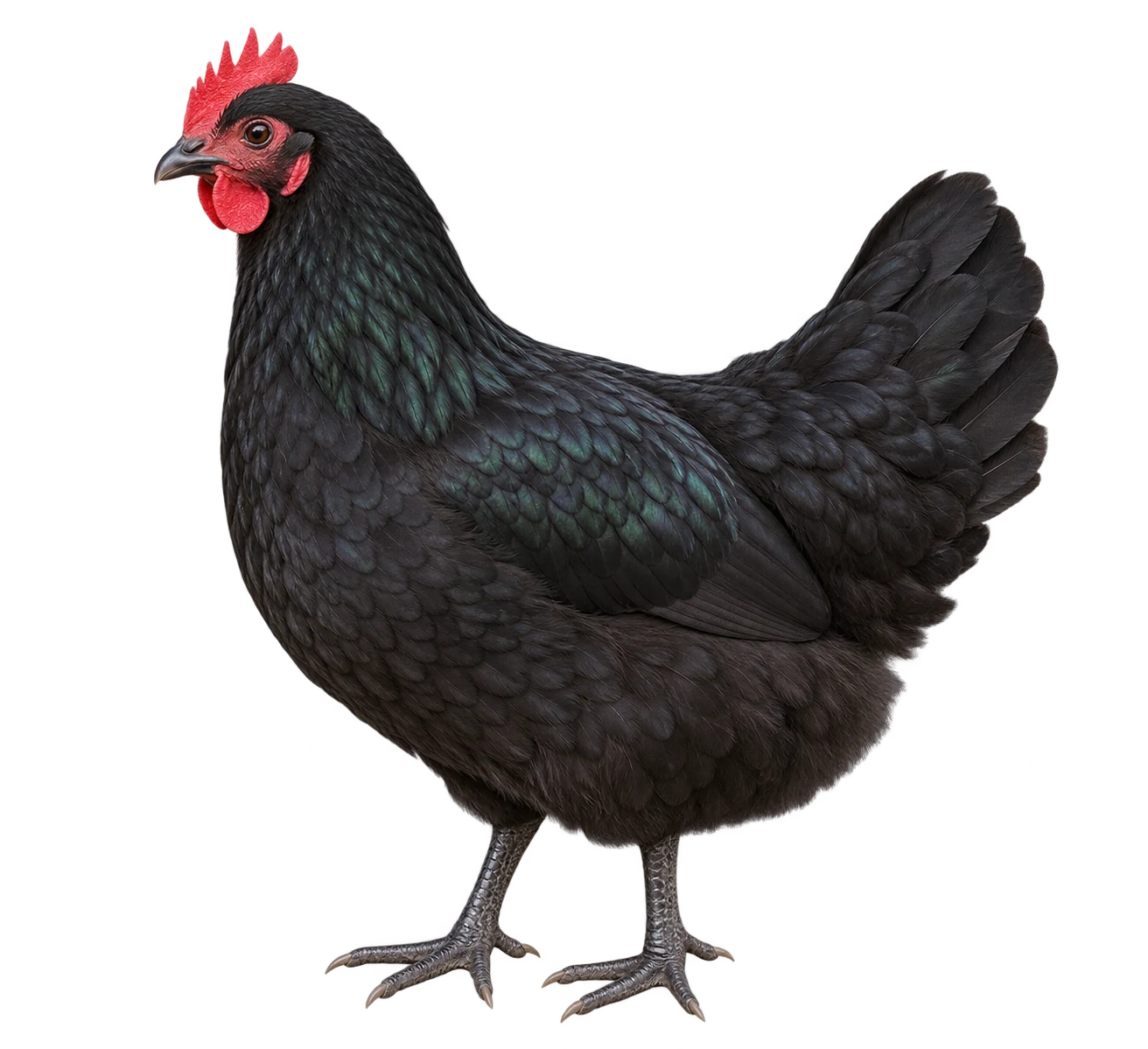
Birds
Australorp Chicken
Gallus gallus domesticus
Classification and source reference
LivingAI illustration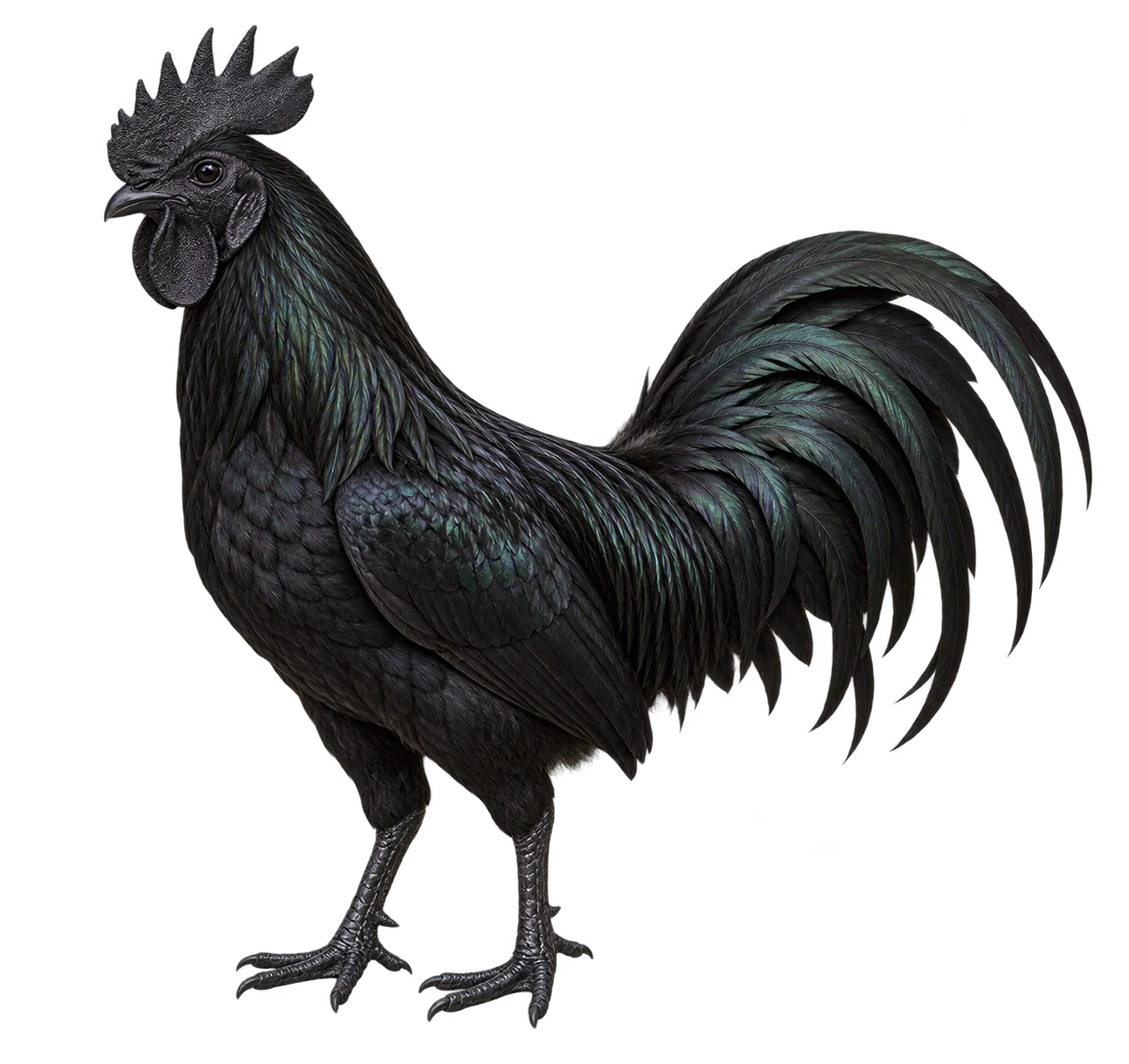
Birds
Ayam Cemani
Gallus gallus domesticus
Classification and source reference
LivingAI illustration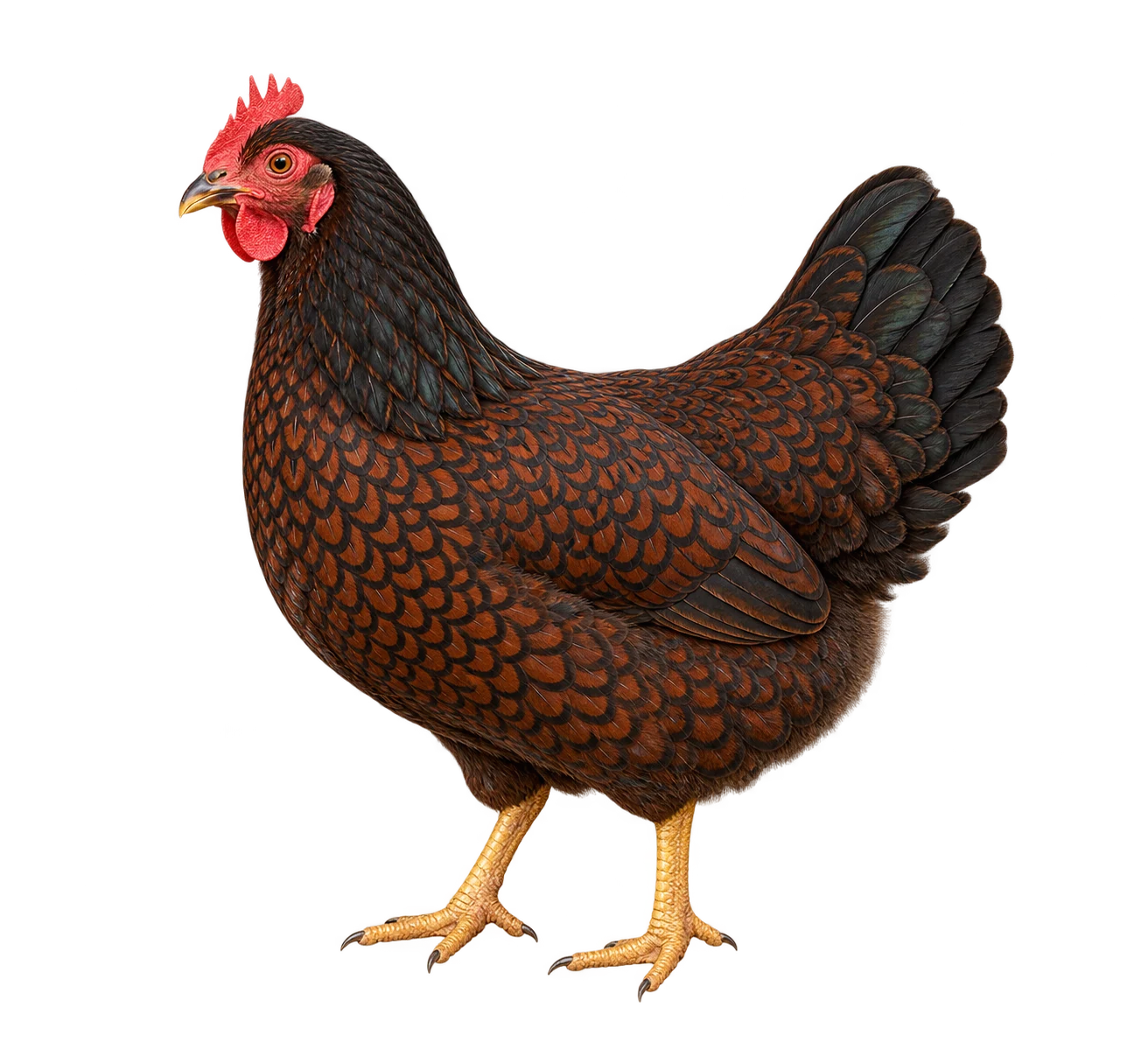
Birds
Barnevelder
Gallus gallus domesticus
Classification and source reference
LivingAI illustration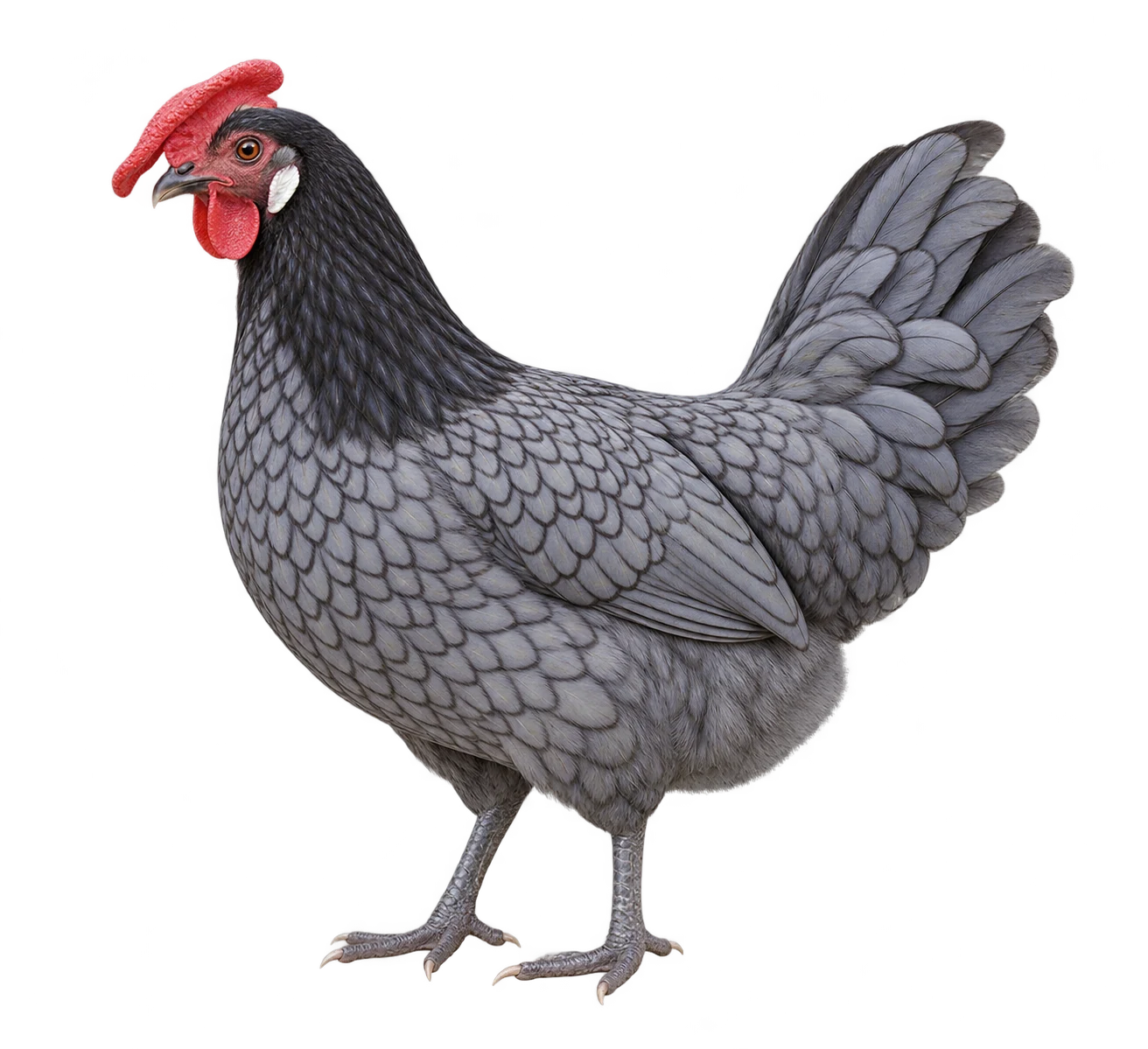
Birds
Blue Andalusian
Gallus gallus domesticus
Classification and source reference
LivingAI illustration