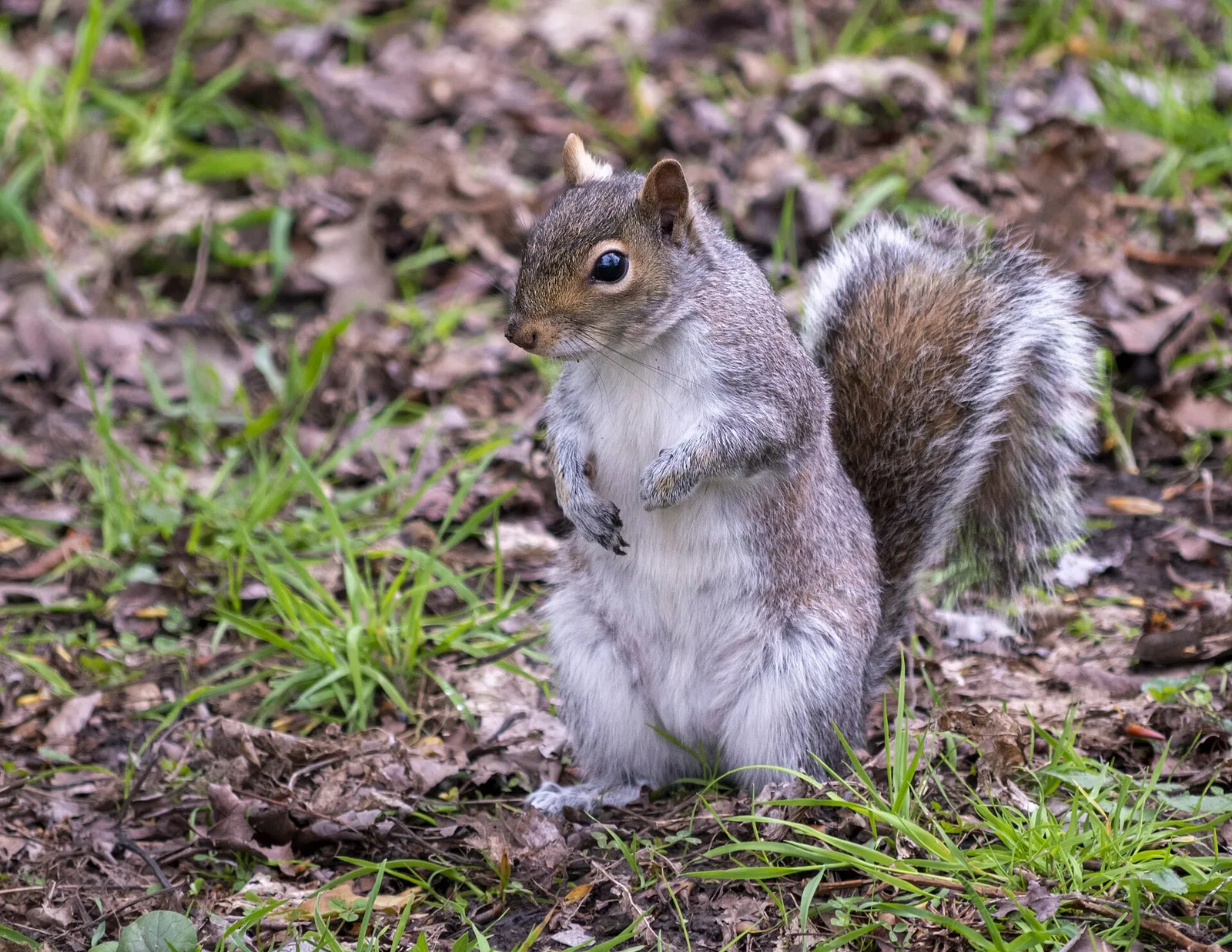
Eastern gray squirrel
The tree planter that took over Britain's woods
Sciurus carolinensis
Also called Grey squirrel, Gray squirrel, Carolina gray squirrel, Cat squirrel, Black squirrel
Living individuals or members of this group exist today. This does not mean they are safe from extinction.
Meet the eastern gray squirrel
The eastern gray squirrel is a medium-sized tree squirrel of the oak and hickory forests of eastern North America. It buries thousands of nuts each autumn and forgets some, so it plants the next forest. In Britain and Italy it is an invader that has pushed out the red squirrel.
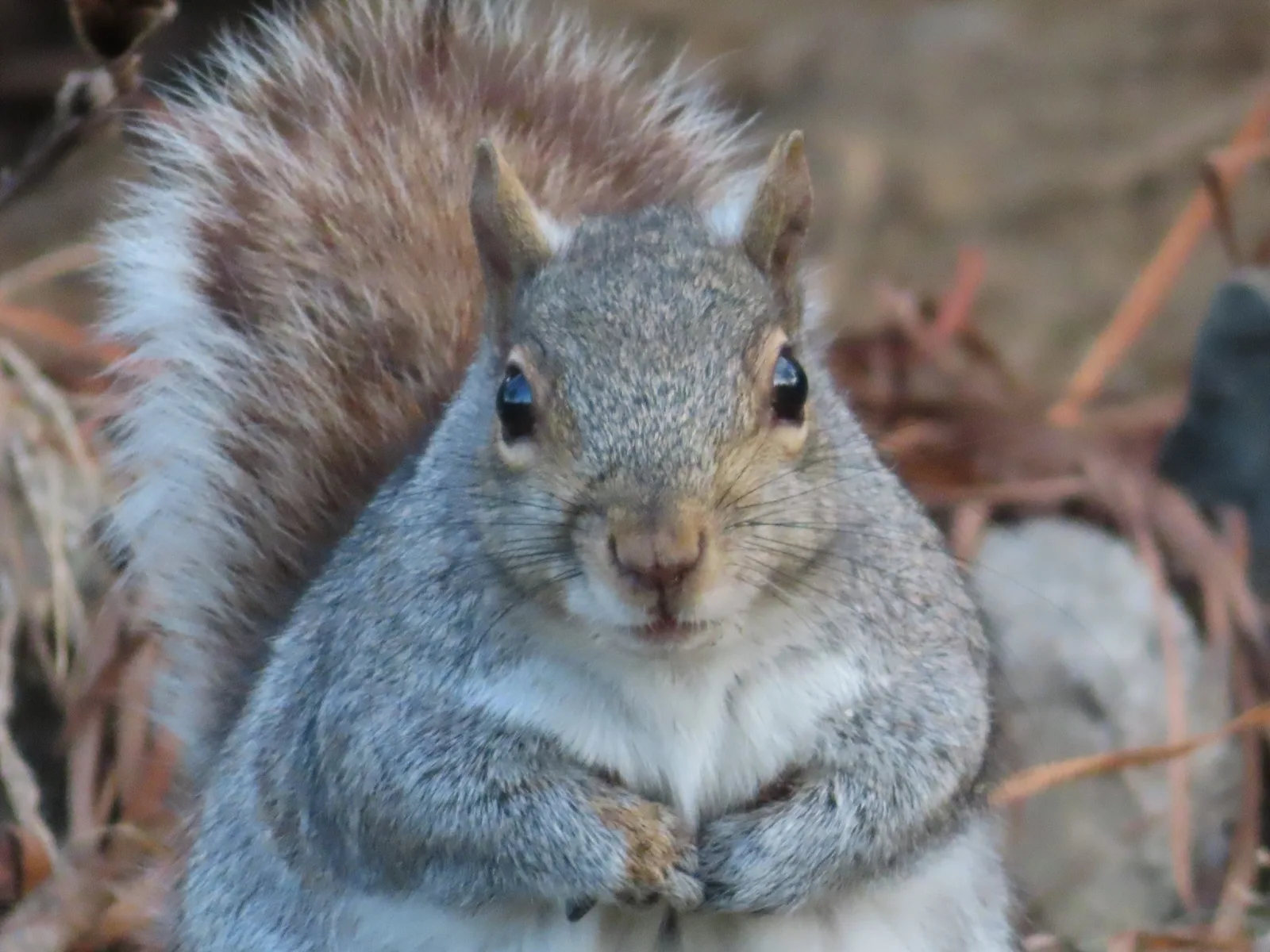
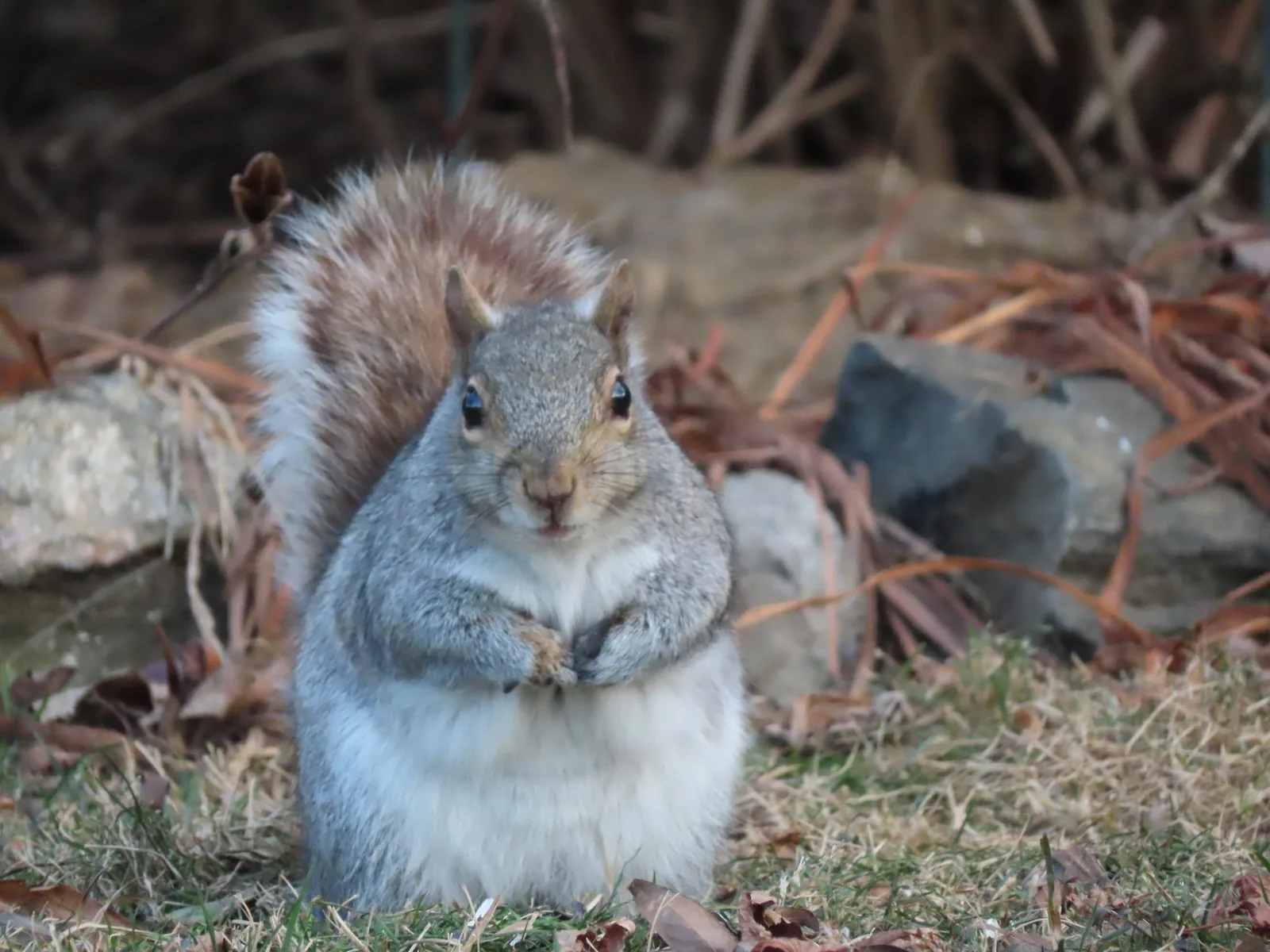
Images of the eastern gray squirrel
Lifespan in the wild
About 6 years life expectancy at birth is only 1 to 2 years
Weight
400 to 600 g
Length
23 to 30 cm
Fact file
Eastern gray squirrel
- Location
- Eastern North America; introduced to Britain, Ireland, Italy, South Africa and western North America
- Habitat
- Temperate forest, Towns and cities
- Diet
- Omnivore
- Prey / food
- Acorns, hickory nuts, walnuts, beech mast, buds, fungi, insects, bird eggs
- Predators
- Hawks, owls, snakes, foxes, weasels, bobcats, cats
- Lifestyle
- Diurnal, active all year, does not hibernate
- Group name
- Scurry
- Name of young
- Kit
- Gestation
- About 44 days
- Litter size
- 1 to 4 kits, up to 8
- Population
- Abundant; recorded in 26 countries on GBIF
- Biggest threat
- Predation and winter; hunted for meat and culled as an invader
- Distinctive feature
- A large bushy tail and grizzled grey fur with a white belly
- Colour
- Grey with brown tones; black and white forms occur
- Skin type
- Fur
Size
Next to a person
Measurements
Size and speed
- Length
- 23 to 30 cm head and body, without the tail
- Tail
- 19 to 25 cm
- Weight
- 400 to 600 g ADW gives 338 to 750 grams
Typical adult ranges. Source: Wikipedia.
Life cycle
Lifespan
- In the wildAbout 6, up to 12.5 years life expectancy at birth is only 1 to 2 years
- In captivityUp to 23.6 years
- 023.6 years
Appearance
Colour and coat
- Primary colours
- grey
- Secondary colours
- whitebrownblack
- Skin type
- fur
- Male and female
- None known. Males and females match in size and colour.
Life cycle
Mating and family
- Mating system
- polyandrous: the female mates with several males from a dominance order
- Social structure
- mostly solitary, with overlapping home ranges and shared winter nests
- Breeding
- one or two litters a year, in late winter and midsummer
Gray squirrels breed in winter and again in early summer. After about 44 days a female bears one to four blind, naked kits in a den or drey. They are weaned by ten weeks and leave the nest at about 12. Most die in their first year, but an adult can live to about 6 years and a few reach 12.5.
Classification
Taxonomy
- Kingdom
- Animalia
- Phylum
- Chordata
- Class
- Mammalia
- Order
- Rodentia
- Family
- Sciuridae
- Genus
- Sciurus
- Species
- Sciurus carolinensis
Conservation
Red List status
- LC
- NT
- VU
- EN
- CR
- EW
- EX
Least Concern on the IUCN Red List
Range
Recorded in 4 countries
Habitat layer: temperate broadleaf and mixed forest, temperate conifer forest, boreal forest and taiga.
Countries from 295,272 wild records on GBIF (iNaturalist research grade), filtered and checked by hand. Country shapes: Natural Earth. Habitat: RESOLVE Ecoregions 2017, CC BY 4.0. Basemap: Natural Earth.
Habitats
Three things to know
- 1
One squirrel makes several thousand food caches in a season and finds them again by memory and smell.
- 2
It is one of very few mammals that can run down a tree trunk head first, by turning its hind feet backwards.
- 3
In Britain the grey has almost wiped out the native red squirrel, partly by carrying a pox virus that kills reds.
Did you know
Seven more facts
- 1
The genus name Sciurus means shadow tail in Greek.
- 2
A squirrel bites the embryo out of an acorn before burying it, so it cannot sprout.
- 3
If it thinks it is watched, a squirrel will fake a burial and keep the nut in its mouth.
- 4
Only one kit in four survives its first year.
- 5
Newborn kits weigh 13 to 18 grams and are naked apart from their whiskers.
- 6
Seven pairs released in Seattle in 1925 gave rise to the squirrels across Washington state.
- 7
A 2006 British campaign asked people to save a red by eating a grey.
Field notes
How it looks and acts
Field notes
Distinguishing features
- A large bushy tail with a white fringe.
- Grizzled grey upper fur with brown tones and a white belly.
- Pale grey to white ears without tufts.
- A black form common in the north and a rare white form.
- Four-toed front feet and five-toed hind feet.
Field notes
Unique adaptations
- Rotating ankles let it climb down head first.
- Ever-growing incisors cope with a life of gnawing nuts and bark.
- A precise spatial memory recovers thousands of buried nuts.
- Fat stores and shared nests carry it through winter without hibernation.
- Black fur in the north cuts heat loss in the cold.
Field notes
Interesting behaviours
- Buries nuts in many scattered caches each autumn.
- Builds a leaf drey and keeps two or three dens at once.
- Flicks its tail and calls to warn of predators.
- Feeds most in the early morning and late afternoon.
- Raids bird feeders and gardens near houses.
Field notes
Temperament
- Alert, quick and inquisitive.
- Bold around people in towns and parks.
- Aggressive when nursing, and males fight in the breeding season.
Field notes
Communication
- Squeaks, chatters and a raspy mehr mehr mehr call.
- Kuk and quaa alarm calls with tail flicking.
- A soft muk-muk purr between mother and kits.
- Scent that reveals stress and breeding condition.
Ecology
Ecological role
The gray squirrel plants the forest it lives in and feeds the predators above it.
- Buries nuts it never recovers, which grow into oaks, hickories and walnuts.
- Spreads truffle spores when it eats the fungi.
- Feeds hawks, owls, snakes, foxes and weasels.
- Hosts ticks, fleas, lice and roundworms.
Stories
Myths and legends
- In Norse tradition, the squirrel Ratatoskr carries insults up and down the world tree.
- In Choctaw tradition, an eclipse means a black squirrel is biting the sun.
- In Wabanaki tradition, Meeko is a spiteful, gossiping squirrel.
- In several Native American traditions, the squirrel stands for preparation and foresight.
People
Relationship with humans
People
Living alongside us
People have eaten gray squirrels for thousands of years, and hunters still take millions each year. Victorian landowners carried the species to Britain, where it has since displaced the red squirrel and is culled as a pest. In its native towns it is a familiar park animal that many people feed. It chews cables in attics and raids bird feeders. Its bite can pass disease, but serious harm is rare.
- A squirrel bites only when cornered or handled.
- A bite or contact with fluids can pass plague, typhus or tularemia.
- The greater risk is a house fire from chewed electrical cables.
People
Status, uses and products
- Domestication
- Wild
- As a pet
- Not suitable. A gray squirrel needs trees, space to bound and a constant supply of nuts. It chews everything and can bite. In the European Union it is illegal to keep one, and in the UK it cannot be released once caught.
- Uses
- game huntingwildlife watching
- Products
- meatpelts
The full account
About the eastern gray squirrel
The eastern gray squirrel, Sciurus carolinensis, is a tree squirrel of eastern North America. Outside the United States it is spelled grey squirrel. It weighs 400 to 600 grams and carries a bushy tail almost as long as its body. Grizzled grey fur, a white belly and pale ears mark the common form, but all-black squirrels are frequent in the north.
The squirrel lives on acorns, hickory nuts, walnuts and beech mast. Each autumn it buries thousands of nuts in small caches, and the ones it never digs up grow into trees. Wikipedia calls it the most important natural forest regenerator in its range. It also eats buds, fungi, insects, eggs and the occasional frog.
People took it to Britain in the 1870s, and later to Ireland, Italy, South Africa and the west coast of North America. In Britain it has almost replaced the native red squirrel. The European Union has listed it as an invasive species of Union concern since 2016. The IUCN rates it Least Concern.
Name and taxonomy
Johann Friedrich Gmelin named the species Sciurus carolinensis in 1788. The species name points to the Carolinas, where it was first recorded and where it remains very common. The genus name Sciurus comes from two Greek words, skia for shadow and oura for tail. The picture is of a squirrel sitting in the shade of its own tail.
In the United States the word eastern separates it from the western gray squirrel, Sciurus griseus. In Britain and Canada it is just the grey squirrel. GBIF lists five subspecies, among them S. c. pennsylvanicus in the north and S. c. extimus in Florida. GBIF also records names in the Cherokee and Ojibwe languages, a sign of how long people have lived beside it.
Evolution and relatives
The genus Sciurus holds the typical tree squirrels of North America and Eurasia. The eastern gray's closest neighbours in range are the fox squirrel, Sciurus niger, and the western gray squirrel. The fox squirrel is often confused with it, though its belly is brownish orange rather than white. In Europe it meets the smaller Eurasian red squirrel, which belongs to the same genus.
Fossils of the species are known from at least 18 Pleistocene sites across eight US states. Some may date back to the late Irvingtonian stage. A partial humerus and two tibiae from Harleyville, South Carolina, come from beds dated to 18,940 to 18,530 years ago. The site was probably a hardwood and conifer swamp at the time. Body size grew during the early Holocene and then shrank back to the modern size.
Appearance
The head and body measure 23 to 30 centimetres, and the tail another 19 to 25 cm. An adult weighs 400 to 600 grams. Males and females are the same size and colour.
The upper fur is grey, flecked with brown, and the belly is white. The ears are whitish grey, and the tail is grey with a white fringe. Black squirrels are common in the north of the range, and dominate in parts of southeastern Canada. The black coat comes from a partly dominant change in the MC1R gene. At minus 10 degrees Celsius, black squirrels lost 18 percent less heat than grey ones. White squirrels also occur, most often in towns, where predators are few.
The front feet have four toes and the hind feet five. A bounding squirrel lands its hind feet ahead of its front feet, with a stride of 60 to 90 cm. It has 22 teeth, and the incisors grow throughout life, as in every rodent.
Habitat and range
The native range covers the eastern and midwestern United States and the southern edge of central Canada. It runs from New Brunswick, southern Quebec and Ontario and southern Manitoba down to east Texas and Florida. The squirrel is missing from the boreal forest, which has no oaks or hickories. In the mid 1800s the midwestern population was enormous, but hunting and forest clearance nearly removed it from Illinois by 1900.
It prefers mature hardwood forest of 40 hectares or more, with a rich understorey. Oak and hickory woods support the highest densities, because their nuts keep through the winter. A squirrel ranges over 0.61 to 3.24 hectares, and the range shrinks as squirrels grow more numerous. It is equally at home in city parks, suburban gardens and farmland.
Introduced squirrels now live in Washington, Oregon, the San Francisco area, British Columbia and Calgary. Seven pairs released in a Seattle park in 1925 spread across Washington state. Vancouver Island received them in 1966. Overseas populations live in Britain, Ireland, Italy and the Western Cape of South Africa. An Australian population died out by 1973. GBIF holds records from 26 countries.
Diet and feeding
The squirrel is an omnivore, though most of its food is plant matter. ADW lists the nuts, buds and flowers of more than 24 oak species and 10 hickory species, plus pecan, walnut and beech. It also eats maple, elm and mulberry seeds, the cones of pine and spruce, berries, bark and fungi, including truffles. Insects matter in summer, especially for the young. It takes bird eggs and nestlings, frogs, small rodents and even other squirrels. It gnaws bones, antlers and turtle shells, probably for minerals.
The squirrel is a scatter-hoarder. It buries food in many small caches, some for hours, others for months. One squirrel is thought to make several thousand caches a season. It finds them again by spatial memory, using landmarks, with smell as a backup. It often bites out the embryo of an acorn before burial so the nut cannot sprout. If watched, a squirrel may dig a hole, pretend to drop a nut, and cover the empty hole while the nut stays in its mouth.
Near people it raids bird feeders for sunflower seeds, corn and millet. It strips bark to eat the soft tissue beneath, and in Europe sycamore and beech suffer most. Garden crops such as tomatoes, strawberries and corn are also taken.
Behaviour and social life
The squirrel is active by day all year and does not hibernate. In spring, summer and autumn activity peaks about two hours after sunrise and again two to five hours before sunset. In winter there is a single peak in the afternoon. Females are more active in summer and males in winter.
It builds a nest of leaves and twigs, called a drey, in the fork of a tree. A drey is roughly spherical, 30 to 60 cm across, and lined with moss, grass, thistledown and feathers. It also uses hollow tree dens, and a squirrel often keeps two or three at once. Young raised in a den survive better than young in a leaf nest. Squirrels may share a nest in cold weather, and pairs share briefly in the breeding season. In towns they move into attics and wall spaces, where they chew electrical cables.
It can run down a trunk head first by turning its hind feet backwards so the claws grip the bark. Related squirrels may defend a territory together, and a nursing female is aggressive and avoided by others. Males form a dominance order in the breeding season. City squirrels tolerate people closely, which probably reflects generations without hunting.
Communication and senses
The squirrel has a wide range of calls. They include a squeak like a mouse's, a low growling note, a chatter, and a raspy call that biologists write as mehr mehr mehr. The kuk and quaa calls, with tail flicking, warn of a predator and announce when it leaves. A soft purring muk-muk sound passes between a mother and her kits, and a courting male uses it too.
Facial expressions and posture carry meaning as well. City squirrels lean on visual signals, because traffic noise drowns sound and open ground gives a clear view. Forest squirrels rely more on calls under a dense canopy. Smell is keen: a squirrel can read a neighbour's stress and breeding state from scent. Its warning calls also alert other squirrels nearby, which seems to benefit relatives most.
Reproduction and life cycle
Breeding seasons run from December to February and from May to June, a little later in the north. Young mothers usually have one litter in spring. Older females breed again in summer if food is plentiful. In a year of heavy mast, 36 percent of females bear two litters, but in a poor year none do.
Five days before a female comes into heat, males begin to follow her, some from 500 metres away. As many as 34 males may gather. They form a dominance order, and the female mates with several of them. Heat lasts under eight hours, and mating takes under thirty seconds. A wax-like plug then forms in the female and blocks later sperm.
Gestation lasts about 44 days. A litter holds one to four kits, up to eight at most. Newborns weigh 13 to 18 grams and are pink, blind and naked apart from their whiskers. The eyes open at three to six weeks. Weaning starts at seven weeks and ends by ten, and the kits leave the nest after 12 weeks. Only one kit in four lives to its first birthday.
Females usually breed first at about 1.25 years, though a few conceive at five and a half months. Males mature between one and two years. A wild adult typically lives to about 6 years, and the record is 12.5 years in North Carolina. In captivity a squirrel has reached 23.6 years.
Predators and threats
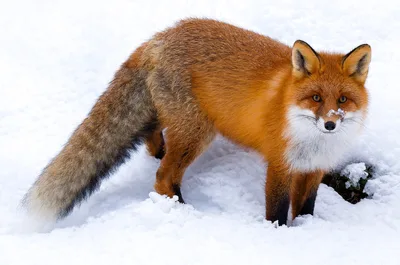
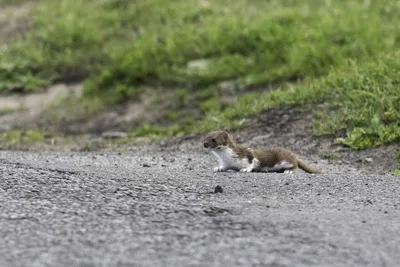
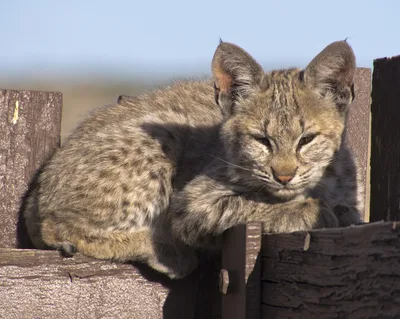
Hawks, owls and snakes are the main predators. Red-tailed hawks, foxes, bobcats, coyotes, wolves, lynx, mink and weasels all take squirrels. Raccoons eat them in some regions, and house cats and dogs kill many in towns. In South Africa the African harrier-hawk has learned to hunt them. Speed and agility in the trees are the squirrel's main defence, along with alarm calls.
Mortality is about 55 percent in the second year and about 30 percent a year after that. Death rates climb sharply again at eight years. Squirrels carry fleas, lice, mites and ticks, and suffer from squirrelpox and fibromatosis, which causes skin tumours. Hunters take large numbers: Mississippi alone harvests about 2.5 million a year. In Britain the grey is culled to protect red squirrels, and releasing a trapped grey is illegal.
Population and conservation
The species is Least Concern on the IUCN Red List and abundant across its native range. Numbers recovered after the crash of the late 1800s as forests regrew and hunting laws arrived. The concern today runs the other way: what the grey does to native squirrels elsewhere.
In Britain, red squirrels vanish within about 15 years of the grey's arrival. The grey is larger, stores up to four times more fat, breeds more and lives at higher density. It also carries squirrelpox, which does not harm it but kills red squirrels. Where the virus is present, red squirrel losses are 17 to 25 times faster than from competition alone. Only the pine marten preys on greys in Britain, and it is largely absent from England and Wales. Island refuges such as Anglesey, Brownsea and the Isle of Wight keep greys out so reds can recover.
Ireland saw a single introduction in County Longford, so the spread has been slower there. Italy holds a growing population, and the EU fears the grey will spread across the continent. Since 2016 EU law bans importing, breeding, selling or releasing the species. In western North America it displaces the western gray squirrel in towns and moist woodland.
Relationship with humans
Native Americans and colonists ate gray squirrels, and hunters across North America still do. Squirrel hunting in Mississippi is worth about 12.5 million dollars a year. US physicians warn against eating squirrel brains because of a possible link to Creutzfeldt-Jakob disease. Among nature watchers, ADW ranks squirrels second only to birds.
The squirrel reached Britain in the 1870s as a fashionable ornament for country estates. The Zoological Society of London released some to breed freely in Regent's Park, and The Times reported in 1921 that they had become ubiquitous. A 2006 campaign called Save Our Squirrels urged Britons to eat grey squirrel. Its slogan asked them to save a red by eating a grey. In Britain the grey ranks second only to the brown rat as a destructive pest of property.
Squirrels can carry plague, typhus and tularemia, and a bite can pass these to people. Their ticks can spread Lyme disease. Even so, most encounters are harmless, and many people feed squirrels in parks for pleasure. In the UK, squirrels at bird feeders take enough food to keep birds away and raid nearby nests.
In culture and myth
In Norse myth, the squirrel Ratatoskr runs up and down the world tree Yggdrasil. He carries insults between the eagle at the crown and the dragon Nidhogg at the roots. The name is usually read as drill-tooth. That squirrel was probably a European red, but the story has attached itself to every squirrel since.
In a Choctaw story an eclipse happens when a black squirrel chews on the sun, and people banged and shouted to drive it away. Wabanaki tales feature Meeko, a spiteful and gossiping squirrel. For several Native American peoples the squirrel stands for preparation and foresight, thanks to its caches. Spirit-animal websites add thrift, energy and playfulness, which seem to be modern readings rather than old ones. In Britain the grey probably has a darker image, as the invader that drove out the red squirrel of children's books.
A sentence with a dotted underline is inferred: it describes the group the animal belongs to, or is a reading of the sources, rather than a measured or reported fact about this species.
Questions
Eastern gray squirrel questions, answered
How big is an eastern gray squirrel?
The head and body measure 23 to 30 centimetres, with a tail of 19 to 25 cm. Adults weigh 400 to 600 grams.
What do gray squirrels eat?
Mostly acorns, hickory nuts, walnuts, beech mast, buds and fungi. They also eat insects, bird eggs, frogs and small rodents, so they count as omnivores.
Do gray squirrels hibernate?
No. They stay active by day all winter and live on buried nuts. In cold spells they share a nest to keep warm.
How long do gray squirrels live?
Most die in their first year. An adult typically lives to about 6 years, the wild record is 12.5, and a captive squirrel reached 23.6.
Why are gray squirrels a problem in Britain?
They outcompete the native red squirrel and carry squirrelpox, which kills reds. Reds vanish within about 15 years of the grey's arrival. The grey also strips bark from trees.
Are gray squirrels dangerous?
Not usually. A cornered squirrel can bite, and a bite can pass disease, but attacks are rare. The bigger risk is a fire from chewed wiring in an attic.
How do squirrels find their buried nuts?
Mainly by spatial memory, using landmarks. Smell helps when the ground is damp. They still lose some caches, and those nuts grow into trees.
How many babies does a gray squirrel have?
One to four kits per litter, and up to eight at most. A female can have two litters a year when food is plentiful.
Why are some gray squirrels black?
A change in the MC1R gene makes the fur black. The black form is common in the north and holds heat better in the cold.
Can a gray squirrel climb down a tree head first?
Yes. It turns its hind feet backwards so the claws hook into the bark. Very few mammals can do this.
What sounds do gray squirrels make?
A squeak, a chatter, a rasp, and the kuk and quaa alarm calls. Mothers and kits share a soft muk-muk purr.
Where do gray squirrels live?
Their home is eastern North America, from southern Canada to Texas and Florida. Introduced populations live in western North America, Britain, Ireland, Italy and South Africa.
Do gray squirrels eat birds?
Sometimes. They take eggs and nestlings, and squirrels drawn to bird feeders find more nests nearby.
Can you keep a gray squirrel as a pet?
It is a poor pet and illegal to keep in the European Union. It needs trees, chews constantly and can bite.
Are gray squirrels endangered?
No. The IUCN lists them as Least Concern, and they are among the most common mammals in eastern North America.
Food web
Prey and food
- acorns
- hickory nuts
- walnuts
- beech mast
- buds
- fungi
- insects
- bird eggs
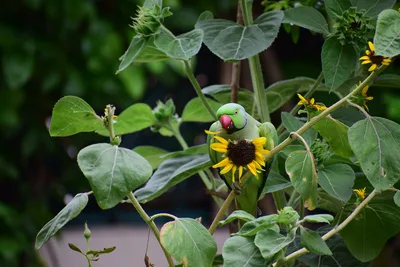
 Great tit
 Rose-ringed parakeet
Food web
Predators
- hawks
- owls
- snakes
 Red fox
 Least weasel
 Bobcat
- cats
Ecological equivalents
Related species on this site
Fox Squirrel (same genus), Japanese Squirrel (same genus), Red squirrel (same genus), Chipmunk (same family), Eastern Chipmunk (same family), Flying Squirrel (same family), and more.
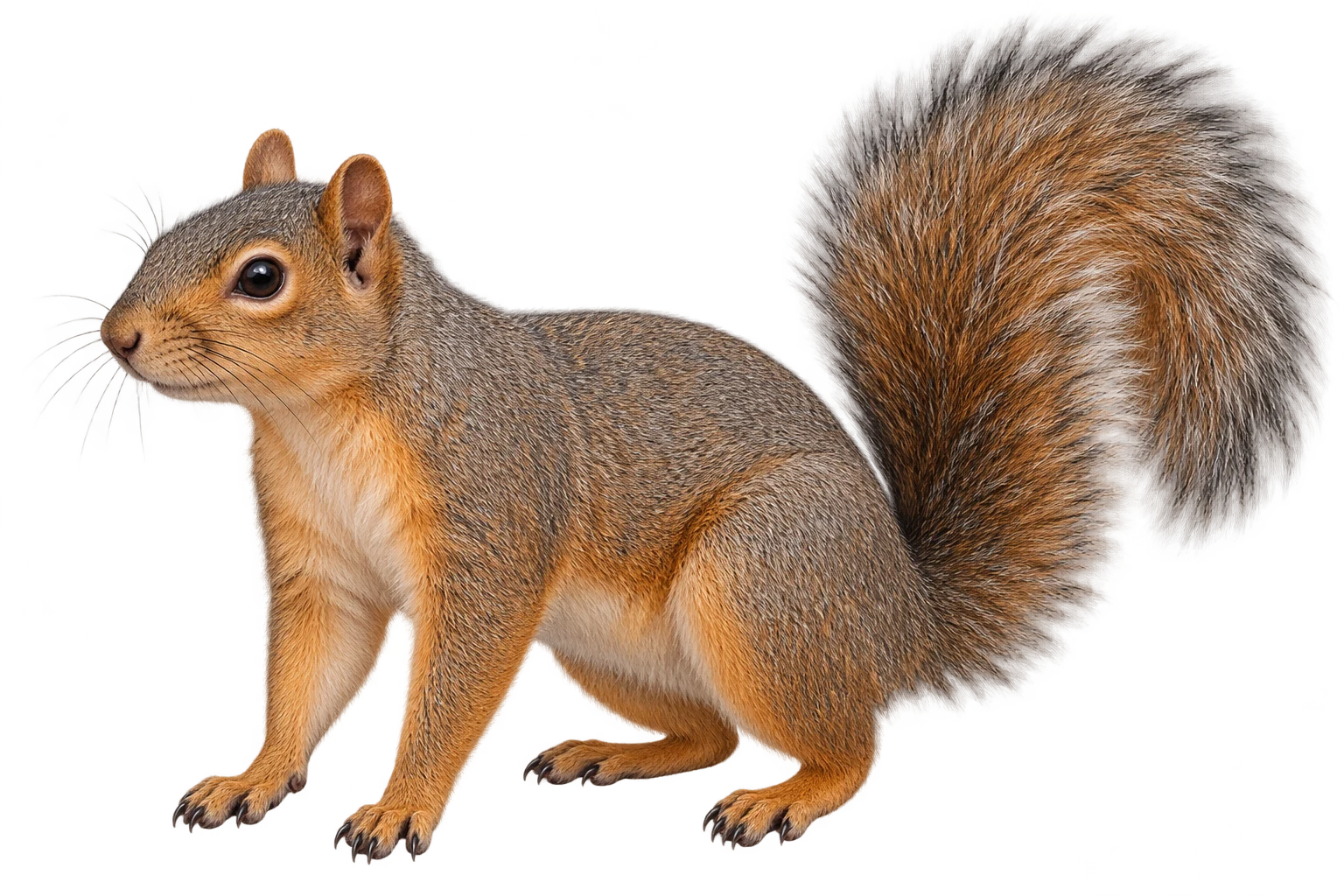
Mammals
Fox Squirrel
Sciurus niger
Classification and source reference
LivingAI illustration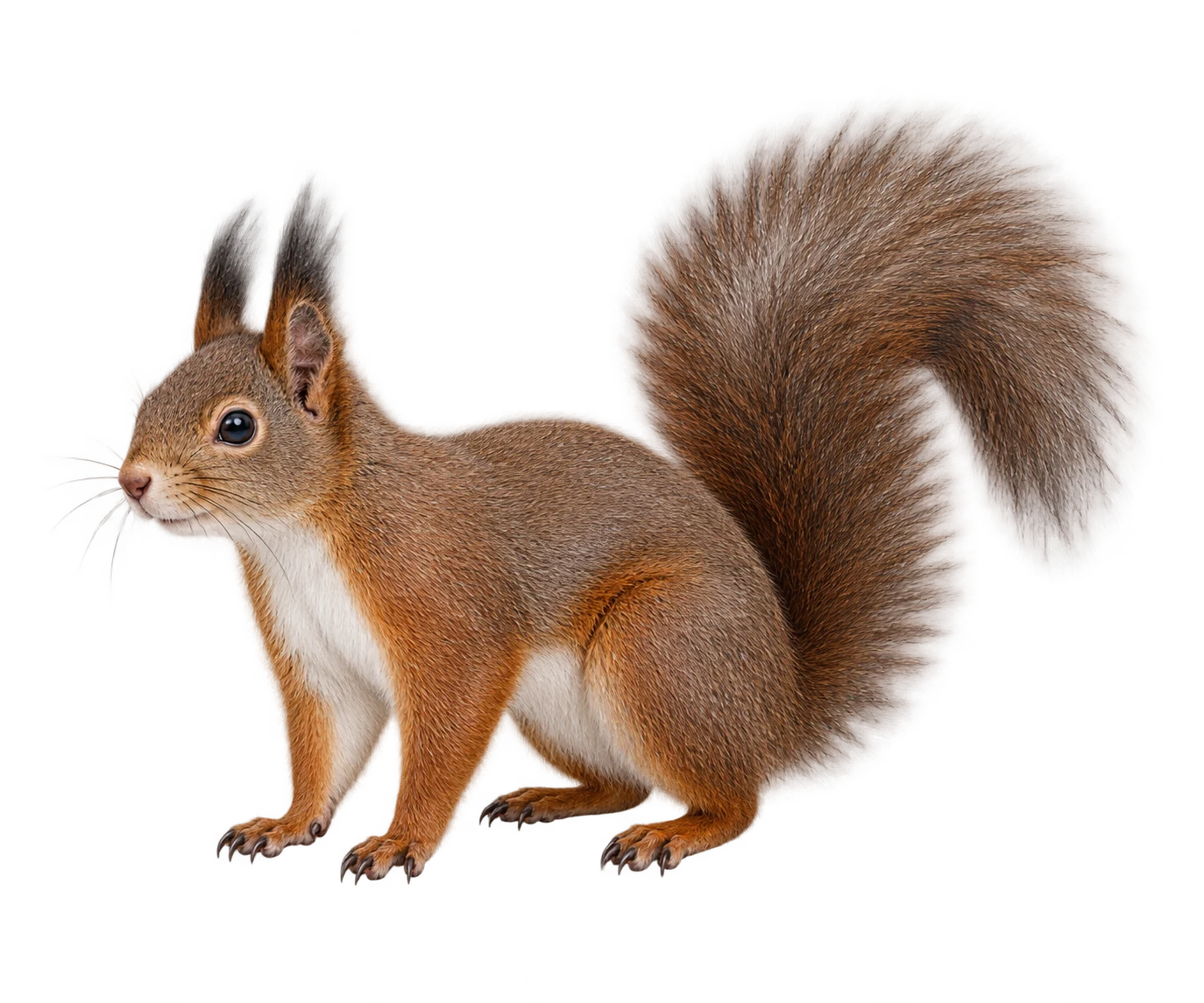
Mammals
Japanese Squirrel
Sciurus lis
Classification and source reference
LivingAI illustration LC
Mammals
Red squirrel
Sciurus vulgaris
The red squirrel is a small tree squirrel of the conifer and broadleaf forests of Europe and northern Asia.
Living
Mammals
Chipmunk
Tamias
Chipmunks are small striped squirrels.
Living
Mammals
Eastern Chipmunk
Tamias striatus
Classification and source reference
LivingAI illustration
Mammals
Flying Squirrel
Sciuridae
Classification and source reference
LivingAI illustration