Chipmunk
Tamias
Living individuals or members of this group exist today. This does not mean they are safe from extinction.
Chipmunks are small striped squirrels. The eastern chipmunk (Tamias striatus), which carries and stores food in cheek pouches, is the representative described here.
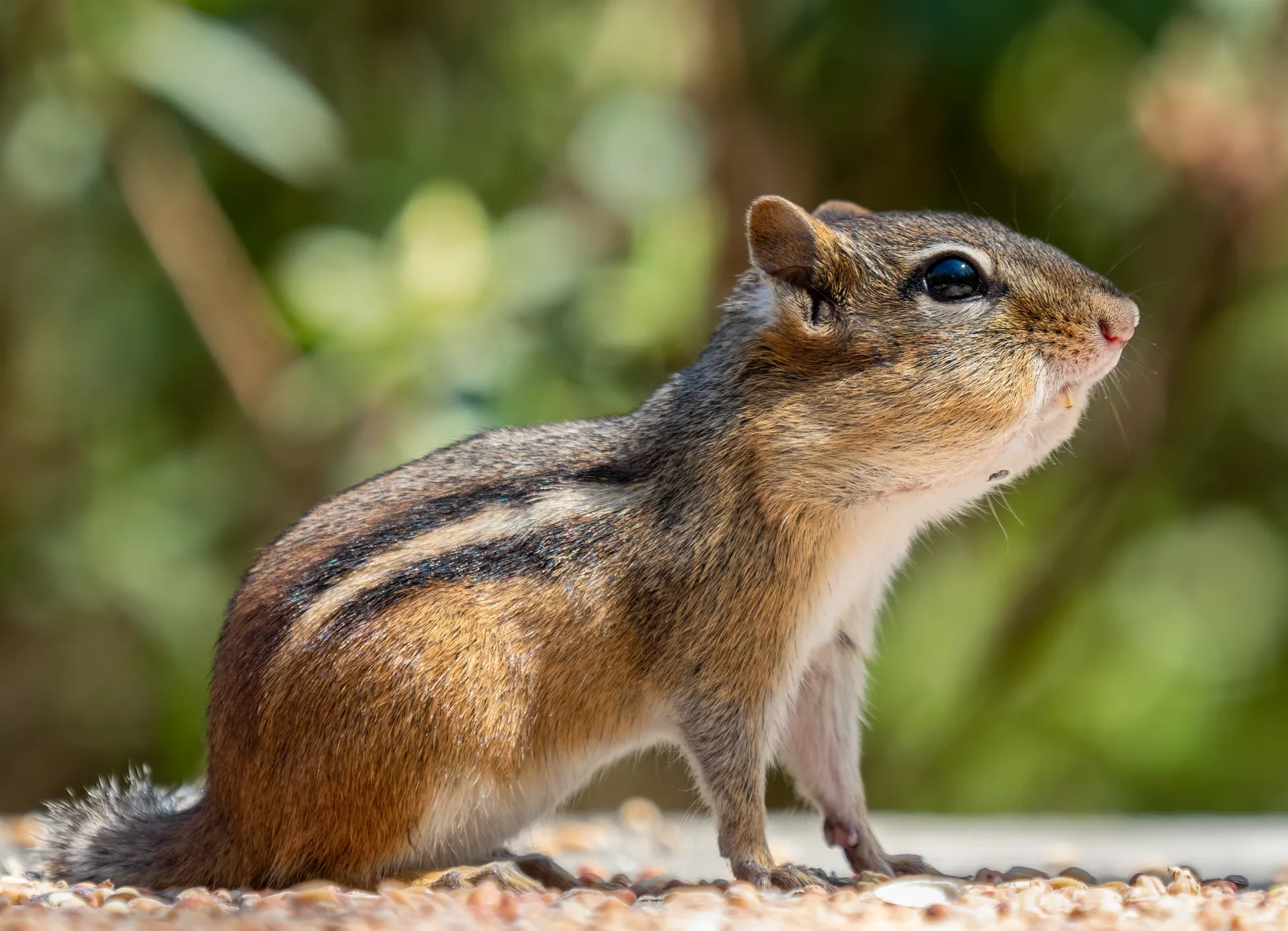
Representative species: Tamias striatus.
At a glance
- Location
- Eastern chipmunks inhabit eastern North American woodland, including forest edges and some parks or gardens. Stumps, logs and rocks provide nearby cover.
- Habitat
- Temperate forest, Towns and cities
- Diet
- Omnivore
- Food
- Seeds, nuts and fruit are supplemented by fungi, insects and other small food items.
Classification
- Common name
- Chipmunk
- Browse group
- Mammals
- Scientific name or taxon
- Tamias
- Taxon rank
- genus
- Order
- Rodentia
- Family
- Sciuridae
- Genus
- Tamias
- Source classification
- Mammalia
Taxonomy checked against GBIF. For breeds and hybrids, this describes the listed parent taxon.
Three things to know
- Cheek pouches carry food.
- It stores food for later use.
- It forages mostly on the ground.
Habitat and range
Eastern chipmunks inhabit eastern North American woodland, including forest edges and some parks or gardens. Stumps, logs and rocks provide nearby cover.
Appearance and adaptations
Light and dark stripes run along the back and face. The tail is hairy but less bushy than that of many tree squirrels.
Diet and behaviour
Seeds, nuts and fruit are supplemented by fungi, insects and other small food items. It is active by day and can climb well. Individuals generally live separately and defend the area close to their burrows.
Sources
- Animal Diversity Web: Tamias striatus
- A–Z Animals: Chipmunk · Directory entry
Explore mammals
Browse all mammals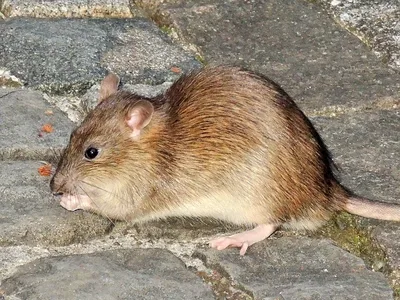 LC
Mammals
Brown rat
Rattus norvegicus
The brown rat is a large, burrowing rodent that lives wherever people live.
Living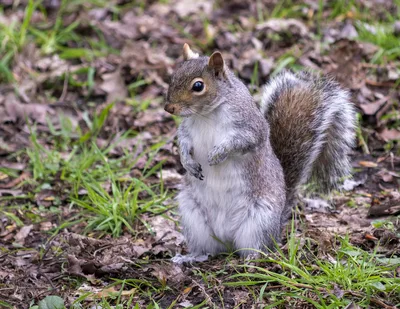 LC
Mammals
Eastern gray squirrel
Sciurus carolinensis
The eastern gray squirrel is a medium-sized tree squirrel of the oak and hickory forests of eastern North America.
Living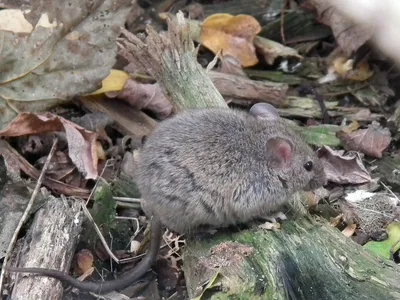 LC
Mammals
House mouse
Mus musculus
The house mouse is a small grey-brown rodent that lives in and around human buildings on every inhabited continent.
Living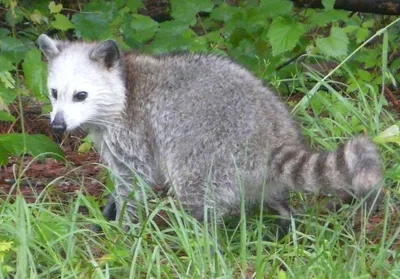 LC
Mammals
Raccoon
Procyon lotor
The raccoon is a masked, ring-tailed omnivore native to North America.
Living