Crane
Gruidae
Living individuals or members of this group exist today. This does not mean they are safe from extinction.
Cranes are long-legged birds of open country and wetlands. This account describes the common crane (Grus grus), a mostly grey Eurasian species with a loud bugling call.
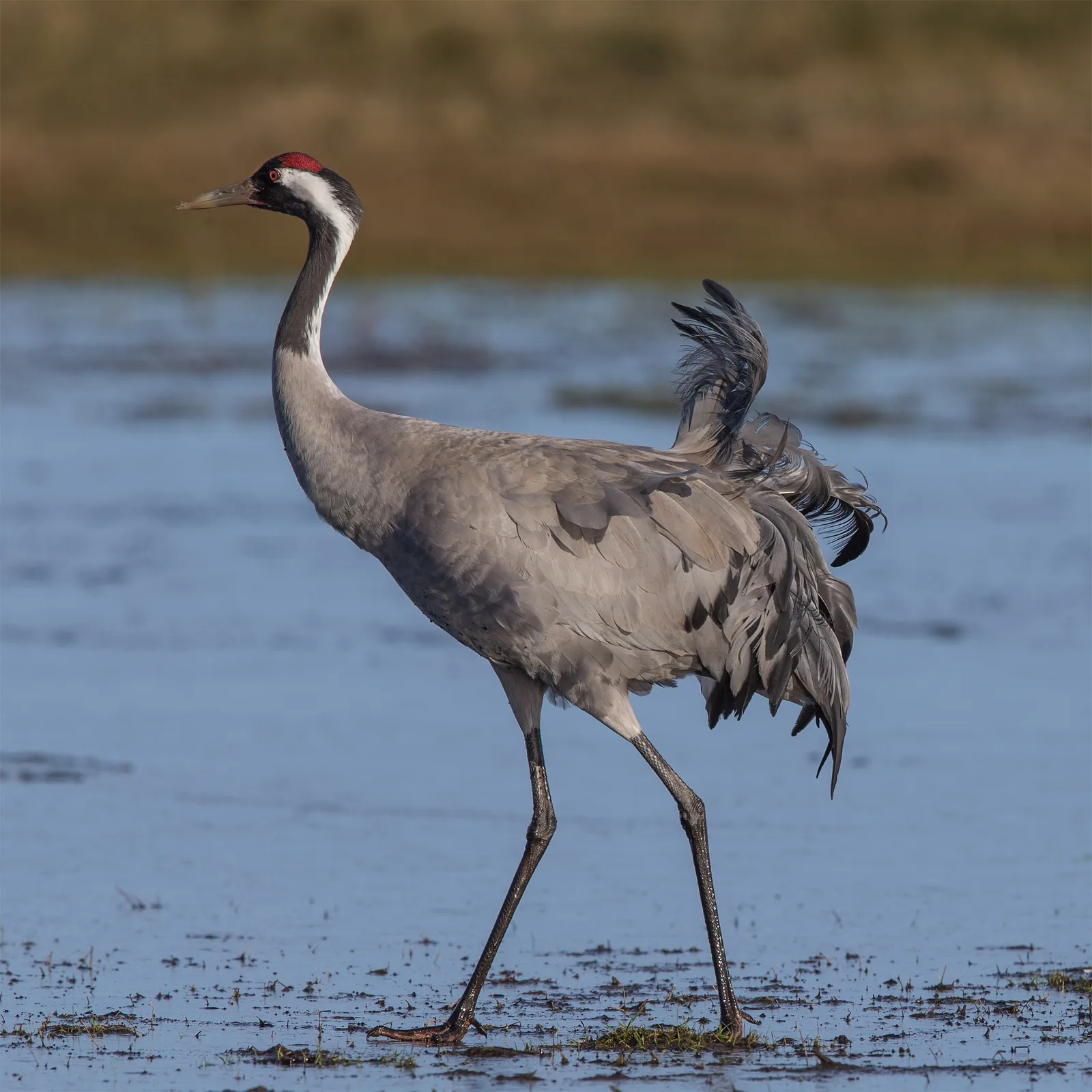
Representative species: Grus grus.
At a glance
- Location
- Eurasian breeding grounds; wintering areas in southern Europe, Africa and Asia.
- Habitat
- Wetlands, Grassland
- Diet
- Omnivore
- Food
- Seeds, roots, insects, snails and worms.
Classification
- Common name
- Crane
- Browse group
- Birds
- Scientific name or taxon
- Gruidae
- Taxon rank
- family
- Order
- Gruiformes
- Family
- Gruidae
- Source classification
- Aves
Taxonomy checked against GBIF. For breeds and hybrids, this describes the listed parent taxon.
Three things to know
- Courtship includes an elaborate dance.
- Its bugling calls keep flying flock members in contact.
- Nesting birds can disappear into dense reedbeds.
Habitat and range
Common cranes breed from northern and western Europe across Eurasia to eastern Siberia. Wintering areas include southern Europe, northern and eastern Africa, the Middle East and southern Asia. Wetlands, marshes and bogs provide habitat; drainage and degradation reduce suitable sites.
Appearance and adaptations
The bird has a long neck and legs, grey plumage and a contrasting black, white and red head. Curved feathers droop over the rear of the body.
Diet and behaviour
Both plant and animal foods are eaten, including seeds, roots and small invertebrates. Loud calls accompany flock movements and spring courtship dances. Dense wetland vegetation provides concealment when nesting.
Sources
Explore birds
Browse all birds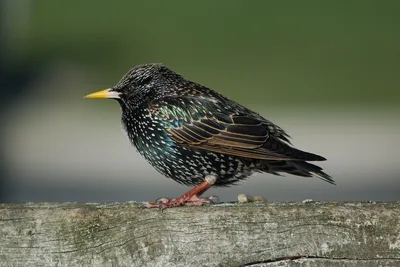 LC
Birds
Common starling
Sturnus vulgaris
The common starling is a glossy black songbird of Europe and Asia, spangled with white spots in winter.
Living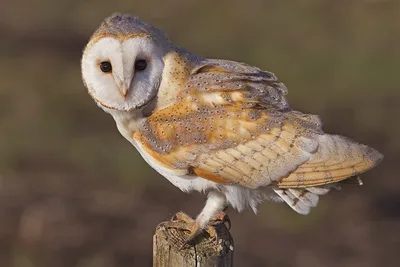
Birds
Barn Owl
Tyto alba
The barn owl is a pale nocturnal hunter with a heart-shaped face.
Living LC
Birds
Barn swallow
Hirundo rustica
The barn swallow is the most widespread swallow on earth, with a steel blue back and a deeply forked tail.
Living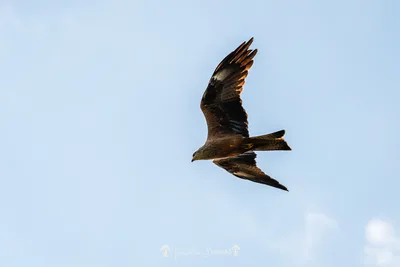 LC
Birds
Black kite
Milvus migrans
The black kite is a medium-sized raptor with angled wings and a forked tail.
Living