Barn swallow
The farm bird that crosses a hemisphere twice a year
Hirundo rustica
Also called Swallow, European swallow, Chimney swallow
Living individuals or members of this group exist today. This does not mean they are safe from extinction.
Meet the barn swallow
The barn swallow is the most widespread swallow on earth, with a steel blue back and a deeply forked tail. It nests in barns and under bridges, catches insects in flight, and migrates between the hemispheres every year.
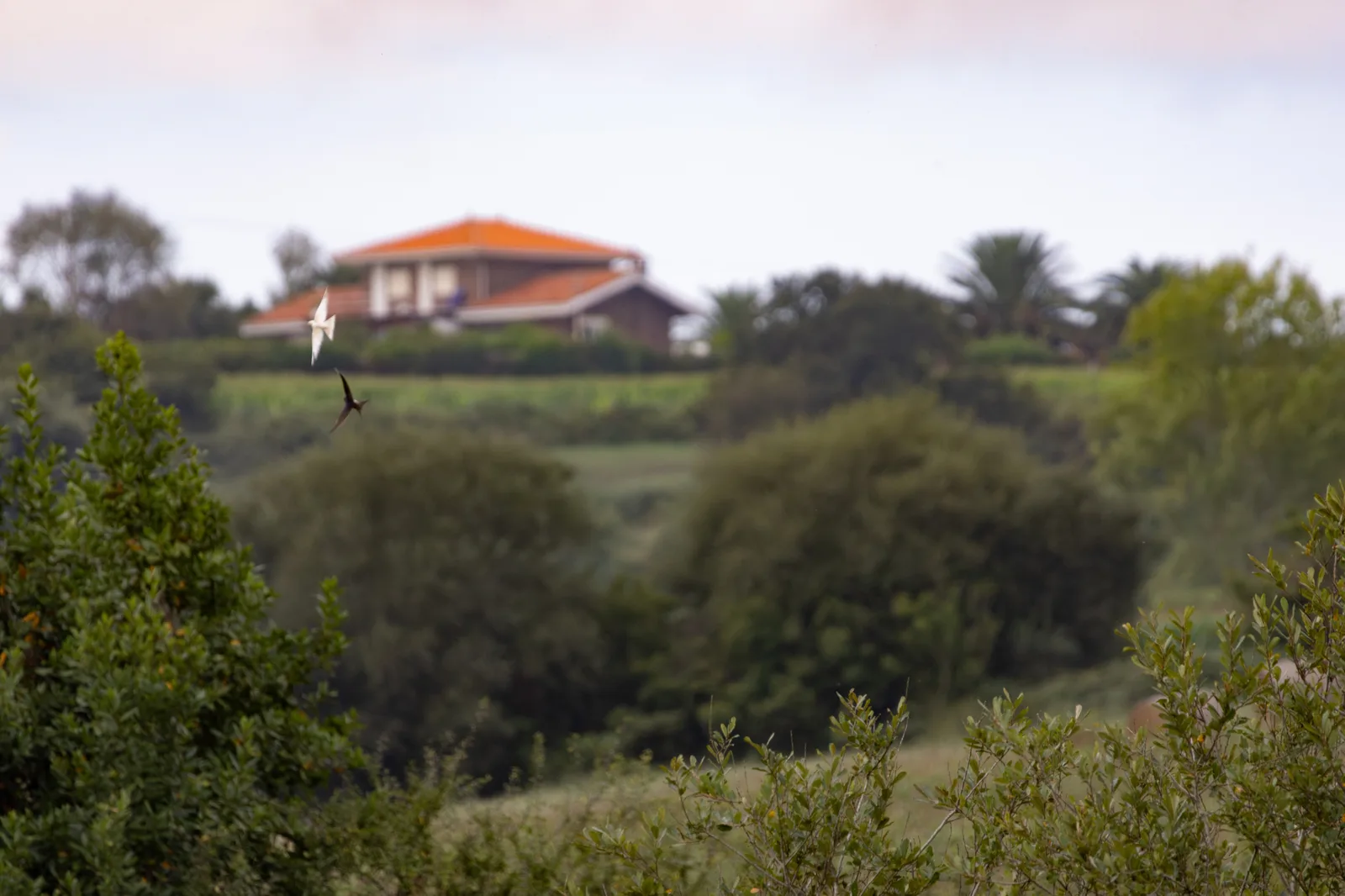
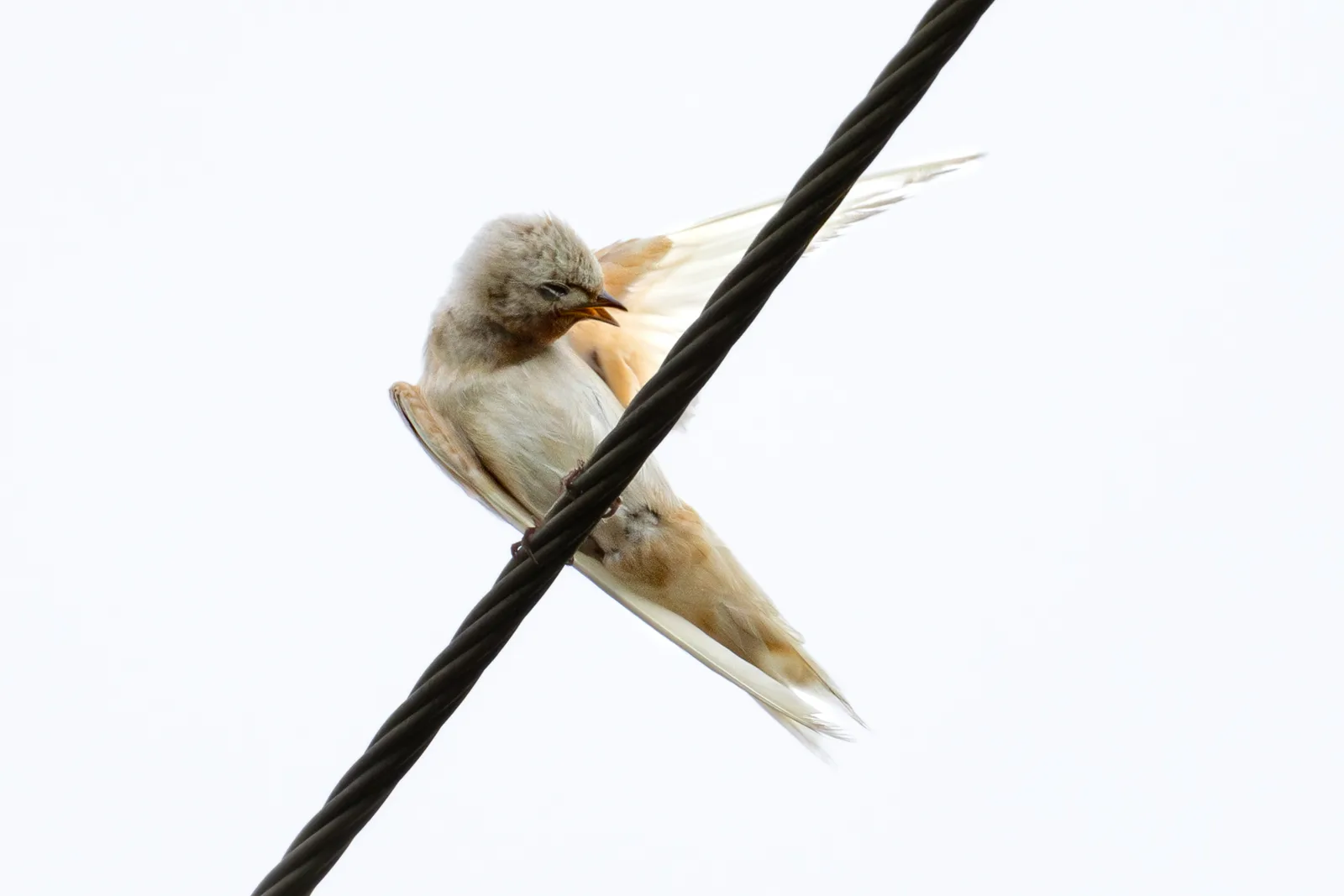
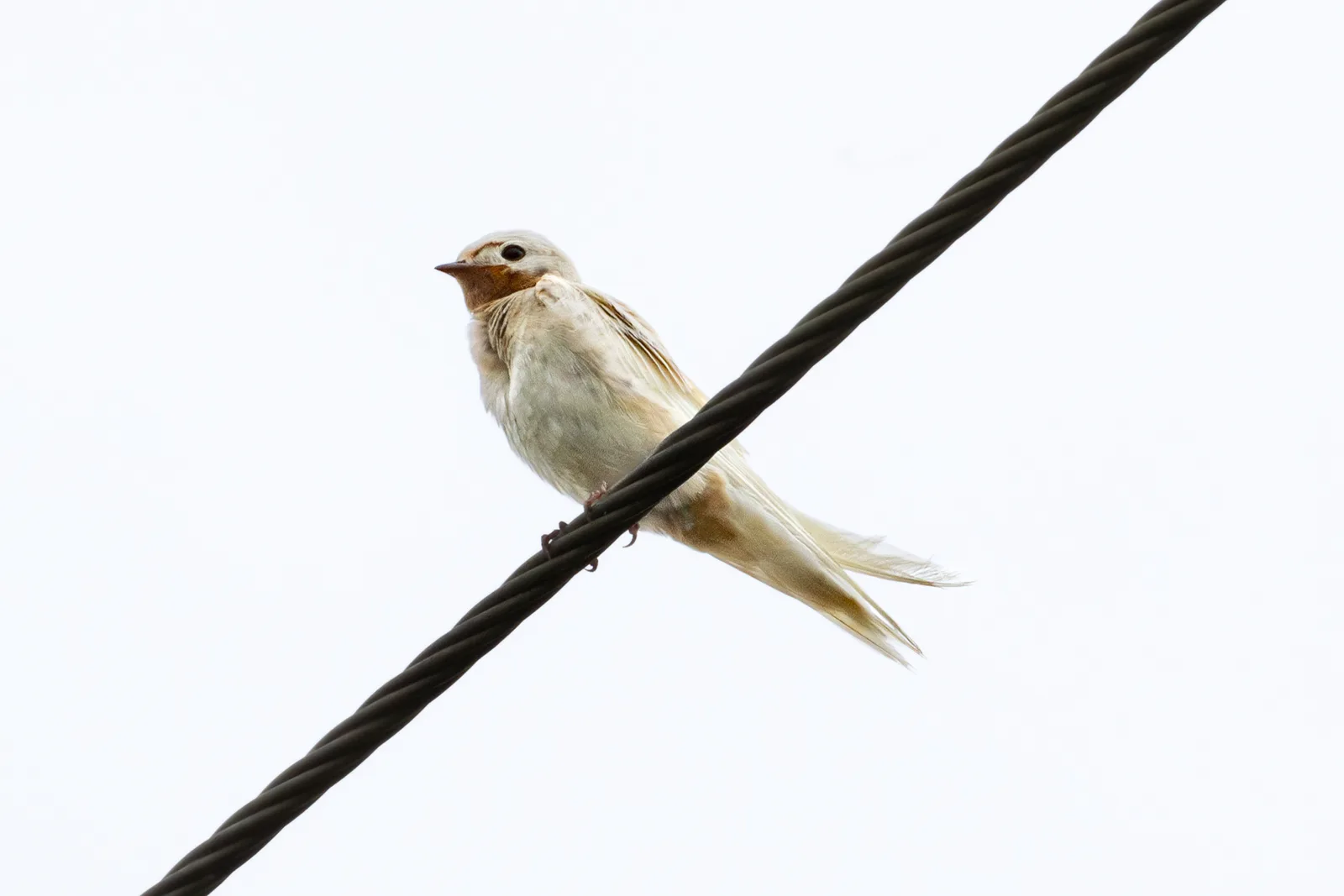
Images of the barn swallow
Lifespan in the wild
4 to 8 years ADW gives an average of four years, with eight as exceptional; AnAge records a maximum of 16
Weight
16 to 22 g
Length
17 to 19 cm
Top speed
About 40 km/h
Fact file
Barn swallow
- Location
- Breeds across the Northern Hemisphere, winters in the south
- Habitat
- Grassland, Wetlands, Towns and cities, Savanna
- Diet
- Insectivore
- Prey / food
- Flies, aphids, flying ants, beetles, moths, crickets, dragonflies
- Predators
- Hobbies, peregrine falcons, sparrowhawks, owls, cats, rats
- Lifestyle
- Diurnal and migratory
- Group name
- Flight
- Name of young
- Chick
- Incubation
- Incubation 14 to 19 days
- Clutch size
- 2 to 7 eggs, usually 4 or 5
- Population
- About 190 million birds
- Biggest threat
- Farming that leaves fewer insects and fewer nest sites
- Distinctive feature
- Deeply forked tail with long outer streamers
- Colour
- Steel blue above, cream below, with a red face and throat
- Skin type
- Feathers
Size
Next to a person
Measurements
Size and speed
- Length
- 17 to 19 cm the male, including 2 to 7 cm of tail streamers
- Wingspan
- 32 to 34.5 cm
- Weight
- 16 to 22 g 16 to 22 grams
- Top speed
- About 40 km/h, up to 72 km/h
Typical adult ranges. Source: Wikipedia.
Life cycle
Lifespan
- In the wild4 to 8, up to 16 years ADW gives an average of four years, with eight as exceptional; AnAge records a maximum of 16
- 016 years
The pale bar is the record. Source: Animal Diversity Web.
Appearance
Colour and coat
- Primary colours
- bluecreamred
- Secondary colours
- white
- Skin type
- feathers
- Male and female
- Slight. The male has longer tail streamers, glossier blue and darker underparts. The size of the gap changes with latitude, from 5% in Spain to 20% in Finland.
Life cycle
Mating and family
- Mating system
- socially monogamous pairs, with mating outside the pair
- Social structure
- semi-colonial, from one pair to a few dozen
- Breeding
- two broods a year
The male returns first and claims a nest site, then sings to attract a female. Both birds build a mud cup, and the female lays two to seven eggs. Incubation lasts 14 to 19 days, and the chicks fly 18 to 23 days later. The parents feed the young for about a week after they leave the nest. Most pairs then start a second brood in the same nest.
Classification
Taxonomy
- Kingdom
- Animalia
- Phylum
- Chordata
- Class
- Aves
- Order
- Passeriformes
- Family
- Hirundinidae
- Genus
- Hirundo
- Species
- Hirundo rustica
Conservation
Red List status
- LC
- NT
- VU
- EN
- CR
- EW
- EX
Least Concern on the IUCN Red List
Range
Recorded in 25 countries
- Argentina
- Austria
- Canada
- Switzerland
- People's Republic of China
- Germany
- Denmark
- Spain
- Finland
- France
- United Kingdom
- Greece
- India
- Italy
- Japan
- South Korea
- Mexico
- Netherlands
- Poland
- Portugal
- Russia
- Taiwan
- Ukraine
- United States of America
- South Africa
Habitat layer: tropical grassland, savanna and shrubland, temperate grassland, savanna and shrubland, flooded grassland and savanna, mangrove.
Countries from 163,247 wild records on GBIF (iNaturalist research grade), filtered and checked by hand. Country shapes: Natural Earth. Habitat: RESOLVE Ecoregions 2017, CC BY 4.0. Basemap: Natural Earth.
Habitats
Three things to know
- 1
One ringed barn swallow was recorded flying up to 11,660 kilometres on its yearly migration.
- 2
A roost in Nigeria once held an estimated 1.5 million barn swallows.
- 3
Sailors once earned a swallow tattoo after 5,000 nautical miles at sea.
Did you know
Seven more facts
- 1
Barn swallows drink by skimming a lake with the mouth open, without stopping.
- 2
Feather lice eat the white tail spots, so clean spots show a healthy male.
- 3
In North America the birds often nest under an osprey nest for protection.
- 4
A male may give a false alarm call to stop his mate meeting another male.
- 5
In Spain a male's streamers beat a female's by 5%, but in Finland the gap reaches 20%.
- 6
Building a mud nest takes a pair about two weeks, so old nests are prized.
- 7
A roost in Nigeria was estimated at 1.5 million barn swallows.
Field notes
How it looks and acts
Field notes
Distinguishing features
- A deeply forked tail with long outer streamers in the adult.
- Glossy steel blue upperparts.
- A red forehead, chin and throat.
- A broad dark blue band across the chest above pale underparts.
- White spots that show as a pale row near the base of the tail.
- A body length of 17 to 19 cm and a wingspan of 32 to 34.5 cm.
Field notes
Unique adaptations
- Long pointed wings that suit hours of hunting in the air.
- A wide gape that probably scoops flying insects without a pause.
- A forked tail that likely helps the bird turn sharply after prey.
- A bill that carries mud pellets and builds a cup on a bare beam.
- A throat pouch that holds a pellet of insects for the chicks.
Field notes
Interesting behaviours
- Hunting 7 to 8 metres above pasture or shallow water.
- Following cattle, people and machinery to catch the insects they stir up.
- Roosting in reed beds by the thousand before and during migration.
- Mobbing a cat or a hawk that comes near the nest.
- Returning to the same building and the same nest in later years.
Field notes
Temperament
- Tolerant of people, and content to nest above a working stable.
- Sociable, with birds nesting and roosting in groups.
- Aggressive at the nest, especially the male.
- Bold against predators far larger than itself.
Field notes
Communication
- A male song of warble, note and rattle that holds the territory.
- A shorter female song, sung early in the season.
- A witt call, and a loud splee-plink from an excited bird.
- Separate alarm calls for a cat and for a bird of prey.
- Bill snapping that makes a dry clicking sound.
Ecology
Ecological role
The barn swallow is an aerial insectivore that takes vast numbers of flies over farmland and feeds a long list of predators in turn.
- It removes large numbers of flies and aphids from pasture and cattle yards.
- It feeds falcons, hawks and owls, above all at the winter roosts.
- It shares an alarm system with nesting ospreys in North America.
- Its numbers track the insects, so a decline may warn of wider trouble.
Stories
Myths and legends
- In Greek myth, Procne turned into a swallow and her sister Philomela into a nightingale.
- In ancient Greek thought, Aristotle used the swallow for the saying about one piece of evidence.
- In European farm belief, damaging a swallow nest turned the milk bloody or stopped the hens laying.
- In English heraldry, the footless martlet stands for a younger son with no land.
- In sailors' custom, a swallow tattoo recorded the miles a man had sailed.
People
Relationship with humans
People
Living alongside us
The barn swallow lives closer to people than almost any other wild bird. It nests in barns, stables and bridges and hunts the insects that livestock attract. Farmers have tolerated it for centuries, and old superstitions protected its nest. Some owners dislike the mess a colony makes on a building. The birds pose no risk to people or to stock.
- The bird cannot hurt a person and may only dive at a cat near the nest.
- Old fears that swallows spread salmonella to cattle were not borne out by a Swedish study.
- A large colony leaves droppings that create a cleaning problem on a building.
People
Status, uses and products
- Domestication
- Wild
- As a pet
- Not suitable. A barn swallow eats only insects caught in flight and needs open sky to hunt. No cage can meet that. It is also protected by law across most of its range, so keeping one is illegal.
- Uses
- insect control on farmsbirdwatchingan indicator of farmland health
- Products
- None recorded
The full account
About the barn swallow
The barn swallow is the most widespread swallow in the world. It turns up on every continent, and stray birds have even reached Antarctica. The back is steel blue, the face and throat are red, and the underparts are pale. The outer tail feathers run out into long points, which gives the forked swallow tail. A male measures 17 to 19 centimetres long, with 2 to 7 cm of that in the streamers. The wings span 32 to 34.5 cm, and the bird weighs 16 to 22 grams.
The species nests in barns, stables, culverts and bridges. It has spread wherever people put up buildings in open farmland. The pair builds a cup of mud pellets and lines it with grass and feathers. Almost everything it eats is an insect caught in the air. About 190 million barn swallows are alive, and the IUCN lists the species as Least Concern. It is the national bird of Austria and of Estonia.
Name and taxonomy
Carl Linnaeus named the bird Hirundo rustica in 1758. Hirundo is simply the Latin for swallow. The word rusticus means of the countryside. The Oxford English Dictionary traces the English name barn swallow to 1851. Gilbert White used it earlier, in 1789, and noted the Swedish word ladusvala. The English name may therefore be a straight translation of the Swedish one.
In Britain and Ireland people call the bird simply the swallow. Across northern Europe, only this species of its family carries the word swallow, and the rest are martins. The genus Hirundo is mostly African, and this is the only species of it that reaches the Americas. The red-chested swallow of West Africa was once counted as a subspecies. It is now a species of its own, smaller and with a narrower breast band.
Evolution and relatives
The barn swallow belongs to the Hirundinidae, the swallows and martins. Swifts hunt in the same way and look similar, but they are not close relatives. Eight subspecies are generally recognised, and all of them breed north of the equator. Two have small ranges: one in the Nile valley and one in the eastern Mediterranean. The Egyptian race is the only one that stays put all year.
The North American race has redder underparts and a narrow, often broken, breast band. The Siberian race shares that pattern of short wings and a red belly. DNA shows that American birds colonised the Baikal region, not the other way round. That direction is the reverse of most range changes between the two continents. The bird hybridises with the cliff swallow, the cave swallow and the house martin. The cross with the house martin is one of the commonest hybrids among songbirds.
Appearance
The upperparts are glossy steel blue. A red forehead, chin and throat sit above a broad dark blue band across the chest. Below that band the underparts are off-white or cream. A row of white spots crosses the outer tail near its base. A male is 17 to 19 cm long, and the streamers account for 2 to 7 cm of it. The wingspan runs from 32 to 34.5 cm and the weight from 16 to 22 g.
The female looks much like the male, with shorter streamers and duller blue. Her underparts are paler than his. The gap between the sexes changes with latitude. In Spain a male's streamers beat a female's by only 5%, but in Finland the gap is 20%. A juvenile is browner, with a pale red face, whiter underparts and no streamers at all. The red face with the blue chest band separates the adult from every African swallow.
Habitat and range
The barn swallow wants open country with short vegetation and water nearby. Pasture, hay meadows and farmland suit it best. It keeps away from thick woodland, steep ground and dense city centres. It needs an open building for the nest and a wire or bare branch for a perch. It breeds from sea level to 2,700 metres, and to 3,000 m in the Caucasus and North America. Only the deserts and the far cold north lie outside the breeding range.
In winter the bird accepts almost any open country. Savanna and ranch land hold large numbers. In Venezuela, South Africa and Trinidad it favours burnt or cut sugarcane fields. Wintering birds return to the same district year after year. They gather at dusk in reed beds, and a roost in Nigeria was estimated at 1.5 million birds. GBIF holds occurrence records from 227 countries and territories.
Ringing proved the migration in 1912, when a bird from Staffordshire turned up in Natal. Swallows wintering in southern Africa come from right across Eurasia. One journey was measured at up to 11,660 kilometres. Vagrants have reached Hawaii, Bermuda, Greenland, the Falkland Islands and Antarctica. A few birds now breed in the warmer parts of the winter range, such as central Argentina.
Diet and feeding
Flying insects make up about 99% of the diet. Large flies account for roughly 70% of what breeding birds eat, and aphids matter too. Flying ants and other Hymenoptera take over on the wintering grounds. Grasshoppers, crickets, dragonflies, beetles and moths are all caught. The bird hunts about 7 to 8 metres above open ground or shallow water. It sometimes plucks prey off the water, a wall or a leaf instead.
Barn swallows follow cattle, people and farm machinery to snap up disturbed insects. They have been watched hunting the flies around an occupied stork nest. Birds hunt in pairs while the female is laying and in flocks the rest of the time. British breeders feed mostly over grassland, while Swiss birds use woodland more. A study in West Virginia found birds foraging within 1.2 kilometres of the nest. In Europe they stayed within about 500 metres of it.
The bird drinks on the wing, skimming a lake or river with its mouth open. It bathes the same way, dipping into the water for an instant as it passes. Parents carry food to the nest as a pellet held in the throat. They may bring food to the chicks up to 400 times in a day. A large brood gets more food than a small one. Late broods get smaller insects, because the big ones are too far from the nest to be worth the flight.
Behaviour and social life
The barn swallow is active by day and migrates by day as well. It is not a fast flier by the standards of the air. The usual speed is about 40 kilometres per hour, and the top speed is about 72 km/h. The wings beat about five times a second, and up to nine when the bird works hard. Birds rest in rows on telephone wires and roof ridges between flights.
Pairs are semi-colonial and settle in groups of one to a few dozen. Large wooden buildings that hold livestock draw the biggest groups. Each pair guards a small patch around its nest, 4 to 8 square metres in Europe. Colonies in North America tend to be larger than European ones. The same birds often come back to the same building year after year. Experiments show they choose the site for its free nests rather than for the neighbours.
After breeding, the birds gather in communal roosts of thousands. Reed beds are the favourite, and the flock swirls above them before dropping in. The reeds also hold the insects that let a bird lay down fat before a long flight. Arrivals at a roost are timed together, which probably swamps the waiting falcons. In North America the swallows often nest under an osprey nest. The osprey eats only fish and drives off hawks, while the swallows call the alarm for it.
Communication and senses
Males sing to hold a small territory and to attract a mate. The song runs from late April into August across much of the range. It opens with a twittering warble and rises into a syllable of its own. A short note and a trilled rattle of pulses close the phrase. Some populations add a final note after the rattle.
Female song was described only recently. It is much shorter than the male's and comes early in the breeding season. Females sing on their own account and answer each other. The common call is a witt or a doubled witt-witt. An excited bird chasing an intruder gives a loud splee-plink.
The alarm calls name the danger. A sharp siflitt warns of a cat, and a flitt-flitt warns of a hobby or other raptor. Nestlings give a faint chirp as they beg. Adults also snap the bill to make a clicking noise. A nestling's gape is bright red, and that colour makes the parents feed it. A duller gape goes with a weaker immune system, so the colour reports the chick's health.
Reproduction and life cycle
The male arrives on the breeding ground first and picks a nest site. He advertises it to females by circling the spot and singing. Females favour males with the longest tail streamers. Long-tailed males live longer and resist disease better, so the choice pays off in the chicks. Long streamers come with larger white tail spots, which feather lice attack first. Clean white spots therefore prove that a male carries few parasites.
Pairs stay together for life, but both sexes mate outside the pair. The male guards his mate closely and may give a false alarm call to break up a rival's attempt. Both birds build the nest, though the female does most of it. They carry mud pellets in the bill and line the cup with grass, feathers or algae. Building takes about two weeks, so an old nest is worth a great deal. Females lay earlier and lay more eggs for a male that builds well.
A clutch holds two to seven white eggs with reddish spots, and four or five is usual. Northern birds lay larger clutches than southern ones. An egg measures about 20 by 14 millimetres and weighs about 1.9 grams. Incubation lasts 14 to 19 days, and the chicks fly 18 to 23 days after hatching. European females do nearly all the sitting, while North American males may take a quarter of it. Parents feed the fledged young for about a week more. Most pairs raise two broods, and chicks from the first sometimes help feed the second.
About 90% of eggs hatch, and 70 to 90% of the chicks reach flight. Then the losses begin: 70 to 80% of young birds die in their first year. Adults lose 40 to 70% of their number each year. Most birds live about 4 years, and a bird of 8 years is exceptional. AnAge records a maximum of 16 years. Young birds can breed in the summer after they hatch, though they lay fewer eggs than older ones.
Predators and threats
Falcons take adults, and the peregrine and the African hobby both hunt at the roosts. Hawks such as the sparrowhawk and Cooper's hawk take birds on the wing. Owls, gulls and grackles also kill them. Rats, squirrels, weasels, raccoons, cats and snakes mostly reach the nestlings. In Africa the tigerfish leaps clear of the water to seize a swallow flying low. Adults escape by flying fast and turning sharply, and they mob a cat or a hawk near the nest.
Feather lice chew holes in the wing and tail feathers. They prefer the white tail spots, and short-tailed males carry the most of them. Brood parasites are rare, though cowbirds in America and cuckoos in Eurasia sometimes try. The heavier threats come from farming. Where farms close, insect numbers fall by about half, and the swallows go with them. DDT cut numbers in Israel in the 1950s, and house sparrows took American nest sites in the 19th century.
Population and conservation
About 190 million barn swallows live across a range of roughly 250 million square kilometres. The IUCN Red List placed the species in Least Concern in 2019. CITES gives it no special status. iNaturalist holds 240,697 observations of the bird. Forest clearance and farm buildings helped the species for centuries.
Numbers are now easing downwards in parts of Europe and Asia. Intensive farming leaves fewer insects for the chicks. North American numbers rose through the 20th century as nest sites multiplied. The birds moved north into Alberta as they spread. A reed bed at Mount Moreland near Durban holds over three million wintering swallows. That is 1% of the world population and 8% of the European breeding birds.
An airport built for the 2010 football World Cup put that roost at risk. Aircraft use a flight path over the reeds, which are about 250 metres across. Radar now tracks the flocks and warns the pilots instead. A warming climate cuts both ways for the species. Drought slows feather growth, and a wider Sahara makes the crossing harder. Warmer springs may stretch the breeding season and yield more chicks.
Relationship with humans
Few wild birds live as close to people as this one. Before barns existed it nested on cliffs and in caves, which is now rare. Today almost every nest sits inside a building or under a bridge or wharf. Farmers have long tolerated it because it clears flies from the yard. Virgil wrote of the swallow hanging its nest from the rafters in 29 BC.
Not everyone welcomes it. The nests are messy, and a large colony on a building creates a cleaning problem. Cattle farmers once believed that swallows spread salmonella through their droppings. A Swedish study found no sign that the birds carry the bacterium. The bird also warns of trouble, because its numbers fall before other signs of harm appear.
Nest sites pass down the years when nobody disturbs them. A nest that is patched each spring lasts 10 to 15 years without trouble. One nest was reported in use for 48 years. British birdwatchers still greet the first swallow as the opening of summer. The bird is on the UK Green List, which marks a species of least concern there.
In culture and myth
The swallow stands for spring in European writing. Aristotle wrote in the Nicomachean Ethics that one swallow does not make a spring. The saying survives as a warning against a single piece of evidence. The late Latin poem Pervigilium Veneris ties the bird to spring and to love. T. S. Eliot quoted a line of it in The Waste Land. In Greek myth Procne became a swallow while her sister Philomela became a nightingale.
In European folk belief, harming a swallow's nest brought loss to the farm. Cows would give bloody milk or none, and hens would stop laying. That fear probably explains why so many old nests survive on beams. In heraldry the swallow appears as the martlet, drawn without feet. The martlet marks a younger son, who inherits no land.
In sailors' tradition a swallow tattoo marked distance covered at sea. One account awards the first swallow at 5,000 nautical miles, and the second at 10,000. The two birds sat one on each side of the chest. The custom may be more recent than sailors claim, since old records show no such designs. Estonia adopted the barn swallow as its national bird in 1960, and Austria has done the same.
A sentence with a dotted underline is inferred: it describes the group the animal belongs to, or is a reading of the sources, rather than a measured or reported fact about this species.
Questions
Barn swallow questions, answered
Where do barn swallows go in winter?
They leave the Northern Hemisphere for the south. European birds cross the Sahara to Africa, and North American birds reach Central and South America. Individuals return to the same wintering district each year.
How far does a barn swallow migrate?
One ringed bird was recorded covering up to 11,660 kilometres in a year. Birds wintering in southern Africa come from right across Eurasia.
What do barn swallows eat?
Almost only flying insects, which make up about 99% of the diet. Large flies account for roughly 70% of what breeding birds take. Flying ants matter most in winter.
Where do barn swallows nest?
Inside open buildings such as barns and stables, and under bridges and wharves. The pair builds a cup of mud pellets on a beam or ledge. Cliff and cave nests are now rare.
How long do barn swallows live?
The average is about four years. Eight years counts as exceptional, and AnAge records a maximum of 16.
How big is a barn swallow?
A male is 17 to 19 centimetres long, with 2 to 7 cm of that in the tail streamers. The wingspan is 32 to 34.5 cm and the weight 16 to 22 grams.
How fast can a barn swallow fly?
It usually flies at about 40 kilometres per hour and can reach about 72 km/h. The wings beat about five times a second, and up to nine in hard flight.
How many eggs does a barn swallow lay?
Two to seven, and usually four or five. Northern birds lay larger clutches. Most pairs raise two broods in a season.
How long do barn swallow eggs take to hatch?
Incubation runs 14 to 19 days. The chicks then spend another 18 to 23 days in the nest before they fly.
Are barn swallows endangered?
No. About 190 million exist and the IUCN Red List places them in Least Concern. Numbers are easing down in parts of Europe and Asia as farming grows more intensive.
What is the difference between a swallow and a martin?
Both belong to the same family. In northern Europe the barn swallow is the only member called a swallow, and the rest are martins. The barn swallow has much longer tail streamers than a house martin.
Why do swallows have forked tails?
The long outer feathers help the bird turn sharply after insects. They also signal quality, because females choose males with the longest streamers.
Do barn swallows return to the same nest?
Often, yes. The same birds come back to the same building year after year, and a repaired nest can last 10 to 15 years. One was reported still in use after 48 years.
What does a swallow tattoo mean?
In sailors' tradition it recorded distance at sea. The first comes after 5,000 nautical miles at sea, and a second after 10,000. The custom may be more recent than the stories suggest.
Is one swallow a sign of summer?
Not on its own. Aristotle used the point to argue that one swallow does not make a spring. Birdwatchers still note the first swallow of the year as a marker.
Are barn swallows protected?
Yes, across most of their range. They are also on the UK Green List, which marks a species of least concern there. Destroying an active nest is illegal in many countries.
Food web
Prey and food
- flies
- aphids
- flying ants
- beetles
- moths
- crickets
- dragonflies
Food web
Predators
- hobbies
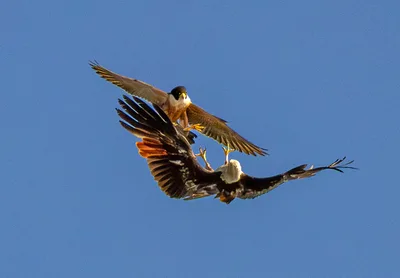 Peregrine falcon
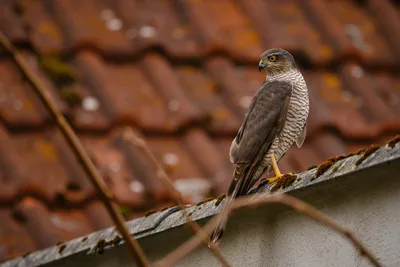 Eurasian sparrowhawk
- owls
- cats
- rats
Ecological equivalents

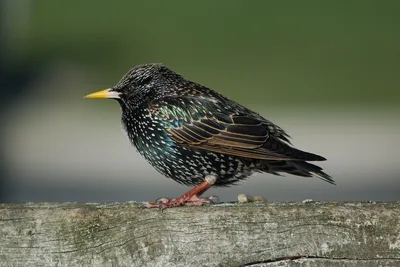
Related species on this site
Tree swallow (same family), Acadian Flycatcher (same order), Amazonian Royal Flycatcher (same order), American crow (same order), American goldfinch (same order), American robin (same order), and more.
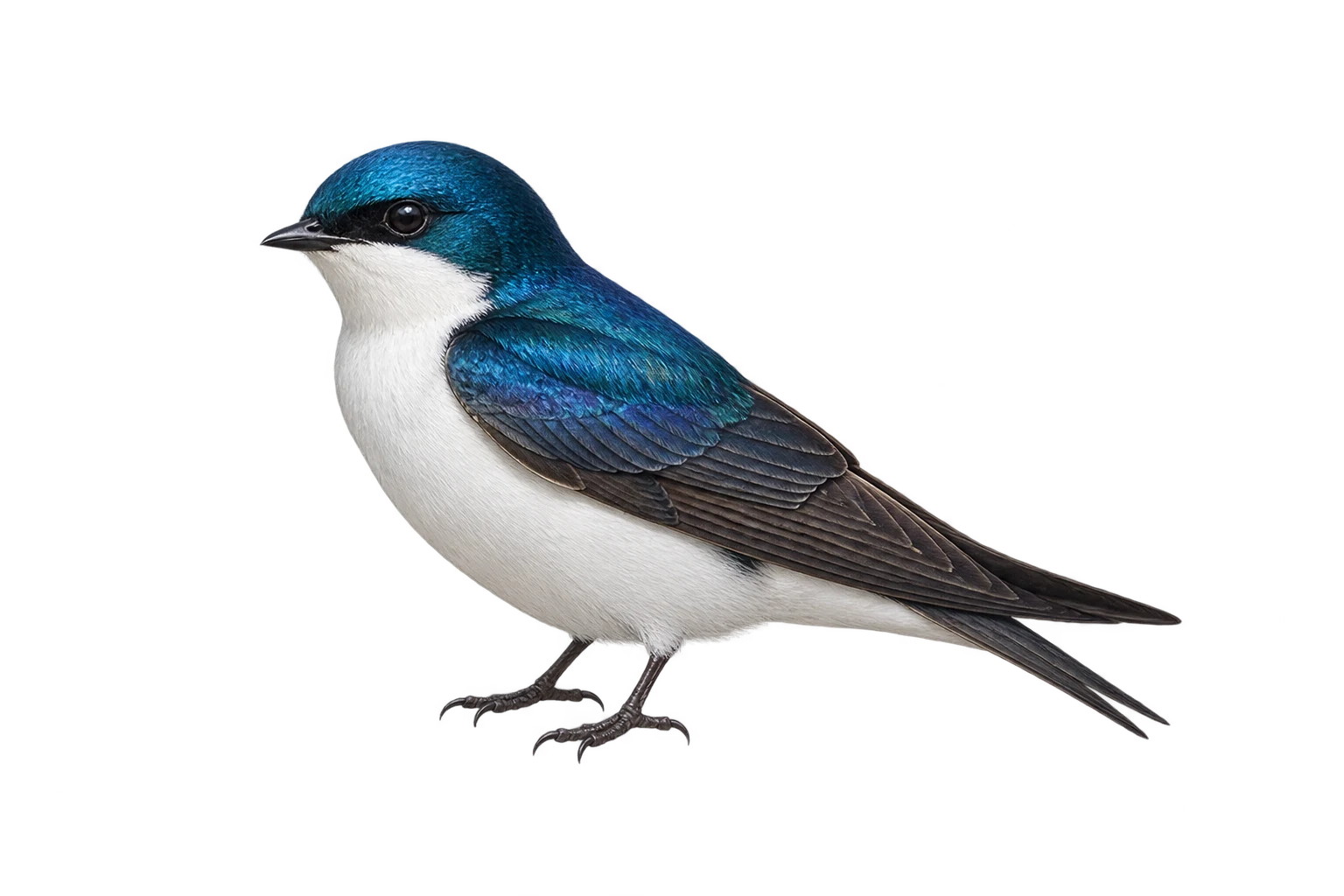
Birds
Tree swallow
Tachycineta bicolor
Classification and source reference
LivingAI illustration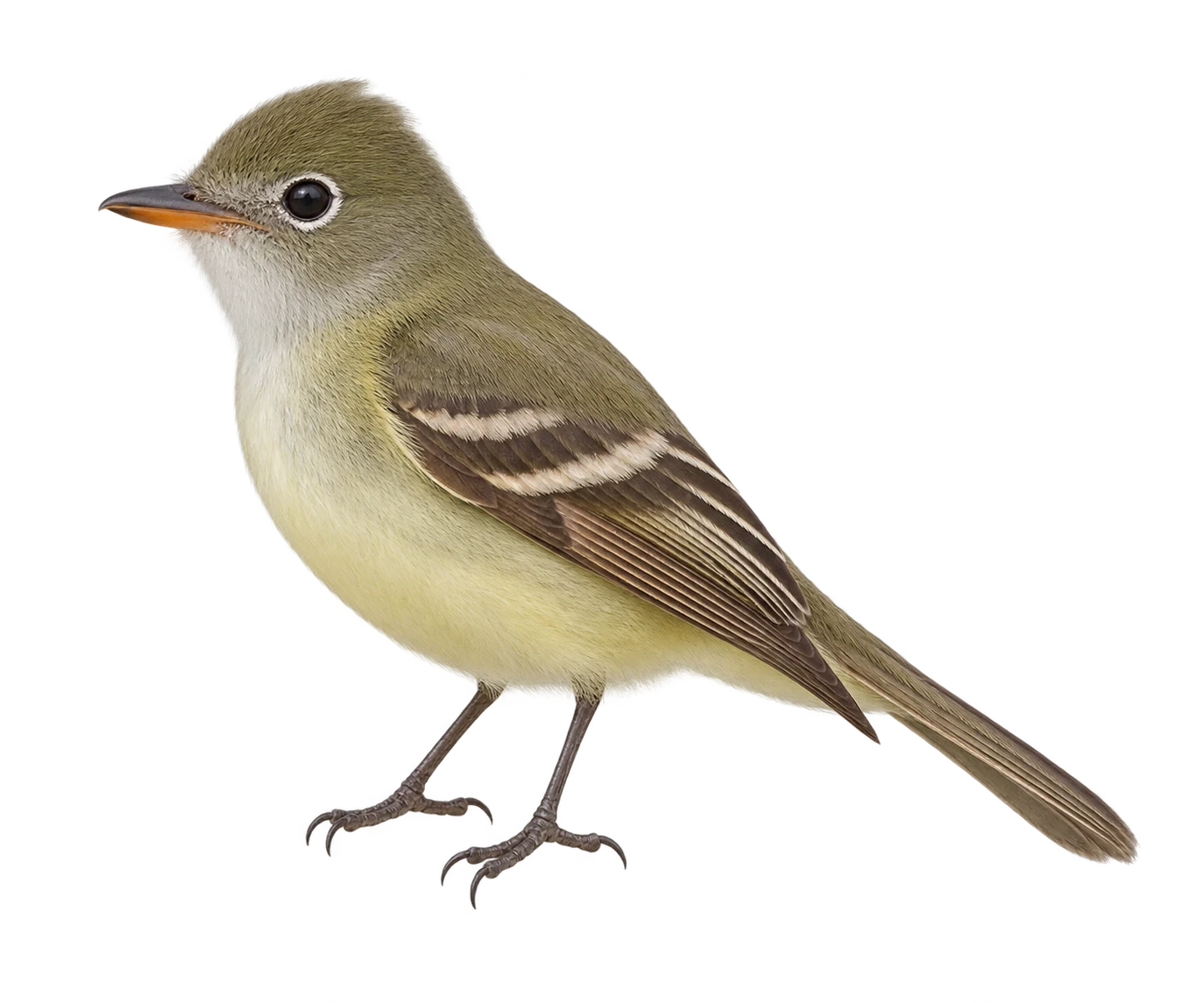
Birds
Acadian Flycatcher
Empidonax virescens
Classification and source reference
LivingAI illustration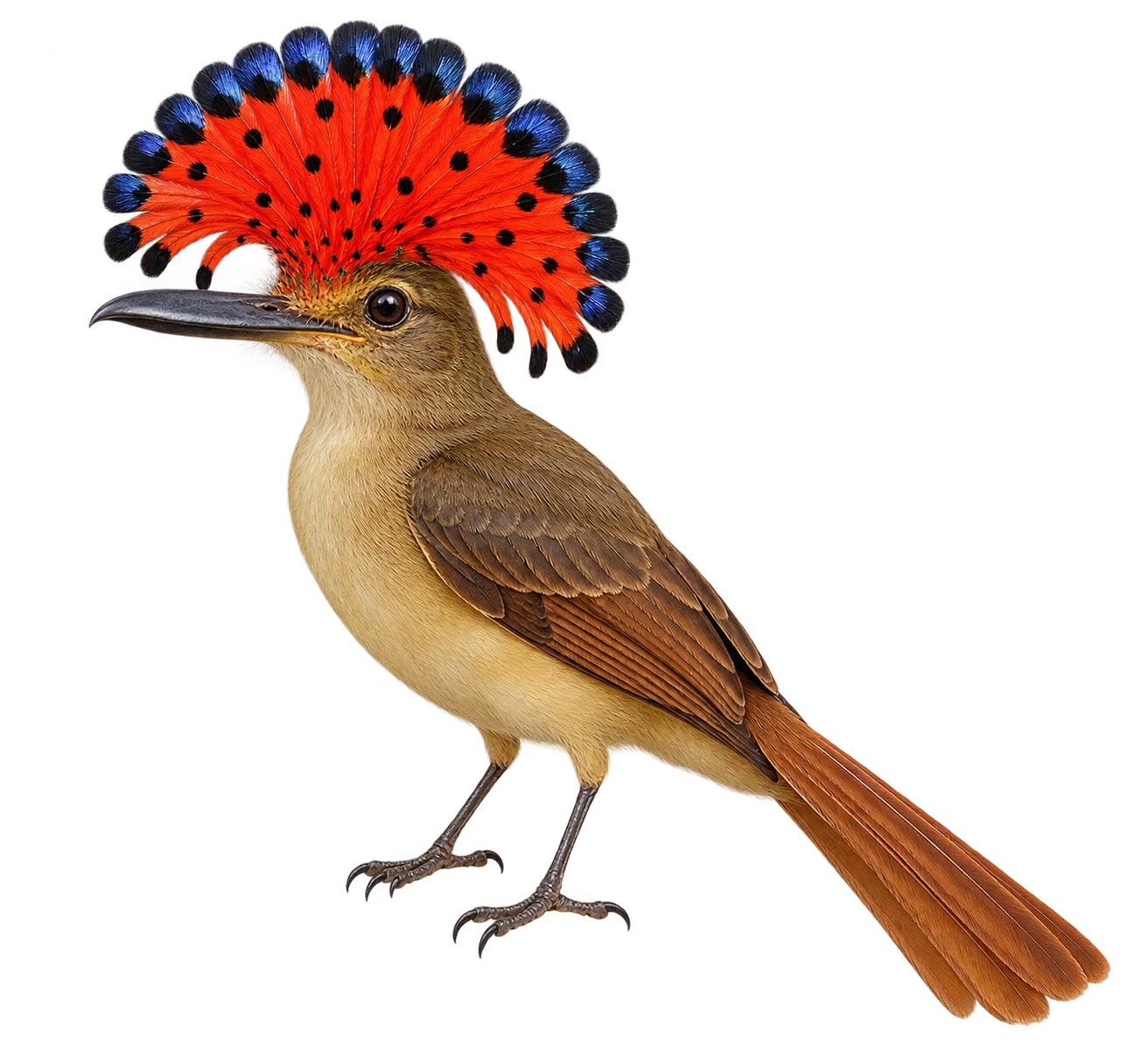
Birds
Amazonian Royal Flycatcher
Onychorhynchus coronatus
Classification and source reference
LivingAI illustration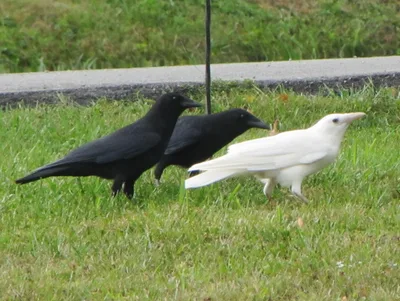 LC
Birds
American crow
Corvus brachyrhynchos
The American crow is a large all-black bird of farms, woods and city streets across North America.
Living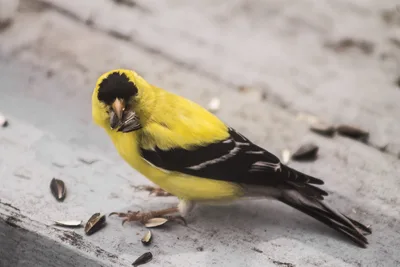 LC
Birds
American goldfinch
Spinus tristis
The American goldfinch is a small seed-eating finch of open weedy country across North America.
Living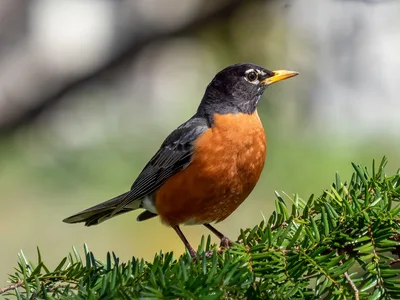 LC
Birds
American robin
Turdus migratorius
The American robin is a large thrush that feeds on lawns and open ground across North America.
Living