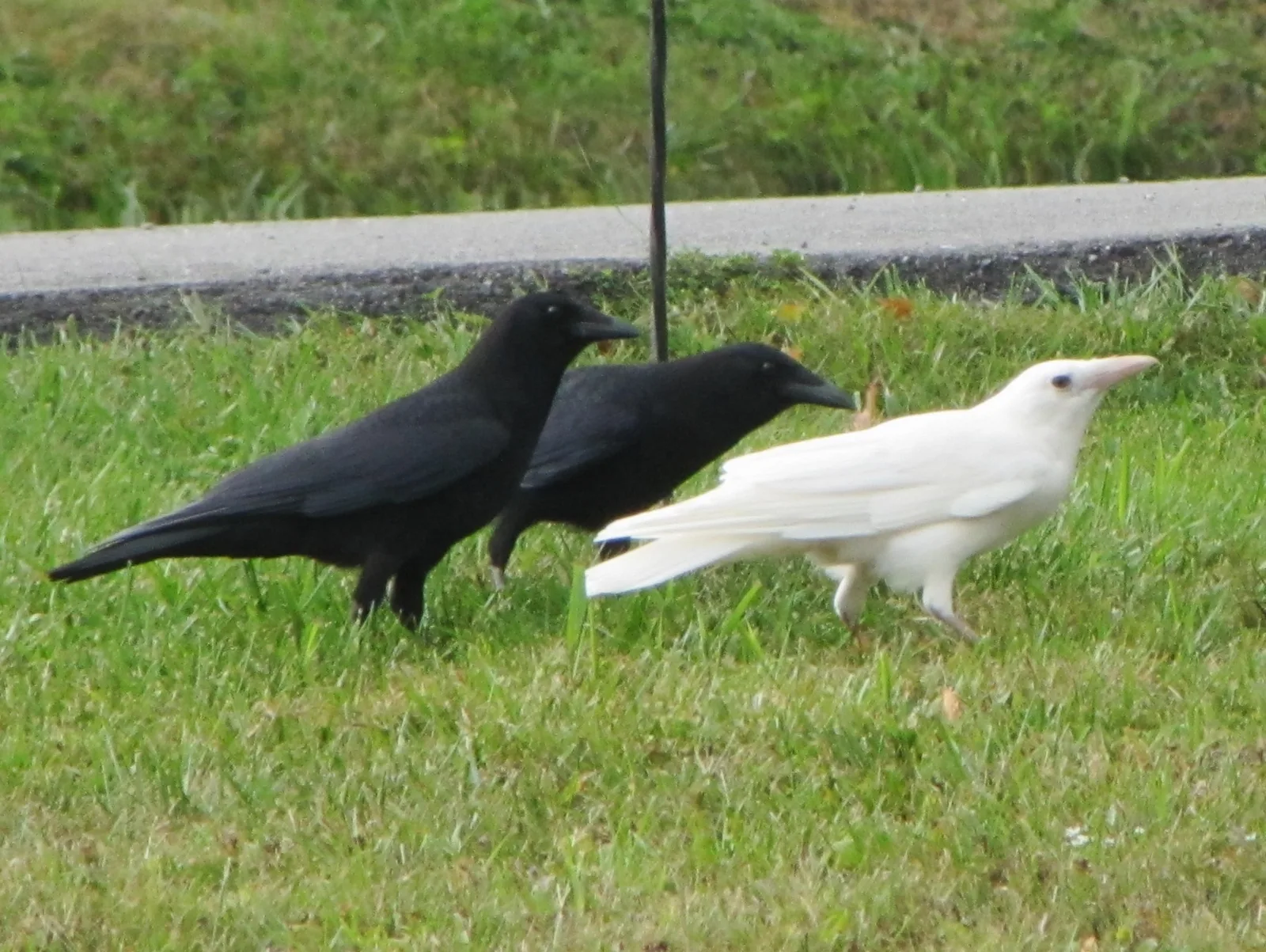
American crow
A black bird that remembers faces and holds a grudge
Corvus brachyrhynchos
Also called Common crow, Northwestern crow, Eastern crow
Living individuals or members of this group exist today. This does not mean they are safe from extinction.
Meet the american crow
The American crow is a large all-black bird of farms, woods and city streets across North America. It lives in families that raise young together, and it ranks among the cleverest birds alive.
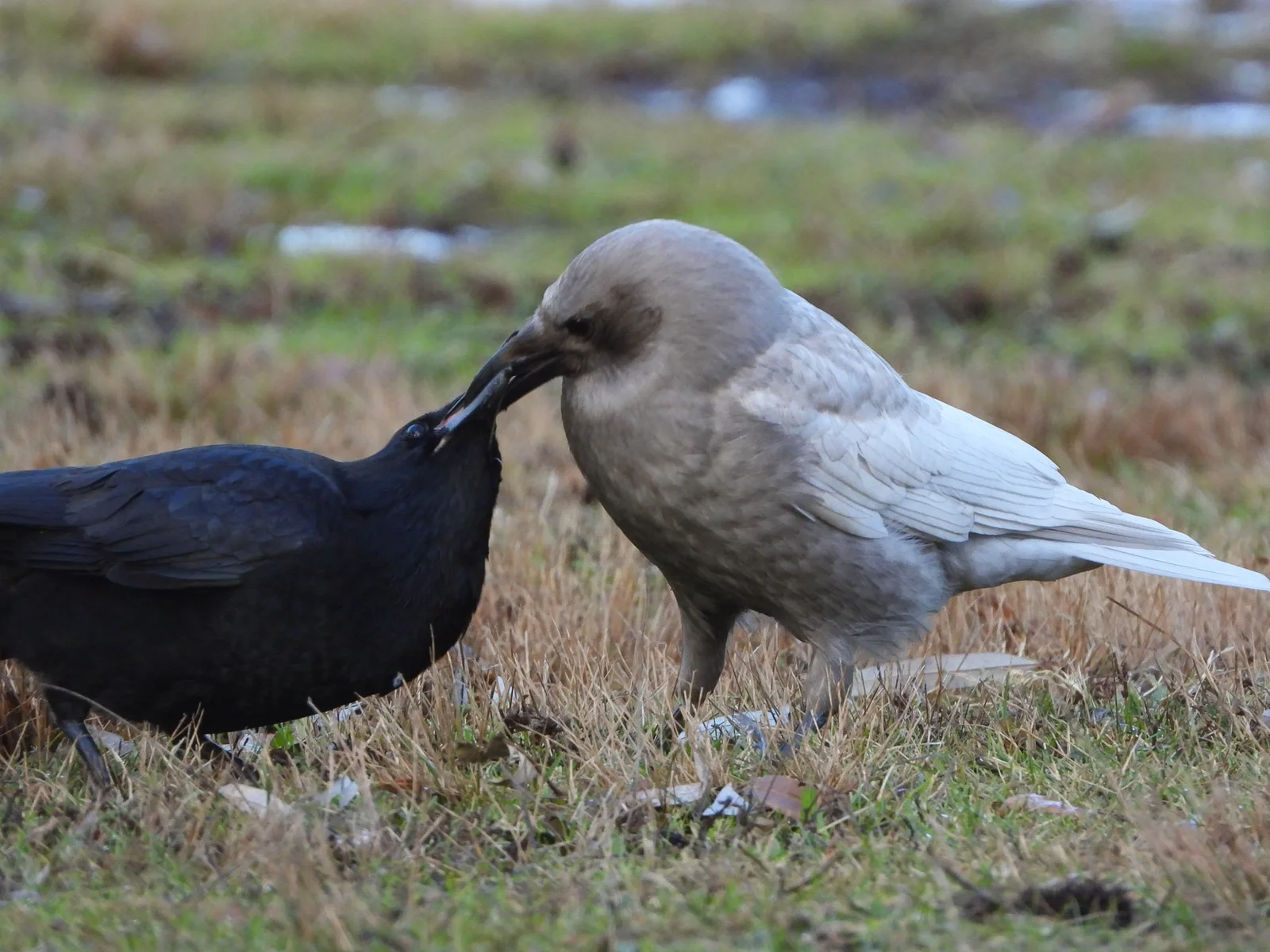
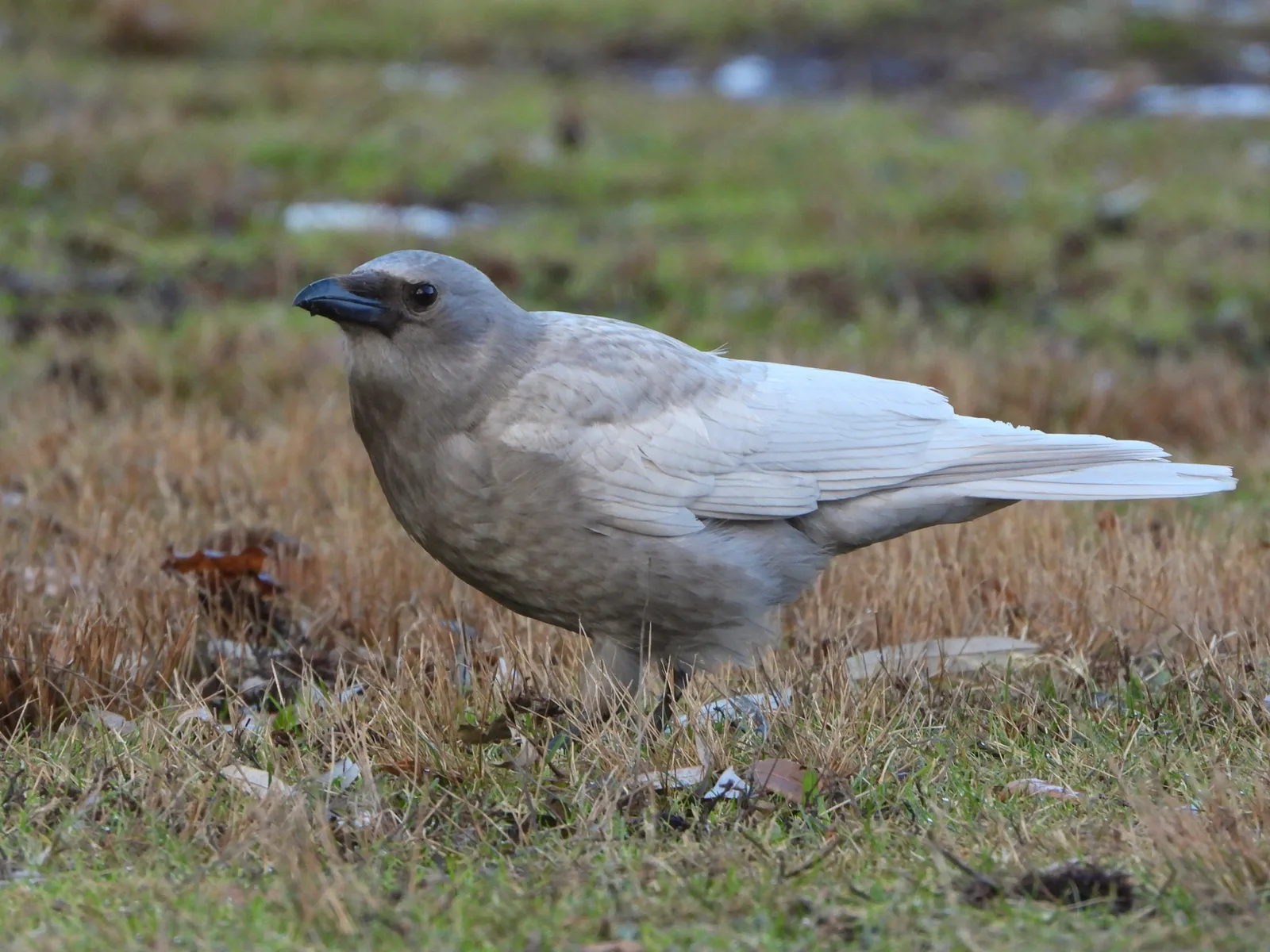
Images of the american crow
Lifespan in the wild
7 to 8 years the average in the wild is 7 to 8 years; the oldest banded wild bird was 14 years and 7 months, and AnAge gives a maximum of 20
Weight
316 to 620 g
Length
40 to 53 cm
Wingspan
0.85 to 1 m
Fact file
American crow
- Location
- Canada, the United States and northern Mexico
- Habitat
- Temperate forest, Grassland, Towns and cities, Coast
- Diet
- Omnivore
- Prey / food
- Insects, worms, snails, mice, frogs, young rabbits, eggs and nestlings
- Predators
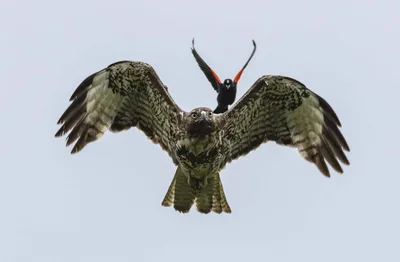
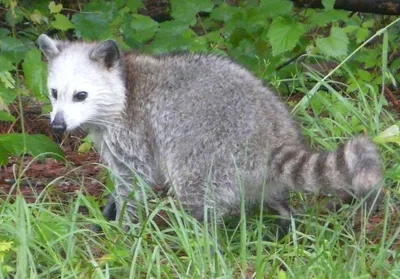
- Great horned owls, red-tailed hawks, eagles, raccoons, snakes
- Lifestyle
- Diurnal, social and partly migratory
- Group name
- Murder
- Name of young
- Nestling
- Incubation
- Incubation about 18 days
- Clutch size
- 3 to 6 eggs
- Population
- About 31 million
- Biggest threat
- West Nile virus and shooting
- Distinctive feature
- All-black plumage with a fan-shaped tail
- Colour
- Glossy black with an iridescent sheen
- Skin type
- Feathers
Size
Next to a person
Measurements
Size and speed
- Length
- 40 to 53 cm the tail makes up about 40% of it
- Wingspan
- 0.85 to 1 m
- Tail
- 13.5 to 19 cm
- Weight
- 316 to 620 g 316 to 620 grams; ADW gives an average of 450 g
Typical adult ranges. Source: Wikipedia.
Life cycle
Lifespan
- In the wild7 to 8, up to 20 years the average in the wild is 7 to 8 years; the oldest banded wild bird was 14 years and 7 months, and AnAge gives a maximum of 20
- In captivityUp to 30 years
- 030 years
The pale bar is the record. Source: Wikipedia.
Appearance
Colour and coat
- Primary colours
- black
- Skin type
- feathers
- Male and female
- Very slight. Males average a little larger than females, but the two look identical in the field.
Life cycle
Mating and family
- Mating system
- socially monogamous pairs
- Social structure
- extended families of up to 15 birds, and winter roosts of thousands
- Breeding
- one brood a year, from February to June
A pair builds a bulky stick nest high in a tree, most often an oak. The female lays three to six eggs and sits on them for about 18 days while her mate feeds her. The young leave the nest about 35 days after hatching. Both parents and the older siblings feed them through the summer. Birds can breed at two years old, but most wait until four or five.
Classification
Taxonomy
- Kingdom
- Animalia
- Phylum
- Chordata
- Class
- Aves
- Order
- Passeriformes
- Family
- Corvidae
- Genus
- Corvus
- Species
- Corvus brachyrhynchos
Conservation
Red List status
- LC
- NT
- VU
- EN
- CR
- EW
- EX
Least Concern on the IUCN Red List
Range
Recorded in 2 countries
Habitat layer: temperate broadleaf and mixed forest, temperate conifer forest, boreal forest and taiga, tropical grassland, savanna and shrubland, temperate grassland, savanna and shrubland, mangrove.
Countries from 130,778 wild records on GBIF (iNaturalist research grade), filtered and checked by hand. Country shapes: Natural Earth. Habitat: RESOLVE Ecoregions 2017, CC BY 4.0. Basemap: Natural Earth.
Habitats
Three things to know
- 1
About 31 million American crows live in North America.
- 2
Crows recognise individual people and remember a face for years.
- 3
Winter roosts can gather hundreds of thousands of crows in one stand of trees.
Did you know
Seven more facts
- 1
West Nile virus may have cut the species by as much as 45% since 1999.
- 2
Crows solve problems with the pallium, a part of the brain that mammals lack.
- 3
Older siblings stay home to help feed the next brood.
- 4
A crow lets ants run through its feathers, a habit called anting.
- 5
Females proved better than males at using tools in a 2023 study.
- 6
Males and females sing the same songs, which is rare in songbirds.
- 7
The northwestern crow lost its species status in 2020 and became a regional form.
Field notes
How it looks and acts
Field notes
Distinguishing features
- Glossy black plumage, bill, legs and feet.
- A body length of 40 to 53 cm and a wingspan of 85 to 100 cm.
- A fan-shaped tail, not the wedge of a raven.
- Steady flapping flight, with very little gliding.
- Stiff bristles over the nostrils.
- A smooth throat while calling, unlike the puffed throat of a fish crow.
Field notes
Unique adaptations
- A general diet that lets the bird live anywhere people do.
- A memory for faces that probably helps it avoid people who have harmed it.
- Food caches spread over many hiding places rather than one store.
- The habit of dropping hard food from height to break it.
- Family helpers that may raise the number of young a territory can support.
Field notes
Interesting behaviours
- Mobbing an owl or a hawk in a noisy group.
- Gathering in winter roosts of tens of thousands of birds.
- Anting, which means letting ants swarm through the feathers.
- Caching meat and nuts under leaves and in tree crevices.
- Playing, including sliding down a slope on a piece of bark.
Field notes
Temperament
- Wary of people, and warier still in cities.
- Bold against much larger birds when the family mobs together.
- Curious, and quick to test a new object or a new food.
- Loyal to family, with grown young staying home for years.
Field notes
Communication
- A loud repeated caw given with a bobbing head.
- Short sharp caws that raise the alarm.
- Doubled caws that call the family to an intruder.
- Soft coos and bows exchanged inside the family.
- Mimicry of other animals, including barred owls.
Ecology
Ecological role
The American crow is a generalist that scavenges, hunts small animals and spreads the seeds of the fruit it eats.
- It clears carcasses from roadsides and speeds their breakdown.
- It spreads seeds through the fruit it eats and the nuts it buries.
- It preys on eggs and chicks, taking them from smaller songbirds and from game birds.
- It removes insect pests from farmland, which may offset the grain it takes.
Stories
Myths and legends
- In Western tradition, the crow stands for death, theft and bad luck.
- In Hopi tradition, a Crow Mother figure appears among the spirits.
- In Lenni Lenape tradition, a bird called the Rainbow Crow brings fire down for people.
- In Plains tradition, the crow's feathers turned black through its bond with the buffalo.
- In Gros Ventre tradition, the crow alone survived the great flood.
People
Relationship with humans
People
Living alongside us
The American crow lives beside people across North America. It feeds at landfills, in gardens and along roads, and large roosts near houses cause complaints. Farmers count it a pest of orchards and cornfields, though it also eats insect pests. States have hunted and poisoned crows for a century with little effect. Keeping one is illegal under federal law.
- A crow may dive at a person who comes near its nest, but it rarely makes contact.
- Crows cannot pass West Nile virus directly to a person.
- A large roost leaves droppings that raise concerns about mess and disease.
People
Status, uses and products
- Domestication
- Wild
- As a pet
- Not suitable. Keeping an American crow is illegal under the Migratory Bird Treaty Act. The bird is loud, needs a family and a wide territory, and lives for many years. Hand-reared crows copy human speech, which has tempted people despite the law.
- Uses
- sport huntingWest Nile virus surveillance
- Products
- None recorded
The full account
About the american crow
The American crow is a large all-black songbird of North America. Every feather, and the bill, legs and feet as well, are black. The plumage carries a faint metallic sheen in good light. An adult measures 40 to 53 centimetres long, and the tail takes about 40% of that. The wings span 85 to 100 cm, and the bird weighs 316 to 620 grams.
The species lives in farmland, woodland edges, parks and city streets. It is missing only from the tundra. It eats almost anything, from beetles and worms to nuts, eggs, grain and roadkill. Families stay together for years, and older young help to raise the next brood. BirdLife International put the population at 31 million in 2012. The IUCN lists the species as Least Concern.
Name and taxonomy
Christian Ludwig Brehm described the American crow in 1822. The name Corvus brachyrhynchos means short-billed crow. It joins two Greek words, one for short and one for a bill. The International Ornithologists' Union settled on American crow as the official English name. Three to five subspecies are recognised, and the count depends on the authority.
The races differ mostly in the size and shape of the bill. Birds grow larger towards the northeast and smaller in the far west and the south. The eastern crow is the largest, and the southern crow is small with a small bill. The Florida crow is mid-sized, with short wings but a long bill and long legs. The northwestern crow was treated as its own species until 2020. The American Ornithological Society then folded it into this species as a regional form.
Evolution and relatives
The American crow belongs to the Corvidae, the family of crows, ravens, jays and magpies. A study of the genus Corvus in 2012 dated its split from the Old World crows. It parted from the line of the carrion, hooded and collared crows about 5 million years ago. It fills in North America the place that the carrion crow fills in Europe. The two birds probably live much the same way in much the same country.
The common raven is the confusing relative in the field. A raven is much larger, hoarser, and carries a heavier, curved bill. In flight the raven shows a wedge-shaped tail and a bigger head. A raven soars for long stretches, while a crow rarely glides more than a few seconds. The fish crow is harder still, and the two look almost identical. A fish crow puffs out its throat feathers when it calls, and the American crow does not.
Appearance
The bird is glossy black over the whole body. The legs and toes are strong, and stiff bristles cover the nostrils. The bill is black with a slight hook at the tip. It measures 3 to 5.5 cm, and the length varies a great deal by region. The body length runs 40 to 53 cm and the wingspan 85 to 100 cm. The tail measures 13.5 to 19 cm and the weight 316 to 620 g.
Males run slightly larger than females, by about a fifth in some measures. Otherwise the sexes look the same. A young crow is nearly adult size but has blue eyes and a pink mouth. Both darken as the bird matures. Its tail feathers end in points rather than the broad flat tips of an adult. Its first-winter wing and tail feathers wear brown and ragged before the first moult.
Habitat and range
The range stretches from the Pacific to the Atlantic across Canada. It runs south through the whole United States and into northern Mexico. Birds also reach the French islands of Saint-Pierre and Miquelon. Bermuda has recorded the species since 1876. Only tundra lies outside the range. GBIF holds occurrence records from 7 countries and territories.
The bird takes open country with trees close by. Farmland and grassland give it ground to forage over. Woodlots and forest edges give it places to nest and roost. It also thrives in suburbs, city parks and along the coast. Tree planting and fire control on the Great Plains let the crow spread west over the last century. Most United States birds stay put, while Canadian birds move south for the winter.
Diet and feeding
The American crow eats almost anything it can handle. In the breeding season it takes insects, larvae, worms, fruit, grain and nuts. It hunts mice, frogs and young rabbits, and it raids the nests of smaller birds. It scavenges roadkill, rubbish and stranded fish on a shore. In autumn and winter it turns more to acorns, walnuts and other nuts. Maize and wheat are favourites wherever a field offers them.
The bird forages mostly on foot, walking the ground or a branch and picking items up. A few birds work a small area, or a flock spreads across a large one. A crow holds a nut under one foot and hammers it open with the bill. It carries a walnut or a clam into the air and drops it onto rock or road. It hides meat and nuts in many small caches rather than one store. A cache sits in a tree crevice or on the ground under leaves.
The species is one of the few birds seen to modify and use a tool for food. A 2023 study found females better at the task than males. Crows also steal, and they work together to do it. One group robbed a river otter, with a bird pecking its tail while the others took the fish. Farmers long counted the crow a pest of orchards and cornfields. The insects it removes may pay back much of the damage it does.
Behaviour and social life
Crows are cooperative breeders and live in extended families. A family can hold up to 15 birds from several seasons and stay together for years. Young from an earlier brood stay on to help feed the next one. Every member of the family joins in driving predators off the territory. Family members preen each other, which keeps the bonds strong. A third kind of group is the floater flock, of up to 50 unpaired birds.
Outside the nesting season the birds gather to sleep in huge communal roosts. Roosting builds through autumn and peaks in midwinter. Tens of thousands, and sometimes far more, assemble in tall trees in the late afternoon. The flock often shifts to a final site at nightfall. Some birds still hold their territory through the winter and commute to the roost. Crows also mob a hawk or an owl together, calling harshly as they chase it.
The species ranks among the cleverest birds. Its brain weighs as much against its body as a human brain does. Studies point to self-awareness, and young birds learn from patient parents. A crow uses the pallium of its brain where a mammal uses the neocortex. Crows remember and identify individual people by appearance. They also play, and one bird was seen sliding down a roof on a piece of bark.
Communication and senses
The familiar call is a loud, hard caw repeated three or four times. The bird throws its head up and down as it delivers the call. Males and females use the same songs, which is unusual among songbirds. A short sharp caw serves as an alarm. A longer caw defends the territory, and neighbours answer each other in patterns. A doubled caw calls the family to deal with an intruder.
Much of the repertoire is quiet and little known. Soft musical coos pass between family members, with a bow of the head. Birds kept together come to coo alike, which may explain why pet crows copy speech. Crows also produce several kinds of rattle. A young bird gargles, and the sound turns into adult calls over time. A yearling rambles through long runs of different rhythms.
The species copies other sounds as well. Wild birds have imitated other animals, including barred owls. Harsh cawing accompanies the mobbing of a predator. Pairs and families sometimes caw in chorus. Sharp eyesight probably guides the bird to food and lets it know a human face.
Reproduction and life cycle
The pair is socially monogamous and holds one territory. Breeding runs from February through June. Some birds sit on eggs by early April. Both sexes build a bulky basket of sticks, twigs and strips of bark. The nest usually sits high in a sturdy tree, and oaks are the commonest choice. Nests in bushes are unusual, and nests on the ground are very rare.
A clutch holds three to six eggs, dull blue-green or grey-green with brown blotches. The female sits for about 18 days while her mate brings her food. She begs from him at the nest like a chick. The young leave the nest about 35 days after they hatch. Both parents feed them, and older siblings help. Fledglings stay clumsy for weeks and are guarded through the summer.
A pair raises one brood a year and may try again if an early nest fails. Birds reach breeding age at two years old. Most do not leave home to breed until four or five. The average life in the wild is 7 to 8 years. The oldest banded wild bird reached 14 years and 7 months, and AnAge gives a maximum of 20. Captive crows have lived up to 30 years.
Predators and threats
Most losses happen at the nest. Snakes, raccoons, ravens and domestic cats take the eggs and the nestlings. Great horned owls, red-tailed hawks and peregrine falcons kill adults. Both North American eagles do so too. A careless bird at carrion may fall to a coyote or a bobcat, though that is rare.
West Nile virus is the heaviest blow the species has taken. The virus reached North America in 1999 and spread through mosquitoes. Crows die from it more readily than most birds. A local population can lose up to 72% of its birds in one season. The species may have fallen by as much as 45% since 1999. Because the birds die so fast, health services watch them to track the virus.
Population and conservation
BirdLife International estimated 31 million American crows in 2012. The IUCN Red List places the species in Least Concern. The wide range and large numbers keep it far from danger. iNaturalist holds 218,861 observations of the bird. Suburban growth appears to suit the species, and numbers there may still be rising.
People have killed crows in enormous numbers. Between the 1900s and the 1950s, state campaigns dynamited whole roosts. One programme in Oklahoma destroyed 3.8 million birds between 1934 and 1945. The population barely moved, and crop damage did not fall, so the work stopped. A study of bands recovered from 1917 to 1999 found deliberate killing behind 68% of deaths. Canada gives the crow no protection outside Quebec, which bars hunting in the nesting season.
Relationship with humans
Few wild birds sit as close to daily human life as this one. Crows follow rubbish, feed at landfills and scatter what they cannot eat. A large roost near houses brings noise, mess and worry about disease. Flocks in orchards and cornfields do real damage to a crop. The true cost to farming is poorly measured.
Farmers have tried many ways to move crows on. Netting protects a high-value crop but costs too much for most fields. Scaring works for a while, with guns, kites shaped like hawks and recorded distress calls. Reflective tape on a fence and a plastic owl that turns in the wind do the same job. Crows learn to avoid a bait that has made them ill. Some scientists argue that the birds help farmers by eating pests and chasing hawks off stock.
Crows cannot pass West Nile virus straight to a person. Hunting rules differ from state to state. New Jersey allows a short season, and Oklahoma permits shooting even while the birds nest. Keeping a crow is illegal under the Migratory Bird Treaty Act, though people still do it. Hand-reared birds learn to copy human speech.
In culture and myth
Western tradition links crows with death, graveyards, theft and ill fortune. The habit of feeding at carrion sits behind much of that. The loud calls and the black plumage probably add to it. Aesop put the bird in two well-known fables. In The Crow and the Pitcher a thirsty crow drops stones in to raise the water. In The Fox and the Crow a flatterer talks a crow out of its cheese.
Native American traditions read the bird very differently. Many nations treat a crow sighting as a piece of good fortune. The stories dwell on its cleverness rather than on death. Crow clans exist among the Chippewa, Hopi, Menominee, Caddo, Tlingit and Pueblo peoples. Hopi tradition holds a Crow Mother figure. A Lenni Lenape story sends the Rainbow Crow to fetch fire for the people.
Plains stories tell how the crow gained black feathers through its bond with the buffalo. In a Chippewa story, children who will not obey become crows. A Gros Ventre story leaves the crow as the one animal to survive the great flood. Some nations treat crow and raven as one figure, while others keep them apart. Neopagan writers tie the bird to gods such as Apollo and Odin.
A sentence with a dotted underline is inferred: it describes the group the animal belongs to, or is a reading of the sources, rather than a measured or reported fact about this species.
Questions
American crow questions, answered
How smart are crows?
Very. The brain is as heavy against the body as a human brain is. Crows use tools, solve problems and remember individual people.
Do crows remember faces?
Yes. They recognise and identify people by appearance, and the memory lasts. A bird that has been harassed will avoid that person.
What is the difference between a crow and a raven?
A raven is much larger, with a heavier curved bill and a hoarser voice. Its tail is wedge-shaped, and it soars for long stretches. A crow flaps almost all the time.
What do American crows eat?
Almost anything: insects, worms, seeds, grain, fruit and nuts, plus mice, frogs, eggs, nestlings, rubbish and roadkill. Nuts and acorns matter most in autumn and winter.
How long do American crows live?
The wild average is 7 to 8 years. The oldest banded wild bird reached 14 years and 7 months. Captive birds have lived up to 30 years.
How big is an American crow?
It measures 40 to 53 centimetres long, with a wingspan of 85 to 100 cm. The weight runs from 316 to 620 grams.
Why do crows gather in huge flocks at night?
They roost together for the winter, from autumn through midwinter. Tens of thousands of birds may sleep in one stand of trees. Some birds still hold a territory by day.
Are crows endangered?
No. BirdLife International counted about 31 million in 2012, and the IUCN lists the species as Least Concern. West Nile virus cut numbers sharply after 1999.
Why do crows attack hawks and owls?
This is mobbing. The family calls harshly and chases the predator until it leaves the territory. It protects eggs and young.
Do crows help raise each other's young?
Yes. Young from an earlier season stay with the family and feed the new nestlings. A family can hold up to 15 birds.
How many eggs does an American crow lay?
Three to six, dull blue-green or grey-green with brown blotches. The female sits for about 18 days. The chicks fly roughly 35 days after they hatch.
Can I keep a crow as a pet?
No. The Migratory Bird Treaty Act makes it illegal in the United States. The birds are loud, long-lived and need a family of their own kind.
Do crows carry West Nile virus?
Crows catch the virus and die from it in large numbers. They cannot pass it directly to a person. Mosquitoes carry it between hosts.
Are crows bad for farms?
Flocks damage orchards and cornfields, and the birds have been hunted as pests for a century. They also eat insect pests and chase hawks off livestock. The overall effect is poorly measured.
What is a group of crows called?
A murder, in the old collective term. Biologists simply call a winter gathering a roost or a flock.
Why are crows a symbol of bad luck?
Western tradition ties them to carrion, graveyards and theft. Many Native American nations read the bird the other way and count a sighting as good luck.
Food web
Prey and food
- insects
- worms
- snails
- mice
- frogs
- rabbits
- eggs
- nestlings
Food web
Predators
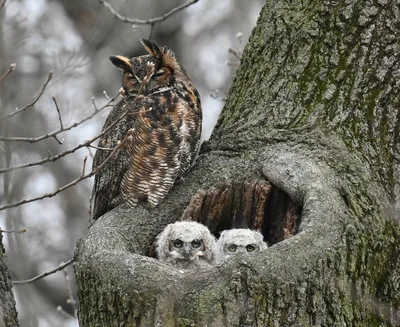 Great horned owl
 Red-tailed hawk
- eagles
 Raccoon
- snakes
Ecological equivalents
Related species on this site
Carrion crow (same genus), Common raven (same genus), Hawaiian Crow (same genus), Rook (same genus), Blue jay (same family), Common Green Magpie (same family), and more.
 LC
Birds
Carrion crow
Corvus corone
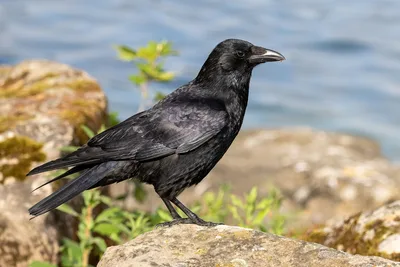
The carrion crow is an all-black crow of western Europe and eastern Asia with a heavy bill and a harsh croak.
Living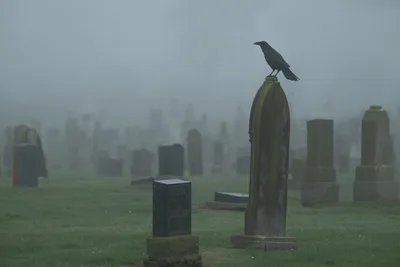 LC
Birds
Common raven
Corvus corax
The common raven is a large black crow that lives right across the northern half of the world.
Living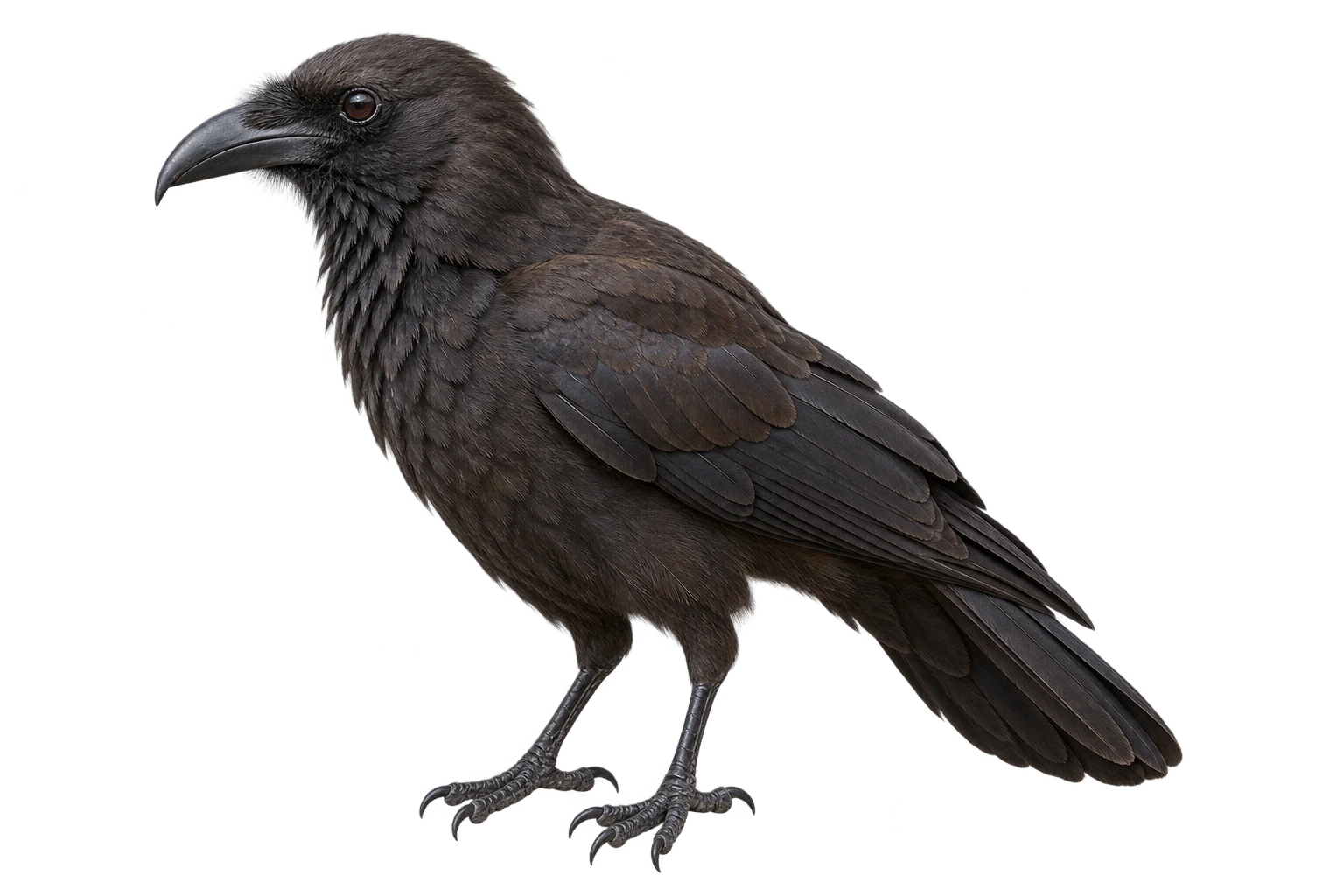
Birds
Hawaiian Crow
Corvus hawaiiensis
Classification and source reference
LivingAI illustration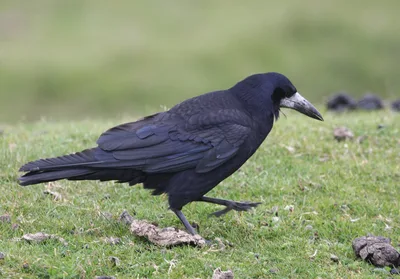 LC
Birds
Rook
Corvus frugilegus
The rook is a large black crow of European and Asian farmland, known by the bare pale skin around the base of its bill.
Living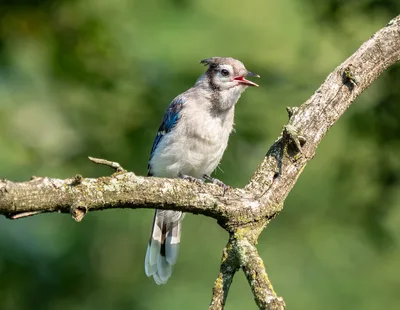 LC
Birds
Blue jay
Cyanocitta cristata
The blue jay is a loud blue songbird of the crow family, native to eastern and central North America.
Living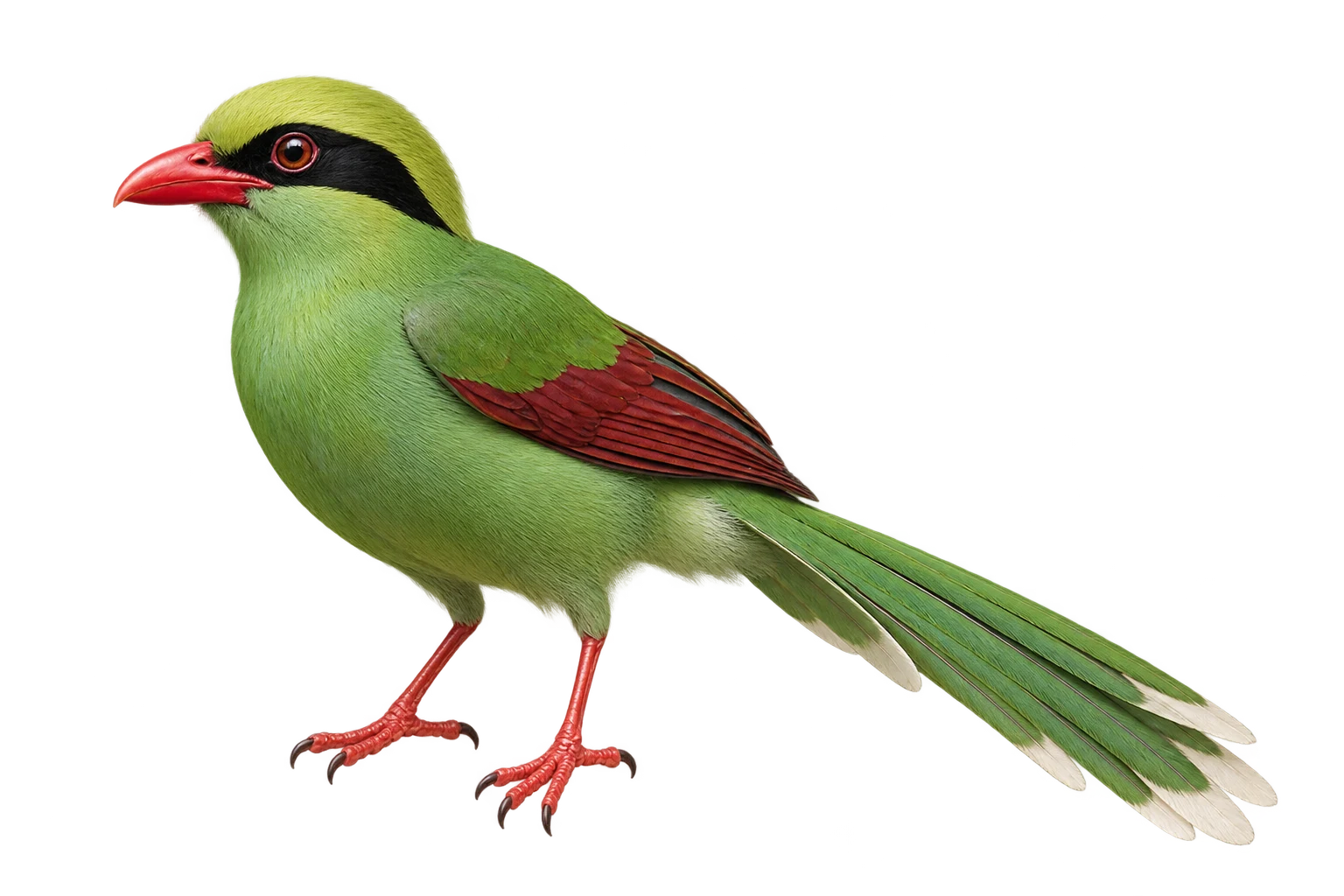
Birds
Common Green Magpie
Cissa chinensis
Classification and source reference
LivingAI illustration