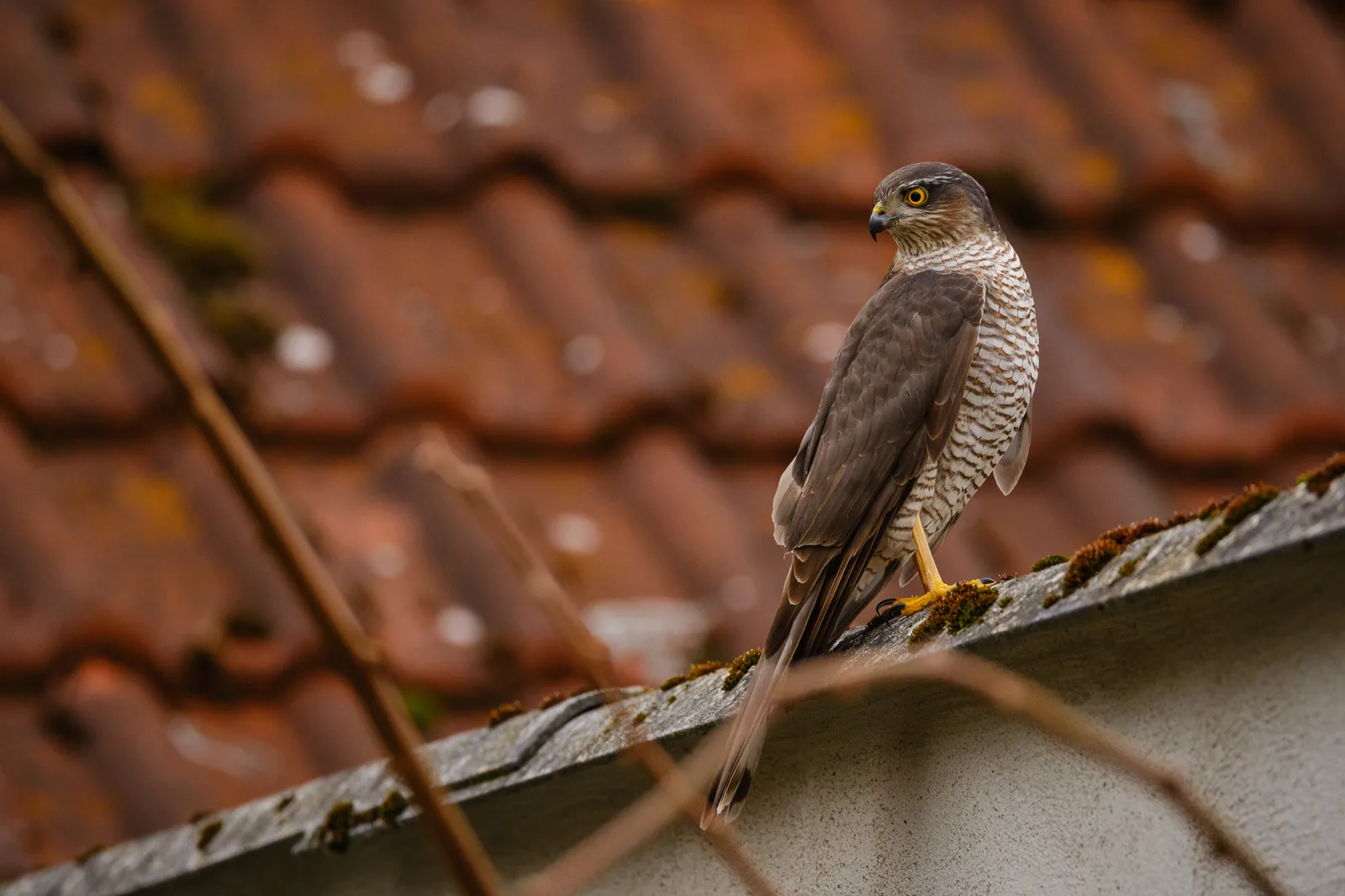
Eurasian sparrowhawk
A garden ambusher built for a chase through branches
Accipiter nisus
Also called Northern sparrowhawk, European sparrowhawk, Sparrowhawk, Blue hawk, Musket
Living individuals or members of this group exist today. This does not mean they are safe from extinction.
Meet the eurasian sparrowhawk
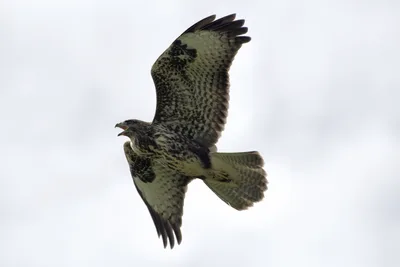
The Eurasian sparrowhawk is a small hawk that hunts other birds by ambush. The female is far bigger than the male, and the pair takes prey of very different sizes.
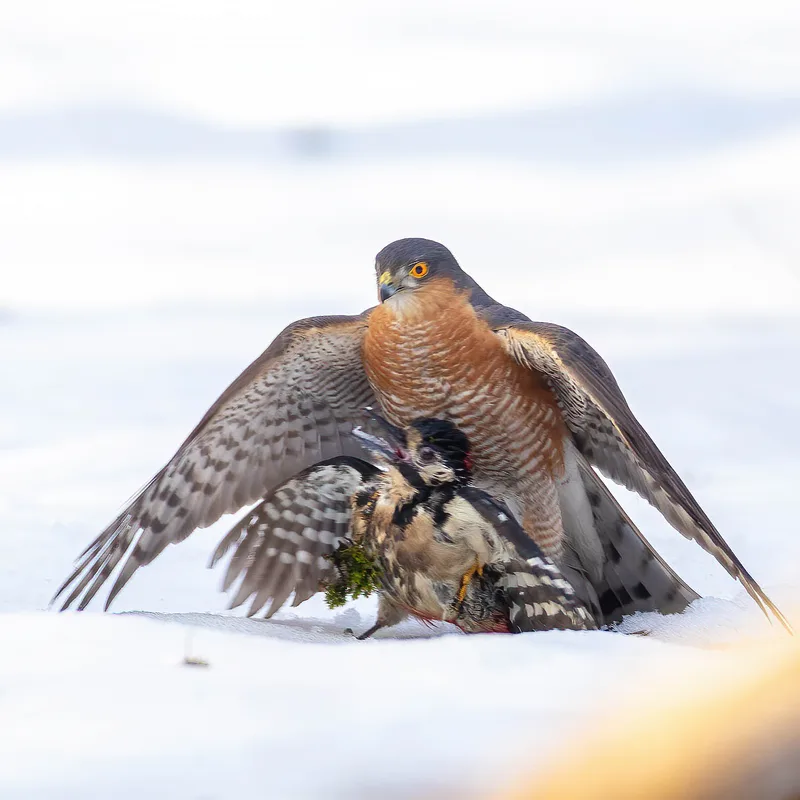
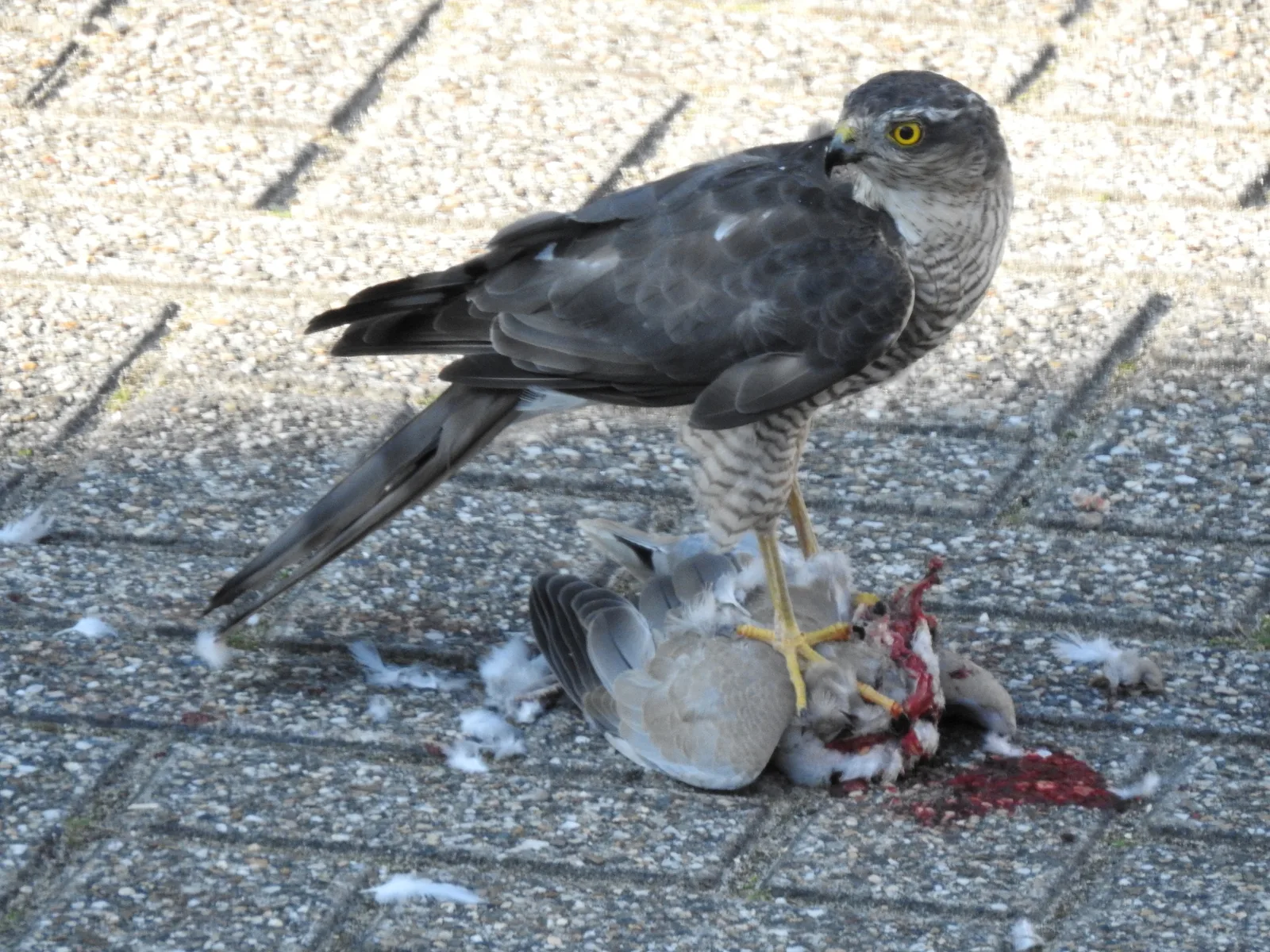
Images of the eurasian sparrowhawk
Lifespan in the wild
About 4 years the oldest ringed bird was found dead in Denmark after 20 years
Weight
110 to 342 g
Length
29 to 41 cm
Wingspan
59 to 80 cm
Fact file
Eurasian sparrowhawk
- Location
- Europe, temperate Asia and North Africa
- Habitat
- Temperate forest, Towns and cities
- Diet
- Carnivore
- Prey / food
- House sparrow, great tit, common blackbird, common starling, wood pigeon, vole
- Predators
- Northern goshawk, tawny owl, eagle owl, peregrine falcon, red fox, pine marten
- Lifestyle
- Solitary ambush hunter, active by day
- Group name
- A breeding pair; otherwise solitary
- Name of young
- Chick
- Incubation
- Incubation about 33 days
- Clutch size
- 4 or 5 eggs
- Population
- About 1.5 million birds worldwide
- Biggest threat
- Shooting, and formerly pesticide poisoning
- Distinctive feature
- Short rounded wings, a long square tail and yellow eyes
- Colour
- Male slate grey above with orange bars below; female brown and barred
- Skin type
- Feathers
Size
Next to a person
Measurements
Size and speed
- Length
- 29 to 41 cm males 29 to 34 cm, females 35 to 41 cm
- Length, male
- 29 to 34 cm
- Length, female
- 35 to 41 cm
- Wingspan
- 59 to 80 cm males 59 to 64 cm, females 67 to 80 cm
- Wingspan, male
- 59 to 64 cm
- Wingspan, female
- 67 to 80 cm
- Weight
- 110 to 342 g 110 to 342 grams across both sexes
- Weight, male
- 110 to 196 g
- Weight, female
- 185 to 342 g
Typical adult ranges. Sources: Animal Diversity Web, Wikipedia.
Life cycle
Lifespan
- In the wildAbout 4, up to 20.2 years the oldest ringed bird was found dead in Denmark after 20 years
- 020.2 years
The pale bar is the record. Source: AnAge.
Appearance
Colour and coat
- Primary colours
- greybrown
- Secondary colours
- orangewhite
- Skin type
- feathers
- Male and female
- Strong, and among the strongest in any bird. The female is up to a quarter longer than the male and about twice his weight. He is slate grey above with orange bars below, and she is brown above with brown bars.
Life cycle
Mating and family
- Mating system
- monogamous pairs for a season, sometimes longer
- Social structure
- solitary outside the breeding season
- Breeding
- one clutch a year, from mid-April onward
The male builds a twig platform in a wood and feeds the female for weeks before she lays. She lays four or five pale blue eggs with brown spots, two or three days apart. The chicks hatch after 33 days, and she broods them while he hunts for the whole family. The young fly 24 to 28 days after hatching and are fed for a month more. Most birds breed for the first time between one and three years old.
Classification
Taxonomy
- Kingdom
- Animalia
- Phylum
- Chordata
- Class
- Aves
- Order
- Accipitriformes
- Family
- Accipitridae
- Genus
- Accipiter
- Species
- Accipiter nisus
Conservation
Red List status
- LC
- NT
- VU
- EN
- CR
- EW
- EX
Least Concern on the IUCN Red List
Range
Recorded in 29 countries
- Austria
- Belgium
- Switzerland
- People's Republic of China
- Czech Republic
- Germany
- Denmark
- Spain
- Finland
- France
- United Kingdom
- Greece
- Hungary
- Israel
- India
- Italy
- Japan
- South Korea
- Kazakhstan
- Luxembourg
- Netherlands
- Norway
- Poland
- Portugal
- Romania
- Russia
- Sweden
- Turkey
- Ukraine
Habitat layer: temperate broadleaf and mixed forest, temperate conifer forest, boreal forest and taiga.
Countries from 34,718 wild records on GBIF (iNaturalist research grade), filtered and checked by hand. Country shapes: Natural Earth. Habitat: RESOLVE Ecoregions 2017, CC BY 4.0. Basemap: Natural Earth.
Habitats
Three things to know
- 1
The female can be a quarter longer than the male and about twice his weight.
- 2
Only about one hunting attack in ten ends with a kill.
- 3
Falconers call the male a musket, and the firearm took its name from the bird.
Did you know
Seven more facts
- 1
A middle toe with a bump underneath lets the foot close with no gap, so prey cannot slip out.
- 2
Sparrowhawks in northern Britain have slightly longer wings than birds in the south.
- 3
A hawk coughs up pellets of 25 to 35 mm long, made mostly of small feathers.
- 4
A bird infected with a blood parasite is 25 times more likely to be caught.
- 5
Male hawks feed their mate for weeks before she lays, and her weight decides the clutch.
- 6
The RSPB found that a hawk's arrival is often given away by the alarm calls of its prey.
- 7
In 17th century England, priests flew sparrowhawks because the bird matched their low rank.
Field notes
How it looks and acts
Field notes
Distinguishing features
- Short rounded wings and a long tail with a square end.
- Yellow to orange eyes, bare yellow legs and long thin toes.
- A male with a slate-grey back and fine orange bars across the breast.
- A female that is brown above, barred below, and has a pale spot on the nape.
- A female wingspan of 67 to 80 cm against 59 to 64 cm in the male.
- A flap and glide flight that draws a wavy line low across a field.
Field notes
Unique adaptations
- Blunt wings that fit through a gap in a hedge or a fence.
- A long square tail that works as a brake and rudder in a tight turn.
- Long legs that hold a struggling bird away from the hawk's body.
- Countershading that breaks up the outline of a bird seen from below.
- A body of 110 to 342 g, light enough to accelerate from a standing perch.
Field notes
Interesting behaviours
- Waiting hidden in cover until a small bird comes within a few metres.
- Flipping upside down in a chase to take prey from below.
- Chasing prey on foot into a bush or a hedge.
- Plucking prey on a favourite log or stump about 30 m from the nest.
- Performing a diving sky dance above the wood in spring.
Field notes
Temperament
- Secretive and solitary for most of the year.
- Bold at the nest, where a female will drive off a goshawk.
- Nervous in captivity, and falconers call it one of the hardest hawks to train.
- Tolerant of towns, and it will hunt between houses and parked cars.
Field notes
Communication
- A shrill cackling call near the nest, faster when a rival appears.
- A soft note between the pair when the male delivers food.
- A distinctive female call that asks the male for a delivery.
- Loud begging by fledged young, audible far from the nest.
- A diving and circling display flight by the male in spring.
Ecology
Ecological role
The sparrowhawk is the main daytime hunter of small woodland and garden birds across Europe and northern Asia.
- It kills a third of all young great tits in some woods.
- It takes sick birds more often, because a parasite slows a bird down.
- Its presence lowers adult survival in blue tits without lowering the breeding population.
- It carries blood parasites such as Leucocytozoon toddi, which pass from parent to chick.
Stories
Myths and legends
- In Greek tradition, King Nisus of Megara became a sparrowhawk after his daughter betrayed him.
- In Old Bohemian song, holy sparrowhawks sit in a grove of the gods and name a murderer.
- In South Slavic tradition, the bird's name comes from a word for doom, and its flight is an omen.
- In English folk belief, the cuckoo turned into a sparrowhawk once the summer ended.
- In Teutonic tradition the sparrowhawk also appears, and English families carried the name Spearhafoc.
People
Relationship with humans
People
Living alongside us
The sparrowhawk has hunted beside people for as long as people have kept birds. Gamekeepers shot it, pigeon fanciers still blame it, and falconers have flown it since the sixteenth century. Farm pesticides nearly removed it from parts of Europe in the twentieth century. It now nests in city parks and takes birds from garden feeders. Research keeps finding that it does not drive songbird declines.
- The bird weighs less than half a kilogram and has never been a danger to people.
- A female defends her nest and may stoop close to an intruder who climbs the tree.
- The real conflict is with poultry keepers, pigeon fanciers and gamekeepers.
People
Status, uses and products
- Domestication
- Wild
- As a pet
- Not suitable. No. The species is protected across Europe and needs live birds as food. Falconers rate it one of the hardest hawks to keep, and a beginner is advised to start with another species.
- Uses
- falconrybirdwatchingpollution monitoring
- Products
- None recorded
The full account
About the eurasian sparrowhawk
The Eurasian sparrowhawk is a small hawk of woods, farmland and gardens across the Old World. It lives almost entirely on other birds, which it catches by ambush at low level. The male measures 29 to 34 centimetres long and weighs 110 to 196 grams. The female measures 35 to 41 cm and weighs 185 to 342 g. That gap between the sexes is among the widest known in any bird.
An adult male is slate grey above with fine orange bars below. A female is brown or grey-brown above, barred brown below, and she has yellow eyes. Short rounded wings and a long square tail let the bird turn hard inside a hedge. The species crashed across Europe in the 1950s and 1960s, when farmers dressed seed with organochlorine pesticides. Numbers recovered after the bans, and the IUCN now lists the sparrowhawk as Least Concern.
Name and taxonomy
Carl Linnaeus described the bird in 1758 and placed it in the genus Falco. Mathurin Jacques Brisson moved it to Accipiter in 1760, where it has stayed. The genus holds small and medium woodland hawks, most of them called sparrowhawks or goshawks. Accipiter is simply the Latin for a hawk, and nisus is the Latin name of this bird. The English name goes back to Old English spearhafoc, the hawk that takes sparrows.
Six subspecies are usually accepted, and birds grow larger and paler towards the east. The nominate form breeds from western Europe to western Siberia and Iran. A separate race is resident on Madeira and the Canary Islands, and another on Sardinia and Corsica. It forms a superspecies with the rufous-chested sparrowhawk, a bird of eastern and southern Africa. English country names include blue hawk, hedge hawk, spar hawk and stone falcon.
Evolution and relatives
Accipiter is a large and old genus of forest hawks spread over most of the world. Its members share short wings and long tails, which is the standard build for hunting inside cover. Like other bird-eating hawks, the sparrowhawk shows a large size gap between the sexes. That gap is widest in the raptors that specialise on birds rather than mammals. The Madagascar sparrowhawk may belong to the same close group.
The northern goshawk is the nearest large relative in Europe and hunts the same woods. A female sparrowhawk and a male goshawk overlap in size and confuse many observers. The sparrowhawk is slimmer, shorter in the wing and faster in its wingbeats. The Levant sparrowhawk is a similar size, and the shikra and besra are smaller relatives in Asia. The grey-blue back of the adult male appears in other bird-hunting raptors, including the merlin.
Appearance
An adult male is 29 to 34 cm long with a wingspan of 59 to 64 cm. A female reaches 35 to 41 cm long with a wingspan of 67 to 80 cm. Males weigh 110 to 196 g and females 185 to 342 g. A female can be a quarter larger than her mate and roughly twice as heavy. In Britain, birds in the north are slightly bigger than birds in the south.
The male has a slate-grey back that sometimes looks blue, and rusty bars across the breast. From a distance those bars merge, and the underside looks plain orange. His eyes are orange-yellow or orange-red, and hers are bright yellow to orange. The female is brown above with brown bars below and a pale spot on the nape. A juvenile is warm brown with rusty edges above and coarse bars or spots below.
The wings are short and broad and the tail is long with a square end. Both features are tools for turning tightly between trunks and through gaps in a hedge. The legs are long and thin, and the middle toe is very long for grasping a bird in flight. A lump under that toe closes the gap in the grip, so nothing slips free. The bill is small, because it plucks and tears rather than kills. The dark back and pale front are countershading, which breaks up the outline against the sky.
Habitat and range
The sparrowhawk lives across the temperate and subtropical Old World. Its breeding range is huge, and the world population was put at 1.5 million birds in 2009. It breeds in woodland of almost any kind and prefers conifer or mixed stands. Cover next to open feeding ground is the pattern it looks for, often near a river. Unlike the goshawk, it settles happily in gardens, parks and city squares with tall trees.
Birds from northern Europe and Asia move south for the winter. Some reach north Africa, a few reach equatorial east Africa, and others reach India. Southern birds stay put or wander short distances. Ringing at Kaliningrad showed males moving an average of 1328 km and females 927 km. Juveniles set off before adults, and young females go before young males.
It is now one of the commonest raptors in Europe, beside the kestrel and the buzzard. In Ireland it is the commonest bird of prey, and it nests close to the middle of Dublin. English densities of 10 to 72 pairs for every 100 square kilometres have been measured. The island race granti holds about 100 pairs on Madeira and 200 pairs in the Canaries. iNaturalist carries more than 52554 observations of the species.
Diet and hunting
Small birds make up almost the whole diet, and one study put the share at up to 97 per cent. More than 120 bird species appear in the records, and single hawks often settle on a favourite. Males take tits, finches, sparrows and buntings, mostly under 40 g. Females take thrushes and starlings and can kill a bird of 500 g or more. Voles, shrews, bats, young rabbits and squirrels turn up now and then, and insects almost never.
The method is surprise, not speed over distance. The hawk waits under cover in a hedge, a copse or an orchard until a bird comes close. It then breaks out fast and low and closes the gap before the target reacts. A chase can end with the hawk turning upside down to take a bird from below. It will also follow prey into a bush on foot, or drop on it from a height. Only about one attack in ten succeeds.
Small victims die on impact or in the grip of the two long claws. A larger bird may live through the first seconds and die while the hawk plucks it. The hawk stands on the body, pulls the feathers out and eats the breast muscle first. Bones are usually left, and the bird coughs up a pellet of feather and fragments. A male eats about 40 to 50 g of food a day and a female about 50 to 70 g. Over a year one pair might take 2200 house sparrows, or 600 blackbirds, or 110 wood pigeons.
Behaviour and social life
The sparrowhawk is secretive and spends most of the year alone. It perches upright under cover and moves from perch to perch while it looks for a chance. The flight is a run of quick beats followed by a glide, which gives a wavy line across a field. Birds rise above the trees mainly to display, to look over a territory or to travel. Ian Newton listed seven hunting styles, from still-hunting to low quartering and hunting by sound.
A pair defends the ground around its nest but shares wider hunting range with neighbours. In a Norwegian forest, male home ranges averaged 9.2 square kilometres and female ranges 12.3. Ranges grow where prey is thin and shrink while a nest needs attention. A hunting bird may cover 2 to 3 km in a day. Most pairs hold a territory for one season, though some keep the same wood for eight years. A failed nest makes a bird more likely to move, and a new mate usually means new ground.
Communication and senses
Away from the nest the sparrowhawk is usually silent. Near the nest it gives a shrill cackle, faster when a rival or a person comes close. A softer note passes between the pair when the male arrives with food. The female has her own call for that moment, which carries well through the trees. Fledged young are noisy, and their begging can be heard from a long way off.
In spring the male performs a sky dance of deep dives, climbs and slow circles. He also dives at a perched or flying female to hold her attention. Eyesight carries the hunt, and the eye is packed with light-sensitive cells. Forward-facing eyes give the depth judgement a bird needs at speed among branches. Smell is weak, but taste seems sharp enough to reject food that would harm the bird. Great tits give one alarm call for a distant hawk that the hawk itself probably cannot hear well.
Reproduction and life cycle
Pairs breed once a year, from mid-April to the end of August. They choose a large wood that is neither too thick nor too open, so flight paths stay clear. The male does most of the building and sets the nest in a fork or on a low canopy branch. He uses loose twigs and builds a platform about 60 cm across, close to last year's nest. A lining of fine twigs or bark chips goes in when the eggs arrive.
The clutch is usually four or five pale blue eggs with brown spots. Each egg weighs about 22.5 g, and they are laid two or three days apart in the morning. The number of eggs depends on the female keeping her weight up while the male feeds her. Her weight peaks in May at laying and falls to its lowest in August. Chicks hatch after 33 days and are helpless and downy.
The female broods the chicks for the first 8 to 14 days while the male hunts for all of them. He brings up to six kills a day in the first week and about ten a day by the last week. The female starts hunting again once the young grow large. Young birds fly 24 to 28 days after hatching and stay near the nest for another month. Males mature faster than their bigger sisters and leave the nest sooner. Birds can breed at one year old, and most do so by three.
Predators and threats
Goshawks, tawny owls, eagle owls, peregrine falcons and golden eagles all kill sparrowhawks. Red foxes, stone martens and pine martens take birds and nests. A goshawk raiding a nest is met by the female, who often drives it off while the male calls. In one Scottish forest, 21 per cent of nestlings older than two days died in the nest. Starvation, wet weather, predators and desertion by the parents all played a part.
Blood parasites shape the hunt as well as the hawk. A bird carrying Leucocytozoon was 25 times more likely to be caught by a hawk. A bird carrying avian malaria was killed 16 times as often as a healthy one. Sparrowhawks in towns often collide with buildings and other structures while they hunt. Shooting continues in many parts of Europe, though at a level the population absorbs.
Population and conservation
The IUCN lists the Eurasian sparrowhawk as Least Concern, and the world total looks stable. Animal Diversity Web puts the figure above one million breeding pairs, plus many non-breeders. About 34 per cent of young birds survive their first year, and 69 per cent of adults survive each later year. The typical life is 4 years, and the record for a wild bird is 20.2 years. Female survival rises for three years and then falls away with age.
The European population collapsed after farmers began dressing seed with cyclodiene insecticides in 1956. Grain-eating birds carried the poison, and hawks that ate them stored it. Some hawks died outright, and others laid eggs with shells too thin to survive incubation. In west Germany the share of successful nests fell from about 80 per cent to 54 per cent. The species nearly vanished from East Anglia, where the chemicals were used most heavily.
Britain banned the seed dressings for autumn cereals in 1975, and the birds came back. Sweden saw the same fall and the same recovery once organochlorines went. British numbers rose by 108 per cent between 1970 and 2005. The RSPB reports a fall of about 25 per cent in the UK between 1995 and 2023. Body tissue from dead hawks is still tested for pollutants under a British monitoring scheme.
Relationship with humans
Gamekeepers and poultry keepers have fought the sparrowhawk for centuries. A parish in Berkshire paid a bounty on 106 sparrowhawk heads during the eighteenth century. One Norfolk estate killed 1645 hawks between 1938 and 1950. The species held on because so many non-breeding birds waited to fill an empty territory. Numbers rose sharply during both world wars, when keepers went to fight.
Racing pigeon keepers still blame the hawk for their losses. A Scottish study found that owners lose 56 per cent of racing pigeons each year. Sparrowhawks accounted for less than 1 per cent of those losses. In 2009 the Scottish Government moved a few hawks away from lofts at a cost of 25000 pounds. Only seven birds were caught, the data proved useless, and the trial was not repeated.
The hawk is also blamed for the decline of British songbirds. Long-term national bird census data does not support that charge. Songbird numbers rose and fell in the same pattern whether hawks were present or not. When pesticides removed the hawks, songbirds did not increase. Falconers have flown the species since at least the sixteenth century. Georgia has 500 registered sparrowhawkers, and the city of Poti has a monument to them.
In culture and myth
In Greek story, Nisus was a king of Megara whose daughter cut off his purple lock of hair. He was turned into a sparrowhawk, and the bird's scientific name still carries his name. Old Bohemian songs treat the sparrowhawk as a holy bird that lives in a grove of the gods. In those songs the birds perch on an oak above a murdered man and announce the crime. The South Slavic name comes from a root meaning doom, so people read omens from its flight.
In some parts of England people believed the cuckoo became a sparrowhawk for the winter. That idea probably grew from the barred breast the two birds share. A study with model birds showed that small birds treat a barred cuckoo as a hawk. Spearhafoc was an English personal name before the Norman Conquest of 1066. John Aubrey recorded a hawk that died tangled on a crown of the White Tower in 1695.
The falconer's word for the male is musket, from a Latin word for a fly. A crossbow bolt and then a gun took the same name, because both were small for their kind. Shakespeare has Mistress Ford greet a page as her eyas musket in The Merry Wives of Windsor. Tennyson wrote of a sparrowhawk that held a nightingale in a wicked jail. Ted Hughes wrote a poem about the bird, and Hermann Hesse used it in Demian.
A sentence with a dotted underline is inferred: it describes the group the animal belongs to, or is a reading of the sources, rather than a measured or reported fact about this species.
Questions
Eurasian sparrowhawk questions, answered
What does a sparrowhawk eat?
Almost only other birds. Males take tits, finches and sparrows under about 40 g. Females take thrushes, starlings and pigeons, and can kill a bird of 500 g or more.
How big is a Eurasian sparrowhawk?
A male is 29 to 34 cm long with a wingspan of 59 to 64 cm. A female is 35 to 41 cm long with a wingspan of 67 to 80 cm. The male weighs 110 to 196 g, and the female 185 to 342 g.
Why is the female sparrowhawk bigger than the male?
The gap is normal in bird-hunting raptors and is widest in this group. It lets the pair take prey of two different sizes from one territory. The female can also defend the nest against larger predators.
How do sparrowhawks hunt?
By ambush. The hawk hides in cover, then flies out fast and low when a bird comes close. It uses hedges, walls and buildings as screens, and only about one attack in ten works.
Are sparrowhawks dangerous to humans?
No. The bird weighs less than half a kilogram and avoids people. A female may fly close to someone who climbs to her nest.
Do sparrowhawks kill garden birds?
Yes, and gardens are a normal hunting ground for them. Long-term British census data shows that this does not drive the decline of songbird populations.
How long do sparrowhawks live?
About four years is typical. Only 34 per cent of young birds survive their first year. A ringed bird in Denmark was recovered dead after 20 years and 3 months.
Where do sparrowhawks live?
Across Europe, temperate Asia and North Africa, in woods, farmland, parks and gardens. Northern birds fly south in winter, some as far as India or east Africa.
How can I tell a sparrowhawk from a goshawk?
A sparrowhawk is slimmer, shorter in the wing and quicker in its wingbeats. Its tail ends square. A big female sparrowhawk and a small male goshawk overlap in size, which causes most mistakes.
When do sparrowhawks nest?
The breeding season runs from mid-April to the end of August. The male builds a twig platform about 60 cm across in a wood, usually near last year's nest.
How many eggs does a sparrowhawk lay?
Usually four or five, pale blue with brown spots. They are laid two or three days apart. The chicks hatch after 33 days.
Are sparrowhawks endangered?
No. The IUCN lists the species as Least Concern, with about 1.5 million birds. British numbers have slipped by about 25 per cent since 1995, which puts it on the UK Amber list.
Why did sparrowhawk numbers crash in the 1960s?
Farmers dressed seed with organochlorine insecticides from 1956. The poison built up in seed-eating birds and then in the hawks that ate them. Eggshells grew too thin and many adults died.
Do sparrowhawks take racing pigeons?
Sometimes, but rarely. A Scottish study found that owners lose 56 per cent of their pigeons each year. Sparrowhawks account for less than 1 per cent of that loss.
Why is a male sparrowhawk called a musket?
The falconry word comes through Old French from a Latin word for a fly, because the male is so small. The crossbow bolt and the gun were named after the bird.
Can you keep a sparrowhawk as a pet?
No. It is a protected wild raptor that eats live birds. Falconers describe it as one of the most demanding hawks to train, and it is a poor choice for a beginner.
Food web
Prey and food
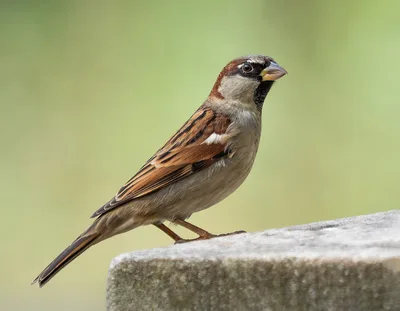 House sparrow
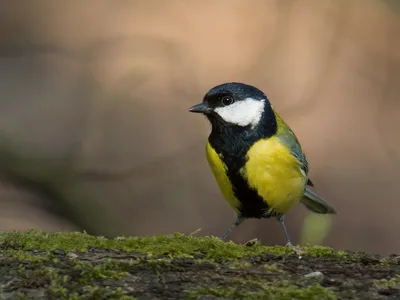 Great tit
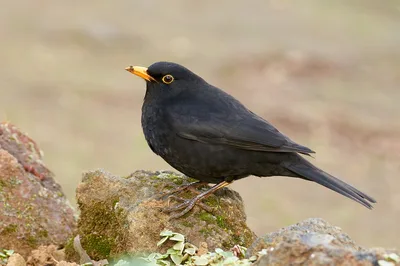 Common blackbird
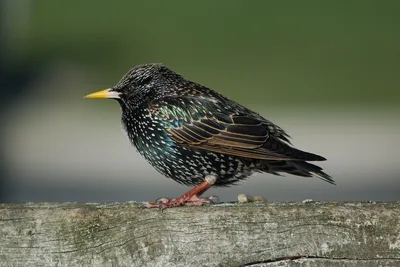 Common starling
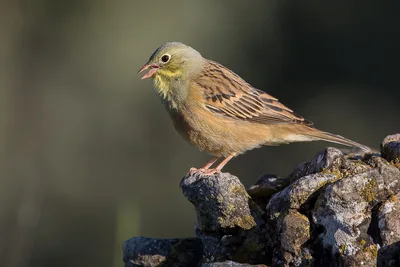 Ortolan bunting
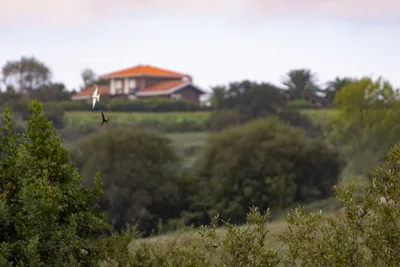 Barn swallow
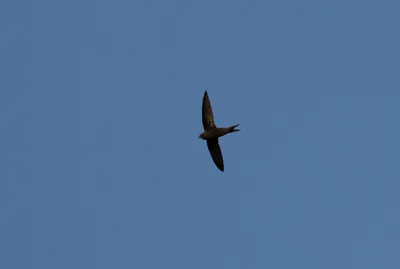 Common swift
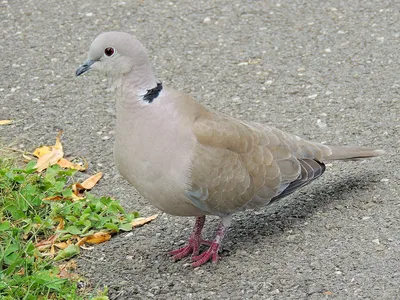 Eurasian collared dove
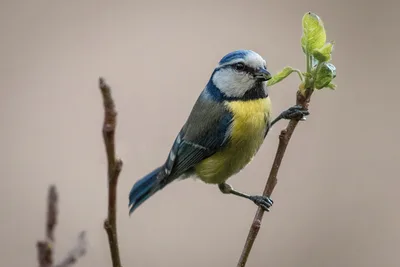 Eurasian blue tit
Food web
Predators
- northern goshawk
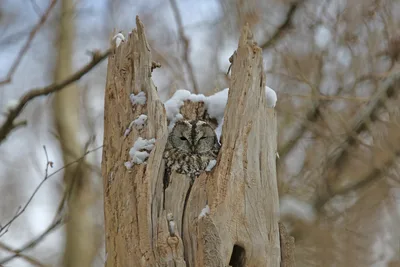 Tawny owl
- eagle owl
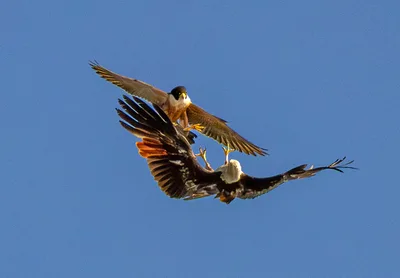 Peregrine falcon
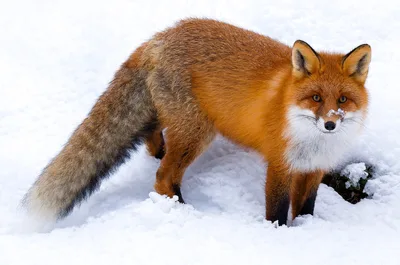 Red fox
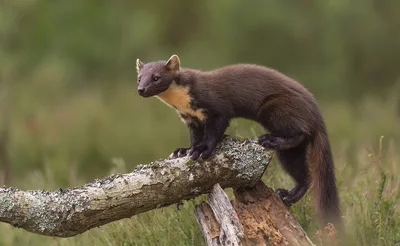 European pine marten
Ecological equivalents
Related species on this site
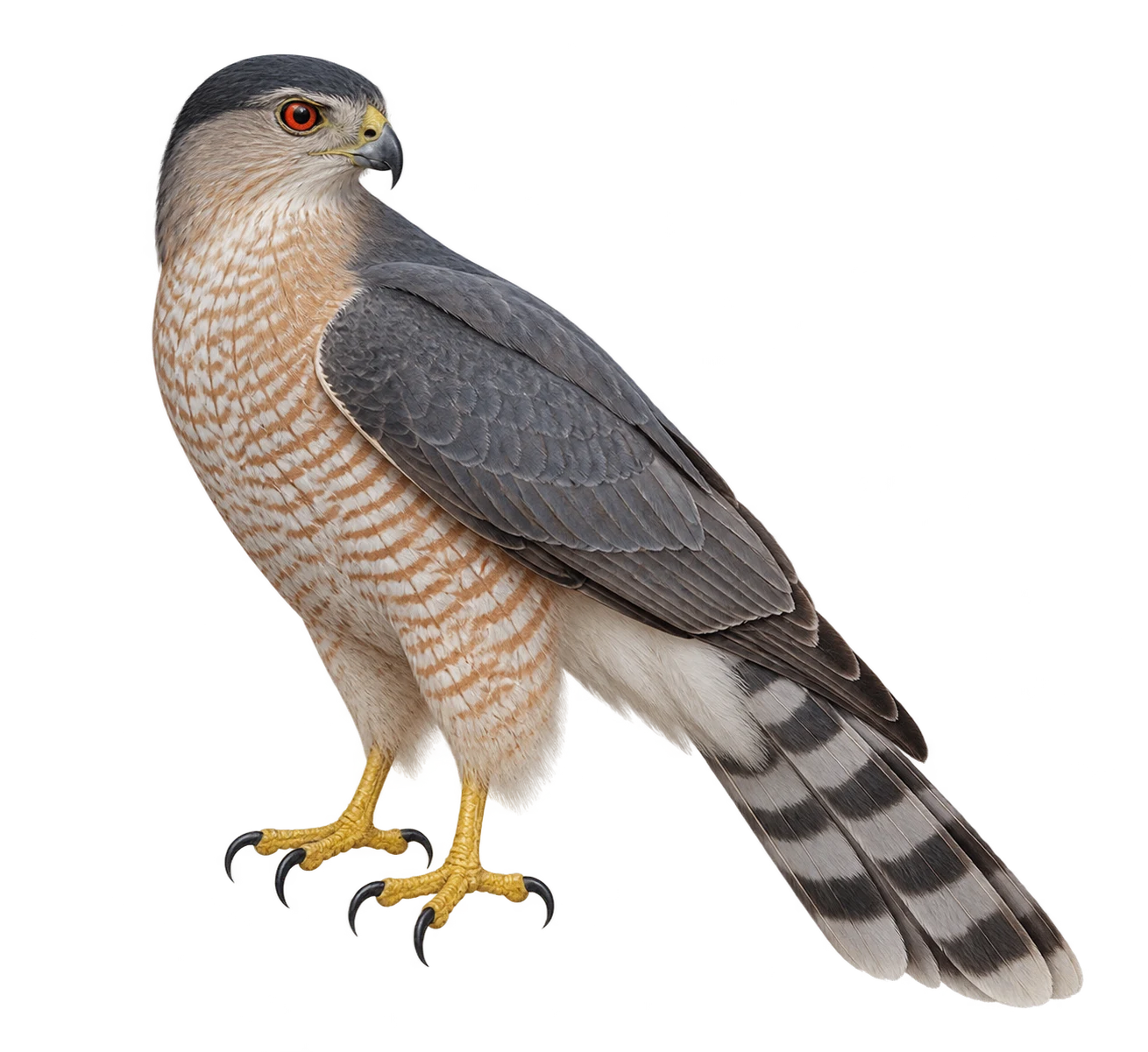
Cooper's Hawk (same genus), Goshawk (same genus), Sharp-Shinned Hawk (same genus), African Fish Eagle (same family), Australian Firehawk (same family), Bald eagle (same family), and more.
Birds
Cooper's Hawk
Accipiter cooperii
Classification and source reference
LivingAI illustration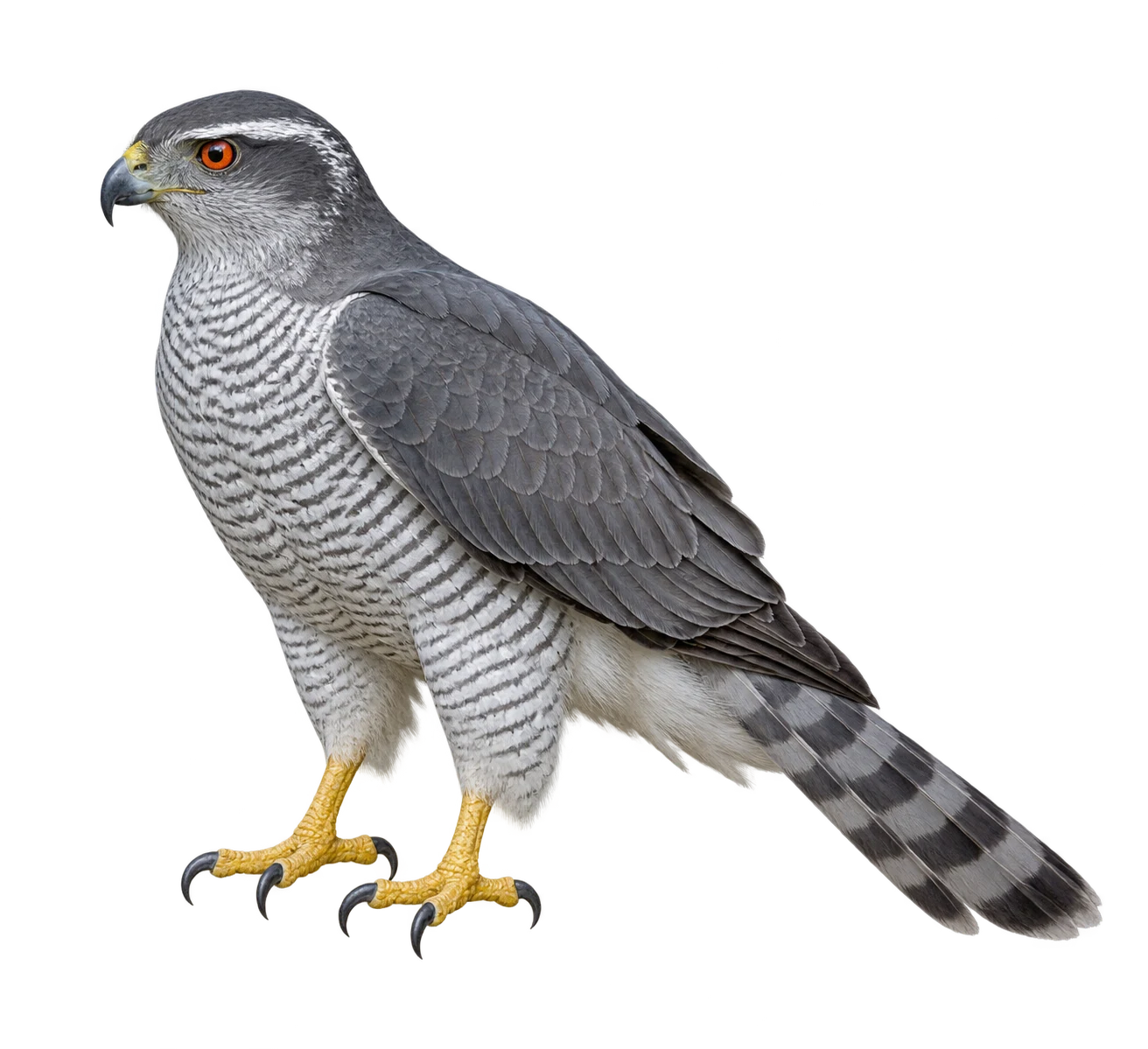
Birds
Goshawk
Accipiter gentilis
Classification and source reference
LivingAI illustration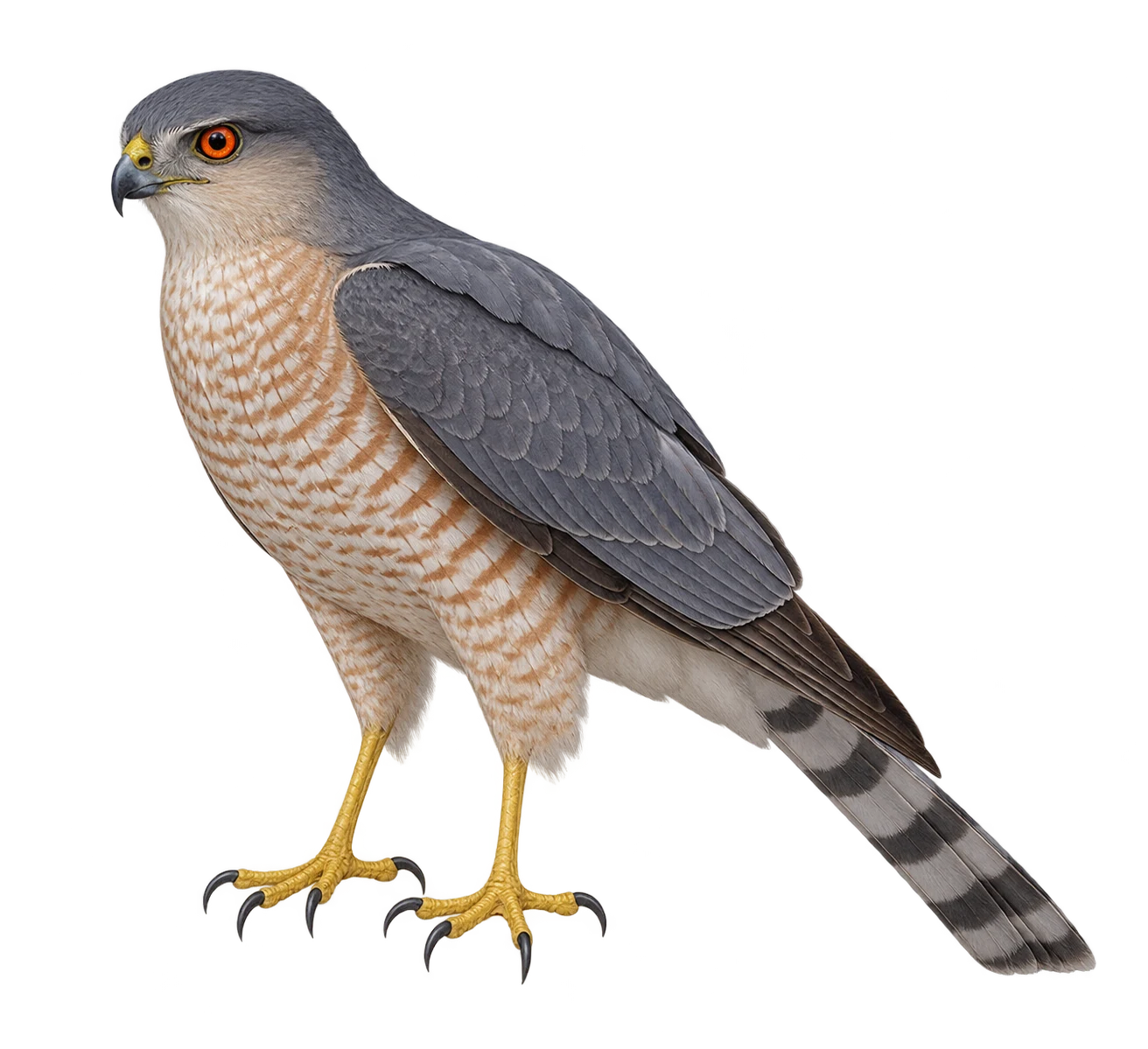
Birds
Sharp-Shinned Hawk
Accipiter striatus
Classification and source reference
LivingAI illustration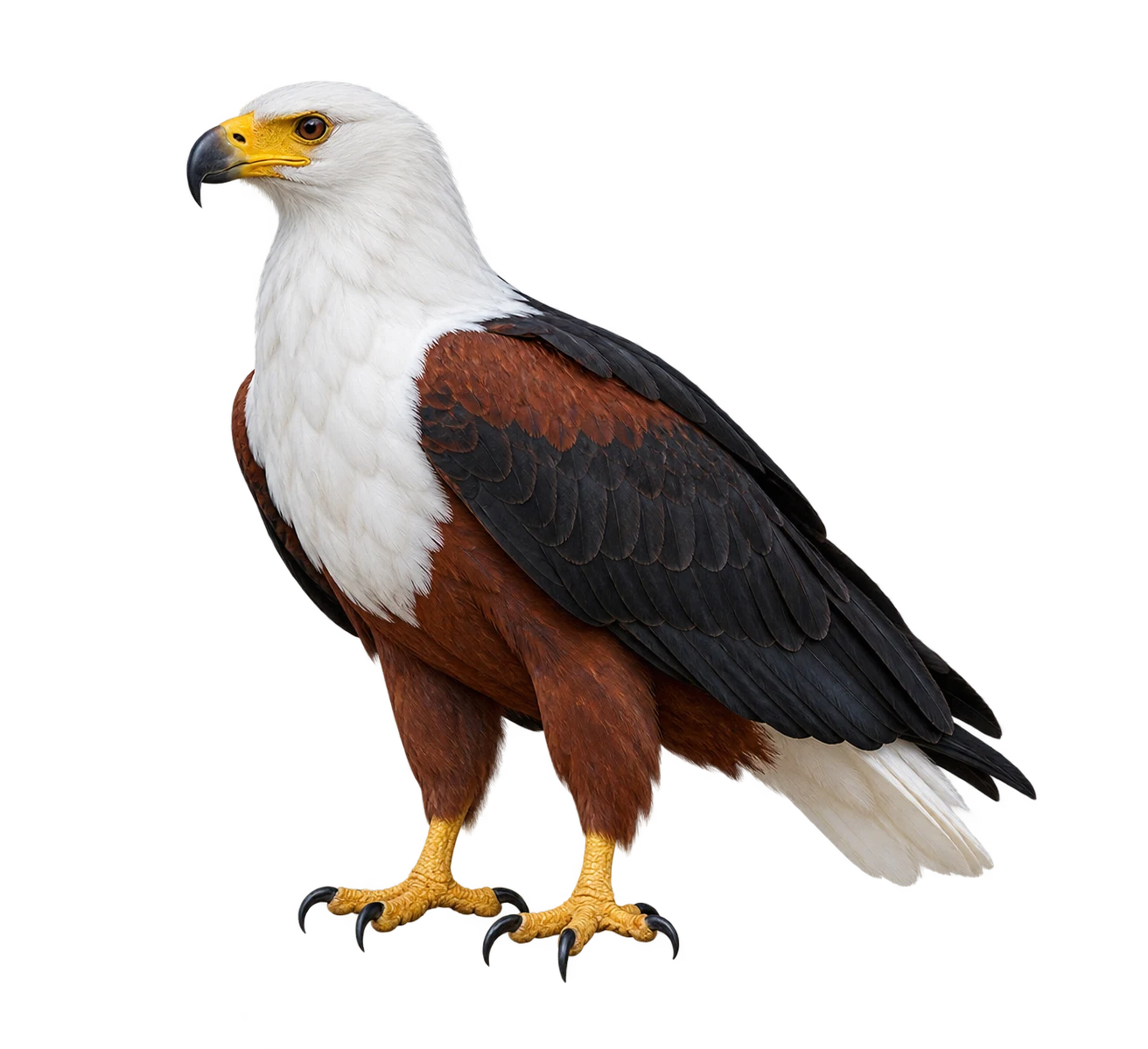
Birds
African Fish Eagle
Haliaeetus vocifer
Classification and source reference
LivingAI illustration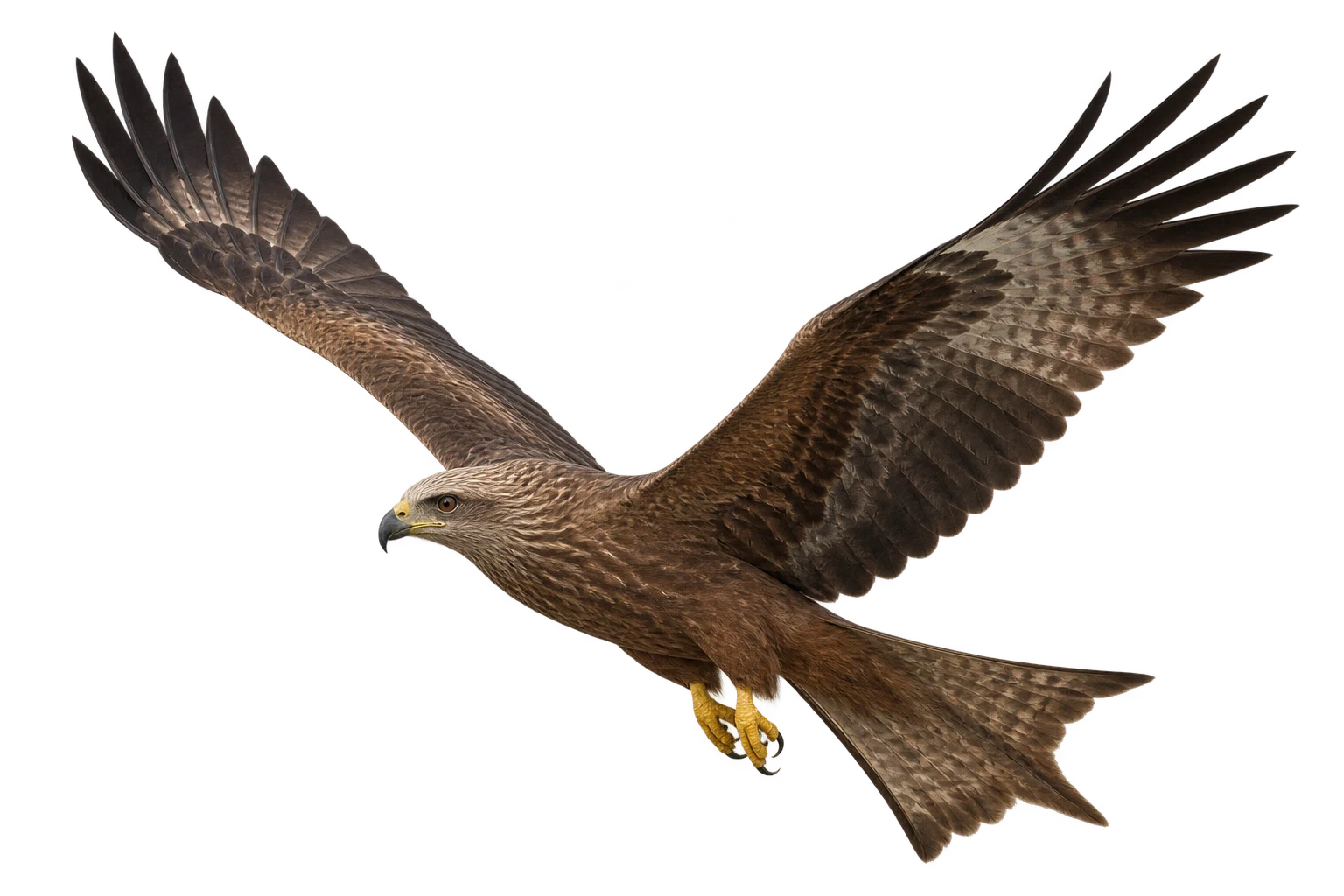
Birds
Australian Firehawk
Milvus migrans
Classification and source reference
LivingAI illustration LC
Birds
Bald eagle
Haliaeetus leucocephalus
The bald eagle is the national bird of the United States.
Living