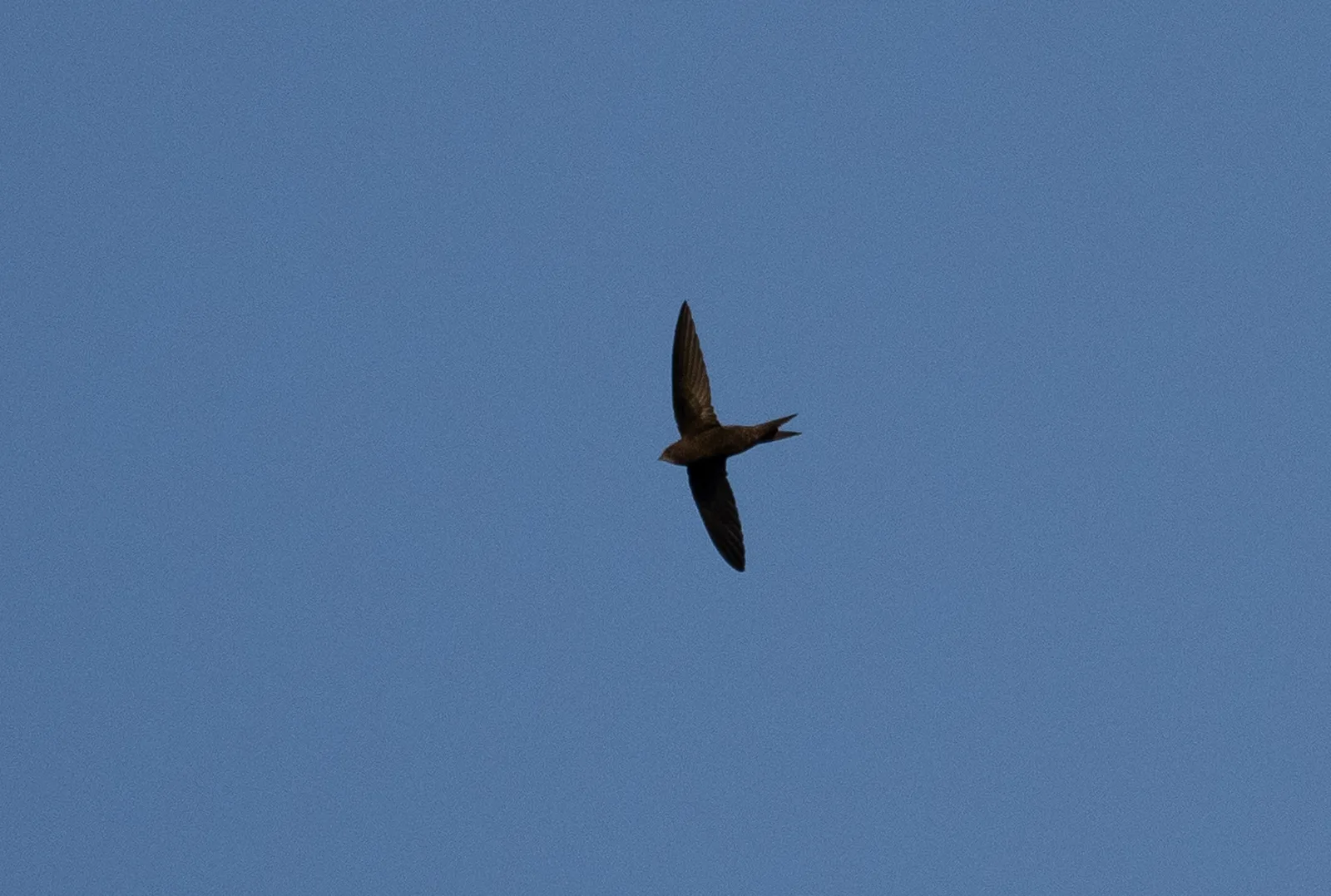
Common swift
A bird that can stay in the air for ten months
Apus apus
Also called Eurasian swift, European swift
Living individuals or members of this group exist today. This does not mean they are safe from extinction.
Meet the common swift
The common swift is a blackish-brown bird with narrow curved wings that catches every meal in the air. A young swift can stay airborne for ten months at a stretch, and it lands only to nest.
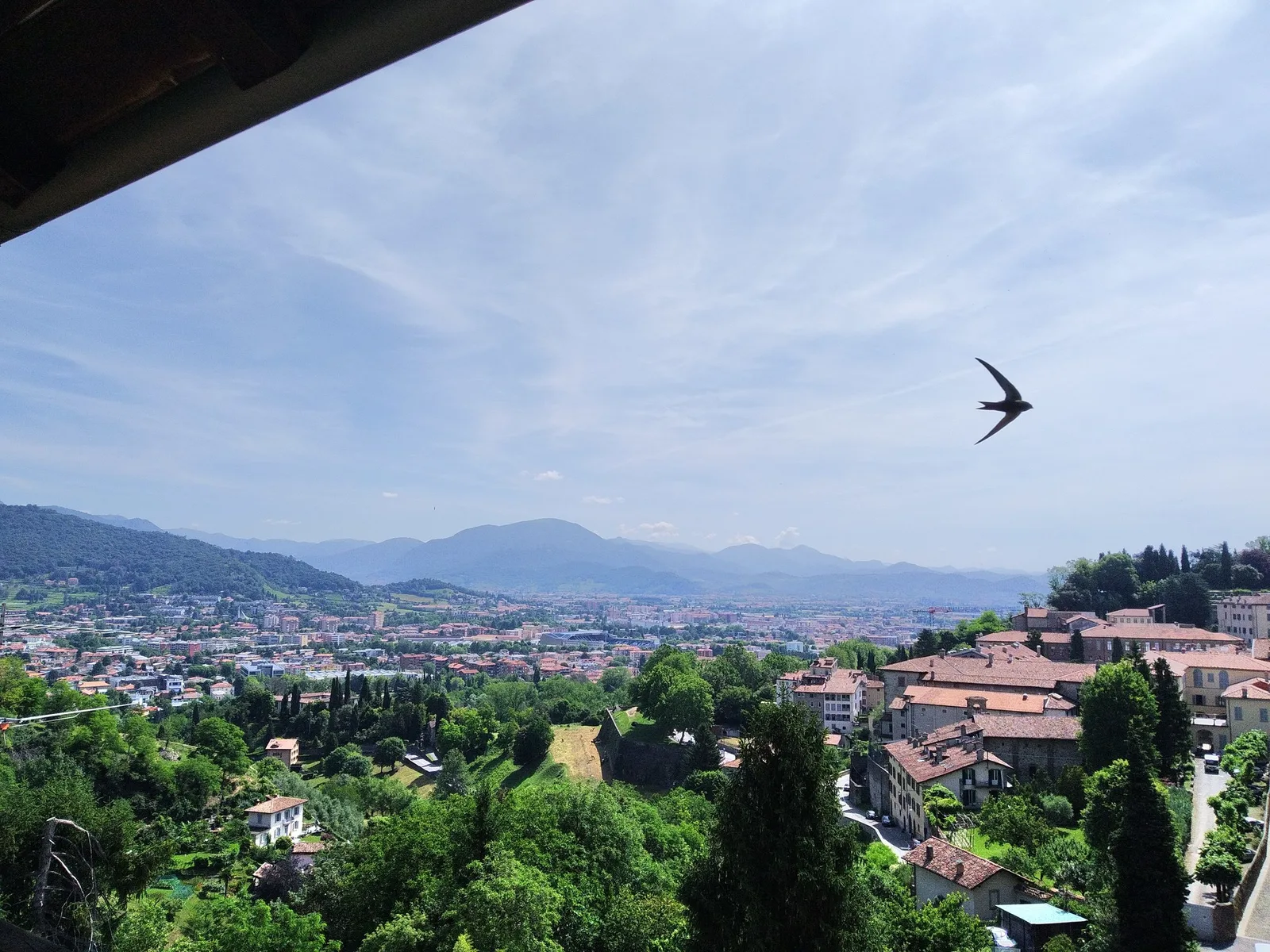
Images of the common swift
Lifespan in the wild
Up to 21 years one Swedish bird was retrapped at 17
Weight
About 44.9 g
Length
16 to 17 cm
Top speed
Up to 112 km/h
Fact file
Common swift
- Location
- Europe, Asia and North Africa in summer; central and southern Africa in winter
- Habitat
- Towns and cities, Temperate forest, Wetlands
- Diet
- Insectivore
- Prey / food
- Aphids, flies, beetles, wasps, bees, ants and airborne spiders
- Predators
- Eurasian hobby, Eurasian sparrowhawk, common buzzard
- Lifestyle
- Almost wholly airborne, and it lands only at the nest
- Group name
- A calling flock is a screaming party
- Name of young
- Chick
- Incubation
- Incubation 19 to 20 days
- Clutch size
- 2 eggs, and sometimes 1 to 4
- Population
- Large, though falling sharply in parts of Europe
- Biggest threat
- Loss of nest holes when buildings are repaired
- Distinctive feature
- Scythe-shaped wings longer than the body
- Colour
- Blackish brown, with a small pale chin patch
- Skin type
- Feathers
Size
Next to a person
Measurements
Size and speed
- Length
- 16 to 17 cm
- Wingspan
- 42 to 48 cm Wikipedia gives a narrower 38 to 40 cm
- Weight
- About 44.9 g about 44.9 grams
- Top speed
- Up to 112 km/h maximum level flight speed
Typical adult ranges. Sources: Wikipedia, Animal Diversity Web, AnAge.
Life cycle
Lifespan
- In the wildUp to 21 years one Swedish bird was retrapped at 17
- 021 years
The pale bar is the record. Source: Animal Diversity Web.
Appearance
Colour and coat
- Primary colours
- brownblack
- Secondary colours
- white
- Skin type
- feathers
- Male and female
- None visible. Males and females look alike in the field, and only the higher pitch of the female's scream separates them.
Life cycle
Mating and family
- Mating system
- monogamous pairs, often for several years
- Social structure
- colonies of about 30 to 40 nest sites
- Breeding
- one brood a year, from May to September
A male claims a hole in a wall or a tree and holds it against other swifts. A female joins him, the two preen each other, and the pair build a nest from scraps caught in the air. She lays one to four eggs, usually two, and both birds sit for 19 to 20 days. The chicks stay in the hole for 27 to 45 days and can enter torpor if the weather turns cold. They leave the nest able to fly and may not land again for two years.
Classification
Taxonomy
- Kingdom
- Animalia
- Phylum
- Chordata
- Class
- Aves
- Order
- Apodiformes
- Family
- Apodidae
- Genus
- Apus
- Species
- Apus apus
Conservation
Red List status
- LC
- NT
- VU
- EN
- CR
- EW
- EX
Least Concern on the IUCN Red List
Range
Recorded in 22 countries
- Austria
- Belgium
- Switzerland
- People's Republic of China
- Czech Republic
- Germany
- Denmark
- Spain
- Finland
- France
- United Kingdom
- Greece
- Italy
- Luxembourg
- Netherlands
- Norway
- Poland
- Portugal
- Russia
- Sweden
- Turkey
- Ukraine
Habitat layer: temperate broadleaf and mixed forest, temperate conifer forest, boreal forest and taiga, flooded grassland and savanna, mangrove.
Countries from 23,437 wild records on GBIF (iNaturalist research grade), filtered and checked by hand. Country shapes: Natural Earth. Habitat: RESOLVE Ecoregions 2017, CC BY 4.0. Basemap: Natural Earth.
Habitats
Three things to know
- 1
A non-breeding swift can stay in the air for ten months without landing.
- 2
The nest is built from feathers and fluff caught in flight and glued with saliva.
- 3
A chick can drop its body temperature and wait out a week of cold, wet weather.
Did you know
Seven more facts
- 1
The name Apus means footless, from an ancient belief about the bird.
- 2
The German name for the swift translates as wall glider.
- 3
Two toes oppose the other two, which makes a foot for gripping vertical walls.
- 4
Swifts can take off from flat ground, contrary to a common belief.
- 5
Around 600 pairs still nest in old woodpecker holes in a Polish forest.
- 6
Feeding flocks of 2,000 birds gather over flooded gravel pits and marshes.
- 7
Departure from the breeding grounds begins when daylight falls below 17 hours.
Field notes
How it looks and acts
Field notes
Distinguishing features
- The wings are narrow, curved and longer than the whole body.
- The plumage is uniform blackish brown with a small pale chin patch.
- The tail is short and only slightly forked.
- The call is a shrill scream, quite unlike a swallow's chatter.
- The legs are so short that a perched bird clings rather than stands.
- The body is 16 to 17 cm long, larger than a swallow or a house martin.
Field notes
Unique adaptations
- Long narrow wings probably give cheap gliding flight for hours at a time.
- A grasping foot with paired toes grips vertical brick and rock.
- Sticky saliva turns airborne scraps into a nest without any landing.
- Chicks enter torpor when cold weather stops the insect supply.
- A throat pouch packs hundreds of insects into one load for the young.
Field notes
Interesting behaviours
- It feeds, drinks, mates and sleeps in the air.
- It enters the nest hole in direct flight and leaves by dropping into free fall.
- It follows insect swarms and river valleys when the weather turns bad.
- It climbs high at dusk with the rest of the colony.
- It screams in fast parties around the rooftops on summer evenings.
Field notes
Temperament
- Common swifts are highly social and do almost everything in company.
- A bird will fight another swift over a nest hole rather than over a mate.
- Pairs are faithful to one site and often to one partner for years.
- The birds ignore people entirely and appear untroubled by traffic and noise.
Field notes
Communication
- The flight call is a two-pitched scream, and the female gives the higher note.
- Screaming parties of 10 to 20 birds call to the nesting birds below.
- A nest call goes with mutual preening inside the hole.
- A piping call follows a lost fight over a site.
- Chicks beg with a food call when a parent comes back.
Ecology
Ecological role
The common swift is a hunter of the air. It removes vast numbers of flying insects and carries that energy from open sky into a hole in a wall.
- It takes aphids, flies and small wasps in enormous numbers through the summer.
- It feeds hobbies and sparrowhawks, which hunt it in the open air.
- Its nests support chewing lice and louseflies, which probably live nowhere else.
- It appears to link African and European ecosystems, carrying energy between them twice a year.
Stories
Myths and legends
- In classical belief, the swift was a swallow born without any feet at all.
- In medieval heraldry, the footless martlet was drawn from a swift or a house martin.
- In English arms, the martlet marked a younger son with no land to inherit.
- In university badges, the same bird stands for a search for learning that never ends.
- In medieval Italian towns, walls were built with holes to invite swifts to nest.
People
Relationship with humans
People
Living alongside us
The common swift moved into our buildings when the old forests were felled. It now depends on holes under eaves, tiles and gables across Europe. Repairs and insulation close those holes, and British numbers have fallen sharply as a result. Swift bricks built into new walls are the standard remedy, and Scotland has voted to require them.
- The common swift appears unable to harm a person, and it never lands within reach.
- A grounded bird may scratch or nip when it is picked up, but it does no damage.
- Swift nests carry lice and louseflies that stay on the birds and not on people.
People
Status, uses and products
- Domestication
- Wild
- As a pet
- Not suitable. No swift can live in a cage. The bird feeds only on insects taken in flight and needs open sky for most of the year. Grounded birds should go to a licensed rescue, which feeds them by hand until they can be released.
- Uses
- insect controlbirdwatching
- Products
- None recorded
The full account
About the common swift
The common swift, Apus apus, is a small dark bird built entirely for flight. It catches insects, drinks, mates and sleeps on the wing. Adults measure 16 to 17 centimetres long with a wingspan of 42 to 48 cm. A bird weighs about 44.9 grams.
The plumage is blackish brown, apart from a small pale patch under the chin. The wings are narrow and swept back, and they are longer than the body. Swifts breed across Europe and Asia and winter in Africa. Most nest in holes in buildings, under eaves and tiles and inside gables. The IUCN lists the species as Least Concern, but several countries now report a decline.
Name and taxonomy
Carl Linnaeus described the swift in 1758 and called it Hirundo apus. Giovanni Antonio Scopoli set up the present genus Apus in 1777. Apus is the Latin name for a swift. It comes from Greek roots meaning without a foot. Ancient writers took the bird for a swallow that had no feet at all.
The German name Mauersegler translates as wall glider. It describes how the bird clings to a vertical face with its very short legs. A central European form of the last ice age has been named Apus apus palapus. The swift belongs to the order Apodiformes, whose name carries the same footless idea.
Evolution and relatives
A swift looks like a large swallow, but the two are not closely related. Swallows and martins are songbirds, and swifts sit in a separate order. The likeness comes from convergent evolution, because both hunt insects in the open air. The nearest relatives of the swifts are the hummingbirds and the treeswifts. That link probably explains the tiny feet and the enormous flight muscles of both groups.
Every member of the family Apodidae shares one foot design. Two toes oppose the other two, which makes a grasping foot for a vertical surface. The design lets a swift cling to rock, brick and chimney walls. It appears to give no help at all on flat ground.
Appearance
A common swift is blackish brown over almost the whole body. The chin and throat carry a small white or cream patch. That patch is invisible from any distance. The upper side of the flight feathers is a paler brown than the rest. The tail is short and slightly forked. The wings are narrow and sickle-shaped, and the silhouette suggests an anchor.
Wikipedia gives a wingspan of 38 to 40 cm, and ADW a wider 42 to 48 cm. Males and females look alike, and no seasonal or regional variation is reported. Young birds are blacker, with a pale forehead and white feather edges. Their chin patch is starker than an adult's. Those marks show only at close range.
Habitat and range
The breeding range runs from Portugal and Ireland east to China and Siberia. It reaches north to Norway, Finland and most of sub-Arctic Russia. In the south it takes in Morocco, Algeria, Israel, Lebanon, Syria and Turkey. The species does not breed on the Indian subcontinent. Winter is spent in equatorial and southern Africa, away from the Cape.
Swifts need open air to hunt in and a hole to nest in. They breed from sea level up to several thousand metres. About 600 pairs nest in old woodpecker holes in the Bialowieza Forest in Poland. A small Scottish colony uses woodpecker holes and nest boxes in the Caledonian Forest. Almost all other pairs now use buildings, because the old forests have gone. GBIF holds records of the species from 160 countries.
Diet and feeding
The common swift eats only what it can catch in the air. Aphids, flies, beetles, wasps, bees, ants and airborne spiders all go into the diet. The bird glides with its mouth open and packs the catch into a ball at the throat. Saliva binds the ball together. One food ball holds about 300 insects on average.
Swifts follow swarms, because a swarm makes a full load quick to gather. Wetlands and gravel pits draw the largest feeding parties. Counts of 2,000 birds over flooded pits and marshy deltas are not unusual. Such a gathering may pull birds in from 100 km around. Birds breeding in western Scotland may cross to Lough Neagh in Ireland to feed. Birds regularly forage 48 to 61 km from the nest.
Behaviour and social life
The swift never settles on the ground by choice. On the ground it would be open to accidents and to predators. It can take off from a level surface, in spite of the old belief that it cannot. A non-breeding bird may stay airborne for as long as ten months. No other bird spends so much of its life in flight. Maximum level flight speed is 111.6 kilometres per hour.
The species is highly gregarious and nests, roosts, feeds and migrates in company. A colony usually holds 30 to 40 nest sites. Birds fly low in cold, wet or windy weather and climb when conditions improve. Radar shows that colonies climb together at dusk and drop together at dawn. They separate for the other two daily movements. The joint flights probably let birds share information about food and weather.
Migration is long and fast. Swedish birds tracked with geolocators wintered in the Congo region. A swift passes roughly three months in Africa, and about as long on the breeding grounds. The rest of the year passes on the journey between the two. Departure follows the light cycle and starts when daylight drops below 17 hours. In bad weather the birds follow rivers, where more insects fly.
Communication and senses
The call is a loud scream on two pitches, and the higher one comes from the female. On summer evenings 10 to 20 birds gather over the colony in a screaming party. The fliers call and the nesting birds answer them. Larger parties form higher up, late in the breeding season. The screaming call separates a swift from the softer babble of a swallow.
Adults use several other calls. There is a nest call for preening a partner and a piping call after losing a fight. Another call comes just before mating. A chick has one call of its own, which begs for food from a returning parent. Body posture probably carries the rest, since the birds meet in the dark of a hole.
Reproduction and life cycle
Common swifts pair off and often keep the same site and the same mate for years. The male picks the nest hole first and defends it once the female arrives. A swift will fight harder for a site than for a partner. The first meeting of a new pair is often hostile. The female then enters the hole and invites the male to stroke her chin with his bill. Mutual preening follows, and the bond begins.
The nest is made of material caught in the air and glued with saliva. Grass, leaves, hay, straw, feathers and flower petals all end up in it. Pairs repair the same nest after an absence of about forty weeks. Moths and beetles eat most of the old nest while the birds are away. Only the hardest parts, such as feather shafts, usually survive.
Breeding runs from late April or early May into the middle of September. A clutch holds one to four white eggs, and two is the usual number. Both parents incubate for 19 to 20 days. Chicks are brooded all day in their first week and about half the day in the second. They fledge 27 to 45 days after hatching, and usually take more than 27. Parents feed them food balls, and a small chick shares one with its nest mates.
A cold, wet spell can stop the insect supply for days. Chicks then drop their body temperature and their metabolism into a torpid state. In that state they last 10 to 15 days with almost no food. Most birds first breed at two years old. Adult survival runs between 65 and 83 per cent a year. The oldest recorded swift reached 21 years.
Predators and threats
Flight is the main defence, and few hunters can catch a swift in open air. Eurasian hobbies, sparrowhawks and buzzards all take some birds. A nest on a vertical wall or in a chimney is hard for a predator to reach. The plain dark plumage probably makes a perched bird hard to pick out. Chewing lice and louseflies live in swift nests.
The largest modern threat is the loss of nest holes. Repairs and insulation seal the gaps under eaves that swifts have used for centuries. British numbers fell by about 57 per cent between 1995 and 2017. Cold summers probably cut breeding success, because flying insects disappear. Insect decline probably works against the species across its range.
Population and conservation
The IUCN lists the common swift as Least Concern. The range is huge and the total population is large. National assessments are far less comfortable. Finland lists the bird as Endangered, and France, Norway and Switzerland as Near Threatened. iNaturalist holds 38,052 observations of the species.
The swift brick is the main practical answer. It is a hollow brick with a cavity inside, built into an outside wall as a nest box. British Standard BS 42021 covers the design and the fitting. Scotland voted in 2026 for swift bricks in new housing, wherever that is reasonable. A cross-party campaign wants the same rule in England. Nest boxes and woodpecker holes also work where old forest survives.
Relationship with humans
The common swift is now a bird of towns and villages. It nests under tiles, in gaps below window sills and inside gables. People probably notice it for a few weeks each summer, and then it is gone. Screaming parties over a street appear to be the surest sign that a colony is near. The birds cause no damage, though a nest in a roof space can be a nuisance.
Medieval Italian towns built holes into walls to attract nesting swifts. Those holes were called rondonare, and special structures sat under the eaves. Young birds were harvested for the table. Rules required at least one chick to be left in each nest. The practice survives in a few places, but it is now rare. Swifts eat mosquitoes and other pest insects, though the effect is probably small.
In culture and myth
Ancient writers held that the swift had no feet, and the scientific name still says so. The heraldic martlet carries the same idea into the Middle Ages. It is drawn as a small bird with tufts of feathers where the legs should be. Heralds said it never rested between its fall from the nest and its death. The figure may be based on the swift, though most authorities point to the house martin.
English heraldry gave the martlet to younger sons. The footless bird probably stood for a life with no land of its own. Edward the Confessor was given five gold martlets, later used by Westminster Abbey. Sussex carries six of them, one for each rape of the county. Oxford and Cambridge colleges use the bird, and so do several universities abroad.
In modern use the martlet stands for effort that never stops. Schools read it as a search for learning that has no end. The real bird earns the reputation, since a young swift flies for ten months on end. In Italy the bird is the rondone, and towns once built walls to house it. Across northern Europe its return appears to mark the true start of summer.
A sentence with a dotted underline is inferred: it describes the group the animal belongs to, or is a reading of the sources, rather than a measured or reported fact about this species.
Questions
Common swift questions, answered
How long can a swift stay in the air?
A non-breeding bird can stay airborne for up to ten months. It feeds, drinks, mates and sleeps without landing.
How fast can a common swift fly?
Its maximum in level flight is 111.6 km/h. That is among the fastest of any bird outside a stooping dive.
How big is a common swift?
The body is 16 to 17 cm long and the wings span 42 to 48 cm. A bird weighs about 44.9 grams.
What is the difference between a swift and a swallow?
The swift is larger, all dark below and screams. A swallow has a pale underside, a long forked tail and a soft twittering call.
What do swifts eat?
Only flying insects and airborne spiders. Aphids, flies, beetles, wasps and ants are the main items, packed into a food ball for the chicks.
Where do swifts nest?
Almost always in a hole in a building, under eaves and tiles or inside a gable. A few still use woodpecker holes in old forest.
Can a swift take off from the ground?
Yes. The old belief that it cannot is wrong, although the bird avoids the ground because it is exposed there.
Where do common swifts go in winter?
To equatorial and southern Africa. Swedish birds tracked by geolocator wintered in the Congo region.
How many eggs does a swift lay?
One to four white eggs, and two is the usual clutch. Both parents incubate them for 19 to 20 days.
How long do swifts live?
Longer than most small birds. The record is 21 years, and one Swedish bird was retrapped at 17.
Why are swifts declining?
They lose nest holes when buildings are repaired or insulated. British numbers dropped by about 57 per cent between 1995 and 2017.
What is a swift brick?
A hollow brick with a nesting cavity inside, built into an outside wall. British Standard BS 42021 covers the design.
Why do swifts scream in the evening?
Groups of 10 to 20 birds fly around the colony calling, and the nesting birds answer. These flights are known as screaming parties.
Are swifts endangered?
Not globally. The IUCN lists the species as Least Concern, but Finland rates it Endangered and France, Norway and Switzerland Near Threatened.
What should I do with a grounded swift?
Do not throw it into the air. Put it in a ventilated box and take it to a licensed bird rescue as soon as you can.
Food web
Prey and food
- aphids
- flies
- beetles
- wasps
- bees
- ants
- airborne spiders
Food web
Predators
- eurasian hobby
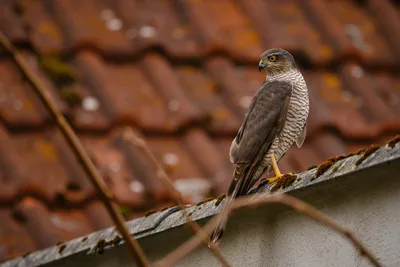 Eurasian sparrowhawk
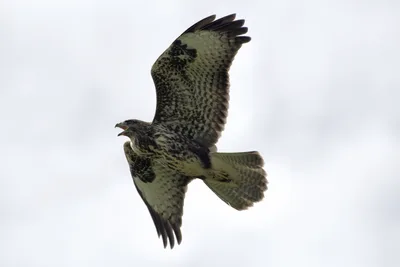 Common buzzard
Ecological equivalents
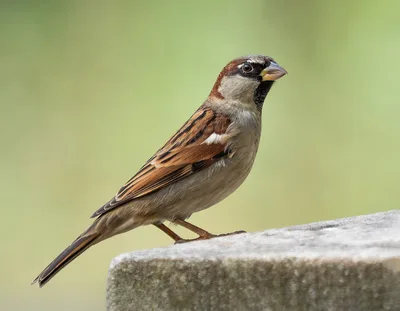
Related species on this site
Anna's Hummingbird (same order), Bee hummingbird (same order), Costa’s Hummingbird (same order), Hummingbird (same order), Ruby-throated hummingbird (same order), Rufous Hummingbird (same order), and more.
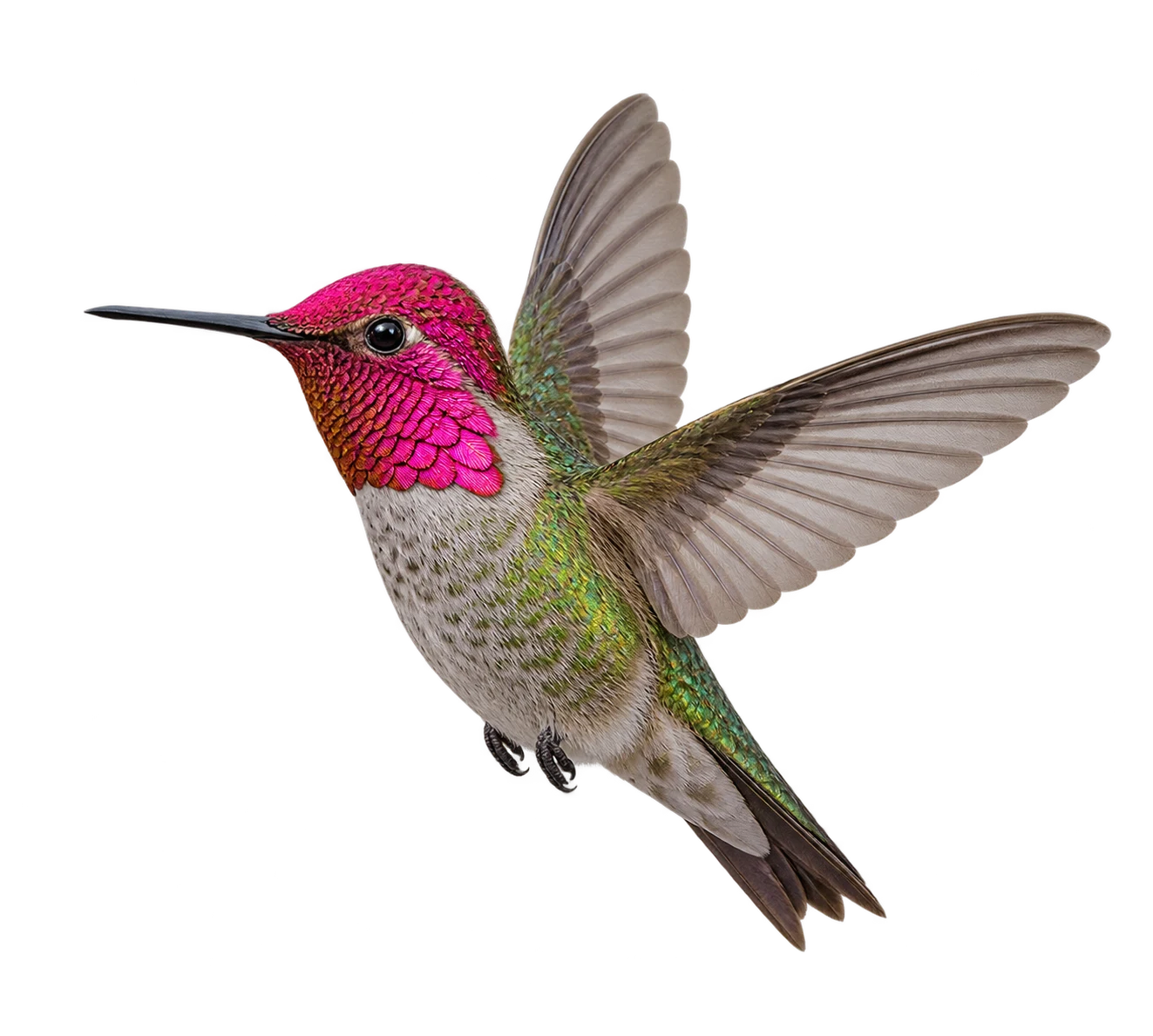
Birds
Anna's Hummingbird
Calypte anna
Classification and source reference
LivingAI illustration NT
Birds
Bee hummingbird
Mellisuga helenae
The bee hummingbird of Cuba is the smallest bird in the world, at about 2.28 grams.
Living
Birds
Costa’s Hummingbird
Calypte costae
Classification and source reference
LivingAI illustration
Birds
Hummingbird
Trochilidae
Hummingbirds are tiny nectar-feeding birds.
Living LC
Birds
Ruby-throated hummingbird
Archilochus colubris
The ruby-throated hummingbird is the only hummingbird that breeds in eastern North America.
Living
Birds
Rufous Hummingbird
Selasphorus rufus
Classification and source reference
LivingAI illustration