
European pine marten
The tree cat of Europe's old forests
Martes martes
Also called Pine marten, Baum marten, Sweet marten
Living individuals or members of this group exist today. This does not mean they are safe from extinction.
Meet the european pine marten
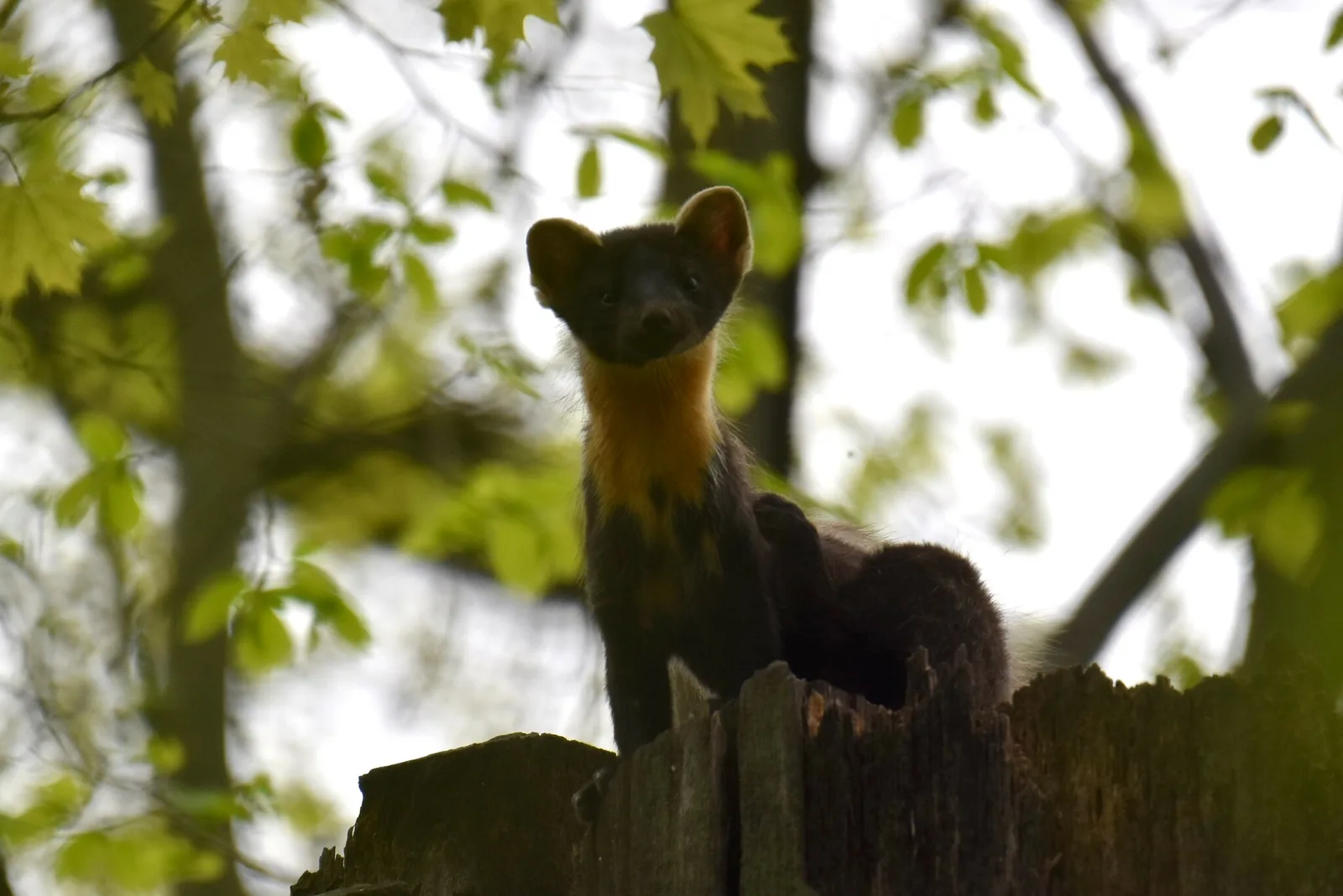
The European pine marten is a cat-sized mustelid with a brown coat and a cream bib. It hunts voles and squirrels in the old forests of Europe. It is the only mustelid with semi-retractable claws, and it runs along branches as easily as it runs on the ground.
Images of the european pine marten
Lifespan in the wild
3 to 4 years
Weight
0.48 to 1.8 kg
Length
45 to 58 cm
Fact file
European pine marten
- Location
- Most of Europe, from Ireland to western Siberia, plus Turkey, the Caucasus and northern Iran
- Habitat
- Temperate forest, Mountains
- Diet
- Omnivore
- Prey / food
- Voles, mice, squirrels, birds, eggs, frogs, beetles, carrion, berries, honey
- Predators
- Eurasian lynx, red fox, wolverine, golden eagle, eagle owl, goshawk
- Lifestyle
- Nocturnal and crepuscular; climbs and hunts in trees
- Group name
- None; solitary
- Name of young
- Kit
- Gestation
- About 30 days after a delay of about 7 months
- Litter size
- 1 to 5 kits, usually about 3
- Population
- Widespread and recovering; not counted
- Biggest threat
- Persecution, poisoning and the loss of old woodland
- Distinctive feature
- Cream to yellow throat bib and a long bushy tail
- Colour
- Rich brown
- Skin type
- Fur
Size
Next to a person
Measurements
Size and speed
- Length
- 45 to 58 cm head and body, without the tail
- Tail
- 16 to 28 cm
- Weight
- 0.48 to 1.8 kg
Typical adult ranges. Source: Animal Diversity Web.
Life cycle
Lifespan
- In the wild3 to 4, up to 11 years
- In captivityUp to 18.2 years
- 018.2 years
Appearance
Colour and coat
- Primary colours
- brown
- Secondary colours
- creamyellow
- Skin type
- fur
- Male and female
- Males are larger and outweigh females by 12 to 30%. The coat and bib are alike in both sexes.
Life cycle
Mating and family
- Mating system
- polygynous; a male's range overlaps those of one or more females, and pairings are brief
- Social structure
- solitary
- Breeding
- one litter a year, born in late March or April after delayed implantation
Pine martens mate in July and August, but the embryo does not implant for about seven months. The kits, usually about three, are born in late March or April in a hollow tree. Their eyes open at 34 to 38 days, and they leave the den at 7 to 8 weeks. Most breed for the first time in their second or third year. A wild marten typically lives 3 to 4 years.
Classification
Taxonomy
- Kingdom
- Animalia
- Phylum
- Chordata
- Class
- Mammalia
- Order
- Carnivora
- Family
- Mustelidae
- Genus
- Martes
- Species
- Martes martes
Conservation
Red List status
- LC
- NT
- VU
- EN
- CR
- EW
- EX
Least Concern on the IUCN Red List
Range
Recorded in 24 countries
- Austria
- Belgium
- Switzerland
- Czech Republic
- Germany
- Denmark
- Spain
- Finland
- France
- United Kingdom
- Croatia
- Hungary
- Ireland
- Italy
- Lithuania
- Luxembourg
- Netherlands
- Norway
- Poland
- Romania
- Russia
- Sweden
- Slovakia
- Ukraine
Habitat layer: temperate broadleaf and mixed forest, temperate conifer forest, boreal forest and taiga, montane grassland and shrubland.
Countries from 2,876 wild records on GBIF (iNaturalist research grade), filtered and checked by hand. Country shapes: Natural Earth. Habitat: RESOLVE Ecoregions 2017, CC BY 4.0. Basemap: Natural Earth.
Habitats
Three things to know
- 1
A marten mates in July, yet the kits arrive in March, because the embryo waits about seven months before it implants.
- 2
In Ireland the return of the pine marten has pushed back the invasive grey squirrel and let the red squirrel recover.
- 3
The Croatian currency, the kuna, was named after the marten, whose pelts once served as money.
Did you know
Seven more facts
- 1
A newborn kit weighs about 30 grams and is blind, deaf and toothless.
- 2
In winter the soles of the feet are fully covered in fur.
- 3
Martens beside a Scottish loch have eaten crabs, sea urchins and barnacles.
- 4
A late-winter false heat makes martens aggressive months before they actually mate.
- 5
In 2022 a marten was filmed in London for the first time in a century.
- 6
Its droppings are black and twisted and mark the edges of its range.
- 7
GBIF holds records from 52 countries, including zoos and escaped animals.
Field notes
How it looks and acts
Field notes
Distinguishing features
- A cream to yellow bib on the throat and chest.
- Rich brown fur, silky in winter and coarse in summer.
- A long, bushy tail of 16 to 28 centimetres.
- Large, rounded, triangular ears.
- Semi-retractable claws, unique among mustelids.
- A long body on short legs, about the size of a large house cat.
Field notes
Unique adaptations
- Powerful forelimbs and a long tail for balance in the treetops.
- A jaw joint with a flange that stops dislocation when prey struggles.
- Delayed implantation that times births to spring.
- A thick winter coat and furred soles for snow.
- Food caches in summer and autumn that probably carry it through winter shortages.
Field notes
Interesting behaviours
- Hunts at night and at dusk, and rests by day in a hollow tree.
- Keeps several nests in one home range.
- Leaps from crown to crown after squirrels.
- Marks its range with scent glands and droppings.
- Rests underground in the coldest winter weather.
Field notes
Temperament
- Shy of people and never a pest around houses.
- Solitary, with brief pairings in summer.
- Aggressive to its own sex in late winter.
Field notes
Communication
- Marks with abdominal and anal scent glands.
- Leaves black, twisted droppings as territory markers.
- Kits twitter to their mother in the nest.
Ecology
Ecological role
The pine marten is a mid-sized forest predator that controls rodents and squirrels and spreads the seeds of the berries it eats.
- Preys on voles and mice, and its numbers follow rodent booms a year later.
- Suppresses invasive grey squirrels, which helps native red squirrels recover.
- Eats rowan and bramble berries in autumn, so it probably disperses their seeds.
- Feeds lynx, foxes, eagles and owls, especially as a juvenile.
Stories
Myths and legends
- In Irish tradition, Queen Meadhbh of the Táin kept a pet marten on her shoulders.
- In Celtic tradition, the marten was a guardian of the forest and a sign of cunning.
- In Romanian tradition, martens plait horses' manes at night.
- In Croatian tradition, the marten stands for the nation and gave its name to the kuna currency.
People
Relationship with humans
People
Living alongside us
People have trapped the pine marten for its winter fur for centuries, and gamekeepers nearly wiped it out in Britain. It is now protected in the UK, and wildlife trusts have moved martens to Wales and south-west England to rebuild populations. Its habit of eating grey squirrels has made it welcome to red squirrel conservationists. It avoids houses and is not a pest.
- Avoids people and settlements.
- May take poultry, which brings it into conflict with farmers.
- Like other mustelids, it will probably bite if cornered or handled.
People
Status, uses and products
- Domestication
- Wild
- As a pet
- Not suitable. The pine marten is a protected wild animal in the UK and much of Europe. It needs a large wooded range, several den sites and a diet of whole prey.
- Uses
- furred squirrel conservation
- Products
- fur
The full account
About the european pine marten
The European pine marten, Martes martes, is a mustelid, a relative of the weasels, otters and badgers. It is about the size of a large house cat, with a long body, short legs and a bushy tail. Its coat is rich brown, and a cream to yellow patch on the throat looks like a bib. It lives across most of Europe, from Ireland to western Siberia, and south to Turkey, the Caucasus and Iran.
Adults weigh 0.48 to 1.8 kilograms and have a head and body of 45 to 58 centimetres. The marten is the only mustelid with semi-retractable claws, which let it climb and run along branches. It hunts voles, squirrels and birds at night, and it eats berries and honey when it finds them. The IUCN lists the species as Least Concern, and it has recovered in many areas since a fur-driven decline in the 1970s. In Britain it was almost wiped out, and it is now spreading again from Scotland with help from reintroductions.
Name and taxonomy
Carl Linnaeus described the species in 1758, and the type locality was later fixed at Uppsala in Sweden. The genus Martes holds the martens, and the family Mustelidae holds them with weasels, otters and badgers. GBIF lists other English names: baum marten, sweet marten, forest marten and Eurasian pine marten. In Irish it is cat crainn, the tree cat, and in Croatian it is kuna.
Authors have named thirteen or more subspecies, but nobody has yet revised them properly. One handbook lists eight, including a Minorcan form described in 1987 and Russian forms from the Urals and the north. Some authors have argued that the pine marten, the American marten, the Japanese marten and the sable may all be one species. Genetic work places it closest to the sable, in the subgenus Martes.
Evolution and relatives
Martens are small forest carnivores of the northern hemisphere. The pine marten's closest living relative is thought to be the sable of Siberia. The stone marten, Martes foina, shares much of Europe with it but has a white bib, lighter underfur and a differently shaped upper premolar. A fossil lower tooth from Hunas in Germany closely matches the modern pine marten and differs from the stone marten and the extinct Martes vetus.
The pine marten has 38 teeth, with well-developed shearing and crushing cheek teeth. A long braincase anchors a large jaw muscle, and a flange on the jaw joint stops the lower jaw dislocating when prey struggles. Powerful forelimbs, a long balancing tail and strong claws make it a skilled climber. The red squirrel evolved alongside the marten, which probably explains why it copes with the predator better than the grey squirrel does.
Appearance
The fur is light to dark brown, short and coarse in summer, longer and silkier in winter. The winter coat grows in during September, and the animal moults once a year in spring. The throat and chest carry an irregular patch of cream to orange, and the belly has a greyish tint. The paws are darker than the body, and in winter the soles are fully covered in fur. The nose is black, and the ears are relatively large, rounded and triangular.
The head and body measure 45 to 58 centimetres, and the bushy tail adds 16 to 28. Weight ranges from 0.48 to 1.8 kilograms, with wide variation from place to place. Males outweigh females by 12 to 30%. Young martens gain the adult coat in their first winter. The marten carries an abdominal scent gland and a pair of anal glands.
Habitat and range
The range covers continental Europe from the Atlantic to western Siberia, and from the northern edge of the conifer belt to Asia Minor. It includes the Caucasus, the Elburz Mountains of Iran, and parts of Iraq and Syria. The marten also lives on Mallorca, Minorca, Corsica, Sardinia, Elba and Sicily, though people may have introduced some island populations. GBIF holds occurrence records from 52 countries, a figure that includes zoos and escapes.
The pine marten prefers mature deciduous, mixed and conifer forest, and it is often called a habitat specialist. In Norway it favours spruce forest with large trees and avoids clear-cuts and open ground. A closed canopy is thought to matter because it hides the marten from birds of prey. In Belarus, woodland on clay soil supports more martens than woodland on sand, because it holds more food.
It is not confined to forest. On Minorca, where it has no predators, it lives in scrub and shows no preference for tree cover. In Scotland it uses young plantations, rough grassland, heather moor and field edges, and it runs along stone dykes. In Britain it dens in buildings, trees, other man-made structures and rocks.
Diet and hunting
The pine marten is an omnivore that prefers meat. Small mammals feed it for most of the year, above all voles, mice and squirrels. It also takes birds, eggs, frogs, reptiles, snails, insects and carrion. In western Scotland field voles and birds dominate the diet, with many dung beetles from March to September. Martens foraging along a Scottish loch have eaten crabs, sea urchins and barnacles.
In autumn, fruit such as bramble and rowan berries can make up 30% of the diet in Scotland and on Minorca. In Poland, by contrast, martens may never eat fruit. When voles boom, martens eat far more of them, but their numbers rise only a full year later. They store food in summer and autumn against the lean winter.
The marten hunts in the treetops, racing along thin branches and leaping between crowns after a squirrel. It also searches hollows and cavities for prey, and it forages widely on the forest floor. In Ireland, where martens have spread, grey squirrels retreat and red squirrels recover. Grey squirrels forage on the ground more than reds do, so they probably meet the marten more often.
Behaviour and social life
The pine marten is mainly active at night and at dusk. In Poland, 69% of active time fell at night. On Minorca the night share was 53% in winter and 59% in spring. In spring, male activity peaks in the evening, while in summer and winter it splits into an evening and a pre-dawn bout. A marten may travel 20 to 30 kilometres in a night.
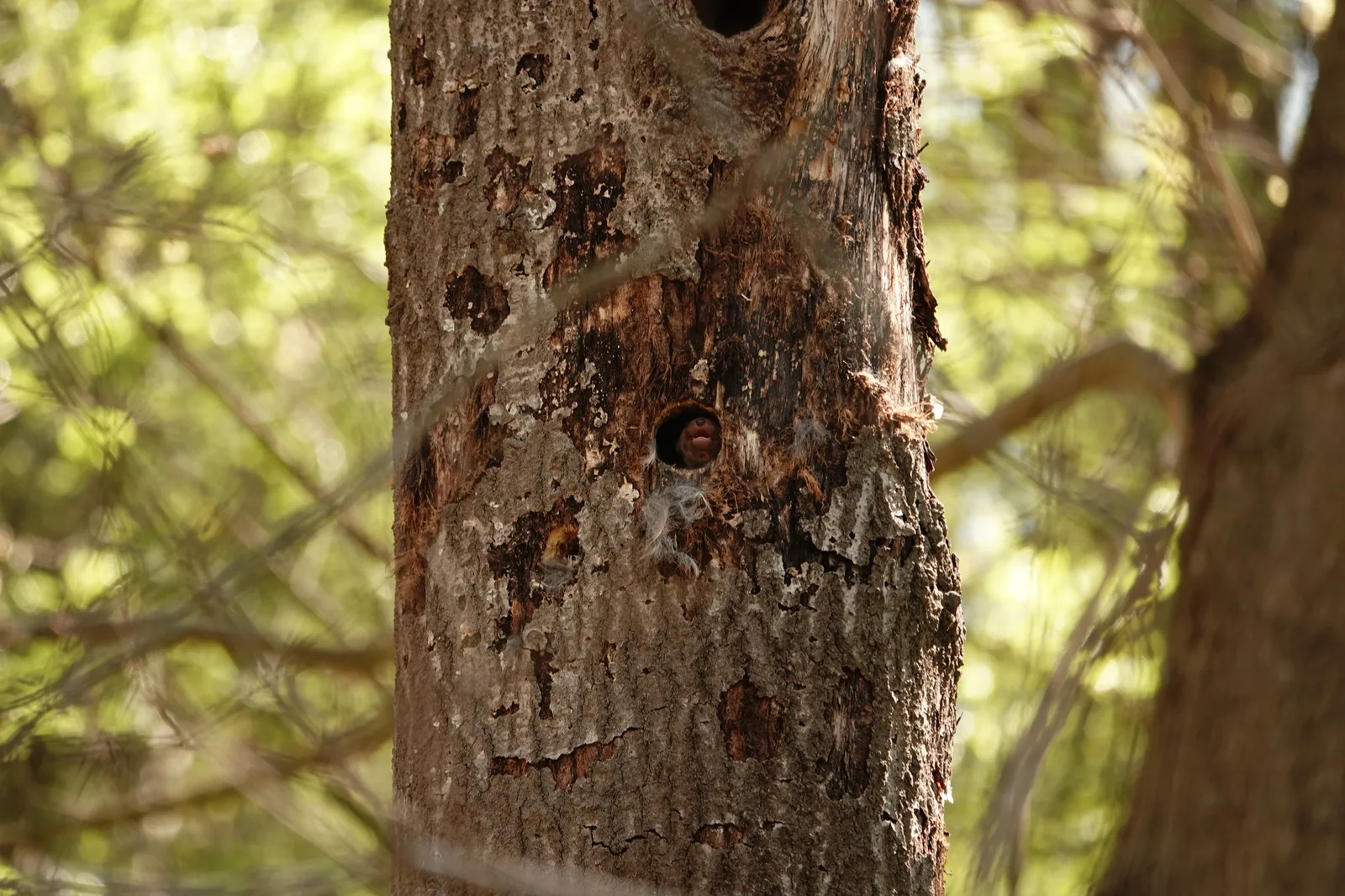
Hollow trees are the favourite nest sites, and each animal keeps several nests in its range. It also rests in old squirrel nests, abandoned bird nests and cracks in rock, and in cold winters it goes underground. Adults live alone, and a male and female stay together only briefly. A male may guard a mated female by defending a range that contains hers.
Home range estimates vary widely: 23 square kilometres for males and 6.5 for females in one source, 2.2 and 1.5 in another. Ranges of the same sex seldom overlap, but a male's range covers those of one or more females. Autumn and winter ranges can be 8 to 54% smaller than spring and summer ranges. Adults tolerate independent sub-adults, often their own young, inside their ranges. In late winter, scent marking, aggression and hormone levels all rise in a so-called false heat that probably drives out last year's young.
Communication and senses
The marten has excellent sight, smell and hearing, and its small rounded ears are highly sensitive. It marks its range with the abdominal and anal scent glands. It also leaves droppings, which are black and twisted, at points around the territory. Scent marking rises sharply in late winter, when social activity peaks.
In the nest, kits twitter to their mother. Adults are mostly quiet, and little else is recorded about their voice. Like other mustelids, it probably uses scent more than sound to find mates and avoid rivals.
Reproduction and life cycle
Mating takes place in July and August. The season lasts 30 to 45 days. In it a female is receptive one to four times, for 1 to 4 days each, at gaps of 6 to 17 days. Pairs usually mate on the ground, and a single mating may run past an hour. The fertilised egg then waits about seven months and implants only in late February or March, when daylight lengthens. Development after implantation takes 30 to 35 days, so the young arrive in late March or April.
A litter holds one to five kits, usually about three, and the female has only four working teats. A newborn weighs about 30 grams and is blind, deaf and toothless. The eyes open at 34 to 38 days, and the kits take solid food at 36 to 45 days. They leave the den at 7 to 8 weeks and can disperse at 12 to 16 weeks. Some young stay in the mother's range through the winter and leave the next spring.
A marten can mate in its first summer at 14 months, but most first breed in their second or third year. In the wild, 3 to 4 years is a typical life, and the record is 11 years. In captivity one animal reached 18.2 years.
Predators and threats
Larger carnivores and birds of prey take martens, especially young ones. The list includes the Eurasian lynx, the wolverine, the red fox, the golden eagle, the eagle owl, the goshawk and the white-tailed eagle. A closed forest canopy is thought to shield it from the birds.
People are the greatest threat. Martens are shot or poisoned during predator control aimed at other species, after taking poultry, or for denning in buildings. Woodland loss and fragmentation remove its habitat. Its fine winter fur has always been in demand, and fur hunting caused a serious decline in the 1970s. In the UK the marten and its dens are fully protected under the Wildlife and Countryside Act 1981.
Population and conservation
The IUCN lists the European pine marten as Least Concern. It remains widespread across Europe, and it has recovered in many areas since the fur-trade decline. Density is about 0.3 to 0.8 animals per square kilometre.
For many years in Britain it survived only in north-west Scotland. By 2012 it had spread into Sutherland, Caithness, Moray, Aberdeenshire, Perthshire and the Central Belt, and to Skye and Mull. In England it was thought extinct until a dropping found in Northumberland in 2010 tested positive. In July 2015 a photographer in Shropshire recorded the first confirmed English sighting in over a century, and juveniles followed in 2019. Martens now breed in the New Forest, and in 2022 one was filmed in London for the first time in a hundred years.
In Wales the Vincent Wildlife Trust released 20 Scottish martens in autumn 2015 and planned 20 more in 2016. Between 2019 and 2021, 35 martens went to the Forest of Dean, where the species was last seen in 1860. By 2023 that population was thought to be approaching 60. In 2024 releases began on Dartmoor and Exmoor. In Ireland the marten is still rare, but it is spreading from the Burren and Killarney into the Midlands.
Relationship with humans
The pine marten keeps away from villages, and no one has ever called it a pest. People have prized its winter pelt for centuries, and medieval Croatians paid their taxes in marten skins. The species has been kept on fur farms, but its slow breeding makes large-scale fur trade impractical.
Gamekeepers persecuted it in Britain until it was almost gone. Today conservation bodies move martens between regions to rebuild lost populations. The Kent and Sussex Wildlife Trusts announced a study in February 2024 into a reintroduction in south-east England. Its taste for grey squirrels has made it an ally of red squirrel conservation in Ireland and Britain.
In culture and myth
Croatia treats the pine marten as a national symbol and stamps it on its euro coins. Before the euro it appeared on the 1, 2, 5 and 25 kuna coins, and kuna itself means marten. In the Irish epic Táin Bó Cúailnge, Queen Meadhbh is said to keep a pet marten on her shoulders. In Celtic tradition the marten stood for cunning and adaptability and was seen as a guardian of the forest.
In Romanian folk belief, martens plait the manes of horses at night, and the owner finds them tangled in the morning. Native American marten clans and kachinas belong to the American marten, a separate species, though websites often mix the two. Spirit-animal blogs list stealth and cleverness as the marten's meanings, but these are probably modern inventions.
A sentence with a dotted underline is inferred: it describes the group the animal belongs to, or is a reading of the sources, rather than a measured or reported fact about this species.
Questions
European pine marten questions, answered
What is a pine marten?
It is a cat-sized member of the weasel family, Mustelidae, with brown fur and a cream bib. It lives in the forests of Europe and western Asia.
How big is a pine marten?
The head and body measure 45 to 58 centimetres, and the tail adds 16 to 28. Adults weigh 0.48 to 1.8 kilograms.
What do pine martens eat?
Mainly voles, mice and squirrels, plus birds, eggs, frogs, insects and carrion. In autumn berries can make up 30% of the diet.
Where do pine martens live?
Across most of Europe from Ireland to western Siberia, and south to Turkey, the Caucasus and Iran. They prefer mature forest.
Are pine martens dangerous?
No. They avoid people and are not known as pests. A cornered marten will probably bite, as any wild mustelid would.
Are pine martens endangered?
No. The IUCN lists the species as Least Concern. It is rare in Britain and Ireland but spreading, helped by reintroductions.
Are there pine martens in England?
Yes, a few. Sightings resumed in Shropshire in 2015, martens breed in the New Forest, and 35 were released in the Forest of Dean between 2019 and 2021.
Do pine martens kill grey squirrels?
Yes. Where martens spread in Ireland, grey squirrels retreat and red squirrels recover. The grey spends more time on the ground, where the marten catches it.
Can pine martens climb trees?
Yes. They are the only mustelids with semi-retractable claws, and they run along branches and leap between treetops after squirrels.
How long do pine martens live?
A typical wild life is 3 to 4 years, and the wild record is 11 years. One captive marten lived 18.2 years.
When do pine martens have their young?
Kits are born in late March or April. Mating happens the previous July or August, and the embryo waits about seven months before it implants.
How many young does a pine marten have?
One to five kits, usually about three. Each weighs about 30 grams at birth.
Are pine martens nocturnal?
Mostly. They are active at night and at dusk, and they rest by day in a hollow tree or an old squirrel drey.
What is the difference between a pine marten and a stone marten?
The pine marten has a cream to yellow bib and dark underfur. The stone marten has a white bib and lighter underfur, and its upper premolar has a different shape.
Why is the Croatian currency called the kuna?
Kuna means marten in Croatian. Marten pelts were used as money in medieval Croatia, and the marten appeared on the kuna coins.
Food web
Prey and food
- voles
- mice
- squirrels
- birds
- eggs
- frogs
- beetles
- carrion
- berries
- honey
 Red squirrel
 Western capercaillie
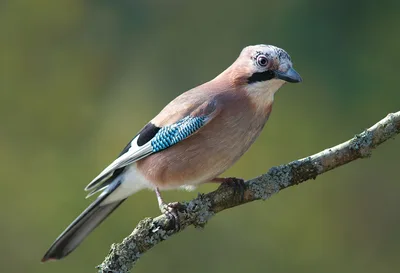 Eurasian jay
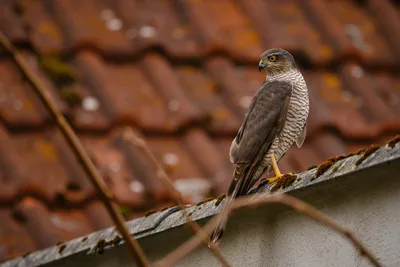 Eurasian sparrowhawk
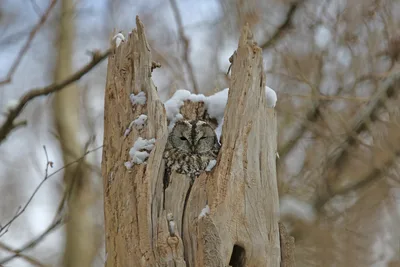 Tawny owl
Food web
Predators
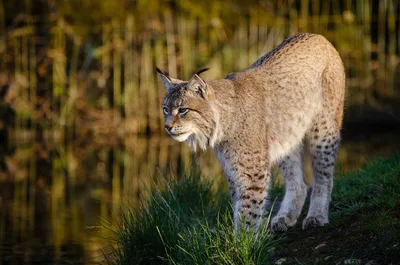 Eurasian lynx
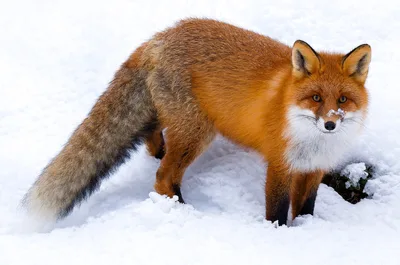 Red fox
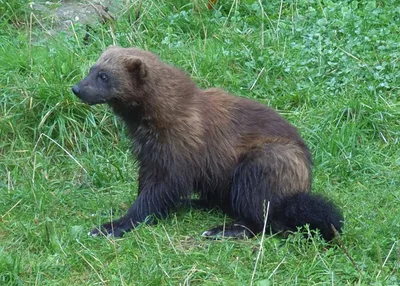 Wolverine
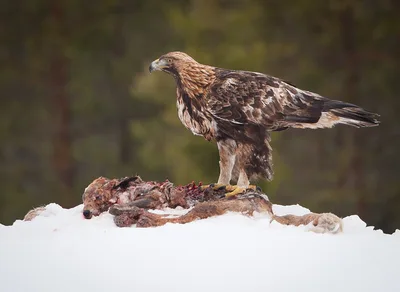 Golden eagle
- eagle owl
- goshawk
Ecological equivalents
Related species on this site
Sable (same genus), American badger (same family), Angora Ferret (same family), Black-Footed Ferret (same family), Cinnamon Ferret (same family), European badger (same family), and more.
 LC
Mammals
Sable
Martes zibellina
The sable is a small marten of the Siberian taiga, hunted for centuries for the softest fur in the trade.
Living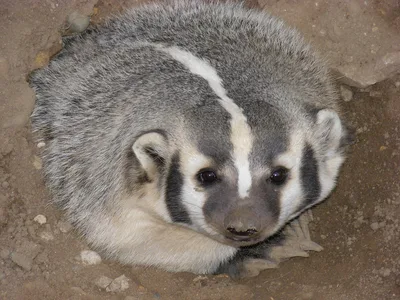 LC
Mammals
American badger
Taxidea taxus
The American badger is a flat, powerful digger of the North American grassland that tunnels after gophers and ground squirrels.
Living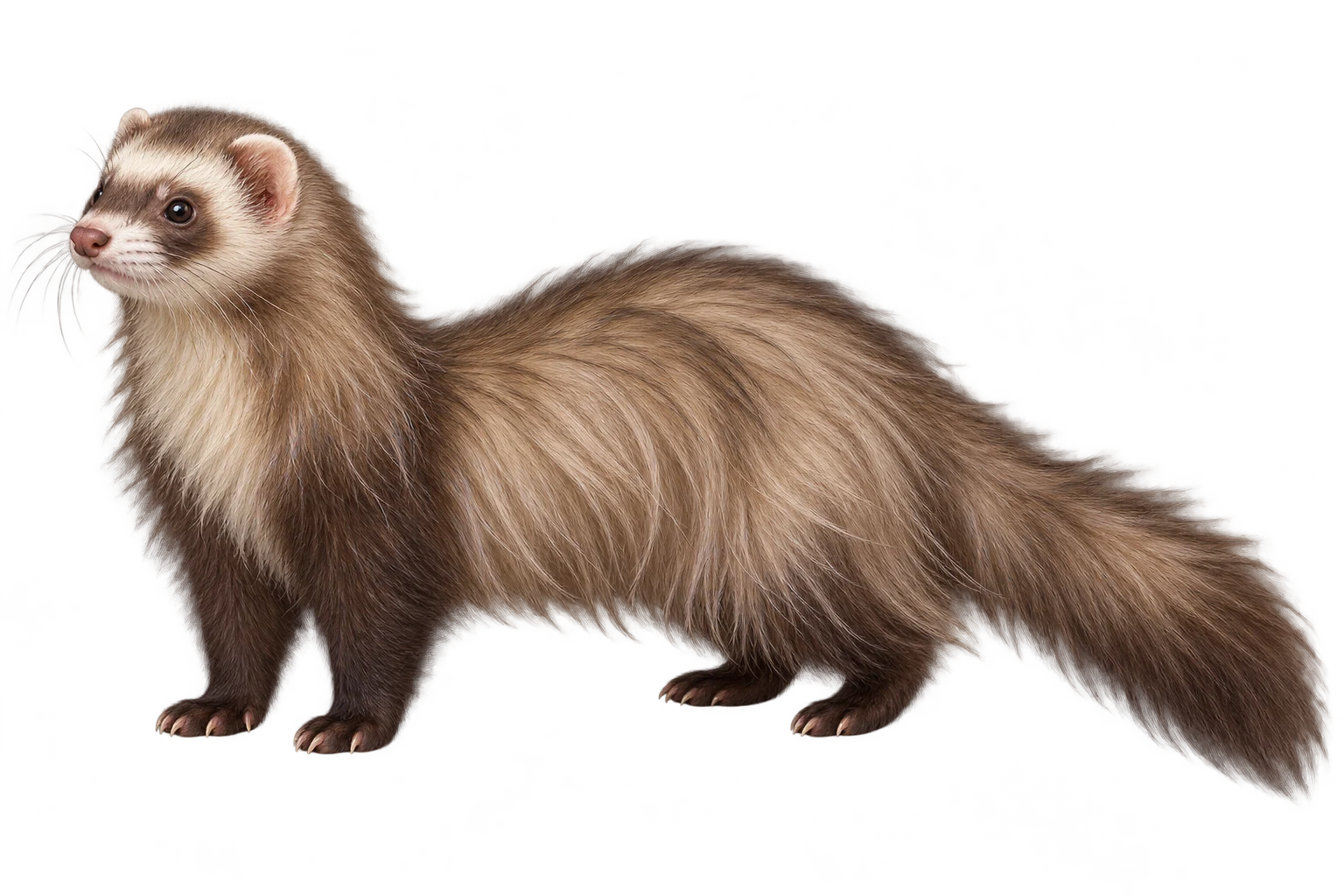
Mammals
Angora Ferret
Mustela putorius furo
Classification and source reference
LivingAI illustration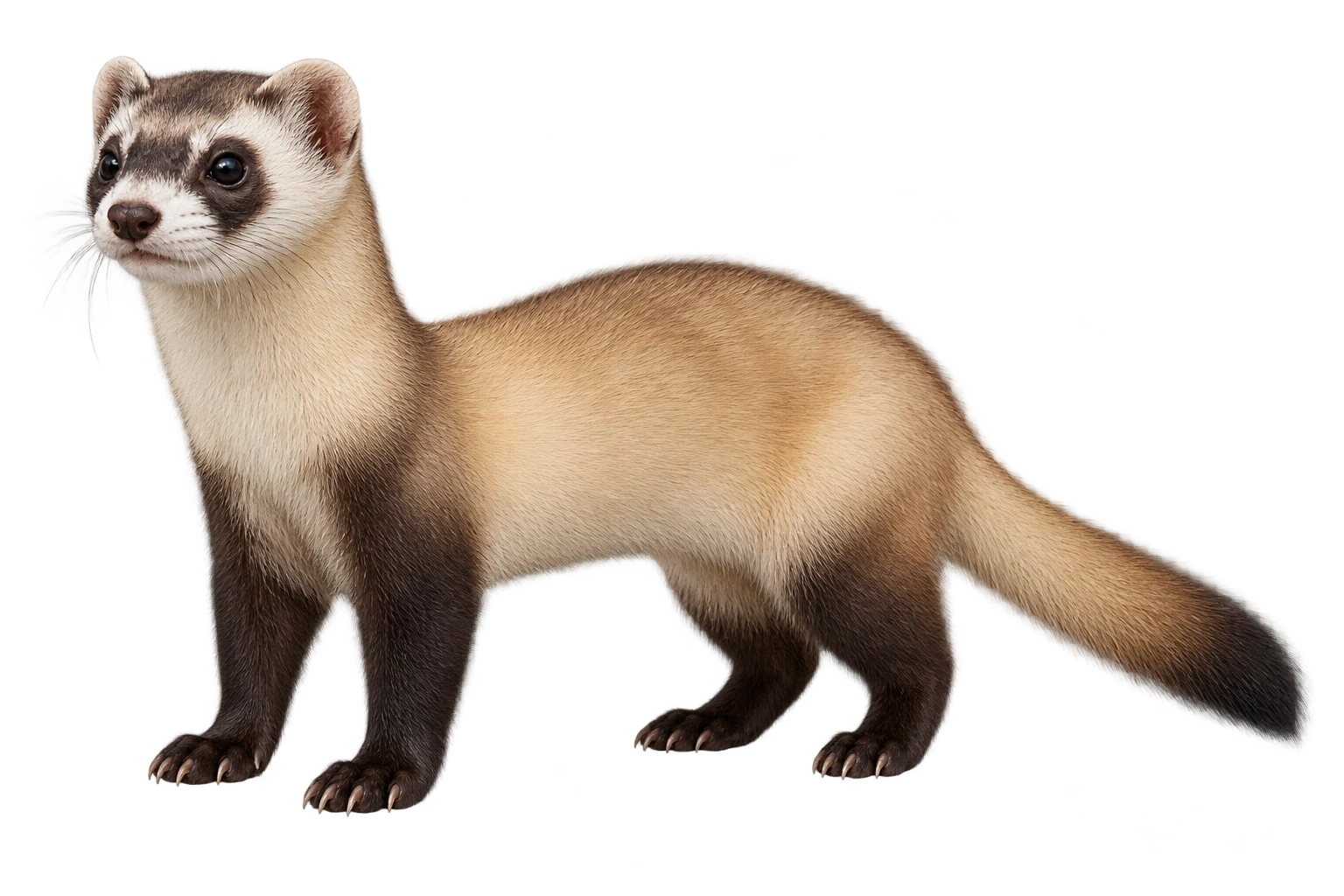
Mammals
Black-Footed Ferret
Mustela nigripes
Classification and source reference
LivingAI illustration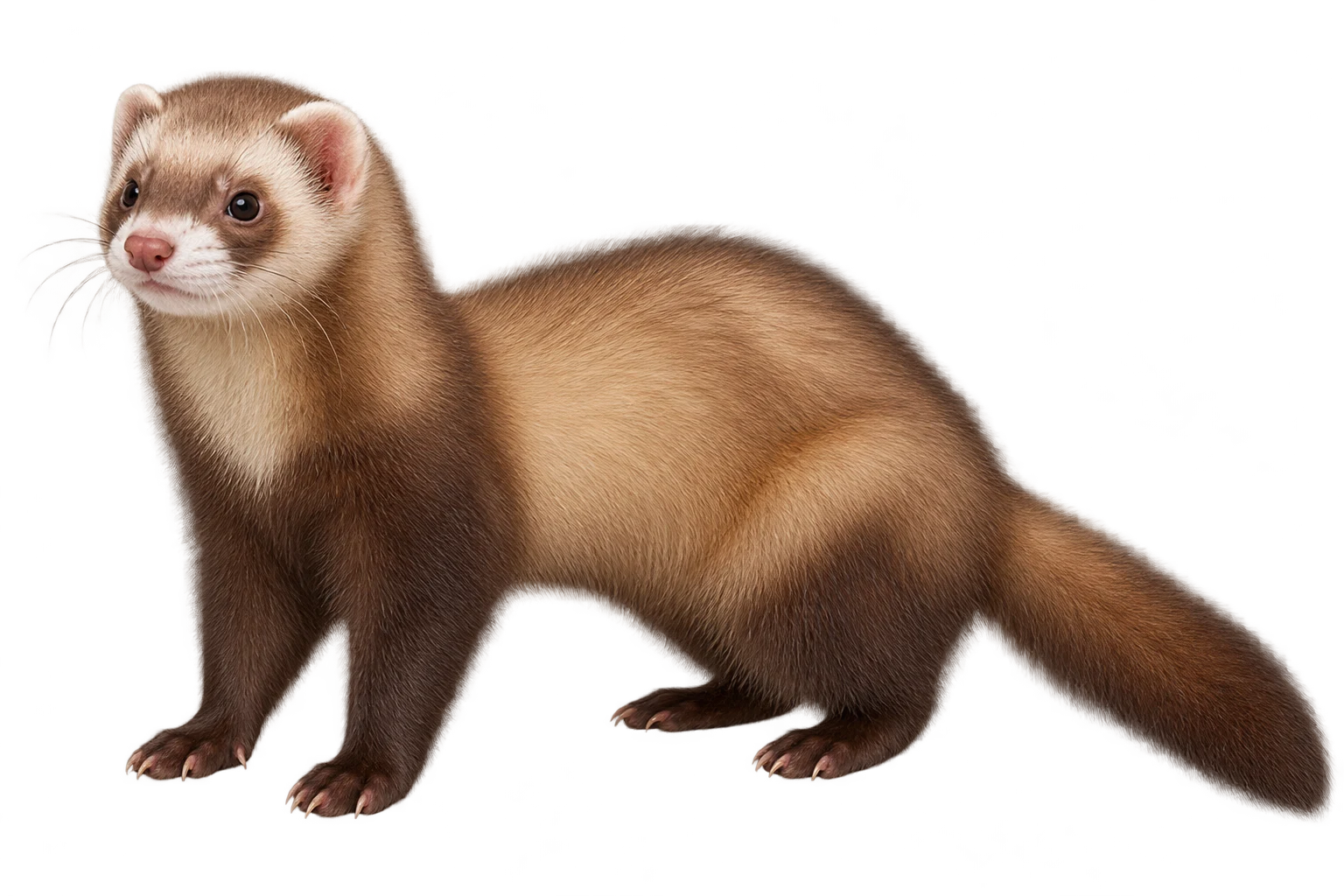
Mammals
Cinnamon Ferret
Mustela putorius furo
Classification and source reference
LivingAI illustration LC
Mammals
European badger
Meles meles
The European badger is a stocky, striped-faced mustelid that lives in family clans across Europe and western Asia.
Living