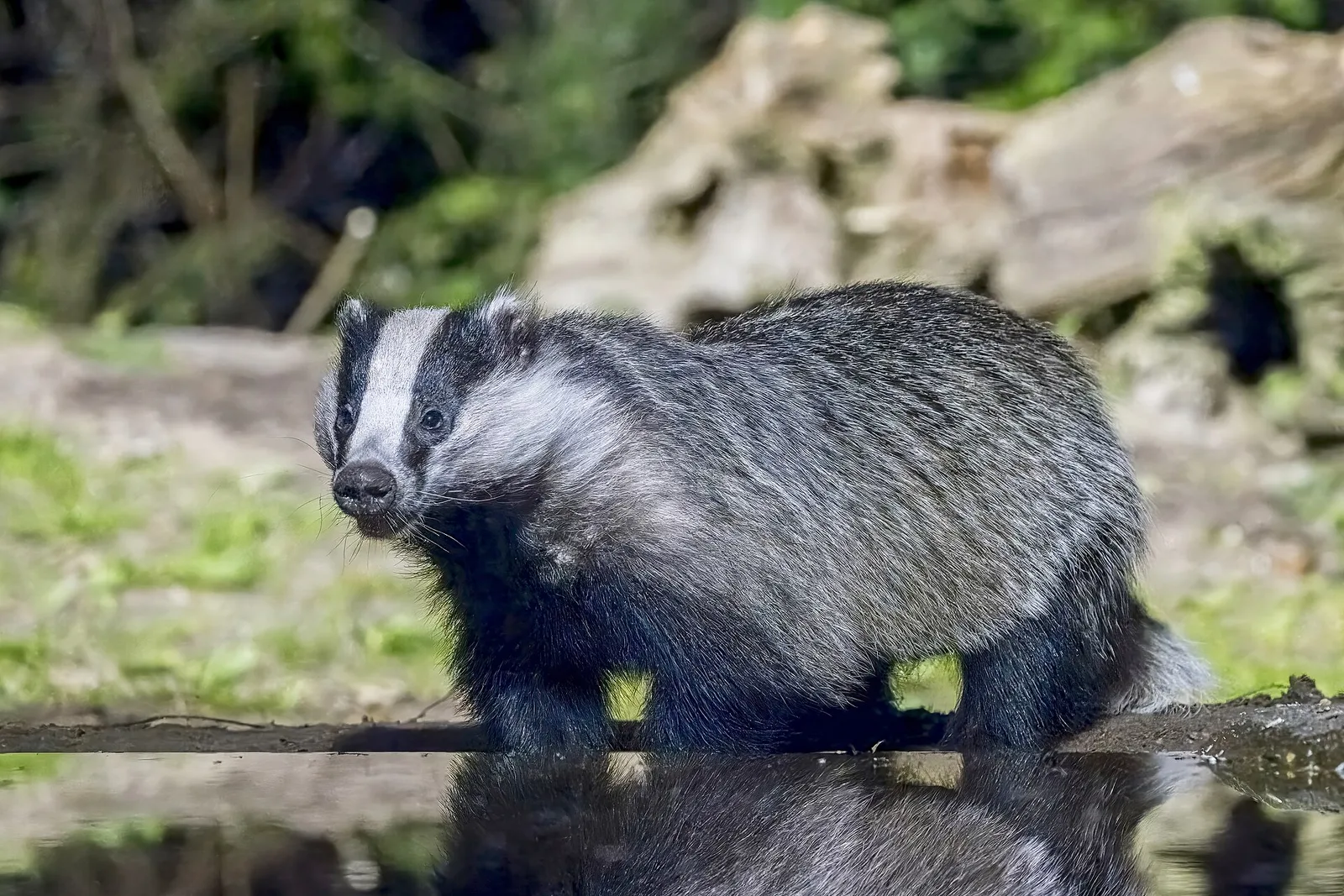
European badger
The clan digger of the European woods
Meles meles
Also called Eurasian badger, Brock, Badger, Dachs, Blaireau
Living individuals or members of this group exist today. This does not mean they are safe from extinction.
Meet the european badger
The European badger is a stocky, striped-faced mustelid that lives in family clans across Europe and western Asia. It digs vast burrow systems called setts and feeds mainly on earthworms.
Images of the european badger

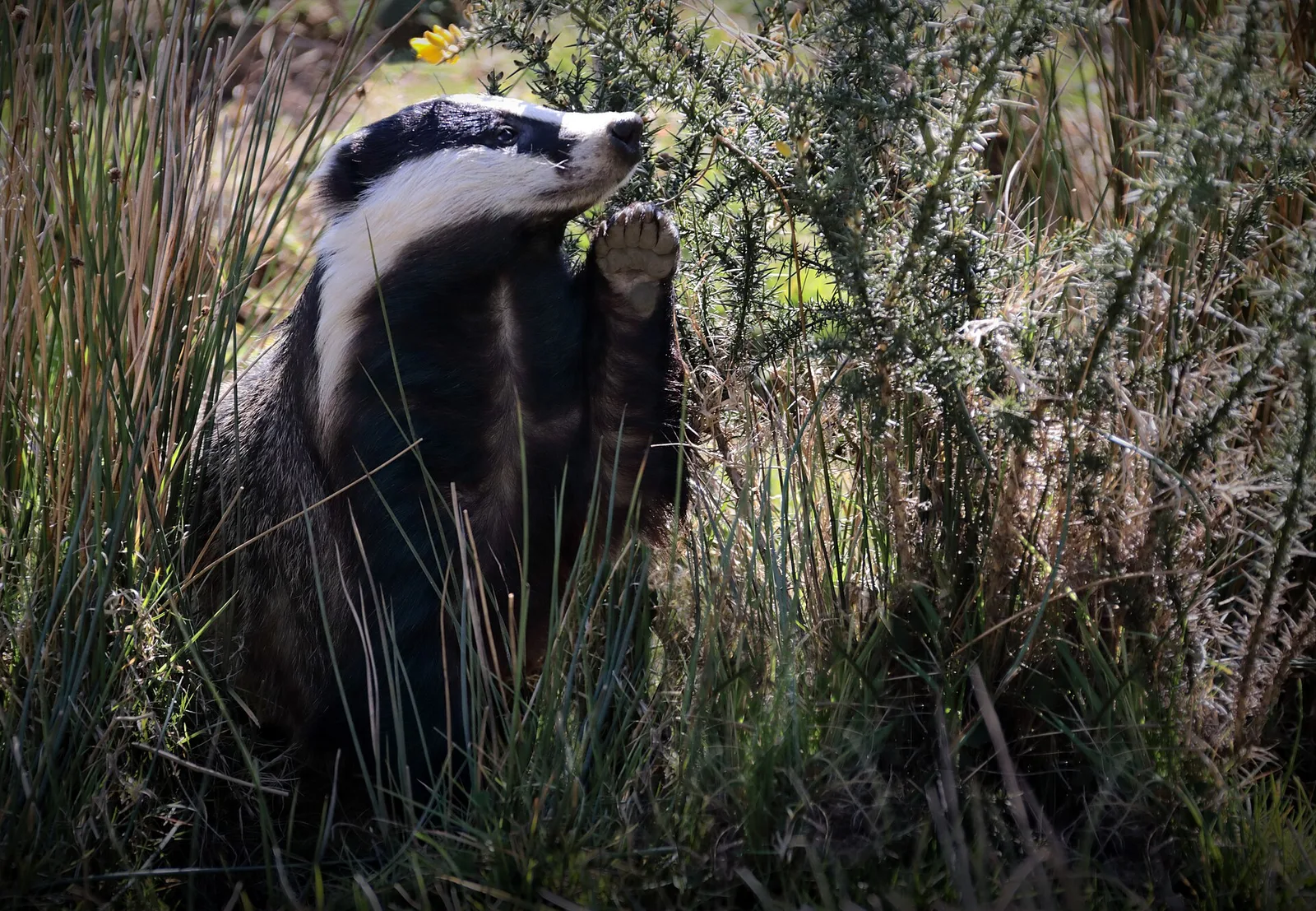
Lifespan in the wild
About 6 years few wild badgers pass 6 years; the oldest known reached 14
Weight
7 to 17 kg
Length
60 to 90 cm
Height
25 to 30 cm
Fact file
European badger
- Location
- Europe west of the Volga, plus parts of West and Central Asia
- Habitat
- Temperate forest, Grassland, Towns and cities
- Diet
- Omnivore
- Prey / food
- Earthworms, beetles, wasp nests, rabbits, voles, hedgehogs, carrion, cereals, fruit
- Predators
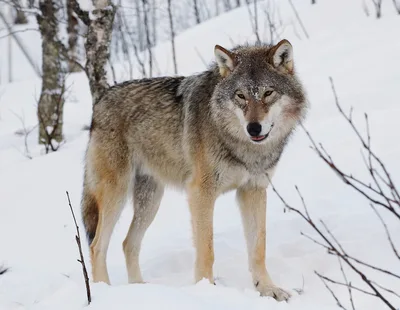
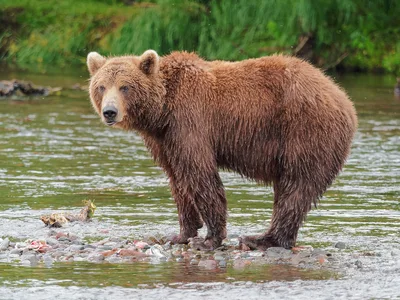
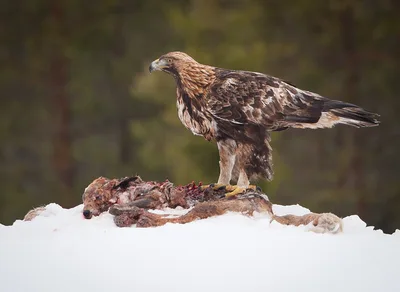
- Wolves, lynx, brown bears, golden eagles and large dogs, all rarely
- Lifestyle
- Nocturnal, social, sleeps in a sett by day
- Group name
- Clan
- Name of young
- Cub
- Gestation
- About seven weeks after a delay of two to nine months
- Litter size
- 1 to 5 cubs, usually 2 or 3
- Population
- About 300,000 in Great Britain alone; stable or rising across Europe
- Biggest threat
- Roads, persecution, culling for bovine TB and loss of habitat to intensive farming
- Distinctive feature
- Two black stripes through the eyes on a white face
- Colour
- Grizzled grey back, black underside and legs, black and white face
- Skin type
- Fur
Size
Next to a person
Measurements
Size and speed
- Height
- 25 to 30 cm at the shoulder
- Length
- 60 to 90 cm head and body, excluding the tail
- Tail
- 12 to 24 cm
- Weight
- 7 to 17 kg, up to 27.2 kg 7 to 13 kg in spring, 15 to 17 kg in autumn; the heaviest verified animal weighed 27.2 kg
- Weight, male
- 9.1 to 16.7 kg
- Weight, female
- 6.6 to 13.9 kg
Typical adult ranges. Sources: Wikipedia, Animal Diversity Web.
Life cycle
Lifespan
- In the wildAbout 6, up to 14 years few wild badgers pass 6 years; the oldest known reached 14
- In captivityUp to 19 years
- 019 years
The pale bar is the record. Source: Animal Diversity Web.
Appearance
Colour and coat
- Primary colours
- greyblackwhite
- Secondary colours
- brownstraw
- Skin type
- fur
- Male and female
- Slight. A boar has a broader head and a thicker neck than a sow, and he weighs more, up to 16.7 kilograms against 13.9. The sexes match in body length.
Life cycle
Mating and family
- Mating system
- mostly monogamous boars, with sows that take extra mates
- Social structure
- clans of about six adults and their cubs in a shared sett
- Breeding
- one litter a year, from the dominant sow
Badgers mate mainly between February and May, but the embryos wait until December to implant. True gestation then lasts seven weeks, so cubs are born from mid-January to mid-March. A litter holds one to five cubs, weaned from twelve weeks. Only the dominant sow usually breeds, and other females help rear her cubs. Most young stay in the clan, and few wild badgers live past six years.
Classification
Taxonomy
- Kingdom
- Animalia
- Phylum
- Chordata
- Class
- Mammalia
- Order
- Carnivora
- Family
- Mustelidae
- Genus
- Meles
- Species
- Meles meles
Conservation
Red List status
- LC
- NT
- VU
- EN
- CR
- EW
- EX
Least Concern on the IUCN Red List
Range
Recorded in 26 countries
- Austria
- Belgium
- Bulgaria
- Switzerland
- Germany
- Denmark
- Spain
- Finland
- France
- United Kingdom
- Greece
- Croatia
- Hungary
- Ireland
- Italy
- Lithuania
- Luxembourg
- Netherlands
- Norway
- Poland
- Portugal
- Romania
- Russia
- Sweden
- Slovenia
- Ukraine
Habitat layer: temperate broadleaf and mixed forest, temperate conifer forest, boreal forest and taiga, tropical grassland, savanna and shrubland, temperate grassland, savanna and shrubland.
Countries from 12,802 wild records on GBIF (iNaturalist research grade), filtered and checked by hand. Country shapes: Natural Earth. Habitat: RESOLVE Ecoregions 2017, CC BY 4.0. Basemap: Natural Earth.
Habitats
Three things to know
- 1
A badger sett can have fifty entrances, and some setts have housed badgers for decades.
- 2
Badgers carry up to 30 bundles of fresh bedding into the sett in one night and throw out the old.
- 3
A badger's jaws can crush bone, and one bite once cost a man his hand.
Did you know
Seven more facts
- 1
Until the mid-1700s English speakers called the animal brock, pate, grey or bawson.
- 2
The old name brock is Celtic for grey, and the Welsh call the badger an earth pig.
- 3
A badger eats a hedgehog by turning it inside out and leaving the spiny skin.
- 4
Badgers air their bedding outside on sunny winter mornings and drag it back in later.
- 5
A badger's eyes see no colour, so it ignores a red lantern.
- 6
Badgers in Bialowieza Forest gain about 46 percent in weight between spring and autumn.
- 7
Raccoon dogs often spend the winter in the same hole as a badger.
Field notes
How it looks and acts
Field notes
Distinguishing features
- A white face with a black stripe through each eye to the ear.
- A grizzled grey back over a black belly and black legs.
- A low, wedge-shaped body of 60 to 90 centimetres on short, heavy legs.
- Long, blunt front claws for digging.
- Short ears tipped with white.
- A short tail of 12 to 24 cm.
Field notes
Unique adaptations
- Thick, loose skin and long hair that turn stings, bites and even shotgun pellets.
- A heavily ossified skull that shrugs off blows.
- Flattened molars that grind worms, grain and fruit as well as meat.
- A store of fat laid down in autumn that carries the animal through a winter sleep.
- Delayed implantation, which lets cubs be born in the best season whenever mating happened.
Field notes
Interesting behaviours
- Digging and maintaining a sett with many chambers and entrances.
- Carrying in fresh bedding and throwing out the old.
- Using shared latrines at the edge of the territory.
- Grooming clan-mates with claws and teeth.
- Sleeping through the coldest months in the north, after a feast of autumn fruit.
Field notes
Temperament
- Placid and tolerant of neighbours for most of the year.
- Ferocious when cornered, with bites that can maim a dog.
- Wary of people and, like most burrowers, quick to bolt underground.
- Tame individuals can be affectionate and come when called.
Field notes
Communication
- Musky scent from a gland under the tail, rubbed on latrines, paths and clan-mates.
- Growls, keckering, barks and a piercing scream.
- Raised tail and fluffed fur when excited or attacked.
- Whickering from cubs at play.
Ecology
Ecological role
The badger is a digger and an omnivore, and its work shapes the soil, the seed bank and the small animals of its woods.
- It eats large numbers of beetles, leatherjackets and wasp nests, which keeps some pests in check.
- It swallows more than 30 kinds of fruit and passes most of the seeds unharmed, so it spreads trees and shrubs.
- Its setts shelter foxes, rabbits and raccoon dogs, and its digging turns the soil.
- It limits hedgehogs where it is common.
Stories
Myths and legends
- In Irish myth, badgers were shape-shifters and kin to Tadg, king of Tara.
- In British folk rhyme, a badger's cry followed by an owl's foretold a death, but a badger behind you brought luck.
- In German fable, Grimbart the badger is the sober cousin of Reynard the fox.
- In Japanese folklore, the mujina is a badger that changes shape to punish or trick people.
- In old English lore, a hillside badger was said to grow shorter legs on one side.
People
Relationship with humans
People
Living alongside us
People have baited, hunted and eaten the European badger, and they have also made it a folk hero. Its hair fills shaving brushes and its pelt makes the Scottish sporran. Britain protects it by law, yet England culls it to slow bovine tuberculosis in cattle. Farmers count it a pest for digging and disease. Children know it from The Wind in the Willows and Harry Potter.
- A badger avoids people and runs for its sett, and attacks are very rare.
- A cornered or handled badger bites hard, and one bite once cost a man his hand.
- Badgers carry bovine tuberculosis, which is a risk to cattle rather than to people.
People
Status, uses and products
- Domestication
- Wild
- As a pet
- Not suitable. Tame badgers exist and can be affectionate, but a badger digs, smells strongly, chases cats and dogs, and needs a sett. In Britain it is illegal to take one from the wild.
- Uses
- wildlife watchinghuntingmeat
- Products
- hair for shaving brushespelt for sporransmeat
The full account
About the european badger
The European badger, Meles meles, is a heavy, short-legged member of the weasel family. Its white face with two black stripes through the eyes makes it easy to know. It lives across Europe and into western and central Asia. In Britain it is the largest wild land predator that remains. Adults measure 60 to 90 centimetres in body length and weigh 7 to 17 kilograms across the year.
Badgers live in family groups called clans. Each clan digs a burrow system, the sett, that can pass from one generation to the next. They come out at dusk and feed mostly on earthworms. The IUCN lists the species as Least Concern, and numbers are rising in parts of Europe. Even so, badgers in England are culled because they carry bovine tuberculosis. The badger is the emblem of the British countryside and a stock character in children's books.
Name and taxonomy
Carl Linnaeus described the badger in 1758 and called it Ursus meles, a bear. Today it sits in the genus Meles, within the family Mustelidae and the order Carnivora. The word badger probably comes from "badge", after the white mark on the forehead. An older English name, brock, comes from a Celtic word for grey. Other regional names were pate, grey and bawson, which means striped with white. A male is a boar, a female a sow and a young badger a cub.
Zoologists once split the Eurasian badgers into as many as 24 subspecies. Since 2005 the badgers of the Caucasus and the Middle East have been treated as a separate species, Meles canescens. The Asian badger, Meles leucurus, takes over east of the Volga River. A skull study in 2009 left the European badger with three subspecies, one of them limited to south-west Norway.
Evolution and relatives
The species probably descends from Meles thorali, a badger of the early Pleistocene in China. Fossils show the modern form in Europe from the early Middle Pleistocene. One review puts the first appearance of Meles meles at about 1.5 million years ago. Over that time the molars grew broader, which suits a diet of worms, fruit and grain. Badger bones sometimes turn up in older rock layers, because the animals dig down into them.
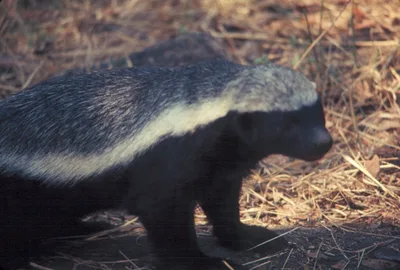
The badger's closest relatives are the Asian and Caucasian badgers, which were once counted as the same species. The Japanese badger is probably another close cousin. The honey badger and the American badger belong to the same family but to different branches. By average weight the European badger is the second largest land mustelid, behind only the wolverine.
Appearance
The badger has a wedge-shaped body, a small head, a thick neck and a short tail. The legs are short and massive, and each foot has five toes with long, blunt claws for digging. The back is grizzled silver-grey, with each hair pale at the root and dark at the tip. The throat, chest, belly and legs are black. Two black bands run from the muzzle up through the eyes to the ears, and a white band lies between them. The ears are short and tipped with white.
Head and body measure 60 to 90 centimetres, with a tail of 12 to 24 cm. An adult stands only 25 to 30 cm at the shoulder. Weight swings with the season, from 7 to 13 kilograms in spring to 15 to 17 kg in autumn. The heaviest verified badger weighed 27.2 kg. Boars have broader heads and thicker necks than sows, and they weigh more, but the sexes match in length. The skull is heavy, with a tall crest along the top that anchors the jaw muscles. Those jaws can crush most bones. Albino, red and pale yellow badgers turn up now and then.
Habitat and range
The badger lives in almost every country of Europe, from Ireland and Spain to Finland and European Russia. Its range stops at the Volga, where the Asian badger begins. It also lives in the Caucasus and parts of West and Central Asia, where it meets the Caucasian badger. GBIF holds records from 59 countries, with the most from Switzerland, France and Great Britain.
The best habitat is deciduous or mixed woodland next to open fields. Badgers also use hedgerows, scrub, pasture, farmland, steppe and even semi-desert. They dig setts in dry, well-drained soil under trees, bushes or rocks. Moist grassland with plenty of earthworms is a strong draw. In mountains they climb to about 2,000 metres.
Badgers have moved into suburbs and city parks, though less fully than the red fox. A clan territory can be as small as 30 hectares in rich country and as large as 150 hectares in poor country. Latrines and worn paths mark the edges of a territory.
Diet and feeding
The badger is one of the least meat-eating members of the order Carnivora. Earthworms come first, and much of its behaviour is built around finding them. On a damp night a badger can fill up on worms within about one hectare. It grips a worm with its front teeth, and if the worm snaps it hunts down the pieces. Large insects come next: chafers, dung beetles, ground beetles, caterpillars and leatherjackets. Badgers dig out wasp and bumblebee nests and eat the grubs, combs and adults, because their thick skin shrugs off stings.
Small mammals on the menu include rabbits, voles, mice, moles, shrews and hedgehogs. A badger sniffs out a nest of young rabbits and digs straight down to it. It eats a rabbit or a hedgehog by turning the animal inside out and leaving the skin. Where badgers are common, hedgehogs are scarce. Carrion, cereals such as wheat, oats and maize, and more than 30 kinds of fruit fill out the diet. In winter or drought a badger will eat clover, grass, tubers and fungi.
A badger rarely eats more than 0.5 kilograms of food a day. It eats where it finds the food and seldom carries anything back to the sett. Lamb and poultry killing is very rare, and the fox that shares a sett is usually the real culprit.
Behaviour and social life
The European badger is the most social of all the badgers. A clan averages about six adults, and groups of up to 23 have been counted. Clans form because young badgers stay at home rather than leave. Where food is thin, badgers live alone and the clan system fades. Group members groom each other, share latrines and sleep together, yet each one forages alone. Beyond the dominant boar and sow there is little rank, and members of different clans usually tolerate one another.
The sett is the centre of clan life. A large sett can have fifty entrances, and its tunnels can run for 35 to 81 metres. The sleeping chamber lies 5 to 10 metres from an entrance and more than a metre underground. Badgers drag in grass, bracken, leaves and moss for bedding, up to 30 bundles in a night. They throw old bedding out, air it in the sun and clean the sett before cubs are born. If a badger dies underground, the others seal the chamber or carry the body out and bury it.
Badgers are active from dusk through the night. In late summer they lay down fat, and in Russia and Scandinavia they sleep from November to March. In milder England they stay active or sleep only in cold spells. Fights break out in the spring mating season, when boars bite one another about the neck and the rump. A badger will share its sett with rabbits, foxes and raccoon dogs, and it may protect the rabbits from other predators.
Communication and senses
Scent binds the clan together. A gland under the tail produces a musky cream, and the anal glands a stronger yellow-brown fluid. Badgers mark latrines, paths and each other with these secretions. Marking a clan-mate probably gives the whole group one shared smell. Boars mark more than sows, most of all in early spring.
Badgers have a wide range of calls. They growl when threatened, kecker when they fight, bark when surprised and scream when frightened. Cubs whicker while they play. No alarm call that warns the rest of the clan has been recorded. The nose is acute, but the eyes see no colour and notice only movement. Hearing is about as good as a person's.
Reproduction and life cycle
Badgers can mate in any month, but most matings fall between February and May. A boar usually keeps one mate for life, while a sow may mate with more than one boar. Up to 54 percent of cubs in a clan can be fathered by boars from other clans. After fertilisation the embryos wait for two to nine months before they implant, usually in December. True gestation then lasts about seven weeks. A sow can even conceive again while she carries a delayed litter, so one litter may have two fathers.
Cubs are born between mid-January and mid-March in a bedded chamber underground. A litter holds one to five cubs, and each weighs 75 to 132 grams at birth. The eyes open after four to five weeks, and the cubs first come above ground at eight weeks. Weaning starts at twelve weeks, though some cubs suckle until four or five months. Usually only the dominant sow breeds, and she may kill the cubs of other sows. Other females help guard and groom her cubs.
Half or more of the cubs die in their first year. Both sexes can breed at about one year, though boars often wait until 12 to 15 months. Few wild badgers live past six years, and the oldest known wild badger reached 14. In captivity one lived to 19.
Predators and threats
An adult badger has few enemies. Wolves, lynx and brown bears can kill one, but they rarely bother, because a cornered badger fights hard. Large dogs sometimes kill badgers, and badgers sometimes maim the dogs. Golden eagles snatch cubs, even from beneath their mother, and may attack a thin adult in spring. Eagle owls and red foxes also take cubs.
People kill far more badgers than any predator. Roads take a heavy toll, and setts are dug out by baiters who set dogs on the animals. Bovine tuberculosis kills badgers and moves between badgers and cattle. In England the government has culled badgers to protect cattle since 2013. Intensive farming removes the hedges and rough grass that badgers need. Warmer springs may wake badgers early, before there is enough food.
Population and conservation
The IUCN lists the European badger as Least Concern. It is common and widespread, and its numbers are stable or rising. Great Britain held about 300,000 badgers in 2012, after a rise of 77 percent through the 1980s and 1990s. European Russia recorded 30,000 in 1990. In central Europe numbers grew once rabies was brought under control.
Britain protects the badger and its sett under the Protection of Badgers Act 1992. Baiting has been illegal there since 1835. The English cull began in 2013, and about 5,000 badgers died in its first six weeks. A study of the cull from 2013 to 2017 found that cattle TB fell by 36 to 55 percent in culled areas. Opponents argue for vaccination instead, and the cull remains a public quarrel. In parts of Europe with intensive agriculture the badger has declined, and in some it is hunted as a pest.
Relationship with humans
People have hunted, baited, eaten and admired the badger for centuries. Badger-baiting, in which dogs were set on a boxed badger, was a popular blood sport until Britain banned it. Hunters used terriers and dachshunds to dig badgers out of their setts. Smoked badger ham was once prized in England, Wales and Ireland, and badger meat is still eaten in parts of the former Soviet Union. Badger hair goes into shaving brushes, and the pelt into the Scottish sporran.
Farmers dislike badgers for digging up crops, undermining fences and spreading bovine TB to cattle. Gardeners in Britain find their lawns torn up for worms and grubs. Tame badgers can be affectionate and learn their names, but they chase cats and dogs. Badger watching at a known sett is probably the most common way people meet the animal in Britain. An old medical book of 1810 sold badger grease and blood as cures for coughs and sprains.
In culture and myth
In Irish mythology badgers were shape-shifters and the kin of Tadg, the king of Tara. Tadg scolded his foster son Cormac mac Airt for killing and cooking badgers, because they were relatives. In British folk rhymes from the early 1800s, a badger's call followed by an owl's hoot foretold a death. The same rhymes said a badger that crossed the path behind you brought luck. German fable gives the badger the name Grimbart and makes him the cautious, home-loving cousin of Reynard the fox. In Highland Scotland badger teeth became buttons, and a badger's penis bone made a fertility charm.
Mr Badger in The Wind in the Willows is a gruff hermit who dislikes company yet leads the fight for Toad Hall. In T. H. White's The Once and Future King, Merlin turns the young Arthur into a badger to learn about home. Beatrix Potter's Tommy Brock is a villain who kidnaps rabbit children. The badger is the emblem of Hufflepuff house in the Harry Potter books. Petar Kocic's 1904 play Badger before the Court puts a badger on trial for eating crops, as a satire on Austro-Hungarian rule. Japan has the mujina, a badger that changes shape, which a legal text of the 8th century treats as a demon.
A sentence with a dotted underline is inferred: it describes the group the animal belongs to, or is a reading of the sources, rather than a measured or reported fact about this species.
Questions
European badger questions, answered
What does a European badger eat?
Mostly earthworms, then beetles, wasp grubs, small mammals, carrion, cereals and fruit. It is an omnivore and one of the least meat-eating members of the order Carnivora.
How big is a European badger?
The body is 60 to 90 centimetres long, plus a tail of 12 to 24 cm. It weighs 7 to 13 kilograms in spring and 15 to 17 kg in autumn.
Are badgers dangerous to humans?
Rarely. A badger runs from people, but a cornered or handled badger can bite through bone. Leave one alone and it will leave you alone.
Where do European badgers live?
Across Europe from Ireland to the Volga River, and in parts of West and Central Asia. They prefer woodland next to fields, and they also live in suburbs.
What is a badger sett?
A sett is the badger's burrow system. It has many chambers and up to fifty entrances, and a clan can use one for decades.
Do badgers hibernate?
Not in a true sense. In Russia and Scandinavia they sleep underground from about November to March. In England they stay active for most of the winter.
How long do badgers live?
Few wild badgers pass six years, and the oldest known wild badger reached 14. In captivity one lived to 19.
Are badgers endangered?
No. The IUCN rates the species Least Concern. Numbers are stable or rising, and Great Britain alone held about 300,000 in 2012.
Why are badgers culled in England?
Badgers carry bovine tuberculosis and can pass it to cattle. England has culled them since 2013, and a study found cattle TB fell by 36 to 55 percent in culled areas. Many people oppose the cull and want vaccination instead.
Do badgers live in groups?
Yes. A clan averages about six adults plus cubs, and groups of up to 23 have been recorded. Each badger still forages alone.
Are badgers nocturnal?
Yes. They leave the sett at dusk and return before dawn. In quiet places they sometimes come out in the evening light.
What is a baby badger called?
A cub. A male badger is a boar and a female is a sow.
Do badgers eat hedgehogs?
Yes. A badger turns a hedgehog inside out and eats the flesh. Hedgehogs become scarce wherever badgers are common.
Can you keep a badger as a pet?
No. Tame badgers have existed, but the animal digs, smells strongly and chases cats and dogs. In Britain taking one from the wild is illegal.
Why is a badger called a brock?
Brock is an old Celtic word for grey, and it was the common English name until the 1700s. The word badger probably refers to the white badge on the forehead.
Food web
Prey and food
- earthworms
- beetles
- wasp nests
- rabbits
- voles
- hedgehogs
- carrion
- cereals
- fruit
Food web
Predators
 Gray wolf
- lynx
 Brown bear
 Golden eagle
- dogs
- all rarely
Ecological equivalents
Related species on this site
American badger (same family), Angora Ferret (same family), Black-Footed Ferret (same family), Cinnamon Ferret (same family), European pine marten (same family), European polecat (same family), and more.
 LC
Mammals
American badger
Taxidea taxus
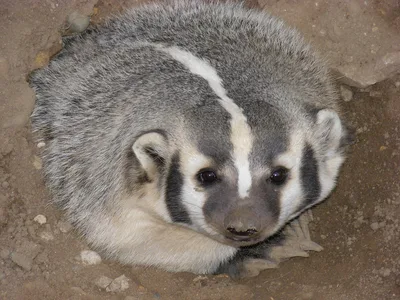
The American badger is a flat, powerful digger of the North American grassland that tunnels after gophers and ground squirrels.
Living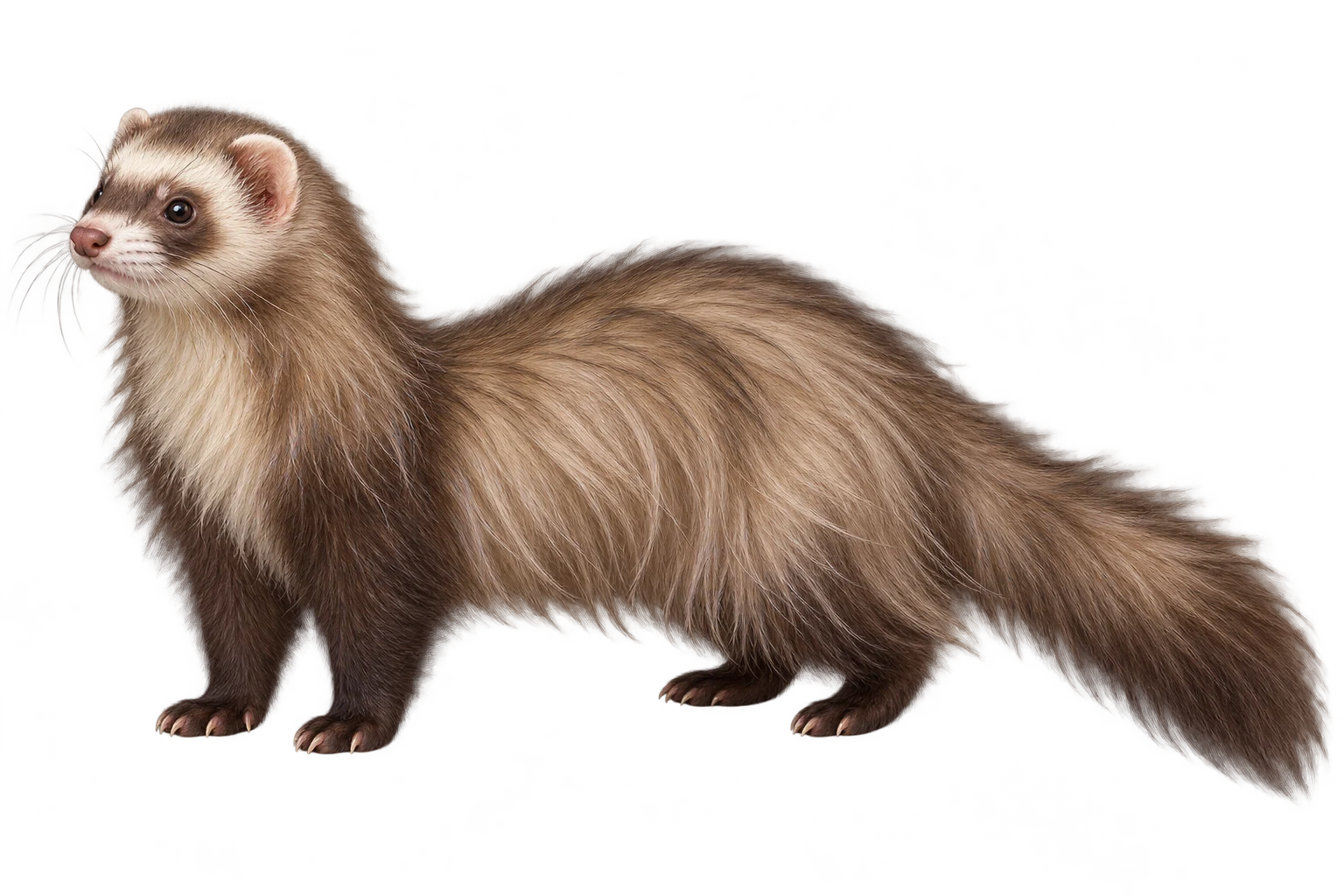
Mammals
Angora Ferret
Mustela putorius furo
Classification and source reference
LivingAI illustration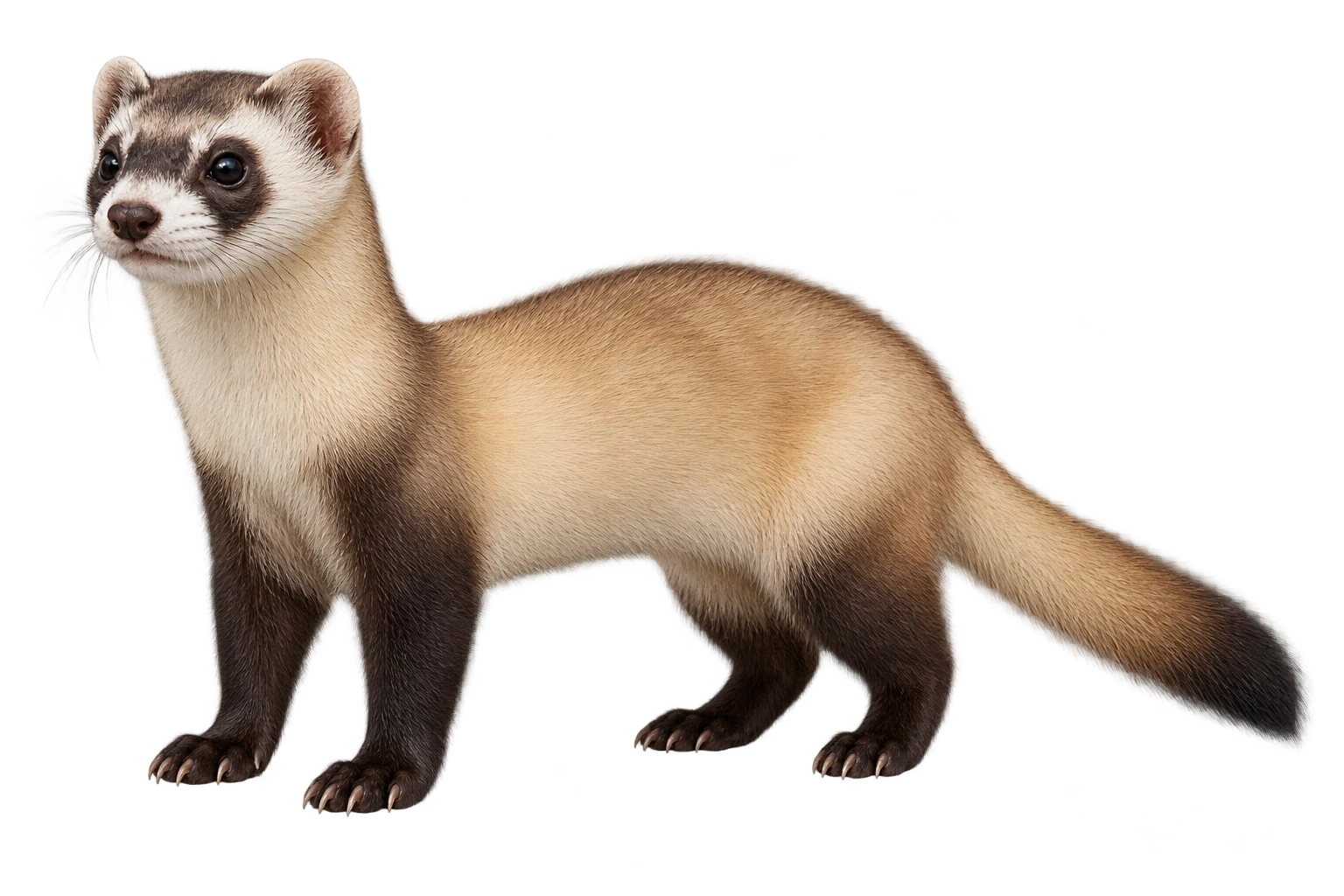
Mammals
Black-Footed Ferret
Mustela nigripes
Classification and source reference
LivingAI illustration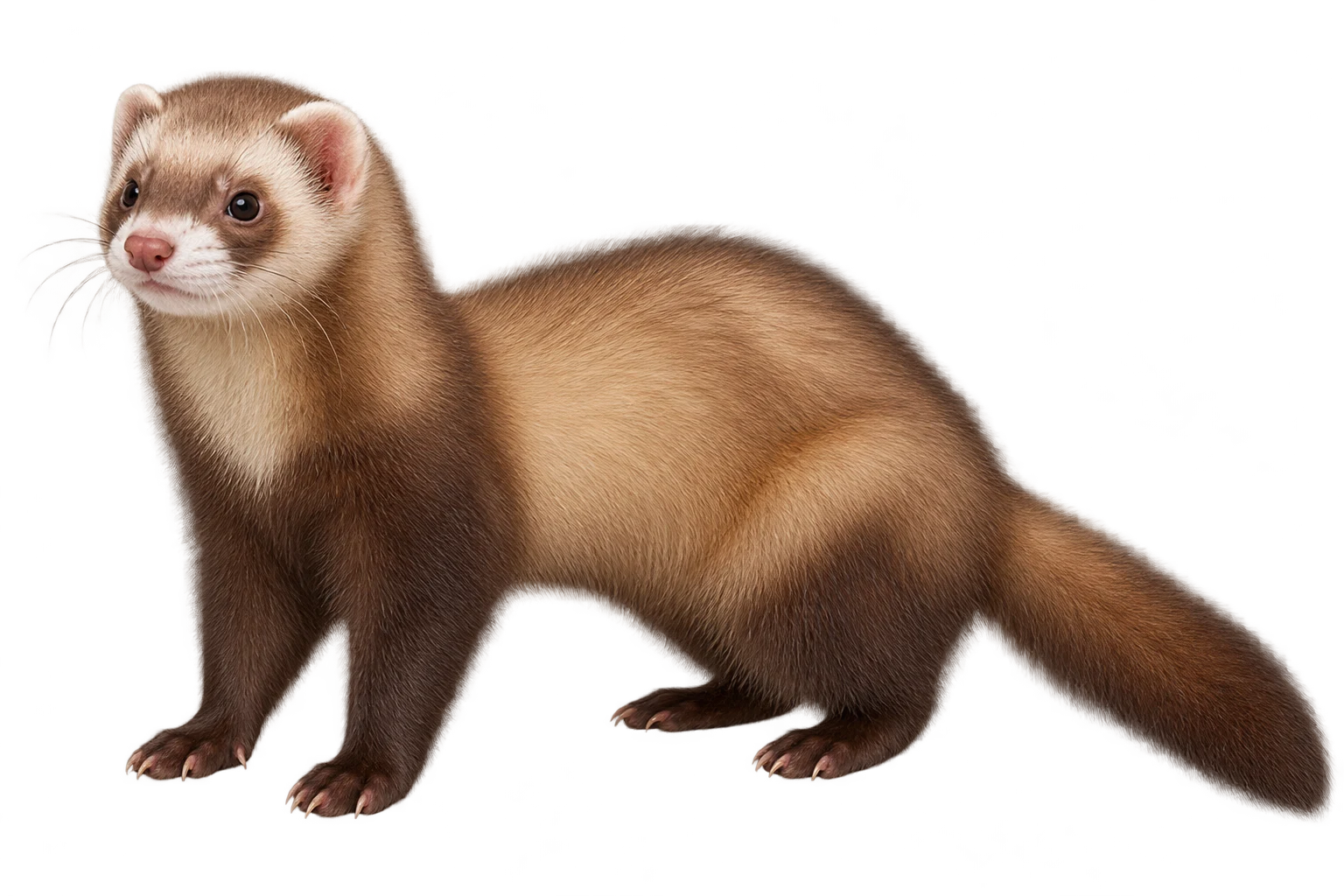
Mammals
Cinnamon Ferret
Mustela putorius furo
Classification and source reference
LivingAI illustration LC
Mammals
European pine marten
Martes martes
The European pine marten is a cat-sized mustelid with a brown coat and a cream bib.
Living LC
Mammals
European polecat
Mustela putorius
The European polecat is a dark, stocky mustelid with a pale face mask that hunts frogs, voles and rabbits by night.
Living