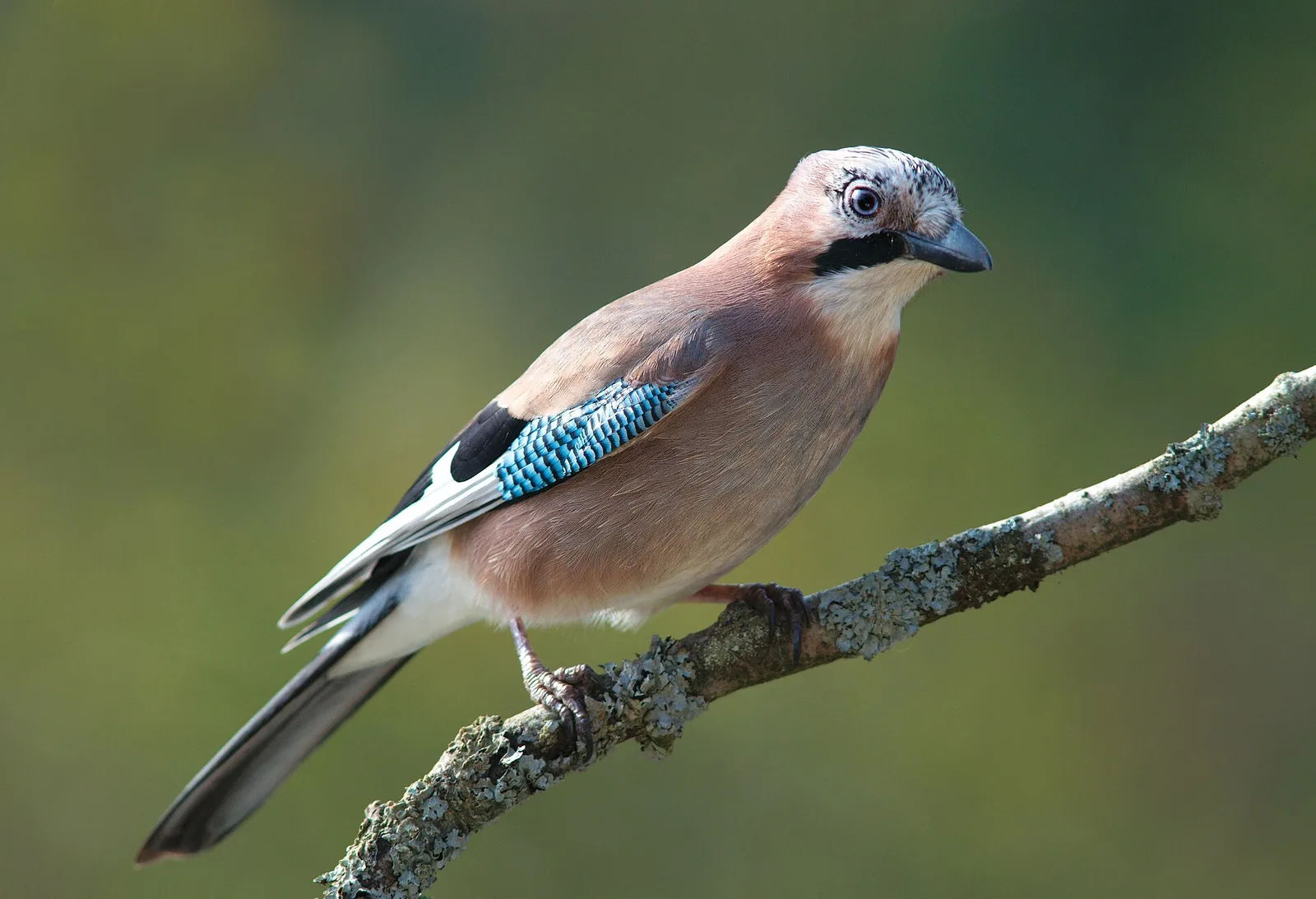
Eurasian jay
The crow that plants oak woods by accident
Garrulus glandarius
Also called Jay, European jay
Living individuals or members of this group exist today. This does not mean they are safe from extinction.
Meet the eurasian jay
The Eurasian jay is a pinkish-brown crow with a bright blue panel on each wing. It buries thousands of acorns every autumn and plants much of the oak woodland of Europe.
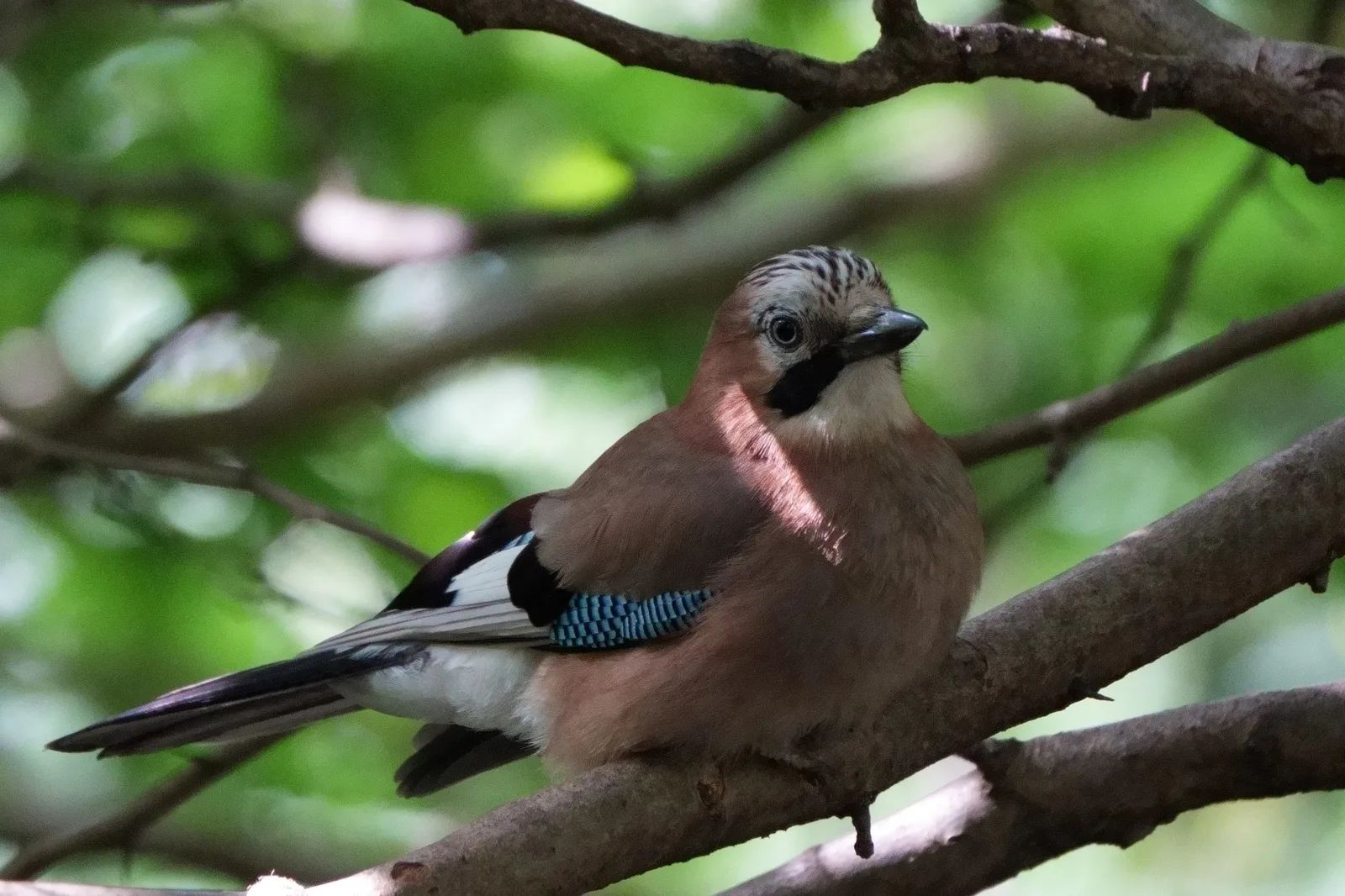
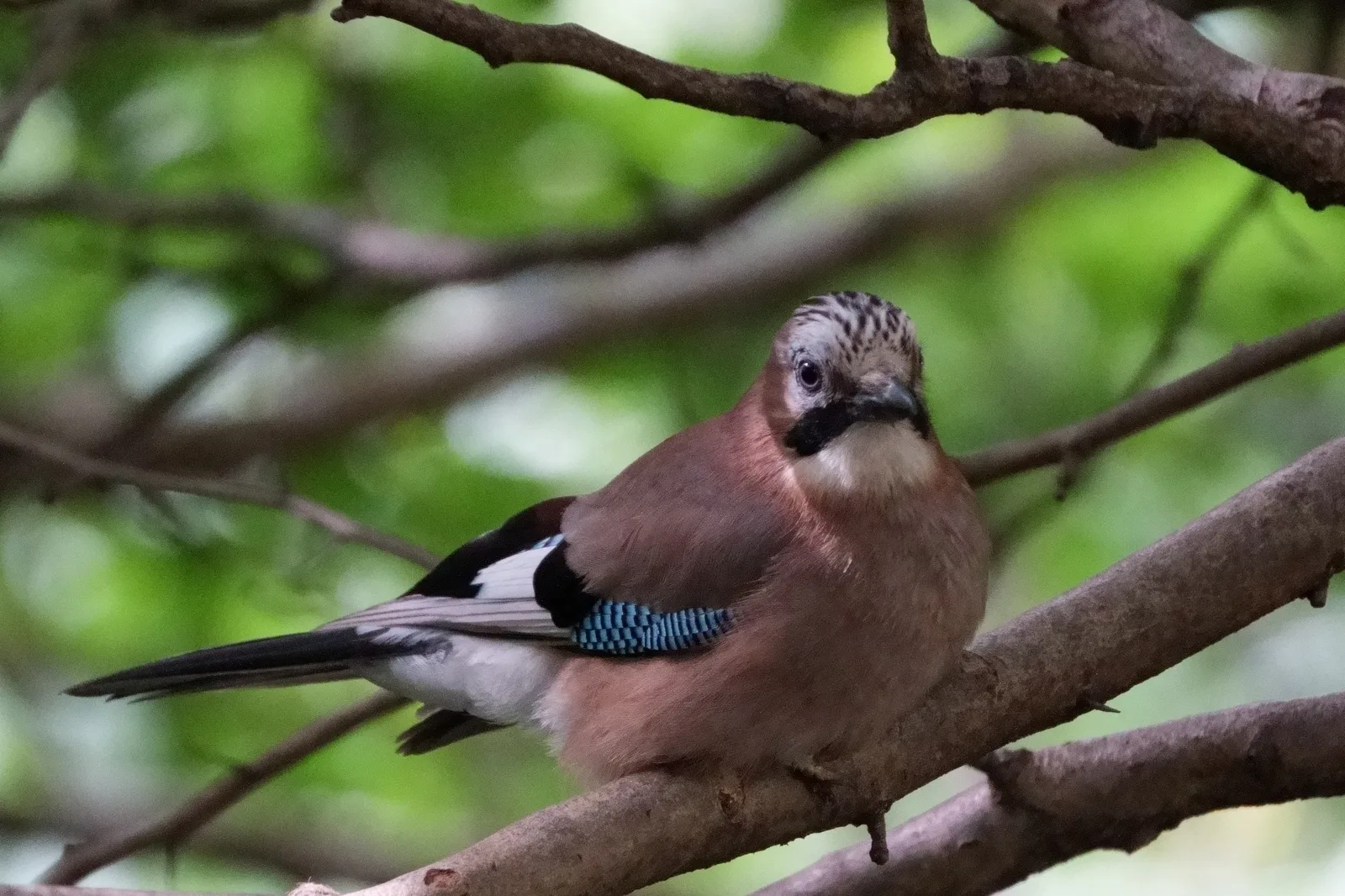
Images of the eurasian jay
Lifespan in the wild
Up to 17.9 years a ringed British bird reached 16 years and 9 months
Weight
About 170 g
Length
34 to 35 cm
Wingspan
52 to 58 cm
Fact file
Eurasian jay
- Location
- Europe, north-west Africa and Asia to Japan and south-east Asia
- Habitat
- Temperate forest, Towns and cities
- Diet
- Omnivore
- Prey / food
- Acorns, beechnuts, insects, worms, snails, eggs, nestlings, small rodents
- Predators
- Birds of prey, pine marten, cats
- Lifestyle
- Active by day, mostly in trees
- Group name
- Flock, and spring gatherings of unpaired birds
- Name of young
- Chick
- Incubation
- Incubation 16 to 19 days
- Clutch size
- 3 to 6 eggs
- Population
- Millions across Europe and Asia
- Biggest threat
- Woodland loss and poor acorn crops
- Distinctive feature
- A bright blue wing panel barred with black
- Colour
- Pinkish brown with a white rump and a black tail
- Skin type
- Feathers
Size
Next to a person
Measurements
Size and speed
- Length
- 34 to 35 cm
- Wingspan
- 52 to 58 cm
- Weight
- About 170 g about 170 grams
Typical adult ranges. Sources: Wikipedia, Animal Diversity Web.
Life cycle
Lifespan
- In the wildUp to 17.9 years a ringed British bird reached 16 years and 9 months
- 017.9 years
The pale bar is the record. Source: AnAge.
Appearance
Colour and coat
- Primary colours
- pinkish brown
- Secondary colours
- blueblackwhite
- Skin type
- feathers
- Male and female
- None known. The sexes look alike. A male usually ranks above a female, but no plumage difference marks the two apart.
Life cycle
Mating and family
- Mating system
- monogamous pairs that stay together for life
- Social structure
- pairs with overlapping home ranges
- Breeding
- one brood a year
Unpaired jays meet in spring gatherings and choose a mate there. A male feeds his partner during the courtship and again while she sits. Both birds build a cup nest of sticks a few metres above the ground. The female lays 3 to 6 speckled eggs, which hatch after 16 to 19 days. The young leave the nest after 19 to 23 days and stay with their parents for several more weeks.
Classification
Taxonomy
- Kingdom
- Animalia
- Phylum
- Chordata
- Class
- Aves
- Order
- Passeriformes
- Family
- Corvidae
- Genus
- Garrulus
- Species
- Garrulus glandarius
Conservation
Red List status
- LC
- NT
- VU
- EN
- CR
- EW
- EX
Least Concern on the IUCN Red List
Range
Recorded in 30 countries
- Austria
- Belgium
- Bulgaria
- Belarus
- Switzerland
- People's Republic of China
- Czech Republic
- Germany
- Denmark
- Spain
- Finland
- France
- United Kingdom
- Greece
- Croatia
- Hungary
- Israel
- Italy
- Japan
- South Korea
- Lithuania
- Luxembourg
- Netherlands
- Poland
- Portugal
- Romania
- Russia
- Sweden
- Turkey
- Ukraine
Habitat layer: temperate broadleaf and mixed forest, temperate conifer forest, boreal forest and taiga.
Countries from 74,161 wild records on GBIF (iNaturalist research grade), filtered and checked by hand. Country shapes: Natural Earth. Habitat: RESOLVE Ecoregions 2017, CC BY 4.0. Basemap: Natural Earth.
Habitats
Three things to know
- 1
A single jay hides thousands of acorns every autumn and remembers where.
- 2
Forgotten acorns grow, so jays plant much of the oak woodland of Europe.
- 3
A jay can copy a buzzard so well that a listener is fooled.
Did you know
Seven more facts
- 1
The name Garrulus glandarius means the noisy bird of acorns.
- 2
Jay feathers reflect ultraviolet light, so other jays see more colour than we do.
- 3
A jay carries one acorn in its bill and swallows the rest into its crop.
- 4
A jay has been seen carrying up to five acorns at once.
- 5
Captive jays with no acorns will store stones of about the right shape.
- 6
Jays eat carrion and visit about half the carcasses in a wood.
- 7
The oldest ringed British jay lived 16 years and 9 months.
Field notes
How it looks and acts
Field notes
Distinguishing features
- A bright blue wing panel barred with fine black lines.
- Pinkish brown body plumage.
- A white rump against a black tail, seen as the bird flies away.
- A black moustache stripe on each side of a white throat.
- A streaked white crown that the bird can raise into a crest.
- A length of 34 to 35 centimetres and a wingspan of 52 to 58 cm.
Field notes
Unique adaptations
- A memory that holds thousands of cache sites for months.
- A crop that carries several acorns at once.
- Mimicry that copies the calls of hawks and owls.
- Anting, which treats the plumage with formic acid.
- A habit of staying under cover and away from open ground.
Field notes
Interesting behaviours
- Burying acorns one at a time through the autumn.
- Screeching as soon as a predator appears.
- Mobbing hawks, cats and martens.
- Raising the crown feathers into a crest during display.
- Offering crushed food to a mate.
Field notes
Temperament
- Shy in the open, and quick to fly into cover.
- Noisy, and often the first bird in a wood to announce a person.
- Bold at the nest, where a parent will strike an intruder.
- Peaceable with other jays for most of the year.
Field notes
Communication
- A harsh screech that serves as both alarm and advertisement.
- An appeal note that asks for food.
- Copies of buzzard, goshawk, owl and crow calls.
- Wing-spreading displays that signal submission or threat.
- Plumage marks in ultraviolet that other jays can see.
Ecology
Ecological role
The jay is the chief planter of oak trees in Europe, and its screech works as an alarm for the whole wood.
- It buries sound acorns at the edge of clearings, where seedlings grow best.
- Its alarm calls alert other animals, including red squirrels.
- It removes carrion and returns the nutrients to the wood.
- It takes eggs and nestlings, so it also limits other woodland birds.
Stories
Myths and legends
- In Greek fable tradition a bird borrows the feathers of finer birds and loses them.
- In Roman fable tradition Phaedrus used the story to warn against rising above your station.
- In French literary tradition Jean de la Fontaine turned the fable against plagiarists.
- In English literary tradition Robert Greene aimed the image at Shakespeare.
- In British woodland tradition the jay is known as the planter of oak trees.
People
Relationship with humans
People
Living alongside us
The Eurasian jay does people no harm and lives close to villages and towns. Gamekeepers used to shoot it because it robs nests. Foresters now count it as an ally, because it plants oak trees for nothing. Studies in Sweden and Germany measured the value of that work. The bird also eats many insects that damage trees.
- The jay is a small bird and poses no threat to people.
- A parent defending a nest may fly at a person and strike with the bill.
- Any injury is likely to be no worse than a scratch.
People
Status, uses and products
- Domestication
- Wild
- As a pet
- Not suitable. The Eurasian jay is a wild woodland bird that ranges over a large area and hides food all the time. Tame birds do display to their owners, but the species needs space, cover and a varied diet of nuts, fruit and animal food.
- Uses
- birdwatchingnatural woodland regeneration
- Products
- None recorded
The full account
About the eurasian jay
The Eurasian jay, Garrulus glandarius, is a woodland member of the crow family. Its body is pinkish brown, its rump is white and its tail is black. A patch of bright blue feathers barred with black sits on each wing. Adults measure 34 to 35 centimetres long with a wingspan of 52 to 58 cm. An adult weighs about 170 grams.
The jay lives in mixed woodland and favours oak. It buries acorns in autumn and digs them up through the winter and spring. One bird can hide thousands of acorns in a season. Many of those acorns are never found again, and they grow into oak trees. The range runs from Britain and north-west Africa east to Japan and south-east Asia. The IUCN lists the species as Least Concern.
Name and taxonomy
Carl Linnaeus described the jay in 1758 as Corvus glandarius. Ernst Hartert narrowed the type locality to Sweden in 1903. Mathurin Jacques Brisson set up the genus Garrulus in 1760. Garrulus is Latin for chattering or noisy. The epithet glandarius is Latin for of acorns. The two words together describe a loud bird that lives on acorns.
Steve Madge and Hilary Burn sorted 33 subspecies into eight groups in 1994. The groups differ in the crown, the face and the amount of white in the wing. Birds in south-east Asia carry no white in the wing at all. Himalayan birds have a plain rufous crown and no white wing patch. The IUCN and BirdLife International now split the species into three. They treat the white-faced jay and the plain-crowned jay as separate species.
Evolution and relatives
The jay belongs to the Corvidae, the family of crows, magpies and jackdaws. Two other species share the genus Garrulus with it. It is about the size of a western jackdaw. Like other corvids it remembers where it put food and appears to plan ahead. It carries the tail higher than a crow or a magpie, so the tail feathers wear less.
Unlike most corvids the jay has only two plumages, juvenile and adult. It loses the juvenile plumage by the autumn of its first year. Birds seen in autumn therefore all look adult, which makes ageing hard. Across the range the forms differ so much that the extremes look like separate birds. Those differences probably reflect long isolation in separate forests.
Appearance
The body plumage is a light reddish or pinkish brown. The throat is whitish, and a black moustache stripe runs down each side of it. The crown and forehead are whitish, streaked with black. The bird raises the crown feathers into a crest when it displays. The rump is white and the tail is mostly black. A red-brown triangle marks the point where each wing joins the body.
The blue wing panel is the bird's best-known feature. Fine black bars cross the blue, and the patch widens when the wing opens. White bars on the wing show clearly in flight. The bill is black and the eye is pale. The feathers reflect ultraviolet light, so other jays see more colour than people do. Adults measure 34 to 35 centimetres and weigh about 170 grams. The wings span 52 to 58 cm.
Habitat and range
The jay is a bird of woodland with thick cover. It needs trees, bushes and undergrowth, and it forages on the ground as well. Oak woods give it the best feeding, and conifers give it the best nest sites. It avoids open ground, where hawks catch it more easily. In recent decades it has moved into parks and gardens in towns.
The range covers Europe, north-west Africa and most of temperate Asia. It reaches the Indian subcontinent, Japan and south-east Asia. GBIF holds occurrence records from 86 countries. iNaturalist carries 106,568 observations of the species. Most jays stay in one wood all year. When the acorn crop fails they move in numbers to find food elsewhere.
Home ranges are smaller in winter and spring than in summer and autumn. A range is larger where the habitat is varied. Neighbouring jays overlap a great deal and tolerate each other.
Diet and feeding
The jay eats almost anything it can handle. Acorns make up the largest part of the diet. It bites the shell and levers the pieces apart with the bill. It also takes beechnuts, other seeds, grain, blackberries and rowan berries. Worms, snails, slugs and insects fill out the summer diet. It robs eggs and nestlings, and it kills small birds, small rodents and even bats. Carrion is a regular food, and jays visit about half the carcasses in a wood.
The autumn store is the centre of the jay's year. One bird can bury between 4,500 and 11,000 acorns in a season. It hides them one at a time and can find them again up to ten months later. It usually carries one acorn in the bill and swallows the others into the crop. Jays have carried single acorns as far as 20 kilometres. They choose large, sound acorns and leave dead or damaged ones behind. Captive jays with no acorns will store stones of the right shape instead.
Behaviour and social life
The jay spends most of its time in trees but feeds on the ground too. It plays, and its chases resemble the way it flees from a hawk. Rank between jays shifts and does not depend on strength alone. A male usually ranks above a female, though a moulting male can lose that place. Contests sometimes end in grappling and pulled feathers, and often end without a fight. Jays are not very quarrelsome with each other.
The bird performs anting when wood ants are available. It drops onto the nest and rubs the tail, wings and body over the soil. The ants then crawl over it and spray formic acid into the plumage. This probably kills parasites in the feathers. A jay ants no more often than every other day and bathes in water several times a day.
Male jays take note of what their partner wants when they share food. They also hide food from other jays that might steal it. Like other corvids they appear to prepare for a need that has not arrived yet.
Communication and senses
The best-known call is a harsh screech. The bird gives it when it sees a predator, and also as an advertisement. The appeal note asks for something, and a young bird uses it to beg. An adult sometimes gives the same note while foraging alone. Jays also have calls for anger, play, affection and alarm.
The jay is a fine mimic. It copies the mew of a common buzzard and the cackle of a goshawk. It also copies crying babies, dripping taps and lawn mowers. A mobbing jay uses the alarm calls of blackbirds, magpies and tawny owls. A relaxed jay copies woodpeckers, sparrows and human whistling. Young jays practise a sound until the copy is exact.
Visual display matters as much as sound. A jay raises its feathers, spreads the wings and shifts its posture. A very submissive bird spreads the wings fully, and a bolder one only part way. Because the plumage reflects ultraviolet light, the display looks brighter to another jay.
Reproduction and life cycle
Jays pair for life and raise one brood a year. Unpaired birds gather in March and April to find mates. A gathering may hold three or four birds, or thirty and more. Males display more than females and chase them through the trees. A male crushes food and offers a piece to the female. The pair may pull the food back and forth before one of them eats it.
Both birds build a cup nest of sticks in a tree or a bush. The nest usually sits 2 to 5 metres up, close to the trunk. Twigs 3 to 15 millimetres thick form the base, and roots, grass, moss and feathers line it. The female lays 3 to 6 pale green or olive eggs with fine dark speckles. Each egg measures about 31.3 by 23.0 millimetres and weighs about 8.5 grams. The eggs hatch after 16 to 19 days.
The male feeds the female while she sits. Both parents feed the chicks, which hatch naked and blind. The young fledge after 19 to 23 days but stay dependent on the pair. The parents feed them until they are 6 to 8 weeks old. Most jays first breed at two years of age. The oldest known wild jay reached 17.9 years.
Predators and threats
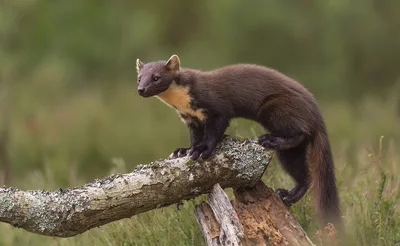
Birds of prey take most adult and fledgling jays. Pine martens and cats take eggs and young. A jay that sees a hawk overhead freezes and gives a low moan. Mobbing is the usual answer to a predator on the ground or in a tree. A threatened jay may copy the call of a tawny owl to frighten the attacker.
A jay leaving its nest may fly out of sight and then imitate a carrion crow. A sitting bird crouches with the bill open as a predator comes nearer. If the danger is very close it spreads the wings and threatens. As a last resort it flies at the intruder and strikes with claws and bill. A poor acorn crop forces jays to leave the wood and search elsewhere. Loss of woodland and shooting also reduce local numbers.
Population and conservation
The IUCN lists the Eurasian jay as Least Concern. The range is enormous and the population runs into millions. No decline has been detected across the range as a whole. Britain holds about 170,000 breeding pairs. The bird is green-listed there, the lowest level of concern.
The species has moved into towns as woodland has been cleared. That move may soften the loss of forest. The three-way split proposed by BirdLife International changes how the range is counted. Under that scheme the white-faced jay and the plain-crowned jay probably need their own assessments. The jay is still shot as a nest robber in some countries.
Relationship with humans
The jay does no measurable harm to people. Gamekeepers once killed it because it takes eggs and chicks. It eats many pest insects in return. Foresters now value it for the oak seedlings it plants. The National Trust credits jays with spreading the holm oaks at Ventnor on the Isle of Wight.
Researchers in Sweden costed the work that jays do for nothing. They put hand planting in a 2,700 hectare park at 1 to 6 million kroner. A German study found oaks returning to a pine forest at 2,000 to 4,000 trees per hectare. No parent oaks stood nearby, so the jays probably carried every acorn in. A tame jay will beg from its owner and give the same submissive display it gives a jay.
In culture and myth
The jay appears in a classical fable about borrowed feathers. A bird dresses itself in feathers taken from others and is stripped of them. The Greek telling uses a daw, and the Latin telling a jackdaw or a jay. Phaedrus preserved the Latin form, and Jean de la Fontaine retold it in French. The moral warns against claiming a rank you have not earned.
Horace turned the story on a poet who borrowed from other writers. Robert Greene reached for the same image in his attack on Shakespeare. The fable gave English the phrase about strutting in borrowed plumes. Dutch painters and later cartoonists returned to the scene many times.
In British woodland tradition the jay is the planter of oaks. Foresters now describe the bird as a free labour force. The screech of a jay warns other woodland animals, and red squirrels react to it. In autumn the sight of jays crossing open ground with acorns marks the season.
A sentence with a dotted underline is inferred: it describes the group the animal belongs to, or is a reading of the sources, rather than a measured or reported fact about this species.
Questions
Eurasian jay questions, answered
What does a Eurasian jay look like?
It is a pinkish brown crow about 34 to 35 centimetres long. A bright blue panel barred with black sits on each wing. The rump is white and the tail is black.
Is a jay a crow?
Yes. The Eurasian jay belongs to the crow family, Corvidae. It is about the size of a jackdaw.
What do jays eat?
Acorns above all, plus beechnuts, seeds, grain and berries. They also take worms, snails, insects, eggs, nestlings, small rodents and carrion.
How many acorns does a jay bury?
Between 4,500 and 11,000 in one autumn. The bird hides them one at a time and remembers the places for months.
Do jays remember where they hide food?
Yes. A jay can recover a cache up to ten months after burying it. The stores it forgets sprout and become oak trees.
Why do jays screech?
The harsh screech warns of a predator and also advertises the bird. It is often the first sound a walker hears in a wood.
Can jays mimic other birds?
Yes. They copy the buzzard's mew and the goshawk's cackle. They also copy tawny owls, blackbirds, lawn mowers and dripping taps.
Where do Eurasian jays live?
In woodland from Britain and north-west Africa east to Japan and south-east Asia. They prefer oak woods and now use parks and gardens as well.
How long do jays live?
The oldest known wild bird reached 17.9 years. A ringed British jay lived 16 years and 9 months. Most die far younger.
How many eggs does a jay lay?
Three to six, pale green or olive with fine dark speckles. They hatch after 16 to 19 days. A pair raises one brood a year.
Are jays rare?
No. The IUCN rates the species Least Concern. Britain alone holds about 170,000 breeding pairs.
Why do jays lie on ant nests?
The habit is called anting. Ants spray formic acid into the plumage, which probably kills parasites. A jay ants about every other day.
Do jays steal eggs?
Yes. Jays take the eggs and chicks of smaller birds in spring. That is why gamekeepers once shot them.
Do jays plant oak trees?
In effect, yes. They bury sound acorns and then forget some of them. Jays get the credit for the way oaks moved north after the last ice age.
Do jays migrate?
Most stay in one wood all year. When the acorn crop fails, large numbers move away to find food.
What is the blue on a jay's wing for?
The blue panel is a display feature. Jay feathers also reflect ultraviolet light, so the pattern looks brighter to another jay than it does to us.
Food web
Prey and food
- acorns
- beechnuts
- insects
- worms
- snails
- eggs
- nestlings
- rodents
Food web
Predators
- birds of prey
 European pine marten
- cats
Ecological equivalents
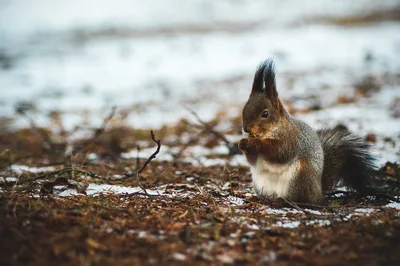
Related species on this site
American crow (same family), Blue jay (same family), Carrion crow (same family), Common Green Magpie (same family), Common raven (same family), Eurasian magpie (same family), and more.
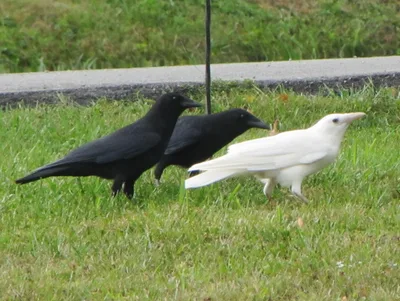 LC
Birds
American crow
Corvus brachyrhynchos
The American crow is a large all-black bird of farms, woods and city streets across North America.
Living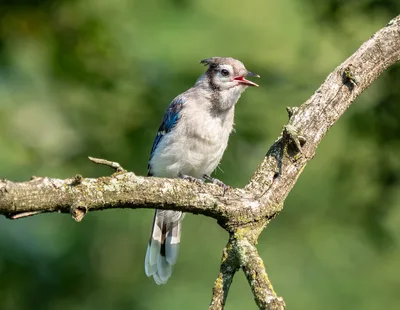 LC
Birds
Blue jay
Cyanocitta cristata
The blue jay is a loud blue songbird of the crow family, native to eastern and central North America.
Living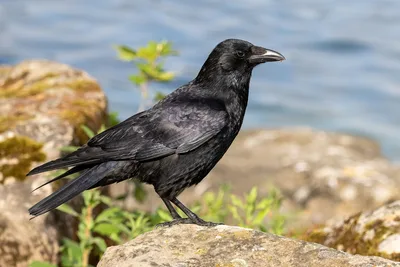 LC
Birds
Carrion crow
Corvus corone
The carrion crow is an all-black crow of western Europe and eastern Asia with a heavy bill and a harsh croak.
Living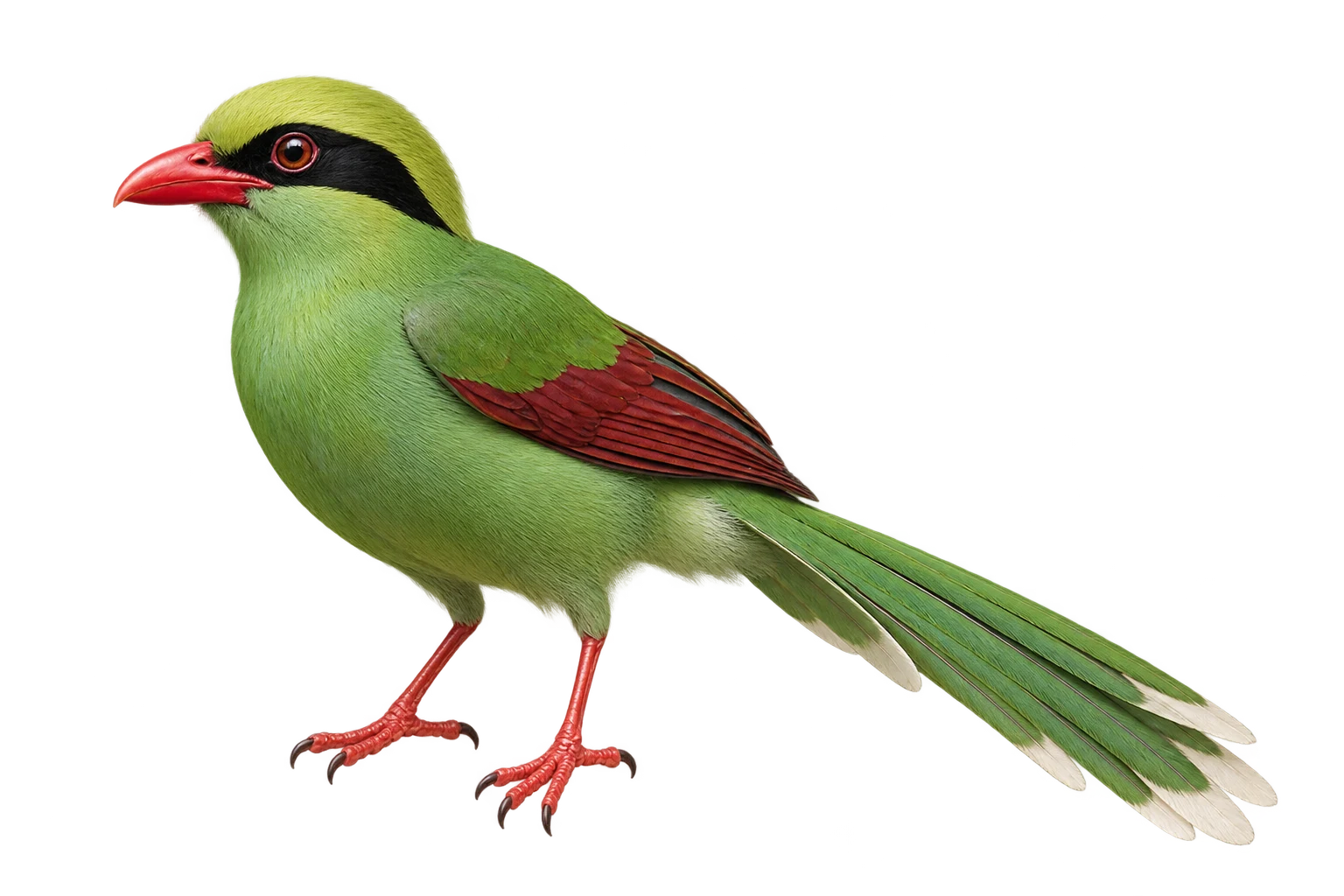
Birds
Common Green Magpie
Cissa chinensis
Classification and source reference
LivingAI illustration LC
Birds
Common raven
Corvus corax
The common raven is a large black crow that lives right across the northern half of the world.
Living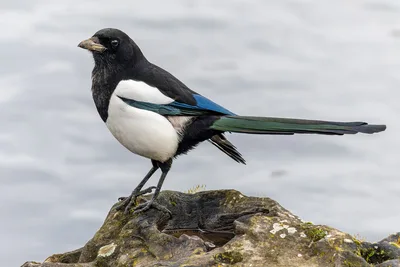 LC
Birds
Eurasian magpie
Pica pica
The Eurasian magpie is a long-tailed crow of temperate Eurasia, black and white with a green and violet sheen.
Living