Living individuals or members of this group exist today. This does not mean they are safe from extinction.
Meet the sable
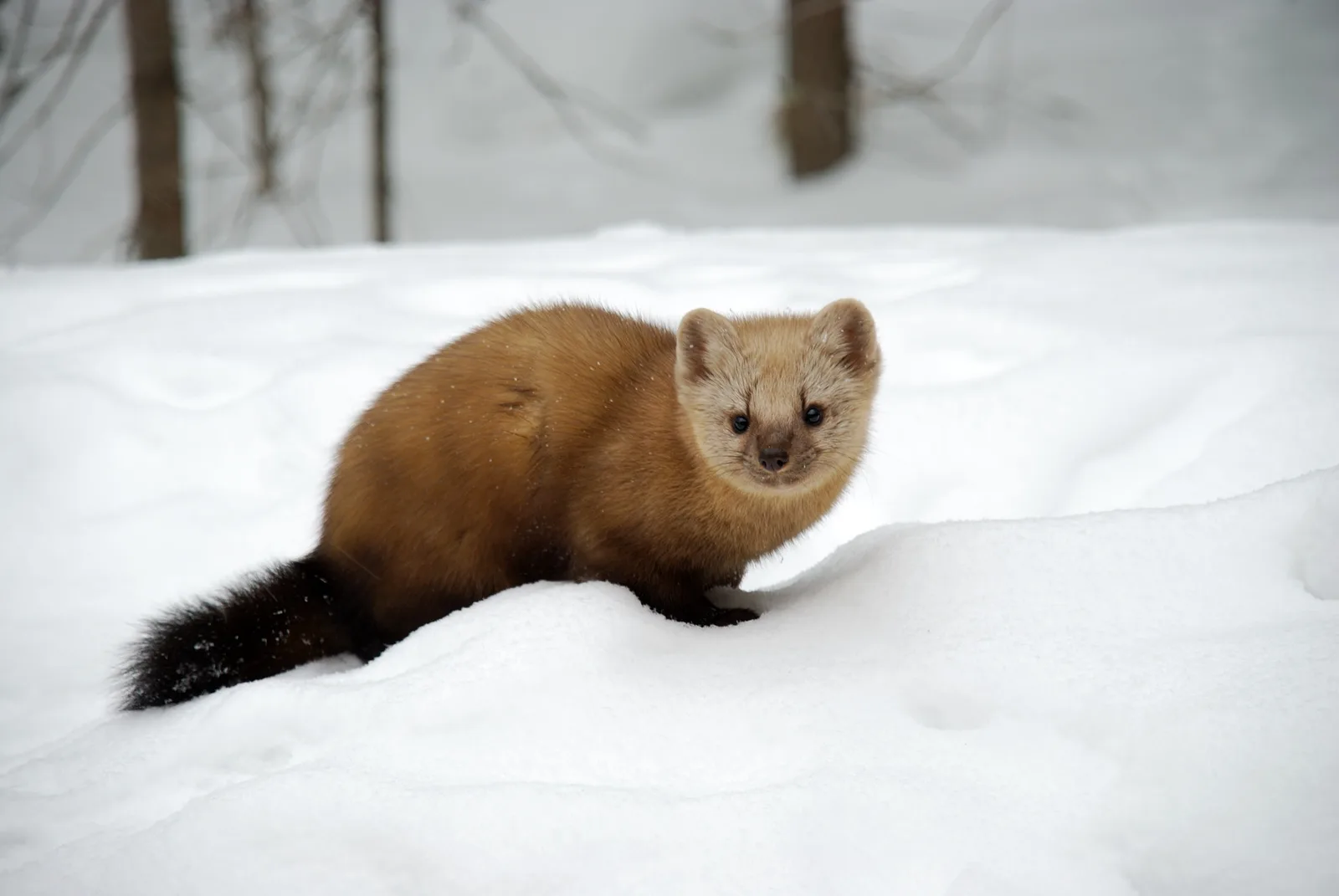
The sable is a small marten of the Siberian taiga, hunted for centuries for the softest fur in the trade. It lives alone in dense conifer forest, hunts voles by sound and scent, and eats pine nuts and berries in winter.
Images of the sable
Lifespan in the wild
Up to 8 years
Weight
0.7 to 1.8 kg
Length
35 to 56 cm
Fact file
Sable
- Location
- Siberia, Mongolia, northern China, Korea, Hokkaido
- Habitat
- Temperate forest, Mountains
- Diet
- Omnivore
- Prey / food
- Voles, mice, chipmunks, hares, small birds, eggs, fish, pine nuts, berries
- Predators
- Wolves, foxes, wolverines, lynx, tigers, eagles, large owls
- Lifestyle
- Solitary, mostly active at twilight
- Group name
- Solitary
- Name of young
- Cub
- Gestation
- 250 to 300 days, including about eight months of delayed implantation
- Litter size
- 1 to 7 cubs, usually 2 or 3
- Population
- Common across Siberia; no global count
- Biggest threat
- Trapping for fur
- Distinctive feature
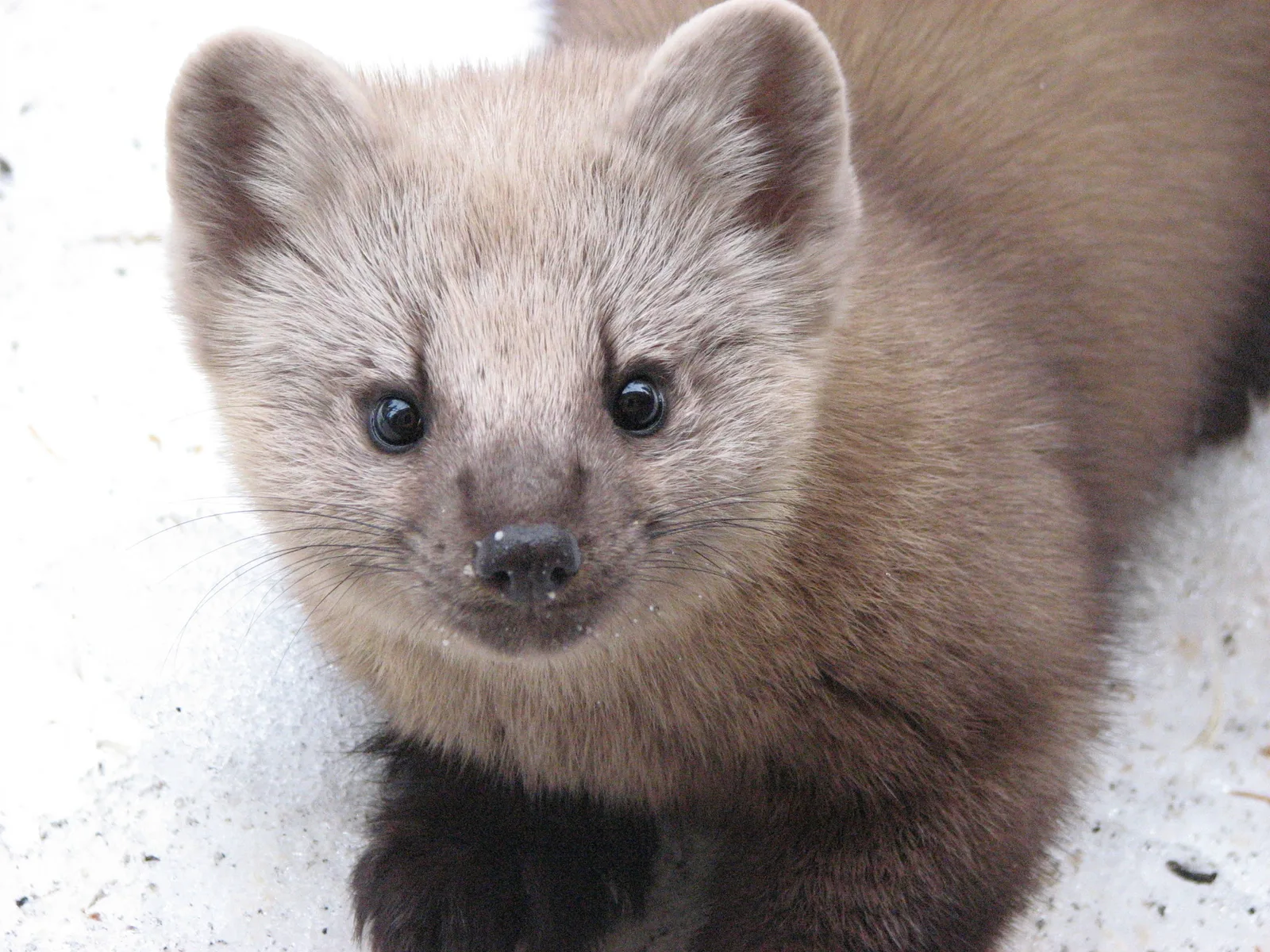
- Long silky brown fur with a pale throat patch
- Colour
- Light to dark brown
- Skin type
- Fur
Size
Next to a person
Measurements
Size and speed
- Length
- 35 to 56 cm head and body, without the tail
- Length, male
- 38 to 56 cm head and body
- Length, female
- 35 to 51 cm head and body
- Tail
- 7.2 to 12 cm
- Weight
- 0.7 to 1.8 kg
- Weight, male
- 0.88 to 1.8 kg
- Weight, female
- 0.7 to 1.56 kg
Typical adult ranges. Source: Animal Diversity Web.
Life cycle
Lifespan
- In the wildUp to 8 years
- In captivityAbout 15, up to 18 years on fur farms; AnAge records 18.4
- 018 years
The pale bar is the record. Source: Animal Diversity Web.
Appearance
Colour and coat
- Primary colours
- browndark brown
- Secondary colours
- pale yellowwhiteblack
- Skin type
- fur
- Male and female
- Slight. Males are a little longer and heavier than females, but the sexes look alike.
Life cycle
Mating and family
- Mating system
- polygynous, with males fighting for females
- Social structure
- solitary; a male range overlaps several female ranges
- Breeding
- one litter a year, born in April or May
Sables mate between mid June and mid August. The fertilised egg waits about eight months before it implants, so the whole pregnancy runs 250 to 300 days. Cubs are born in April or May, usually two or three to a litter, in a lined tree hollow. They open their eyes at 30 to 36 days, are weaned at seven weeks and breed at two to three years. A wild sable rarely passes 8 years, while a fur-farm animal may reach 18.
Classification
Taxonomy
- Kingdom
- Animalia
- Phylum
- Chordata
- Class
- Mammalia
- Order
- Carnivora
- Family
- Mustelidae
- Genus
- Martes
- Species
- Martes zibellina
Conservation
Red List status
- LC
- NT
- VU
- EN
- CR
- EW
- EX
Least Concern on the IUCN Red List
Range
Recorded in 4 countries
Habitat layer: temperate broadleaf and mixed forest, temperate conifer forest, boreal forest and taiga, montane grassland and shrubland.
Countries from 155 wild records on GBIF (iNaturalist research grade), filtered and checked by hand. Country shapes: Natural Earth. Habitat: RESOLVE Ecoregions 2017, CC BY 4.0. Basemap: Natural Earth.
Habitats
Three things to know
- 1
A sable pregnancy lasts up to 300 days, but the embryo grows for only about 25 to 30 days of it.
- 2
Its fur feels smooth whichever way it is stroked, which no other marten fur does.
- 3
Russia moved 19,000 sables between 1940 and 1965 to refill the forests that trapping had emptied.
Did you know
Seven more facts
- 1
The sable and the pine marten interbreed in the Urals, and the hybrid is called a kidus.
- 2
Russia's first nature reserve, at Barguzin in 1916, was created for the sable.
- 3
A newborn cub weighs 25 to 35 grams, about the weight of a hen's egg.
- 4
A sable may walk 6 to 12 kilometres in a day when food is short.
- 5
Kolinsky sable paint brushes are made from Siberian weasel hair, not sable.
- 6
Sable hunting was at times a job for convicts exiled to Siberia.
- 7
The word for black in heraldry, sable, comes from this animal.
Field notes
How it looks and acts
Field notes
Distinguishing features
- A head and body of 35 to 56 centimetres, with a bushy tail of 7.2 to 12 cm.
- Long, silky fur from pale brown to near black.
- A pale grey, white or yellow patch on the throat.
- A longer head and longer ears than the pine marten, with a shorter tail.
- Soles covered in dense stiff hair.
Field notes
Unique adaptations
- A dense winter coat keeps out Siberian cold.
- Hairy soles probably give grip and insulation on snow.
- Delayed implantation times the birth for spring, whatever the date of mating.
- Acute hearing and scent let it find prey it cannot see.
- A flexible diet of pine nuts and berries carries it through winters when voles are scarce.
Field notes
Interesting behaviours
- Hunts alone at dawn and dusk.
- Stores prey in the den during storms.
- Follows wolves and bears to scavenge their kills.
- Marks its range with belly-gland scent.
- Climbs trees and cliffs, but hunts mostly on the ground.
Field notes
Temperament
- Solitary and territorial towards its own sex.
- Fierce in defence, with sharp teeth and claws.
- Playful and curious when raised by hand from a young age.
Field notes
Communication
- Scent from belly glands marks the territory.
- Males urinate along grooves dug in the snow during the rut.
- Courting pairs rumble like cats.
- Probably hisses and chatters when threatened, like other martens.
Ecology
Ecological role
The sable is a major predator of small rodents across the Siberian taiga.
- Keeps vole and mouse numbers in check.
- Probably spreads the seeds of the berries it eats in autumn and winter.
- Cleans up the remains of wolf and bear kills.
- Feeds larger carnivores, eagles and owls.
Stories
Myths and legends
- In Russian tradition, sable-trimmed robes mark royalty and wealth in fairy tales and epics.
- In Russian folk wedding songs, the sable is the groom.
- In Mongol tradition, a coat of sable furs was a fitting gift for the mother of Genghis Khan.
- In Japanese tradition, the marten has nine disguises, more than the fox or the tanuki.
People
Relationship with humans
People
Living alongside us
People have trapped the sable for its fur since the Middle Ages, and the trade shaped the history of Siberia. Overhunting nearly wiped it out by the early 20th century. A reserve in 1916, a ban in 1935, licensed seasons, fur farms and releases of 19,000 animals brought it back. Sable is still the most expensive fur on the market, and wild Russian pelts fetch the highest prices. The animal itself is shy and does no harm to people or livestock.
- A sable avoids people and hides in its den when hunters are near.
- It bites and scratches hard if it is cornered or handled.
- It probably takes no livestock, and it carries no known risk to people beyond a bite.
People
Status, uses and products
- Domestication
- Wild
- As a pet
- Not suitable. Hand-raised sables are described as playful and tame, but the animal needs a large territory, live prey and a cold climate. It is a wild fur-bearer, not a house pet.
- Uses
- fur farmingtrapping
- Products
- fur
The full account
About the sable
The sable, Martes zibellina, is a marten of the northern forests of Asia. It lives from the Ural Mountains across Siberia to Kamchatka, Mongolia, northern China, Korea and Hokkaido. An adult has a head and body of 35 to 56 centimetres and weighs 0.7 to 1.8 kilograms. It has a long body, short legs, a bushy tail and a coat that runs from pale brown to nearly black. That coat is the softest and most valuable fur in the marten family.
The sable hunts alone, mostly at twilight, and finds voles and mice by sound and scent. In winter it adds pine nuts and berries to its diet. Trapping for fur drove the Russian push into Siberia and nearly emptied the forests by the early 1900s. A hunting ban, licensed seasons and mass releases let the species recover. The IUCN now lists it as Least Concern.
Name and taxonomy
Carl Linnaeus described the sable in 1758 as Mustela zibellina. It now sits in the genus Martes, the true martens, in the weasel family Mustelidae. The word sable comes from the Slavic name, sobol in Russian and sobol in Polish, and reached English through the fur trade. German took it as Zobel, French as zibeline, and Italian as zibellino. In heraldry, sable became the word for the colour black, after the darkest pelts.
The species varies a great deal in colour and size from place to place. Mammal Species of the World accepts 17 subspecies, but other authors count anywhere from 7 to 30. The Japanese sable, Martes zibellina brachyura, lives on Hokkaido and is listed apart as Data Deficient.
Evolution and relatives
Like other true martens, the sable belongs to a genus of about eight species spread across Europe, Asia and North America. Its closest relatives are the European pine marten, the American marten and the Japanese marten. Some authors have argued that all four belong to a single species. In the Ural Mountains the sable and the pine marten share the same forests and sometimes interbreed. The hybrid, called a kidus, is a little smaller than a sable, with coarser fur and a long bushy tail. Kiduses are usually sterile, though one female kidus is known to have bred with a pine marten.
Compared with the pine marten, the sable has a longer head, longer ears and a shorter tail. Its skull is larger and more robust, with more strongly arched cheekbones.
Appearance
Males measure 38 to 56 centimetres in head and body, and females 35 to 51. The tail adds 7.2 to 12 cm, about a third of the body length. Males weigh 0.88 to 1.8 kilograms and females 0.7 to 1.56 kg, so the sexes differ only slightly. Newborn cubs weigh 25 to 35 grams and measure 10 to 12 cm.
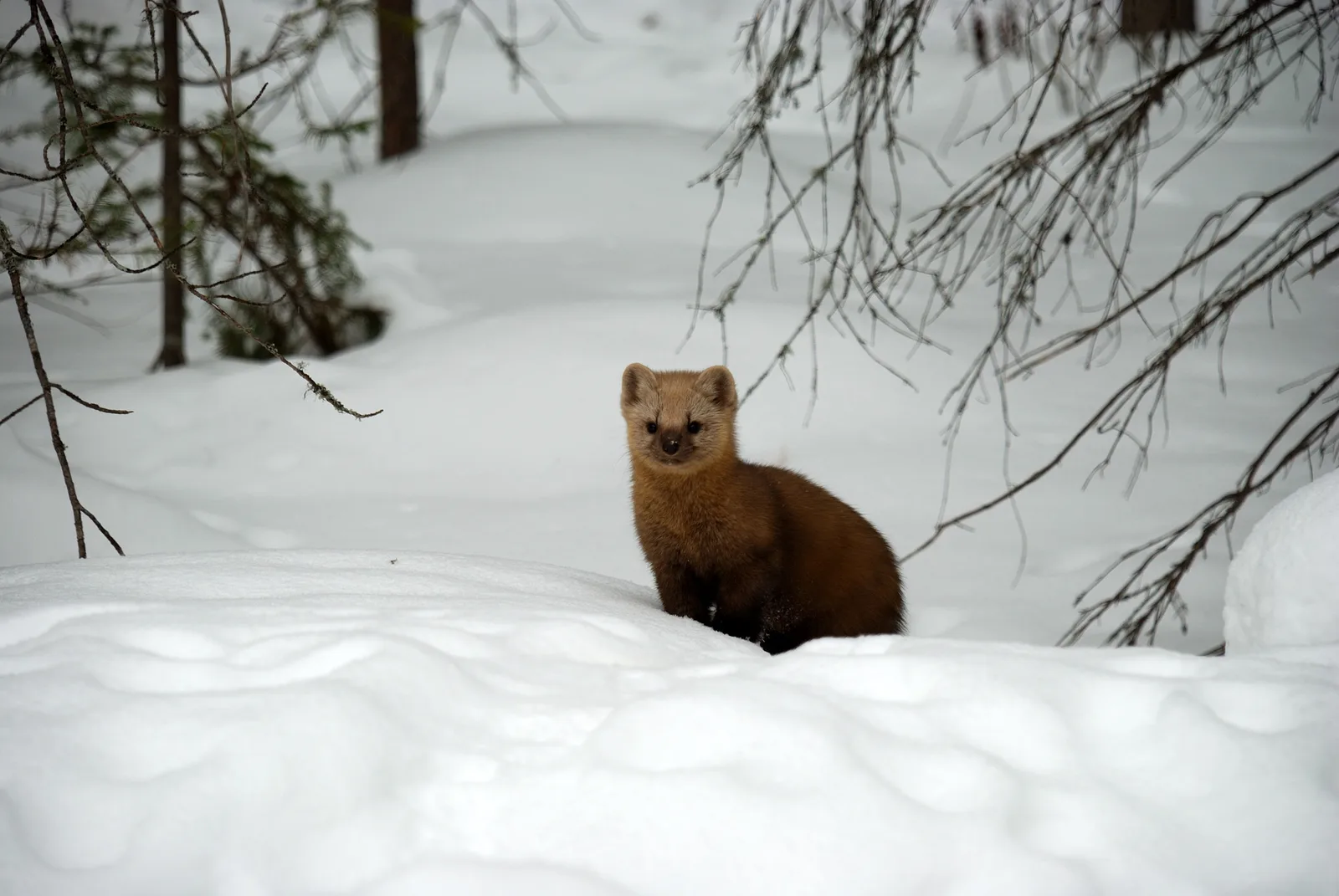
The fur is long and silky, and it ranges from pale greyish-brown to a brown so dark it looks black. The belly is paler than the back and the legs. A light patch on the throat may be grey, white or pale yellow. Japanese sables carry black on the legs and feet. The winter coat is longer and richer than the shorter, darker summer coat. Dense stiff hairs cover the soles of the feet, which probably helps on snow.
Habitat and range
The sable lives in dense taiga, in lowlands and in mountains, among spruce, pine, larch, birch and Siberian cedar. It prefers mature forest with big trees, a closed canopy and plenty of fallen logs. It avoids open ground and bare mountain tops. Dens sit among tree roots, under rocks, in hollow logs or in burrows several metres long. A burrow ends in a nest chamber lined with dry plants and shed fur.
The range once reached west to northern Scandinavia and Poland. Today it runs from the Urals across Siberia to Kamchatka and Sakhalin, and south into Mongolia, China, Korea and Hokkaido. In Russia the present range is largely the product of releases of 19,000 animals between 1940 and 1965. In China the species was once common but is now rare, and in North Korea it survives only in the high north-east.
A home range covers 4 to 30 square kilometres, depending on terrain and food. When food is short, a sable may travel 6 to 12 kilometres a day. GBIF holds records from 10 countries.
Diet and hunting
The sable is an omnivore, but small mammals make up most of its food. Voles are the main prey, and in one Siberian study red-backed voles gave about 52% of the summer biomass. It also takes mice, chipmunks, pikas, hares, small birds, eggs, reptiles, frogs and insects. In winter it may kill a young musk deer, a stoat or a weasel. It follows wolf and bear tracks to feed on the remains of their kills.
Plant food matters more than most people expect. Siberian pine seeds and bilberries turned up in about 79% of scats in the Yenisei taiga. In Hokkaido, fruit makes up about 68% of the winter diet. It eats slugs after it rubs them on the ground to remove the slime. It catches fish with its front paws. In hard weather it stores prey in the den and waits out the storm.
Behaviour and social life
The sable lives alone outside the breeding season. Male ranges overlap with female ranges but almost never with each other. In one Chinese study, male and female ranges overlapped by 62% on average. Each animal marks its ground with scent from glands on the belly. It is mostly a ground hunter, but it climbs trees and cliffs well.
Activity peaks at dawn and dusk. Radio-collared sables in China were nocturnal in winter and spring but active by day in summer and autumn. During a snowstorm, or when hunters are about, a sable may stay in its den for days. It moves in short bounds, and web sources say it can leap 3 to 4 metres to escape. Densities range from one animal per 1.5 square kilometres in pine forest to one per 25 in larch forest.
Communication and senses
The sable hunts by ear and by nose more than by eye. Its hearing is probably acute enough to find a vole under the snow. Scent from the belly glands marks a territory and tells other sables who passed. Males in the breeding season also urinate along shallow grooves they dig in the snow.
Courting pairs run, jump and make a rumbling sound like a cat. Like other martens, a sable probably chatters and hisses when it is cornered. Tame animals raised by hand are described as playful and curious.
Reproduction and life cycle
Mating runs from mid June to mid August, with the date shifting by region. Where sables are scarce, courtship is playful. Where male ranges overlap, males fight violently for females. A mating may last up to eight hours. The fertilised egg then stops growing and floats free in the uterus for about eight months.
Implantation follows in early spring, and the embryo grows for only 25 to 30 days. The whole pregnancy therefore lasts 250 to 300 days, and cubs arrive in April or May. A litter holds 1 to 7 cubs, most often 2 or 3. The female gives birth in a tree hollow lined with moss, leaves and dry grass. The male defends her territory and sometimes brings her food.
Cubs are born blind, with a thin coat of hair. Their eyes open at 30 to 36 days, and they leave the nest soon after. They are weaned at seven weeks, and the mother then feeds them regurgitated food. They breed at two to three years old. A wild sable rarely lives past 8 years, but fur-farm animals reach 15 and one lived to 18. About two thirds of a wild population is under two years old.
Predators and threats
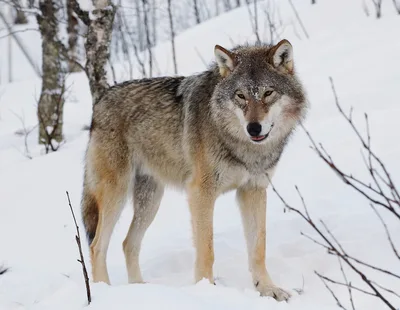
Wolves, foxes, wolverines and lynx take sables on the ground. In the Far East, tigers do too. Eagles and large owls take them from the air. Sharp teeth and claws give a cornered sable a real defence.
People remain the main threat. Trapping in steel traps, as for mink, cut numbers hard in the 19th and early 20th centuries. Poaching rose again in the 1990s after the Soviet Union broke up, because wild Russian pelts fetch the highest prices. Habitat loss matters in China and Korea, where the species is now rare.
Population and conservation
The IUCN lists the sable as Least Concern, and it is common through most of its range. Only the Japanese subspecies is listed apart, as Data Deficient. No global count exists, but more than 25,000 animals are harvested every year. North Korea banned hunting in 1959 and lists the animal as Endangered in its own Red Data Book.
Russia created its first nature reserve at Barguzin on Lake Baikal in 1916, to save the local sables. A five-year hunting ban followed in 1935, then a licensed winter season. Fur farms took pressure off wild stocks, and releases of 19,000 animals refilled the taiga. Together these measures let the species reclaim most of its old range.
Relationship with humans
Sable fur has been prized since the early Middle Ages. It stays smooth stroked in any direction, which no other fur does. Hunters skinned the animal through the mouth, with no cut on the body, and kept the feet. Byzantine priests wore sable at their rituals. Henry VIII of England decreed that only nobles above the rank of viscount could wear it.
The hunt for sables drove the Russian conquest of Siberia. Ivan the Terrible demanded 30,000 pelts a year from the Kazan Tatars, who never sent more than a thousand. Imperial Russian fur companies produced 25,000 skins a year, and about 90% went to France and Germany. Sable hunting was sometimes a job for convicts exiled to Siberia. Old Believer villages kept their way of life under Soviet rule on condition that they handed over every sable skin.
Today sable trims collars, cuffs, hems and hats, including the shtreimel worn by some Hasidic Jews. Kolinsky sable paint brushes are not sable at all, but Siberian weasel hair. Fur farms raise sables and sometimes cross them with pine martens.
In culture and myth
In Russian fairy tales and epics, a sable-trimmed cloak or hat marks a prince or a rich merchant. Some Russian folk wedding songs use the sable as a figure for the groom. A 17th-century Russian diplomat called the sable the Golden Fleece of the ancient Greeks and Romans. In the Secret History of the Mongols, the parents of Genghis Khan's bride gave his mother a coat of sable furs. A boy found in a ruined Tatar camp was known as noble by his sable-lined silk jerkin.
In English tradition, Henry I received a wreath of black sable from the Bishop of Lincoln, worth £100 at the time. In European heraldry, sable is the name of the black tincture on a coat of arms. In Japanese tradition, a saying gives seven disguises to the fox, eight to the tanuki, and nine to the marten. In Mi'kmaq tradition, the marten, a close American relative, was the first animal to offer itself as food to people. Spirit-animal writers call the marten cunning and independent, but that is probably modern invention, not folklore.
A sentence with a dotted underline is inferred: it describes the group the animal belongs to, or is a reading of the sources, rather than a measured or reported fact about this species.
Questions
Sable questions, answered
What is a sable?
A sable is a marten, a small member of the weasel family, from the forests of Siberia and north-east Asia. It is best known for its fur, the most valuable in the marten family.
How big is a sable?
The head and body measure 35 to 56 centimetres, and the tail adds 7.2 to 12 cm. An adult weighs 0.7 to 1.8 kilograms, with males a little larger than females.
Where do sables live?
Sables live in dense conifer forest from the Ural Mountains across Siberia to Kamchatka, and south into Mongolia, northern China, Korea and Hokkaido. They once reached Scandinavia and Poland.
What do sables eat?
Mostly voles and mice, plus chipmunks, hares, birds, eggs, fish and insects. In autumn and winter they eat a lot of pine nuts and berries. They also scavenge wolf and bear kills.
Are sables endangered?
No. The IUCN lists the sable as Least Concern, and it is common across Siberia. The Japanese subspecies is Data Deficient, and North Korea lists its own population as Endangered.
Why is sable fur so expensive?
The fur is long, silky and richly coloured, and it feels smooth stroked in any direction. Wild Russian pelts are the most prized, and the best have come from Barguzin, Irkutsk and Kamchatka.
How long do sables live?
A wild sable rarely lives more than 8 years, and two thirds of a wild population is under two years old. On fur farms they average 15 years, and one lived past 18.
Are sables dangerous?
No. A sable is shy and avoids people. It will bite and scratch if it is caught, but it poses no danger to people or livestock.
Can you keep a sable as a pet?
Hand-raised sables can be tame and playful, but the species needs a large range, live prey and cold. It is a wild fur-bearer and is not suited to a home.
How do sables breed?
They mate between June and August. The embryo then waits about eight months before it implants, so cubs are born in April or May after 250 to 300 days. A litter usually holds two or three cubs.
Is a sable the same as a marten?
A sable is one species of marten, Martes zibellina. The European pine marten, the American marten and the Japanese marten are its closest kin. It can interbreed with the pine marten to produce a kidus.
What is a kidus?
A kidus is a hybrid between a sable and a pine marten. It is slightly smaller than a sable, with coarser fur, and it is usually sterile.
Are sables nocturnal?
Mostly they are active at dawn and dusk. In China, radio-collared sables were nocturnal in winter and spring but active by day in summer and autumn.
Why did Russia conquer Siberia for sables?
Sable pelts were worth a fortune in Europe, and Siberia held the largest stocks. The fur trade paid for the eastward push, and tribute in pelts was demanded from conquered peoples.
Does the heraldry word sable come from the animal?
Yes. Sable, the black tincture on a coat of arms, took its name from the darkest sable pelts that the fur trade brought to Europe.
Food web
Prey and food
- voles
- mice
- chipmunks
- hares
- birds
- eggs
- fish
- pine nuts
- berries
 Stoat
 Steller's sea eagle
Food web
Predators
 Gray wolf
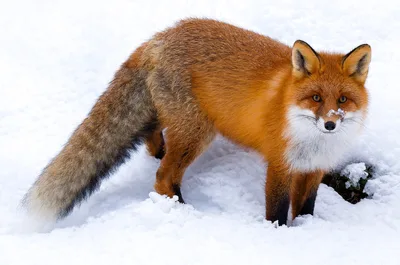 Red fox
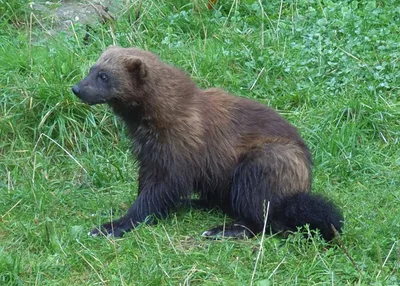 Wolverine
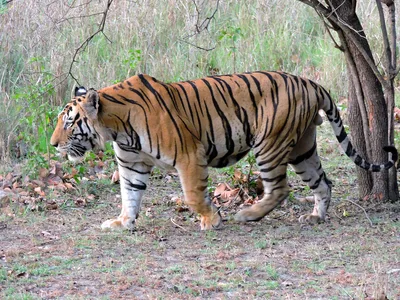 Tiger
Ecological equivalents
Related species on this site
European pine marten (same genus), American badger (same family), Angora Ferret (same family), Black-Footed Ferret (same family), Cinnamon Ferret (same family), European badger (same family), and more.
 LC
Mammals
European pine marten
Martes martes
The European pine marten is a cat-sized mustelid with a brown coat and a cream bib.
Living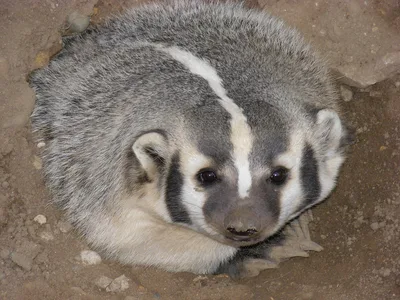 LC
Mammals
American badger
Taxidea taxus
The American badger is a flat, powerful digger of the North American grassland that tunnels after gophers and ground squirrels.
Living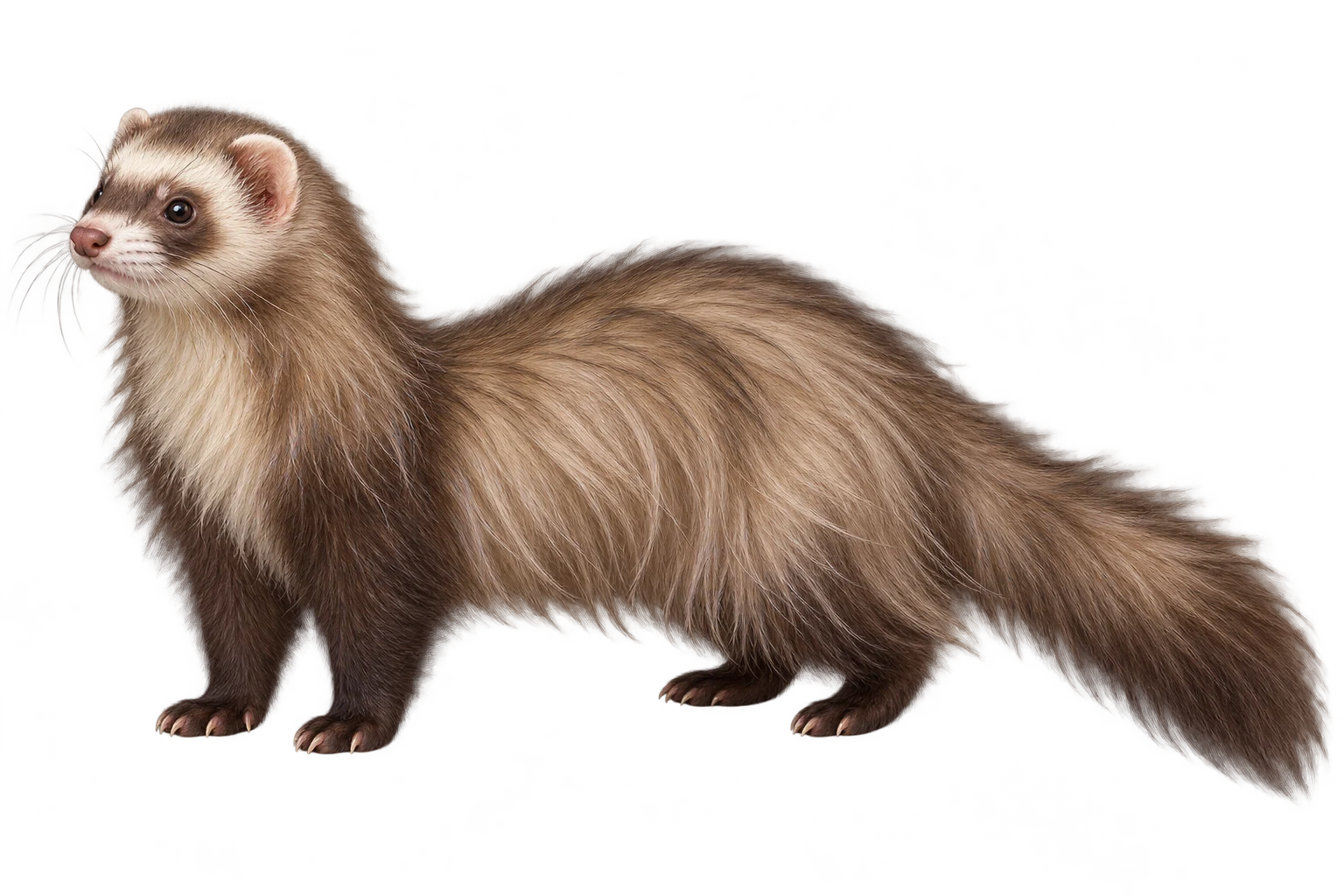
Mammals
Angora Ferret
Mustela putorius furo
Classification and source reference
LivingAI illustration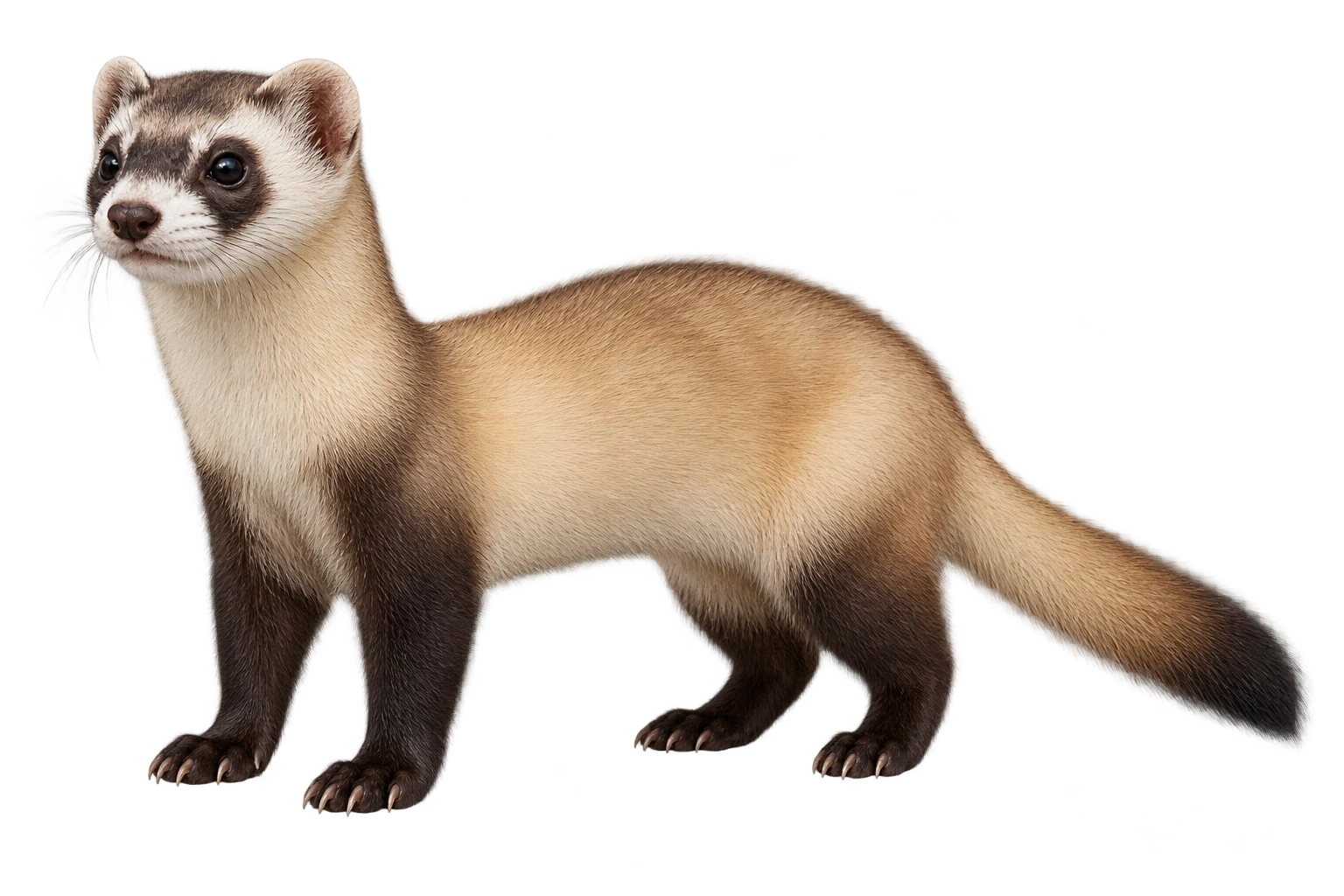
Mammals
Black-Footed Ferret
Mustela nigripes
Classification and source reference
LivingAI illustration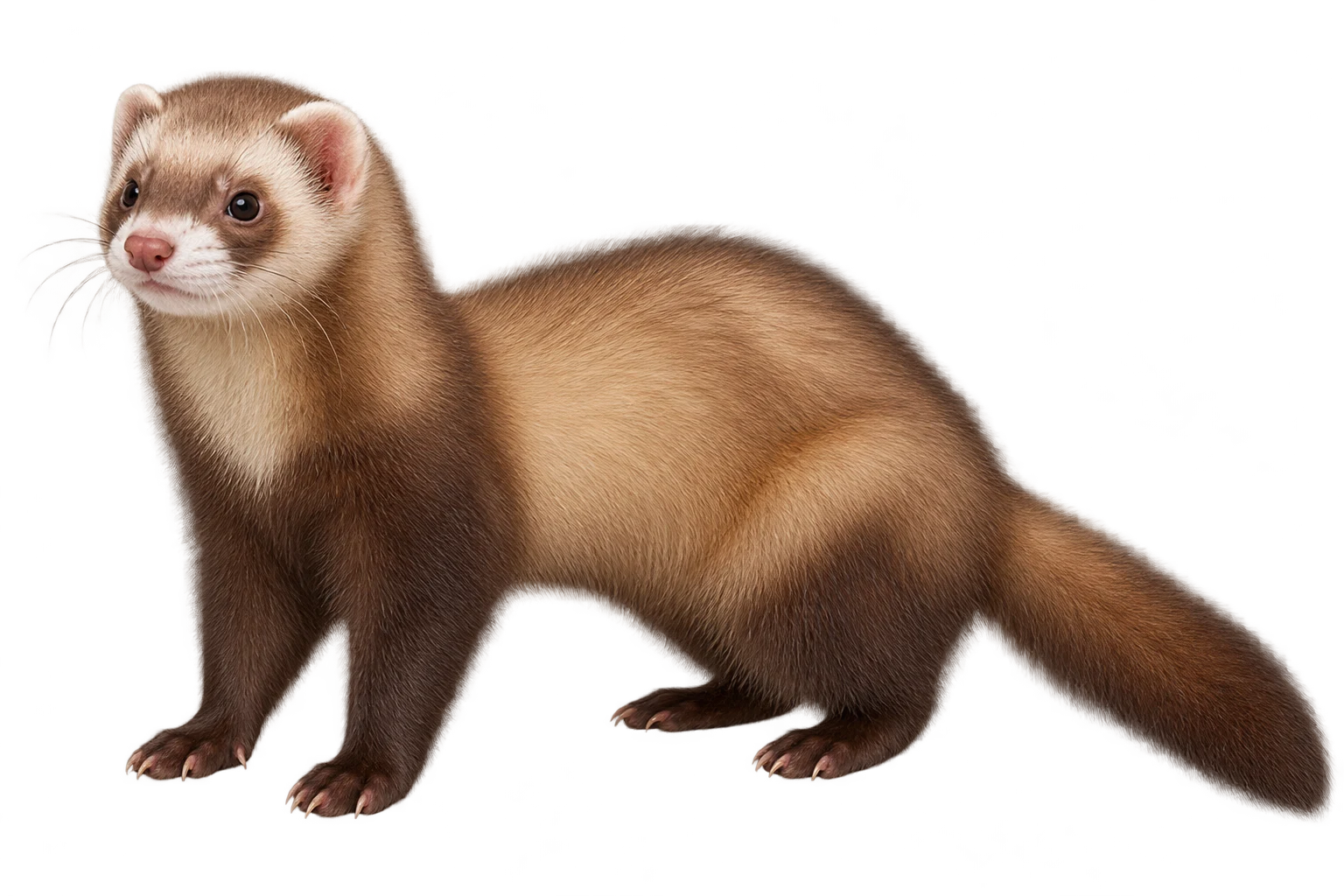
Mammals
Cinnamon Ferret
Mustela putorius furo
Classification and source reference
LivingAI illustration LC
Mammals
European badger
Meles meles
The European badger is a stocky, striped-faced mustelid that lives in family clans across Europe and western Asia.
Living