Living individuals or members of this group exist today. This does not mean they are safe from extinction.
Meet the tiger
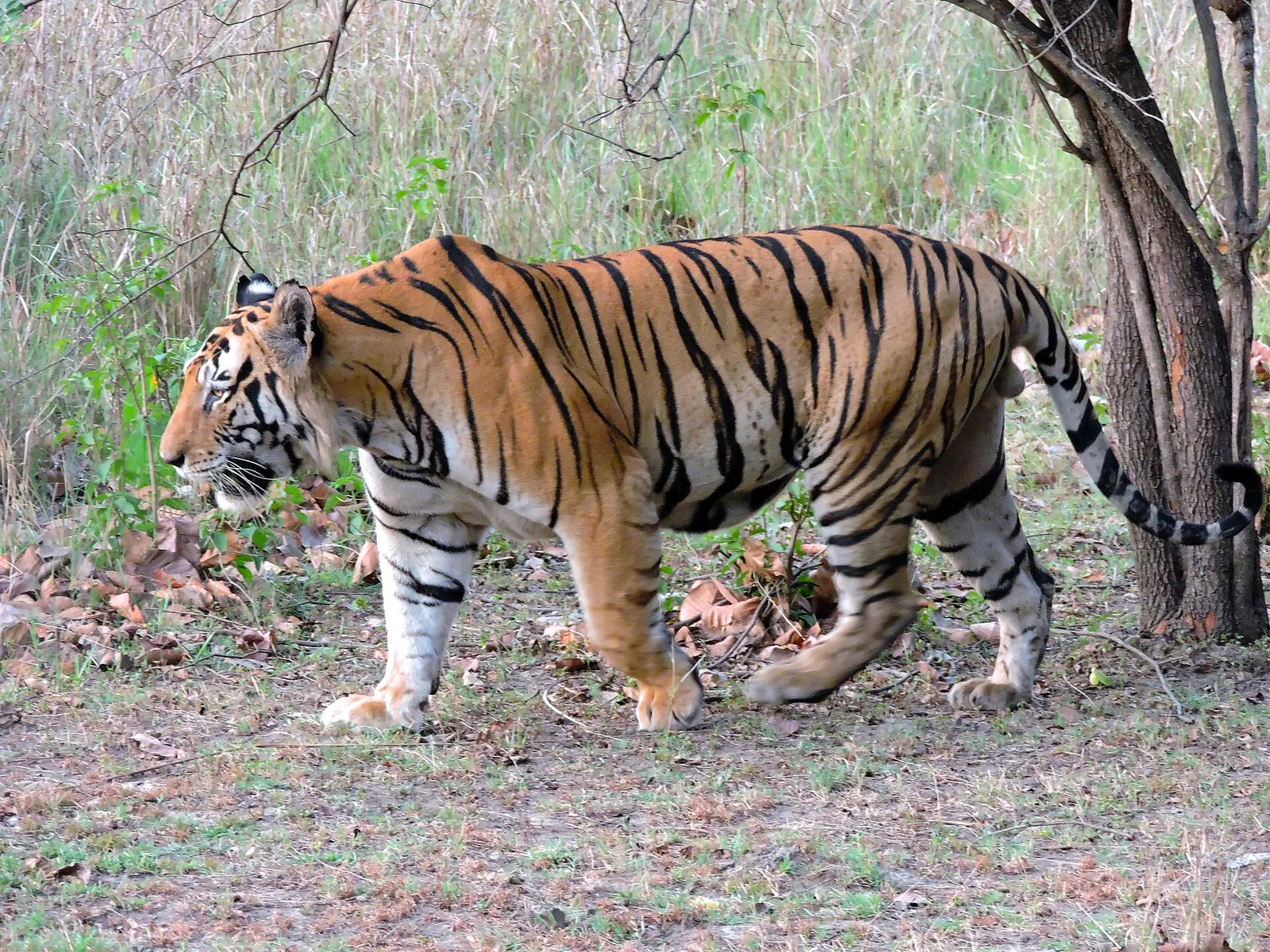
The tiger is the largest living cat and the only one with stripes. It hunts alone at night across forests and mangroves from India to the Russian Far East.
Images of the tiger
Lifespan in the wild
8 to 10 years
Weight
75 to 260 kg
Length
1.4 to 2.8 m
Top speed
Up to 56 km/h
Fact file
Tiger
- Location
- India, Nepal, Bhutan, Southeast Asia, the Russian Far East
- Habitat
- Rainforest, Temperate forest, Wetlands, Grassland
- Diet
- Carnivore
- Prey / food
- Deer, wild boar, water buffalo
- Predators
- None as adults
- Lifestyle
- Nocturnal
- Group name
- Streak (rare; tigers are solitary)
- Name of young
- Cub
- Gestation
- About 105 days
- Litter size
- 2 to 4 cubs
- Population
- About 5,500 in the wild
- Biggest threat
- Poaching and habitat loss
- Distinctive feature
- Orange coat with black stripes
- Colour
- Orange, black and white
- Skin type
- Fur
Size
Next to a person
Measurements
Size and speed
- Height
- 0.8 to 1.1 m at the shoulder
- Length
- 1.4 to 2.8 m head and body
- Tail
- 0.6 to 1.1 m
- Weight
- 75 to 260 kg varies by subspecies
- Weight, male
- 200 to 260 kg Bengal tiger
- Weight, female
- 100 to 160 kg Bengal tiger
- Top speed
- Up to 56 km/h in a sprint
Typical adult ranges. Source: Wikipedia.
Life cycle
Lifespan
- In the wild8 to 10 years
- In captivity16 to 18, up to 26 years
- 026 years
The pale bar is the record. Source: Animal Diversity Web.
Appearance
Colour and coat
- Primary colours
- orangeblack
- Secondary colours
- white
- Skin type
- fur
- Male and female
- Males are larger and heavier than females. A male Bengal tiger weighs 200 to 260 kilograms and a female 100 to 160. Males also have longer whiskers and a broader skull.
Life cycle
Mating and family
- Mating system
- polygynous
- Social structure
- solitary, with a male's range overlapping several female ranges
- Breeding
- one litter about every two years
Tigers breed in any month, with a peak from November to April. After a gestation of about 105 days the female gives birth to two to four cubs in a hidden den. The cubs open their eyes within two weeks, start on meat at about two months and are weaned at about six months. They hunt with their mother from eight to ten months and leave her at 18 to 24 months. Wild tigers live 8 to 10 years, and a captive tiger reached 26.
Classification
Taxonomy
- Kingdom
- Animalia
- Phylum
- Chordata
- Class
- Mammalia
- Order
- Carnivora
- Family
- Felidae
- Genus
- Panthera
- Species
- Panthera tigris
Conservation
Red List status
- LC
- NT
- VU
- EN
- CR
- EW
- EX
Endangered on the IUCN Red List
Range
Recorded in 10 countries
Habitat layer: tropical moist broadleaf forest, temperate broadleaf and mixed forest, temperate conifer forest, boreal forest and taiga, tropical grassland, savanna and shrubland, temperate grassland, savanna and shrubland, flooded grassland and savanna, mangrove.
Countries from 2,264 wild records on GBIF (iNaturalist research grade), filtered and checked by hand. Country shapes: Natural Earth. Habitat: RESOLVE Ecoregions 2017, CC BY 4.0. Basemap: Natural Earth.
Habitats
Three things to know
- 1
No two tigers have the same stripe pattern.
- 2
Tigers are strong swimmers and often cross rivers.
- 3
The skin under the fur carries the same stripes.
Did you know
Seven more facts
- 1
The tiger's canine teeth are the longest of any cat, at 6.4 to 7.6 centimetres.
- 2
A tiger can eat up to 50 kilograms of meat at one sitting, then not eat for days.
- 3
Only about one hunt in 10 to 20 ends in a kill.
- 4
A white tiger is not an albino but carries a recessive gene, and inbreeding explains their numbers in zoos.
- 5
A tiger has been recorded at 4,200 metres in the mountains of Bhutan.
- 6
Young tigers have travelled up to 650 kilometres to find a new home.
- 7
iNaturalist holds 8,916 observations of the species, and GBIF has records from 42 countries.
Field notes
How it looks and acts
Field notes
Distinguishing features
- Orange fur with black vertical stripes, unique to each animal.
- White underparts, white on the face and a white spot ringed with black behind each ear.
- A head and body of 1.4 to 2.8 metres, the largest of any cat.
- A tail of 0.6 to 1.1 metres, banded with dark rings and tipped black.
- A large head with long canine teeth and a round pupil.
- A thick winter coat in the Siberian tiger, with hairs up to 105 millimetres long.
Field notes
Unique adaptations
- Stripes break up the body outline among tall grass and trees, and the orange probably looks green to colour-blind deer.
- A sprint of up to 56 kilometres per hour and a leap of 10 metres close the last gap to prey.
- A throat bite keeps the cat clear of horns and hooves while the prey suffocates.
- A rough tongue scrapes meat from bone.
- A thick coat and large body let the Siberian tiger hunt in deep snow at minus 40 degrees.
Field notes
Interesting behaviours
- Hunts alone by ambush, mostly between dusk and dawn.
- Drags a kill into cover and returns to it over several days.
- Marks its range with urine, claw marks, scrapes and droppings.
- Lies in pools and rivers to cool down on hot days.
- Moves cubs to a new den by carrying them one at a time by the scruff.
Field notes
Temperament
- Solitary and territorial, but tolerant of known neighbours once rank is settled.
- Settles most disputes by threat display rather than by fighting.
- Avoids people in most places, though a few old or injured tigers turn to hunting them.
- Social at a kill: a male may let females and cubs eat before he does.
Field notes
Communication
- Roars to announce itself over about 3 kilometres, and other tigers answer.
- Moans when tense and gives a soft prusten snort when friendly.
- Sprays urine and claws trees to leave scent, then reads marks with the flehmen grimace.
- Flashes the white ear spots and uses the tail to show mood.
Ecology
Ecological role
The tiger is the top predator of the Asian forest and a keystone species where it survives.
- Keeps deer, boar and wild cattle numbers in check, which eases grazing pressure on plants.
- Pushes leopards and dholes to smaller prey and to the forest edge where tigers are common.
- Leaves little carrion, because it feeds on a carcass for days.
- Needs large connected forest, so protecting tigers probably protects many other species.
Stories
Myths and legends
- In Chinese tradition, the tiger is the king of the forest and one of the 12 zodiac animals.
- In Hindu tradition, the goddess Durga rides a tiger into battle against demons.
- In Korean tradition, tigers carry messages for the Mountain Gods and drive away evil spirits.
- In Malay and Indonesian tradition, tiger shamans heal the sick by calling on the tiger.
- In Buddhist tradition, the tiger stands for anger among the Three Senseless Creatures.
People
Relationship with humans
People
Living alongside us
People have hunted tigers for thousands of years, and about 80,000 died between 1875 and 1925 alone. Today poaching for skins and bones is the main threat, and villagers kill tigers that take cattle. A few tigers hunt people, mainly in the Sundarbans. More tigers now live in captivity than in the wild. Tourism in Indian reserves gives local people a reason to keep them.
- A tiger can kill an adult, and tigers in the Sundarbans killed 1,396 people between 1935 and 2006.
- Most attacks are defensive, and most tigers move away from people.
- Man-eaters are often old or injured tigers that can no longer catch deer.
People
Status, uses and products
- Domestication
- Wild
- As a pet
- Not suitable. A tiger needs a home range of hundreds of square kilometres and large prey every week. A hand-raised tiger stays dangerous, and the United States banned private ownership of big cats in 2022.
- Uses
- ecotourismzoo exhibitioncircus acts
- Products
- skinsbones for traditional medicine
The full account
About the tiger
The tiger, Panthera tigris, is the largest of the cats and the only one with a striped coat. It lives in Asia, from the snow forests of the Russian Far East to the mangroves of the Sundarbans. A tiger hunts alone and by ambush, and it takes mostly deer, wild boar and wild cattle. Each adult holds a home range, and a male's range overlaps the ranges of several females. Cubs remain with the mother for roughly two years, then leave to find ground of their own.
Adults weigh 75 to 260 kilograms, and the head and body measure 1.4 to 2.8 metres. Bengal and Siberian tigers are the largest, and Sumatran tigers the smallest. The species has lost at least 93% of its historic range since the early 20th century. The IUCN lists the tiger as Endangered, and about 5,500 remain in the wild. Poaching for skins and bones, and the clearing of forest, are the main threats.
Name and taxonomy
Carl Linnaeus named the tiger Felis tigris in 1758, when every cat sat in the genus Felis. Reginald Innes Pocock moved it into the genus Panthera in 1929. The English word came through Old French and Latin from the Greek tigris. An old story links the name to an Armenian or Persian word for an arrow, but scholars now doubt the connection. The other members of Panthera are the lion, the leopard, the jaguar and the snow leopard, the cats that can roar.
Naturalists proposed nine tiger subspecies over about two hundred years, from the 1800s onward. Most were told apart by fur length, colour and stripe pattern on museum skins, which is a weak basis. In 2017 the Cat Specialist Group accepted only two: P. t. tigris on the mainland and the smaller P. t. sondaica on the Sunda Islands. A 2018 genome study of six living populations found each one to be a separate branch. The IUCN still has the question under review.
Evolution and relatives
Genetic work makes the snow leopard the tiger's closest relative. The two lines split between 2.70 and 3.70 million years ago. The oldest remains of the modern species are pieces of jaw found in Lantian County, China, from the early Pleistocene. Later Pleistocene tigers turn up across China, Sumatra and Java, and fossils are known from Borneo and the Philippines. Supposed tiger bones from Japan belong to the cave lion.
Every living tiger descends from a single ancestor of 108,000 to 72,000 years ago. The population shrank around 115,000 years ago during a glacial period, then spread out again from a refuge in Indochina. In zoos, tigers have bred with lions. A liger, from a lion father and a tiger mother, grows far larger than either parent, while a tigon stays parent-sized. These hybrids often carry serious birth defects, so breeding them is widely seen as unethical.
Appearance
The tiger has the standard cat build: a muscular body, short strong legs, wide front paws and a large head. The head and body measure 1.4 to 2.8 metres, and the tail adds 0.6 to 1.1 metres. An adult stands 0.8 to 1.1 metres at the shoulder. Male Bengal tigers weigh 200 to 260 kilograms, and females 100 to 160 kg. Island tigers are much smaller: a female Sumatran tiger can weigh as little as 75 kg. The claws are curved and retractile and can reach 10 centimetres.
The coat is orange, from yellowish to reddish, with white on the belly, the inner legs and parts of the face. Black or dark brown stripes run mostly vertically down the body, and no two tigers share the same pattern. The pattern is in the skin as well as in the fur. Each ear carries a white spot on the back, ringed with black. The stripes break up the outline among trees, reeds and tall grass, and the orange probably reads as green to colour-blind deer.
No cat has longer canine teeth: they measure 6.4 to 7.6 centimetres. White tigers carry a recessive gene and have sepia stripes on a white ground. Only 0.001% of wild tigers carry the genes for it, and the many white tigers in captivity come from inbreeding. In Simlipal National Park in India, around 37% of tigers have thick merged stripes, a sign of genetic isolation.
Habitat and range
The tiger is a forest animal, but it is not fussy about the kind of forest. In the Russian Far East it lives among Korean pine and mixed broadleaf woods, in deep snow. On the Indian subcontinent it uses moist and dry tropical forest, floodplain grassland and the mangroves of the Sundarbans. In Sumatra it ranges from lowland peat swamp to rugged mountain forest. A tiger needs three things: cover, water and enough prey. In Bhutan it has been recorded at 4,200 metres.
The historic range ran from eastern Turkey and Iran through Central Asia and India to Siberia, Java and Bali. As of 2022 the tiger occupies less than 7% of that area. It survives in scattered blocks in India, Nepal, Bhutan, Bangladesh, Southeast Asia, Sumatra, northeast China and the Russian Far East. India holds the most tiger habitat, with 300,508 square kilometres, followed by Russia. GBIF holds records from 42 countries, but that figure includes zoos and is not the native range.
Density depends on prey. Jim Corbett National Park in northern India supports 12 to 17 tigers per 100 square kilometres. Logged forests in Myanmar, Thailand and Malaysia hold under one tiger per 100 square kilometres.
Diet and hunting
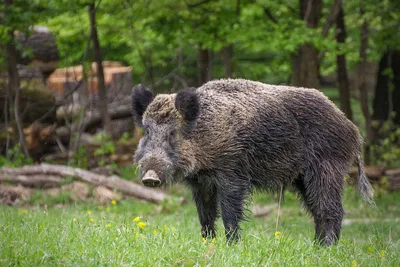
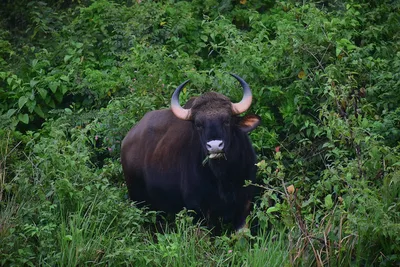
The tiger is an apex predator that feeds mainly on large and medium hooved mammals. Sambar, chital, wapiti, barasingha, gaur, water buffalo and wild boar make up most kills. In the Russian Far East, red deer and wild boar together made up 84% of recorded kills. It also takes monkeys, peafowl, porcupines, fish and even bears when the chance comes. Near villages it kills livestock and dogs.
A tiger hunts by ambush, mostly at night. It finds prey by sight and hearing, creeps close with its head low, and freezes between moves. The rush starts from about 30 metres, and if the prey sees it first, the tiger gives up. It can sprint at 56 kilometres per hour and leap 10 metres, but it cannot keep a chase going. Only about one attack in 10 to 20 ends in a kill.
The tiger attacks from behind or from the side and tries to pull the animal over. Large prey dies from a bite that holds the throat until it stops breathing. Small prey dies from a neck bite that breaks the spinal cord. It drags the carcass into cover, rests, then eats up to 50 kilograms in one session. One tiger moved a dead gaur bull of 700 kg on its own. It feeds on a large kill for several days and leaves little for scavengers.
Behaviour and social life
Adult tigers live alone. The only lasting bond is between a mother and her cubs. Each adult defends a home range against others of the same sex, and a male's range covers several female ranges. Two females in the Sundarbans held ranges of only 10.6 and 14.1 square kilometres. In the Sikhote-Alin reserve in Russia, females used 248 to 520 square kilometres and males 847 to 1,923.
Tigers mark their ranges with sprayed urine, claw marks on trees, scrapes on the ground and droppings on trails. A range left empty by a death can be claimed within days. Most disputes end with threats rather than a fight. The worst fights happen between two males over a female in heat. A male will sometimes share a kill with the females and cubs in his range, and let them eat first.
Young tigers disperse up to 650 kilometres to reach other populations. Daughters settle near their mother, while sons travel further. A tiger swims well and crosses rivers up to 8 kilometres wide, and it lies in water on hot days. Its size makes it a poor climber compared with smaller cats, though cubs climb often. Tigers may cover 16 to 32 kilometres in a single night.
Communication and senses
A tiger is usually silent, but it has a wide range of calls. The roar tells other tigers where it is and carries about 3 kilometres. A softer moan, made with the mouth partly closed, carries 400 metres and signals tension or submission. Friendly tigers make a low snort called a prusten, the big-cat version of a purr. Mothers grunt to their cubs, cubs miaow back, and a startled tiger gives a short woof.
Scent does most of the long-term work. Both sexes pull the flehmen grimace, with curled lip and bared teeth, when they smell a urine mark. A male uses it to tell when a female is ready to mate. The white ear spots are flashed during aggressive meetings and between mother and cubs. The tail signals mood too: raised and swaying for a friendly approach, low and still when calm. Like other cats, the tiger sees well in low light, which suits its night hunting.
Reproduction and life cycle
Tigers breed in any month, with a peak between November and April. A female is in heat for three to six days, and the cycle returns every three to nine weeks. She calls the resident male by roaring and scent marking. A pair can remain together for as long as four days and mate many times, each mating lasting under 20 seconds. Gestation lasts about 105 days.
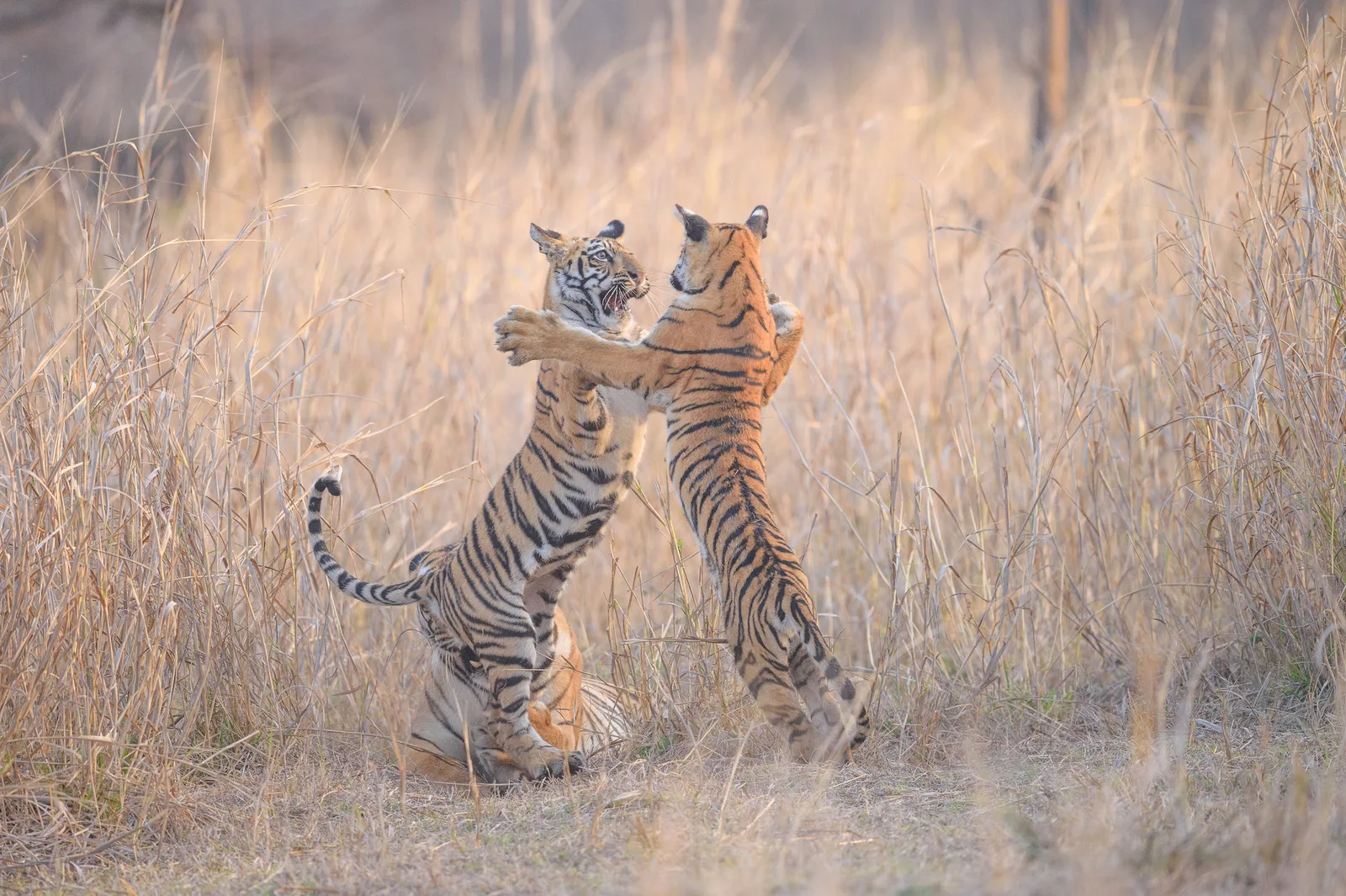
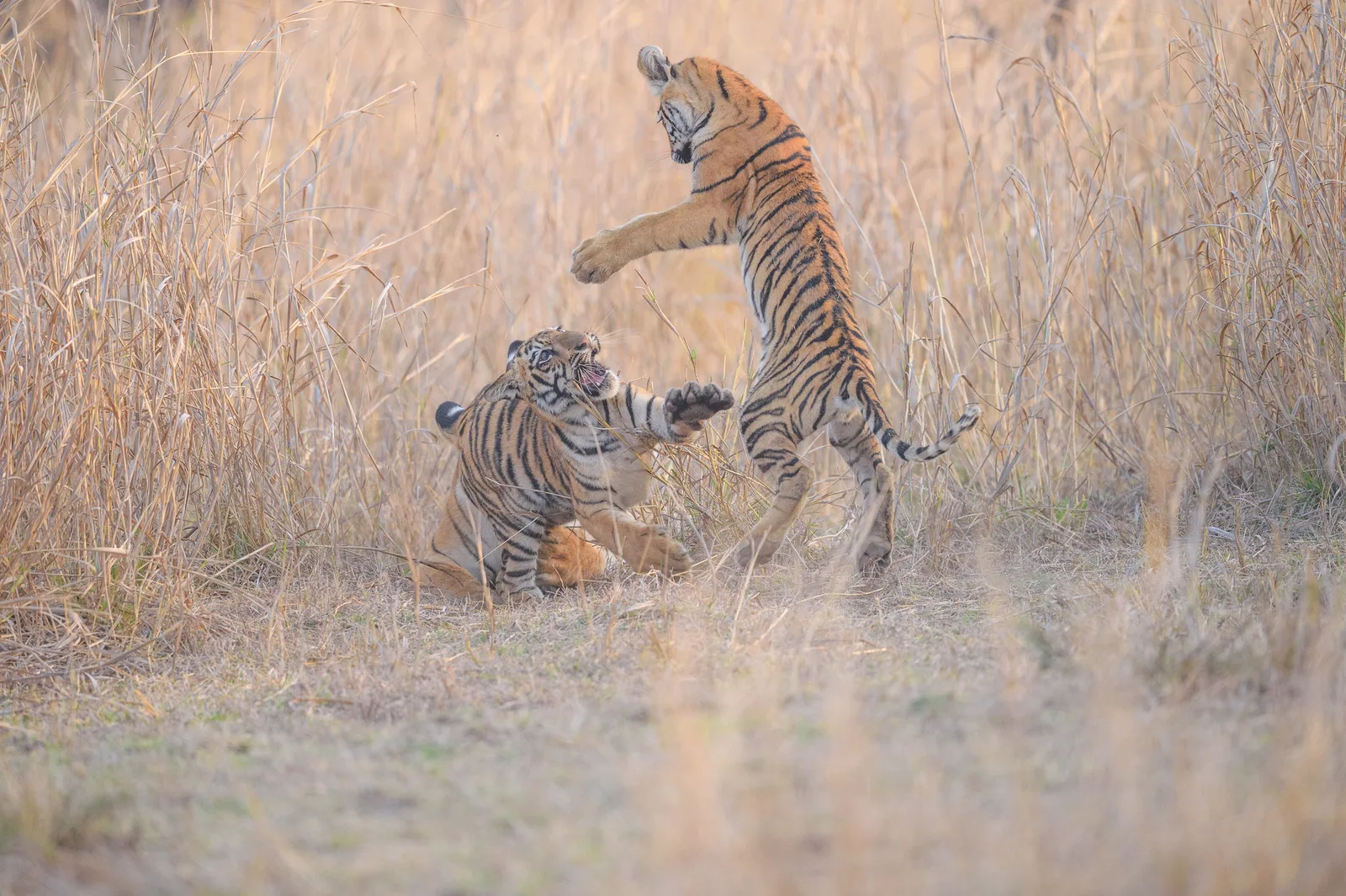
The mother gives birth in thick vegetation, a cave or under a rock. A litter holds two to four cubs as a rule, though up to seven have been recorded. A newborn weighs 785 to 1,610 grams and is blind. The eyes open between 3 and 14 days after birth. If the den seems unsafe, she moves the cubs one by one, carried by the scruff of the neck. At about two months the cubs leave the den, start on meat and follow their mother.
Weaning ends at about six months, and cubs join hunts at eight to ten months. A cub can make its first kill at 11 months and leaves its mother at 18 to 24 months. Females mature at three to four years and males at four to five. A new male that takes over a range may kill the cubs of the old one. In Chitwan National Park, 12 of 56 cubs and juveniles died that way over seven years. Wild tigers usually live 8 to 10 years, and captive tigers 16 to 18, with a record of 26.
Predators and threats
An adult tiger has no natural predator apart from people. Cubs die from other predators, floods, fires, injuries and the loss of the mother. Adult males kill cubs they did not father, and they sometimes kill young tigers that wander into their range. Large prey such as gaur, buffalo and boar can wound or kill a tiger. A big pack of dholes can kill a tiger too. Tigers carry tapeworms and nematodes, and canine distemper has killed Siberian tigers.
The real threats are people. Forest is cleared for plantations, roads, railways and mines, which cuts the range into small isolated blocks. In Peninsular Malaysia alone, 8,315.7 square kilometres of tiger habitat went between 1988 and 2012. Poachers set snares for skins, bones, teeth and claws, and the parts go into traditional medicine. Between 2000 and 2022 at least 3,377 tigers were seized in 2,205 raids across 28 countries. Villagers also kill tigers in revenge for lost cattle.
Population and conservation
The IUCN Red List has rated the tiger Endangered since 1986. The world population fell from an estimated 5,000 to 8,262 in the late 1990s to 3,726 to 5,578 in 2022. The occupied range shrank by 53% to 68% over the same period. The Siberian, South China and Sumatran tigers are each rated Critically Endangered on their own. South Korea lists the tiger as Regionally Extinct, and the Bali, Javan and Caspian tigers are gone.
Every range country protects the tiger by law, and CITES Appendix I bans trade in live tigers and their parts. India founded Project Tiger in 1973 and by 2022 had 53 tiger reserves covering 75,796 square kilometres. Nepal reached years of zero poaching after 2010, and its tiger numbers doubled in a decade. Russia has banned tiger hunting since 1952 and treats poaching as a serious crime.
Wildlife corridors now link reserves in the Terai Arc of Nepal and India, and tigers use at least nine of them. China and Russia agreed in 2019 to manage two border parks together. Kazakhstan is restoring habitat and prey to bring tigers back to the Ile-Balkash reserve. Zoos keep a coordinated breeding stock as insurance against extinction in the wild.
Relationship with humans
People have hunted tigers for thousands of years, and a rock painting at Bhimbetka in India shows it. Mughal emperors and European colonists hunted from horses and elephants, and an estimated 80,000 tigers died between 1875 and 1925. In most places tigers avoid people. Most attacks are defensive, but some tigers, often old or injured ones, do hunt people. The Champawat tiger killed over 430 people in Nepal and India before Jim Corbett shot her. In the Sundarbans, official records list 1,396 deaths between 1935 and 2006, mostly fishermen and honey collectors.
Tigers have been kept since Roman times, when they were killed in amphitheatres. A 2020 count found more than 8,000 tigers in captivity in Asia, over 5,000 in the United States and at least 850 in Europe. That is more tigers than live in the wild. Only 6% of the American captive tigers were in accredited zoos, and the United States banned private big cats in 2022. Circus acts with tigers peaked in the 20th century and have since declined.
Chinese traditional medicine has used tiger bone for over 3000 years, though no evidence shows it works. Tiger farms in China and in Southeast Asia raise the animals for their parts, which seems to increase demand rather than lower it. On the positive side, tigers draw tourists to Indian reserves and give local people a reason to protect forest.
In culture and myth
Where the lion stands for royalty in the West, the tiger plays that role across Asia. In ancient China the tiger was the king of the forest and a symbol of the emperor's power. It is the third of the 12 signs of the Chinese zodiac. Chinese astronomy has a White Tiger among its Four Symbols, standing for the west and autumn, opposite the Azure Dragon. A tiger appears on the Indus Valley Pashupati seal and on the coins of the Chola dynasty in southern India.
In Hindu tradition the tiger carries the goddess Durga into battle, and the tiger is India's national animal. Buddhist teaching groups the tiger with the monkey and the deer as the Three Senseless Creatures, and the tiger stands for anger. Korean myth makes tigers messengers of the Mountain Gods, and Korean and Chinese homes used tiger images to keep off evil spirits. In Malaysia and Indonesia, tiger shamans call on the animal to heal the sick. Weretiger stories occur across the range, and the Mnong of Indochina believed tigers could become human.
William Blake's poem The Tyger, from 1794, asks how the same maker could create the tiger and the lamb. In the Chinese novel Water Margin the bandit Wu Song kills a tiger with his bare hands. Shere Khan in Kipling's The Jungle Book is the enemy of Mowgli. Friendlier tigers include Tigger from Winnie-the-Pooh and Tony the Tiger on cereal boxes. A 2004 online poll across 73 countries put the tiger first among favourite animals, on 21% of the vote.
A sentence with a dotted underline is inferred: it describes the group the animal belongs to, or is a reading of the sources, rather than a measured or reported fact about this species.
Questions
Tiger questions, answered
How big is a tiger?
The head and body measure 1.4 to 2.8 metres, with a tail of 0.6 to 1.1 metres. Adults weigh 75 to 260 kilograms. A male Bengal tiger weighs 200 to 260 kg, and a Sumatran female may weigh only 75 kg.
Is the tiger the biggest cat?
The largest tigers are bigger than any lion, so the tiger is usually called the largest cat. Sizes vary so much between regions that an average tiger may be smaller than an average lion.
How fast can a tiger run?
A tiger sprints at up to 56 kilometres per hour and can leap 10 metres. It cannot keep that pace up, so it stalks to within about 30 metres before it charges.
What do tigers eat?
Tigers eat mainly deer, wild boar and wild cattle such as gaur and water buffalo. They also take monkeys, birds, porcupines, fish and bears. Near villages they kill cattle and dogs.
Are tigers endangered?
Yes. The IUCN has rated the tiger Endangered since 1986, and around 5,500 survive in the wild. The species has lost more than 93% of its historic range.
Where do tigers live?
Tigers live in forests across Asia, from the Russian Far East and northeast China through India, Nepal, Bhutan and Bangladesh to Southeast Asia and Sumatra. Wild tigers do not live in Africa.
How long do tigers live?
A wild tiger usually lives 8 to 10 years. In captivity 16 to 18 years is typical, and the record is 26.
Do tigers live alone?
Yes. Adult tigers live alone in their own home ranges. A male's range overlaps several female ranges, and the only lasting bond is between a mother and her cubs.
Can tigers swim?
Tigers swim well and often cross rivers, some of them 8 kilometres wide. They also lie in water to cool off on hot days.
Why do tigers have stripes?
The stripes break up the body outline among tall grass, reeds and trees. Deer see poorly in colour, so the orange coat probably blends in as well. Each tiger has its own pattern.
How many cubs does a tiger have?
A litter usually holds two to four cubs, born after a gestation of about 105 days. A newborn weighs 785 to 1,610 grams and is blind for the first days.
Are tigers dangerous to humans?
Yes. A tiger can kill a person, and attacks in the Sundarbans killed 1,396 people between 1935 and 2006. Most tigers avoid people, and most attacks are defensive.
How many tigers are left in the wild?
About 5,500. The 2022 estimate ran from 3,726 to 5,578, down from 5,000 to 8,262 in the late 1990s. Far more live in captivity.
What is a white tiger?
A white tiger has a white coat with sepia stripes because of a recessive gene. It is not an albino and not a separate subspecies. Almost all white tigers live in captivity and come from inbreeding.
How loud is a tiger's roar?
A tiger's roar can be heard about 3 kilometres away. Tigers roar to announce their presence, during mating and to call their cubs.
What is a liger?
A liger is the offspring of a male lion and a female tiger. It grows larger than either parent. Ligers exist only in captivity and often have health problems, so zoos discourage breeding them.
Food web
Prey and food
 Wild boar
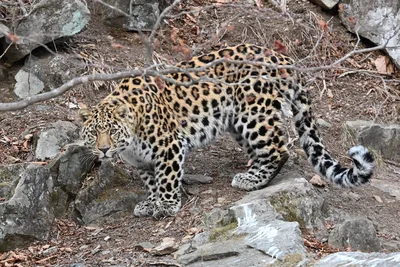 Leopard
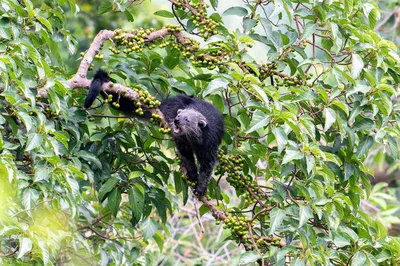 Binturong
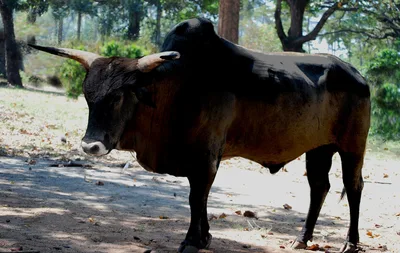 Aurochs
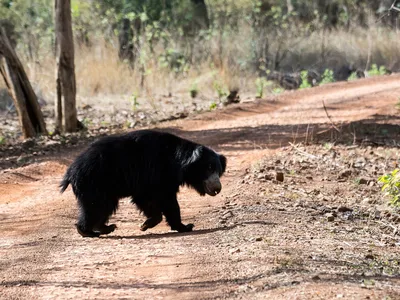 Sloth bear
 Gaur
 Sun bear
 Sable
 Eurasian lynx
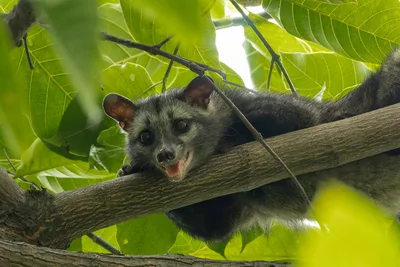 Asian palm civet
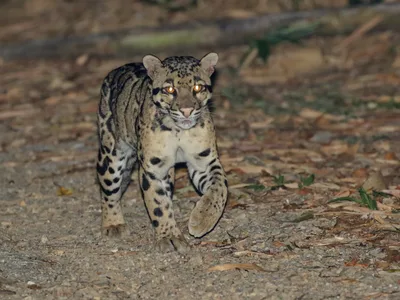 Clouded leopard
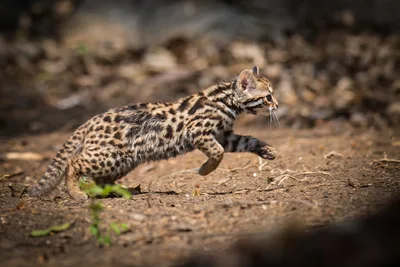 Leopard cat
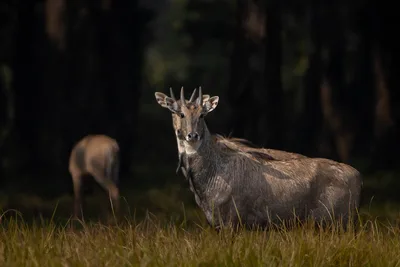 Nilgai
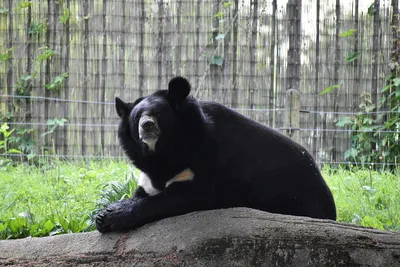 Asian black bear
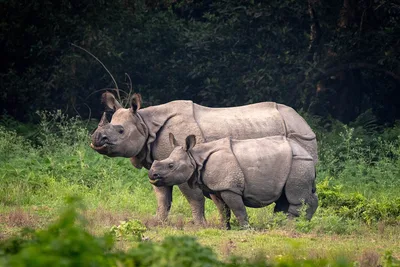 Indian rhinoceros
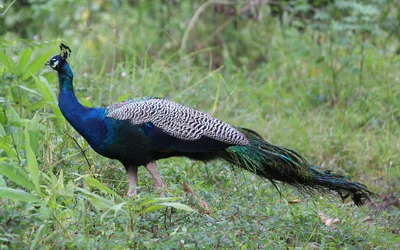 Indian peafowl
Food web
Predators
No natural predator is recorded.
Ecological equivalents
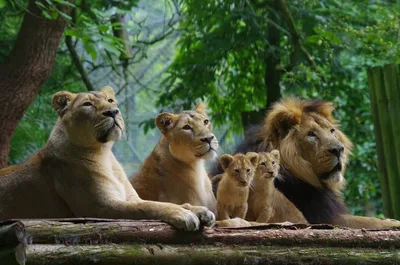
Related species on this site
Amur Leopard (same genus), Bengal Tiger (same genus), Cape Lion (same genus), Cave Lion (same genus), Indochinese Tiger (same genus), Jaguar (same genus), and more.
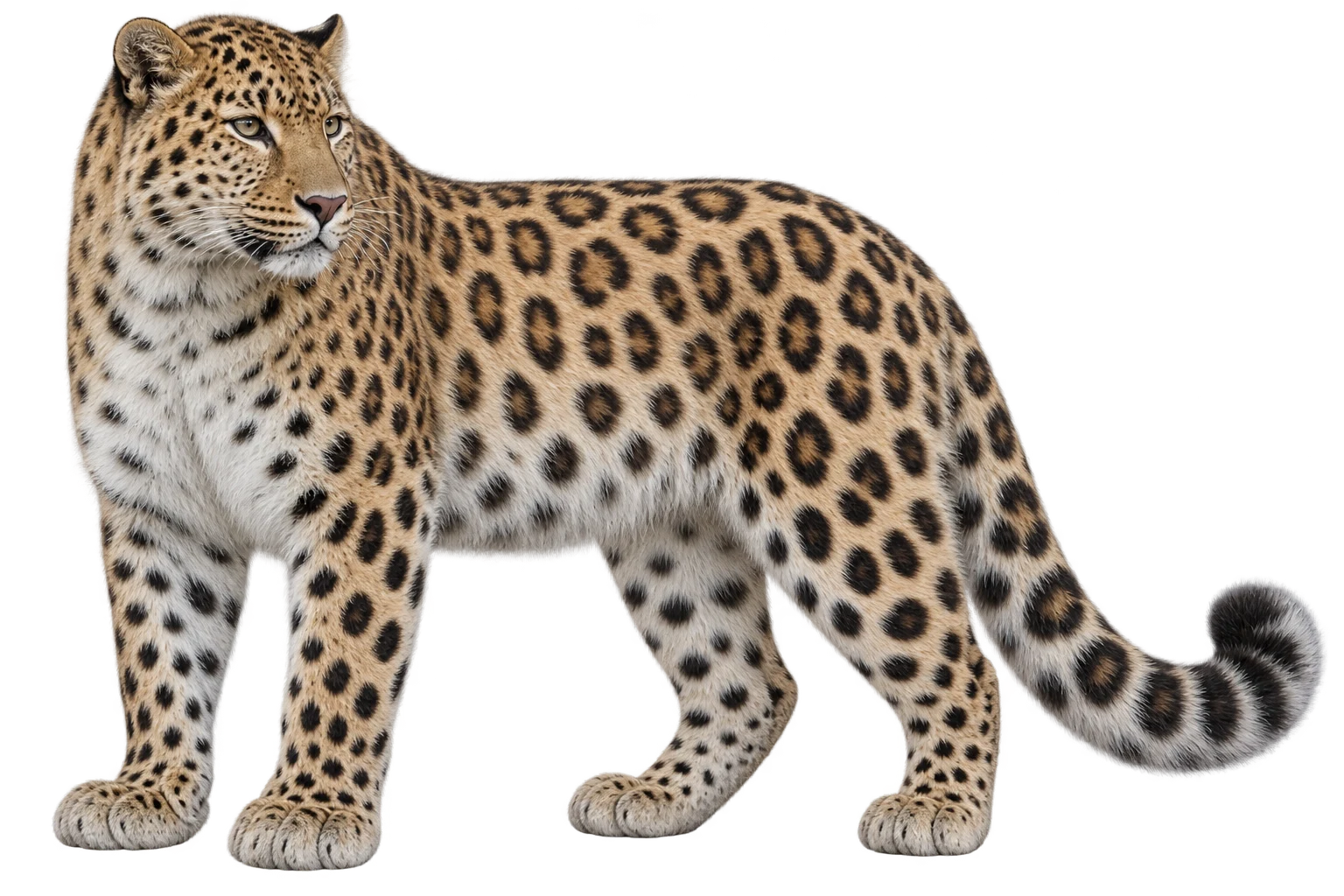
Mammals
Amur Leopard
Panthera pardus orientalis
Classification and source reference
LivingAI illustration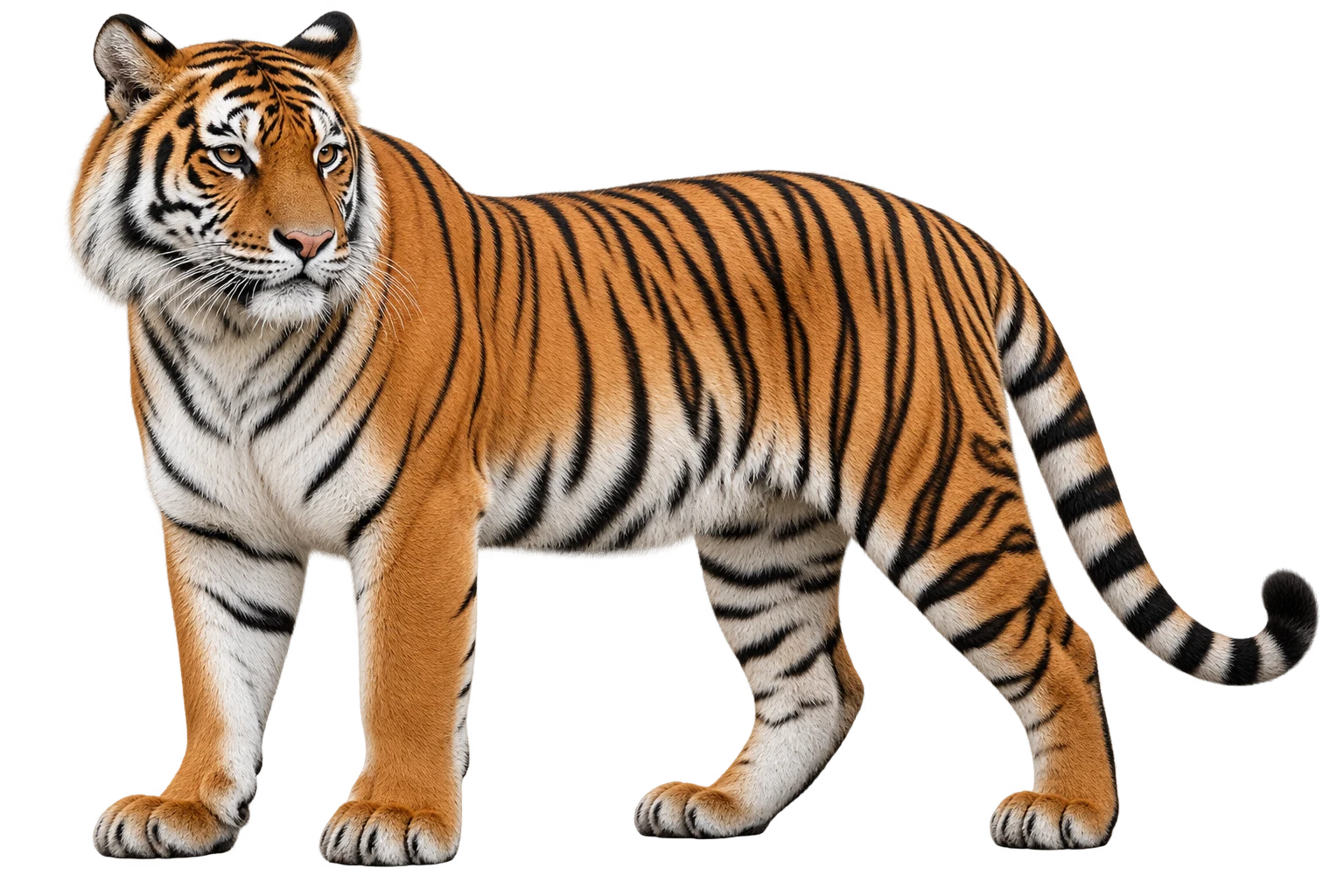
Mammals
Bengal Tiger
Panthera tigris tigris
Classification and source reference
LivingAI illustration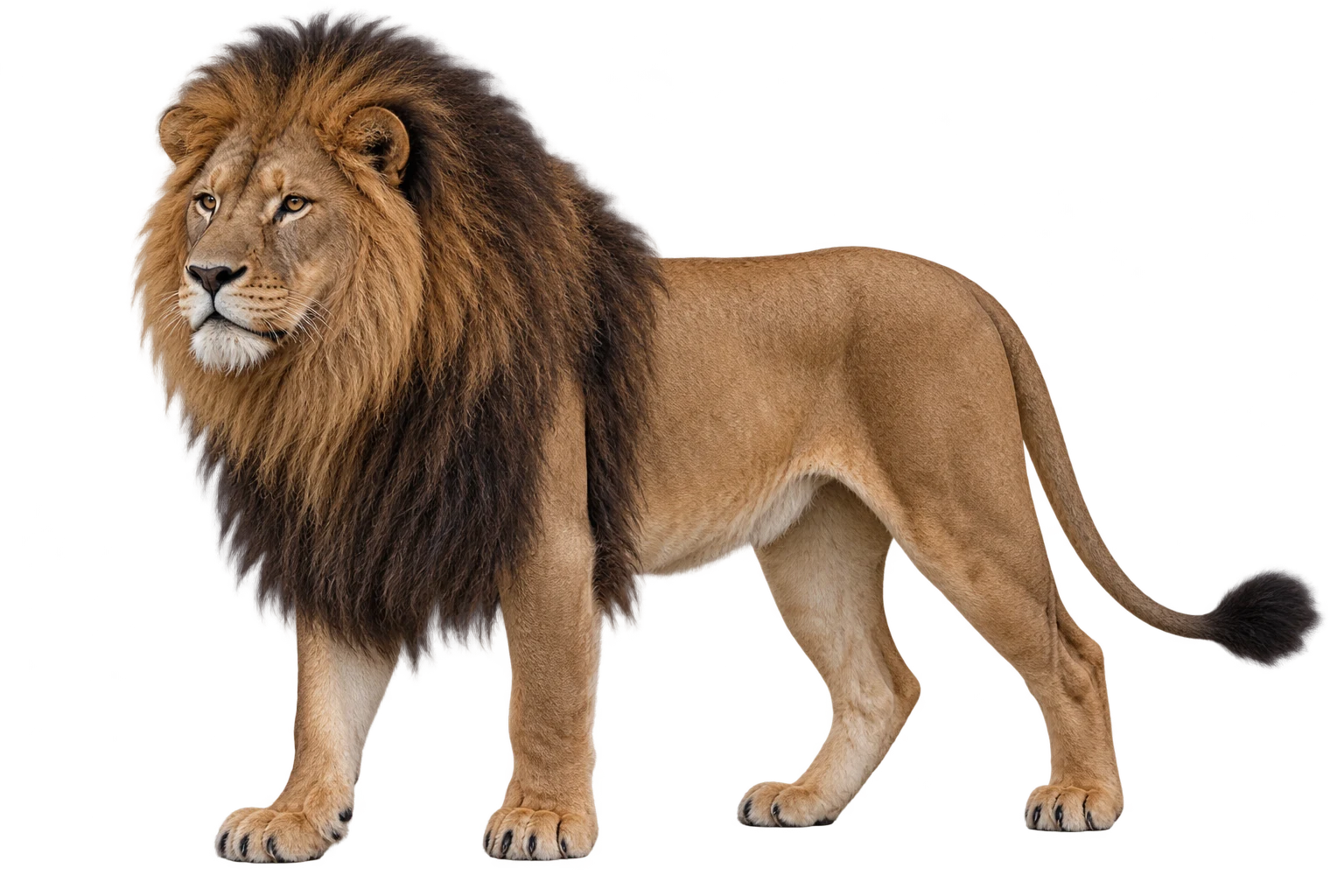
Mammals
Cape Lion
Panthera leo melanochaita
Classification and source reference
ExtinctAI reconstruction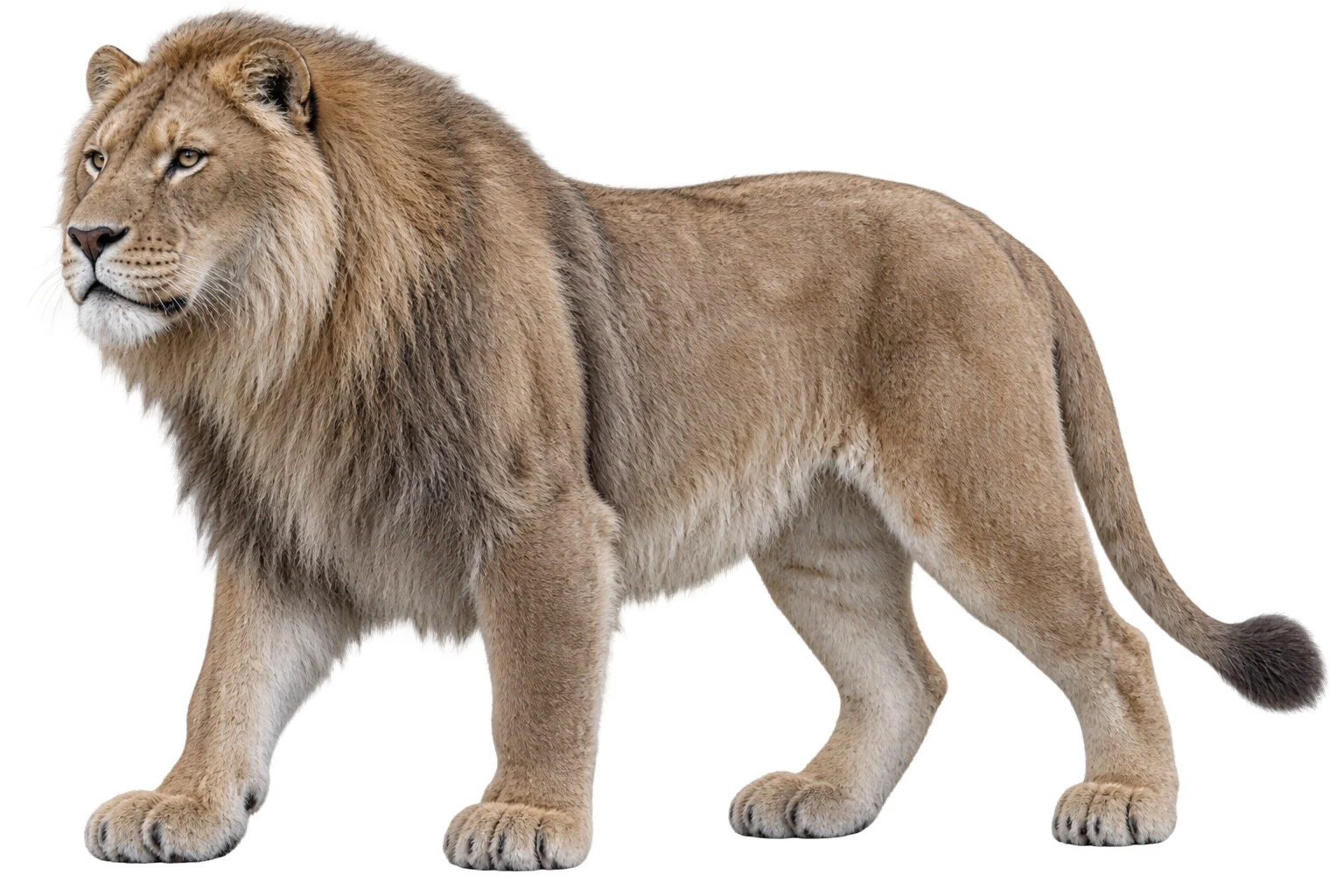
Mammals
Cave Lion
Panthera spelaea
Classification and source reference
ExtinctAI reconstruction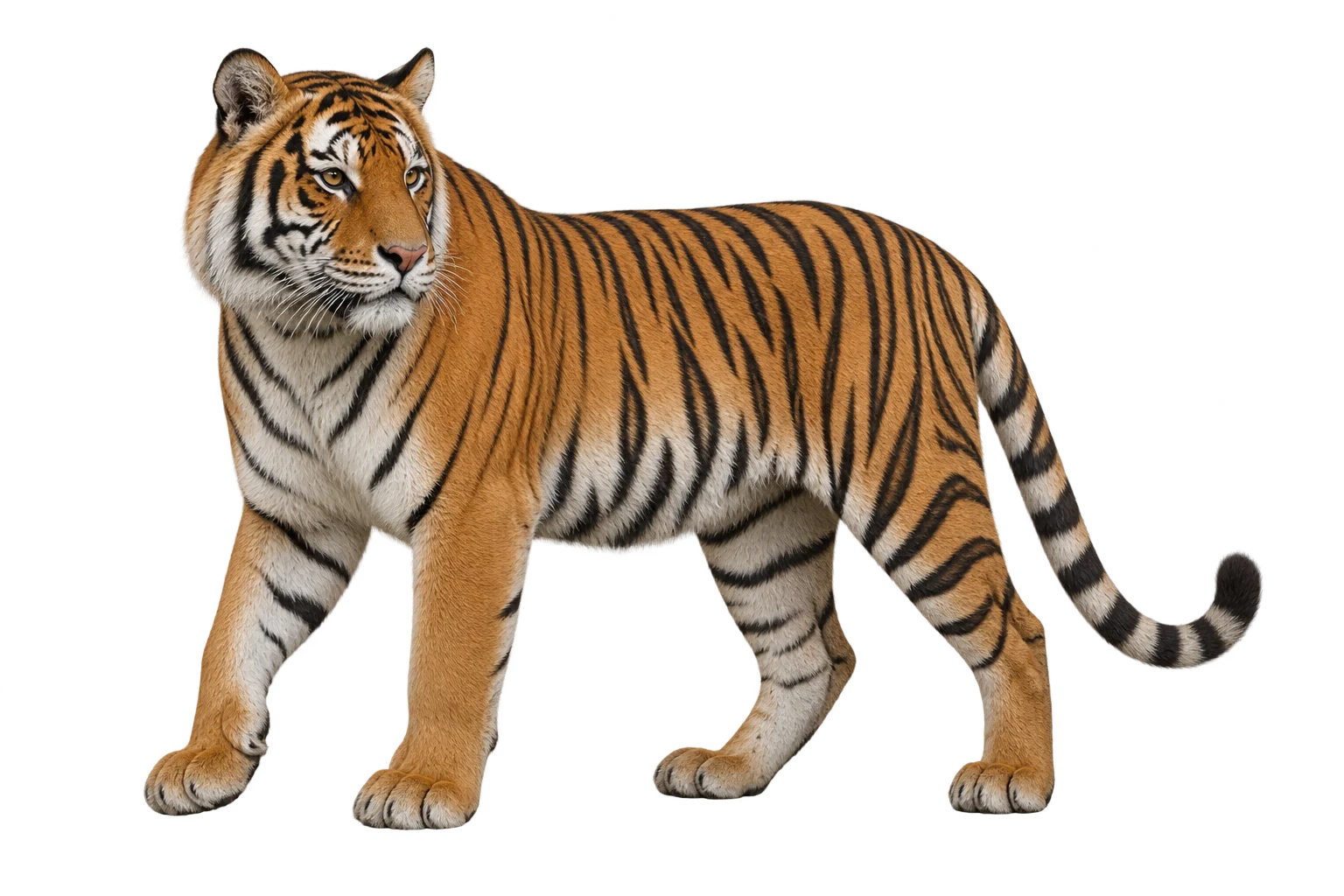
Mammals
Indochinese Tiger
Panthera tigris corbetti
Classification and source reference
LivingAI illustration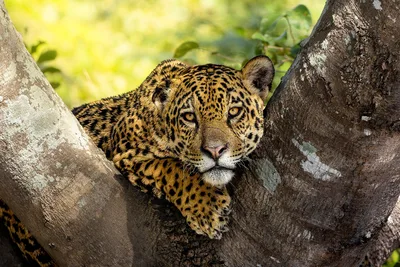 NT
Mammals
Jaguar
Panthera onca
The jaguar is the largest cat in the Americas and the third largest in the world.
Living