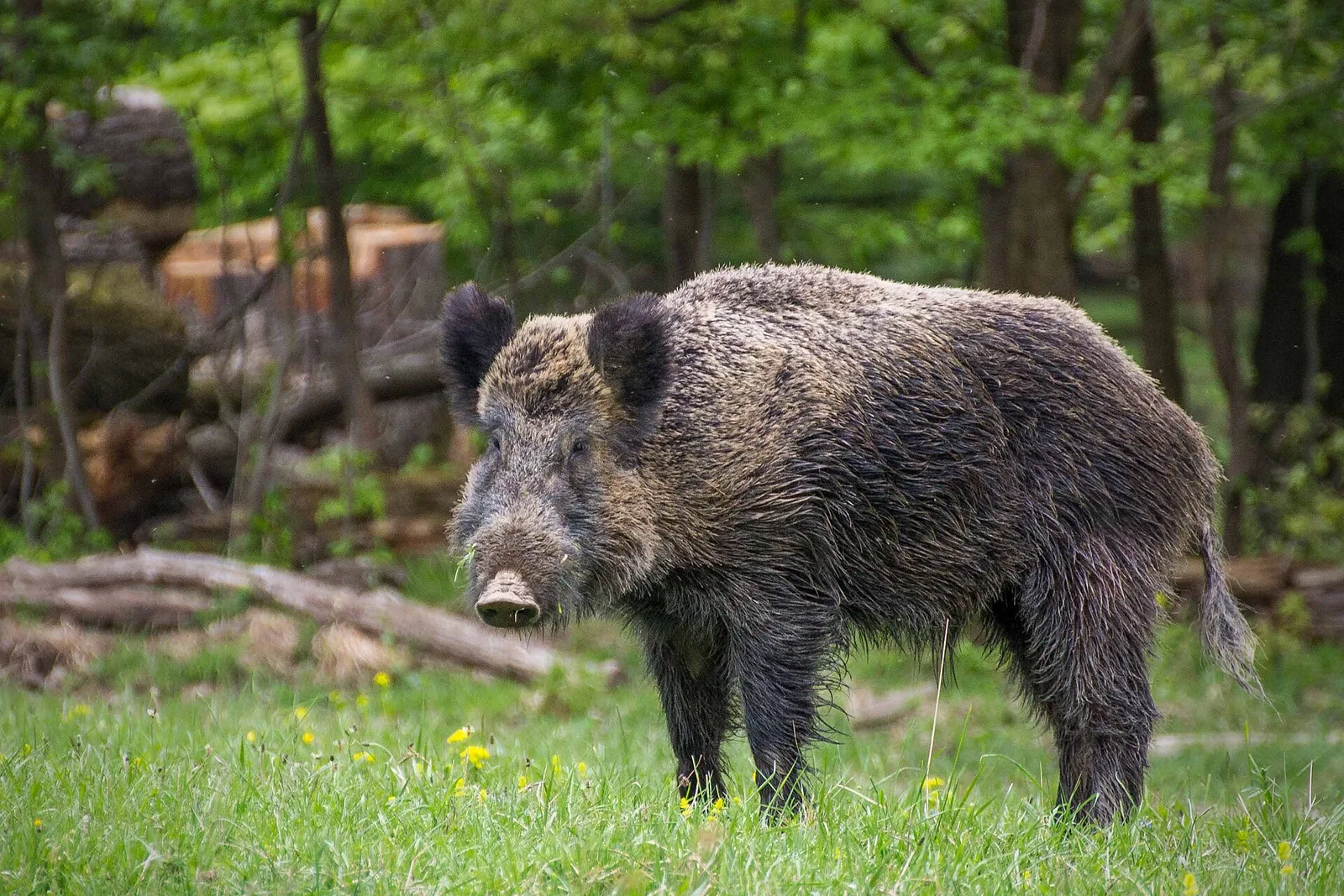
Wild boar
The wild ancestor of the pig, at home on three continents
Sus scrofa
Also called Wild pig, Wild swine, Eurasian wild pig, Feral hog
Living individuals or members of this group exist today. This does not mean they are safe from extinction.
Meet the wild boar
The wild boar is the wild pig of Europe, Asia and North Africa and the ancestor of the domestic pig. It digs for roots and grubs, lives in family groups called sounders, and has become an invasive pest wherever people have carried it.
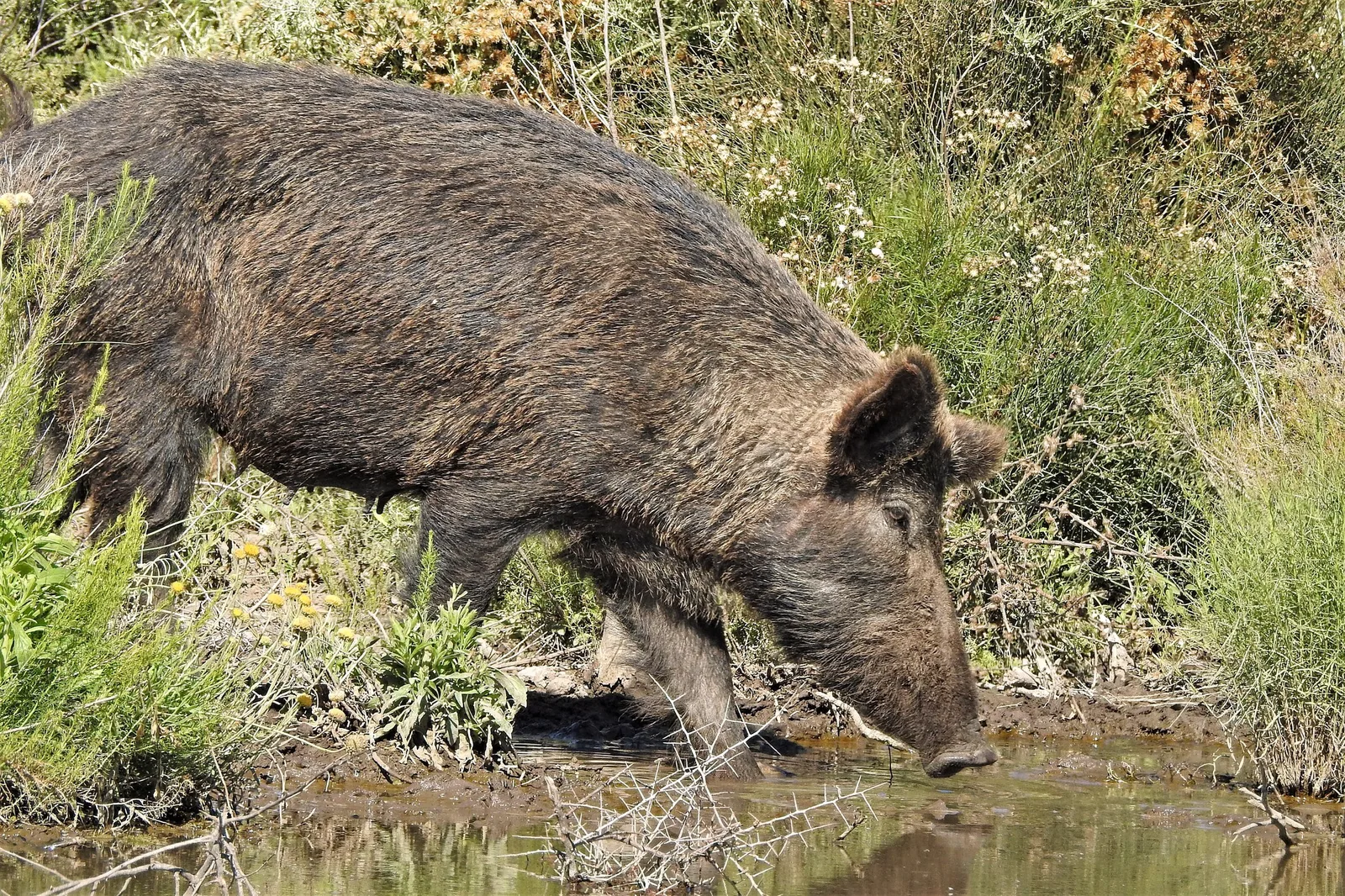
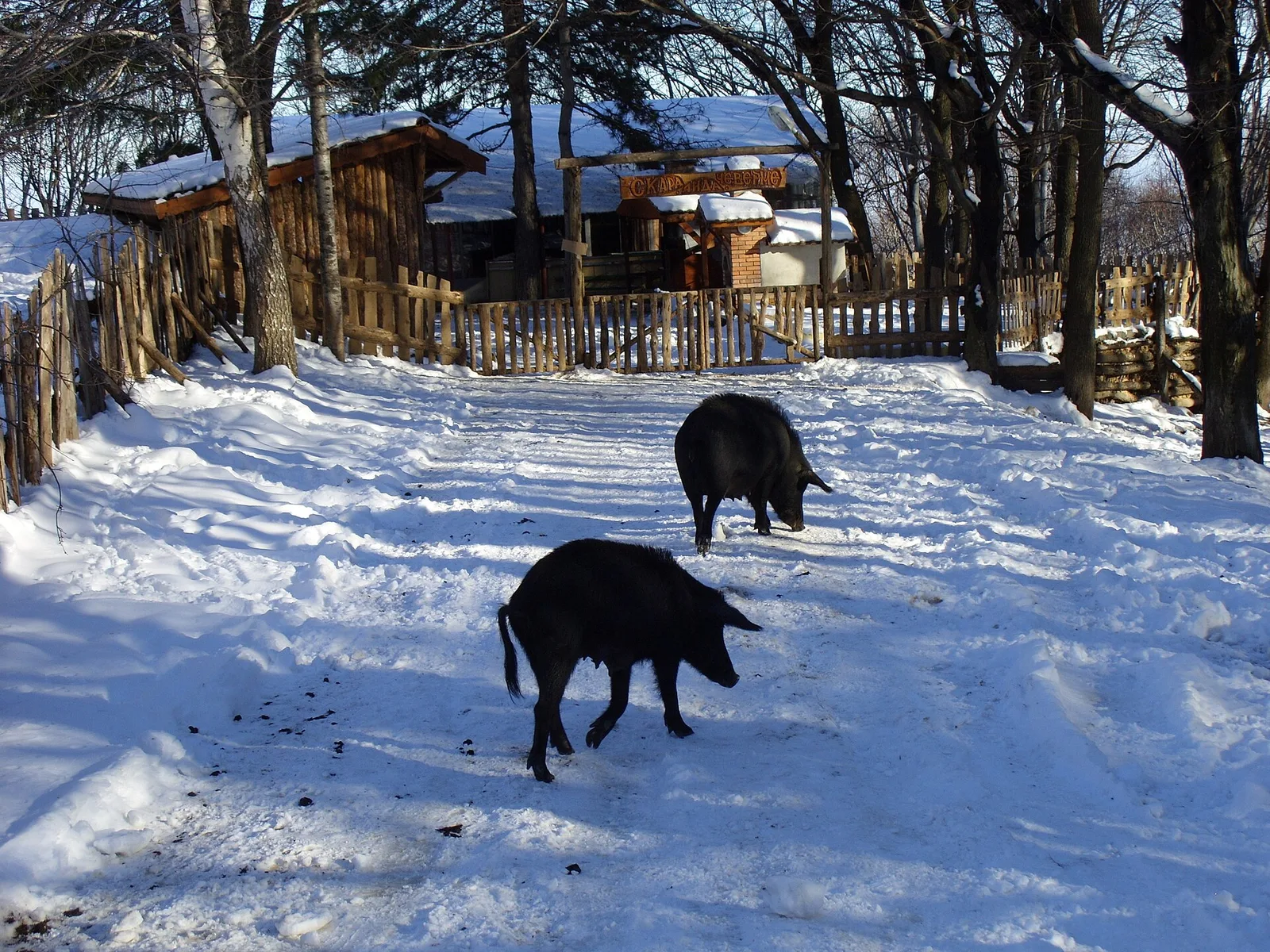
Images of the wild boar
Lifespan in the wild
2 to 10 years few survive past 4 to 5 years
Weight
60 to 130 kg
Length
1.4 to 1.6 m
Top speed
Up to 40 km/h
Fact file
Wild boar
- Location
- Europe, Asia and North Africa; introduced to the Americas and Oceania
- Habitat
- Temperate forest, Wetlands, Grassland, Mountains
- Diet
- Omnivore
- Prey / food
- Roots, acorns, beechnuts, fruit, worms, insects, eggs, rodents, carrion
- Predators
- Wolf, tiger, leopard, brown bear, lynx, Komodo dragon, humans
- Lifestyle
- Nocturnal where hunted; sows in family groups, males solitary
- Group name
- Sounder
- Name of young
- Piglet
- Gestation
- 114 to 130 days; up to 140 in older sows
- Litter size
- 4 to 6 piglets, up to 12
- Population
- Not counted; abundant and expanding
- Biggest threat
- Hunting; swine disease
- Distinctive feature
- Huge head, shoulder hump and curved tusks
- Colour
- Dark brown to black, with striped piglets
- Skin type
- Fur
Size
Next to a person
Measurements
Size and speed
- Height
- 0.7 to 0.95 m, up to 1.25 m at the shoulder
- Length
- 1.4 to 1.6 m body length, European averages
- Tail
- 21 to 38 cm
- Weight
- 60 to 130 kg, up to 350 kg European averages; the record is a Manchurian male
- Top speed
- Up to 40 km/h
Typical adult ranges. Sources: Wikipedia, Animal Diversity Web.
Life cycle
Lifespan
- In the wild2 to 10 years few survive past 4 to 5 years
- In captivityUp to 27 years
- 027 years
The pale bar is the record. Sources: Animal Diversity Web, AnAge.
Appearance
Colour and coat
- Primary colours
- dark brownblack
- Secondary colours
- greyrusty brown
- Skin type
- fur
- Male and female
- Males are 5 to 10% larger and 20 to 30% heavier than females. They carry a mane, longer tusks and a thick shield of tissue over the shoulders in the rut.
Life cycle
Mating and family
- Mating system
- polygynous, one male mates with 5 to 10 sows
- Social structure
- matriarchal sounders of related sows and young; adult males solitary
- Breeding
- one litter a year, sometimes two, born in spring
The rut runs from November to January, and males fight hard for a sounder of sows. Gestation lasts 114 to 130 days in a young sow and up to 140 in an older one. Piglets are born in spring in a nest of twigs and grass, usually 4 to 6 to a litter. They follow their mother at two weeks and lose their stripes at three months. Few wild boars live past 4 to 5 years, though the captive record is 27 years.
Classification
Taxonomy
- Kingdom
- Animalia
- Phylum
- Chordata
- Class
- Mammalia
- Order
- Artiodactyla
- Family
- Suidae
- Genus
- Sus
- Species
- Sus scrofa
Conservation
Red List status
- LC
- NT
- VU
- EN
- CR
- EW
- EX
Least Concern on the IUCN Red List
Range
Recorded in 26 countries
- Argentina
- Austria
- Ashmore and Cartier Islands
- Belgium
- People's Republic of China
- Czech Republic
- Germany
- Spain
- France
- Hong Kong
- Hungary
- Israel
- India
- Italy
- Japan
- Sri Lanka
- Luxembourg
- New Zealand
- Poland
- Portugal
- Russia
- Singapore
- Turkey
- Taiwan
- Ukraine
- United States of America
Habitat layer: temperate broadleaf and mixed forest, temperate conifer forest, boreal forest and taiga, tropical grassland, savanna and shrubland, temperate grassland, savanna and shrubland, flooded grassland and savanna, montane grassland and shrubland, mangrove.
Countries from 35,310 wild records on GBIF (iNaturalist research grade), filtered and checked by hand. Country shapes: Natural Earth. Habitat: RESOLVE Ecoregions 2017, CC BY 4.0. Basemap: Natural Earth.
Habitats
Three things to know
- 1
The wild boar is the ancestor of almost every domestic pig.
- 2
Its neck can roll rocks of 40 to 50 kilograms out of the ground.
- 3
One male may mate with 5 to 10 sows in a single rut.
Did you know
Seven more facts
- 1
Scrofa, the species name, is Latin for sow.
- 2
A boar can run at 40 kilometres per hour and clear a fence 150 centimetres high.
- 3
German police have used boars to sniff out drugs.
- 4
A boar cannot recognise a standing person at 10 to 15 metres.
- 5
One boar swam 11 kilometres from France to Alderney in 2013.
- 6
Piglets copy their mother's grunts, so each litter has its own dialect.
- 7
A rutting male can lose 20% of his body weight in six weeks.
Field notes
How it looks and acts
Field notes
Distinguishing features
- A huge wedge-shaped head that makes up a third of the body.
- A hump behind the shoulders and a short, almost rigid neck.
- Curved lower tusks that show outside a male's mouth.
- A mane of long bristles down the back, raised when the animal is agitated.
- Coarse, dark coat over short brown underwool.
- Piglets striped in cream and rusty brown.
Field notes
Unique adaptations
- A snout and neck built like a plough dig roots and grubs out of hard ground.
- Tusks that grow all through life serve as weapons and are kept sharp by grinding.
- A shield of thick tissue protects a rutting male from rivals' tusks.
- A nose sharp enough to find drugs and truffles locates buried food.
- A mutation in a nerve receptor protects it from snake venom.
Field notes
Interesting behaviours
- Roots up the ground in search of bulbs, worms and grubs.
- Wallows in mud, then rubs against trees.
- Rests by day in a bed of branches and hay, and never soils it.
- Freezes when young, trusting a striped coat for cover.
- Sows lead and guard the sounder, keeping the piglets in the middle.
Field notes
Temperament
- Wary and retiring, active at night wherever people hunt.
- Fierce when cornered or when a sow defends piglets.
- Aggressive in the rut, when lone males attack rivals and sometimes people.
- Social among females, solitary among adult males.
Field notes
Communication
- Grunts of varying intensity keep a sounder in contact.
- Purrs while feeding, whines as a piglet, and huffs or screeches in alarm.
- Piercing cries during fights.
- Scent left by rubbing the ground, and a musky sac on the male.
Ecology
Ecological role
The wild boar reshapes the ground it lives on. Its digging turns soil, spreads seeds and disturbs plants, for better in its native forests and for worse where it has been introduced.
- Turns over soil and buries acorns and beechnuts, which helps some trees and harms others.
- Spreads fruit seeds in Java, where it eats about 50 fruit species.
- Feeds wolves, tigers, leopards and Komodo dragons.
- Destroys nests, wetlands and native plants where it has been introduced.
Stories
Myths and legends
- In Greek tradition, a boar killed Adonis, and every hero proved himself by fighting one.
- In Celtic tradition, the boar was the most sacred animal and a symbol of courage and fertility.
- In Norse tradition, Freyr rides the golden boar Gullinbursti.
- In Hindu tradition, Vishnu took the form of the boar Varaha to lift the Earth from the waters.
- In Japanese tradition, the boar is brave and reckless, and it ends the zodiac cycle.
People
Relationship with humans
People
Living alongside us
The wild boar is the ancestor of the domestic pig and has been hunted for meat and sport since the Stone Age. It damages crops, carries diseases that pass to livestock and people, and occasionally attacks. In the Americas and Australia its hybrid descendants are among the most destructive invasive animals. It remains a prized game animal across Europe and Asia.
- Attacks are rare but can cause deep wounds to the thighs and lower body.
- Most attacks come from lone males in the rut, from November to January.
- A sow with piglets may charge if she is surprised.
People
Status, uses and products
- Domestication
- Wild
- As a pet
- Not suitable. A wild boar grows into a powerful, tusked animal that can weigh over 100 kilograms. It is illegal to keep in many places and dangerous in the rut.
- Uses
- game huntingmeatdrug detection
- Products
- meathidebristles
The full account
About the wild boar
The wild boar, Sus scrofa, is the wild pig of Europe, Asia and North Africa, and the ancestor of almost every domestic pig. It is one of the most widespread mammals on Earth. People carried it to the Americas and Oceania, where it has become a serious invasive pest. The IUCN lists it as Least Concern because of its huge range, its high numbers and its ability to live almost anywhere.
A boar is a heavy, short-legged animal with a huge head that takes up a third of its length. In most of Europe a male weighs 75 to 100 kilograms, and a female 60 to 80 kg. The largest males of northeast Asia reach 350 kg. Sows and their young live in family groups called sounders, while adult males roam alone. The boar digs for roots, nuts, worms and small animals, and it will eat almost anything it finds.
Name and taxonomy
Carl Linnaeus named the species Sus scrofa in 1758. Scrofa is Latin for sow. The English word boar comes from the Old English bar, and sow comes from an older Germanic root shared with the Latin sus. True wild boars died out in Britain before modern English formed, so the same words serve for wild boars and large pigs. Young are piglets or boarlets.
As of 2005, up to 16 subspecies are recognised, sorted into four groups by skull height and the length of a bone near the eye. The western group includes the European S. s. scrofa and the North African S. s. algira. The Indian group has long manes and bands on the snout, and the eastern group carries a white streak from the mouth to the jaw. The Indonesian group holds only S. s. vittatus, the most primitive of the four, with the smallest brain for its size. The Indochinese warty pig, once thought a separate species, was folded into Sus scrofa in 2022.
Evolution and relatives
Mitochondrial DNA points to an origin on the islands of Southeast Asia, in what is now Indonesia and the Philippines. From there the species spread across mainland Eurasia and into North Africa. The oldest fossils, from Europe and from Asia, date to the Early Pleistocene. By the late Villafranchian the wild boar had pushed a larger relative, Sus strozzii, off the mainland and onto the islands. The bearded pig of Malacca and nearby islands is its nearest wild relative.
The boar's greatest evolutionary product is the domestic pig. People in the Tigris basin managed wild boars as early as 13,000 to 12,700 BCE. Pig remains on Cyprus date to before 11,400 BCE and must have come from the mainland by boat. A separate domestication took place in China about 8,000 years ago. Early European farmers received pigs from the Near East and then domesticated their own local boars, a third event. Domestic pigs carry 70% of their weight in the hindquarters, the reverse of the boar, whose muscle sits on the head and shoulders.
Appearance
The wild boar is a massive, compact animal with short, thin legs and weak hindquarters. A hump rises behind the shoulders, and the neck is so short and thick that it barely moves. The head is built for digging and works as a plough. The neck muscles can turn over 8 to 10 centimetres of frozen ground and roll rocks of 40 to 50 kg. The ears are long and broad, and the small eyes sit deep in the skull. It can run at up to 40 kilometres per hour and jump 140 to 150 cm.
Size depends on food. Across most of Europe a male averages 75 to 100 kilograms, stands 75 to 80 cm at the shoulder and measures about 150 cm long. A European female averages 60 to 80 kg and 140 cm. Adults in the rich forests of Eastern Europe are heavier, with males of 110 to 130 kg. In northeast Asia a big male can weigh 270 kg, and some in Manchuria and Primorsky Krai have reached 300 to 350 kg. Such giants are rare today, because heavy hunting stops most boars from reaching full growth.
Males run 5 to 10% larger and 20 to 30% heavier than females. They also grow a mane down the back and long tusks. The lower tusks are sharp and curved, with 10 to 12 cm exposed, and they keep growing all through life. Before the rut a male builds a shield of tissue 2 to 3 cm thick from shoulder to rump, which protects him in fights. The winter coat is long, coarse bristle over short brown down. Colour ranges from near white around Lake Balkhash to black in Belarus and the Russian Far East. Piglets wear pale stripes along a rusty brown coat for about three months.
Habitat and range
The wild boar lives in almost every habitat between boreal forest and desert. It climbs to 1,900 metres in the Carpathians, 2,600 m in the Caucasus and 3,600 to 4,000 m in Central Asia. It needs three things: thick cover to hide in, water to drink and wallow in, and no regular deep snow. In Europe it prefers oak and beech forest mixed with marsh and meadow. In Central Asia it visits pistachio groves in winter and moves into open desert in spring.
The original range ran from Britain east to Korea and the Sunda Islands, and along the Nile as far as Khartoum. Hunting shrank that range badly. Boars vanished from Britain in the 13th century, from Denmark in the early 19th century, and from Egypt by 1902. Numbers recovered from the 1950s, and by 1975 boars were back as far north as Arkhangelsk. Escapes from farms restored wild boars to England in the 1990s, and Scotland now holds a few thousand feral pigs.
Introduced populations cover much of the Americas and Australia. Wealthy landowners released German boars in New Hampshire in 1890 and in North Carolina in 1912. Those animals crossed with feral pigs, and their hybrid descendants now live in 44 US states. Boars swim well, and in 2013 one swam 11 kilometres from France to Alderney. GBIF holds records from 170 countries.
Diet and feeding
The wild boar eats a wider range of food than almost any other mammal. Roots, tubers and bulbs are dug up all year. Acorns and beechnuts matter most in temperate forest, because they build the fat that carries the animal through winter. Leaves, bark, shoots and rubbish fill gaps. In warm months it adds worms, insects, snails, fish, rodents, eggs, lizards, snakes, frogs and carrion. A 50 kg boar needs about 4,000 to 4,500 calories a day, and more in winter or pregnancy.
The boar ploughs the soil with its snout and neck, and it can eat several poisonous plants without harm. In the Volga Delta boars catch carp and roach and raid heron colonies for chicks. In Java, boars of the vittatus subspecies eat mainly fruit, from about 50 species, and spread the seeds. Boars sometimes kill fawns, leverets, lambs and calves, and one group in India killed and ate an adult axis deer.
Behaviour and social life
The boar's social unit is the sounder: a group of related sows and their young, led by an old matriarch. Animal Diversity Web puts a typical sounder at 6 to 20 females, though some exceed 100 animals. Young males leave at 8 to 15 months and drift in loose bachelor groups. Adult males live alone outside the rut. Daughters stay with their mothers or set up close by, so neighbouring sounders overlap.
Boars are mostly active at dusk and at night, and they rest by day in thick cover. Where people hunt them, they become strictly nocturnal, though they are not built for it. They wallow in mud to cool down and to strip off parasites, then rub against trees. Rest sites are lined with spruce branches and dry hay, and the whole family shares one, though males lie apart. Home ranges in one study averaged 1.1 to 3.9 square kilometres.
A study published in 2021 filmed an adult sow as she worked a cage trap open and released two boars caught inside. That suggests boars can act to help each other, a trait known in few wild mammals. Sows also adopt orphaned piglets from their own sounder.
Communication and senses
Boars talk in grunts. Adult males are mostly silent, sows grunt often, and piglets whine. Feeding boars purr with contentment. Piglets copy their mother's sounds, so each litter may develop its own calls. A frightened boar gives loud huffs or a screech, and fighting males give high, piercing cries.
Smell is the boar's main sense, and it is so acute that German police have used boars to find drugs. Sight is weak: the boar has no colour vision and cannot pick out a standing person at 10 to 15 metres. Boars leave chemical marks by rubbing the ground, and a male carries a scent sac near the penis that gives off a sharp smell. Pigs also share with mongooses and honey badgers a mutation that protects them from snake venom.
Reproduction and life cycle
In most areas the rut runs from November to January, with the main mating in about six weeks. Males build their tissue armour, and their testicles double in size. A ready male travels long distances to find a sounder and eats little on the way. He drives off the young animals, chases the sows and fights every rival. One male may mate with 5 to 10 sows. By the end of the rut he has often lost 20% of his weight and carries bite wounds.
Gestation runs 114 to 130 days in a first-time mother and 133 to 140 in an older sow. Piglets are born between March and May in a nest of twigs, grass and leaves. A litter usually holds 4 to 6 piglets, and the largest reach 10 to 12. Newborns weigh 600 to 1,000 grams and fight for the richest teats. They stay in the nest for a week and follow their mother by two weeks. If danger comes, they freeze and trust their striped coats.
Suckling lasts 2.5 to 3.5 months, but piglets begin to root like adults at 2 to 3 weeks. The striped coat fades after three months, and adult colour arrives at eight months. Sows mature at one year and males a year later, though males rarely breed before 4 to 5 years because older males keep them away. Few boars survive past 4 to 5 years. Animal Diversity Web gives a typical wild lifespan of 2 to 10 years, and one captive boar lived 27 years.
Predators and threats
The wolf is the main predator across most of the range. A single wolf may kill 50 to 80 boars of various ages in a year. Wolves take piglets and subadults, seldom adult sows, and almost never adult males. Deep snow tips the balance, and in the Baltic states a hard winter can let wolves clear boars from an area. Lynx, jungle cats, snow leopards, brown bears and martens take piglets.
In the Far East the tiger once ate boars of every age, and a single tiger can work through a whole sounder. Boars have gored tigers to death in self-defence on rare occasions. Leopards take young boars in the Caucasus, Iran and India. On Komodo, Rinca and Flores the Komodo dragon is the main predator. In North America, coyotes and bobcats take young boars, and bears and cougars take adults.
Disease is a constant threat. Boars host at least 20 species of parasitic worm, and lungworms picked up from earthworms kill many young. Swine plague spreads fast through boar populations, and foot-and-mouth disease can reach epidemic scale. Boars scavenging in landfills have been identified as a route for African swine fever. People remain the main killer of adult boars.
Population and conservation
The IUCN lists the wild boar as Least Concern. It has a vast range, high numbers and an ability to adapt to almost any habitat. Most populations grow rather than shrink, and control programmes exist across much of the world. In the native range, hunting is the main check, and it is the only method shown to cut crop damage.
Not every population is safe. The Ryukyu Islands subspecies, S. s. riukiuanus, was rated vulnerable in 1982, and poachers have removed over half of one protected population.
In the introduced range the boar is itself the conservation problem. It has harmed over 300 animal and plant species, 250 of them threatened. On Santiago Island in the Galápagos, close to 19,000 feral pigs were removed in the largest pig eradication ever completed. In the United States the damage is estimated at $800 million a year.
Relationship with humans
People and boars have shared the land for as long as there have been people. Hunters carved boars at Göbekli Tepe about 11,600 years ago. At some Chinese sites of the Holocene warm period, boars made up 73% of large mammal remains. The Greeks treated the boar hunt as a test of courage. The Romans turned it into a sport with nets, dogs and a short spear. Medieval nobles hunted boars as training for war, and a boar's head was the centrepiece of a noble Christmas.
The boar is still a prized game animal and a source of meat, hide and bristle. Boar meat is leaner than pork, with more essential amino acids. A carcass yields about 50 kg of meat on average, and a hide can give 350 to 1,000 grams of bristle. In the Soviet period, 7,000 to 8,000 boars a year were taken in the Caucasus.
The relationship is often hostile. Boars dig up potatoes and flatten maize and melons when wild food fails. In 1749 a boar plague caused a famine at Hachinohe in Japan in which 3,000 people died. By 2010 at least 44 cities in 15 countries had trouble with boars that had learned to live off people. Attacks on people are rare but serious, and most come from lone males in the rut. A study covering 1825 to 2012 found 665 recorded victims, 24% of them in the United States and 19% in India.
In culture and myth
Indo-European cultures saw the boar as a warrior. Almost every Greek hero fights one. Herakles captured the Erymanthian boar, Theseus killed the sow Phaea, and Odysseus was recognised by the scar a boar had left on him. The goddess Artemis loosed a monstrous boar on Calydon, and Meleager's band of heroes hunted it down. A boar killed Adonis, so the Greeks also made the animal a symbol of darkness, death and winter.
The Celts held the boar above every other sacred animal, as a sign of courage, fertility and strength. Warriors put boar crests on helmets and war trumpets. Germanic peoples engraved boars on shields and swords, and boar helmets such as the one from Benty Grange were believed to protect the wearer. In Norse myth the god Freyr rides Gullinbursti, a boar with golden bristles, and Freyja rides Hildisvini.
In Hindu myth the boar Varaha, an avatar of Vishnu, raised the Earth from the primeval waters. The Japanese see the boar as fearless and reckless, and it closes the twelve-animal zodiac. Japanese hunters name sons after the boar, and a clump of boar hair in a wallet was said to bring wealth. The Altai Uriankhai of Mongolia believed the spirits of the dead entered a boar's head on their way to the water below. Before Islam the Kyrgyz claimed descent from boars and would not eat pork.
A sentence with a dotted underline is inferred: it describes the group the animal belongs to, or is a reading of the sources, rather than a measured or reported fact about this species.
Questions
Wild boar questions, answered
Are wild boars dangerous to humans?
Attacks are rare but serious. A study of records from 1825 to 2012 found 665 victims. Most attackers were lone males in the rut.
What do wild boars eat?
Almost anything. Roots, tubers, acorns, beechnuts, fruit, leaves and crops, plus worms, insects, eggs, small animals, fish and carrion.
How big is a wild boar?
A European male averages 75 to 100 kilograms and stands 75 to 80 centimetres at the shoulder. The largest males in northeast Asia reach 350 kg.
How fast can a wild boar run?
Up to 40 kilometres per hour. It can also jump 140 to 150 centimetres.
Are wild boars the same as pigs?
The wild boar is the wild ancestor of the domestic pig. Feral pigs in the Americas are mostly hybrids of the two.
Where do wild boars live?
Across Europe, Asia and North Africa, from forest to desert. Introduced populations live in the Americas, Australia and on many islands.
Do wild boars live in groups?
Sows and their young live in sounders led by an old female. Adult males live alone except in the rut.
How long do wild boars live?
Most die before 4 to 5 years. Animal Diversity Web gives a typical wild lifespan of 2 to 10 years, and a captive boar lived 27 years.
How many piglets does a wild boar have?
A litter usually holds 4 to 6 piglets, and large litters reach 10 to 12.
Are wild boars endangered?
No. The IUCN lists the species as Least Concern. One island subspecies in the Ryukyu Islands is considered vulnerable.
Why are wild boars a problem in the United States?
Hybrids of boars and feral pigs live in 44 states. They wreck crops, nests and wetlands and cost about $800 million a year.
What eats wild boars?
Wolves are the main predator. Tigers, leopards, bears, lynx and Komodo dragons also take them, and people kill more than any of these.
Do wild boars swim?
Yes. One swam 11 kilometres from France to Alderney in 2013.
Are wild boars back in Britain?
Yes. Boars escaped from farms in the 1990s and now breed in Kent, Sussex, Dorset, Devon and the Forest of Dean.
What is a group of wild boars called?
A sounder. It is made up of related sows and their piglets.
Food web
Prey and food
- roots
- acorns
- beechnuts
- fruit
- worms
- insects
- eggs
- rodents
- carrion
Food web
Predators
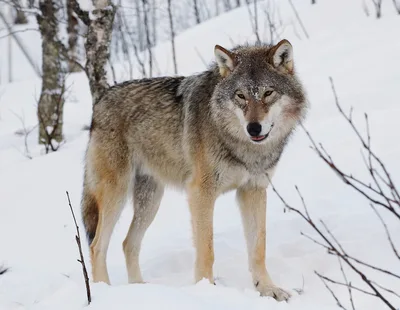 Gray wolf
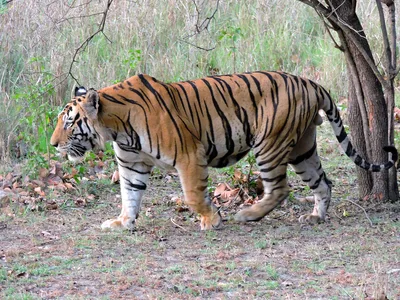 Tiger
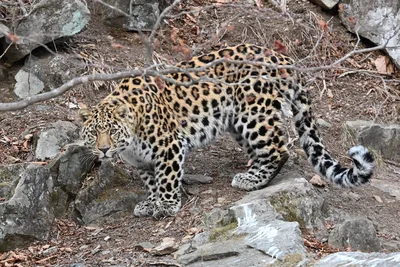 Leopard
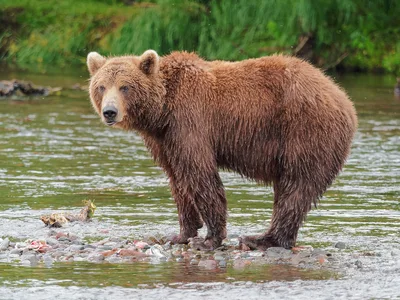 Brown bear
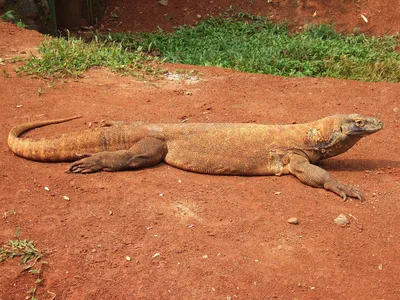 Komodo dragon
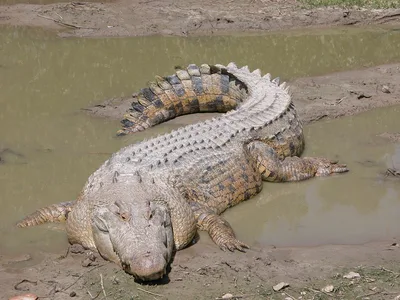 Saltwater crocodile
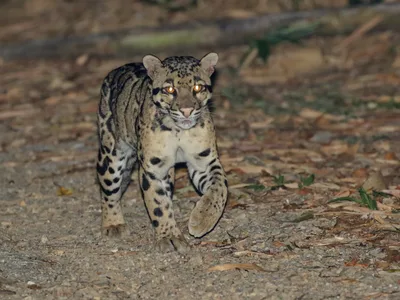 Clouded leopard
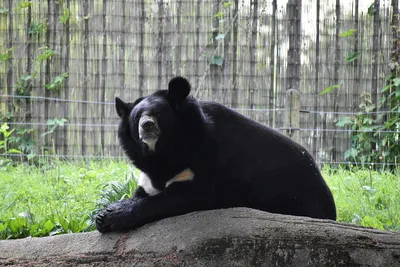 Asian black bear
Ecological equivalents
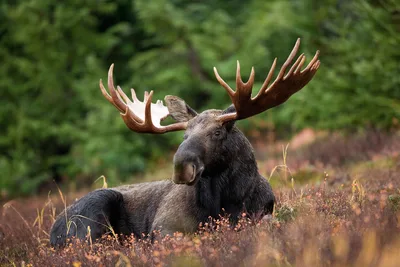
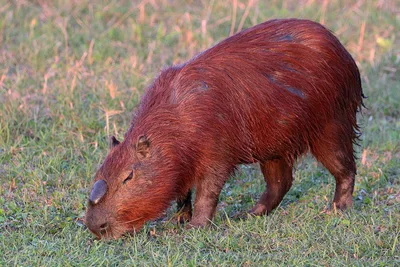
Related species on this site
Pig (same genus), Babirusa (same family), Warthog (same family), Addax (same order), African buffalo (same order), Alpaca (same order), and more.
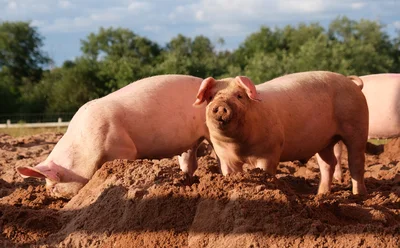
Mammals
Pig
Sus scrofa domesticus
The domestic pig is an omnivorous form of Sus scrofa.
Living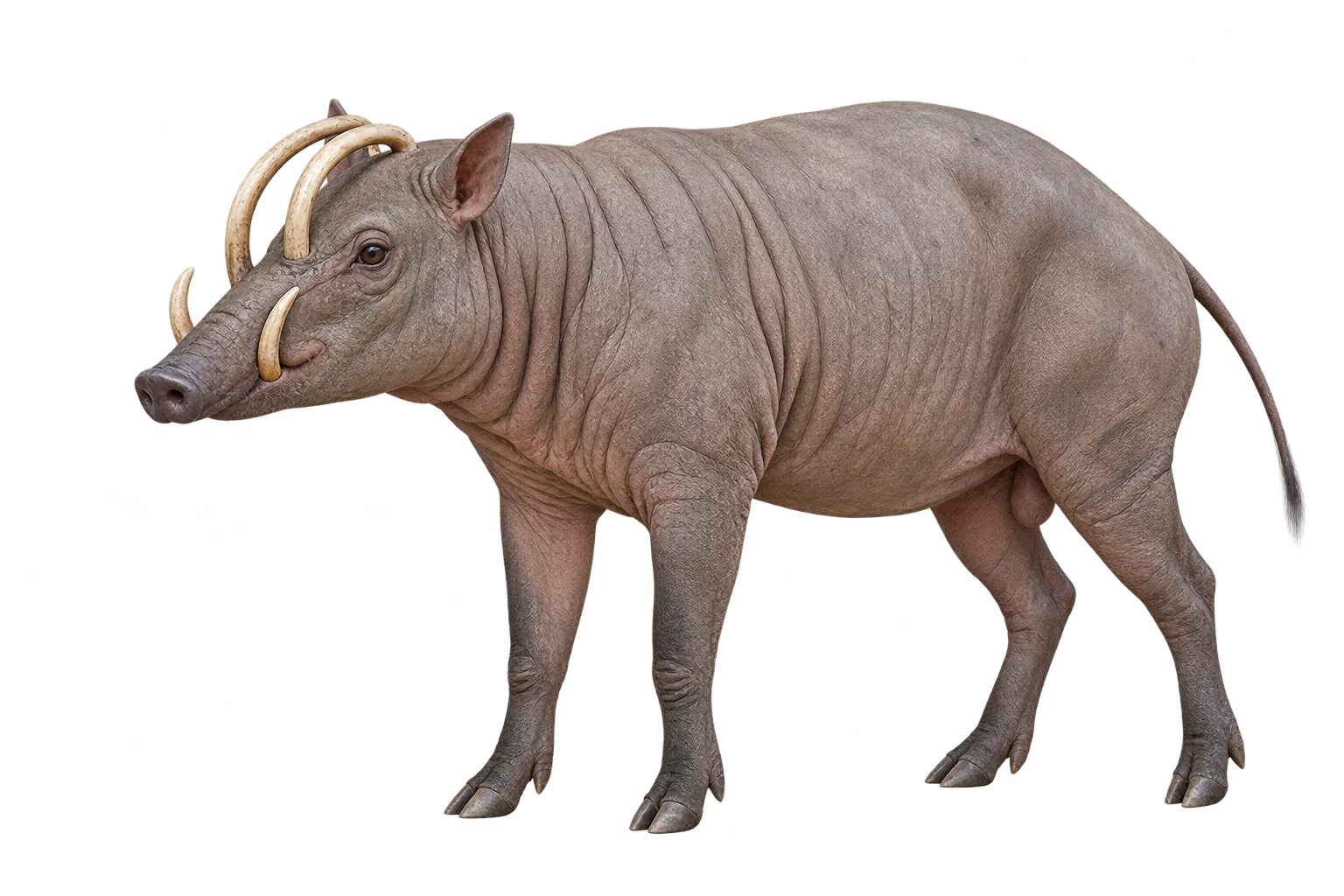
Mammals
Babirusa
Babyrousa
Classification and source reference
LivingAI illustration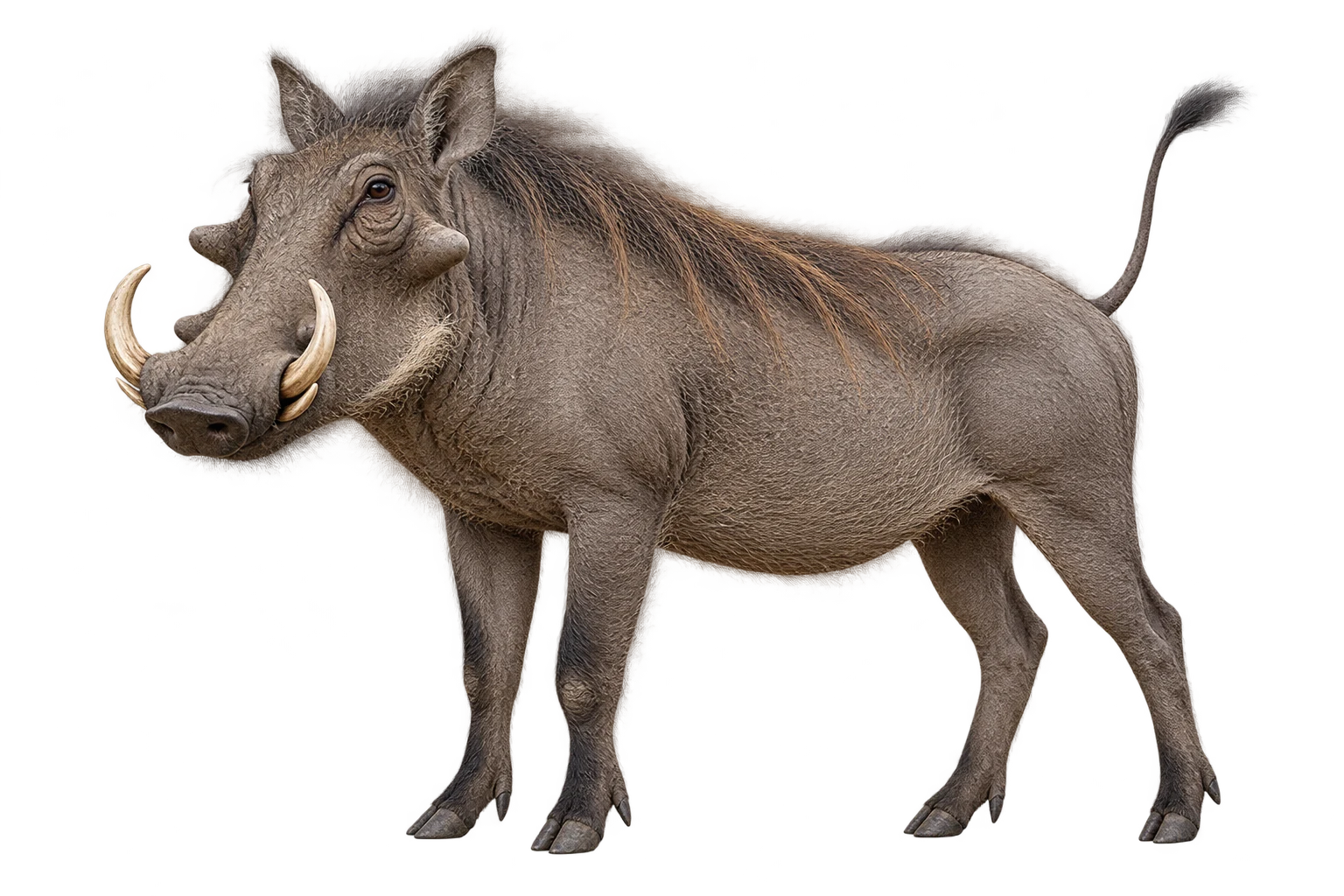
Mammals
Warthog
Phacochoerus africanus
Classification and source reference
LivingAI illustration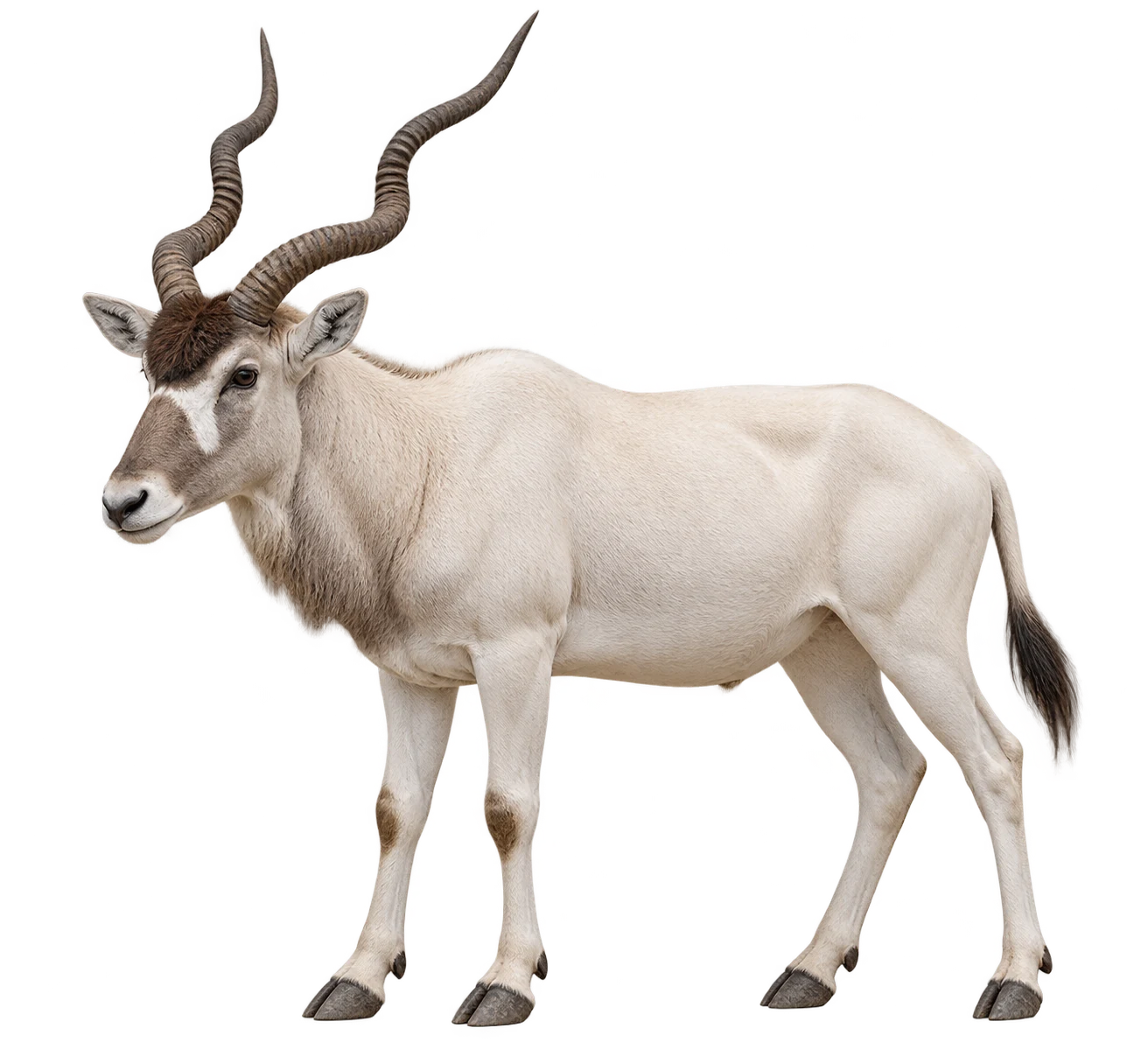
Mammals
Addax
Addax nasomaculatus
Classification and source reference
LivingAI illustration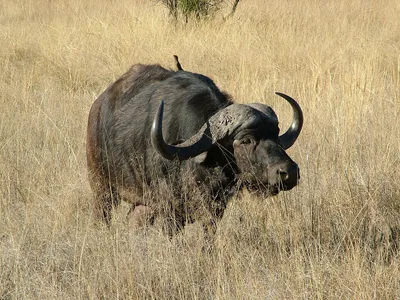 NT
Mammals
African buffalo
Syncerus caffer
The African buffalo is a heavy wild ox of sub-Saharan Africa that lives in herds of dozens to thousands and must drink every day.
Living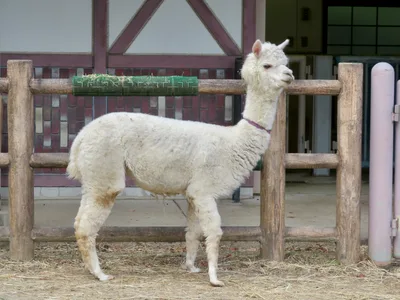
Mammals
Alpaca
Vicugna pacos
The alpaca is a domesticated Andean camelid kept for its fleece.
Living