Pig
Sus scrofa domesticus
Living individuals or members of this group exist today. This does not mean they are safe from extinction.
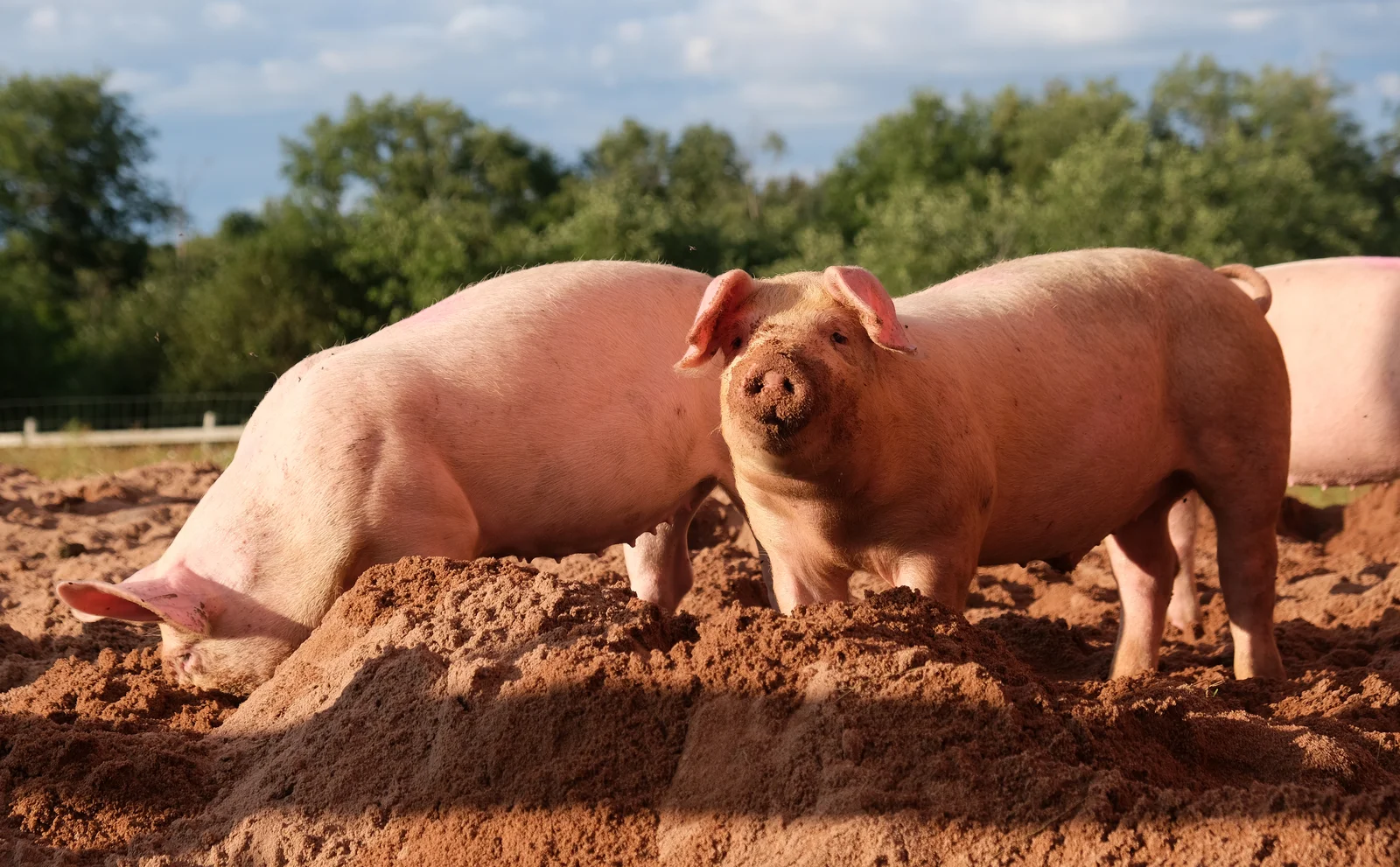
The domestic pig is an omnivorous form of Sus scrofa. Its sensitive snout helps it investigate the ground and locate food.
At a glance
- Location
- Farms and human-associated landscapes worldwide; feral populations also occur.
- Habitat
- Grassland, Towns and cities
- Diet
- Omnivore
- Food
- Roots, seeds, fruit and other plant and animal foods.
Classification
- Common name
- Pig
- Browse group
- Mammals
- Scientific name or taxon
- Sus scrofa domesticus
- Taxon rank
- subspecies
- Order
- Artiodactyla
- Family
- Suidae
- Genus
- Sus
- Source classification
- Mammalia
Taxonomy checked against GBIF. For breeds and hybrids, this describes the listed parent taxon.
Three things to know
- The snout is used in rooting and exploration.
- Pigs eat both plant and animal foods.
- Domestic breeds differ widely in appearance.
Habitat and range
Farms and human-associated landscapes worldwide; feral populations also occur.
Appearance and adaptations
A muscular snout ends in a mobile disc. Body proportions, hair coverage and ear shape differ between domestic breeds.
Diet and behaviour
Pigs use their snouts to root and explore. Female-led groups in free-ranging populations contrast with the more solitary habits of many mature males.
Sources
- Animal Diversity Web: Sus scrofa
- A–Z Animals: Pig · Directory entry
Explore mammals
Browse all mammals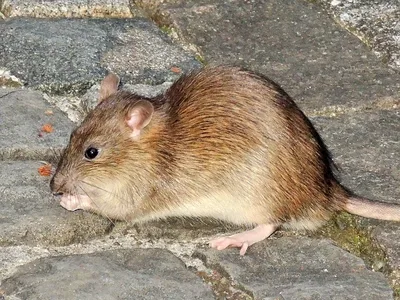 LC
Mammals
Brown rat
Rattus norvegicus
The brown rat is a large, burrowing rodent that lives wherever people live.
LivingMammals
Dog
Canis lupus familiaris
The domestic dog is a social canid whose breeds vary greatly in size and appearance.
Living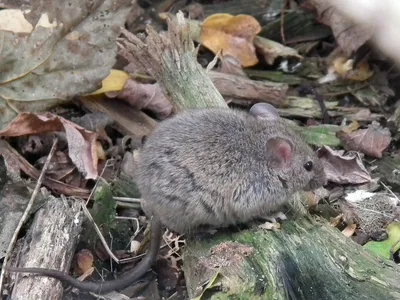 LC
Mammals
House mouse
Mus musculus
The house mouse is a small grey-brown rodent that lives in and around human buildings on every inhabited continent.
Living
Mammals
Mouse
Muridae
Mice include many small rodents.
Living
