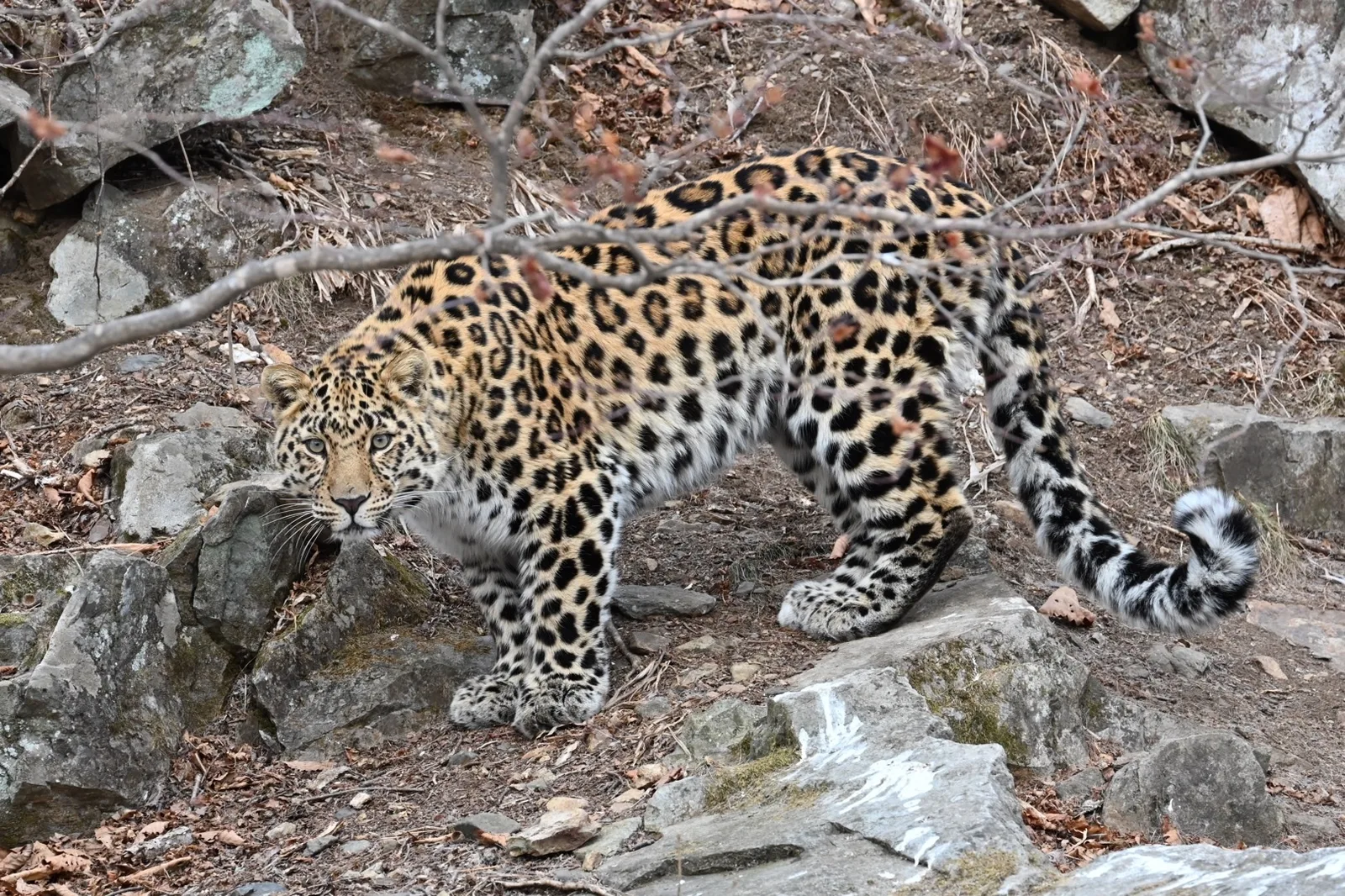
Leopard
The spotted cat that hauls its dinner up a tree
Panthera pardus
Also called Common leopard, Panther, Black panther
Living individuals or members of this group exist today. This does not mean they are safe from extinction.
Meet the leopard
The leopard is a spotted big cat that lives across Africa and Asia in more kinds of country than any other cat. It hunts alone at night, ambushes prey from close range and stores its kills in trees.
Images of the leopard
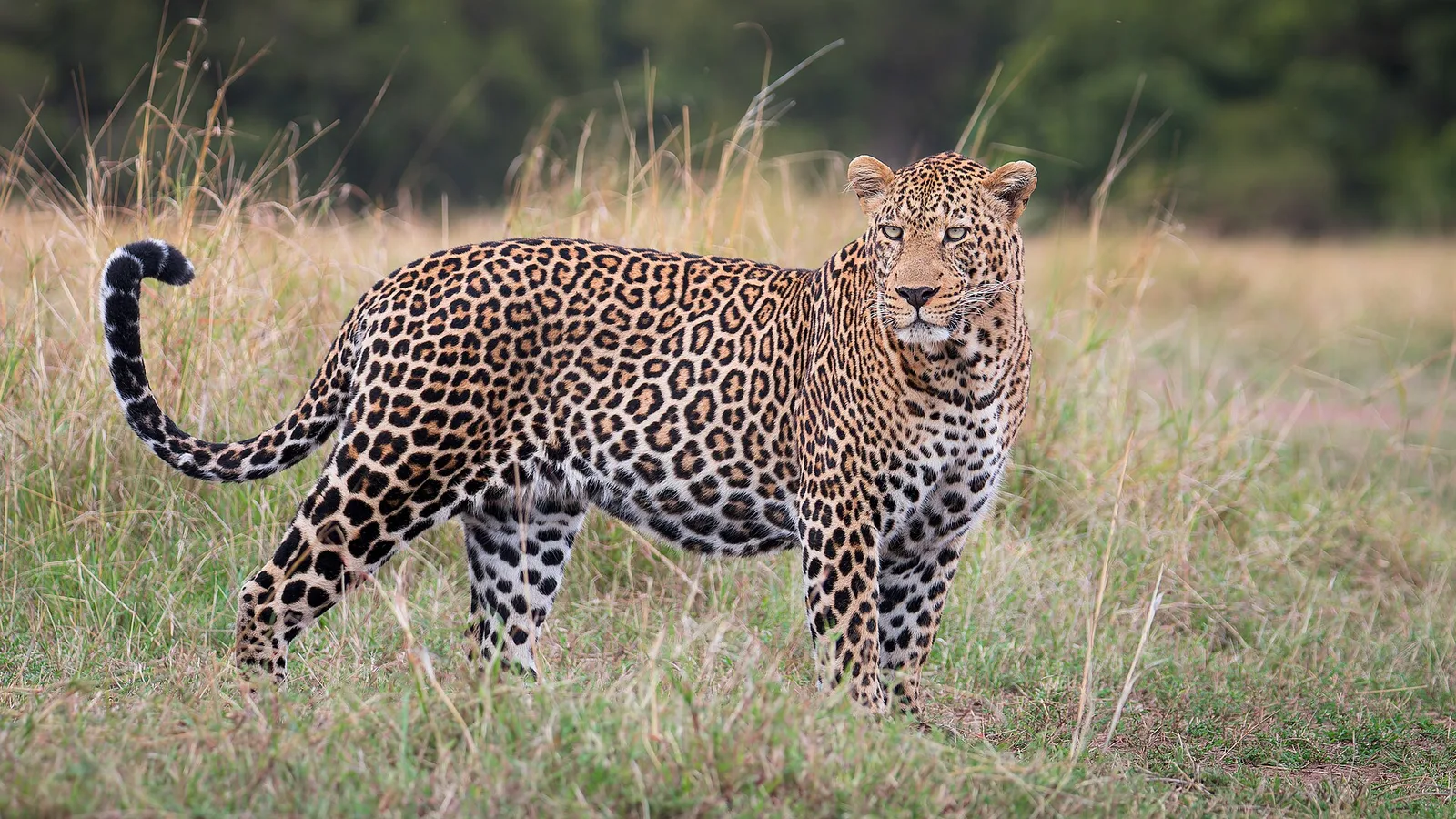
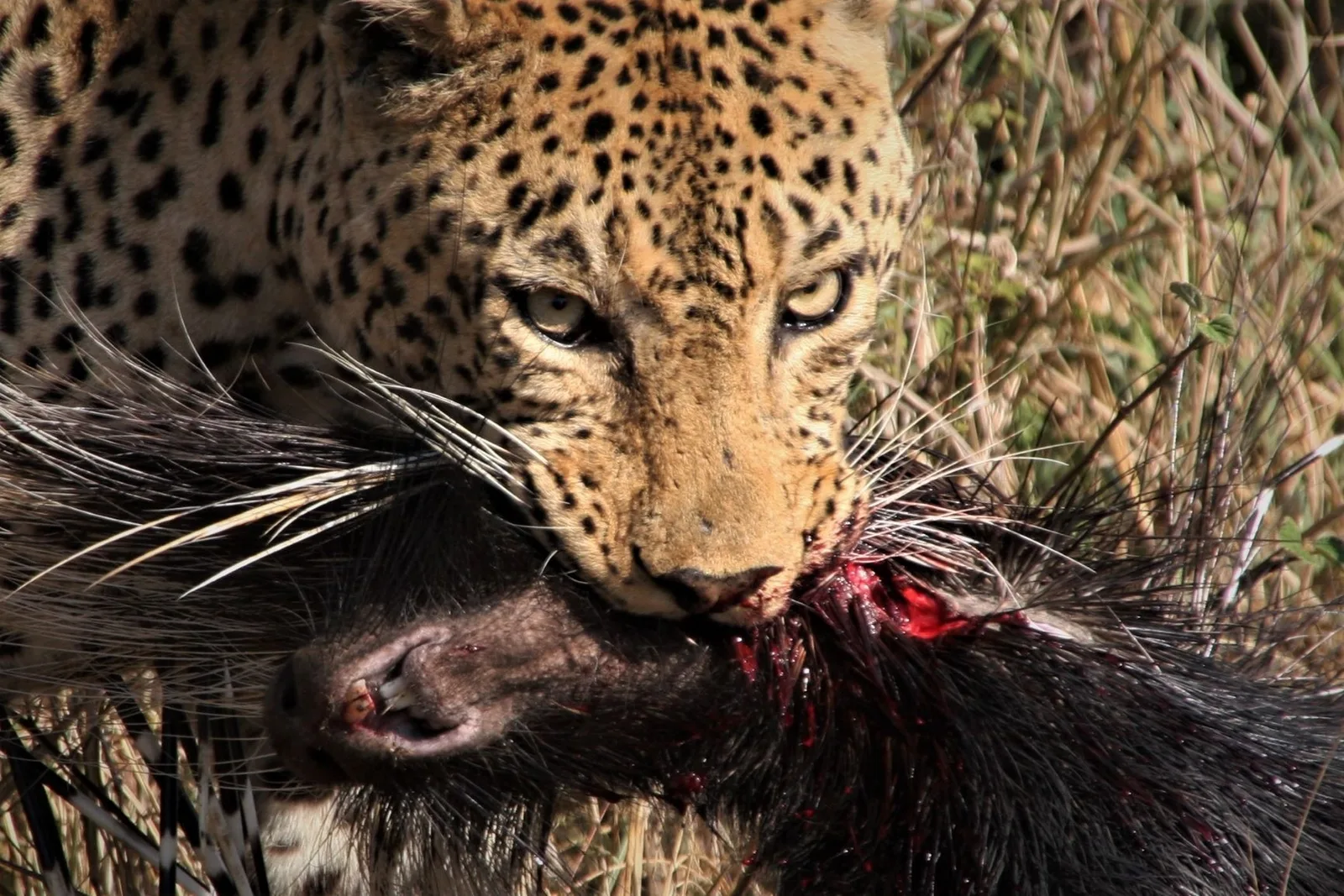
Lifespan in the wild
10 to 12 years
Weight
20.5 to 72 kg
Length
0.92 to 1.83 m
Top speed
Up to 58 km/h
Fact file
Leopard
- Location
- Sub-Saharan Africa, Arabia, Iran, India, Sri Lanka, Southeast Asia, China, Russian Far East
- Habitat
- Savanna, Rainforest, Temperate forest, Mountains
- Diet
- Carnivore
- Prey / food
- Impala, bushbuck, duiker, chital, monkeys, jackal, warthog, domestic dog
- Predators
- Lion, tiger, spotted hyena, African wild dog and dhole kill cubs and some adults
- Lifestyle
- Mostly nocturnal; solitary
- Group name
- Leap; solitary in practice
- Name of young
- Cub
- Gestation
- 90 to 105 days
- Litter size
- 2 to 4 cubs
- Population
- Unknown; 12,172 to 13,535 in India's forested tiger landscapes in 2020
- Biggest threat
- Habitat loss and fragmentation; poaching for skins and bones
- Distinctive feature
- Golden coat with black rosettes and a long white-tipped tail
- Colour
- Pale yellow to dark gold with black rosettes; white belly
- Skin type
- Fur
Size
Next to a person
Measurements
Size and speed
- Height
- 57 to 70 cm at the shoulder; males 60 to 70 cm, females 57 to 64 cm
- Height, male
- 60 to 70 cm
- Height, female
- 57 to 64 cm
- Length
- 0.92 to 1.83 m head and body
- Tail
- 0.66 to 1.02 m
- Weight
- 20.5 to 72 kg, up to 96 kg females 20.5 to 43 kg, males 30.9 to 72 kg; the heaviest wild leopard weighed about 96 kg
- Weight, male
- 30.9 to 72 kg, up to 91 kg
- Weight, female
- 20.5 to 43 kg
- Top speed
- Up to 58 km/h over 58 km/h in a sprint
Typical adult ranges. Source: Wikipedia.
Life cycle
Lifespan
- In the wild10 to 12, up to 17 years
- In captivity21 to 23, up to 27 years
- 027 years
The pale bar is the record. Source: Animal Diversity Web.
Appearance
Colour and coat
- Primary colours
- golden yellowblack
- Secondary colours
- whitegrey
- Skin type
- fur
- Male and female
- Males are larger and heavier. They weigh 30.9 to 72 kilograms against 20.5 to 43 kg for females. They stand 60 to 70 centimetres at the shoulder against 57 to 64 cm. The coat is the same in both sexes.
Life cycle
Mating and family
- Mating system
- promiscuous; both sexes take several mates
- Social structure
- solitary; a male's range overlaps those of several females
- Breeding
- one litter every 15 to 24 months
Leopards mate in any month in most of the range, with a peak in the rainy season. After 90 to 105 days the female bears 2 to 4 cubs in a cave, a hollow tree or a thicket. The cubs eat meat from about nine weeks and follow her on hunts from three months. About half die in the first year. The survivors leave at 18 to 24 months and breed from about 2 to 2.5 years.
Classification
Taxonomy
- Kingdom
- Animalia
- Phylum
- Chordata
- Class
- Mammalia
- Order
- Carnivora
- Family
- Felidae
- Genus
- Panthera
- Species
- Panthera pardus
Conservation
Red List status
- LC
- NT
- VU
- EN
- CR
- EW
- EX
Vulnerable on the IUCN Red List
Range
Recorded in 15 countries
- Benin
- Botswana
- Central African Republic
- Gabon
- India
- Kenya
- Sri Lanka
- Namibia
- Russia
- Thailand
- Tanzania
- Uganda
- South Africa
- Zambia
- Zimbabwe
Habitat layer: tropical moist broadleaf forest, temperate broadleaf and mixed forest, temperate conifer forest, boreal forest and taiga, tropical grassland, savanna and shrubland, montane grassland and shrubland.
Countries from 7,077 wild records on GBIF (iNaturalist research grade), filtered and checked by hand. Country shapes: Natural Earth. Habitat: RESOLVE Ecoregions 2017, CC BY 4.0. Basemap: Natural Earth.
Habitats
Three things to know
- 1
A leopard was seen to haul a young giraffe of nearly 125 kilograms up 5.7 metres into a tree.
- 2
Each leopard has its own rosette pattern, and no two coats are the same.
- 3
The Panar Leopard of India may have killed over 400 people before Jim Corbett shot it.
Did you know
Seven more facts
- 1
The Greek word leopardos first meant the cheetah, not the leopard.
- 2
A black panther is a leopard with a recessive gene for dark fur, and its rosettes still show in the right light.
- 3
Leopards once lived across Europe, and their bones lie in caves as far north as Derby.
- 4
In the Kalahari a leopard drinks only every two to three days and gets water from wild melons.
- 5
A leopard was photographed at 4,300 metres in Nepal.
- 6
A mating pair may mate up to 100 times a day.
- 7
A leopard and a lioness produced hybrid leopons in Japan in 1959.
Field notes
How it looks and acts
Field notes
Distinguishing features
- A golden coat with black rosettes that are round in East Africa and square in the south.
- A long white-tipped tail, shorter than the body, with broken rings near the end.
- A broad head with small round ears that are white-spotted behind.
- Short legs for a long body, and a white belly.
- Solid black spots on the face, chest and legs.
- Round pupils, unlike the slit pupils of small cats.
Field notes
Unique adaptations
- Rosettes break up its outline in patchy shade.
- Strong jaw muscles and shoulder bones built for climbing let it lift heavy kills into trees.
- Sharp night vision and hearing suit hunting in dense forest.
- It can go days without drinking by taking water from prey.
- Long whiskers above the eyes and on the lip protect the face in thick cover.
Field notes
Interesting behaviours
- Stalks to within about 5 metres and then pounces.
- Carries kills into trees, bushes or caves and returns to feed.
- Rests by day on a branch and climbs down head first.
- Marks its territory with urine, droppings and claw marks.
- Moves its cubs between dens to keep them from lions.
Field notes
Temperament
- Shy and wary, and it slips away from people unseen.
- Solitary outside the mating season.
- It may attack when cornered or threatened.
- Rarely fights other leopards, except to defend a territory.
Field notes
Communication
- A rasping, sawing roar that marks territory and calls a mate.
- Growls, snarls and spits in anger.
- Purrs while feeding.
- Cubs mew and make an urr-urr sound to their mother.
- White ear spots and a white tail tip that may signal to other leopards.
Ecology
Ecological role
The leopard is a mid-sized top predator that hunts where lions and tigers cannot. It keeps small antelope and monkeys in check.
- Controls impala, bushbuck, duiker and chital, and helps control baboons.
- Kills smaller carnivores such as jackals, genets and foxes.
- Spreads seeds that stick to its fur.
- Its cached kills feed lions, hyenas and vultures that find them.
Stories
Myths and legends
- In Greek tradition, the god Dionysus wore a leopard skin and rode on leopards.
- In Benin tradition, the leopard was king of the forest and stood for the power of the oba.
- In Ashanti tradition, only the king could sit on a ceremonial leopard stool.
- In Warli and Gond tradition in western India, the big-cat god Waghoba protects villages and their livestock.
- In Kipling's Just So Stories, the leopard paints its own spots to hunt in the shade.
People
Relationship with humans
People
Living alongside us
The leopard has served as a royal emblem in Benin and Ashanti and as a god in western India. Chiefs, queens and film stars have worn its skin. Romans killed it in the arena, and trophy hunters and poachers still kill it for skins and bones. It lives closer to people than any other big cat, and in India it hunts dogs on village edges. A few leopards have become man-eaters, and one was credited with over 400 deaths. Most cats simply avoid people.
- A healthy leopard avoids people, but an injured or old cat may hunt them.
- One Indian man-eater, the Leopard of Rudraprayag, took more than 125 lives.
- Attacks happen mostly where leopards and villagers share the same ground, as in parts of India.
People
Status, uses and products
- Domestication
- Wild
- As a pet
- Not suitable. It is a big cat that kills prey up to ten times its own weight, and trade in it is banned under CITES Appendix I. Cubs are captured for the pet trade, which harms wild populations.
- Uses
- ecotourismtrophy hunting
- Products
- skins
The full account
About the leopard
The leopard is a big cat with a golden coat marked in black rosettes. No other wild cat lives across so much of the world. It is one of the five living species of Panthera, with the lion, tiger, jaguar and snow leopard. It hunts in rainforest, savanna, desert, mountains and even on the edges of cities, from South Africa to the Russian Far East. Its spots hide it in dappled shade while it creeps to within a few metres of its prey.
The head and body measure 92 to 183 centimetres, and the tail adds 66 to 102 cm. Adults stand 57 to 70 cm at the shoulder. Males weigh 30.9 to 72 kilograms, females 20.5 to 43, and the heaviest wild leopard on record weighed about 96 kg. The cat is famous for its strength: it drags carcasses heavier than itself up into trees, out of reach of lions and hyenas. The IUCN lists the leopard as Vulnerable, and it now occupies only about 25% of its historic range.
Name and taxonomy
The English word leopard comes through Old French from the Latin leopardus and the Greek leopardos. The Greek word joins leon, a lion, to pardos, spotted, and it first meant the cheetah. Panther is the other common name, from the Greek panther, and the genus name Panthera comes from a Latin word for a hunting net. A black panther is simply a leopard with a dark coat, or in the Americas a dark jaguar.
Linnaeus named the cat Felis pardus in 1758. Oken proposed the genus Panthera in 1816 for all the spotted cats, and Allen made the leopard its type species in 1902. Naturalists proposed 27 subspecies between 1794 and 1956. DNA studies since 1996 support only eight, which the Cat Specialist Group listed in 2017. A ninth, the Arabian leopard, has been argued for since. African leopards differ more among themselves, in their genes, than the Asian subspecies do from one another.
Evolution and relatives
The Panthera line and the clouded leopards parted about 8.66 million years ago. Within Panthera the tiger split off about 6.55 million years ago, the snow leopard about 4.63 and the leopard about 4.35. The leopard's closest relatives are the lion and the jaguar, and the lion and leopard lines separated 3.1 to 1.95 million years ago. A 2016 study found signs that the ancestors of the leopard and the lion once bred with snow leopards. The genus most likely arose in northern Central Asia.
The oldest certain leopard fossils come from East Africa and are about 2 million years old. Leopards reached Eurasia 1.2 to 0.6 million years ago and spread across Europe, where their bones lie in caves from Gibraltar to Derby. Painters at Chauvet Cave in France drew leopards. The last European subspecies, P. p. spelaea, survived until about 11,000 years ago, and perhaps a little later in Iberia. In a Japanese park in 1959 a leopard and a lioness produced leopons, spotted hybrids larger than a young leopard.
Appearance
The leopard is slender and muscular, with short legs for its long body and a broad head that holds strong jaw muscles. Males stand 60 to 70 centimetres at the shoulder and females 57 to 64 cm. Leopards on the savanna and in woodland are large, and those of the mountains and deserts are small. Males from South Africa's Cape reach only 20 to 45 kg. The largest Indian leopard known, killed in 2016, measured 261 cm and weighed about 78.5 kg.
The coat runs from pale yellow to deep gold, pale cream in the deserts and dark gold in rainforest, with a white belly. Black rosettes cover the back and sides: round in East Africa, squarish in southern Africa and larger in Asia. Solid spots mark the face, chest and legs, and the white-tipped tail carries broken rings towards the end. The fur grows longer and greyer in cold climates, and it is shortest on the face, at 3 to 4 millimetres. The rosette pattern is unique to each animal, and it lets researchers tell one leopard from another.
A black leopard carries a recessive gene, and black cats are most common in humid forests. India reported nine pale or white leopards between 1905 and 1967. South Africa has recorded reddish 'strawberry leopards' since 1990, and the cause of that colour is not understood. Long whiskers on the lip and above the eyes guard the face as the cat pushes through thick cover.
Habitat and range
The leopard has the widest distribution of any wild cat, but its populations are broken up and shrinking. It lives in savanna, rainforest, grassland, woodland and river forest, and it hunts in towns where people leave it alone. ADW records it at 5,638 metres on Kilimanjaro, and a black leopard was photographed at 4,300 m in Nepal in 2012. In the Russian Far East it survives winters of minus 25 degrees Celsius in conifer forest.
The range in West Africa has shrunk by an estimated 95%, and in the Sahara by 97%. South of the Sahara the cat still does well in marginal country where lions and cheetahs have gone. One killed in southeastern Egypt in 2017 was the first seen there in 65 years. Arabian leopards survive only in small scattered groups, and a few live in southern Turkey.
India holds the largest numbers of any Panthera cat: 12,172 to 13,535 leopards in its forested tiger landscapes in 2020. Many Indian leopards live beside villages and towns, where people often do not know the cat is there. It is found in Sri Lanka's tea estates and in Java's forests up to 2,540 m. Protected forests in Thailand, Malaysia, Laos, Cambodia and southern China hold it too. GBIF holds records from 98 countries, and that count includes zoo animals.
Diet and hunting
The leopard prefers prey of 10 to 40 kilograms that lives in dense cover and moves in small herds. More than 100 prey species are recorded, and the favourites are impala, bushbuck, duiker and chital. It also kills monkeys, jackals, foxes, genets and even cheetahs, and near towns it eats many domestic dogs. The largest kill reported was a male eland of 900 kg. In China's Wolong reserve, leopards shifted from tufted deer to bamboo rats as the forest cover thinned over seven years.
The cat hunts mainly at night by sight and hearing, and it stalks in a low crouch to within about 5 metres. A small animal dies from a bite to the nape. A large one is held by the throat until it stops breathing. In the Serengeti it sometimes drops onto impala from a branch, and a fall of 2.69 metres takes 0.7 seconds. ADW notes that it seldom chases prey after a failed pounce.
A leopard eats small prey at once but drags a large carcass hundreds of metres to a tree, a bush or a cave. One was seen to haul a young giraffe of nearly 125 kg up 5.7 metres into a tree. It may keep kills up to 2 km apart, and it loses only 5 to 10% of them to other predators in the Serengeti. A male eats about 3.5 kg a day and a female about 2.8. In the southern Kalahari the cat drinks only every two to three days and takes water from prey and from wild melons.
Behaviour and social life
The leopard lives alone and holds a territory, and adults meet only to mate. A mother keeps in touch with her grown cubs, and she has been seen to share kills with them when they fail to hunt. In Kruger National Park leopards usually keep about 1 km apart, and fights are rare. A male's range covers those of a few females, and in the Ivory Coast one female's range lay wholly inside a male's.
Range size tracks food: Serengeti males use 33 to 38 square kilometres, but males in northeastern Namibia use 451. In Nepal's Bardia park a female needs only 5 to 7 square kilometres. On Namibian farmland, ranges grew where people disturbed the cats and shrank where prey was plentiful. Leopards mark their ground with urine, droppings and claw marks on trees.
The cat is active from dusk to dawn and rests by day in thickets, among rocks or along a branch. It may walk 25 km in a night, and up to 75 km if disturbed. In the forests of West Africa it hunts by day and at twilight, when its prey is about. It climbs well and comes down a trunk head first, it swims, and it can sprint at over 58 kilometres an hour. It leaps more than 6 metres along the ground and 3 metres straight up.
Communication and senses
The leopard hunts by sight and hearing, and both senses are sharp enough for dense forest at night. Its best-known call is a rasping, sawing roar of deep repeated strokes, which claims a territory and draws a mate. A male uses this cough to mark his boundaries, and a neighbour may answer and keep calling as it leaves. It growls, snarls and spits when angry, and it may purr while feeding. Cubs call their mother with mews and an urr-urr sound.
A female in season leaves scent in her urine and calls to males. The white spots behind the ears are thought to signal to other leopards. The white tail tip may act as a follow-me sign for cubs. A study of carnivores, though, found no firm link between tail marks and behaviour.
Reproduction and life cycle
Leopards breed all year in most places, with a peak in the rains, but in Manchuria and Siberia they mate in January and February. A female's cycle runs about 46 days, of which she is in heat for 6 to 7. She starts the courtship by pacing in front of a male and brushing against him. Mating is short, about three seconds, but a pair may mate up to 100 times a day for several days. Both sexes take several partners.
Gestation lasts 90 to 105 days, and the female gives birth in a cave, a crevice, a hollow tree or a thicket. A litter holds 2 to 4 cubs, each 280 to 1,000 grams, with eyes that open after four to nine days. Cubs have long grey woolly fur with faint spots. The mother leaves them hidden for up to 36 hours while she hunts, and she moves the den often to keep lions away. Between 41 and 50% of cubs die in their first year, most of them killed by predators.
Cubs eat meat from about nine weeks and follow their mother on hunts from about three months. They stay with her for 18 to 24 months, and siblings may travel together for months after that. Both sexes mature at about 2 to 2.5 years, and a female bears a litter every 15 to 24 months. ADW gives 10 to 12 years in the wild, with a record of 17. Captives live 21 to 23 years, and the oldest reached 27.
Predators and threats
In Africa the leopard shares its ground with lions, cheetahs, wild dogs and two kinds of hyena, and it dominates only the cheetah. Lions cause about 22% of leopard deaths in the Sabi Sand reserve, and they climb trees to steal leopard kills. Spotted hyenas take up to 50% of the kills that leopards lose there. The leopard does not avoid these rivals but uses thicker cover and different prey.
In Asia the tiger and the pack-living dhole both dominate the leopard, chase it from kills and sometimes kill it. Tigers hold the deep forest and push leopards and dholes to the edges. In Nagarhole the average leopard kill weighed 37.6 kg against 91.5 kg for tigers. When tigers recovered in Rajaji National Park in the 2000s, leopard numbers fell.
People are the leopard's main predator. Forest cleared for farms shrinks the prey base and puts leopards among livestock, where herders kill them. In India at least four leopards a week were poached between 2002 and 2012 for skins and bones. Surveys found 37 leopard skins for sale in Moroccan cities in 2013 and 43 in 2014, imported from south of the Sahara.
Population and conservation
The IUCN lists the leopard as Vulnerable, and numbers are falling across much of the range. ADW notes that five of nine subspecies are endangered or critically endangered, even though the leopard is the most numerous big cat. The species is on CITES Appendix I, and 11 sub-Saharan countries may export skins and parts from a quota of 2,560 animals. Botswana and Afghanistan ban hunting outright.
In the Central African Republic's Chinko area, leopards fell from 97 in 2012 to 50 in 2017 after herders moved in with poison and guns. In Java, officials seized parts of 51 leopards between 2011 and 2019, including six live cats. Russia began a Caucasus reintroduction in 2007, and six cats released in 2018 were still alive in early 2022. Most African leopards live outside protected areas, so their future depends on the tolerance of farmers.
Relationship with humans
Leopards usually avoid people, but an injured or sick cat may turn to humans as easy prey. More than 125 people died to the Leopard of Rudraprayag, and the Panar Leopard may have killed over 400. Jim Corbett shot both, and about 42 people in Karnataka died to the Spotted Devil of Gummalapur. In India today leopards live beside villages and take dogs and goats, and attacks on people occur where the cats and villagers crowd together.
Romans kept leopards to be killed in arena hunts and to execute criminals, and King John held them at the Tower of London. In Benin, leopards were paraded as royal mascots and offered to the gods. Chiefs, queens, film stars and dancers have all worn leopard coats, and the skin trade remains a threat. Trophy hunters pay to shoot leopards, and circuses have trained them.
The cat draws tourists to parks across Africa and Asia. It controls baboon numbers and carries seeds in its fur. In western India, the Warli and other peoples worship Waghoba, a big-cat god, and ask it to guard their livestock.
In culture and myth
In Greek myth the leopard belonged to Dionysus, who wore its skin and rode on leopards. In one story pirates seized the god, and two leopards rescued him. Roman mosaics in North Africa show leopards among animals that now live only in the tropics. In heraldry the leopard has no spots and wears a mane, so it is almost the same figure as the lion. Leopards appear on the arms of Benin, Malawi, Somalia, the Democratic Republic of the Congo and Gabon.
In the Benin Empire the leopard was king of the forest, and carvings of it stood for the power of the oba. In Ashanti tradition only the king could own a ceremonial leopard stool. Some African peoples held the leopard to be cleverer than the lion, a better hunter and harder to kill. Secret Leopard Societies in Liberia, Sierra Leone and Nigeria staged killings to look like leopard attacks, and colonial accounts mixed rumour with fact.
In western India the Warli, Gond and Korku peoples worship Waghoba, a tiger and leopard god, and hold yearly rites with offerings. In Kipling's Just So Stories, a spotless leopard paints its own spots to hunt in the forest. A leopard named Baby stole the show in the 1938 film Bringing Up Baby, and leopard print remains a fashion staple.
A sentence with a dotted underline is inferred: it describes the group the animal belongs to, or is a reading of the sources, rather than a measured or reported fact about this species.
Questions
Leopard questions, answered
Where do leopards live?
Across sub-Saharan Africa and in scattered parts of Arabia, Iran, India, Sri Lanka, Southeast Asia, China and the Russian Far East. It uses rainforest, savanna, desert and mountains.
How fast can a leopard run?
It sprints at over 58 kilometres an hour, but only in short bursts. A standing leap carries it 3 metres up or over 6 metres forward.
What do leopards eat?
Mostly antelope and deer of 10 to 40 kilograms, such as impala, bushbuck and chital. It also takes monkeys, jackals, rodents, birds and, near towns, dogs.
Why do leopards drag their prey up trees?
To keep it from lions and hyenas. In the Sabi Sand reserve hyenas take up to half of the kills leopards lose, so the cat lifts carcasses out of reach.
Is a black panther a leopard?
In Africa and Asia, yes. A black panther is a leopard with a recessive gene for dark fur. In the Americas the name means a dark jaguar.
How big is a leopard?
The head and body measure 92 to 183 centimetres, with a tail of 66 to 102 cm. Males weigh 30.9 to 72 kilograms and females 20.5 to 43.
Are leopards endangered?
The IUCN lists the leopard as Vulnerable. It survives in only about 25% of its historic range, and several subspecies are endangered or critically endangered.
Do leopards attack humans?
Rarely, and most cats avoid people. Injured or old leopards have become man-eaters, and the worst of them, the Panar Leopard, may have killed over 400 people.
How long do leopards live?
Wild leopards typically reach 10 to 12 years, and the oldest known wild cat was 17. In captivity they live 21 to 23 years, and the oldest reached 27.
What is the difference between a leopard and a jaguar?
The jaguar lives in the Americas and is heavier and more powerful. Its rosettes are darker and have small spots inside them, which the leopard's lack.
What is the difference between a leopard and a cheetah?
The cheetah has solid spots, a slim build and tear marks on its face, and it runs prey down. The leopard has rosettes, a heavier body, and it ambushes.
How many cubs does a leopard have?
Usually 2 to 4, after a pregnancy of 90 to 105 days. About half die in their first year, mostly to lions and other predators.
Do leopards roar?
Yes, but not like a lion. The leopard's roar is a rasping, sawing cough repeated in deep strokes, and it uses it to claim territory.
Can leopards swim?
Yes. ADW describes them as comfortable in water and adequate swimmers, though they hunt on land and rest in trees.
How many leopards are left?
No world total exists. India counted 12,172 to 13,535 in its forested tiger landscapes in 2020, and the cat is the most numerous of the big cats.
Are leopards solitary?
Yes. Adults meet only to mate, and a mother raises her cubs alone. Grown siblings may travel together for a few months.
Food web
Prey and food
- impala
- bushbuck
- duiker
- chital
- monkeys
- jackal
- warthog
- domestic dog
 Cheetah
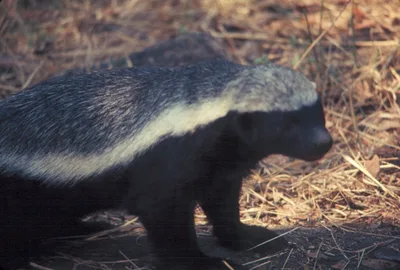 Honey badger
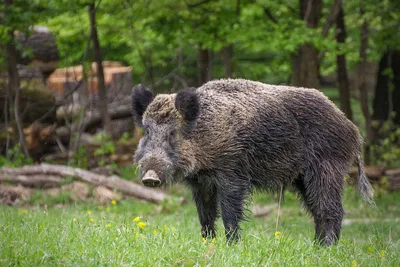 Wild boar
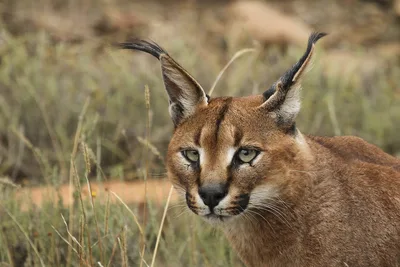 Caracal
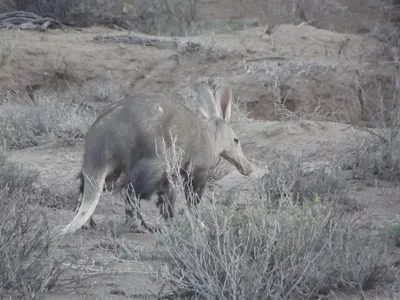 Aardvark
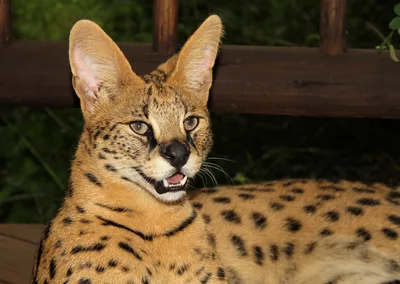 Serval
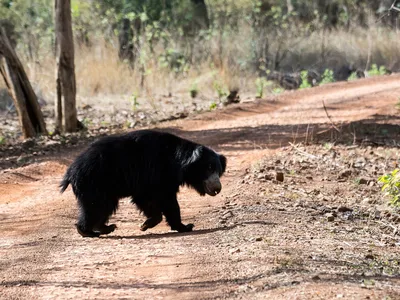 Sloth bear
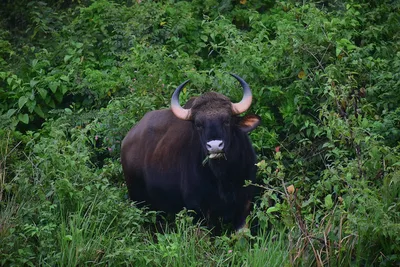 Gaur
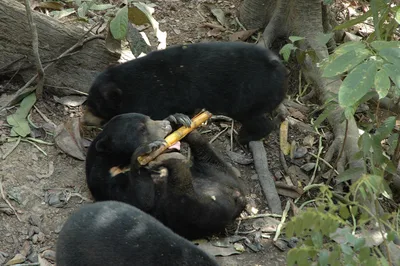 Sun bear
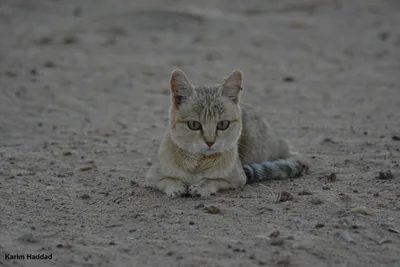 African wildcat
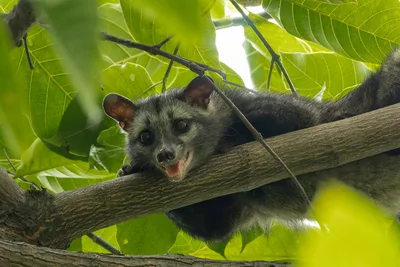 Asian palm civet
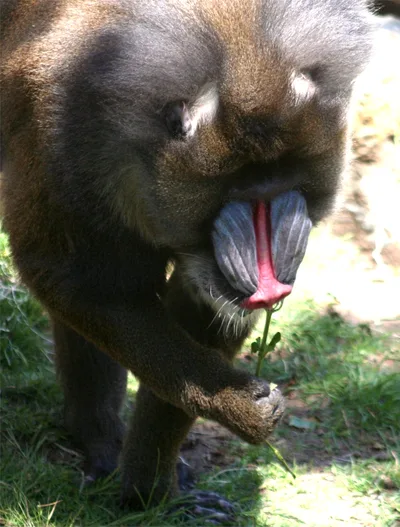 Mandrill
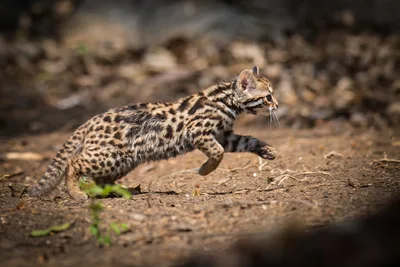 Leopard cat
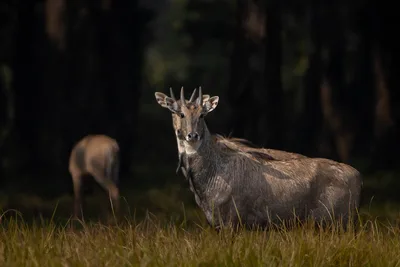 Nilgai
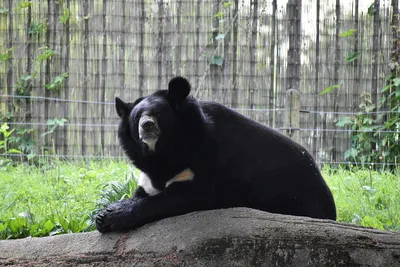 Asian black bear
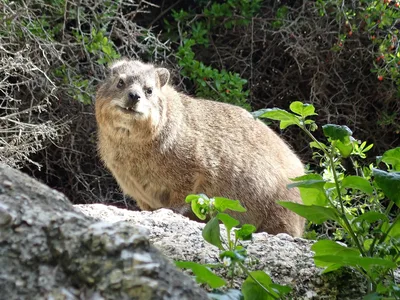 Rock hyrax
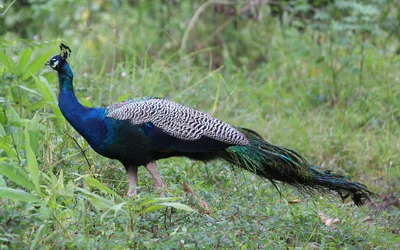 Indian peafowl
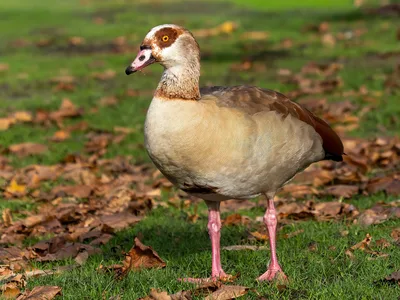 Egyptian goose
Food web
Predators
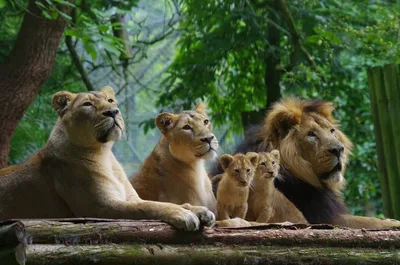 Lion
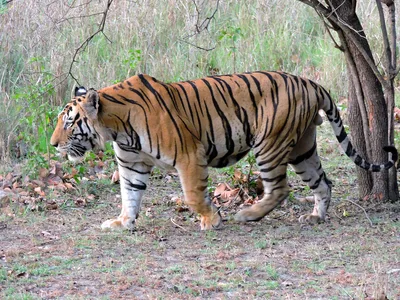 Tiger
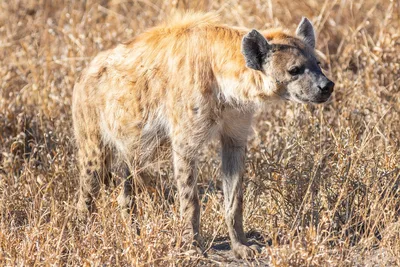 Spotted hyena
- african wild dog
- dhole kill cubs
- some adults
Ecological equivalents
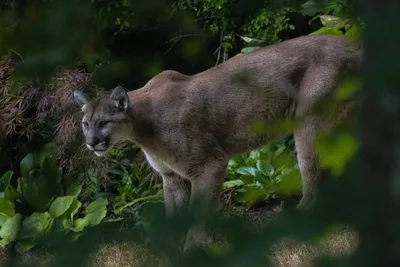
Related species on this site
Amur Leopard (same genus), Bengal Tiger (same genus), Cape Lion (same genus), Cave Lion (same genus), Indochinese Tiger (same genus), Jaguar (same genus), and more.
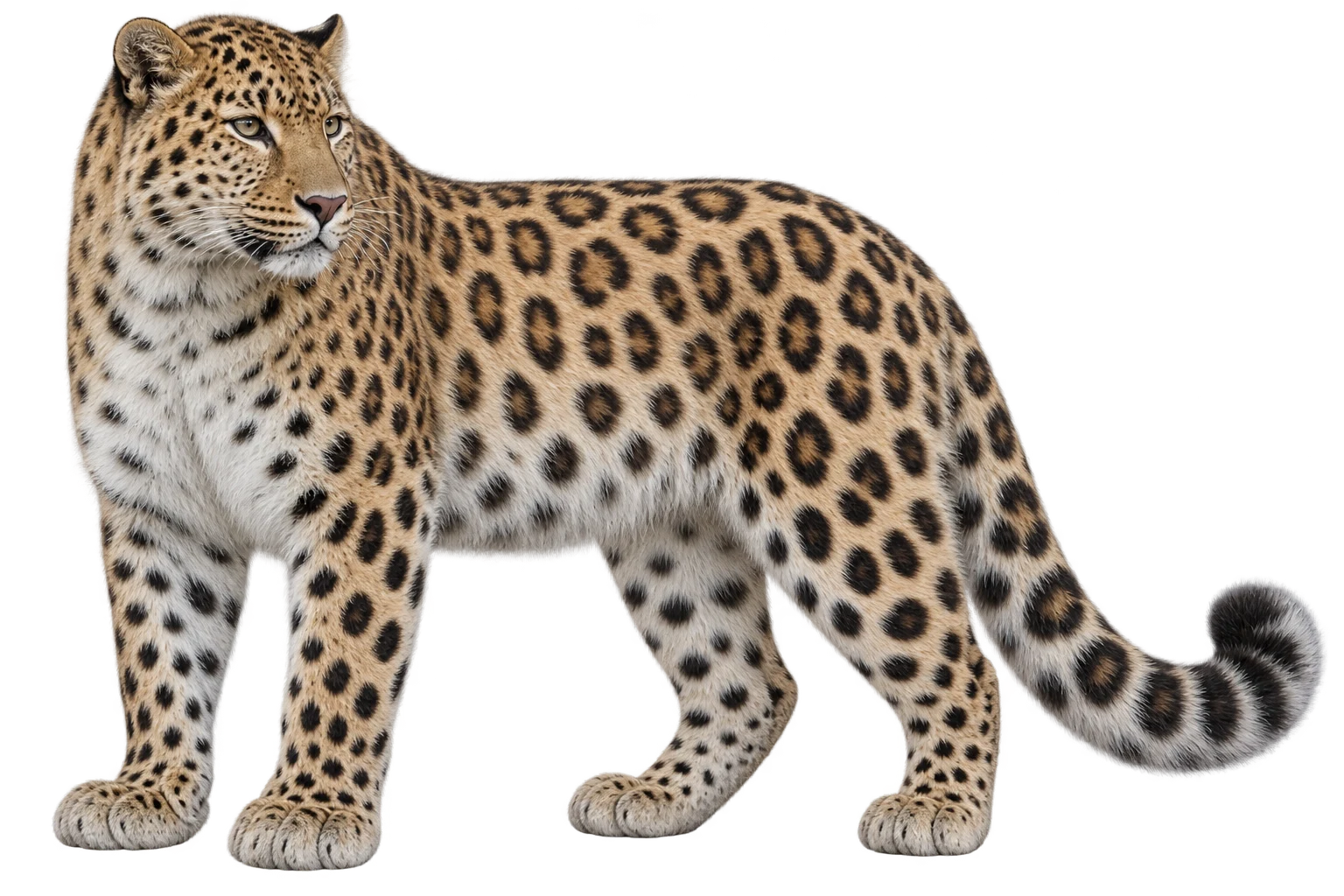
Mammals
Amur Leopard
Panthera pardus orientalis
Classification and source reference
LivingAI illustration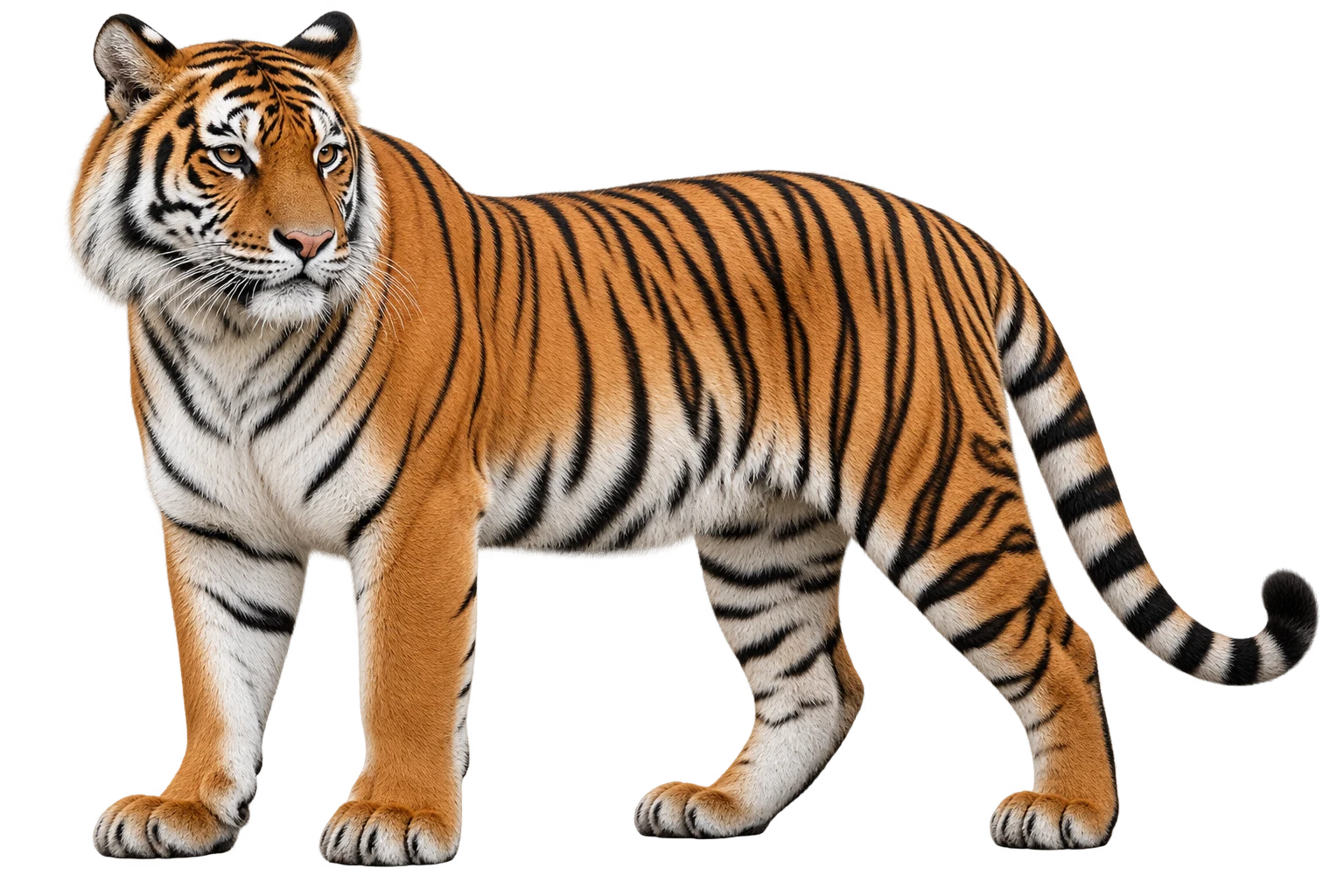
Mammals
Bengal Tiger
Panthera tigris tigris
Classification and source reference
LivingAI illustration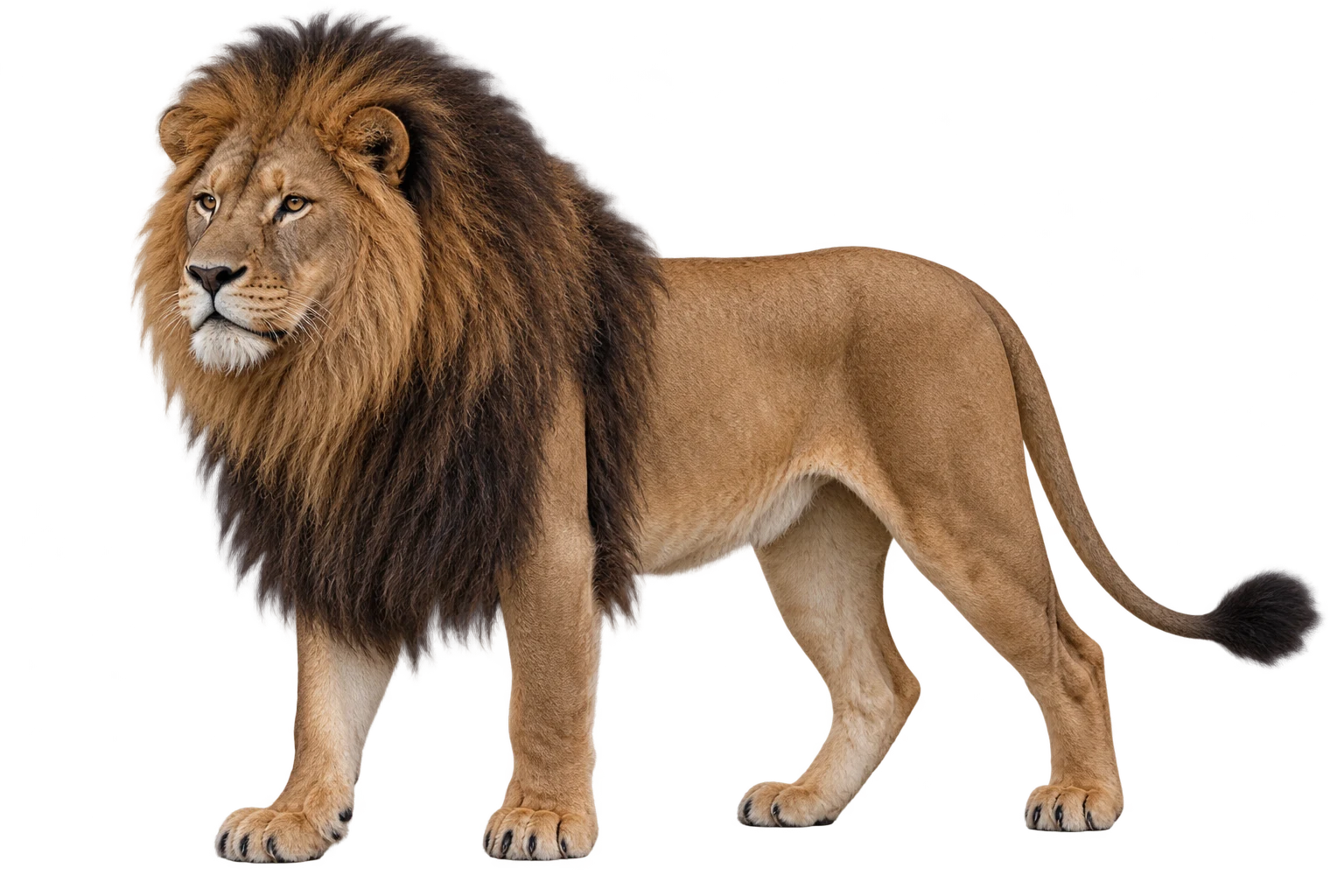
Mammals
Cape Lion
Panthera leo melanochaita
Classification and source reference
ExtinctAI reconstruction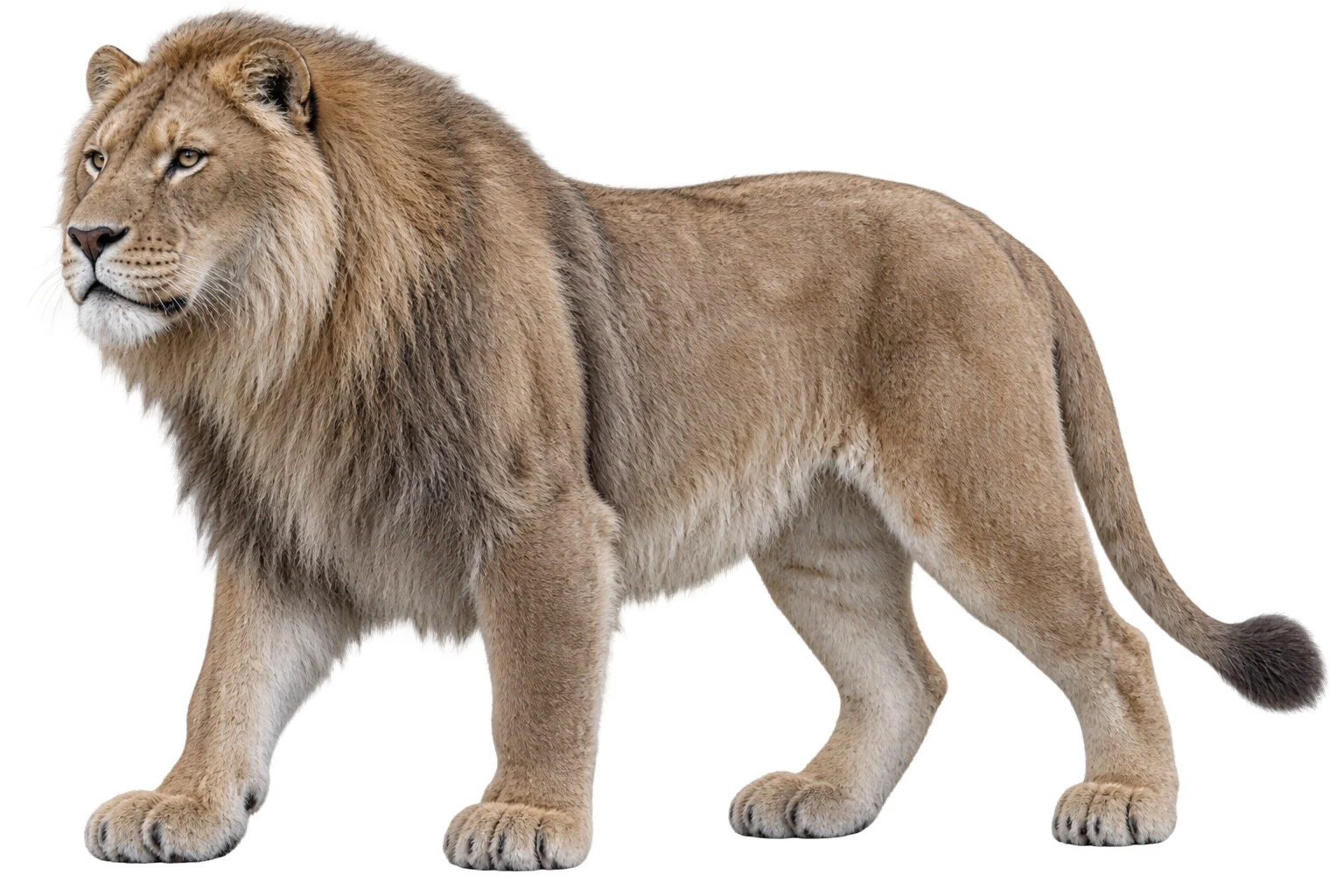
Mammals
Cave Lion
Panthera spelaea
Classification and source reference
ExtinctAI reconstruction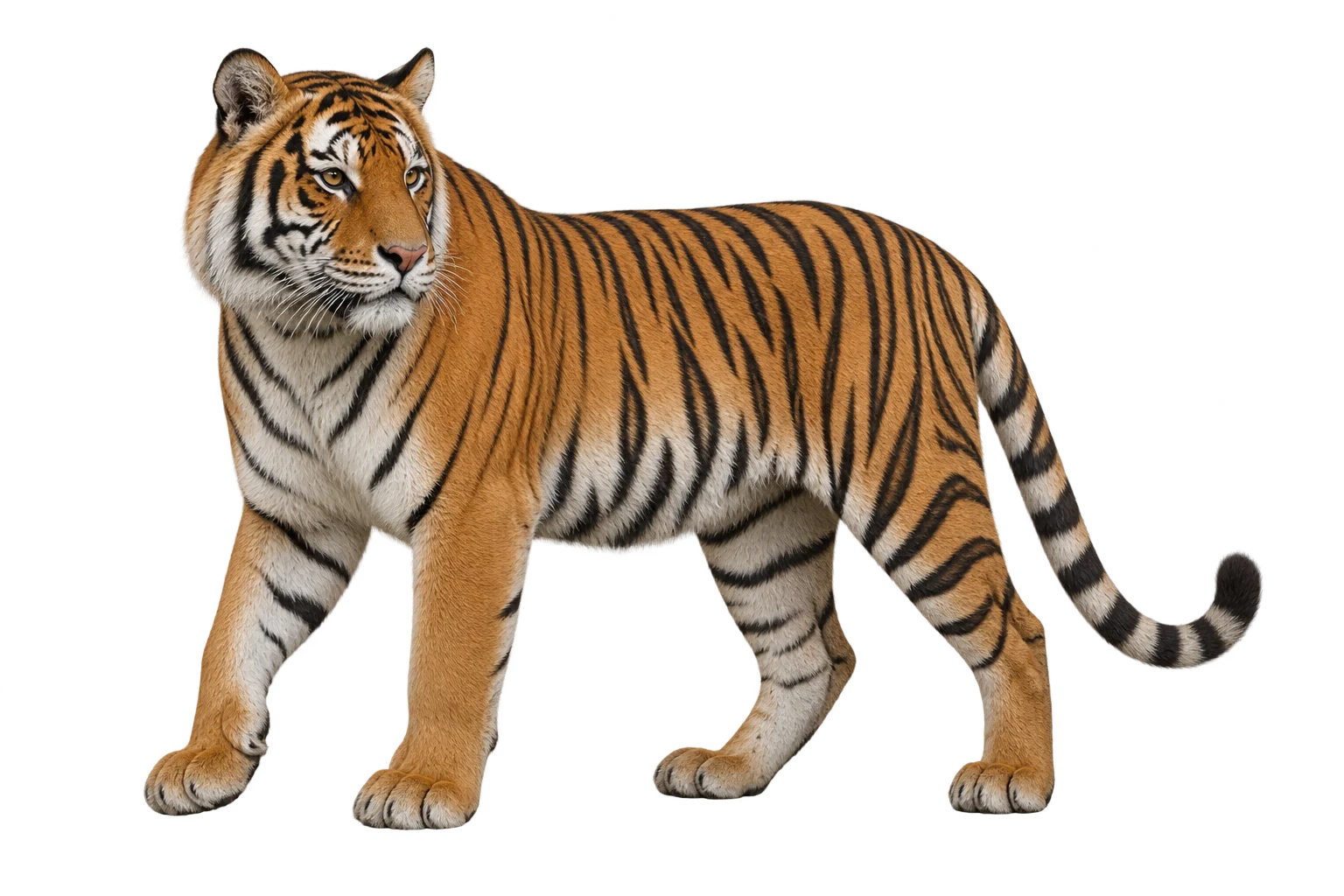
Mammals
Indochinese Tiger
Panthera tigris corbetti
Classification and source reference
LivingAI illustration NT
Mammals
Jaguar
Panthera onca
The jaguar is the largest cat in the Americas and the third largest in the world.
Living