Serval
The long-legged cat that leaps on rats in the grass
Leptailurus serval
Also called Serval cat
Living individuals or members of this group exist today. This does not mean they are safe from extinction.
Meet the serval
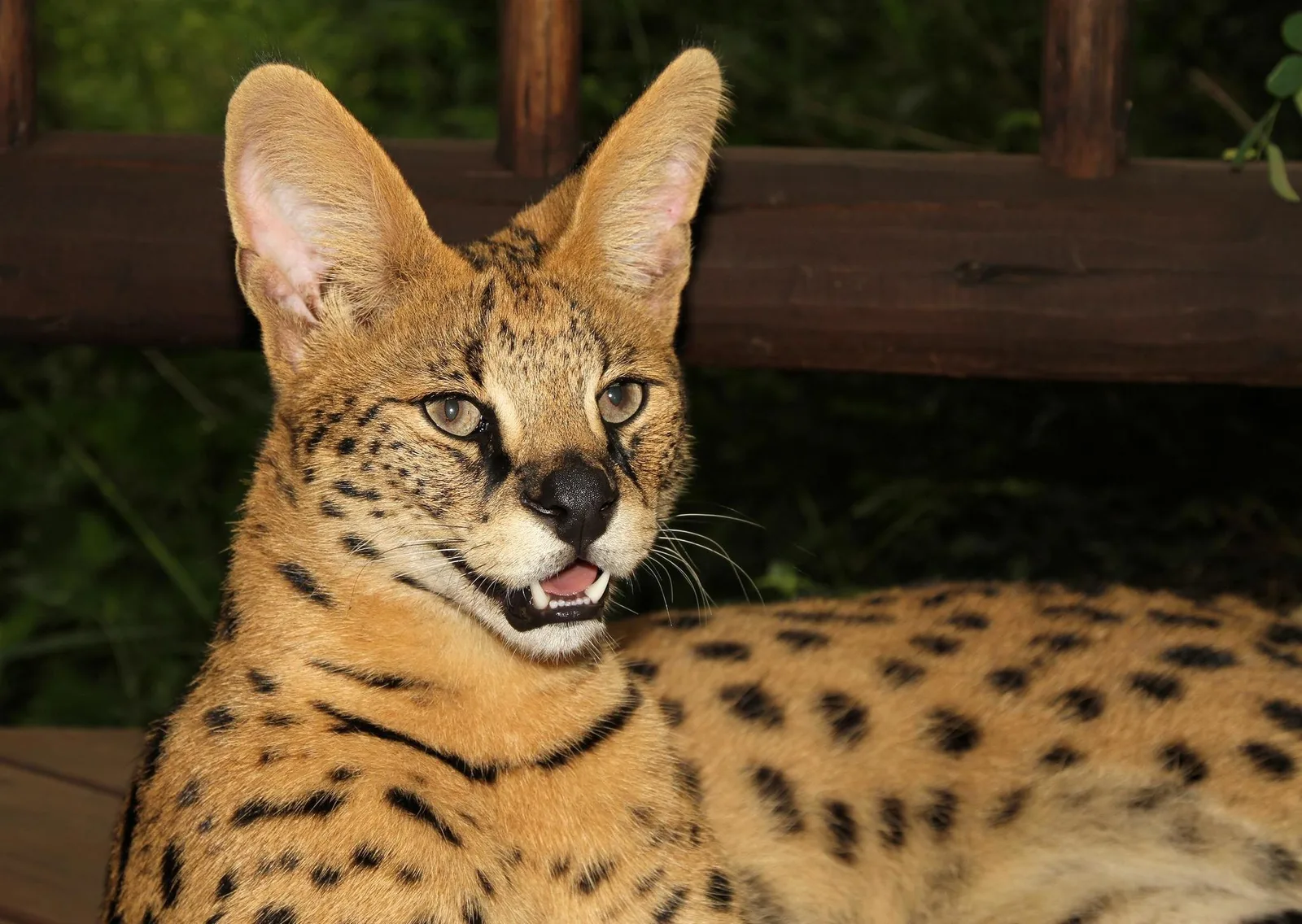
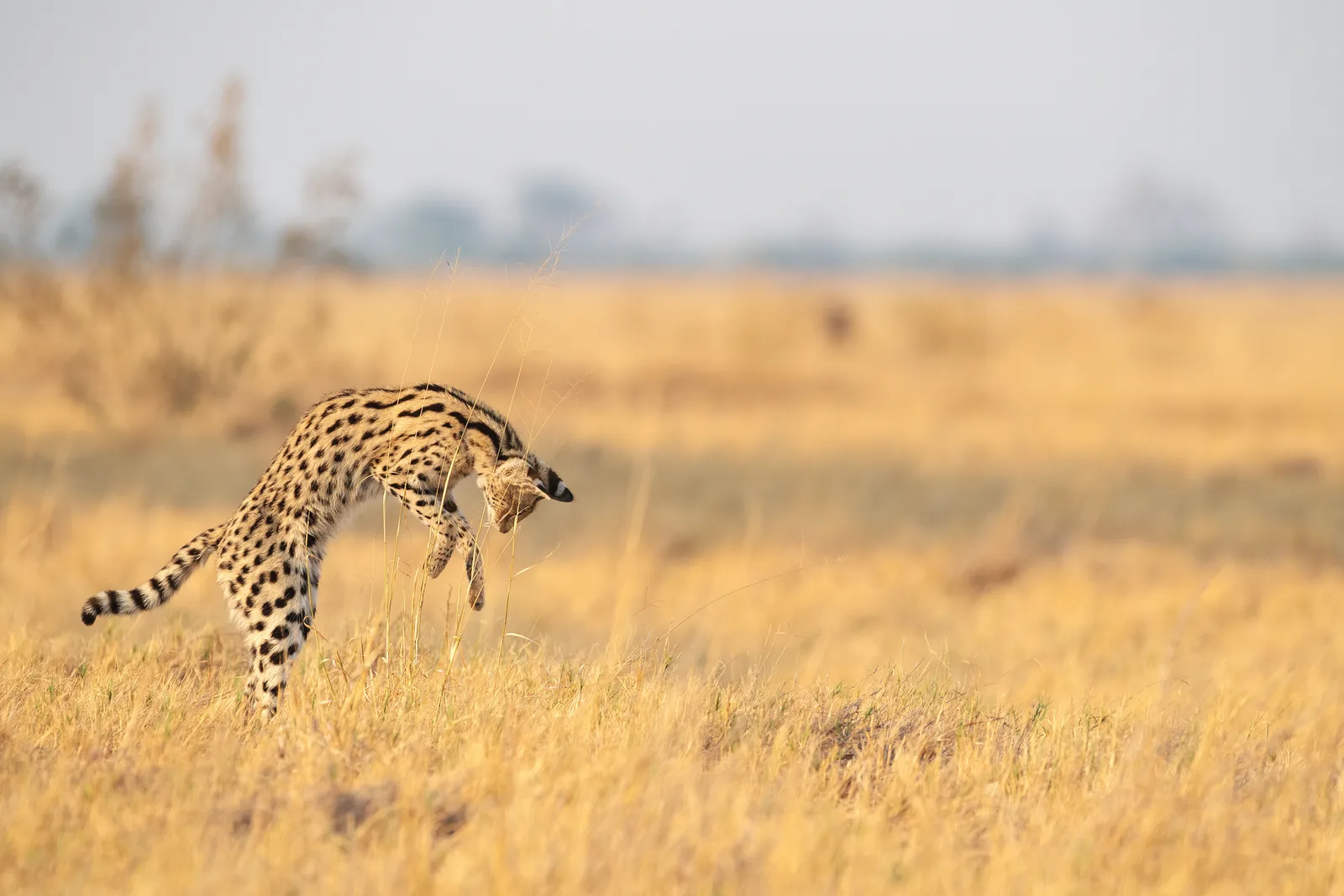
The serval is a slender African cat with the longest legs and largest ears of any cat for its size. It hunts rodents in tall grass by ear and pounces on them from a standing leap.
Images of the serval
Lifespan in the wild
About 10 years
Weight
9 to 18 kg
Length
0.67 to 1 m
Height
54 to 62 cm
Fact file
Serval
- Location
- Sub-Saharan Africa; a remnant in Morocco; reintroduced in Tunisia
- Habitat
- Savanna, Grassland, Wetlands
- Diet
- Carnivore
- Prey / food
- Vlei rats, other rodents, shrews, small birds, frogs, insects, reptiles, hares
- Predators
- Hyenas, African wild dogs, leopards, lions
- Lifestyle
- Solitary; hunts by day and night, most at dawn, dusk and midnight
- Group name
- None; solitary
- Name of young
- Kitten
- Gestation
- 65 to 75 days
- Litter size
- 1 to 4 kittens, usually 2 or 3
- Population
- No global estimate; stable
- Biggest threat
- Loss of wetlands and grassland; the skin trade; farmers
- Distinctive feature
- Very long legs, a small head and huge ears on a spotted coat
- Colour
- Golden-yellow to buff with black spots and stripes
- Skin type
- Fur
Size
Next to a person
Measurements
Size and speed
- Height
- 54 to 62 cm at the shoulder
- Length
- 0.67 to 1 m head and body, without the tail
- Tail
- About 30 cm
- Weight
- 9 to 18 kg females are lighter, 9 to 13 kg
- Weight, male
- 9 to 18 kg
- Weight, female
- 9 to 13 kg
Typical adult ranges. Sources: Animal Diversity Web, Wikipedia.
Life cycle
Lifespan
- In the wildAbout 10, up to 23 years
- In captivityUp to 22.4 years
- 023 years
The pale bar is the record. Sources: Animal Diversity Web, AnAge.
Appearance
Colour and coat
- Primary colours
- golden-yellowblack
- Secondary colours
- white
- Skin type
- fur
- Male and female
- Slight. Males are sturdier and reach 18 kilograms, while females weigh 9 to 13 kg. Coat pattern is the same in both sexes.
Life cycle
Mating and family
- Mating system
- polygynous; a male's range overlaps several females
- Social structure
- solitary
- Breeding
- one or two litters a year of 1 to 4 kittens
A female serval is in heat for one to four days, once or twice a year. After 65 to 75 days she bears one to four kittens in thick cover or an old burrow. The kittens open their eyes at nine to thirteen days and begin to hunt at six months. They leave at about a year and breed at one to two years. A wild serval lives about 10 years, and the captive record is 22.4.
Classification
Taxonomy
- Kingdom
- Animalia
- Phylum
- Chordata
- Class
- Mammalia
- Order
- Carnivora
- Family
- Felidae
- Genus
- Leptailurus
- Species
- Leptailurus serval
Conservation
Red List status
- LC
- NT
- VU
- EN
- CR
- EW
- EX
Least Concern on the IUCN Red List
Range
Recorded in 16 countries
- Burkina Faso
- Benin
- Botswana
- Democratic Republic of the Congo
- Central African Republic
- Ethiopia
- Kenya
- Malawi
- Mozambique
- Niger
- Chad
- Tanzania
- Uganda
- South Africa
- Zambia
- Zimbabwe
Habitat layer: tropical grassland, savanna and shrubland, temperate grassland, savanna and shrubland, flooded grassland and savanna, mangrove.
Countries from 1,040 wild records on GBIF (iNaturalist research grade), filtered and checked by hand. Country shapes: Natural Earth. Habitat: RESOLVE Ecoregions 2017, CC BY 4.0. Basemap: Natural Earth.
Habitats
Three things to know
- 1
No cat has longer legs for its size than the serval, which can leap more than 2 metres into the air.
- 2
Its ears turn 180 degrees on their own, and it can find a rat under the soil by sound alone.
- 3
About half of its hunts succeed, one of the best rates among cats.
Did you know
Seven more facts
- 1
The name serval comes from a Portuguese word for the lynx.
- 2
The savannah cat breed began in 1986 with a serval father and a house cat mother.
- 3
Servals live up to 3,800 metres on Mount Kilimanjaro.
- 4
A serval stood still for 15 minutes to listen before it pounced.
- 5
Kittens are born in old aardvark and porcupine burrows.
- 6
One serval climbed more than 9 metres up a tree to escape dogs.
- 7
Black servals are seen most often in Kenya.
Field notes
How it looks and acts
Field notes
Distinguishing features
- Legs longer, for its size, than those of any other cat.
- Very large ears with a white bar on the black backs.
- A small head on a long neck.
- A golden coat with black spots and stripes that run from head to shoulder.
- A short tail, about 30 centimetres, with a black tip.
Field notes
Unique adaptations
- Long legs lift the head above tall grass and power a high leap.
- Ears that turn on their own locate prey by sound alone.
- Long, mobile toes grip prey on landing.
- A spotted coat probably hides it in dappled grass.
- Litters timed to the rodent breeding season give kittens plenty of food.
Field notes
Interesting behaviours
- Hunts by ear, standing still for up to 15 minutes before a pounce.
- Walks 2 to 4 kilometres a night along fixed trails.
- Rests in shade through the midday heat.
- Marks its range with urine, droppings and cheek rubbing.
- Hides large kills under leaves for later.
Field notes
Temperament
- Cautious and alert, always checking its surroundings.
- Avoids other servals rather than fighting them.
- Quick to flee from a larger predator.
- Territorial and stress-prone in captivity.
Field notes
Communication
- Purrs, chirps, hisses, growls and meows.
- A female in heat gives short sharp miaows that carry far.
- Urine spray, droppings and cheek glands mark territory.
- Head bobbing and flashed ear bars signal a threat.
Ecology
Ecological role
The serval keeps rodent numbers down in Africa's grasslands and wetlands.
- Takes about 15 to 16 rodents and other small animals a day.
- Its droppings and leftovers return nutrients to the soil.
- Its use of aardvark and porcupine burrows links it to other diggers.
- It is prey for hyenas, wild dogs and leopards.
Stories
Myths and legends
- In Ancient Egyptian art, servals appear as gifts from Nubia.
- In some African societies, a mantle of serval skin marked a chief.
- In West African traditional medicine, parts of the serval are used.
- In modern spirit-animal writing, the serval is said to mean grace and alertness.
People
Relationship with humans
People
Living alongside us
People have traded and kept servals since Ancient Egypt. Today the cat is sold as an exotic pet and crossed with house cats to make the savannah breed. Farmers kill it for taking poultry, and its skin is still sold in West Africa. In Tanzania it draws tourists, which helps to protect it.
- The serval is too small to be a threat to people and runs from them.
- A pet serval bites hard and may injure an owner when stressed.
- It kills poultry and, rarely, a dog.
People
Status, uses and products
- Domestication
- Wild
- As a pet
- Not suitable. Servals bite hard, spray, need a large enclosure and cope badly with stress. Ownership is banned or regulated in many places, and many pets are given up to sanctuaries.
- Uses
- ecotourismexotic pet tradetraditional medicine
- Products
- skins
The full account
About the serval
The serval, Leptailurus serval, is a slender wild cat of the African grasslands. It stands 54 to 62 centimetres at the shoulder, taller than any other cat of its weight. Adults weigh 9 to 18 kilograms, and the head and body measure 67 to 100 cm. A small head, huge ears and a short black-tipped tail complete a shape that no other cat shares. The coat is golden-yellow to buff with black spots and stripes.
The serval lives alone and hunts by day and night in tall grass near water. It listens for rodents, then leaps high and lands on the prey with its forefeet. Rats and mice make up most of its food, and it kills about 15 to 16 animals in a day. The IUCN lists the species as Least Concern, and it lives in many protected areas. Loss of wetlands, the skin trade and angry farmers are the main pressures on it.
Name and taxonomy
The name serval comes through Portuguese lobo-cerval, a word for the lynx. Buffon used it in 1765 for a spotted cat kept in the royal menagerie at Versailles. Behind the Portuguese lies the Latin lupus cervarius, the deer wolf. The genus name Leptailurus joins two Greek words that mean fine or delicate and cat. Schreber described the species as Felis serval in 1776. Nikolai Severtzov proposed the genus Leptailurus in 1858, and the serval is its only member.
Naturalists of the 19th and early 20th centuries named many local forms from single skins. Forster's Felis constantina of 1780 came from Algeria, and later names came from Sierra Leone, Togo, Uganda, Kenya and Sudan. Since 2017 only three subspecies are accepted. They are the nominate form of southern Africa, constantina of Central and West Africa, and lipostictus of East Africa.
Evolution and relatives
The serval's place in the cat family was argued over for decades. Some authors treated Leptailurus as a subgenus of Felis, and others grouped it with Felis, Lynx and Caracal. Gene studies of the 2000s and 2010s settled the question. The serval, the caracal and the African golden cat form one of the eight lineages of the cat family. A 2006 study dated the caracal lineage to 8.5 million years ago. Its ancestor reached Africa between 8.5 and 5.6 million years ago.
The serval and the caracal share the savanna, but they are easy to tell apart. The serval has a rounder skull, a narrower track and no ear tufts. In 1986 a serval tom and a domestic queen produced the first savannah cat. That hybrid is now a pet breed, and it seems to inherit the serval's leap and coat with the house cat's tameness.
Appearance
The serval is built for height rather than bulk. It stands 54 to 62 centimetres at the shoulder and weighs 9 to 18 kilograms. Females are lighter, at 9 to 13 kg, and males are sturdier. The head and body run 67 to 100 cm, and the tail adds about 30 cm. Long metatarsal bones in the feet make the serval's legs longer, for its body size, than those of any other cat. The toes are long and unusually mobile. The head is small, and the ears are the largest in the cat family for the size of the animal.
The coat is golden-yellow to buff, marked with black spots that vary a great deal in size. Three or four black stripes start behind the head, cross the shoulders and then break up into rows of spots. Toward the rump the spots stretch out and join to form rings on the tail, which ends in a black tip. The chin, throat and belly are white, and each ear is black behind with a white bar across it. Grassland servals tend to have bigger spots than forest ones. Black servals occur, most often in Kenya, and pale leucistic animals have been born in captivity. The guard hairs are 5 to 10 centimetres long on the belly and only 1 cm on the face.
Habitat and range
The serval lives across sub-Saharan Africa, from the Sahel to South Africa. It is common in the south, with strongholds in Zimbabwe and the province of Natal. In North Africa it survives only in Morocco, and it has been returned to Tunisia. It is feared extinct in Algeria. GBIF holds occurrence records from 43 countries.
The serval needs cover and water more than any one kind of country. Reed beds, tall grassland, wetland edges and savanna near rivers suit it best. It also uses moorland, bamboo thickets and forest brush, and it climbs to 3,800 metres on Mount Kilimanjaro. Rainforest and desert it avoids. Around the Mediterranean it lives in semi-arid scrub and cork oak forest. In the Ngorongoro Crater it lives at 1400 to 2200 metres, where winters are mild and snow sometimes falls.
Numbers are low even in good habitat. Luambe National Park in Zambia held about 0.1 servals per square kilometre in 2011. Surveys of the Dinder and Alatash reserves on the Sudan and Ethiopia border recorded it between 2015 and 2018. In South Africa it turns up in the Free State, the eastern Northern Cape and the southern North West province.
Diet and hunting
The serval is a rodent specialist. Vlei rats are its favourite prey, joined by grass rats, pygmy mice and multimammate mice. Rodents make up 80 to 97 percent of the diet, and up to 90 percent of prey weighs under 200 grams. One study put small mammals at 93.5 percent of the food and birds at 5 percent. Shrews, frogs, insects, lizards and snakes fill out the menu. Now and then it takes a hare, a duiker, a young antelope or a flamingo. It also eats grass, which probably helps digestion or brings up fur.
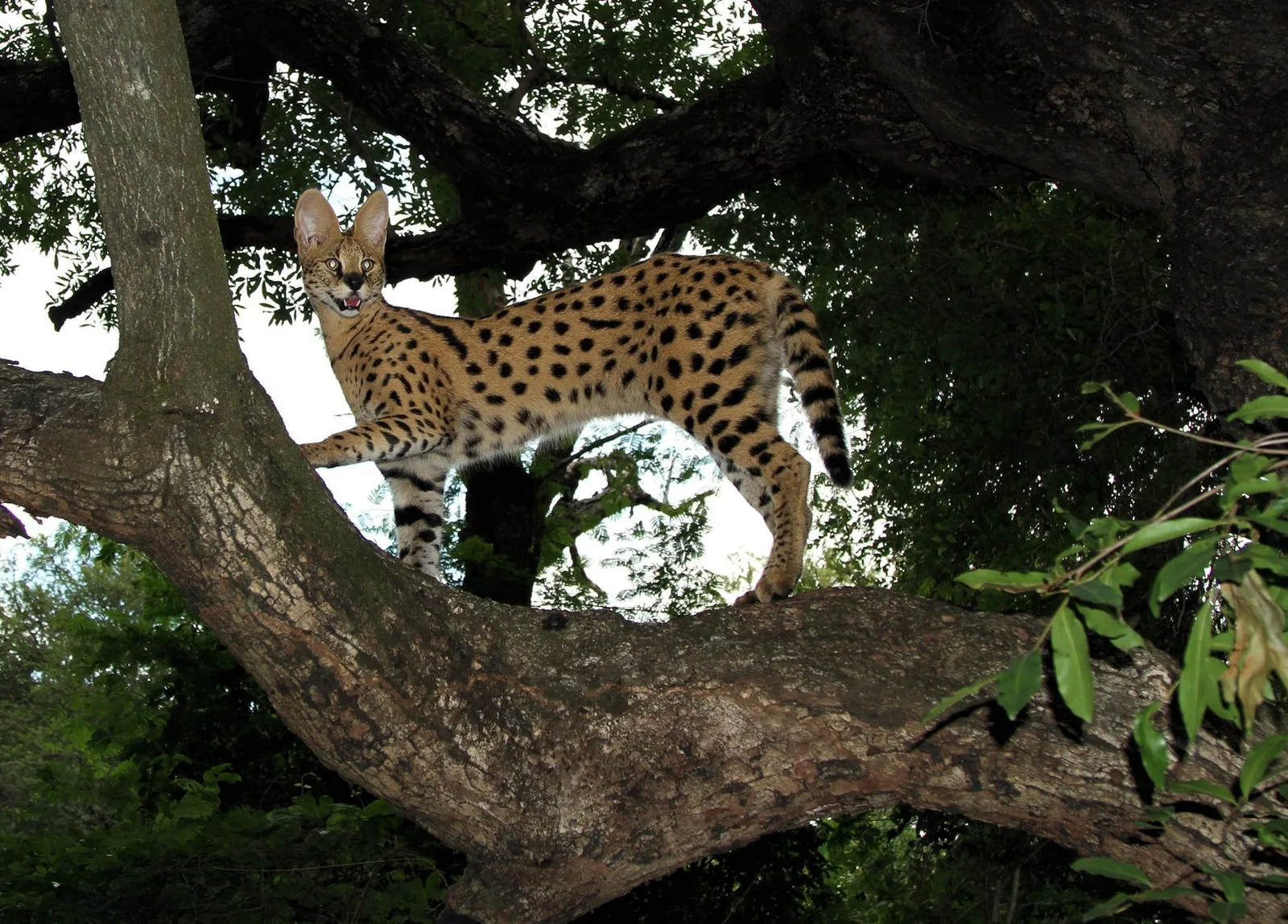
The serval hunts by ear. It walks along a trail, stops, and stands still for up to 15 minutes to listen. When it hears a rat, the ears swing to fix the spot and the cat creeps forward. Then it springs, up to 4 metres through the air, and drops on the prey with both forefeet. A bite to the head or neck follows, and a small rodent is swallowed at once. A leap can carry it more than 2 metres high and 3.6 metres forward. If it hears a rodent under the ground, it digs and sniffs until the animal bolts.
Birds are harder, and the serval jumps at flamingos, spoonbills and ducks with mixed results. It plucks a bird before eating it and pulls the guts out of a rat. Snakes get more blows and bites, and the cat may eat them while they still move. Large kills are sometimes hidden under leaves and grass for later. In Ngorongoro about half of all hunts succeeded, and one mother reached 62 percent. Morning hunts yield about 10 prey items and evening hunts about 6.
Behaviour and social life
The serval lives alone. Adults meet only to mate, to raise kittens or to argue over ground. In one four-year study only 7.8 percent of sightings involved two servals together, and most of those were a mother and her young. A male and a female sometimes travel, hunt and rest together for a short spell. Females are more active than males.
The serval is active by day and by night, with peaks at dawn, dusk and midnight. On cool or rainy days it stays out longer, and in the midday heat it rests in the shade. Near villages it turns nocturnal. It walks 2 to 4 kilometres a night along set trails, often on roads or paths where it can hear well. Home ranges cover 10 to 32 square kilometres and overlap widely, though neighbours avoid each other. Prey, cover and people all affect the size of a range.
Fights are rare. When two adults meet over territory, one may lay a paw on the other's chest and stare, and that usually ends it. A threatened serval bobs its head up and down, raises its fur and tail, bares its teeth and shows the white bars on its ears. It marks its range with sprayed urine, droppings and saliva rubbed onto grass. One male following a female marked 566 times in four hours. Servals stay put, and even a cat that leaves its range moves only a few kilometres.
Communication and senses
Hearing is the serval's main sense. Each ear turns up to 180 degrees on its own, so the cat can fix a sound without moving its head. It can hear a rodent moving under the soil. Sight and smell are good too. Like other cats, it probably sees well in dim light, which suits its dusk and night hunting.
The serval purrs like a house cat. It also chirps at a high pitch, and it can hiss, cackle, growl, grunt and meow. A female in heat gives short, sharp miaows that carry a long way. Scent does most of the talking between adults, through urine, droppings and glands in the cheeks. A mother calls to her kittens as she nears the den with food.
Reproduction and life cycle
Servals breed at any time of year, and the timing shifts from place to place. Births peak in winter in Botswana and at the end of the dry season in Ngorongoro. Across the range, kittens tend to arrive just before the rodents breed. A female is in heat for one to four days, once or twice a year, or more often if she loses a litter. She roams, sprays with her tail held up and quivering, and rubs her face on a male who approaches. Males take no part in raising the young.
Pregnancy lasts 65 to 75 days. The mother gives birth in dense vegetation or in a burrow left by an aardvark or a porcupine. A litter holds one to four kittens, usually two or three, each about 250 grams and blind. Their eyes open after nine to thirteen days, and they double their weight in the first 11 days. Weaning begins at a month, and the mother brings small kills to the den. If disturbed, she carries the kittens one by one to a new den.
A mother with kittens rests less and hunts almost twice as much as other servals. At about six months the kittens have their adult canines and start to hunt. They leave their mother at about a year old. Sexual maturity comes between one and two years, and a young male may need up to two years to win a territory. A wild serval lives about 10 years, and one was thought to have reached 23. The record in captivity is 22.4 years.
Predators and threats
Hyenas and African wild dogs are the serval's main enemies. Leopards and lions may kill it too, and leopards compete with it for food and ground. When a predator appears, the serval slips into cover and out of sight. If the danger is close, it flees in long leaps with its tail up, changing direction again and again. It climbs when it must, and one serval went more than 9 metres up a tree to escape dogs.
People are the greater threat. Drained wetlands and ploughed grassland remove both the serval and its rats. Its skin is still traded in Benin and Senegal, though less than before. Herders shoot or trap it to protect stock, even though it rarely takes livestock. It does kill poultry and, on rare occasions, a dog. Servals carry antibodies to the parasite Toxoplasma gondii.
Population and conservation
The IUCN lists the serval as Least Concern, with a stable trend. No global count exists, but the cat is widespread and lives in many protected areas. CITES places it on Appendix II, which controls trade in skins and live animals. The northern subspecies, constantina, is rated Endangered by the United States Fish and Wildlife Service. It is nearly gone from North Africa.
Hunting servals is banned in Algeria, Botswana, Congo, Kenya, Liberia, Morocco, Mozambique, Nigeria, Rwanda, Tunisia and South Africa's Cape Province. Twelve other countries, from Angola to Zambia, regulate it. Captive-bred servals have been released back into the wild with mixed results. Radio tracking shows that releases work best at least 10 kilometres from people, where prey is plentiful. Released cats hold ranges of about 6.2 square kilometres, much smaller than wild ones.
Relationship with humans
The link between servals and people goes back to Ancient Egypt. Egyptian art shows servals arriving from Nubia as gifts or trade goods. In parts of Africa, chiefs wore mantles made from serval skins. In West Africa the cat has a place in traditional medicine. Tourists in Tanzania pay to see servals, which helps protect them.
Servals are kept as pets, and the trade is regulated in many countries. Sanctuaries warn that a serval bites hard, defends its space and copes badly with stress. Many pet servals end up surrendered to rescue centres. The savannah cat, a serval crossed with a domestic cat, offers the look with less of the risk. Near farms and roads the cat has grown used to people and vehicles. It is probably no danger to people, and the sources here record no attack on a person.
In culture and myth
The serval left a mark on Egyptian art, where it appears among the tribute of Nubia. It may have been kept at court, as the cheetah was, but the sources do not say what the Egyptians made of it. In 1765 a serval in the French royal menagerie gave the species its European name. Serval-skin mantles marked the rank of chiefs in some African societies.
Beyond that, the serval has little folklore of its own, and most African cat tales belong to the lion and the leopard. National Geographic Kids nicknames it the cat of spare parts because of its long neck, stilt legs and outsized ears. Spirit-animal blogs read it as grace, alertness and independence, but those readings are probably modern inventions. Its real fame today seems to come from the savannah cat and from videos of its leaps.
A sentence with a dotted underline is inferred: it describes the group the animal belongs to, or is a reading of the sources, rather than a measured or reported fact about this species.
Questions
Serval questions, answered
What is a serval?
A slender wild cat of Africa with very long legs, big ears and a spotted coat. It weighs 9 to 18 kilograms and hunts rodents in tall grass.
How high can a serval jump?
More than 2 metres straight up, and up to 3.6 metres forward. It leaps like this to land on rats and to knock birds out of the air.
What do servals eat?
Mostly rodents, above all vlei rats. Rodents make up 80 to 97 percent of the diet, with birds, frogs, insects and reptiles making up the rest.
Where do servals live?
Across sub-Saharan Africa, in grassland, reed beds and wetland edges near water. A few survive in Morocco, and some have been returned to Tunisia.
Are servals endangered?
No. The IUCN code is LC, Least Concern, and the trend is stable. The North African subspecies is in trouble, though, and is feared extinct in Algeria.
Can you keep a serval as a pet?
You can in some places, but sanctuaries advise against it. Servals bite hard, spray and need a big enclosure. Many are given up.
What is a savannah cat?
A breed made by crossing a male serval with a female domestic cat. The first was born in 1986.
How big is a serval?
It stands 54 to 62 centimetres at the shoulder. The head and body are 67 to 100 cm long, and the tail adds about 30 cm.
How long do servals live?
About 10 years in the wild, and one was thought to have reached 23. A captive serval lived 22.4 years, the record.
Are servals dangerous to humans?
No. A wild serval avoids people. A captive one can bite when stressed, but it is far too small to be a serious threat.
How does a serval hunt?
By ear. It stands still for up to 15 minutes, turns its ears to fix the sound, then springs and pins the prey with its forefeet.
What eats servals?
Hyenas and African wild dogs are the main predators. Leopards and lions take some too.
How many kittens does a serval have?
One to four, usually two or three, after a pregnancy of 65 to 75 days. They are born blind and weigh about 250 grams.
Is a serval a big cat?
No. It is a small cat that purrs, and it is nearer in size to a lynx than to a leopard. It cannot roar.
What is the difference between a serval and a caracal?
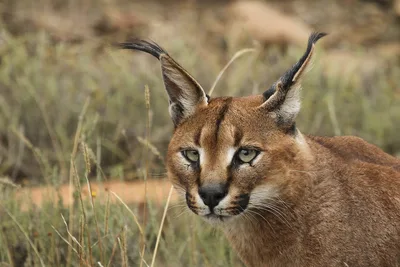
Both live on the African savanna and both leap for prey. The serval is spotted with huge plain ears, while the caracal is plain-coated with tufted ears.
Food web
Prey and food
- vlei rats
- rodents
- shrews
- birds
- frogs
- insects
- reptiles
- hares
Food web
Predators
 Leopard
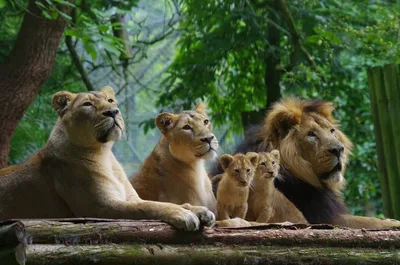 Lion
Ecological equivalents
Related species on this site
Abyssinian (same family), African Golden Cat (same family), African wildcat (same family), American Wirehair (same family), Amur Leopard (same family), Australian Mist (same family), and more.
Mammals
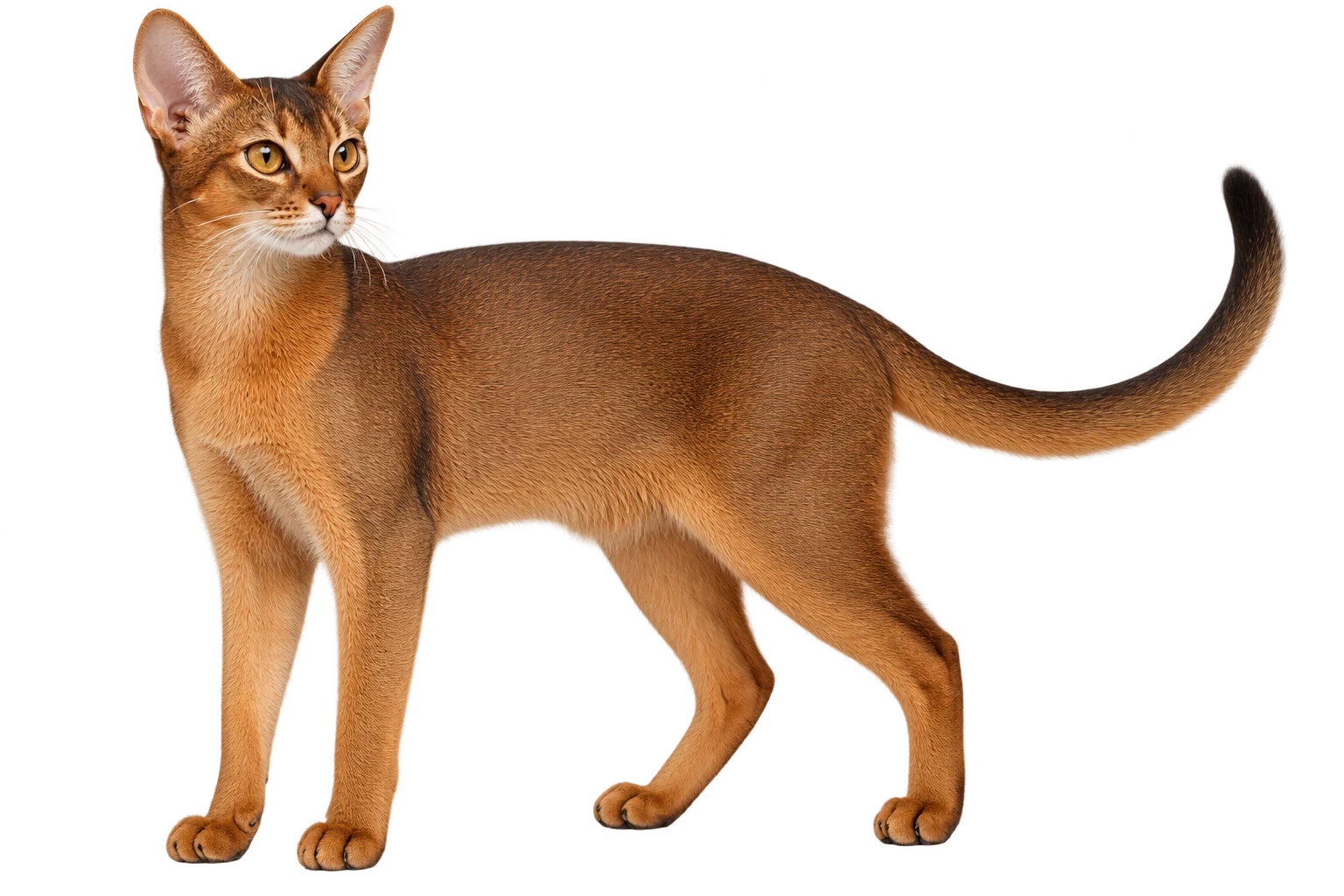
Abyssinian
Felis catus
Classification and source reference
LivingAI illustration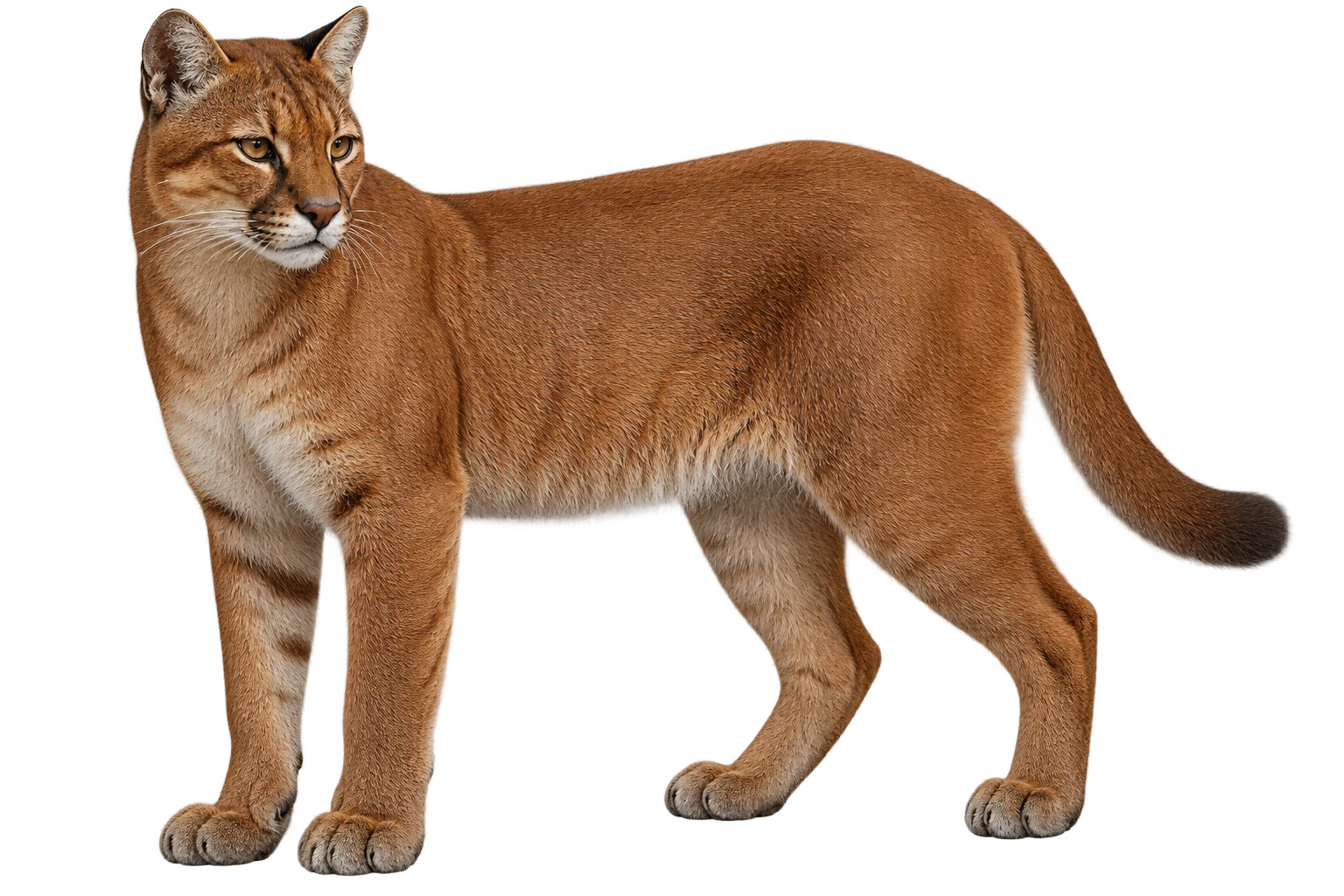
Mammals
African Golden Cat
Caracal aurata
Classification and source reference
LivingAI illustration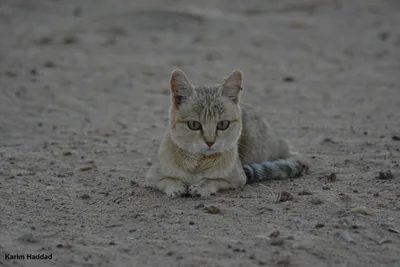 LC
Mammals
African wildcat
Felis lybica
The African wildcat is a small striped cat of dry Africa and Asia, and the ancestor of every domestic cat.
Living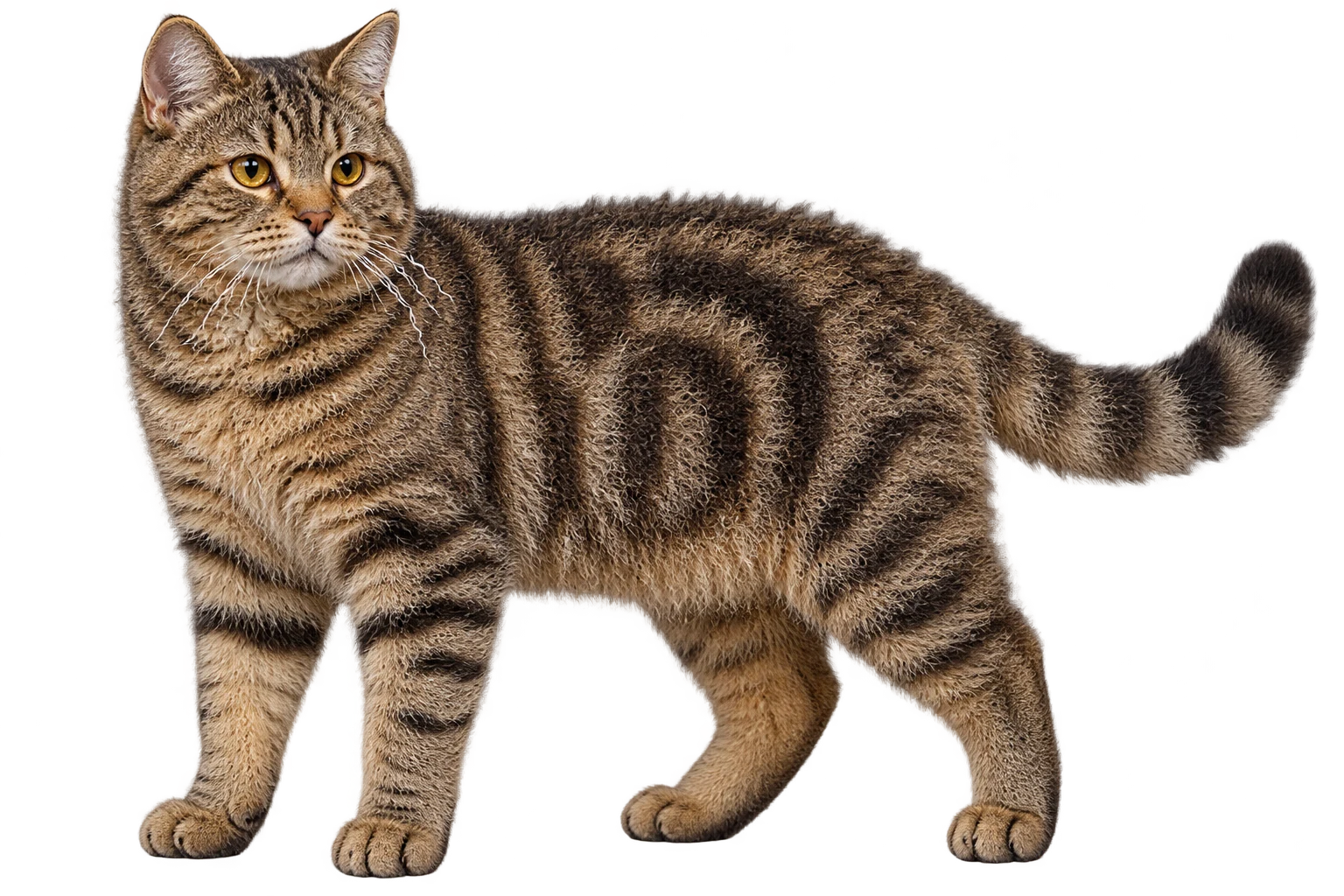
Mammals
American Wirehair
Felis catus
Classification and source reference
LivingAI illustration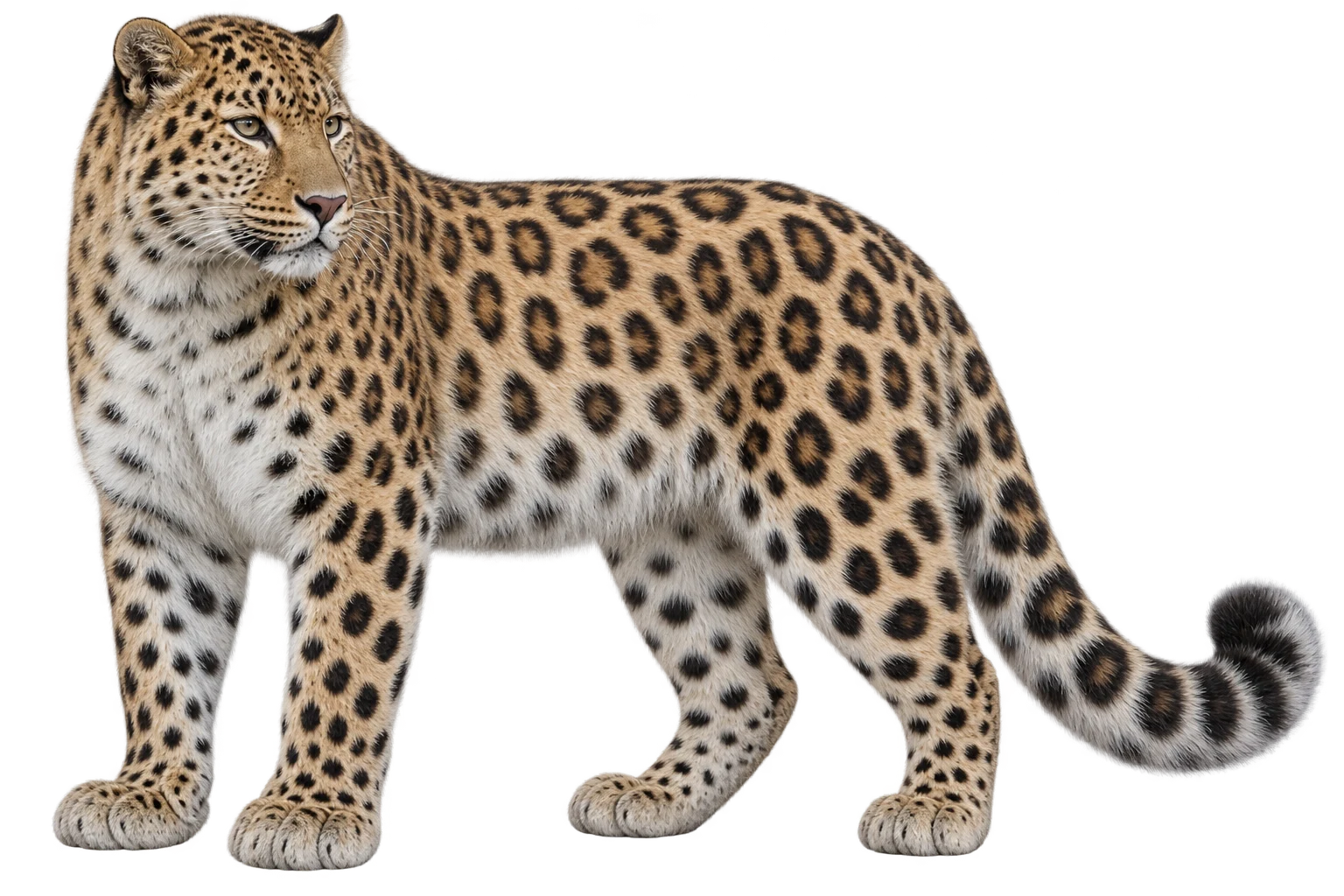
Mammals
Amur Leopard
Panthera pardus orientalis
Classification and source reference
LivingAI illustration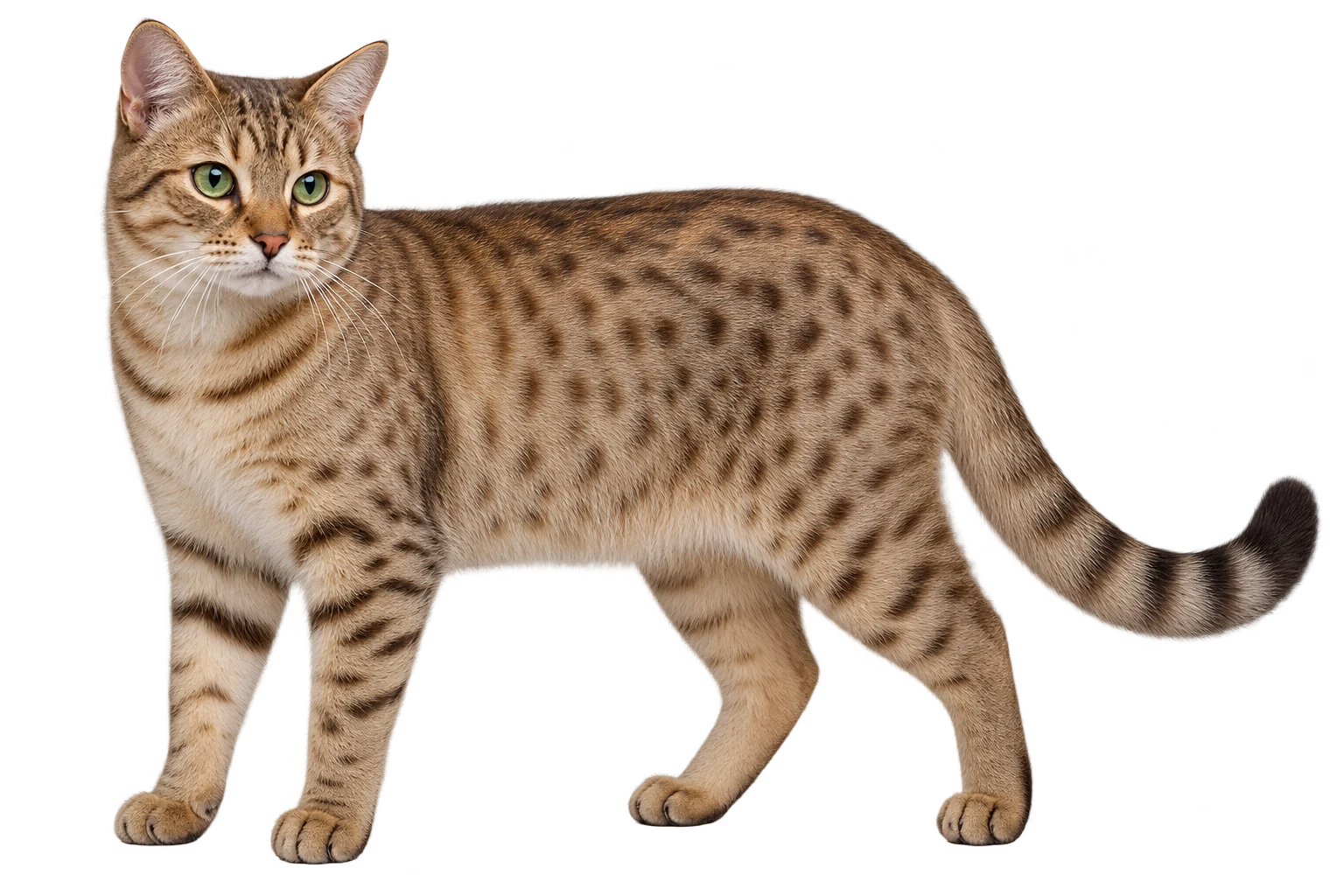
Mammals
Australian Mist
Felis catus
Classification and source reference
LivingAI illustration