Aardvark
The night digger that eats 50,000 ants at a sitting
Orycteropus afer
Also called Antbear, Earth pig, Cape anteater
Living individuals or members of this group exist today. This does not mean they are safe from extinction.
Meet the aardvark
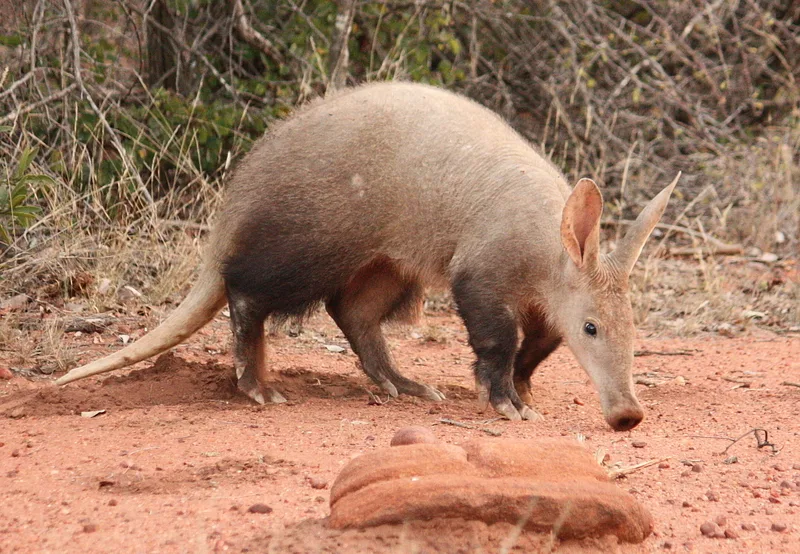
The aardvark is a pig-sized burrowing mammal of sub-Saharan Africa. At night it digs open ant and termite nests and licks up the insects with a long sticky tongue. It is the only living species of its order, and its old burrows shelter dozens of other animals.
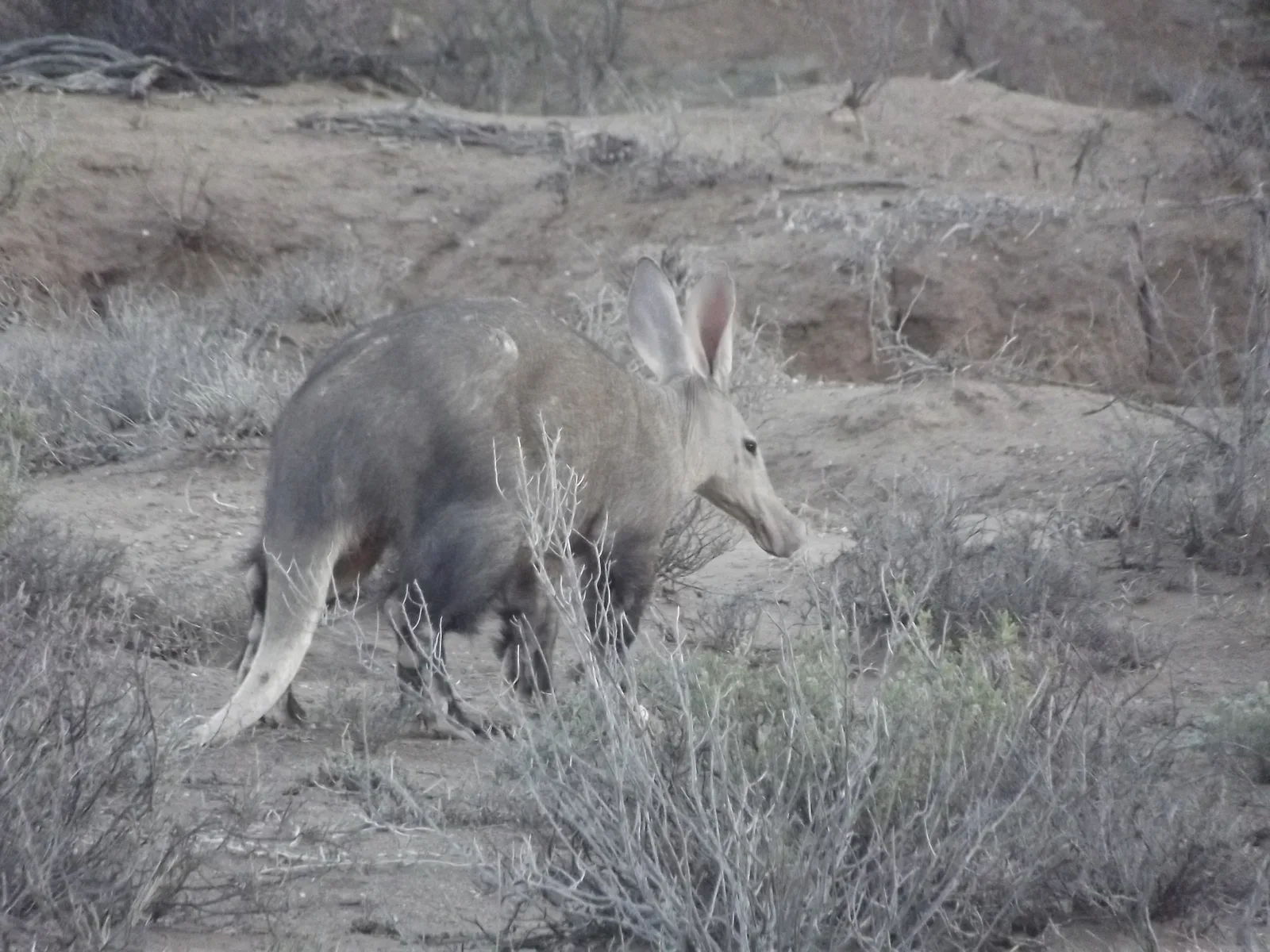
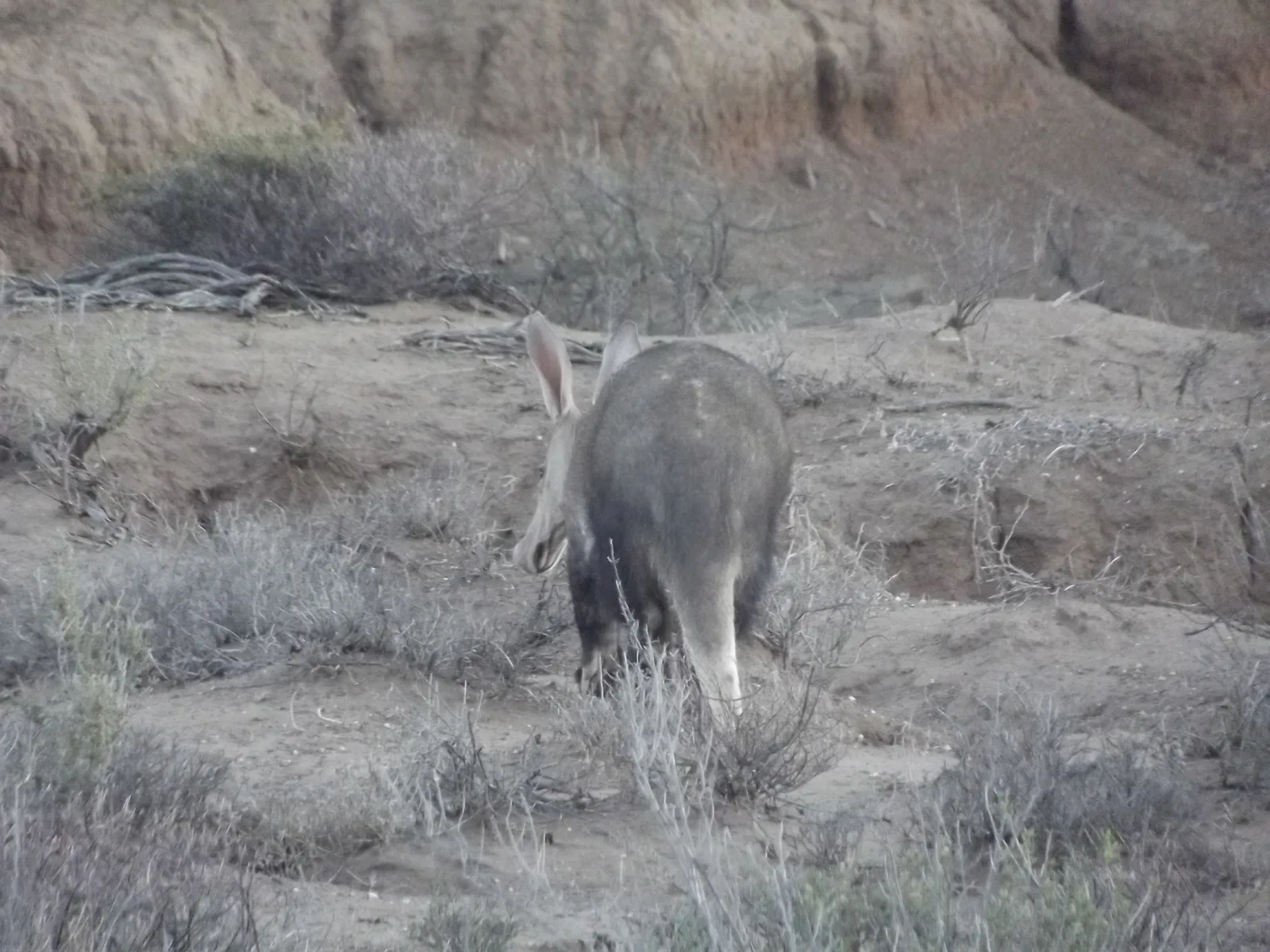
Images of the aardvark
Lifespan in the wild
About 18 years
Weight
40 to 82 kg
Length
1 to 1.58 m
Height
About 60 cm
Fact file
Aardvark
- Location
- Sub-Saharan Africa, from Ethiopia to the Cape
- Habitat
- Savanna, Grassland, Temperate forest
- Diet
- Insectivore
- Prey / food
- Ants, termites, beetle larvae, aardvark cucumber
- Predators
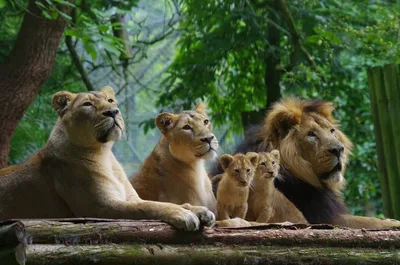
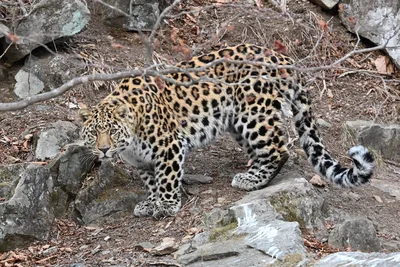
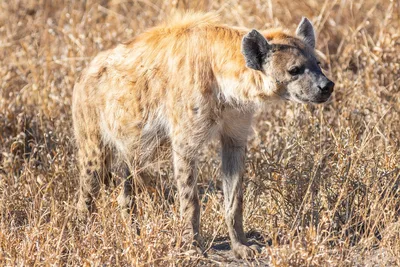
- Lion, leopard, spotted hyena, African rock python, people
- Lifestyle
- Nocturnal; sleeps in a burrow by day
- Group name
- None; solitary
- Name of young
- Cub
- Gestation
- About 7 months
- Litter size
- 1 cub
- Population
- Unknown; widespread but seldom seen
- Biggest threat
- Farming, hunting for meat, drought
- Distinctive feature
- A long pig-like snout, rabbit-like ears and a thick tapering tail
- Colour
- Pale yellowish grey, often stained red-brown by soil
- Skin type
- Thick skin with sparse coarse hair
Size
Next to a person
Measurements
Size and speed
- Height
- About 60 cm at the shoulder
- Length
- 1 to 1.58 m head and body; the tail adds up to 70 cm
- Tail
- Up to 70 cm
- Weight
- 40 to 82 kg Wikipedia gives 60 to 80 kg as typical
Typical adult ranges. Sources: Animal Diversity Web, Wikipedia.
Life cycle
Lifespan
- In the wildAbout 18 years
- In captivityUp to 29.8 years
- 029.8 years
The pale bar is the record. Sources: Animal Diversity Web, AnAge.
Appearance
Colour and coat
- Primary colours
- pale yellowish grey
- Secondary colours
- reddish browndark brown
- Skin type
- thick skin with sparse coarse hair
- Male and female
- None known. Males and females are the same size and colour. ADW notes that the pale patches on the face and tail are a little lighter in females.
Life cycle
Mating and family
- Mating system
- polygynous, probably
- Social structure
- solitary; a mother with one cub
- Breeding
- one cub a year
Aardvarks pair only in the breeding season. After about 7 months, one cub of 1.7 to 1.9 kilograms is born in the burrow, naked but with its eyes open. It follows its mother at two weeks, tastes termites by nine weeks, and takes no milk after 16 weeks. At six months it can dig for itself, and it breeds at about two years. A wild aardvark lives about 18 years.
Classification
Taxonomy
- Kingdom
- Animalia
- Phylum
- Chordata
- Class
- Mammalia
- Order
- Tubulidentata
- Family
- Orycteropodidae
- Genus
- Orycteropus
- Species
- Orycteropus afer
Conservation
Red List status
- LC
- NT
- VU
- EN
- CR
- EW
- EX
Least Concern on the IUCN Red List
Range
Recorded in 10 countries
- Burkina Faso
- Benin
- Botswana
- Central African Republic
- Kenya
- Namibia
- Niger
- Tanzania
- South Africa
- Zambia
Habitat layer: temperate broadleaf and mixed forest, temperate conifer forest, boreal forest and taiga, tropical grassland, savanna and shrubland, temperate grassland, savanna and shrubland.
Countries from 920 wild records on GBIF (iNaturalist research grade), filtered and checked by hand. Country shapes: Natural Earth. Habitat: RESOLVE Ecoregions 2017, CC BY 4.0. Basemap: Natural Earth.
Habitats
Three things to know
- 1
One aardvark can eat as many as 50,000 ants and termites in a single night.
- 2
It is the only living member of its order, Tubulidentata, whose teeth are bundles of tiny tubes.
- 3
No other mammal has as many olfactory bulbs as the aardvark, which has nine.
Did you know
Seven more facts
- 1
The name aardvark means earth pig in Afrikaans.
- 2
The aardvark's closest relatives are elephant shrews and golden moles, not pigs or anteaters.
- 3
A cub is born with front teeth that fall out and never grow back.
- 4
The aardvark cucumber depends on the aardvark to dig up and spread its underground fruit.
- 5
An aardvark can close its nostrils to keep out dust while it digs.
- 6
Warthogs, hyenas, owls and pythons all move into empty aardvark burrows.
- 7
Aardvark fossils about 5 million years old have been found in Europe.
Field notes
How it looks and acts
Field notes
Distinguishing features
- A long pig-like snout that ends in a flat disc with the nostrils.
- Tall rabbit-like ears 20 to 25 centimetres long.
- A strongly arched back on a stout body of 40 to 82 kilograms.
- A thick tail that tapers to a point.
- Broad flat nails, four on each front foot and five on each hind foot.
- Sparse coarse hair over thick pale grey skin, usually stained by soil.
Field notes
Unique adaptations
- A tongue up to 30 centimetres long, kept sticky by huge salivary glands.
- Spade-like claws and a specially strong forearm and bone structure for digging.
- Thick skin that shrugs off ant stings and termite bites.
- Ears and nostrils that close against soil and dust.
- A gizzard-like stomach that grinds insects, so it needs no chewing teeth.
Field notes
Interesting behaviours
- Sleeps in a burrow by day and forages by night.
- Pauses at the burrow mouth for about ten minutes before it goes out.
- Walks in a zigzag, snout at ground level, ears pointed forward.
- Leaves each nest alone for five to eight days before it returns.
- Digs a new home burrow now and then and abandons the old one.
Field notes
Temperament
- Shy and solitary.
- Flees or digs itself in rather than fight.
- Fights hard with its claws when cornered.
Field notes
Communication
- Soft grunts while feeding and loud grunts near the burrow.
- A bleat when badly frightened.
- Scent from glands on the elbows, hips and rump, and musk from the male.
Ecology
Ecological role
The aardvark is an ecosystem engineer whose burrows and diggings shape the African savanna.
- Digs burrows that shelter warthogs, hyenas, mongooses, bats, owls, pythons and many small animals, especially in fire season.
- Keeps ant and termite colonies in check without destroying them.
- Spreads the seeds of the aardvark cucumber.
- Loosens and turns the soil, which favours plants and probably other burrowers.
Stories
Myths and legends
- In Hausa tradition, a charm made from aardvark parts is said to let its wearer pass through walls at night.
- In Margbetu and Logo tradition, aardvark teeth are worn as bracelets for luck.
- In Dagbon tradition in Ghana, the aardvark has supernatural powers.
- In Dogon tradition, the aardvark has a place in the creation story that Marcel Griaule recorded.
People
Relationship with humans
People
Living alongside us
People hunt the aardvark for meat and hide, and farmers kill it because its burrows injure cattle and damage vehicles. In return it eats termites and ants that harm crops and buildings. It has been kept in zoos since 1869 and breeds well there. Its parts are used in charms and bracelets in several African traditions.
- An aardvark runs or digs itself in when it meets a person.
- A cornered animal can strike with its claws and cause real injury.
- Its burrows are the main hazard, because they can break a leg or wreck a vehicle.
People
Status, uses and products
- Domestication
- Wild
- As a pet
- Not suitable. An aardvark needs tens of thousands of live ants and termites a night, a deep burrow, and a home range of several square kilometres. Only a zoo can keep one.
- Uses
- bushmeatzoo exhibitiontraditional charms
- Products
- meathideteeth
The full account
About the aardvark
The aardvark, Orycteropus afer, is a burrowing mammal of Africa that comes out at night to eat ants and termites. It looks a little like a pig, with a long snout, tall ears and an arched back. Adults weigh 40 to 82 kilograms and measure 100 to 158 centimetres in head and body. It is the only living species of its genus, its family and its whole order, the Tubulidentata. Its nearest living relatives are elephant shrews, tenrecs and golden moles, and beyond them the elephants.
Aardvarks live across the southern two-thirds of Africa wherever the soil is soft enough to dig. By day they sleep in deep burrows, and at night they walk 2 to 5 kilometres in search of insect nests. A powerful set of claws opens a termite mound, and a tongue up to 30 cm long licks up the insects. The IUCN lists the aardvark as Least Concern, but no one knows how many there are. Its abandoned burrows house warthogs, hyenas, owls and pythons.
Name and taxonomy
The name aardvark is Afrikaans and means earth pig, after the animal's digging. It is also called the antbear or the Cape anteater, though it is no relation of the South American anteaters. The genus name Orycteropus means burrowing foot, and afer means African. The order name Tubulidentata refers to the teeth, which are built from tiny tubes. GBIF also lists the English name earth-hog.
Peter Simon Pallas described the southern form in 1766 from the Cape of Good Hope. The aardvark is usually treated as one variable species. Seventeen subspecies have been named, but they are poorly defined and many will probably be merged. Its likeness to the anteaters and the pangolins is the result of convergent evolution toward the same diet.
Evolution and relatives
The aardvark belongs to the Afrotheria, a group of African mammals that also holds elephants, manatees and hyraxes. Within that group its closest kin are the elephant shrews, the tenrecs and the golden moles. It is the largest member of that inner group, the Afroinsectiphilia. Its chromosomes have changed little since the early placental mammals, so geneticists call it a living fossil.
Early relatives appeared in Africa near the end of the Paleocene. The first clear member of the order was probably Myorycteropus africanus, from Miocene deposits in Kenya. The oldest known Orycteropus, O. mauritanicus, comes from the middle Miocene of Algeria. Fossils of the aardvark itself, about 5 million years old, have been found across Europe and the Near East. A Madagascan animal, Plesiorycteropus, was once called an aardvark relative but is now placed nearer the tenrecs.
Appearance
The aardvark has a stout body with a strongly arched back and a thick tail that tapers to the tip. Adults weigh 40 to 82 kilograms, measure 100 to 158 centimetres in head and body, and stand about 60 cm at the shoulder. The tail can add up to 70 cm, which brings some animals to 2.2 metres in all. Males and females look alike and are the same size.
A short, thick neck carries the long head, and a flat disc with the nostrils ends the snout. The ears are 20 to 25 cm long and look like a rabbit's. The eyes are small and hold only rods, so the animal sees in the dark but not in colour. The mouth is small and tubular, and the tongue is thin and can stretch about 30 cm.
The skin is thick and tough, and it is the animal's main protection. Coarse hair grows in sparse clusters of three or four, longer on the legs than on the head and tail. The colour is pale yellowish grey, but most animals are stained red-brown by the soil. The front feet have four toes and the hind feet five, each with a broad flat nail between a claw and a hoof.
The teeth are unlike those of any other mammal. Each one is a bundle of thin upright tubes of dentine, up to about 1,500 in the largest tooth, with no enamel. They wear away and grow all through life. Adults keep only cheek teeth, 14 above and 12 below, because the front teeth of the young fall out and never return.
Habitat and range
The aardvark lives throughout sub-Saharan Africa, from Ethiopia south to the Cape of Good Hope. It is absent from the rainforests of West and Central Africa and from the coasts of Namibia, Ivory Coast and Ghana. It does not occur in Madagascar. GBIF holds records from 37 countries.
It uses savanna, grassland, open woodland, bush and semi-arid country. It has been recorded as high as 3,200 metres in the Ethiopian highlands. Two things matter most: deep soft soil to dig in, and enough ants and termites all year. It avoids rock, hard compact ground, swamp forest and land that floods.
A home range covers about 2 to 5 square kilometres, and densities are always low. In the Nama Karoo of South Africa, where prey is dense, ranges run from 130 to 350 hectares. Elsewhere the ranges are probably larger. The main burrow can have eight or more entrances and reach 6 metres underground, and some run 13 metres long.
Diet and feeding
The aardvark eats almost nothing but ants and termites. Ants make up the larger share. In the Karoo one ant, Anoplolepis custodiens, can supply 70% of the diet, with the termite Trinervitermes trinervoides next. In winter, when ants are scarce, it turns more to termites and feeds at mounds when the winged forms are present. It avoids driver ants and red ants, and it sometimes takes beetle larvae.
When it forages, the aardvark keeps its snout at ground level and points both ears forward. It digs small V-shaped trenches and sniffs them to find a nest. Then it tears into the mound with its front claws, seals its nostrils against the dust, and keeps its ears up for danger. The sticky tongue sweeps up the insects, and their bites and stings fail against the thick skin. As many as 50,000 insects have been counted in one night's meal.
A stomach with a muscular gizzard-like region grinds the food, so the aardvark barely chews. It rarely destroys a colony, and it leaves a nest alone for five to eight days so the insects can recover. Columns of marching termites 10 to 40 metres long give an easy meal. The one fruit it eats is the aardvark cucumber, which grows underground and provides water. The seeds pass through the animal and sprout in the loose soil beside its burrow.
Behaviour and social life
The aardvark is nocturnal and solitary, and it is seldom seen. It leaves its burrow in the late afternoon or soon after sunset. Before it goes, it pauses at the mouth of the burrow for about ten minutes to sniff and listen. Then it bounds out about 10 metres, stops, pricks its ears, and moves off in a zigzag to feed. Most feeding happens in the first four hours of the night.
A night's walk covers 2 to 5 kilometres, and tracked animals in Uganda went as far as 14 km. In subtropical South Africa its nightly activity lasts up to nine hours in summer, but only seven in winter. When food runs short it may shift to daytime activity, which is often a sign that it is in trouble. In bad weather it stays underground.
It digs three kinds of hole: quick foraging pits, short refuge burrows, and a deep permanent home. It can dig a metre of tunnel in about five minutes, and it changes the layout of its home burrow often. Only a mother and her cub share a burrow, though in good country a large burrow may hold two or three animals. It is a strong swimmer and can cross fast water.
Communication and senses
Smell is the aardvark's chief sense. Its nose holds nine to eleven turbinate bones, against four or five in a dog. It also has nine olfactory bulbs, a record among mammals. The smell centre of the brain is so large that it gives the skull a swollen profile. Hearing is very sharp, and each ear can turn on its own or fold back and close while the animal digs. Sight is poor, and the animal is colour-blind.
The aardvark is quiet. It grunts softly while it feeds and loudly as it heads for its burrow. When badly frightened it bleats. Both sexes have scent glands on the elbows and hips and a strong-smelling anal gland, and the male's genitals give off musk. These glands probably help the animals space themselves out, though no one has seen deliberate scent marking.
Reproduction and life cycle
Aardvarks meet only to mate, and the system is thought to be polygynous. The male grips the female's back with his claws, which can leave deep scratches. Births fall between May and July in South Africa and between October and November in the north. Pregnancy lasts about 7 months, and one cub of 1.7 to 1.9 kilograms is born in the burrow.
The newborn is naked and wrinkled, with floppy ears, but its eyes are open. The wrinkles fade after two weeks, the ears stand up at three weeks, and hair grows from five to six weeks. The cub follows its mother out of the burrow at two weeks and tastes termites at nine weeks. Weaning comes between three months and 16 weeks.
At six months the cub can dig its own burrow, but it often stays with its mother until the next mating season. The father takes no part in rearing. Both sexes mature at about two years. A wild aardvark lives about 18 years, and one captive animal reached 29.8.
Predators and threats
Lions, leopards, hyenas and pythons kill aardvarks. People are the main predator, hunting them for meat and hide. The aardvark's first defence is its hearing, which warns it early. It then runs in a zigzag or digs itself out of sight, which takes about 10 minutes.
If it cannot escape, it rears up on its hind legs and tail or rolls onto its back. It then lies still and lashes out with all four feet, its claws, its tail and its shoulders. Those claws can do real damage to an attacker. If attacked inside a tunnel, it digs onward and leaves fresh earth between itself and the enemy.
Farmers kill aardvarks because their holes injure livestock and wreck vehicles. Ploughing and pesticides remove the ants and termites it needs. Drought is a growing danger, because it cuts insect numbers. In one Kalahari study, five of six aardvarks died after a drought.
Population and conservation
The IUCN lists the aardvark as Least Concern because of its wide range. No one has a reliable count, because the animal is nocturnal and secretive. It is not common anywhere, but its range is so large that the total stays adequate. Numbers look stable in southern Africa and may be falling in the east, north and west.
The aardvark is exterminated in many farming districts and is rare or gone where people are dense. CITES lists it in Appendix II, so trade in its parts is controlled. Its future rests on its insect prey, so any collapse in termites would hit the whole species. Rising temperatures and drought are the threat researchers now watch most closely.
Aardvarks adapt well to zoos. London Zoo kept the first, an animal from South Africa, in 1869.
Relationship with humans
Some African communities hunt the aardvark for its meat, which is said to taste like pork. The hide and other parts are also used, and the bushmeat trade takes a share. Trade in aardvark products is restricted by international agreement.
Farmers and ranchers dislike the burrows, which can break a cow's leg or a truck's axle. On the other side, the aardvark eats termites and ants that damage crops and buildings. Its digging loosens and enriches the soil, which helps plants and many small animals. It is otherwise harmless, and it flees from people.
Zoos have kept aardvarks since 1869, and they breed there. Captive records show a gestation of about 243 days and a birth weight of 1.3 to 1.9 kg. Most of what science knows about the species comes from South African studies and from zoo animals.
In culture and myth
In African folklore the aardvark is admired for its tireless search for food and its calm in the face of soldier ants. In Hausa tradition, magicians pound its heart, skin, forehead and nails with a tree root to make a charm. A burglar who wears the charm on his chest is said to walk through a wall or a roof after dark. In Margbetu and Logo tradition, aardvark teeth are made into bracelets for luck. The Dagbon people of Ghana credit the aardvark with supernatural power.
In Dogon tradition in Mali, the aardvark appears in the creation story recorded by Marcel Griaule in 1948. Scholars have noted that the animal head of the Egyptian god Set looks something like an aardvark. The children's character Arthur Read, created by Marc Brown in 1976, is an aardvark, though his nose grew shorter with each book. The cartoon series The Ant and the Aardvark, from 1969 to 1971, paired a blue aardvark with a red ant it could never catch. The Goon Show on BBC radio made a running joke of the animal in the 1950s.
A sentence with a dotted underline is inferred: it describes the group the animal belongs to, or is a reading of the sources, rather than a measured or reported fact about this species.
Questions
Aardvark questions, answered
What is an aardvark?
The aardvark is a burrowing mammal of Africa that eats ants and termites at night. No other animal alive belongs to its order, Tubulidentata, and its nearest kin are the elephant shrews and the golden moles.
How big is an aardvark?
An adult weighs 40 to 82 kilograms and measures 100 to 158 centimetres in head and body. The tail adds up to 70 cm, and the animal stands about 60 cm at the shoulder.
What do aardvarks eat?
Almost only ants and termites, with ants the larger share. They also take beetle larvae and one fruit, the aardvark cucumber. One aardvark can eat 50,000 insects in a night.
Where do aardvarks live?
Across sub-Saharan Africa, from Ethiopia to the Cape, in savanna, grassland, open woodland and bush. They avoid rainforest, swamp, rock and hard ground.
Is an aardvark an anteater?
No. It eats ants, but it is not related to the South American anteaters. The two groups came to look alike because they eat the same food.
Are aardvarks dangerous?
No. They are shy and run from people. A cornered aardvark can scratch hard with its claws, and its burrows can injure cattle and damage vehicles.
Are aardvarks endangered?
No. The IUCN lists them as Least Concern because of their wide range. Numbers are unknown, and they have vanished from many farming areas.
How long do aardvarks live?
About 18 years in the wild. One captive aardvark lived 29.8 years.
Why do aardvarks dig?
To open ant and termite nests, to escape predators, and to make burrows for sleeping and rearing young. Five minutes of digging gives it a metre of new tunnel.
What eats an aardvark?
Lions, leopards, hyenas and pythons. People hunt them too and are their main predator.
Are aardvarks nocturnal?
Yes. They sleep in a burrow by day and come out in the late afternoon or after sunset. Most feeding happens in the first four hours of darkness.
Do aardvarks have teeth?
Adults have only cheek teeth, 14 above and 12 below. Each tooth is a bundle of tiny tubes with no enamel, and the teeth grow all through life.
How many babies does an aardvark have?
One cub a year, after a pregnancy of about 7 months. The cub weighs 1.7 to 1.9 kilograms at birth.
What does the word aardvark mean?
It is Afrikaans for earth pig, a name given because the animal digs and looks a little like a pig.
Why are aardvark burrows important?
When the aardvark moves on, warthogs, hyenas, mongooses, hares, owls, pythons and many small animals move in. In fire season these burrows save many lives.
Food web
Prey and food
- ants
- termites
- beetle larvae
- aardvark cucumber
Food web
Predators
 Lion
 Leopard
 Spotted hyena
- african rock python
- people