Alpaca
Vicugna pacos
Living individuals or members of this group exist today. This does not mean they are safe from extinction.
The alpaca is a domesticated Andean camelid kept for its fleece. Smaller than a llama, it grazes highland vegetation and lives in herds.
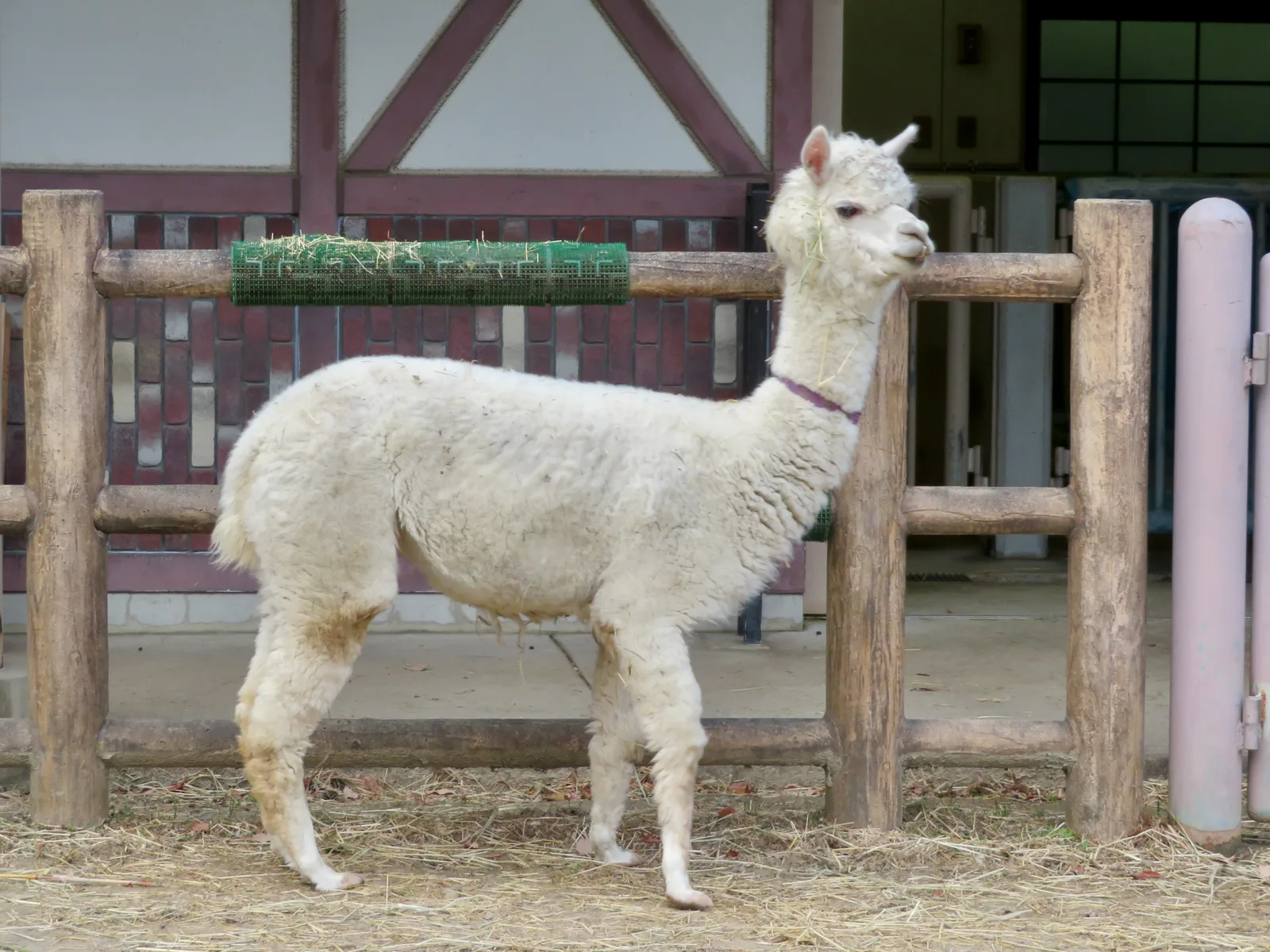
Representative species: Lama pacos.
At a glance
- Location
- Alpacas are associated with the central and southern Andes, especially high plateaus. People also farm them outside South America.
- Habitat
- Mountains, Grassland
- Diet
- Herbivore
- Food
- Grasses and other low-growing highland plants supply its food.
Classification
- Common name
- Alpaca
- Browse group
- Mammals
- Scientific name or taxon
- Vicugna pacos
- Taxon rank
- species
- Order
- Artiodactyla
- Family
- Camelidae
- Genus
- Vicugna
- Source classification
- Mammalia
Taxonomy checked against GBIF. For breeds and hybrids, this describes the listed parent taxon.
Measurements
Size and speed
- Weight
- 55 to 65 kg adult range reported by ADW
Typical adult ranges. Source: Animal Diversity Web.
Three things to know
- Huacaya and Suri are fleece types.
- It commonly gives birth to one young.
- The source account uses the older name Lama pacos.
Habitat and range
Alpacas are associated with the central and southern Andes, especially high plateaus. People also farm them outside South America.
Appearance and adaptations
A slender neck, small head and dense fleece give the alpaca its appearance. Huacaya fleece is crimped, while Suri fibre hangs in longer locks.
Diet and behaviour
Grasses and other low-growing highland plants supply its food. These domesticated grazers depend on human management. Females generally bear a single calf, which feeds on milk before grazing.
Sources
- Animal Diversity Web: Lama pacos
- A–Z Animals: Alpaca · Directory entry
Explore mammals
Browse all mammals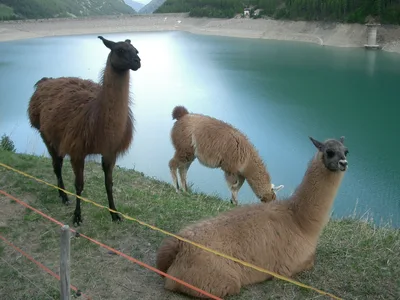
Mammals
Llama
Lama glama
The llama is a domesticated South American camelid used as a pack animal.
LivingMammals
Cow
Bos taurus
Domestic cattle are large social herbivores kept in many parts of the world.
Living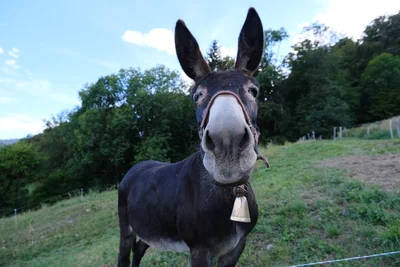
Mammals
Donkey
Equus asinus
The domestic donkey is an herbivorous equid with long ears and sturdy hooves.
Living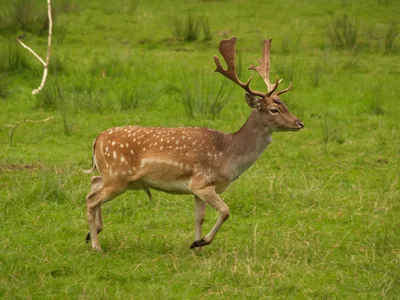
Mammals
Fallow deer
Dama dama
The fallow deer is a grazing and browsing deer often associated with woodland edges and open grass.
Living
