Llama
Lama glama
Living individuals or members of this group exist today. This does not mean they are safe from extinction.
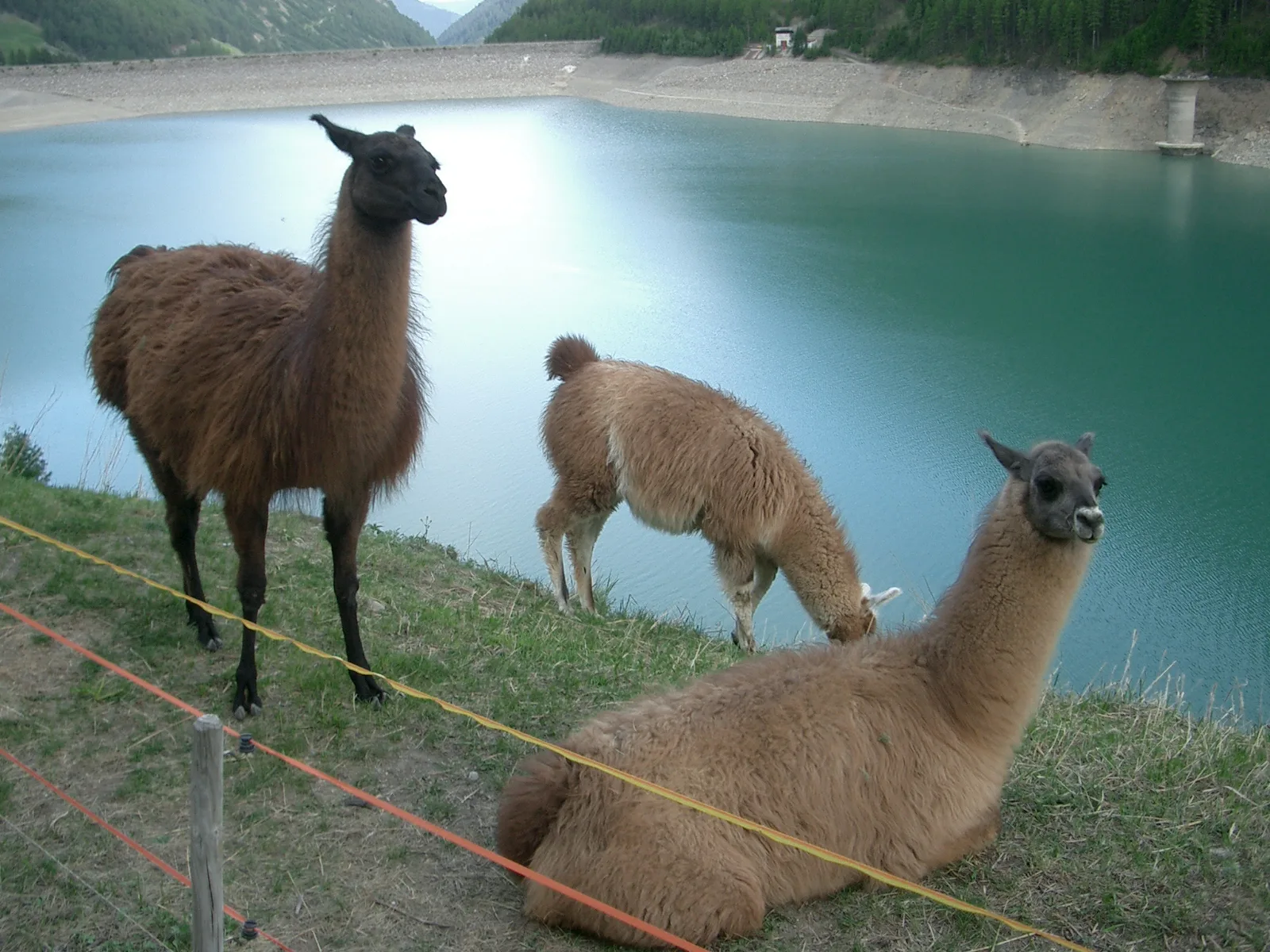
The llama is a domesticated South American camelid used as a pack animal. Its padded feet and grazing habits suit the Andean highlands.
At a glance
- Location
- Llamas originate from the Andean highlands and are maintained by people. Farmed herds also occur in North America, Europe and Australia.
- Habitat
- Mountains, Grassland
- Diet
- Herbivore
- Food
- Grasses, low shrubs and other mountain vegetation are browsed or grazed.
Classification
- Common name
- Llama
- Browse group
- Mammals
- Scientific name or taxon
- Lama glama
- Taxon rank
- species
- Order
- Artiodactyla
- Family
- Camelidae
- Genus
- Lama
- Source classification
- Mammalia
Taxonomy checked against GBIF. For breeds and hybrids, this describes the listed parent taxon.
Measurements
Size and speed
- Weight
- 130 to 155 kg adult range reported by ADW
Typical adult ranges. Source: Animal Diversity Web.
Three things to know
- It has no hump.
- Each foot has two toes and a padded sole.
- Herd members use warning calls.
Habitat and range
Llamas originate from the Andean highlands and are maintained by people. Farmed herds also occur in North America, Europe and Australia.
Appearance and adaptations
A long neck, shaggy coat and padded feet characterize the llama. Coat colours vary, and its incisors clip plants against the upper gum.
Diet and behaviour
Grasses, low shrubs and other mountain vegetation are browsed or grazed. Llamas are social and form herds. Males compete for breeding access, and individuals use shared dung sites.
Sources
- Animal Diversity Web: Lama glama
- A–Z Animals: Llama · Directory entry
Explore mammals
Browse all mammals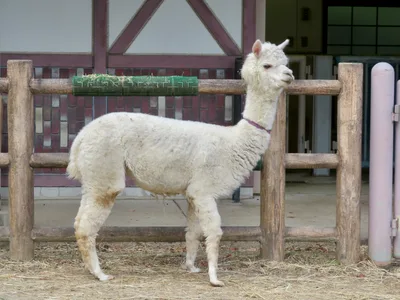
Mammals
Alpaca
Vicugna pacos
The alpaca is a domesticated Andean camelid kept for its fleece.
LivingMammals
Cow
Bos taurus
Domestic cattle are large social herbivores kept in many parts of the world.
Living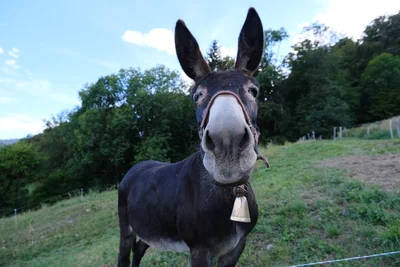
Mammals
Donkey
Equus asinus
The domestic donkey is an herbivorous equid with long ears and sturdy hooves.
Living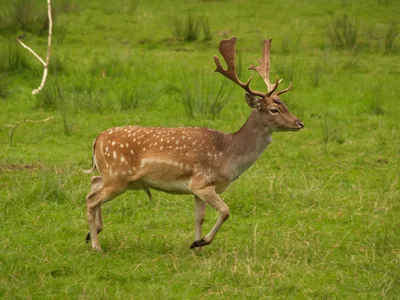
Mammals
Fallow deer
Dama dama
The fallow deer is a grazing and browsing deer often associated with woodland edges and open grass.
Living
