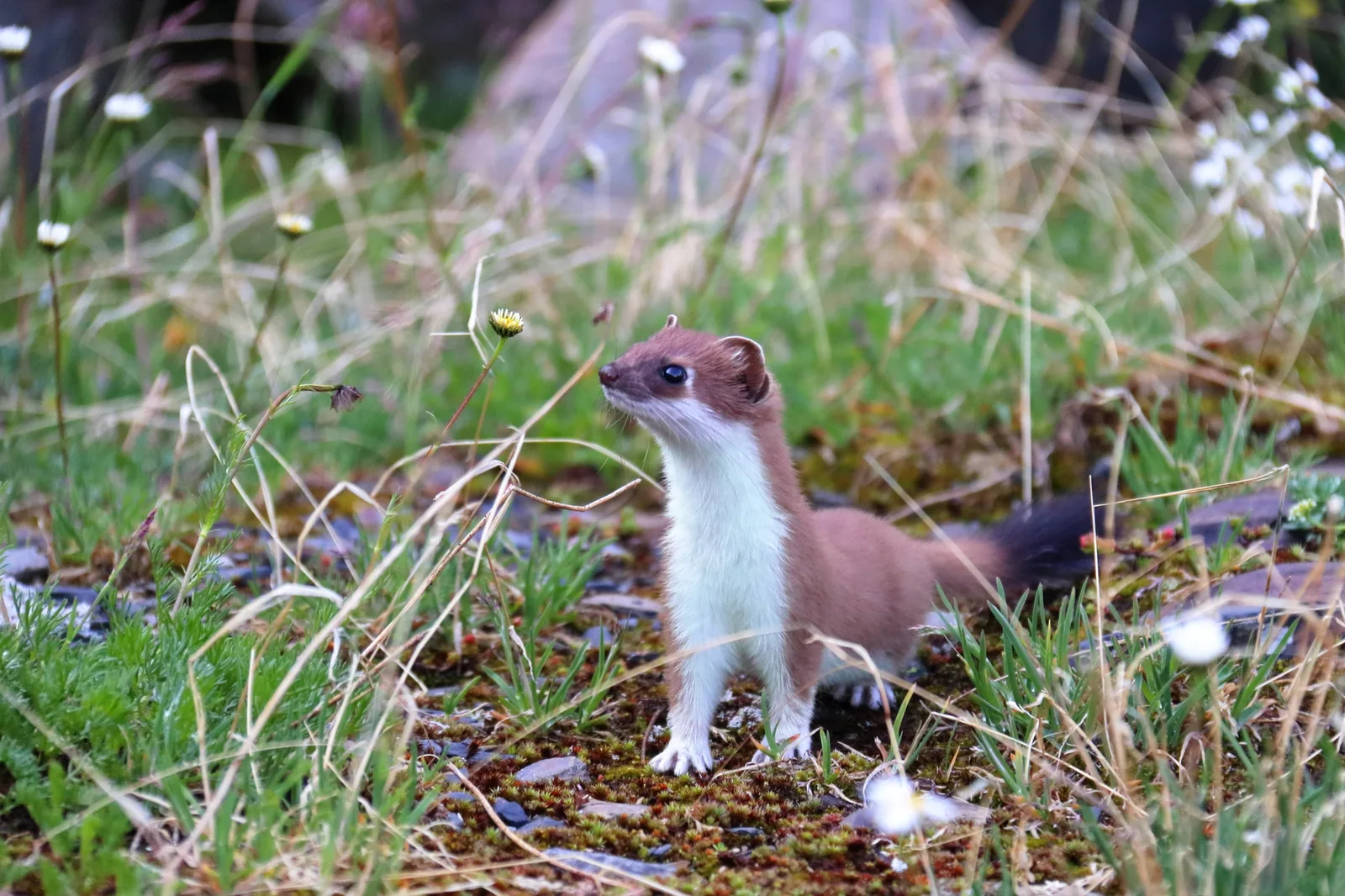
Stoat
A tiny hunter that turns white for winter
Mustela erminea
Also called Ermine, Short-tailed weasel, Eurasian ermine
Living individuals or members of this group exist today. This does not mean they are safe from extinction.
Meet the stoat
The stoat is a small, long-bodied weasel of Europe, northern Asia and the Arctic edge of North America. It kills rabbits far heavier than itself, and its white winter coat is the ermine of royal robes.
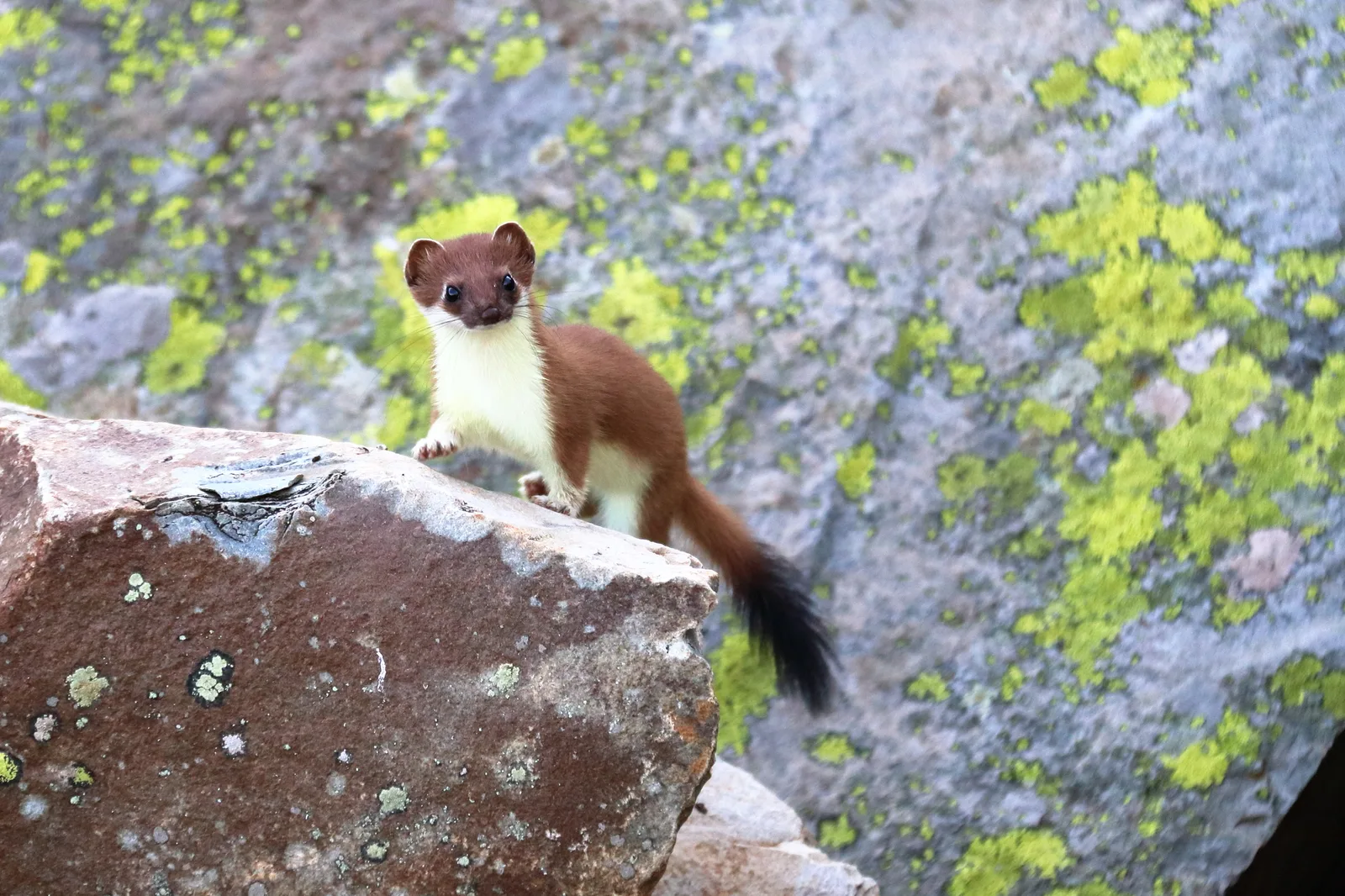
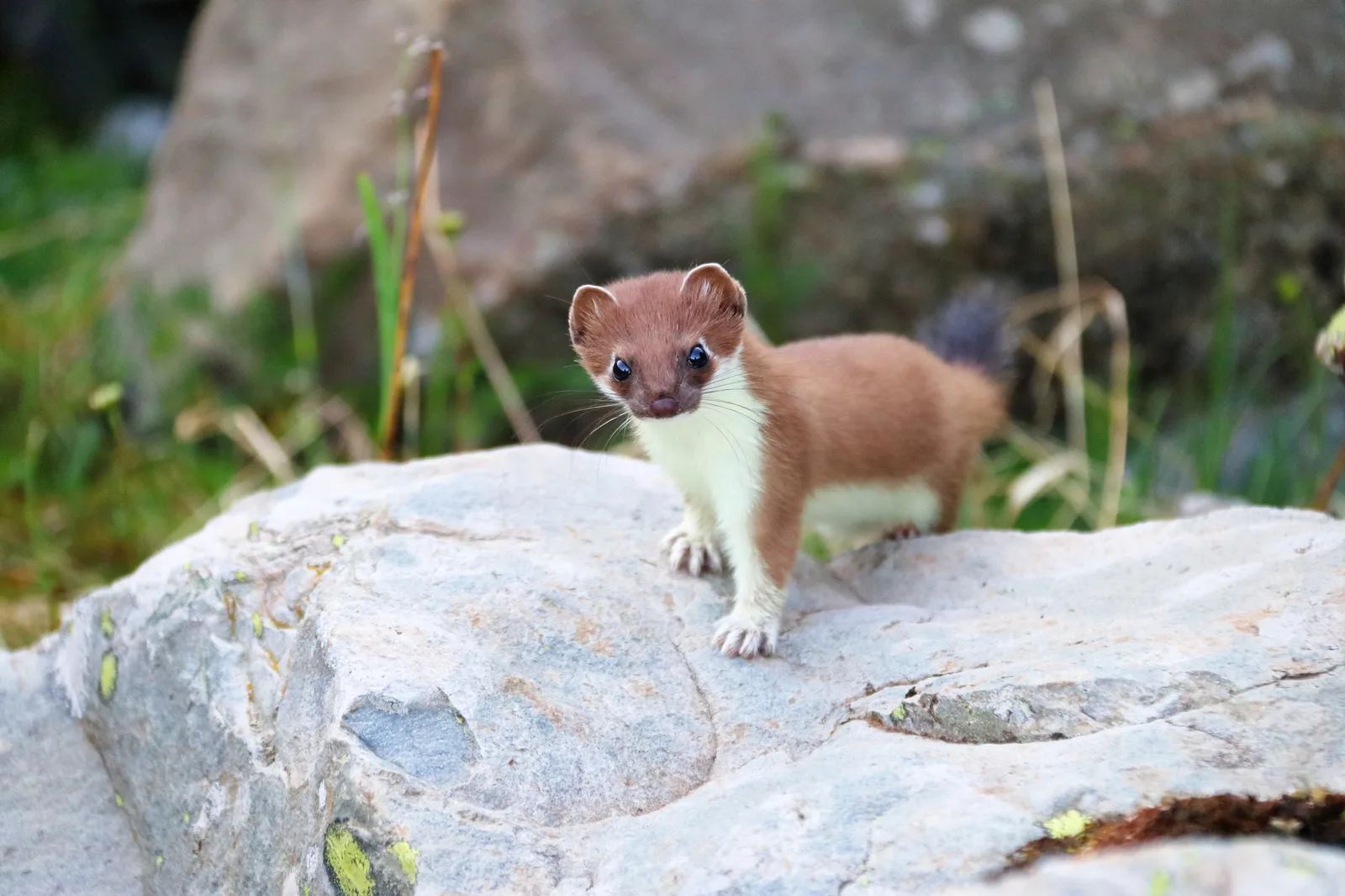
Images of the stoat
Lifespan in the wild
1 to 2 years
Weight
About 258 g
Length
17 to 32.5 cm
Fact file
Stoat
- Location
- Europe, northern Asia, Alaska and Arctic Canada; introduced to New Zealand
- Habitat
- Temperate forest, Grassland, Tundra, Wetlands
- Diet
- Carnivore
- Prey / food
- Vole, mouse, rabbit, hare, lemming, water vole, birds, eggs
- Predators
- Red fox, sable, marten, owls, hawks, golden eagle
- Lifestyle
- Solitary; mostly nocturnal
- Group name
- Gang or pack; usually solitary
- Name of young
- Kit
- Gestation
- About 300 days including a nine to ten month delay
- Litter size
- 4 to 9 kits, up to 18
- Population
- Not counted; common across a huge range
- Biggest threat
- Fur trapping; a nasal parasite; loss of vole prey in the south
- Distinctive feature
- Black tail tip in every coat; white winter fur
- Colour
- Sandy brown and white in summer; white in winter
- Skin type
- Fur
Size
Next to a person
Measurements
Size and speed
- Length
- 17 to 32.5 cm head and body, without the tail
- Length, male
- 18.7 to 32.5 cm head and body
- Length, female
- 17 to 27 cm head and body
- Tail
- 6.5 to 12 cm
- Weight
- About 258 g average male; females weigh under 180 g
Typical adult ranges. Source: Wikipedia.
Life cycle
Lifespan
- In the wild1 to 2, up to 7 years
- In captivityUp to 12.5 years
- 012.5 years
The pale bar is the record. Sources: Animal Diversity Web, AnAge.
Appearance
Colour and coat
- Primary colours
- brownwhite
- Secondary colours
- black
- Skin type
- fur
- Male and female
- Males are about 25% longer than females and 1.5 to 2 times heavier. Colour is the same in both sexes.
Life cycle
Mating and family
- Mating system
- promiscuous, litters often have more than one father
- Social structure
- solitary, with male territories overlapping smaller female territories
- Breeding
- one litter a year, born in April or May after delayed implantation
Stoats mate between April and July, but the embryos lie dormant for nine to ten months. The young are born the next April or May, so gestation runs to about 300 days. A litter usually holds four to nine blind, deaf kits, and the female raises them alone. Kits hunt with their mother by eight weeks, and females can mate before they are weaned. Most wild stoats live one to 2 years, and the captive record is 12.5 years.
Classification
Taxonomy
- Kingdom
- Animalia
- Phylum
- Chordata
- Class
- Mammalia
- Order
- Carnivora
- Family
- Mustelidae
- Genus
- Mustela
- Species
- Mustela erminea
Conservation
Red List status
- LC
- NT
- VU
- EN
- CR
- EW
- EX
Least Concern on the IUCN Red List
Range
Recorded in 15 countries
- Austria
- Canada
- Switzerland
- Germany
- Denmark
- Spain
- Finland
- France
- United Kingdom
- Italy
- Kazakhstan
- Norway
- New Zealand
- Russia
- United States of America
Habitat layer: temperate broadleaf and mixed forest, temperate conifer forest, boreal forest and taiga, tropical grassland, savanna and shrubland, temperate grassland, savanna and shrubland, flooded grassland and savanna, tundra, mangrove.
Countries from 4,867 wild records on GBIF (iNaturalist research grade), filtered and checked by hand. Country shapes: Natural Earth. Habitat: RESOLVE Ecoregions 2017, CC BY 4.0. Basemap: Natural Earth.
Habitats
Three things to know
- 1
A stoat kills rabbits several times its own weight with a bite to the neck.
- 2
Its embryos lie dormant for nine to ten months before they grow.
- 3
Northern stoats turn pure white in winter except for the black tail tip.
Did you know
Seven more facts
- 1
North Americans call the stoat the short-tailed weasel.
- 2
A male is a hob or jack, a female is a jill, and a group is a gang.
- 3
The stoat eats about 50 grams a day, a quarter of its body weight.
- 4
Stoats get smaller further north, the opposite of most carnivores.
- 5
A stoat may travel 15 kilometres in one night when prey is scarce.
- 6
Orkney trapped more than 6,300 stoats between 2018 and 2024.
- 7
A 2021 study split the old stoat into three species.
Field notes
How it looks and acts
Field notes
Distinguishing features
- A long, thin, almost cylindrical body on short legs.
- A black tail tip in every season and every coat.
- Sandy brown back and white belly in summer, with a straight dividing line.
- Pure white winter fur in northern populations.
- Round black eyes, short rounded ears and very long whiskers.
- A tail longer than a third of the body, longer than a least weasel's.
Field notes
Unique adaptations
- A slim body lets it follow rodents down their own tunnels.
- The white winter coat hides it against snow.
- Delayed implantation times births to the spring food supply, whatever the mating date.
- A high metabolism and surplus killing with food caches keep it fed through winter.
- Long whiskers and a keen nose guide it through dark burrows.
Field notes
Interesting behaviours
- Hunts in a zigzag, checking every hole and crevice.
- Stands upright on its hind legs to scan its surroundings.
- Kills more than it can eat and caches the surplus.
- Takes over the burrow of a rodent it has killed and lines the nest with the victim's fur.
- Climbs trees to raid nest boxes and birds' nests.
Field notes
Temperament
- Fierce and aggressive for its size.
- Restless, with activity and rest alternating every few hours.
- Solitary, and hostile to other stoats outside the mating season.
Field notes
Communication
- Scent from anal, cheek, belly and flank glands marks territory and signals mood.
- Usually silent, but trills before mating and chirps as a kit.
- Hisses and barks when nervous, shrieks when aggressive.
- Whines and squeals to signal submission to a stronger stoat.
Ecology
Ecological role
The stoat is a key predator of small mammals across the northern hemisphere. Its numbers rise and fall with the voles and rabbits it eats.
- Controls voles, mice and rats, including the rodents that damage crops and stored grain.
- Preys on rabbits in Britain and helped fill the gap after myxomatosis.
- Feeds foxes, owls, hawks and eagles in turn.
- Destroys native birds where it has been introduced, above all in New Zealand.
Stories
Myths and legends
- In Irish tradition, stoats live in families, hold funerals and can poison a man with their spit.
- In the Komi tradition of the Urals, the stoat stands for a beautiful young woman.
- In Breton tradition, the ermine would rather die than soil its white coat, and it became the emblem of Brittany.
- In medieval Christian writing, the ermine stood for the purity of the Virgin Mary.
People
Relationship with humans
People
Living alongside us
People have valued the stoat's white winter fur as ermine for centuries, and it still trims ceremonial robes. Russia and North America trap stoats for pelts, though demand has fallen. On farms the stoat kills rats and mice but can take poultry. In New Zealand and Orkney it is an invasive predator that people trap to protect birds.
- It does not attack people.
- A handled or cornered stoat bites hard, but the wound is small.
- It may carry parasites and tuberculosis, so a bite should be cleaned.
People
Status, uses and products
- Domestication
- Wild
- As a pet
- Not suitable. The stoat is a restless wild predator with a strong musky scent and a sharp bite. It needs constant fresh prey and a large territory, and it does not tame.
- Uses
- fur trappingpest control
- Products
- fur
The full account
About the stoat
The stoat, Mustela erminea, is a small, long-bodied predator of the northern world. It belongs to the weasel family and lives across Europe, northern Asia and the Arctic edge of North America. In its brown summer coat it is a stoat. In the far north it turns pure white for winter, keeps a black tail tip, and is then called an ermine. That white fur has trimmed the robes of kings, judges and peers for centuries.
An adult male measures 18.7 to 32.5 centimetres from nose to rump, and a female 17 to 27 cm. The tail adds another 6.5 to 12 cm. Males average about 258 grams, so a stoat weighs less than a small loaf of bread. Even so, it kills rabbits many times its own weight by biting the neck from behind. The IUCN lists it as Least Concern, but in New Zealand, where people introduced it, it ranks among the world's worst invasive species.
Name and taxonomy
Carl Linnaeus named the stoat Mustela erminea in 1758, with Sweden as the type locality. The word stoat probably comes from Dutch stout, meaning bold, or from a Gothic word that means to push. Ermine may come from the name Armenia, where early writers thought the animal originated, or from an old Germanic root. North Americans call the animal the short-tailed weasel. A male is a dog, hob or jack, and a female is a jill. A group is a gang or a pack, though stoats seldom gather.
For a long time the stoat was treated as a single species with a range around the whole northern hemisphere. A study in 2021 split it into three species. Mustela erminea in the strict sense covers Eurasia and Alaska. The American ermine, M. richardsonii, takes most of North America, and the Haida ermine, M. haidarum, lives on islands off the Pacific coast. Within the narrower species, 21 subspecies are recognised.
Evolution and relatives
The species descends from Mustela palerminea, a carnivore that was common in central and eastern Europe in the Middle Pleistocene. The line began to take shape 5 to 7 million years ago, when open grassland replaced northern forest. Grassland brought a boom in small burrowing rodents, and the stoat's forebears shrank to follow them underground. The stoat appeared in Eurasia soon after its North American counterpart, the long-tailed weasel, appeared about 2 million years ago.
Ice ages suited the stoat. A small, long body let it hunt under snow and inside burrows when larger predators struggled. Its ancestors crossed into North America over the Bering land bridge about 500,000 years ago. Genetic work places the American ermine and the Haida ermine as its closest relatives.
Appearance
The stoat has the classic weasel build: a long, almost cylindrical body, a long neck, short legs and a small triangular head. The head sits far in front of the shoulders. The eyes are round, black and slightly bulging, and the ears are short, rounded and pressed to the skull. The whiskers are very long. Each foot has five toes with large claws that do not retract.
Males are about 25% longer than females and 1.5 to 2 times their weight. Head and body run 18.7 to 32.5 centimetres in a male and 17 to 27 cm in a female. The tail measures 6.5 to 12 cm and always exceeds a third of the body length. Males average 258 grams, and females weigh under 180 g. Oddly for a carnivore, stoats get smaller further north, the reverse of the usual rule.
In summer the back and head are sandy brown and the belly is white, with a straight line between the two. Twice a year the coat moults, slowly in spring and quickly in autumn, in response to day length. In the north the winter coat is entirely white apart from the black tail tip. Further south the winter coat stays brown but grows denser and sometimes paler. The black tail tip never changes, and it is the surest way to tell a stoat from a least weasel.
Habitat and range
The stoat lives right around the northern hemisphere. In Europe it reaches south to about 41 degrees north in Portugal. It lives on most European islands except Iceland, Svalbard and those of the Mediterranean. In Asia it runs from the Caucasus and the western Himalaya across Siberia to Mongolia, northern China and Japan. In North America the strict species holds Alaska, western Yukon and Arctic Canada east to Greenland. It lives from sea level to 3,000 metres. GBIF holds records from 56 countries.
The stoat is not fussy about habitat. It uses tundra, alpine meadow, woodland, marsh, riverbank, farmland and hedgerow, wherever there is cover and prey. In British Columbia it turned up in every forest type surveyed, from dry pine to wet cedar and from fresh clear-cuts to old growth. In Finland, females settled where voles were most abundant, and dominant males took the next best ground.
Two islands show what the stoat does when it arrives somewhere new. Settlers brought stoats from Britain to New Zealand in the 1880s to control rabbits, over the objections of scientists. Bird numbers fell within six years. Stoats reached Orkney, north of Scotland, in 2010 and began to eat Orkney voles and ground-nesting birds. By 2024 an eradication project had trapped more than 6,300 stoats there at a cost of £7.9 million.
Diet and hunting
Mouse-like rodents are the core of the diet everywhere. The stoat also takes rabbits, hares, water voles, hamsters, pikas and lemmings, animals that often outweigh it. Birds, eggs, fish, shrews, frogs, lizards and insects fill in when mammals are scarce. In Britain, rabbits are a major food, and males eat more of them than females do. In Denmark, where there are no rabbits, rodents make up 84% of the diet. In New Zealand the stoat eats mostly birds, including kiwi, kaka and parakeets.
A stoat eats about 50 grams a day, a quarter of its own weight. It hunts in a fast zigzag, checking every hole and crevice, and often rises on its hind legs to look around. Small prey dies at once when the stoat bites the neck from behind. A rabbit is too big for the stoat's short canines to reach the spine, and it usually dies of shock. The stoat wraps its body around larger prey and bites repeatedly at the base of the skull.
Females hunt further into tunnels than males, because they are smaller. Stoats climb trees to raid nests, and they are frequent thieves at nest boxes. When food is plentiful, a stoat kills more than it can eat and stores the extra in a side chamber of its den. The famous stoat dance in front of rabbits may confuse the prey, or it may be a symptom of a parasite in the nasal passages.
Behaviour and social life
Stoats live alone. A male holds a territory that takes in one or more smaller female territories, and he defends it against other males. Home ranges are typically 10 to 40 hectares but can reach 200. Old dominant males may hold ranges 50 times larger than those of young low-ranking males. Density rises and falls with prey and runs at about 2 to 6 stoats per square kilometre.
Territory means something different in each season. In autumn and winter males keep to their own ground. In spring and summer many males give up their territories and roam widely in search of females. Females stay put through the breeding season. Both sexes mark boundaries with urine, droppings and scent, and neighbours avoid one another.
The stoat digs no burrow of its own. It takes over the tunnels of the rodents it kills and lines the nest with their fur. It also dens under tree roots, in hollow logs, rock piles, haystacks, stone walls and even old magpie nests. Each stoat keeps several dens across its range. It is mainly nocturnal but may be active at any hour, in bursts of three to five hours. A stoat may travel about 1 kilometre in a night, and up to 15 km when prey is thin.
Communication and senses
The stoat has sharp senses of smell, sight, hearing and touch. It tracks rabbits and rodents mainly by scent, finds insects by sound and fish by sight. The long whiskers probably help it feel its way through dark tunnels.
Scent does most of the talking. Large anal glands produce a strong musky smell from several sulphur compounds, released when the stoat is attacked or aggressive. Glands on the cheeks, belly and flanks leave a different, less volatile scent when the animal rubs against objects. An anal drag says that a territory is occupied, and body rubbing goes with fights. Chemical cues are probably how a female tells males that she is ready to mate.
The stoat is usually silent. Kits chirp finely, and adults trill with excitement before mating. A nervous stoat hisses and mixes in sharp barks. An aggressive one shrieks and screeches for long periods.
Reproduction and life cycle
The stoat has one of the strangest breeding cycles of any mammal. Mating takes place between April and July, and a single copulation can last an hour. The fertilised embryos then stop developing and float free in the womb for nine to ten months. Active growth resumes with the longer days of March, and the young are born the following April or May. Total gestation is therefore about 300 days, though the embryo grows for little more than a month. An adult female spends almost her whole life either pregnant or in heat.
Stoats are not monogamous, and a litter often has more than one father. A female can reabsorb her embryos, and in a hard winter she may lose the whole litter this way. Litters range from 3 to 18 kits and usually hold four to nine. At birth the kits are blind, deaf and toothless, with a coat of fine white down. Milk teeth appear at three weeks, solid food at four weeks, and the eyes open at five to six weeks. Kits huddle for warmth until about five to seven weeks, because they cannot yet control their body heat.
The female raises the litter alone, and the kits hunt with her by eight weeks. Females are fertile at only two to three weeks old, while still blind and hairless, and adult males often mate with them before weaning. Males mature at 10 to 11 months. Life is short. A wild stoat typically lives one to 2 years, and the wild record is 7 years. The captive record is 12.5 years, from an animal that was wild born.
Predators and threats
Red foxes and sables kill stoats, and so does a long list of birds. Hawk-owls, short-eared owls, buzzards, kites, goshawks, eagle-owls and golden eagles all take them. In North America, martens, fishers, badgers and domestic cats join the list. The stoat's escape is its speed and its ability to run over snow or vanish down a burrow.
Disease and parasites kill many. The nematode Skrjabingylus nasicola invades the nasal sinuses, erodes the bone and lowers fertility, and it can kill by pressing on the brain. Shrews are thought to carry the worm to stoats. Tuberculosis has been recorded in stoats in New Zealand and the former Soviet Union, and captive animals suffer from distemper. In continental Europe 26 flea species live on stoats, along with ticks, lice and mites picked up from prey and borrowed nests.
People trap stoats for fur, and in places that pressure has been heavy. Russia once supplied half the world's catch. On the Iberian Peninsula the stoat depends on two water vole species that are themselves declining. In New Zealand and Orkney the stoat is the threat, and people trap it to save birds.
Population and conservation
The IUCN lists the stoat as Least Concern because of its enormous range around the northern hemisphere. It is considered common across most of that range. No global count exists, and local numbers swing with the rodent supply. Densities of 2 to 6 animals per square kilometre are typical in good habitat.
The stoat has little formal protection and little need of it in most countries. CITES lists one Indian subspecies on Appendix III. Fur trapping continues in Russia and North America, though demand for pelts has fallen.
In New Zealand the conservation story runs the other way. The stoat is among the world's 100 worst invasive species, and it kills kiwi, takahē and other flightless birds. A heavy beech seed fall in 2005 and 2006 fed a rodent boom, then a stoat boom. Over half the takahē died where no traps were set. The wild takahē population fell by a third between 2006 and 2007. Trapping programmes now protect many reserves, and Orkney has run a full eradication since 2018.
Relationship with humans
For most of history the stoat mattered to people as ermine. White winter pelts were sewn together, black tail tips hanging, to line the coronation cloaks of kings and the robes of peers. Catholic prelates wore ermine in the 15th century, and the robes of the United Kingdom House of Lords still carry it. Oxford and Cambridge trim academic hoods with it, though rabbit fur or fake fur now often stands in. The Tlingit and other peoples of the Pacific Northwest fixed ermine skins to regalia and cedar hats as marks of status.
Russia ran the biggest trade. Trappers there caught stoats in box traps and jaw traps or used dogs near villages, and they avoided guns to spare the pelt. The species was a fundamental item of the Russian fur trade until the 20th century. Today thousands are still trapped each season, but the market is small.
On a farm the stoat is both a pest and a helper. It can take poultry when it gets into a henhouse, though it rarely does. It is an excellent mouser and kills the rats and mice that eat stored grain. It does not attack people, and a bite happens only when someone handles one. The stoat inspired Tina and Milo, the mascots of the Milano Cortina winter Olympic and Paralympic games of 2026.
In culture and myth
In Irish mythology the stoat was almost a person. Stoats were said to live in families and to hold rituals for their dead. They were also thieves, and their saliva was said to poison a grown man. To meet a stoat at the start of a journey was bad luck, unless you greeted it as a neighbour. Some Irish tales held that a stoat carried the soul of an unbaptised infant.
Among the Komi people of the Urals, the stoat stands for a beautiful and desired young woman. A European legend claims that a white stoat would rather die than dirty its coat. Chased by hunters, it would turn and give itself up rather than run through mud. That story made the ermine a symbol of purity, and it is the emblem of Brittany and its earliest flag. In heraldry, ermine is a white field scattered with black marks that stand for the tail tips.
Henry Peacham's Emblem 75 shows an ermine chased by a hunter and two hounds under the motto Purity Bought with His Own Death. Leonardo da Vinci painted Cecilia Gallerani holding an ermine in Lady with an Ermine. Medieval writers also tied the ermine to the Virgin Mary, and one tale said it conceived through its ear. In parts of Britain the animal was linked with witches and read as an omen of death.
A sentence with a dotted underline is inferred: it describes the group the animal belongs to, or is a reading of the sources, rather than a measured or reported fact about this species.
Questions
Stoat questions, answered
What is the difference between a stoat and a weasel?
The stoat is larger, and it has a longer tail with a black tip in every season. The least weasel has no black tail tip.
What is an ermine?
Ermine is the name for a stoat in its white winter coat, and for the fur itself. It is the same species.
Why do stoats turn white in winter?
Northern stoats moult into a white coat in autumn, triggered by shorter days. The white fur hides them against snow. Southern stoats stay brown.
How big is a stoat?
A male measures 18.7 to 32.5 centimetres from nose to rump, and a female 17 to 27 cm. Males average about 258 grams.
What do stoats eat?
Mostly voles, mice and other small rodents. They also kill rabbits, hares, water voles, lemmings and birds, and they take eggs, fish and insects when mammals are scarce.
Can a stoat kill a rabbit?
Yes. A stoat bites the back of a rabbit's neck and holds on, and the rabbit usually dies of shock. Rabbits are a major food in Britain.
Are stoats dangerous to humans?
No. A stoat bites only when handled or cornered. It can take poultry from a henhouse.
How long do stoats live?
Most wild stoats live one to 2 years, and the wild record is 7 years. A captive animal reached 12.5 years.
Do stoats live in groups?
No. Stoats are solitary. A male's territory overlaps those of several females, and the sexes meet only to mate.
Why is a stoat's pregnancy so long?
After mating in summer the embryos stop growing for nine to ten months. They resume in March and the kits are born in April or May, about 300 days after mating.
How many kits does a stoat have?
A litter ranges from 3 to 18 kits and usually holds four to nine. The female has one litter a year.
Are stoats endangered?
No. The IUCN lists the stoat as Least Concern, and it is common across the northern hemisphere.
Why are stoats a problem in New Zealand?
Settlers released stoats in the 1880s to control rabbits. The stoats turned on native birds, including kiwi and takahē, which cannot escape them.
Do stoats really dance to hypnotise rabbits?
Stoats have been seen leaping and twisting near rabbits, which may confuse the prey. The behaviour may also be a symptom of a nasal parasite.
Where do stoats live?
Across Europe, northern Asia, Alaska and Arctic Canada, from sea level to 3,000 metres. They use woodland, tundra, marsh, farmland and hedgerows.
Food web
Prey and food
- vole
- mouse
- rabbit
- hare
- lemming
- water vole
- birds
- eggs
 Least weasel
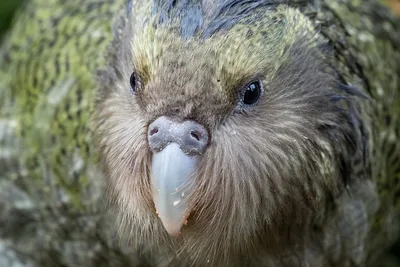 Kākāpō
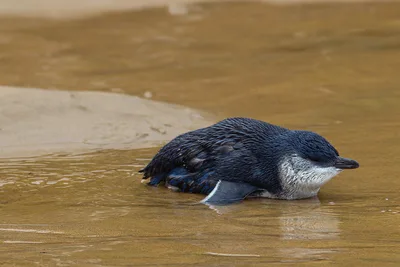 Little penguin
 Steller's sea eagle
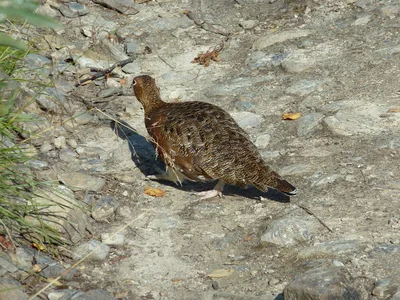 Willow ptarmigan
Food web
Predators
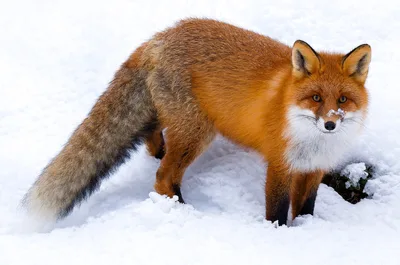 Red fox
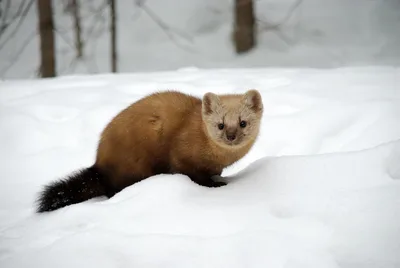 Sable
- marten
- owls
- hawks
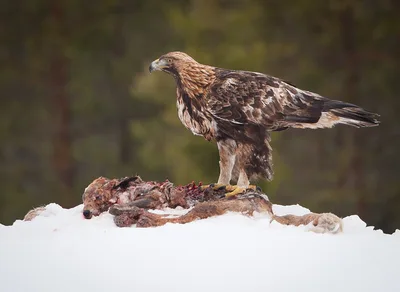 Golden eagle
Ecological equivalents
Related species on this site
Angora Ferret (same genus), Black-Footed Ferret (same genus), Cinnamon Ferret (same genus), European polecat (same genus), Ferret (same genus), Least weasel (same genus), and more.
Mammals
Angora Ferret
Mustela putorius furo
Classification and source reference
LivingAI illustration
Mammals
Black-Footed Ferret
Mustela nigripes
Classification and source reference
LivingAI illustration
Mammals
Cinnamon Ferret
Mustela putorius furo
Classification and source reference
LivingAI illustration LC
Mammals
European polecat
Mustela putorius
The European polecat is a dark, stocky mustelid with a pale face mask that hunts frogs, voles and rabbits by night.
Living
Mammals
Ferret
Mustela putorius furo
The domestic ferret is a slender carnivorous mammal kept by people.
Living- LC
Mammals
Least weasel
Mustela nivalis
The least weasel is the smallest carnivore in the world, a tube-shaped hunter that follows voles and mice down their own tunnels.
Living