Kākāpō
A flightless night parrot that booms for a mate
Strigops habroptila
Also called Owl parrot, Night parrot, Tarapo, Tarepo
Living individuals or members of this group exist today. This does not mean they are safe from extinction.
Meet the kākāpō
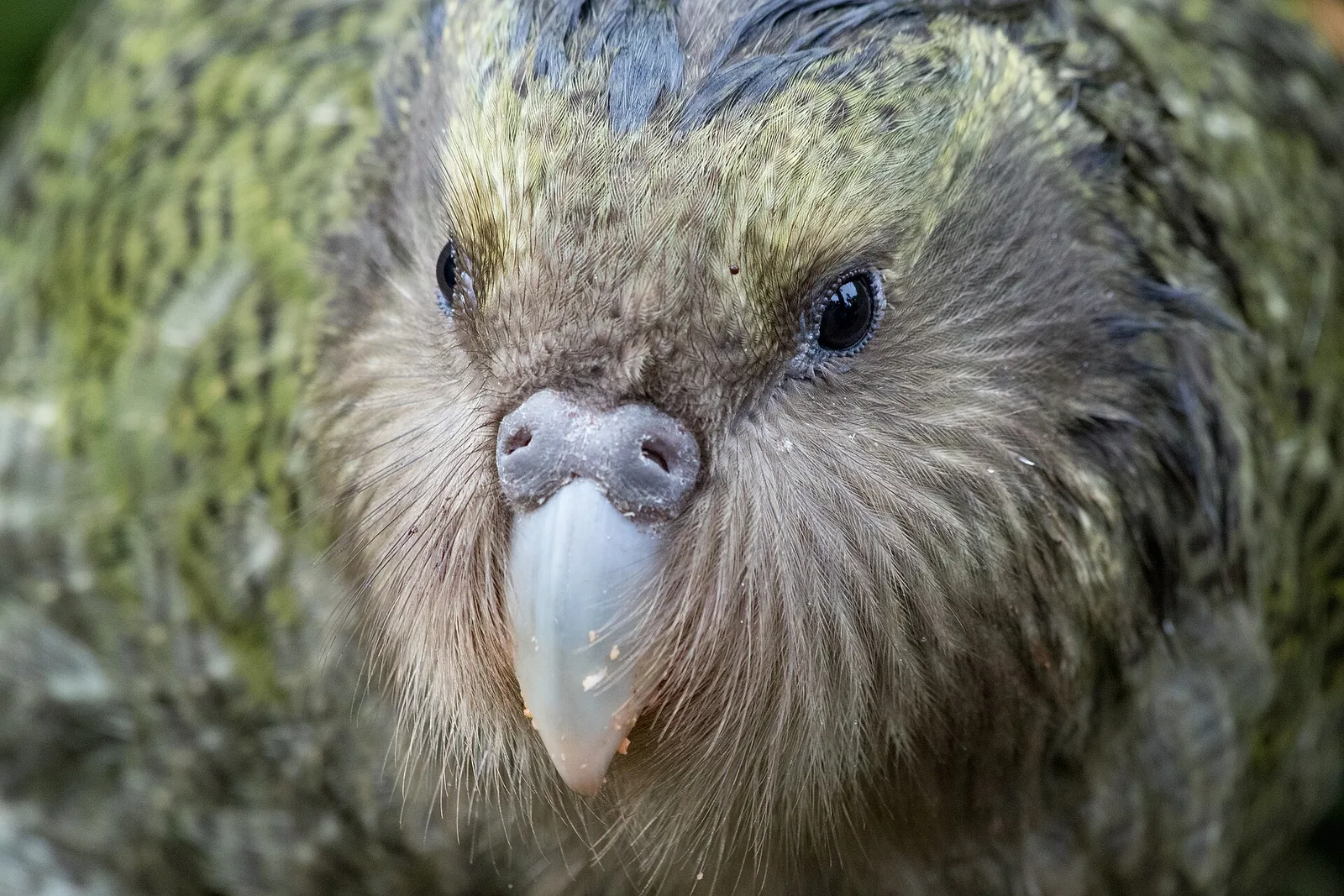
The kākāpō is a large flightless parrot found only in New Zealand, and it is the heaviest parrot in the world. It feeds at night, breeds at a lek in heavy fruiting years, and survives only under close protection.
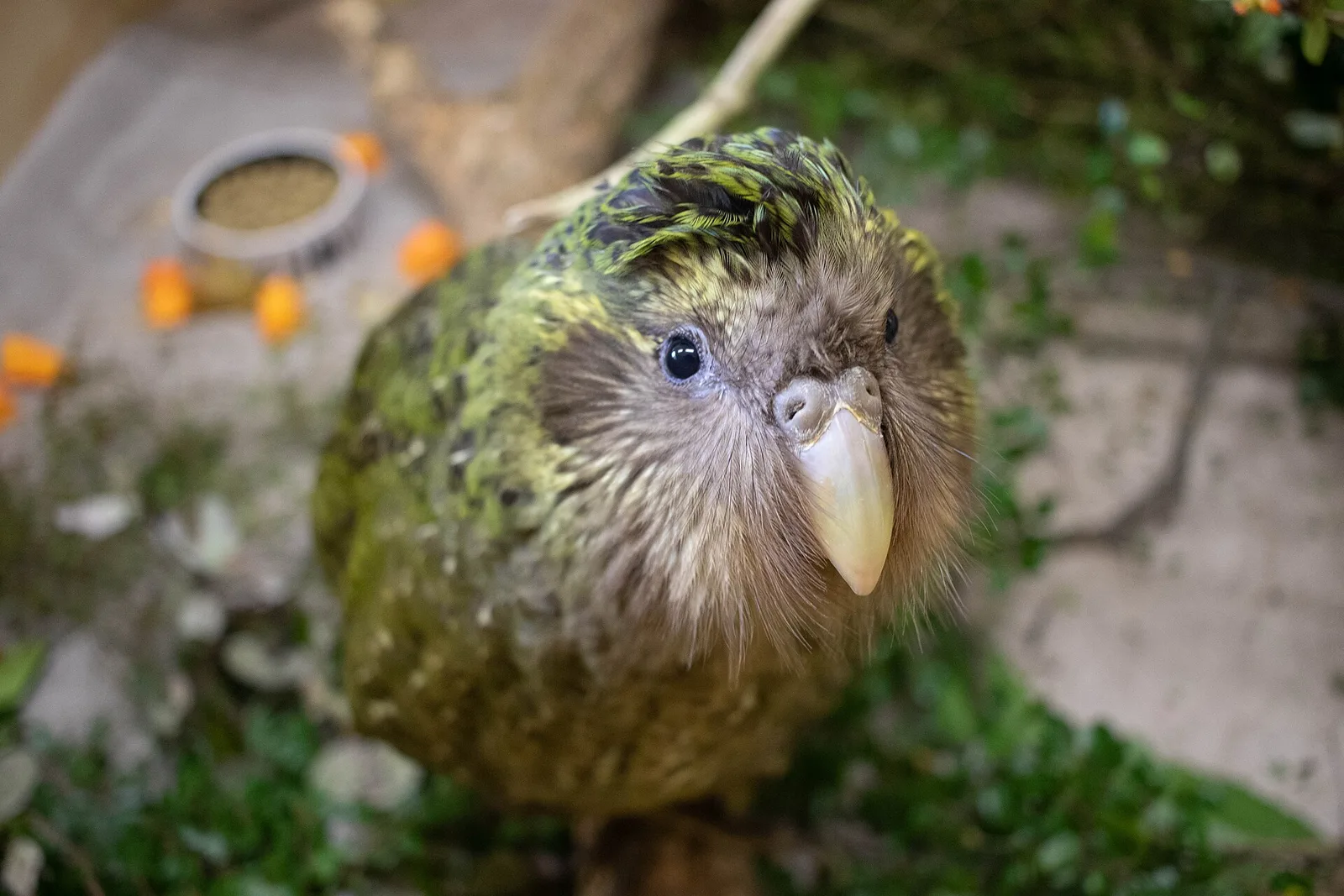
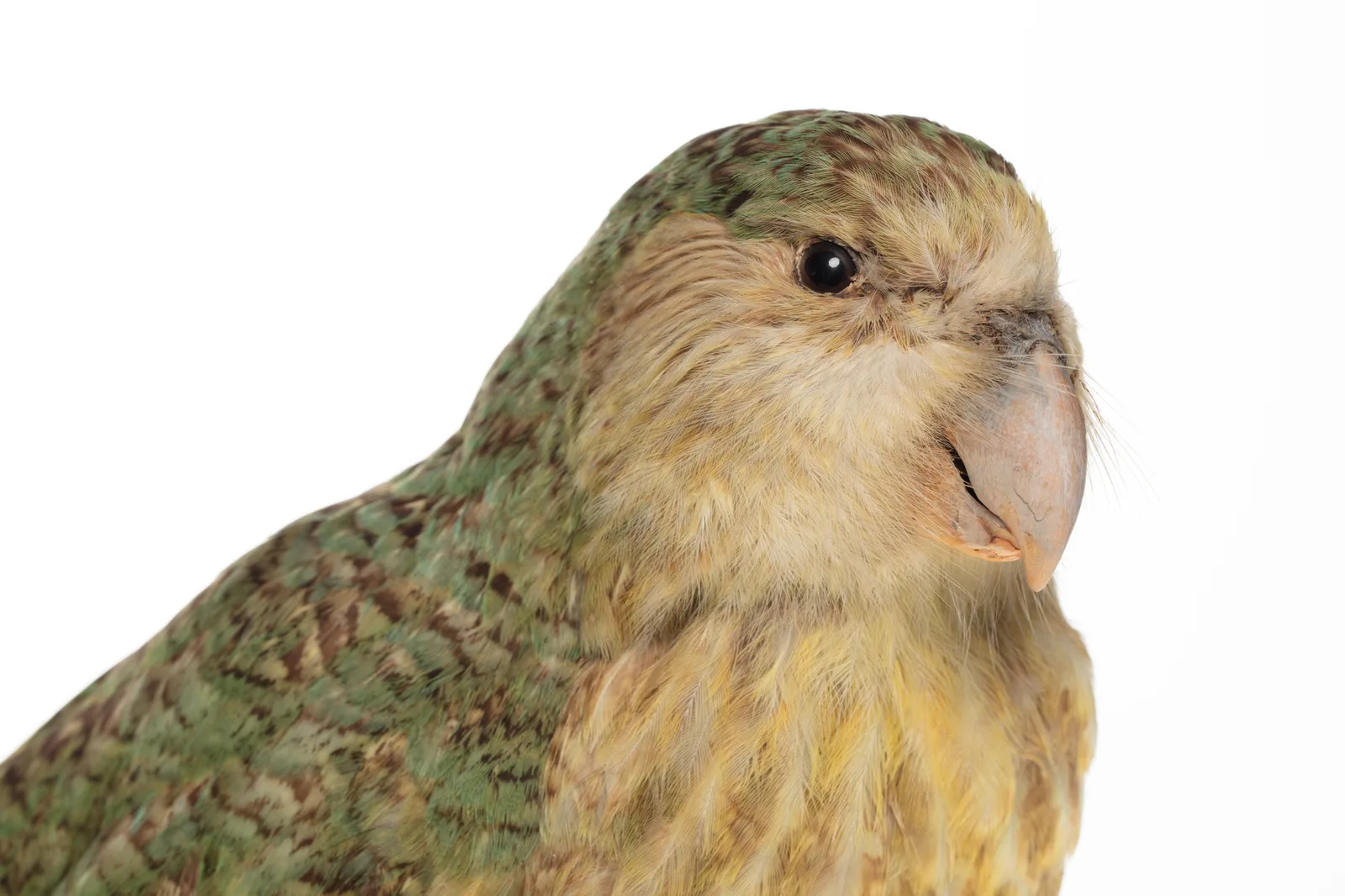
Images of the kākāpō
Lifespan in the wild
About 60 years an average of about 60 years, and a reported lifespan of up to 100
Weight
0.95 to 3 kg
Length
58 to 64 cm
Wingspan
About 82 cm
Fact file
Kākāpō
- Location
- Predator-free New Zealand islands and one fenced sanctuary
- Habitat
- Temperate forest, Grassland, Coast
- Diet
- Herbivore
- Predators
- Introduced stoats, cats, rats and dogs
- Lifestyle
- Nocturnal, solitary and ground living
- Group name
- None; males gather only at a lek
- Name of young
- Chick
- Incubation
- Incubation about 30 days
- Clutch size
- 1 to 4 eggs
- Population
- 325 birds, counted in 2026
- Biggest threat
- Introduced predators, disease and low hatching success
- Distinctive feature
- An owl-like facial disc on a flightless green parrot
- Colour
- Moss green mottled with black and yellow
- Skin type
- Feathers
Size
Next to a person
Measurements
Size and speed
- Length
- 58 to 64 cm
- Wingspan
- About 82 cm the wings cannot lift the bird
- Weight
- 0.95 to 3 kg males 1.5 to 3 kg, females 0.95 to 1.6 kg
- Weight, male
- 1.5 to 3 kg
- Weight, female
- 0.95 to 1.6 kg
Typical adult ranges. Source: Wikipedia.
Life cycle
Lifespan
- In the wildAbout 60, up to 100 years an average of about 60 years, and a reported lifespan of up to 100
- In captivityUp to 60 years
- 0100 years
Appearance
Colour and coat
- Primary colours
- green
- Secondary colours
- yellowblackgrey
- Skin type
- feathers
- Male and female
- Clear in size. Males average 2 kg against about 1.5 kg for females. A female has a narrower head, a longer beak and tail, and more slender pinkish grey legs.
Life cycle
Mating and family
- Mating system
- polygynous lek, with no pair bond
- Social structure
- solitary; males gather only to display
- Breeding
- one clutch every two to four years, in a heavy rimu year
Males boom from dug bowls for months to draw a female in. She chooses on the strength of his display and then walks home. She lays one to four eggs on the ground and raises the chicks alone. The eggs hatch in about 30 days, and the young leave the nest at 10 to 12 weeks. Females were thought to breed at nine years, though some have bred at five.
Classification
Taxonomy
- Kingdom
- Animalia
- Phylum
- Chordata
- Class
- Aves
- Order
- Psittaciformes
- Family
- Psittacidae
- Genus
- Strigops
- Species
- Strigops habroptila
Conservation
Red List status
- LC
- NT
- VU
- EN
- CR
- EW
- EX
Critically Endangered on the IUCN Red List
Range
Recorded in 1 country
Habitat layer: temperate broadleaf and mixed forest, temperate conifer forest, boreal forest and taiga, tropical grassland, savanna and shrubland, temperate grassland, savanna and shrubland, mangrove.
Countries from 20 wild records on GBIF (iNaturalist research grade), filtered and checked by hand. Country shapes: Natural Earth. Habitat: RESOLVE Ecoregions 2017, CC BY 4.0. Basemap: Natural Earth.
Habitats
Three things to know
- 1
No other parrot in the world has lost the power of flight.
- 2
A male inflates a sac in his chest to boom for a mate.
- 3
Every living kākāpō carries a name and a radio transmitter.
Did you know
Seven more facts
- 1
George Robert Gray named the species in 1845 from a single skin.
- 2
Strigops means owl face and habroptilus means soft feather.
- 3
The name kākāpō joins the Māori words for parrot and night.
- 4
A male digs bowls up to 10 centimetres deep to amplify his call.
- 5
Males start booming at about five years of age.
- 6
The oldest known bird, Richard Henry, may have been 80 when he died.
- 7
A wild kākāpō may live about 60 years.
Field notes
How it looks and acts
Field notes
Distinguishing features
- A disc of fine feathers around the face, like an owl.
- Moss green plumage mottled with black and yellow.
- Wings too small and too soft to carry the body.
- A breastbone with almost no keel.
- Large grey feet with two toes forward and two back.
- A body length of 58 to 64 centimetres.
Field notes
Unique adaptations
- A strong sense of smell suits a bird that feeds in the dark.
- A finely grinding beak takes over the work of a gizzard.
- Stored body fat carries the bird through a poor season.
- Camouflage and freezing hid it from hunting birds.
- Strong claws and legs let a heavy parrot climb tall trees.
Field notes
Interesting behaviours
- It freezes when alarmed instead of running away.
- It parachutes down from a tree with its wings spread.
- It leaves balls of chewed fibre where it has fed.
- It walks kilometres between its roost and its food.
- It digs and cleans its own display bowls.
Field notes
Temperament
- The kākāpō is solitary and keeps a large home range.
- It is curious and will walk right up to a person.
- Males fight hard over the best display bowls.
- Both Māori and settlers kept the bird as an affectionate pet.
Field notes
Communication
- Males boom below 100 hertz from a bowl they have dug.
- A metallic ching follows about 20 booms.
- Both sexes give a loud skraak in warning.
- A female signals nothing; she walks in and chooses.
- Inflating the chest sac drives the whole display.
Ecology
Ecological role
The kākāpō was once a common ground herbivore in New Zealand forest, and it browsed a very wide range of plants.
- One modern study recorded it feeding on 25 plant species.
- Old droppings show 67 further native plant genera in its historic diet.
- It probably carried the seeds of fleshy fruits such as rimu through the forest.
- Its loss probably left a gap that no other New Zealand animal fills.
Stories
Myths and legends
- In Māori tradition, the bird was credited with knowing the seasons ahead.
- In Māori story, it stored berries in pools and so taught people the practice.
- In Ngāi Tahu tradition, the kākāpō is a taonga, a treasure.
- In old Māori speech, a person cold in a kākāpō cloak was never satisfied.
- In colonial writing, settlers called the bird the owl parrot for its face.
People
Relationship with humans
People
Living alongside us
Māori hunted the kākāpō for meat and wove its feathers into prized cloaks. European collectors then took thousands of birds for museums and zoos. Introduced cats, rats and stoats did the rest, and the species nearly disappeared. Every surviving bird now lives under close management on protected land. The public cannot go and see them.
- The kākāpō is harmless and has never threatened anyone.
- It is curious, and it will walk right up to a person on a track.
- One male tried to mate with a presenter's head during filming.
People
Status, uses and products
- Domestication
- Wild
- As a pet
- Not suitable. The kākāpō is absolutely protected under New Zealand law and listed on CITES Appendix I. Only 325 birds exist, and every one belongs to a managed recovery programme. Māori did once keep tame birds, but nobody may keep one today.
- Uses
- conservation researchpublic awareness and fundraising
- Products
- None recorded
The full account
About the kākāpō
The kākāpō is a large flightless parrot that lives only in New Zealand. It is the heaviest parrot in the world. Adults measure 58 to 64 centimetres long. The wings span about 82 centimetres, but they cannot lift the bird. Males weigh 1.5 to 3 kilograms (kg), and females weigh 0.95 to 1.6 kg.
The bird feeds at night and rests under cover by day. A disc of fine feathers around the face gives it an owl-like look. Early European settlers therefore called it the owl parrot. It is the only parrot in the world that breeds at a lek.
The IUCN lists the kākāpō as Critically Endangered. Introduced cats, rats, stoats and dogs almost destroyed the species. The Department of Conservation counted 325 birds in 2026. Every one of them carries a name and a radio transmitter.
Name and taxonomy
George Robert Gray described and illustrated the bird in 1845. He made a new genus for it and named it Strigops habroptilus. Strigops joins the Greek words for owl and face. Habroptilus joins the words for soft and feather. The type locality was later fixed at Dusky Sound in the South Island.
The Māori name joins kākā, a parrot, and pō, the night. The word is the same in the singular and the plural. New Zealand English now writes it with macrons over the long vowels. Ornithologists argued for decades over the ending of the scientific name. The main checklists returned to habroptilus in 2024.
Evolution and relatives
The kākāpō sits in the family Strigopidae with the kea and the kākā. All three birds are found only in New Zealand. That family branched off before the other parrot families did. The split happened 33 to 44 million years ago. The kākāpō and the two Nestor parrots parted 27 to 40 million years ago.
Older writers linked the bird to the ground parrots of Australia. Molecular work rejected that idea. The similar colour probably evolved twice in two ground-living lines. Island life gave the bird a heavy trunk and tiny wing muscles. The keel on the breastbone shrank, since no flight muscles pull on it.
Appearance
The upper feathers are moss green, barred and mottled with black and dark grey. The breast and flanks are yellowish green streaked with yellow. The belly and face are mostly yellowish with pale green streaks. The pattern hides the bird well in native vegetation. The feathers are exceptionally soft, because they never need flight stiffness.
Adults measure 58 to 64 cm long, with a wingspan of about 82 cm. Males average 2 kg and females about 1.5 kg. A kākāpō outweighs the hyacinth macaw by roughly 400 grams on average. The feet are large and scaly, with two toes forward and two back. Pronounced claws make this heavy bird a good climber.
Fine feathers ring the beak like whiskers. The facial disc is the feature that earned the name owl parrot. Females have a narrower head and a proportionally longer beak and tail. Chicks wear greyish white down and are fully feathered at about 70 days. Young birds look duller, with more even black barring and shorter tails.
Habitat and range
Before people arrived, the kākāpō lived across both main islands. Tussockland, scrub, coast and several kinds of forest all held birds. It survived hot North Island summers and cold Fiordland winters. Researchers therefore call it a habitat generalist. It seems to have preferred broadleaf, beech and tōtara forest.
Fossils suggest it was once the third most common bird in the country. Slip and avalanche ground in Fiordland grew thick fruiting shrubs. Those patches became known as kākāpō gardens. The bird had gone from the North Island by about 1930. The final Fiordland population died out towards the end of the 1980s.
Every kākāpō alive now lives on managed ground. Whenua Hou and Anchor Island hold most of them. Four males went to Sanctuary Mountain Maungatautari in 2023. That was the first mainland population in almost 40 years. Resolution Island has been cleared of stoats for a future release.
Diet and feeding
The kākāpō eats only plants. Shoots, leaf buds, roots, rhizomes and tubers all appear in the diet. It also takes seeds, nuts, berries, fruit, pollen, moss and fungi. A study in 1984 listed 25 plant species as food. Work on preserved droppings added 67 more native plant genera.
Rimu fruit is the favourite. In a heavy rimu year the bird will eat almost nothing else. The beak grinds food finely, so the gizzard stayed small. Bacteria in the fore-gut are thought to help ferment plant matter. The bird leaves crescent-shaped wads of chewed fibre behind it.
Those wads are called browse signs, and they show where a bird has fed. A kākāpō can store large amounts of body fat, which few land birds do. Flightlessness keeps its energy demand low. It survives on very little food when it has to.
Behaviour and social life
The kākāpō is solitary and active at night. It roosts by day in trees or in shallow burrows among roots. It walks with a jog-like gait and can cover several kilometres. A nesting female may make two return trips a night to food 1 km away. A male may walk 5 kilometres from his range to a mating arena.
It climbs well and reaches the crowns of the tallest trees. It uses the wings for balance and to break a fall. It can parachute down at an angle of less than 45 degrees. Lighter females glide across gaps of 3 to 4 metres. Only 3.3 per cent of its mass is chest muscle.
A resident bird warns an intruder off with a loud skraak. Young birds play-fight and lock one another's necks under the chin. Rangers report that individual birds have distinct personalities. The species is curious and has often approached people.
Communication and senses
A male booms to draw a female to his court. The call sits below 100 hertz, which carries a long way. He inflates a sac in the chest and starts with low grunts. After about 20 booms he gives a high metallic ching. The sound reaches a kilometre on a still night, and 5 kilometres in wind.
Both sexes also give a loud high skraak. Booming can run for six to eight hours a night. A male may keep that up for more than four months in a breeding year. No other parrot has an inflatable chest sac of this kind.
The kākāpō has a strong sense of smell, which is rare among parrots. Its olfactory bulb is large in proportion to the brain. It can tell odours apart while it is feeding. The bird itself has a musty-sweet smell that predators follow. Its eyes suit twilight, with good light sensitivity and poor sharpness.
Reproduction and life cycle
The kākāpō is the only flightless bird with a lek breeding system. Males gather on hilltops and ridges and compete for the best courts. Rivals face off with feathers raised, beaks open, claws up and loud screeching. A fight can injure a bird or even kill it. Courts sit about 50 metres apart inside the arena.
Each male digs saucer-shaped bowls up to 10 centimetres deep. He places them beside rocks, banks or trunks, which reflect the sound. Tracks connect the bowls and may run 50 metres along a ridge. He clears every bowl and track of loose debris. Very few birds anywhere build their own lek in this way.
A female walks in, listens, and chooses on the strength of the display. The male rocks from side to side and clicks his beak. He spreads his wings and backs towards her. Mating can last 40 minutes or more, and then the two part. He forms no bond and gives no help with the young.
The female lays 1 to 4 eggs in a burrow or a hollow trunk. They hatch in about 30 days, and the chicks are helpless. She must leave every night to feed, which exposes the nest. Chicks leave the nest at about 10 to 12 weeks. Breeding follows a heavy rimu year, so it happens every two to four years.
Predators and threats
Before people came, only birds of prey hunted the kākāpō. Haast's eagle, Eyles' harrier and the New Zealand falcon all hunted by day. The bird answered with camouflage, night habits and freezing when alarmed. The laughing owl still caught some of them at night. Bones in owl deposits on Canterbury cliffs prove it.
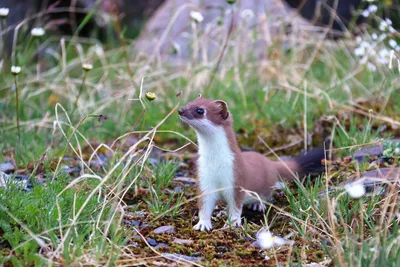
Mammals hunt by scent, so freezing became useless. The strong smell of a kākāpō leads a stoat or a cat straight to it. Polynesian rats took eggs and chicks from the earliest settlement onwards. Cats on Stewart Island were killing 56 per cent of the birds a year. Intensive cat control began there in 1982.
Disease is now a serious risk in so small a population. An outbreak of aspergillosis on Whenua Hou in 2019 infected 21 birds. Nine of them died, and over 50 birds went to veterinary centres. Inbreeding is the other problem, and 61 per cent of eggs fail to hatch. The species passed through a bottleneck of 49 birds.
Population and conservation
The species was down to 51 birds in 1995. The Kākāpō Recovery Programme started that year and still runs. Every bird was moved to islands cleared of predators. Maud, Little Barrier, Codfish and Mana were the first four chosen. Anchor Island and Chalky Island later replaced two of them.
Rangers give the females extra food in a rimu year. Diet shifts the sex ratio of the chicks, so feeding is measured carefully. Eggs are often taken from a nest for artificial incubation. Cameras and data loggers watch every nest. Chicks are moved between nests when a mother cannot cope.
The population passed 100 for the first time in 2009. A record season in 2019 fledged 72 chicks. Numbers reached 252 in 2022 and slipped to 243 by 2024. Ninety chicks fledged in 2026, which lifted the total to 325. The programme aims for 150 breeding females.
Relationship with humans
Māori hunted the kākāpō for meat, skins and feathers. Hunters used snares, pitfall traps and dogs, mostly after dark. Booming males were easy to find in a breeding year. The meat was cooked in a hāngī or in gourds of hot oil. Ngāi Tahu hunters packed the preserved flesh in tōtara bark or in kelp.
Feathers went into cloaks that needed up to 11,000 of them. The garments were warm and beautiful, and people treated them as taonga. One complete kākāpō feather cloak survives, in a museum in Scotland. An old saying mocked anyone who felt cold while wearing such a cloak. Feathers also decorated the heads of taiaha, but came off before a fight.
Europeans killed thousands for zoos, museums and private collections. Most captured birds died within months. Collectors knew the species was failing, and raced to take more. Richard Henry moved over 200 birds to Resolution Island from 1894. Stoats swam across and wiped out that population within six years.
In culture and myth
Māori tradition holds a rich body of kākāpō belief. The bird breeds only in a heavy fruiting year, which looked like foresight. Stories say it dropped hinau and tawa berries into pools to keep them. The practice of storing food in water is credited to the bird.
Māori also kept the kākāpō as an affectionate pet. George Edward Grey wrote that his bird behaved more like a dog. Ngāi Tahu treat the species as a taonga, a treasure.
Television and radio made the bird famous well beyond New Zealand. Gerald Durrell filmed it for the BBC in 1962. Douglas Adams and Mark Carwardine sought it for Last Chance to See. Stephen Fry returned to Codfish Island with Carwardine in 2009. A male called Sirocco then tried to mate with Carwardine's head on camera.
That clip reached millions and made Sirocco a conservation spokes-bird in 2010. Sirocco also inspired the party parrot animation used in chat apps. New Zealand voted the kākāpō bird of the year in 2008 and again in 2020. A mobile game later raised support for the recovery work.
A sentence with a dotted underline is inferred: it describes the group the animal belongs to, or is a reading of the sources, rather than a measured or reported fact about this species.
Questions
Kākāpō questions, answered
What is a kākāpō?
It is a large flightless parrot found only in New Zealand. It feeds at night and is critically endangered.
How many kākāpō are left?
The official count reached 325 birds in 2026. All of them live on protected islands or in a fenced sanctuary.
Why can't a kākāpō fly?
Its wings are small and its breastbone has almost no keel. Only 3.3 per cent of its body mass is chest muscle.
How big is a kākāpō?
Adults are 58 to 64 cm long with a wingspan of about 82 cm. Males weigh 1.5 to 3 kg and females 0.95 to 1.6 kg.
Is the kākāpō the heaviest parrot?
Yes. It outweighs the hyacinth macaw by about 400 grams on average.
What do kākāpō eat?
Only plants: shoots, buds, roots, seeds, fruit, moss and fungi. Rimu fruit is the favourite food.
How long do kākāpō live?
About 60 years on average, and reports suggest up to 100. Nobody has yet documented a kākāpō dying of old age.
Why do kākāpō boom?
A male inflates a chest sac and booms from a dug bowl to attract a female. The sound can travel 5 kilometres on the wind.
How often do kākāpō breed?
Only every two to four years, when the rimu tree fruits heavily. In other years no eggs are laid at all.
What nearly wiped out the kākāpō?
Hunting first, then introduced rats, cats, stoats and dogs. Mammals hunt by scent, so the bird's freezing defence failed.
Where do kākāpō live now?
On predator-free islands, mainly Whenua Hou and Anchor Island. A small group also lives at Sanctuary Mountain Maungatautari.
Can you see a kākāpō in the wild?
No. There is no site where the public can visit or view one, and no zoo holds any.
Who was Sirocco the kākāpō?
A male filmed trying to mate with a presenter's head for the BBC. The clip made him a conservation spokes-bird in 2010.
Do kākāpō have a good sense of smell?
Yes, which is unusual for a parrot. The bird can tell odours apart while feeding, and it has a strong smell of its own.
Why do so many kākāpō eggs fail?
The population is heavily inbred after a bottleneck of 49 birds. About 61 per cent of eggs do not hatch.
What does the name kākāpō mean?
It joins the Māori words kākā, a parrot, and pō, the night. Early settlers called the bird the owl parrot instead.
Food web
Prey and food
Not recorded.
Food web
Predators
 Stoat
- cats
- rats
- dogs
Ecological equivalents
Related species on this site
African Grey Parrot (same family), Amazon Parrot (same family), Budgerigar (same family), Carolina parakeet (same family), Cockatiel (same family), Conure (same family), and more.
Birds
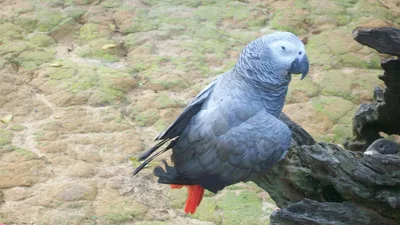
African Grey Parrot
Psittacus erithacus
Grey parrots are social African birds with grey feathers, a red tail and a strong curved bill.
Living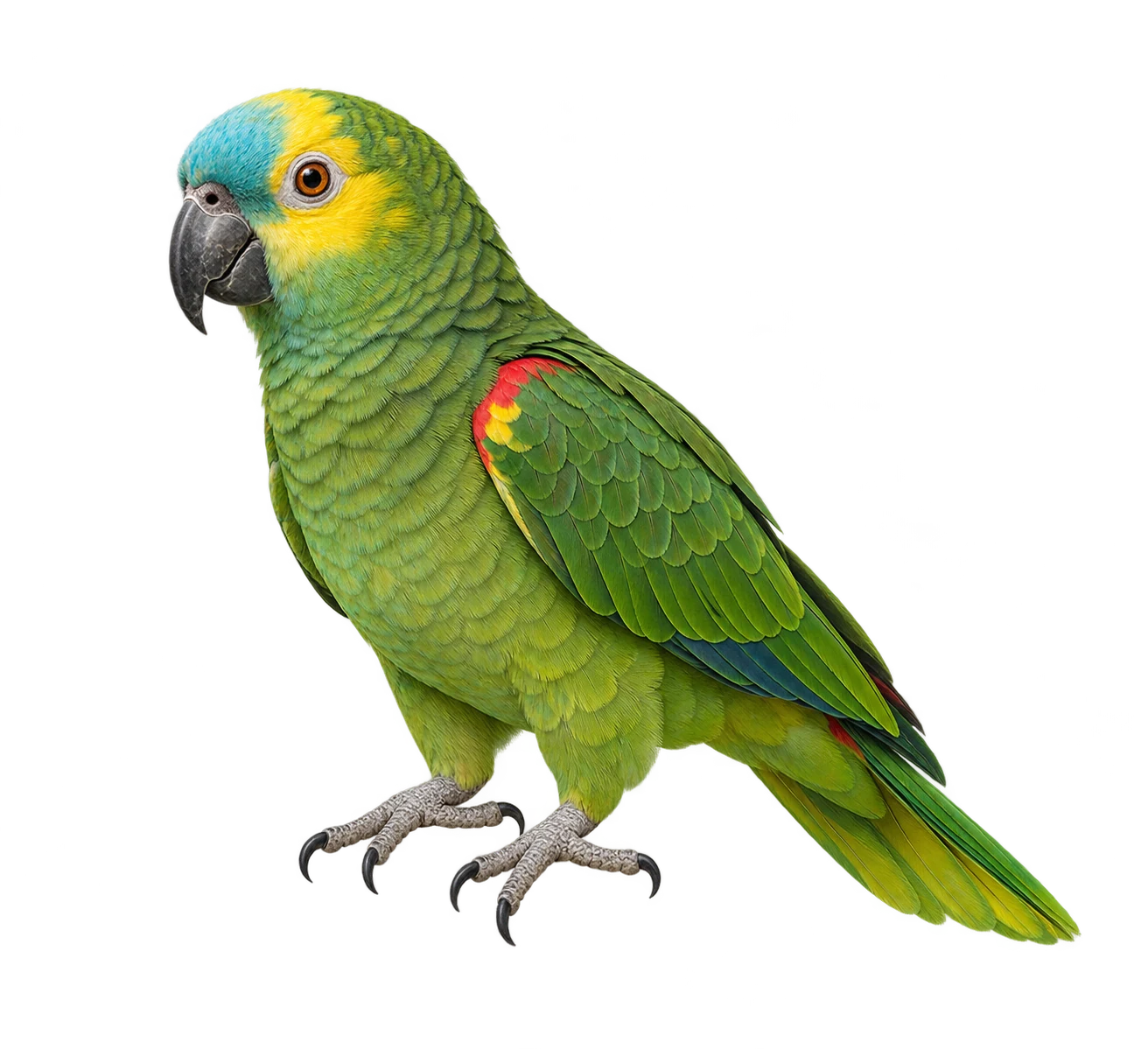
Birds
Amazon Parrot
Amazona
Classification and source reference
LivingAI illustration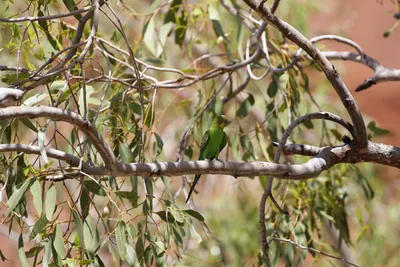 LC
Birds
Budgerigar
Melopsittacus undulatus
The budgerigar is a small green and yellow parrot from the dry interior of Australia.
Living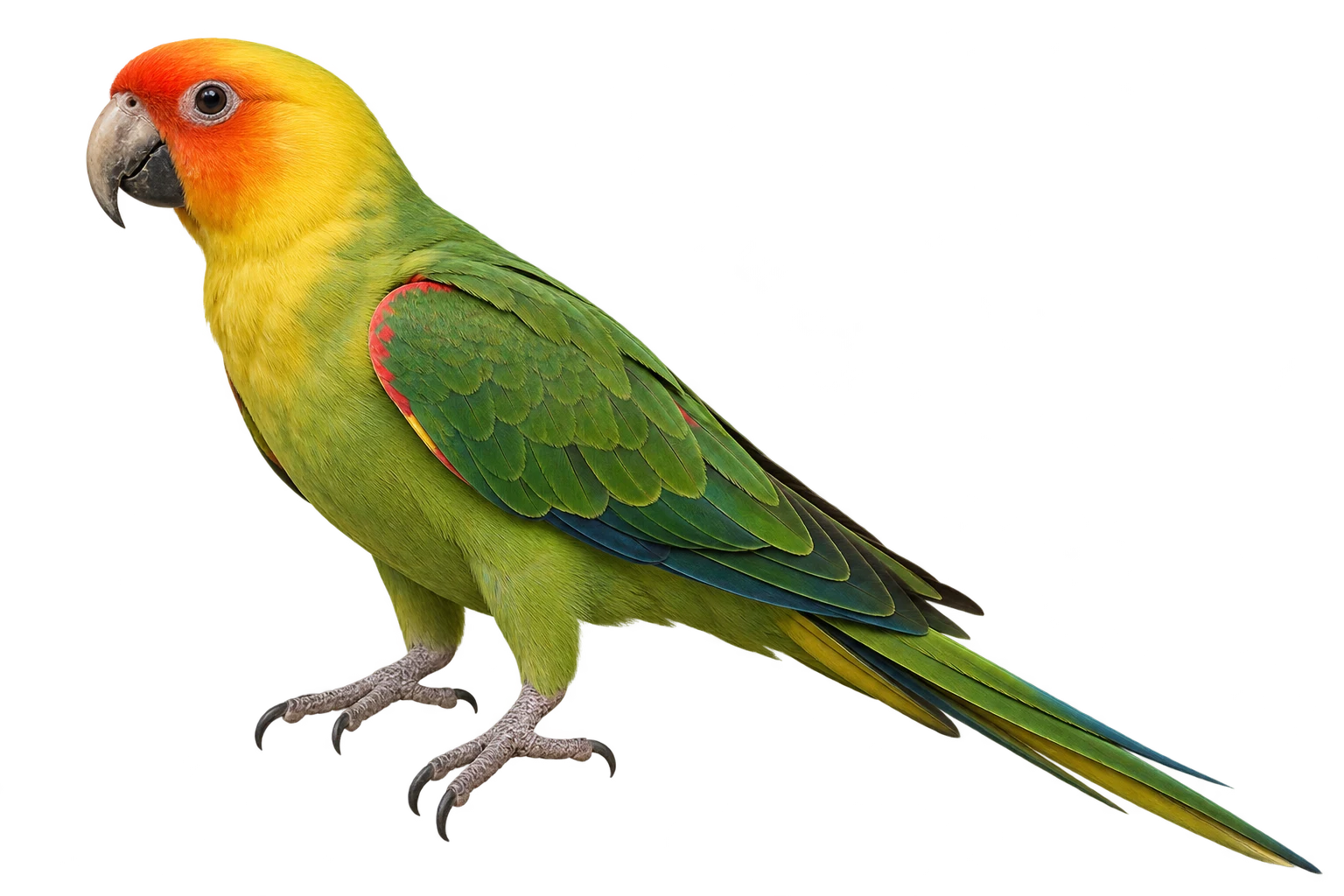 EX
Birds
Carolina parakeet
Conuropsis carolinensis
The Carolina parakeet was the only parrot native to the eastern United States.
ExtinctAI reconstruction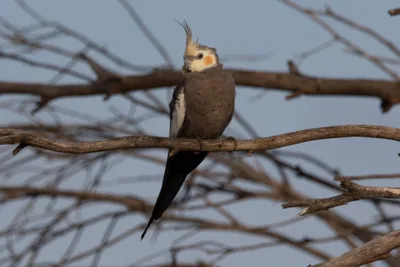 LC
Birds
Cockatiel
Nymphicus hollandicus
The cockatiel is the smallest cockatoo, and it lives across the dry inland of Australia.
Living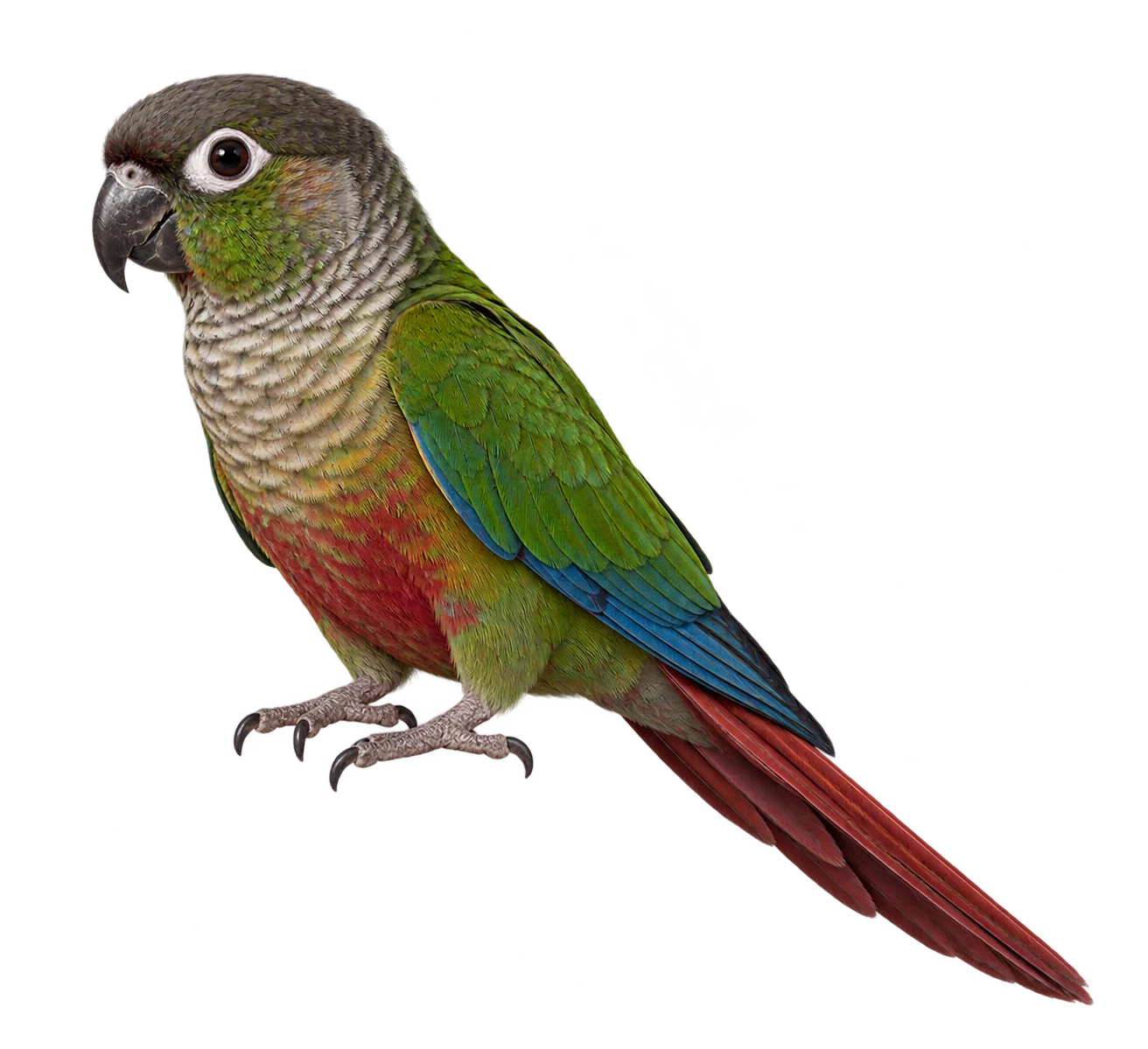
Birds
Conure
Psittacidae
Classification and source reference
LivingAI illustration