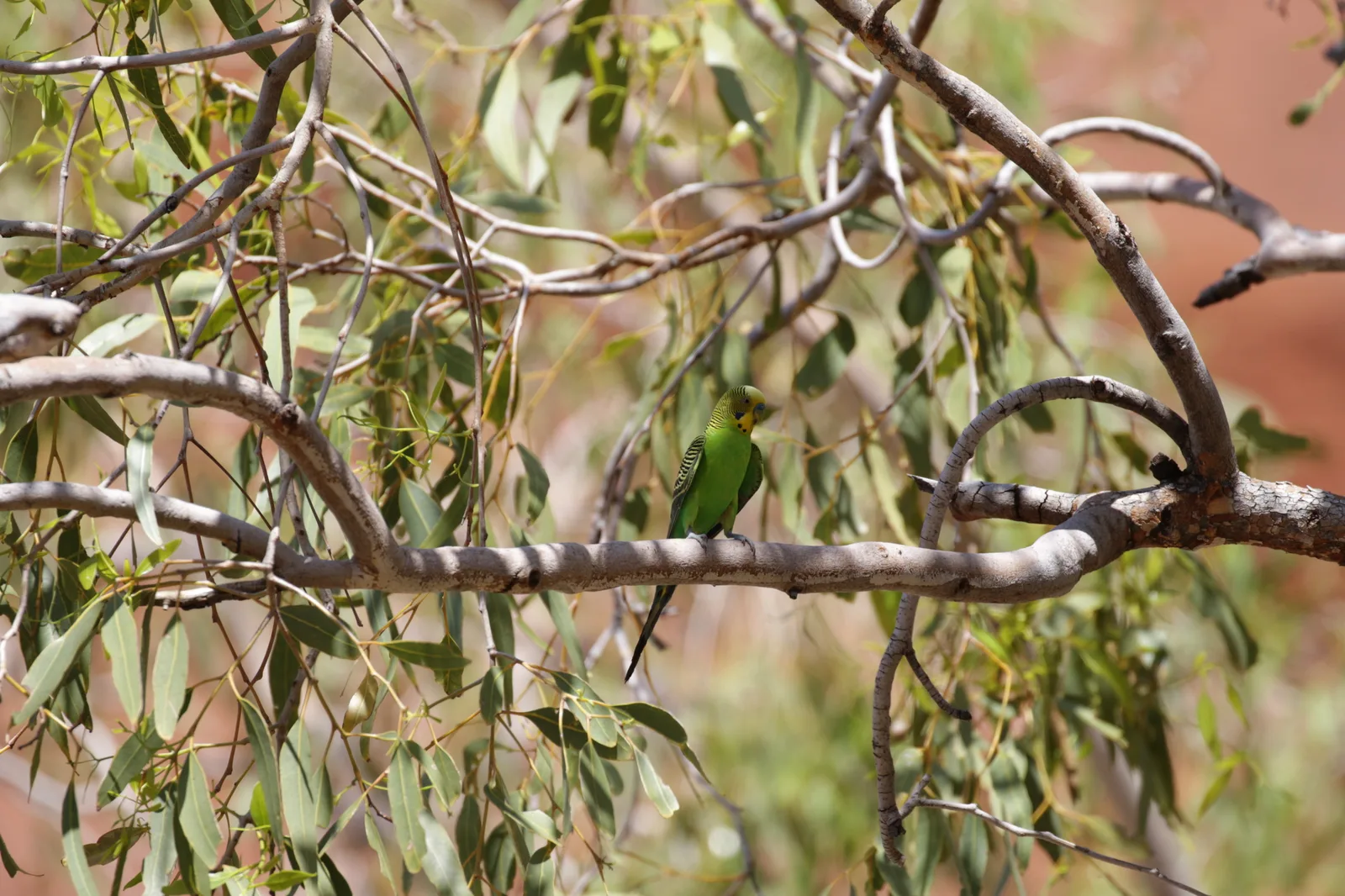
Budgerigar
A desert grass-seed parrot that learned to talk
Melopsittacus undulatus
Also called Budgie, Common parakeet, Shell parakeet, Warbling grass parakeet, Zebra parrot
Living individuals or members of this group exist today. This does not mean they are safe from extinction.
Meet the budgerigar
The budgerigar is a small green and yellow parrot from the dry interior of Australia. Wild flocks follow the rain across the outback, and the tame form is one of the most kept pet birds in the world.
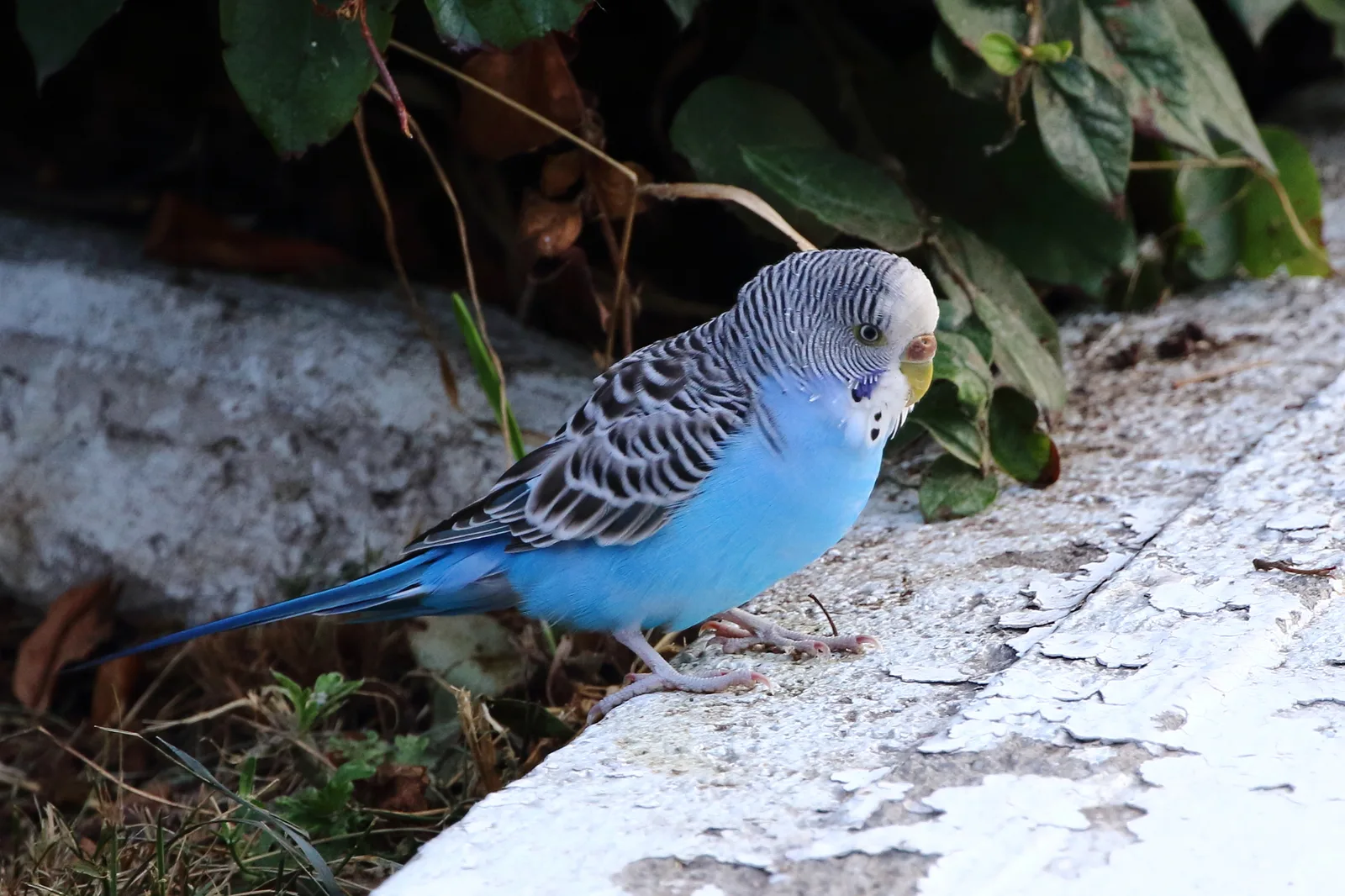
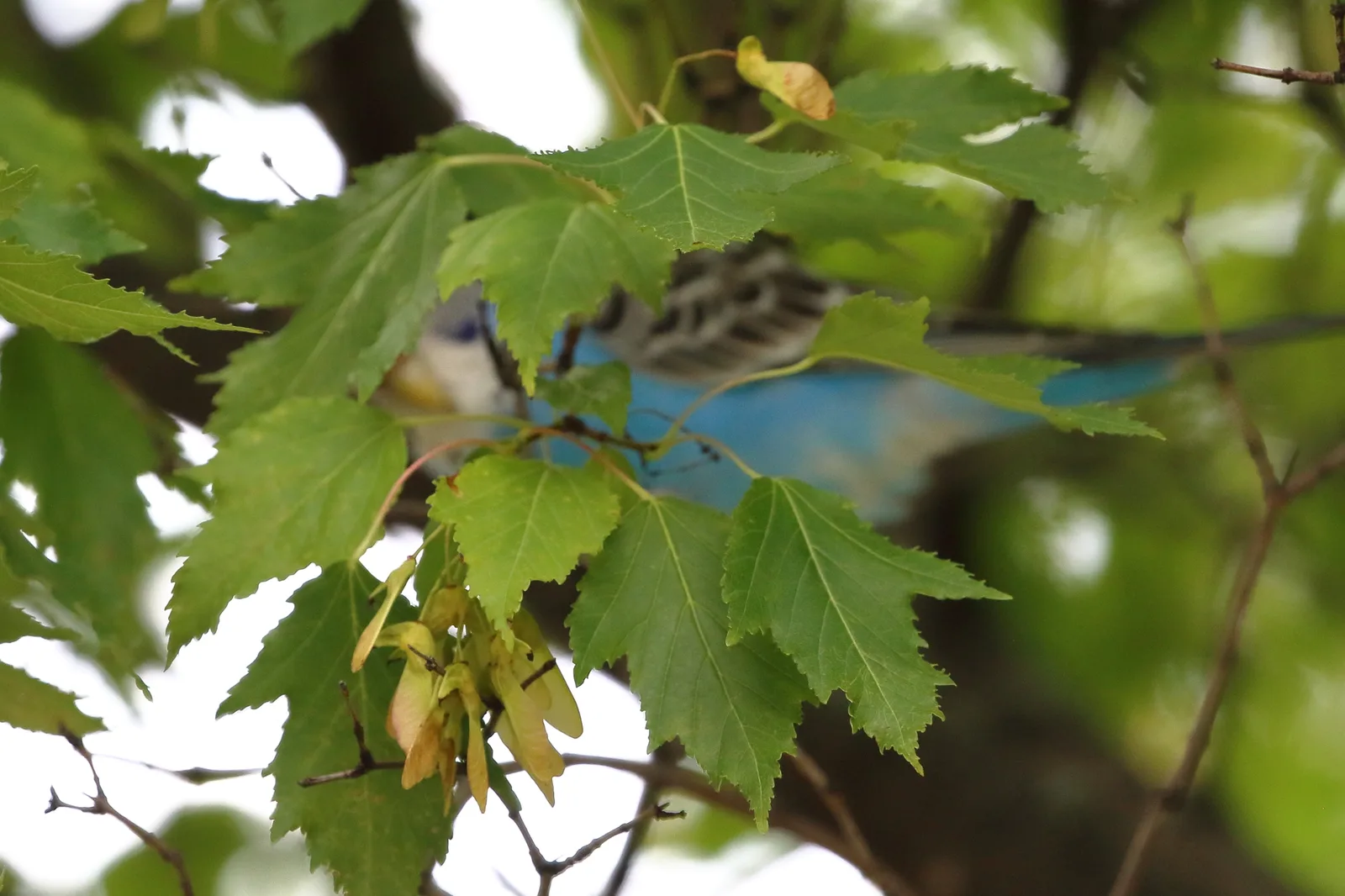
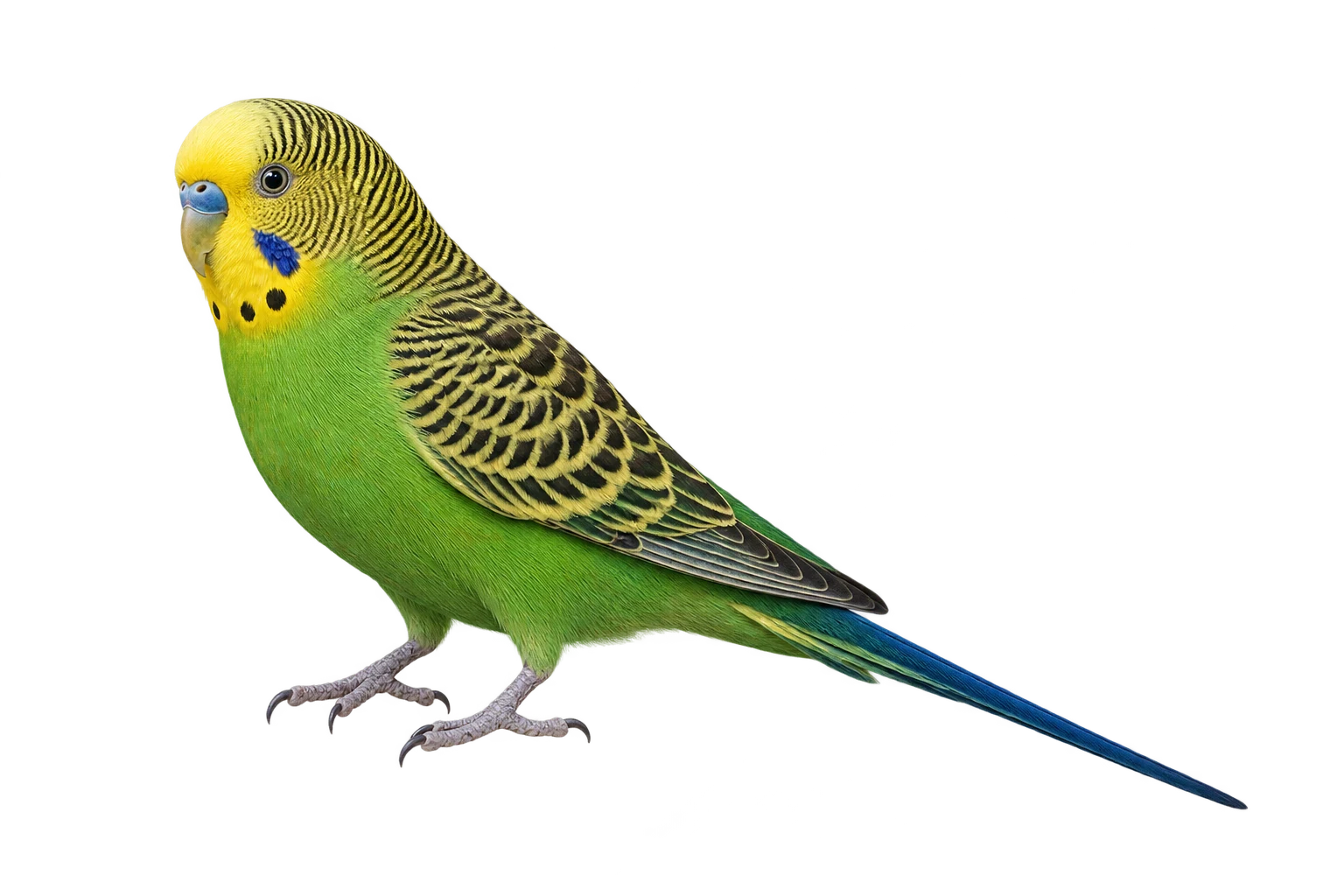
Images of the budgerigar
Lifespan
About 7.8 years
Weight
30 to 40 g
Length
18 to 20 cm
Wingspan
About 30 cm
Fact file
Budgerigar
- Location
- Inland Australia, away from the far east and far southwest coasts
- Habitat
- Grassland, Desert, Temperate forest
- Diet
- Herbivore
- Prey / food
- Grass seed, spinifex seed, tussock seed, wheat, berries, shoots
- Predators
- Birds of prey and snakes; flocking is the main defence
- Lifestyle
- Nomadic, active by day, always in flocks
- Group name
- Flock
- Name of young
- Chick
- Incubation
- Incubation 18 to 21 days
- Clutch size
- 4 to 6 eggs in the wild
- Population
- Very large and stable; one estimate put it near five million
- Biggest threat
- Drought, and competition for nest hollows
- Distinctive feature
- Black scalloped bars on a green back, with three throat spots each side
- Colour
- Green and yellow with black barring
- Skin type
- Feathers
Size
Next to a person
Measurements
Size and speed
- Length
- 18 to 20 cm
- Wingspan
- About 30 cm
- Weight
- 30 to 40 g wild birds; show-bred birds are about twice this size
Typical adult ranges. Sources: Animal Diversity Web, Wikipedia.
Life cycle
Lifespan
- In captivityAbout 7.8, up to 21 years
- 021 years
The pale bar is the record. Source: Wikipedia.
Appearance
Colour and coat
- Primary colours
- greenyellow
- Secondary colours
- blackblue
- Skin type
- feathers
- Male and female
- Slight, and mostly in the cere above the bill. A male shows a blue cere, a female a brown or pale one, and immature birds of both sexes show pink.
Life cycle
Mating and family
- Mating system
- monogamous pairs within a colony
- Social structure
- nomadic flocks, from a few birds to thousands
- Breeding
- opportunistic, in any month, triggered by rain and seed
A pair takes a hollow in a tree, a post or a log, often beside other pairs. The female lays 4 to 6 eggs on alternate days and incubates them alone for 18 to 21 days. Her mate feeds her at the entrance throughout. Chicks hatch helpless, open their eyes at about 10 days and grow feathers by three weeks. They leave the nest in the fifth week and can breed at about 180 days old.
Classification
Taxonomy
- Kingdom
- Animalia
- Phylum
- Chordata
- Class
- Aves
- Order
- Psittaciformes
- Family
- Psittacidae
- Genus
- Melopsittacus
- Species
- Melopsittacus undulatus
Conservation
Red List status
- LC
- NT
- VU
- EN
- CR
- EW
- EX
Least Concern on the IUCN Red List
Range
Recorded in 16 countries
- Argentina
- Ashmore and Cartier Islands
- Brazil
- Canada
- People's Republic of China
- Germany
- Spain
- France
- United Kingdom
- India
- Italy
- Mexico
- New Zealand
- Portugal
- United States of America
- South Africa
Habitat layer: temperate broadleaf and mixed forest, temperate conifer forest, boreal forest and taiga, tropical grassland, savanna and shrubland, temperate grassland, savanna and shrubland, desert and xeric shrubland.
Countries from 2,415 wild records on GBIF (iNaturalist research grade), filtered and checked by hand. Country shapes: Natural Earth. Habitat: RESOLVE Ecoregions 2017, CC BY 4.0. Basemap: Natural Earth.
Habitats
Three things to know
- 1
A pet budgerigar named Puck learned 1,728 words, the largest vocabulary recorded for any bird.
- 2
Wild budgerigars breed whenever heavy rain brings a flush of grass seed, in any month.
- 3
Budgerigar feathers glow under ultraviolet light, and the throat spots differ between birds.
Did you know
Seven more facts
- 1
The cere above the bill is blue on a male and brown or pale on a female.
- 2
Budgerigar feathers fluoresce under ultraviolet light.
- 3
Each bird's throat spots reflect ultraviolet in its own pattern.
- 4
Wild flocks can number in the thousands after good rain.
- 5
The genus name means melodious parrot in Greek.
- 6
A feral flock lived in Florida for over 50 years and died out in 2014.
- 7
Females are the more aggressive sex and often dominate males.
Field notes
How it looks and acts
Field notes
Distinguishing features
- Black scalloped bars edged with yellow cover the nape, back and wings.
- Three black spots sit on each side of the throat.
- Small blue-violet patches mark the cheeks.
- The tail is long, pointed and cobalt blue.
- A wild bird is only 18 to 20 cm long, small for a parrot.
- Two toes point forward and two point back, as in other parrots.
Field notes
Unique adaptations
- A seed diet rich in energy removes the need for any other food.
- Nomadic movement lets the flock track rainfall across a dry continent.
- Breeding on demand probably means a good season is never wasted.
- Four classes of cone cell give colour vision into the ultraviolet.
- Resting in shade through the midday heat likely saves water.
Field notes
Interesting behaviours
- Flocks feed on the ground and strip husks from grass seed.
- Birds preen each other and pass food beak to beak.
- The flock circles the roost trees at speed before settling at dusk.
- Pairs nest in tree hollows, fence posts and fallen logs.
- A frightened bird climbs high and flattens its feathers to look thin.
Field notes
Temperament
- Wild budgerigars are restless, noisy and rarely still while awake.
- Hand-reared birds tame readily and enjoy handling.
- Females squabble over nest boxes more than males do.
- A lone pet bird appears to bond hard to its owner and demands attention.
Field notes
Communication
- Constant chatter probably keeps a moving flock together.
- Both sexes sing, though males copy sounds far better.
- Regurgitated food is offered as a sign of affection.
- Ultraviolet marks on the throat let birds tell each other apart.
- Loud calls at dusk gather the flock to the roost.
Ecology
Ecological role
The budgerigar is a seed specialist that moves in huge numbers through arid Australia, taking grass seed and feeding the predators that follow the flocks.
- Flocks crop grass seed heavily wherever rain has produced a flush.
- Large numbers of small birds probably feed hawks, falcons and other hunters.
- The species depends on tree hollows, which ties it to old trees and dead timber.
- Seed that passes through or is dropped may help spread grasses.
Stories
Myths and legends
- In Gamilaraay tradition, the bird carries the name gidjirrigaa, which English reshaped.
- In Australian tradition, the name may mean good food rather than good bird.
- In Australian slang tradition, tight swimming trunks are called budgie smugglers.
- In pet-keeping tradition, a talking budgerigar is said to be a member of the household.
People
Relationship with humans
People
Living alongside us
Wild budgerigars still cross inland Australia in flocks, and the species has never been threatened. The tame form has been bred since the 1850s and now ranks behind only the dog and the cat as a pet. Breeders have created at least 32 primary colour mutations and a larger show strain. Tame birds copy speech, and males kept alone learn the most words. Feather dust can cause a lung allergy in some owners.
- A budgerigar bite pinches but probably cannot break the skin of an adult hand.
- Feather dust causes a lung allergy in a small number of keepers.
- Almost no budgerigar disease passes to people.
People
Status, uses and products
- Domestication
- Wild
- As a pet
- Kept by some. The budgerigar is one of the easiest parrots to keep, but it is a flock bird and suffers alone without company or attention. It needs a varied diet, not seed alone, or it develops fatty liver disease.
- Uses
- pet keepingexhibition breedinglaboratory research
- Products
- None recorded
The full account
About the budgerigar
The budgerigar is a small parrot from the dry heart of Australia. A wild bird is 18 to 20 centimetres long and weighs 30 to 40 grams. The wings span about 30 cm and end in sharp points. The body is light green, the face is yellow and the back carries black bars. A long blue tail trails behind the bird in flight.
Flocks live on grass seed and move wherever rain has fallen. The species has held the inland of Australia for about five million years. Nothing about that life suggests a cage bird. Yet the budgerigar is one of the most widely kept pets on earth.
Breeders have worked on the bird since the 1850s. They have produced at least 32 primary colour mutations, and hundreds of combinations. Tame males copy human words, and one bird learned 1,728 of them.
Name and taxonomy
George Shaw described the budgerigar in 1805. John Gould gave the bird its present scientific name in 1840. Melopsittacus is Greek for a parrot with a tune. The second word, undulatus, is Latin for wavy, and it points at the barred back. The species stands alone in its genus, and the genus stands alone in its tribe.
The English name is harder to pin down. One idea traces it to gidjirrigaa, a Gamilaraay word for the bird. Another builds it from an Australian slang word for good and a word for cockatoo. Some accounts render the meaning as good food rather than good bird. Older English names include shell parrot, warbling grass parakeet and zebra parrot. Keepers shorten all of it to budgie.
Evolution and relatives
The budgerigar was once placed near the grass parrots on the strength of its barring. DNA has moved it a long way from there. Its closest relatives are the lories and the fig parrots. That likely places a dry-country seed eater beside a group of tropical nectar feeders.
The species has survived in inland Australia for around five million years. Two habits carry it through: it wanders, and it breeds on the move. Neither trait appears to need a fixed territory or a reliable season. No subspecies are recognised across the whole continent.
Appearance
Wild birds average about 18 cm long, with a 30 cm wingspan. They weigh 30 to 40 g, roughly the weight of a chicken egg. The back and wings are black, scalloped and edged with clear yellow. The forehead and face are yellow in an adult. A young bird has black stripes running down to the cere until about 3 or 4 months.
Small blue-violet patches sit on the cheeks. Three black spots run across each side of the throat. The tail is cobalt, and the outer feathers carry yellow flashes. The bill is olive grey and the legs are blue-grey, with two toes forward and two back. The cere tells the sexes apart: blue on a male, brown or pale on a female. Immature birds of both sexes have a pink cere.
Captive colour is a separate subject. Two pigments make every variety: a black one and a yellow one. The black pigment scatters blue light, and the yellow lies over it to give green. Take away the black and the bird is yellow, take away both and it is white. At least 32 primary mutations are known, in four groups. Show birds bred in Britain grow about twice the size of a wild budgerigar.
Habitat and range
The budgerigar occupies most of Australia away from the wettest coasts. It is missing from the far east and the far southwest. Scrubland, open woodland and grassland all suit it. Most of the range is semi-arid or sub-humid country in the interior. Flocks are usually small, but good conditions can gather thousands of birds.
Nothing about the range is fixed. Flocks leave a site as the seed and water there run out. Drought pushes them towards wooded country or the coast. Farm dams and troughs have raised local numbers by adding water. GBIF holds records from 120 countries, most of them captive or escaped birds.
Attempts to settle the bird abroad have mostly failed. Escaped budgerigars held on near St Petersburg in Florida for over 50 years. European starlings and house sparrows then took the nest holes. That flock declined from the 1980s and died out in 2014.
Diet and feeding
Grass seed is the whole basis of the diet. Spinifex and tall tussock grasses supply most of it. Budgerigars feed on the ground or just above it. A bird strips the husk off a seed and then swallows the kernel. Seed carries as much energy by weight as animal flesh, so no other food is needed.
Fruit, berries and green shoots are taken when they are there. Ripening wheat and lawn grass seed are also fair game. That habit worries farmers, because a flock can strip a lot of seed. Dry seed holds almost no water, so the birds must drink. Each bird takes about 5.5% of its body weight in water every day. Flocks therefore seem to stay within reach of a waterhole.
Behaviour and social life
The budgerigar is social at every stage of its life. Feeding in a flock finds food faster and keeps more eyes on the sky. There is little sign of a pecking order, because fights are rare. Females are the more aggressive sex and will drive a male off. The birds have two flight speeds and switch between them as needed.
The day starts before sunrise with preening, singing and movement in the trees. After first light the flock flies out to feed. In the heat of midday the birds sit still in shade and stop foraging. At dusk they call loudly and fly fast around the roost trees. They settle just after sunset and stay put until morning. Flock mates preen each other and pass food from beak to beak.
Movement is the rule for the whole flock, not for single birds. A site is abandoned once the seed and the water there give out. That habit probably explains why no budgerigar holds a territory. Flocks may swarm together in groups of many thousands under good conditions. Such gatherings probably break up again as the country dries.
Communication and senses
Budgerigars chatter almost constantly while awake. They use sight, sound, touch and chemical cues together. Mutual preening and shared food appear to keep a pair and a flock bonded. Both sexes sing, and both can copy sounds they hear. Males learn far more words, and a lone pet male learns most of all.
A female rarely gets past a dozen words. A male may reach a hundred. The record holder, a bird called Puck, used 1,728 words and died in 1994. Vision is the strongest sense, and it works in four colour channels. Feathers glow under ultraviolet light, which probably matters in courtship. The throat spots reflect ultraviolet differently in each bird.
Reproduction and life cycle
Budgerigars pair up and stay together through a breeding attempt. They nest in colonies, sometimes with several nests on one branch. Holes 3 to 5 metres apart in the same tree are normal. There is no fixed season, because rain sets the timing. Northern birds usually breed from June to September, southern birds from August to January.
The nest is a hollow in a tree, a fence post or a fallen log. The pair line it with rotted wood dust and other soft material. The female picks the site and does all the sitting. She lays 4 to 6 eggs, white and about one to two centimetres long. Eggs arrive on alternate days, and she incubates for 18 to 21 days. The male feeds her at the entrance while she sits.
Chicks hatch blind, bare and unable to lift their heads. Their eyes open at about 10 days and down appears soon after. Feathers grow in at about three weeks, and the colour becomes clear. The male often joins the feeding at that point. Young birds leave the nest around their fifth week and feed themselves by 6 to 8 weeks. They can breed at about 180 days old, and a pair may raise brood after brood.
Predators and threats
A 30 g bird on open ground has many enemies. Flocking is probably the main answer, because many eyes spot a hawk sooner. Sources on wild budgerigars name no single major predator. Drought is likely the larger danger, since it removes both seed and water. Nest hollows are scarce, and other hole-nesting birds compete for them.
Captive birds face a different list. Lice, mites and worms spread quickly between caged birds. One zoo flock averaged only 3.6 years because of fungal and bacterial disease. Most defects in show lines are inherited, so breeders avoid pairing relatives. A seed-only diet gives caged budgerigars fatty liver disease.
Wild flocks also meet people at harvest time. A large flock feeding on ripening cereal draws complaints from growers. No control programme appears to have threatened the species as a whole. The bird likely recovers quickly, because it breeds as soon as rain returns.
Population and conservation
The IUCN lists the budgerigar as Least Concern. No national listing and no CITES appendix applies to it. One published estimate put the world total near five million birds. Wild numbers appear to rise and fall with rainfall rather than with any long trend. Naturalists have logged 11,653 sightings on iNaturalist.
The species is not farmed for food and is not hunted. Trade in wild-caught birds is probably pointless, because captive stock is everywhere. Water points on farms have helped some inland populations. Because the bird is so common, more is known about it than about any other parrot.
Relationship with humans
Keepers have bred the budgerigar in captivity since the 1850s. It stands behind only the dog and the cat as a household animal. American keeping took off in the 1950s, when it overtook the canary. The bird is small, cheap and easy to house, which probably explains much of that. Cockatiels have since caught up in popularity.
A pet budgerigar needs company, toys and something to chew. Mineral blocks, cuttlebone and soft wood keep the beak in shape. Cuttlebone also supplies the calcium a laying female needs. Captive birds average about 7.8 years, and some reach 21. Show budgerigars live a shorter 7 to 9 years. The dust from the feathers can cause a lung allergy in sensitive owners.
In culture and myth
The bird appears to carry Aboriginal words into English through its own name. Gamilaraay and Yuwaalaraay speakers had names for it long before 1805. People of the Liverpool Plains used the spelling betcherrygah. The reading good food, rather than good bird, may be the accurate one.
Talking budgerigars seem to have made the species a fixture of popular culture. Puck entered the record books in 1995 for the largest bird vocabulary. A budgerigar called Disco became widely known online in 2013. His best remembered lines were absurd quotations from politics and film.
Australian slang, in general, gave the bird one more life. Tight men's swimming trunks are called budgie smugglers there. The joke rests on the shape of a small parrot under close-fitting cloth. The Oxford English Dictionary added the phrase in 2016. Few small birds, probably, have travelled so far from their own desert.
A sentence with a dotted underline is inferred: it describes the group the animal belongs to, or is a reading of the sources, rather than a measured or reported fact about this species.
Questions
Budgerigar questions, answered
How big is a budgerigar?
A wild bird is 18 to 20 cm long with a wingspan of about 30 cm. It weighs 30 to 40 grams, and show-bred birds are roughly twice that size.
How long do budgies live?
Most pet budgerigars reach about 7.8 years on average, and a few live to 21. Birds from show lines do less well, at 7 to 9 years.
What do budgerigars eat?
Grass seed makes up most of the wild diet, especially spinifex and tussock grasses. They also take fruit, berries, shoots and ripening wheat.
Can budgies really talk?
Yes. Males copy words best, and a lone pet male can learn a hundred. One bird named Puck reached 1,728 words.
How can you tell a male budgie from a female?
Look at the cere, the fleshy patch above the bill. It is blue on an adult male and brown or pale on a female.
Are budgerigars endangered?
No. The IUCN lists them as Least Concern, and wild flocks remain very numerous across inland Australia.
Where do budgerigars live in the wild?
Across most of Australia except the far east and far southwest coasts. They favour scrub, open woodland and grassland in the dry interior.
Do budgerigars migrate?
They are nomadic rather than migratory. Flocks move to wherever rain has produced grass seed and standing water.
How many eggs does a budgerigar lay?
Four to six in the wild, laid on alternate days. The female incubates them alone for 18 to 21 days.
Do budgies need a companion?
They are flock birds and do badly with no company at all. A single bird needs a great deal of human attention instead.
Why are pet budgies blue and white?
Those are colour mutations bred in captivity. At least 32 primary mutations are known, and they combine into hundreds of varieties.
What is the difference between a budgie and a parakeet?
There is none in this case. Parakeet is a loose name for many small long-tailed parrots, and the budgerigar is one of them.
Do budgerigars bite?
They nip, especially when frightened or defending a nest box. The bill is small and rarely does more than pinch.
What should a pet budgie eat?
Seed alone leads to fatty liver disease. Add fresh vegetables and fruit, and provide cuttlebone for calcium and a mineral block.
Are there wild budgies outside Australia?
Not now. A feral flock lived near St Petersburg in Florida for over 50 years and died out in 2014.
Food web
Prey and food
- grass seed
- spinifex seed
- tussock seed
- wheat
- berries
- shoots
Food web
Predators
- birds of prey
- snakes
- flocking is the main defence
Ecological equivalents
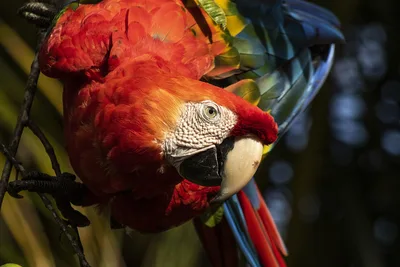
Related species on this site
Parakeet (same genus), African Grey Parrot (same family), Amazon Parrot (same family), Carolina parakeet (same family), Cockatiel (same family), Conure (same family), and more.
Birds
Parakeet
Melopsittacus undulatus
Classification and source reference
LivingAI illustration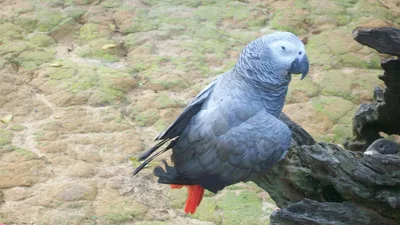
Birds
African Grey Parrot
Psittacus erithacus
Grey parrots are social African birds with grey feathers, a red tail and a strong curved bill.
Living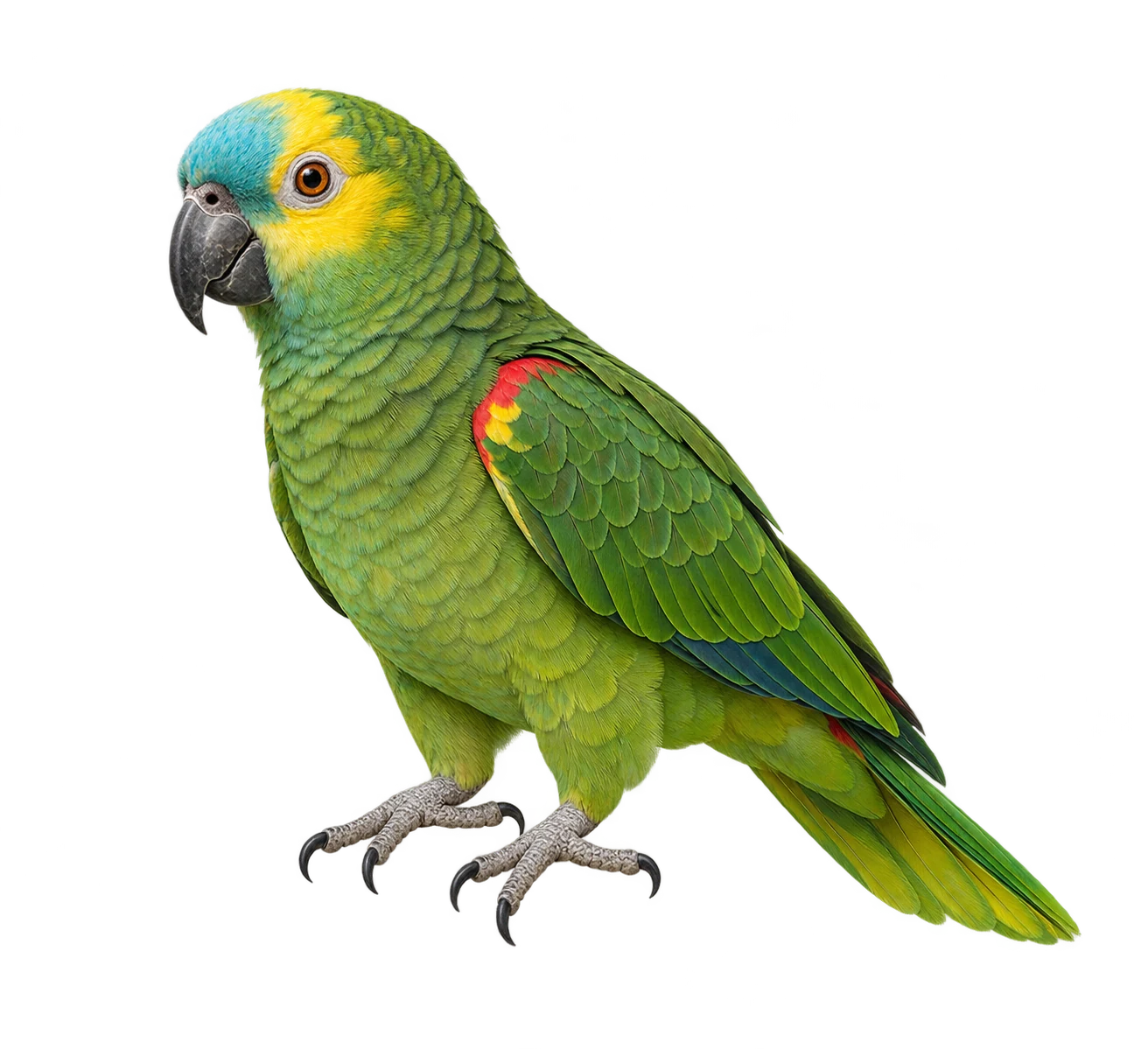
Birds
Amazon Parrot
Amazona
Classification and source reference
LivingAI illustration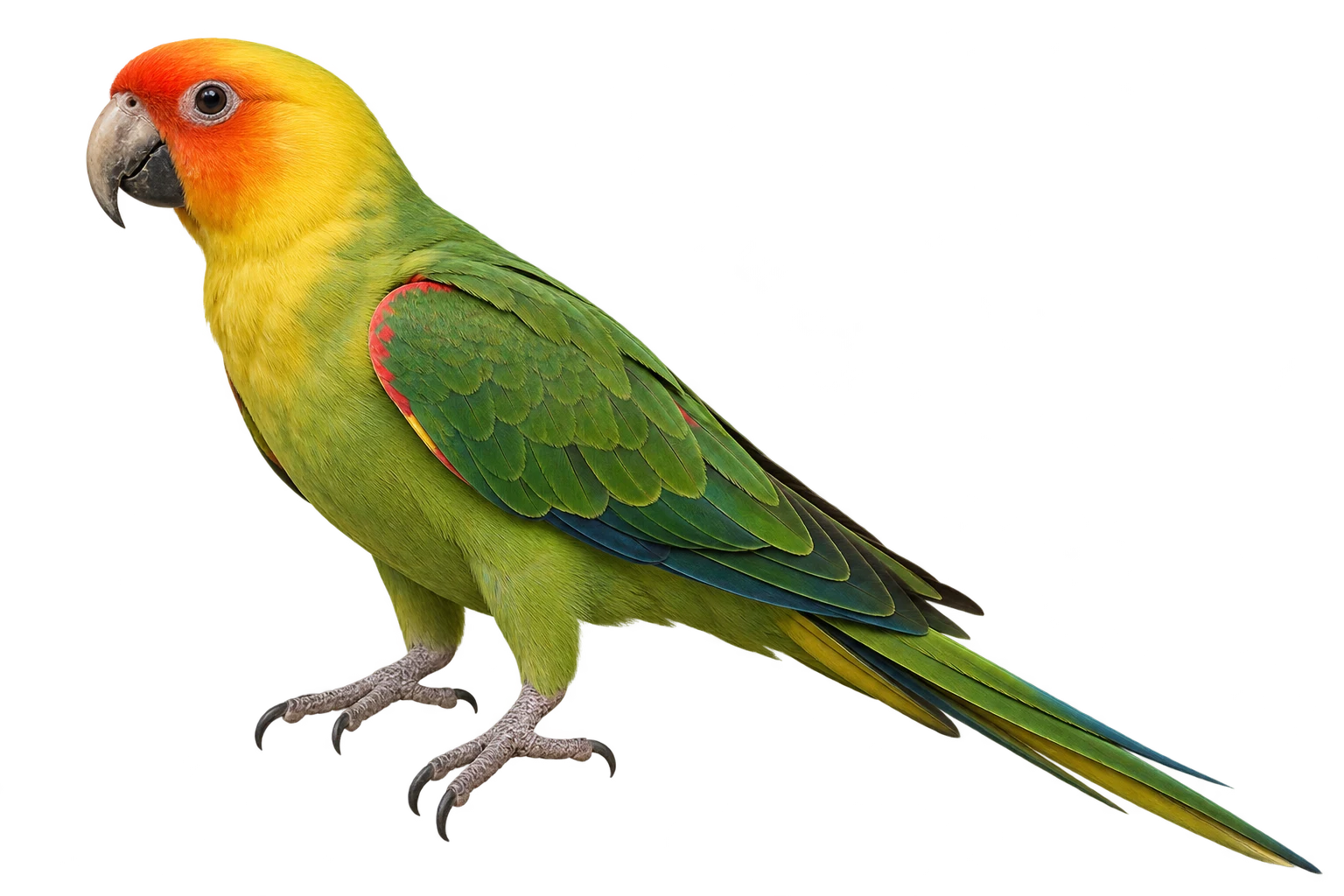 EX
Birds
Carolina parakeet
Conuropsis carolinensis
The Carolina parakeet was the only parrot native to the eastern United States.
ExtinctAI reconstruction LC
Birds
Cockatiel
Nymphicus hollandicus
The cockatiel is the smallest cockatoo, and it lives across the dry inland of Australia.
Living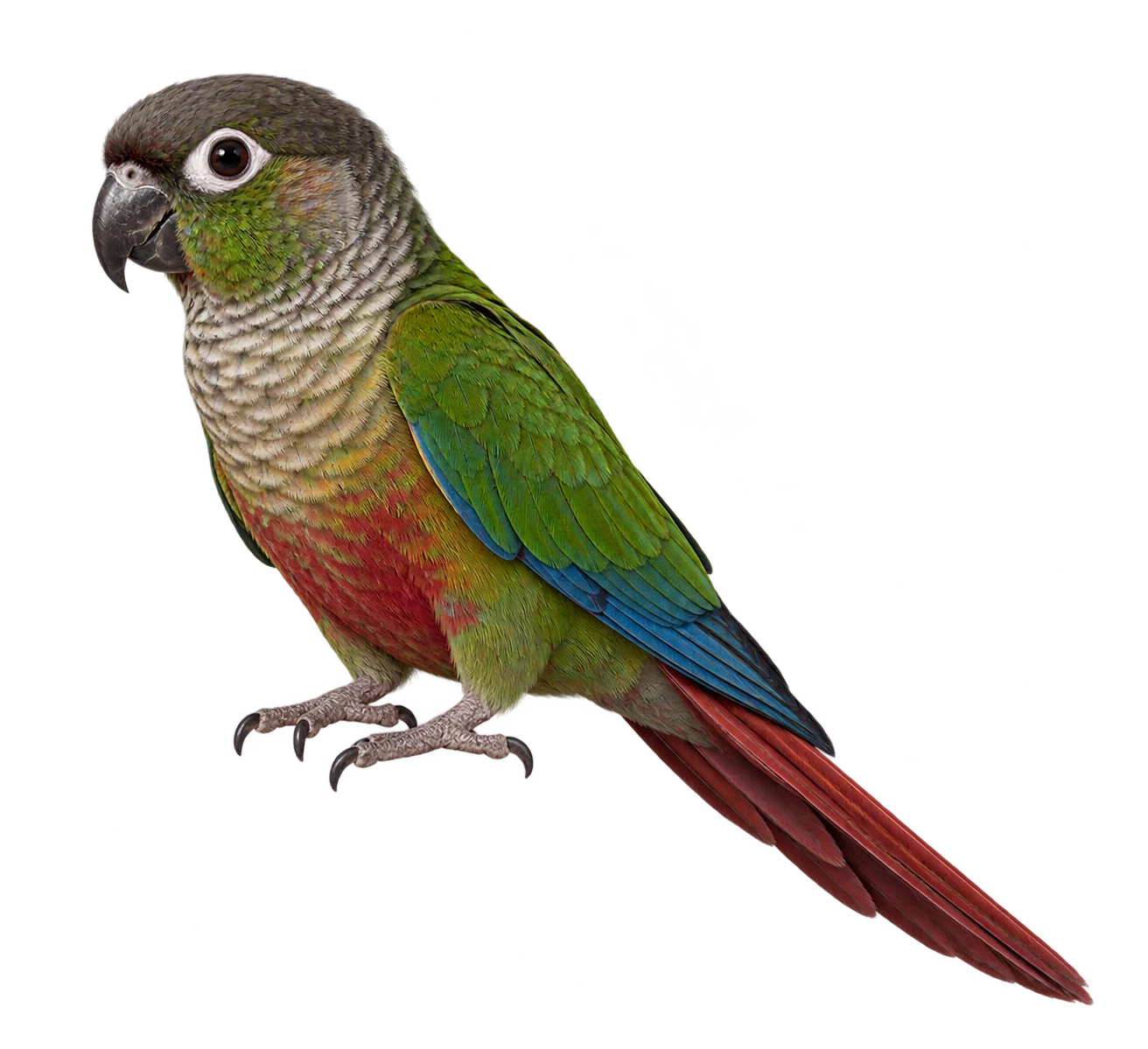
Birds
Conure
Psittacidae
Classification and source reference
LivingAI illustration