Living individuals or members of this group exist today. This does not mean they are safe from extinction.
Meet the scarlet macaw
The scarlet macaw is a large, loud parrot of the American tropics. Pairs stay together for life and fly in noisy flocks over the rainforest canopy.
Images of the scarlet macaw
Lifespan in the wild
40 to 50 years
Weight
About 1.2 kg
Length
About 89 cm
Fact file
Scarlet macaw
- Location
- Southern Mexico to Bolivia and Brazil
- Habitat
- Rainforest
- Diet
- Herbivore
- Prey / food
- Fruit, nuts, seeds, flowers, clay
- Predators
- Harpy eagles, jaguars, snakes take eggs
- Lifestyle
- Diurnal
- Group name
- Flock
- Name of young
- Chick
- Incubation
- About 25 days of incubation
- Clutch size
- 2 to 4 eggs
- Biggest threat
- The pet trade and deforestation
- Distinctive feature
- Bright red plumage with blue and yellow wings
- Colour
- Red, yellow and blue
- Skin type
- Feathers
Size
Next to a person
Measurements
Size and speed
- Length
- About 89 cm including the tail
- Weight
- About 1.2 kg
Typical adult ranges. Source: Animal Diversity Web.
Life cycle
Lifespan
- In the wild40 to 50 years
- In captivityUp to 33 years
- 050 years
The pale bar is the record. Sources: Animal Diversity Web, AnAge.
Appearance
Colour and coat
- Primary colours
- scarlet
- Secondary colours
- yellowbluewhite
- Skin type
- feathers
- Male and female
- Almost none. Males and females share the same colours, and a male may have a slightly longer tail and a slightly larger bill.
Life cycle
Mating and family
- Mating system
- monogamous pairs for life
- Social structure
- pairs and small family groups that roost in flocks
- Breeding
- one clutch of two to four eggs every one to two years
A pair nests in a large tree hole high in the canopy. The hen lays two to four white eggs and does most of the sitting. Sources give 25 days to five weeks for incubation. The chicks fledge at about 90 days and remain with the pair for one to two years. The pair does not breed again until the young are independent. A typical life is 40 to 50 years.
Classification
Taxonomy
- Kingdom
- Animalia
- Phylum
- Chordata
- Class
- Aves
- Order
- Psittaciformes
- Family
- Psittacidae
- Genus
- Ara
- Species
- Ara macao
Conservation
Red List status
- LC
- NT
- VU
- EN
- CR
- EW
- EX
Least Concern on the IUCN Red List
Range
Recorded in 15 countries
- Bolivia
- Brazil
- Belize
- Colombia
- Costa Rica
- Ecuador
- Guatemala
- Guyana
- Honduras
- Mexico
- Nicaragua
- Panama
- Peru
- Suriname
- Venezuela
Habitat layer: tropical moist broadleaf forest.
Countries from 7,112 wild records on GBIF (iNaturalist research grade), filtered and checked by hand. Country shapes: Natural Earth. Habitat: RESOLVE Ecoregions 2017, CC BY 4.0. Basemap: Natural Earth.
Habitats
Three things to know
- 1
Macaws eat clay from riverbanks, which may neutralise toxins in unripe fruit.
- 2
The beak can crack a Brazil nut.
- 3
A macaw can learn to mimic human speech.
Did you know
Seven more facts
- 1
The tail makes up a third to a half of the bird's 89 centimetres.
- 2
A young macaw has dark eyes, and they turn light yellow with age.
- 3
Most parrots, this one included, hold food in the left foot.
- 4
A pair will not lay again until the last brood has left, so it breeds only every one to two years.
- 5
The full genome of the species was published in 2013.
- 6
A free-flying flock of scarlet macaws lives in a village in Cumbria, England.
- 7
iNaturalist holds 14,455 observations, and GBIF has records from 48 countries.
Field notes
How it looks and acts
Field notes
Distinguishing features
- A scarlet body with yellow and blue bands on the wing.
- A long, pointed tail that ends in dark blue.
- Bare white skin on the face with only a few tiny feathers.
- A pale horn upper bill above a black lower bill.
- A length of about 89 centimetres and a weight of about 1.2 kilograms.
Field notes
Unique adaptations
- A hinged, powerful beak that opens the hardest nuts.
- Ridges inside the beak that grind a seed against the tongue.
- Clay eating that supplies minerals and binds toxins.
- Two toes forward and two back that, as in other parrots, grip a branch and hold food.
- A life spent high in the canopy, out of reach of ground predators.
Field notes
Interesting behaviours
- Flies over the canopy in pairs with loud contact calls.
- Visits clay licks with other macaws and parrots in the morning.
- Preens its mate and licks its mate's face.
- Roosts in flocks at night.
- Slips away from a threatened nest one bird at a time.
Field notes
Temperament
- Docile for most of the year.
- Aggressive around the nest in the breeding season.
- Deeply attached to its mate.
Field notes
Communication
- A raucous honk as the main contact call.
- Squawks, squeaks and screams that carry for kilometres.
- Mutual preening as touch between mates.
- Mimicry of human speech in captive birds.
Ecology
Ecological role
The scarlet macaw is a seed predator of large forest fruits, and it shapes which trees grow back in the canopy.
- Eats and destroys the seeds of large tree fruits, which affects forest regeneration.
- Opens unripe fruit and hard nuts that other animals cannot reach.
- Probably drops and spreads some seeds as it feeds, like other large fruit eaters.
- Feeds eagles, cats and nest raiders such as snakes and monkeys.
Stories
Myths and legends
- In Maya tradition, Seven Macaw claimed to be the sun and moon until the Hero Twins shot him down.
- In Maya and Aztec tradition, the macaw stood for the sun and for fire.
- In Pueblo tradition, macaws traded from Mexico were kept for their feathers and marked high status.
- In modern Honduras, the scarlet macaw is the national bird.
People
Relationship with humans
People
Living alongside us
People have kept and bred scarlet macaws for at least 1,000 years, first for their feathers and now as pets. The illegal pet trade and forest clearance have wiped the bird out of much of Central America. CITES bans commercial trade, and nest boxes, hand-rearing and tourism have helped some populations recover. The bird poses no danger to people.
- The species has no known negative effect on people.
- A breeding bird can turn aggressive and may bite anyone who comes near the nest.
- The beak that cracks a nut can probably break a finger, so handlers take care.
People
Status, uses and products
- Domestication
- Wild
- As a pet
- Not suitable. The scarlet macaw is a common aviary bird, but it is loud, long-lived and needs a mate or constant company. Trade is banned under CITES, and many birds on sale were poached. Buy only a captive-bred bird with papers, and expect a companion for 40 years or more.
- Uses
- ecotourismaviculturefeathers in ceremony
- Products
- feathers
The full account
About the scarlet macaw
Ara macao, the scarlet macaw, is a big parrot of the humid forests of Central and South America. Its body is scarlet, its wings carry bands of yellow and blue, and a long pointed tail makes up half its length. An adult measures about 89 centimetres from bill to tail tip and weighs about 1.2 kilograms. It lives from south-eastern Mexico through Central America and across the Amazon basin to Peru, Bolivia and Brazil. It is the national bird of Honduras.
Scarlet macaws pair for life and are rarely seen apart. They fly above the canopy in pairs or small family groups, and their loud squawks carry for kilometres. They eat fruit, nuts, seeds and flowers, and they crack nuts that few other animals can open. The IUCN lists the species as Least Concern, because it is still common over most of its South American range. In Central America, though, it survives only in small scattered groups, and the pet trade and forest loss remain the main threats.
Name and taxonomy
Carl Linnaeus described the scarlet macaw as Psittacus macao in 1758, in the tenth edition of Systema Naturae. The species now sits in the genus Ara, which Lacepede named in 1799. Ara is one of six genera of macaws in Central and South America. The bird belongs to the family Psittacidae and the order Psittaciformes, the parrots. It is also called the red-and-yellow macaw, the red-and-blue macaw or the red-breasted macaw.
Two subspecies are recognised, told apart by size and by the colour of the wing feathers. The South American form, Ara macao macao, has green tips on the wing coverts. The Central American form, A. m. cyanopterus, described in 1995, is larger and has blue on the wings in place of green. In Spanish the bird is the guacamayo macao, in Portuguese the araracanga and in German the Scharlachara.
Evolution and relatives
Macaws are a group of large Neotropical parrots, and the scarlet macaw is one of sixteen living species. Wikidata places the genus Ara in the subfamily Arinae, the group that holds the New World parrots. Its closest relatives are the other Ara macaws, and people often mistake it for the green-winged macaw, which is a little larger. That bird shows red feather lines across the face and lacks the yellow wing band. Like other parrots, the scarlet macaw probably descends from a line that split from the falcons and songbirds long ago.
In 2013 a team at Texas A&M University led by Christopher Seabury and Ian Tizard published the full genome of the species. From it they built genetic markers that identify individual birds from a shed feather. Those markers now help researchers track macaws across the Peruvian Amazon, where DNA breaks down fast.
Appearance
The scarlet macaw is about 89 centimetres long, and the tail accounts for a third to a half of that. It weighs about 1.2 kilograms. It carries a larger share of tail than any other big macaw. The Central American subspecies is the larger of the two.
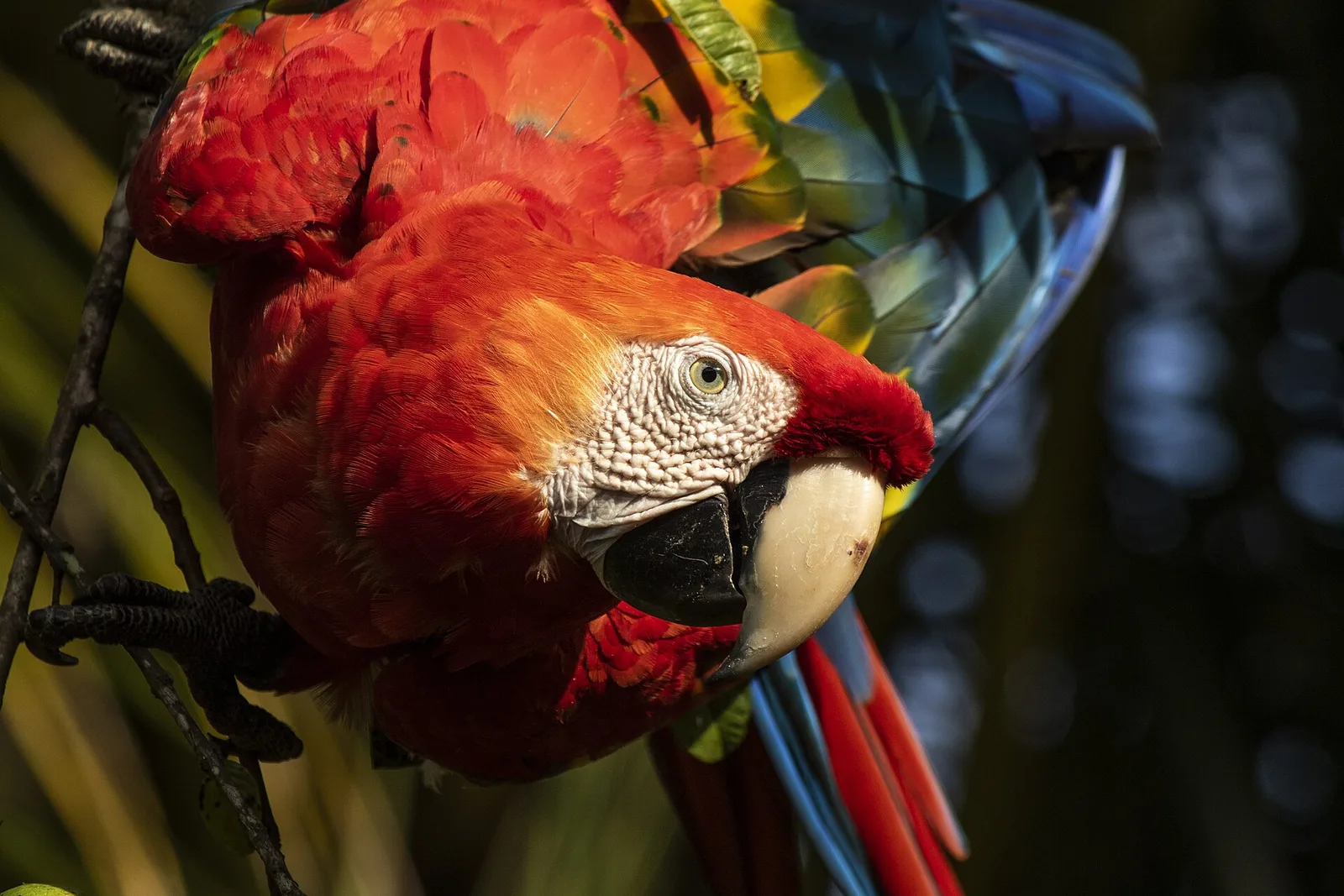
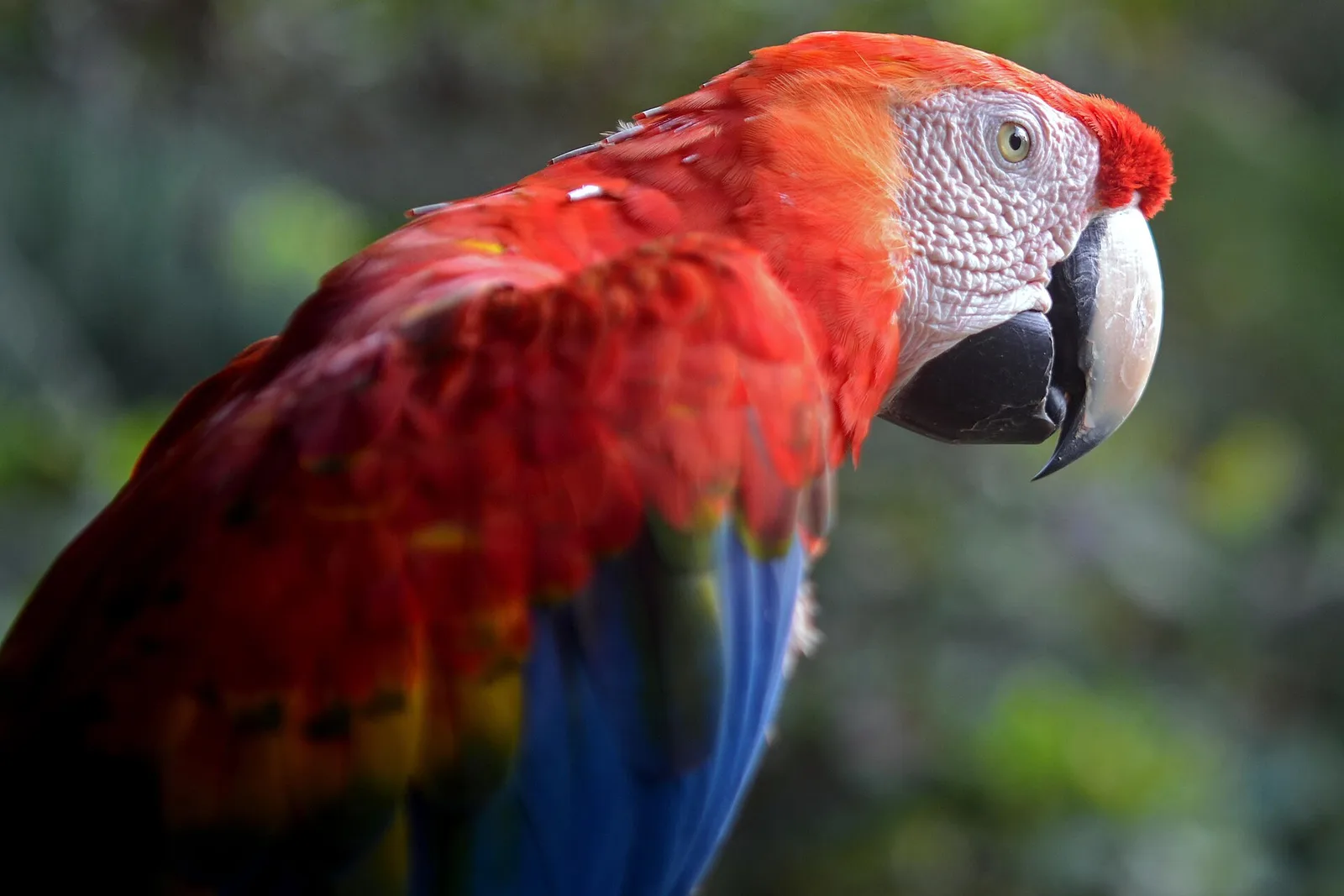
The plumage is mostly scarlet. The upper wing coverts are yellow, the flight feathers are dark blue, and the rump and tail coverts are light blue. The undersides of the wing and tail feathers are dark red with a metallic gold sheen. Some birds show green in the wing. The tail feathers end in dark blue.
Bare white skin surrounds the eye and runs to the bill, with a few tiny white feathers on it. The upper mandible is pale horn and the lower one black, and the legs and feet are black. A young bird has dark eyes, and an adult has light yellow eyes. Males and females look alike, though a male may have a slightly longer tail and a slightly larger bill.
Habitat and range
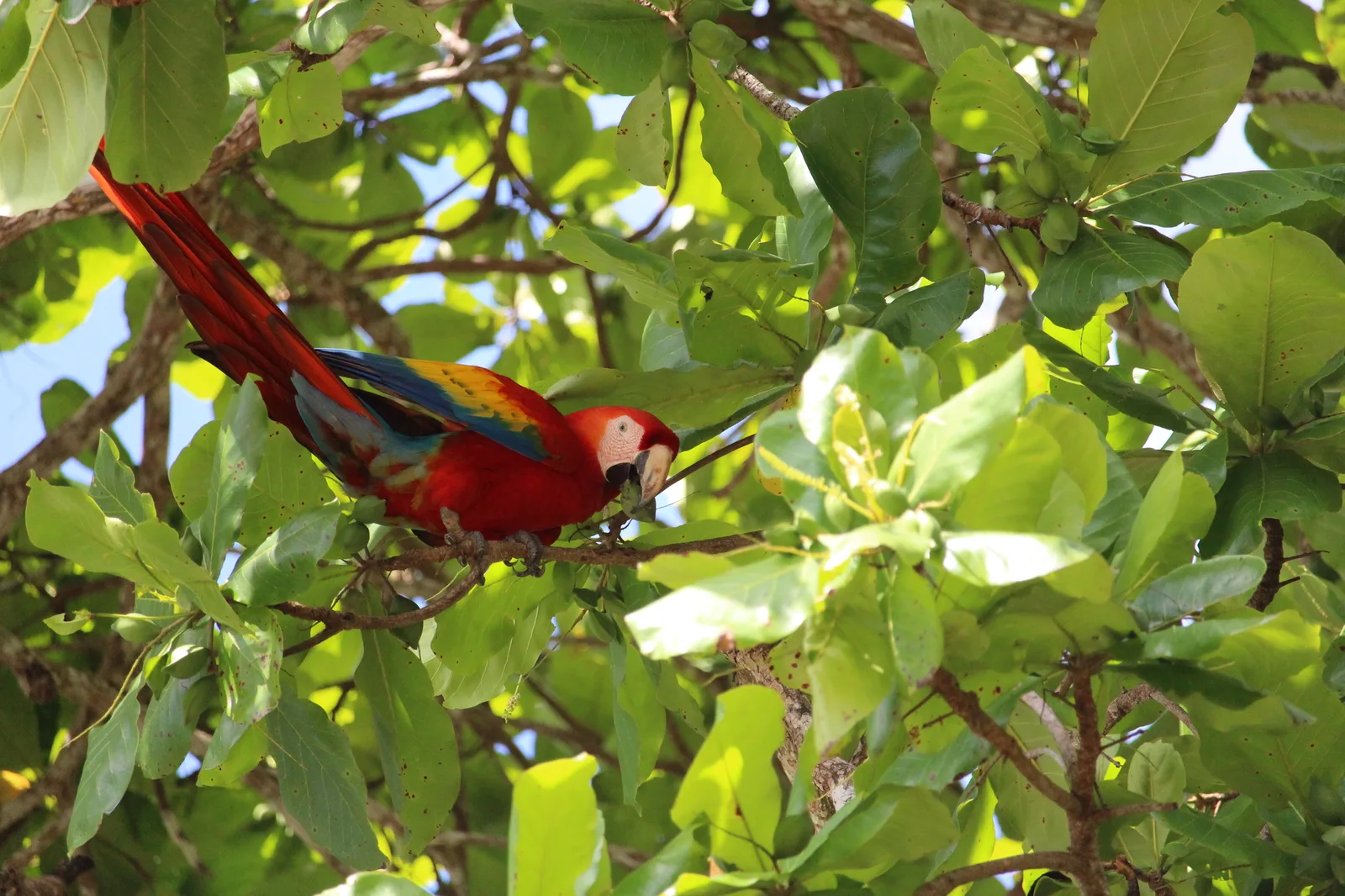
The scarlet macaw lives in humid lowland rainforest, open woodland, river edges and savanna. It is found from sea level up to 500 metres, and in the past up to 1,000 metres. Field work in Costa Rica found the birds almost always more than 10 metres up in the canopy and rarely on the ground. Most of their food grows in the canopy, and the height keeps them away from ground predators.
In South America the range covers much of the Amazon basin and reaches east of the Andes into Peru and Bolivia. The bird is common in the Aquicuana Reserve in the Beni Department of Bolivia. It also lives on Trinidad and on the Pacific island of Coiba. The whole range spans an estimated 6,700,000 square kilometres, the widest of any Ara macaw.
In Central America it ranges from the Yucatan Peninsula through Guatemala, El Salvador, Honduras and Nicaragua. It once reached southern Tamaulipas in Mexico, but it is gone from there now. In Costa Rica it survives in pockets on the Pacific coast: the Nicoya Peninsula, Carara National Park and the Osa Peninsula. Escaped birds turn up in Florida and Puerto Rico, and a free-flying group lives around Kirkby Stephen in Cumbria, England. GBIF holds records from 48 countries, and many of those outside the Americas are captive birds.
Diet and feeding
Wild scarlet macaws eat fruit, nuts, seeds, flowers and nectar. They take fruit before it ripens, when the skin is tough and other animals cannot get in. The big hinged beak also cracks the hardest nuts, which opens a food supply that few other animals can reach. Ridges inside the beak let the bird hold a hard seed between tongue and palate and grind it. Seeds of Cnidoscolus and Schizolobium trees are thought to be the main protein source for chicks.
In parts of the Amazon, macaws and parrots gather at riverbank clay licks in the morning. The clay supplies sodium and calcium, and it is thought to bind the tannins and other toxins in unripe fruit. Insects, grubs and snails are reported now and then, but they are a very small part of the diet. On the Pacific coast of Costa Rica the birds learned to feed on planted teak and beach almond trees. Local groups planted hundreds of those trees along the coast, and the macaw population there grew sharply. Captive birds take the same kinds of food, and breeders know the diet in detail.
Behaviour and social life
The scarlet macaw is active by day and social all its life. A typical sighting is one bird or a pair crossing high over the canopy, though flocks form in some areas. Pairs fly together, feed together and preen each other, and mates show affection by licking each other's faces. Once paired, a bird is rarely alone except when one partner must stay on the eggs. At night the birds gather in flocks to roost.
The species is fairly docile for most of the year but can become aggressive when breeding. If something frightens a pair at the nest, they watch quietly until the danger passes. If the nest is directly threatened, they slip away one at a time. Like most parrots, the scarlet macaw handles food with its left foot while the right foot holds the perch. That preference is thought to reflect a stronger right side of the brain, much as handedness does in people.
Communication and senses
Scarlet macaws are among the loudest birds in the forest. Their squawks, squeaks and screams are pitched to carry many kilometres and keep the group in touch. Most contact comes as a raucous honk, but the calls vary a great deal. Captive birds mimic human speech well.
Posture carries meaning too, and a mated pair communicates by touch when the two preen each other. The birds have excellent sight and hearing. Like other parrots, they probably see colours that people cannot, which may help them judge ripe fruit. A pair calls back and forth in flight, and the calls probably help the two find each other after they feed apart.
Reproduction and life cycle
Scarlet macaws are monogamous and keep one partner for life. In Central America the season runs from about January to April. A pair breeds only every one to two years, because they will not start a new clutch while the last young still depend on them. The nest is a large cavity high in a tree, hidden by thick foliage in the upper canopy. Good holes are scarce, which holds down the number of pairs that can breed in a year. Wild pairs raise few chicks, and the weaker nestlings often die before they fledge.
The hen lays two to four white, rounded eggs. Wikipedia says she sits for about five weeks, and Animal Diversity Web gives 24 to 25 days, so the true figure probably lies between. The female does most of the incubation, and the male feeds the chicks with food he brings up from his crop. The chicks fledge about 90 days after hatching.
Young birds remain with the parents for one to two years and learn a great deal in that time. They mature at three to five years old. A typical life is 40 to 50 years, and AnAge records a captive bird of 33. Wikipedia reports captive macaws that reached 75 or even 90 years.
Predators and threats
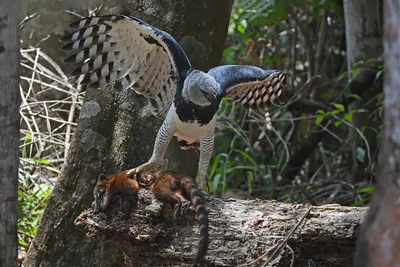
An adult escapes most predators by its size and by flight. Snakes, monkeys, toucans and small carnivores take eggs and chicks from the nest. Jaguars and other big cats, eagles and hawks take adults and fledglings. The harpy eagle is probably the most serious threat to an adult in flight, as it is for other large canopy birds.
People are the greater danger. Poachers cut down the nest tree to reach chicks or shoot adults for food and feathers. Every felled nest tree removes a hole that took decades to form, so the harm outlasts the theft. Forest clearance breaks the range into fragments, and in Central America the bird survives only in small isolated groups.
Population and conservation
The IUCN lists the scarlet macaw as Least Concern. The wild population is estimated at between 50,000 and 499,999 birds. Most of them live in South America, where the species is still common across the Amazon. The northern subspecies is in a far worse state, with only 2,000 to 3,000 birds left, and the United States lists it as endangered. Mexico lists the species as in danger of extinction and Peru as Near Threatened.
The species is on Appendix I of CITES, which bans commercial trade across borders, including parts and feathers. Nine of the sixteen macaw species share that listing. The species keeps its Least Concern rank only because the South American range is so large and the count there so high. Conservation groups put up nest boxes where natural holes are scarce, and macaws use them. The Tambopata Macaw Project in Peru hand-rears the extra chicks that would die in the nest and releases them. In Guatemala, Tikal National Park and Laguna del Tigre protect the main nesting lowlands of the Maya Biosphere Reserve. iNaturalist holds 14,455 observations of the species.
Relationship with humans
People bred scarlet macaws in captivity at Paquime in northern Mexico in the 11th century. Diggers there found breeding pens, perches, bones and pieces of eggshell. The birds and their feathers were traded north to the Pueblo peoples of the Colorado Plateau for use in ceremony. Feathers in a tomb near Pachacamac in Peru show trade across the Andes between about 1000 and 1470.
Today only the blue-and-yellow and the red-and-green macaws are commoner in captivity than the scarlet. Zoos and breeders understand its diet, incubation and hand-rearing in detail, and that knowledge feeds back into wild releases. Stricter laws have made it rarer and more expensive, and a single bird can sell for more than $1,000. The illegal trade still earns large sums every year. Breeders now supply moulted feathers with the birds they sell, so that wild macaws are not shot for plumes.
The bird harms no one, and it earns money for forest communities through birdwatching tours. Along the Tarcoles River in Costa Rica, tour companies built a business on the macaws and helped their numbers grow. In Guatemala, community monitoring of nests supports both the birds and local tourism.
In culture and myth
In the Maya creation story, the Popol Vuh, a vain bird named Seven Macaw claimed to be both the sun and the moon. The Hero Twins shot him from his tree with a blowgun and ended his boast. In Maya and Aztec thought the macaw stood for the sun, fire and solar power. Feathers went into ceremonial dress and into burials.
In the American Southwest, scarlet macaws traded up from Mexico marked the status of the Pueblo households that owned them. Today the bird is the national bird of Honduras and a symbol of conservation in Peru. Its image probably sells more tours, stamps and souvenirs than any other bird in Central America.
A sentence with a dotted underline is inferred: it describes the group the animal belongs to, or is a reading of the sources, rather than a measured or reported fact about this species.
Questions
Scarlet macaw questions, answered
How big is a scarlet macaw?
About 89 centimetres from bill to tail tip, and the tail makes up a third to a half of that. It weighs about 1.2 kilograms.
Where do scarlet macaws live?
In humid lowland forest from south-eastern Mexico through Central America and across the Amazon basin to Peru, Bolivia and Brazil. They also live on Trinidad and the island of Coiba.
What do scarlet macaws eat?
Fruit, nuts, seeds, flowers and nectar. They open unripe fruit and hard nuts that other animals cannot, and they eat riverbank clay for minerals.
Are scarlet macaws endangered?
The IUCN lists the species as Least Concern, because it is still common in South America. The Central American subspecies is down to 2,000 to 3,000 birds and is listed as endangered by the United States.
How long do scarlet macaws live?
Most live 40 to 50 years. AnAge records a captive bird of 33, and Wikipedia reports birds that reached 75 or even 90 in captivity.
Do scarlet macaws mate for life?
Yes. A pair stays together for life and is rarely seen apart, except when one bird sits on the eggs.
Can a scarlet macaw talk?
Yes, a captive bird can learn to mimic human speech. In the wild the species communicates with loud honks, squawks and screams.
Why do macaws eat clay?
The clay supplies sodium and calcium. It is also thought to bind tannins and other toxins in the unripe fruit the birds eat.
How many eggs does a scarlet macaw lay?
Two to four white eggs in a tree hole. The hen incubates them, for about 25 days by one source and about five weeks by another.
Is a scarlet macaw a good pet?
It is a demanding one. The bird is very loud, lives for decades and needs constant company. Trade is banned under CITES, so buy only a captive-bred bird with papers.
How much does a scarlet macaw cost?
A single bird can sell for more than $1,000, and stricter laws have pushed the price higher than that of a red-and-green macaw.
What eats scarlet macaws?
Snakes, monkeys and toucans take eggs and chicks. Jaguars, eagles and hawks take adults and fledglings, but an adult escapes most predators by flight.
What is the national bird of Honduras?
The scarlet macaw. It is also a symbol of conservation in Peru.
How loud is a scarlet macaw?
Very loud. Its calls are pitched to carry many kilometres across the forest so that a group can stay in touch.
Are scarlet macaws found in Africa or Asia?
No. Wild scarlet macaws live only in the Americas, from Mexico to Bolivia and Brazil. Any bird seen elsewhere is a captive or an escape.
What is the difference between a scarlet macaw and a green-winged macaw?
The green-winged macaw is slightly larger, has lines of red feathers across the bare face and has no yellow in the wing. The scarlet macaw has a yellow wing band and an almost bare white face.
Food web
Prey and food
- fruit
- nuts
- seeds
- flowers
- clay
Food web
Predators
 Harpy eagle
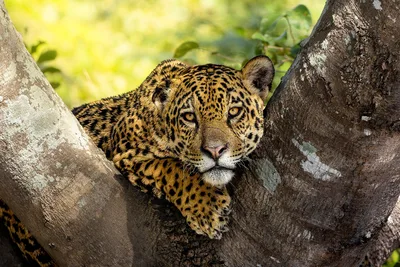 Jaguar
- snakes
Ecological equivalents
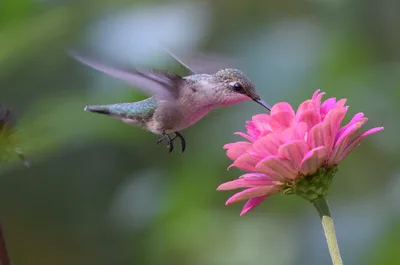
Related species on this site
African Grey Parrot (same family), Amazon Parrot (same family), Budgerigar (same family), Carolina parakeet (same family), Cockatiel (same family), Conure (same family), and more.
Birds
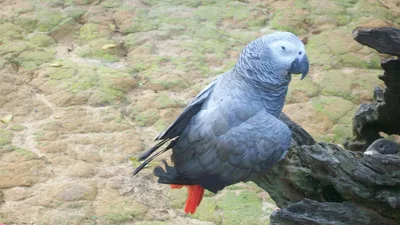
African Grey Parrot
Psittacus erithacus
Grey parrots are social African birds with grey feathers, a red tail and a strong curved bill.
Living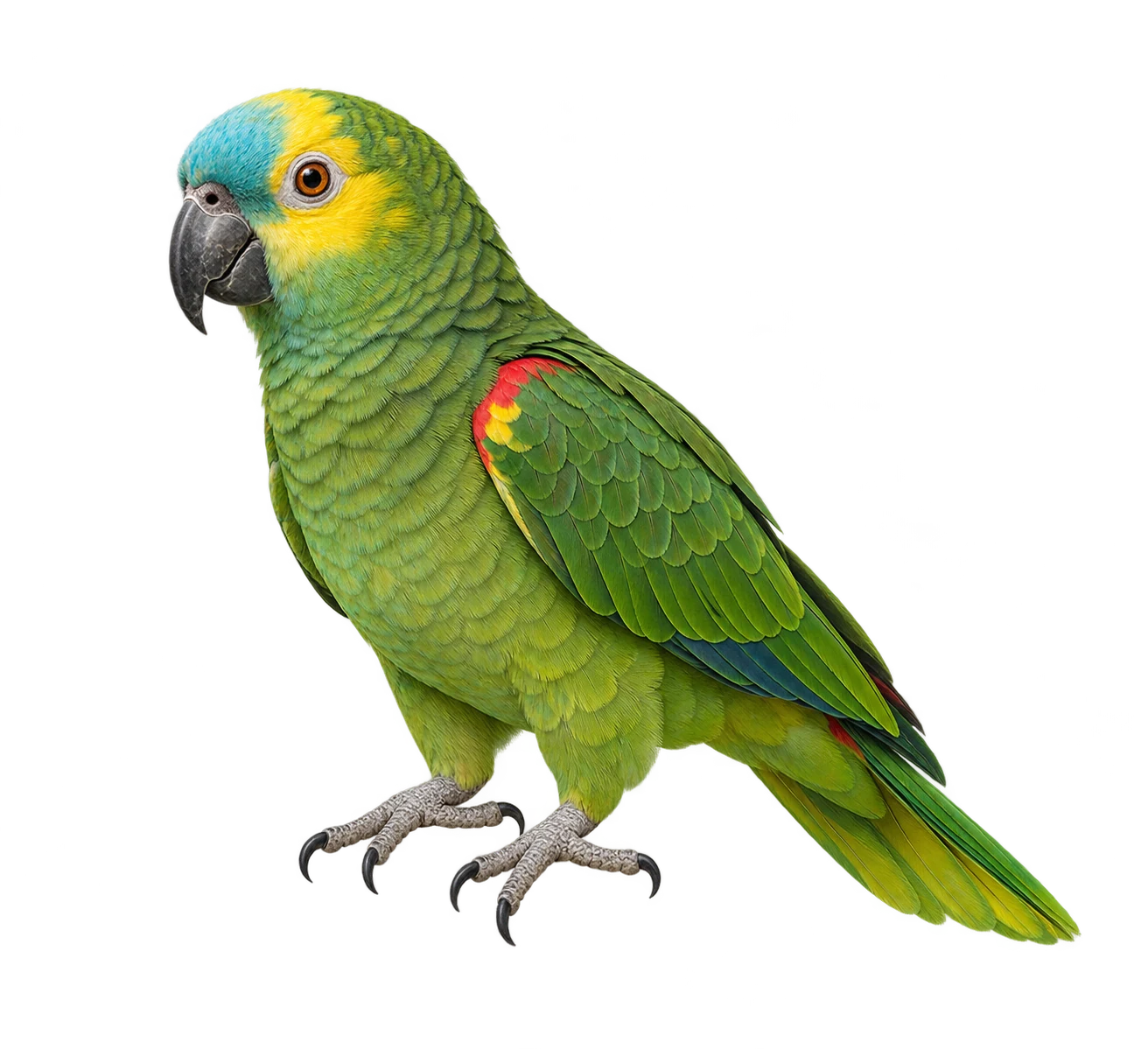
Birds
Amazon Parrot
Amazona
Classification and source reference
LivingAI illustration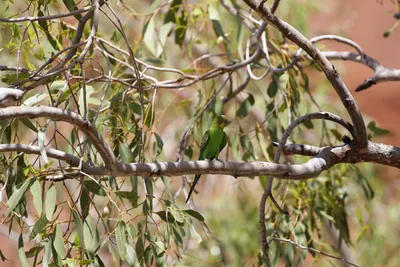 LC
Birds
Budgerigar
Melopsittacus undulatus
The budgerigar is a small green and yellow parrot from the dry interior of Australia.
Living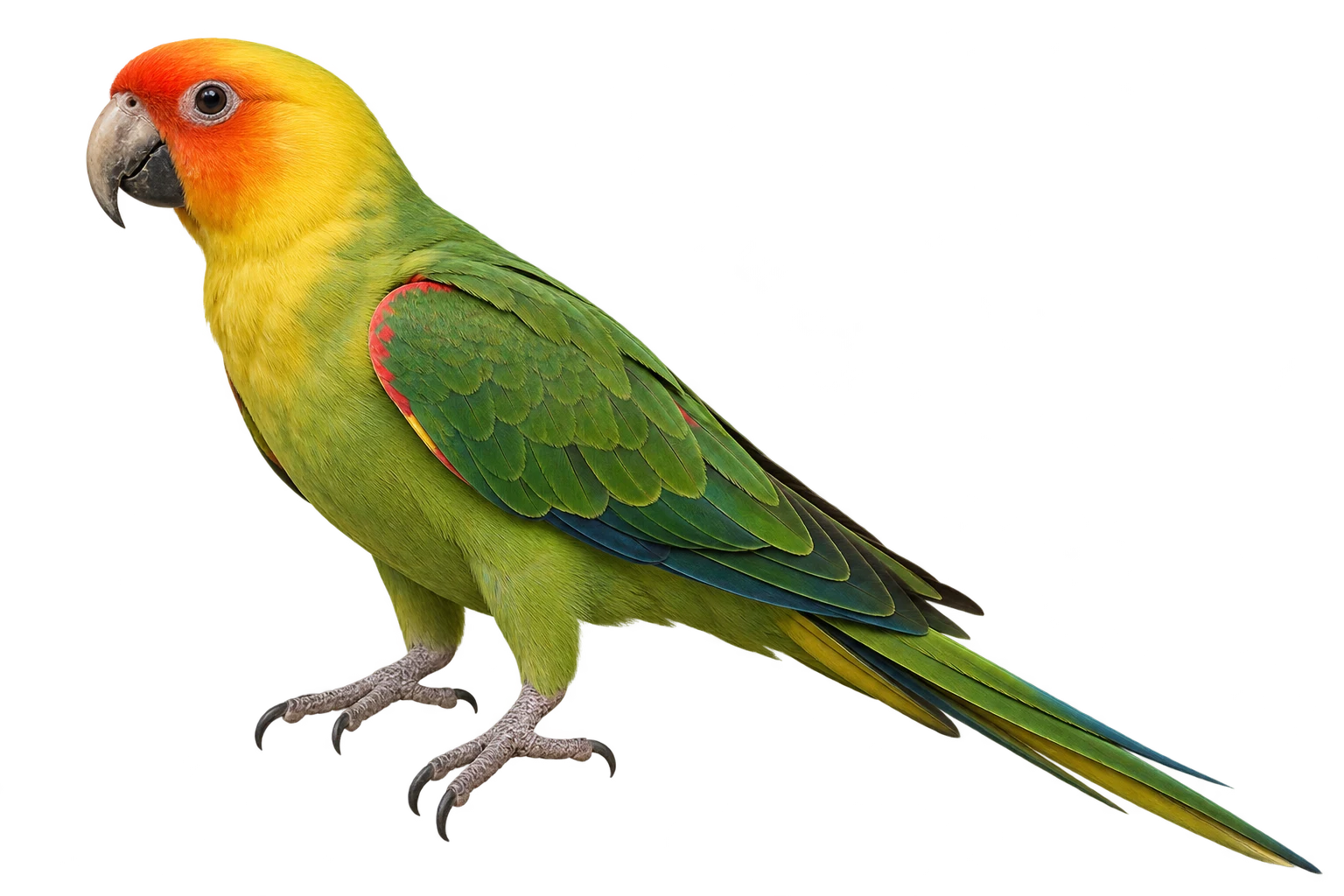 EX
Birds
Carolina parakeet
Conuropsis carolinensis
The Carolina parakeet was the only parrot native to the eastern United States.
ExtinctAI reconstruction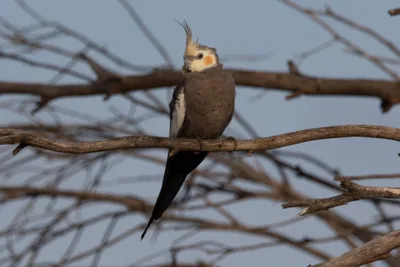 LC
Birds
Cockatiel
Nymphicus hollandicus
The cockatiel is the smallest cockatoo, and it lives across the dry inland of Australia.
Living
Birds
Conure
Psittacidae
Classification and source reference
LivingAI illustration