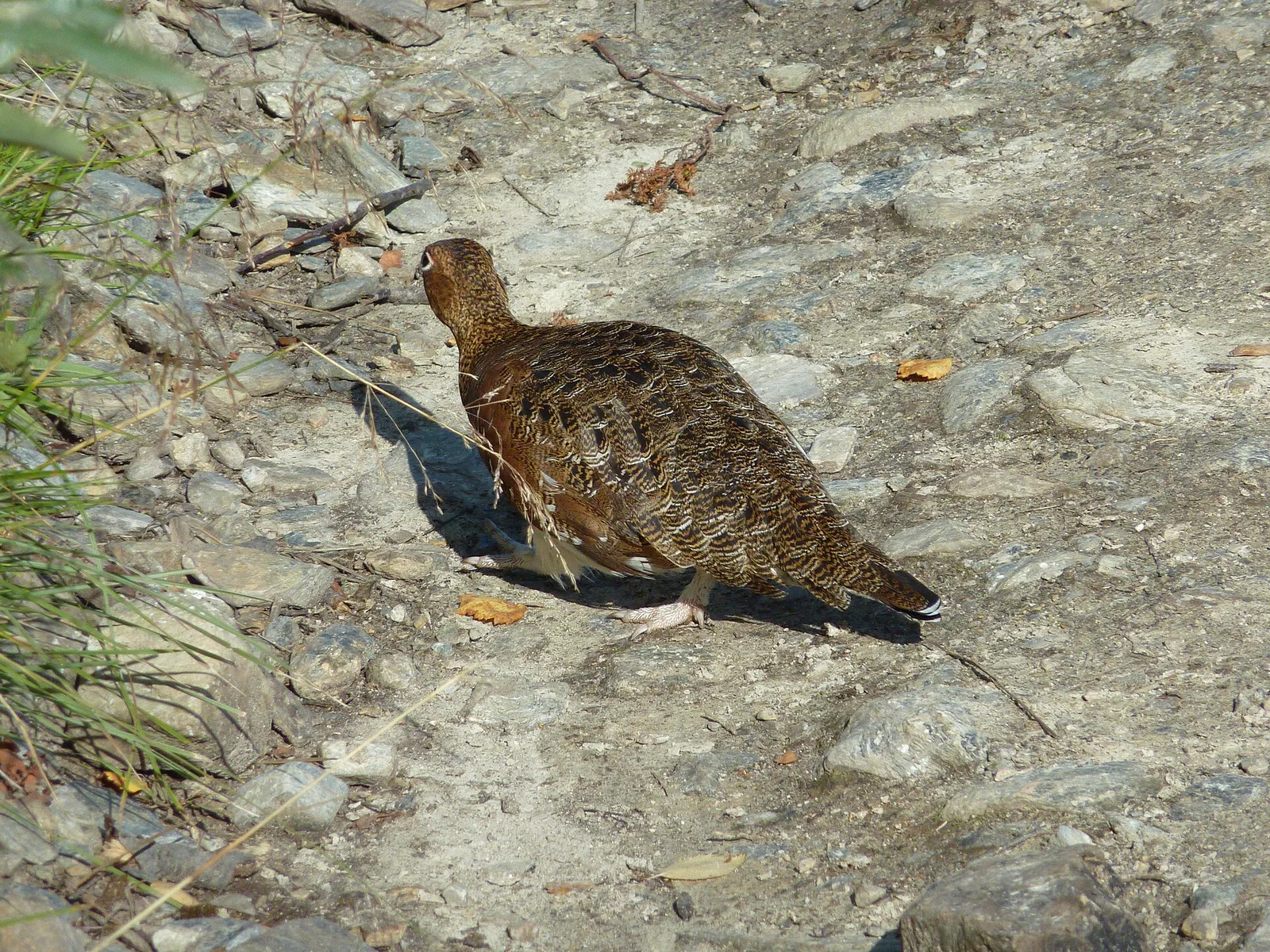
Willow ptarmigan
The grouse that turns white for the Arctic winter
Lagopus lagopus
Also called Willow grouse, Red grouse, Large ptarmigan
Living individuals or members of this group exist today. This does not mean they are safe from extinction.
Meet the willow ptarmigan
The willow ptarmigan is a grouse of the far north that wears brown feathers in summer and white ones in winter. It lives on willow buds, leaves and berries, and it is the only grouse whose male helps to raise the brood.
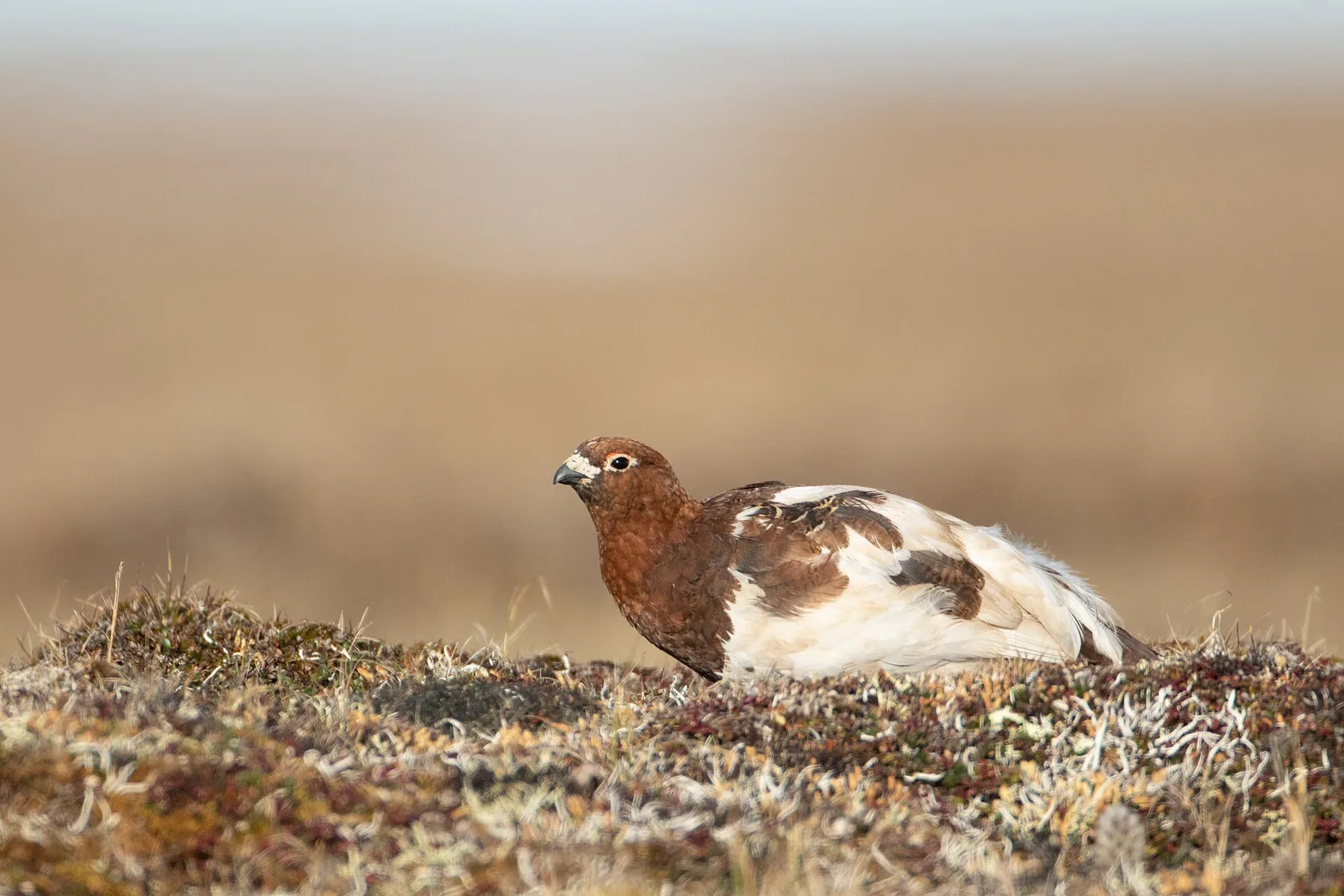
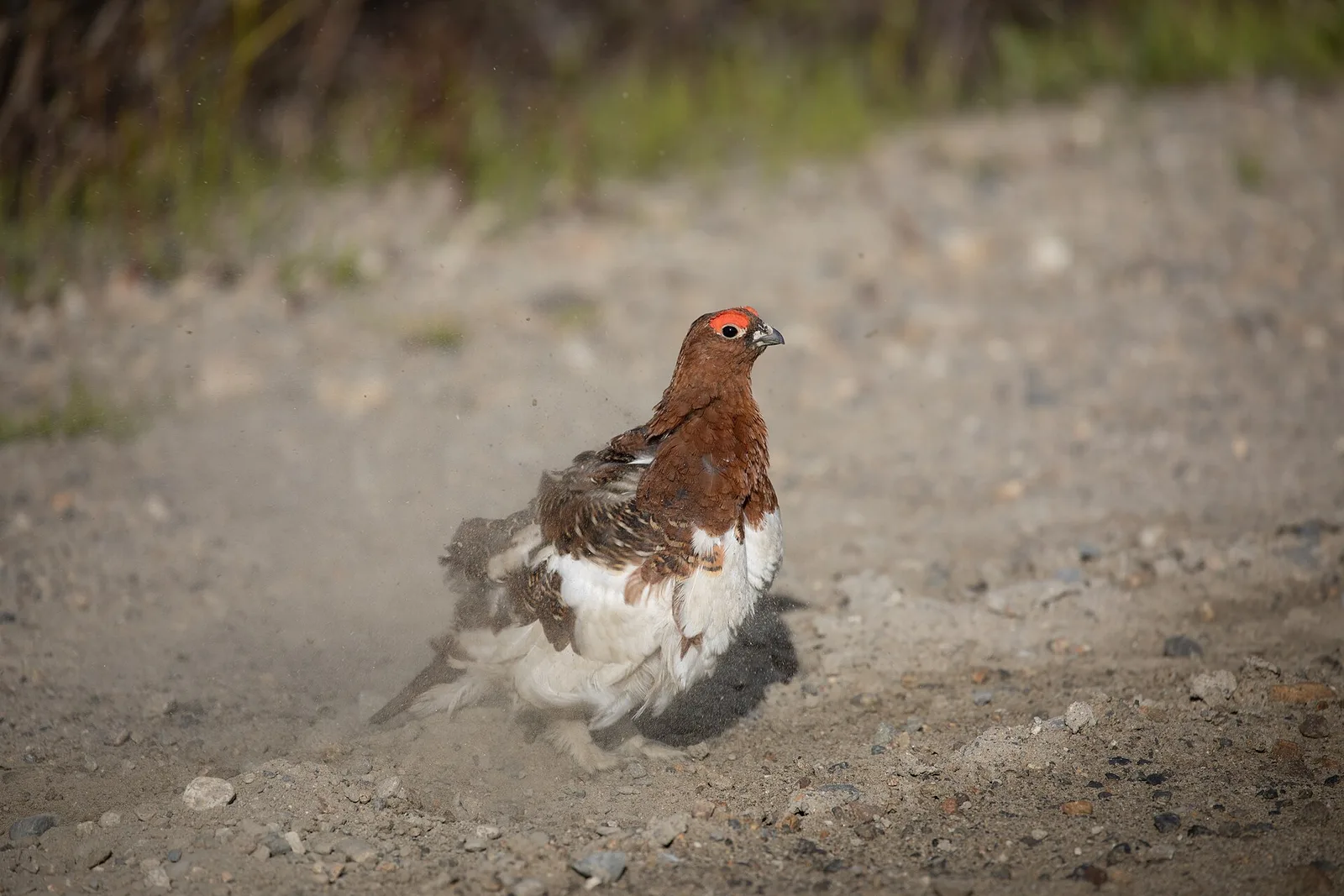
Images of the willow ptarmigan
Lifespan in the wild
Up to 9 years the oldest ringed male reached 9 years and the oldest female 8; most birds die far younger
Weight
430 to 810 g
Length
35 to 44 cm
Wingspan
60 to 65 cm
Fact file
Willow ptarmigan
- Location
- Tundra and northern forest around the Arctic
- Habitat
- Tundra, Temperate forest, Mountains
- Diet
- Herbivore
- Predators
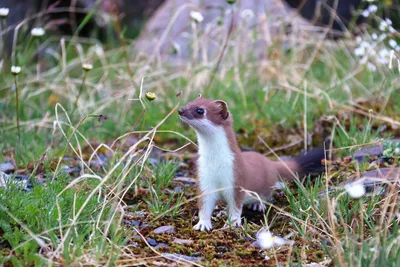
- Arctic fox, red fox, gyrfalcon, golden eagle, snowy owl, raven, stoat, lynx
- Lifestyle
- Ground-dwelling, social in winter
- Group name
- Flock
- Name of young
- Chick
- Incubation
- Incubation 20 to 23 days
- Clutch size
- 4 to 14 eggs
- Population
- About 40 million birds
- Biggest threat
- Shrub change in a warming Arctic
- Distinctive feature
- Feathered toes and a white winter plumage
- Colour
- Marbled brown in summer, white in winter
- Skin type
- Feathers
Size
Next to a person
Measurements
Size and speed
- Length
- 35 to 44 cm
- Wingspan
- 60 to 65 cm
- Weight
- 430 to 810 g 430 to 810 grams, with an average near 570 grams
Typical adult ranges. Sources: Animal Diversity Web, Wikipedia.
Life cycle
Lifespan
- In the wildUp to 9 years the oldest ringed male reached 9 years and the oldest female 8; most birds die far younger
- 09 years
The pale bar is the record. Source: Animal Diversity Web.
Appearance
Colour and coat
- Primary colours
- brownwhite
- Secondary colours
- blackred
- Skin type
- feathers
- Male and female
- Slight. Both sexes are about the same size. In summer the male is redder over the neck and breast and carries large red eye combs. The female is mottled brown and ochre with small combs.
Life cycle
Mating and family
- Mating system
- mostly monogamous pairs, with a few polygynous males
- Social structure
- territorial pairs in summer, mixed flocks in winter
- Breeding
- one clutch a year
Males take territory in April and May, and the hens arrive about two weeks later. The pair scrapes a bowl in the ground and the hen lays 4 to 14 eggs. Incubation takes 20 to 23 days, and the chicks walk out of the nest on their hatching day. Both parents feed and guard the brood, which sets this grouse apart from its relatives. Young birds are independent at about 5 to 7 months and can breed the following spring.
Classification
Taxonomy
- Kingdom
- Animalia
- Phylum
- Chordata
- Class
- Aves
- Order
- Galliformes
- Family
- Phasianidae
- Genus
- Lagopus
- Species
- Lagopus lagopus
Conservation
Red List status
- LC
- NT
- VU
- EN
- CR
- EW
- EX
Least Concern on the IUCN Red List
Range
Recorded in 7 countries
Habitat layer: temperate broadleaf and mixed forest, temperate conifer forest, boreal forest and taiga, montane grassland and shrubland, tundra.
Countries from 4,403 wild records on GBIF (iNaturalist research grade), filtered and checked by hand. Country shapes: Natural Earth. Habitat: RESOLVE Ecoregions 2017, CC BY 4.0. Basemap: Natural Earth.
Habitats
Three things to know
- 1
Alaska picked the willow ptarmigan for its state bird.
- 2
Adults eat only plants, but the chicks start life on insects.
- 3
Its numbers rise and fall on a cycle that peaks every 9 to 10 years.
Did you know
Seven more facts
- 1
Alaska chose this bird as its state emblem in 1955.
- 2
The genus name Lagopus began as a Greek word meaning hare-footed.
- 3
The birds sleep inside burrows that they dig in the snow.
- 4
Ptarmigan numbers peak on a cycle of about 9 to 10 years.
- 5
Ornithologists put the world population near 40 million.
- 6
British and Irish red grouse never turn white at all.
- 7
Pectoral muscles grow fast in chicks, so a two-week-old bird can already shiver itself warm.
Field notes
How it looks and acts
Field notes
Distinguishing features
- A white winter plumage broken only by the black outer tail feathers.
- A marbled brown summer plumage, reddest on the neck and breast of the male.
- Scarlet combs above the eyes, biggest on a breeding male.
- Short legs and toes covered in feathers.
- A length of 35 to 44 centimetres and a wingspan of 60 to 65 cm.
- A broad bill and a heavier build than the rock ptarmigan.
Field notes
Unique adaptations
- A seasonal moult that matches the plumage to snow or to bare ground.
- Feathered toes that carry the bird over loose snow.
- Large breast muscles that make heat by shivering.
- Feather barbules with air pockets inside them, which slow the loss of heat.
- A gut that can run all winter on willow buds and little else.
Field notes
Interesting behaviours
- Digging a snow burrow and roosting inside it in hard weather.
- Freezing in a crouch with the head low when a predator passes.
- Dragging a wing to draw a hunter away from the chicks.
- Bathing in dust, sand or snow flicked over the back with the wings.
- Frolicking, in which a family jumps about at random and beats its wings.
Field notes
Temperament
- Territorial and loud in spring, when males fight over ground.
- Sociable in winter, when flocks feed and roost close together.
- Bold in defence of a brood, and both parents will dive at an intruder.
- Reluctant to fly, and the bird prefers to walk or run out of trouble.
Field notes
Communication
- At least 11 calls, from chuckles and clucks to barking notes.
- A flight-song that only the male gives.
- A purr or a moan from a hen to her chicks.
- A hiss from either parent in defence of the young.
- Red eye combs raised as a visual signal to rivals and to hens.
Ecology
Ecological role
The willow ptarmigan is both a heavy browser of northern shrubs and a staple meal for Arctic hunters.
- Its browsing keeps willow low, and one study found 90% of the buds in reach were gone.
- It feeds foxes, gyrfalcons, eagles, ravens and weasels through the year.
- Chicks eat caterpillars and beetles, so a brood thins the summer insect crop.
- It hosts flukes, tapeworms and roundworms, which may kill a heavily infected bird.
Stories
Myths and legends
- In Alaskan tradition, the willow ptarmigan stands for the north, and the state adopted it in 1955.
- In Sami tradition, the bird is the rievssat, and it appears in the language as an everyday winter bird.
- In Inupiaq naming, it is the aqargiq, and the word probably copies its call.
- In Scottish tradition, the red grouse opens the sporting year on the Glorious Twelfth.
- In British popular culture, the red grouse is the badge of a famous whisky.
People
Relationship with humans
People
Living alongside us
People have hunted the willow ptarmigan across the north for food and for sport. In Scotland and northern England the red grouse supports estates, gamekeepers and a shooting season that opens on 12 August. Managers burn heather, spread medicated grit and control predators to keep numbers high. Alaska named the bird its state emblem in 1955. The species does no damage to farms or property.
- The bird is harmless and flies or runs away from people.
- A parent defending chicks may dive at an intruder, but it cannot injure anyone.
- There are no recorded adverse effects of willow ptarmigan on humans.
People
Status, uses and products
- Domestication
- Wild
- As a pet
- Not suitable. This is a wild Arctic game bird that needs cold, open ground and a winter diet of willow buds. It is nervous in confinement and is protected as a game species across most of its range.
- Uses
- game shootingmeatmoorland tourism
- Products
- meat
The full account
About the willow ptarmigan
The willow ptarmigan, Lagopus lagopus, is a grouse of the far north. It sits in the pheasant family, Phasianidae, and it is the largest of the three ptarmigans. Adults measure 35 to 44 centimetres from the bill to the tail tip. The wingspan runs 60 to 65 cm, and the weight runs 430 to 810 grams. Males and females come out at much the same size.
The bird changes colour twice a year, brown for the summer and white for the snow. It breeds right around the Arctic, in northern Europe, Siberia, Alaska and Canada. Adults live on plants, mostly the buds, twigs and leaves of willow. The male stays with the brood, which no other grouse does. The IUCN lists the species as Least Concern, with a world total near 40 million. Alaska adopted it as the state bird in 1955.
Name and taxonomy
Carl Linnaeus described the bird in 1758 and called it Tetrao lagopus. He gave the type locality as the alps of Europe, later narrowed to Sweden. The French zoologist Mathurin Jacques Brisson set up the genus Lagopus in 1760. Lagopus is the Latin word for a ptarmigan, and it began as a Greek term for hare-footed. The name probably points to the thick feathers that cover the toes.
Ornithologists list 15 subspecies spread across the northern hemisphere. The plumage shifts several times a year, so the taxonomy has always been muddled. The red grouse of Britain and Ireland was long counted as one of the subspecies. Several checklists now treat it as a species of its own, Lagopus scotica. Other English names for the species include willow grouse and large ptarmigan.
Evolution and relatives
The willow ptarmigan is one of four species in the genus Lagopus. Its nearest relatives are probably the rock ptarmigan and the white-tailed ptarmigan. The living bird has changed little from the one that walked the Pleistocene tundra. Fossils show that it ranged deep into continental Europe during the ice ages. Authors who accept fossil subspecies call those older birds L. l. noaillensis. They trace the line back to an earlier bird named Lagopus atavus.
About 10,000 years ago the last glaciation ended and the tundra moved north. The species followed its habitat and left continental Europe behind. Researchers have pulled its mitochondrial DNA out of permafrost in the Yukon. The bird crosses with black grouse and hazel grouse where their ranges meet. Rarer crosses involve the western capercaillie, the spruce grouse and the rock ptarmigan.
Appearance
This is a plump, ground-living bird with a deep chest and a fairly long neck. The bill is broad, the legs are short and feathered, and the tail is short and rounded. Adults measure 35 to 44 centimetres long, and the wingspan reaches 60 to 65 cm. Weight runs from 430 to 810 grams, and the average sits near 570 g. Feathers cover the toes as well as the legs, which is unusual among game birds.
In summer the male is marbled brown, with a rusty wash over the neck and breast. Bright red combs sit above his eyes and swell during the breeding season. The female wears a finer mottling of brown and ochre and has much smaller combs. By November both sexes are white, apart from the black outer tail feathers. The flight feathers stay white through every season. Red grouse in Britain and Ireland skip the white stage and stay dark reddish-brown.
Habitat and range
The willow ptarmigan has a circumboreal range that circles the top of the world. It breeds in northern Europe, across Siberia, and through Alaska and northern Canada. Newfoundland and Labrador and Quebec hold large Canadian populations. Norway, Sweden, Finland, Estonia, Latvia, Lithuania, Russia, Kazakhstan, Mongolia and China all lie in the range. GBIF holds occurrence records from 36 countries. iNaturalist carries 5,326 observations of the species.
The bird keeps to subalpine and subarctic ground rather than high bare rock. Typical cover is willow and alder thicket, open birch woodland, heather moor and damp tundra. Summer birds favour moist valleys, marshy tundra and the edge of the treeline. In winter the hens and young birds drop into valleys and thicker cover. Adult males usually hold their ground higher up. Most birds stay within 100 kilometres of their summer range, though some hens travel 160 km.
Diet and feeding
Adult willow ptarmigan are herbivores and take almost nothing but plant food. Summer meals include leaves, flowers, buds, grass shoots, seeds and berries. Blueberry, cranberry, lingonberry and crowberry all appear in the summer diet. As the insects fade in autumn, the birds take more berries, seeds and buds. Winter food narrows to willow buds and twigs, with some birch mixed in. Up to 94% of the winter diet can come from willow alone.
The birds dig through snow to reach buried shoots. In winter they feed twice a day, for roughly two hours each time. Feeding time grows as the northern daylight returns. Heavy browsing keeps the shrubs low, and one Alaskan study found 90% of reachable willow buds eaten. Chicks need protein, so they start on caterpillars, insects, flowers and seeds. Their caeca are not yet developed, so young birds handle plant food badly. Scottish red grouse eat heather instead, and it supplies up to 95% of their autumn food.
Behaviour and social life
Males claim breeding ground in April and May and drive off other males. Jumping and facing are the two common threat displays. In a jump, two or more birds spring about and beat their wings. In a face, two evenly matched birds stand head to head with their combs raised. A dominant bird may chase a rival far, and the loser is sometimes hurt or killed.
Willow ptarmigan walk and run far more than they fly. They creep low over snowfields and take off mainly to escape or to survey ground. In cold weather they dig burrows in the snow and roost inside them. The air in a burrow usually stays above the temperature at which the bird must burn energy. They bathe by fluffing up and flicking dust, sand or snow onto their backs.
Families gather into flocks by September, and winter birds feed and roost side by side. Close roosting probably helps the flock hold its heat. Winter flocks are nomadic and shift wherever food and shelter allow, from November to March. Family parties sometimes frolic, crouching low and leaping about with flapping wings.
Communication and senses
Observers have logged at least 11 different calls in this species. The voice is low and guttural, full of chuckles, clucks and sharp outbursts. A displaying male adds rattling and barking notes. Only males give the flight-song, the rattle, the kohwa and the aroo. Both sexes use koks, ko-ko-ko and krrow when they threaten, court or hold ground.
A hen purrs or moans to keep her chicks with her. Either parent hisses or moans when it defends the brood. Male calls carry more force and more modulation than the calls of hens. Like other birds, the species reads its world mostly through sight and hearing. The red combs above the eye work as a signal that a rival or a hen can see far off. Users of social media hear the call as awebo, and the nickname has spread widely.
Reproduction and life cycle
Males reach the breeding ground about two weeks before the hens. Courtship runs through tail-fanning, waltzing, rapid-stamping, bowing and head-wagging. In waltzing the male drapes his wings around the hen and circles her with short steps. A hen prefers a male with a wide territory, large combs and a keen display. She may leave, though, if the display turns too rough.
Most pairs are monogamous, and only 5 to 20% of males take a second hen. Between 83 and 86% of pairs reunite the next year when both birds survive. The pair scrapes a bowl in the ground and lines it with leaves, grass and feathers. The nest is 15 to 20 centimetres across and 8 to 16 cm deep, with one open side. A clutch holds 4 to 14 eggs, and incubation lasts 20 to 23 days in early summer.
A hatchling weighs about 15 grams and leaves the nest on the day it hatches. It stops needing its parents for warmth after 7 to 10 days. It can fly short distances at 10 to 12 days old. Young birds reach adult size by autumn and feed themselves at about 5 to 7 months. Both sexes can breed as yearlings, though not every young male wins ground or a mate.
The male guards the nest and the brood, and no other grouse gives that much care. A lone male can raise a brood after the hen dies. Unpaired males sometimes join a widowed hen and defend chicks that are not their own. The gain for such a male may be a mating chance later in the season.
Predators and threats
Predation is the chief cause of death, and starvation and weather matter far less. Birds rob more nests than mammals do. Arctic foxes, red foxes, gyrfalcons, golden eagles, snowy owls and ravens all take ptarmigan. Stoats, least weasels, pine martens, mink, lynx, wolverines and wolves hunt them too. Merlins and short-eared owls kill young red grouse in Britain.
A frightened bird crouches, lowers its head and holds still. A parent may walk away from the nest, or drag a wing as if it were broken. A quick moult keeps the plumage close to the colour of the ground. Fewer than 35% of chicks live to 11 months. Adult mortality runs from 60 to 72% a year.
Flukes, tapeworms, roundworms and skin parasites drain the birds and can kill them. Louping ill virus has killed as much as 78% of red grouse in a bad outbreak. Shrubs are spreading as the Arctic warms, which changes the winter food supply. Pollutants now reach even remote Arctic ground.
Population and conservation
The IUCN lists the willow ptarmigan as Least Concern. The world total is put at about 40 million birds. Numbers slip a little each year, but the range is huge and the habitat is remote. Populations swing on a cycle with a peak every 9 to 10 years. Weather and the quality of the food supply probably drive that cycle.
Regional lists tell a harder story in some places. Alberta rated the bird critically imperilled in 2009, unlike the rest of Canada. Estonia lists it as Endangered, and Finland lists it as Vulnerable. Britain holds roughly 250,000 breeding pairs of red grouse, and Ireland far fewer. Heather loss to forestry and grazing has cut Scottish numbers. Visitor pressure damages fragile northern ground that the bird depends on.
Relationship with humans
The willow ptarmigan is one of the most popular game birds of the north. Hunters shoot it across North America and Europe for sport and for the table. In Scotland and northern England the red grouse supports a whole rural industry. Shooting starts on 12 August each year, a date called the Glorious Twelfth. Beaters walk the moor and push the birds towards a line of hidden guns.
The number of grouse on a moor helps set what the land is worth. Estates burn the heather in patches, give the birds medicated grit and cull foxes and crows. The fall in red grouse numbers has cost income and work in the Central Highlands. Alaska made the willow ptarmigan its state bird in 1955. The bird does no harm to people, crops or property.
In culture and myth
The willow ptarmigan is probably familiar to every people of the far north. Norwegians call it lirype, Swedes dalripa, Finns riekko and the Sami rievssat. In Russian it is the white partridge, belaya kuropatka. Inupiaq speakers in Alaska know it as aqargiq. That name probably imitates the clucking call. Southern Lapland also names the species as its regional bird.
In Britain the red grouse appears in culture far more often than the northern form. It gave its shape to the emblem of the magazine British Birds. It also serves as the badge of a well known Scotch whisky. The Glorious Twelfth is a fixture of the British sporting calendar. London restaurants race each other to serve the first birds of the season.
The bird found a new audience in 2024 through short videos of its call. Listeners heard the Mexican Spanish phrase a huevo in the sound. The species now circulates online under the nickname awebo. The choice of a state bird in Alaska probably reflects how common the species is there.
A sentence with a dotted underline is inferred: it describes the group the animal belongs to, or is a reading of the sources, rather than a measured or reported fact about this species.
Questions
Willow ptarmigan questions, answered
How big is a willow ptarmigan?
An adult is 35 to 44 centimetres long with a wingspan of 60 to 65 cm. It weighs 430 to 810 grams. Males and females are much the same size.
Why does the willow ptarmigan turn white?
White feathers hide the bird against snow. It moults to a marbled brown in spring, so the plumage matches the ground as the snow melts. The change runs both ways every year.
What does a willow ptarmigan eat?
Adults eat only plants. Summer food is leaves, flowers, buds, seeds and berries. In winter the birds live mainly on willow buds and twigs, which can make up 94% of the diet.
Where do willow ptarmigan live?
They live around the Arctic, in northern Europe, Siberia, Alaska and northern Canada. They keep to willow thicket, birch woodland, heather moor and tundra.
Is the willow ptarmigan the same bird as the red grouse?
The red grouse of Britain and Ireland was long treated as a subspecies. Several checklists now rank it as a separate species, Lagopus scotica. It never turns white in winter.
Are willow ptarmigan endangered?
No. The IUCN lists the species as Least Concern, with a world population near 40 million. Some regions are different, and Alberta rated the bird critically imperilled in 2009.
How many eggs does a willow ptarmigan lay?
A clutch holds 4 to 14 eggs. The nest is a shallow bowl on the ground, lined with leaves, grass and feathers. Incubation takes 20 to 23 days.
Do male ptarmigan help raise the chicks?
Yes, and no other grouse does. The male guards the nest and then the brood until the young are independent. A lone male can rear a brood if the hen dies.
How long does a willow ptarmigan live?
Most die young, because 60 to 72% of adults are lost each year. The oldest ringed male reached 9 years and the oldest female 8 years. Most chicks die within their first year.
Why is the willow ptarmigan the state bird of Alaska?
Alaska adopted it in 1955. It is a common and well loved bird across the territory and it survives the Arctic winter without leaving.
How does a ptarmigan survive the Arctic winter?
It roosts in burrows dug into the snow, where the air stays warmer than the open air. Thick plumage with air-filled barbules holds heat in. Big breast muscles let the bird shiver.
Do willow ptarmigan migrate?
They move rather than truly migrate. Hens and young birds drop into sheltered valleys for the winter, sometimes 160 kilometres away. Adult males usually stay near the breeding ground.
What eats willow ptarmigan?
Arctic and red foxes, gyrfalcons, golden eagles, snowy owls, ravens, stoats, lynx and wolverines all take them. Avian hunters raid more nests than mammals do.
What sound does a willow ptarmigan make?
The voice is low and guttural, with chuckles, clucks and barking notes. At least 11 calls have been described. Listeners online hear the call as awebo.
Can you hunt willow ptarmigan?
Yes, and it is one of the most popular game birds of the north. In Britain the red grouse season opens on 12 August. Hunting is regulated everywhere in the range.
Why do ptarmigan numbers rise and fall?
Populations peak on a cycle of about 9 to 10 years. Weather and the quality of the food supply are the likely causes. A good season can leave many young birds alive.
Food web
Prey and food
Not recorded.
Food web
Predators
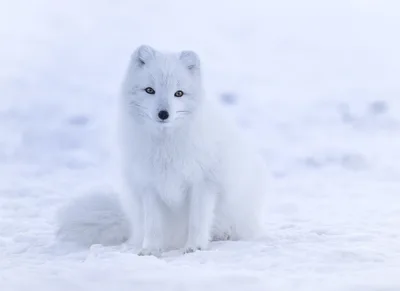 Arctic fox
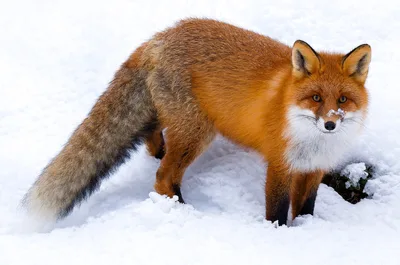 Red fox
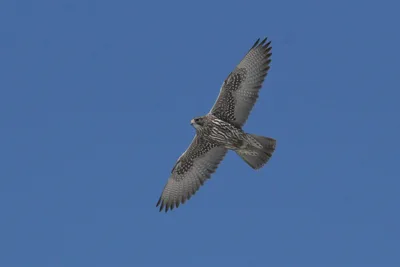 Gyrfalcon
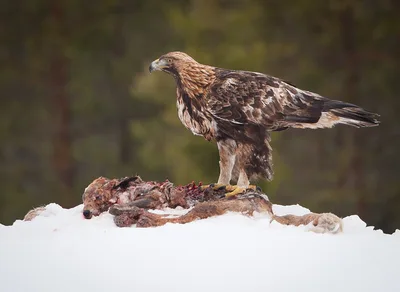 Golden eagle
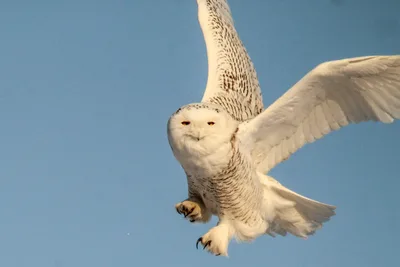 Snowy owl
 Stoat
Ecological equivalents
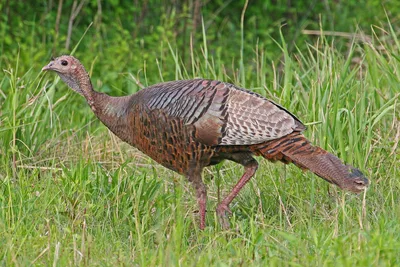
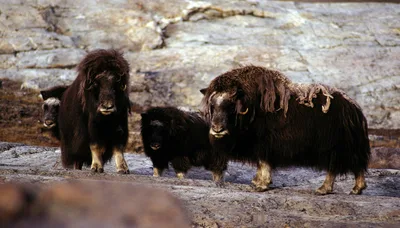
Related species on this site
Rock ptarmigan (same genus), Australorp Chicken (same family), Ayam Cemani (same family), Barnevelder (same family), Blue Andalusian (same family), Brahma Chicken (same family), and more.
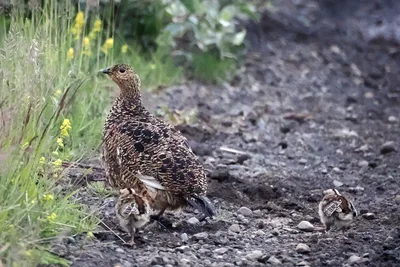 LC
Birds
Rock ptarmigan
Lagopus muta
The rock ptarmigan is a grouse of high mountains and Arctic tundra that changes colour with the seasons.
Living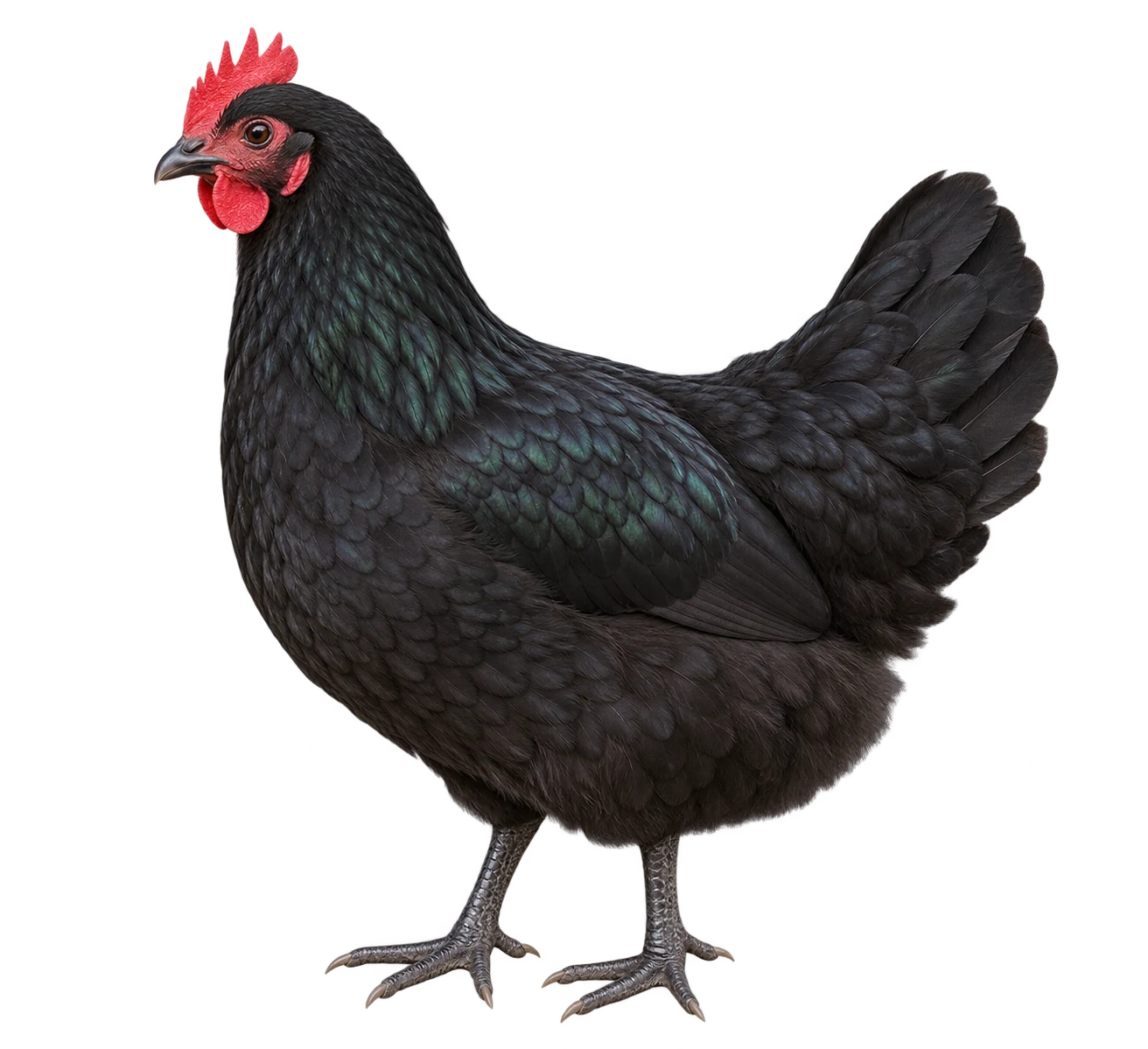
Birds
Australorp Chicken
Gallus gallus domesticus
Classification and source reference
LivingAI illustration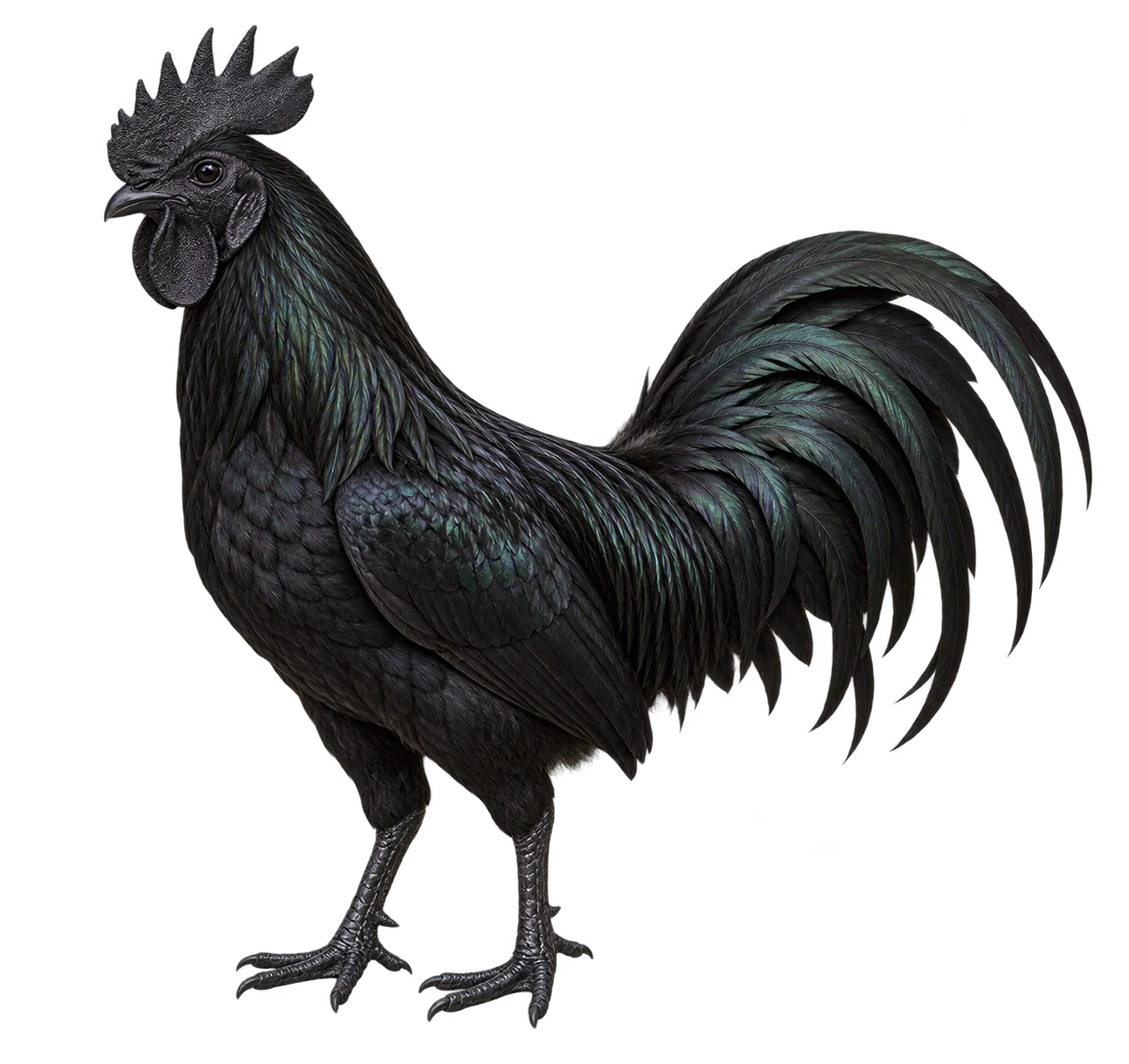
Birds
Ayam Cemani
Gallus gallus domesticus
Classification and source reference
LivingAI illustration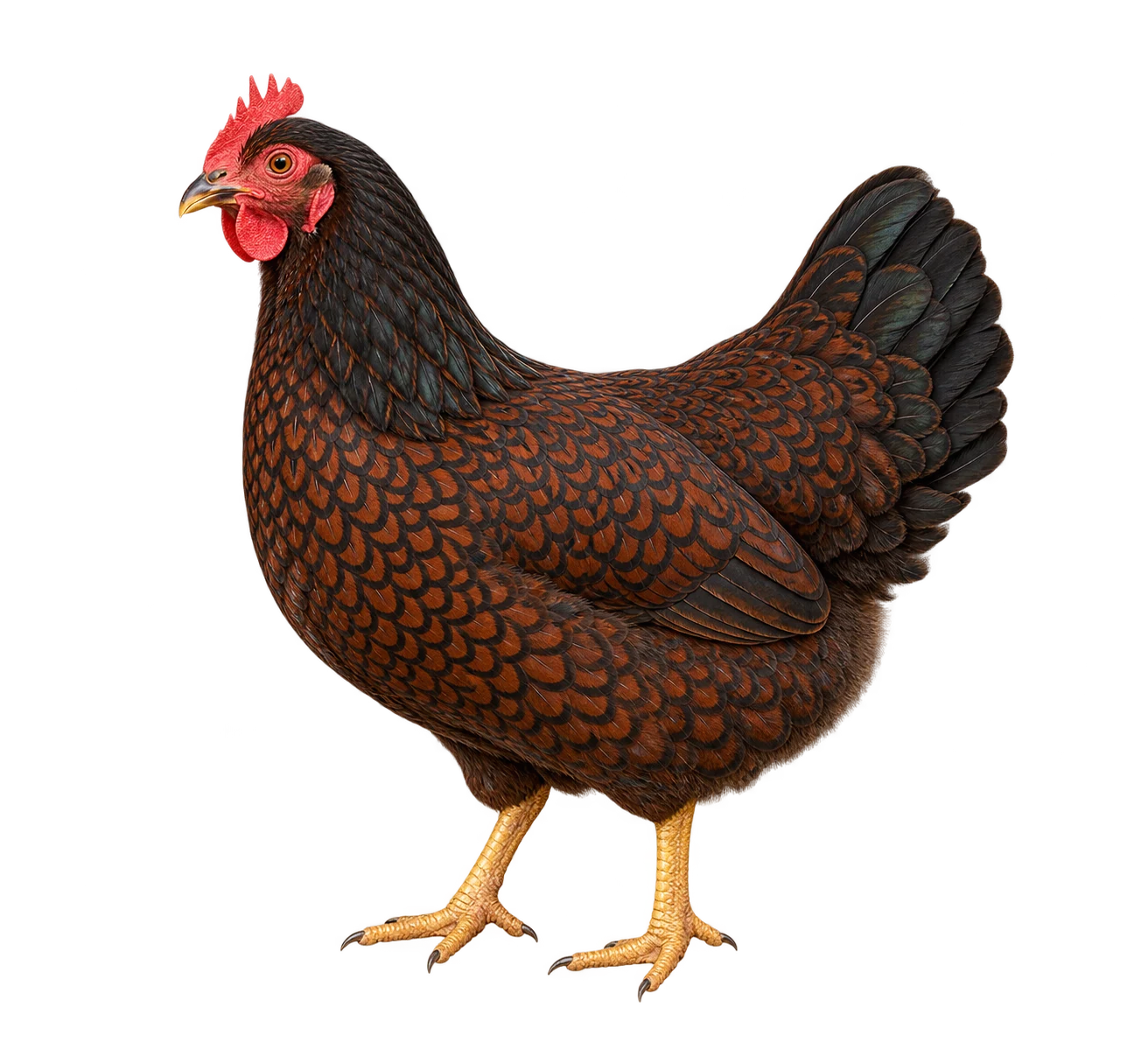
Birds
Barnevelder
Gallus gallus domesticus
Classification and source reference
LivingAI illustration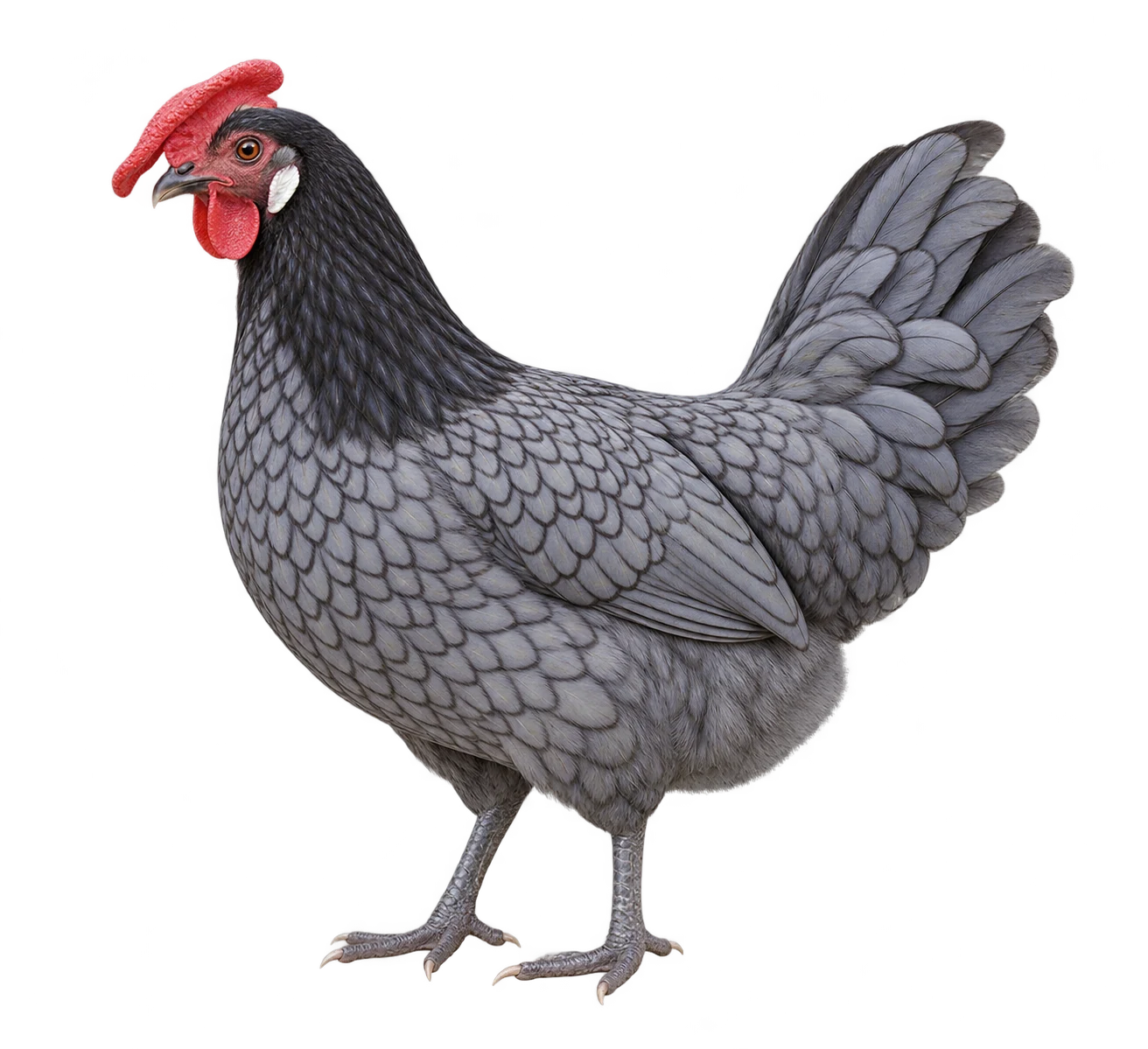
Birds
Blue Andalusian
Gallus gallus domesticus
Classification and source reference
LivingAI illustration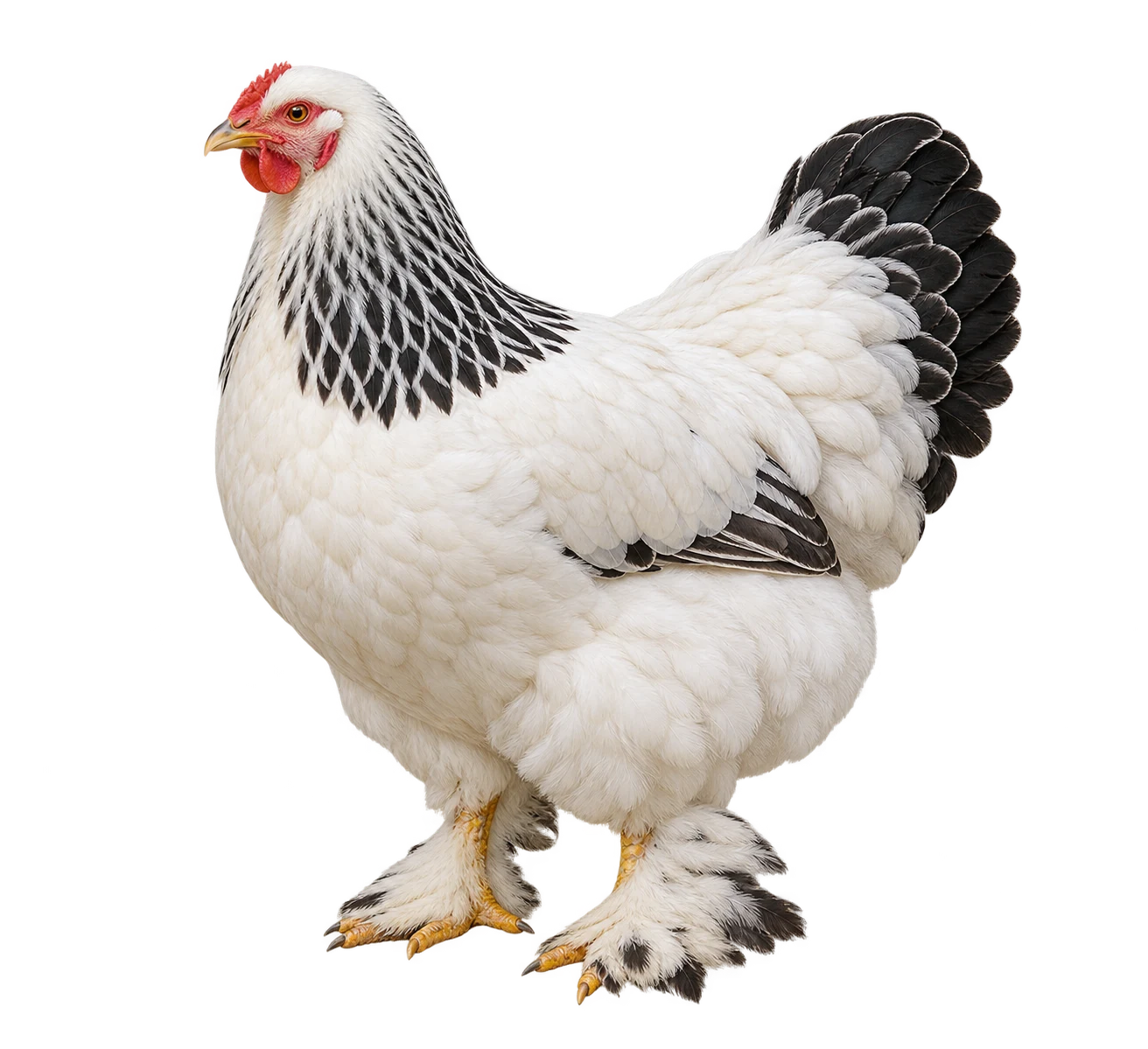
Birds
Brahma Chicken
Gallus gallus domesticus
Classification and source reference
LivingAI illustration