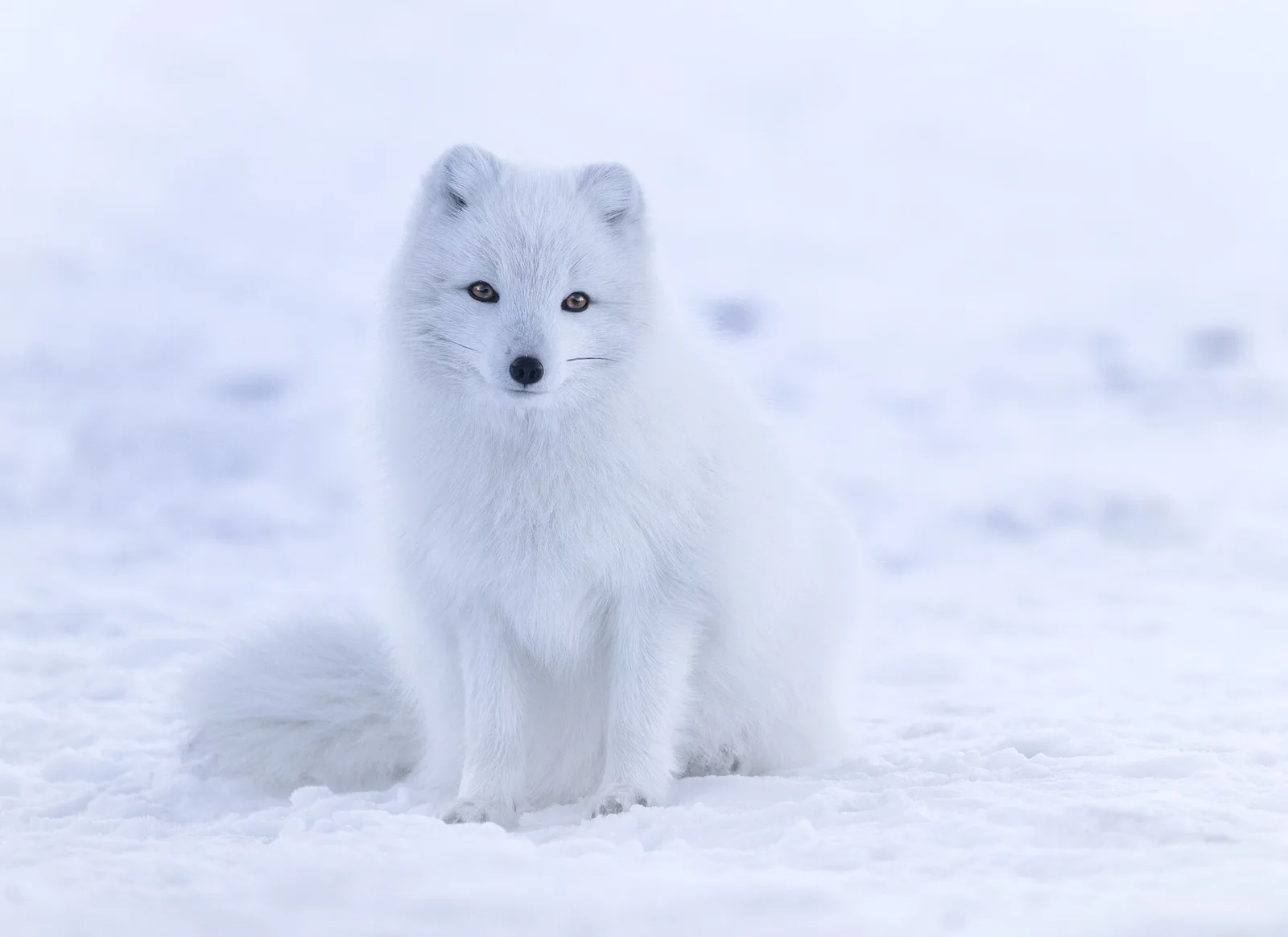
Arctic fox
The small fox with the warmest coat on Earth
Vulpes lagopus
Also called White fox, Polar fox, Snow fox, Blue fox
Living individuals or members of this group exist today. This does not mean they are safe from extinction.
Meet the arctic fox
The Arctic fox is a small fox of the tundra with the best insulating fur of any mammal. It turns white in winter, hunts lemmings under the snow and follows polar bears for scraps.
Images of the arctic fox
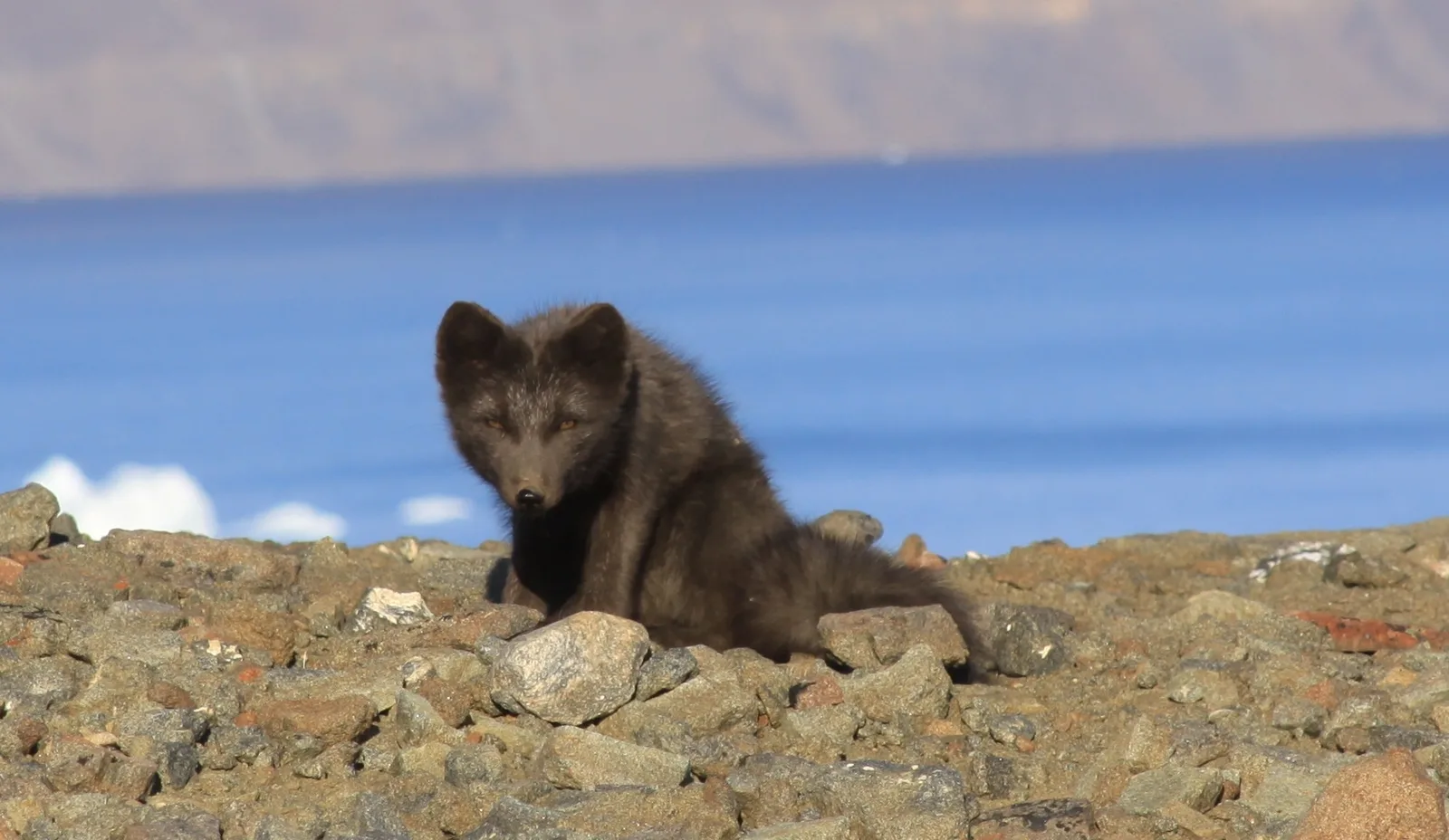
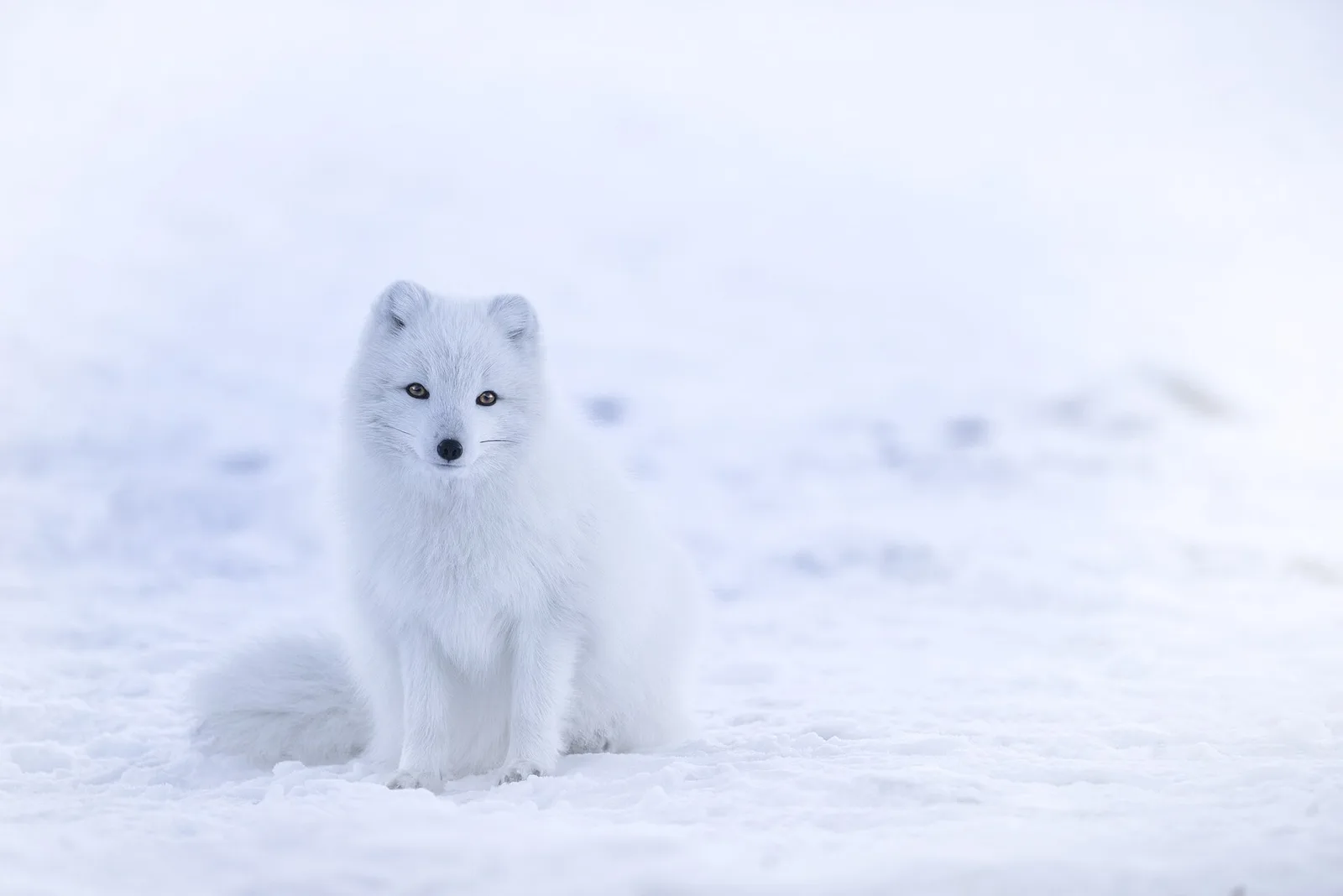
Lifespan in the wild
3 to 4 years
Weight
1.4 to 9.4 kg
Length
46 to 68 cm
Height
25 to 30 cm
Fact file
Arctic fox
- Location
- Arctic tundra of North America, Greenland, Iceland, Scandinavia and Russia
- Habitat
- Tundra, Polar ice, Coast, Mountains
- Diet
- Omnivore
- Prey / food
- Lemmings, voles, birds, eggs, seal pups, carrion
- Predators
- Golden eagle, wolf, polar bear, wolverine, red fox
- Lifestyle
- Active all year, in family groups at the den
- Group name
- Family
- Name of young
- Pup
- Gestation
- About 52 days
- Litter size
- 5 to 8 pups, up to 25
- Population
- Several hundred thousand
- Biggest threat
- The spread of the red fox and a warming climate
- Distinctive feature
- A coat that turns from brown to pure white each winter
- Colour
- White in winter, brown and cream in summer
- Skin type
- Fur
Size
Next to a person
Measurements
Size and speed
- Height
- 25 to 30 cm at the shoulder
- Length
- 46 to 68 cm head and body of a male; females 41 to 55 cm
- Length, male
- 46 to 68 cm
- Length, female
- 41 to 55 cm
- Weight
- 1.4 to 9.4 kg females from 1.4 kg, males to 9.4 kg; averages 2.9 and 3.5 kg
- Weight, male
- 3.2 to 9.4 kg
- Weight, female
- 1.4 to 3.2 kg
Typical adult ranges. Source: Wikipedia.
Life cycle
Lifespan
- In the wild3 to 4, up to 11 years
- In captivityUp to 16.3 years
- 016.3 years
Appearance
Colour and coat
- Primary colours
- whitebrown
- Secondary colours
- creamslate grey
- Skin type
- fur
- Male and female
- Slight. Males are a little larger, averaging 55 cm and 3.5 kg against 52 cm and 2.9 kg for females.
Life cycle
Mating and family
- Mating system
- monogamous pairs, sometimes with extra helpers
- Social structure
- family groups at a shared den
- Breeding
- one litter a year, sometimes two, sized by the lemming supply
Pairs mate in April and May, and the female gives birth after about 52 days. A litter usually holds 5 to 8 pups, but in a lemming boom it can reach 25. Both parents and often a yearling daughter feed the pups. The pups open their eyes at about two weeks, leave the den at three to four weeks and are weaned by seven weeks. Most die in their first year, and the survivors live 3 to 4 years.
Classification
Taxonomy
- Kingdom
- Animalia
- Phylum
- Chordata
- Class
- Mammalia
- Order
- Carnivora
- Family
- Canidae
- Genus
- Vulpes
- Species
- Vulpes lagopus
Conservation
Red List status
- LC
- NT
- VU
- EN
- CR
- EW
- EX
Least Concern on the IUCN Red List
Range
Recorded in 6 countries
Habitat layer: montane grassland and shrubland, tundra, mangrove.
Countries from 1,765 wild records on GBIF (iNaturalist research grade), filtered and checked by hand. Country shapes: Natural Earth. Habitat: RESOLVE Ecoregions 2017, CC BY 4.0. Basemap: Natural Earth.
Habitats
Three things to know
- 1
The winter coat is twice as long as the summer coat, and 70% of it is fine underfur.
- 2
A litter can hold up to 25 pups, the largest of any carnivore.
- 3
One young fox walked 3,506 km from Svalbard to Canada in 76 days.
Did you know
Seven more facts
- 1
Iceland has one native land mammal, and it is the Arctic fox.
- 2
Its hearing tops out at 16 kilohertz, lower than a dog's.
- 3
In Iceland 65 to 70% of foxes are the dark blue form.
- 4
A cached goose egg can still be eaten a year after the fox buried it.
- 5
Foxes have been seen on sea ice near the North Pole and at 3,000 metres in the mountains.
- 6
Some fox dens have been in use for centuries.
- 7
In autumn a fox can add more than 50% to its body weight in fat.
Field notes
How it looks and acts
Field notes
Distinguishing features
- A pure white winter coat, or slate grey in the blue form.
- A compact body with a short muzzle, short legs and small rounded ears.
- A thick bushy tail about a third of the body length.
- Fur on the soles of the feet.
- A brown and cream summer coat that replaces the white one.
Field notes
Unique adaptations
- A winter coat twice as long as the summer coat, with a dense underfur.
- Counter-current blood flow that holds the foot pads just above freezing on ice.
- A metabolic rate that drops 37% in winter to save fat.
- A small surface area, so only 22% of the body loses heat quickly.
- Two genes under selection that help it cope with cold and starvation.
Field notes
Interesting behaviours
- Listens for lemmings under the snow, then leaps and punches through the crust.
- Caches eggs and meat under stones for the winter.
- Follows polar bears across the sea ice to scavenge their kills.
- Curls into a ball with its tail over its nose to sleep in the cold.
- Moves litters to a new den when a predator comes near.
Field notes
Temperament
- Bold and inquisitive, and likely to approach people for food.
- Sociable within the family, with older daughters helping at the den.
- Restless in lean years, when some foxes travel thousands of kilometres.
Field notes
Communication
- Barks and yelps between family members at the den, as in other foxes.
- Scent marks that probably define the territory.
- A keen nose that reads the trail of a polar bear from far off.
Ecology
Ecological role
The Arctic fox is the main small predator of the tundra and a key link between lemmings, birds and the big carnivores.
- Controls lemmings and voles, and its numbers track their cycle.
- Takes the eggs of almost every tundra bird, which shapes where geese and waders nest.
- Cleans up carcasses left by polar bears and wolves.
- Feeds eagles, wolves, wolverines and bears in turn.
Stories
Myths and legends
- In Finnish tradition, a running fox brushes the snow with its tail and sets off the northern lights.
- In Sami tradition, the fox fires story teaches children about the aurora.
- In Inuit tradition, the fox is a trickster, and a fox dream may bring good luck.
- In European folk tales, the fox typically outwits the wolf and the bear, as with most fox stories.
People
Relationship with humans
People
Living alongside us
People have trapped the Arctic fox for its fur for centuries, and fur farms have bred it since 1865. Trapping crashed the Scandinavian population a century ago and it has never recovered. Icelandic farmers shoot foxes that take lambs. Today the fox is protected in Scandinavia and fed by conservation teams. Tourists visit fox centres in Iceland and watch dens across the Arctic.
- The fox is too small to harm an adult, and it is likely to run from any threat.
- It carries rabies in parts of its range, so a bite is probably the only real risk.
- Foxes that learn to beg at camps may nip a hand that holds food.
People
Status, uses and products
- Domestication
- Wild
- As a pet
- Not suitable. The Arctic fox needs cold, space to roam and a diet of whole prey. It digs, scent-marks and carries diseases such as rabies and mange. Fur farm foxes exist, but a wild-type fox is not a house animal.
- Uses
- fur farmingecotourism
- Products
- fur
The full account
About the arctic fox
The Arctic fox, Vulpes lagopus, is a small fox of the tundra all around the North Pole. It is also called the white fox, the polar fox or the snow fox. Its thick winter fur gives the best insulation of any mammal, and it turns white to match the snow.
An adult measures 46 to 68 centimetres from head to rump and stands 25 to 30 cm at the shoulder. Females weigh from 1.4 kilograms, and the heaviest males reach 9.4 kg. The round body, short muzzle and small ears hold in heat.
The fox eats lemmings, voles, birds, eggs, seal pups and carrion, and it hoards food for the winter. Pairs raise large litters in old dens that families use for generations. The IUCN lists the species as Least Concern, but the Scandinavian population has fewer than 200 adults.
Name and taxonomy
Carl Linnaeus named the species Canis lagopus in 1758, from a specimen taken in Swedish Lapland. Vulpes is Latin for fox. The name lagopus joins the Greek words for hare and foot, because the soles are furred like those of a mountain hare. For many years the fox had its own genus, Alopex, but genetic work moved it into Vulpes with the other true foxes.
The genus Vulpes holds 12 living species in the tribe Vulpini, within the dog family Canidae. Four subspecies are named besides the common form: on the Bering Islands, Greenland, Iceland and the Pribilof Islands. The Inuit name is tiriganiaq, and Icelanders and Norwegians call it the mountain fox. Fur traders call the dark form the blue fox.
Evolution and relatives
The Arctic fox and the red fox parted about 3.17 million years ago. Its closest relative is the kit fox of the North American deserts, which split off about 0.9 million years ago. The two can still be told apart by their hearing, which has a lower top limit than in other carnivores.
Fossils of an extinct fox, Vulpes qiuzhudingi, were found on the Tibetan Plateau in rocks 5.08 to 3.6 million years old. Scientists think this animal is the ancestor of the Arctic fox. The idea is called the out of Tibet hypothesis. The high plateau was cold and treeless even when the Pliocene world was 2 to 3 °C warmer than today. Cold-adapted mammals from Tibet probably spread north and across the Arctic during the ice ages of the Pleistocene. Ice age fossils of the fox occur across much of northern Europe and Siberia, far south of its range today.
Appearance
Beside a red fox, the Arctic fox looks small and compact. Males average 55 cm long and 3.5 kg, and females average 52 cm and 2.9 kg. The tail is about a third as long as the body and very bushy. Foxes from the far north are smaller than those further south. The body is compact, with a short muzzle, short legs and small thick ears, so little surface is exposed to the cold.
The coat comes in two genetic forms, white and blue. A white fox is brown above and cream below in summer, and pure white in winter. A blue fox is black, brown or grey in summer and only a little paler in winter. About 90% of all Arctic foxes are white, but in Iceland 65 to 70% are blue. The fox moults twice a year, and its winter hairs grow to double the length of the summer ones. Some 70% of the winter coat is fine underfur.
Habitat and range
The Arctic fox lives right around the pole, on the tundra of northern Europe, northern Asia and North America. Its range takes in Iceland, Scandinavia, Svalbard, northern Russia, the Bering Sea islands, Greenland, Alaska and Canada south to Hudson Bay. No other land mammal is native to Iceland. The fox walked there over sea ice as the last ice age ended. GBIF holds records from 30 countries, including zoo and fur farm animals.
The fox prefers treeless tundra, often near the coast, and it also roams the pack ice. Foxes have turned up on the sea ice near the North Pole and on mountains up to 3,000 metres high. A few live in the northern forests of Canada and on the Kenai Peninsula in Alaska. White foxes tend to live inland on snowy ground, and blue foxes on rocky coasts where dark fur hides them. People released foxes on the Aleutian Islands in the late 19th century, and they are now being removed to save the birds.
Diet and hunting
The Arctic fox eats almost any small animal it can find, alive or dead. Inland, lemmings are the main food, and a family can eat dozens in a day. It also takes voles, hares, birds, eggs and fish, and it robs the nests of every tundra bird except the largest. In April and May it digs out ringed seal pups from their snow dens. On the coasts of Iceland and other islands, birds make up most of the diet. Berries, seaweed and insects fill out the menu, so the fox counts as an omnivore.
In winter the fox follows polar bears and wolves and eats what they leave. When food is short it will even eat the droppings of other animals. It hunts lemmings by listening for them under the snow, then jumps and punches through the crust. In summer it stores surplus food under stones near the den. In Canada, foxes collect snow goose eggs at 2.7 to 7.3 eggs an hour and cache 80 to 97% of them. A stored egg loses only 11% of its usable energy in 60 days and can still be eaten a year later.
Behaviour and social life
The fox is active all year and does not hibernate. In autumn it builds up fat, sometimes adding more than 50% to its body weight. In winter it moves less to save energy, and it curls up with its head and legs under its tail. A family shares a den: the male, the breeding female, the pups and often a non-breeding daughter from the previous year who helps. Where food is plentiful, as on the coast of Svalbard, larger groups hold one territory together.
Dens sit on raised, frost-free ground such as an esker, and face south to catch the sun. A den can have 4 to 8 entrances and tunnels over about 30 square metres, and some cover up to 1,000 square metres. Some dens have housed foxes for centuries. Most foxes stay in a home range and make short trips of less than 3 days. A few become nomads, and one young female tracked in 2019 walked 3,506 kilometres from Svalbard to Canada in 76 days. She crossed the ice to Greenland in 21 days and once covered 155 km in a single day.
Communication and senses
Hearing is the main hunting sense. The fox hears from 125 hertz to 16 kilohertz, with its sharpest hearing at 4 kHz. That is a lower top limit than a dog has. It is enough to pick out a lemming under a shallow layer of snow. Smell is keen too. A fox can smell a carcass left by a polar bear from 10 to 40 kilometres away. It can find a frozen lemming under 46 to 77 cm of snow and a seal lair under 150 cm.
Like other foxes, it probably marks its territory with urine and calls to its mate and pups with barks and yelps. Family members greet and play at the den entrance through the summer. The white winter coat is itself a signal of sorts: it hides the fox from prey and from eagles.
Reproduction and life cycle
Arctic foxes usually mate for life, and both parents feed the pups. Mating takes place in April and May, and gestation lasts about 52 days. The usual litter is 5 to 8 pups, but a litter can reach 25, the largest of any carnivore. Litter size follows the lemming cycle, which peaks every 3 to 5 years. In a good lemming year a white fox may bear 6 to 18 pups, and in a poor year none at all. Coastal blue foxes have steadier food and about 5 to 6 pups a year.
Newborn pups weigh only 60 to 90 grams and are blind and deaf for 14 to 16 days. They leave the den at 3 to 4 weeks and are weaned by 7 weeks. Their dark fur stays until about 8 weeks. The male sometimes mates again a few weeks after the first litter, and a second litter arrives in July or August. Young foxes can breed at ten months. Most wild foxes die in their first year, survivors live 3 to 4 years, and a few reach 11. The oldest captive fox was 16.
Predators and threats
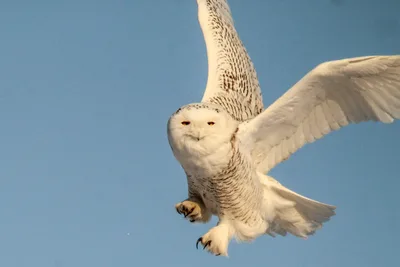
Golden eagles, bald eagles, hawks and snowy owls take pups and small adults. Wolves, wolverines, brown bears and polar bears also kill foxes. The red fox is the most serious enemy, because it kills Arctic foxes and their pups wherever the two meet. Domestic dogs sometimes attack foxes, and on Medny Island an ear tick brought by dogs caused mange that cut the population by 85 to 90%.
Fur trapping almost wiped out two populations, and the Scandinavian foxes never recovered from the fur boom a century ago. A warming climate means less snow, so a white coat hides the fox less well and the red fox moves north. Some scientists blame the loss of the grey wolf, which once kept red fox numbers down. Numbers crash in the years after a lemming collapse, and small populations may not survive the low.
Population and conservation
The IUCN has listed the Arctic fox as Least Concern since 2004. Nobody has counted the world population, but it must be several hundred thousand animals. Numbers rise and fall with lemmings and voles on a 3 to 4 year cycle. The species is safe across most of Canada, Alaska, Greenland and Russia.
The Scandinavian population is close to extinction, with fewer than 200 adults across Norway, Sweden and Finland. A 1997 estimate gave about 60 adults in Sweden, 50 in Norway, 11 in Finland and 20 on the Kola Peninsula. Finland protected the fox in 1940 and now lists it as Critically Endangered, yet numbers have not recovered. Conservation teams feed the foxes, cull red foxes and watch dens in reserves such as Vindelfjällen in Sweden. On Medny Island in Russia only about 90 foxes remain, and vets are treating them for mange. New Zealand lists the fox as a prohibited organism to keep it out of the country.
Relationship with humans
The fur trade has shaped the fox's history. Trappers prized the pale winter pelt, and the slate-blue pelt was worth even more. Fur farms on the Pribilof Islands of Alaska have raised foxes since 1865. In the 1920s traders released blue foxes on empty Aleutian islands to breed for fur, where they ate the geese. Fur income has long mattered to the native peoples of the Arctic.
In Iceland the fox takes the odd lamb, and farmers have been urged to shoot it since medieval times. The Arctic Fox Centre at Súðavík in Iceland studies how tourism affects the animals. Arctic foxes seem bold around camps and research stations, and they often approach people for scraps. The fox carries rabies in parts of the Arctic, so a bite probably needs medical care.
In culture and myth
Finnish tradition calls the northern lights revontulet, which means fox fires. A fox runs across the fells, its tail brushes the snow, and the sparks fly up to light the sky. Sami elders in Lapland used the story to teach children about the winter sky. In Inuit tradition the fox appears as a clever trickster, and a dream of a fox is said to bring luck. In European tales the fox outwits the wolf and the bear, and the Arctic fox probably shares that reputation.
The fox is the emblem of the Vindelfjällen Nature Reserve in Sweden. Iceland appears to treat it as a national animal of sorts, since no other land mammal reached the island on its own. The GPS journey of the Svalbard fox in 2019 made news around the world.
A sentence with a dotted underline is inferred: it describes the group the animal belongs to, or is a reading of the sources, rather than a measured or reported fact about this species.
Questions
Arctic fox questions, answered
How big is an Arctic fox?
The head and body measure 46 to 68 centimetres, and it stands 25 to 30 cm at the shoulder. Males average 3.5 kilograms and females 2.9 kg.
Why does the Arctic fox turn white?
The white winter coat hides the fox on the snow, from both prey and predators. In summer it moults to brown and cream, which matches the bare tundra.
What is a blue fox?
A blue fox is a genetic form of the Arctic fox that stays dark grey, brown or black all year. About 90% of foxes are white, but in Iceland most are blue.
Where do Arctic foxes live?
On the tundra all around the Arctic, in Canada, Alaska, Greenland, Iceland, Scandinavia, Svalbard and Russia. They also travel far out on the sea ice.
What do Arctic foxes eat?
Mainly lemmings and voles, plus birds, eggs, hares, fish and seal pups. They scavenge polar bear kills and also eat berries and seaweed.
How does an Arctic fox survive the cold?
Its winter coat insulates better than any other mammal's fur, and its round body loses little heat. Its metabolism slows in winter, and its feet stay just above freezing.
How many pups does an Arctic fox have?
Usually 5 to 8, but a litter can hold 25 pups, the most of any carnivore. Litter size depends on how many lemmings there are.
How long do Arctic foxes live?
Most die in their first year. Adults live 3 to 4 years on average, a few reach 11, and one captive fox lived to 16.
Are Arctic foxes endangered?
No, the IUCN lists them as Least Concern with several hundred thousand in the world. The Scandinavian population is Critically Endangered, with fewer than 200 adults.
Do Arctic foxes hibernate?
No. They stay active all winter, but they move less and live off fat stored in the autumn.
Why do Arctic foxes follow polar bears?
A polar bear leaves much of each seal it kills. The fox can smell a carcass from 10 to 40 kilometres away and eats the leftovers.
How far can an Arctic fox travel?
A tracked young female covered 3,506 kilometres between Svalbard and Canada in 76 days. She managed 155 km in a single day.
What eats Arctic foxes?
Golden eagles, wolves, wolverines, polar bears and brown bears. The red fox is the biggest threat, because it kills Arctic foxes and takes their dens.
Are Arctic foxes dangerous?
Not to people. They are small and shy, though they can carry rabies, so nobody should touch or feed a wild fox.
Can you keep an Arctic fox as a pet?
No. It needs cold, a large range and whole prey, and it digs and scent-marks constantly. Fur farm foxes exist, but a wild fox is not a pet.
Food web
Prey and food
- lemmings
- voles
- birds
- eggs
- seal pups
- carrion
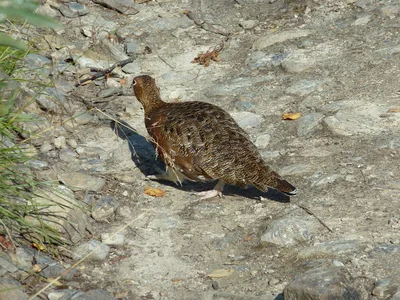 Willow ptarmigan
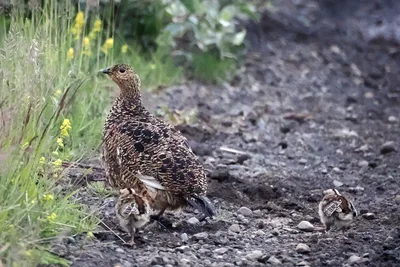 Rock ptarmigan
Food web
Predators
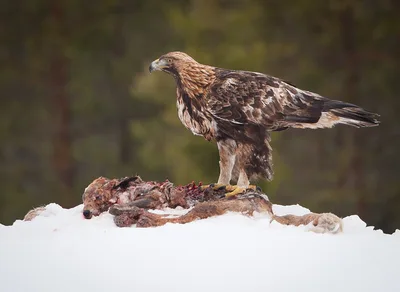 Golden eagle
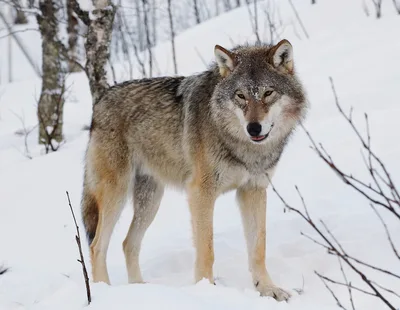 Gray wolf
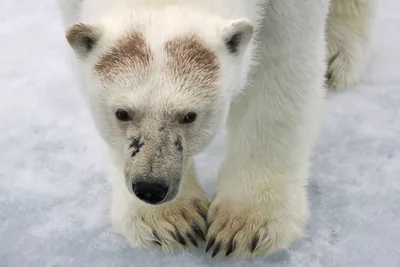 Polar bear
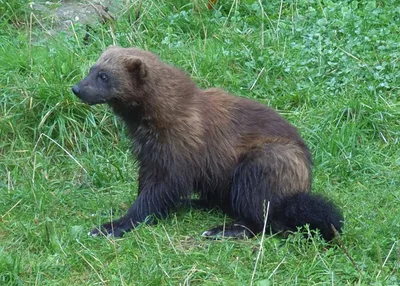 Wolverine
Ecological equivalents
Related species on this site
Cross Fox (same genus), Fennec fox (same genus), Kit Fox (same genus), Marble Fox (same genus), Red fox (same genus), Tibetan Fox (same genus), and more.
Mammals
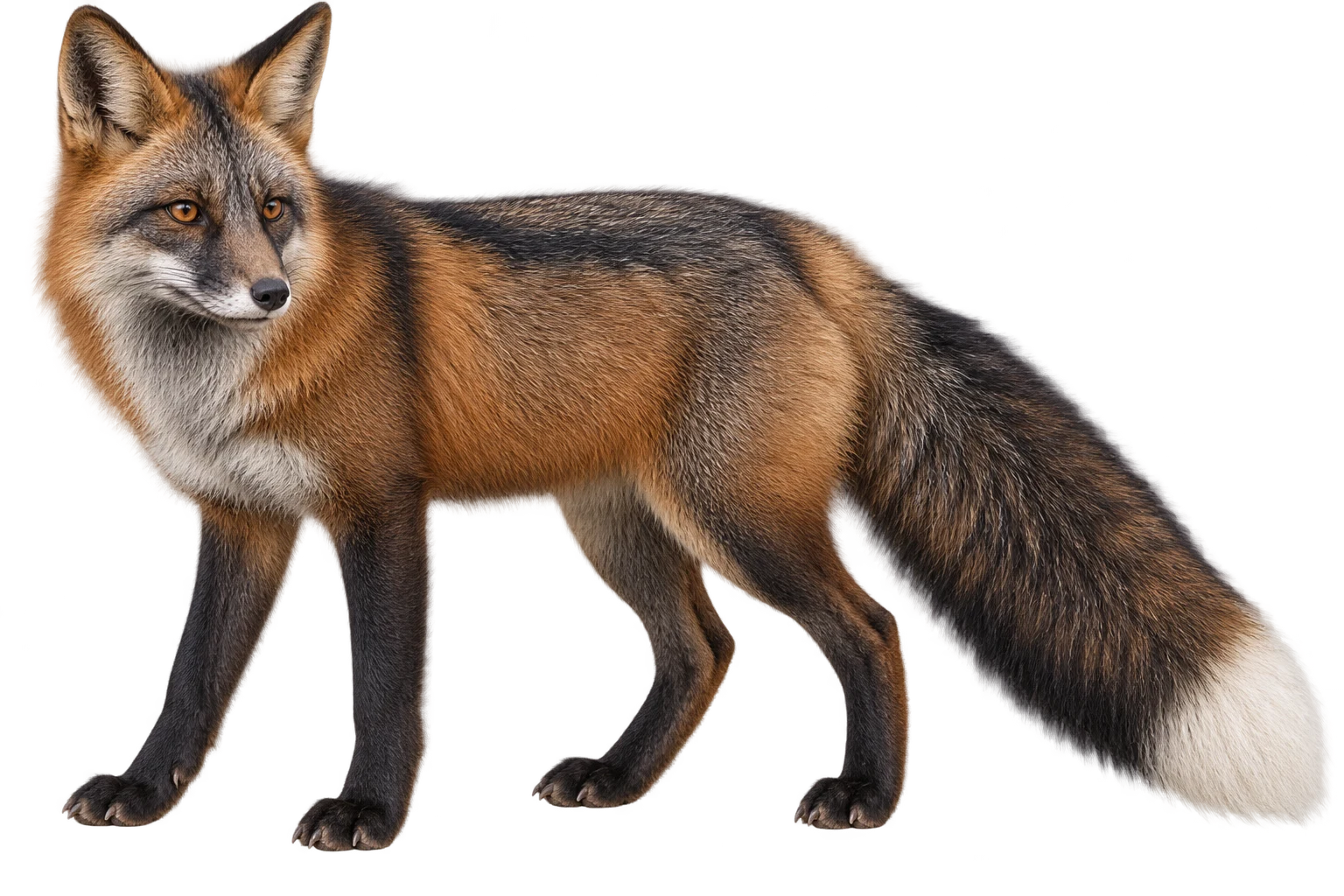
Cross Fox
Vulpes vulpes
Classification and source reference
LivingAI illustration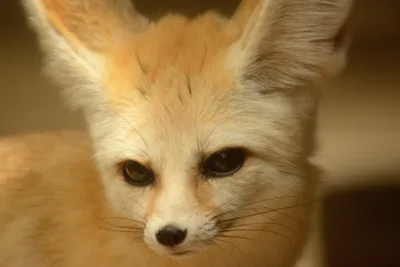 LC
Mammals
Fennec fox
Vulpes zerda
The fennec fox is the smallest canid, a cream-coloured fox of the Sahara with enormous ears that shed heat and hear prey under the sand.
Living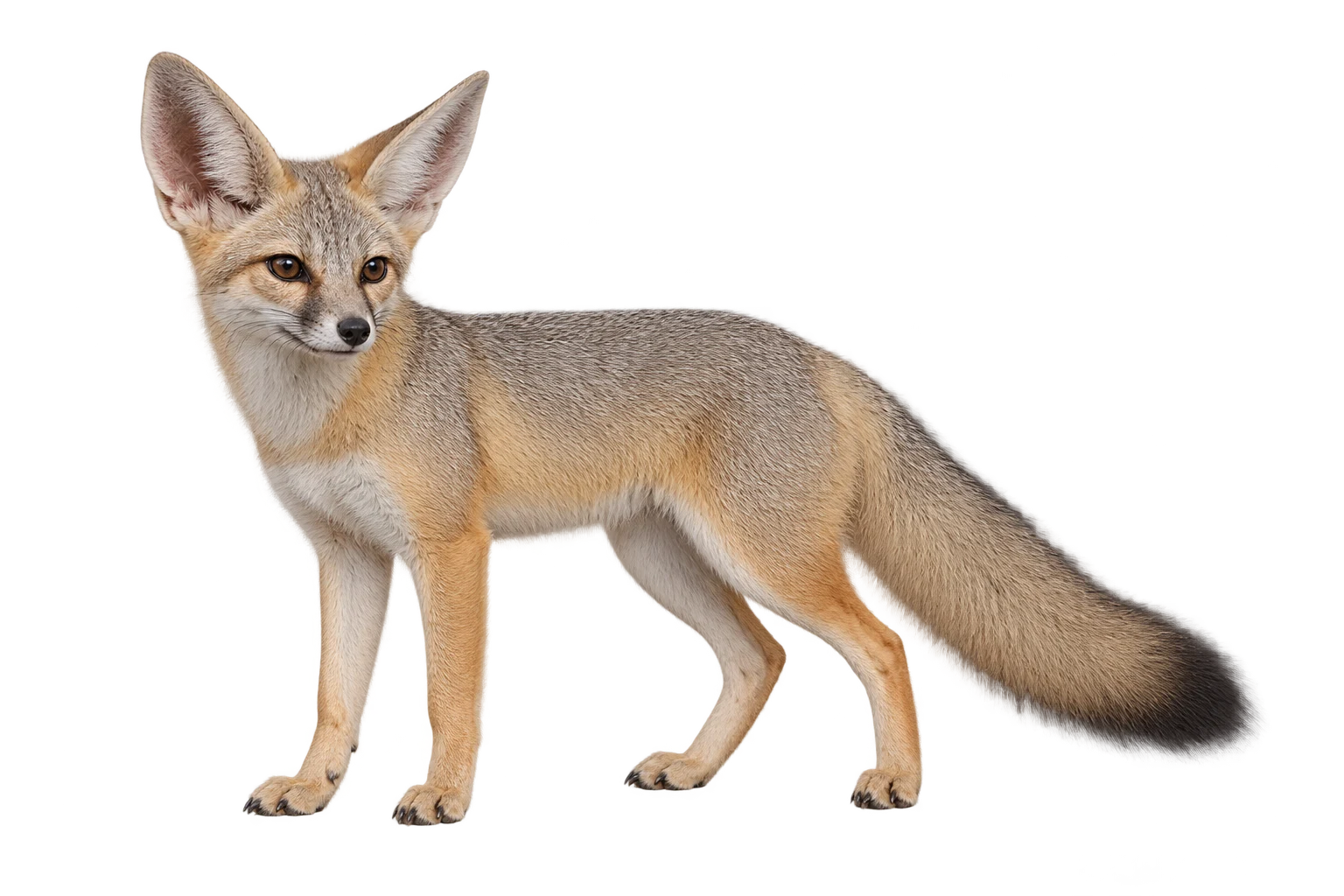
Mammals
Kit Fox
Vulpes macrotis
Classification and source reference
LivingAI illustration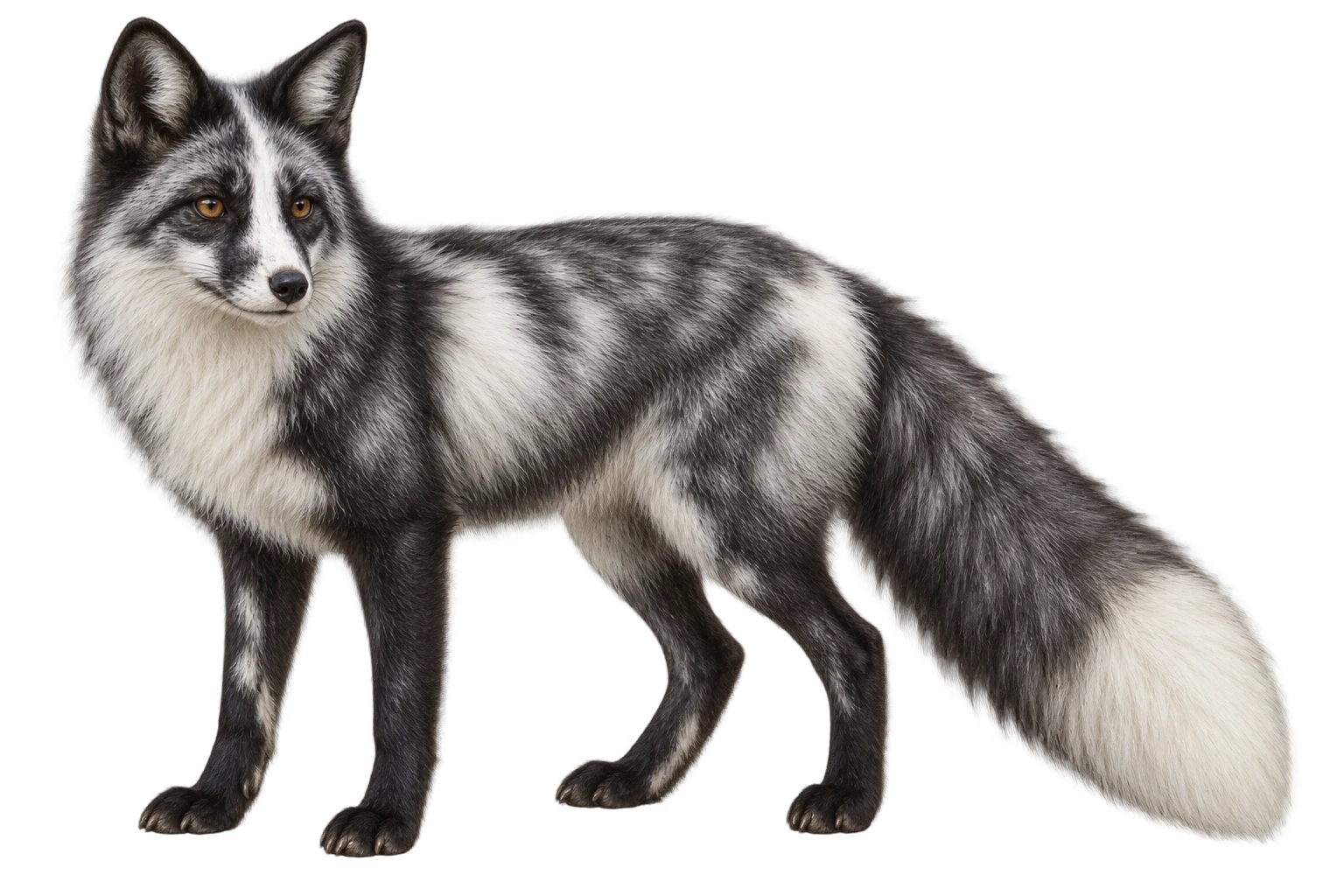
Mammals
Marble Fox
Vulpes vulpes
Classification and source reference
LivingAI illustration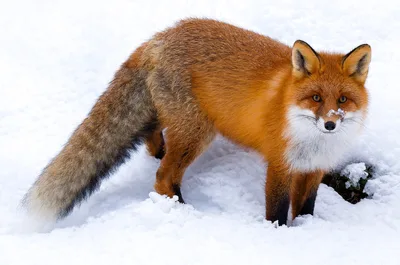 LC
Mammals
Red fox
Vulpes vulpes
The red fox has the widest range of any wild carnivore.
Living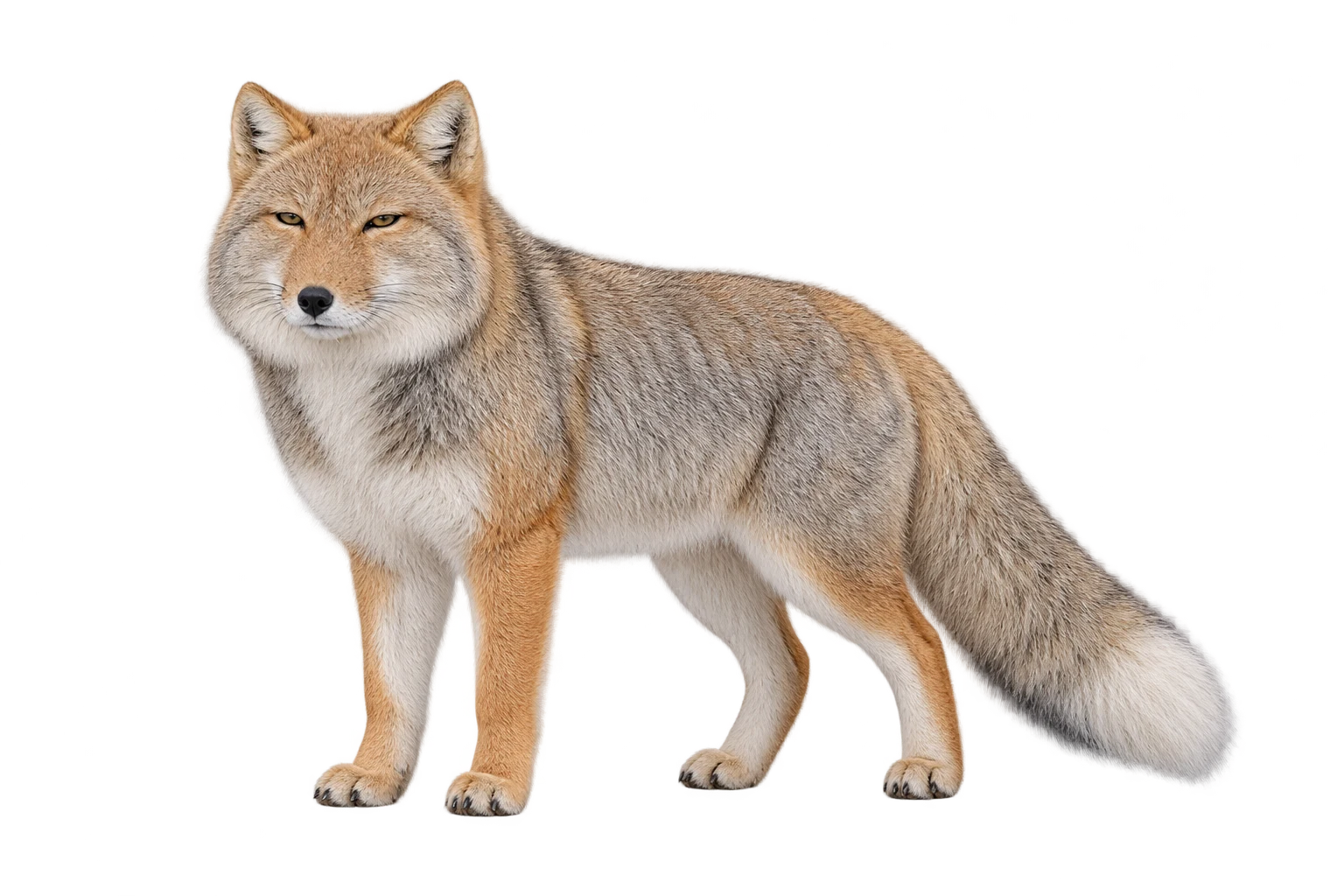
Mammals
Tibetan Fox
Vulpes ferrilata
Classification and source reference
LivingAI illustration