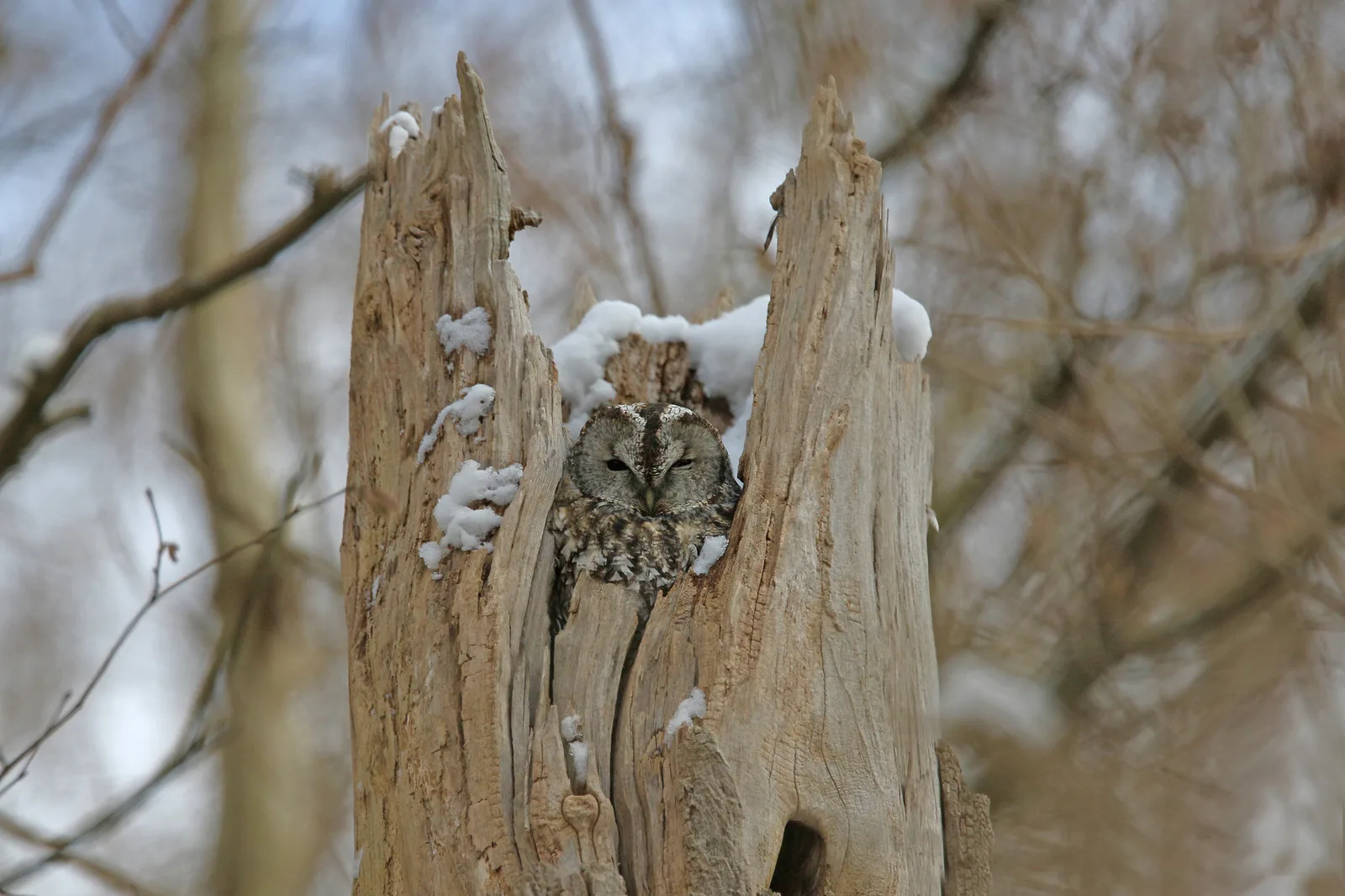
Tawny owl
The night voice of European woods, and a duet
Strix aluco
Also called Brown owl, Wood owl
Living individuals or members of this group exist today. This does not mean they are safe from extinction.
Meet the tawny owl
The tawny owl is the common night owl of European woodland, with a round head, black eyes and no ear tufts. It hunts rodents from a perch and holds one territory for life.
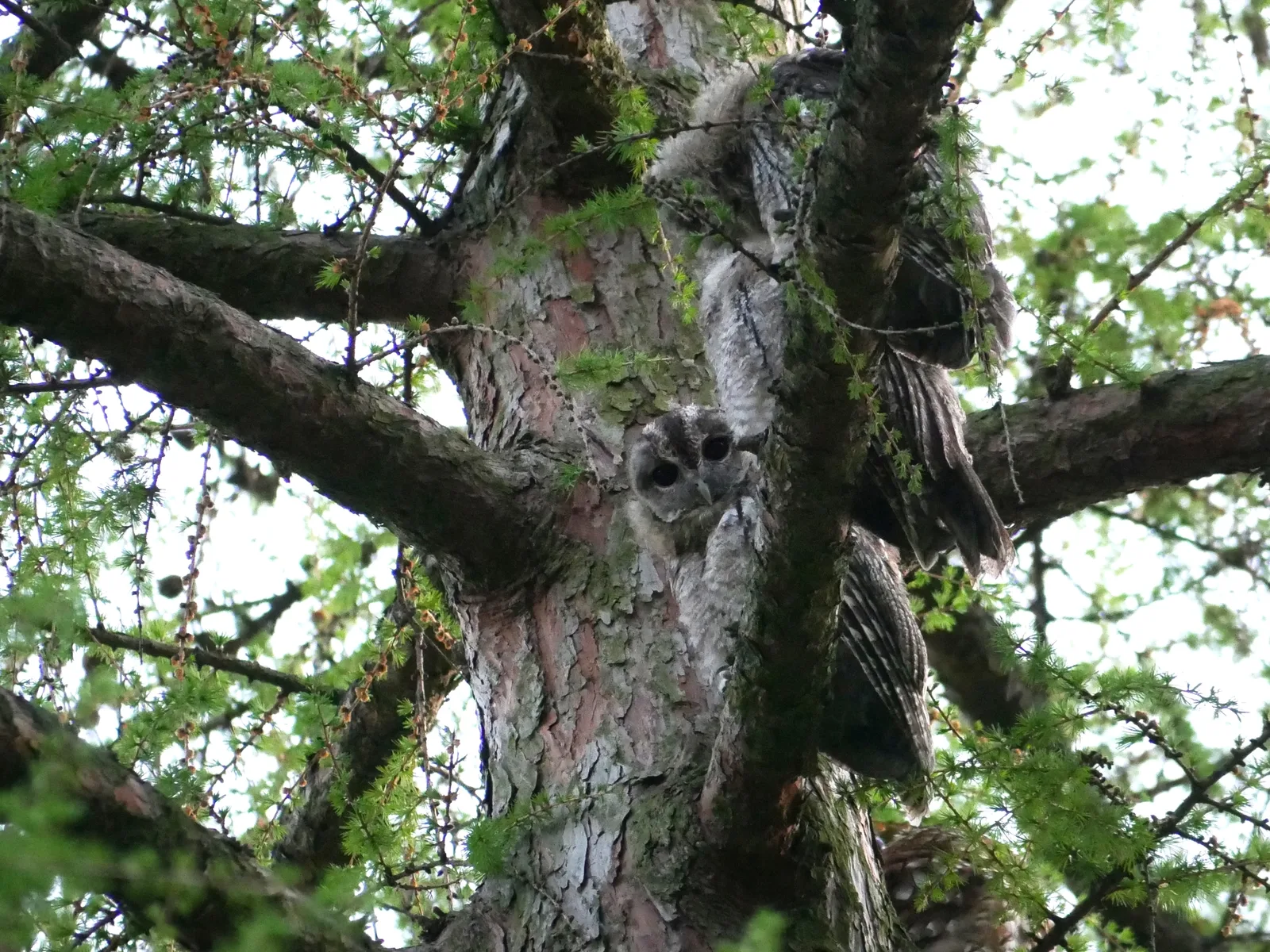
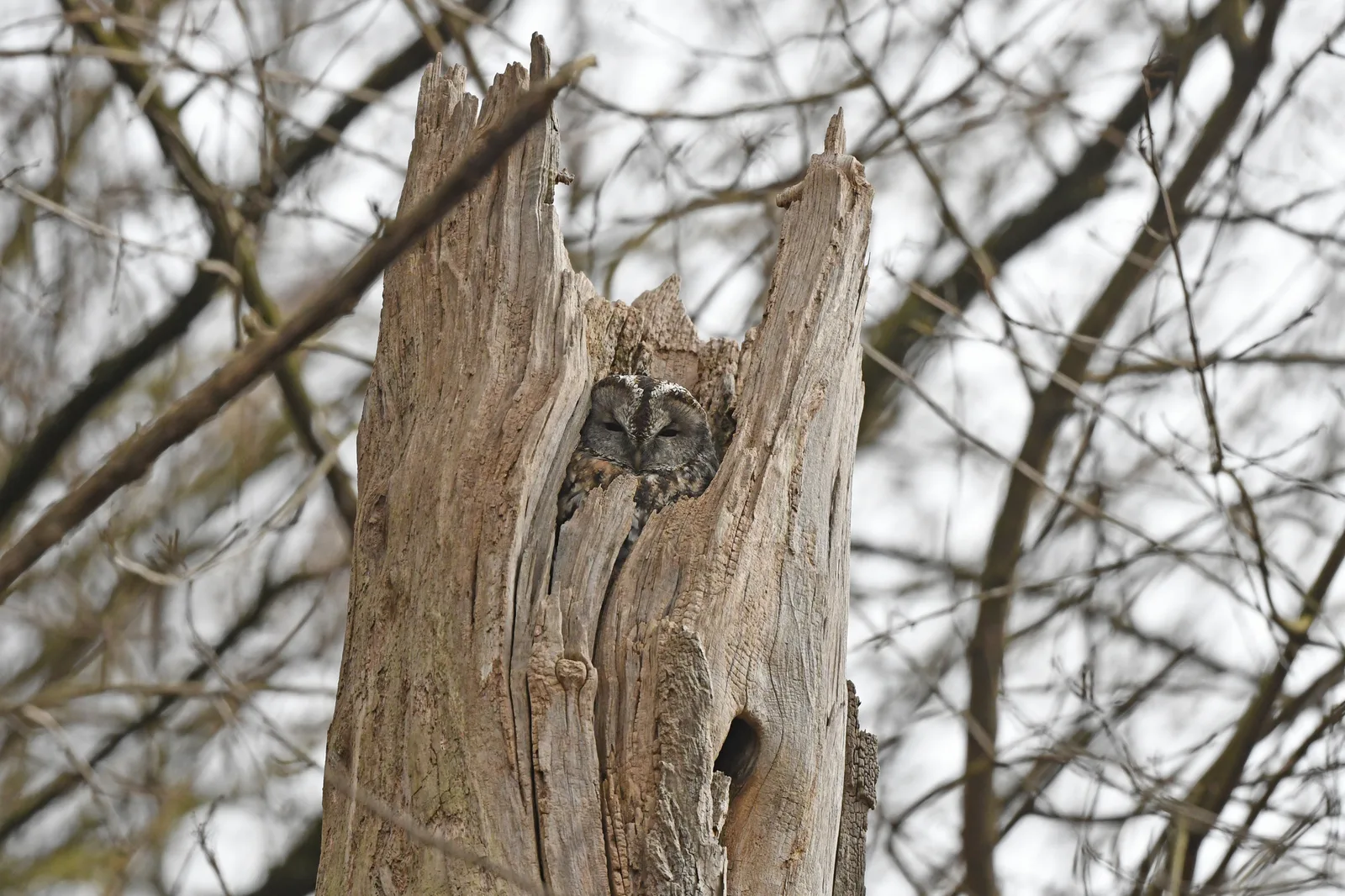
Images of the tawny owl
Lifespan in the wild
About 5 years Wikipedia gives a typical five years; the oldest wild bird on record passed 21 years
Weight
385 to 800 g
Length
37 to 46 cm
Wingspan
0.81 to 1.05 m
Fact file
Tawny owl
- Location
- Europe east to western Siberia
- Habitat
- Temperate forest, Towns and cities
- Diet
- Carnivore
- Prey / food
- Wood mouse, bank vole, shrew, young rabbit, small birds, earthworms, beetles
- Predators
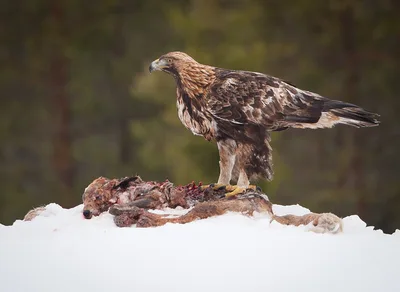
- Eurasian eagle-owl, Ural owl, northern goshawk, common buzzard, golden eagle, pine marten
- Lifestyle
- Nocturnal, non-migratory and strongly territorial
- Group name
- A pair; otherwise solitary
- Name of young
- Owlet
- Incubation
- Incubation about 30 days
- Clutch size
- 2 or 3 eggs
- Population
- About 1 to 2 million birds in Europe
- Biggest threat
- Loss of old woodland and of nest holes
- Distinctive feature
- A round head with no ear tufts and all-dark eyes
- Colour
- Brown or grey above, pale and streaked below
- Skin type
- Feathers
Size
Next to a person
Measurements
Size and speed
- Length
- 37 to 46 cm
- Wingspan
- 0.81 to 1.05 m
- Weight
- 385 to 800 g
- Weight, male
- About 420 g
- Weight, female
- About 520 g
Typical adult ranges. Sources: Wikipedia, Animal Diversity Web.
Life cycle
Lifespan
- In the wildAbout 5, up to 22.4 years Wikipedia gives a typical five years; the oldest wild bird on record passed 21 years
- In captivityUp to 27 years
- 027 years
The pale bar is the record. Sources: AnAge, Animal Diversity Web.
Appearance
Colour and coat
- Primary colours
- browngrey
- Secondary colours
- whiteblack
- Skin type
- feathers
- Male and female
- Moderate and one-sided. The female is about 5 per cent longer than the male and more than 25 per cent heavier. The plumage of the two sexes is the same, and the colour forms are not linked to sex.
Life cycle
Mating and family
- Mating system
- monogamous pairs for life, with a few polygynous males
- Social structure
- a territorial pair, defended all year
- Breeding
- one clutch a year, from February onward
A pair holds one wood for life and chooses a hole in a tree. The female lays two or three white eggs and sits on them alone for about 30 days. The male carries food to her and then to the chicks. Young owls fledge 35 to 39 days after hatching and are fed for two or three more months. They then leave to find their own ground, and a bird that finds none usually starves.
Classification
Taxonomy
- Kingdom
- Animalia
- Phylum
- Chordata
- Class
- Aves
- Order
- Strigiformes
- Family
- Strigidae
- Genus
- Strix
- Species
- Strix aluco
Conservation
Red List status
- LC
- NT
- VU
- EN
- CR
- EW
- EX
Least Concern on the IUCN Red List
Range
Recorded in 22 countries
- Austria
- Belgium
- Switzerland
- Czech Republic
- Germany
- Denmark
- Spain
- Finland
- France
- United Kingdom
- Greece
- Hungary
- Italy
- Lithuania
- Luxembourg
- Netherlands
- Poland
- Portugal
- Romania
- Russia
- Sweden
- Ukraine
Habitat layer: temperate broadleaf and mixed forest, temperate conifer forest, boreal forest and taiga.
Countries from 14,406 wild records on GBIF (iNaturalist research grade), filtered and checked by hand. Country shapes: Natural Earth. Habitat: RESOLVE Ecoregions 2017, CC BY 4.0. Basemap: Natural Earth.
Habitats
Three things to know
- 1
The famous twit-twoo is not one bird but two, a female calling and a male answering.
- 2
Its ear openings sit at different heights, which lets it place a sound in the dark.
- 3
A young owl that fails to find an empty territory usually starves.
Did you know
Seven more facts
- 1
Imitating the hoot with cupped hands drew a reply within half an hour in 94 per cent of trials.
- 2
Siberian tawny owls are 40 per cent heavier than the birds in western Europe.
- 3
The species is absent from Ireland, so the long-eared owl is the main owl there.
- 4
Jackdaws have built a nest on top of a brooding female and killed the whole family.
- 5
Avian malaria in British tawny owls rose from about 2 per cent in 1996 to 60 per cent in 2010.
- 6
In Myanmar the species breeds as high as 2800 m above sea level.
- 7
Urban tawny owls have killed a mallard and a kittiwake.
Field notes
How it looks and acts
Field notes
Distinguishing features
- A big round head with no ear tufts.
- Dark brown eyes that look black in a plain facial disc.
- Pale underparts marked with heavy brown streaks.
- A line of white spots across the shoulder feathers.
- A wingspan of 81 to 105 cm on broad rounded wings.
- Two colour forms, one rufous brown and one grey brown.
Field notes
Unique adaptations
- Soft feather surfaces and a fringed wing edge that make the flight silent.
- Ear openings set at different heights for placing a sound in three dimensions.
- A facial disc whose feathers pass sound through to the ears.
- A large tubular eye packed with rod cells for low light.
- A body of 385 to 800 g, heavy enough to kill a rat and light enough to glide from a branch.
Field notes
Interesting behaviours
- Watching from a perch and dropping silently onto prey on the ground.
- Swallowing prey whole and coughing up a pellet of fur and bone.
- Striking at the head of anything that approaches the nest.
- Holding the same territory year after year with almost no change of boundary.
- Beating its wings at a bush to flush small birds into the open.
Field notes
Temperament
- Calm by day, and it ignores small birds that mob its roost.
- Fierce at the nest, and it will attack a person without warning.
- Strongly territorial, and it fights rivals in the air.
- Tolerant of towns, provided the night is quiet enough to hunt in.
Field notes
Communication
- A quavering hoot from the male that falls, pauses and then shivers.
- A shrill kew-wick contact call from the female.
- A rippling trill used by both sexes during courtship.
- A thin squeak from young birds begging for food.
- A swaying, wing-lifting display by the male beside the nest hole.
Ecology
Ecological role
The tawny owl is the main night predator of small mammals in European woodland, and it keeps smaller owls out.
- It holds down populations of woodland mice and voles.
- It kills or displaces little owls and long-eared owls that share its wood.
- It takes over nest sites in buildings from barn owls in towns.
- It hosts blood parasites such as Leucocytozoon, Haemoproteus and Trypanosoma.
Stories
Myths and legends
- In European folk tradition, the owl's night call is a sign of coming death.
- In Roman tradition the bird's Latin name belonged to a screeching night bird.
- In English literary tradition, Shakespeare set the hooting owl in the Roman market place as an omen.
- In Victorian British writing, John Ruskin treated the owl's cry as a personal warning.
- In British country practice, a caller blows through cupped hands and the owl answers.
People
Relationship with humans
People
Living alongside us
The tawny owl is the owl most Europeans have heard. It lives in parks, churchyards and gardens as well as woods, and it keeps rodent numbers down. People call it in by imitating its hoot, and it usually answers. Its one danger is at the nest, where it strikes at faces. Its voice has carried a reputation for bad luck for centuries.
- It attacks the head of anyone who comes near the nest, and the flight is silent.
- British records include two people who lost an eye to a nest attack.
- It probably poses no danger away from the nest, and it avoids people the rest of the year.
People
Status, uses and products
- Domestication
- Wild
- As a pet
- Not suitable. No. The tawny owl is a protected wild bird across Europe, it needs whole prey, and it defends its space with its talons. Rescued birds are reared for release, not for keeping.
- Uses
- rodent controlbirdwatching
- Products
- None recorded
The full account
About the tawny owl
The tawny owl is the common night owl of European woodland. It has a heavy body, a large round head and no ear tufts. Adults measure 37 to 46 centimetres long with a wingspan of 81 to 105 cm. Weight runs from 385 to 800 grams, and the female is the larger bird. The eyes are black, which sets it apart from most other owls in its range.
The upperparts are brown or grey and the underparts are pale with dark streaks. It hunts at night, mostly by dropping onto rodents from a perch. It nests in a hole in a tree and stays in one territory for life. The IUCN lists the species as Least Concern, with a large and steady world population. British numbers have fallen, and the RSPB places the bird on its Amber list.
Name and taxonomy
Carl Linnaeus named the species Strix aluco in 1758. Strix is the Greek word for an owl, and aluco comes from the Italian allocco. That Italian word traces back to a Latin name for a screech owl. The English name brown owl is still used, and wood owl describes the genus. Seven subspecies are now accepted, though authors have described between 10 and 15 over the years.
The subspecies are weakly marked and shade into one another. Their differences track local temperature, the colour of the woodland and the size of the local prey. That pattern suggests the species is still splitting rather than settled. Animal Diversity Web lists 11 races, which shows how far the authorities disagree.
Evolution and relatives
Strix is the genus of wood owls within the typical owl family Strigidae. That family holds every owl except the barn owls. The closest relatives are Hume's owl and the Himalayan owl, and both were once treated as the same species. The larger Ural owl is a northern neighbour and also a close relation. The barred owl of North America belongs to the same genus.
A fossil owl from the early and middle Pleistocene, Strix intermedia, may be its direct ancestor. In the Himalayas and East Asia the Himalayan owl takes its place. In northwest Africa the Maghreb owl fills the same role. Like other members of the genus, the tawny owl has dark eyes and no ear tufts.
Appearance
The tawny owl is 37 to 46 cm long and weighs 385 to 800 g. The wingspan is 81 to 105 cm, and the wings are broad and rounded. A male averages about 0.42 kg and a female about 0.52 kg. The female is roughly 5 per cent longer and more than 25 per cent heavier than her mate. The head is large and round, and there are no ear tufts at all.
The facial disc is plain and frames two dark brown eyes that look black. Pale crown stripes above the disc read as eyebrows and give the bird a mild face. The shoulder feathers carry a line of white spots, and the tail is finely barred. The underside is whitish with brown streaks in both colour forms. Young birds are paler than adults, and the moult runs from June to December.
The nominate race comes in two colour forms, one rufous brown and one greyish brown. Intermediate birds occur, and colour is under genetic control. Brown birds are commoner in the damp west of Europe and grey birds further east. In the far north every bird is a cold grey. Siberian and Scandinavian owls are 12 per cent larger and 40 per cent heavier than west European birds.
Habitat and range
The species is not migratory, and its range runs from Britain and Iberia east to western Siberia. It is missing from Ireland, probably because the long-eared owl holds the ground there. It turns up only as a rare stray in the Balearic and Canary Islands. The world range covers at least 10 million square kilometres. Europe alone may hold between one and two million birds.
Broadleaf and mixed woodland is the core habitat, and old oaks with wide holes are ideal. Mature conifer plantations are used, and water nearby is a strong preference. Cemeteries, parks and large gardens have carried the owl into towns, including central London. Urban birds avoid the noisiest sites, because a loud night blocks their hunting. Abandoned buildings and rock cavities serve as winter shelter.
In the cold north the tawny owl is a lowland bird. It breeds up to 550 metres in Scotland and 1600 m in the Alps. In Turkey it reaches 2350 m and in Myanmar 2800 m. The species has spread in Belgium, the Netherlands, Norway and Ukraine. It has declined in Finland, Estonia, Italy and Albania.
Diet and hunting
Woodland rodents make up most of the diet. Mice, voles and shrews are the staple, and a young rabbit is near the upper limit. Birds, frogs, earthworms and beetles fill the gaps when rodents are scarce. In towns birds take a much larger share of the diet. Urban owls have killed prey as unlikely as a mallard and a kittiwake. It also eats smaller owls, including the little owl and the long-eared owl.
Hunting runs from dusk to dawn, and a bird with young may work in daylight. The owl sits still on a perch, listens, then glides down without a sound. It spreads its wings over the victim and kills with its feet and claws. Now and then it strikes the base of the neck with its bill. It will also beat its wings at a bush to flush small birds and chase them in the air.
Prey goes down whole, and the bones and fur come back up as a pellet. The pellets are grey and medium-sized and gather under roost and nest trees. A heap of pellets probably records the whole diet of a pair for a season. Long spells of rain are the owl's worst enemy, because falling water masks the small sounds it hunts by. A wet week can leave a bird unable to feed itself.
Behaviour and social life
The tawny owl is nocturnal and spends the day perched close to a trunk in cover. Small birds sometimes find a roosting owl and mob it, and the owl usually ignores them. A pair roosts apart from July to October and together as winter comes on. The male sets the boundaries in October or November while the female looks for a hole. The pair then defends the same ground all through the winter and into spring.
Territory size follows the food supply. In thick woodland a pair may hold about 30 acres, and in open beechwood about 175 acres. In Norway, where prey is thin, territories average around 255 acres. Boundaries barely move from one year to the next. Rivals settle disputes by calling, by threat display, or by fighting in the air.
The owl defends its nest without fear and strikes at the head of an intruder. Because the flight makes no sound, the target rarely hears the attack coming. Dogs, cats and people have all been hit, sometimes with no warning. The photographer Eric Hosking lost his left eye to a tawny owl in 1937. He later titled his autobiography An Eye for a Bird.
Communication and senses
The male sings a quavering hoot that falls, pauses, and then runs into a shivering series. The female answers with a sharp kew-wick, and the two calls together make the familiar twit-twoo. Shakespeare wrote that pattern into Love's Labour's Lost as a single owl's song. Both sexes give a rippling trill during courtship, and young birds beg with a thin squeak. Males call more than females all year, and calling peaks during incubation.
A person can copy the hoot by blowing through cupped hands. In a Cambridgeshire study that trick drew a reply within half an hour in 94 per cent of tries. A male's answer also reports his condition, since sick birds use a narrower band of frequencies. Owls with heavy blood parasite loads drop the high notes from their reply.
The eyes face forward and their fields overlap by 50 to 70 per cent. That overlap beats the 30 to 50 per cent of daytime raptors and gives better depth judgement. The retina is packed with rod cells and carries almost no cones. The old claim of eyesight a hundred times better than ours is wrong, and the gain comes from the size and shape of the eye. The two ear openings differ in shape and sit at different heights on the skull. The tiny gap between the arrival of a sound at each ear fixes its direction, and the owl's hearing is ten times sharper than ours.
Reproduction and life cycle
Birds pair at one year old and usually stay together for life. A few males take more than one mate. Courtship centres on the future nest, where the male feeds the female. He sways on the branch, lifts each wing in turn, puffs his feathers and claps his wings. She replies with screeches and quivers with her own feathers raised.
The nest is a hole in a tree, and old magpie nests, squirrel dreys and buildings will do. The species takes readily to a nest box. Laying begins in February in the south and rarely before mid-March in Scandinavia. The clutch is normally two or three glossy white eggs, though 1 to 9 have been recorded. Each egg measures 48 by 39 mm and weighs 39 g, of which 7 per cent is shell.
The female alone incubates for about 30 days, and the male brings her food. The chicks hatch blind and downy and fledge 35 to 39 days later. They leave the hole up to ten days early and sit on branches nearby. Parents feed them for two or three months after they fly. Between August and November the young must find their own ground, and those that fail usually starve. The typical life is 5 years, and the oldest wild bird on record reached 22.4 years.
Predators and threats
Eagle owls, Ural owls, goshawks, buzzards and golden eagles all kill tawny owls. Pine martens raid nests, and a nest box in a town makes the raid easier. Jackdaws have built their own nests on top of a sitting female and killed her and her brood. A Danish study found that 36 per cent of fledglings died before they became independent. Red foxes and stone martens took most of them.
The danger to a fledgling grows through the season. It stood at 14 per cent in April and more than 58 per cent in June. That pressure probably explains why the species breeds so early in the year. Avian malaria is rising with the climate, and its rate has tripled in the last 70 years. A single degree Celsius of warming doubles or triples the infection rate. British owls stood at 60 per cent infected in 2010 against 2 to 3 per cent in 1996.
Population and conservation
The IUCN lists the tawny owl as Least Concern, and the world trend looks upward. The population is large, adaptable and locally very common. About 76.8 per cent of adults survive from one year to the next. Animal Diversity Web gives a lower adult figure of 73.8 per cent and 30.1 per cent for young birds. A captive bird has lived past 27 years.
The British picture is worse than the European one. The RSPB puts the British decline above 40 per cent between 1995 and 2023, and lists the owl as Amber. The Woodland Trust puts the drop at more than a third since the 1970s. Lost woodland and a shortage of old trees with holes are the likely causes. The species is listed on Appendix II of CITES, so trade in birds and parts is controlled.
Nest boxes help where old trees have gone, and the owl uses them readily. Boxes also expose broods to pine martens, so placement matters. A 2008 trial of hand-reared young found that 66 per cent lived beyond six weeks after release. Only 39 per cent were still alive a year later. The RSPCA judged that rate high enough to justify releasing rescued owlets.
Relationship with humans
The tawny owl lives closer to people than most owls. It breeds in city parks, churchyards and large gardens across Europe. Where it moves into a town it pushes barn owls out of their nest sites in buildings. It also eats mice and voles that damage crops and stores. Most people probably meet the bird only as a voice after dark.
The one real conflict is at the nest, where the owl attacks anything that comes near. At least two people in Britain have lost an eye to a strike. Photographers who work at a nest may wear a helmet and a face guard. Calling an owl in by imitating the hoot is a common British pastime. William Wordsworth described the trick in his poem There Was a Boy.
In culture and myth
The owl calls at night, and people across Europe read that voice as a warning. The species has long carried a name for bad luck and for death. Shakespeare used the bird as an omen in Julius Caesar, hooting in the market place at noon. John Ruskin wrote that an owl's cry always foretold trouble for him. The hoot is easy to copy, which probably helped the stories spread.
The best known owl sound in English is twit-twoo, and it belongs to this species. Most owls do not hoot at all, and many people expect them to. In English literary tradition, the staring owl of Love's Labour's Lost sings while the pot boils. In Roman tradition the Latin word behind aluco named a screeching night bird. In British folk practice, blowing through cupped hands calls the owl back to the caller.
A sentence with a dotted underline is inferred: it describes the group the animal belongs to, or is a reading of the sources, rather than a measured or reported fact about this species.
Questions
Tawny owl questions, answered
What sound does a tawny owl make?
The male sings a long hoot that falls and then shivers into a run of short notes. The female answers with a sharp kew-wick. The famous twit-twoo is the two calls together, not one bird.
How big is a tawny owl?
It is 37 to 46 cm long with a wingspan of 81 to 105 cm. Weight runs from 385 to 800 g. The male averages about 0.42 kg and the female about 0.52 kg.
What do tawny owls eat?
Mainly woodland rodents such as mice, voles and shrews. They also take small birds, frogs, earthworms, beetles and young rabbits. Town owls eat far more birds than country owls.
Are tawny owls dangerous?
Only near the nest. The owl strikes at the head of an intruder and flies silently, so there is no warning. At least two people in Britain have lost an eye that way.
Where do tawny owls live?
In woodland across Europe and east to western Siberia, and in parks, cemeteries and gardens. They are absent from Ireland. They do not migrate.
How well can a tawny owl see in the dark?
Better than we can, but not by the huge factor often quoted. Its eye is large and packed with rod cells, and its sharpness of vision is only a little above ours. Hearing matters more to its hunting.
How does a tawny owl hunt in total darkness?
By ear. Its two ear openings sit at different heights, so a sound reaches them at slightly different times. That difference tells the owl exactly where the noise came from.
How long do tawny owls live?
About five years is typical. The oldest wild bird on record reached 22.4 years, and a captive bird has passed 27 years. About 76.8 per cent of adults survive each year.
When do tawny owls breed?
From February in southern Europe and rarely before mid-March in Scandinavia. The female lays two or three eggs in a tree hole and sits on them for about 30 days.
Do tawny owls use nest boxes?
Yes, readily, and boxes help where old trees with holes have gone. They also make a brood easier for a pine marten to find, so siting the box matters.
Why are tawny owls brown or grey?
Colour is inherited, and both forms occur across most of the range. Brown birds are commoner in damp western Europe and grey birds further east. Grey birds carry fewer parasites and breed better.
Are tawny owls endangered?
Not globally. The IUCN lists the species as Least Concern, and Europe alone may hold one to two million birds. British numbers have fallen sharply, and the RSPB places it on the Amber list.
Why do young tawny owls starve?
Every pair defends a territory all year, so there is nowhere free for a newcomer. Juveniles disperse between August and November, and one that finds no vacant ground usually dies.
Can I call a tawny owl?
Often, yes. Blowing through cupped hands with the thumbs slightly apart copies the hoot. One Cambridgeshire study got an answer within half an hour in 94 per cent of attempts.
Why are owls seen as bad luck?
Because they call in the dark and the sound unsettles people. European tradition has linked the tawny owl to death for centuries. Shakespeare and Ruskin both used it that way.
What is the difference between a tawny owl and a barn owl?
A tawny owl is brown or grey with black eyes and a round head. A barn owl is pale with a white heart-shaped face. Tawny owls also drive barn owls out of nest sites in towns.
Food web
Prey and food
- wood mouse
- bank vole
- shrew
- rabbit
- birds
- earthworms
- beetles
 Rose-ringed parakeet
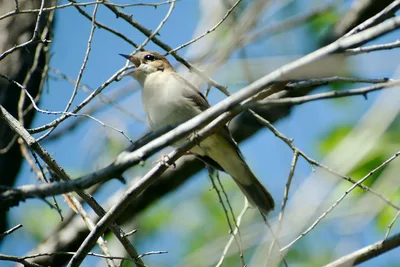 Common nightingale
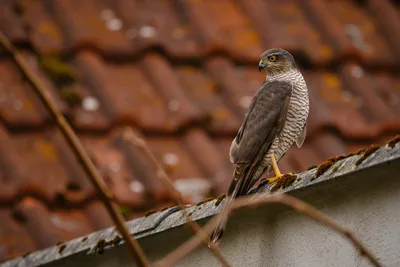 Eurasian sparrowhawk
Food web
Predators
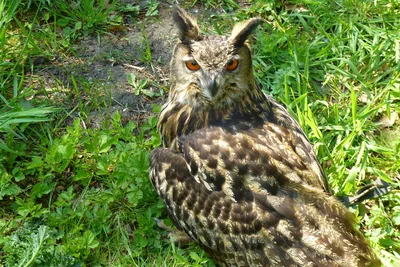 Eurasian eagle-owl
- ural owl
- northern goshawk
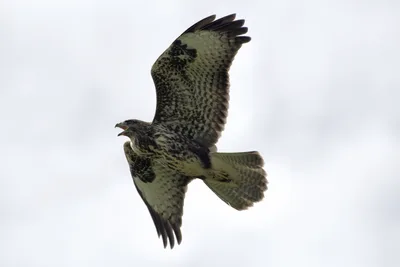 Common buzzard
 Golden eagle
 European pine marten
Ecological equivalents
Related species on this site
Barred owl (same genus), Ural owl (same genus), Burrowing owl (same family), Elf Owl (same family), Eurasian eagle-owl (same family), Great horned owl (same family), and more.
 LC
Birds
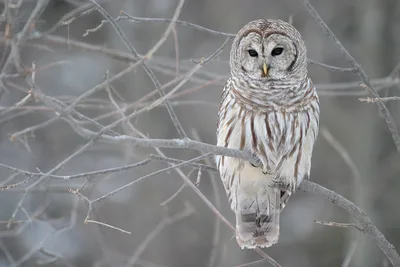
Barred owl
Strix varia
The barred owl is a large brown owl of North American woodland, with dark eyes, a round head and no ear tufts.
Living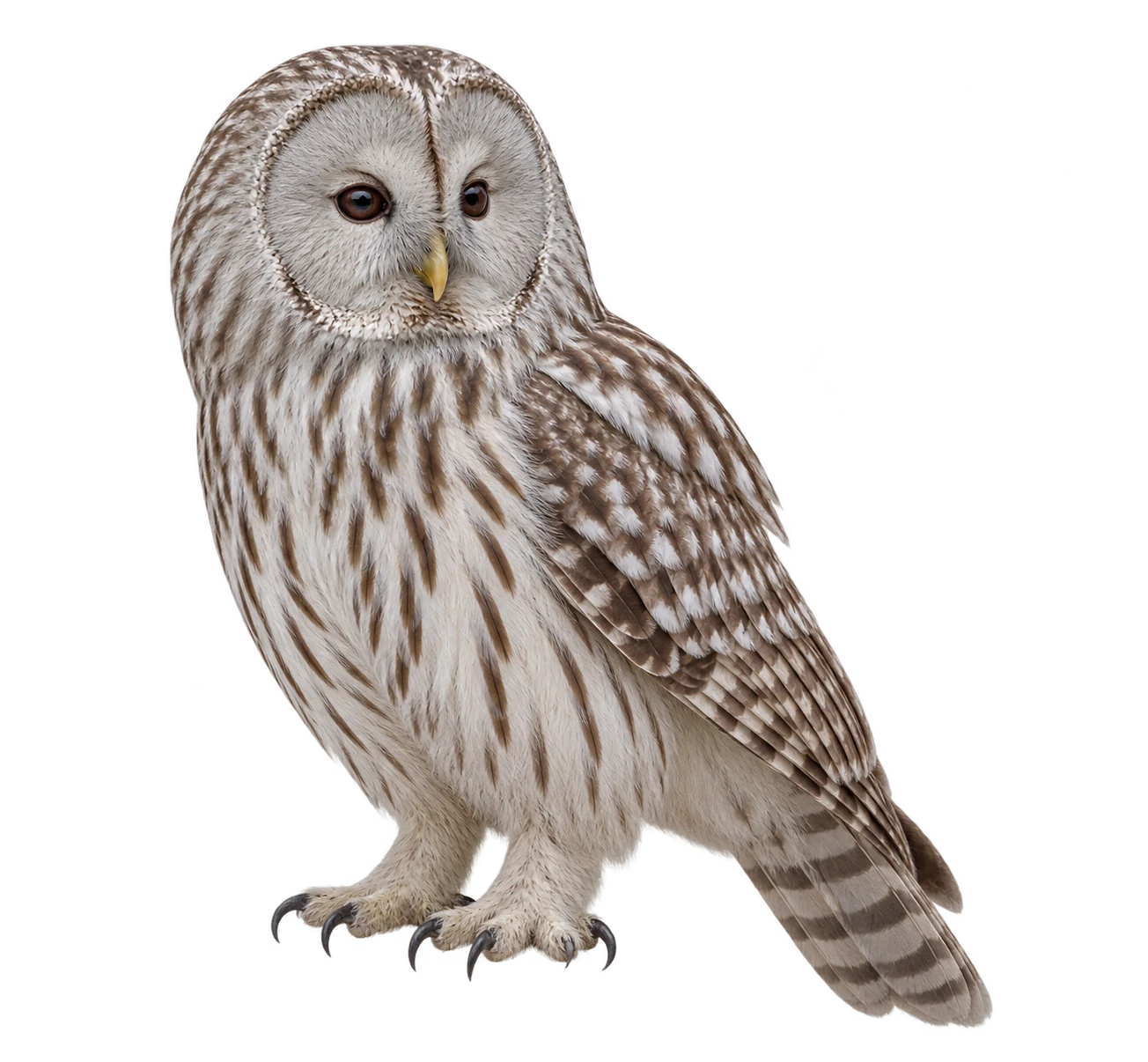
Birds
Ural owl
Strix uralensis
Classification and source reference
LivingAI illustration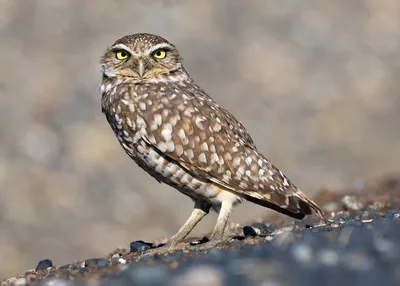 LC
Birds
Burrowing owl
Athene cunicularia
The burrowing owl is a small, long-legged owl of open country in the Americas.
Living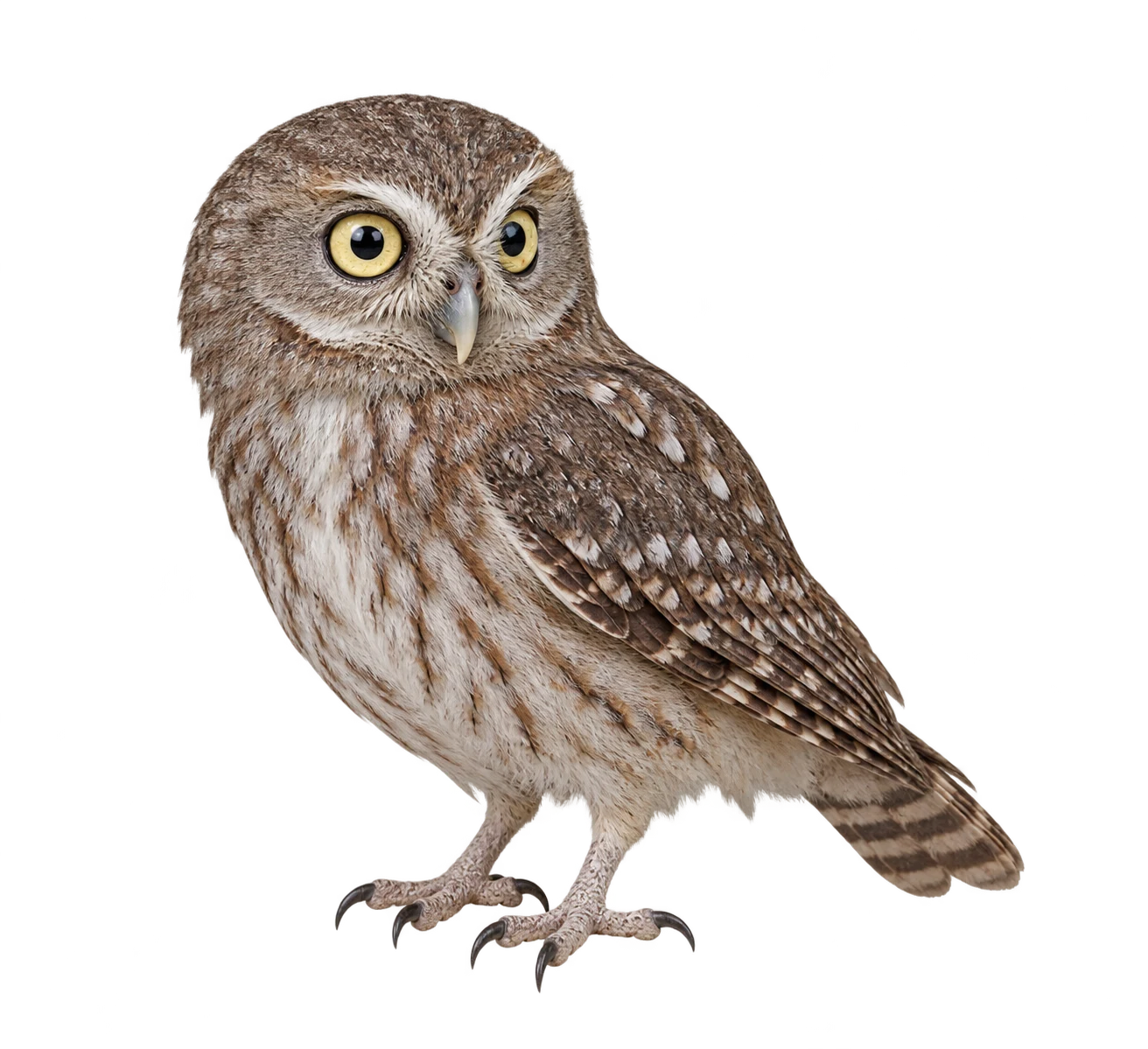
Birds
Elf Owl
Micrathene whitneyi
Classification and source reference
LivingAI illustration- LC
Birds
Eurasian eagle-owl
Bubo bubo
The Eurasian eagle-owl is one of the largest owls in the world, with orange eyes and long ear tufts.
Living 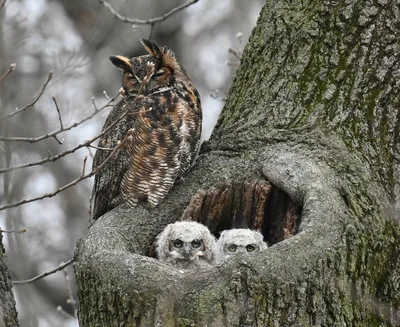 LC
Birds
Great horned owl
Bubo virginianus
The great horned owl is a heavy, ear-tufted owl of the Americas, at home from Alaska to Argentina.
Living